
Creating a beautiful and personalized home does not require a large budget or professional help. You can transform any room in your house, whether you live in a spacious home, a cozy apartment, or a rental, with smart, affordable design choices. One of the most impactful and budget-friendly ways to achieve a fresh look is by adding an accent wall. An accent wall draws the eye, defines a space, and adds significant character, all without breaking the bank. This guide empowers you to tackle this project confidently, demonstrating how to achieve stunning results for under $50.
You can infuse personality into your living space, enhance its comfort, and make it uniquely yours. We provide practical, actionable insights and realistic solutions for busy homeowners and renters like you. Get ready to discover how simple, accessible materials and a little DIY spirit can completely refresh your home environment.
Understanding Accent Walls: Why and How They Work
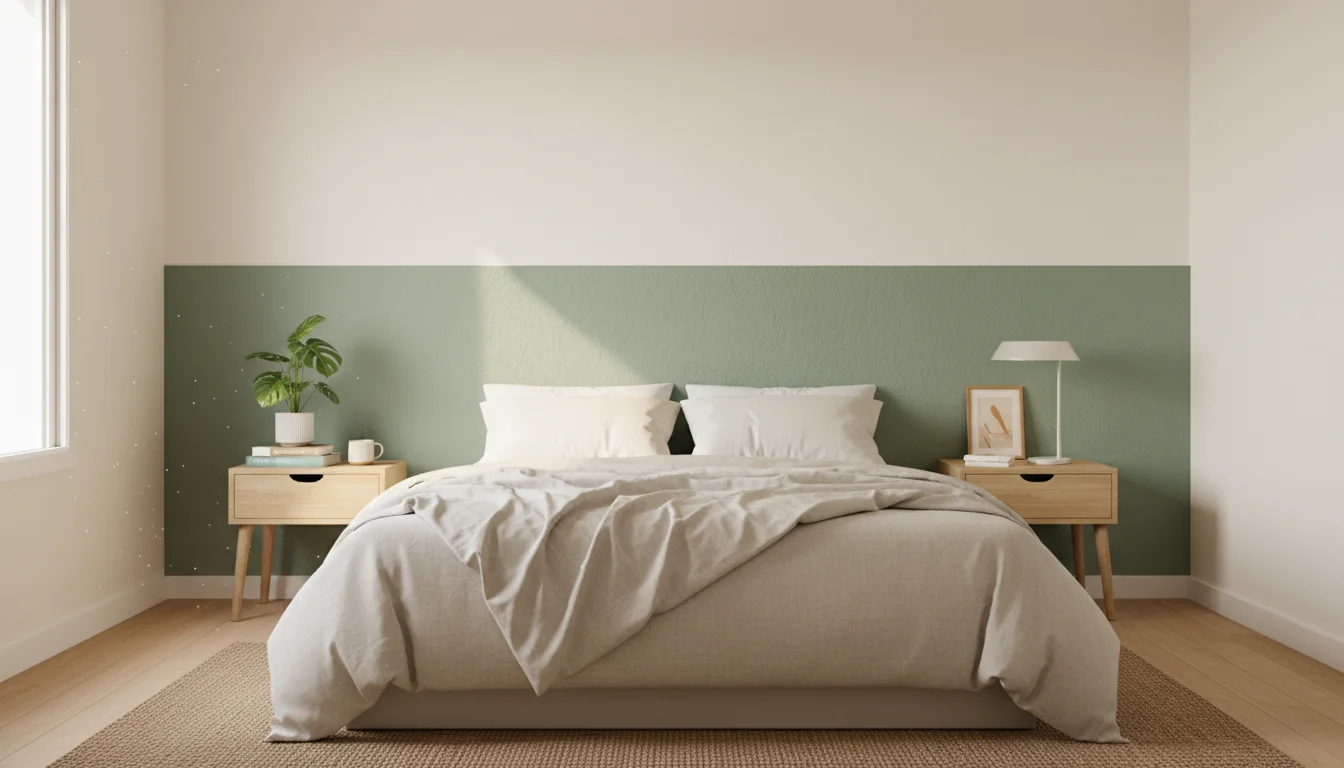
An accent wall, sometimes called a feature wall, is a single wall in a room painted or decorated differently from the others. This design choice creates a focal point, a specific area that immediately captures attention. It gives a room depth, interest, and a sense of purpose. Instead of repainting an entire room, which can feel overwhelming and costly, an accent wall offers a powerful visual impact with minimal effort and expense.
Consider the practical benefits. An accent wall can make a small room feel larger by drawing the eye to the furthest point, or it can make a large, open-concept space feel cozier by defining distinct zones. For example, a bold color behind your bed instantly creates a comfortable, defined sleeping zone in a studio apartment. In a living room, an accent wall behind your television or sofa anchors the seating area, making the space feel more intentional and less scattered. Many interior designers use accent walls to highlight architectural features, showcase artwork, or even balance a room’s proportions. According to Apartment Therapy, strategic use of color can transform how you perceive a room’s size and shape. By implementing an accent wall, you actively shape your home’s ambiance without extensive renovations.
Planning Your Budget-Friendly Accent Wall
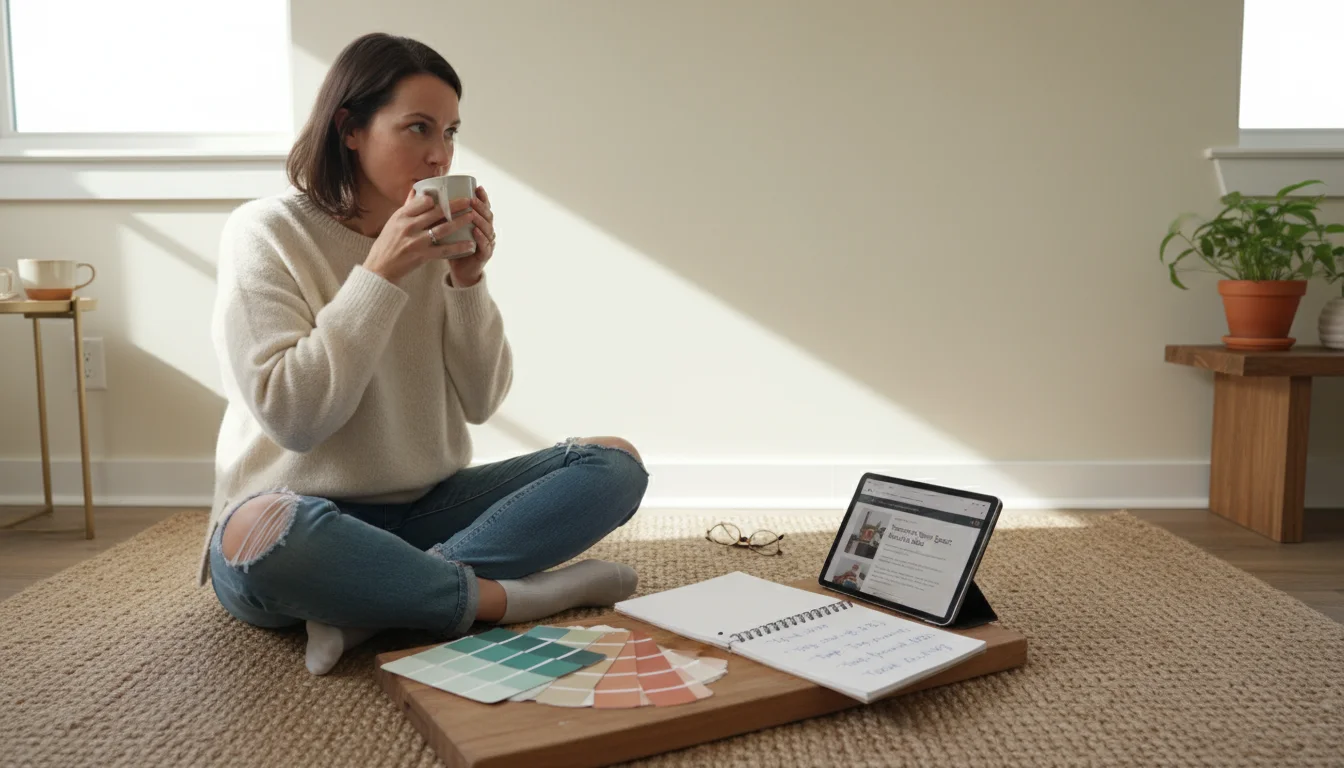
Successful accent wall projects start with careful planning. This section guides you through the crucial steps to ensure your project stays under $50 and yields impressive results.
Choose the Right Wall
Selecting the correct wall is paramount. You want to choose a wall that naturally serves as a focal point or one you want to emphasize. Consider these factors:
- First Impression: Which wall do you see first when you enter the room? This often makes an excellent candidate.
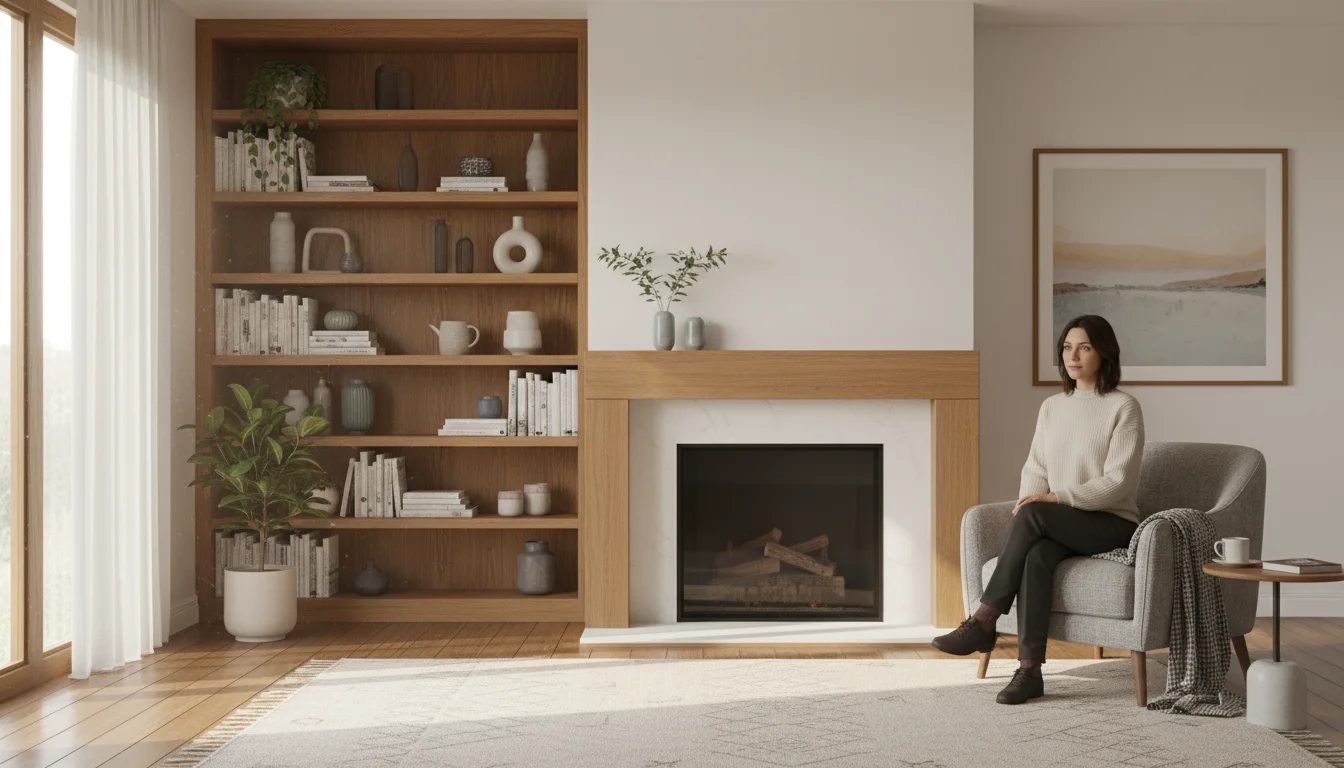
- Architectural Features: Does a wall contain a fireplace, built-in shelving, or a large window? Highlighting these elements with an accent color enhances their appeal.
- Furniture Placement: A wall behind a significant piece of furniture, such as a bed, sofa, or dining table, naturally anchors that area.
- Minimal Obstructions: Walls with fewer doors, windows, or large openings usually create a cleaner, more impactful canvas.
Set Your Budget and Gather Materials
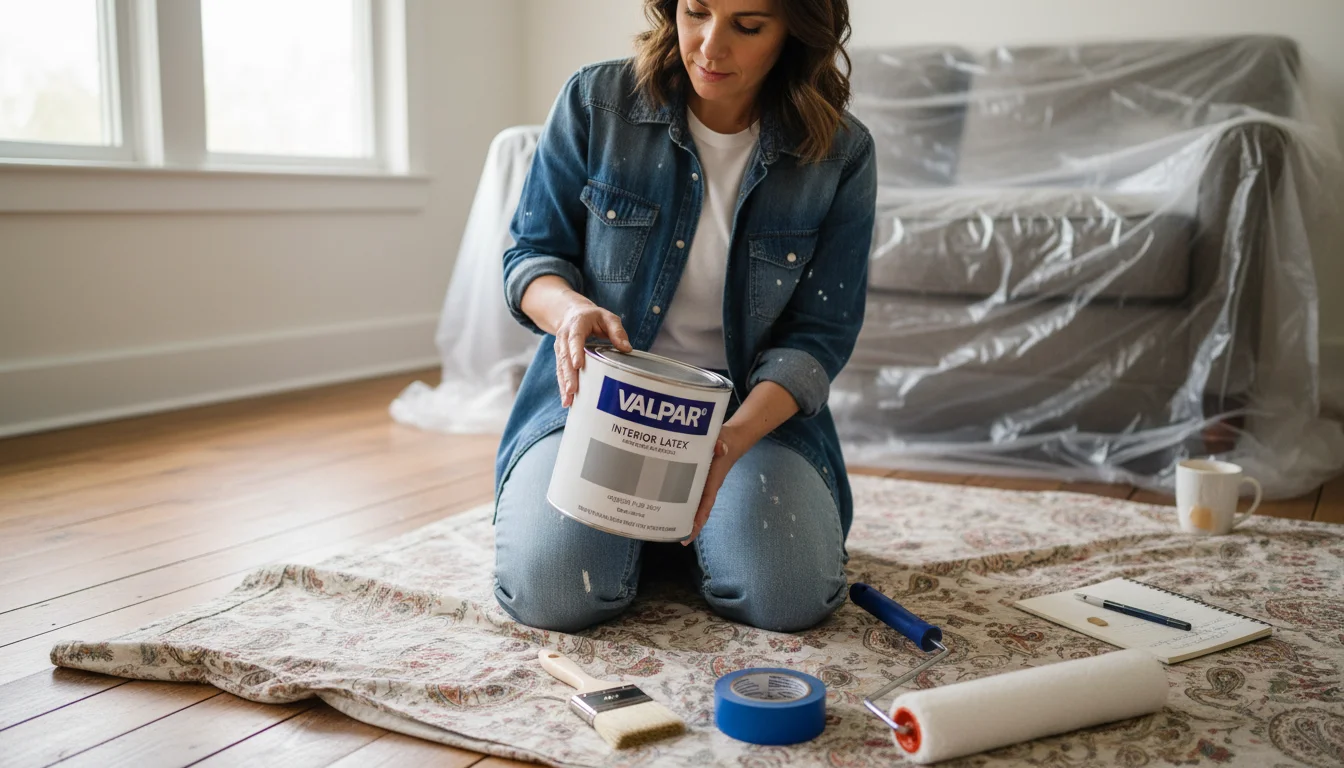
Staying under $50 requires smart shopping and resourcefulness. Your primary material for an accent wall will likely be paint, but other options exist. Here is a typical budget breakdown for a standard room:
- Paint: A single gallon of good quality interior latex paint usually costs $25-$40. This covers a significant area with two coats. Look for sales or “oops” paints at hardware stores, which are discounted colors mixed incorrectly.
- Supplies:
- Painter’s tape: $5-$10
- Paint roller kit (roller frame, roller cover, paint tray): $10-$15
- Paintbrush (for cutting in edges): $5-$10
- Drop cloth or old sheets (essential for protecting floors): Use old sheets or newspapers to save money.
- Cleaning supplies (soap, water, rags): You likely already own these.
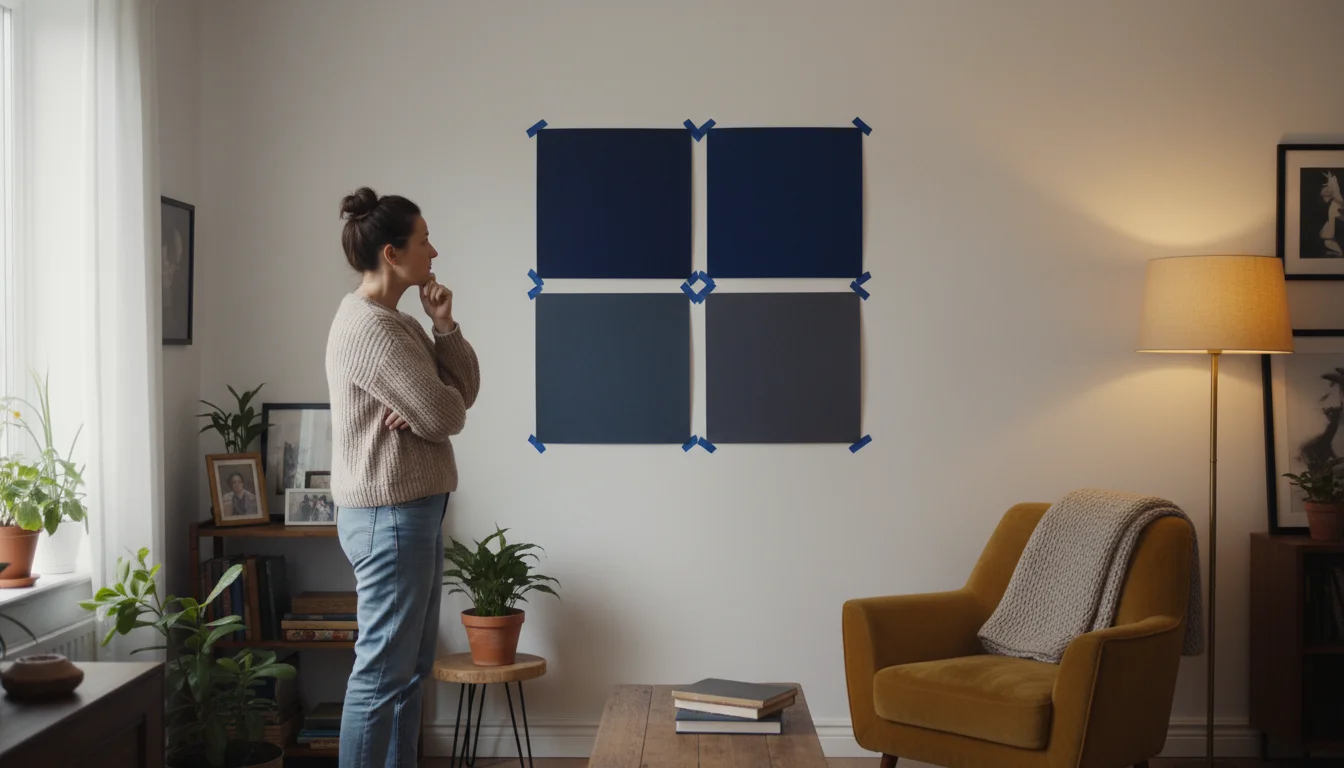
By carefully selecting your paint and utilizing existing household items for protection, you easily keep costs well within the $50 limit. Many home improvement stores offer sample-size paints for under $5, which are perfect for testing colors before committing.
Color and Design Considerations
The color or pattern you choose profoundly impacts the room’s mood. You do not need to follow strict rules, but consider these guiding principles:
- Contrast: The accent wall should stand out from the other walls, but not clash. A good rule of thumb is to choose a color two to three shades darker or lighter than your existing wall color, or pick a complementary color from your decor.
- Mood:
- Bold colors (deep blues, forest greens): Create a dramatic, sophisticated, or cozy feel.
- Bright colors (yellow, coral): Add energy and playfulness.
- Neutrals (charcoal, deep beige): Provide subtle depth and elegance.
- Lighting: Observe how natural and artificial light hits the chosen wall throughout the day. A color might look different in morning light versus evening.
Top 5 Accent Wall Ideas Under $50
You have numerous ways to create an accent wall without exceeding your budget. These ideas offer diverse looks for various rooms, all achievable with minimal investment.
- Bold Paint Color: This remains the most popular and straightforward option. Select a rich, deep hue or a vibrant shade that complements your existing decor. A dark navy blue in a bedroom promotes calm, while a bright teal in a dining area adds a refreshing pop. This approach offers significant impact for the cost of one gallon of paint and basic supplies.
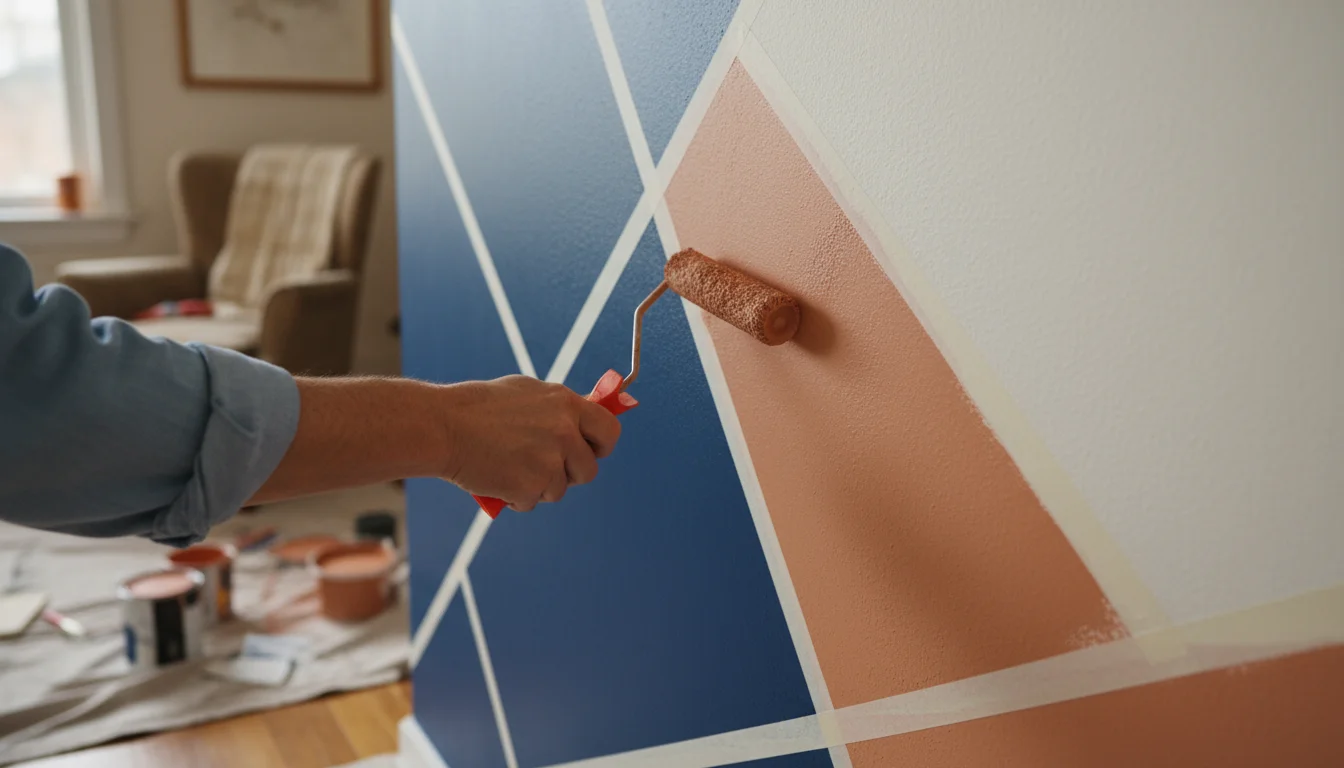
- Stripes or Geometric Patterns: Use painter’s tape to create horizontal, vertical, or geometric patterns with your chosen accent color. You paint over the base wall color, then apply the accent color within the taped-off sections. This technique adds visual texture and modern flair. For example, wide horizontal stripes can make a room feel wider, while vertical stripes can make ceilings appear higher.
- Stenciled Designs: Stencils offer intricate patterns without the complexity of freehand painting. You can find large wall stencils online or at craft stores for $15-$30. Use a small amount of contrasting paint, a stencil brush, or a roller to apply your design. Popular choices include floral patterns, Moroccan tiles, or simple polka dots. This provides a wallpaper-like effect at a fraction of the cost.
- Fabric Panel Wall: For a soft, textural look, consider attaching fabric panels. Purchase a few yards of an interesting textile, such as burlap, linen, or a patterned cotton, from a discount fabric store. Prices often run $5-$15 per yard. You can staple the fabric directly to the wall (if you are a homeowner) or use liquid starch for a removable option (great for renters). This creates a unique, inviting atmosphere, especially suitable for bedrooms or nurseries.
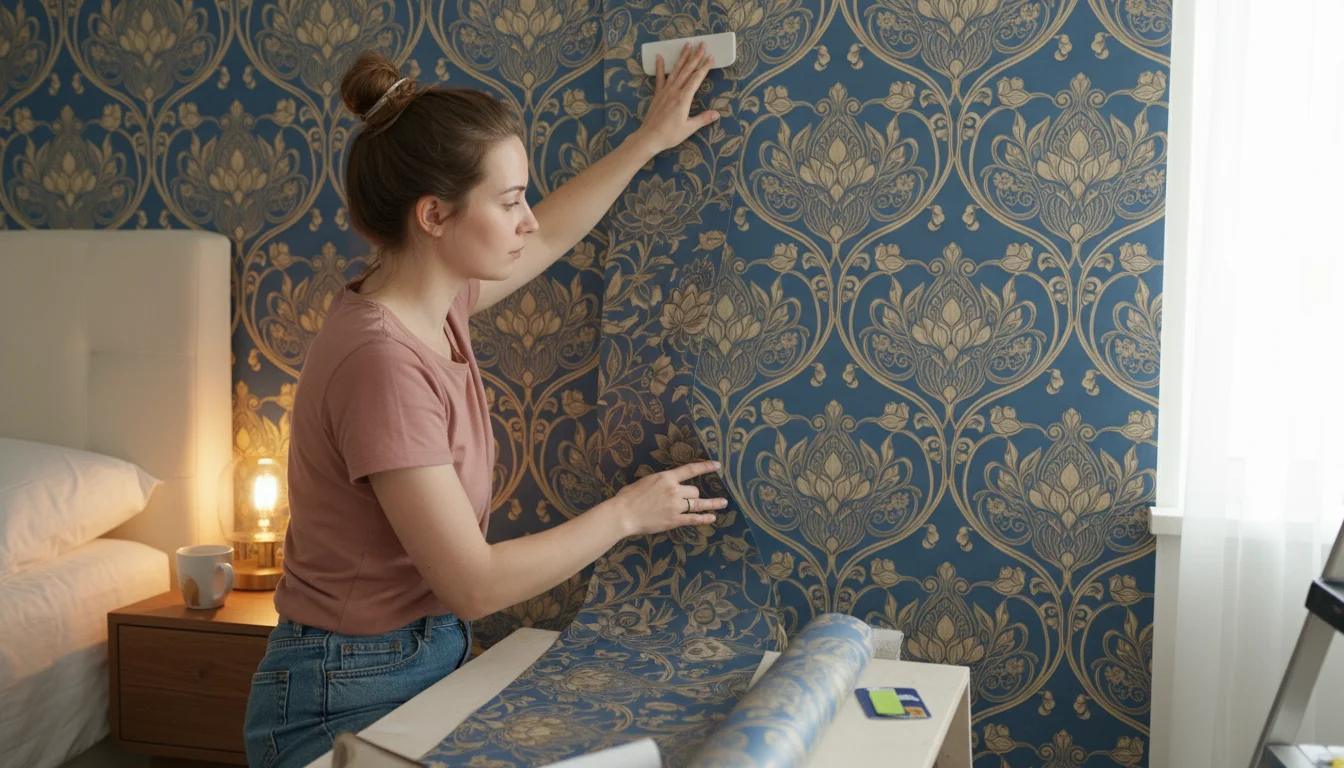
- Removable Wallpaper or Decals (Budget-Friendly Rolls): While full rolls of high-quality removable wallpaper can exceed $50, many retailers offer single rolls or large decals designed for accent walls that fit the budget. Look for options under $30. These provide instant pattern and are perfect for renters since they peel off without damaging walls. A single roll with a striking botanical print or a geometric design can make a big statement.
Step-by-Step Guide to a Painted Accent Wall
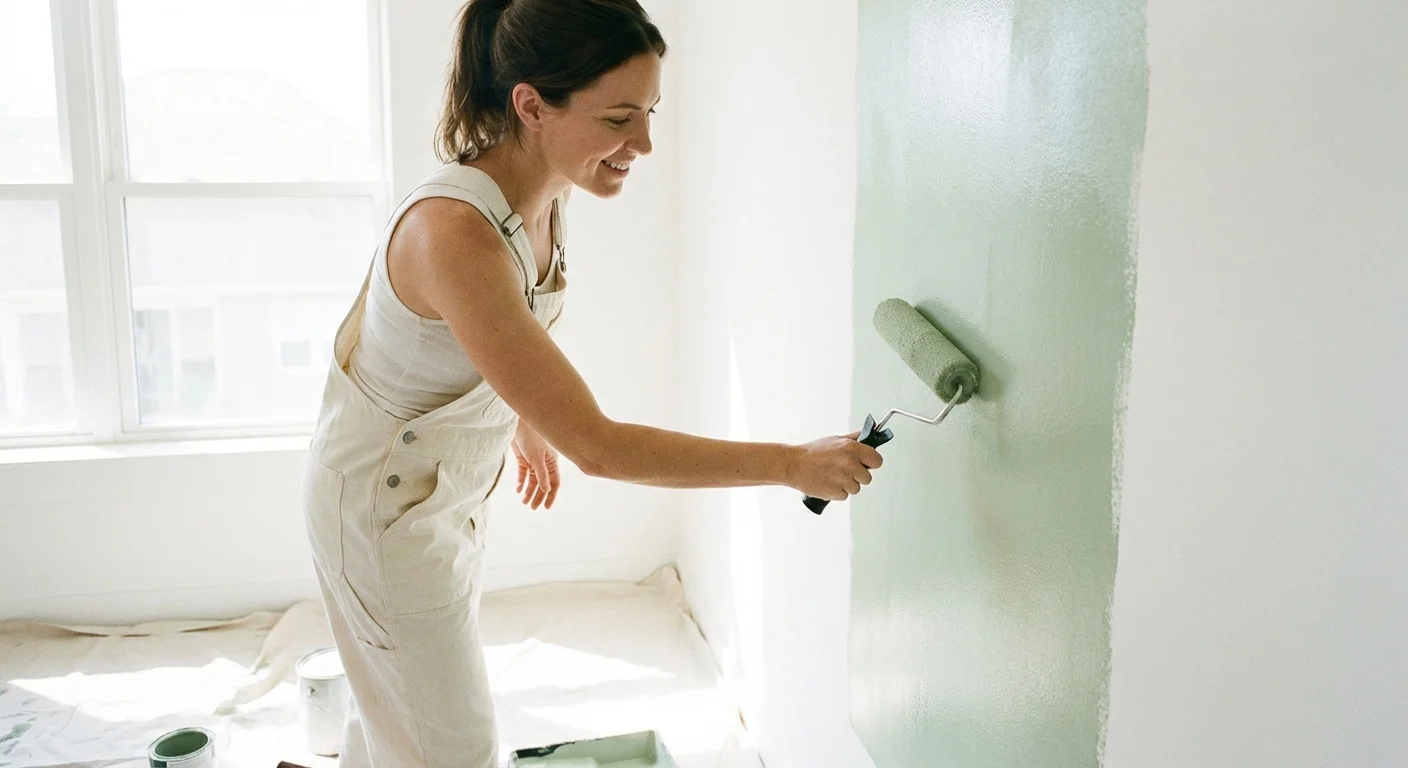
Painting an accent wall is a rewarding DIY project. Follow these steps for a smooth process and professional finish.
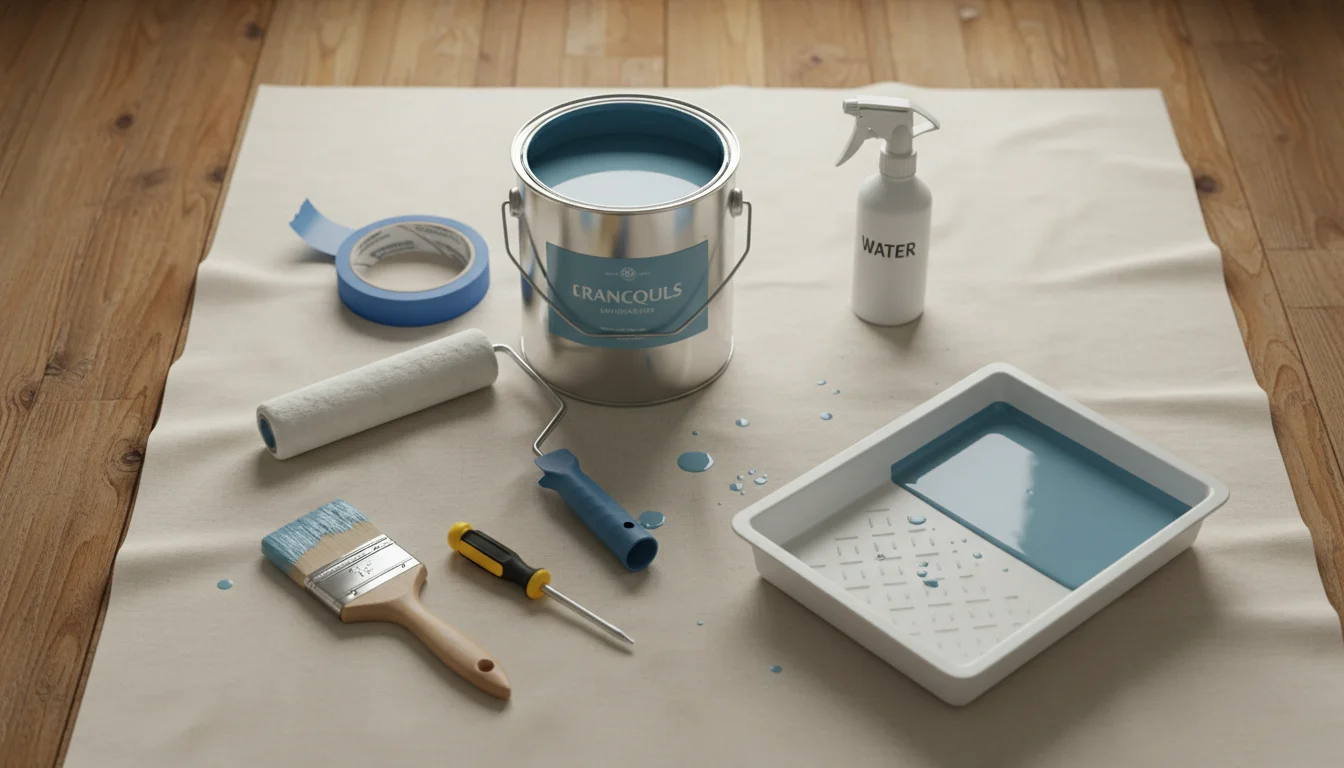
Materials You Need:
- Chosen paint color (1 gallon typically suffices for a single accent wall)
- Painter’s tape (blue painter’s tape works best for crisp lines)
- Drop cloths or old sheets
- Paint roller frame and two roller covers (e.g., ⅜ inch nap for smooth walls)
- Paint tray
- Angled paintbrush (1.5-2 inches)
- Screwdriver (for removing outlet covers)
- Sponge, mild cleaner, and water (for wall prep)

Preparation is Key:
- Clear the Area: Move all furniture away from the wall you plan to paint. Cover any remaining furniture with drop cloths. Spread drop cloths on the floor directly beneath the wall.
- Clean the Wall: Dust and grime prevent paint from adhering properly. Use a damp sponge with a mild all-purpose cleaner to wash the wall thoroughly. Rinse with clean water and allow the wall to dry completely, which usually takes a few hours. According to Bob Vila, proper wall preparation, including cleaning and patching, is fundamental for a durable paint job.
- Remove Obstacles: Take off any picture frames, wall art, and switch plates or outlet covers. You can loosen light fixtures if necessary, but ensure the power is off at the circuit breaker first.
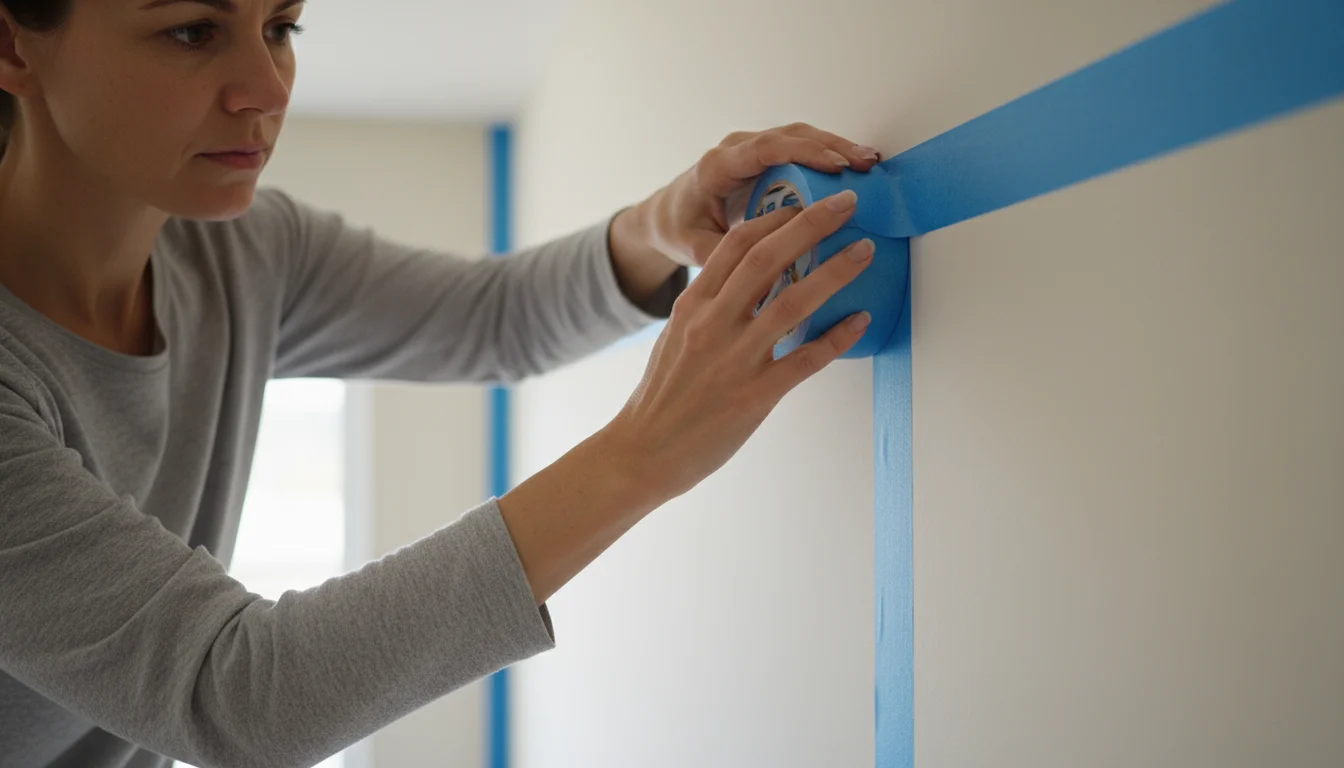
- Tape Off Edges: Apply painter’s tape along the edges where the accent wall meets the adjacent walls, ceiling, and baseboards. Press the tape firmly to create a tight seal, preventing paint from bleeding underneath.
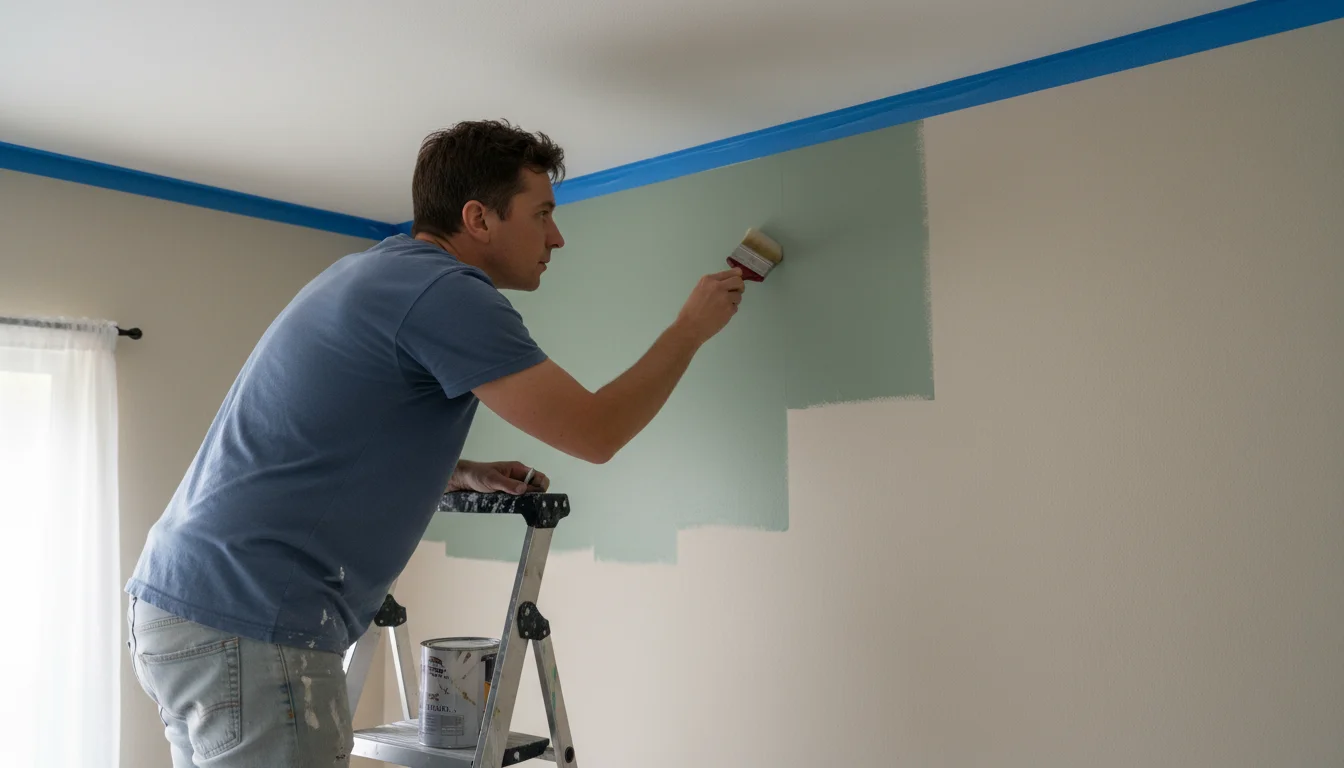
Painting Process:
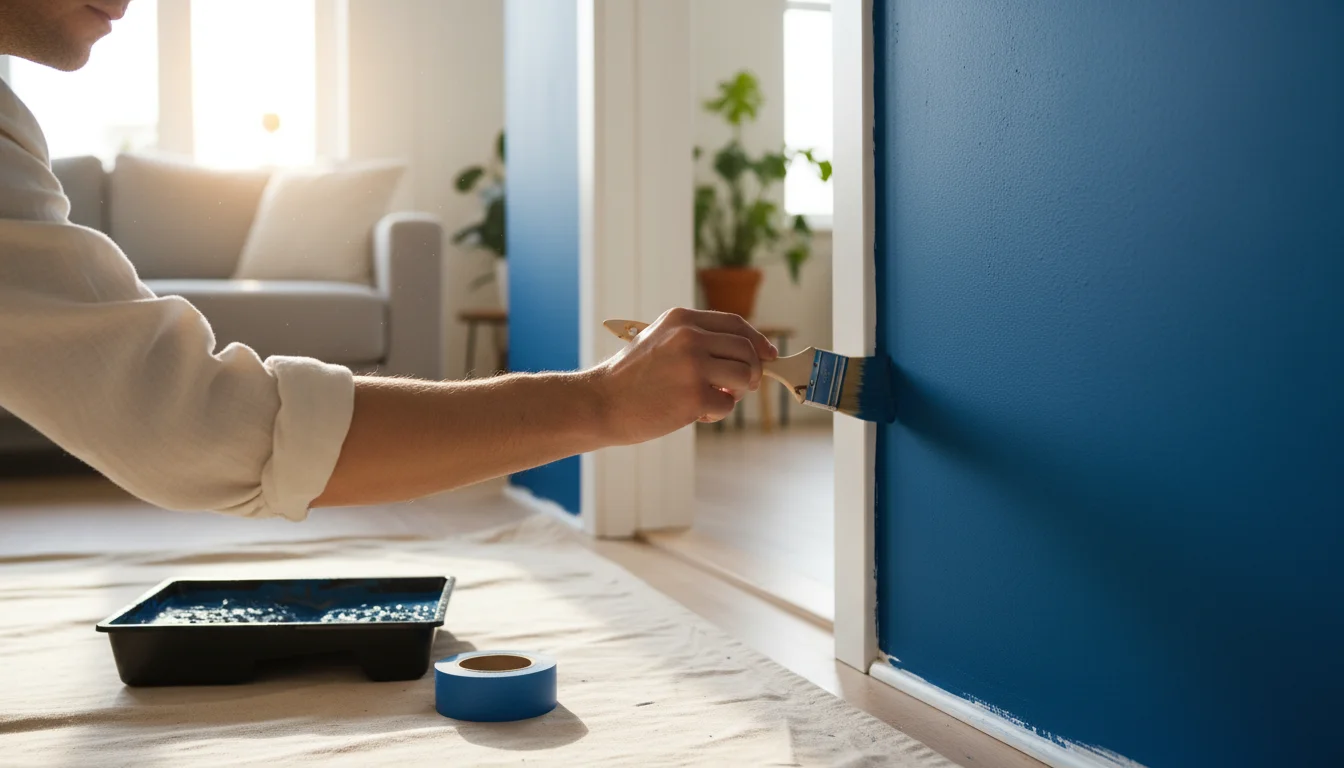
- Cut In Edges: Pour a small amount of paint into your paint tray. Use the angled paintbrush to “cut in” along the taped edges, ceiling line, baseboards, and around any windows or door frames. Paint a strip about 2-3 inches wide.
- Roll the Wall: Load your roller with paint, ensuring even coverage. Roll the wall in “W” or “M” patterns, working from top to bottom. Overlap each stroke slightly to prevent roller marks. Maintain a wet edge, meaning you always work into paint that is still wet, to ensure a seamless finish.
- Apply Second Coat: Allow the first coat to dry completely, typically 2-4 hours, according to the paint manufacturer’s instructions. Apply a second coat using the same cut-in and rolling technique.
- Remove Tape: This step is critical for crisp lines. While the second coat is still slightly wet (but not dripping), carefully pull the painter’s tape away at a 45-degree angle. If the paint dries completely, the tape might pull off dried paint, creating jagged edges. If you encounter any small bleeds, use a small artist’s brush and your existing wall color to touch them up.
Beyond Paint: Creative, Cost-Effective Alternatives
While paint offers incredible versatility, you have other compelling options for creating a stunning accent wall, all while keeping your budget in mind.
Stenciling for Intricate Patterns
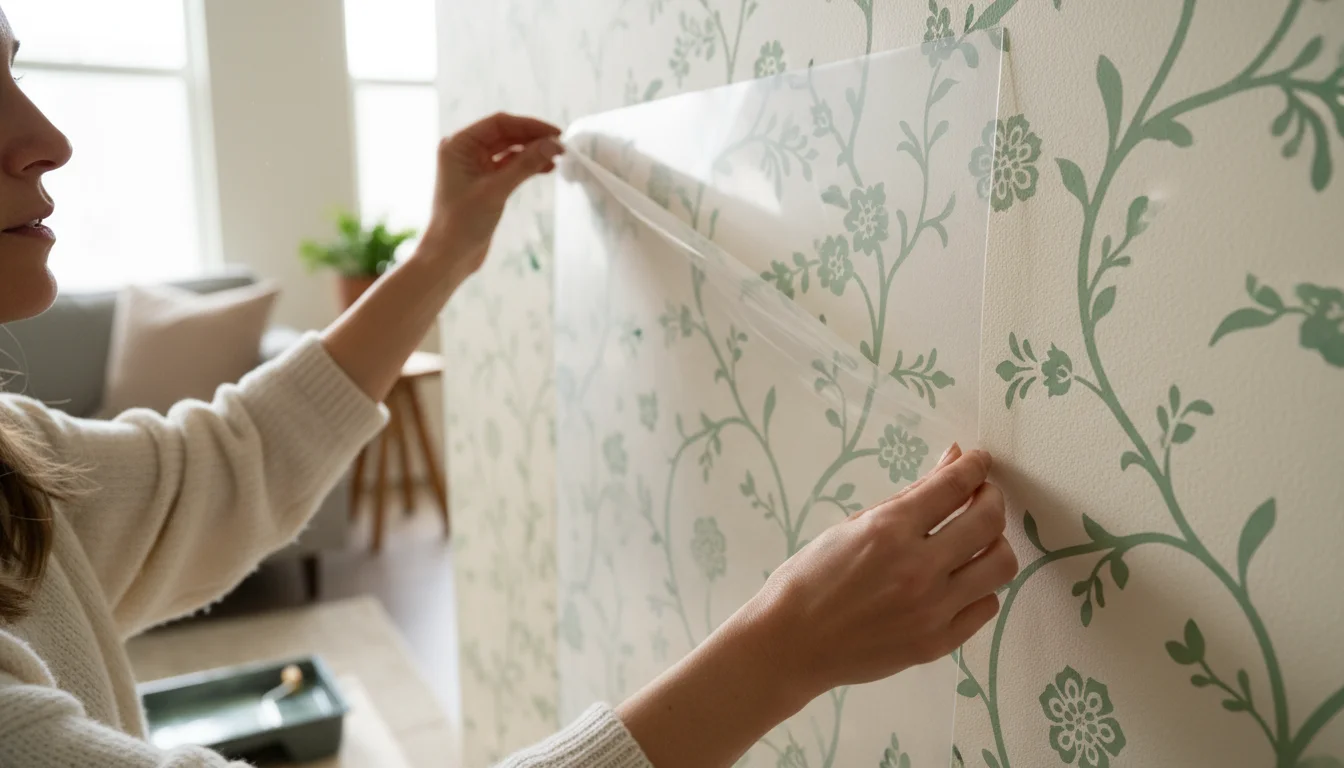
Stenciling provides a designer look without the need for wallpaper. You can purchase large stencils at craft stores or online for around $15 to $30. Choose a simple geometric pattern, a classic damask, or a modern botanical design. You need a small container of accent paint, a stencil brush or a small foam roller, and painter’s tape. Secure the stencil to the wall with tape, apply a thin layer of paint, and then carefully remove the stencil. Repeat this process, aligning the stencil carefully for a continuous pattern. This method creates a highly customized look for a low cost.
Fabric Wall Hangings and Panels
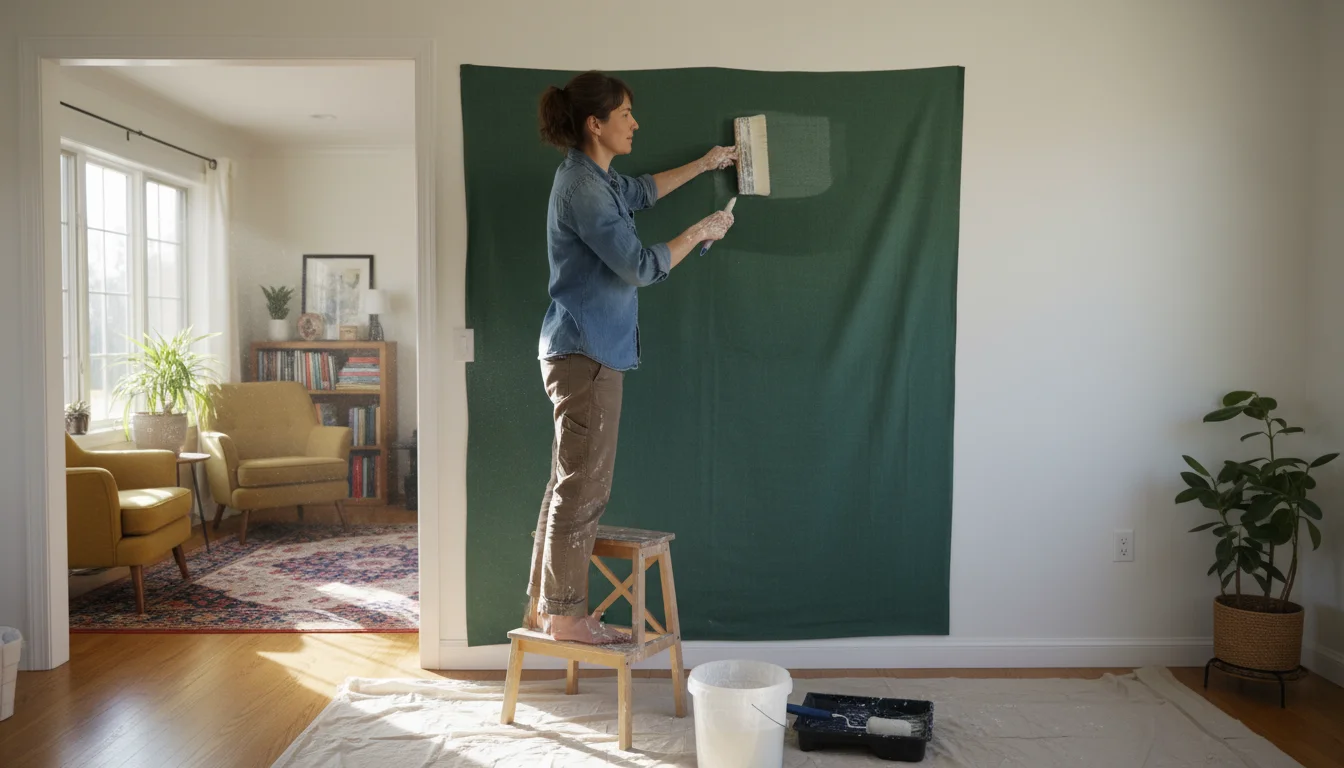
For a softer, textured accent, consider using fabric. You can find beautiful remnants or discounted fabrics at textile stores for $5-$15 per yard. Choose a bold pattern, a rich texture like velvet, or a natural material like linen. You can hang large fabric panels using a curtain rod and clips for a temporary, art-like display. For a more permanent but still removable option, apply fabric to the wall using liquid starch. Mix liquid starch with water, paint it onto the wall, press the fabric into place, and then apply another layer of starch over the fabric. This method works well for renters, as the fabric peels off easily without damaging the paint underneath. The Spruce often highlights creative, temporary decor solutions, emphasizing how textiles add warmth and dimension to a space without commitment.
Gallery Wall with Budget Art
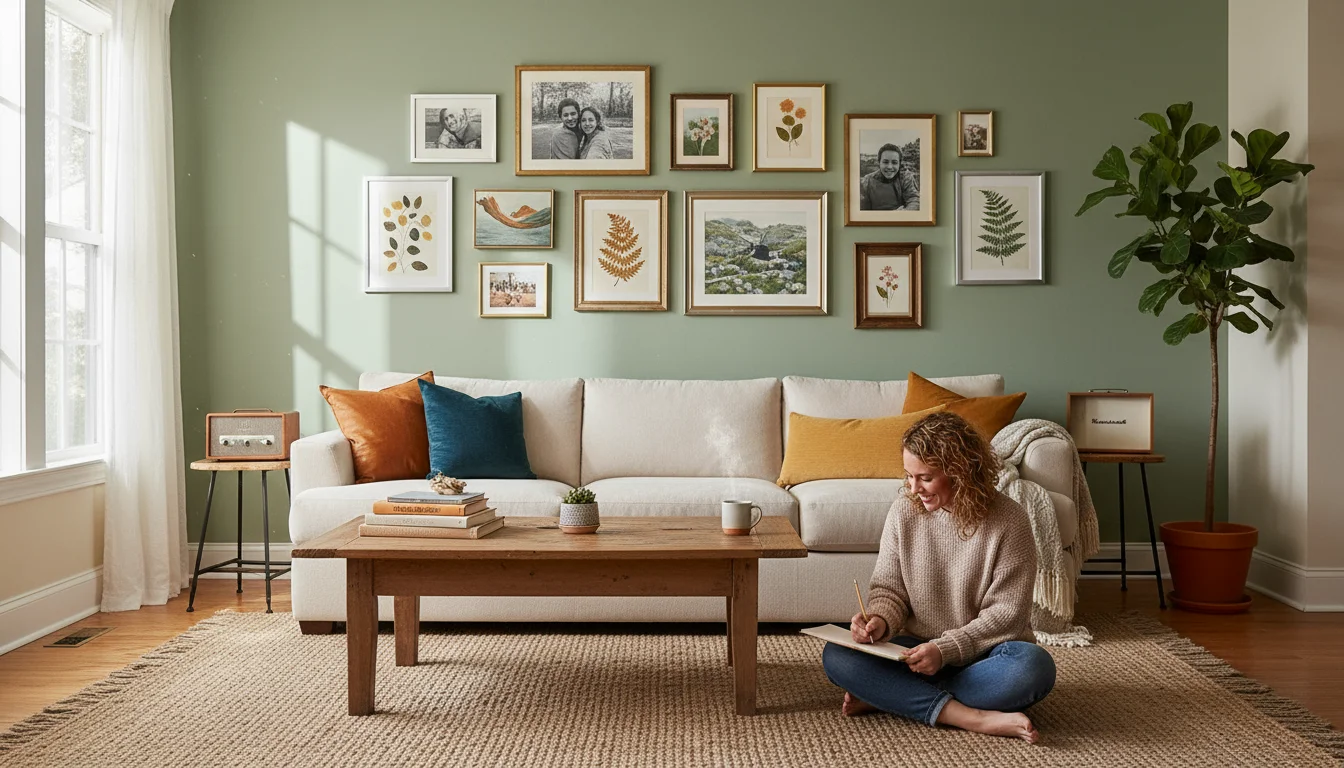
Sometimes, the accent is not about the wall’s surface, but what you place on it. Create a stunning gallery wall by curating budget-friendly art, photos, or even framed textiles. Look for affordable frames at thrift stores, discount retailers, or during sales. Print your own photos, find free printable art online, or create simple DIY abstract paintings on canvas boards. Arrange these pieces artfully on one wall to create a dynamic visual statement. The cost primarily involves frames, prints, and hanging hardware, easily keeping you under $50.
Avoiding Common Mistakes for a Flawless Finish
Even simple DIY projects have potential pitfalls. Knowing what to avoid ensures your accent wall looks professionally done and enhances your home.
- Skipping Wall Preparation: Neglecting to clean and dry your wall before painting leads to poor paint adhesion, resulting in peeling or uneven finishes. Always ensure your surface is clean and smooth.
- Using Too Little Painter’s Tape: Skimping on tape or not pressing it down firmly causes paint to bleed underneath, creating fuzzy lines. Invest in good quality painter’s tape and take your time applying it.
- Rushing the Drying Time: Applying a second coat of paint before the first coat dries completely causes streaks, uneven color, and adhesion issues. Always follow the paint manufacturer’s recommended drying times.
- Forgetting to Remove Tape While Wet: Waiting for paint to fully dry before removing painter’s tape risks peeling off flakes of dried paint, ruining your crisp line. Remove the tape when the paint is still slightly tacky.
- Choosing the Wrong Wall: Selecting a wall with too many doors, windows, or architectural features can make an accent wall feel cluttered rather than impactful. Choose a clean, prominent wall.
- Ignoring Room Flow: An accent wall should complement, not overpower, the rest of the room. Ensure your chosen color or pattern harmonizes with your existing decor and furniture.
- Poor Paint Quality: Opting for the cheapest paint available often means needing more coats, resulting in a splotchy finish. A slightly higher quality paint provides better coverage and a more durable finish in fewer coats, saving you time and frustration. Look for paints with “paint and primer in one” for optimal results.
Making Your Accent Wall Shine with Decor
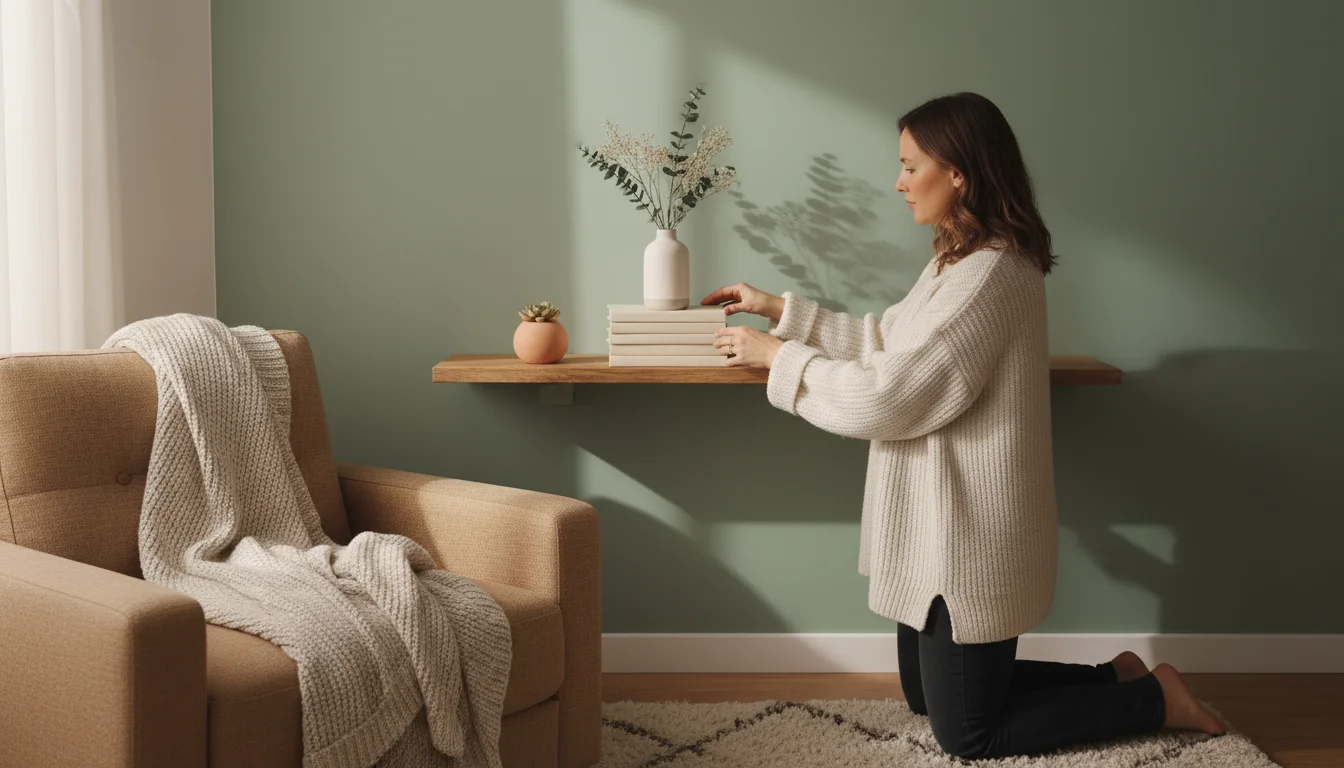
Once your accent wall is complete, consider how you will furnish and decorate around it. The accent wall acts as a backdrop, providing an opportunity to enhance your overall room design.
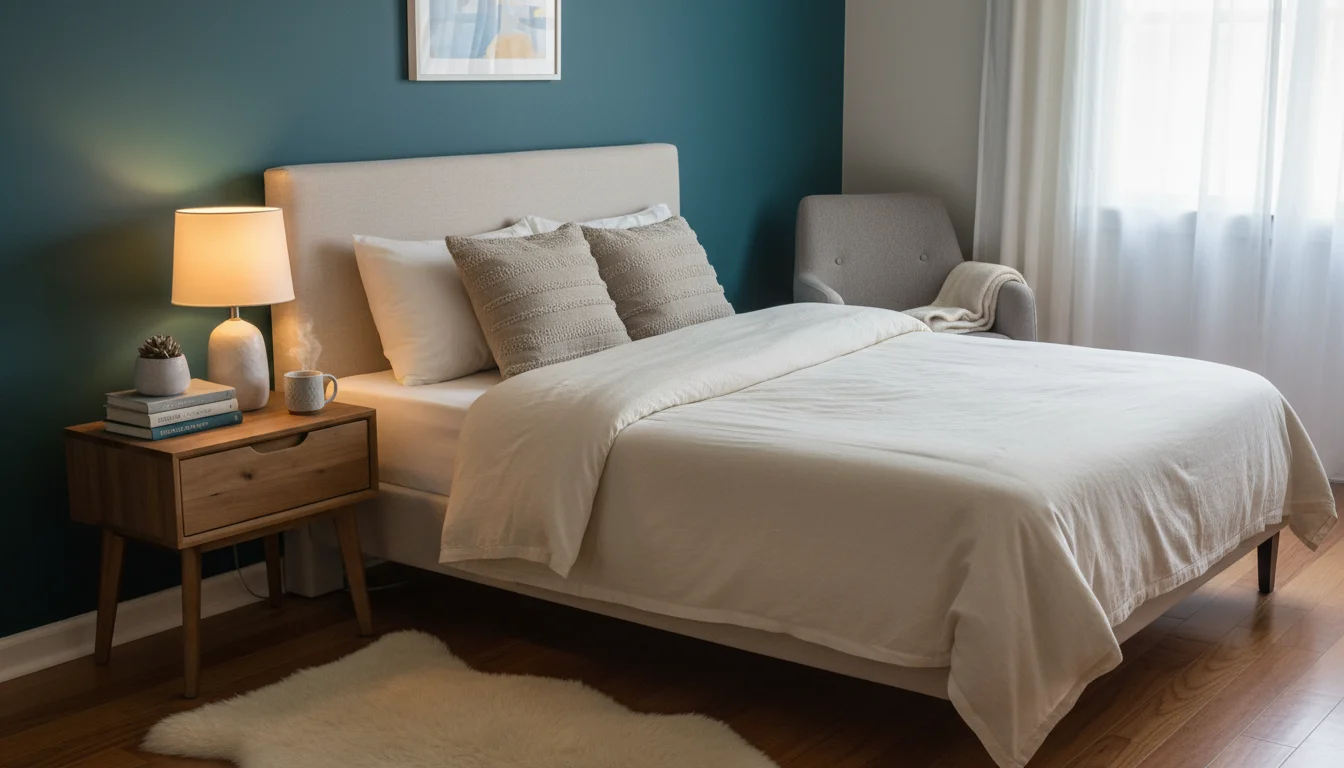
Strategic Furniture Placement
Place key furniture pieces against or near your accent wall. A bed headboard against a richly colored wall immediately defines the sleeping area. A console table with a few well-chosen decorative items looks purposeful when positioned against a patterned accent wall. This draws attention to both the wall and your furnishings, creating a cohesive look.
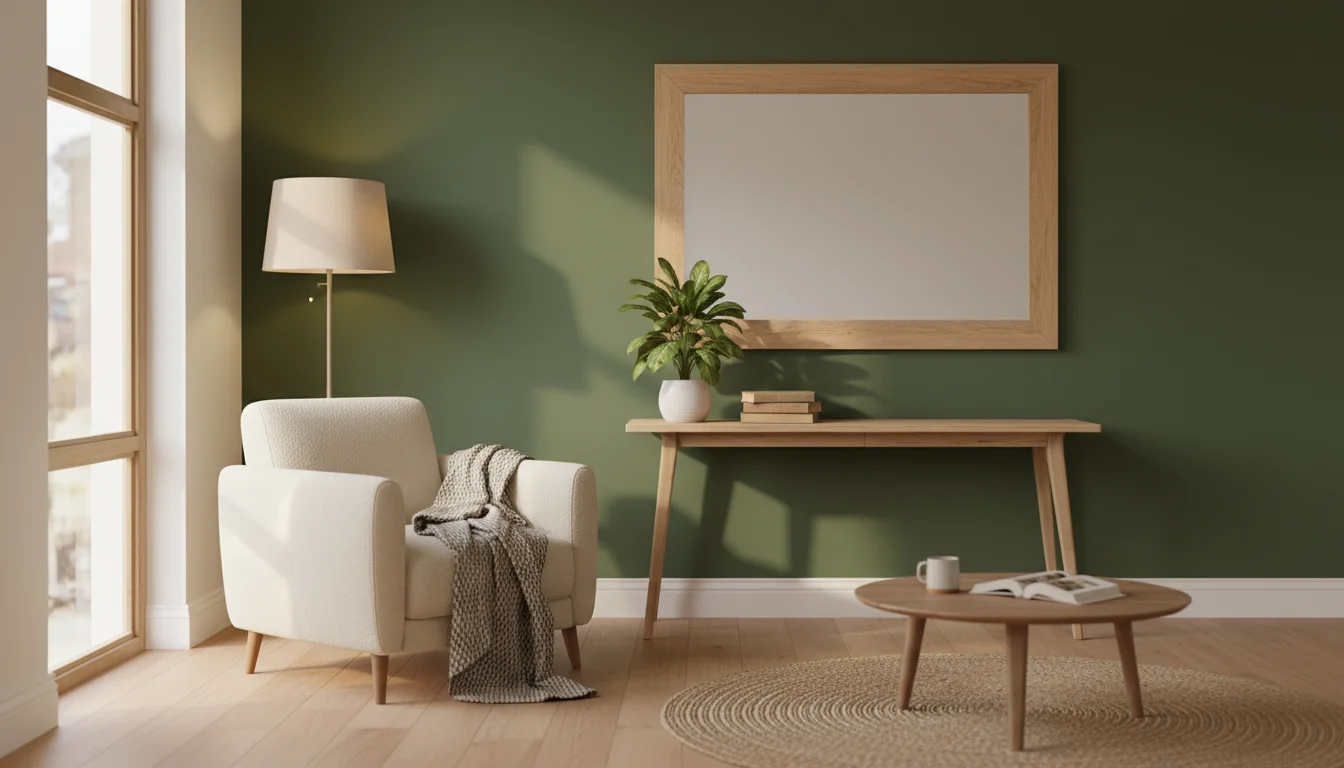
Art and Mirror Choices
You can hang art or a mirror on your accent wall. If the wall features a bold color, choose art with a simple frame or neutral tones to avoid overwhelming the space. A large mirror can reflect light and make the room feel bigger, especially when placed on a dark accent wall. Alternatively, if your accent wall has a subtle pattern, a vibrant piece of art can provide an exciting contrast. Remember that the wall itself serves as a piece of art, so you may need fewer decorative items than on a plain wall.
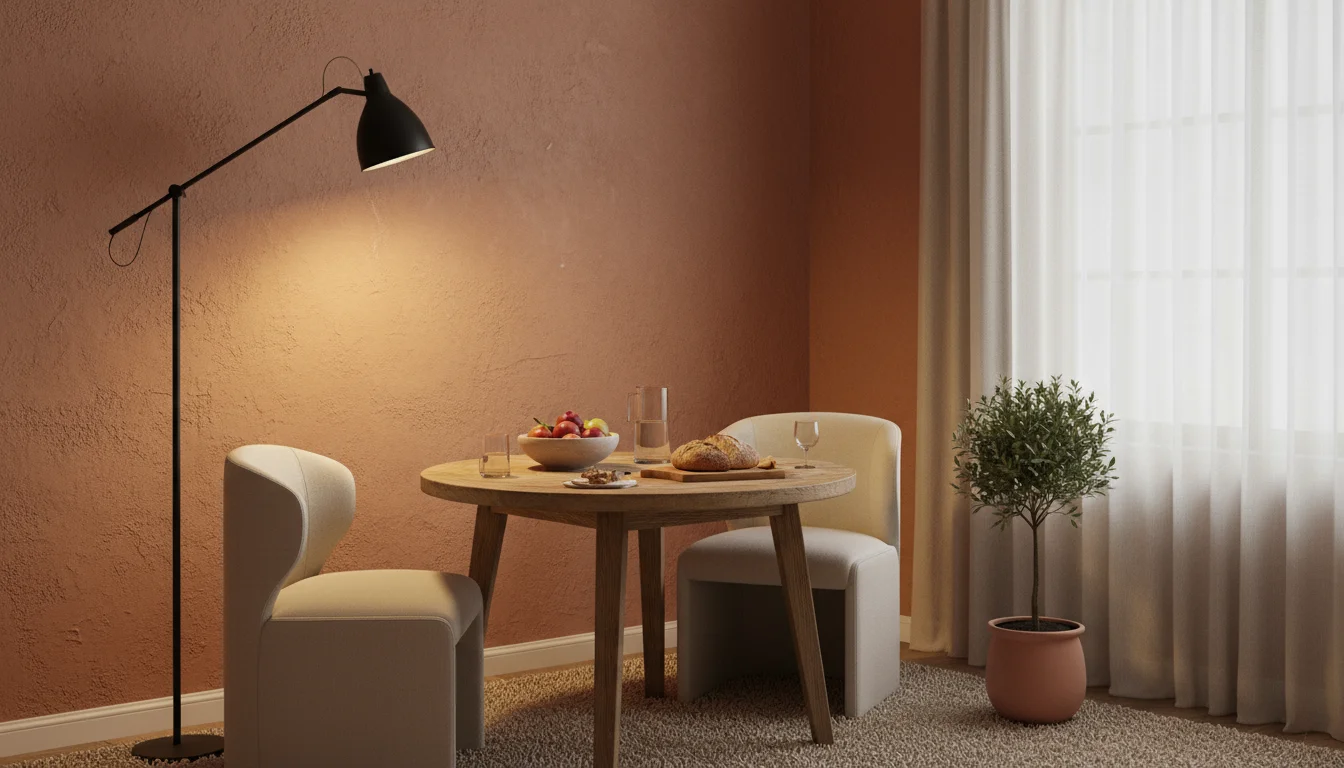
Lighting
Thoughtful lighting enhances the effect of your accent wall. Wall sconces or picture lights can illuminate texture or a subtle pattern. Floor lamps or table lamps positioned nearby cast a warm glow, drawing the eye towards the accent area. Lighting can dramatically change how a color appears, so experiment with different light sources to find the perfect ambiance.
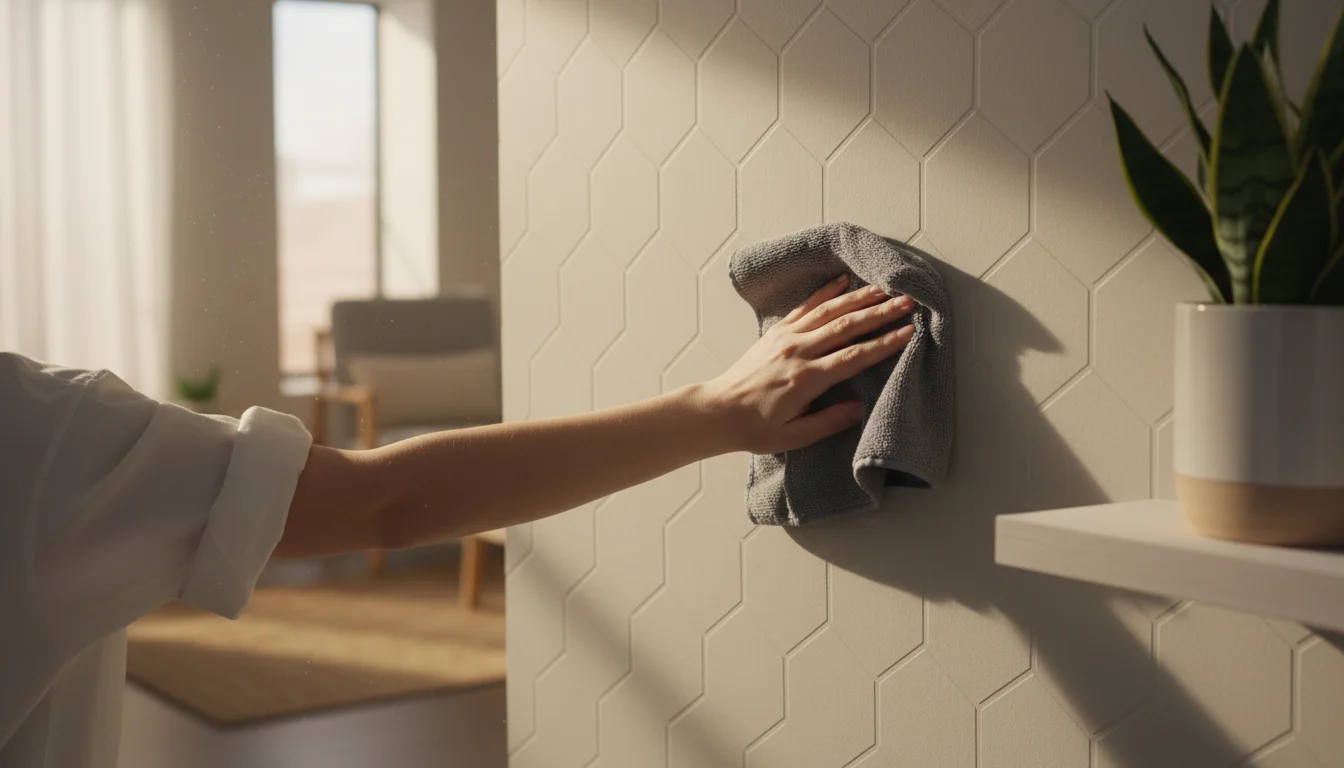
Maintaining Your Accent Wall
You put effort into creating your beautiful accent wall, so keeping it pristine ensures its longevity and continued appeal. Proper maintenance is simple and extends the life of your chosen design.
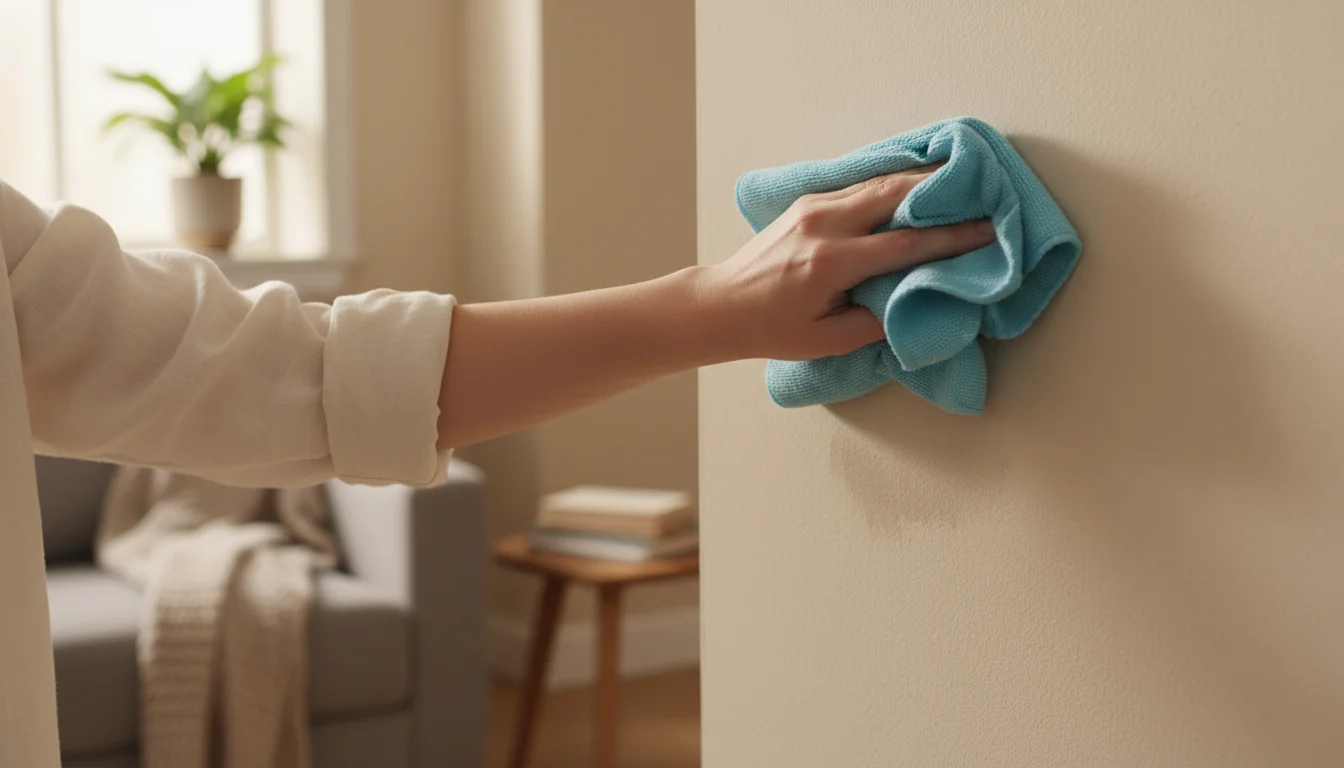
Cleaning Painted Walls
Dust naturally accumulates on walls. Use a soft, dry cloth or a duster with an extendable handle to gently remove dust every few weeks. For minor scuffs or marks, lightly dampen a clean sponge or microfiber cloth with plain water. For tougher spots, add a very small amount of mild, diluted dish soap. Gently wipe the affected area, then immediately wipe again with a clean, damp cloth to remove any soap residue. Harsh scrubbing can damage the paint finish, so always use a light hand. According to Good Housekeeping, using gentle cleaning methods preserves the integrity of your wall treatments, ensuring they remain vibrant.
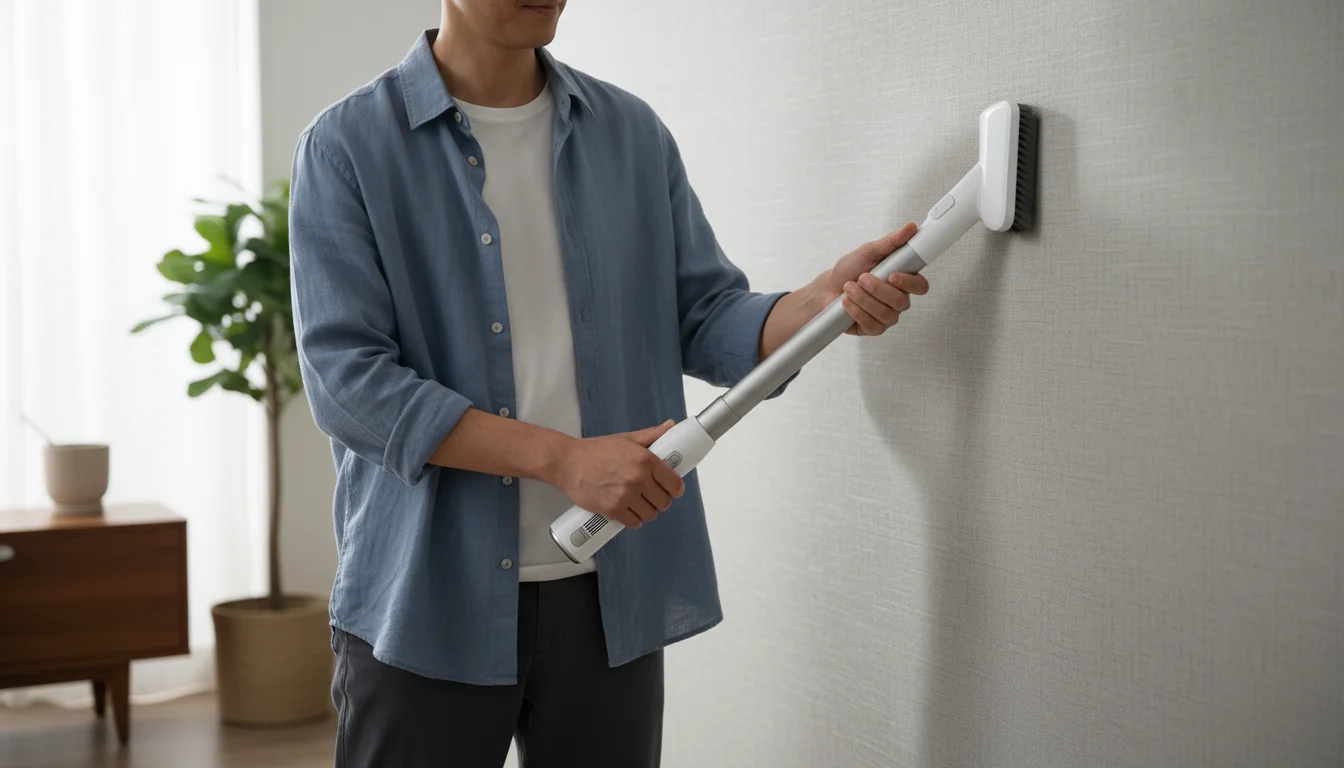
Caring for Fabric or Stenciled Walls
For fabric accent walls, gentle vacuuming with a brush attachment can remove dust. Address any spills immediately by blotting with a clean, dry cloth. For stencil designs, follow the same cleaning guidelines as for painted walls, being careful not to rub aggressively, which could wear away the stencil paint.
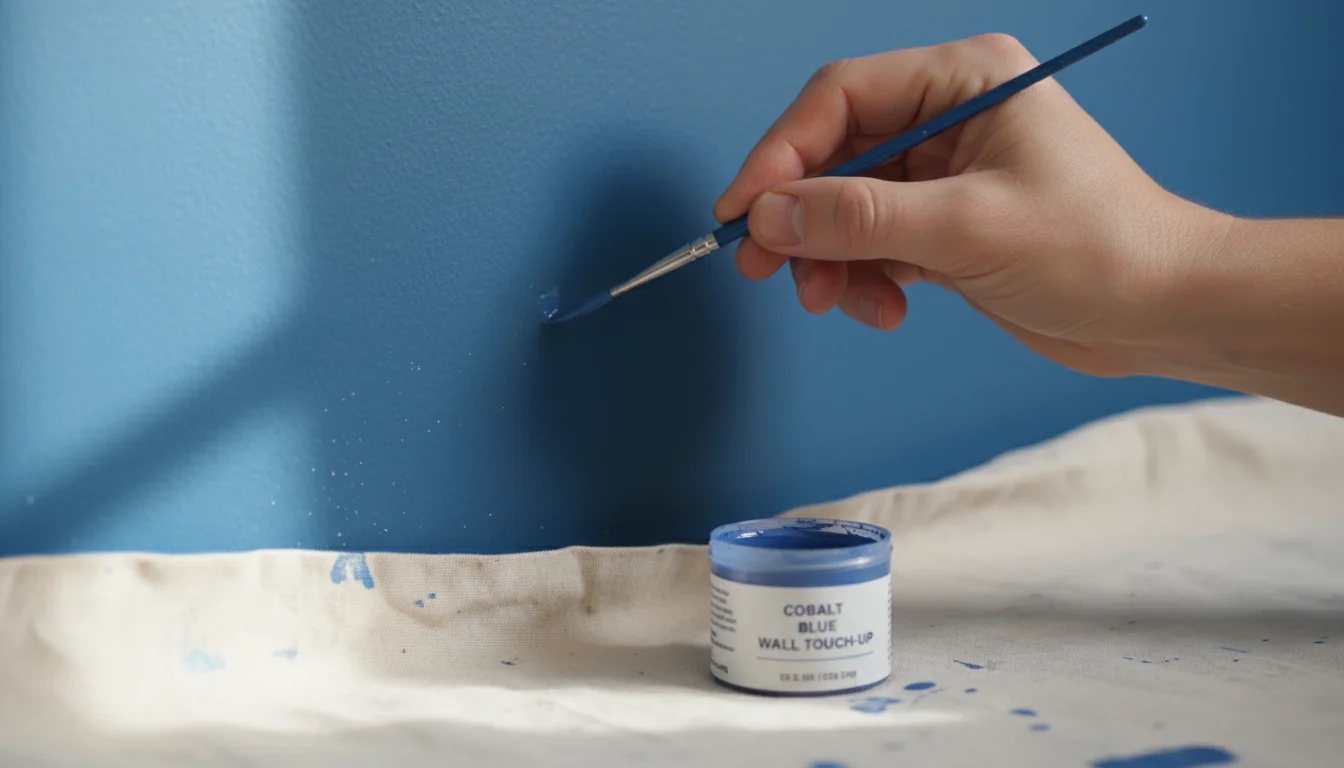
Addressing Damage
Accidents happen. Keep a small amount of your accent wall paint (or leftover fabric/wallpaper) stored away for touch-ups. For small scratches or chips in painted walls, use a small artist’s brush to carefully dab paint onto the damaged area. For fabric, a tiny amount of fabric glue can re-secure loose edges. Swift action prevents small issues from becoming larger problems, keeping your accent wall looking fresh and new.

Frequently Asked Questions
Can I create an accent wall in a rental property?
Yes, you absolutely can! Many budget-friendly accent wall ideas work perfectly for renters. Removable wallpaper, large wall decals, fabric panels secured with liquid starch, or even a gallery wall of framed art offer significant impact without permanent changes. Always double-check your lease agreement for any specific restrictions on painting or wall alterations, and opt for easily reversible solutions if you are unsure.
How do I choose the right color for my accent wall?
Consider the existing colors in your room, including furniture, rugs, and decor. Look for a color that harmonizes or provides an intentional contrast. Think about the mood you want to create: warm colors for energy, cool colors for calm. Test paint samples on your chosen wall and observe them at different times of day to see how the light affects the hue. You can also draw inspiration from a favorite piece of art or a striking pattern in the room.
Does an accent wall make a small room feel even smaller?
Not necessarily. When chosen and executed well, an accent wall can actually make a small room feel larger or more defined. A deep, rich color on the wall furthest from the entrance can create an illusion of depth, making the room seem longer. Alternatively, a bold pattern can distract from the room’s size, drawing the eye to its design rather than its dimensions. The key is balance and intentional design.
What if I don’t like my accent wall after it’s finished?
Do not worry, it is just paint! Or removable fabric. The beauty of these budget-friendly projects is their low commitment. If you do not love the result, you can easily repaint over a painted accent wall with your original wall color or a new accent color. Removable options peel away, allowing you to try something different. Consider it an exciting experiment in personalizing your home.
You can transform your home with confidence and creativity. An accent wall offers a powerful, affordable way to inject personality and style into any room. By following these practical steps and embracing budget-friendly solutions, you create a space that feels fresh, comfortable, and uniquely yours for under $50.
For expert home organization guidance, visit
Family Handyman, Bob Vila, HGTV — Home and Apartment Therapy.
Disclaimer: This article is for informational purposes only and is not a substitute for professional advice. Consult professional organizers or specialists for personalized recommendations.



Leave a Reply