
Do you ever look at a room in your home and feel like something is missing, perhaps a touch of architectural detail that elevates its character? You are not alone. Many homeowners and renters face the challenge of making a space feel truly finished without breaking the bank. Plain windows, while functional, often leave a room feeling stark or incomplete. Adding window trim is a powerful, yet surprisingly affordable, way to infuse personality, warmth, and a custom look into any room. This project is a budget upgrade that offers a significant return on investment in terms of aesthetic appeal and your overall enjoyment of your living space.
You might imagine intricate carpentry work or a hefty bill from a contractor when you think about adding trim. This project proves that you can achieve a sophisticated, polished look for under $100 per window, using basic tools and materials readily available at any home improvement store. We will guide you through every step, ensuring you gain practical, actionable insights to complete this rewarding DIY molding project with confidence. Get ready to transform your windows and add enduring character to your home.

Transform Your Home: Why DIY Window Trim Matters
Your windows are more than just openings for light and air; they are focal points in your rooms. Without proper framing, they can feel overlooked and diminish a room’s aesthetic potential. Adding window trim, even a simple design, creates an immediate visual impact. It defines the window, making it feel intentional and finished. Think of it as framing a piece of art; the frame elevates the art, and trim elevates your window.
This DIY molding project brings several key benefits to your home:
- Enhanced Architectural Detail: Trim adds depth and interest, transforming a flat wall into a dynamic space. It creates shadows and lines that draw the eye, giving your room a custom, high-end feel.
- Increased Home Value: Small upgrades like window trim contribute to a polished look that appeals to potential buyers, should you ever decide to sell. It signals attention to detail and care for your property.
- Improved Energy Efficiency: While primarily aesthetic, properly installed and sealed trim can help reduce drafts around your windows. This contributes to better indoor air quality and helps maintain a consistent temperature, potentially lowering your energy bills. According to Energy Star, improving insulation and sealing air leaks around windows effectively contributes to overall home energy savings.
- Personalized Style: You choose the style, material, and finish, allowing you to tailor the look to your home’s existing decor or to create an entirely new ambiance. From modern minimalist to classic craftsman, trim options are incredibly versatile.
- Budget-Friendly Transformation: This is arguably the biggest appeal for many homeowners. You can achieve a significant visual upgrade for under $100 per window, a fraction of the cost of professional installation or more extensive renovations. Materials like MDF or common pine boards are incredibly affordable, making this a smart budget upgrade.
Imagine your living room, currently featuring plain, unadorned windows. By simply adding a crisp, white trim, you create a visual boundary that makes the window pop. It complements your curtains, adds a sense of structure, and makes the whole room feel more cohesive and inviting. This project is a practical step towards achieving that coordinated, comfortable living space you envision.

Choosing Your Style: Beyond the Basic Budget Upgrade
The beauty of DIY window trim lies in your ability to customize it to your personal taste and your home’s architectural style. You are not limited to one look. While simple, straight boards are often the most budget-friendly option, you can still achieve various aesthetics by adjusting the width, thickness, and profile of the wood you choose.
Consider these popular styles:
- Simple Modern: This style uses clean, straight lines with minimal or no ornate detailing. You achieve it with flat stock lumber or MDF. The focus is on crisp edges and a sleek finish. This works beautifully in contemporary homes or for those aiming for an understated elegance.
- Craftsman/Farmhouse: Characterized by thicker, sometimes layered trim, often with a slight overhang or cap. This style adds a robust, substantial feel. You can build this look by combining a wider flat board with a smaller, decorative cap piece, adding a rich, custom appearance that feels authentic to these styles.
- Colonial/Traditional: These styles often feature more detailed profiles, such as a stepped or beveled edge. You can achieve this by selecting pre-profiled molding pieces available at hardware stores. While slightly more expensive than flat stock, these pieces still fall well within a budget for a few windows.
- Picture Frame Trim: This method creates a frame around the window opening using four pieces of wood, without a sill or apron. It is incredibly simple, clean, and perfect for a quick budget upgrade in a minimalist space.
When selecting your materials, MDF (medium-density fiberboard) is an excellent, cost-effective choice. It is smooth, paints beautifully, and is easy to cut. Pine boards are another affordable option, offering a natural wood grain if you prefer a stained finish, though they often require more sanding. Your choice impacts both the look and the overall cost, so select wisely to stay under your $100 budget per window. For example, a 1×4 pine board costs significantly less than a pre-primed, ornate molding, but both can deliver a polished result.

Gathering Your Arsenal: Tools and Materials for Under $100
Before you begin, ensure you have all your tools and materials ready. This prevents frustrating stops and starts, making your project smoother and more efficient. The good news is you likely own many of these tools already, and the remaining items are inexpensive, keeping your total cost well within budget.
Essential Tools:
- Measuring Tape: For accurate dimensions.
- Pencil: For marking cuts.
- Speed Square or Combination Square: To ensure perfectly square marks for cutting.
- Miter Saw (Recommended) or Miter Box with Hand Saw: A miter saw makes precise angle cuts effortless. If you do not have one, a miter box and a sharp hand saw work well and are very budget-friendly.
- Nail Gun (Brad Nailer) or Hammer: A brad nailer speeds up the process and leaves smaller holes. A hammer and finishing nails are perfectly acceptable and more budget-conscious.
- Stud Finder: To locate framing around your window for secure nailing.
- Caulk Gun: For applying caulk.
- Utility Knife or Box Cutter: For opening caulk tubes and other tasks.
- Painter’s Tape: For clean caulk lines and protecting surfaces during painting.
- Sanding Block or Sandpaper (120-220 grit): For smoothing edges.
Materials (Per Window, aimed at under $100):
- Wood Trim:
- Option 1 (Budget-Friendly): Flat stock pine or MDF boards (e.g., 1×3 or 1×4)
For a standard window (e.g., 36″ x 48″), you will need approximately 16-20 linear feet of trim. MDF or common pine boards are often $1-$2 per linear foot, making your trim cost around $20-40 per window.
- Option 2 (Slightly More Detail): Basic profiled molding (e.g., clamshell, colonial baseboard style)
These might be $2-4 per linear foot, bringing your trim cost to $40-80. Remember to account for waste.
- Option 1 (Budget-Friendly): Flat stock pine or MDF boards (e.g., 1×3 or 1×4)
- Finishing Nails: 1.5 inch or 2 inch (if using a hammer) or 1.5 inch brad nails (if using a nail gun).
- Wood Filler or Spackle: To fill nail holes and small imperfections.
- Paintable Caulk (Acrylic Latex with Silicone): To seal gaps for a professional finish.
- Primer (Optional but Recommended): Especially if using raw wood or MDF, for a smooth paint finish.
- Paint: The color of your choice (consider trim paint for durability).
- Paintbrush and Roller (small): For application.
- Clean Cloths or Rags: For cleanup.
By opting for MDF or standard pine boards, you significantly reduce material costs. Buying a gallon of paint and a tube of caulk means you have enough for several windows, further reducing your per-window expense. This careful selection of tools and materials ensures you remain within your budget for this impactful budget upgrade.

Precise Planning: Measuring and Cutting for Success
Accuracy is key in any carpentry project, and window trim is no exception. Taking precise measurements and making clean cuts ensures a professional, seamless look. Do not rush this stage; careful planning now saves you frustration later.
Step-by-Step Measuring and Planning:
- Measure Your Window Opening:
- Measure the inside width of the window opening at the top, middle, and bottom. Use the smallest measurement.
- Measure the inside height of the window opening on the left, middle, and right. Use the smallest measurement.
- This gives you the “rough opening” dimensions, but your trim will extend beyond this.
- Determine Trim Overhang (Reveal):
Most trim projects leave a small “reveal” between the edge of the window jamb and the trim. This creates a shadow line that makes the trim stand out and helps hide minor imperfections in the window opening. A typical reveal is 1/4 inch. Mark this reveal around your window opening using your pencil and speed square.
- Measure for the Bottom Sill (Optional, but Recommended):
If you are adding a sill, it should extend past the vertical side casing by approximately 1 inch on each side. Measure the width of your window opening, add 2 inches for the overhang, and then add the width of your vertical trim pieces twice. This gives you the total length for your sill. For instance, if your window is 36 inches wide, your vertical trim is 3 inches wide, your sill would be 36 + (2 * 1 inch overhang) + (2 * 3 inch trim width) = 44 inches. Remember to cut this piece first.
- Measure for the Side Casings (Vertical Pieces):
If you have a sill, measure from the top of the sill up to the top outside edge of your trim line (accounting for the top trim piece’s width). If you do not have a sill, measure from the bottom outside edge of your trim line to the top outside edge of your trim line. Cut these two pieces square at both ends. They should be the exact same length.
- Measure for the Top Casing (Header):
This piece will typically extend beyond the vertical side casings. Measure the total width from the outside edge of one vertical casing to the outside edge of the other. Add any desired overhang for the top piece, usually 1/2 to 1 inch on each side. For example, if your side casings are 3 inches wide and your window opening is 36 inches, your top casing will be 36 + (2 * 3 inches for the side casings) + (2 * 1 inch for the top piece overhang) = 44 inches. You can cut the ends of this piece square or at a 45-degree miter for a more finished look, depending on your chosen style.
- Cut Your Trim:
Always measure twice, cut once. Use your miter saw or miter box to make clean, straight cuts. If you are mitering corners (cutting at 45-degree angles to meet at 90 degrees), ensure your saw is set accurately. It is always better to cut a piece slightly long and trim it down than to cut it too short.

Step-by-Step: Installing Your New Window Trim
With your pieces cut, it is time for installation. This is where your careful planning pays off. Work methodically, and you will see your vision come to life. Remember to locate studs around your window opening with a stud finder to ensure you nail into solid framing.
- Install the Bottom Sill (If Applicable):
Place your pre-cut sill piece below the window opening. Ensure it is centered and level. Use your nail gun or hammer and finishing nails to attach it securely to the window frame and any studs below. Nail along the top edge of the sill, approximately every 12-16 inches.
- Install the Side Casings:
Position one vertical casing piece along the side of the window, ensuring your desired reveal (e.g., 1/4 inch) is consistent from the window jamb. Line it up with the edge of your sill (if applicable) or the bottom edge of your imaginary trim line. Nail it into the window framing and any studs you located, every 12-16 inches. Repeat for the other side.
- Install the Top Casing (Header):
Place your pre-cut top casing piece above the window, resting on the top of the side casings. Ensure it is centered and level. If you cut the ends square, align them carefully. If you mitered the ends, make sure they meet the side casing miters precisely. Nail it into the header framing above the window. Drive nails through the top casing into the ends of the side casings for added stability.
- Add Apron or Additional Details (Optional):
If your style includes an apron below the sill or additional decorative trim pieces, install them now using the same nailing technique. The apron usually sits directly below the sill, cut to the same length as the sill, or slightly shorter for a different aesthetic.
You have now installed the basic structure of your window trim. Take a step back and admire your work. Even before the finishing touches, you will notice a dramatic improvement in the window’s appearance and the room’s overall feel. Your space already has more character.
Finishing Touches: Painting and Caulking for a Professional Look
The final steps are crucial for achieving that seamless, professional finish. Proper caulking and painting transform your raw wood into a polished, integral part of your wall. This makes all the difference in achieving a high-quality budget upgrade.
Steps for a Flawless Finish:
- Fill Nail Holes and Imperfections:
Use wood filler or spackle to meticulously fill every nail hole. Apply a small amount, pressing it firmly into the hole. Also, fill any small gaps where two pieces of trim meet or where a trim piece has a minor imperfection. Let it dry completely according to product instructions.
- Sand Smooth:
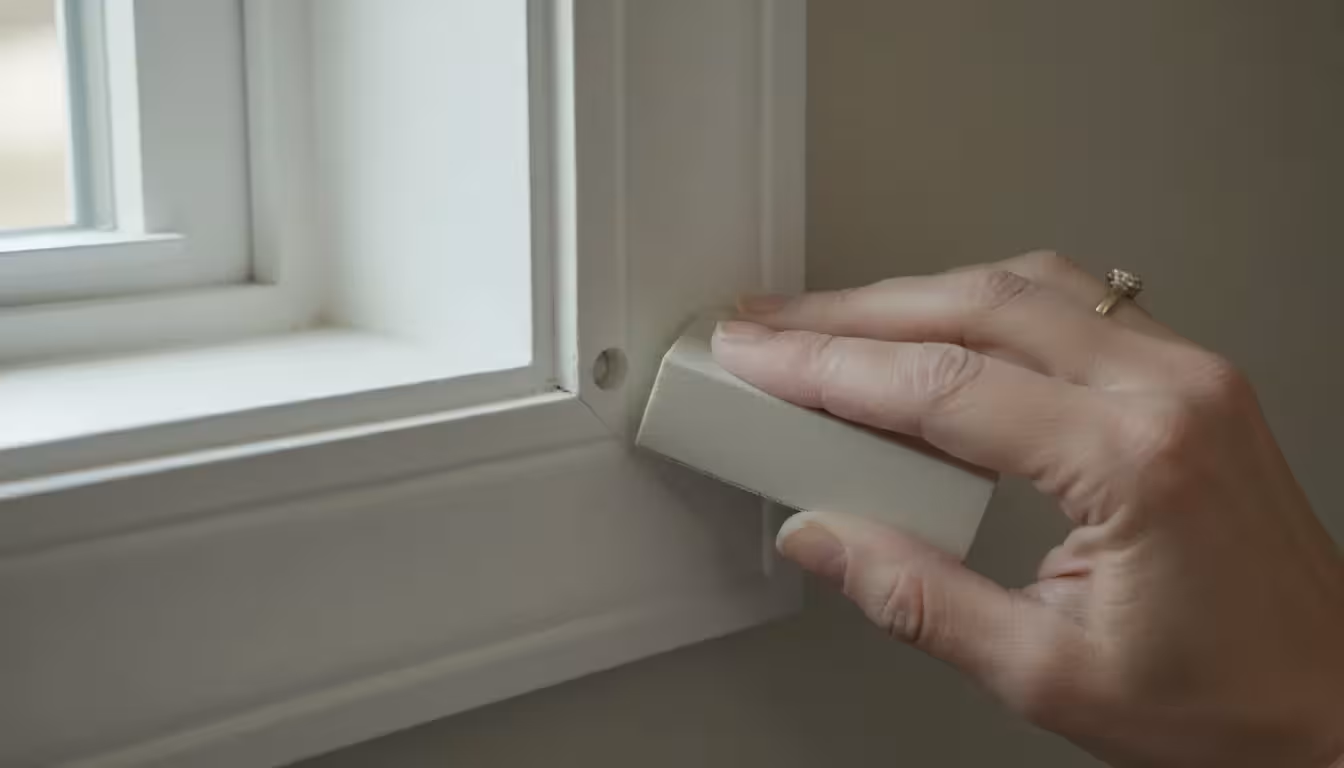
Once the filler is dry, lightly sand the filled areas and any rough edges on the trim with 120-220 grit sandpaper. The goal is to make the surface perfectly smooth and flush. Wipe away all sanding dust with a clean, damp cloth. Dust will prevent paint adhesion.
- Caulk All Seams:
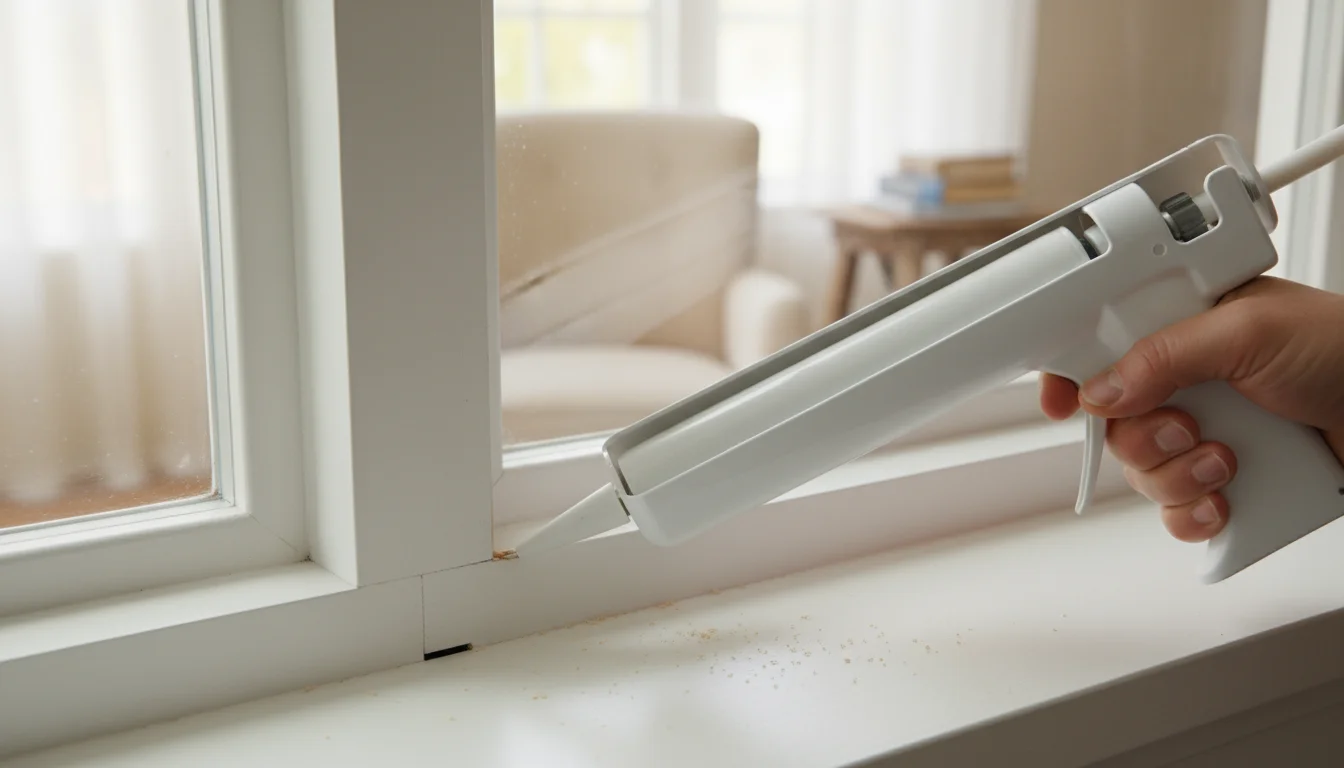
This is arguably the most important step for a professional look. Apply a thin bead of paintable acrylic latex caulk with silicone along every seam where the trim meets the wall and where trim pieces meet each other. Use your caulk gun, aiming for a consistent bead. Immediately after applying, run a wet finger or a caulk tool along the bead to smooth it out and push it into the joint. Wipe away excess caulk with a damp cloth before it dries. This fills gaps, prevents drafts, and creates a seamless transition. According to experts at Family Handyman, proper caulking seals imperfections and makes your trim look like it was always part of the wall.
- Prime (If Necessary):
If you used raw wood or MDF, apply a coat of primer. This seals the material, prevents paint from soaking in unevenly, and ensures a vibrant, durable topcoat. Let the primer dry completely.
- Paint Your Trim:
Apply two thin coats of your chosen paint, allowing ample drying time between coats. Use a high-quality paintbrush for edges and details, and a small roller for wider, flat surfaces. Trim paint is often a semi-gloss or satin finish, which is durable and easy to clean, but choose a finish that complements your home.
This meticulous attention to detail ensures your DIY window trim looks expertly installed. The caulk disappears under the paint, creating the illusion of a single, continuous surface, making your budget upgrade appear anything but. You will love the crisp lines and finished appearance your windows now possess.
Common Hurdles: Troubleshooting Your Trim Project
Even with careful planning, DIY projects can present unexpected challenges. Do not get discouraged. Understanding common issues and their solutions keeps your project on track and ensures a beautiful outcome. As a supportive coach, I want you to feel empowered to tackle these.
- Gaps at Mitered Corners:
This is a frequent issue. It usually means your cuts were not perfectly 45 degrees, or the wall itself is not perfectly square. Do not try to force pieces together. Instead, fill small gaps (up to 1/8 inch) with paintable caulk. For larger gaps, you might need to recut a piece, ensuring your miter saw is calibrated correctly. Sometimes, shims behind the trim can help bring it flush to the wall.
- Trim Not Lying Flat Against the Wall:
Walls are rarely perfectly straight. If your trim bows or has gaps, you have a few options. First, ensure you are nailing into studs or secure framing. If the gap persists, apply a generous bead of caulk to the back of the trim before nailing it, then press firmly into place. For more significant bowing, you might need to use longer nails and ensure they hit solid framing. For expert advice on dealing with uneven surfaces, This Old House provides excellent resources on carpentry techniques.
- Nails Splitting the Wood:
This happens most often with softer woods or when nailing too close to the edge. If using a hammer, pre-drilling small pilot holes (slightly smaller than your nail) can prevent splitting. If using a nail gun, ensure the air pressure is not set too high. If a split occurs, glue it with wood glue and clamp it until dry before filling and sanding.
- Caulk Drying Too Quickly or Unevenly:
Working in small sections helps. If caulk dries too fast, use a damp sponge or cloth to wipe and smooth it immediately after application. If you find your caulk lines are uneven, you can use painter’s tape to create crisp, straight lines before applying caulk. Apply the caulk, smooth it, and then remove the tape immediately while the caulk is still wet.
Remember, patience and a willingness to adjust are your best assets. Most minor issues are easily remedied with wood filler, caulk, and a bit of sanding. The goal is a finished product that looks beautiful from a normal viewing distance, not absolute perfection under a magnifying glass.

Maintaining Your Investment: Keep Your Trim Looking Great
Once you have installed and finished your DIY window trim, a little ongoing care ensures it remains a beautiful feature in your home for years to come. Your budget upgrade deserves to look its best, and maintenance is straightforward.
Simple Maintenance Tips:
- Regular Cleaning: Dust accumulates on all surfaces. Wipe your trim down regularly with a damp cloth or a feather duster. For tougher spots, a mild all-purpose cleaner diluted in water works well. Avoid harsh abrasive cleaners that could damage the paint finish.
- Touch-Up Paint: Over time, scuffs and chips can appear, especially in high-traffic areas or on sills that see more use. Keep a small amount of your trim paint on hand for quick touch-ups. A small artist’s brush can help you apply paint precisely to small areas.
- Inspect for Gaps: Seasonal changes can cause slight expansion and contraction in wood, potentially leading to small hairline cracks in caulk. Periodically inspect your trim for any new gaps or cracks. Reapply a thin bead of paintable caulk to these areas as needed, smooth it, and then touch up with paint once dry. This keeps your trim looking seamless and helps maintain its energy efficiency benefits.
- Protect from Moisture: If your windows experience condensation, wipe it away promptly. Excessive moisture can damage wood or MDF over time, leading to swelling or warping. Ensure any window leaks are addressed promptly, as noted by organizations like the EPA, which highlights moisture control as critical for indoor air quality and preventing material damage.
By incorporating these simple maintenance habits, you protect your investment and ensure your DIY window trim continues to add character and value to your home. This ongoing care is a small effort for a lasting impact.

Frequently Asked Questions
Can I really do this project for under $100 per window?
Yes, absolutely! By choosing budget-friendly materials like MDF or common pine boards (1×3 or 1×4), and utilizing basic tools, you can easily stay within this budget. The cost for materials like wood, nails, caulk, and a can of paint averages between $30-$70 per window, depending on the size and style of trim. Most of the cost comes from the wood itself.
Do I need a miter saw, or can I use a hand saw?
While a miter saw makes the job much easier and more precise, you can certainly complete this project with a miter box and a sharp hand saw. A miter box allows you to make accurate 45-degree and 90-degree cuts, which are essential for window trim. It just requires a bit more effort and patience.
What type of nails should I use for window trim?
For securing window trim, 1.5-inch or 2-inch finishing nails are ideal if you are using a hammer. If you have a brad nailer, 1.5-inch 18-gauge brad nails work perfectly. These nails are strong enough to hold the trim securely but small enough to be easily concealed with wood filler and paint, ensuring a clean finish.
How long does this DIY window trim project typically take?
For a beginner, expect to spend about 3-5 hours per window from measuring to the final coat of paint, not including drying times. Experienced DIYers can often complete the installation and initial finishing for one window in 1-2 hours. The drying time for caulk and paint will add significant time, so plan to spread the project over at least two days for the best results.
Can I add window trim if I live in a rental property?
It depends on your lease agreement and your landlord. Always ask for permission before making permanent alterations to a rental property. Some landlords might be open to the idea, especially if you offer to leave the trim upon moving out. You might also consider temporary, removable trim solutions, although these typically do not offer the same finished look or durability as permanently installed wood trim.
By tackling this DIY window trim project, you not only enhance the aesthetic appeal of your home but also gain valuable practical skills. This budget upgrade is a testament to how small changes can create significant impact, making your living space feel more intentional, comfortable, and uniquely yours.
For expert home organization guidance, visit
Energy Star, CDC — Cleaning and Disinfecting, American Cleaning Institute and National Association of Professional Organizers.
Disclaimer: This article is for informational purposes only and is not a substitute for professional advice. Consult professional organizers or specialists for personalized recommendations.








Leave a Reply