
Living with pets brings immense joy, but it also means contending with pet hair. It accumulates on carpets, settles on hard floors, and even clings to upholstery, presenting a constant cleaning challenge for homeowners, renters, and apartment dwellers alike. You need practical, effective solutions that fit into your busy life and help maintain a comfortable, hair-free home environment. This guide cuts through the noise, offering actionable insights and recommendations to help you choose the best vacuum cleaner for tackling pet hair, ensuring your living space stays clean and fresh without overwhelming your schedule or budget.
We focus on features that truly make a difference, explaining why certain designs and technologies perform better against stubborn fur and dander. You will discover how to select a vacuum that matches your specific needs, from floor types to pet shedding levels, and learn simple maintenance tips to keep your chosen cleaning product performing optimally. Prepare to reclaim your home from stray hairs, making cleaning less of a chore and more of a quick, satisfying task.
The Pet Hair Challenge: Why It Needs a Special Approach
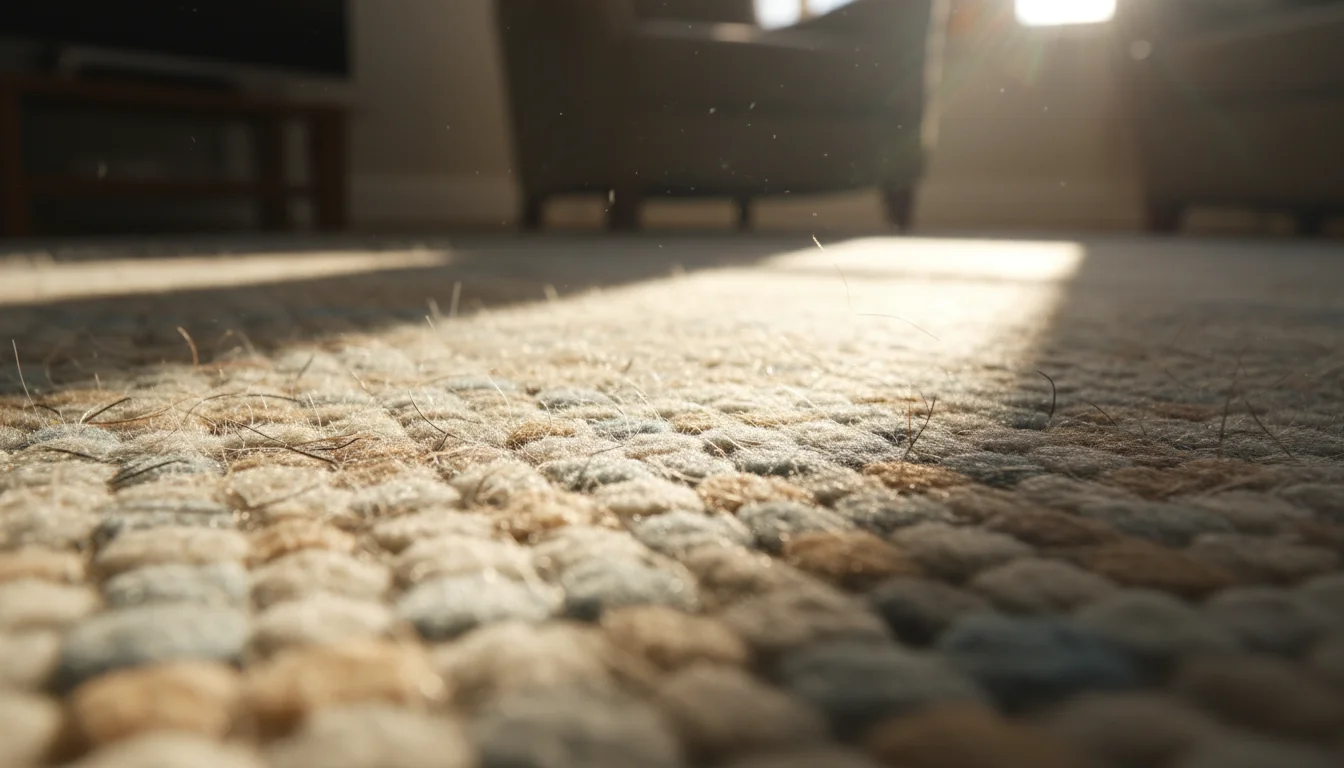
Pet hair is more than just visible fuzz on your floor. It consists of dander, allergens, and microscopic particles that settle deep into carpets and fabric. Unlike regular dust, pet hair often has an oily residue that helps it cling to surfaces, making it particularly difficult to remove with a standard vacuum cleaner. Dogs, cats, and other furry companions continuously shed, meaning you face a constant battle against loose fur, especially during seasonal changes. This consistent shedding requires a powerful and specialized approach.
Along with managing fur, you can also use natural pet odor removal methods to keep your home smelling as fresh as it looks.
Beyond aesthetics, pet hair contributes to indoor air quality issues. According to the EPA, pet dander is a common indoor air pollutant and allergen. A vacuum designed for pet hair excels at capturing these fine particles, improving the air you breathe and creating a healthier home environment. Regular vacuuming with the right tools becomes a crucial part of managing allergens and maintaining overall household hygiene.
Your existing vacuum might struggle with pet hair, leading to frustration and inefficient cleaning. You might find brush rolls tangle with fur, suction power diminishes quickly, or filters clog frequently. Recognizing these unique challenges helps you appreciate why investing in a vacuum specifically engineered for pet hair offers a significant advantage, saving you time and effort in the long run.
Key Features for Effective Pet Hair Removal
When you choose a vacuum cleaner specifically for pet hair, certain features stand out as non-negotiable. These components work together to provide the necessary power, filtration, and ease of use you need to tackle even the most persistent fur and dander.
Powerful Suction
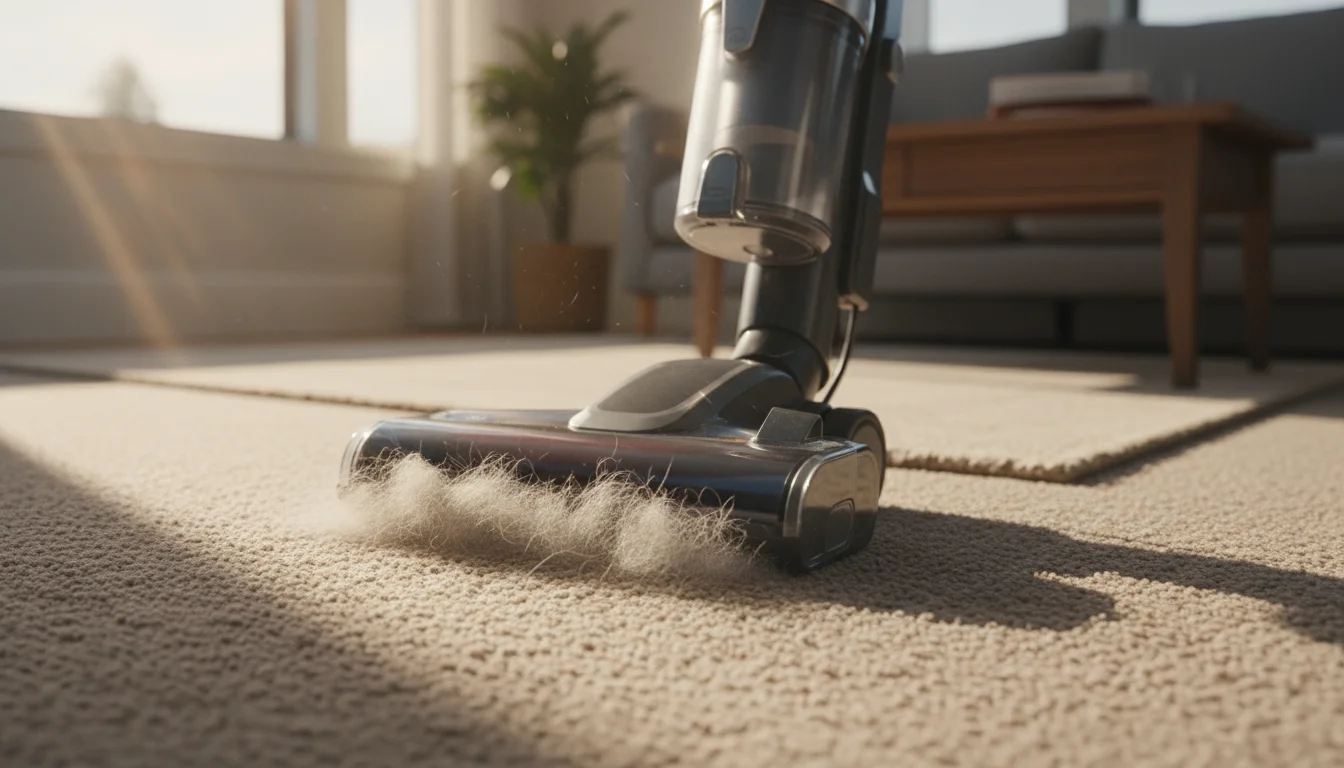
This is the foundation of any good vacuum. For pet hair, you need consistently strong suction that can pull embedded fur from carpet fibers and lift it from hard surfaces. Look for models with high air watts or strong motor ratings. Adequate suction prevents hair from merely being pushed around, ensuring thorough removal.
Specialized Brush Rolls
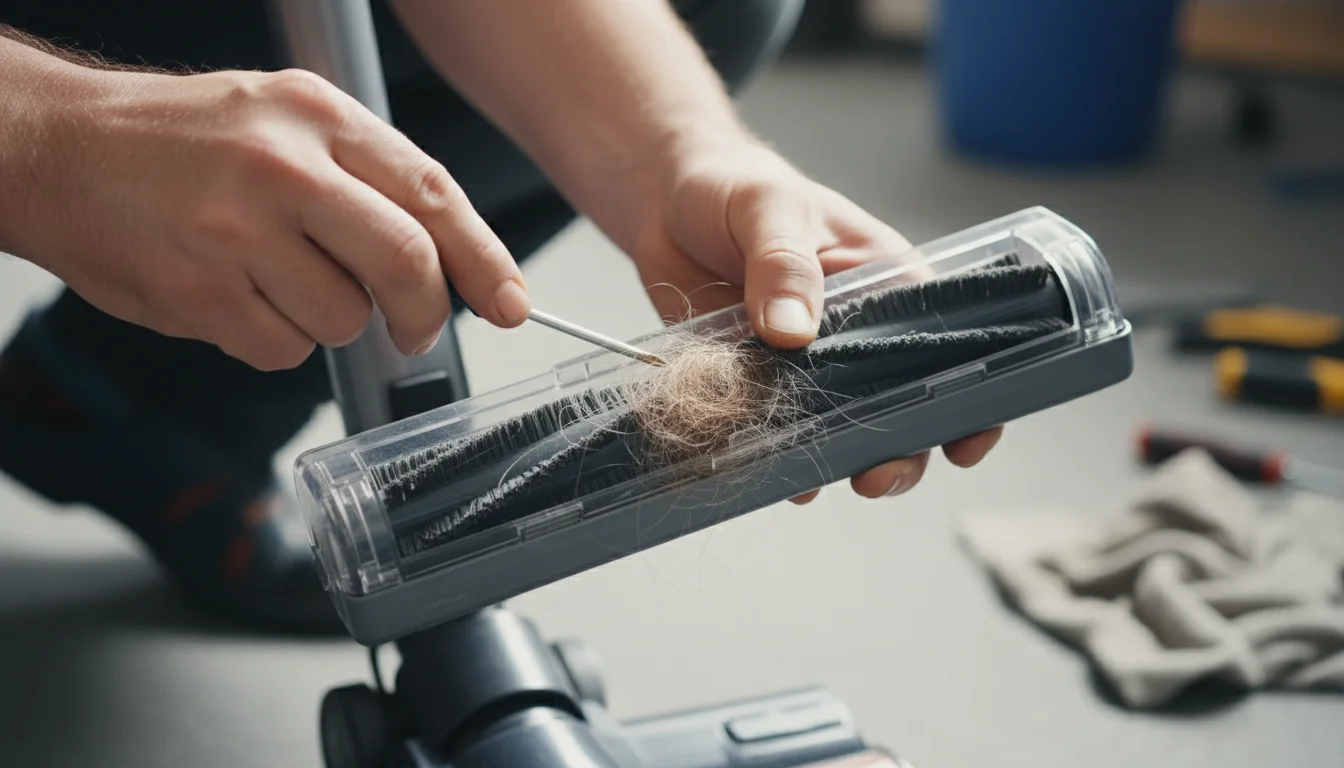
The brush roll, or beater bar, is crucial for agitating carpet fibers and loosening embedded hair. Vacuums designed for pet hair often feature anti-tangle brush rolls, sometimes with rubberized bristles or specialized designs that resist hair wrapping. Some models even offer self-cleaning brush rolls, a significant time-saver. Consider brush rolls that are easy to access and clean, as pet hair inevitably accumulates here.
Advanced Filtration, Especially HEPA
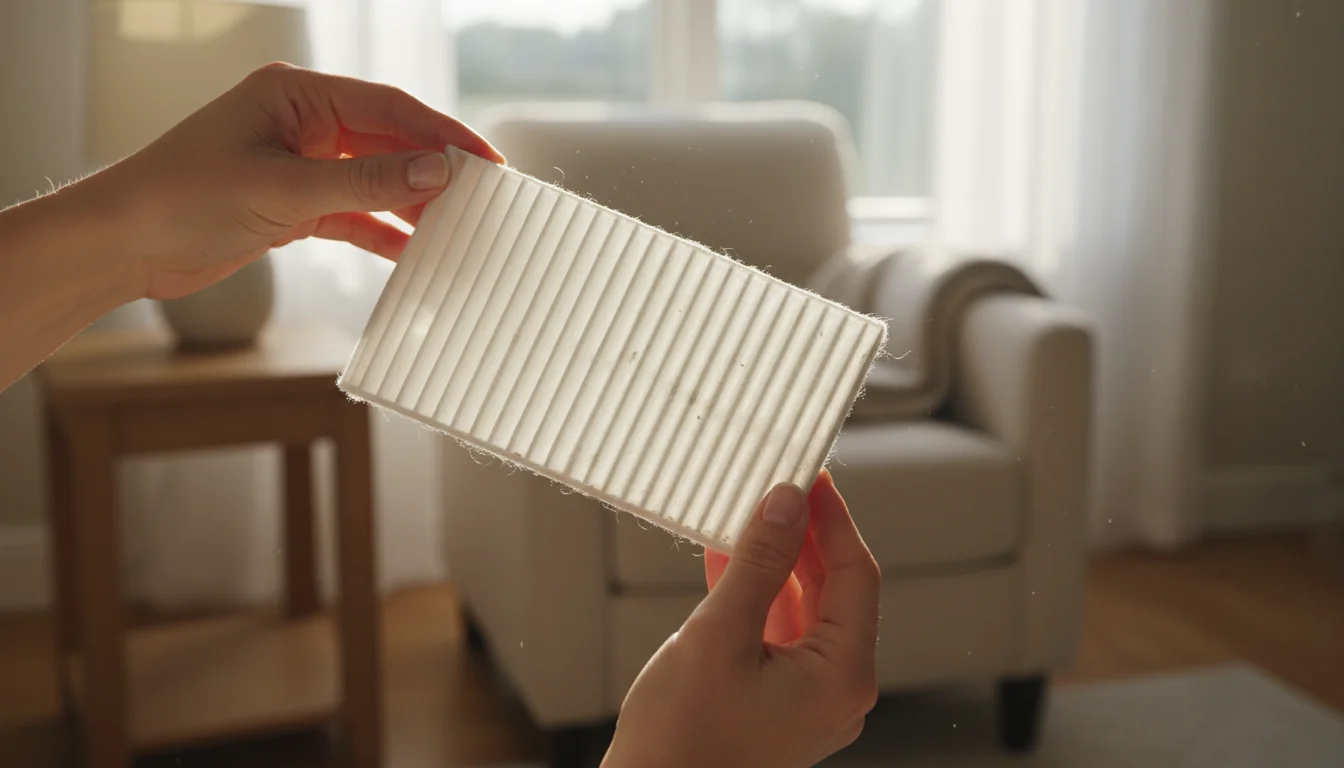
Pet dander and allergens are tiny. A robust filtration system prevents these microscopic particles from being released back into the air. HEPA filters are the gold standard, capturing 99.97% of particles as small as 0.3 microns. This significantly improves indoor air quality, which is especially beneficial for allergy sufferers. Some vacuums feature multi-stage filtration systems, trapping even more fine dust and dander. Research from Consumer Reports frequently highlights the importance of effective filtration in preventing recirculation of allergens.
Large Dustbin Capacity
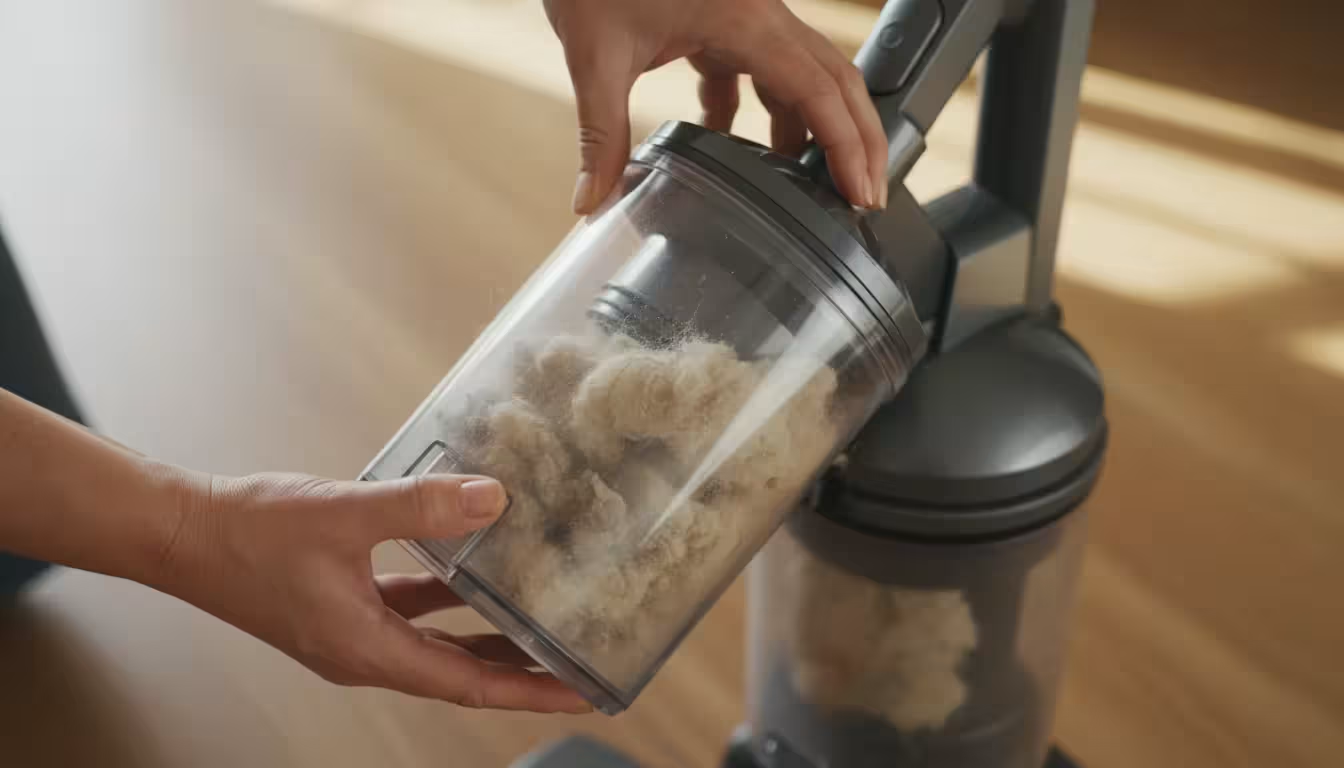
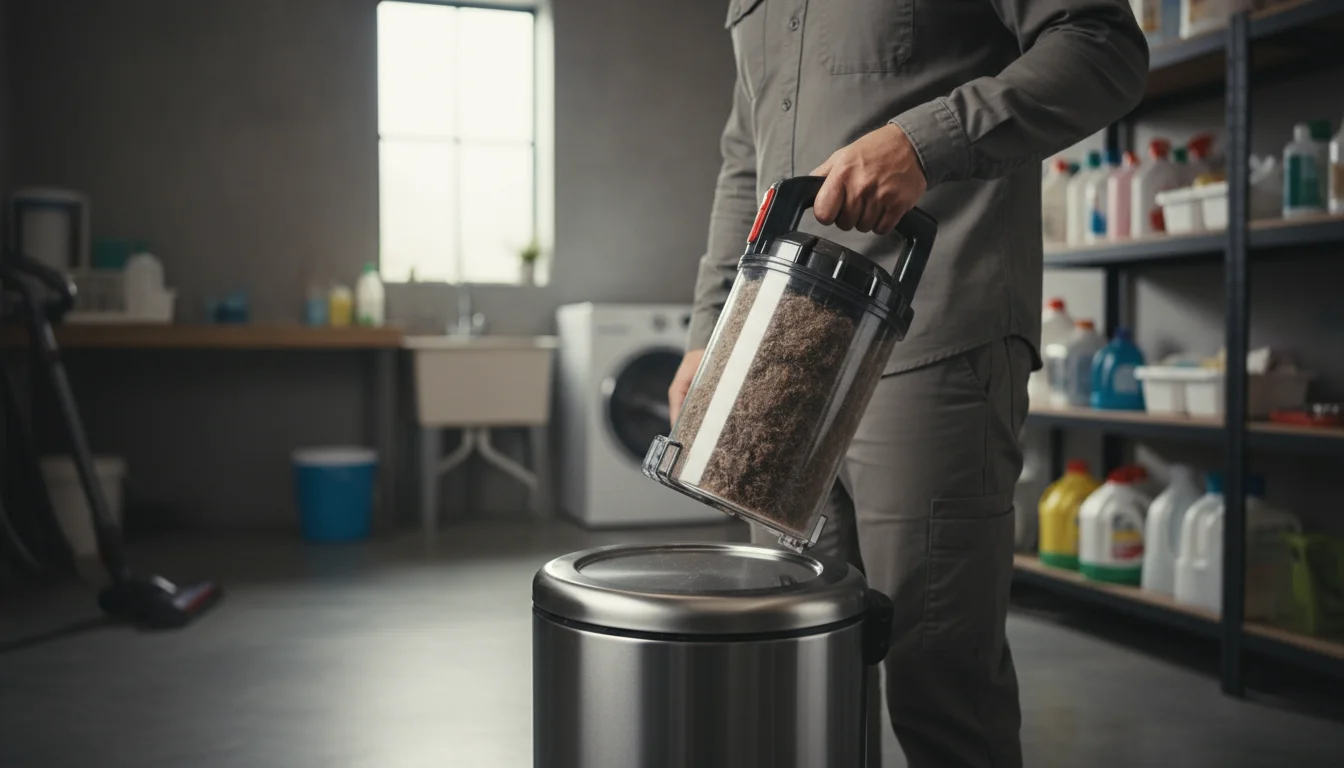
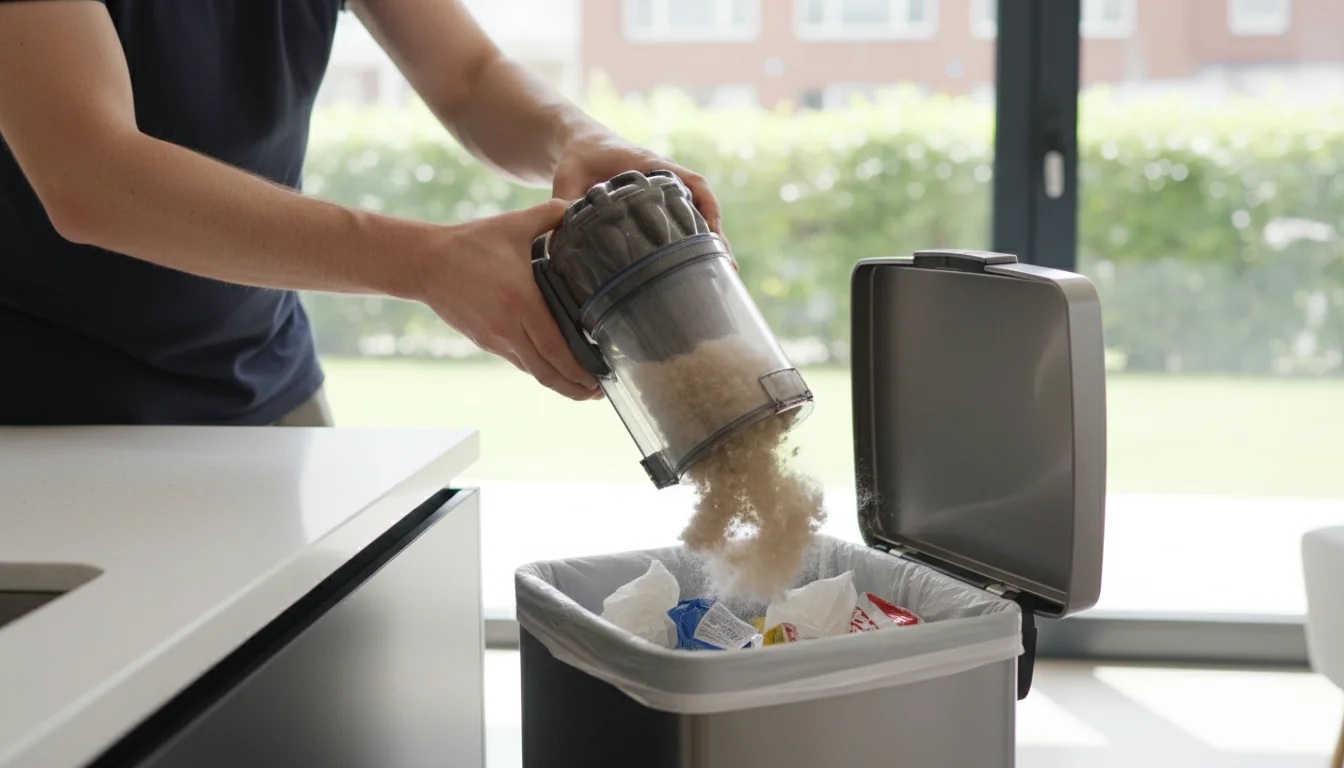
Pet hair takes up a lot of space. A vacuum with a generously sized dustbin reduces the frequency of emptying, allowing you to clean larger areas without interruption. Bagless designs are common, making disposal straightforward, but ensure the mechanism is easy to operate without releasing a cloud of collected debris.
Effective Attachments
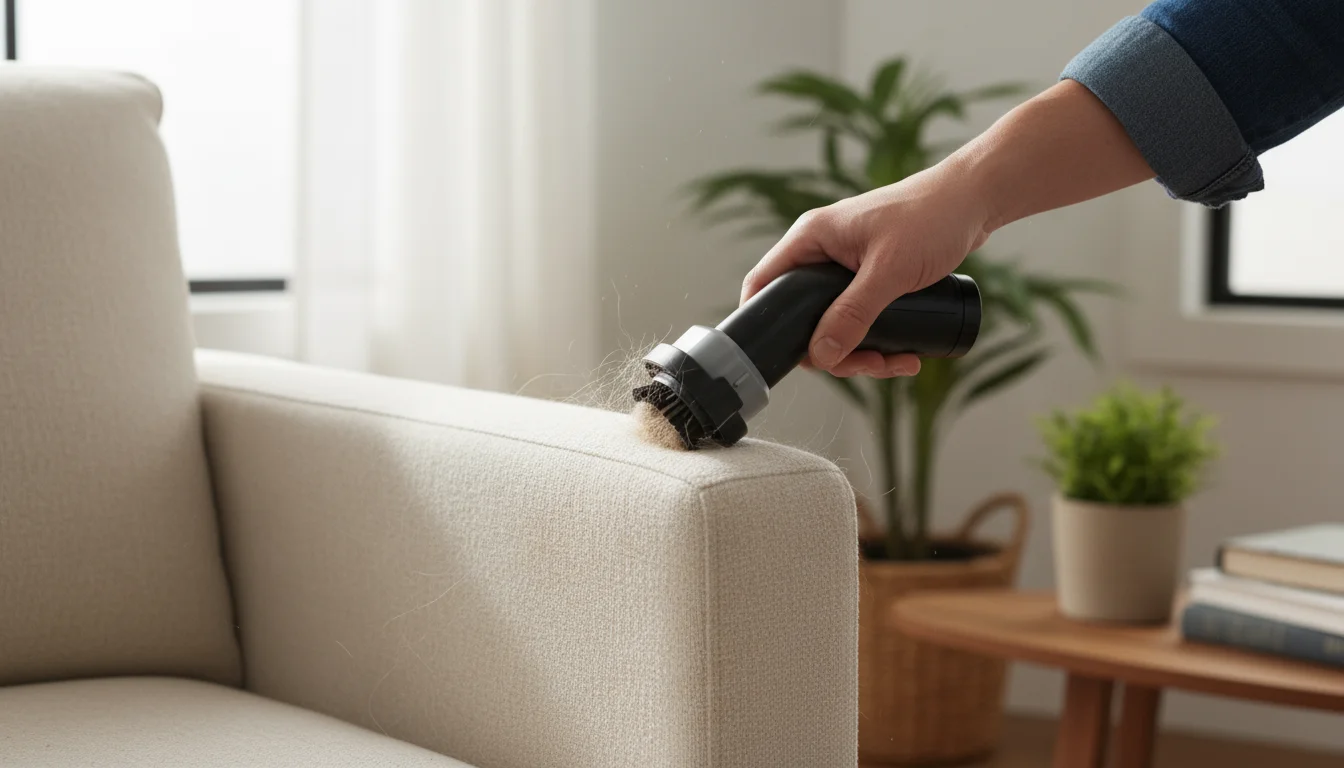
While the main floor head handles most tasks, specialized attachments are indispensable for pet hair. Look for a motorized pet tool or mini turbo brush. These smaller, powered brushes excel at removing hair from upholstery, pet beds, and stairs. Crevice tools and dusting brushes also play a role in reaching tight spots and delicate surfaces.
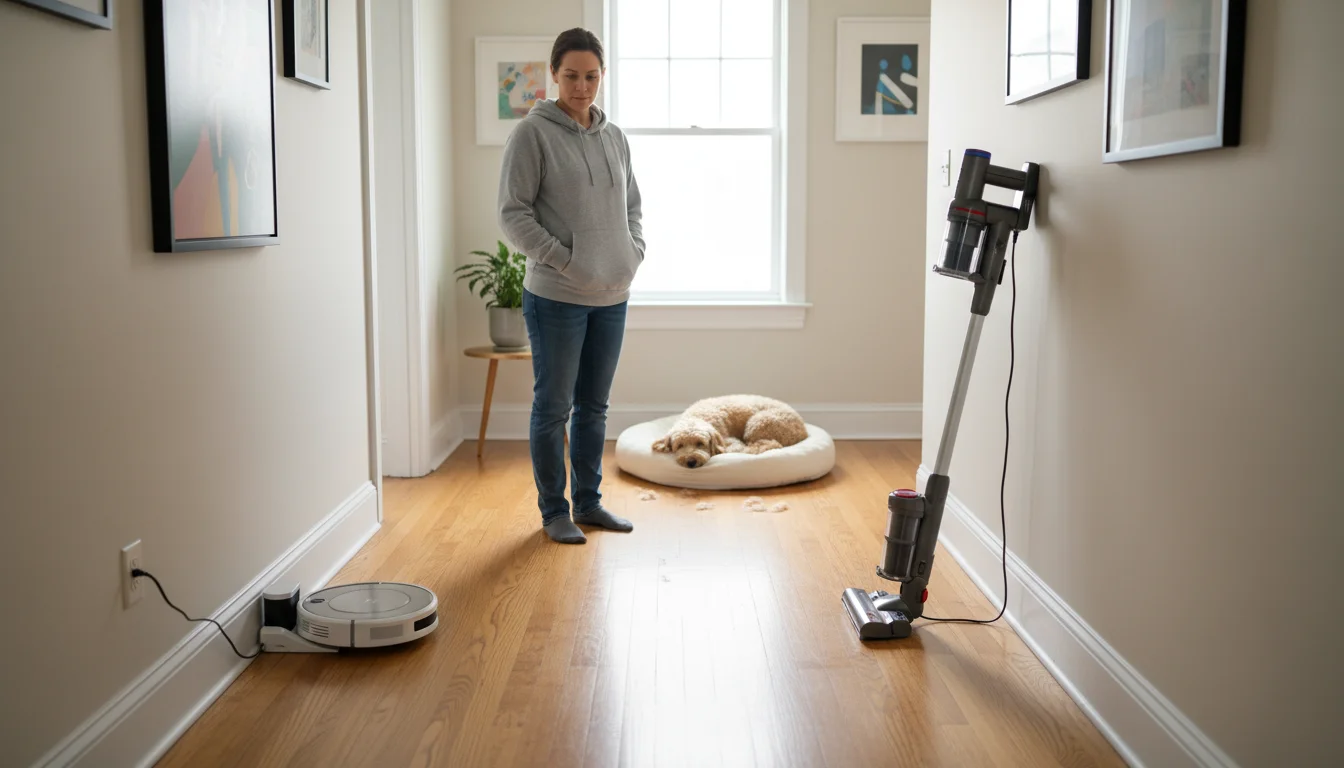
Types of Vacuum Cleaners for Pet Hair: Finding Your Match
The market offers various types of vacuum cleaners, each with advantages and disadvantages regarding pet hair removal. Your choice depends on your home’s layout, flooring, and how often you need to clean.
If you are looking for a more general tool, explore our comprehensive vacuum cleaner buying guide to see how these models compare to standard options.
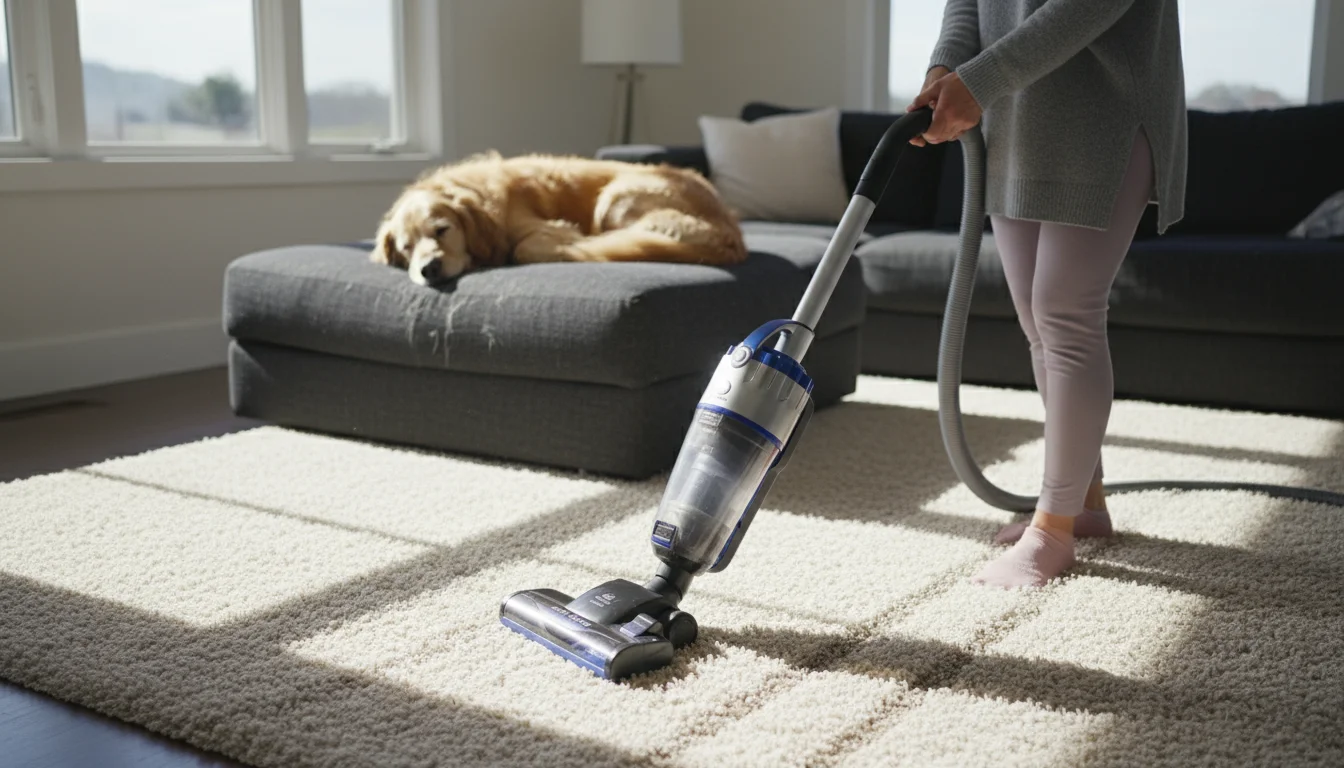
Upright Vacuums
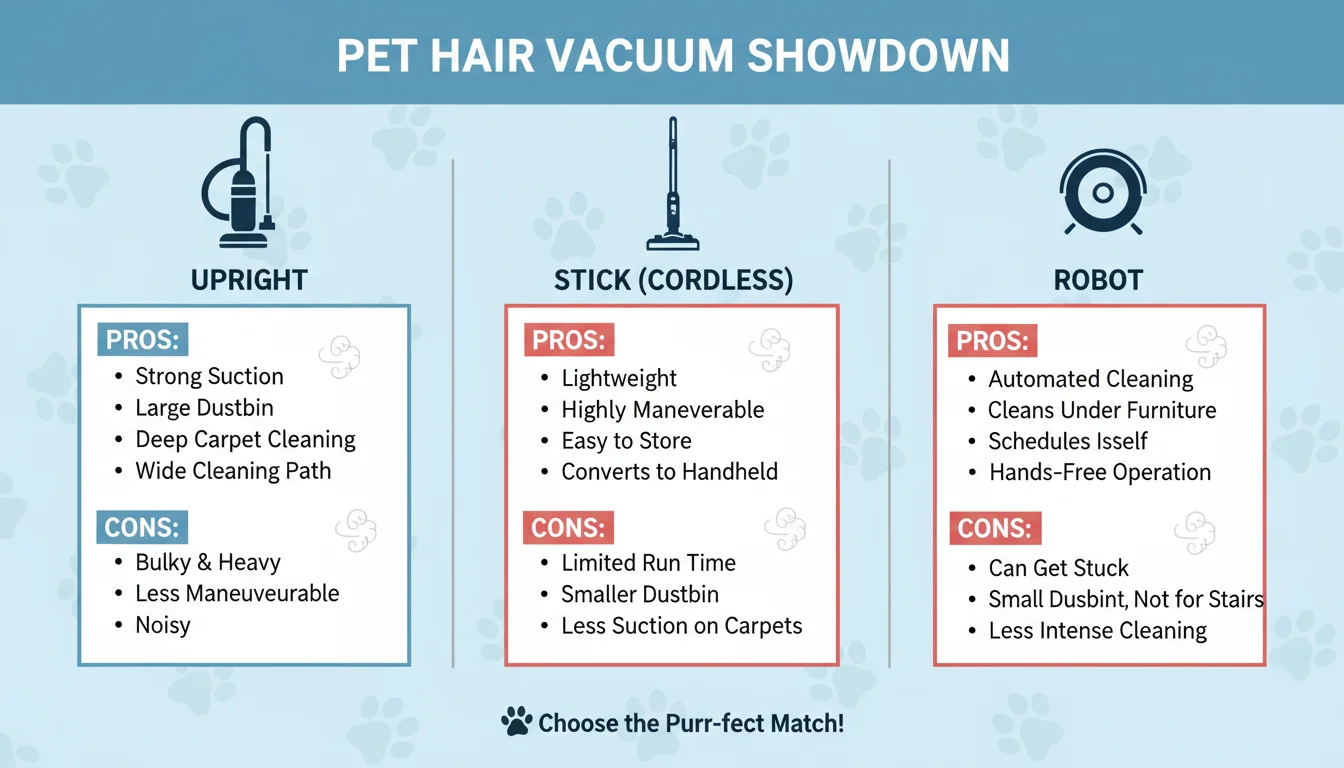
Upright models are powerhouses, often offering the strongest suction and widest cleaning paths. They typically feature robust brush rolls ideal for deep cleaning carpets and tackling large volumes of pet hair. Many modern uprights also perform well on hard floors with brush roll deactivation or specialized settings. Their main downsides include being heavier and less maneuverable in tight spaces. You find them excellent for homes with significant carpeting and heavy shedding pets.
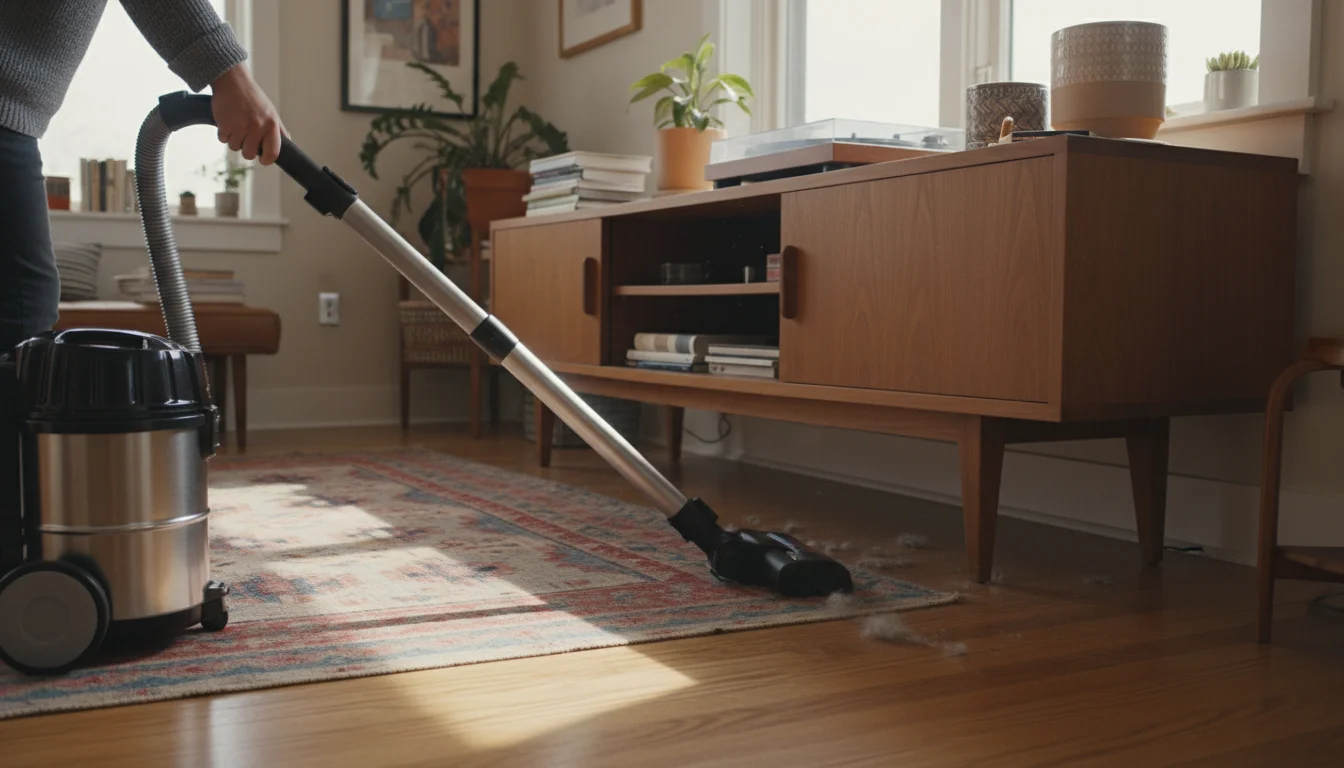
Canister Vacuums
Canister vacuums separate the motor and dustbin into a wheeled canister, connected to a cleaning wand. This design makes them highly versatile, maneuvering easily under furniture and around obstacles. They often come with a wide array of attachments, including excellent motorized pet tools. Canisters are generally quieter than uprights and suitable for homes with mixed flooring types. However, they require more storage space and often take longer to set up for use.
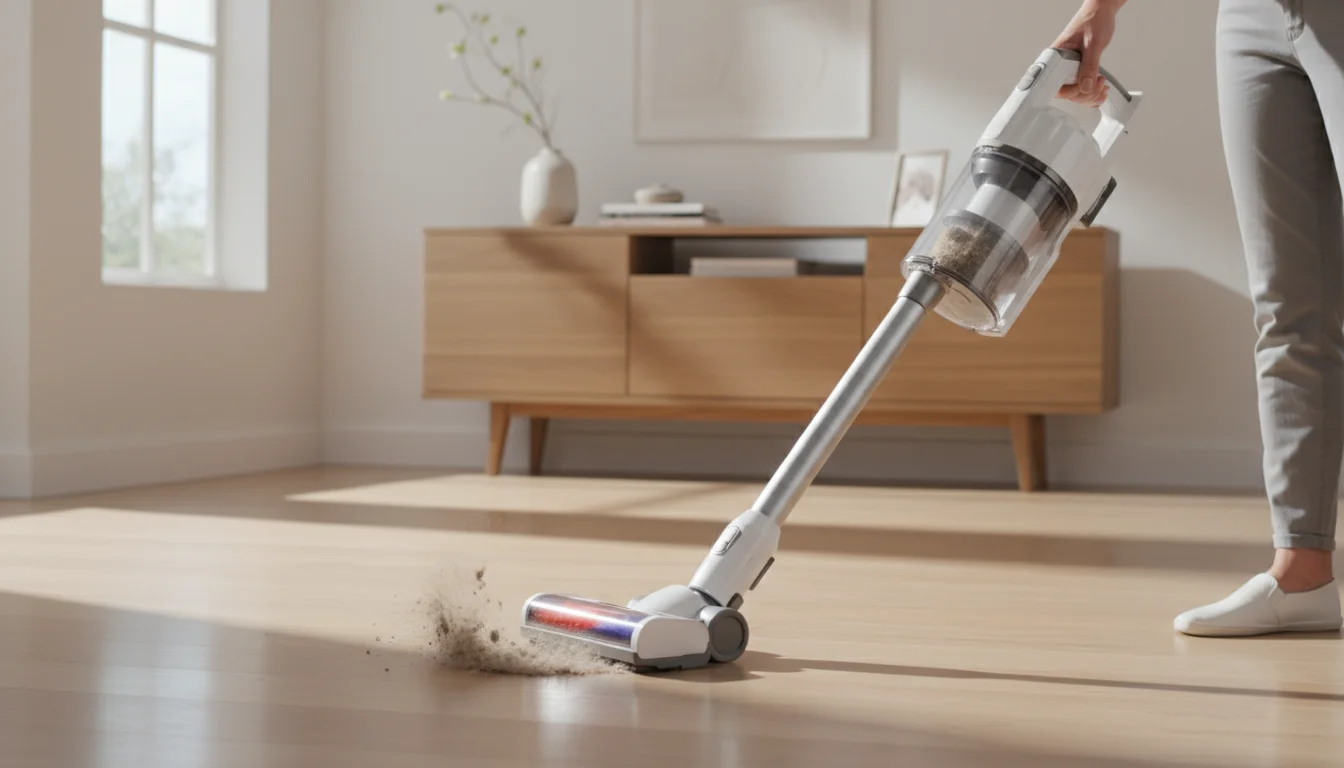
Stick Vacuums (Cordless)
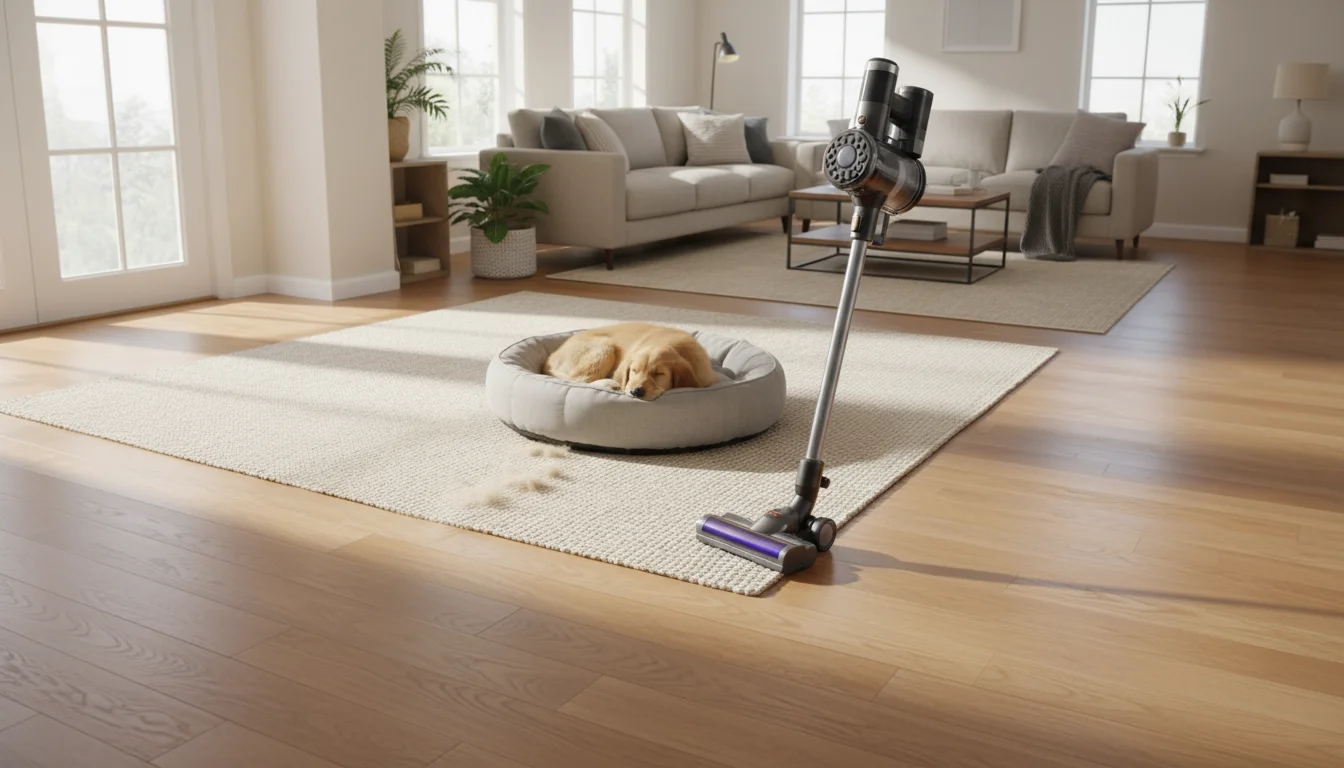
Stick vacuums, especially cordless models, offer unmatched convenience and portability. They are lightweight, easy to grab for quick clean-ups, and perform well on both hard floors and low-pile carpets. While their dustbins are smaller and battery life is limited, their agility makes them perfect for daily maintenance and tackling sudden pet hair tumbleweeds. Many come with powerful pet hair attachments, extending their utility beyond floor cleaning. They are an excellent supplementary vacuum or a primary choice for smaller homes and apartments.
Robot Vacuums
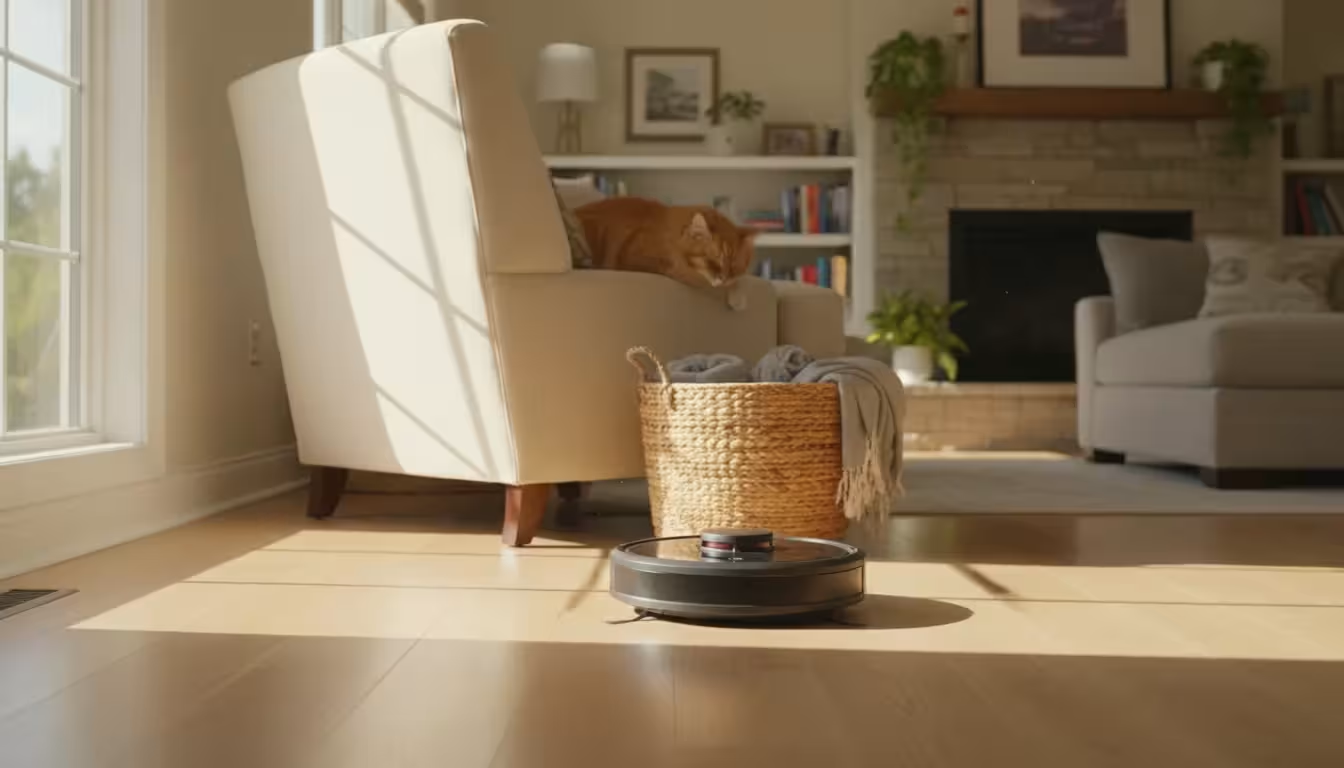
Robot vacuums offer the ultimate convenience: automated daily cleaning. They navigate your home, collecting pet hair and debris with minimal human intervention. Advanced models feature strong suction, pet-specific brush rolls, and intelligent navigation. While they excel at maintaining cleanliness, they may not offer the deep cleaning power of an upright or canister. Many feature self-emptying dustbins, a huge plus for pet owners. They work best for hard floors and low-pile carpets, serving as an excellent daily assistant to keep pet hair under control between deeper cleaning sessions.
Handheld Vacuums
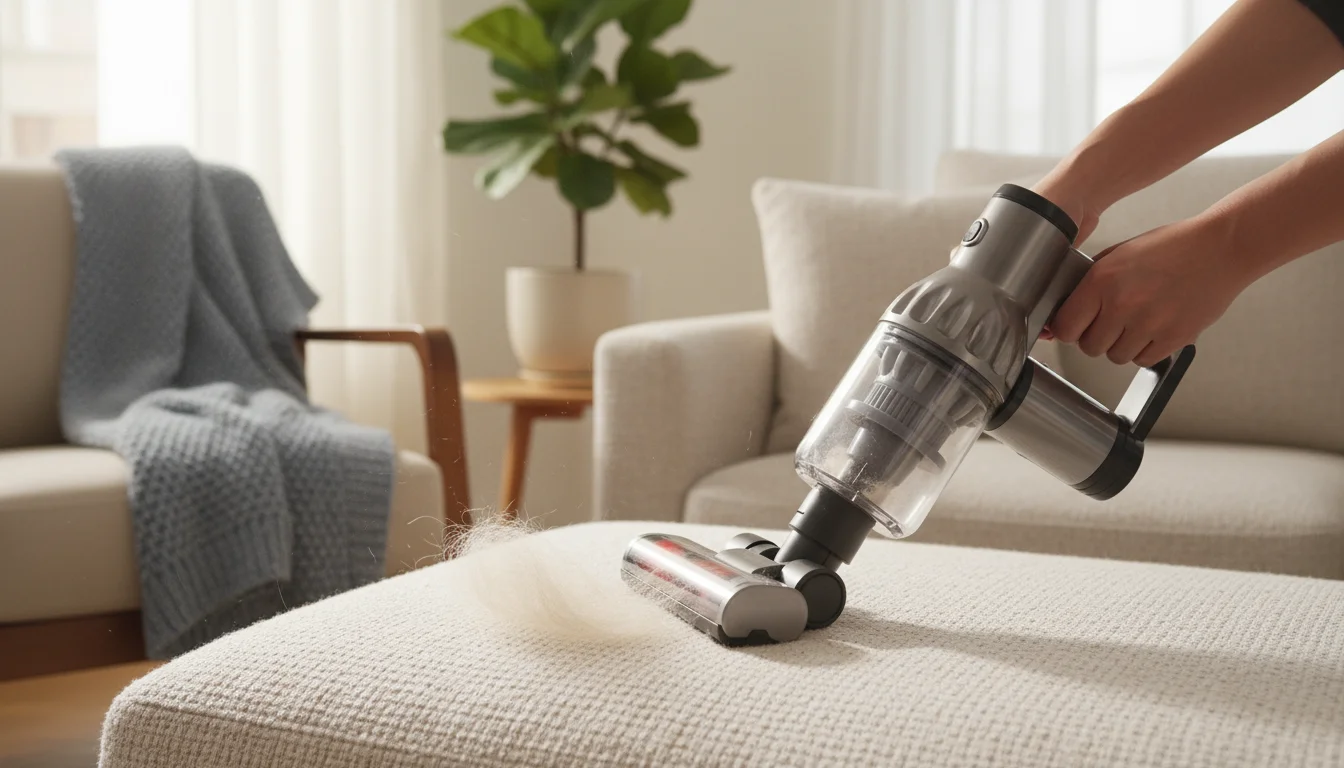
For quick spot cleaning, pet hair on furniture, or inside your car, a powerful handheld vacuum is indispensable. Look for models with strong suction and a motorized brush attachment. These are not designed for whole-floor cleaning but are perfect for addressing localized pet hair messes, making them a valuable addition to your cleaning arsenal.

Top Considerations When Choosing Your Vacuum
Selecting the right vacuum cleaner involves more than just picking a type. You need to consider your unique living situation and pet characteristics to make the best decision for your home and budget.
Your Home’s Flooring Types
Do you have mostly carpets, hard floors, or a mix of both?
- Mostly Carpets: Upright or canister vacuums with strong brush rolls excel here, digging deep into fibers to extract embedded hair.
- Mostly Hard Floors: Stick vacuums, canister vacuums with appropriate attachments, and robot vacuums are excellent choices. Ensure the vacuum has soft brush rolls or a ‘hard floor’ setting to prevent scratching.
- Mixed Flooring: Many modern uprights and stick vacuums offer versatile settings to transition between surfaces. Canister vacuums with multiple attachments also provide great flexibility.
Pet Shedding Levels
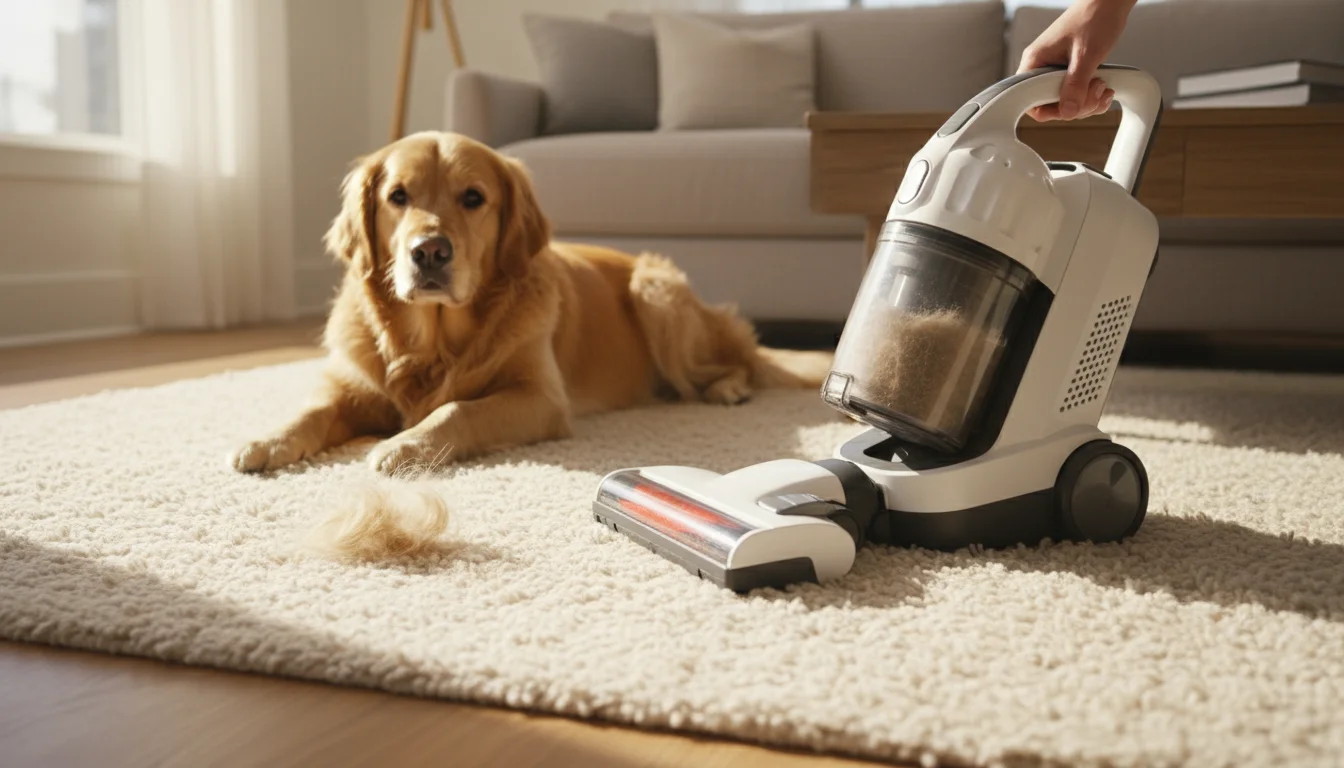
A Golden Retriever’s shedding demands a different vacuum than a low-shedding Poodle. For heavy shedders, prioritize vacuums with large dustbin capacities, powerful suction, and effective anti-tangle brush rolls. For lighter shedding, a convenient stick vacuum or robot vacuum for daily maintenance might suffice.
Your Home Size and Layout
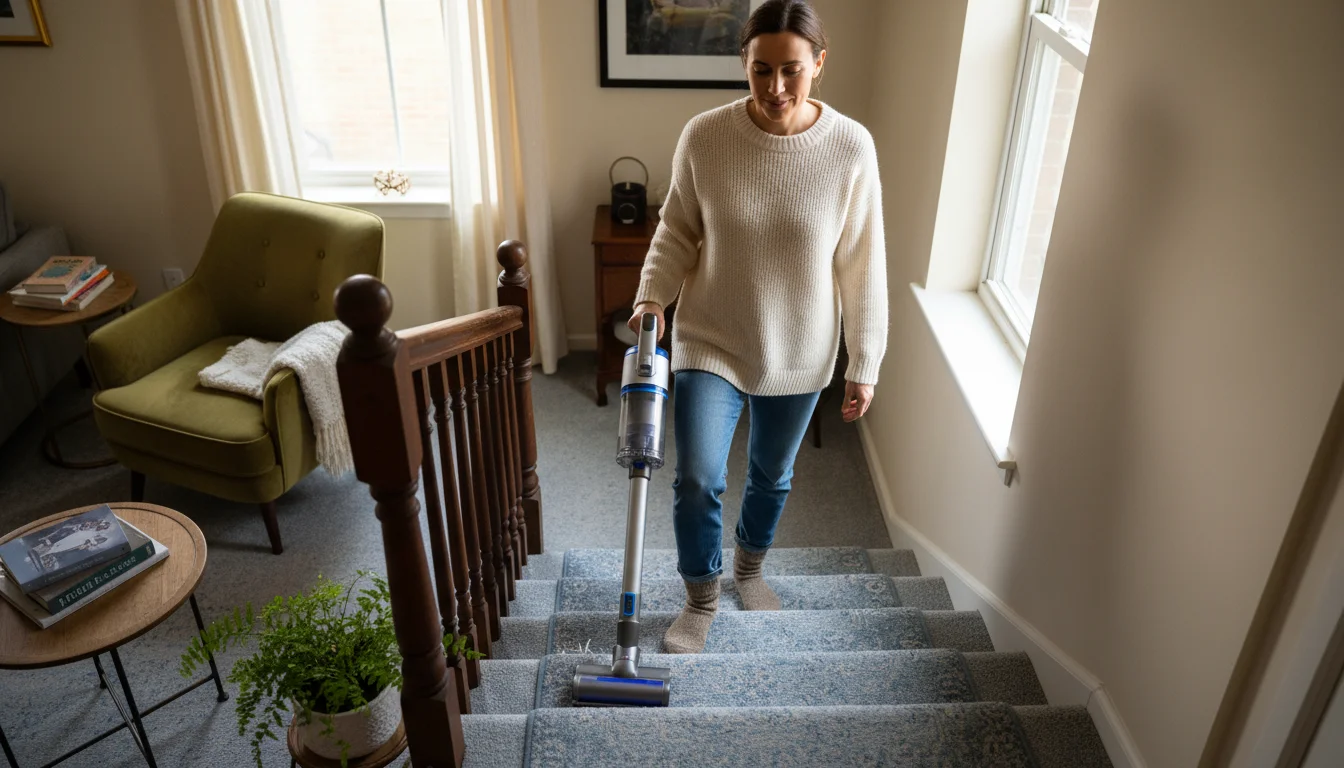
Large homes with extensive areas benefit from corded uprights or canister vacuums that offer consistent power without battery concerns. Smaller apartments or homes might find cordless stick vacuums or compact canisters more practical for storage and maneuverability. Homes with many stairs greatly benefit from lightweight stick vacuums or handheld units.
Budget Constraints
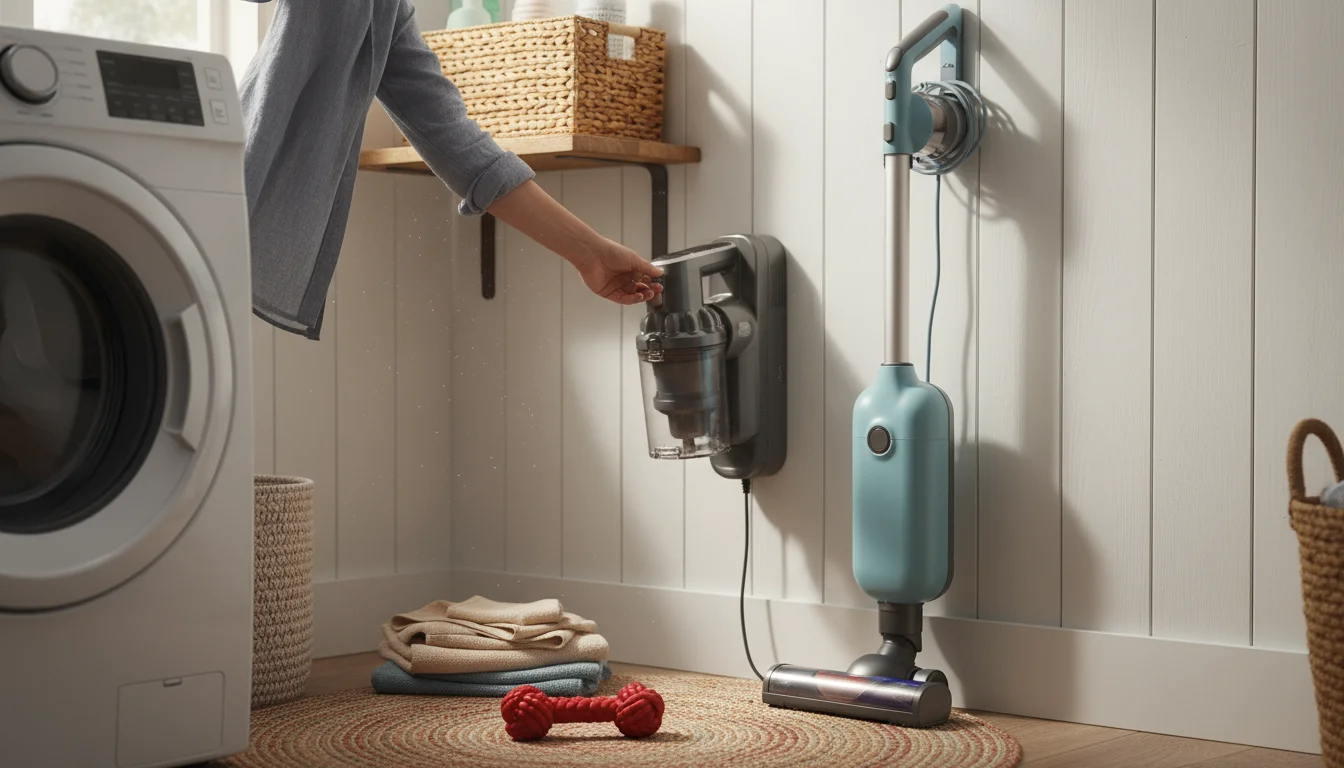
High-performance pet hair vacuums can represent a significant investment. However, many effective budget-friendly options exist. Consider what features are absolute necessities for your situation and prioritize those. Sometimes, a combination of a more affordable upright for deep cleaning and a handheld for quick spot checks provides excellent value. As experts at The Spruce advise, balance your budget with the features that will genuinely make your cleaning routine easier and more effective.
Noise Levels
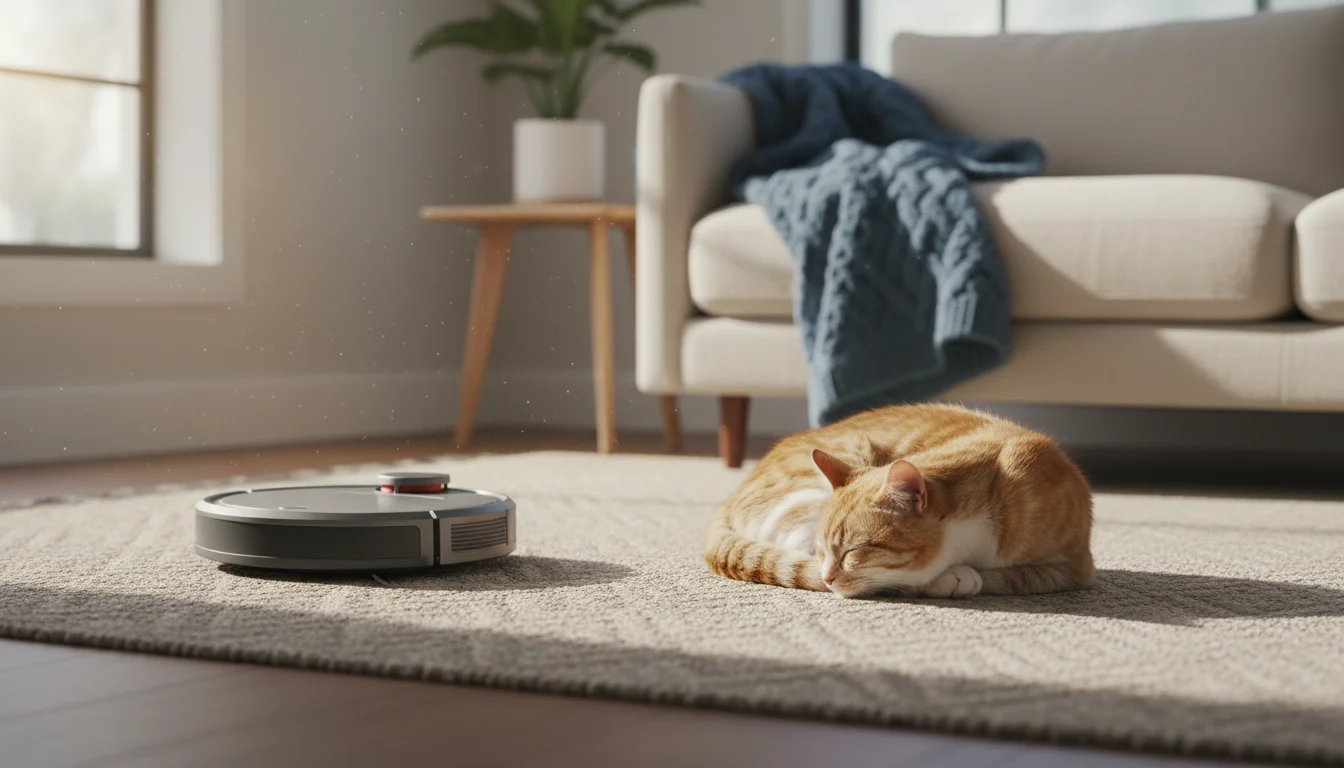
If you have anxious pets or live in an apartment where noise is a concern, consider models advertised as quiet. Canister and some robot vacuums tend to be less noisy than powerful uprights. Look for decibel ratings if available in product specifications.
Essential Attachments and Accessories
While the main vacuum unit does the heavy lifting, the right attachments transform your cleaning routine, allowing you to tackle pet hair in every nook and cranny of your home. Do not underestimate their power.
- Motorized Pet Tool or Mini Turbo Brush: This is arguably the most critical attachment for pet owners. It features a small, rotating brush that powerfully agitates and lifts embedded hair from upholstery, stairs, pet beds, and car interiors. Its compact size allows for focused, intensive cleaning where the main floor head cannot reach.
- Crevice Tool: Essential for reaching into tight spaces like between couch cushions, along baseboards, and in car seats. Pet hair often collects in these difficult-to-reach areas.
- Upholstery Tool: A wider, often brush-less tool that effectively suctions hair from fabric surfaces without damaging them.
- Dusting Brush: A soft-bristled brush for gently cleaning pet hair from lampshades, blinds, electronics, and other delicate surfaces.
- Extension Wand: Many canister and stick vacuums come with extension wands that help you reach high ceilings, curtain tops, and other elevated areas where pet hair can settle.
When purchasing a new vacuum, ensure it includes these essential tools or offers them as readily available accessories. You will find these tools significantly enhance your vacuum’s versatility and effectiveness in a pet-filled home.
Maintaining Your Pet Hair Vacuum for Lasting Performance
Your pet hair vacuum works hard. Regular maintenance ensures it continues to perform effectively, removing fur and dander efficiently and extending its lifespan. Neglecting these simple steps can lead to decreased suction, clogs, and unpleasant odors.
- Empty the Dustbin Regularly: Pet hair fills dustbins quickly. Empty it after every use, or when it reaches the ‘max fill’ line. This prevents suction loss and keeps the vacuum operating at peak efficiency. For bagged vacuums, replace bags when they are two-thirds full to maintain optimal airflow.
- Clean or Replace Filters: Filters are crucial for trapping pet dander and allergens. Refer to your vacuum’s manual for specific instructions. Many filters are washable; simply rinse them under cold water and let them air dry completely (usually 24-48 hours) before reinstalling. Non-washable filters require regular tapping out or replacement every 3-6 months, depending on usage and pet shedding levels. Clogged filters dramatically reduce suction and recirculate allergens.
- Check and Clean the Brush Roll: Pet hair, strings, and threads inevitably wrap around the brush roll. This reduces its effectiveness and can damage the motor. Regularly turn off and unplug your vacuum, then use scissors or a seam ripper to carefully cut and remove any tangled hair. Some models have brush rolls designed for easy removal and cleaning.
- Clear Hoses and Attachments: Periodically check hoses and attachments for blockages. Pet hair clumps easily, especially in narrower sections. Use a broom handle or a straightened coat hanger to gently dislodge any obstructions, being careful not to puncture the hose.
- Wipe Down the Exterior: Use a damp cloth to wipe down the exterior of your vacuum, especially around seals and openings. This removes surface dust and grime, keeping your appliance clean and functional.
Implementing these simple maintenance steps keeps your vacuum cleaner a reliable tool in your fight against pet hair. According to advice from Good Housekeeping, regular maintenance extends the life of your appliances and ensures they operate at their best.
Beyond the Vacuum: Keeping a Clean, Pet-Friendly Home
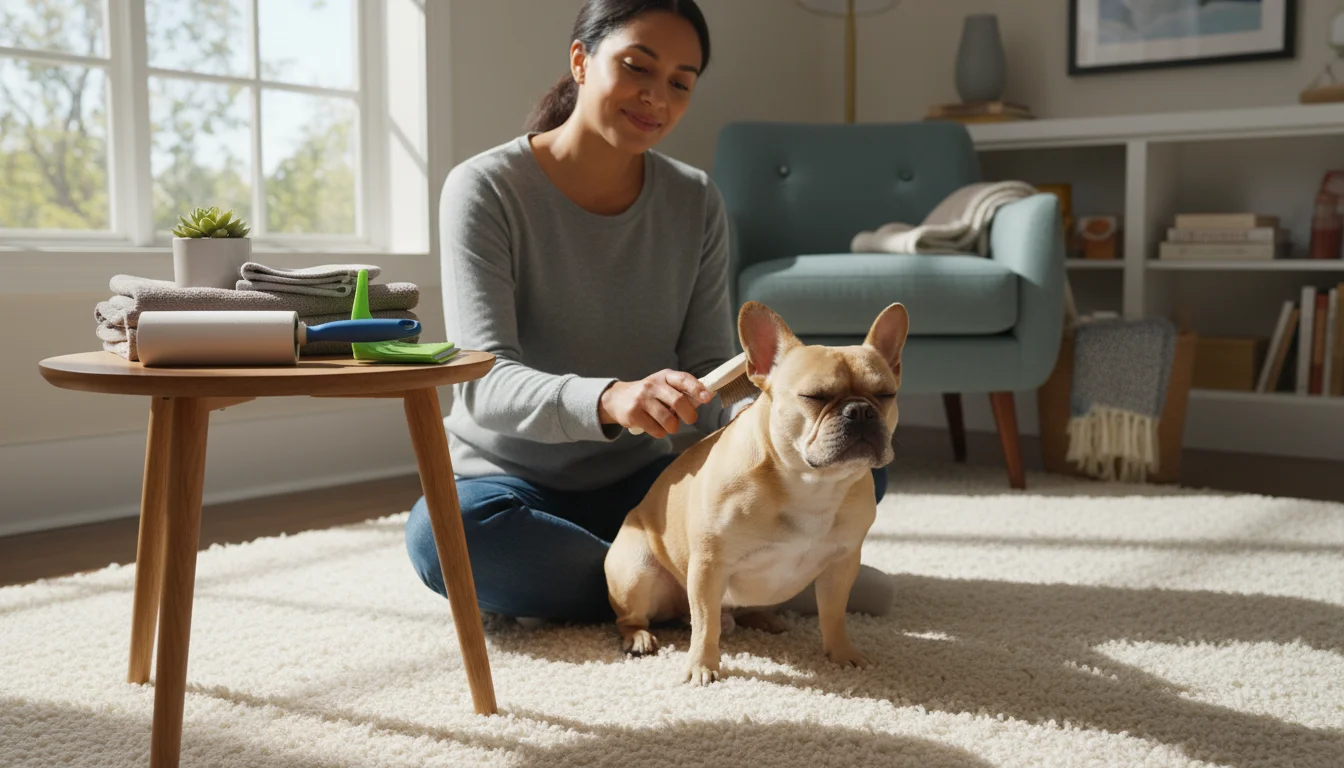
While the right vacuum cleaner forms the core of your pet hair management strategy, integrating other habits and tools significantly enhances your efforts. A holistic approach keeps your home consistently cleaner and reduces the amount of hair your vacuum needs to tackle.
Regular Pet Grooming
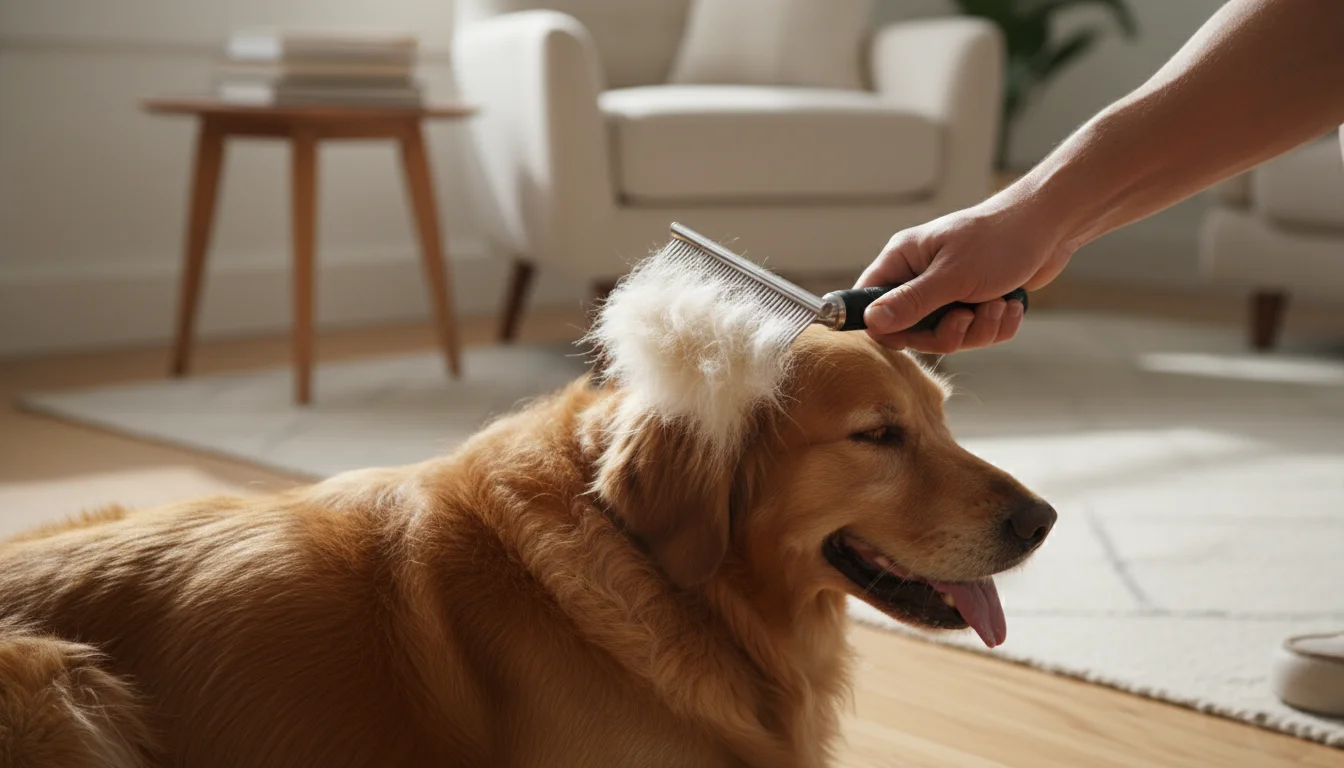
This is your first line of defense. Regular brushing, especially for heavy-shedding breeds, removes loose hair before it has a chance to settle on your floors and furniture. Consider professional grooming for breeds that require it. Investing in deshedding tools can dramatically reduce the amount of hair your pet leaves around the house.
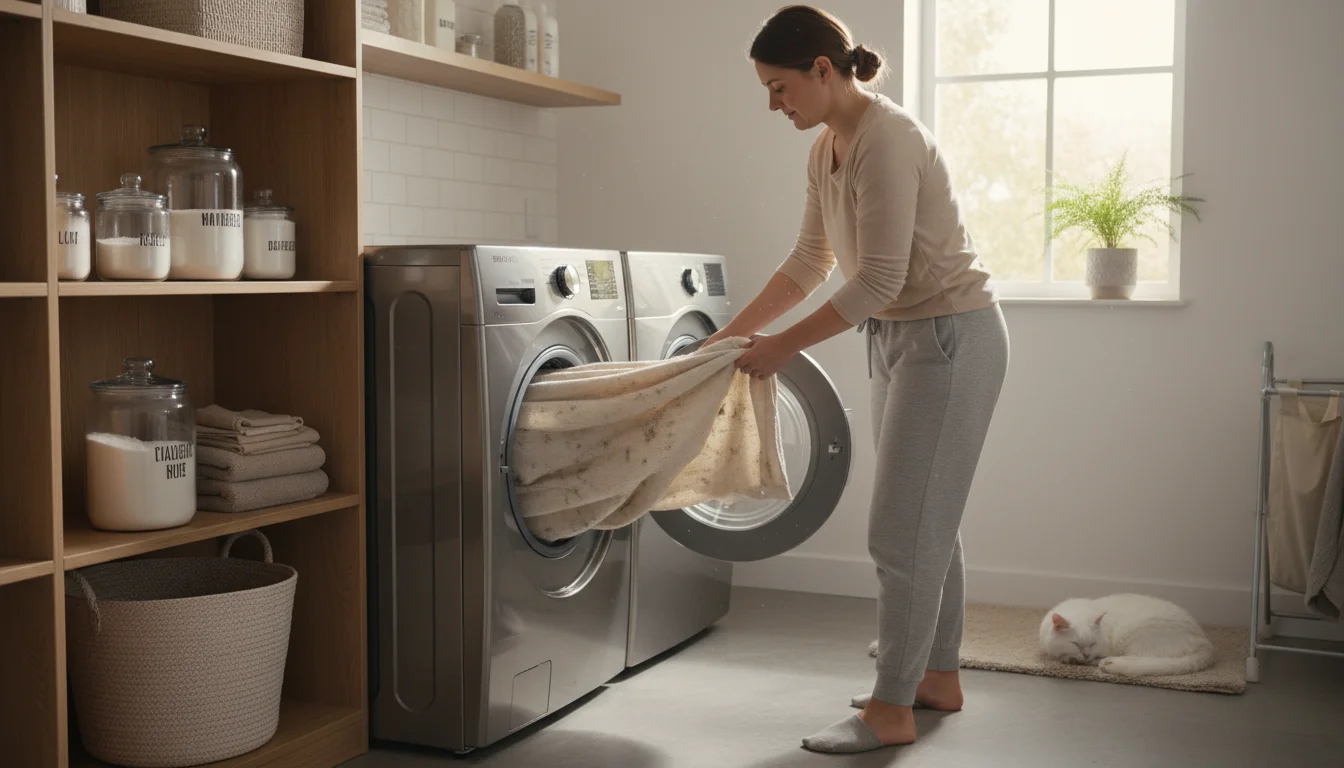
Use Furniture Covers
Protect your upholstery with washable covers. These act as a barrier, collecting pet hair that you can then easily remove and wash. Look for materials that resist hair embedding and are machine-washable. This tip from Real Simple provides a practical, low-effort solution for furniture protection.
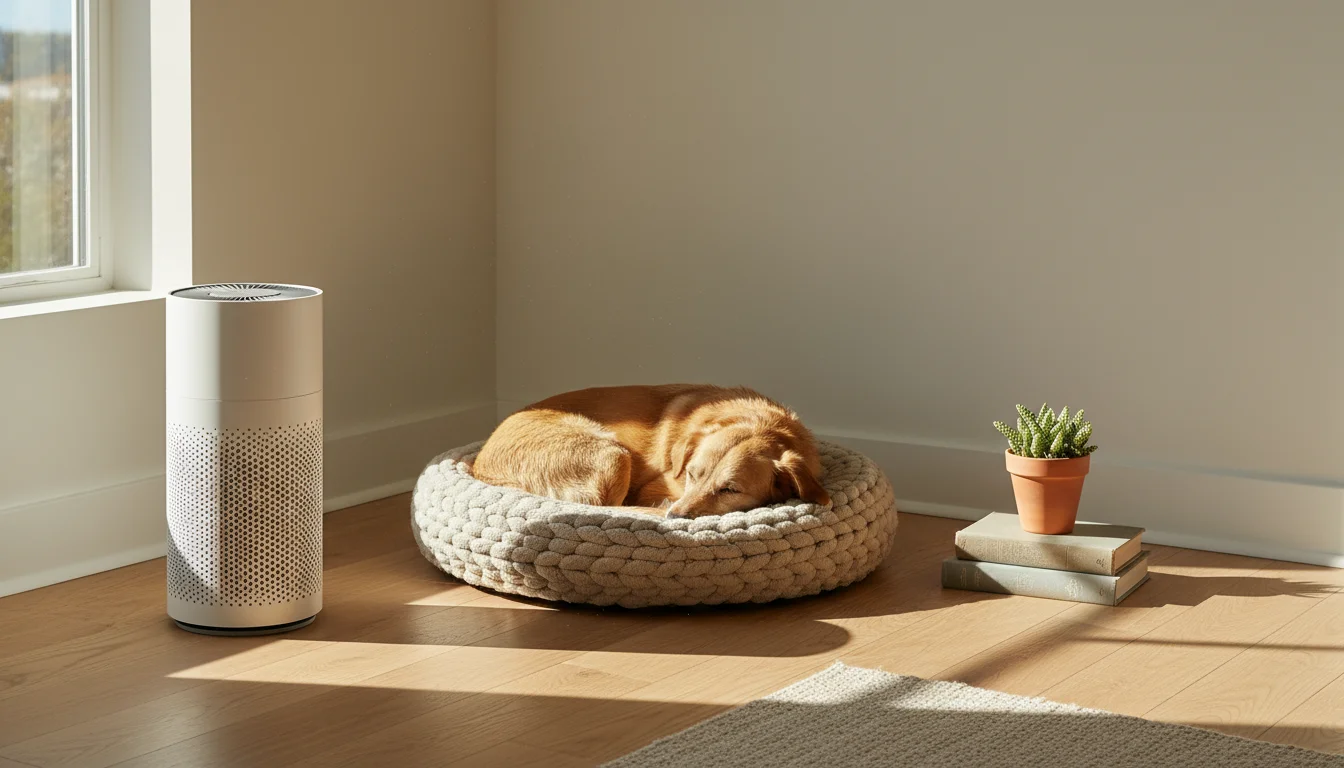
Invest in Air Purifiers
Air purifiers with HEPA filters help capture airborne pet dander and allergens that vacuums might miss, further improving indoor air quality. Place them in rooms where your pets spend the most time.
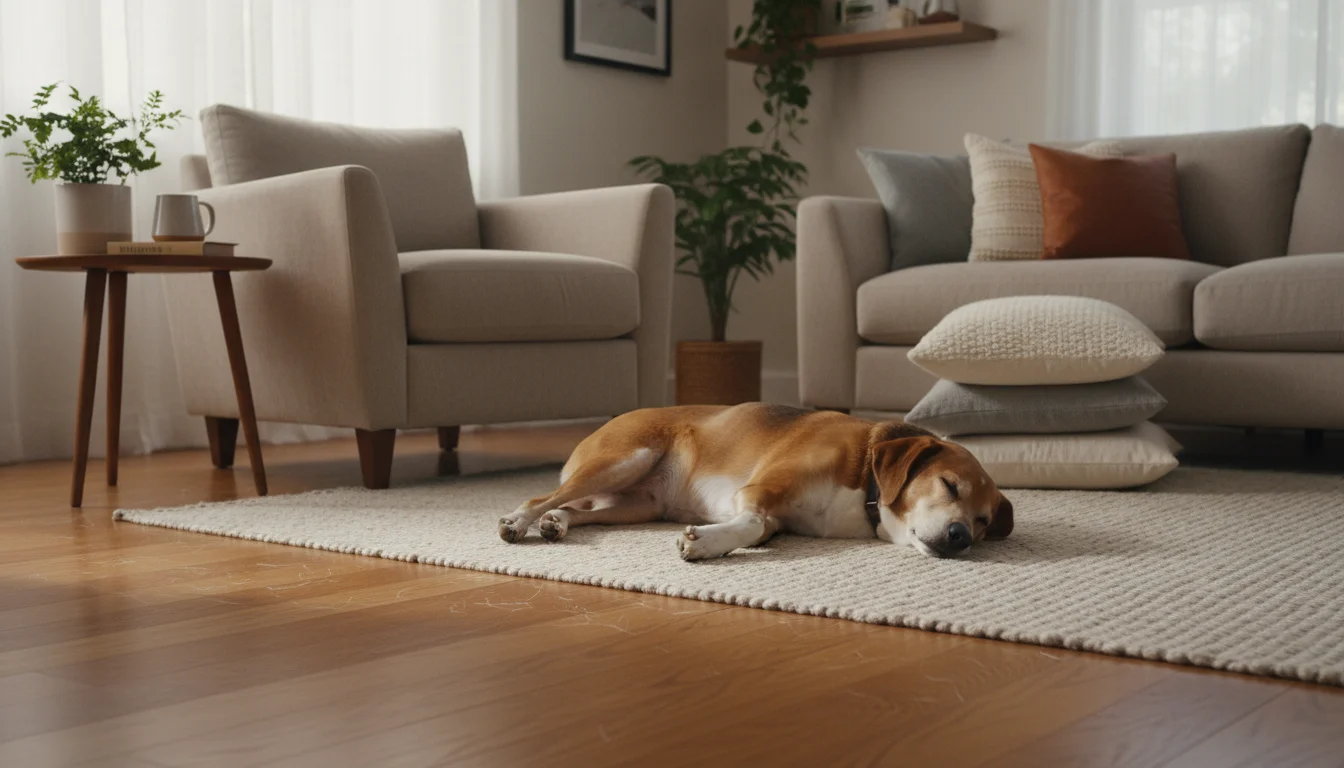
Consider Flooring Choices
If you are renovating or moving, consider pet-friendly flooring. Hardwood, laminate, and tile floors are easier to clean pet hair from than high-pile carpets. If you love carpets, opt for low-pile or tight-weave options that do not trap as much fur.
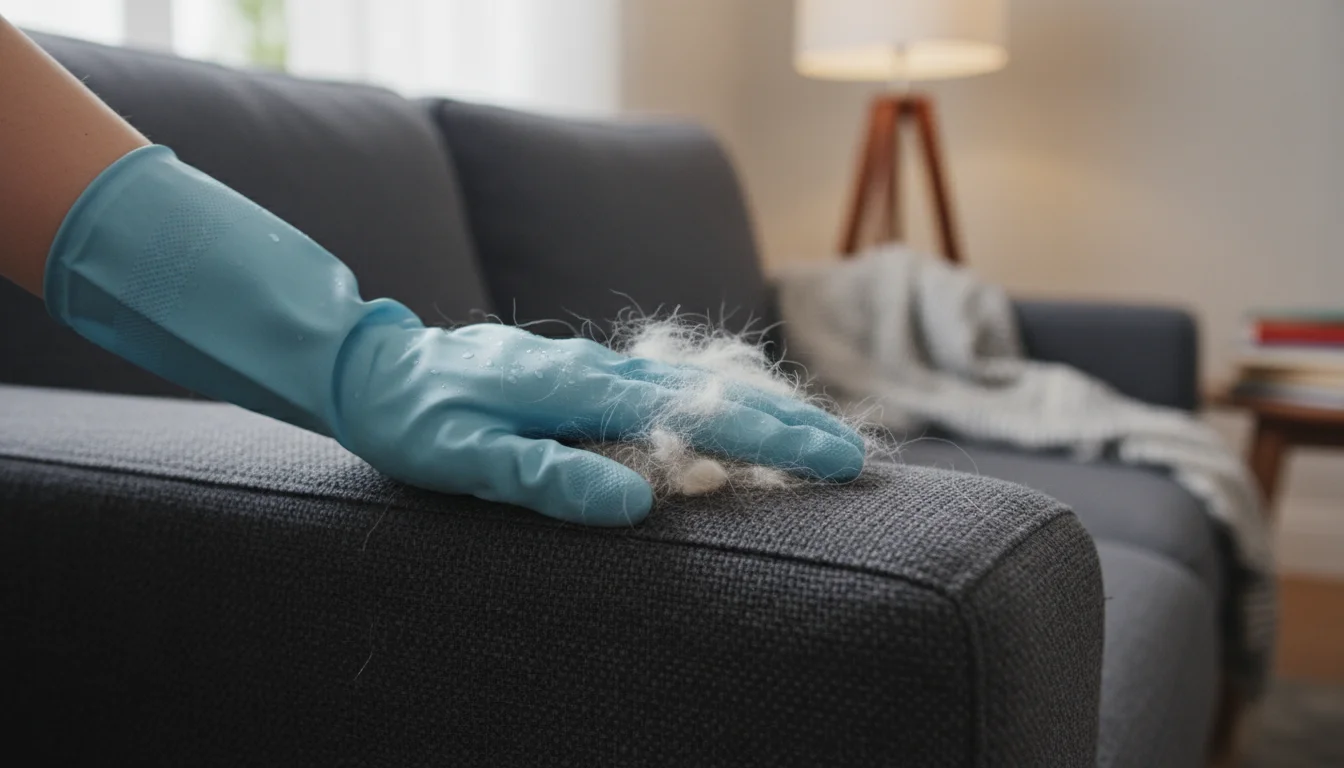
Lint Rollers and Rubber Gloves
Keep lint rollers handy for quick touch-ups on clothing, small areas of furniture, and pet beds. For a budget-friendly option, a damp rubber glove works wonders for gathering pet hair from upholstery and carpets in a pinch. Simply put on the glove and wipe your hand across the fabric; the hair clings to the damp rubber.
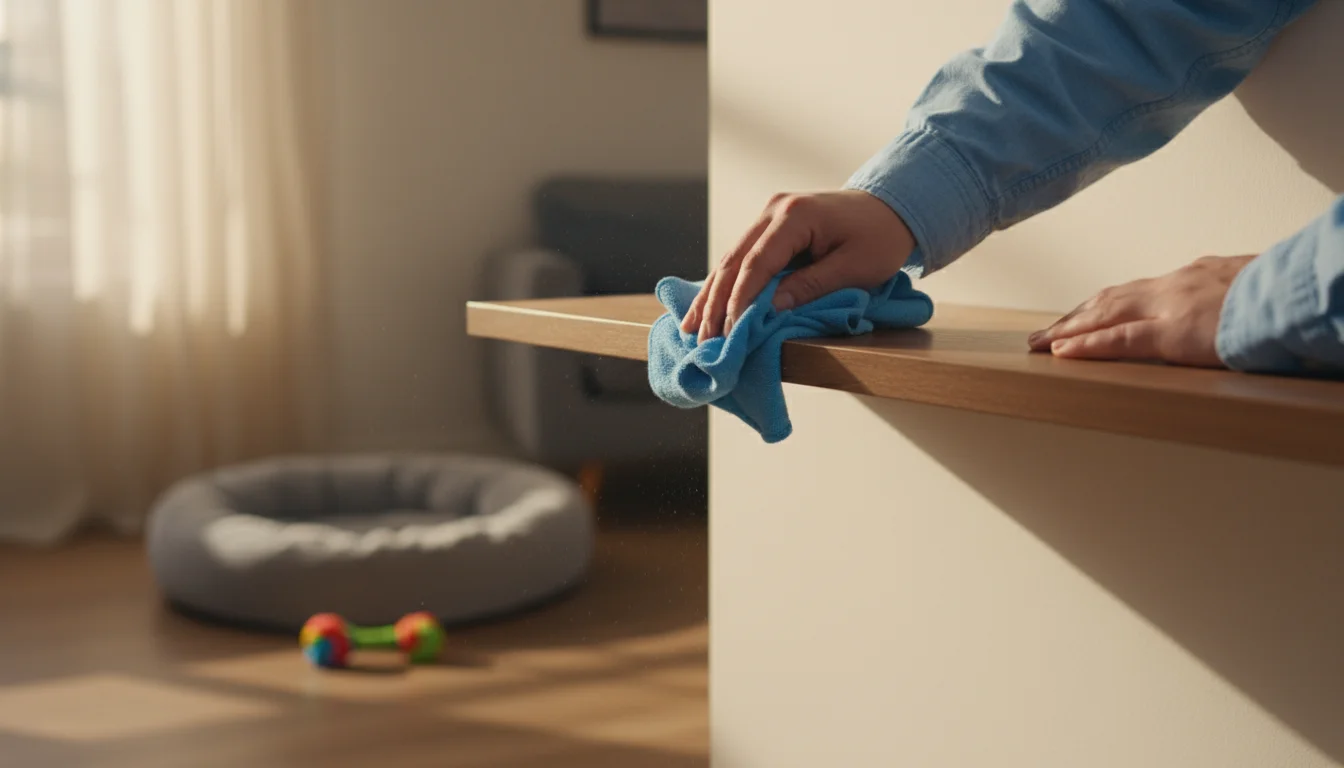
Regular Dusting
Pet hair and dander settle on all surfaces. Regular dusting with a microfiber cloth helps capture these particles before they fall to the floor. Start from higher surfaces and work your way down to ensure you capture everything before vacuuming.
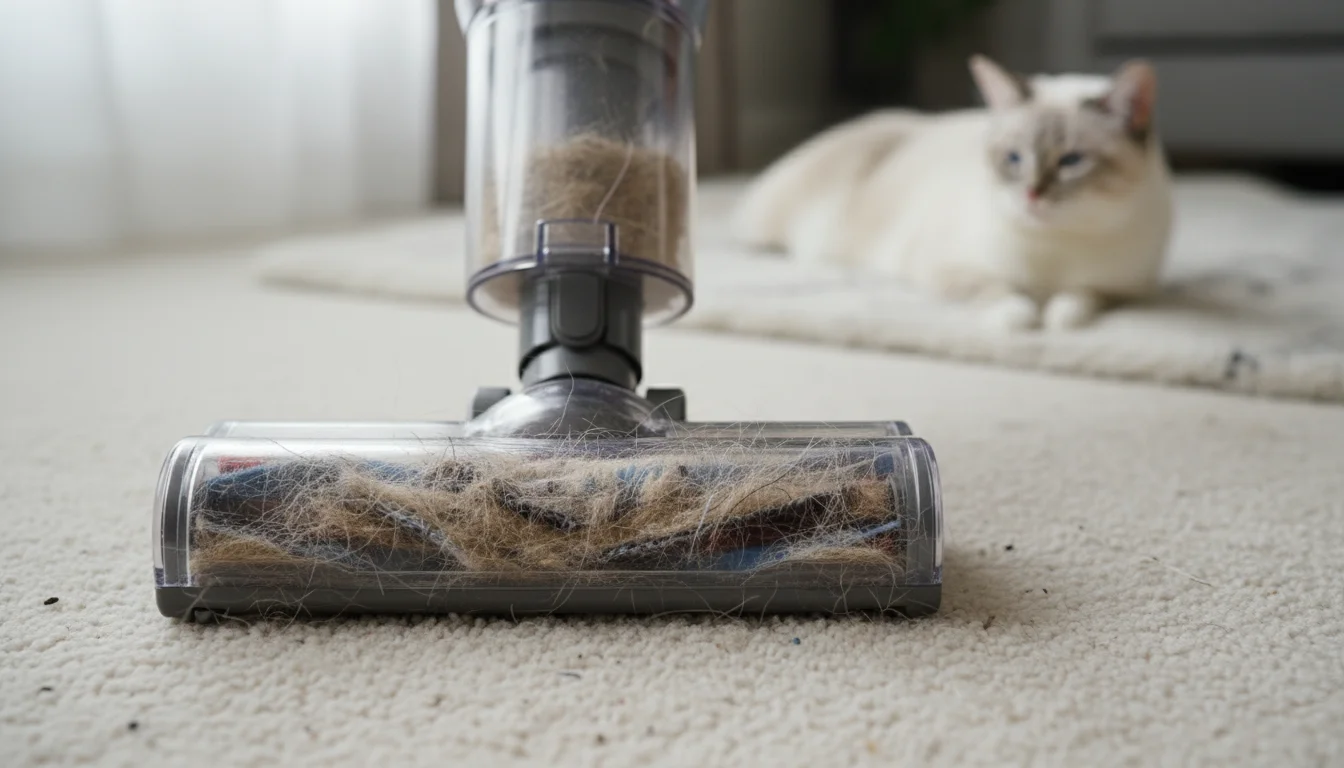
Common Mistakes to Avoid When Vacuuming Pet Hair
Even with the best equipment, improper technique or neglecting simple steps can undermine your efforts. Avoid these common mistakes to maximize your pet hair vacuum’s effectiveness.
- Not Vacuuming Frequently Enough: Pet hair accumulates rapidly. Daily or every-other-day vacuuming is often necessary, especially with heavy shedders. Waiting too long allows hair to become deeply embedded and more challenging to remove.
- Overfilling the Dustbin: A full dustbin drastically reduces suction power, leaving hair behind. Empty your vacuum regularly, ideally after each use, to ensure consistent performance.
- Neglecting Filters and Brush Rolls: As discussed, clogged filters and tangled brush rolls cripple your vacuum’s ability to pick up pet hair and trap allergens. Prioritize regular cleaning and replacement.
- Using the Wrong Attachments: Attempting to clean upholstery with the main floor head or trying to reach crevices with a wide attachment is ineffective. Use the right tool for the job. The motorized pet tool is a game-changer for furniture.
- Moving Too Quickly: Give your vacuum time to work. Move slowly over carpets and hard floors, allowing the suction and brush roll to thoroughly agitate and lift the hair. Make overlapping passes to ensure complete coverage.
- Ignoring High-Traffic Areas: Focus your efforts on areas where your pets spend the most time or where traffic patterns collect hair. These “zones” are where you will find the highest concentration of fur and dander.
- Not Checking for Blockages: If your vacuum’s suction suddenly drops, check the hose, wand, and floor head for blockages. Pet hair clumps can quickly obstruct airflow.
Frequently Asked Questions
Are bagless or bagged vacuums better for pet hair?
Both bagless and bagged vacuums can effectively handle pet hair. Bagged vacuums offer a more hygienic disposal method, trapping hair and allergens inside the bag, which is beneficial for allergy sufferers. Bagless vacuums offer convenience and save money on bags, but emptying the dustbin can release a small puff of dust and dander. Your preference for ease of disposal versus ongoing cost should guide your choice.
How often should I vacuum with pets?
For homes with pets, especially those that shed heavily, daily or every-other-day vacuuming is ideal. This prevents hair from accumulating and becoming deeply embedded. Even a quick pass with a stick or robot vacuum can make a significant difference in maintaining cleanliness between more thorough weekly cleanings.
Can any vacuum cleaner work for pet hair if it has strong suction?
While strong suction is crucial, it is not the only factor. Vacuums specifically designed for pet hair also incorporate specialized brush rolls that resist tangling, advanced filtration (like HEPA filters) to capture dander, and dedicated pet attachments. These features combined make a vacuum truly effective for pet hair, going beyond just raw suction power.
What type of brush roll is best for pet hair?
Look for brush rolls with anti-tangle designs, often featuring rubberized bristles or unique patterns that prevent hair from wrapping around the bar. Some high-end models offer self-cleaning brush rolls, a highly convenient feature for pet owners. Avoid brush rolls with excessively soft or sparse bristles, as they may not effectively agitate and lift embedded fur.
Is it worth investing in a robot vacuum for pet hair?
A robot vacuum is an excellent investment for daily maintenance and keeping pet hair under control. It provides consistent, automated cleaning, preventing large accumulations of fur. However, it often complements, rather than replaces, a more powerful upright or canister vacuum for deeper, weekly cleaning sessions, particularly on carpets or in high-traffic areas.
For expert home organization guidance, visit
The Container Store — Organization Tips,
IKEA Home Organization and
Martha Stewart — Home.
Disclaimer: This article is for informational purposes only and is not a substitute for professional advice. Consult professional organizers or specialists for personalized recommendations.






Leave a Reply