

Living with pets brings immense joy, love, and companionship. It also often brings a unique set of challenges, particularly when it comes to maintaining a fresh, clean home. Despite your best efforts, pet odors can sometimes linger, creating an unwelcome atmosphere. You want a home that smells clean and inviting, not like a kennel. The good news is you can effectively tackle and eliminate these persistent smells using natural, budget-friendly methods. This guide empowers you with practical, actionable strategies to achieve lasting home freshness, ensuring both your family and your furry friends enjoy a truly pleasant living space.
Understanding Pet Odors: More Than Just a Smell
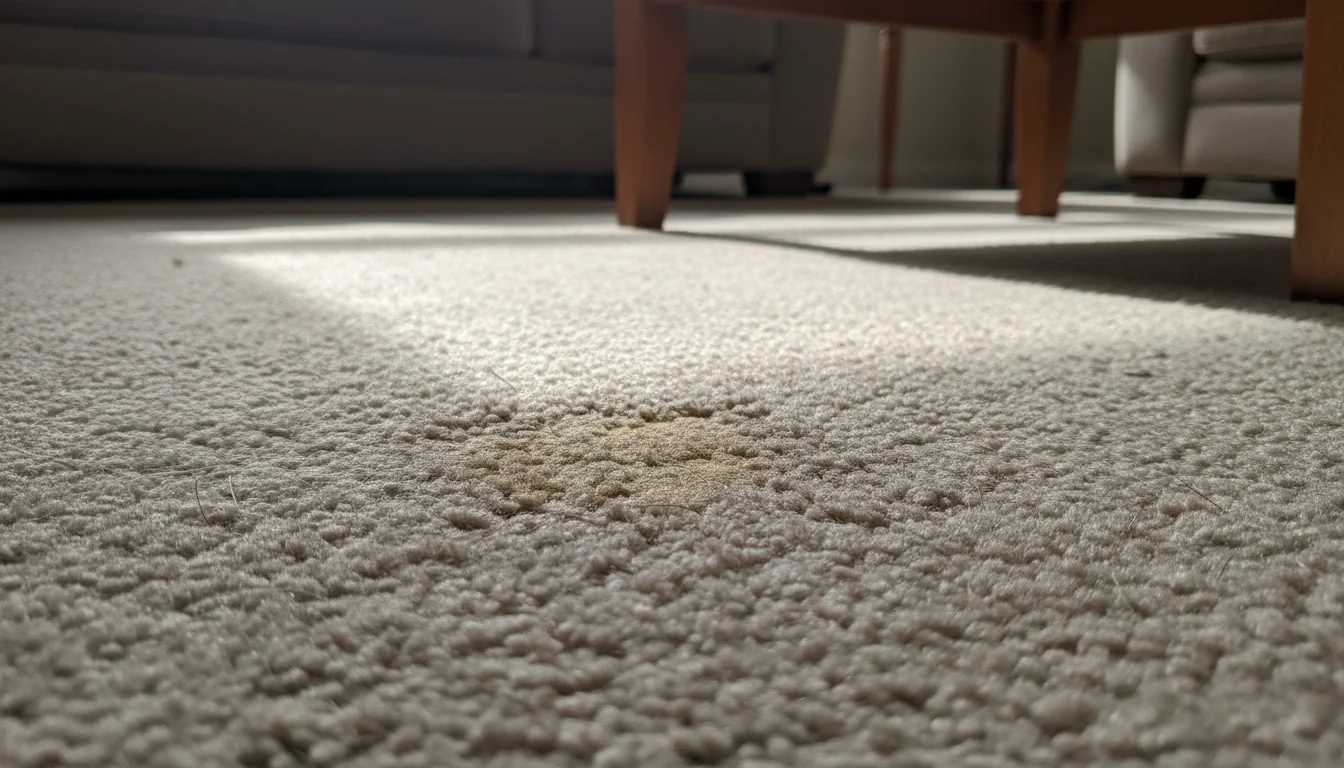
Before you can effectively eliminate pet odors, you must understand their origin. Pet smells are not just an annoyance, they are a complex combination of several factors. Urine, dander, saliva, natural oils, and even bacteria combine to create the distinctive “pet smell” you often notice. These compounds absorb into porous materials like carpets, upholstery, and wood, making them incredibly difficult to remove with simple cleaning.
In addition to deep cleaning, using one of the best air purifiers for pet owners can help trap airborne particles and neutralize lingering scents.
Pet urine, in particular, presents a challenge. It contains urea, uric acid, and ammonia. While urea initially causes a mild ammonia smell, bacteria break down the uric acid over time, releasing thiols, the same compounds that give skunk spray its potent odor. As the urine dries, it crystallizes, making it difficult to fully remove without specific enzymes designed to break down uric acid crystals. Odor molecules then attach to surfaces and become airborne, permeating your living space. You need a targeted approach for true pet odor removal, focusing on neutralizing these compounds at their source.
The Power of Prevention: Your First Line of Defense
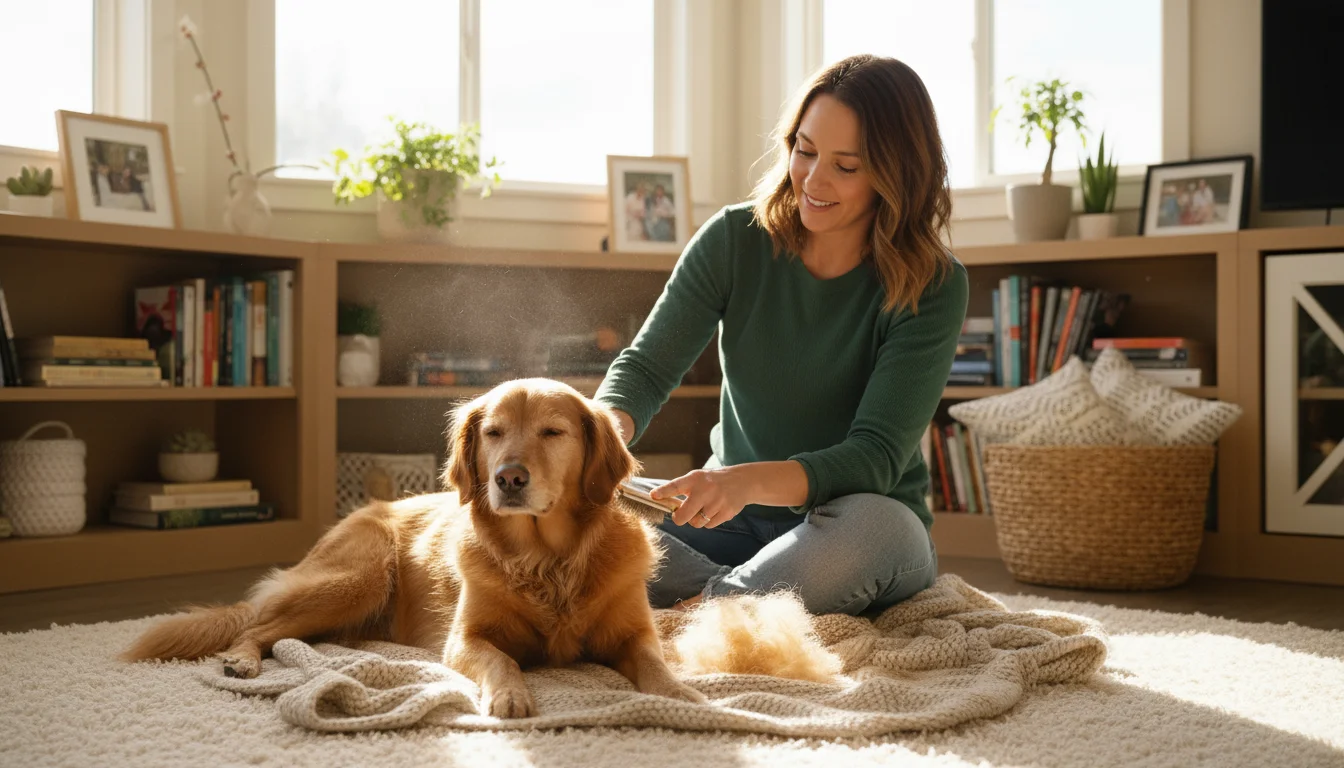
The most effective strategy against pet odors begins with prevention. Establishing proactive habits significantly reduces the need for intensive cleaning later. Incorporate these steps into your routine for lasting home freshness:
For a more thorough refresh, a comprehensive spring cleaning guide can help you tackle pet-related grime in hidden corners.
Integrating pet maintenance into your weekly house cleaning schedule ensures that dander and oils don’t accumulate over time.
Regular Pet Grooming: Your pet’s fur collects dirt, dander, and natural oils, contributing to overall household odors. Consistent brushing, bathing, and even professional grooming keep their coat clean and minimize shed hair and dander. Bathe your dog or cat regularly with pet-safe shampoos. The frequency depends on your pet’s breed and activity level, but generally, every 4-6 weeks for dogs and as needed for cats works well.
Prompt Accident Cleanup: Address accidents immediately. The longer pet urine or feces sits, the deeper it penetrates surfaces and the more difficult the odor becomes to remove. Blot wet spots, do not rub. Rinse the area with clean water, then apply a natural deodorizer or enzymatic cleaner.
Protect Vulnerable Surfaces: Use washable covers on furniture, waterproof mats under food and water bowls, and easily cleanable bedding. Consider area rugs that you can regularly clean or replace in high-traffic pet areas. These simple steps create barriers against odors, simplifying your cleaning process.
Maintain Litter Boxes and Crates: Scoop litter boxes daily, or even twice a day, and completely change the litter weekly. Wash the litter box with soap and water every time you change the litter. For crates, regularly wash bedding and wipe down surfaces. A clean environment for your pet directly translates to a fresher home for you.
Essential Natural Deodorizers: Your Green Cleaning Arsenal
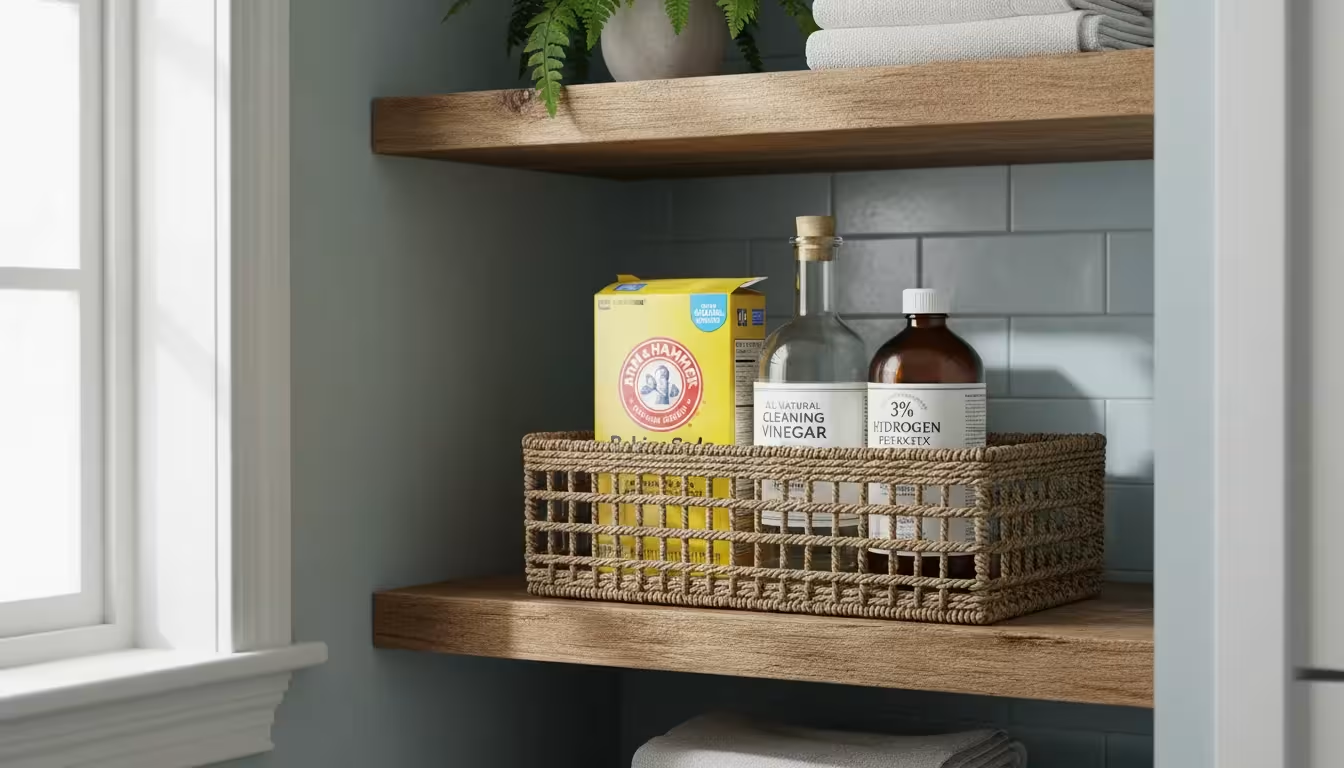
You do not need harsh chemicals to achieve effective pet odor removal. Nature provides powerful, safe, and affordable alternatives. Keep these staples on hand:
- Baking Soda (Sodium Bicarbonate): This pantry item is a phenomenal odor absorber. Baking soda neutralizes both acidic and alkaline odor molecules, rather than simply masking them. You can use it as a dry powder or create a paste or solution.
- White Vinegar (Acetic Acid): Vinegar’s acidic nature breaks down and neutralizes alkaline urine salts and other odor-causing bacteria. Its strong smell dissipates quickly, taking the pet odors with it. Always dilute white vinegar with water before use on most surfaces to prevent damage.
- Hydrogen Peroxide (3% Solution): Hydrogen peroxide effectively oxidizes and breaks down organic matter, including urine and other odor sources. It also serves as a mild disinfectant. Exercise caution when using it on colored fabrics, as it can cause bleaching. Test in an inconspicuous spot first.
- Citrus Peels/Juice: The d-limonene in citrus peels offers a pleasant, natural scent and has some degreasing properties. While it primarily masks odors, it also helps freshen the air naturally. Do not apply directly to pets.
- Enzymatic Cleaners (Natural): While not strictly a household ingredient, many natural enzymatic cleaners contain beneficial bacteria that “eat” odor-causing organic matter. These are particularly effective for old urine stains. Look for pet-safe, natural formulations.
According to the American Cleaning Institute, understanding the chemistry of cleaning agents, even natural ones, helps you choose the most effective solution for specific messes. Baking soda and vinegar offer different benefits, working synergistically to tackle a range of odors.
Tackling Odors on Soft Surfaces: Carpets, Upholstery, and Beds
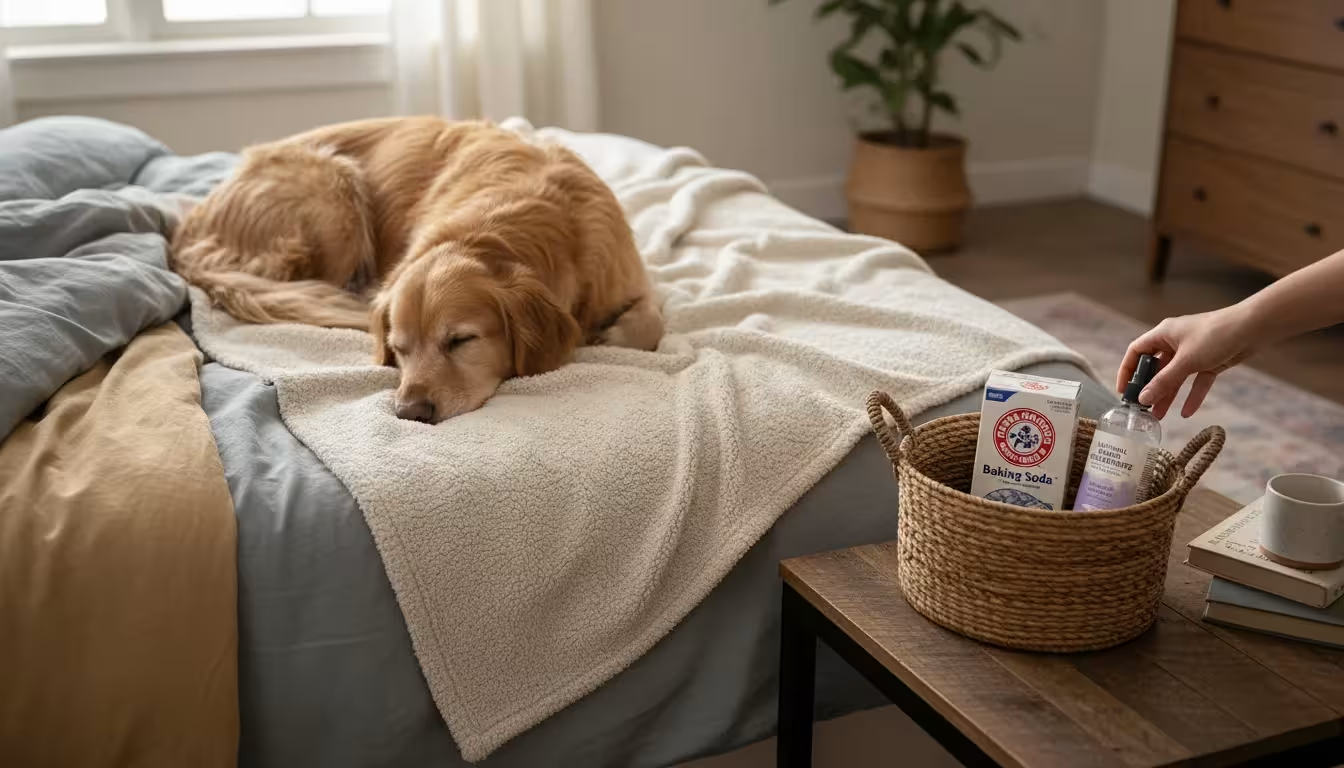
Soft surfaces act like sponges, absorbing pet odors deep into their fibers. You need a multi-step approach for thorough pet odor removal from these areas.
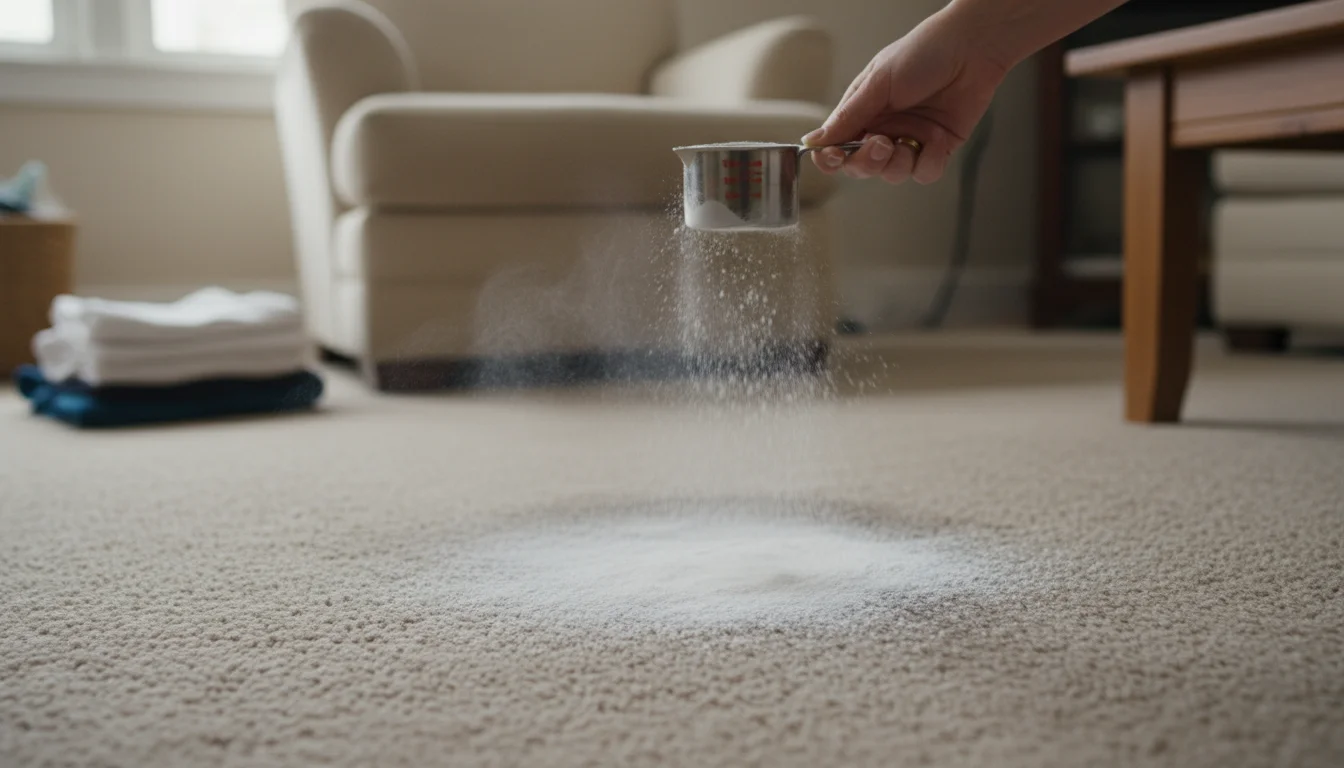
Carpets and Rugs
- Initial Cleanup: If dealing with a fresh stain, blot as much liquid as possible with paper towels or a clean cloth. Stand on the towels to absorb deeply. Rinse with a small amount of clean water and blot again.
- Baking Soda Treatment: Liberally sprinkle baking soda over the affected area, ensuring good coverage. Let it sit for several hours, or even overnight, to absorb odors. For particularly strong smells, gently work it into the carpet fibers with a soft brush.
- Vacuum Thoroughly: Use a strong vacuum cleaner to remove all the baking soda. Perform multiple passes to ensure complete removal.
- Vinegar Solution (Optional, for tougher odors): Mix equal parts white vinegar and water in a spray bottle. Lightly mist the affected area. Do not saturate. Let it air dry completely. The vinegar smell disappears as it dries, taking the pet odor with it. Always test on an inconspicuous area first to check for colorfastness.
- Hydrogen Peroxide Spot Treatment (Caution): For persistent stains or strong urine odors, you can carefully use a 3% hydrogen peroxide solution. Dilute it further with water (e.g., 1 part peroxide to 2 parts water) for colored carpets. Apply directly to the spot, let it sit for 10-15 minutes, then blot dry. Rinse with a damp cloth and blot again. Remember, peroxide can bleach, so test first.
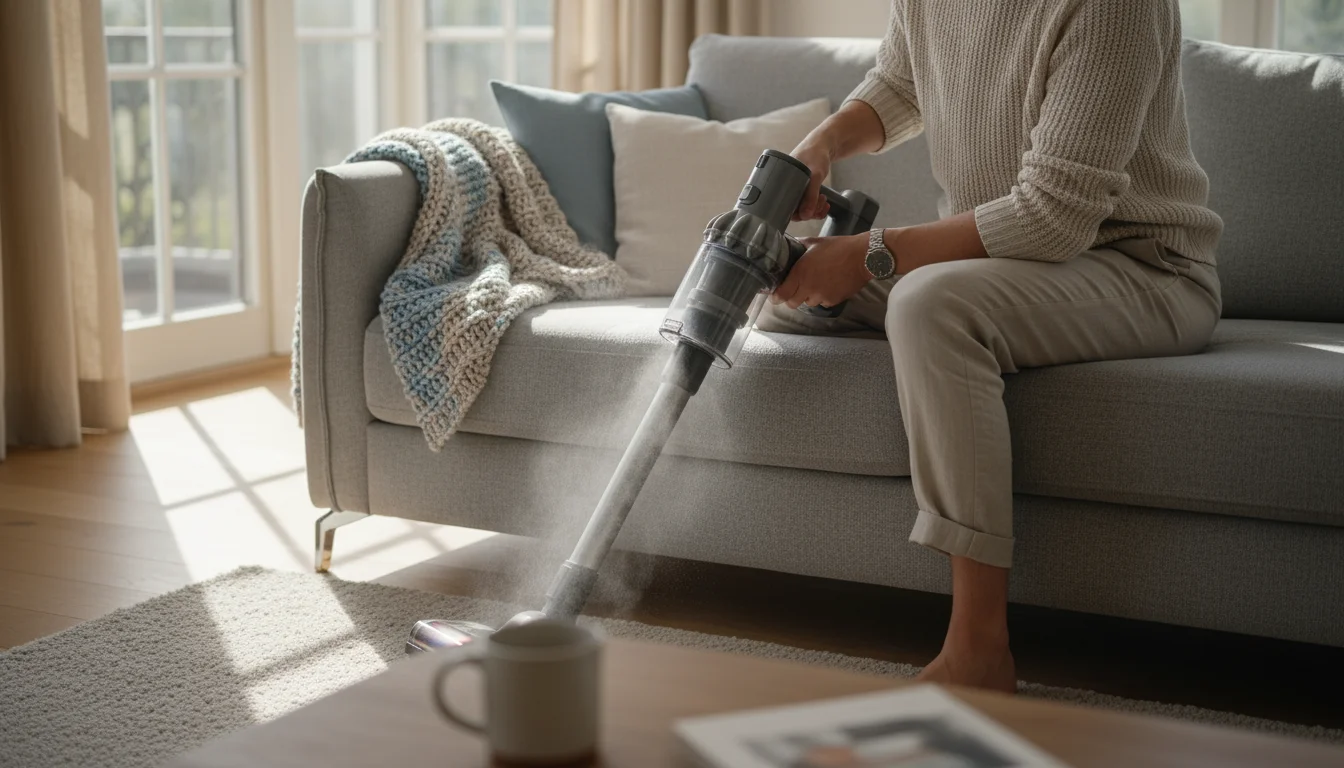
Upholstery
Upholstered furniture requires careful handling. Always check the care tag for cleaning codes (W for water-based, S for solvent, WS for both, X for vacuum only).
- Vacuuming: Regularly vacuum upholstery with an attachment to remove pet hair and dander.
- Baking Soda Application: Sprinkle baking soda over the entire piece of furniture or just the affected areas. Let it sit for at least an hour, or overnight for deep odors.
- Thorough Vacuuming: Use your vacuum’s brush attachment to thoroughly remove all baking soda.
- Vinegar Spray: For stubborn odors, lightly mist a diluted white vinegar solution (1:1 vinegar to water) onto the fabric. Do not soak the upholstery. Allow it to air dry completely, ideally with good ventilation.
- Enzymatic Cleaner (Spot Treatment): For specific urine spots, use a natural enzymatic cleaner formulated for upholstery. Follow product instructions carefully, always testing on a hidden area first.
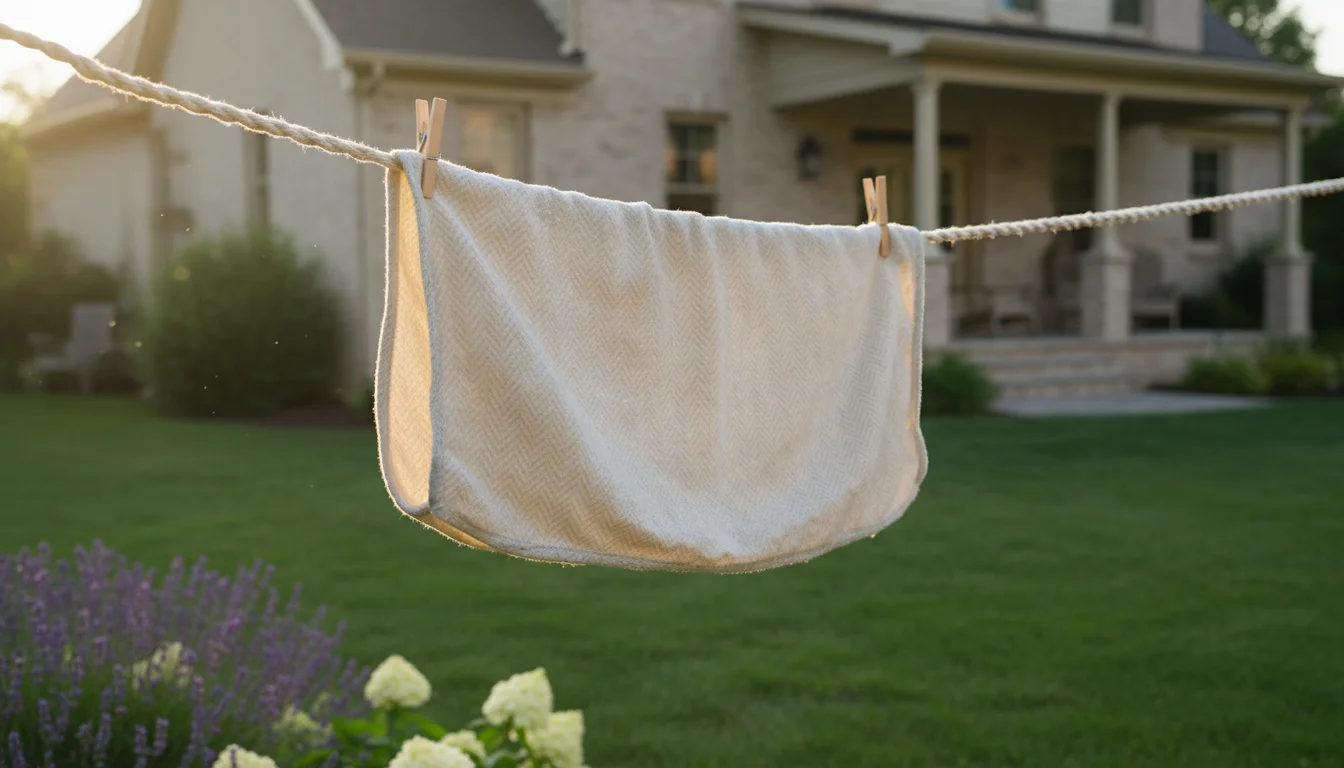
Pet Beds and Blankets
Regular washing is key for pet beds. Most pet beds have removable covers. Wash these covers weekly, or bi-weekly, depending on usage.
- Pre-Treat: Before washing, sprinkle baking soda directly onto the dry bed cover. Let it sit for 30 minutes to an hour.
- Machine Wash: Wash the cover in hot water (if fabric allows) with your regular detergent and a half-cup of white vinegar. The vinegar helps neutralize odors and acts as a fabric softener.
- Drying: Ensure the cover dries completely to prevent mildew. Air drying in sunlight is ideal for extra freshness. If using a dryer, use a low heat setting to avoid shrinking.
- Inner Cushion: For beds with non-removable cushions, you may need to spot clean with a vinegar solution or enzymatic cleaner, then air dry thoroughly.
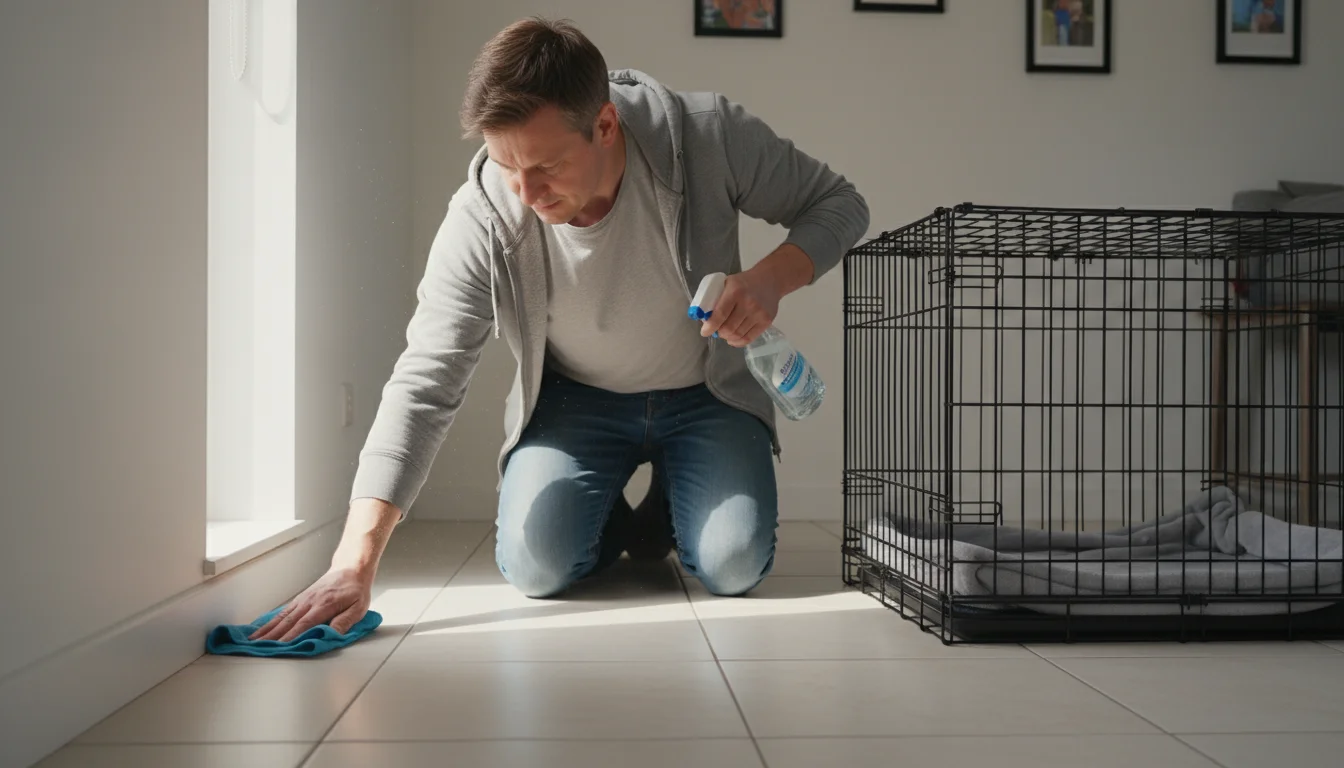
Eliminating Odors from Hard Surfaces: Floors, Walls, and Crates
Hard surfaces might seem less prone to odor absorption, but urine, dander, and general pet grime can leave a residue that contributes to persistent smells. Regular cleaning with natural solutions keeps these surfaces fresh.
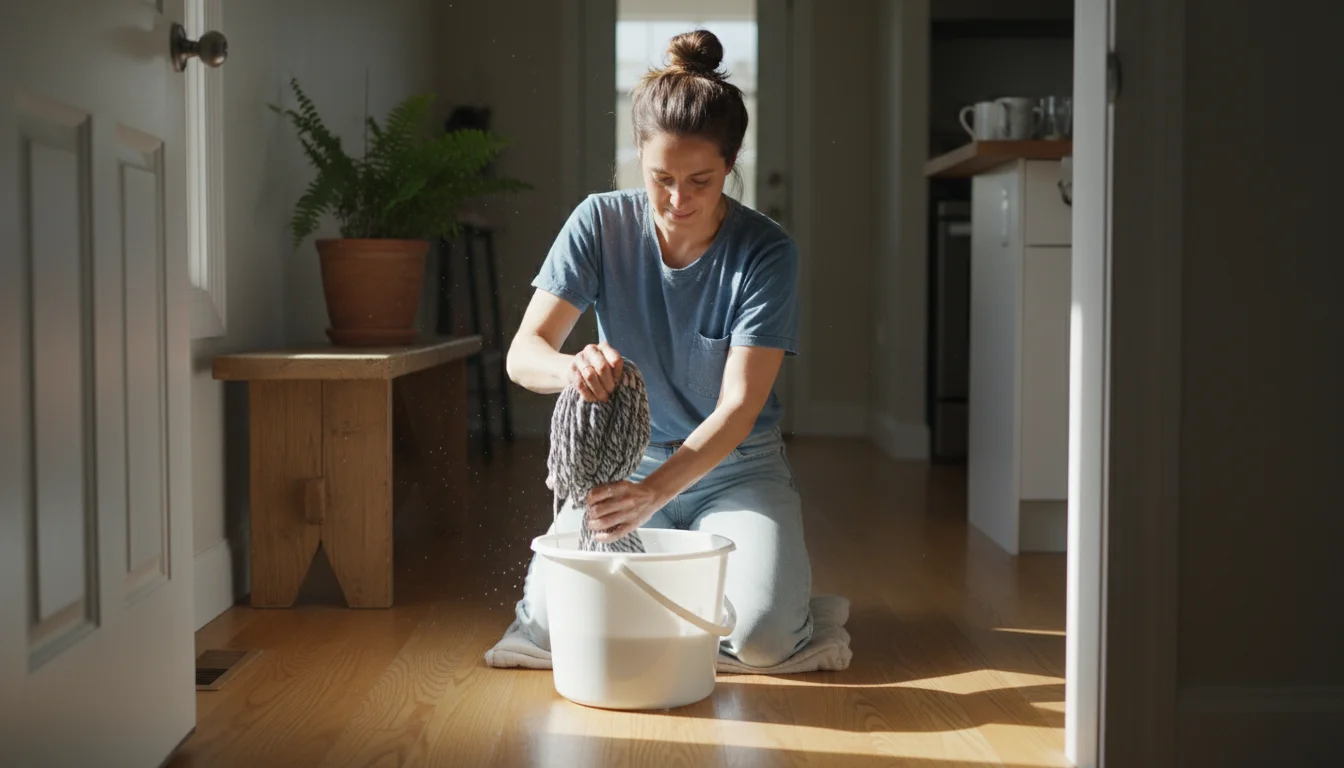
Hardwood, Tile, and Laminate Floors
- Sweep/Vacuum: Start by sweeping or vacuuming to remove loose pet hair and debris.
- Vinegar Mopping Solution: Mix 1 cup of white vinegar with 1 gallon of warm water. For an extra boost of home freshness, add a few drops of pet-safe essential oil (such as lavender or peppermint, ensuring your pets do not react negatively to these scents, and avoid tea tree oil).
- Mop Thoroughly: Mop your floors with this solution. The vinegar helps neutralize odors, disinfects, and leaves a streak-free shine. Ensure you wring out your mop well, as excessive water can damage hardwood or laminate.
- Dry: Allow the floor to air dry, or use a clean, dry mop or cloth to speed up drying, especially for wood.
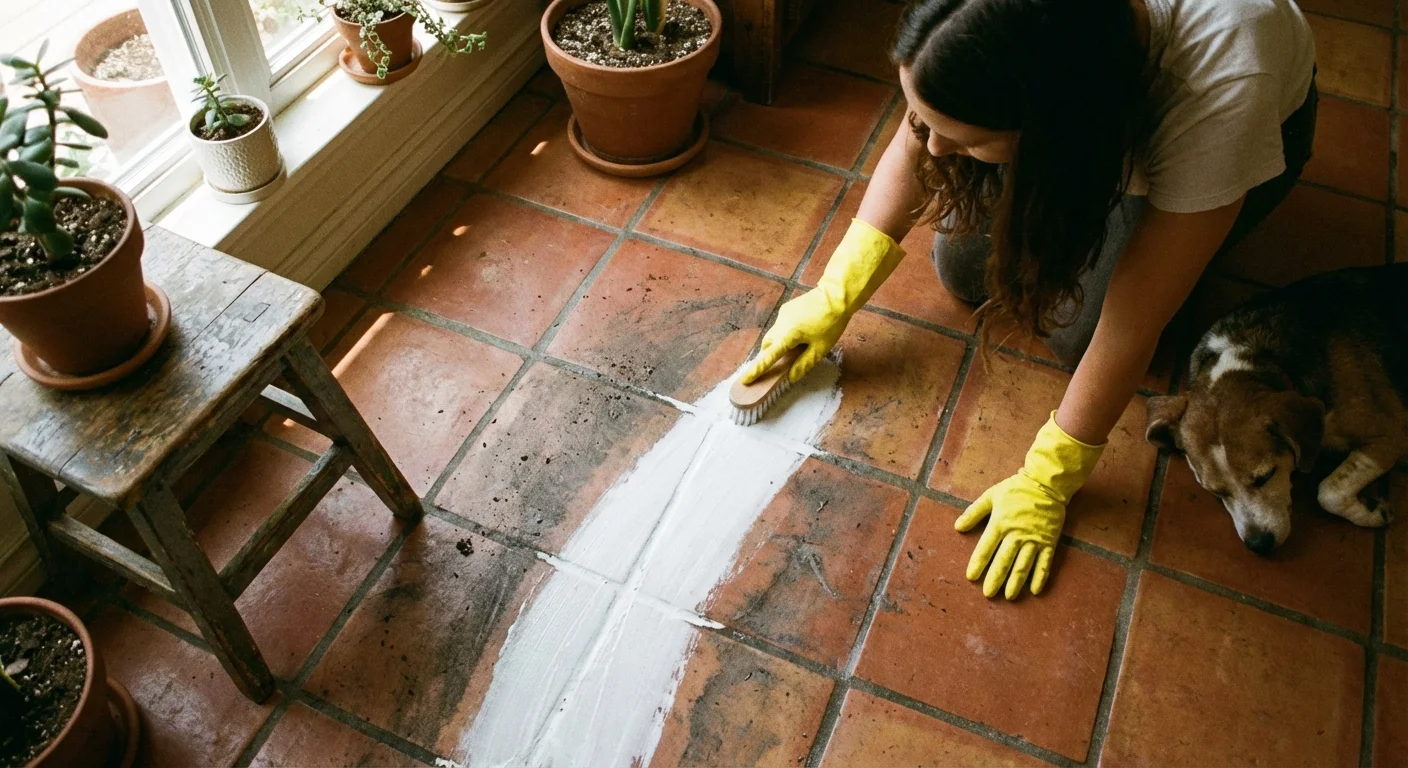
- Spot Treatment for Urine: For specific urine spots that have soaked into grout or wood, create a paste of baking soda and a small amount of hydrogen peroxide. Apply it to the spot, let it sit for 15-30 minutes, then gently scrub and wipe clean. Test on an inconspicuous area first.
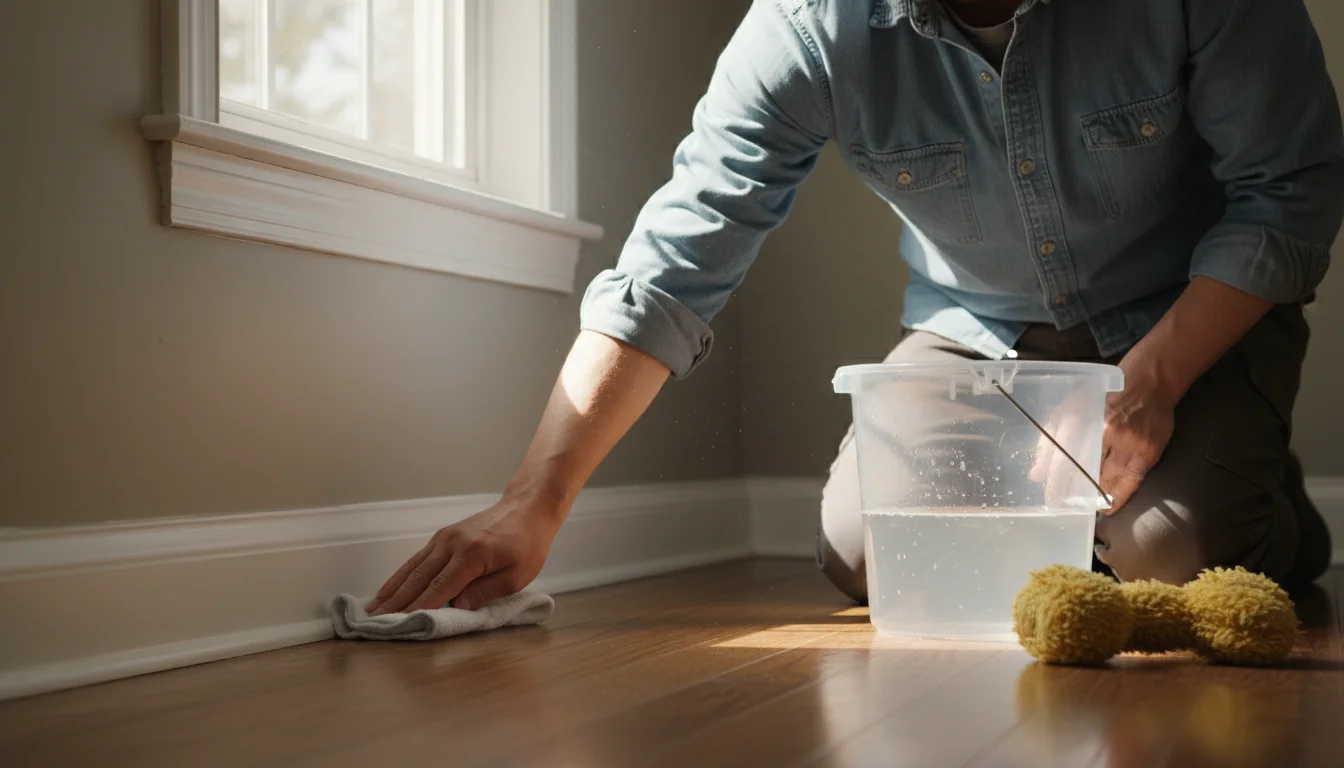
Walls and Baseboards
Pets often rub against walls, and accidents can sometimes splash. These surfaces collect pet oils and dander, contributing to the overall odor. As noted by experts at The Spruce — Home Organization, cleaning forgotten surfaces like walls and baseboards significantly impacts your home’s cleanliness and smell.
- Wipe Down: Mix a solution of equal parts white vinegar and warm water.
- Gentle Cleaning: Use a clean cloth dampened with the solution to wipe down walls and baseboards, paying attention to areas where your pet frequently rubs.
- Rinse (Optional): For painted walls, a quick wipe with a water-dampened cloth after the vinegar solution helps prevent streaking.
- Dry: Allow surfaces to air dry.
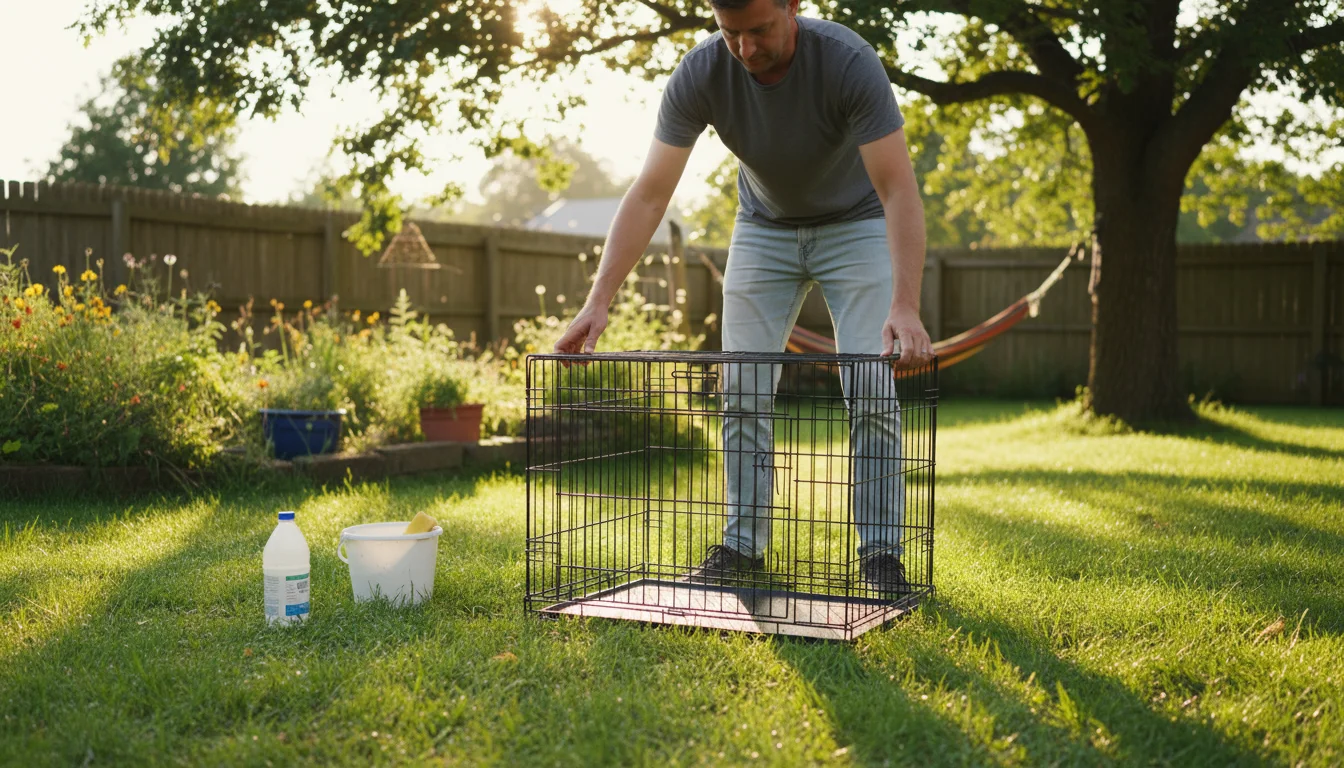
Pet Crates and Carriers
These enclosed spaces can quickly develop strong pet odors if not cleaned regularly.
- Remove Bedding: Take out any bedding, toys, or liners for separate washing.
- Wipe Down: Mix a solution of 1 part white vinegar to 2 parts water. Use a sponge or cloth to thoroughly wipe down all surfaces of the crate or carrier. For deep cleaning, you can also use a scrub brush.
- Rinse: Rinse the crate with clean water.
- Air Dry: Allow the crate to air dry completely, preferably outdoors in the sun, which naturally helps neutralize odors.
- Baking Soda Deodorize: Once dry, you can sprinkle a thin layer of baking soda on the bottom of the crate or carrier. Let it sit for a few hours, then vacuum or wipe away.
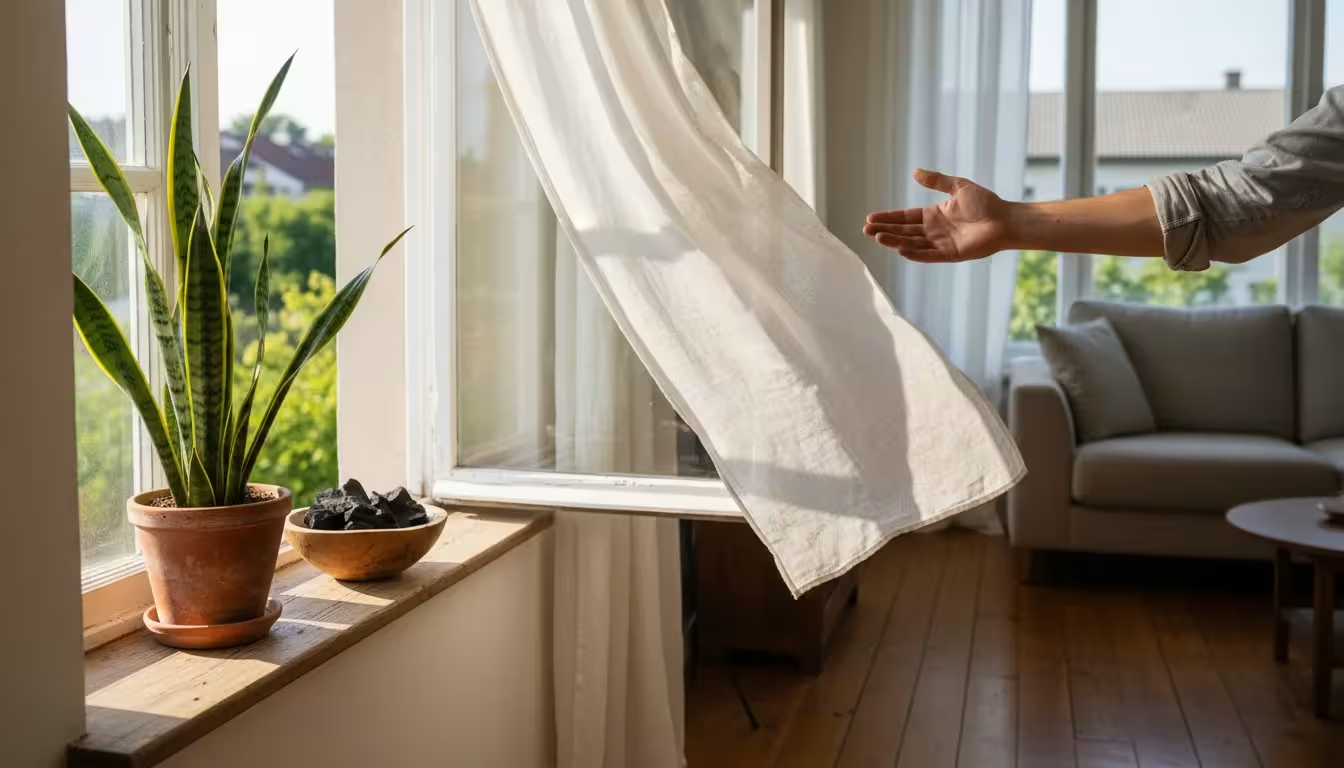
Air Quality and Home Freshness: Beyond Surface Cleaning
While surface cleaning tackles the source of odors, improving your home’s overall air quality ensures lasting freshness and contributes to effective pet odor removal. You breathe healthier air, and your home smells better.
For households with heavy shedders, integrating one of the best air purifiers for pet owners is a great way to filter out dander and lingering scents naturally.
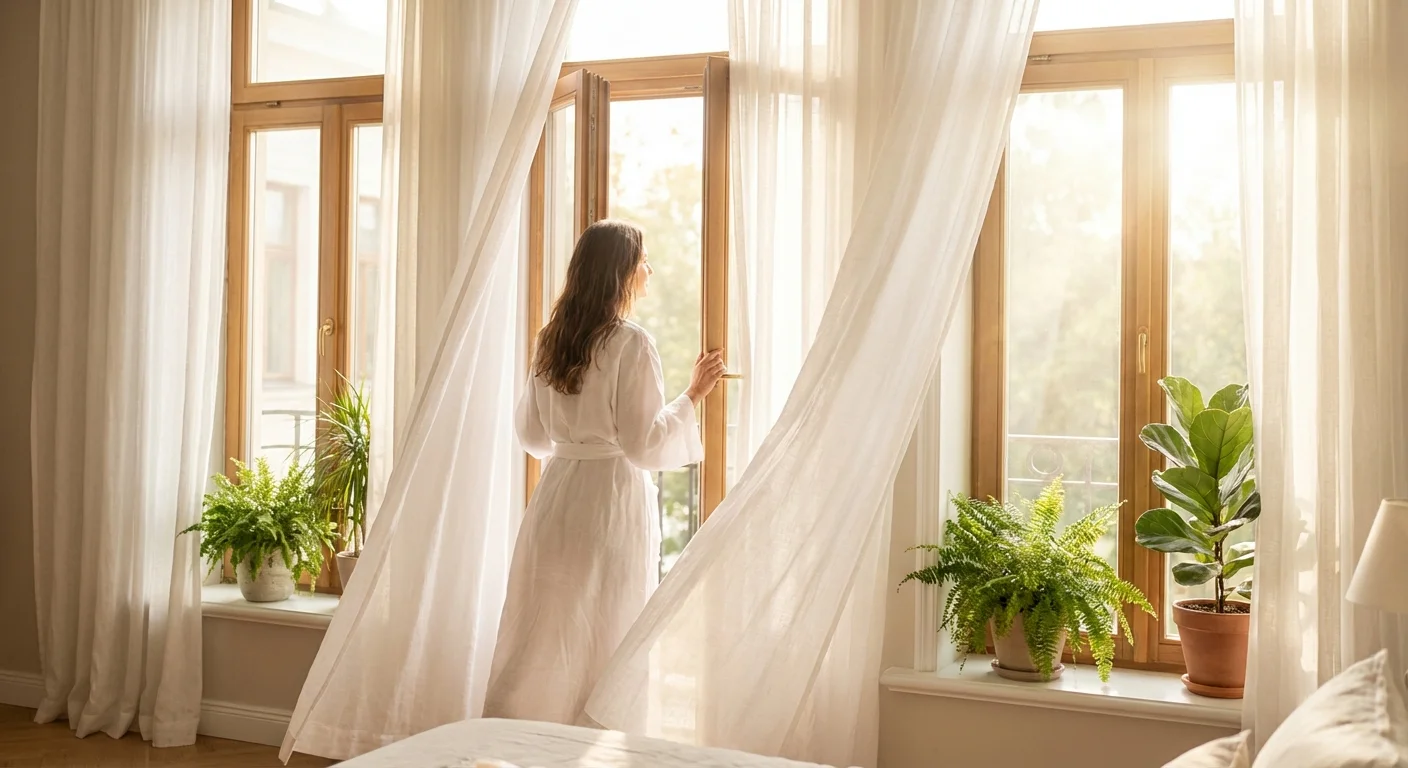
Ventilation is Key: Circulate fresh air through your home daily. Open windows for at least 15-30 minutes, even in colder weather, to exchange stale, odor-laden air with fresh outdoor air. Use exhaust fans in kitchens and bathrooms to pull out moist, stagnant air that can harbor odors.
Natural Air Purifiers:
- Activated Charcoal: Activated charcoal, available in bags or canisters, effectively absorbs airborne odors without adding chemicals. Place bowls of activated charcoal in areas with strong pet smells.
- Houseplants: Certain houseplants, such as peace lilies, spider plants, and Boston ferns, naturally filter toxins from the air. While their impact on strong pet odors might be minimal, they contribute to overall indoor air quality and a sense of home freshness. Consult the EPA’s Indoor Air Quality resources for more information on improving air quality naturally.
- Diffusers (with caution): If you use essential oil diffusers, ensure you use pet-safe essential oils (e.g., lavender, frankincense, cedarwood) in moderation, and always keep the diffuser out of your pet’s reach. Never use oils like tea tree oil, eucalyptus, or pine, which are toxic to pets.
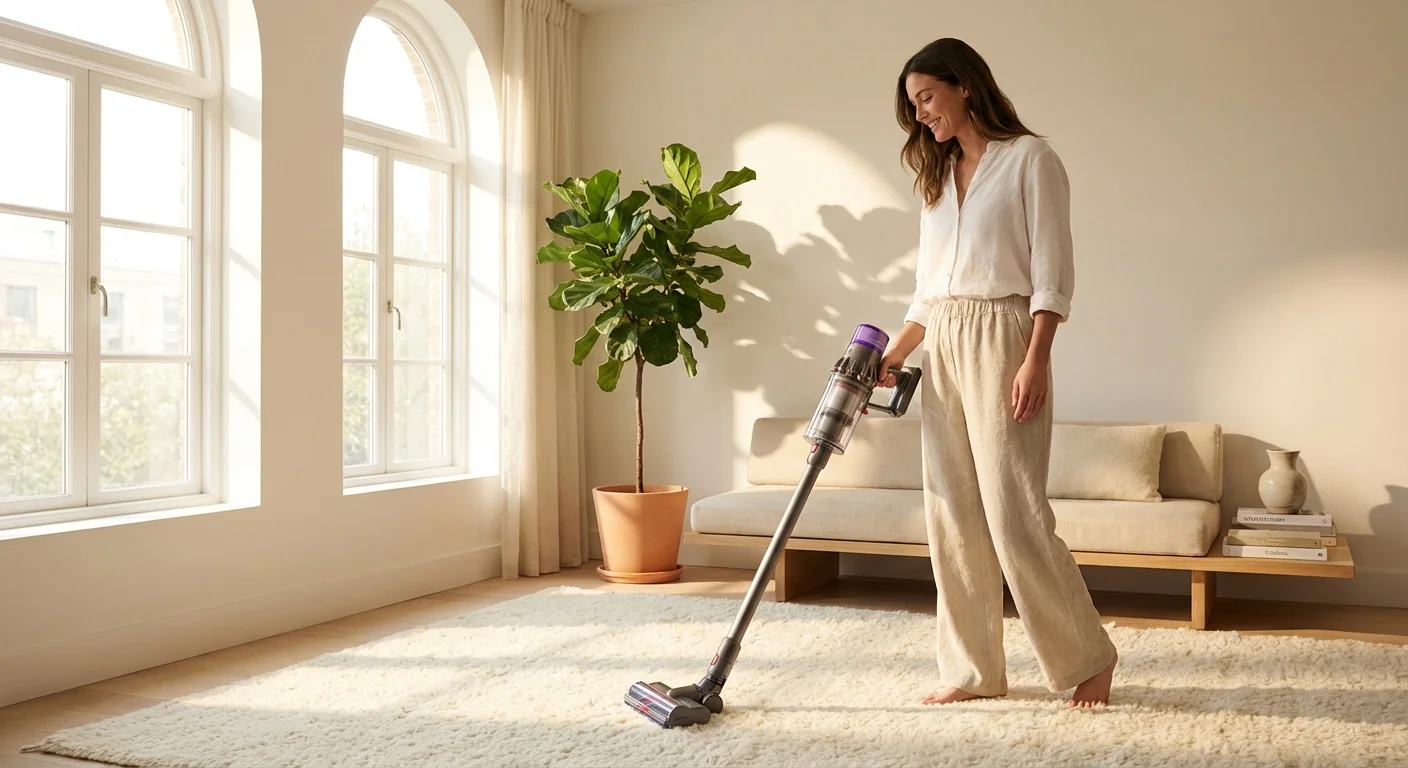
Regular Dusting and Vacuuming: Pet dander, which consists of microscopic flecks of skin, is a significant contributor to pet odors and allergens. Dusting surfaces with a damp cloth and vacuuming regularly with a HEPA filter vacuum helps remove dander before it settles and creates smells. Pay attention to areas where dander collects, such as under furniture and in corners.
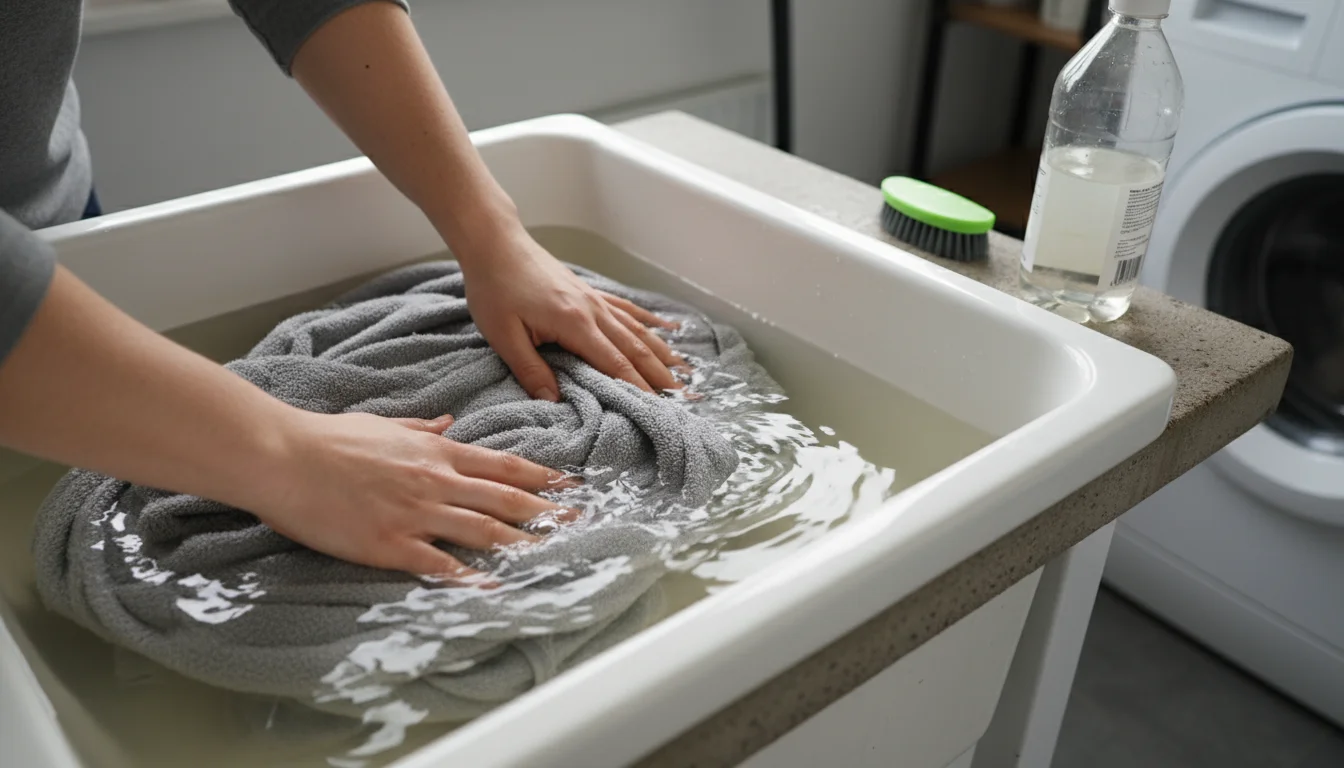
Laundry Day: Conquering Pet Smells in Fabrics
Your pet’s scent clings to clothes, blankets, and other washable fabrics. Standard washing often leaves a residual odor. You need specific tactics to ensure deep pet odor removal from your laundry.
- Pre-Soak with Vinegar: For heavily soiled or smelly items, pre-soak them in a solution of 1 cup white vinegar per gallon of warm water for 30 minutes to an hour before washing. This helps break down and neutralize odors.
- Add Vinegar to the Wash: Add ½ to 1 cup of white vinegar directly into your washing machine’s fabric softener dispenser during the rinse cycle, or directly into the wash drum at the start of the wash. The vinegar acts as a natural deodorizer and helps remove detergent residue.
- Baking Soda Boost: Add ½ cup of baking soda directly to the washing machine drum along with your detergent. Baking soda helps absorb and neutralize odors during the wash cycle.
- Use Hot Water (if possible): Wash items in the hottest water safe for the fabric. Hot water helps kill bacteria and loosen embedded odors.
- Avoid Overloading: Do not overload the washing machine. Give items enough space to move freely and allow the water and detergent to circulate effectively.
- Dry Thoroughly: Ensure all items are completely dry before folding and storing. Damp fabrics can quickly develop a musty smell. Air drying in direct sunlight offers additional sanitizing and deodorizing benefits.
- Clean Your Washer: Regularly clean your washing machine. Odor-causing bacteria and pet hair can accumulate in the drum and dispensers. Run an empty hot water cycle with 2 cups of white vinegar every few months.
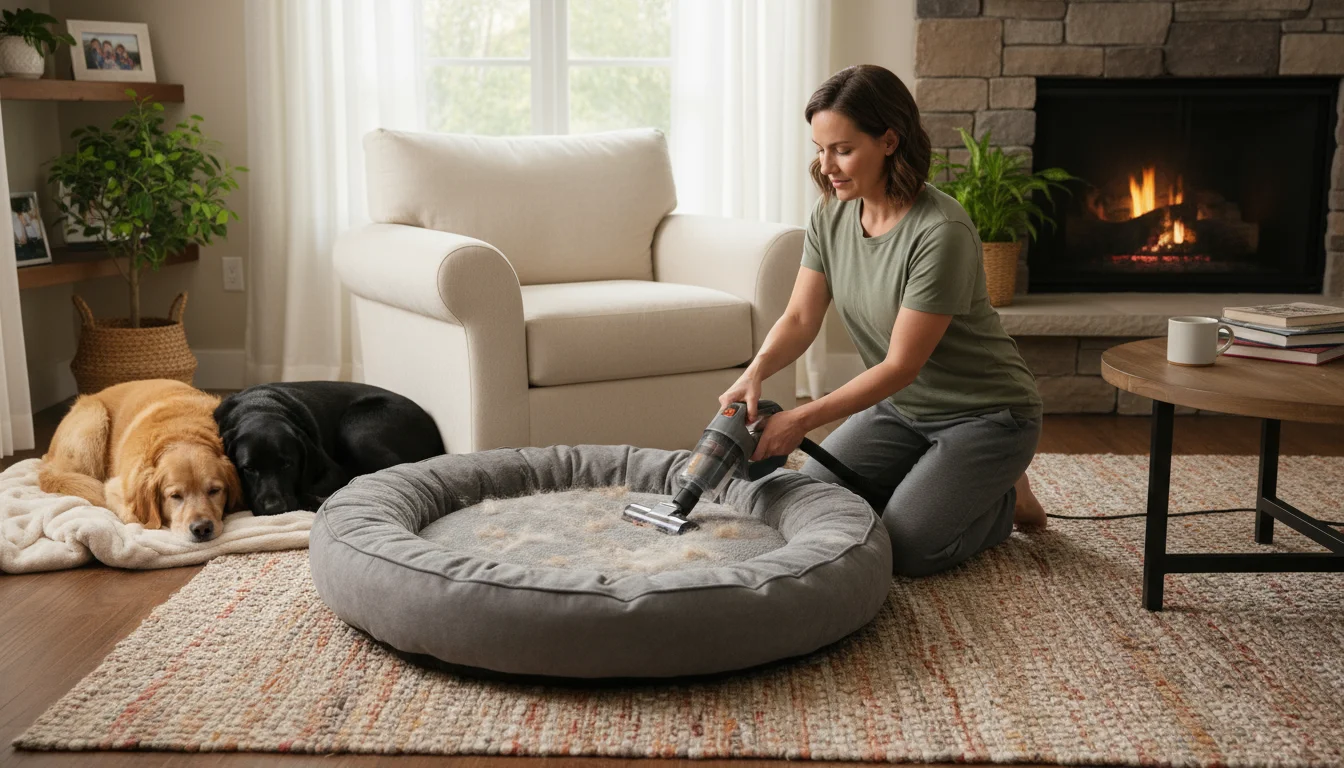
Maintenance and Ongoing Strategies for a Fresh Home
Achieving a fresh, odor-free home with pets is an ongoing commitment, not a one-time event. You create realistic, maintainable systems that keep odors at bay by incorporating regular maintenance into your routine.
- Weekly Deep Clean: Dedicate a specific time each week for a thorough cleaning. This includes vacuuming all floors and upholstery, mopping hard surfaces, and cleaning pet areas like litter boxes and feeding stations. Consistent weekly effort prevents odors from building up.
- Establish Cleaning Zones: Think of your home in “zones” or designated areas for specific activities. Focus your pet odor removal efforts on high-traffic pet zones, such as entryways, living rooms, and pet sleeping areas, with more frequent attention.
- Seasonal Deep Cleaning: Twice a year, undertake a more extensive deep clean. This includes shampooing carpets, washing curtains and throw blankets, cleaning under furniture, and wiping down walls. This comprehensive approach refreshes your entire home.
- Litter Box and Crate Hygiene Schedule: Stick to a strict schedule for litter box scooping (daily) and full litter changes (weekly). Similarly, wash pet bedding in crates regularly. This proactive management significantly reduces ammonia smells and general pet odors.
- Consider Professional Help: For extremely stubborn odors or very old, deep-set stains, professional carpet or upholstery cleaning might be necessary. Professional cleaners often use industrial-strength enzymatic treatments that penetrate deep into fibers, providing a reset before you resume your natural maintenance routine.
- Educate Yourself on Pet Behavior: Understand why your pet might be having accidents. Is it a health issue, anxiety, or a territorial marking behavior? Addressing the root cause can prevent future odor issues. Consult your veterinarian for medical concerns or a professional pet behaviorist for training challenges.
Budget-Friendly Solutions for Every Homeowner
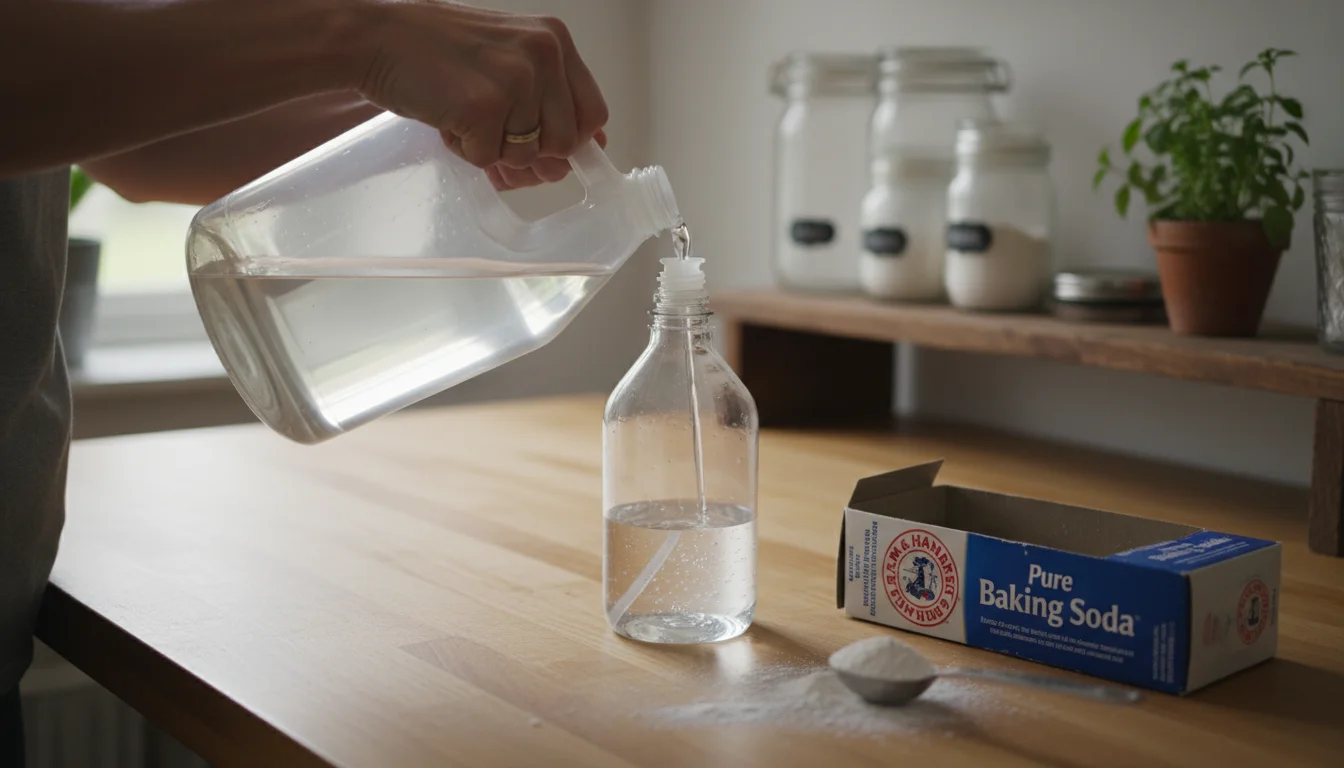
You do not need to spend a fortune on fancy gadgets or expensive chemicals to achieve a fresh-smelling home. The core of effective natural pet odor removal lies in readily available, inexpensive household staples and consistent effort. These strategies emphasize cost-effectiveness, making a clean, fresh home accessible to everyone.
- Harnessing the Power of Pantry Staples: Baking soda and white vinegar are incredibly cheap and versatile. A large box of baking soda costs just a few dollars and offers dozens of cleaning applications. A gallon of white vinegar is equally economical. You save money by avoiding specialized pet odor sprays and expensive air fresheners.
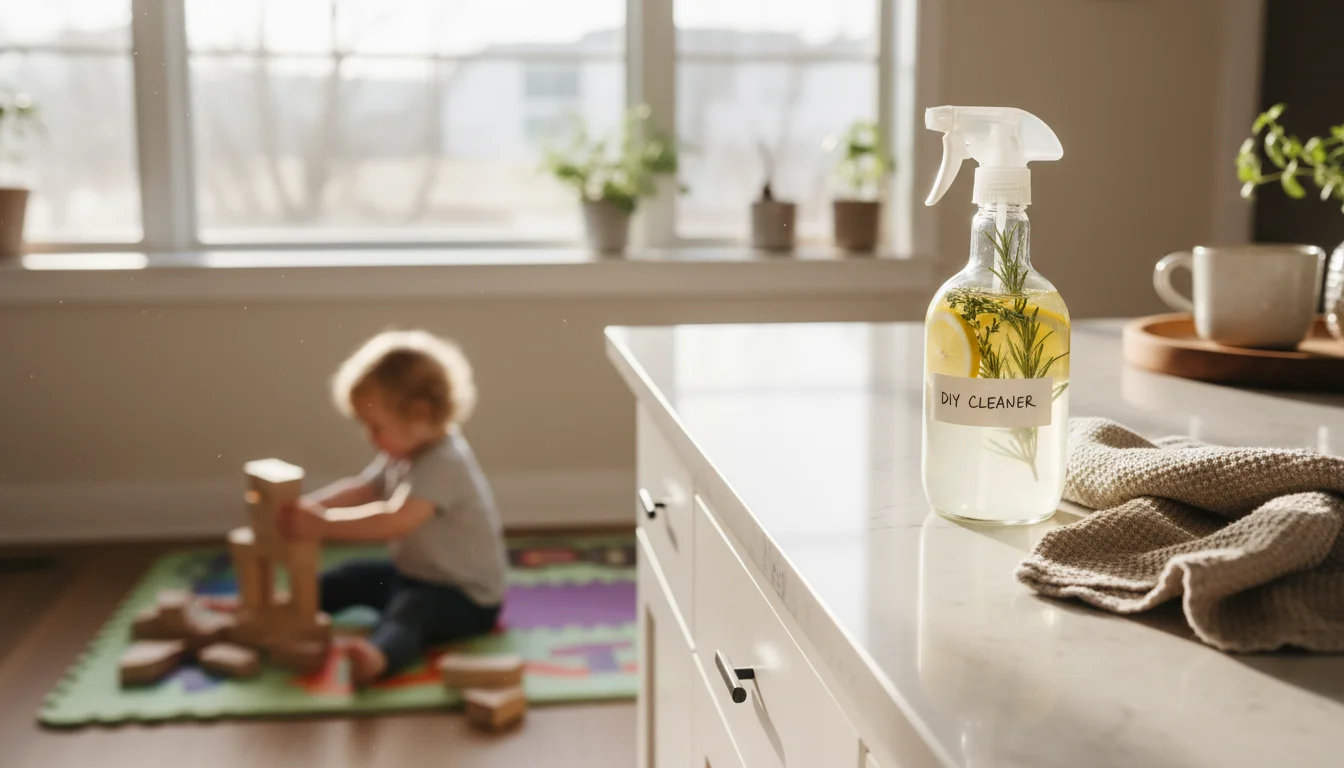
- DIY Cleaning Solutions: Mixing your own cleaning solutions with water, vinegar, and a touch of pet-safe essential oil (if desired and cautiously used) is far cheaper than buying pre-made bottles. You control the ingredients, ensuring they are safe for your family and pets.
- Regular Maintenance Saves Money: Proactive cleaning prevents odors from becoming deeply ingrained. Addressing small spills immediately prevents expensive professional cleaning down the line. Regular washing of pet bedding and timely litter box cleaning extends the life of these items and keeps your home smelling fresh.
- Utilize Sunlight and Fresh Air: These are free resources. Drying pet bedding and washable items outdoors in direct sunlight naturally sanitizes and deodorizes them. Opening windows to ventilate your home costs nothing and is one of the most effective ways to refresh indoor air.
- Smart Purchases: Invest in high-quality, washable pet bedding with removable covers. These items last longer and are easier to clean, saving you money on replacements. Similarly, consider durable, easy-to-clean floor surfaces if you are renovating.
These natural, budget-conscious solutions empower you to maintain a wonderfully fresh home without breaking your budget. They prove that effective pet odor removal is achievable through simple, consistent practices.
Frequently Asked Questions
What is the fastest way to get rid of pet odor in a room?
The fastest way to reduce general pet odor is a combination of immediate ventilation and baking soda. Open windows and doors to air out the room completely. Simultaneously, sprinkle a generous amount of baking soda over carpets, rugs, and upholstered furniture. Let it sit for at least 30 minutes, then vacuum thoroughly. For specific spots, blot with a vinegar and water solution.
Can old pet urine odors be completely removed naturally?
Yes, you can often remove old pet urine odors naturally, but it requires persistence. The key is to break down the uric acid crystals. Baking soda and hydrogen peroxide applied as a paste, or repeated applications of a white vinegar solution, often work. For deeply set odors, natural enzymatic cleaners are highly effective because their beneficial bacteria specifically target and consume the odor-causing organic matter. Repeat treatments might be necessary.
Are essential oils safe to use around pets for odor removal?
You must use essential oils with extreme caution around pets. Many essential oils are toxic to dogs and cats, even when diffused. Always research specific oils for pet safety before using them. If you choose to diffuse, use pet-safe oils like lavender (in moderation), frankincense, or cedarwood, always ensure good ventilation, keep the diffuser out of your pet’s reach, and provide a clear escape route for your pet to leave the room if they wish. Never apply essential oils directly to your pet’s skin or fur. Avoid oils like tea tree, eucalyptus, citrus, and peppermint.
How often should I clean my pet’s bedding to prevent odors?
Clean your pet’s bedding regularly to prevent odors. For most pets, wash bedding covers at least once a week. If your pet has allergies, skin conditions, or is prone to accidents, you may need to wash it more frequently, perhaps every few days. This frequent cleaning prevents dander, oils, and bacteria from accumulating, significantly contributing to home freshness.
Does air freshener truly remove pet odors?
Air fresheners typically mask pet odors with stronger fragrances, rather than removing them. They introduce new chemicals into the air, which can be irritating for both humans and pets. For true pet odor removal and lasting home freshness, you need to address the source of the odor through cleaning, neutralizing, and improving ventilation, not just covering up the smell.
For expert home organization guidance, visit
The Spruce — Home Organization, Real Simple — Organizing, Good Housekeeping — Organization, Better Homes & Gardens — Home Organization and EPA — Indoor Air Quality.
Disclaimer: This article is for informational purposes only and is not a substitute for professional advice. Consult professional organizers or specialists for personalized recommendations.



Leave a Reply