
You want a clean home, but not at the expense of your family’s health or the planet. The world of non-toxic cleaning products, green cleaning, and safe cleaners often feels overwhelming. Confusing labels, conflicting advice, and the lingering question of “do these actually work?” make it hard to choose. This guide cuts through the noise, providing practical, actionable insights into what truly works in non-toxic cleaning, helping you create a healthier, brighter living space.
You deserve clear answers. We will explore effective DIY solutions, break down what to look for in store-bought products, and empower you with the knowledge to make confident choices for your home. You can achieve a sparkling clean without harsh chemicals. Let us show you how.
Why Choose Non-Toxic Cleaning? Your Health, Your Home
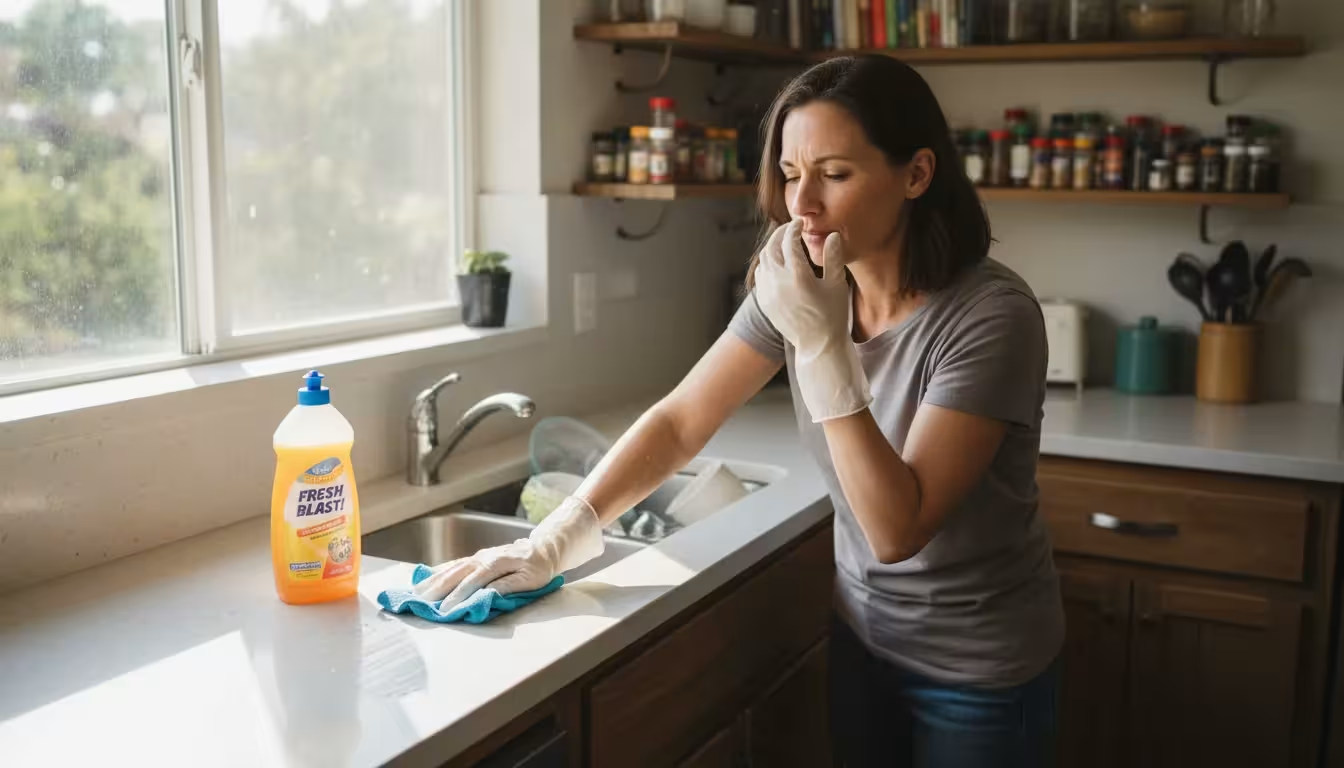
You likely associate a clean home with good health, but traditional cleaning products often introduce indoor air pollutants and skin irritants. Many conventional cleaners contain volatile organic compounds, or VOCs, ammonia, phthalates, and synthetic fragrances. You release these substances into your home environment every time you clean.
Research from the EPA, Environmental Protection Agency, highlights that indoor air pollution can be two to five times higher than outdoor levels, with cleaning products being a significant contributor. These chemicals can trigger respiratory issues, skin allergies, and headaches. Over time, consistent exposure may lead to more serious health concerns.
Switching to non-toxic cleaning products offers tangible benefits for your well-being. You reduce your exposure to harmful chemicals, leading to improved indoor air quality and fewer irritant-related symptoms. This choice provides a safer environment for children, pets, and anyone with chemical sensitivities. Beyond health, you also support environmental sustainability by opting for biodegradable ingredients and less packaging waste. Your home becomes a true sanctuary, free from hidden chemical dangers.
Decoding “Green Cleaning”: What Do Labels Actually Mean?
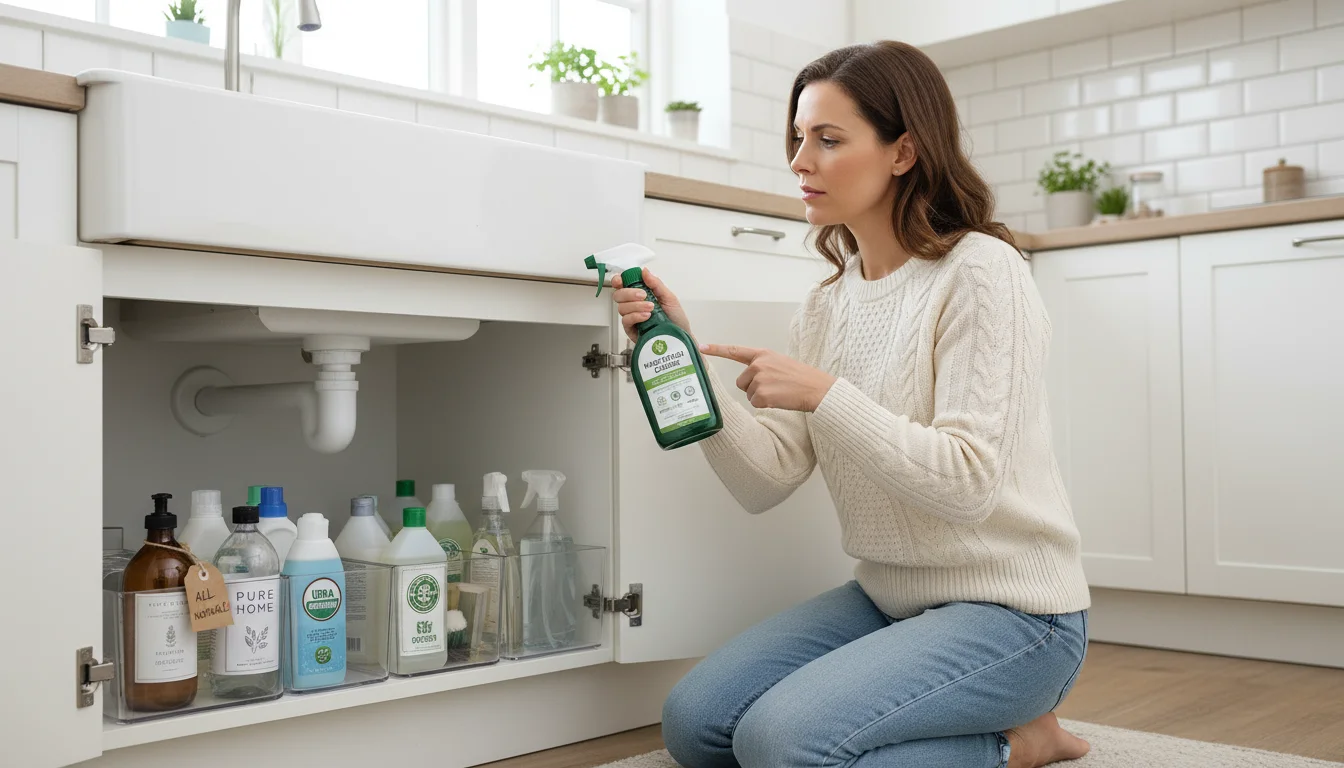
The terms “non-toxic,” “green cleaning,” “eco-friendly,” and “natural” appear frequently on product labels. You might wonder if these labels genuinely indicate a safe product or if they represent clever marketing. Unfortunately, no single regulated definition exists for many of these terms, making it challenging to identify truly safe cleaners.
Understanding what to look for helps you navigate this landscape. A “non-toxic” claim generally means the product contains no ingredients harmful to humans or the environment under normal use. However, without specific third-party certification, manufacturers often determine this claim themselves. “Green cleaning” usually implies the product minimizes environmental impact, using renewable resources, biodegradable ingredients, and sustainable manufacturing processes.
You need to look for specific certifications to ensure a product meets stringent standards. The EPA’s Safer Choice label, for instance, means the product contains ingredients that pose less risk to human health and the environment. Other reputable certifications include Green Seal, Ecologo, and EWG Verified. These third-party organizations evaluate products based on ingredient safety, performance, and environmental impact. When you see these seals, you can trust that the product has undergone rigorous assessment, offering you a reliable indicator of its safety and effectiveness.
DIY Non-Toxic Cleaning: The Essential Ingredients That Work
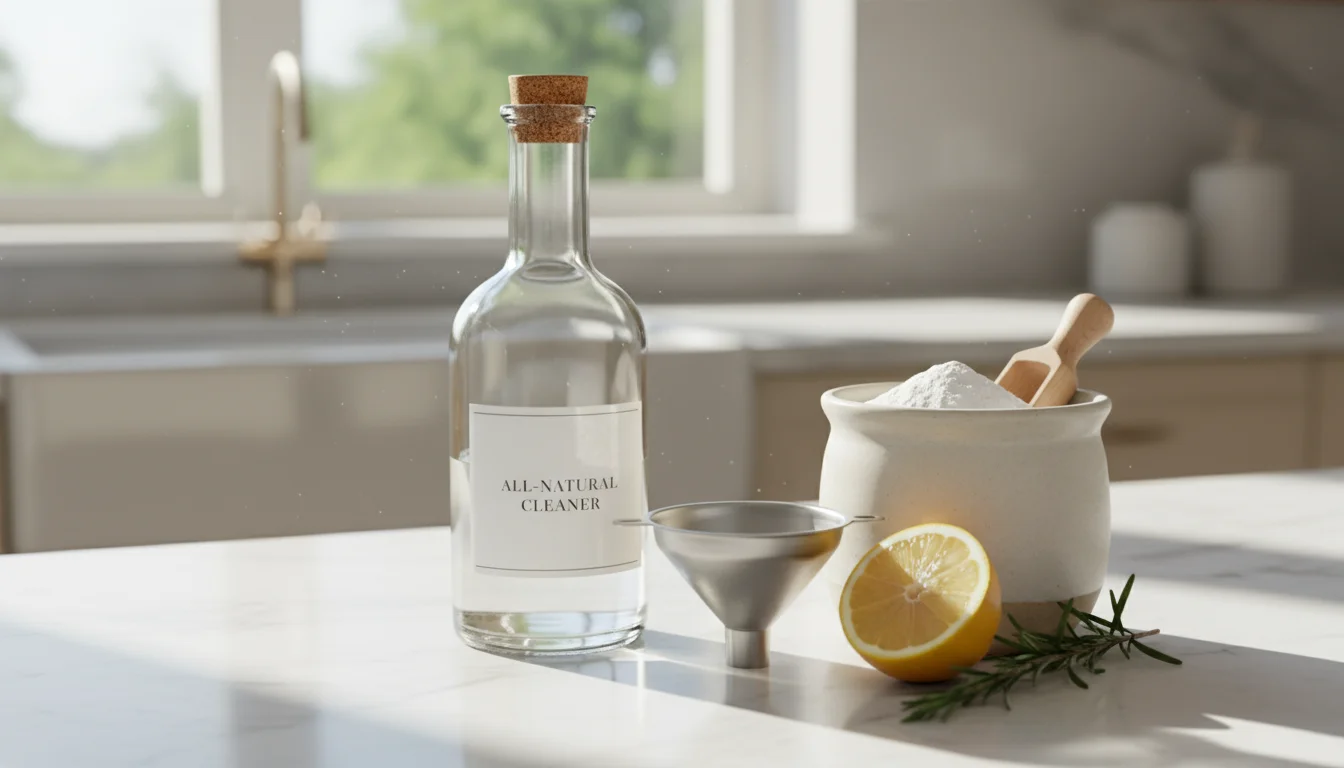
Creating your own non-toxic cleaning solutions is often the most budget-conscious and effective approach to green cleaning. You gain complete control over the ingredients, ensuring no hidden chemicals sneak into your home. Many simple, everyday items possess powerful cleaning properties. Here are the true workhorses of natural home cleaning:
- White Vinegar: An excellent disinfectant, degreaser, and deodorizer. Its acetic acid cuts through grime, dissolves mineral deposits, and kills many types of bacteria and mold. You use it on windows, floors, countertops, and to descale appliances. Mix it with water for an all-purpose spray, or use it neat for tougher jobs.
- Baking Soda (Sodium Bicarbonate): A gentle abrasive, powerful deodorizer, and mild alkali. It lifts dirt, scours surfaces without scratching, and neutralizes odors. Use it as a paste to clean sinks and bathtubs, sprinkle it on carpets before vacuuming to refresh them, or add it to laundry for extra brightening.
- Lemon Juice: A natural bleach, degreaser, and deodorizer. Citric acid effectively removes stains, brightens surfaces, and leaves a fresh scent. Combine it with baking soda for a powerful scouring paste, or add it to vinegar solutions to reduce the vinegar smell.
- Castile Soap: A concentrated vegetable-oil-based soap, perfect for cutting grease and cleaning a variety of surfaces. It is biodegradable and non-toxic. Dilute it heavily with water for an all-purpose cleaner, use a few drops for dishwashing, or add it to your DIY floor cleaner. Look for unscented varieties if you prefer to add your own essential oils.
- Hydrogen Peroxide (3% solution): A natural bleach and disinfectant. You can use it to whiten grout, remove mildew, and disinfect surfaces. Always store it in its original dark bottle, as light breaks it down. Do not mix it directly with vinegar, as it can create peracetic acid, which is an irritant. Instead, use them separately, like spraying vinegar first, wiping, then spraying hydrogen peroxide.
- Essential Oils (Optional): While they do not provide cleaning power, essential oils like tea tree oil (antibacterial, antifungal) or lemon oil (degreasing, refreshing) can add natural fragrance and some mild antimicrobial benefits to your DIY solutions. Always dilute them properly and avoid direct skin contact with undiluted oils.
These core ingredients form the foundation for almost any non-toxic cleaning task in your home. Experiment with ratios and combinations to find what works best for your specific cleaning needs. You will be surprised by their versatility and effectiveness.
Effective Store-Bought Non-Toxic Cleaners: What to Look For
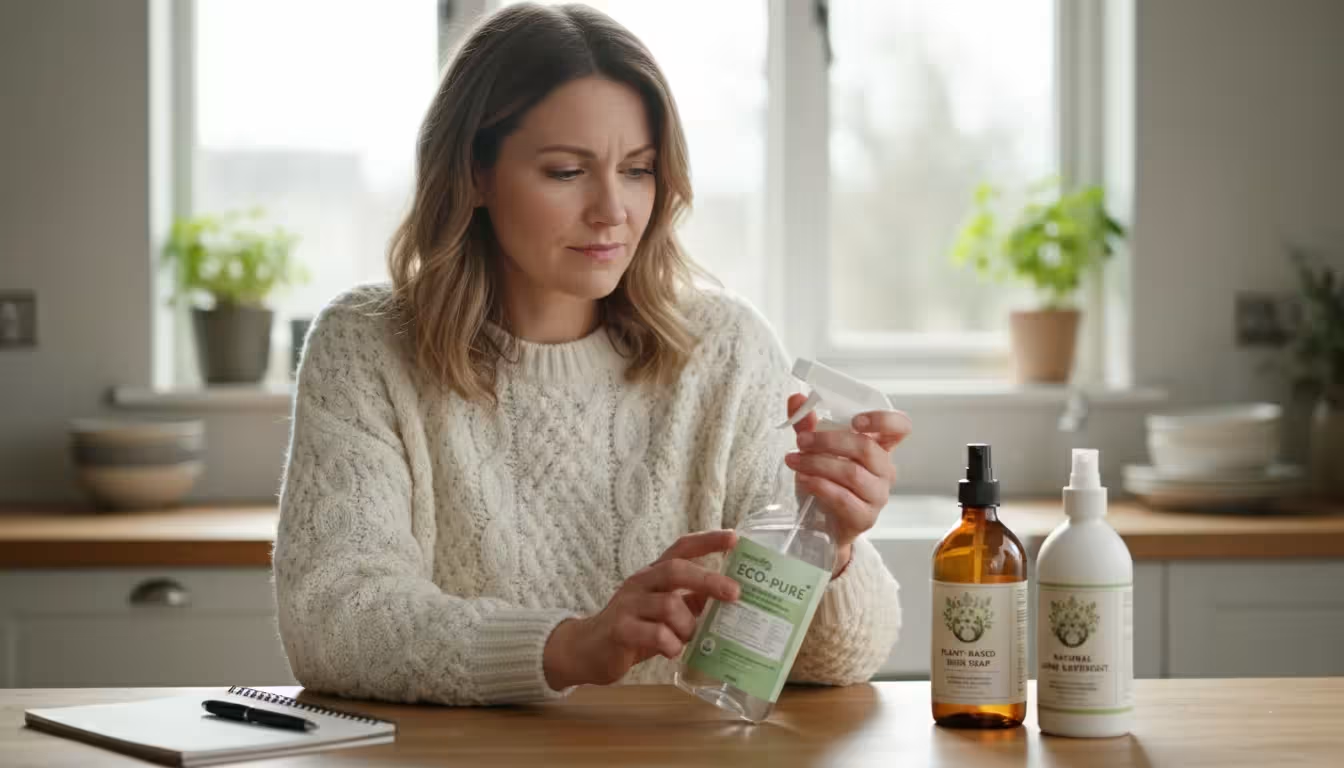
You may not always have the time or inclination for DIY solutions, and that is perfectly fine. The market offers a growing number of effective store-bought non-toxic cleaning products. Your challenge lies in identifying those that truly perform without compromising safety. When you shop for safe cleaners, focus on these key factors:
If you are feeling overwhelmed by the swap, a room-by-room guide on how to replace chemical cleaners can help you transition systematically.
- Ingredient Transparency: The best brands list all ingredients clearly on their label or website. Avoid products with vague terms like “fragrance” or “cleaning agents” without further detail. You deserve to know what you bring into your home.
- Third-Party Certifications: As mentioned, look for reputable seals such as EPA Safer Choice, Green Seal, or EWG Verified. These certifications provide independent verification that the product meets stringent health and environmental standards. According to Consumer Reports, checking for these labels gives you an extra layer of assurance.
- Avoid Harmful Chemicals: Actively steer clear of products containing ammonia, chlorine bleach, phthalates, parabens, synthetic fragrances, phosphates, and artificial dyes. These are common culprits behind respiratory irritation and other health concerns.
- Performance: A non-toxic cleaner must still be effective. Read reviews from other consumers. Look for products specifically formulated for the task at hand, whether it is an all-purpose cleaner or a specialized bathroom scrub.
- Concentrates and Refills: Many green cleaning brands offer concentrated formulas or refillable packaging. These options often provide better value and significantly reduce plastic waste. You save money and help the environment simultaneously.
- Scent: If you prefer scented products, opt for those using essential oils for fragrance, or choose unscented versions and add your own essential oils if desired. Synthetic fragrances often contain phthalates and other undisclosed chemicals.
By keeping these guidelines in mind, you empower yourself to make informed purchasing decisions. You can confidently select store-bought non-toxic cleaning products that align with your health and environmental values, delivering effective cleaning results.
Top-Performing Non-Toxic Product Categories for Your Home
Let us break down specific product categories and what to look for, offering concrete examples of types that consistently receive high marks for effectiveness and safety. Remember, brands continuously innovate, so always check the latest reviews and ingredient lists.
All-Purpose Cleaners:
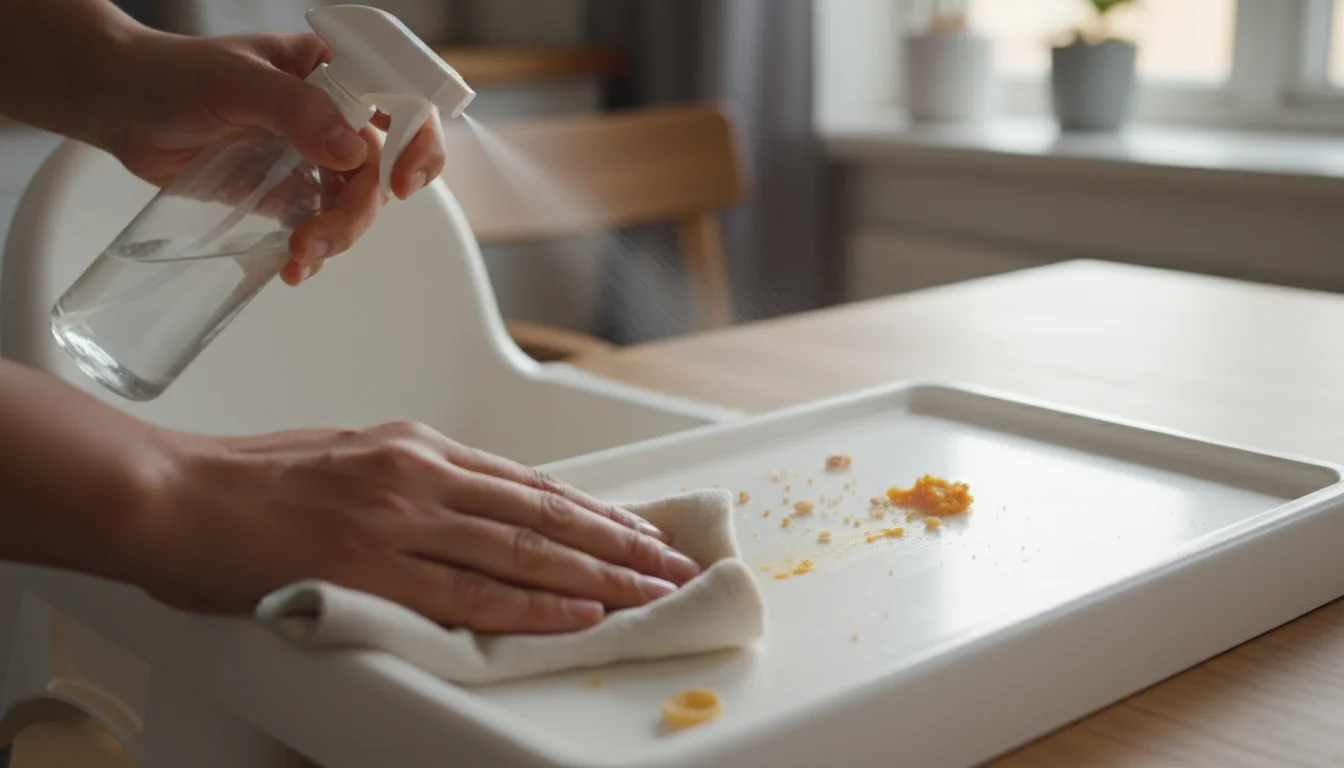
- What they do: These versatile sprays handle everyday spills, wipe down counters, clean tabletops, and tackle light grime. They are your go-to for quick clean-ups in the kitchen, bathroom, and living areas.
- What to look for: Plant-based surfactants, essential oils for scent (or unscented options), and transparent ingredient lists. Vinegar or citric acid are often active components.
- Why they work: Good formulations balance mild acidity or alkalinity with gentle surfactants to lift dirt and cut through grease without leaving residue.
Bathroom Cleaners:
- What they do: You need powerful cleaners for soap scum, hard water stains, mildew, and toilet bowl grime. They often include stronger acids or abrasives.
- What to look for: Citric acid, lactic acid, or plant-based scouring agents. Avoid strong acids that can damage certain surfaces like natural stone. For tougher mildew, look for products containing hydrogen peroxide.
- Why they work: The acids dissolve mineral deposits and soap scum, while gentle abrasives scrub away grime. Hydrogen peroxide acts as a disinfectant.
Kitchen Degreasers:
- What they do: Tackle stubborn grease on stovetops, range hoods, and backsplashes.
- What to look for: Stronger plant-derived surfactants and citrus-based degreasing agents (like d-limonene from orange peels).
- Why they work: These ingredients break down oil and grease molecules effectively, allowing you to wipe them away easily.
Laundry Detergents:
- What they do: Clean clothes, remove stains, and leave fabric fresh. You want them to be effective in various water temperatures.
- What to look for: Enzyme-based formulas (protease, amylase, lipase) which break down stains. Avoid phosphates, artificial brighteners, and synthetic fragrances. Many opt for unscented detergents or those naturally scented with essential oils. Pods or concentrates minimize plastic waste.
- Why they work: Enzymes specifically target and break down different types of stains (protein, starch, fat), while plant-derived surfactants lift dirt from fabric fibers.
Floor Cleaners:
- What they do: Clean and protect various flooring types, from hardwood to tile.
- What to look for: pH-neutral formulas for hardwood to prevent damage, and effective degreasing agents for tile. Plant-based ingredients are key. Always check compatibility with your specific floor type.
- Why they work: Gentle surfactants remove dirt without dulling finishes, and specific formulations cater to the unique needs of different materials.
Remember that even non-toxic products require proper ventilation during use. Always follow the manufacturer’s instructions for best results and safety.
Making the Switch: A Practical Transition Plan
You do not need to overhaul your entire cleaning cabinet overnight. A gradual, manageable approach ensures you find products that work for your home and lifestyle. This transition should feel realistic and supportive, not overwhelming.
Here is a step-by-step plan to integrate non-toxic cleaning into your routine:
- Start Small: Choose one area to begin, like your kitchen or bathroom. Replace one or two high-use products first, such as your all-purpose spray or dish soap. This allows you to test new products without a huge investment.
- Use Up What You Have: Do not waste perfectly good conventional products. Finish them before purchasing non-toxic alternatives. This saves money and avoids unnecessary disposal.
- DIY One Staple: Try making one non-toxic cleaning product yourself, perhaps a simple vinegar and water all-purpose spray or a baking soda paste for scrubbing. This builds confidence and shows you how effective simple ingredients can be.
- Read Labels Carefully: Every time you need to repurchase a cleaning product, take a few extra minutes to read labels and look for those third-party certifications. This habit ensures you make informed choices moving forward. As noted by experts at Good Housekeeping, understanding labels helps you make the best choices for your family.
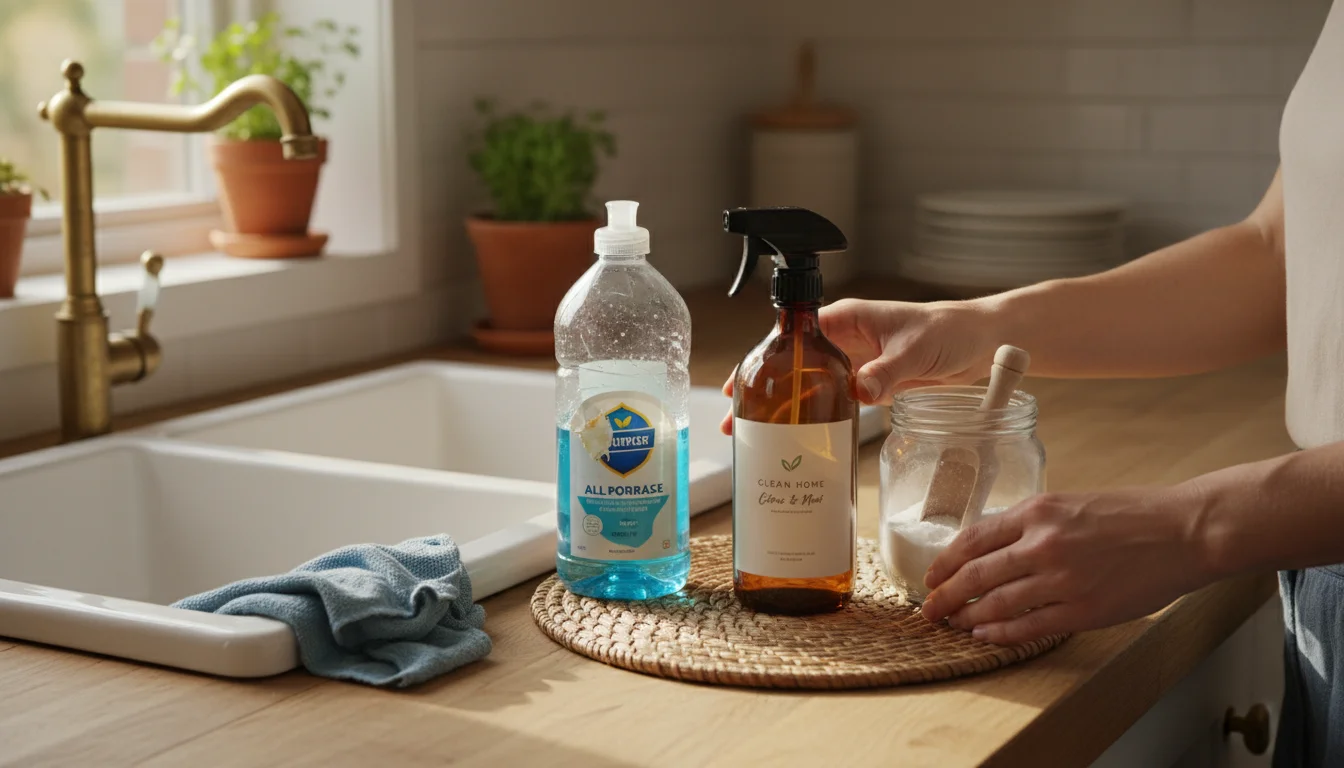
- Store Properly: Just like conventional cleaners, store your non-toxic products, especially DIY solutions, in clearly labeled containers and out of reach of children and pets. Consider amber glass bottles for DIY sprays to protect ingredients like essential oils from light degradation.
- Be Patient and Experiment: Some non-toxic products might require a slightly different application technique or a bit more elbow grease than their conventional counterparts. Give them a fair chance. You might also need to try a few different brands to find your favorites.
This phased approach reduces financial strain and allows you to gradually adapt to new routines. You build sustainable habits that benefit your health and the environment without feeling overwhelmed.
Troubleshooting Common Non-Toxic Cleaning Challenges
Even with the best non-toxic cleaners, you might encounter specific challenges. Knowing how to troubleshoot these common issues helps you maintain your commitment to a healthier home.
Challenge 1: Stubborn Soap Scum and Hard Water Stains
- The Problem: These mineral deposits build up quickly, especially in bathrooms with hard water.
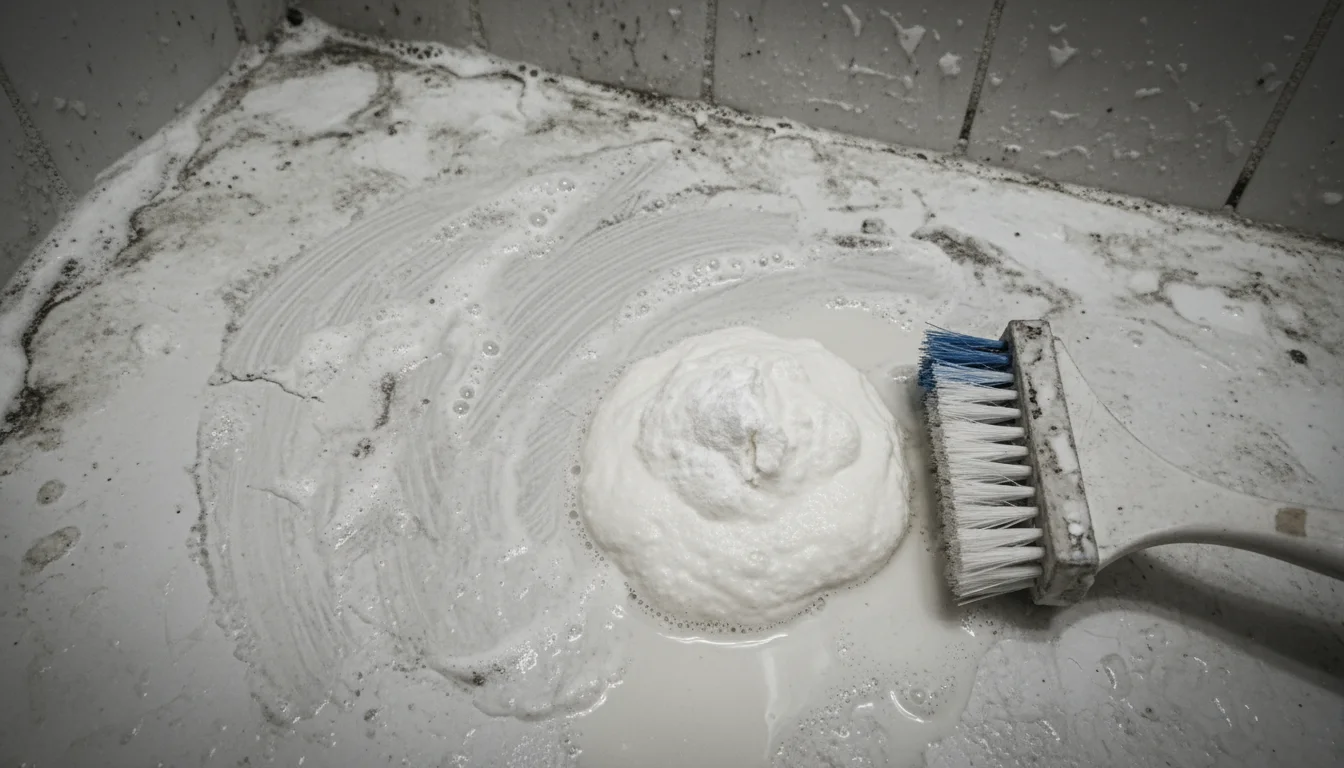
- Non-Toxic Solution: For existing buildup, create a thick paste of baking soda and a small amount of white vinegar or lemon juice. Apply it to the affected area, let it sit for 15-30 minutes, then scrub with a stiff brush or non-scratch scourer. For tough hard water rings in toilets, you can use a pumice stone carefully on porcelain, or repeatedly spray with vinegar and let it sit. Prevent future buildup by regularly wiping down wet surfaces and using a daily shower spray containing diluted vinegar.
Challenge 2: Grease Buildup in the Kitchen
- The Problem: Sticky, greasy residue on stovetops, backsplashes, and inside ovens.
- Non-Toxic Solution: For stovetops and backsplashes, spray thoroughly with a mixture of warm water and a few drops of castile soap, or a dedicated plant-based kitchen degreaser. Let it sit for 5-10 minutes, then wipe with a damp cloth. For ovens, make a thick paste of baking soda and water, apply it to greasy areas, and let it sit overnight. Scrape off the dried paste in the morning and wipe clean. You can follow with a vinegar spray to neutralize any residue.
Challenge 3: Lingering Odors
- The Problem: Unpleasant smells in carpets, upholstery, or refrigerators.
- Non-Toxic Solution: Baking soda is your best friend here. Sprinkle it generously on carpets or upholstery, let it sit for at least 15-30 minutes (or several hours for strong odors), then vacuum thoroughly. Place an open box of baking soda in your refrigerator or freezer to absorb food odors. For general air freshening, simmer citrus peels and spices on the stovetop, or use an essential oil diffuser. Research from Real Simple often highlights baking soda’s deodorizing power.
Challenge 4: Disinfecting Surfaces Effectively
- The Problem: Ensuring surfaces are truly disinfected without harsh chemicals.
- Non-Toxic Solution: For everyday cleaning and light disinfection, white vinegar works well against many common bacteria and viruses. For areas requiring stronger disinfection, like after handling raw meat, use a 3% hydrogen peroxide solution. Spray the surface thoroughly, let it sit wet for several minutes (check product instructions for specific dwell times), then wipe dry. Remember, cleaning first to remove dirt and grime allows disinfectants to work more effectively.
By understanding these practical solutions, you can confidently address common cleaning issues using non-toxic methods, ensuring your home stays clean and healthy.
Frequently Asked Questions
Can I mix different non-toxic cleaning products or DIY ingredients?
You should exercise caution when mixing cleaning products, even non-toxic ones. Never mix bleach (even natural bleaches like hydrogen peroxide) with vinegar, as this can create dangerous gases. Generally, stick to single-ingredient DIY solutions or carefully follow recipes. For commercial non-toxic cleaners, use them as directed on the label and avoid mixing them with other products.
Do non-toxic cleaners expire? How should I store them?
Yes, non-toxic cleaners, especially DIY solutions, can expire or lose potency. Vinegar and baking soda last a long time on their own, but once mixed with water or other ingredients, their effectiveness can diminish over time. Store DIY solutions in airtight, labeled containers, preferably glass, in a cool, dark place. Most store-bought non-toxic cleaners have a shelf life listed on the packaging. Aim to use DIY solutions within a few weeks for best results.
Are essential oils safe to use in all non-toxic cleaning?
Essential oils can add fragrance and some antimicrobial properties to your cleaning, but you must use them safely. Always dilute essential oils; never apply them directly to surfaces or skin in concentrated form. Some essential oils can be toxic to pets, especially cats, so research specific oils or avoid them if you have pets. People with allergies or sensitivities should use caution or opt for unscented products. Their primary role is scent, not cleaning power.
Will non-toxic cleaners truly disinfect?
Yes, some non-toxic ingredients and products offer disinfecting properties. White vinegar kills many common bacteria and viruses, though its effectiveness varies. A 3% hydrogen peroxide solution is a more robust disinfectant, effective against a broader range of pathogens, including bacteria, fungi, and viruses, when applied correctly with sufficient contact time. Look for specific claims on store-bought products. The CDC provides guidelines for effective cleaning and disinfecting practices, emphasizing the importance of physical cleaning before disinfection for optimal results.
Are non-toxic cleaners safe for all surfaces?
No, not all non-toxic cleaners are safe for every surface. For example, acidic cleaners like vinegar or lemon juice can etch or damage natural stone surfaces, like marble or granite. Always test any new cleaner, whether DIY or store-bought, on an inconspicuous area first. When in doubt, use a pH-neutral, gentle cleaner like diluted castile soap and follow any specific care instructions for your home’s surfaces.
You now possess a comprehensive understanding of non-toxic cleaning products, from effective DIY solutions to smart choices in store-bought options. You know what labels truly mean and how to navigate common cleaning challenges. This knowledge empowers you to create a cleaner, safer, and more comfortable home environment for yourself and your loved ones. By adopting these practical, actionable insights, you embrace a brighter, healthier way of living.
For expert home organization guidance, visit
IKEA Home Organization,
Martha Stewart — Home and
Houzz — Home.
Disclaimer: This article is for informational purposes only and is not a substitute for professional advice. Consult professional organizers or specialists for personalized recommendations.







Leave a Reply