
Life moves fast. Between work, family, and personal commitments, finding hours to dedicate to a spotless home often feels impossible. You might even feel overwhelmed by the thought of tackling every nook and cranny. But what if you could achieve a noticeably cleaner home, from top to bottom, in just two hours? It sounds ambitious, but with the right strategy, focused effort, and practical tools, you can transform your living space without sacrificing your entire weekend.
Maintaining your results is much easier when you follow the 20-minute daily cleaning routine to handle small tasks before they pile up.
This guide introduces you to the power of speed cleaning. We focus on high-impact tasks, efficient movements, and realistic expectations to deliver a clean home that truly feels comfortable and inviting. Forget endless scrubbing; we will show you how to streamline your process, tackle key areas, and maintain a tidy environment with minimal fuss. Get ready to reclaim your time and enjoy a brighter living space.
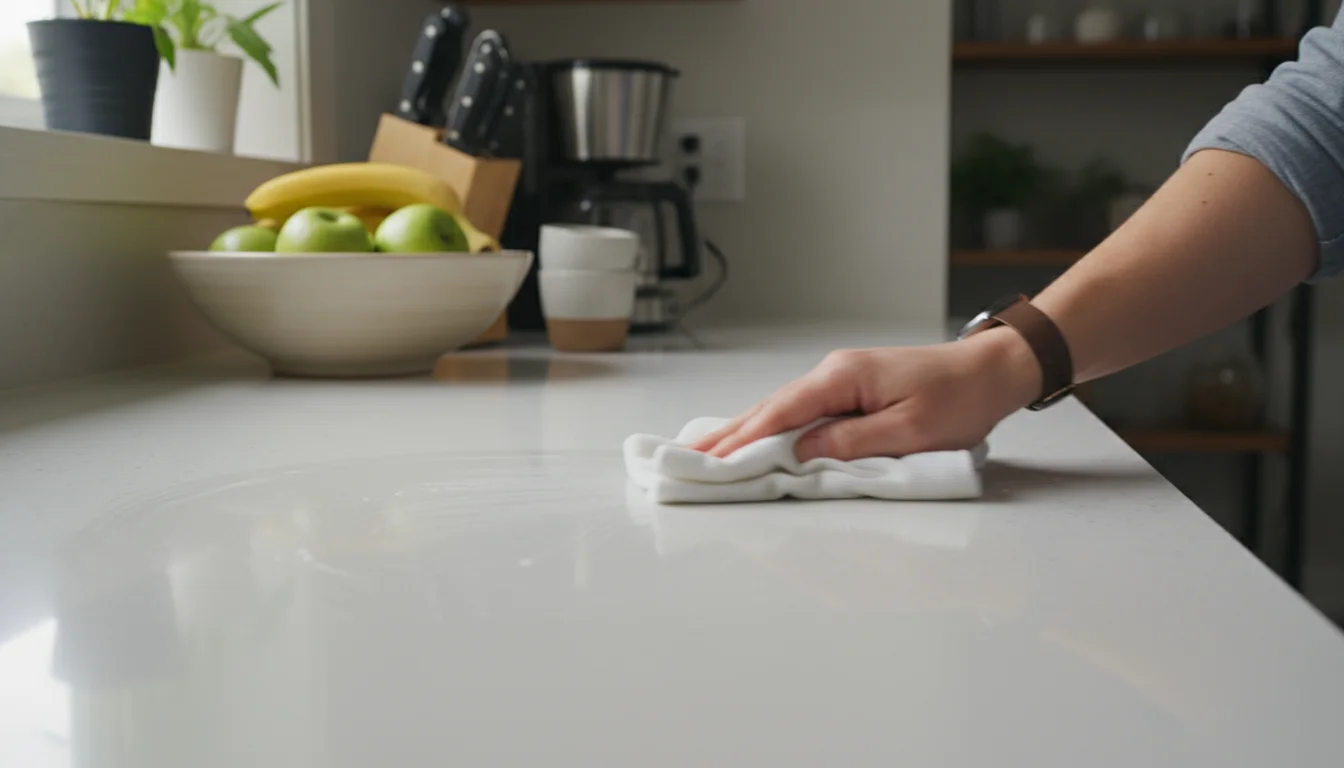
Understanding Speed Cleaning: More Than Just Quick Cleaning
Speed cleaning is not about achieving hospital-grade sterility in record time. It is about strategic tidying, targeted sanitization, and creating an overall sense of cleanliness and order throughout your home. We prioritize visible surfaces, high-traffic areas, and germ hotspots. This approach acknowledges that you have a life to live and that a perfectly pristine home often takes a backseat to more pressing priorities.
Think of it as a reset button for your home. You eliminate surface clutter, wipe down essential areas, and leave your space feeling fresh and organized. This method works perfectly for busy homeowners, renters, and apartment dwellers who struggle to find large blocks of time for cleaning. By focusing your efforts, you achieve significant results in a fraction of the time a deep clean would require. Our goal is to empower you with practical, actionable steps that fit into your real life, helping you maintain a comfortable and welcoming home environment without the overwhelm.
According to the American Cleaning Institute, regular cleaning plays a crucial role in maintaining a healthy home environment, even if it is a speed clean. Focusing on high-touch surfaces helps reduce the spread of germs and allergens, contributing to your family’s well-being.
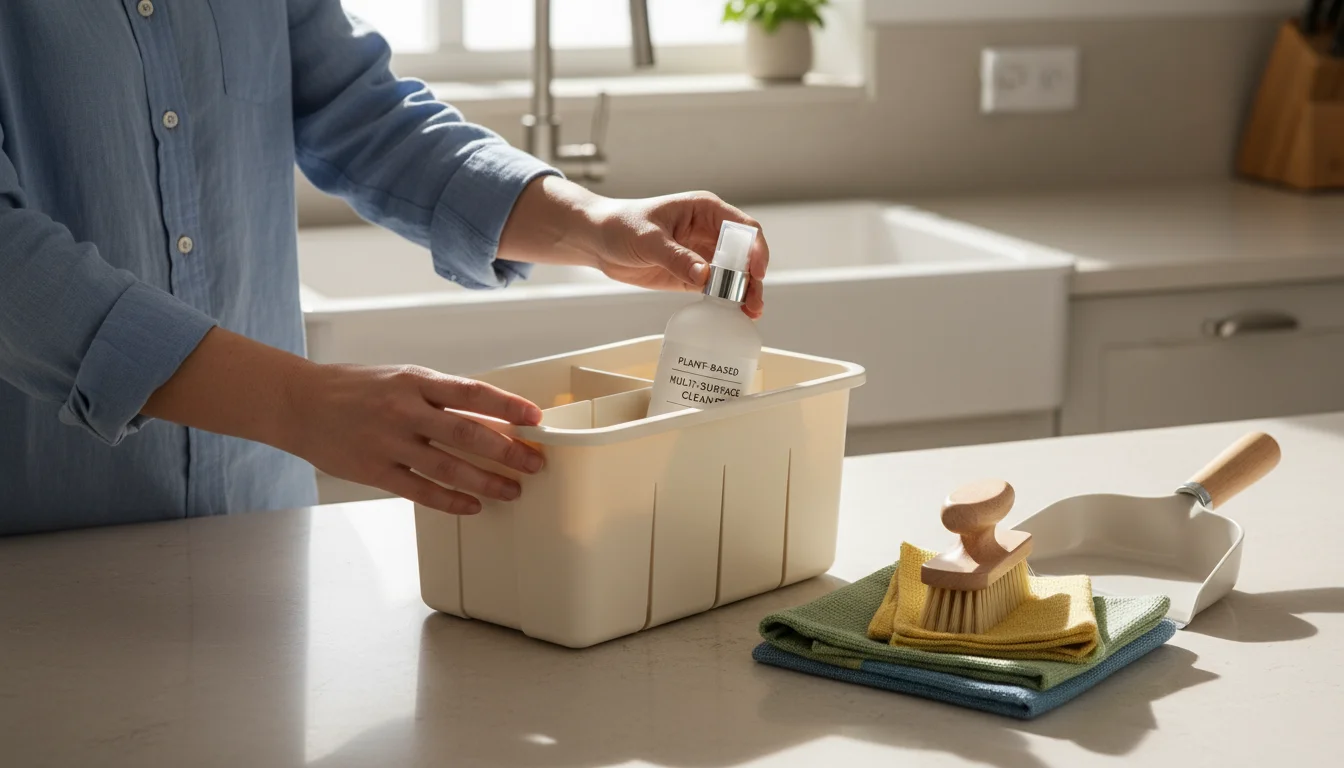
Essential Tools and Prep: Your Speed Cleaning Arsenal
Preparation is key to an effective speed cleaning session. You waste valuable time searching for supplies or switching between different products if you are not organized. Before you even start the clock, gather everything you need. This streamlines your process and keeps you focused on the task at hand.
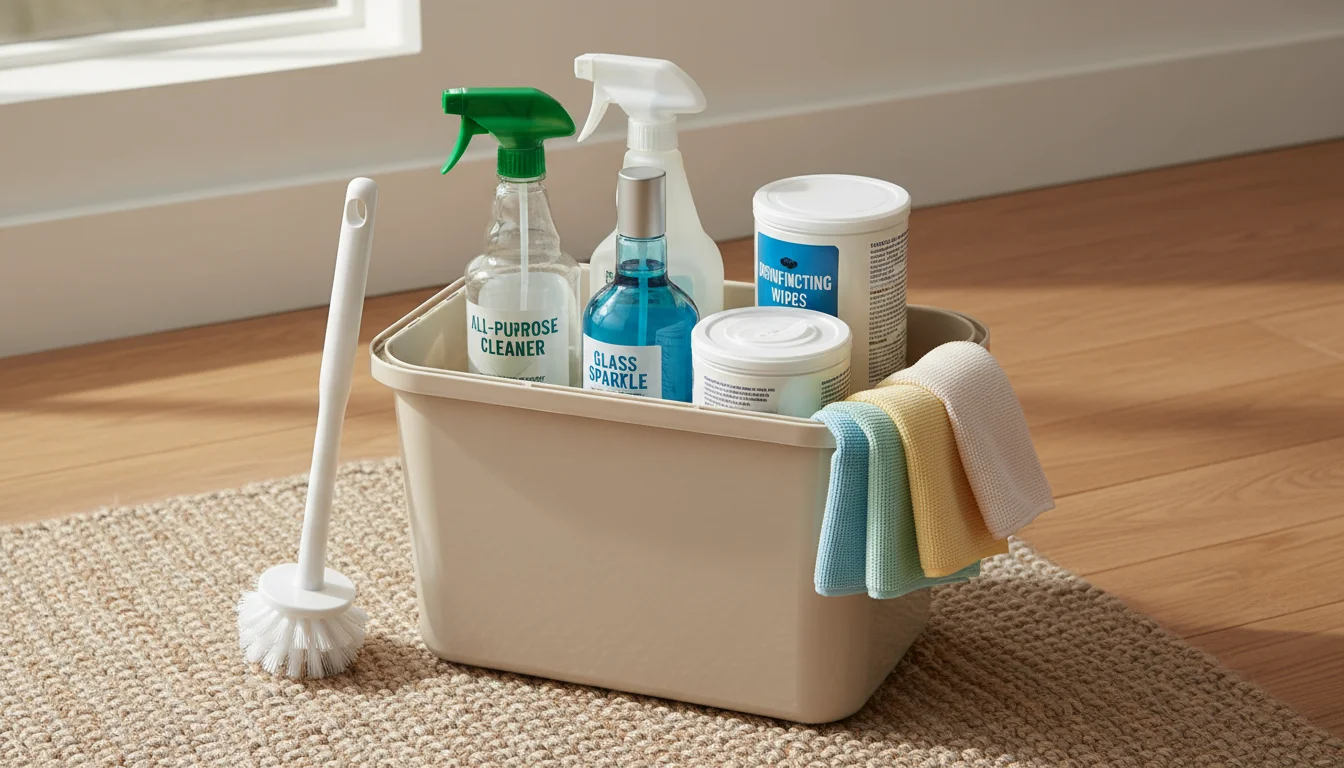
Your Core Cleaning Kit
A well-stocked caddy or bucket makes moving from room to room much easier. Here are the essentials:
- All-Purpose Cleaner: A good quality spray cleaner works wonders on most surfaces. Consider a natural, multi-surface option if you prefer.
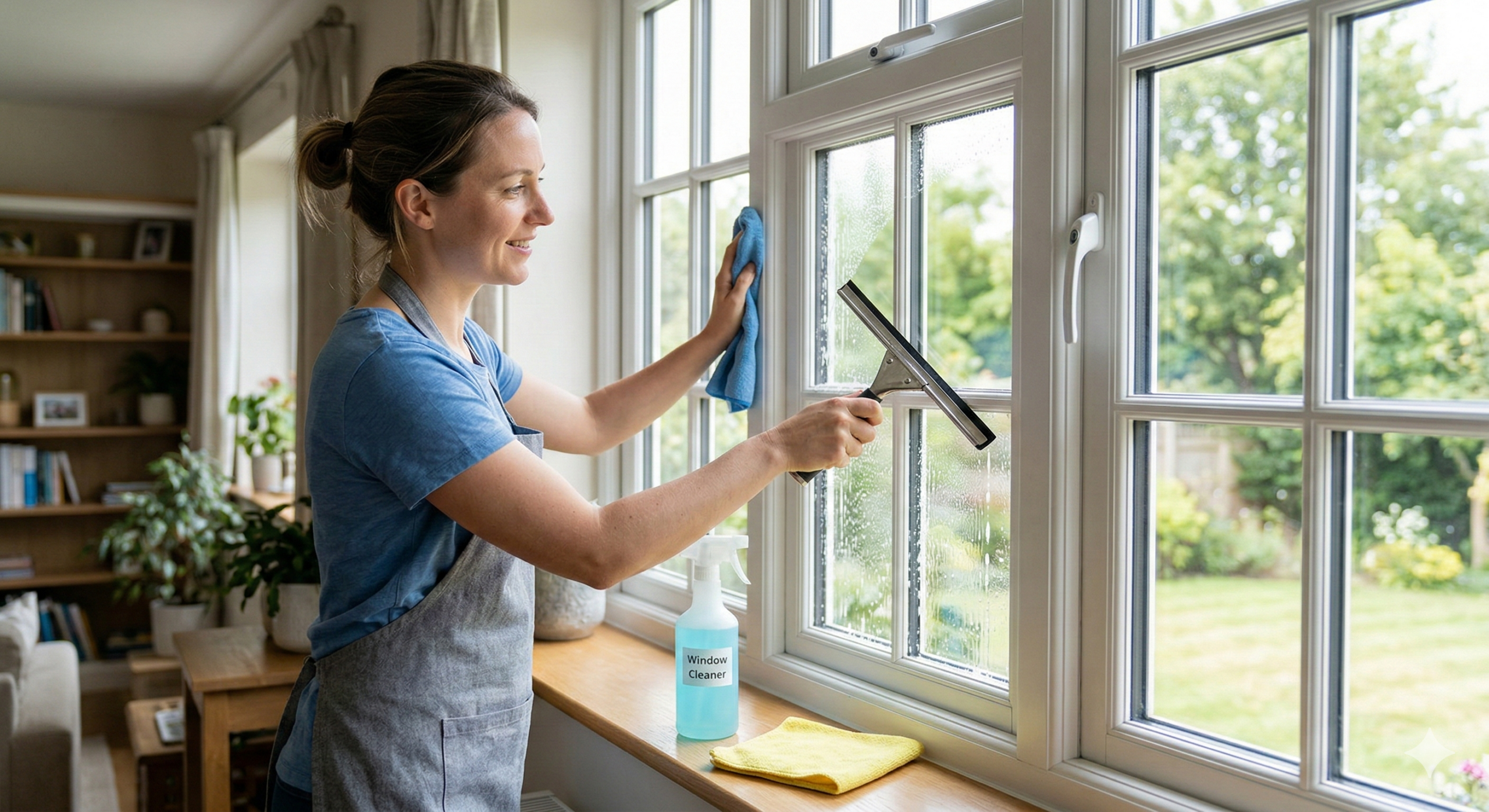
- Glass Cleaner: For streak-free mirrors and windows.
- Disinfectant Wipes or Spray: Crucial for germ hotspots in kitchens and bathrooms. The CDC emphasizes the importance of disinfecting frequently touched surfaces to prevent illness.
- Microfiber Cloths (multiple): These are superior to paper towels for dusting and wiping, leaving no lint and trapping dust effectively. Have at least 3-5 on hand.
- Sponges or Scrub Brushes: For bathroom and kitchen sinks, and tackling any minor grime.
- Toilet Bowl Cleaner and Brush: Non-negotiable for bathroom hygiene.
- Vacuum Cleaner (or Mop/Broom): Depending on your flooring, have your primary floor cleaning tool ready. A lightweight stick vacuum is excellent for quick clean-ups.
- Trash Bags: Small bags for emptying wastebaskets as you go.
Pre-Cleaning Prep: The 5-Minute Declutter
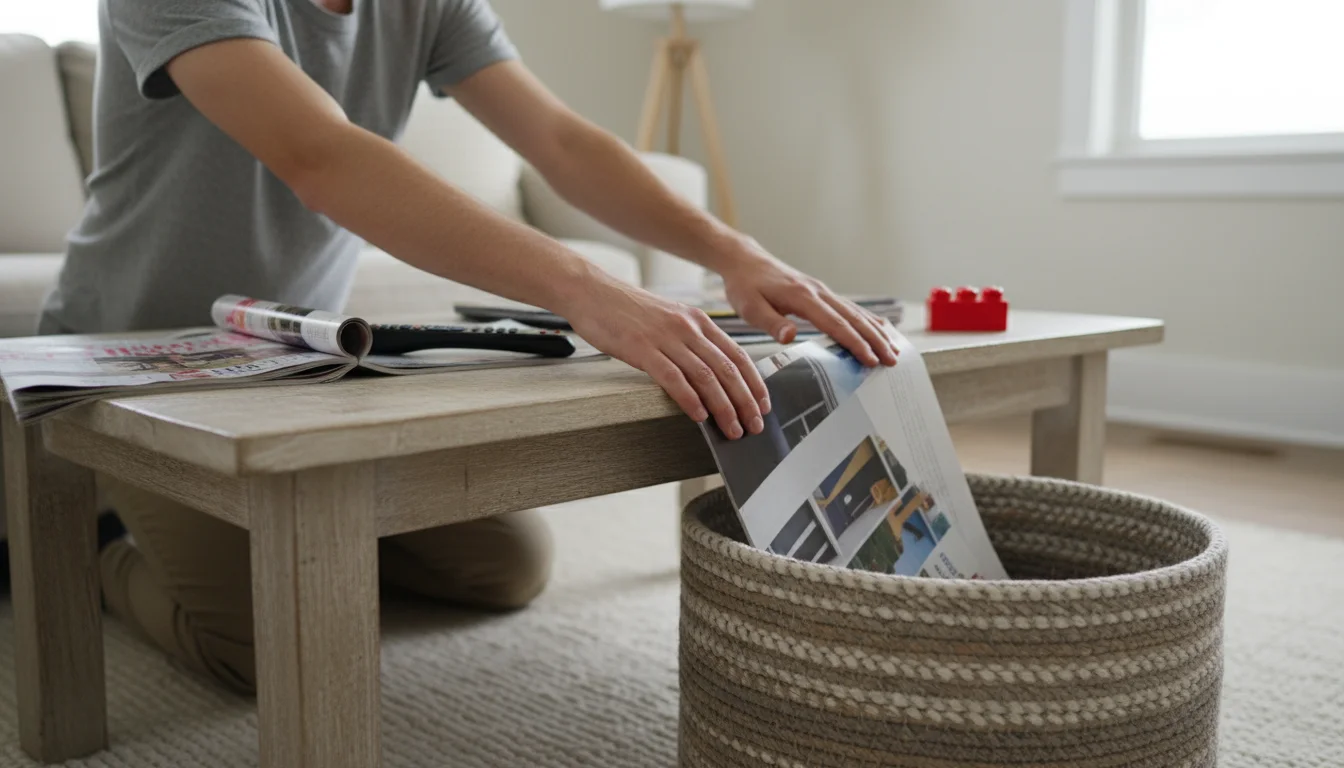
Before any serious speed cleaning begins, spend five minutes on a quick declutter. This is not deep organizing; it is about clearing surfaces so you can actually clean them. This step is critical. You cannot clean around clutter effectively.
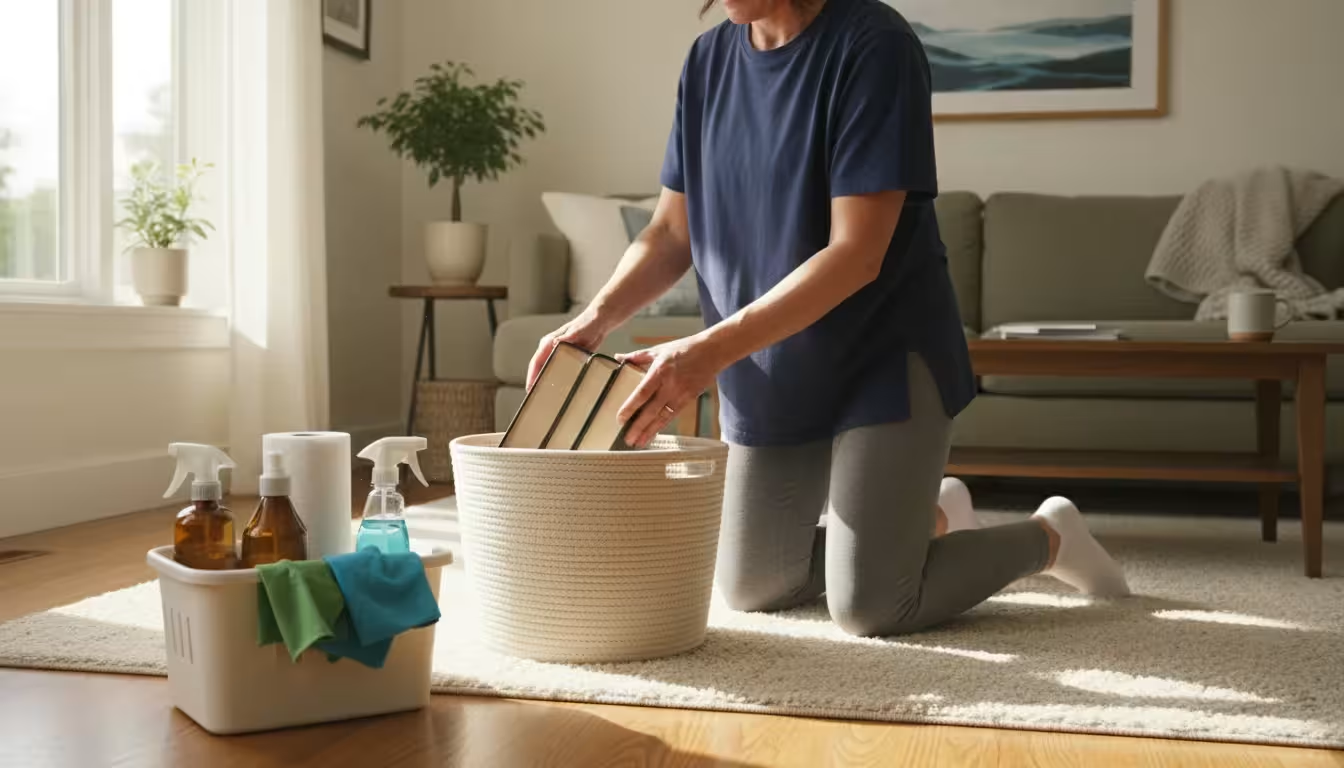
- Grab a Laundry Basket or Bin: Use this as a “catch-all” for items that do not belong in the current room.
- Quickly Put Away Obvious Items: Magazines, remote controls, shoes, toys. Focus on returning items to their designated homes.
- Empty Trash Cans: Quickly swap out liners in all wastebaskets.
- Make Beds: This instantly makes bedrooms look tidier.
Once surfaces are clear, your actual cleaning will be much faster and more impactful.
The Golden Rules of Efficient Cleaning
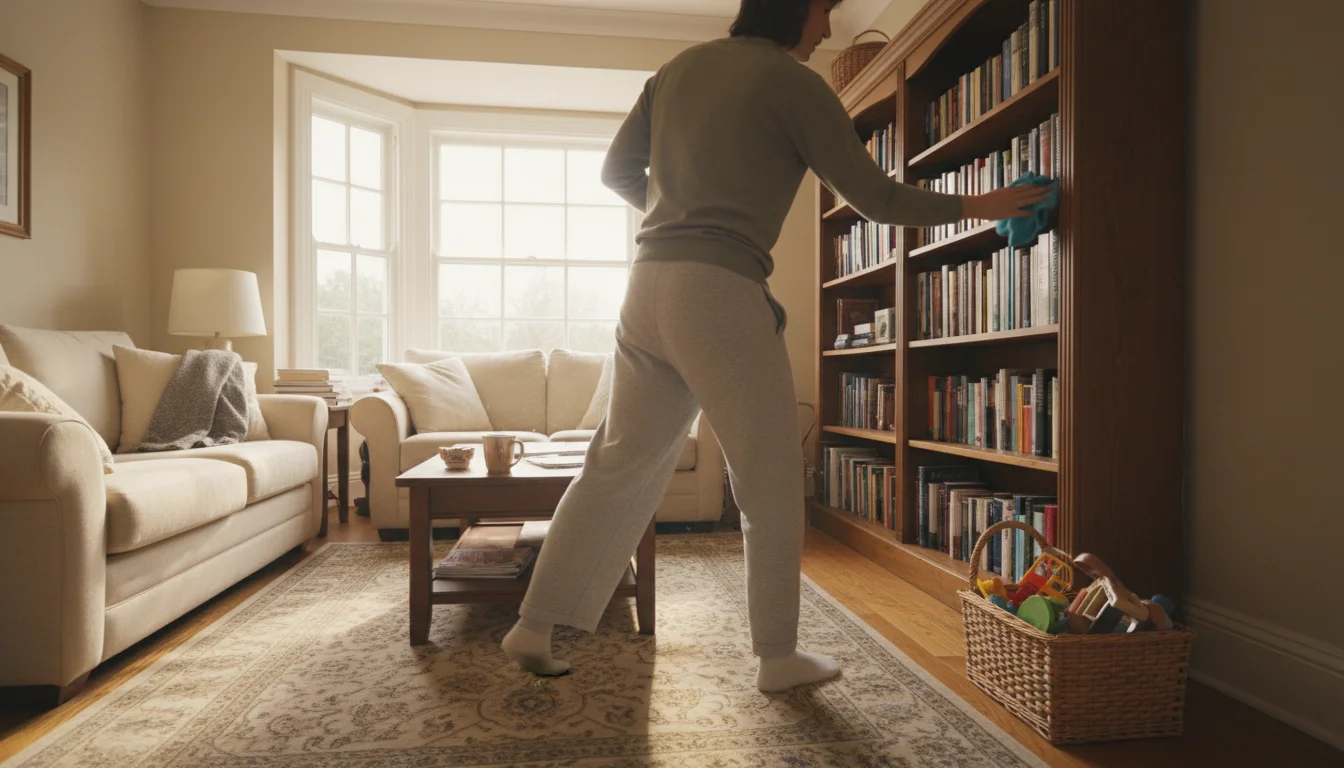
To truly master quick cleaning, adopt these principles. They guide your movements and decisions, ensuring every minute counts.
These efficiency principles are the foundation of the weekly house cleaning schedule designed to keep your home comfortable without constant effort.
1. Clean Top to Bottom
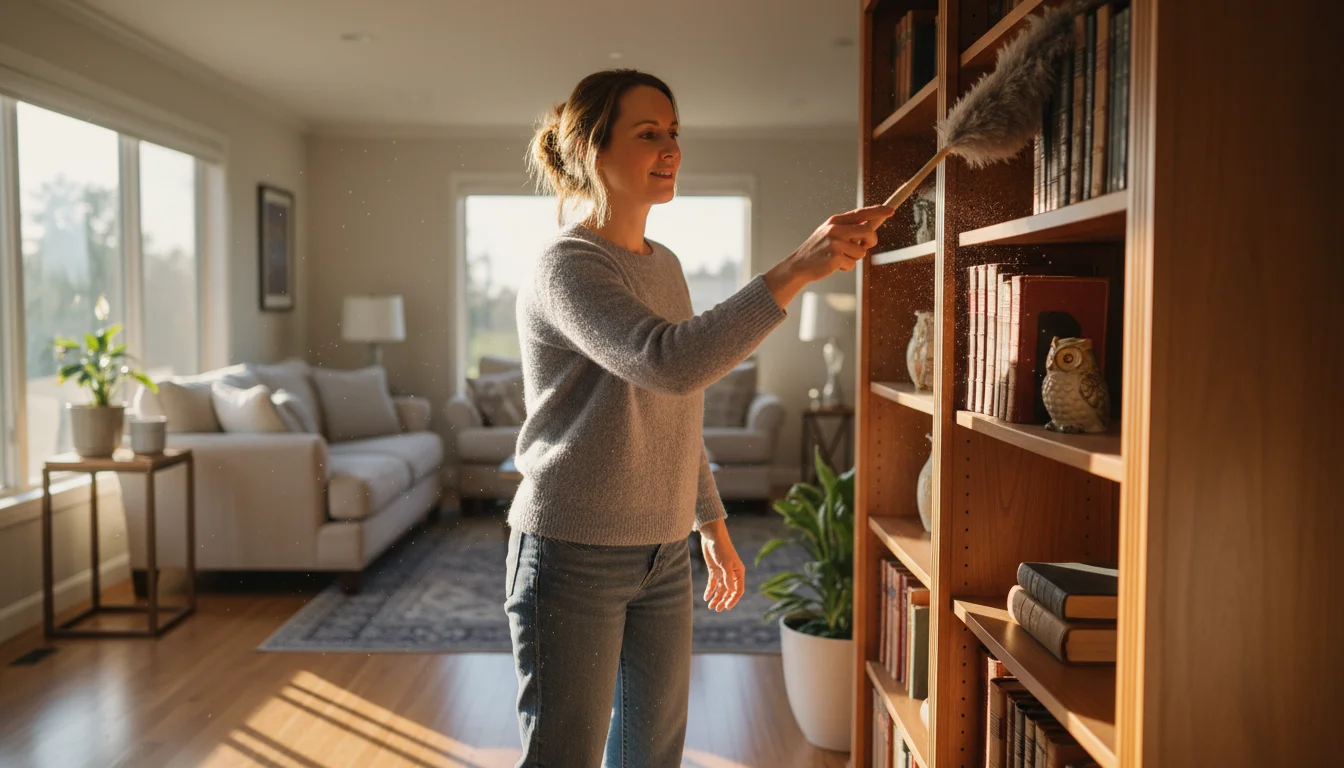
Gravity is your friend. Start dusting high shelves, then tabletops, and finally floors. Any dust or debris that falls will land on surfaces you have not cleaned yet, saving you from re-cleaning. This simple rule prevents frustration and ensures you only clean each area once.
2. Clean Left to Right (or Right to Left)
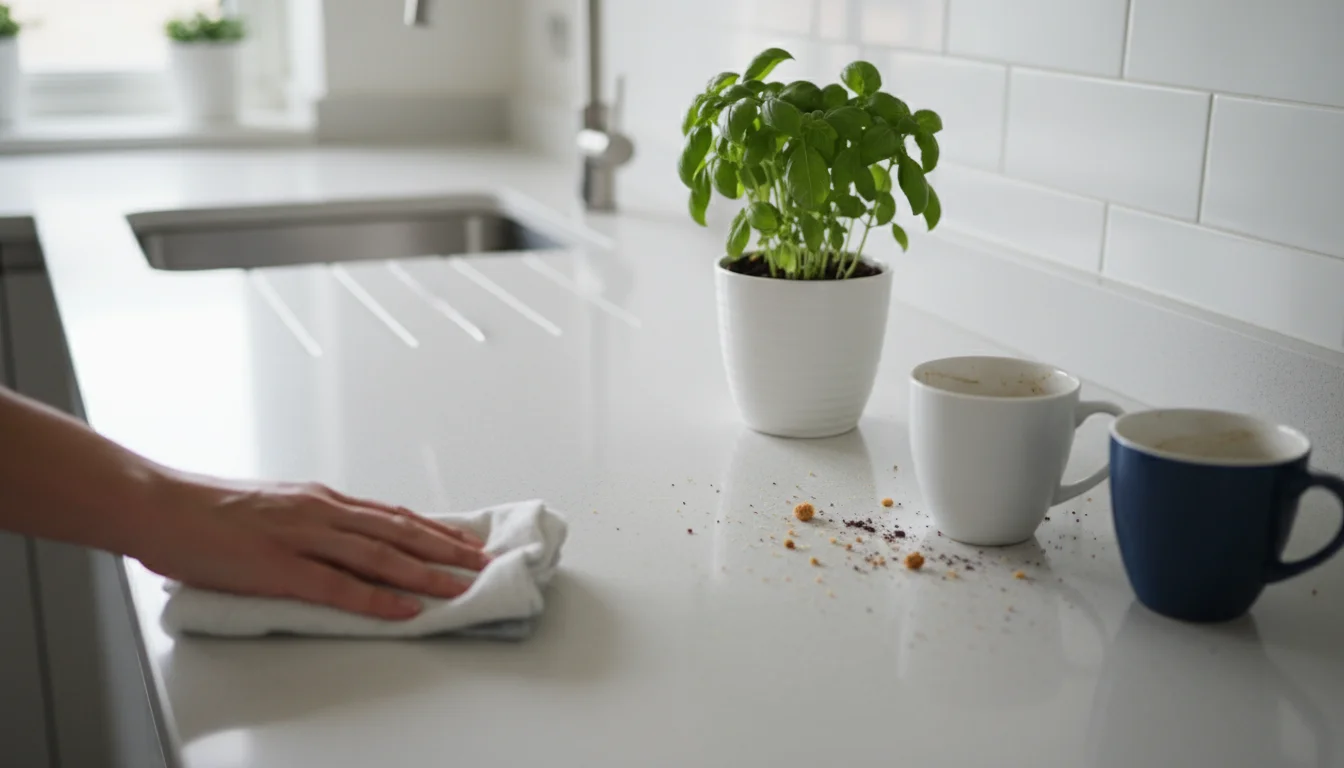
Establish a methodical path through each room. Pick a starting point and work your way around the room in one direction. This prevents you from missing spots or re-cleaning areas. Maintain a consistent flow, similar to how professionals clean, which often involves zones, or designated areas for specific activities.
3. Work Wet to Dry
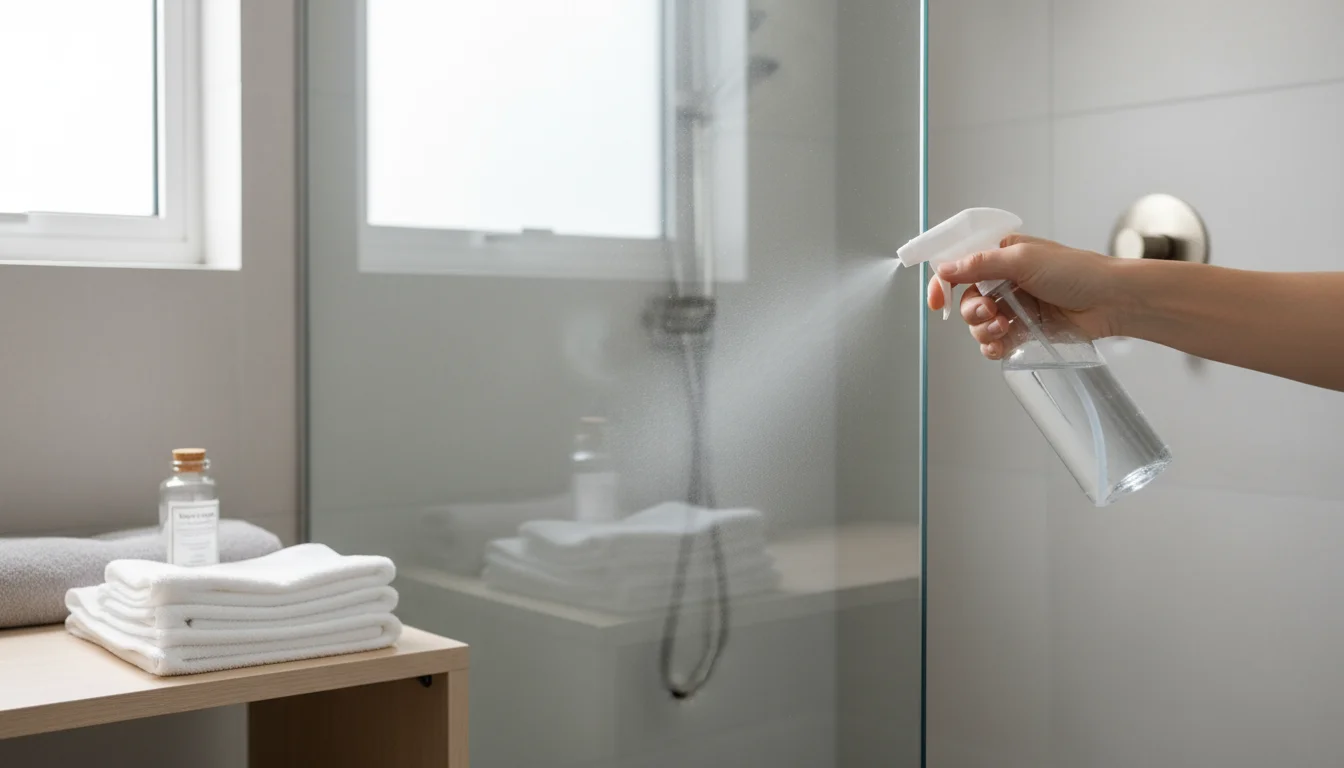
Apply cleaners to surfaces and let them dwell while you move on to another task. For example, spray your kitchen counter or shower, then move to dusting. By the time you return, the cleaner has had time to break down grime, making wiping much easier. This dwell time significantly reduces scrubbing.
4. Focus on High-Impact Areas
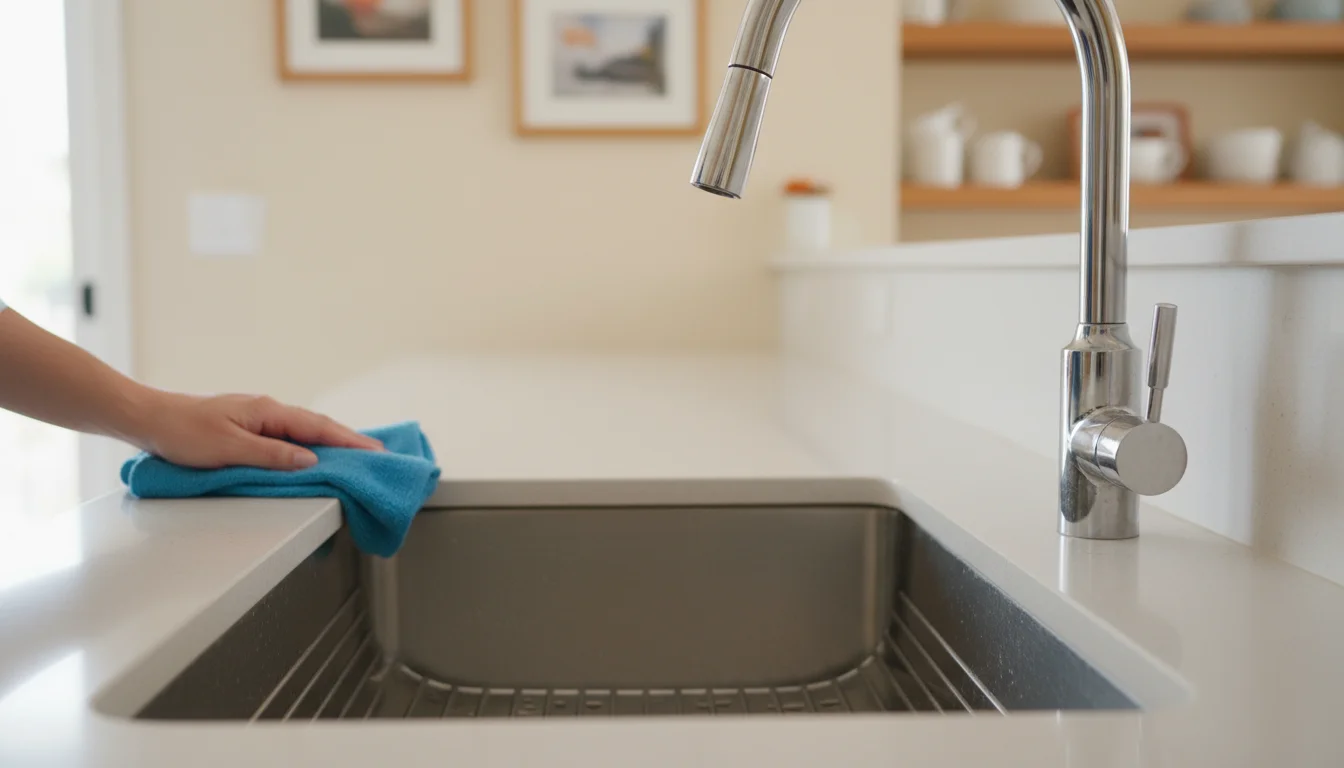
When time is limited, prioritize the areas that make the biggest visual difference or are germ hotspots. Sparkling sinks, clean mirrors, and clear countertops make your entire home feel cleaner, even if you did not deep clean inside your cabinets. As noted by experts at Real Simple, focusing on these key areas gives you the most bang for your buck during a quick cleaning session.
5. Multi-Task Smartly
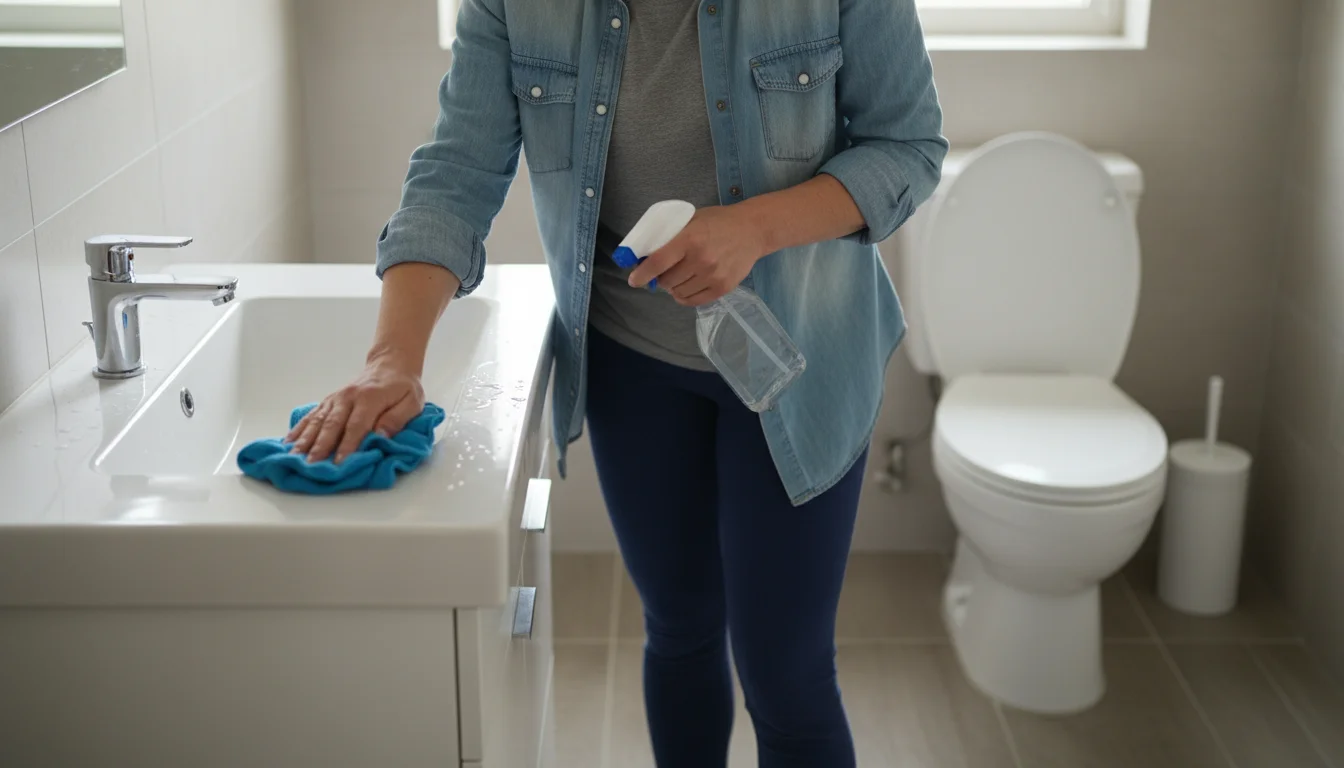
While one cleaner dwells, move to another task that does not interfere. For instance, while toilet bowl cleaner works, wipe down the bathroom vanity. This ensures you are always making progress.
The Room-by-Room Speed Cleaning Strategy: Your Two-Hour Plan
This is where your 2-hour speed cleaning plan comes to life. We will tackle your home in a logical, efficient sequence. Remember, these times are estimates; adjust them based on your home’s size and current state. The goal is continuous movement and focused effort.
While this 2-hour plan focuses on speed, you can use our room-by-room spring cleaning guide when you are ready for a more detailed seasonal refresh.
- Initial Declutter & Prep (10 minutes):
- Walk through common areas (living room, kitchen, bathrooms, bedrooms).
- Use your laundry basket to collect misplaced items.
- Empty all trash cans.
- Make beds.
- Gather your cleaning caddy.
- Bathrooms (30 minutes total, 15 minutes per bathroom if you have two):
- Apply toilet bowl cleaner.
- Spray shower/tub with all-purpose cleaner.
- Wipe down mirrors with glass cleaner.
- Clean vanity, sink, and faucet using all-purpose cleaner and a microfiber cloth.
- Scrub and flush toilets. Wipe down exterior.
- Wipe down exterior of shower/tub.
- Quick mop or vacuum bathroom floor.
- Kitchen (30 minutes):
- Clear countertops completely, putting away items that do not belong.
- Wipe down all countertops with all-purpose cleaner.
- Clean sink and faucet.
- Wipe down stovetop and exterior of microwave.
- Quick wipe-down of cabinet fronts, especially around handles.
- Clean exterior of refrigerator and dishwasher.
- Sweep or vacuum kitchen floor.
- Living Areas, Hallways, & Dining Room (30 minutes):
- Dust all accessible surfaces (coffee tables, end tables, shelves, TV stand) using a microfiber cloth.
- Fluff sofa cushions and arrange throw pillows.
- Wipe down any glass surfaces (e.g., glass tabletops) with glass cleaner.
- Quickly tidy any magazines or remote controls.
- Vacuum or sweep floors and rugs.
- Bedrooms (25 minutes total, 10-15 minutes per bedroom):
- If not done in initial prep, make beds.
- Dust nightstands, dressers, and any other accessible furniture surfaces.
- Clear any stray items from the floor or surfaces.
- Vacuum or sweep floors.
- Final Touches & Floor Finishing (5 minutes):
- Do a quick walk-through to spot anything missed.
- Empty your cleaning caddy of used cloths, ready for laundry.
- Take out any newly filled trash bags.
- Enjoy your refreshed home!
This sequence allows you to maximize your effort in each room before moving on, building momentum and helping you stay on track with your two-hour goal. You will find that as you practice this routine, your speed and efficiency will naturally improve, making it even easier to achieve a clean home quickly.
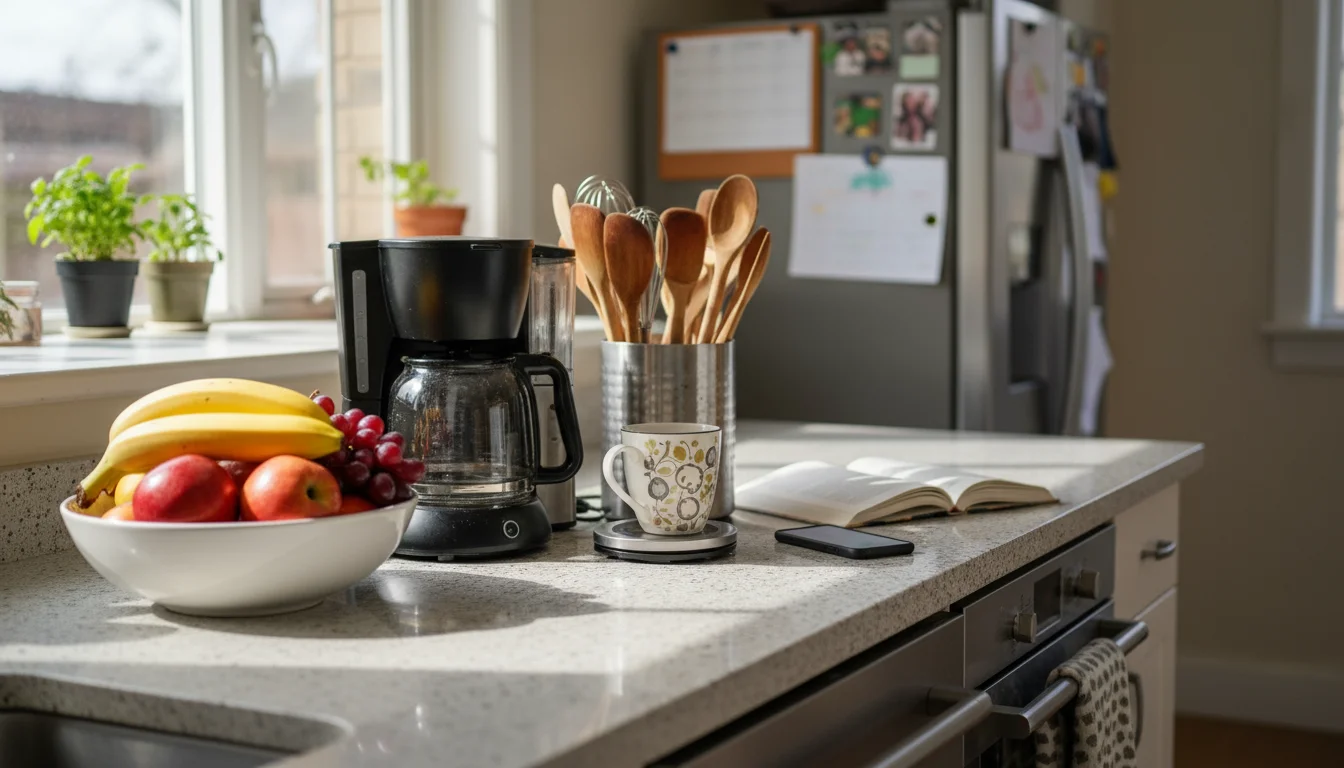
Kitchen Blitz: Maximize Your Impact
The kitchen is often the heart of the home, and also a major collection point for grime and crumbs. A focused approach here makes a huge difference in the overall feel of your home. Your goal is not a deep clean, but a visibly clean and sanitary surface area.
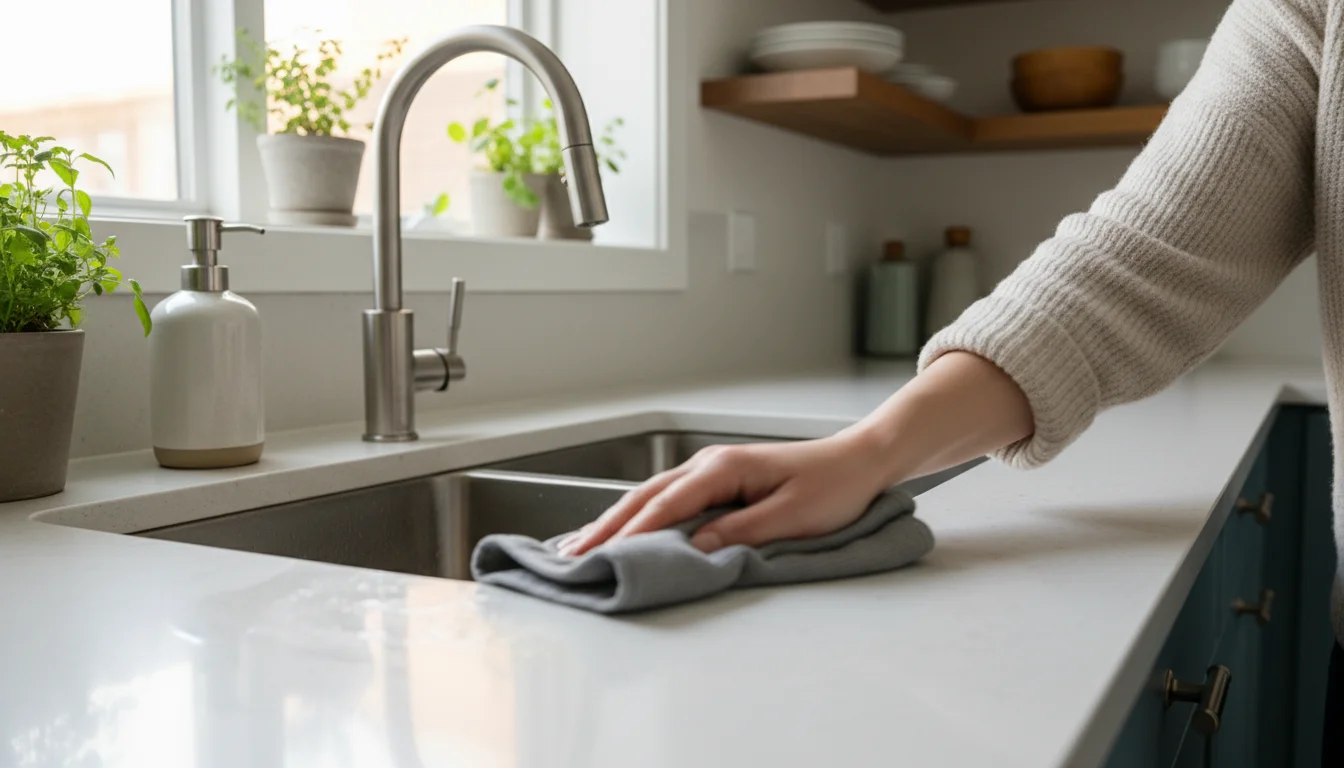
Speed Cleaning Tips for Your Kitchen:
- Clear the Decks: Before you even think about wiping, clear all items from your countertops. Place small appliances in their designated storage areas. This is where your initial 5-minute declutter really pays off.
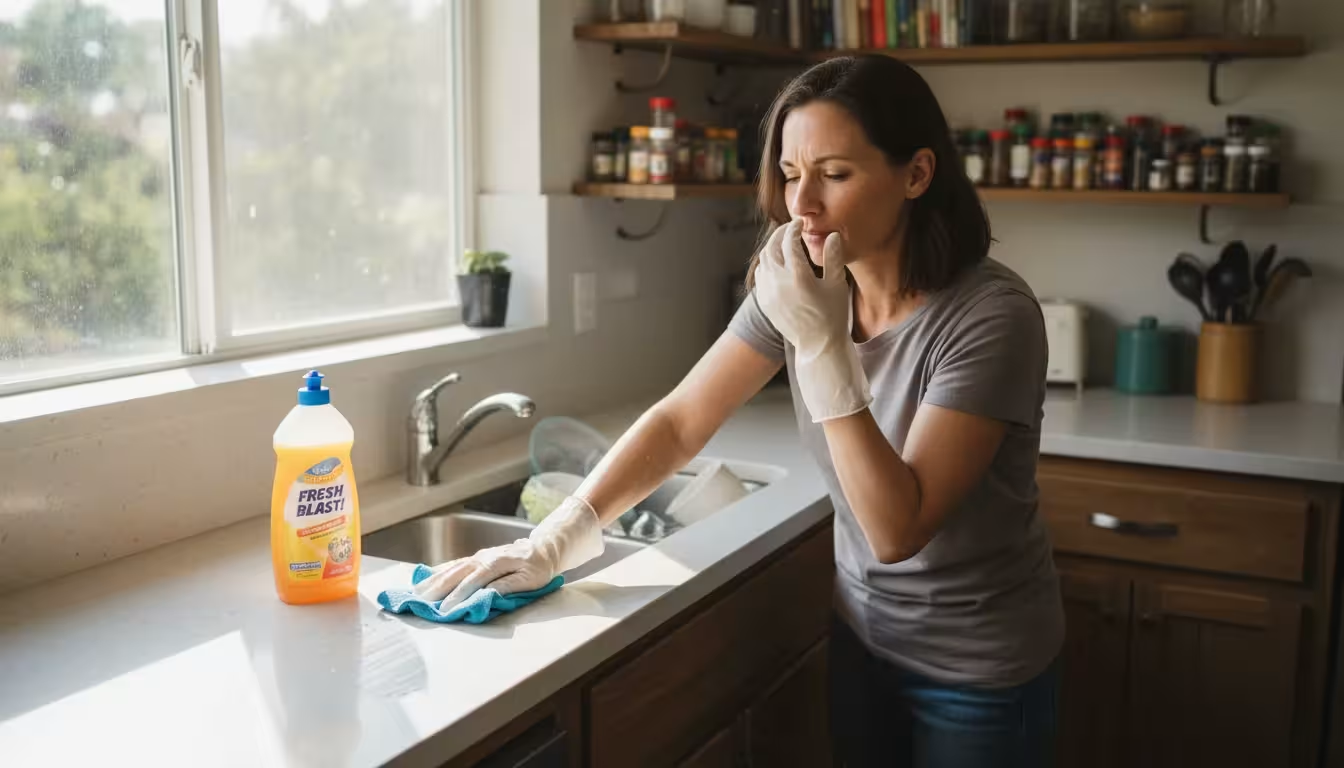
- Sink First: Spray your sink and faucet with an all-purpose cleaner or a specialized kitchen cleaner. Let it sit for a minute while you move to another task. Scrub and rinse thoroughly. A sparkling sink instantly elevates the look of your kitchen.
- Countertop Wipe-Down: Use a clean microfiber cloth and your all-purpose cleaner. Start at one end of the counter and work your way around, wiping down all visible surfaces. Pay extra attention to areas around the stove and sink where spills often occur.
- Stovetop and Microwave Exterior: Quickly wipe down the stovetop, addressing any recent spills. Use a damp cloth to clean the outside of your microwave, including the handle.
- Quick Floor Sweep/Vacuum: Crumbs and spills often accumulate around the cooking area and under the dining table. A quick sweep or vacuum captures these, preventing them from being tracked through your home.
Remember, the goal is impact. You do not need to scrub grout or deep clean your oven during a speed cleaning session. Focus on the visible surfaces that make your kitchen feel refreshed.
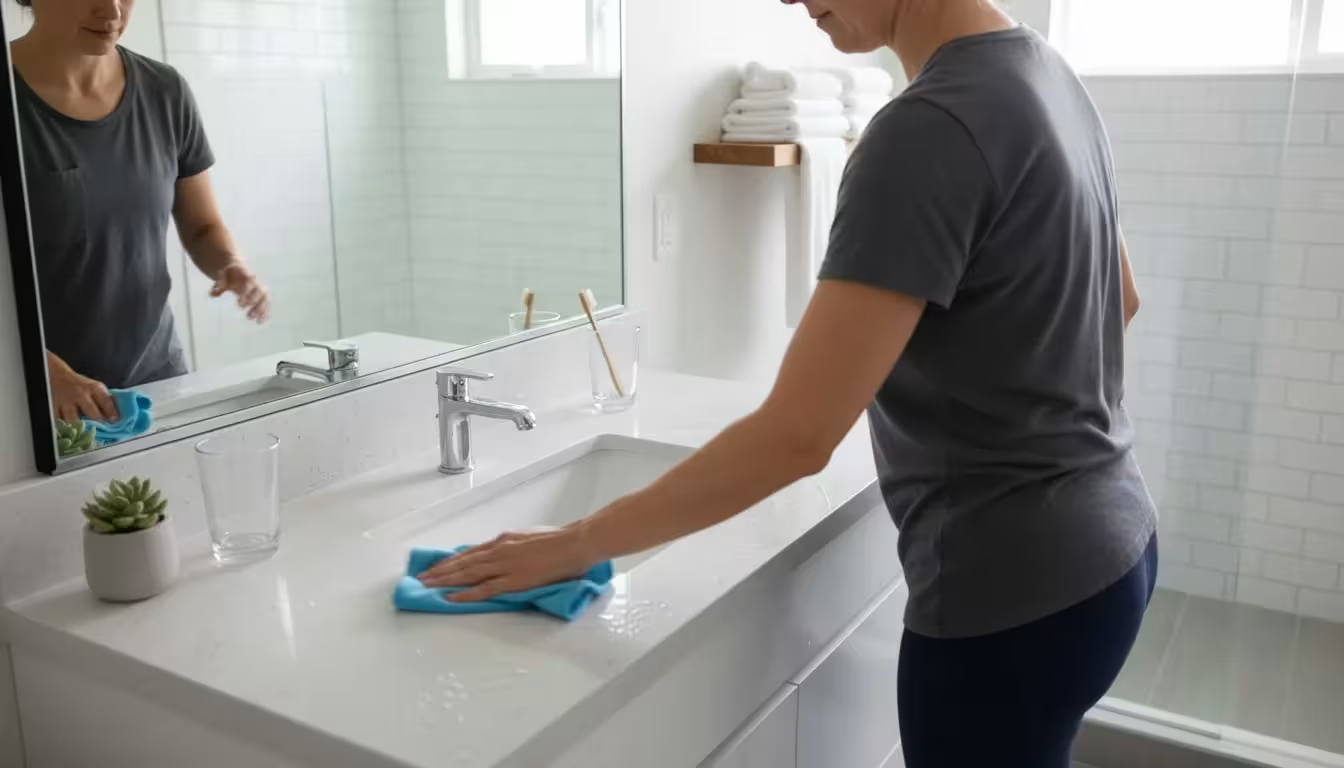
Bathroom Blast: Tackle Germs and Grime
Bathrooms are critical for sanitation. During your quick cleaning, prioritize disinfection and visible cleanliness. These areas see a lot of use, so a focused effort here is paramount.
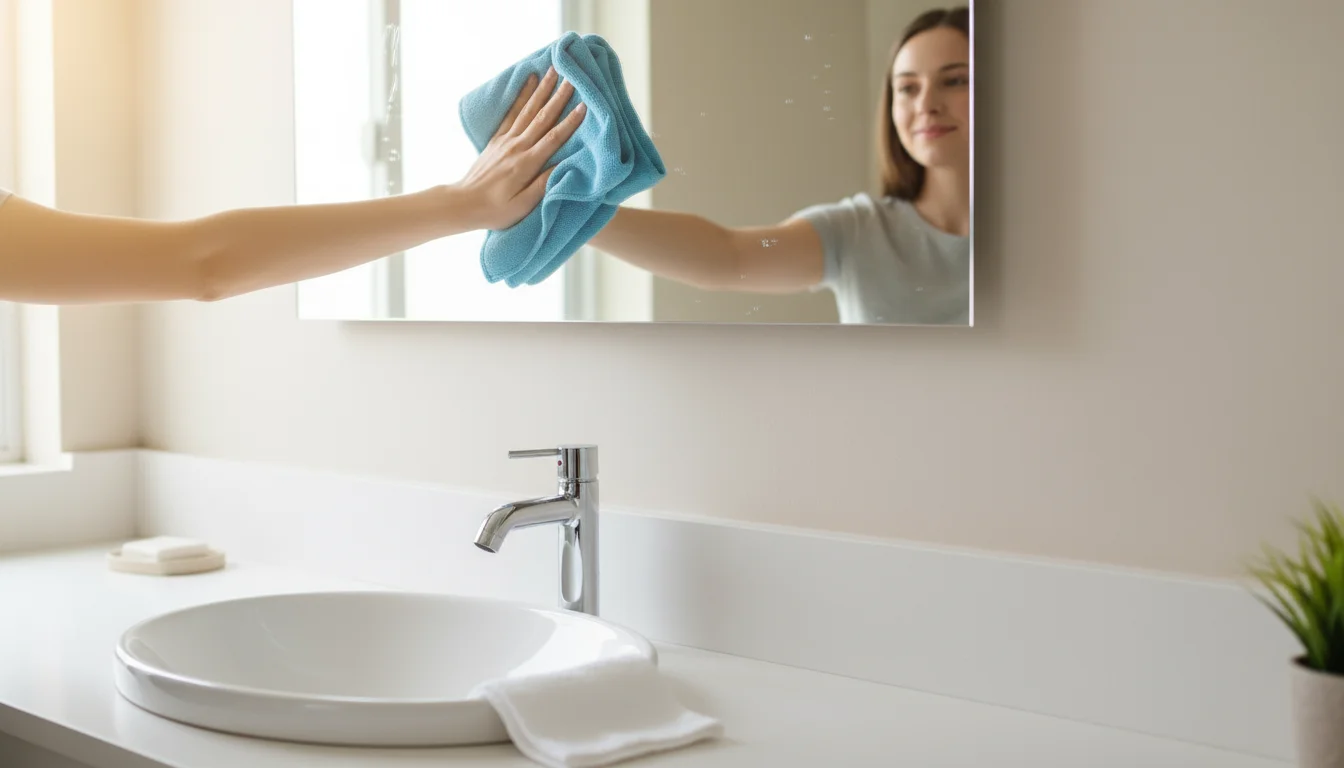
Your Bathroom Speed Cleaning Checklist:
- Toilet First: Squirt toilet bowl cleaner into the bowl, allowing it to work while you tackle other tasks.
- Mirror Magic: Spray glass cleaner on your mirror and wipe with a clean microfiber cloth for a streak-free shine. This brightens the entire room.
- Vanity and Sink: Spray your all-purpose cleaner on the vanity, sink, and faucet. Wipe thoroughly with a clean cloth. Pay attention to drips and toothpaste splatters.
- Exterior of Toilet: Now that the bowl cleaner has had time to work, scrub the inside of the toilet. Then, using a disinfectant wipe or spray, clean the exterior of the toilet, including the seat, lid, and base.
- Quick Shower/Tub Wipe: If time allows, a quick spray and wipe of the shower walls or tub with a disinfectant helps prevent soap scum buildup and addresses common mildew areas. This is not a deep scrub, just a surface refresh.
- Floor Focus: Give the bathroom floor a quick vacuum or mop, especially around the toilet and sink, where spills and hair often gather.
By following these steps, you address the most critical areas for hygiene and visual appeal, leaving your bathroom fresh and clean in record time.
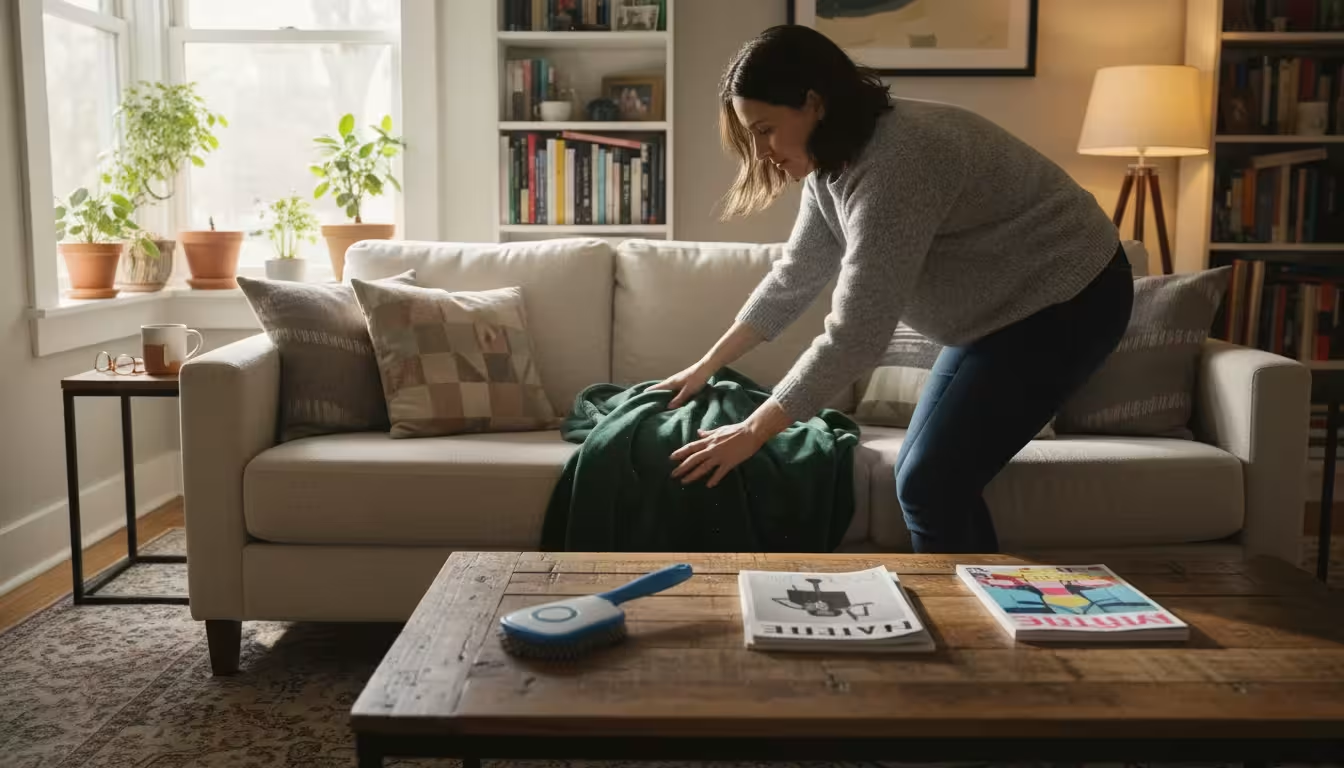
Living Areas and Bedrooms: Quick Tidy and Dust
These rooms often accumulate dust and light clutter. Your speed cleaning here focuses on creating a sense of calm and order, making them inviting spaces for relaxation.
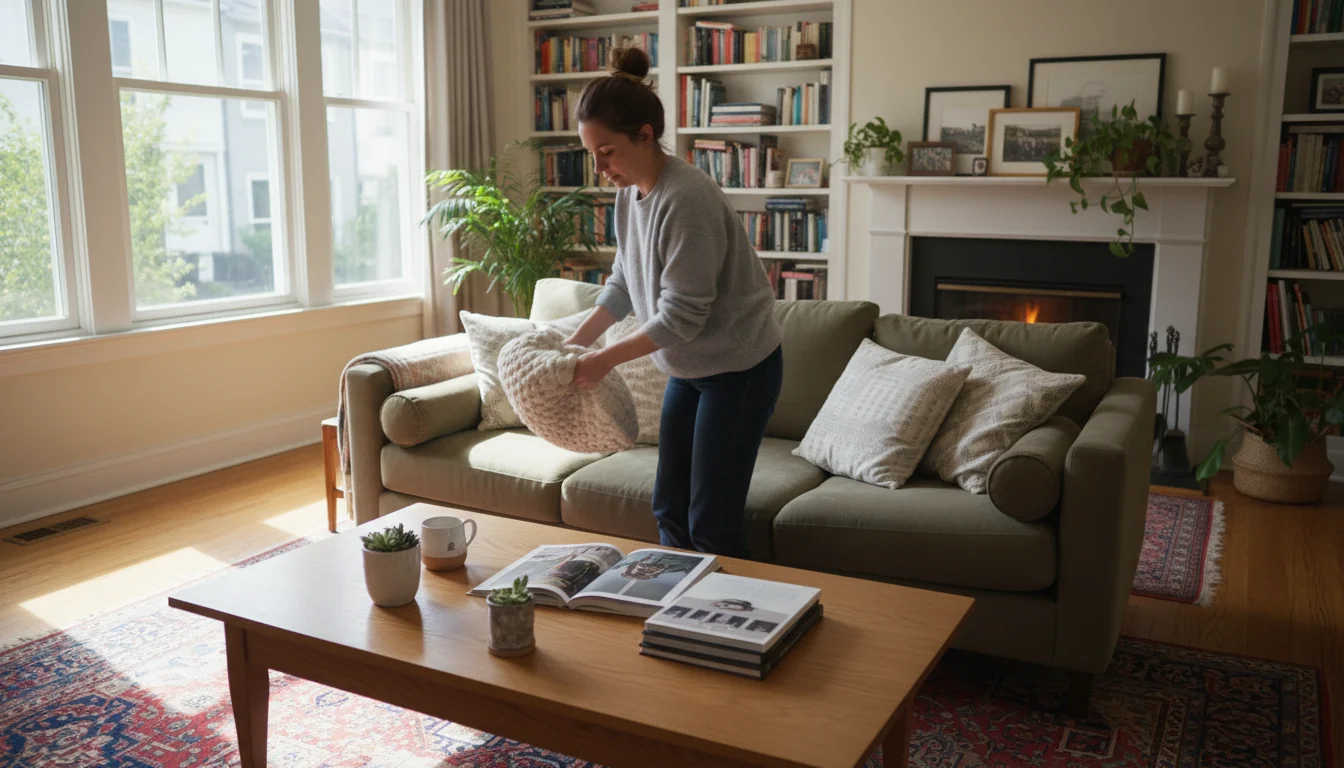
Revitalizing Your Living Spaces:
- Dusting Dynamics: Using your microfiber cloth (which you should dampen slightly for better dust capture), start dusting from the highest points down. Wipe shelves, TV stands, coffee tables, end tables, and any other flat surfaces. Dust blinds or window sills if they are visibly dirty.
- Surface Clearing: Put away any remaining clutter. This might involve returning books to a shelf, tidying remote controls, or gathering stray toys.
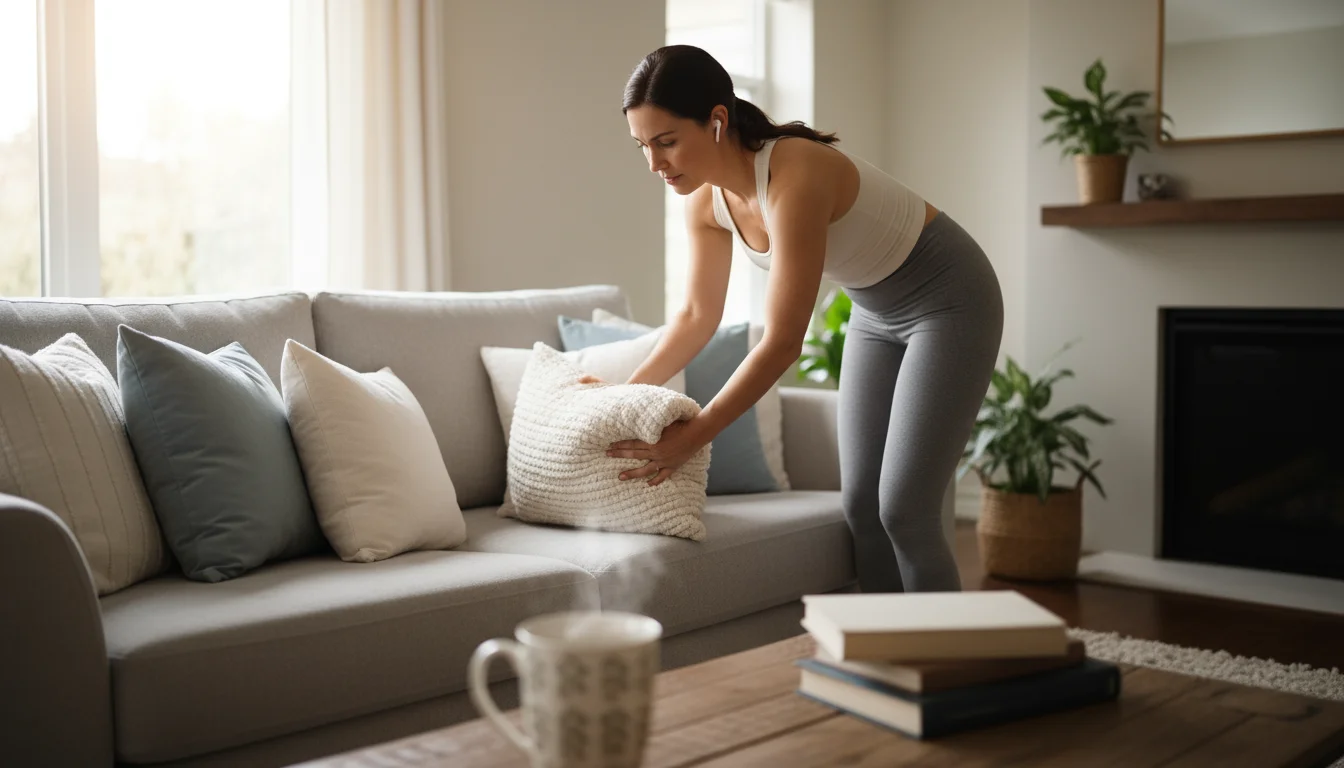
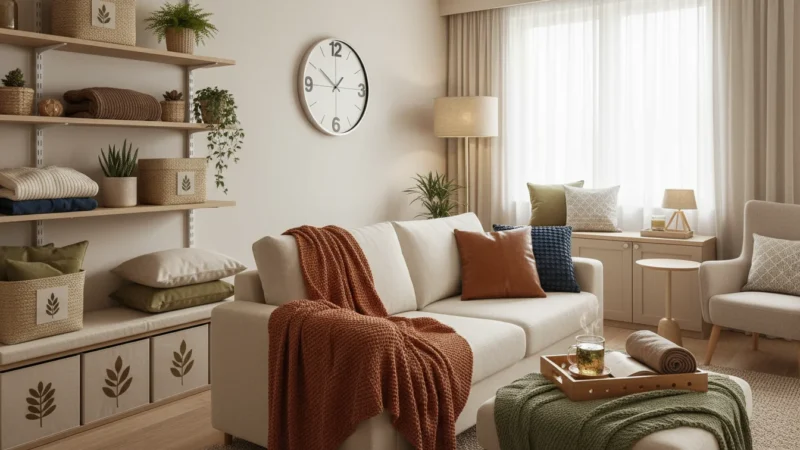
- Fluff and Arrange: Fluff couch cushions and arrange throw pillows. Straighten blankets. These small actions instantly make a living room feel more put-together.
- Floor Finish: Vacuum or sweep carpets and hard floors. Pay attention to high-traffic pathways and under furniture edges where dust bunnies love to hide.
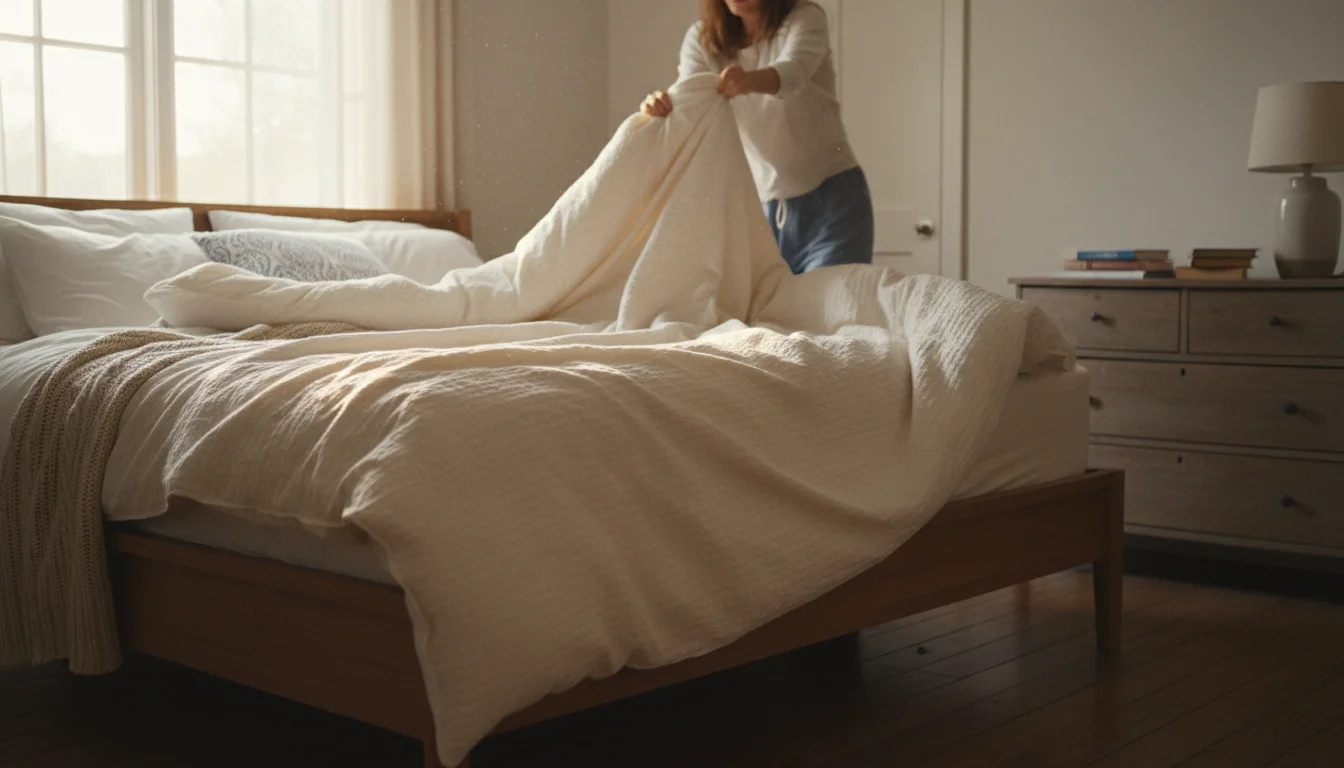
Refreshing Your Bedrooms:
- Bed Making Mastery: If you did not do it during the initial prep, make your bed. A neatly made bed anchors the room and makes it feel instantly tidier.
- Nightstand and Dresser Dust: Clear off your nightstands and dresser tops. Dust them thoroughly, paying attention to any electronics or decorative items.
- Floor Sweep: Give the bedroom floor a quick vacuum or sweep. Focus on visible areas and around the bed.
For maintaining good indoor air quality, the EPA recommends regular dusting and vacuuming to reduce airborne particles and allergens. This aligns perfectly with the quick cleaning approach for these spaces.
Maintaining Momentum: Keeping Your Home Bright Living
Speed cleaning is a fantastic tool for resetting your home, but ongoing maintenance is what truly keeps it consistently tidy. You want to avoid the “all or nothing” cycle of letting things get completely out of hand, then spending an entire day cleaning.
Daily Habits for an Effortlessly Tidy Home:
- The 15-Minute Tidy: Dedicate 15 minutes each evening to a quick tidy-up. This involves putting things away, wiping down kitchen counters after dinner, and straightening living areas. This small investment prevents major build-up.
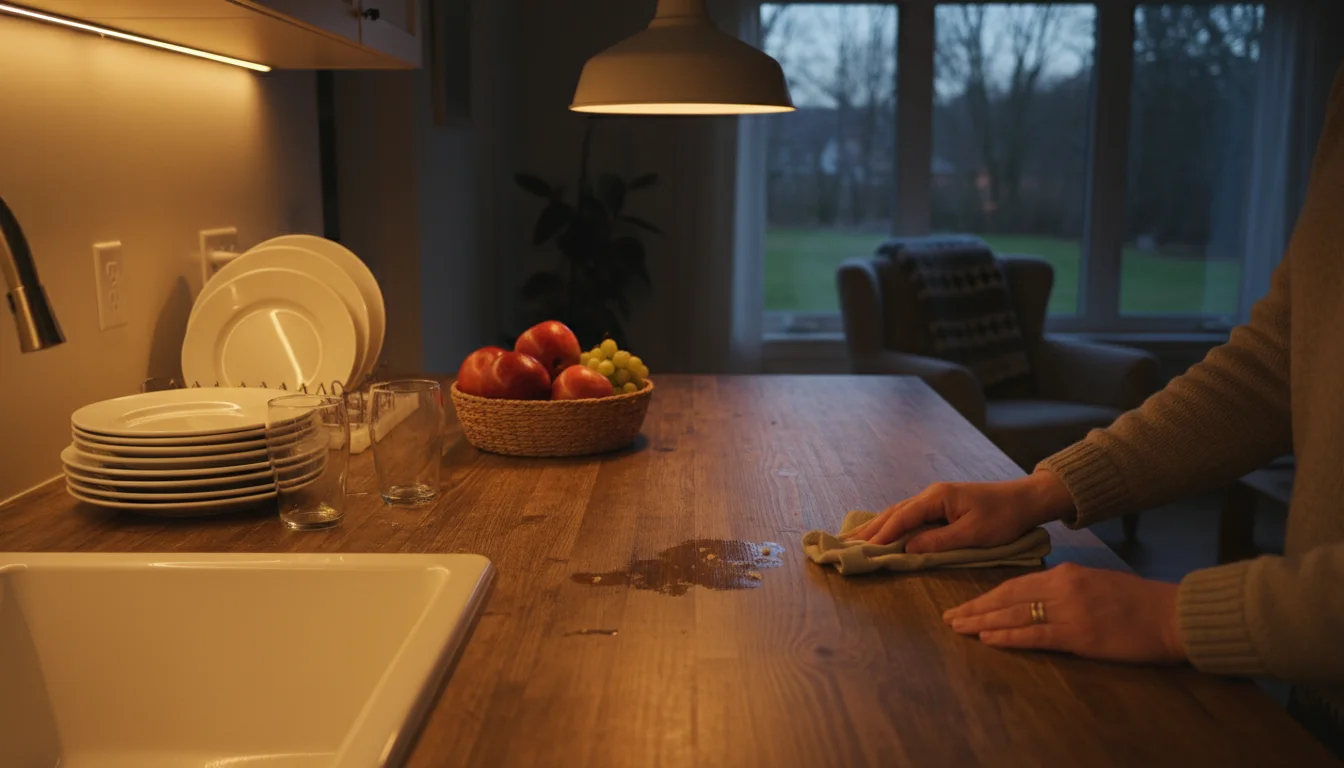
- Clean as You Go: Wipe up spills immediately. Rinse dishes and load them into the dishwasher right after meals. This prevents grime from hardening and becoming a bigger chore later.
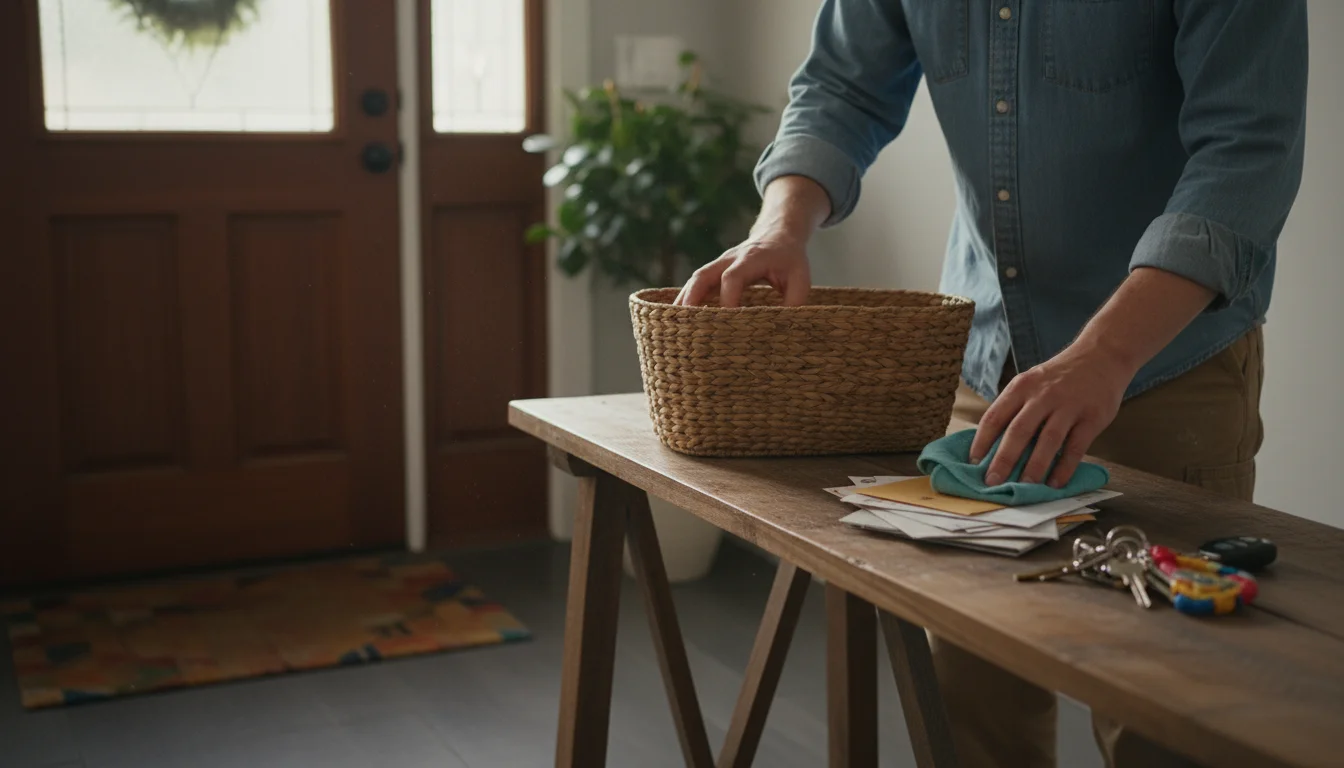
- Designate a “Home” for Everything: When every item has a specific place, putting things away becomes second nature. This is a core principle of effective home organization.
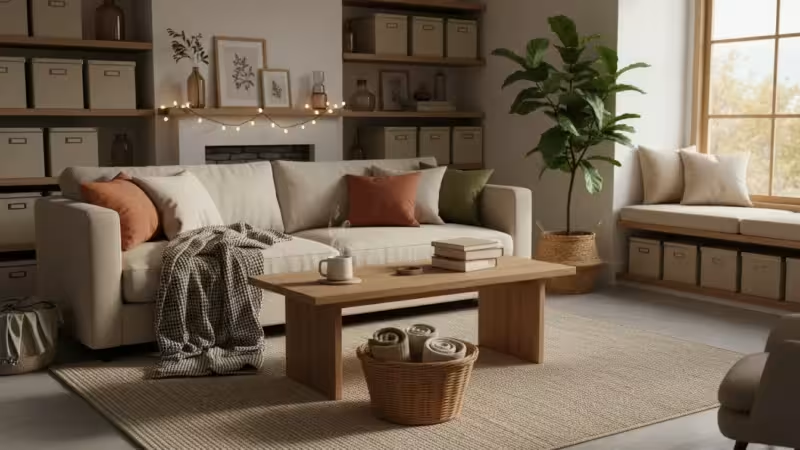
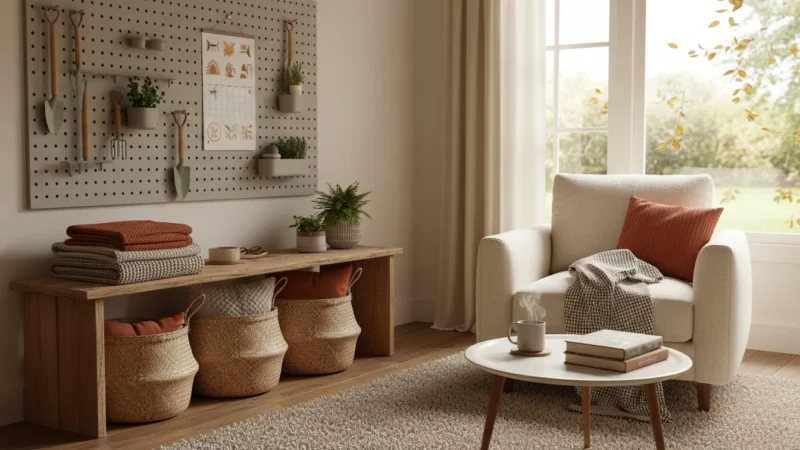
- Use Storage Solutions: Bins, baskets, and drawer dividers can help contain clutter and make tidying much faster. You do not need expensive solutions; even repurposed containers work.
- Encourage Family Participation: Everyone living in the home can contribute. Even young children can help put away toys or make their beds, fostering a shared responsibility for the living space.
By integrating these small habits into your daily routine, your next two-hour speed clean will be even easier, focusing on true cleaning rather than battling overwhelming clutter.
Troubleshooting Common Speed Cleaning Challenges
Even with the best plan, you might encounter hurdles. Here is how to address common issues and keep your speed cleaning on track.
Challenge 1: Overwhelm from Clutter
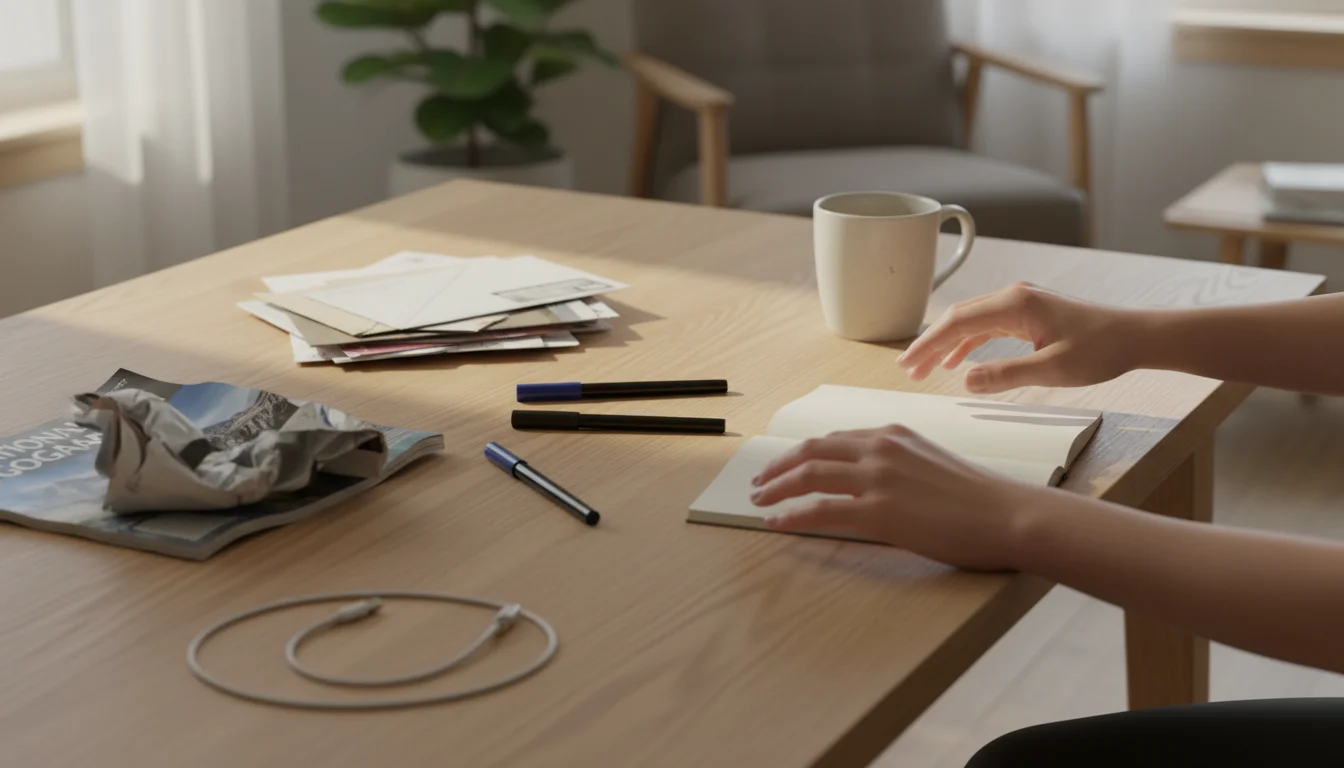
If your home is deeply cluttered, the initial “5-minute declutter” might feel impossible. In this case, dedicate a separate 30-minute session purely to decluttering before you attempt a speed clean. Focus on one room or even one surface. The goal is to clear enough space to allow cleaning to happen. You cannot clean clutter; you must remove it or organize it first. For more in-depth guidance on decluttering, experts at The Spruce offer comprehensive strategies for tackling any level of disorganization.
Challenge 2: Distractions and Interruptions
Kids, pets, phone calls, or unexpected visitors can derail your efforts. Try to schedule your speed cleaning during a time when interruptions are minimal. Put on some upbeat music or a podcast to help you focus. If you know you will have interruptions, break your 2-hour session into two 1-hour blocks. Even 30-minute power cleans can make a difference.

Challenge 3: Feeling Unmotivated
Cleaning is not always fun. Combat lack of motivation by:
- Setting a Timer: Knowing you only have 10-15 minutes for a specific task can provide a burst of energy.
- Rewarding Yourself: Plan a small treat for after your cleaning session, whether it is a hot bath, your favorite show, or a cup of tea in your freshly cleaned home.
- Start Small: If a full two hours feels too much, commit to just one bathroom or the kitchen. Success in a small area often provides the momentum to do more.
Challenge 4: Budget Constraints for Cleaning Supplies
You do not need an arsenal of expensive, specialized cleaners. Many effective and budget-friendly solutions exist:
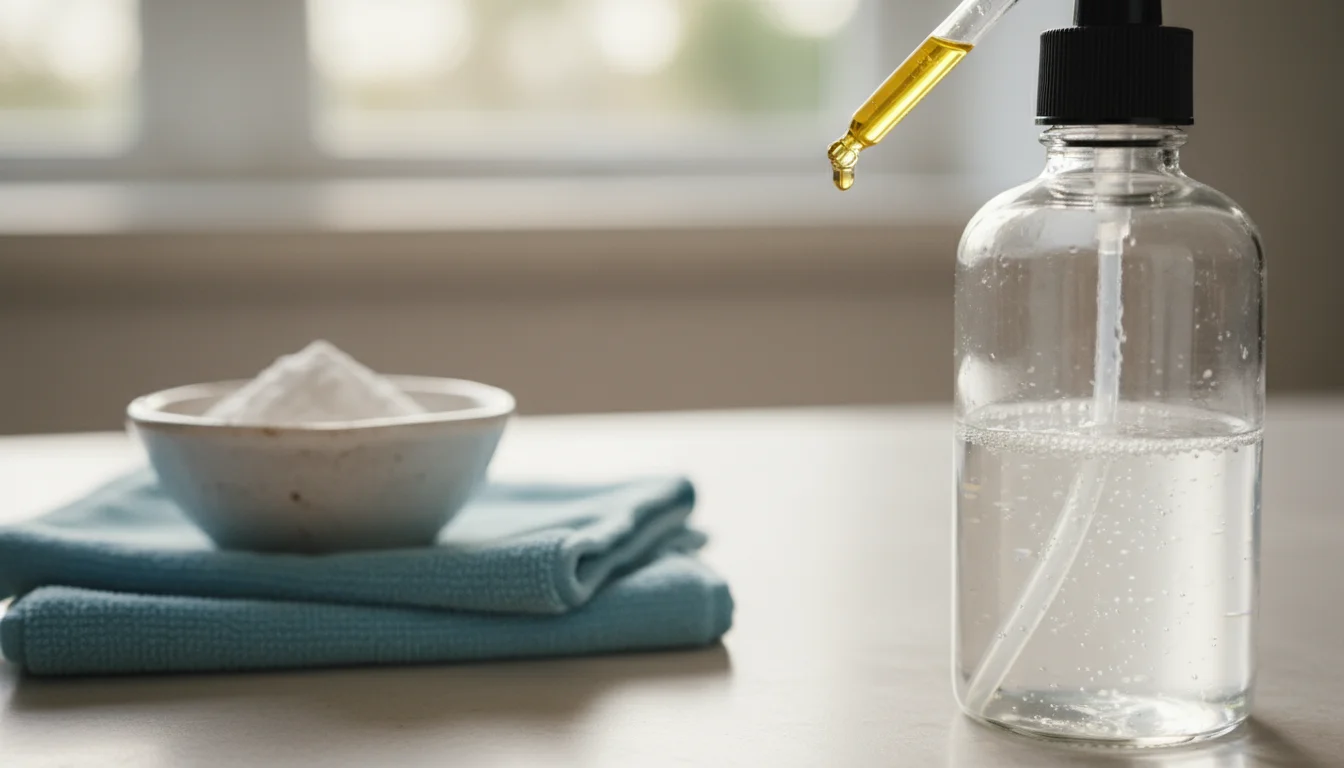
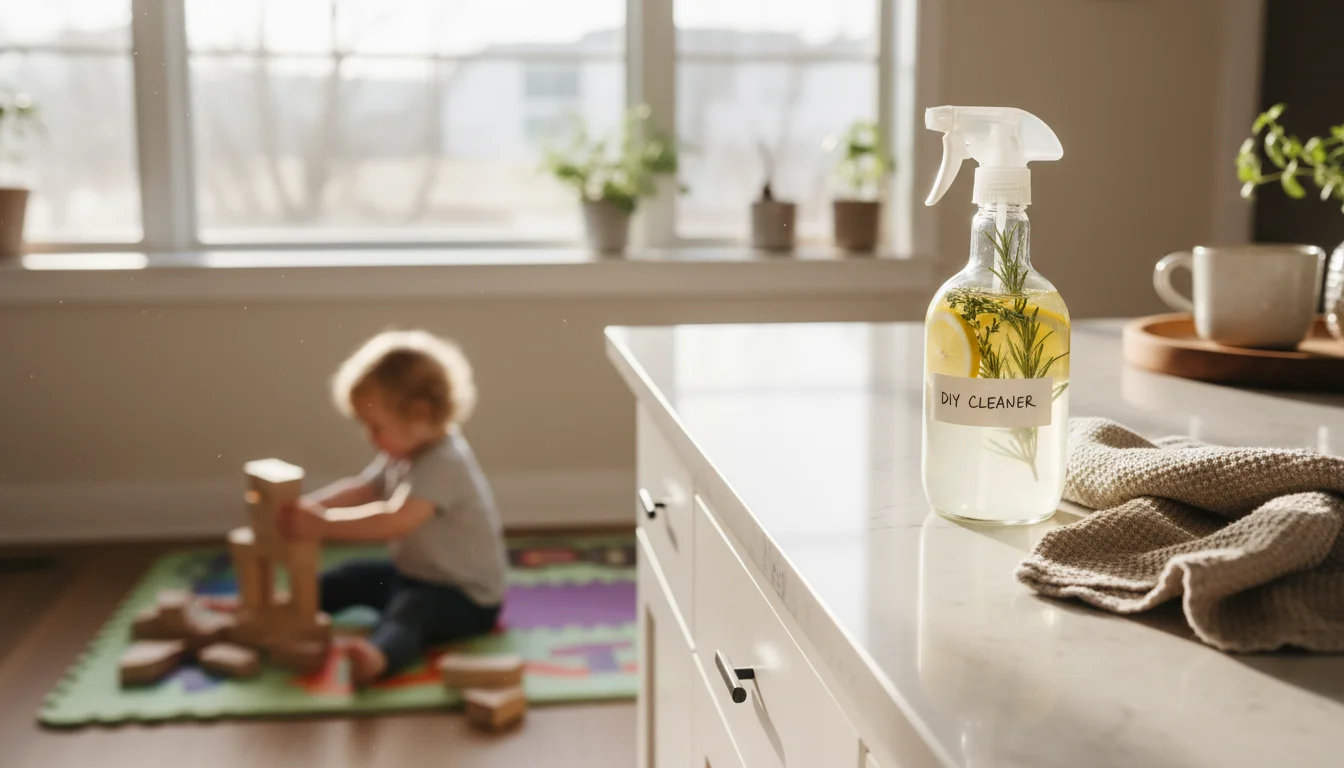
- DIY All-Purpose Cleaner: Mix white vinegar, water, and a few drops of essential oil (like lemon or tea tree) for a powerful, natural cleaner.
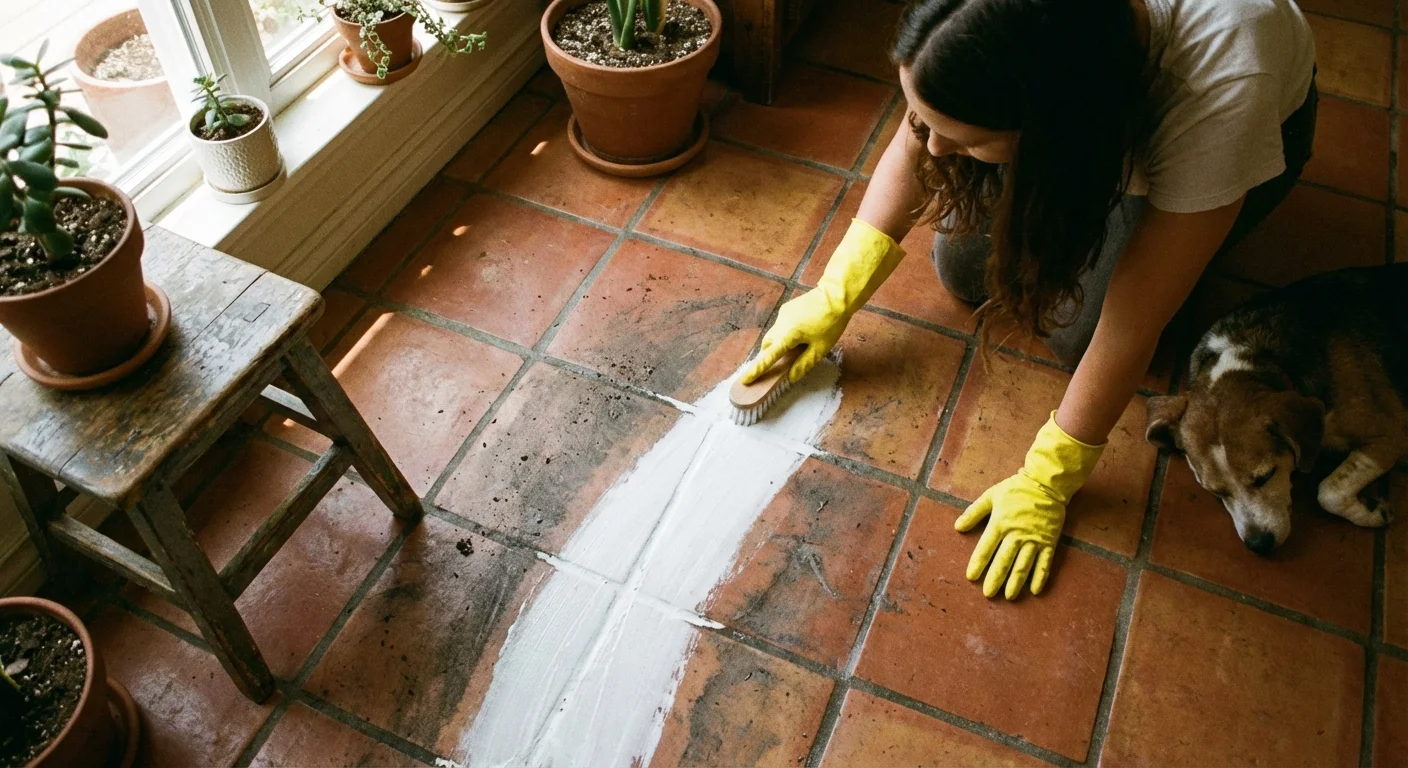
- Baking Soda: An excellent scrubber and odor absorber. Use it with water to make a paste for tough grime.
- Microfiber Cloths: While an initial investment, these are reusable for years, saving you money on paper towels. Look for multi-packs at discount stores.
Frequently Asked Questions
Can I really clean my entire house in two hours?
Yes, you can! However, “clean” in this context means tidying, surface wiping, and addressing germ hotspots, not a deep scrub. This method focuses on creating a visible difference and a fresh feel, perfect for maintenance between deep cleans or when you need a quick reset.
What if my house is extremely cluttered? Will this still work?
If your home is extremely cluttered, you should first dedicate a separate session to decluttering. Speed cleaning assumes you can access surfaces to clean them. Start with a 30-60 minute declutter session, focusing on putting things away, before you attempt the full speed clean. Over time, consistent decluttering makes speed cleaning much more effective.
Do I need special cleaning products for speed cleaning?
No, you do not need special products. A few basic, multi-purpose cleaners, disinfectant wipes, and good quality microfiber cloths are usually sufficient. You can also make effective DIY cleaners using common household ingredients like vinegar and baking soda, making it a budget-conscious approach.
How often should I speed clean my house?
The ideal frequency depends on your household and lifestyle. Many people find a weekly speed clean helps maintain order and cleanliness. Supplement this with daily 15-minute tidying sessions to prevent overwhelming build-up, making each speed cleaning session even easier.
What if I do not have a full two hours available?
Break it down! Even 30-minute power cleans focusing on one or two rooms (like bathrooms or the kitchen) can make a huge difference. Consistency is more important than duration. Even small bursts of focused effort contribute to a cleaner, more organized home.
For expert home organization guidance, visit
Apartment Therapy,
The Container Store — Organization Tips,
IKEA Home Organization,
Martha Stewart — Home and
Houzz — Home.
Disclaimer: This article is for informational purposes only and is not a substitute for professional advice. Consult professional organizers or specialists for personalized recommendations.

Leave a Reply