
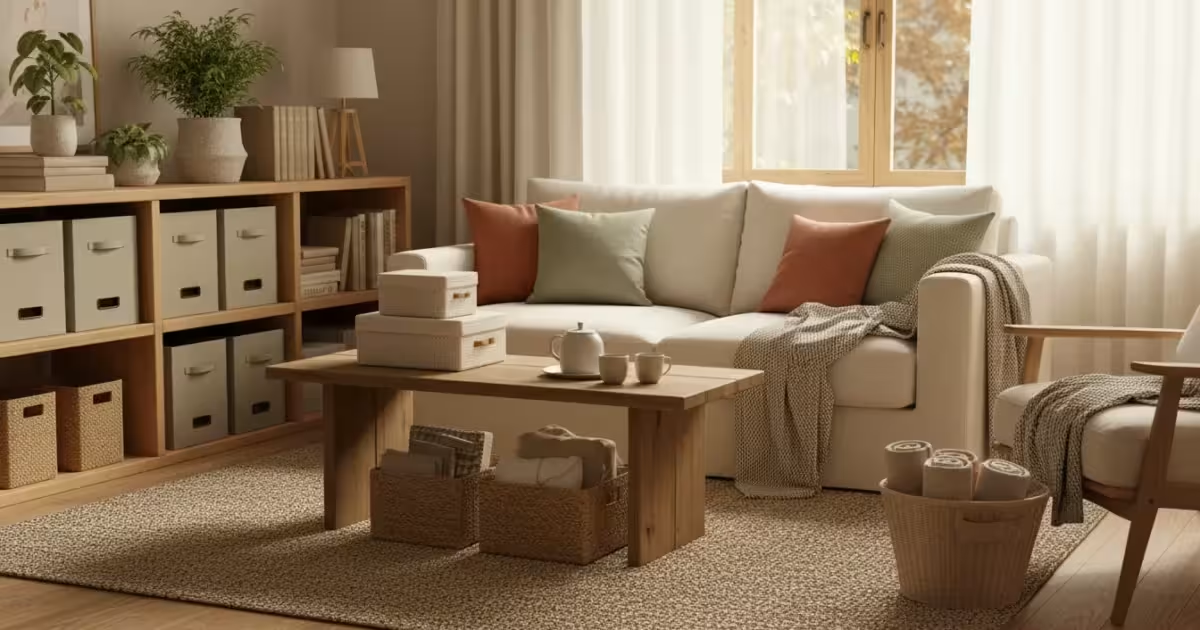
Life feels busy, doesn’t it? Between work, family, and personal commitments, the idea of a spotless home often seems like an impossible dream. You might glance around your living room, spotting accumulated clutter, dust, and smudges, and feel a wave of overwhelm. The good news is, achieving a comfortably clean and organized home does not require hours of dedicated scrubbing each day. Instead, a powerful approach focuses on consistency and short bursts of effort. This article introduces you to a practical, actionable daily cleaning routine designed for real life: one that takes just 20 minutes, yet delivers noticeable, lasting results.
If you find that your home needs more than a daily touch-up, you might also benefit from speed cleaning your entire house in a single focused session.
You can transform your living space from chaotic to calm without sacrificing your precious evenings or weekends. We understand your time is valuable, and your budget might be tight. That is why this guide offers realistic solutions, whether you live in a sprawling house or a cozy apartment. We emphasize systems that maintain order, reducing the need for heroic cleaning efforts down the line. Get ready to discover how a simple, focused quick cleaning session can make a significant difference in your daily comfort and peace of mind.
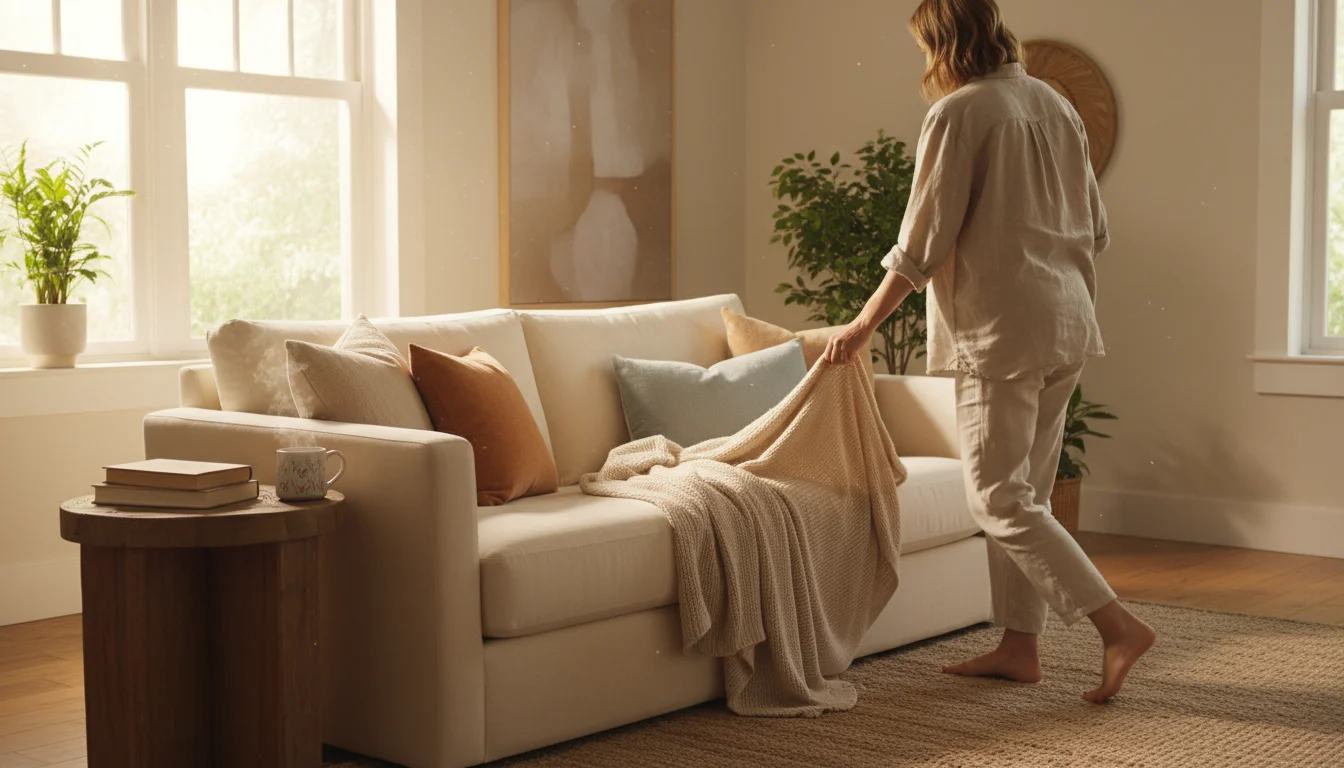
Why a 20-Minute Daily Cleaning Routine Transforms Your Home
The thought of “cleaning” often conjures images of an all-day ordeal: scrubbing floors, deep cleaning bathrooms, and tackling piles of laundry. This traditional view of cleaning often deters people from starting, leading to cycles of accumulation and intense, exhausting clean-ups. Our 20-minute daily cleaning routine offers a powerful alternative. This method leverages consistency and short, focused bursts of effort to prevent mess buildup and maintain a baseline level of cleanliness.
To manage larger chores that don’t happen every day, a weekly house cleaning schedule is the perfect companion to this daily habit.
For households that need a bit more time to manage chores, combining this with a weekly cleaning checklist can help keep everything on track.
Consider the cumulative effect of small actions. A brief daily tidy keeps your home from reaching that overwhelming state where you feel you need an entire weekend to recover. Research consistently shows the positive impact of an organized environment on mental well-being. For instance, studies indicate that individuals living in clean, tidy spaces often experience reduced stress and improved focus. A disorganized home environment can contribute to feelings of anxiety and a lack of control, whereas an orderly space promotes calm. By integrating a quick cleaning session into your daily rhythm, you actively reduce stressors and create a more inviting atmosphere.
This approach also saves you significant time in the long run. Imagine the difference between wiping down a stovetop after each meal versus tackling baked-on grime that has accumulated for days. Small, immediate actions prevent larger, more difficult tasks later. Many homeowners report that once they adopt a daily cleaning routine, their weekends open up for leisure activities instead of relentless chores. It is a powerful shift from reactive cleaning to proactive home maintenance, giving you more freedom and peace of mind.
The Core Principles of Effective Quick Cleaning
A successful quick cleaning routine hinges on a few core principles that make it manageable and effective. Embrace these ideas to revolutionize your daily cleaning strategy.
To ensure you stay on top of the harder-to-reach spots, incorporating a bathroom cleaning checklist into your weekend routine is a great strategy.
Principle 1: Little and Often
This is the cornerstone of the 20-minute method. Instead of letting tasks pile up, you address them in small, consistent increments. Imagine tidying a few items off the kitchen counter after dinner each night versus spending an hour decluttering it once a week. The “little and often” approach prevents overwhelm, ensuring you complete tasks before they become daunting. This philosophy applies to every aspect of your home, from wiping down surfaces to putting away stray items.
Principle 2: Zone Cleaning
Zone cleaning involves focusing on specific areas or “zones” of your home for a designated period. In our 20-minute routine, you might dedicate 5-7 minutes to the kitchen, 5-7 minutes to living areas, and the remaining time to bathrooms and bedrooms. This focused approach ensures that you address high-traffic and high-impact areas regularly, preventing general disarray. Dividing your home into manageable zones makes the task feel less intimidating and helps you prioritize effectively. As noted by experts at Real Simple — Organizing, breaking down your cleaning into smaller, zone-specific tasks makes the entire process more achievable.

Principle 3: The “Reset” Mindset
Think of your daily cleaning routine as a “reset” for your home. At the end of each day, or before you start your day, you perform a series of actions that return your home to a baseline level of order. This means putting things back where they belong, wiping down frequently used surfaces, and making your bed. A daily reset prevents clutter from accumulating and establishes a clean foundation for the next day. It is about creating a sense of calm and control in your environment.
Principle 4: Focus on High-Impact Areas
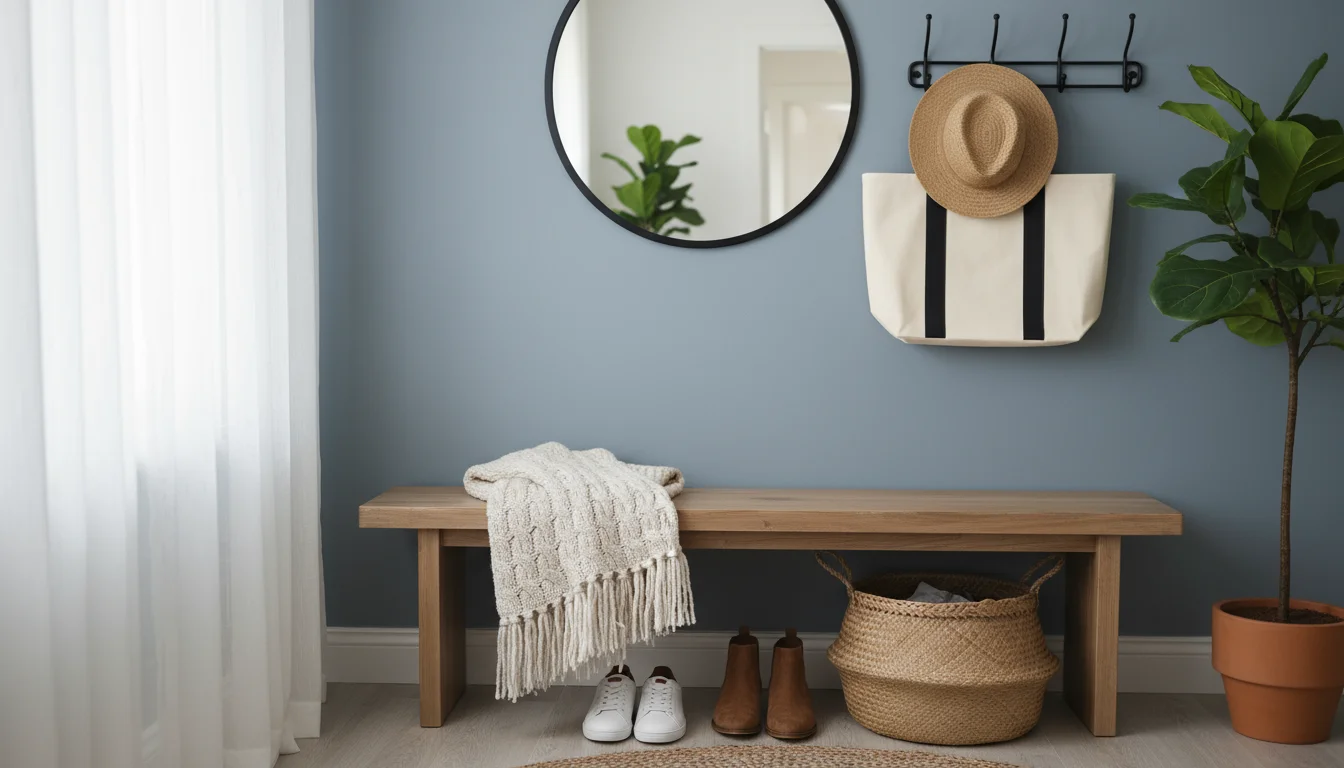
Not all messes are created equal. Some areas of your home have a disproportionate impact on its overall appearance and your sense of peace. For example, a clean kitchen sink or a tidy entryway can make the entire house feel cleaner. Prioritize these high-impact areas in your 20-minute routine. This strategic focus maximizes the perceived cleanliness of your home with minimal effort.
Essential Tools and Your Cleaning Caddy
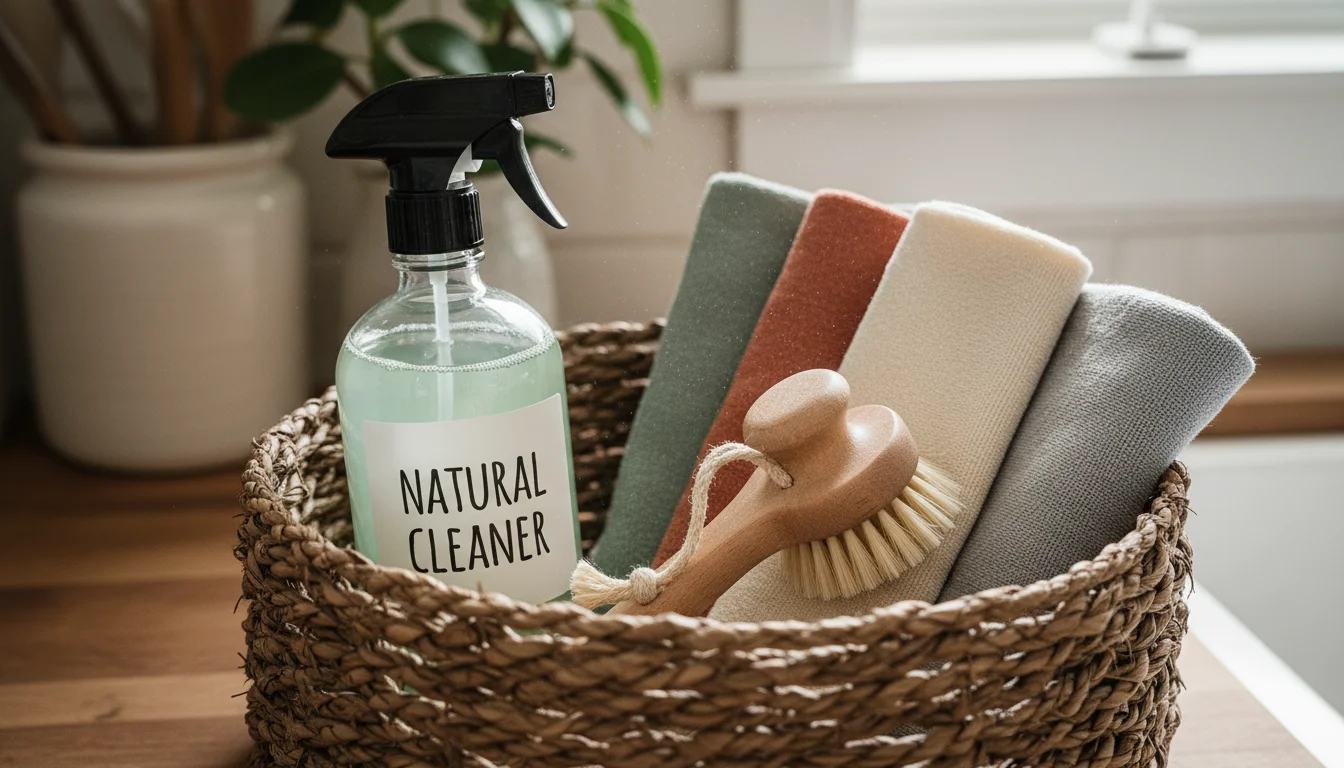
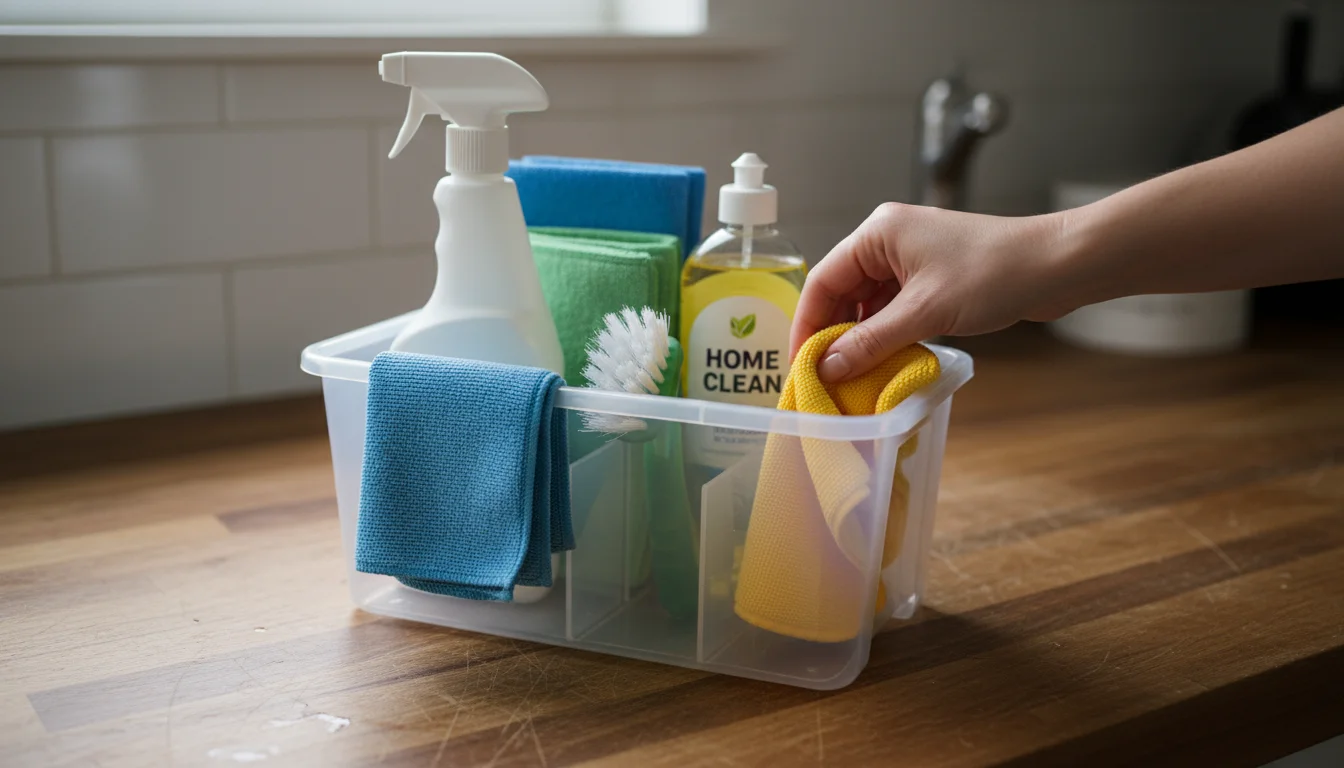
You do not need an arsenal of expensive products to keep your home tidy. A well-stocked, portable cleaning caddy saves you time and effort by keeping everything you need at your fingertips. This budget-conscious approach ensures you can start your quick cleaning session without a scavenger hunt for supplies.
If you are concerned about harsh substances, you can learn how to replace chemical cleaners with safe, non-toxic alternatives for every room.
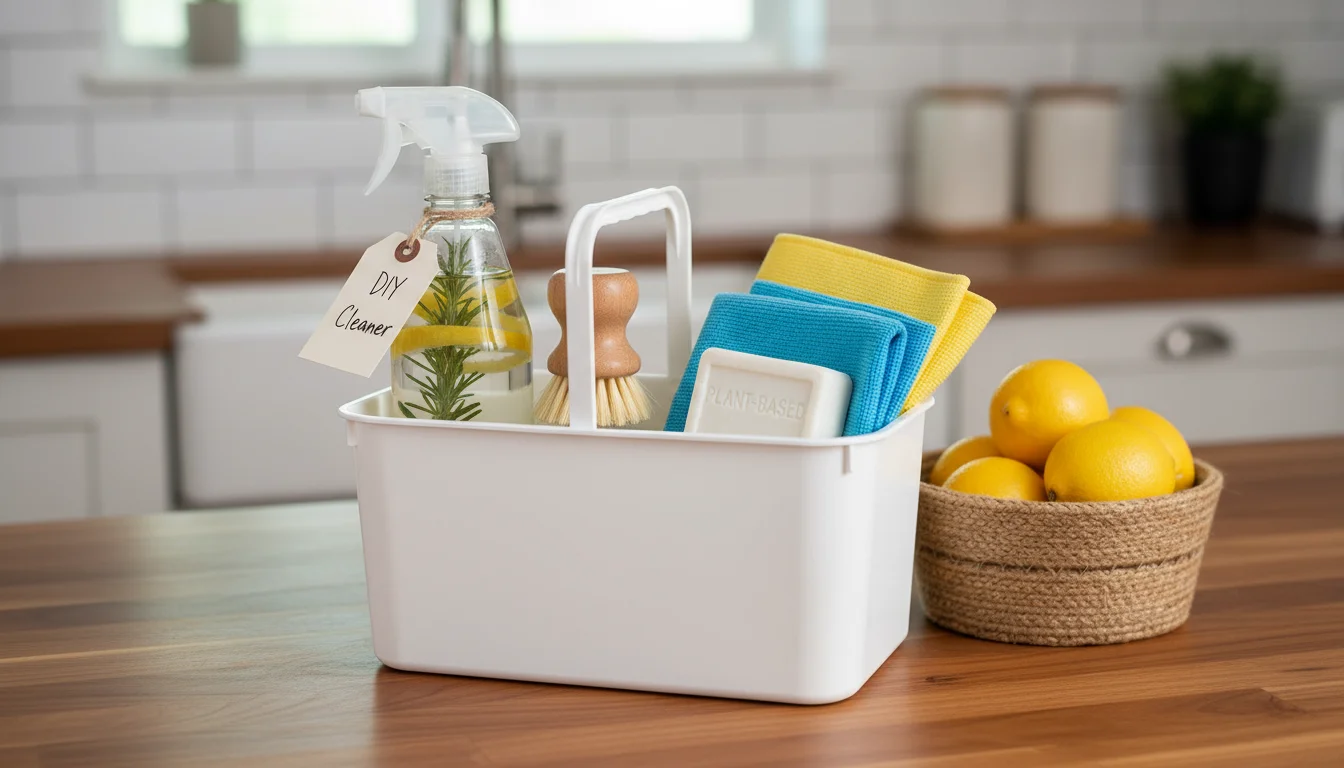
Building Your Budget-Friendly Cleaning Caddy:
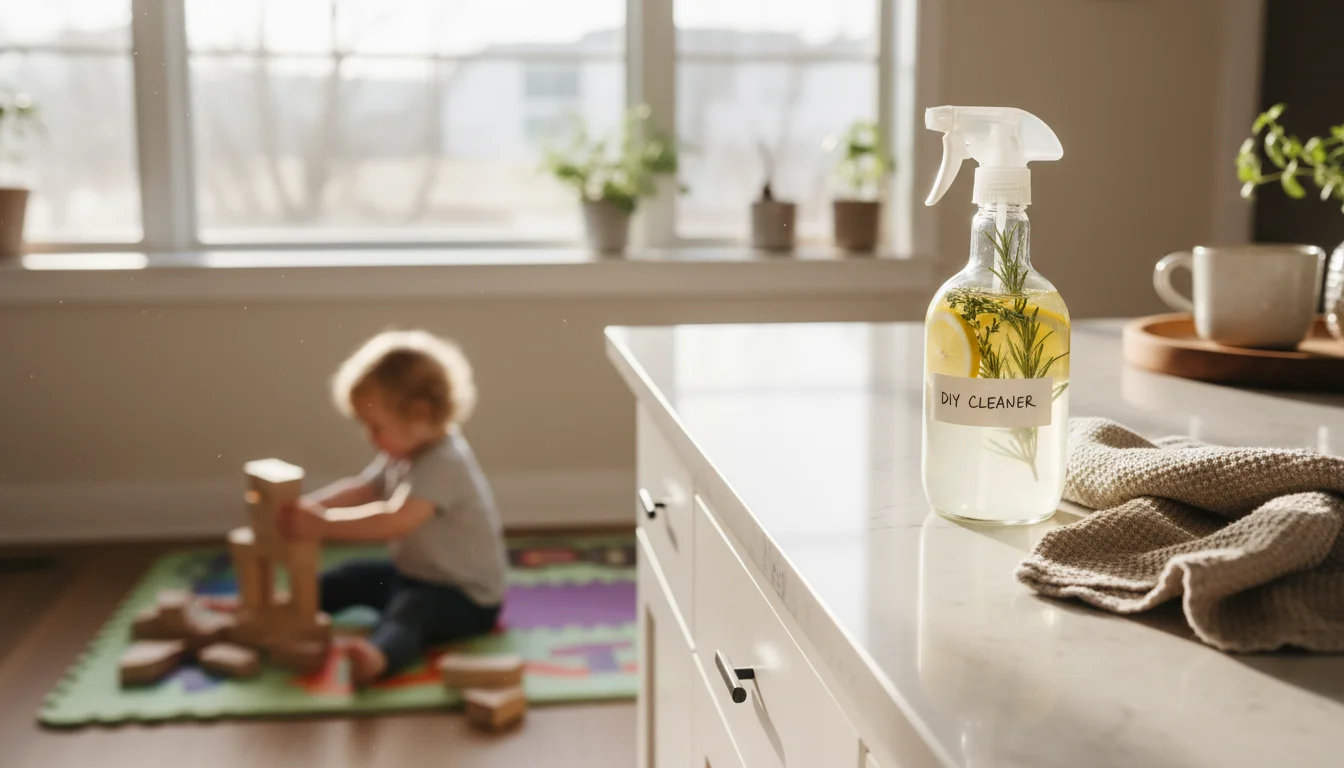
- All-Purpose Cleaner: You can purchase a commercial option or easily make your own. A simple DIY solution of white vinegar, water, and a few drops of essential oil (like lemon or tea tree) works wonders on many surfaces. Mix equal parts white vinegar and water for an effective, non-toxic cleaner.
- Microfiber Cloths: Invest in a pack of these. They are reusable, highly absorbent, and excellent for streak-free cleaning on surfaces, mirrors, and glass. You will need several.
- Dish Soap: A small bottle of dish soap is versatile. Use it for wiping down kitchen counters, scrubbing sinks, and spot-cleaning various surfaces.
- Sponge or Scrub Brush: A durable sponge or a small scrub brush helps tackle stuck-on grime in the kitchen or bathroom.
- Small Handheld Vacuum or Dustpan and Brush: For quick clean-ups of crumbs and dust bunnies on floors or carpets. A broom and dustpan work perfectly if a handheld vacuum is not in your budget.
- Rubber Gloves: Protect your hands during cleaning tasks, especially when using cleaning solutions.
- Toilet Brush and Cleaner: Keep these in each bathroom for quick, targeted clean-ups.
- Trash Bags: Small bags for emptying bathroom and kitchen bins.
Store your caddy in a central location, perhaps under the kitchen sink or in a laundry closet, so you can grab it easily each day. Having your supplies ready to go eliminates excuses and makes starting your daily cleaning routine much smoother.
Your Step-by-Step 20-Minute Daily Cleaning Routine
This breakdown offers a practical guide to your 20-minute quick cleaning session. Remember, these are guidelines; adjust the timing to fit your specific home and needs. The goal is consistent effort, not perfection.
For a more thorough seasonal refresh, consider deep cleaning your kitchen to remove grease from areas you don’t touch daily.
-
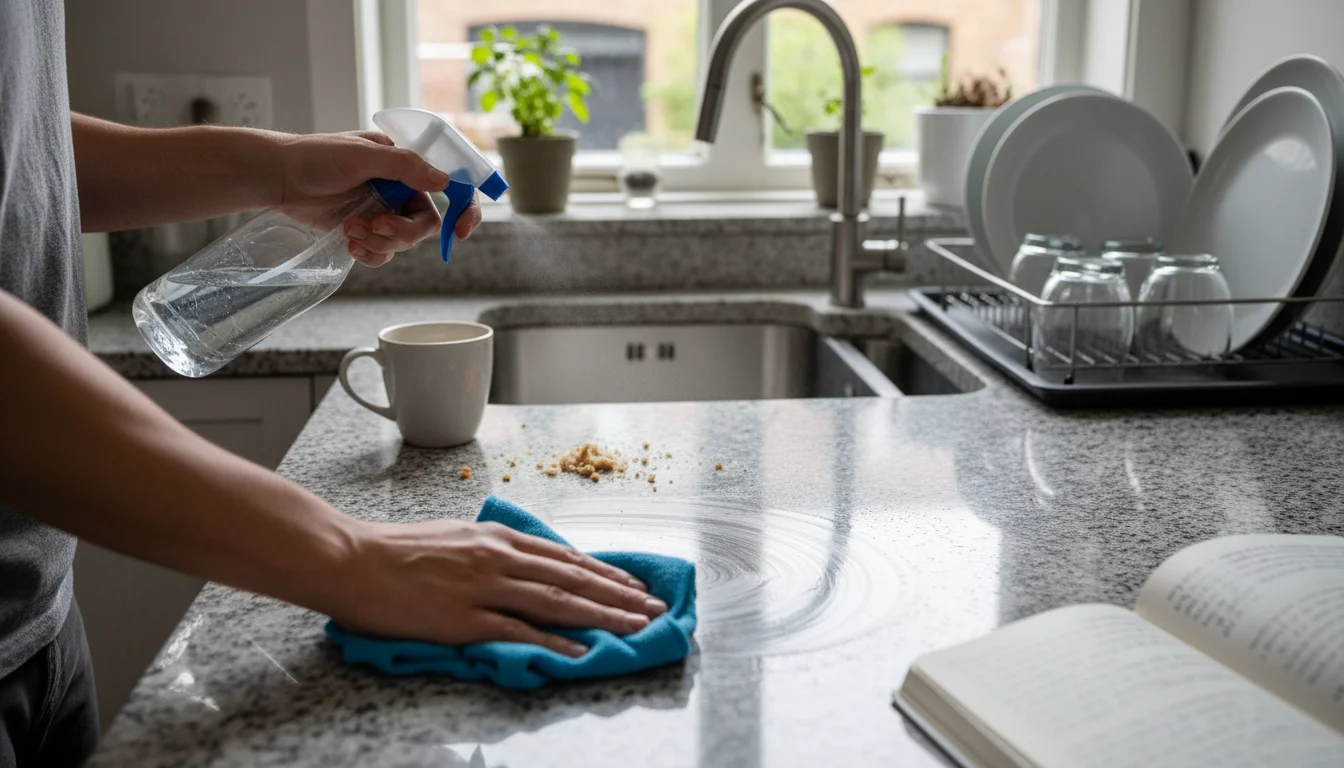
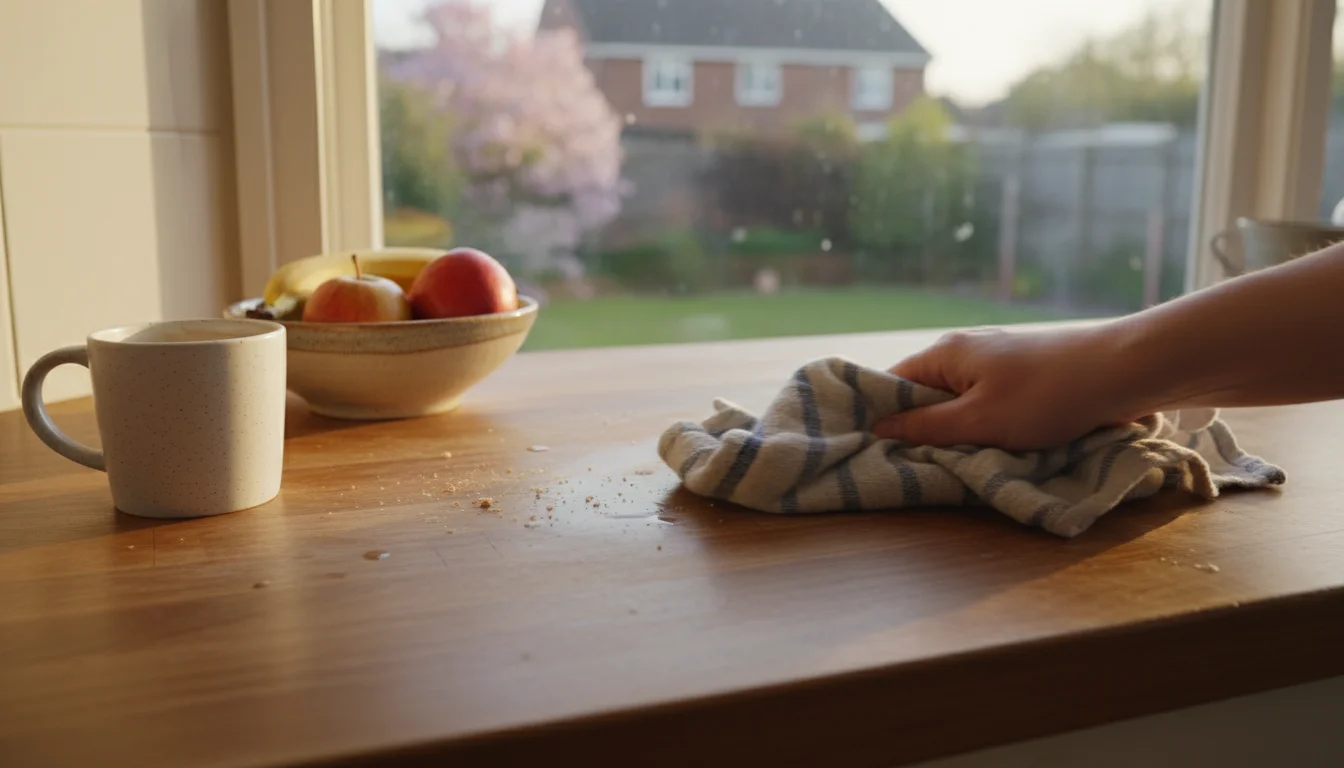
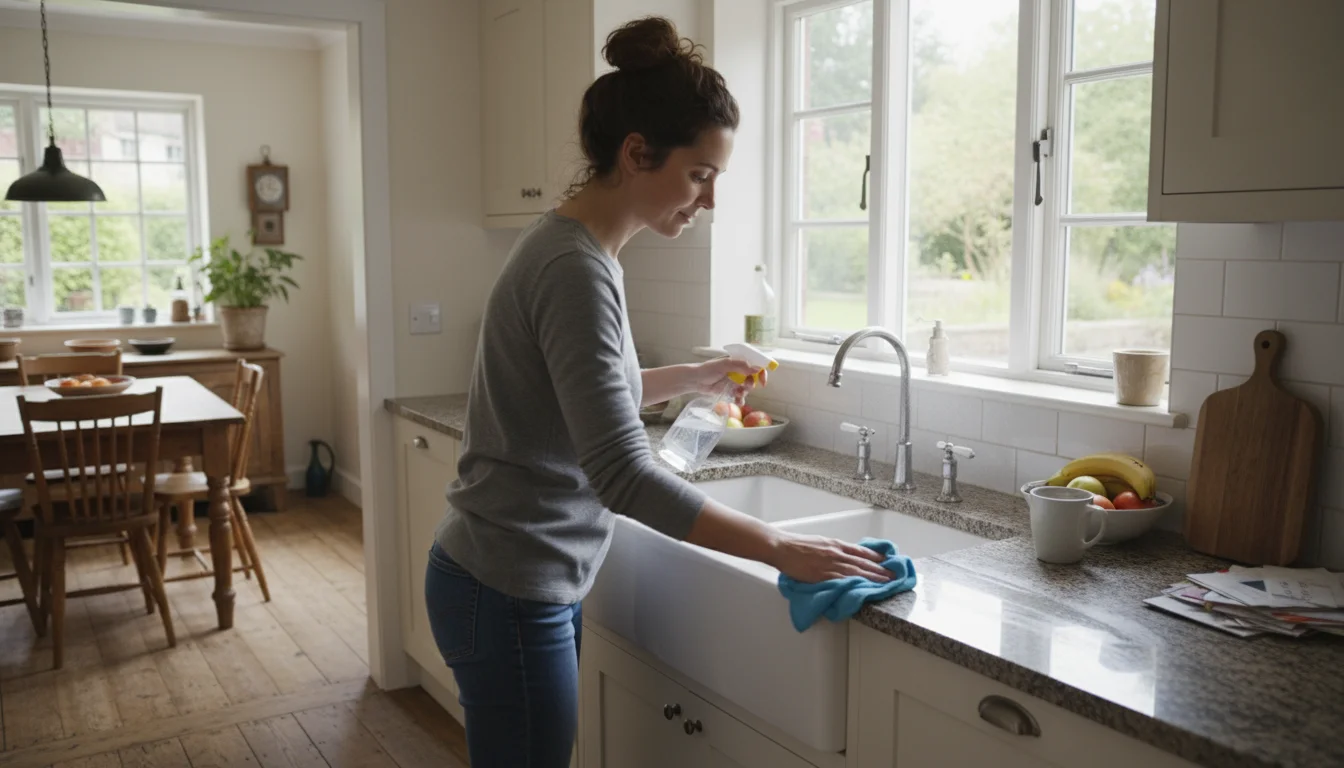
A quick wipe-down makes a big difference in your kitchen. Start with the Kitchen (7 minutes)
The kitchen often acts as the heart of the home and a major magnet for mess. Tackling it first provides a significant visual impact.
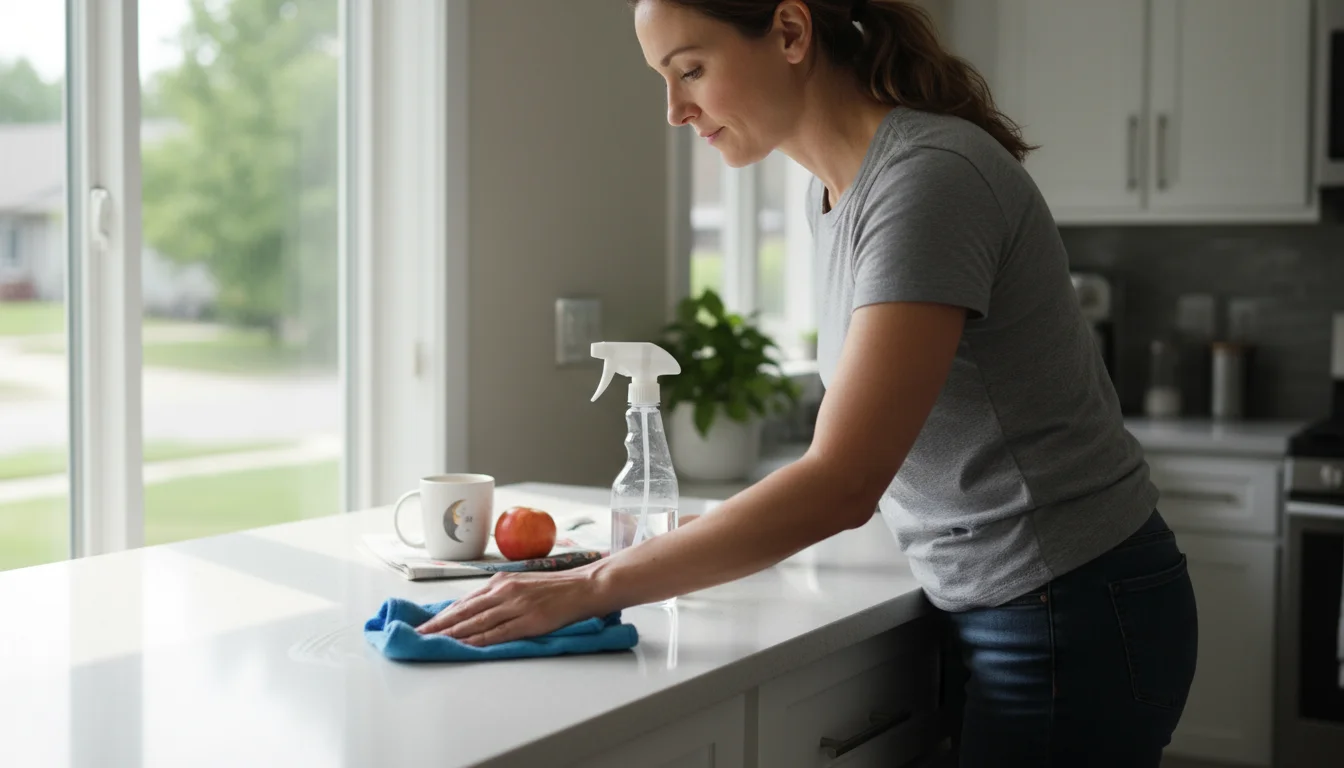
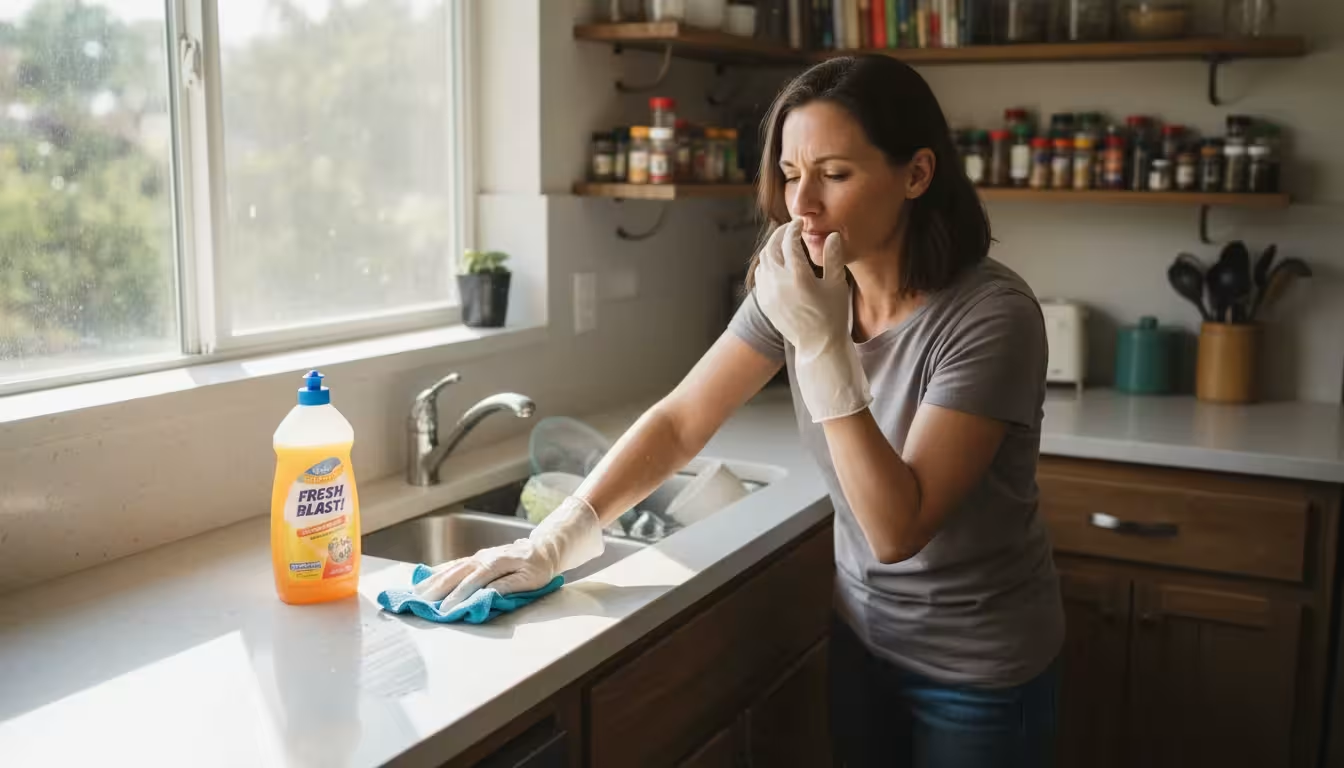
- Clear and Wipe Counters (3 minutes): Quickly put away any items that do not belong on your kitchen counters. Use your all-purpose cleaner and a microfiber cloth to wipe down all counter surfaces, including the stovetop and backsplash.
- Clean the Sink (2 minutes): Wash any lingering dishes or load them into the dishwasher. Give the sink basin a quick scrub with dish soap and a sponge, rinsing thoroughly.
- Spot Clean Floor (2 minutes): Quickly sweep or use your handheld vacuum to pick up crumbs and debris from high-traffic areas around the stove and sink.
-
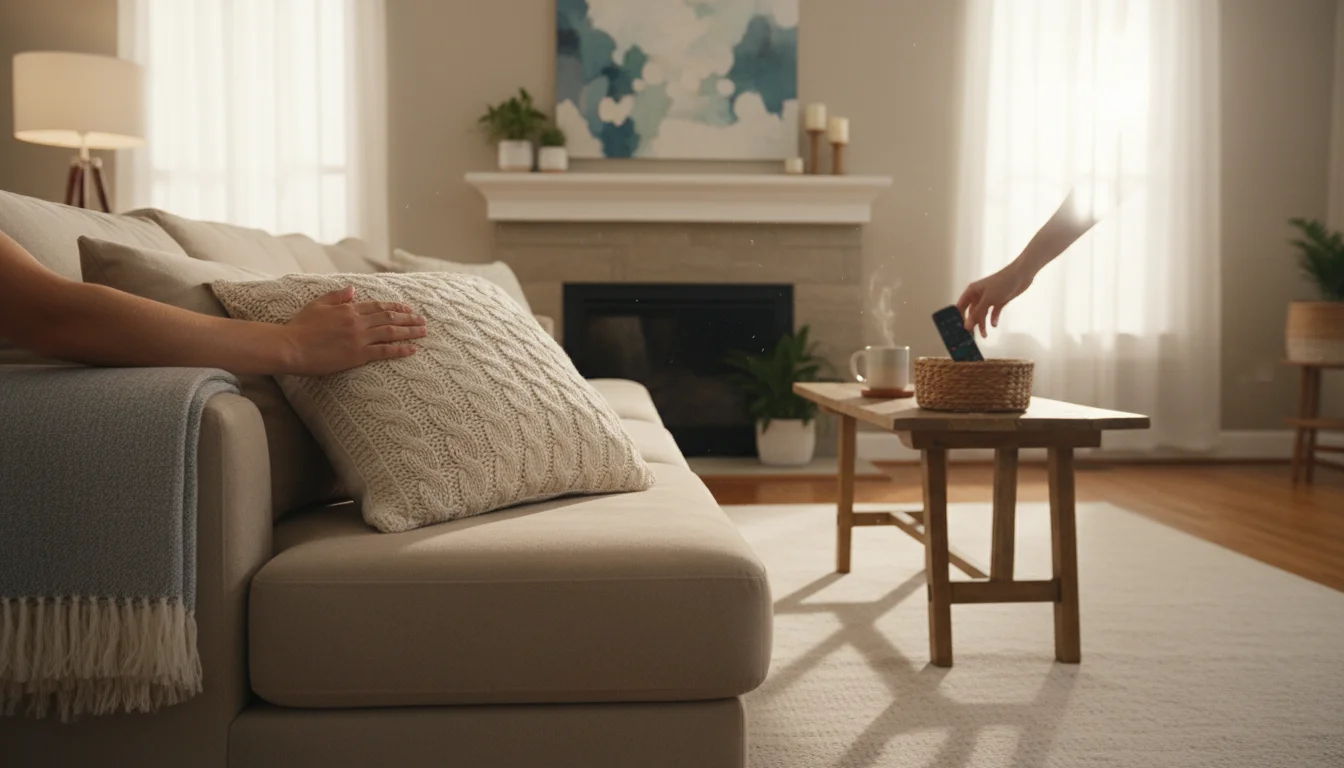
Fluffing pillows and tidying up makes a big difference in minutes. Move to Living Areas (7 minutes)
These are the spaces where you relax and entertain. A quick tidy here makes a big difference.
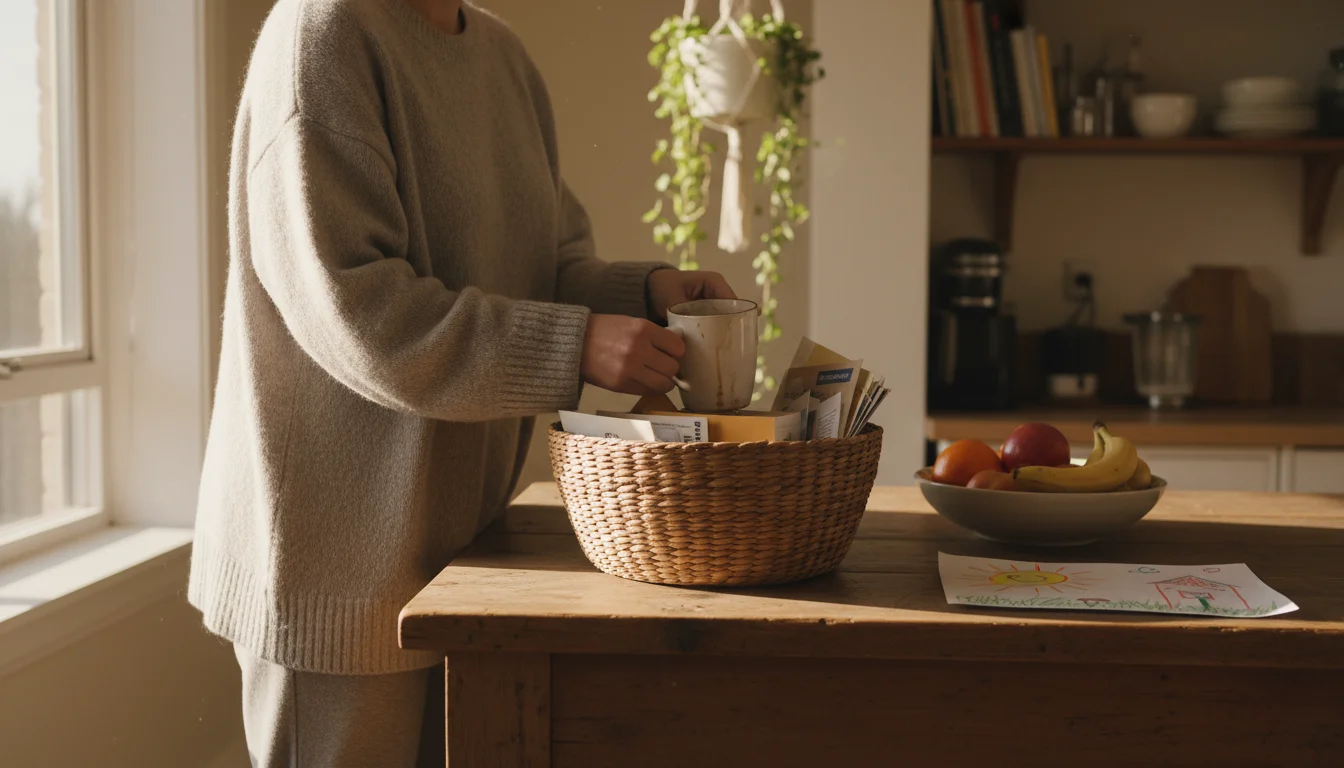
- Declutter Surfaces (3 minutes): Go through your coffee table, end tables, and shelves. Put away magazines, remote controls, toys, or any other items that have accumulated. Designate a “clutter basket” if you need a temporary holding spot for things that need to be put away elsewhere later.
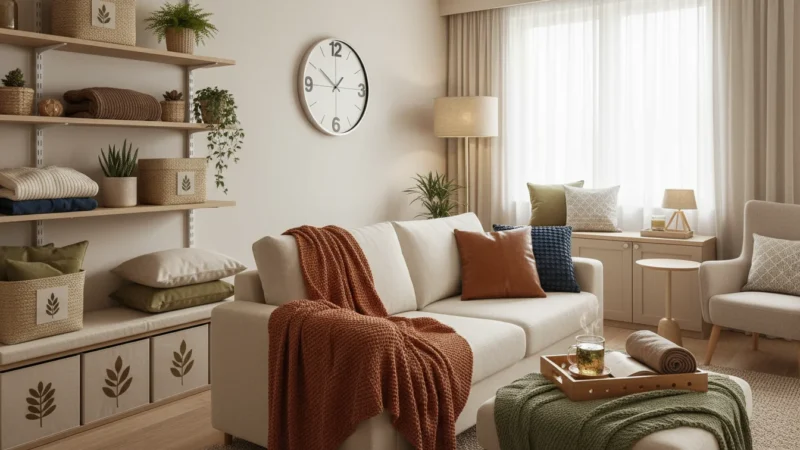
- Fluff Pillows and Straighten Throws (2 minutes): Give sofa and chair cushions a quick fluff. Neatly fold any throw blankets. This small action instantly makes the room feel more inviting.
- Light Floor Care (2 minutes): Use a handheld vacuum or dustpan and brush to quickly sweep visible dust and debris from high-traffic pathways. This offers a quick refresh without a full vacuuming session.
-
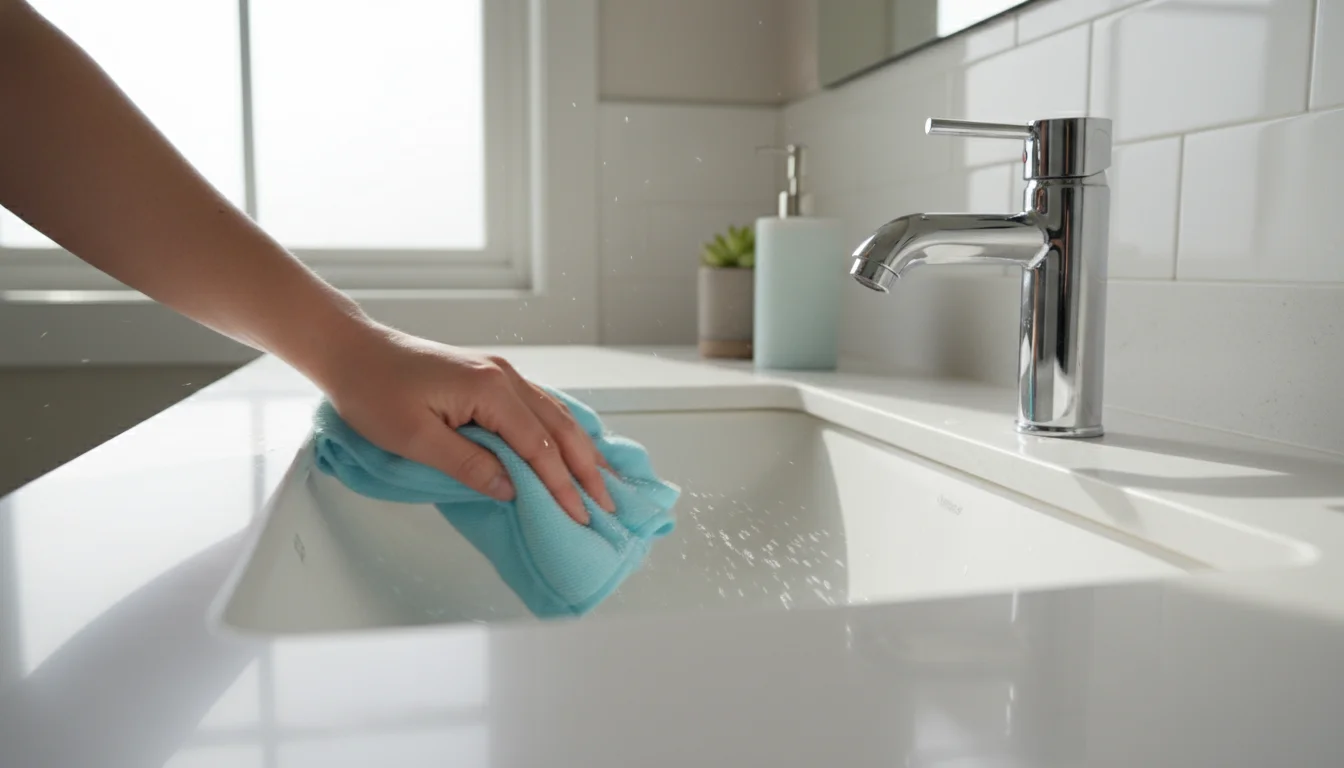
A quick wipe keeps your bathroom sink looking spotless every day. Tackle Bathrooms (4 minutes)
Quick bathroom maintenance prevents grime buildup.
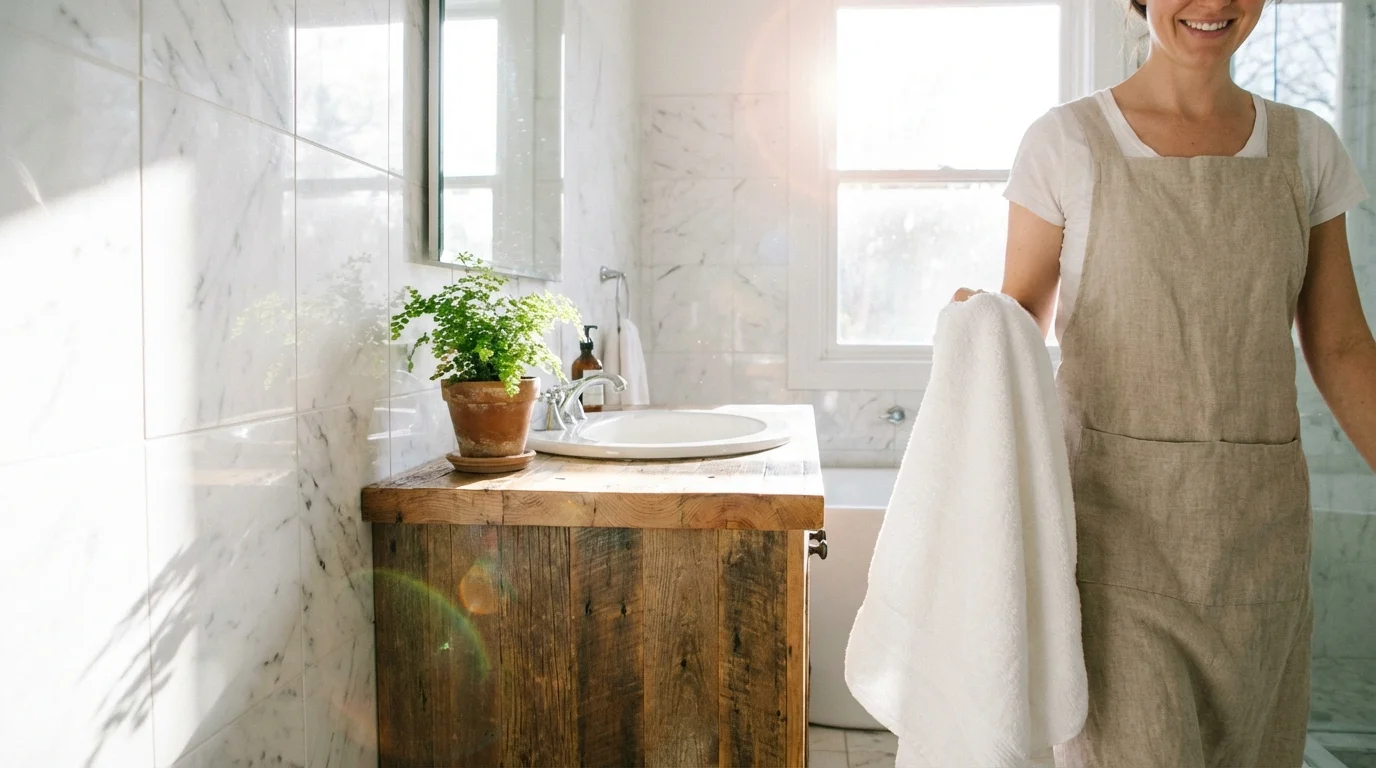
- Wipe Down Sink and Counter (2 minutes): Use an all-purpose cleaner and a fresh microfiber cloth to wipe the sink, faucet, and counter surface.
- Quick Toilet Wipe (1 minute): Use a cleaning wipe or a cloth with all-purpose cleaner to wipe the exterior of the toilet, focusing on the seat and rim.
- Straighten (1 minute): Quickly put away toiletries, straighten towels, and empty the small trash bin.
-
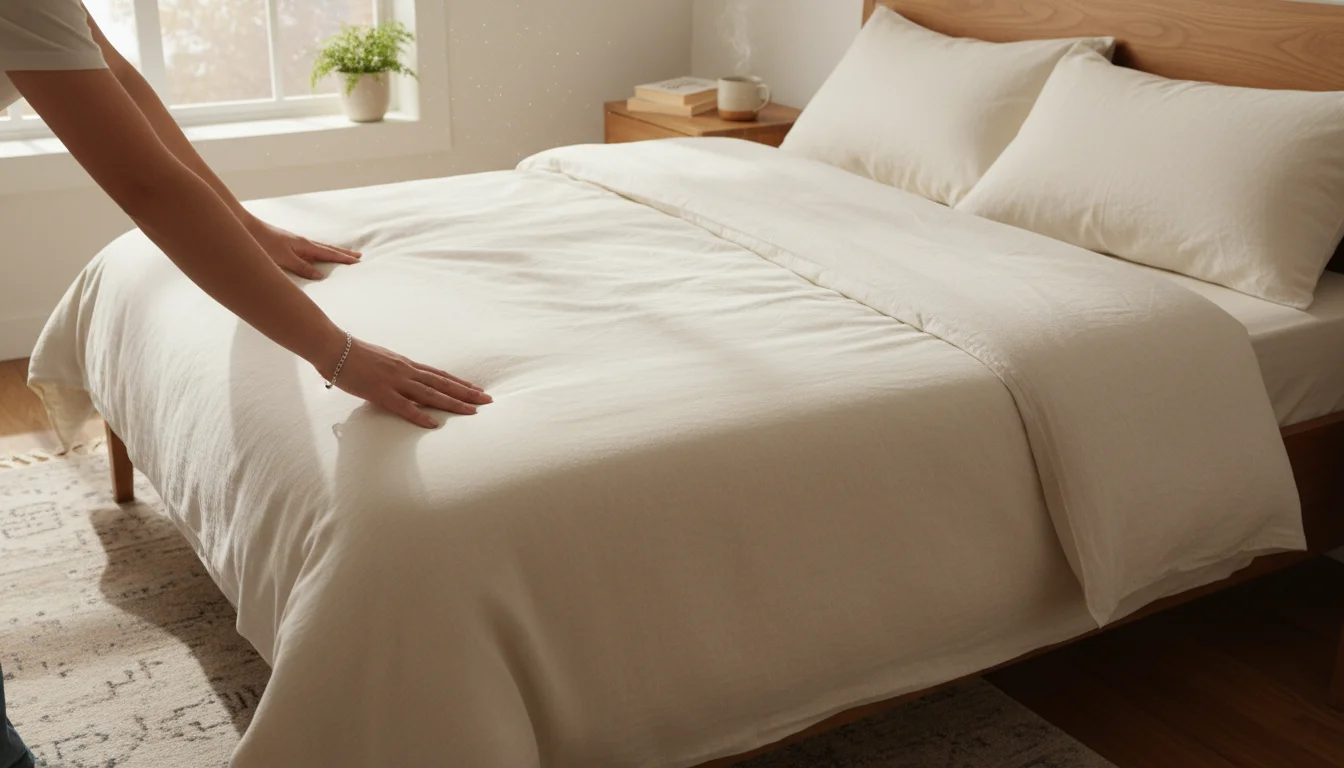
Smooth sheets and a made bed invite a peaceful start to your day. Finish with Bedrooms (2 minutes)
A tidy bedroom sets a peaceful tone for rest.
- Make the Bed (1.5 minutes): This is the single most impactful action you can take in your bedroom. Smooth sheets, arrange pillows, and pull up your duvet or comforter. According to Good Housekeeping — Organization, making your bed each morning is a simple habit that significantly contributes to a sense of order and accomplishment.
- Quick Tidy (0.5 minutes): Put away any clothes or items that have found their way onto the floor or furniture.
Making it Stick: Tips for Maintaining Your Daily Cleaning Habit
Starting a new routine is often easier than maintaining it long-term. Here are practical strategies to help your 20-minute daily cleaning habit become a permanent part of your life.

Choose Your Ideal Time
Some people prefer to clean in the morning to start their day with a fresh space. Others find an evening tidy helps them unwind and prepares their home for the next day. Experiment to find what works best for your schedule and energy levels. Consistency trumps timing, so pick a slot you can reliably commit to.

Set a Timer
A timer is your best friend for this routine. Set it for 20 minutes and stick to it. The timer keeps you focused, prevents you from getting sidetracked, and gives you a clear endpoint. When the timer rings, you are done, regardless of whether every last speck of dust vanished. This reinforces the “quick cleaning” mentality.

Enlist Help
If you live with family or roommates, involve them in the routine. Even young children can help with simple tasks like putting away toys or making their beds. Assign specific zones or tasks. A shared responsibility makes the burden lighter and ensures everyone contributes to maintaining a comfortable living space. Collaboration makes the daily cleaning routine more effective for everyone.

Be Flexible, Not Rigid
Life happens. Some days you might only have 10 minutes, or you might skip a day entirely. Do not let one missed session derail your entire effort. Forgive yourself and get back on track the next day. The goal is progress, not perfection. Acknowledge that real life means some days will be better than others for adherence.

Celebrate Small Wins
Notice the difference your 20 minutes make. Enjoy your tidier living room, your clean kitchen sink, and your made bed. Acknowledging these positive changes reinforces the habit and motivates you to keep going. Positive reinforcement is a powerful tool for habit formation.

Tackling Common Obstacles and Troubleshooting Your Routine
Even the most practical routines encounter challenges. Addressing common hurdles helps you adapt and maintain consistency.
“I feel overwhelmed by the initial mess.”
If your home is currently very cluttered, the idea of a 20-minute daily cleaning might still feel daunting. Start with a “reset day” before implementing the daily routine. Dedicate a focused hour or two to tackle the worst areas, focusing on decluttering items that do not belong. For example, grab a laundry basket and walk through your home, collecting everything that needs to go to another room or be put away. Once you have a clearer baseline, the 20-minute routine becomes much more manageable. Remember, the Institute for Challenging Disorganization emphasizes that breaking down large tasks into smaller, achievable steps is crucial for overcoming overwhelm.
“What if I miss a day (or several days)?”
Do not despair. Life is unpredictable. If you miss a day, simply resume your routine the next day. If you miss several days, your home might accumulate more mess. In this scenario, consider a slightly longer “catch-up” session of 30-40 minutes on one day to bring things back to the baseline, then return to your 20-minute daily cleaning routine. Consistency is the goal, but flexibility is key to long-term success.

“My kids (or pets) constantly make messes.”
This is a universal challenge. Integrate tidying into family life. Establish clear expectations for children to put away their toys. Designate specific spots for pet supplies. A quick pass through common areas at the end of the day, involving everyone, can significantly mitigate this. Remember, the 20-minute routine is about maintenance, not deep cleaning. It helps contain the daily chaos, making larger clean-ups less frequent.
“Do I need to deep clean if I clean daily?”
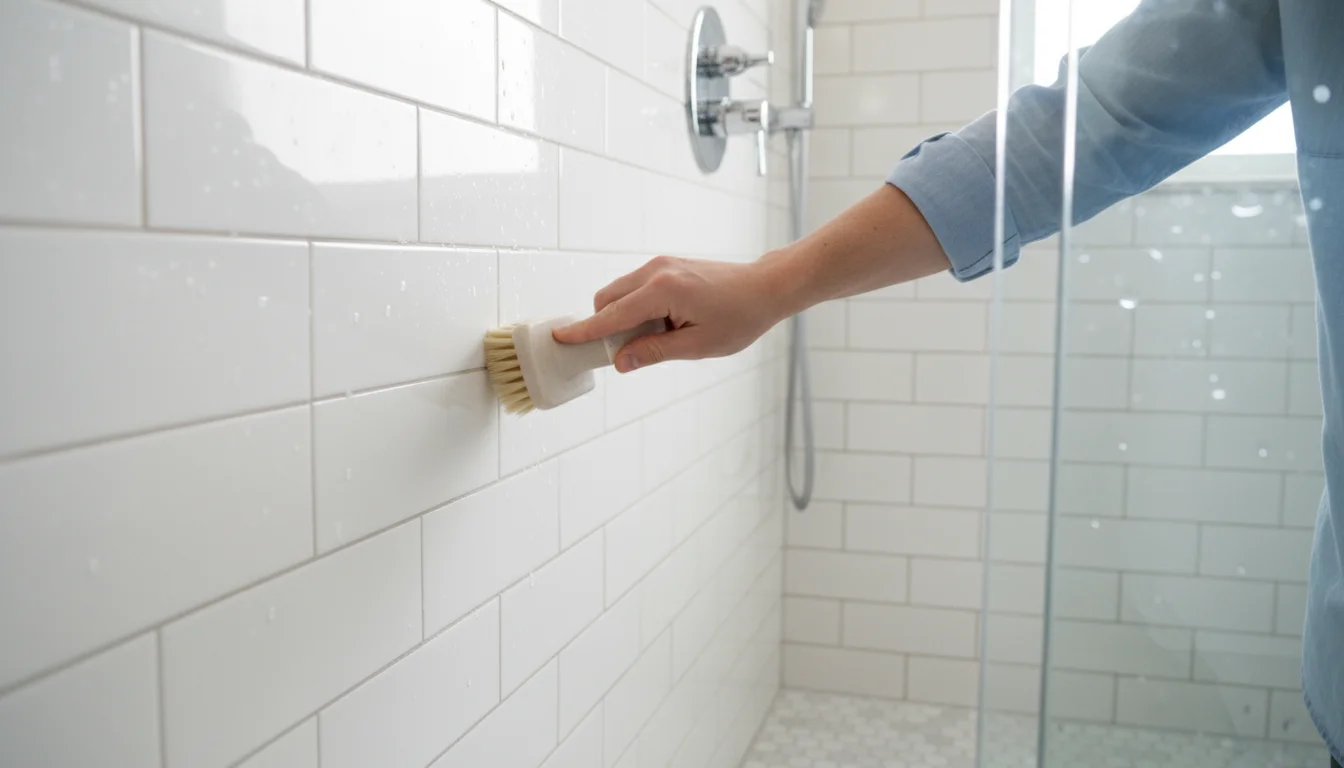
Yes, a daily cleaning routine maintains a baseline of order and cleanliness. It does not replace periodic deep cleaning. Think of daily cleaning as brushing your teeth and deep cleaning as a dental check-up. You still need to tackle tasks like cleaning inside appliances, washing windows, or scrubbing grout every few weeks or months. However, with a consistent daily routine, your deep cleaning sessions will be much faster and less arduous because you prevent significant buildup.
“I have limited space; how do I organize cleaning supplies?”
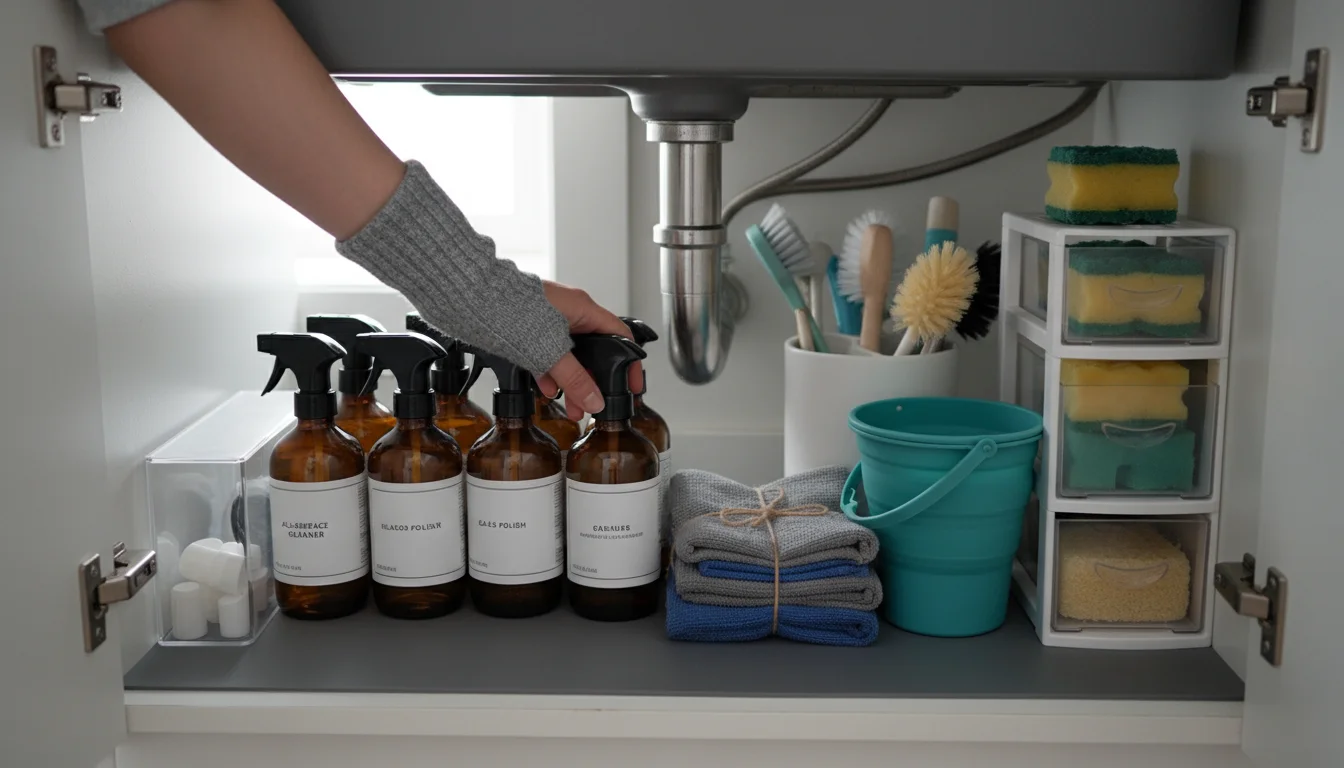
For small spaces, consider multi-purpose cleaners and compact tools. Store your cleaning caddy vertically if possible, or use hooks inside cabinet doors. Choose items that nest or collapse. For instance, a collapsible bucket takes up less space than a rigid one. For expert advice on making the most of small spaces, Apartment Therapy offers numerous innovative storage and organization solutions tailored for compact living.

Frequently Asked Questions
Can I customize the 20-minute routine to fit my specific home?
Absolutely. The routine provided offers a template. You know your home and its daily pain points best. If your living room experiences more daily traffic than your kitchen, allocate more time to the living room. If you do not have a separate bedroom, focus your “bedroom” time on tidying your sleeping area within a studio apartment. Adjust the minutes for each zone based on where mess accumulates most in your space. The core idea is to allocate small, focused bursts of time to high-impact areas.
Do I need to buy expensive cleaning products for this routine?
Not at all. As discussed, many effective cleaning solutions come from simple, budget-friendly ingredients like white vinegar, baking soda, and dish soap. The emphasis is on consistent action with basic tools, not on specialized or costly products. Microfiber cloths are a worthwhile investment because they are reusable and highly effective, but you can find them affordably.
What if I only have 10 minutes some days?
On days when you have even less time, focus on the absolute highest-impact tasks. For example, make your bed, wipe the kitchen counters and sink, and quickly tidy the main living area. Even 5-10 minutes of focused effort prevents major buildup and keeps your home from completely derailing. Do what you can, and celebrate that effort.
How can I get my family on board with this daily cleaning routine?
Start by having an open discussion about the benefits of a tidy home for everyone. Assign specific, age-appropriate tasks. Younger children can help put away toys, while older children can contribute to tidying common areas or doing their own laundry. Make it a collective effort, perhaps even turning it into a game or rewarding consistent participation. Consistency from your end will also encourage others to follow suit.
How does this routine fit with deeper cleaning tasks?
This daily cleaning routine forms the foundation for a consistently clean home. It handles the everyday maintenance, preventing dirt and clutter from reaching overwhelming levels. This means when you do undertake deeper cleaning tasks, such as cleaning baseboards, washing curtains, or scrubbing the shower grout, those tasks become much quicker and less daunting. Your daily efforts make periodic deep cleaning efficient and manageable, rather than an exhausting marathon.
For expert home organization guidance, visit
Apartment Therapy, The Container Store — Organization Tips, IKEA Home Organization, Martha Stewart — Home and Houzz — Home.
Disclaimer: This article is for informational purposes only and is not a substitute for professional advice. Consult professional organizers or specialists for personalized recommendations.



Leave a Reply