
Living with pets brings immense joy, but it also introduces unique challenges to maintaining a fresh, clean home environment. Pet dander, fur, and odors can impact your indoor air quality, potentially triggering allergies or simply making your home feel less inviting. The good news is, you do not need to choose between your furry friends and a comfortable living space. Investing in the right air purifier can significantly improve your home’s air, creating a healthier and more pleasant atmosphere for everyone, including your pets. This guide helps you navigate the options, focusing on practical, actionable insights to find the best air purifier for your pet owner home.
You can also explore further ways of improving indoor air quality to supplement your filtration system.
Understanding Pet Allergens and Indoor Air Quality
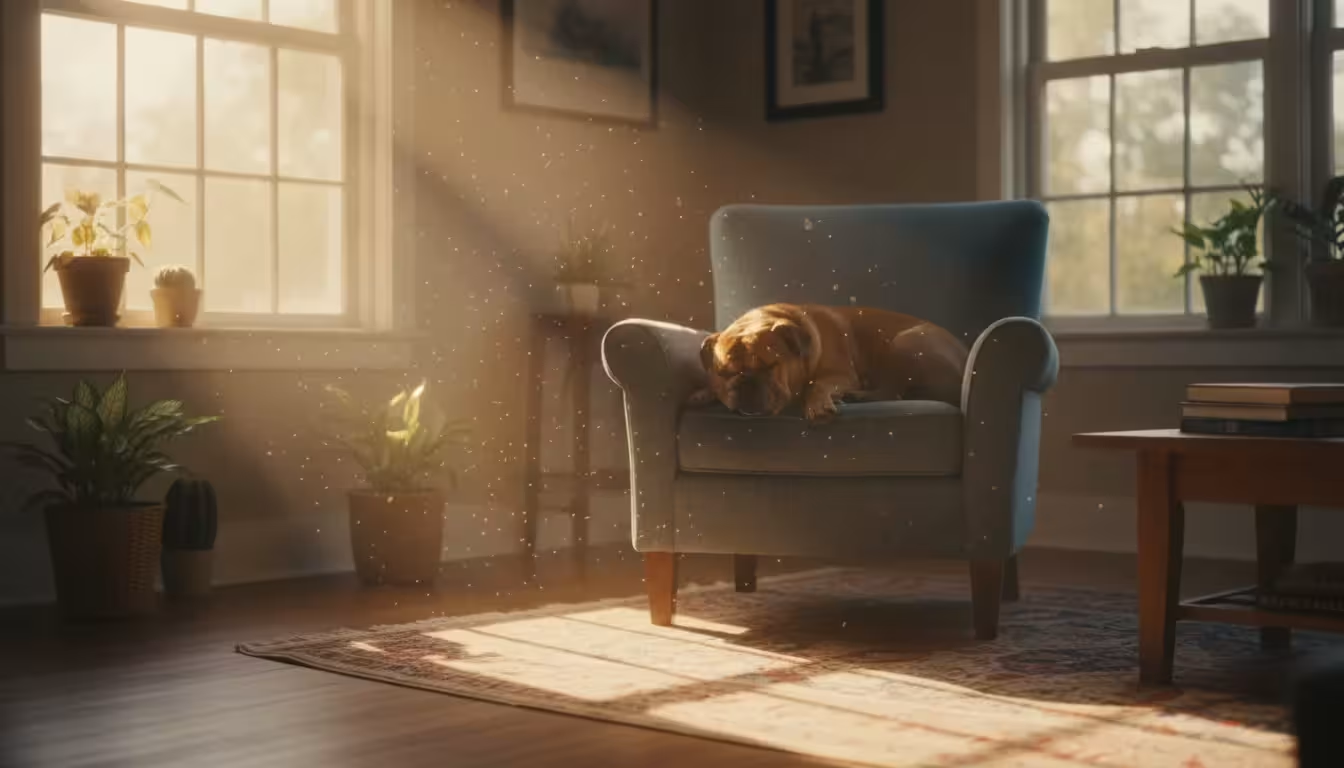
Pet dander is a common concern for many homeowners, and it is a pervasive issue. This microscopic material, consisting of tiny flecks of skin shed by animals, floats in the air, settles on surfaces, and can cling to furniture and carpets. You might assume pet allergies stem from hair, but it is actually proteins found in a pet’s dander, saliva, and urine that cause allergic reactions. These allergens are incredibly light and can remain airborne for long periods, making them easy to inhale. The more time they spend in the air, the more opportunity they have to spread throughout your entire home.
For a deep refresh, following a room-by-room spring cleaning guide can help eliminate accumulated dander from forgotten corners.
In addition to technical filtration, many homeowners find that air-purifying plants provide a natural way to support a cleaner environment.
Beyond dander, pets contribute to indoor air quality issues in other ways. Pet fur accumulates, trapping dust and other allergens. Pet odors, particularly from litter boxes or damp fur, can become ingrained in your home environment. Pets also track in outdoor allergens, dirt, and pollen, further adding to the airborne particle load. According to the EPA’s indoor air quality guidance, poor indoor air quality can lead to various health problems, including respiratory issues and increased allergy symptoms. Addressing these factors improves comfort and promotes a healthier living space for you and your family.
How Air Purifiers Tackle Pet-Related Issues
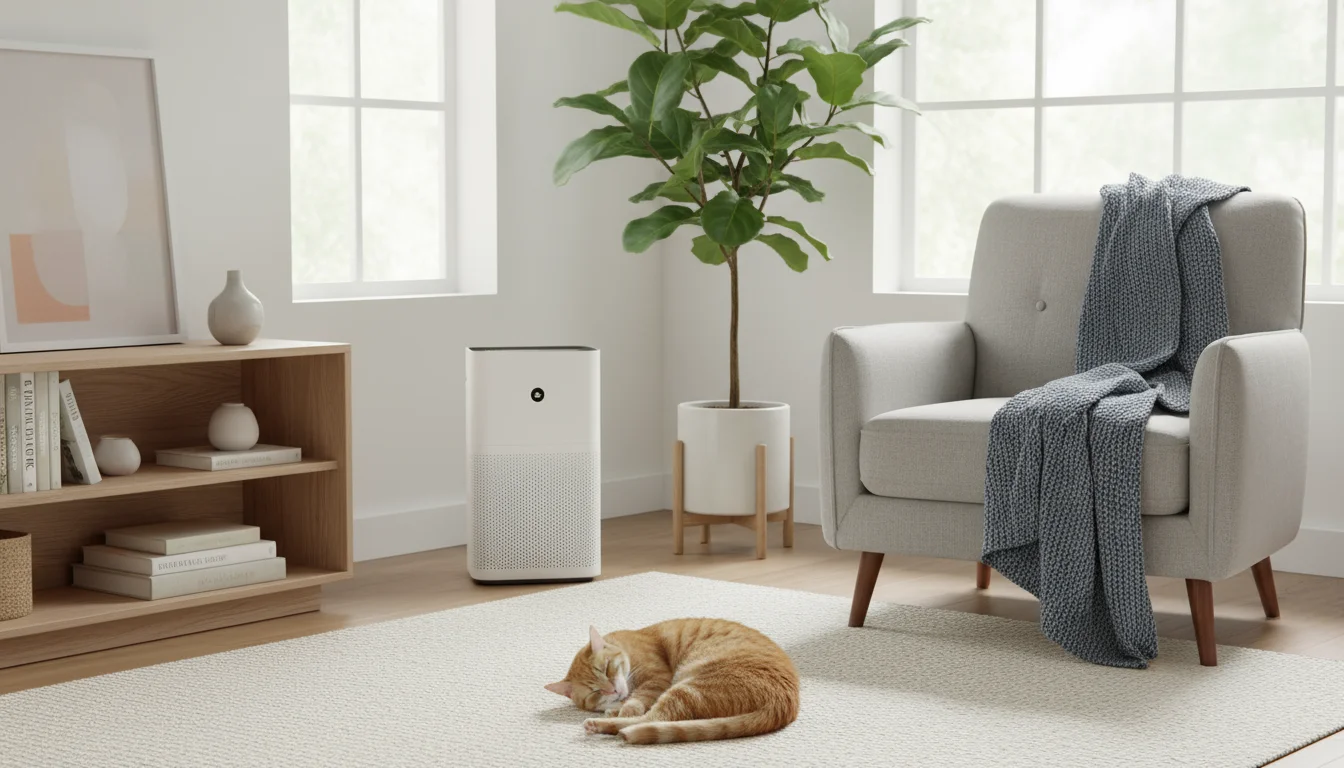
An air purifier acts as a silent guardian for your home’s air. It draws in air from the room, passes it through a series of filters, and then releases cleaner air back into the space. For pet owners, two types of filters are particularly important: HEPA filters and activated carbon filters.
- HEPA Filters: These are the gold standard for trapping pet dander and other microscopic particles. A True HEPA filter captures 99.97% of airborne particles 0.3 microns in size, which includes pet dander, pollen, dust mites, and mold spores. These tiny allergens, often invisible to the naked eye, are precisely what trigger allergy symptoms.
- Activated Carbon Filters: While HEPA filters excel at particle removal, they do not effectively eliminate odors. This is where activated carbon comes in. Activated carbon is a porous material that absorbs gases and odors at a molecular level. It effectively neutralizes pet odors from litter boxes, pet bedding, and even that general “dog smell” that can permeate a home.
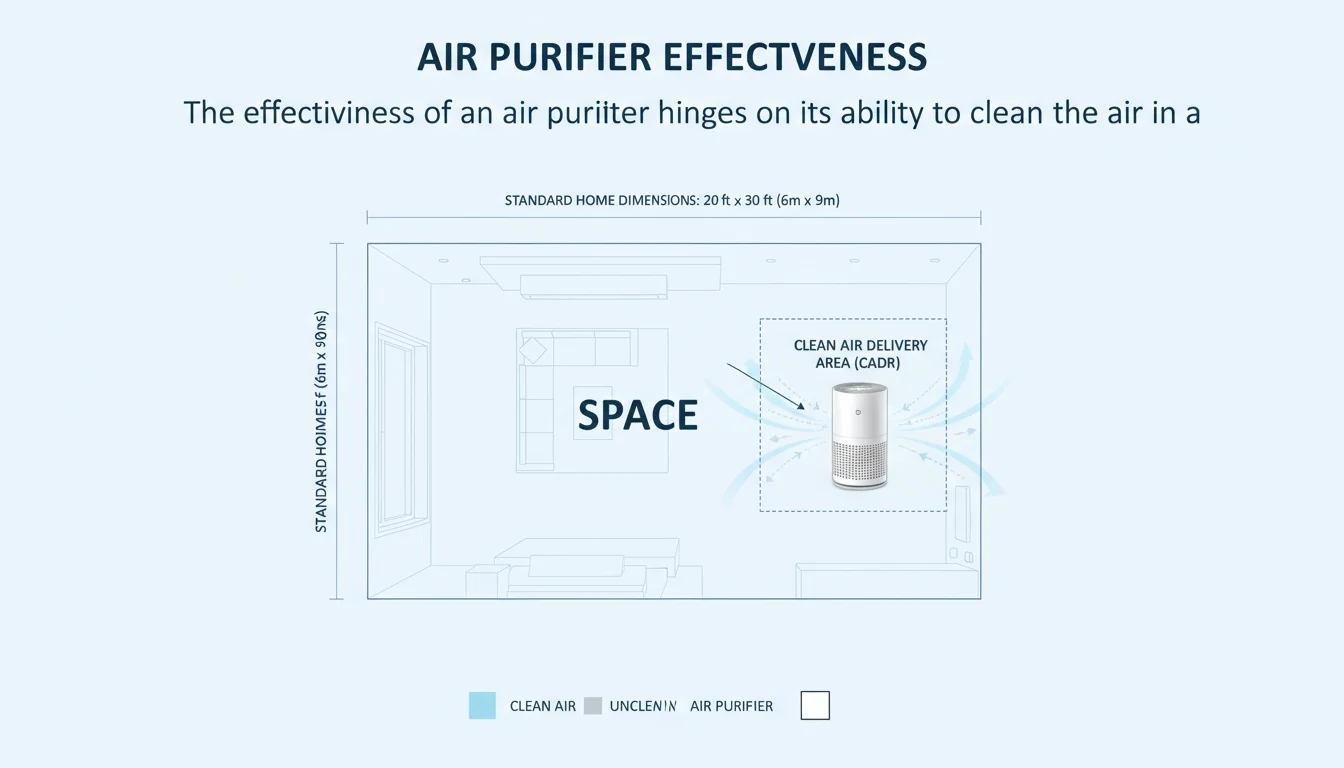
When choosing an air purifier, you will often see a CADR rating. CADR stands for Clean Air Delivery Rate. It measures how quickly an air purifier removes pollutants from a room, indicating its efficiency for smoke, pollen, and dust. For pet owners, a high CADR rating ensures the unit can effectively clean the air in your designated space, moving enough air through its filters to make a noticeable difference.
Key Features to Look For in a Pet Owner’s Air Purifier
Selecting the right air purifier means considering several practical features that directly address the challenges of living with pets. Focusing on these will guide you to a model that delivers effective, long-term results.
Since many purifiers sit on the floor, choose a design that complements your area rugs and overall room aesthetic.
- True HEPA Filtration: This is non-negotiable for pet owners. Always confirm the purifier uses a “True HEPA” filter, not a “HEPA-type” or “HEPA-like” filter, as those may not offer the same level of particle capture.
- Activated Carbon Filter: Essential for odor control, this filter layer works in conjunction with the HEPA filter. Look for a purifier with a substantial amount of activated carbon for the best odor absorption, especially if you have multiple pets or a cat litter box.
- Appropriate CADR Rating for Your Room Size: Match the air purifier’s CADR to the square footage of the room where you plan to use it. A unit with too low a CADR for a large room will not clean the air effectively. Manufacturers usually specify the recommended room size, allowing you to quickly find a suitable match.
- Low Noise Level: An air purifier running constantly in your living space can become bothersome if it is too loud. Check the decibel (dB) rating, especially on lower fan settings. Many modern purifiers offer “sleep” or “whisper” modes, which can be beneficial for bedrooms.
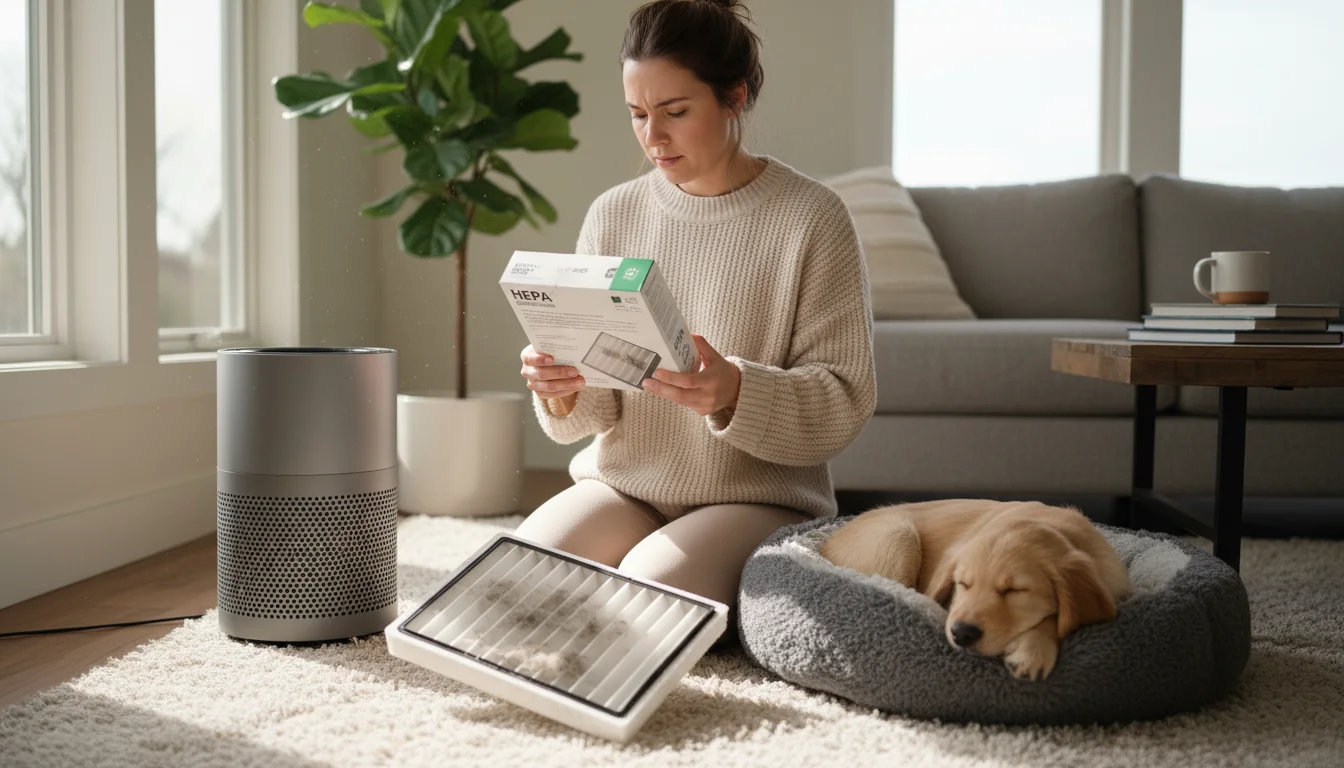
- Filter Replacement Cost and Frequency: Filters require regular replacement to maintain efficiency. Research the cost and availability of replacement filters before purchasing the unit. Some filters last 6-12 months, while others may need changing more frequently depending on usage and air quality. Factor this into your overall budget.
- Energy Efficiency: An air purifier often runs 24/7. Choosing an Energy Star certified model significantly reduces operating costs, saving you money on your electricity bill while being better for the environment. These models meet strict energy efficiency guidelines set by the U.S. Environmental Protection Agency.
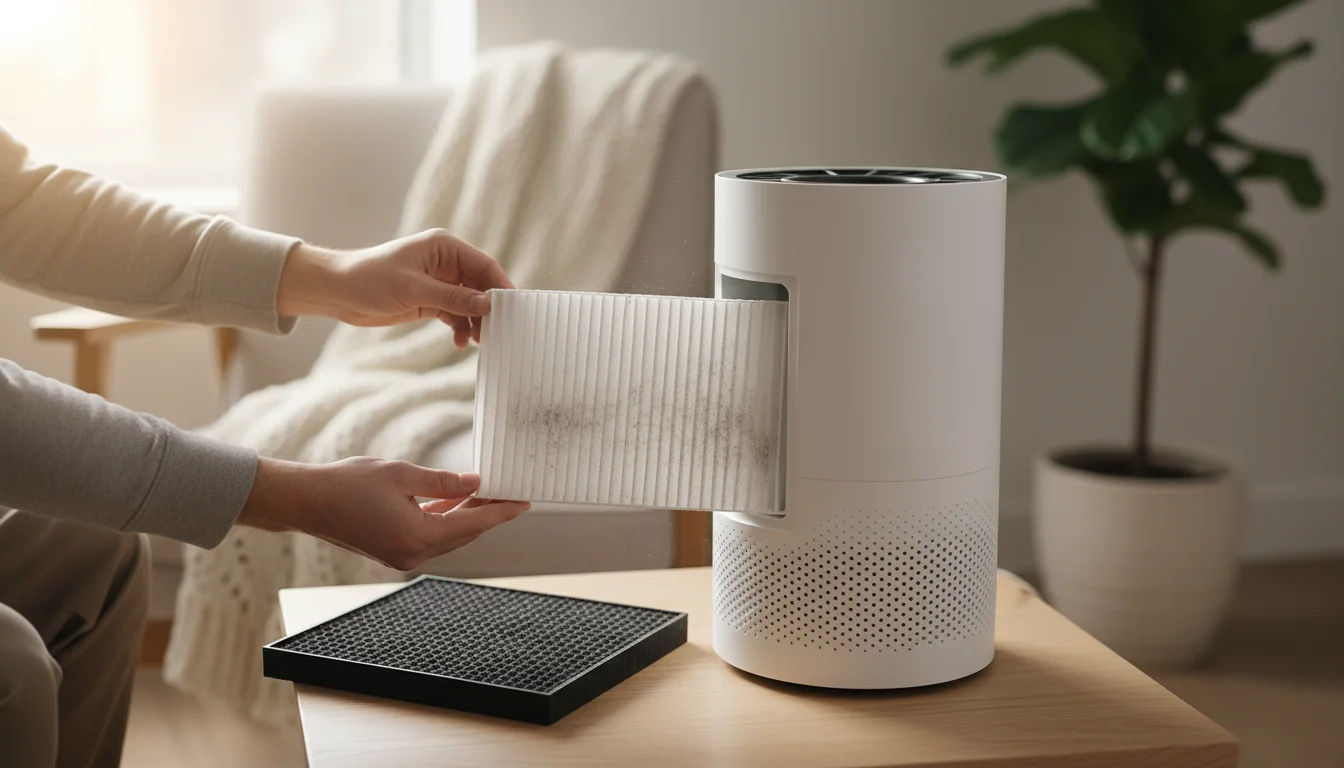
- Pre-Filter: Many purifiers include a washable pre-filter designed to capture larger particles like pet hair and lint. This feature is invaluable as it protects the more expensive HEPA and carbon filters, extending their lifespan and reducing replacement frequency.
- Portability and Design: Consider if you need to move the purifier between rooms. Lighter models with handles offer convenience. Also, think about the design. A unit that blends seamlessly into your home decor will be less of an eyesore.
Matching Your Air Purifier to Your Home and Pets
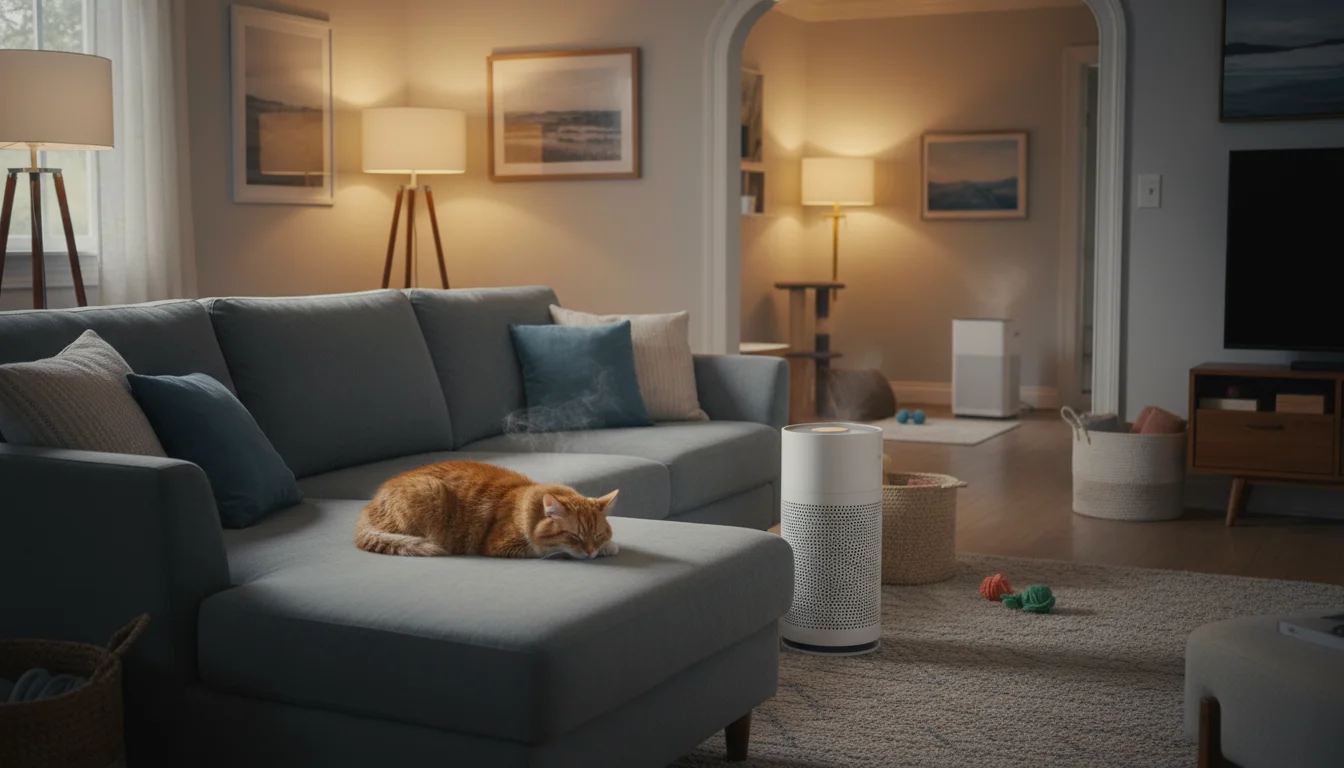
The ideal air purifier for your home depends on your specific needs, the size of your space, and the number and type of pets you have. A one-size-fits-all approach rarely works, so consider these factors carefully.
Regularly cleaning hard surfaces with the best mop for different floor types also helps capture dander that has already settled.
While purifiers focus on particles, using one of the best humidifiers can help balance humidity levels for better overall respiratory health.
Room Size and Placement
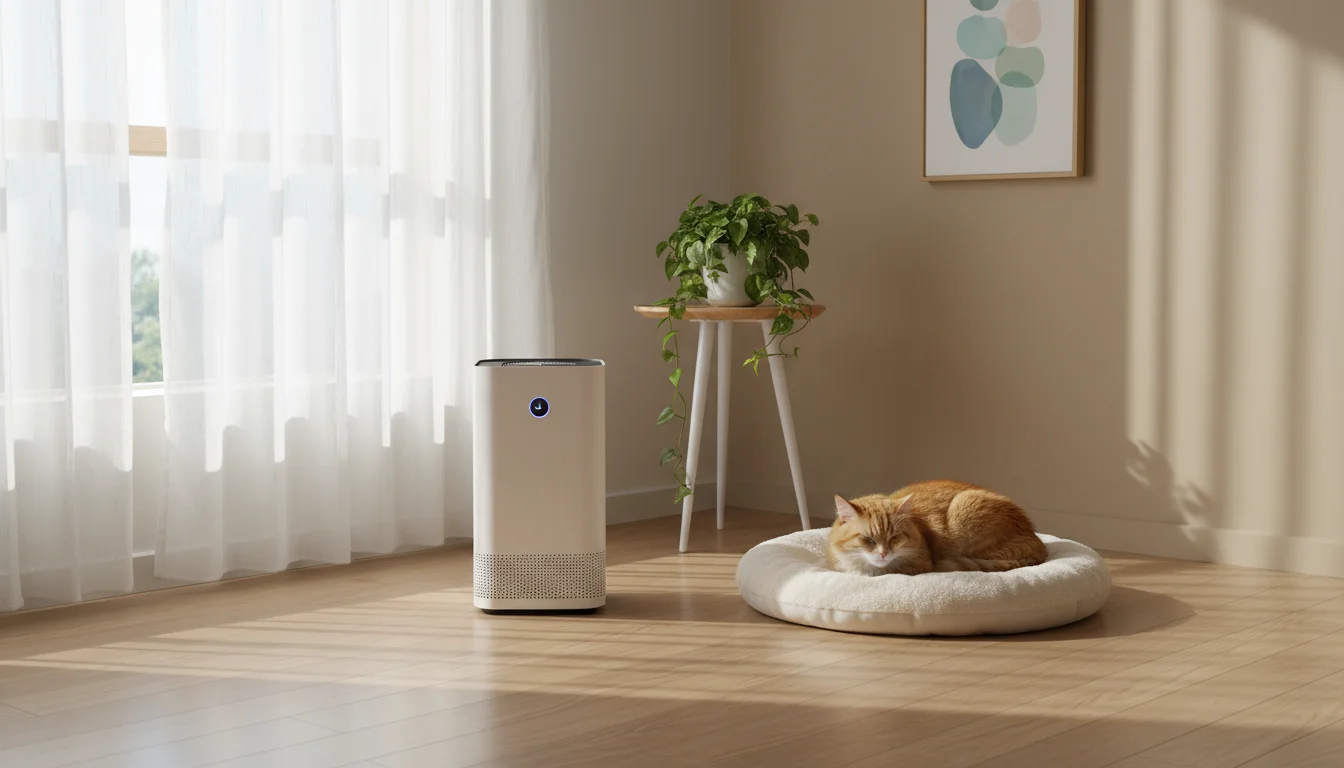
The effectiveness of an air purifier hinges on its ability to clean the air in a given space. Assess the square footage of the room where pet dander and odors are most prevalent. Your living room, often a central gathering point for both humans and pets, usually requires a purifier with a higher CADR. Bedrooms, where you spend a significant amount of time, also benefit from a dedicated unit, particularly if a pet sleeps in the room. Place the purifier in an open area, ensuring no furniture or curtains obstruct its airflow. This maximizes its ability to draw in and release clean air.
Number and Type of Pets
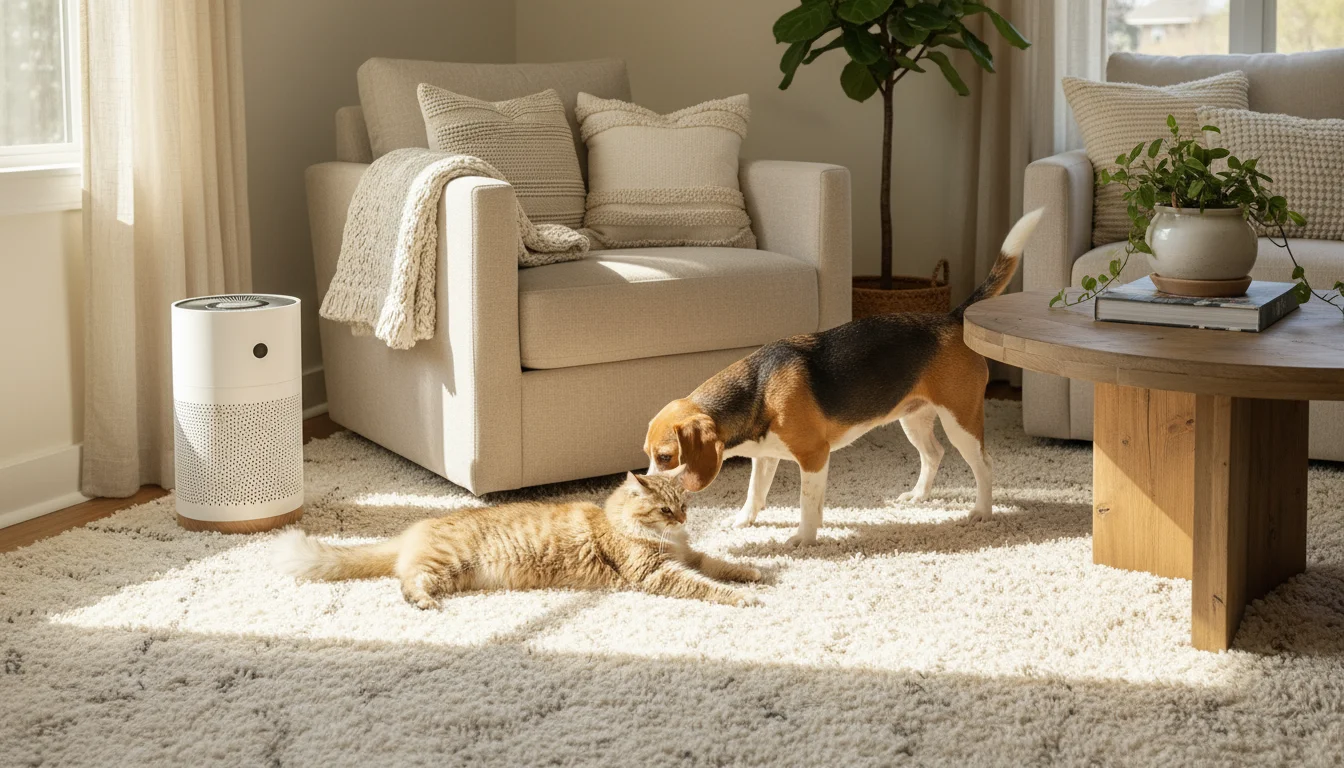
More pets generally mean more dander and odors. A single cat might require a moderately sized purifier, while a multi-dog household needs a more powerful unit, or even multiple units. Animals with longer or shedding coats also contribute more to airborne allergens. Consider the proximity of litter boxes to living areas. If a litter box is in a main room, an air purifier with a robust activated carbon filter becomes paramount.
Allergy Severity
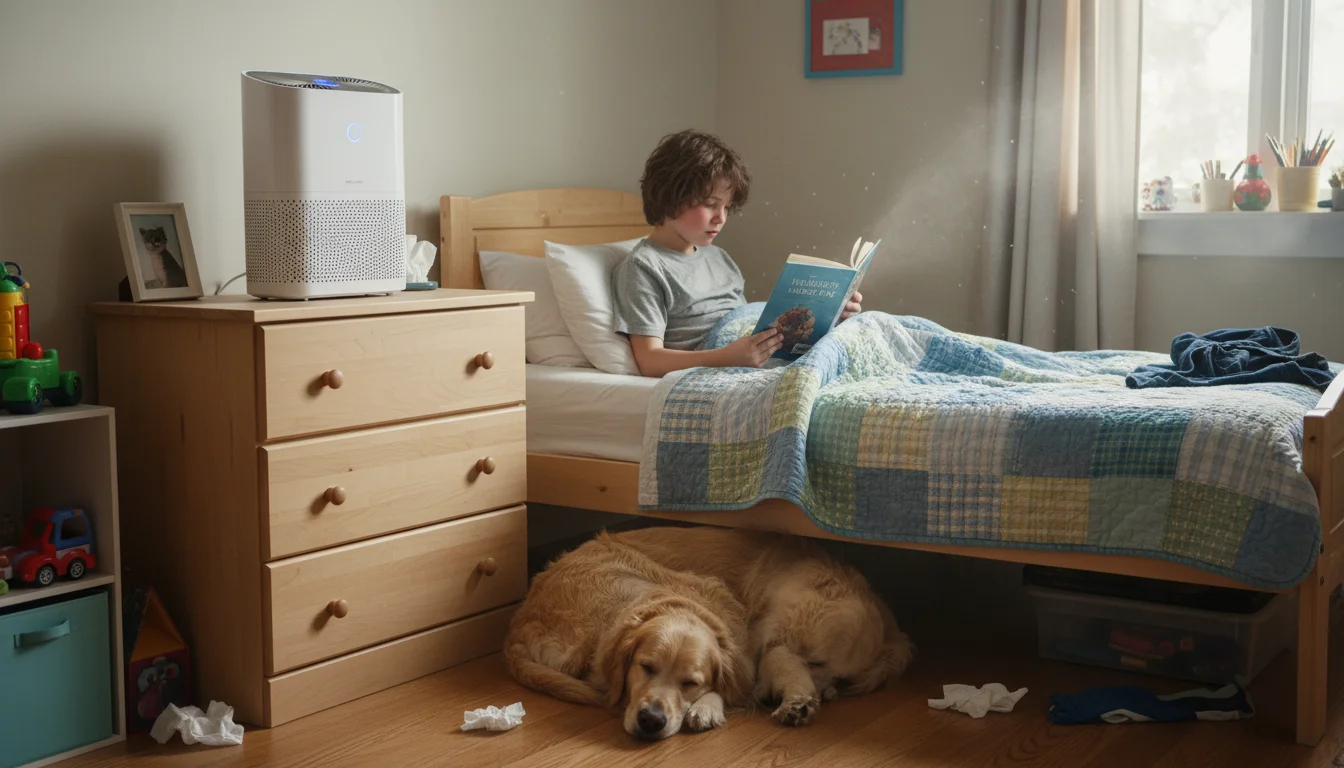
If you or a family member experience severe pet allergies, you might need to prioritize purifiers with medical-grade True HEPA filters and possibly consider additional strategies like professional duct cleaning. In such cases, running the purifier continuously at a higher setting helps maintain consistently clean air.
Budget Considerations
Air purifiers range widely in price, from budget-friendly options to premium models with advanced features. While it is tempting to go for the cheapest option, remember to factor in the long-term cost of filter replacements. A slightly more expensive unit with longer-lasting or more affordable filters may save you money over time. Prioritize True HEPA and activated carbon filtration. Other features, like smart home integration or air quality sensors, can be desirable but are secondary to effective filtration for pet owners.
Types of Air Purifiers for Pet Owners: A Practical Guide
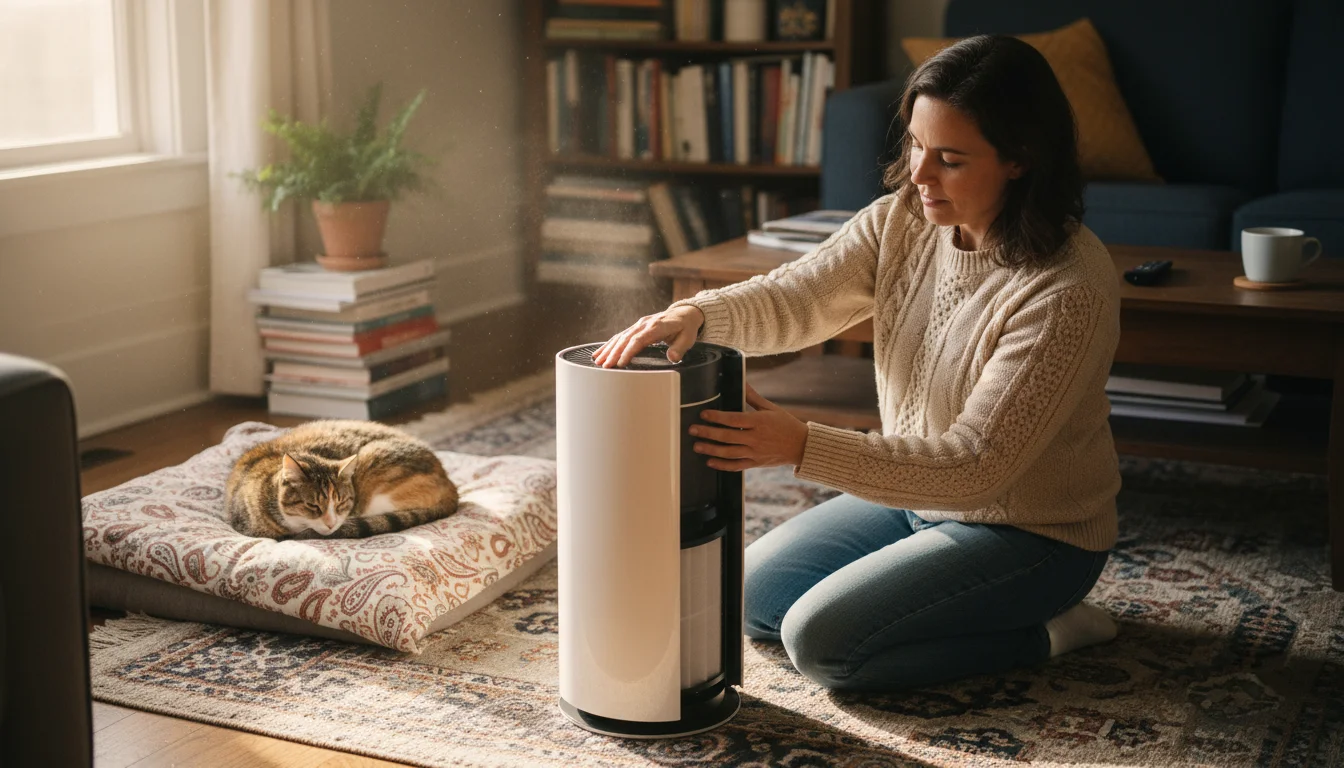
While many air purifiers share core technologies, understanding their variations helps you make an informed decision for your pet-filled home. The primary focus remains on units utilizing True HEPA and activated carbon filtration.
Stand-Alone Portable Units
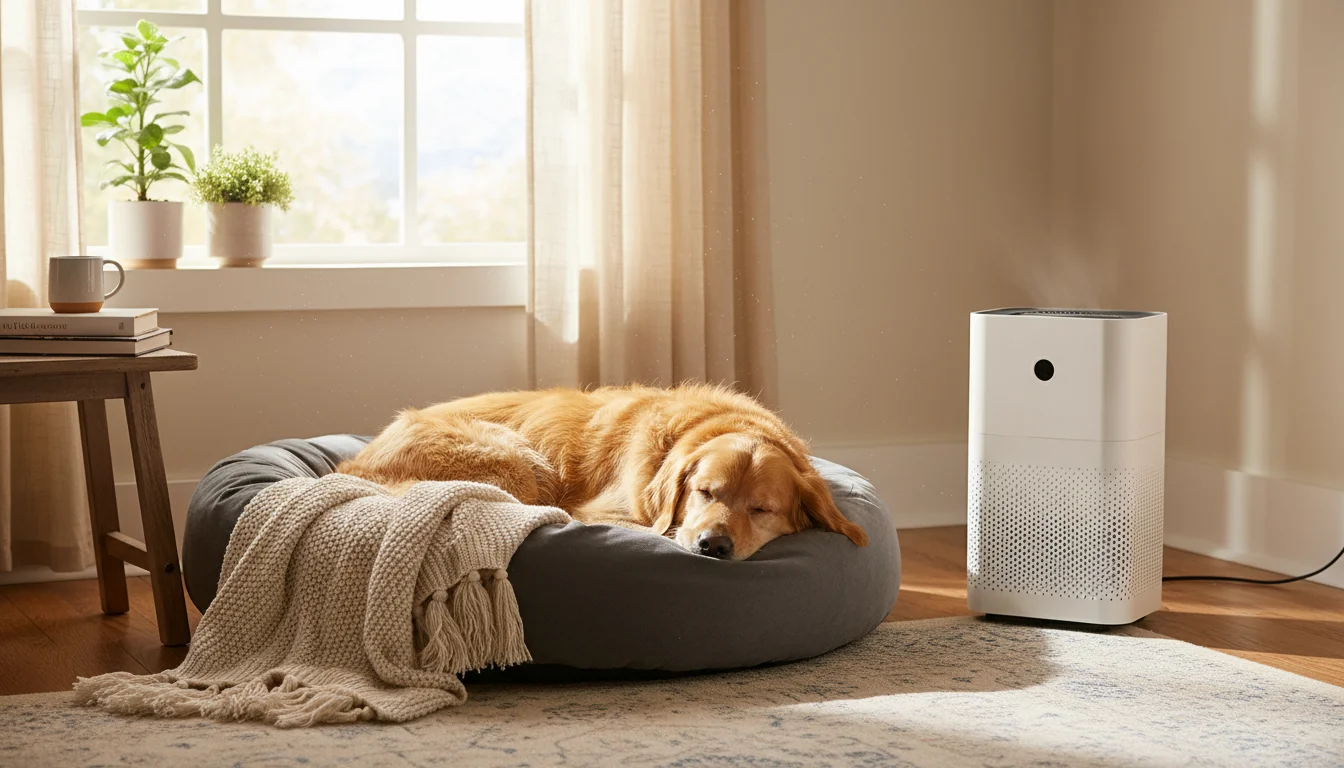
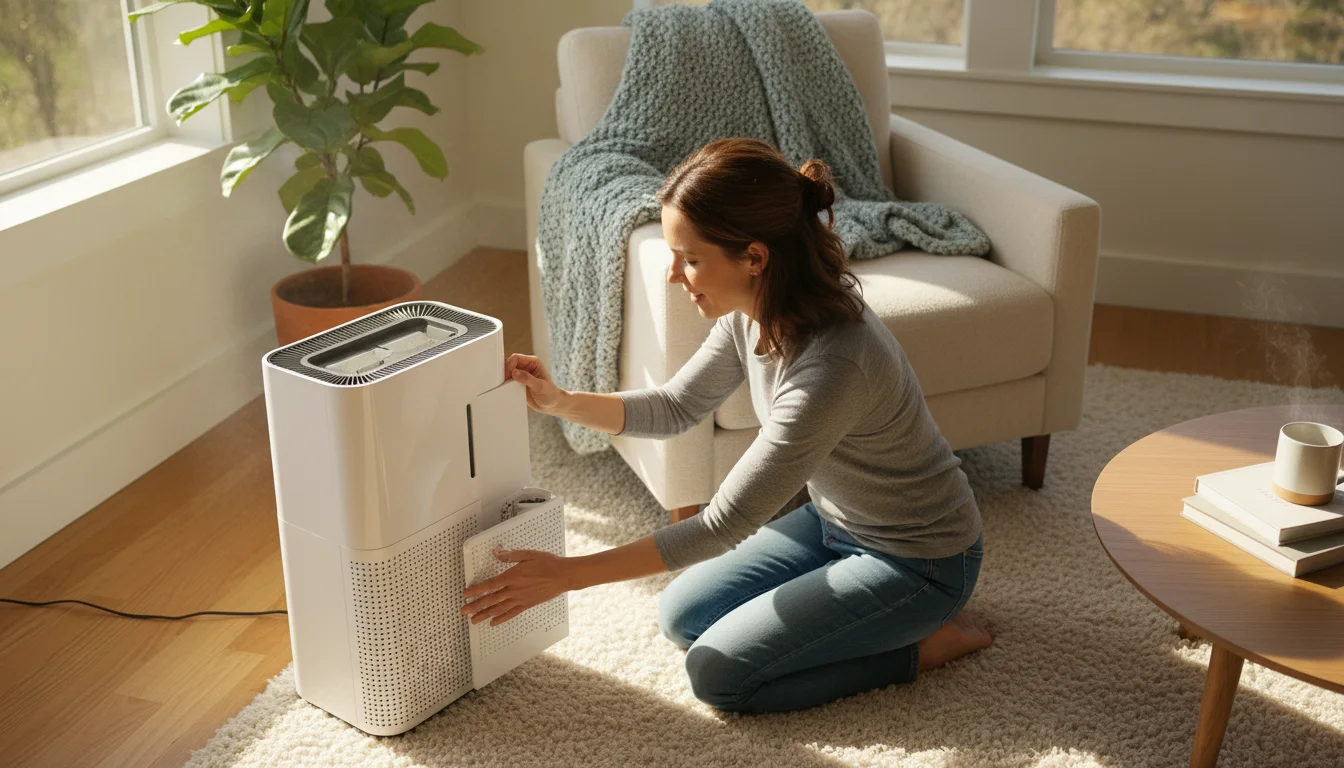
These are the most common and practical choice for most homeowners and renters. Portable units are versatile, allowing you to place them exactly where needed, such as in your living room during the day and your bedroom at night. They come in various sizes, from compact desktop models suitable for small rooms to larger tower units that can handle extensive open-concept spaces. Their mobility means you can target specific problem areas. For instance, you can position a smaller unit directly next to a cat’s litter box or near your dog’s favorite napping spot. This focused approach ensures the most affected air gets cleaned first.
Whole-House Air Purifiers (Briefly)
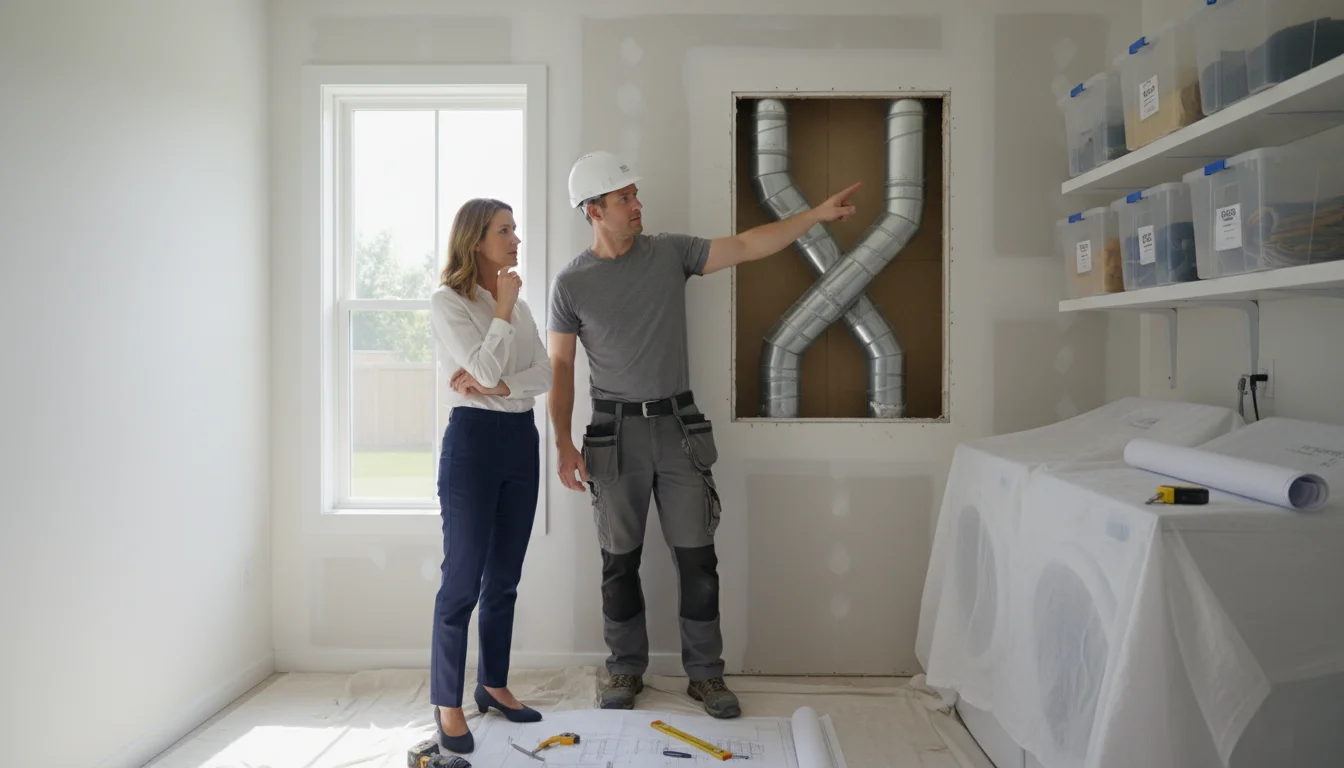
While often a more significant investment, whole-house systems integrate directly into your HVAC system. They clean the air circulating throughout your entire home. This option is generally considered during new construction or major home renovations. For existing homes, installing a whole-house system is a much larger project. For the purpose of practical and budget-conscious solutions, stand-alone portable units are usually the more accessible and manageable choice for most individuals.
Combination Units
Some devices combine air purification with other functions, like humidification or dehumidification. While these can be convenient, ensure the purification component still features True HEPA and activated carbon filters. Prioritize the core air purification function over secondary features to guarantee effective dander and odor removal. A specialized air purifier typically performs its primary task better than a multi-function device, so weigh the trade-offs.
Here is a comparison of filter types and their effectiveness against common pet owner issues:
| Filter Type | Primary Function | Effective Against Pet Dander | Effective Against Pet Odors | Notes for Pet Owners |
|---|---|---|---|---|
| True HEPA | Captures microscopic particles (0.3 microns and larger) | Highly Effective | Not Effective | Essential for allergy sufferers. Traps dander, pollen, dust mites. |
| Activated Carbon | Adsorbs gases and volatile organic compounds (VOCs) | Not Effective | Highly Effective | Crucial for neutralizing litter box smells, wet dog odor, general pet smells. |
| Pre-Filter | Captures larger particles (hair, lint, dust) | Partially Effective | Not Effective | Extends the life of HEPA and carbon filters. Often washable. |
| UV-C Light | Destroys bacteria, viruses, mold spores | Not Effective | Not Effective | Optional, but does not address dander or odors directly. |
Setting Up and Maintaining Your Air Purifier for Optimal Performance
Getting the most out of your air purifier involves more than simply plugging it in. Proper setup and consistent maintenance ensure it continues to clean your air effectively and efficiently for years to come. This saves you money and maximizes its impact on your home’s air quality.
Optimal Placement Tips
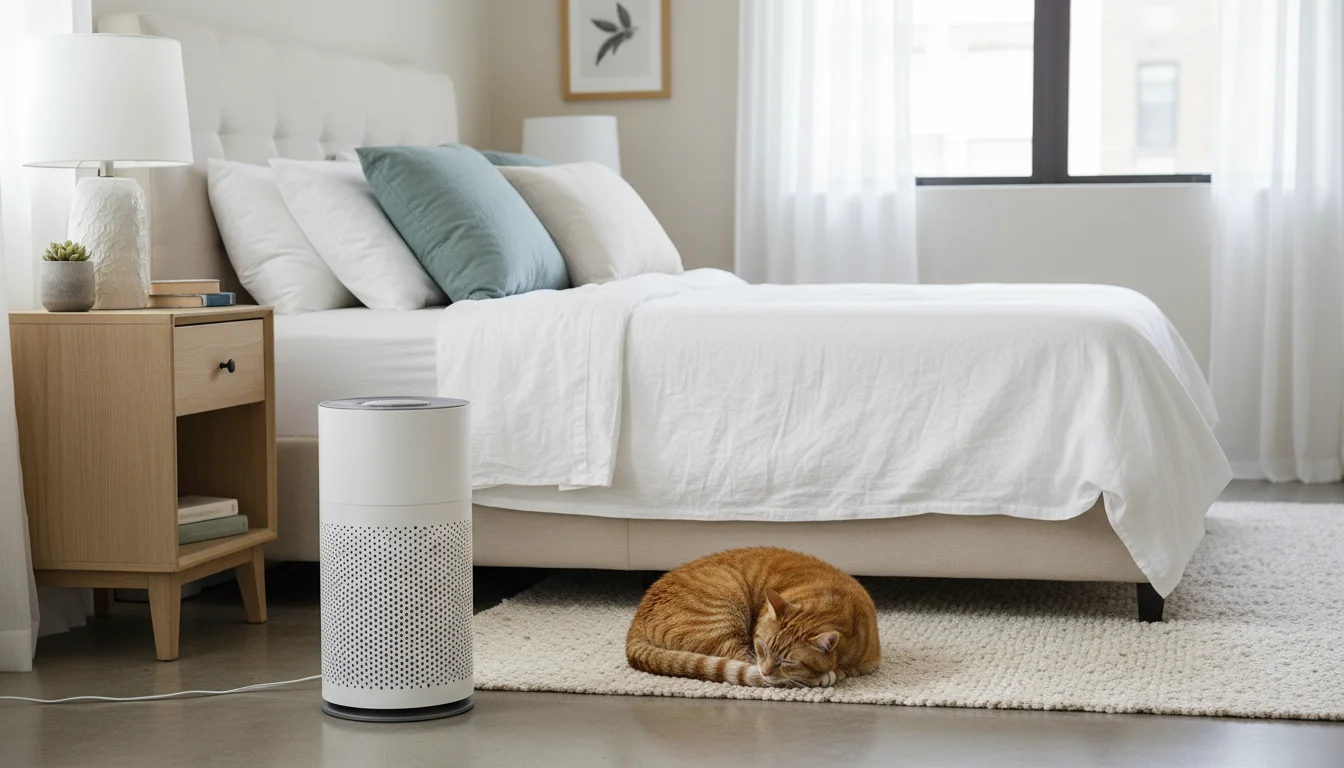
Where you place your air purifier significantly impacts its performance. Position it in the room where you spend the most time or where pet allergens are most concentrated. For example, your living room, bedroom, or near a litter box. Always ensure the purifier has at least 6-12 inches of clearance around its air intake and output vents. Do not tuck it away in a corner, behind furniture, or under curtains, as this restricts airflow and reduces its efficiency. Placing it centrally in a room, or at least in a high-traffic area, allows it to circulate air most effectively.
Filter Replacement Schedule
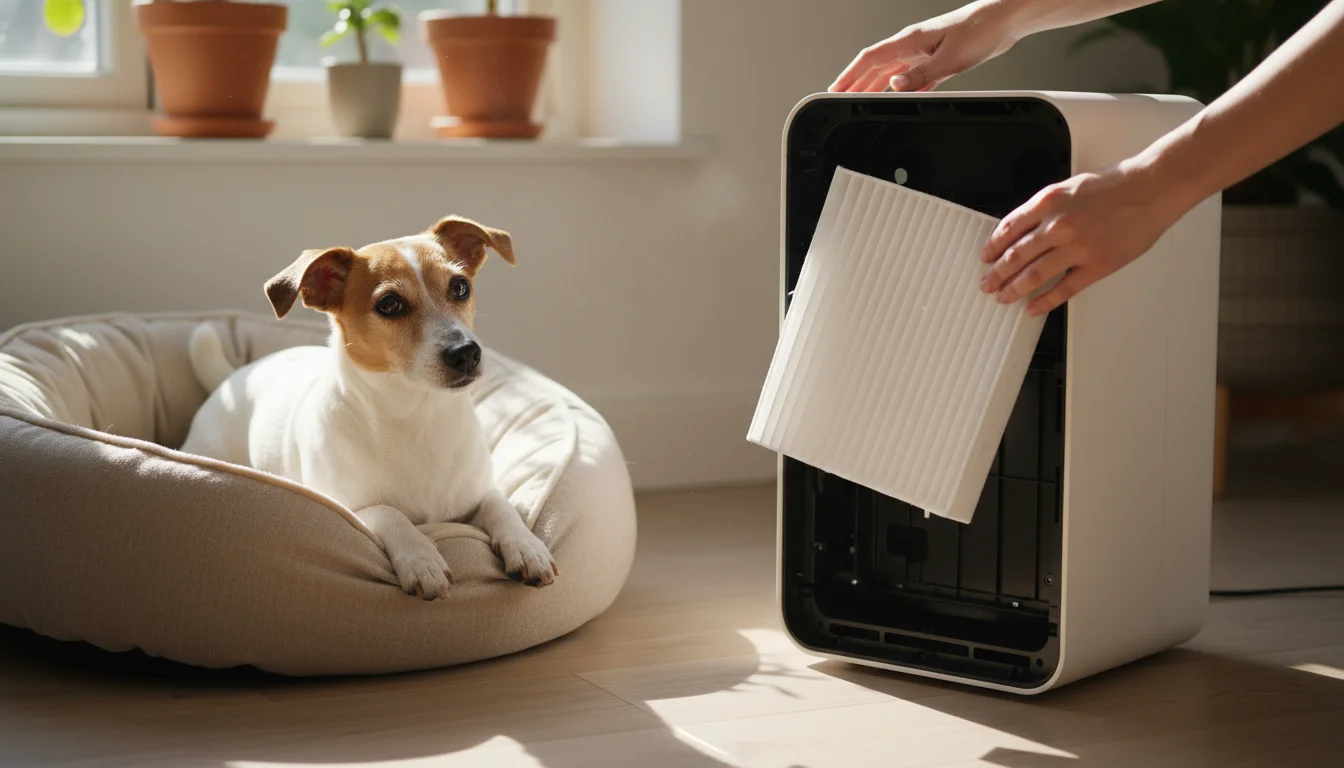
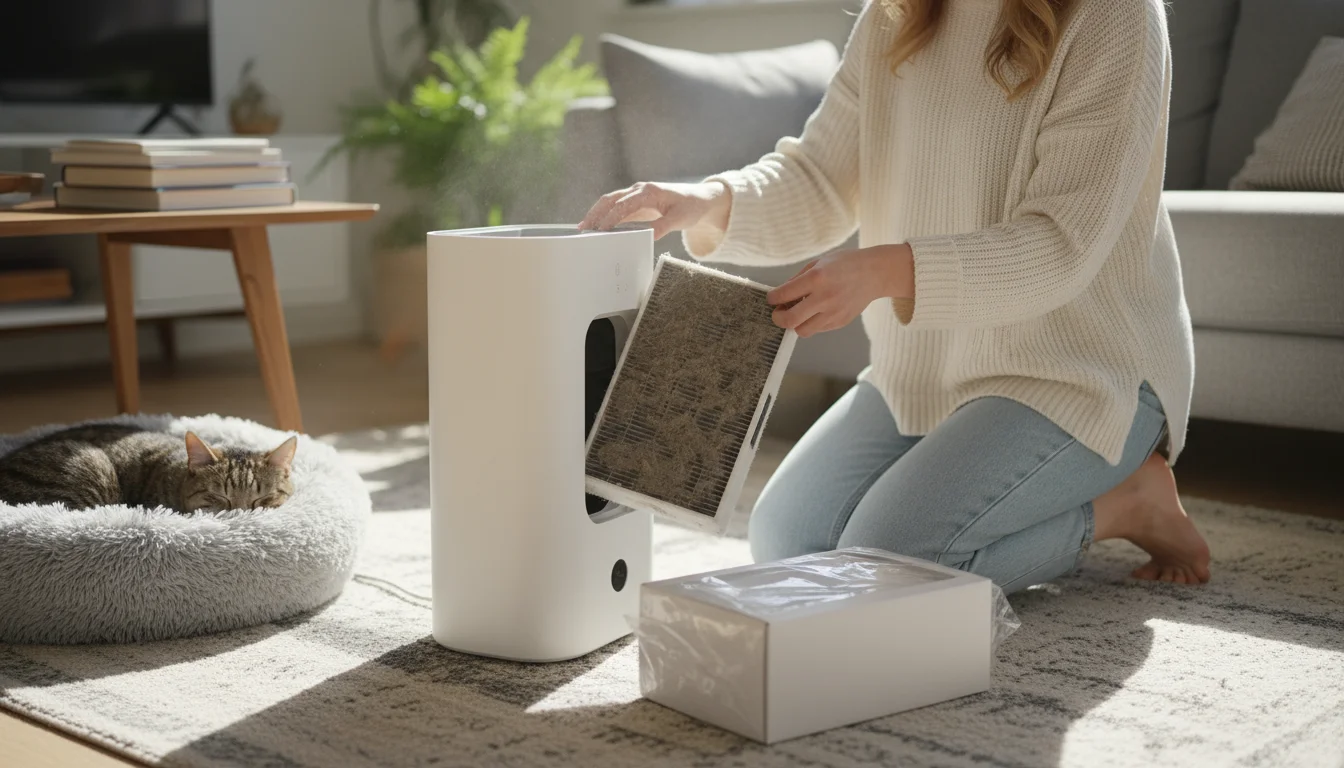
This is arguably the most critical maintenance task. Over time, filters become saturated with pollutants and lose their effectiveness. Dirty filters can even start to restrict airflow, making the unit work harder and consume more energy. Most manufacturers provide a recommended replacement schedule, typically every 6-12 months for HEPA and activated carbon filters, depending on usage and air quality. If you have multiple pets or severe allergies, you might need to replace them more frequently. Many modern purifiers include indicator lights to alert you when a filter change is due. According to experts at Real Simple’s home organizing advice, regularly checking and replacing filters is key to maintaining peak performance and avoiding re-circulating trapped pollutants.
Pre-Filter Cleaning
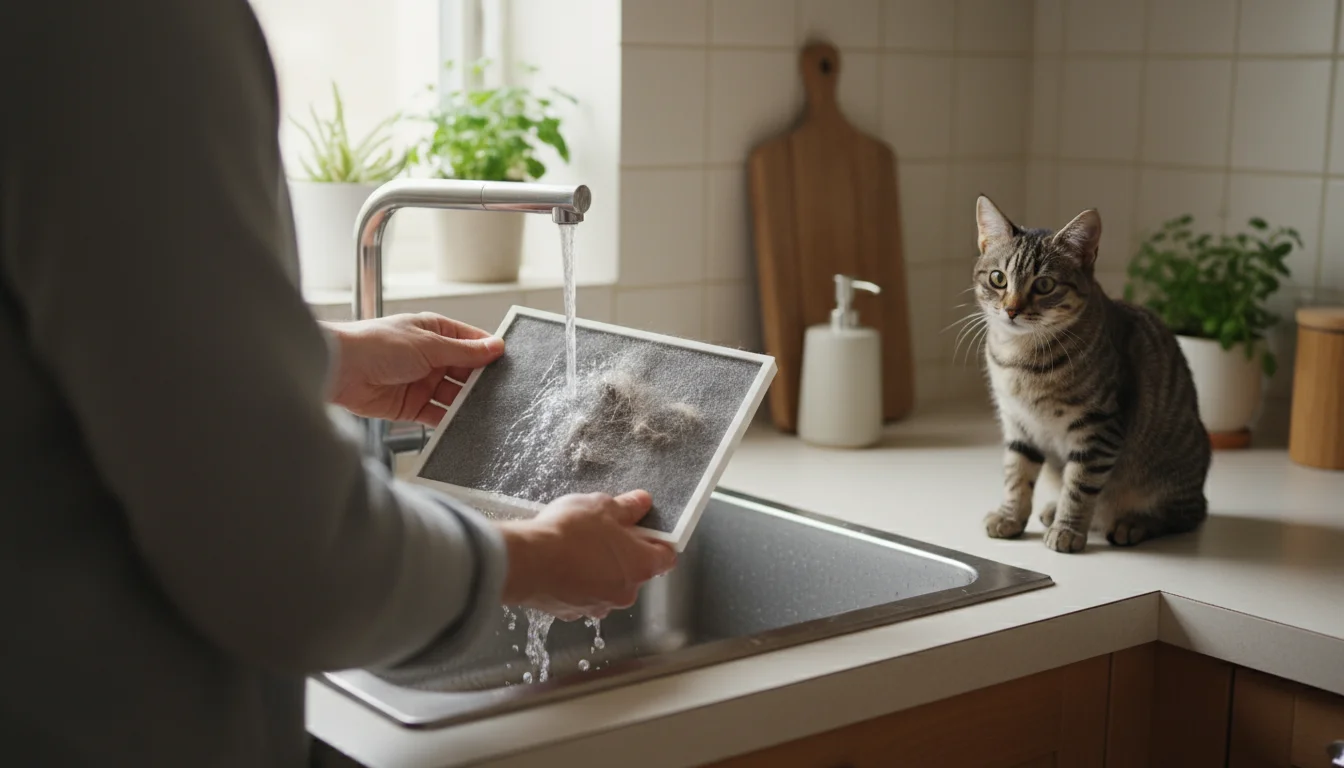
Many air purifiers include a washable pre-filter designed to capture larger particles like pet hair, lint, and dust. This filter acts as the first line of defense, protecting the more delicate and expensive HEPA and carbon filters. Check your pre-filter regularly, perhaps once a month or every few weeks if you have shedding pets. Simply vacuuming or rinsing it under cool water (if it is washable) helps maintain airflow and extends the life of your main filters. Ensure it is completely dry before reinstalling to prevent mold growth.
Troubleshooting Common Issues
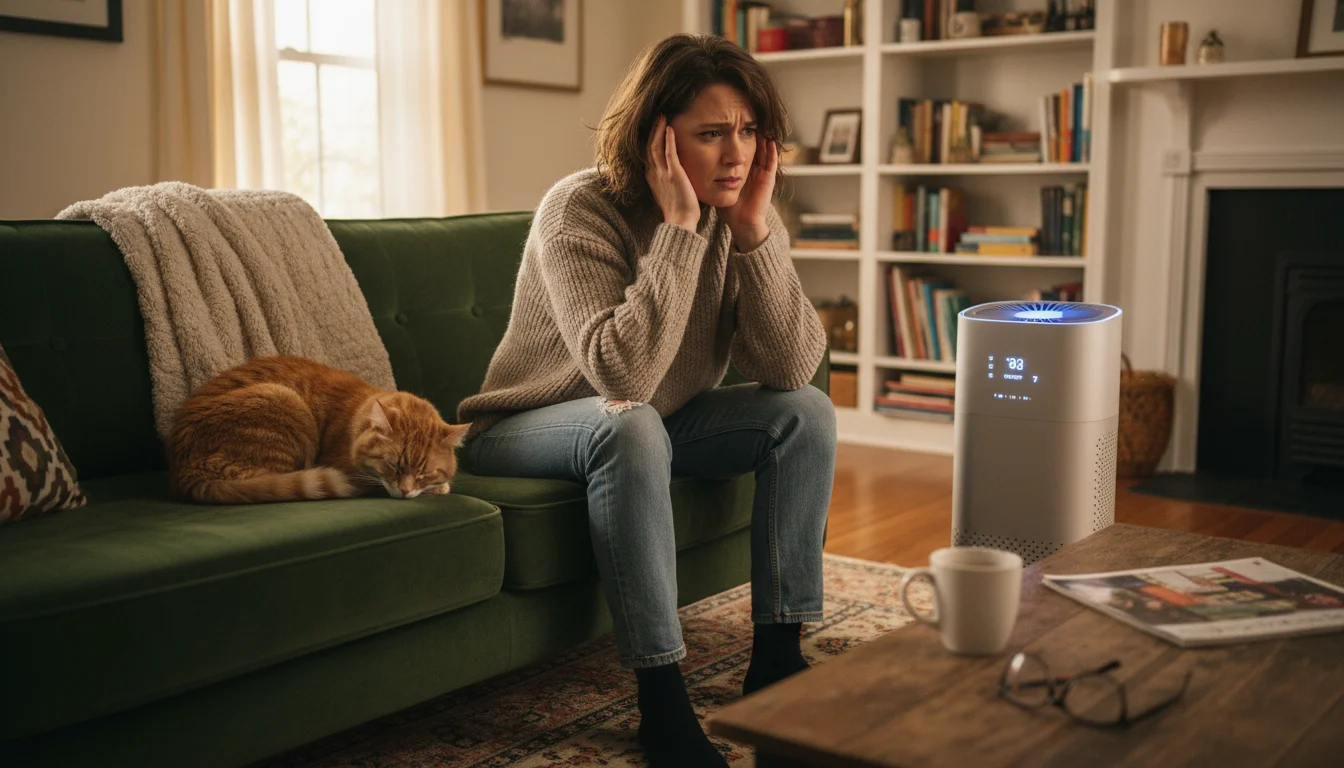
- The room still smells pet-y: Check your activated carbon filter. It might be saturated and need replacement. Also, ensure the purifier’s CADR matches your room size, and that you have not placed it in an obstructed area.
- Reduced airflow: This often indicates a clogged pre-filter or main filter. Clean or replace filters as needed.
- Unusual noises: A rattling sound could mean a filter is not seated correctly. A grinding noise might signal a fan issue, which usually requires professional servicing or contacting the manufacturer.
By following these simple setup and maintenance steps, you ensure your air purifier consistently delivers clean, fresh air, making your pet owner home more comfortable for everyone.
Beyond the Purifier: Other Strategies for a Fresh Pet Owner Home
While an air purifier is a powerful tool, it works best as part of a comprehensive strategy to manage pet dander and odors. Implementing these additional habits creates a significantly fresher and cleaner home environment for you and your pets.
Regular, Thorough Cleaning
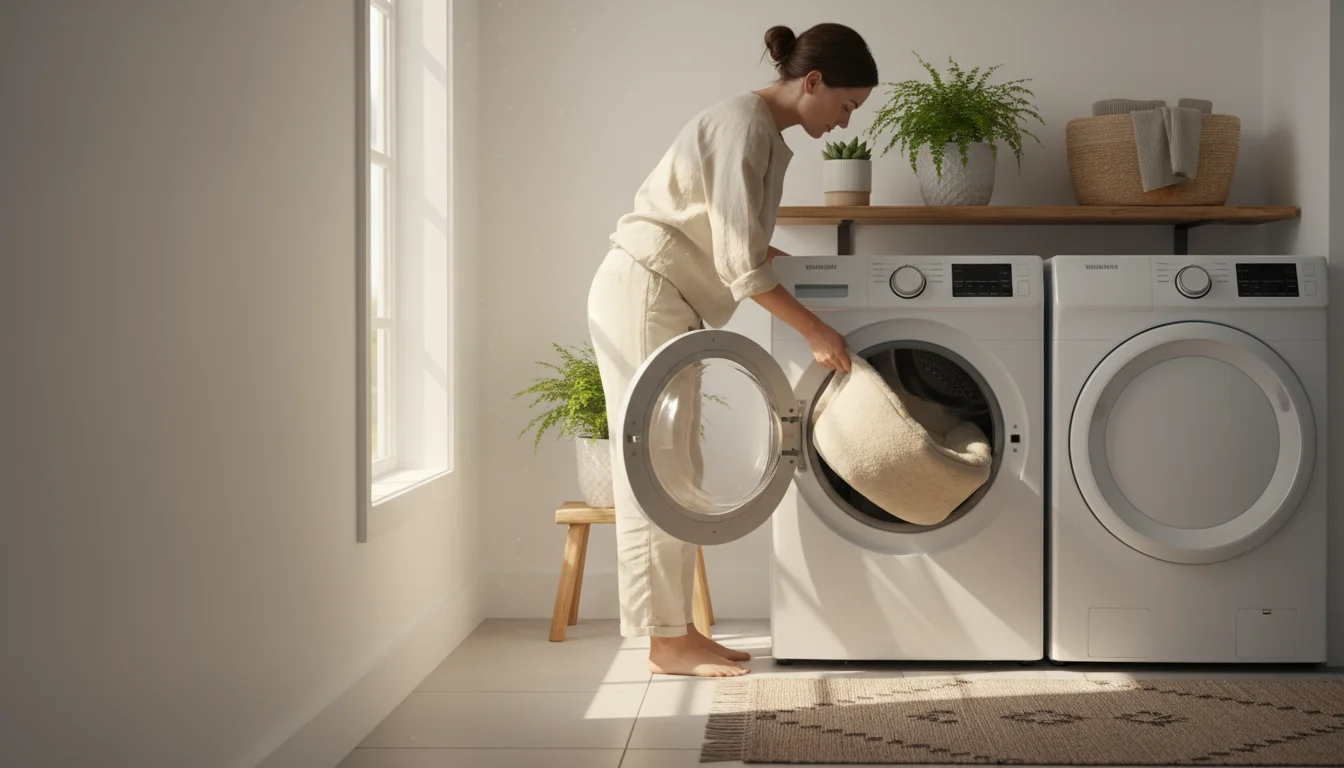
Vacuuming regularly, ideally with a vacuum equipped with a HEPA filter, removes pet hair, dander, and other allergens from carpets, rugs, and upholstery. Aim to vacuum at least twice a week, more often if you have multiple shedding pets. Dust hard surfaces frequently with a damp cloth to trap allergens, preventing them from recirculating into the air. Do not forget to clean pet beds, which accumulate dander and odors quickly. Washing pet bedding weekly in hot water helps eliminate allergens and keeps it fresh.

Groom Your Pets Consistently
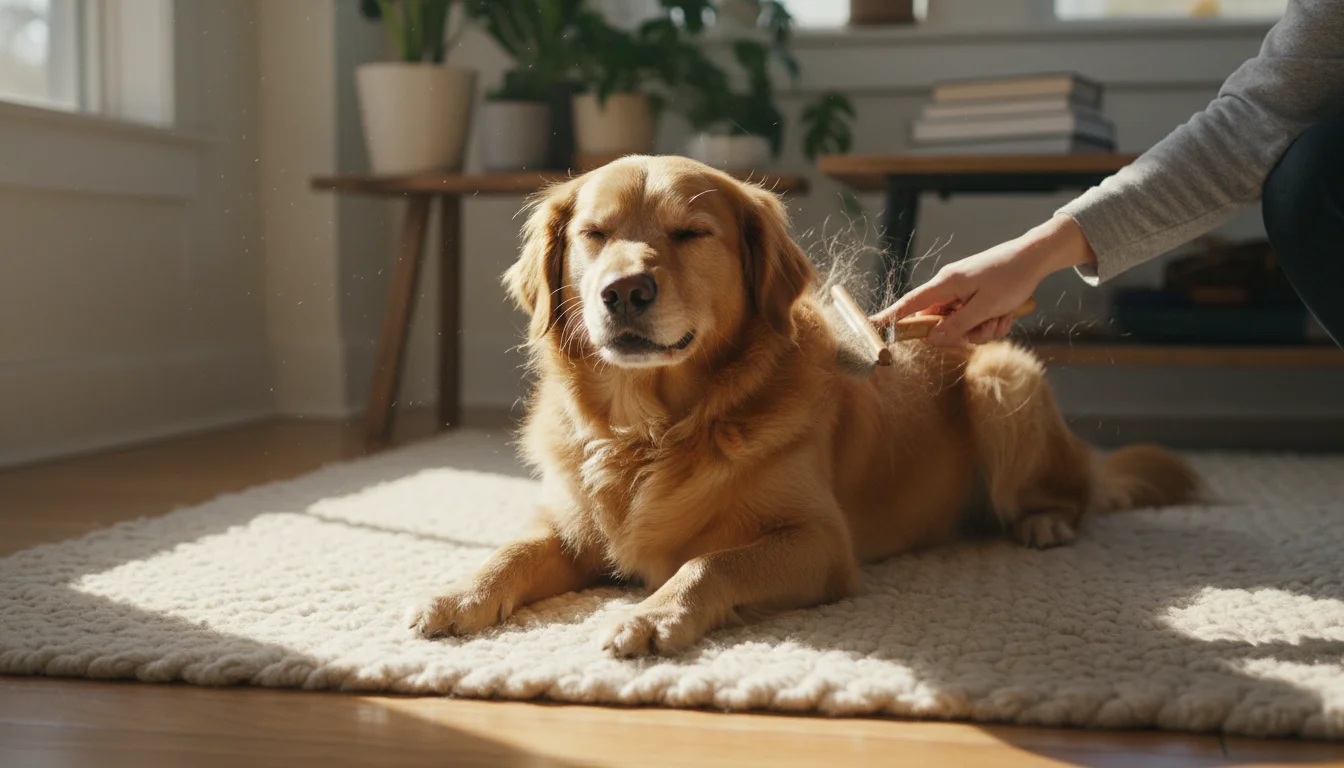
Regular grooming significantly reduces the amount of loose hair and dander your pets shed into your home. Brushing your dog or cat daily or several times a week, preferably outdoors, removes much of the shedding fur before it ends up on your floors and furniture. Consider professional grooming services for baths and de-shedding treatments, which further help manage dander. Even wiping down your pet with a damp cloth can help remove loose dander before it becomes airborne.
Maintain Good Ventilation
Fresh air dilutes indoor pollutants. Open windows and doors periodically, especially when weather permits, to allow fresh air to circulate. Use exhaust fans in bathrooms and kitchens to remove moisture and odors. While an air purifier cleans recirculated air, ventilation helps replace stagnant air with outdoor air, offering a different kind of freshness. Always consider outdoor pollen counts if you or a family member suffer from seasonal allergies.
Address Odor Sources Directly
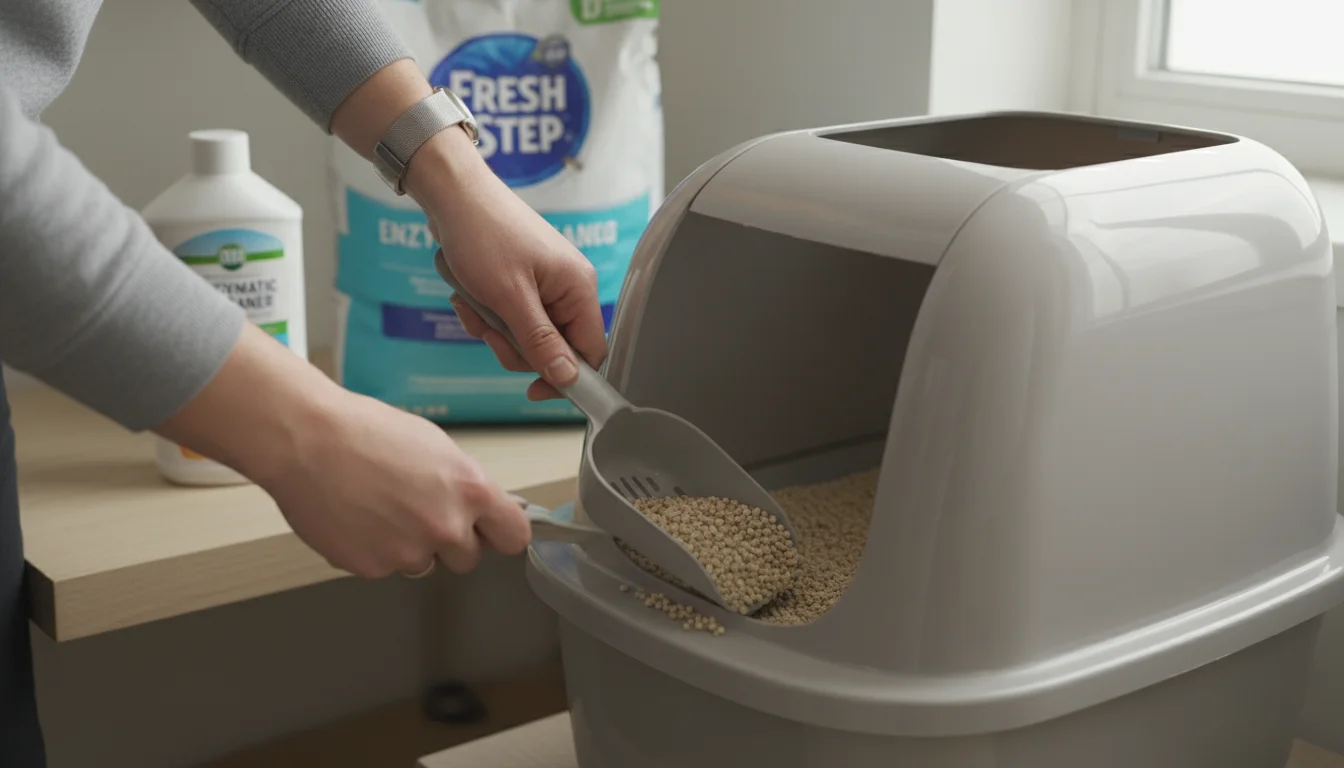
While activated carbon filters handle ambient odors, directly tackling the source prevents them from building up. Clean litter boxes daily, or even twice daily. Use odor-absorbing litter and consider litter box enclosures with built-in ventilation or carbon filters. For spills or accidents, clean them immediately with enzymatic pet odor removers, which break down odor-causing molecules instead of just masking them.
By combining these practical cleaning and grooming habits with the strategic use of air purifiers, you create a much healthier, more comfortable, and truly fresh living space for your entire family, including your beloved pets.
Frequently Asked Questions
Do air purifiers eliminate pet odors completely?
Air purifiers with activated carbon filters significantly reduce and neutralize pet odors. They can eliminate most ambient pet smells, such as general dog or cat odor, and smells from litter boxes. However, they are most effective when combined with regular cleaning, proper pet grooming, and direct odor source management, like scooping litter daily.
How many air purifiers do I need for my home?
The number of air purifiers depends on your home’s size, layout, and the number of pets you have. Ideally, place a purifier in each room where your pets spend significant time, or where you spend the most time, such as your living room and bedrooms. For open-concept homes, one powerful unit might cover a larger area, but sometimes two smaller units placed strategically work better than one large one.
Are air purifiers safe for pets?
Yes, air purifiers with True HEPA and activated carbon filters are generally safe for pets. Avoid purifiers that intentionally produce ozone, as ozone can be harmful to respiratory systems for both humans and animals. Most reputable brands specify if their purifiers are ozone-free. Always ensure your pet cannot easily knock over or chew on the purifier’s power cord.
What is the difference between an air purifier and an air filter?
An air purifier is a stand-alone appliance that actively draws air, filters it, and releases clean air back into a room. An air filter, on the other hand, is a component typically found in your HVAC system or a vacuum cleaner. While HVAC filters clean the air circulating through your home’s ducts, an air purifier targets specific rooms and offers more dedicated filtration for pet dander and odors.
Can an air purifier help with pet hair?
Air purifiers can capture airborne pet hair, particularly larger strands, with their pre-filters. However, their primary function is to remove microscopic dander, dust, and allergens. For visible pet hair on surfaces, regular vacuuming, sweeping, and lint rolling remain the most effective methods.
For expert home organization guidance, visit
Bob Vila,
HGTV — Home and
Apartment Therapy.
Disclaimer: This article is for informational purposes only and is not a substitute for professional advice. Consult professional organizers or specialists for personalized recommendations.

Leave a Reply