

Dry indoor air impacts your comfort, health, and even your home’s integrity. You experience dry skin, irritated sinuses, static electricity, and a general feeling of discomfort when humidity levels drop too low. Finding the right humidifier transforms your living space, creating a more comfortable and healthier environment. This guide cuts through the noise, offering practical advice and clear recommendations to help you select a humidifier that fits your needs and lifestyle, ensuring your home remains a sanctuary of comfort.
Properly balanced humidity is also a cornerstone of reducing household allergens like dust mites and pet dander.

Why Dry Indoor Air Matters for Your Home and Health
You probably notice the immediate effects of dry air: chapped lips, itchy skin, and a scratchy throat. However, the impact extends far beyond minor annoyances, affecting your overall health and the condition of your home. When indoor humidity falls below optimal levels, typically between 30% and 50%, you face a range of challenges.
Optimizing humidity is just one of many budget-friendly ways to make your living room cozier as the weather turns colder.
To protect your flooring from dry-air damage and add physical warmth to your space, consider layering in some of the best area rugs for your hardwood surfaces.
If you share your home with animals, pairing your humidifier with one of the best air purifiers for pet owners can significantly improve overall respiratory comfort.
Controlling humidity is also a vital part of preparing your home for winter to ensure total seasonal comfort.
Beyond maintaining moisture, you can further enhance your environment by adding air-purifying plants for better sleep to naturally improve oxygen levels.

Health Impacts You Feel
- Respiratory Issues: Dry air irritates your nasal passages and throat, making you more susceptible to colds, flu, and other respiratory infections. It also exacerbates conditions like asthma and sinusitis. Your body’s natural defenses, such as mucus membranes, function less effectively in arid conditions.
- Skin and Hair Problems: Your skin loses moisture, leading to dryness, flakiness, and increased itchiness. This can worsen conditions like eczema and psoriasis. Your hair might also become brittle and prone to static.
- Eye Irritation: Dry eyes often feel gritty and uncomfortable, particularly if you wear contact lenses or spend extended periods looking at screens.
- Sleep Quality: Difficulty breathing and general discomfort from dry air can disrupt your sleep, leaving you feeling less rested.
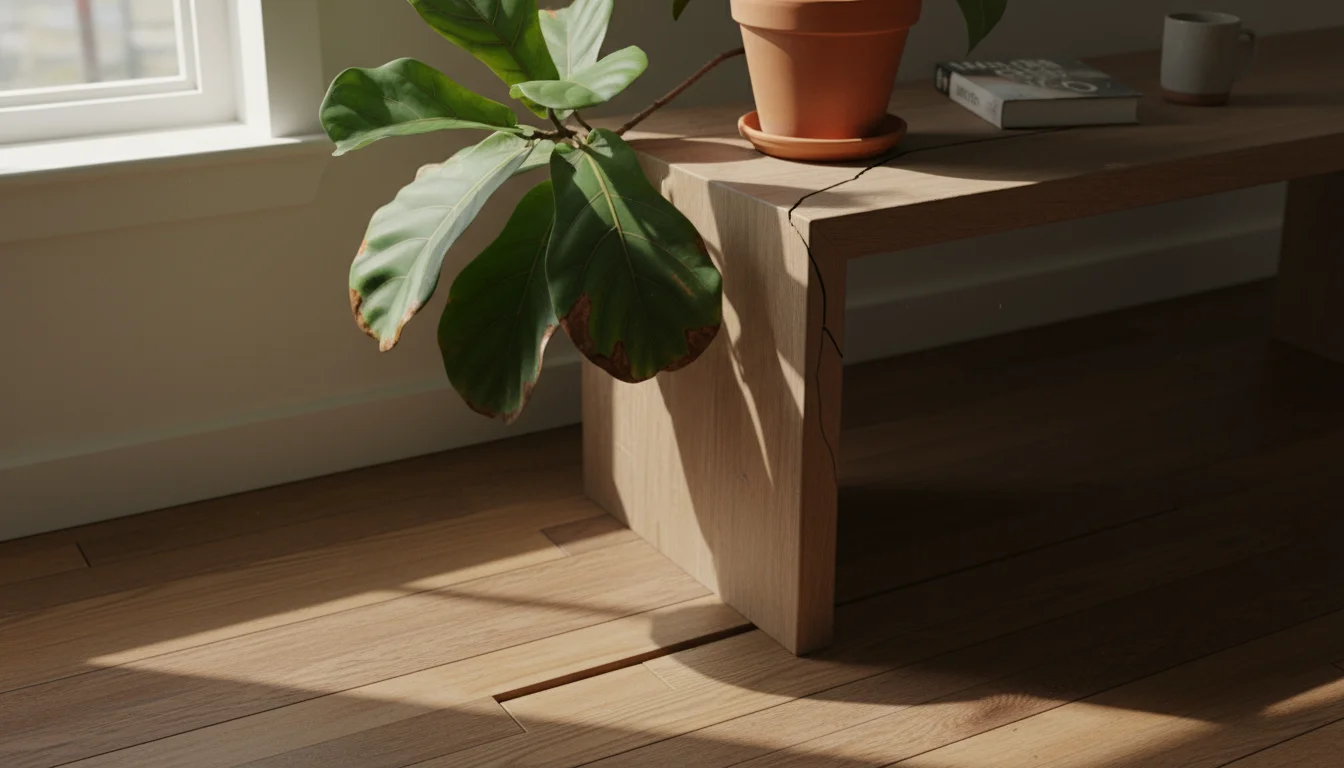
Impacts on Your Home and Belongings
- Wooden Furniture and Flooring: Low humidity causes wood to shrink, crack, and warp. You might notice gaps in your hardwood floors or damage to antique furniture.
- Houseplants: Many houseplants thrive in moderate humidity. Dry air leads to wilting, brown leaf tips, and overall poor plant health.
- Static Electricity: The annoying shocks you experience when touching doorknobs or blankets increase dramatically in dry environments.
- Increased Heating Costs: Dry air feels colder than humid air at the same temperature. You might turn up your thermostat unnecessarily, leading to higher energy bills.
Maintaining appropriate indoor humidity levels is a proactive step you take to protect your health and preserve your home’s integrity. The EPA (Environmental Protection Agency) consistently highlights the importance of indoor air quality, recommending humidity levels between 30% and 50% to mitigate health risks associated with both excessively dry and excessively damp conditions. A humidifier provides a simple, effective solution.

Understanding Humidifier Types: Finding Your Perfect Match
Choosing a humidifier involves understanding the different types available, each with its own benefits and drawbacks. Your lifestyle, room size, and specific needs guide you to the best option. Here, we break down the most common humidifier types.
When setting up your unit, be sure to arrange furniture for maximum coziness and optimal air circulation.
If you are currently creating an ergonomic home office, choosing a quiet desktop humidifier can significantly improve your focus and skin hydration throughout the workday.
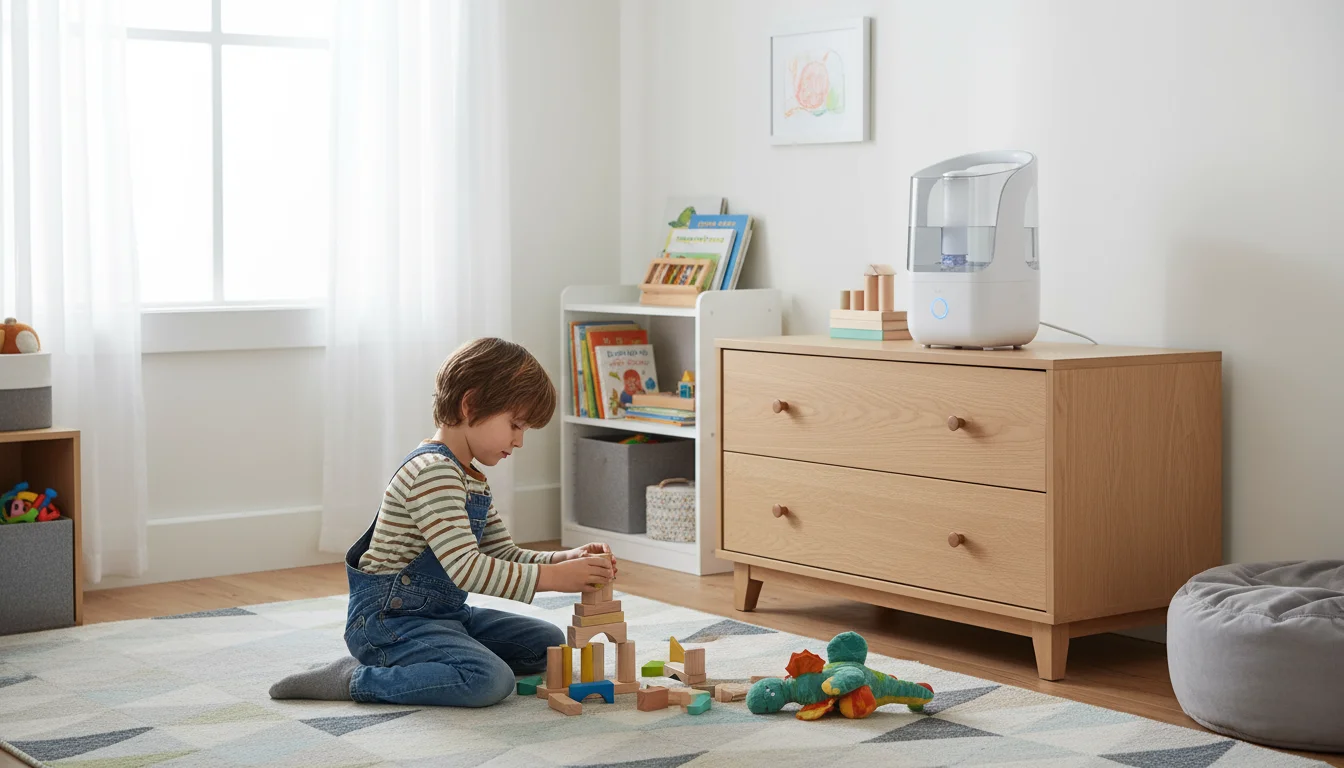
1. Cool Mist Humidifiers
Cool mist humidifiers release an invisible or visible cool mist into the air. They are popular for use in children’s rooms and general living spaces because they do not involve a heating element, eliminating burn risks.
- Evaporative Humidifiers: These use a fan to blow air through a moistened wick filter. The water evaporates, releasing a clean, cool mist into the room. They are generally quieter than ultrasonic models and produce an invisible mist, making them less likely to leave white dust. They also naturally self-regulate, adding less moisture as the air approaches optimal humidity.
- Pros: Safe for children and pets, energy-efficient, often quieter, natural self-regulation, less white dust.
- Cons: Require regular filter replacement, can develop a musty smell if not cleaned.
- Ultrasonic Humidifiers: These use high-frequency vibrations to create a fine, cool mist from water, which a fan then disperses. They operate very quietly, making them ideal for bedrooms.
- Pros: Extremely quiet operation, no filters needed in some models, immediate visible mist.
- Cons: Can produce “white dust” (mineral deposits from tap water) on surfaces, require frequent cleaning to prevent mineral buildup and mold.
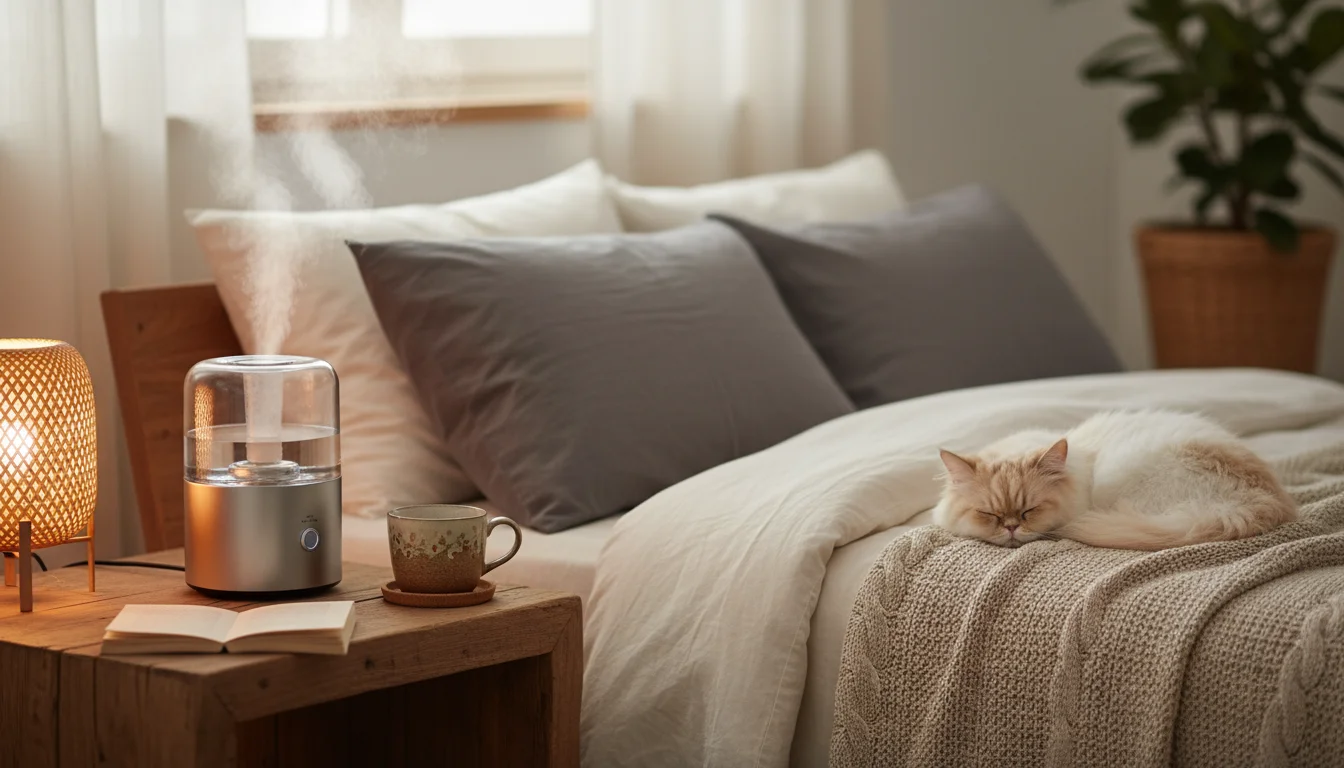
2. Warm Mist Humidifiers
Warm mist humidifiers boil water to create steam, which cools slightly before being released into the air. The boiling process helps kill bacteria and mold in the water, offering a sterile mist. Many people find the warm mist soothing for respiratory issues, especially during cold and flu season.
- Pros: Sterile, bacteria-free mist, soothing for cold symptoms, no filters required.
- Cons: Heating element poses a burn risk, consumes more energy than cool mist models, can leave mineral deposits, slightly louder due to boiling.

3. Whole-House Humidifiers
These systems integrate directly into your home’s HVAC system, humidifying the entire house. They draw water from your plumbing and require professional installation. They are a significant investment but provide consistent humidity throughout your living space without individual unit maintenance.
- Pros: Humidifies your entire home, minimal daily maintenance, no portable units to refill, energy-efficient for large spaces.
- Cons: High initial cost and installation, requires professional maintenance, complex installation.
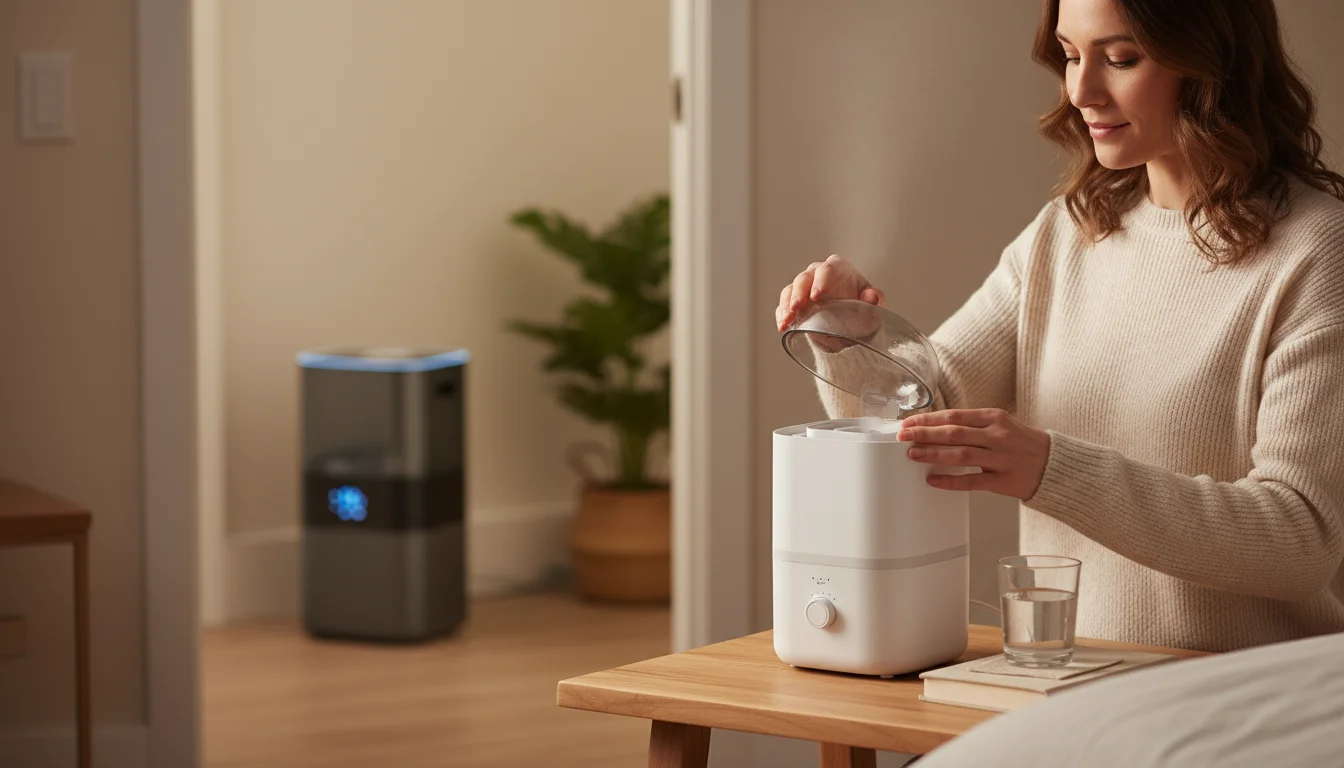
4. Portable vs. Console Humidifiers
- Portable (Tabletop) Humidifiers: Designed for single rooms or smaller spaces, these are compact and easy to move. They have smaller tanks and require more frequent refilling. Most cool mist and warm mist models fall into this category.
- Console Humidifiers: Larger units designed for multiple rooms or open-concept living areas. They typically have larger tanks, longer run times, and powerful mist outputs. While still portable, they are less discreet than tabletop models.
Consider the size of the area you need to humidify, your budget, and the specific concerns you have, such as noise level or safety for children. This helps narrow down your choices and find the perfect humidifier for your home.
Key Features to Consider When Buying a Humidifier
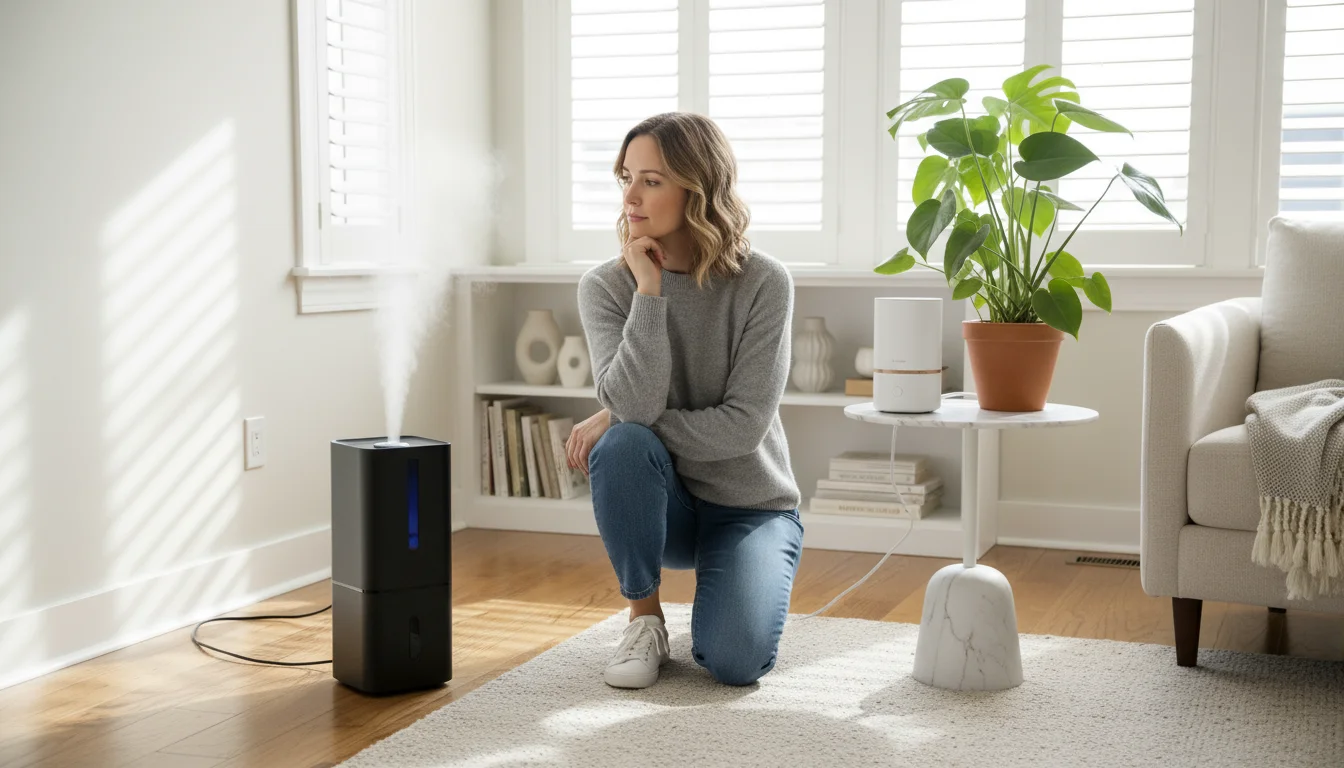
Once you understand the basic types, delve into the specific features that differentiate models. Your goal is to find a humidifier that not only performs well but also integrates seamlessly into your daily life without becoming a chore.
Before storing your humidifier for the summer, include a deep clean as part of your spring cleaning checklist to ensure it’s ready for next year.
Integrating appliance checks into your monthly home care tasks will help you spot issues before they become costly.
When setting up your appliance in a sleeping area, it is also beneficial to consider how to reduce EMF exposure to ensure your bedroom remains a truly restorative space.
- Tank Capacity and Runtime: A larger tank means less frequent refilling. Consider how often you want to refill the unit. A small tabletop humidifier might need daily refills, while a console unit could run for 24-48 hours on one tank. Match tank size to your room size and desired run time.
- Mist Output and Coverage Area: Humidifiers are rated for specific room sizes (e.g., “up to 300 sq. ft.” or “whole house”). Ensure the model you choose effectively covers your target area. Output refers to the amount of moisture released per day.
- Noise Level: This is particularly important for bedroom use. Ultrasonic humidifiers are generally the quietest. Evaporative models, with their internal fans, produce a gentle hum. Warm mist humidifiers also have some boiling noise. Check decibel ratings or user reviews for noise complaints if quiet operation is a priority for you.
- Ease of Cleaning and Refilling: This is arguably the most crucial feature for long-term satisfaction. Humidifiers require regular cleaning to prevent mold, mildew, and bacteria growth. Look for models with wide tank openings, easily accessible parts, and simple disassembly. Top-fill designs significantly simplify refilling.
- Built-in Humidistat and Auto Shut-off: A humidistat monitors the room’s humidity and adjusts the humidifier’s output to maintain a set level, preventing over-humidification. Auto shut-off features turn the unit off when the tank is empty or the desired humidity level is reached, saving energy and preventing damage. These features provide convenience and peace of mind.
- Filters vs. Filterless:
- Filter-based: Evaporative humidifiers use wicks that trap minerals and impurities, providing cleaner mist and reducing white dust. However, filters require regular replacement, adding to ongoing costs.
- Filterless: Many ultrasonic and warm mist humidifiers operate without filters. While this saves on filter costs, ultrasonic models often produce white dust if you use tap water. Warm mist units sterilize water by boiling, reducing the need for filters.
- Energy Efficiency: Look for models that operate efficiently, especially if you plan to run them continuously. While humidifiers are not major energy hogs, a more efficient unit can save you money over time. Consider Energy Star certified models, which meet strict energy efficiency guidelines set by the EPA.
- Additional Smart Features:
- Timers: Set the unit to run for a specific duration.
- Night Lights: Convenient for children’s rooms.
- Aromatherapy Tray: Allows you to add essential oils for a pleasant scent.
- Remote Control/Smart Home Integration: For ultimate convenience, adjust settings from afar or integrate with your smart home system.
By prioritizing these features based on your specific needs, you confidently select a humidifier that delivers comfort and convenience, enhancing your home environment.
Top Picks: Humidifier Recommendations for Every Need and Budget
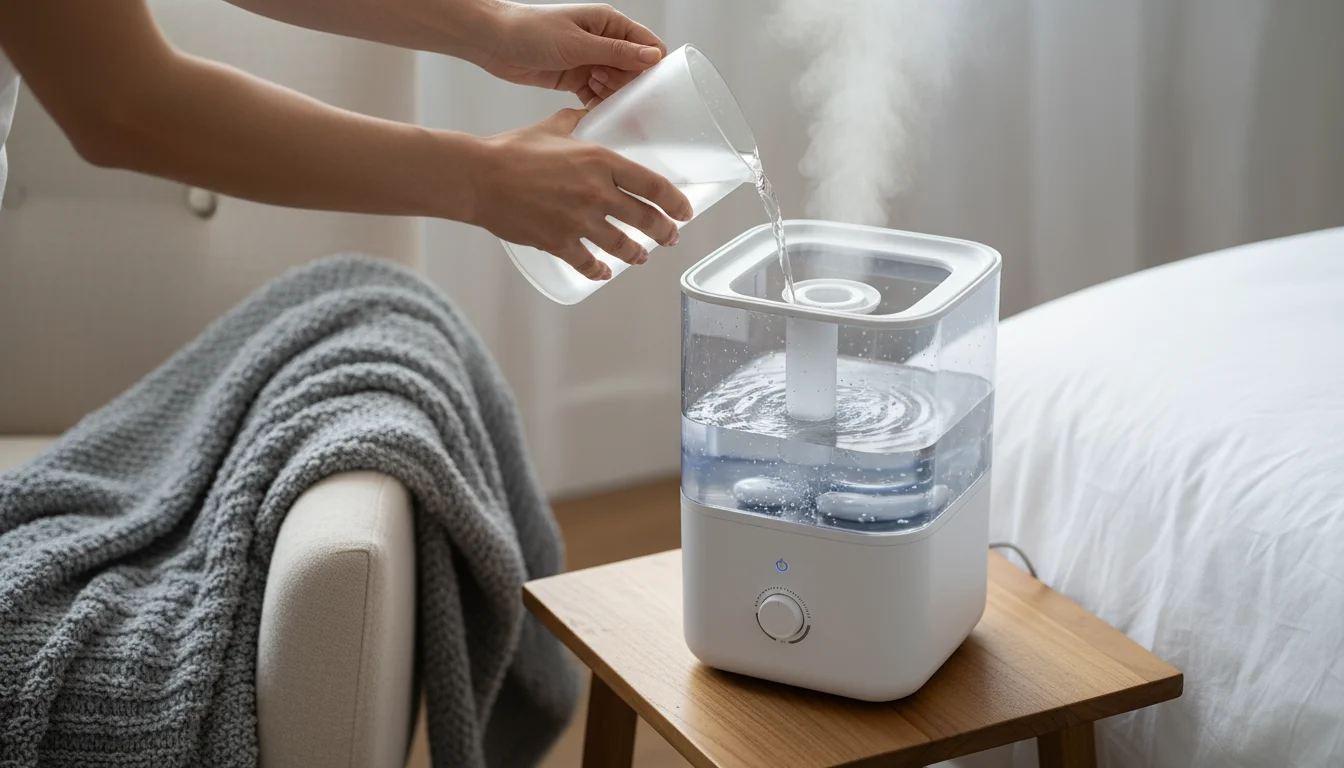
Selecting the “best” humidifier depends heavily on your individual circumstances. We categorize our recommendations to help you navigate the options, focusing on practical solutions for various scenarios. According to insights from Consumer Reports, a truly effective humidifier combines efficient moisture output with user-friendly design and easy maintenance. We emphasize these qualities in our selections.
Here is a breakdown of types and features that excel in different situations:
| Category | Recommended Type & Key Features | Ideal For | Considerations |
|---|---|---|---|
| Best Overall (Balanced Performance) | Evaporative Cool Mist with Humidistat: Mid-sized tank (1-gallon+), quiet fan, easy-fill top, filter-based for reduced white dust, auto shut-off, integrated humidistat. | General living areas, bedrooms, families with children. | Regular filter replacement. Choose a model with accessible parts for cleaning. |
| Best for Large Rooms & Open Concepts | Console Evaporative Humidifier: Multi-gallon tank, powerful fan, covers 800+ sq. ft., often on wheels for portability, digital controls, humidistat. | Living rooms, large master bedrooms, open-concept homes. | Larger footprint, more pronounced fan noise (though often designed to be relatively quiet for its output). |
| Best for Bedrooms (Quiet Operation) | Ultrasonic Cool Mist Humidifier: Small to medium tank (0.5-1 gallon), virtually silent operation, night light option, auto shut-off. | Bedrooms, nurseries, offices where silence is paramount. | Use distilled water to prevent white dust, diligent cleaning to avoid mineral buildup. |
| Best for Cold & Flu Season (Soothing Mist) | Warm Mist Humidifier: Small to medium tank, releases sterile, warm vapor, Vicks or essential oil tray, auto shut-off. | Bedrooms, sick rooms, personal offices when feeling unwell. | Energy use is higher, steam can pose a burn risk (keep away from children). Regular descaling is essential. |
| Best Budget-Friendly Option | Simple Evaporative or Basic Ultrasonic: Smaller tank (0.5-0.75 gallons), manual controls (no humidistat), simple design, easy to clean. | Small bedrooms, offices, dorm rooms. | More frequent refilling, less precise humidity control, fewer advanced features. Manual monitoring of humidity with a separate hygrometer might be desired. |
| Best Smart Humidifier (Convenience) | Ultrasonic or Evaporative with App Control: Integrated Wi-Fi, app control, scheduling, remote monitoring of humidity, voice assistant compatibility. | Tech-savvy users, those who desire ultimate convenience and control. | Higher initial cost, dependence on a reliable Wi-Fi connection. |
When reviewing these categories, remember that specific brands offer variations within each type. Focus on the core features that align with your priorities: ease of use, maintenance requirements, noise level, and room coverage. Read user reviews for real-world insights into a product’s performance and reliability.

Maintaining Your Humidifier for Optimal Performance and Health
A humidifier is a valuable tool for home comfort, but its effectiveness and safety hinge on proper maintenance. Neglecting to clean your unit regularly allows mold, mildew, and bacteria to flourish, which you then disperse into your air, defeating the purpose of improved air quality.
Why Regular Cleaning is Non-Negotiable
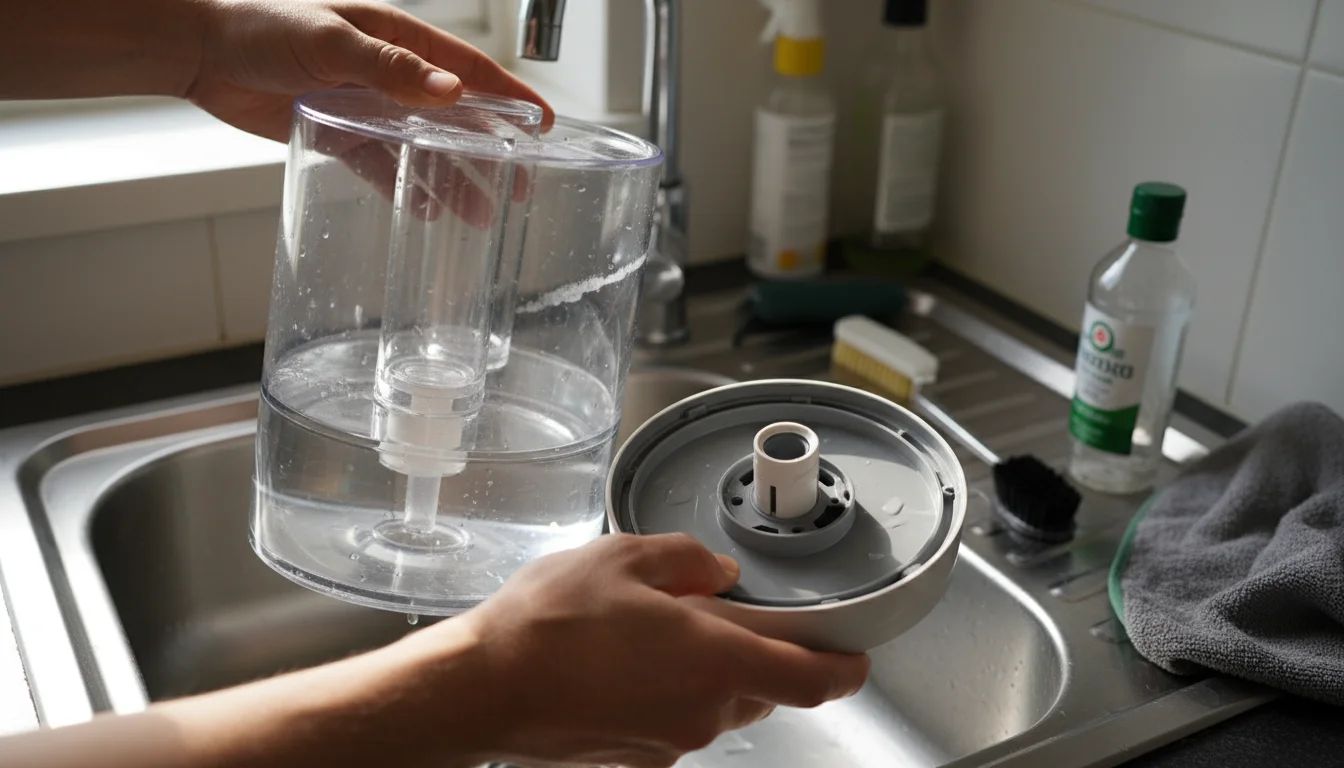
Water, especially standing water in a tank, provides an ideal breeding ground for microorganisms. If these grow in your humidifier, the mist you breathe will carry them directly into your lungs. This can cause respiratory issues, allergic reactions, or even lead to illness. Regular cleaning prevents these health risks and ensures your humidifier continues to operate efficiently.
Step-by-Step Cleaning Guide for Most Humidifiers
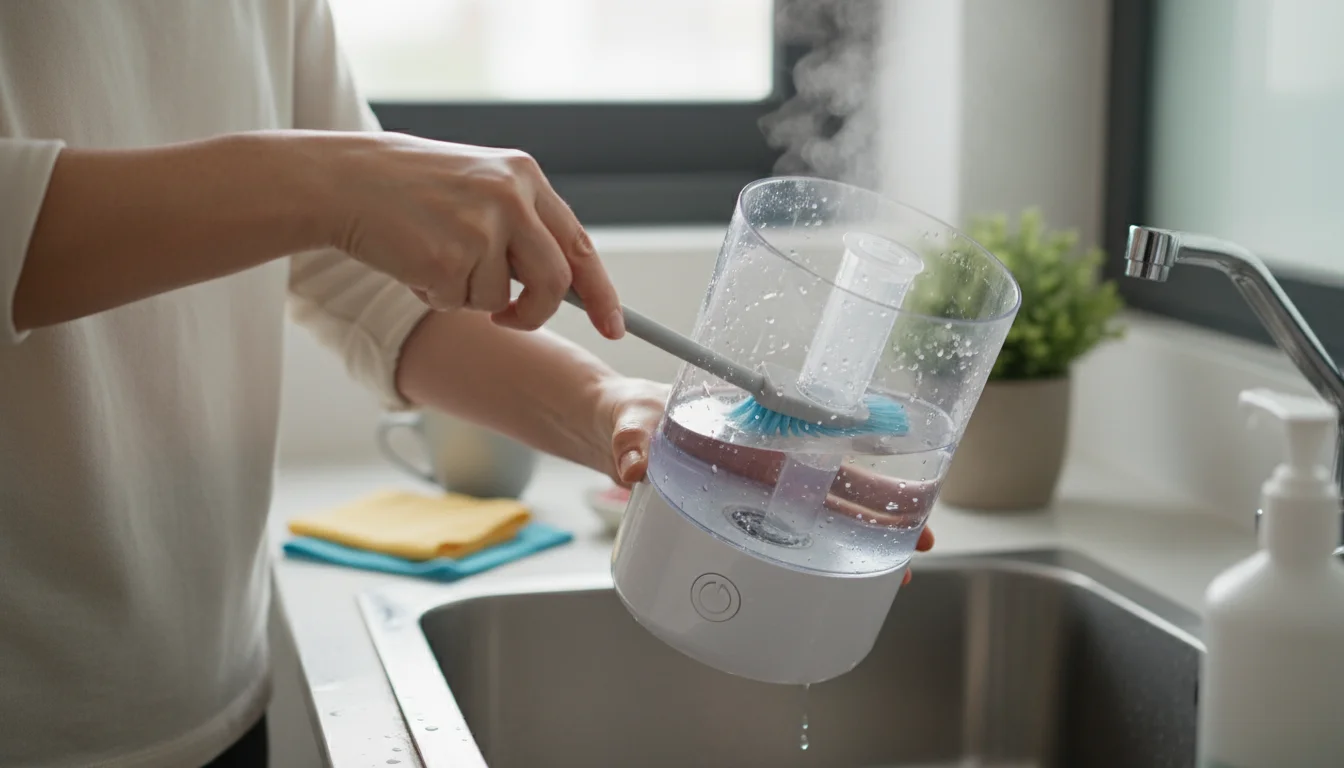
Follow these steps at least once a week, or more frequently if you use your humidifier daily or notice mineral buildup:
- Unplug the Unit: Always disconnect the power before cleaning any appliance. Safety comes first.
- Disassemble: Take apart all removable components: tank, base, caps, and filters (if applicable).
- Empty and Rinse: Empty any remaining water from the tank and base. Rinse all parts thoroughly with clean water to remove loose debris.
- Vinegar Solution for Descaling:
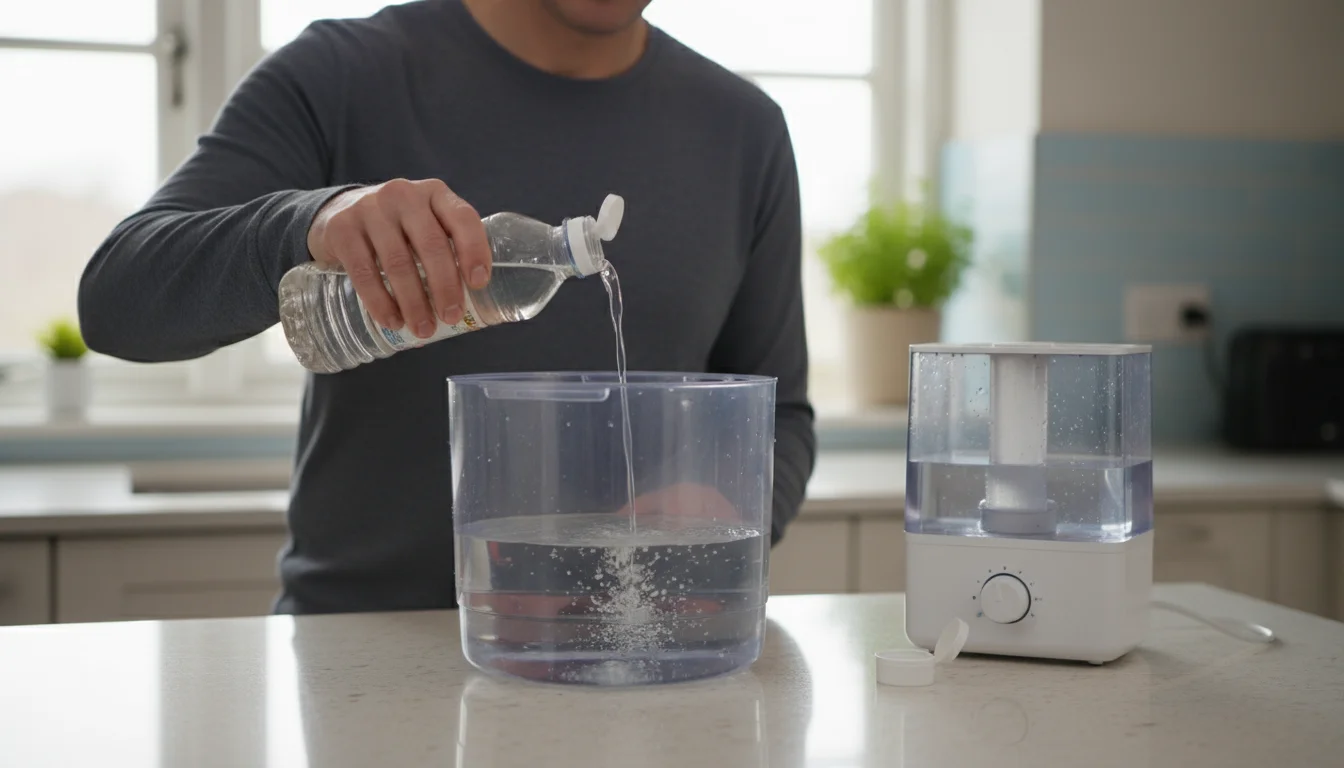
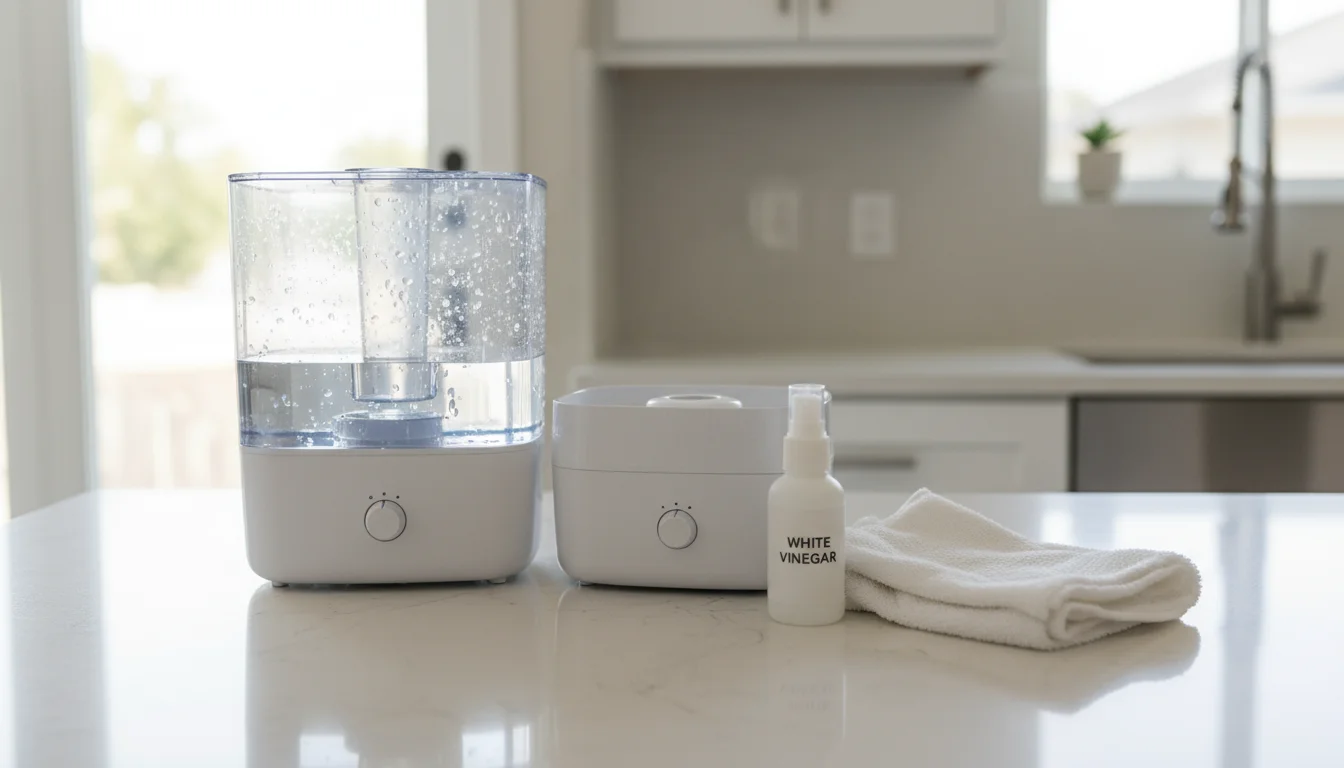
- For the Tank: Fill the tank halfway with undiluted white vinegar. Swish it around to coat all interior surfaces. Let it sit for 20-30 minutes.
- For the Base and Smaller Parts: Soak smaller components (like nebulizers for ultrasonic humidifiers or wick trays for evaporative ones) in a bowl of white vinegar for 20-30 minutes. Use an old toothbrush or a small brush to scrub away any mineral deposits.
- Disinfecting (Optional but Recommended): After descaling, you can disinfect the tank and base. Mix 1 teaspoon of bleach with 1 gallon of water. Pour this solution into the tank, swish it, and let it sit for 20 minutes. For the base and other parts, wipe them with this solution or soak for 20 minutes.
- Rinse Thoroughly: This is critical. Rinse all parts multiple times with clean water until the smell of vinegar or bleach completely disappears. Residue from cleaning solutions can be harmful if inhaled.
- Dry Completely: Allow all parts to air dry before reassembling. This prevents immediate mold growth. You can wipe larger surfaces with a clean cloth.
- Filter Replacement (if applicable): Replace wick filters in evaporative humidifiers every 1-3 months, depending on use and water hardness. Activated carbon filters might need less frequent replacement. Follow your manufacturer’s specific recommendations.
Water Type Matters
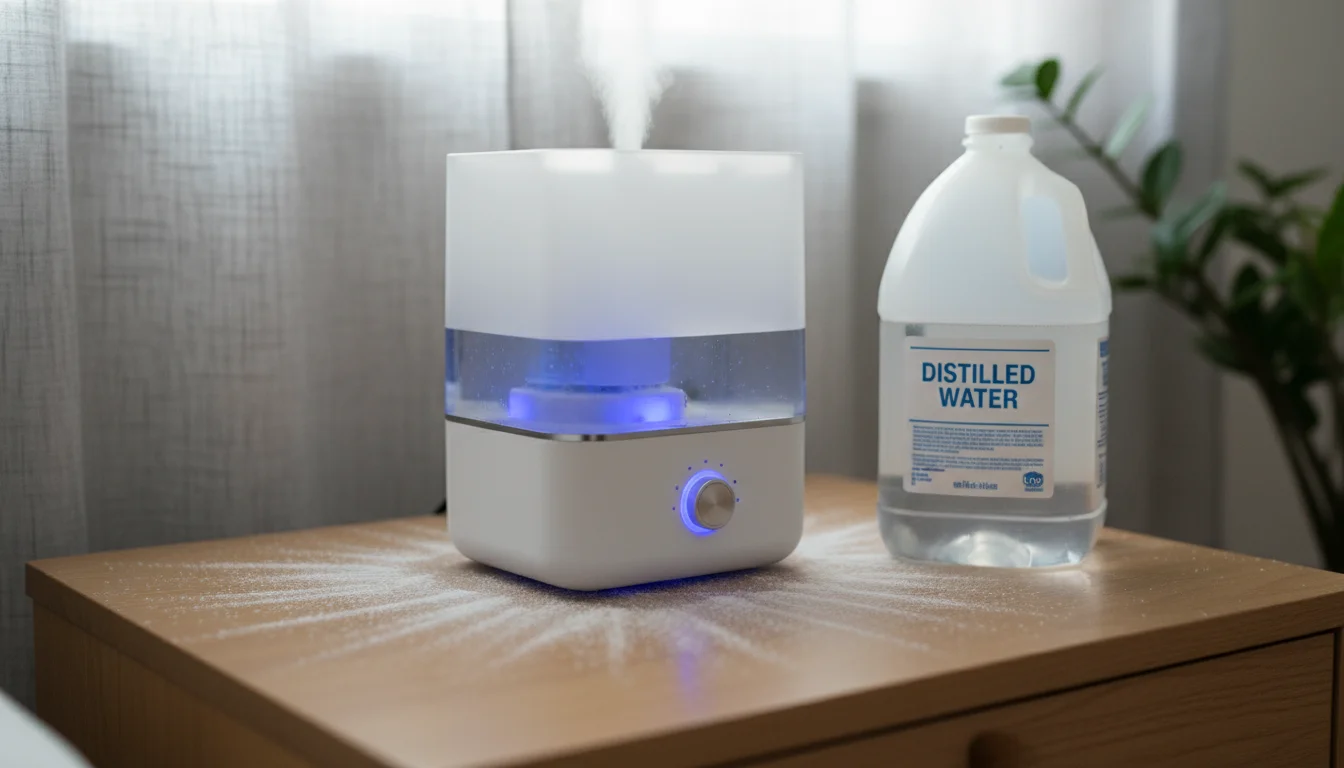
Using distilled water or demineralized water helps reduce mineral buildup and the “white dust” associated with ultrasonic humidifiers. While not strictly necessary for all types, it significantly reduces cleaning frequency and extends the life of your unit, especially in areas with hard water.
Monitoring Humidity Levels
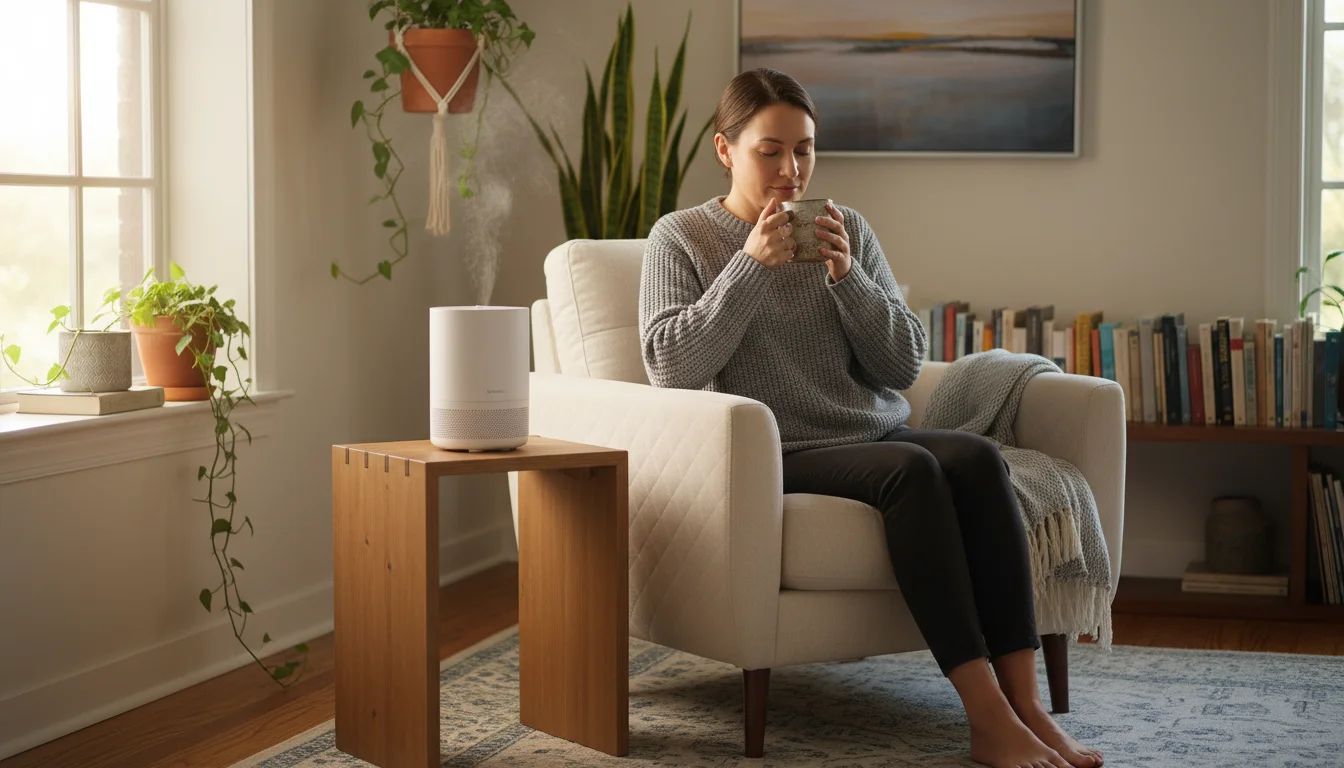
Invest in a hygrometer if your humidifier lacks a built-in one. This device accurately measures ambient humidity, allowing you to manually adjust your humidifier to maintain optimal levels between 30% and 50%. This prevents both excessive dryness and excessive dampness, both of which can cause problems.
By making humidifier maintenance a regular part of your home care routine, you ensure clean, healthy air and prolong the life of your appliance.
Troubleshooting Common Humidifier Issues
Even the best humidifiers occasionally encounter minor hiccups. You can often resolve common issues with simple troubleshooting steps, saving you time and frustration.

1. No Mist or Low Mist Output
- Check Water Level: Ensure the tank contains enough water. Most units have an auto shut-off when the water level is low.
- Clean the Unit: Mineral buildup on the nebulizer (ultrasonic models) or wick (evaporative models) significantly reduces mist output. Follow the cleaning instructions diligently.
- Inspect the Filter: If your unit uses a filter, it might be clogged or need replacement. A hardened or discolored filter restricts water absorption.
- Power Supply: Confirm the unit is properly plugged in and the outlet works.
- Fan Obstruction: For evaporative units, ensure the fan isn’t blocked and spins freely.
2. White Dust
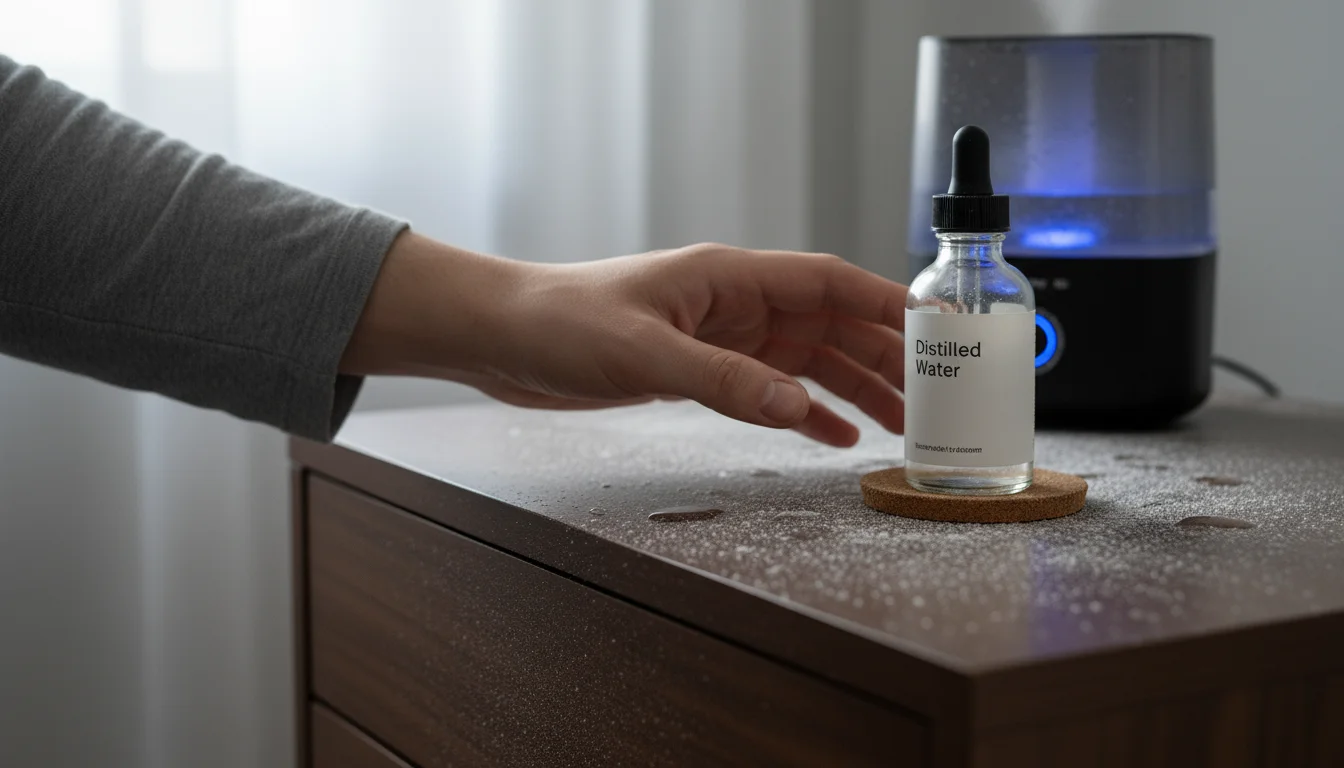
- Cause: This fine, white powder is mineral residue from tap water, primarily an issue with ultrasonic humidifiers. The high-frequency vibrations aerosolize these minerals, which then settle on surfaces.
- Solution: Switch to distilled or demineralized water. You can also look for demineralization cartridges designed for your specific humidifier model. Regular cleaning of the humidifier and surrounding surfaces also helps.
3. Moldy or Musty Smell
- Cause: A foul odor indicates bacterial or mold growth within the water tank or base. This happens when water sits for too long or the unit lacks proper cleaning.
- Solution: Perform a thorough cleaning and disinfection using the vinegar and bleach solution method described in the maintenance section. Rinse all parts meticulously. Never let water sit in the tank for more than a day without use. Empty and dry the tank when not in use.
4. Leaking Water
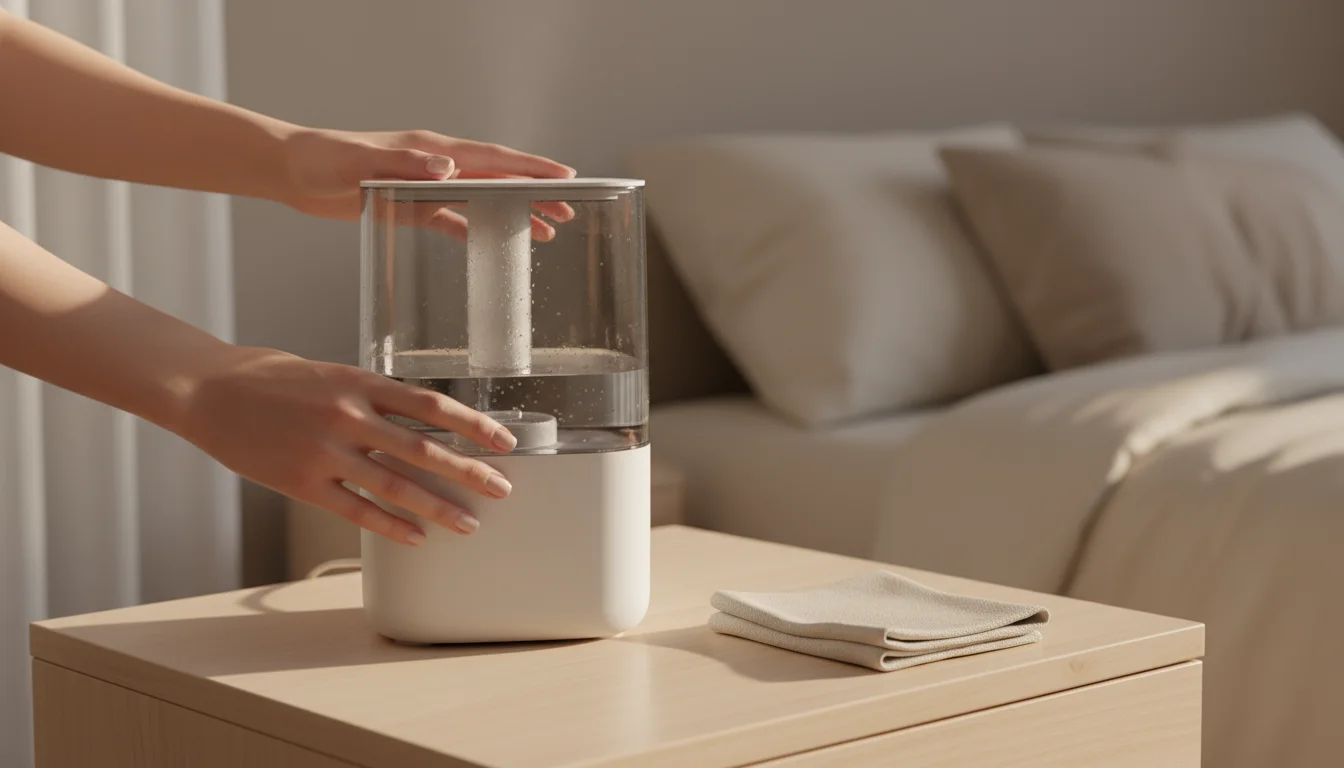
- Check Tank Sealing: Ensure the tank cap is tightly secured and positioned correctly on the base.
- Cracks or Damage: Inspect the water tank and base for any cracks or damage that could lead to leaks.
- Overfilling: Avoid overfilling the water tank beyond the “max fill” line.
- Improper Assembly: Make sure all components are correctly seated and assembled according to the manufacturer’s instructions.

5. Unit Turns On but No Mist Appears (Warm Mist Humidifiers)
- Heating Element: The heating element might be coated with mineral deposits, preventing it from boiling water. Descale the heating element thoroughly with vinegar.
- Water Sensor: Ensure the water sensor is clean and not obstructed by mineral buildup.
When you encounter a problem, always consult your humidifier’s user manual first. It often contains specific troubleshooting tips unique to your model. Addressing these issues promptly not only restores your humidifier’s function but also maintains a healthy indoor environment.

Frequently Asked Questions
What is the ideal indoor humidity level?
The ideal indoor humidity level ranges between 30% and 50%. Maintaining humidity within this range prevents issues associated with excessively dry air, such as skin irritation and respiratory problems, while also deterring mold and dust mite growth that thrives in overly humid conditions.
Can a humidifier help with allergies or asthma?
Yes, a humidifier can offer relief for some allergy and asthma sufferers. By moistening dry nasal passages and throats, it can ease symptoms like coughing and congestion. However, you must keep the humidifier meticulously clean, as dirty units can spread allergens like mold and bacteria, exacerbating respiratory issues. If you have severe allergies or asthma, consult your doctor regarding optimal humidity levels for your specific condition.
How often should I clean my humidifier?
You should clean your humidifier at least once a week, especially if you use it daily. If you notice mineral buildup or detect a musty odor, clean it more frequently. Always empty and dry the tank if you do not plan to use the humidifier for several days.
Is distilled water necessary for my humidifier?
Distilled water is not strictly necessary for all humidifiers, but it is highly recommended, especially for ultrasonic models. Tap water contains minerals that can cause “white dust” to settle on surfaces and lead to faster mineral buildup inside the unit. Using distilled water reduces cleaning frequency, prolongs the life of your humidifier, and prevents white dust, offering cleaner mist.
How long should I run my humidifier?
You can run your humidifier as needed to maintain your desired humidity level. Many modern humidifiers feature a built-in humidistat that automatically turns the unit on and off to maintain a set humidity percentage. If your unit lacks this feature, use a separate hygrometer to monitor the room’s humidity and adjust the humidifier’s operation manually, ensuring you do not over-humidify your space.
For expert home organization guidance, visit
The Container Store — Organization Tips, IKEA Home Organization, Martha Stewart — Home, Houzz — Home and The Spruce — Home Organization.
Disclaimer: This article is for informational purposes only and is not a substitute for professional advice. Consult professional organizers or specialists for personalized recommendations.








Leave a Reply