

Back pain significantly impacts your daily life, making even simple tasks feel challenging. When discomfort extends into your sleep, it affects your energy, mood, and overall well-being. A crucial, yet often overlooked, component of managing back pain is your mattress. The right mattress provides the support and alignment your spine needs, turning your nightly rest into a genuine opportunity for healing and rejuvenation. Conversely, an unsupportive or aged mattress can worsen your pain, trapping you in a cycle of restless nights and aching mornings.
Finding the best mattress for back pain relief means understanding the complex relationship between spinal health and sleep comfort. This guide helps you navigate the options, focusing on practical advice and actionable insights to select a mattress that truly supports you. We look at key features, mattress types, and buying strategies to ensure you make an informed decision, leading to better sleep and a more comfortable life.

Understanding Back Pain and Sleep Quality
Back pain is a pervasive issue, affecting millions of people globally. It ranges from a dull, constant ache to sudden, sharp discomfort that limits movement. Whether your pain originates from injury, poor posture, or chronic conditions, its impact on your sleep quality is undeniable. When you experience back pain, your body struggles to find a comfortable position, leading to tossing and turning, interrupted sleep cycles, and overall poor rest. This lack of restorative sleep can, in turn, exacerbate your pain, creating a vicious cycle that depletes your energy and diminishes your quality of life.
Quality sleep is crucial for your body’s repair processes. During deep sleep stages, your muscles relax, your spine decompresses, and tissues heal. If your mattress fails to support your natural spinal alignment, your muscles remain tense as they try to compensate, even while you sleep. This prevents true relaxation and recovery, leaving you feeling stiff and sore in the morning. Addressing your back pain often requires a multi-faceted approach, and upgrading your sleep foundation, specifically your mattress, represents a significant step toward achieving better sleep comfort and reducing daily discomfort.

How Your Mattress Impacts Back Pain: The Science of Support
Your mattress plays a pivotal role in spinal alignment, pressure distribution, and overall sleep comfort. Think of your spine as a delicate chain of bones and discs, designed with natural curves. A healthy mattress maintains these curves, allowing your spine to rest in a neutral position. When your mattress is too soft, your hips may sink too deeply, causing your spine to curve unnaturally. Conversely, a mattress that is too firm, without adequate contouring, can create pressure points at your shoulders and hips, pushing your spine out of alignment. Both scenarios lead to muscle strain and increased back pain.
The science of support boils down to two main components: contouring and firmness. Contouring refers to how well the mattress molds to your body’s unique shape, especially the natural curves of your spine. This ensures even weight distribution and prevents pressure points. Firmness refers to the overall feel and resistance of the mattress. For back pain relief, many experts recommend a medium-firm mattress. According to Consumer Reports, research indicates that a medium-firm mattress provides the optimal balance of support and pressure relief for individuals with back pain. It supports your lower back without allowing excessive sinking, maintaining natural alignment and reducing morning stiffness.
An old or worn-out mattress loses its ability to provide this crucial support. Over time, materials break down, springs sag, and foams develop permanent indentations. These issues create uneven sleeping surfaces that actively work against your body’s need for proper alignment. Replacing an aged mattress is not a luxury, but a necessity for anyone serious about alleviating back pain and improving their overall sleep health.

Essential Mattress Features for Effective Back Pain Relief
When you seek a mattress for back pain, specific features differentiate effective support from discomfort. Understanding these elements empowers you to make a choice that truly serves your body.

1. Optimal Firmness Level
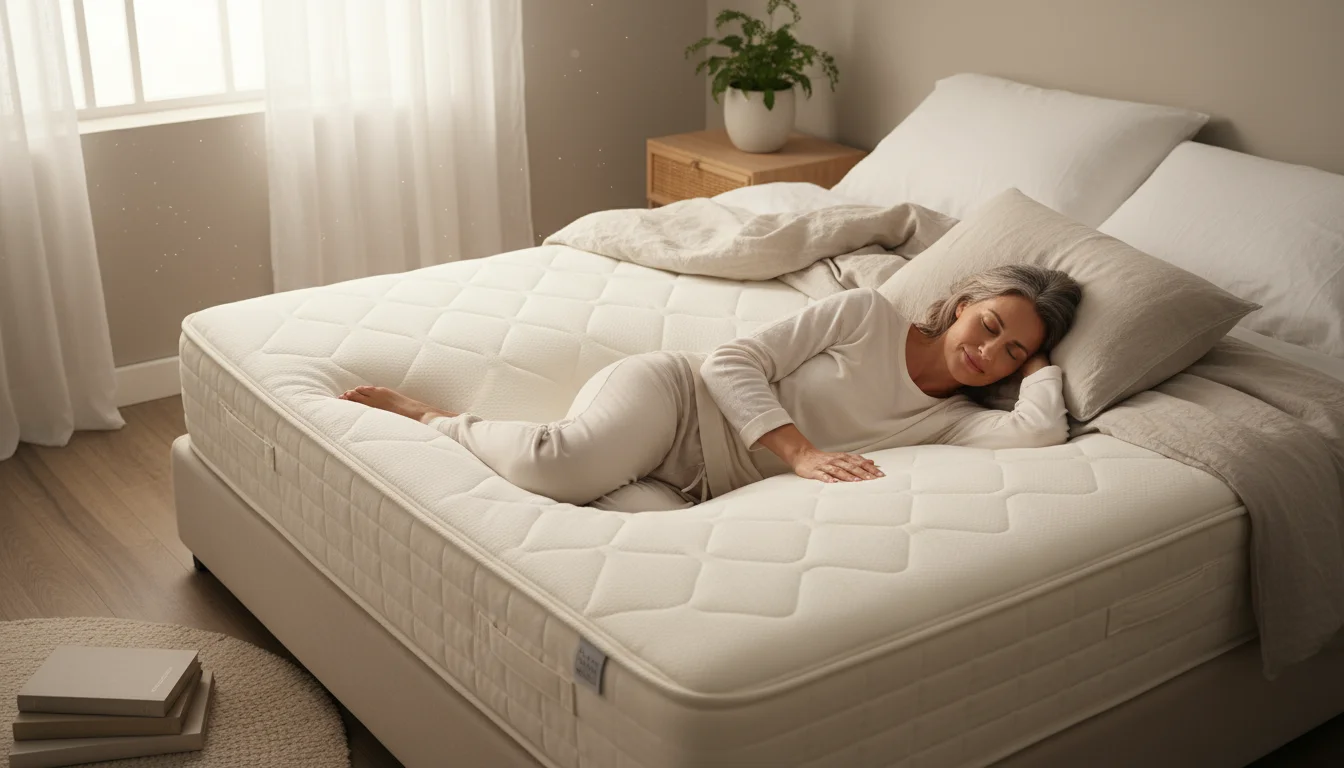
The term “firmness” often causes confusion. It does not equate to “hard.” Instead, it refers to the resistance a mattress offers to your body weight. For most back pain sufferers, a medium-firm mattress is ideal. It provides enough support to keep your spine aligned without being so rigid that it creates uncomfortable pressure points. People often assume a very firm mattress is best for back pain, but this can prevent the mattress from conforming to your body’s natural curves, leading to gaps beneath your lumbar region. A medium-firm option cradles your body while keeping your spine in a neutral position.
2. Pressure Relief
Effective pressure relief is paramount. A good mattress distributes your body weight evenly, reducing pressure on sensitive areas like your hips, shoulders, and lower back. Materials like memory foam or latex excel at this, molding to your body and dissipating pressure. Without adequate pressure relief, these sensitive points absorb too much force, leading to pain and discomfort.

3. Spinal Alignment
The primary goal of any back pain relief mattress is to maintain healthy spinal alignment. This means your ears, shoulders, and hips should align relatively straight when you lie on your side, and your spine should maintain its natural ‘S’ curve when you lie on your back. Zoned support systems, which offer varying firmness levels across different sections of the mattress, specifically target this. They provide firmer support for your hips and softer conformity for your shoulders, ensuring your entire spine stays in its optimal position.
4. Material Composition
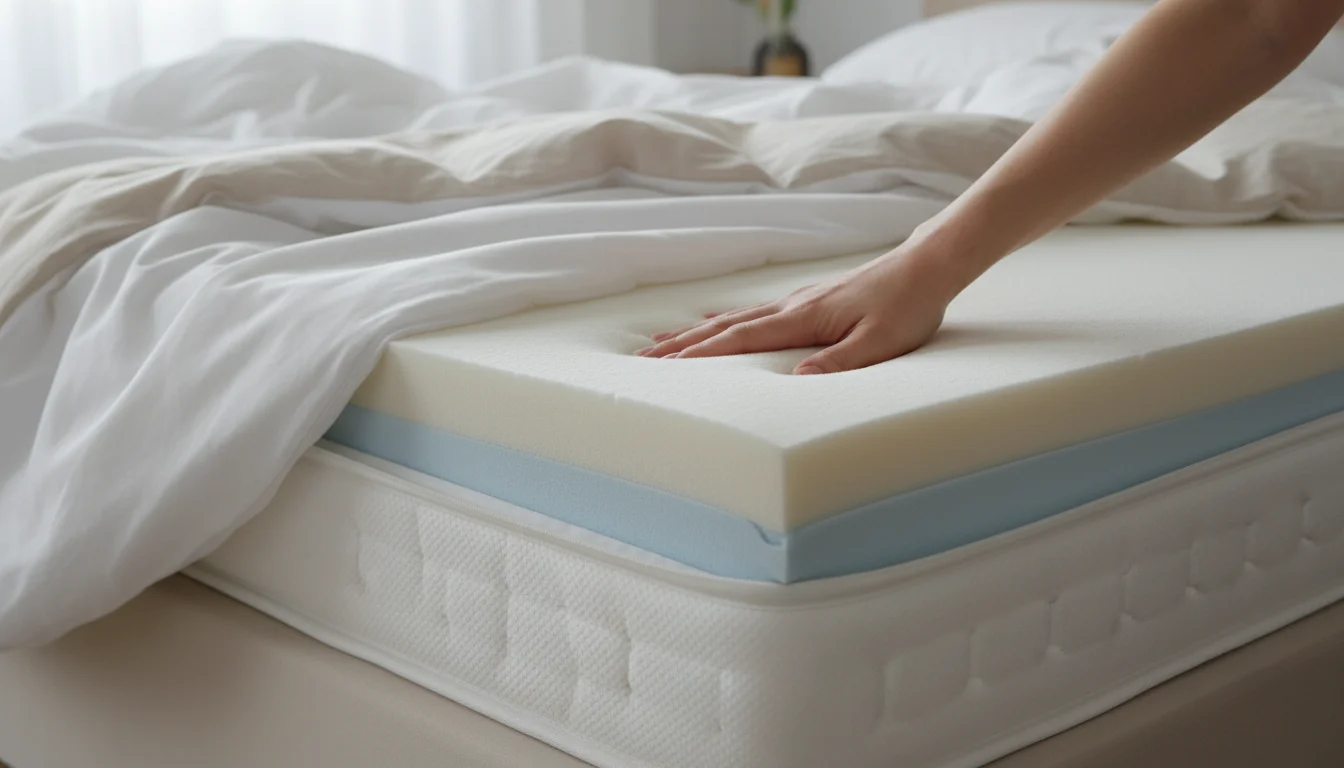
- Memory Foam: Known for its excellent contouring and pressure relief. It adapts to your body heat and shape, cradling you. This can be particularly beneficial for side sleepers and those with localized pain. However, some memory foam can retain heat.
- Latex: Offers responsive contouring with a bouncier feel than memory foam. It is durable, naturally hypoallergenic, and provides consistent support without the deep sink. Latex comes in natural and synthetic forms, both offering robust support.
- Innerspring: Traditional mattresses with coil support systems. Modern innerspring mattresses often feature individually wrapped coils (pocketed coils) that move independently, offering better contouring and reduced motion transfer than older models. Look for those with comfort layers of foam or latex on top.
- Hybrid: A combination of innerspring coils and comfort layers of foam or latex. Hybrids aim to provide the best of both worlds: the robust support and breathability of coils with the pressure relief and contouring of foam. Many people with back pain find hybrids offer a balanced solution.

5. Edge Support
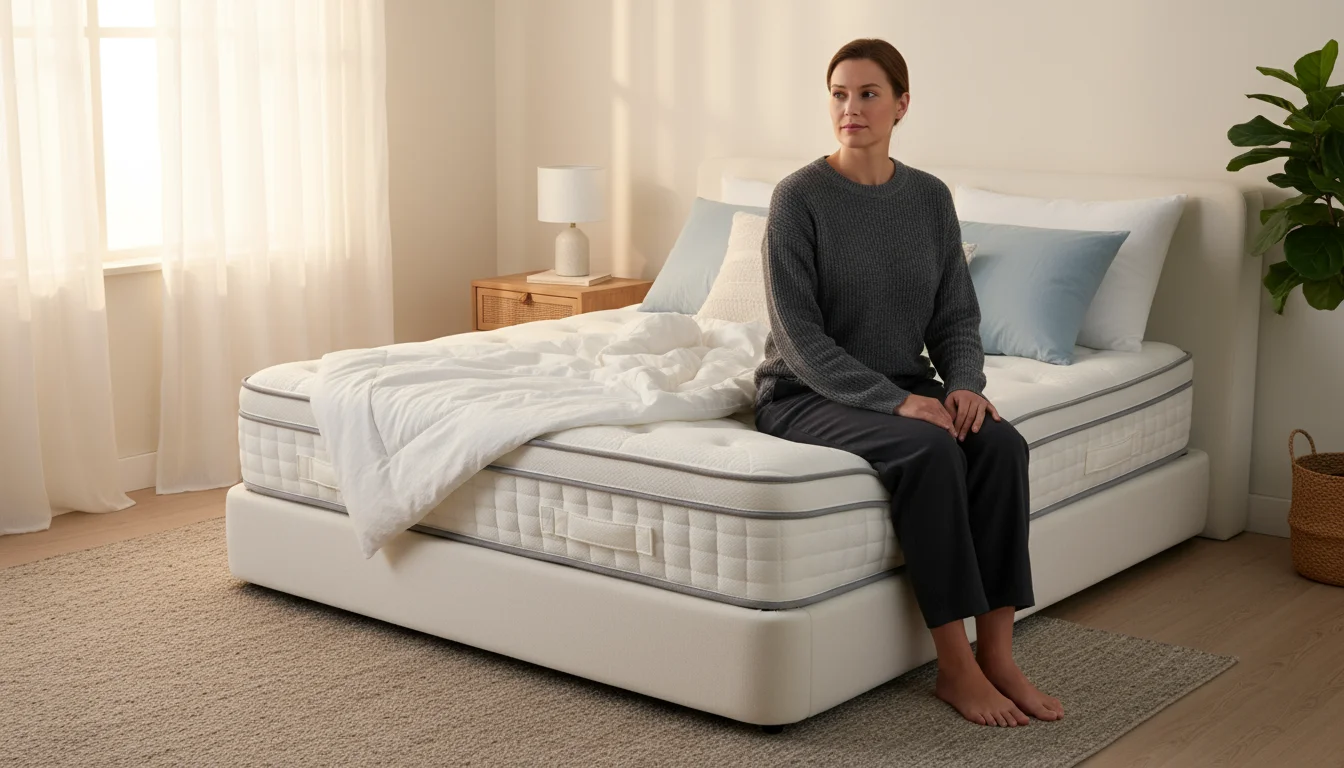
Strong edge support prevents sagging at the sides of the mattress, giving you a larger usable sleeping surface. It also makes it easier to get in and out of bed and provides a secure place to sit. This feature contributes to the overall stability and longevity of your mattress.

6. Temperature Regulation
Overheating can disrupt sleep, even on an otherwise comfortable mattress. Look for mattresses with cooling technologies, such as gel-infused foams, open-cell memory foam, breathable covers, or hybrid designs with airflow-promoting coils. Maintaining a comfortable sleep temperature supports deeper, more restorative sleep.

Selecting the Right Mattress Type: A Practical Guide
Choosing a mattress type significantly influences your sleep comfort and back pain relief. Each type offers distinct benefits and drawbacks. Understanding these differences helps you match a mattress to your specific needs, budget, and sleeping preferences.
Memory Foam Mattresses
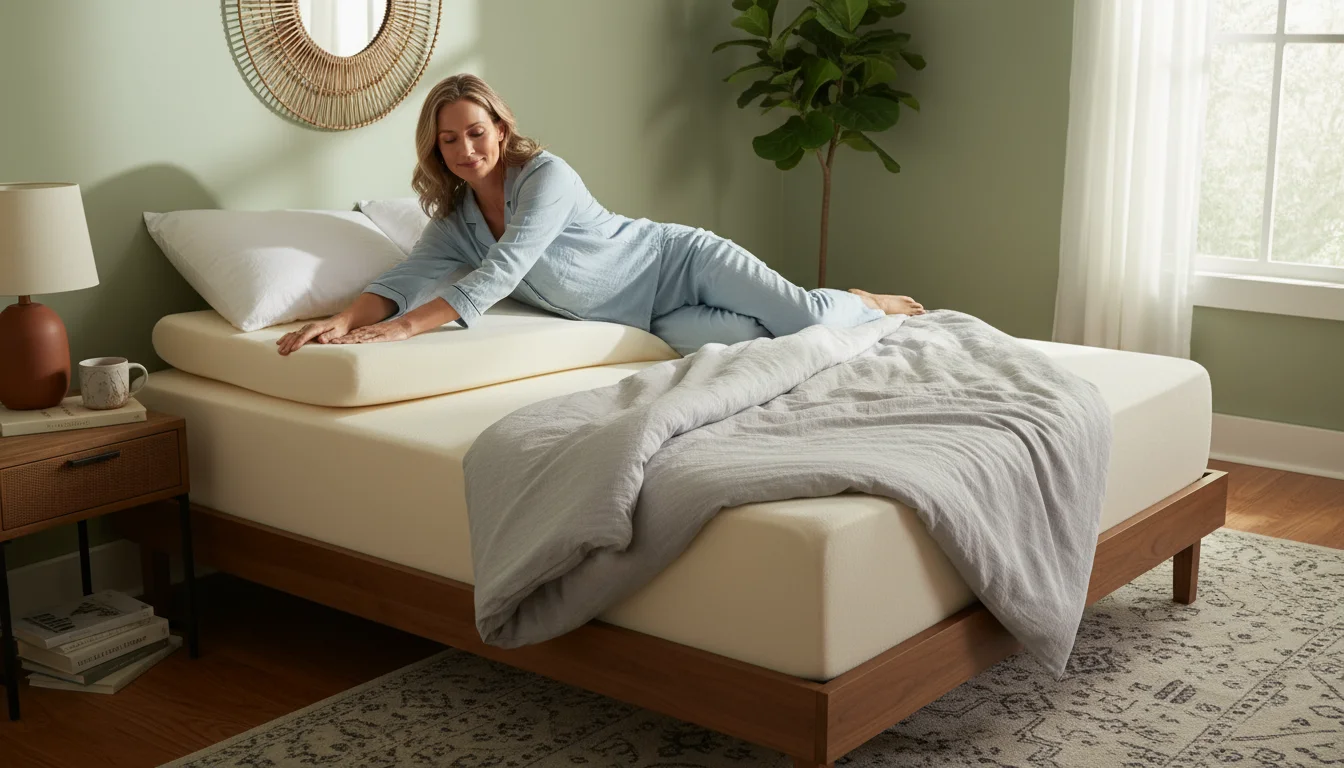
How they work: Memory foam, or viscoelastic foam, softens in response to body heat and pressure, molding precisely to your shape. This creates a deeply cradling sensation, distributing weight evenly and relieving pressure points.
Pros for back pain:
- Exceptional pressure relief, ideal for side sleepers and those with arthritis or fibromyalgia.
- Superior motion isolation, meaning you won’t feel your partner’s movements.
- Excellent contouring that supports the natural curves of your spine.
Considerations:
- Can sometimes retain heat, though newer models incorporate cooling technologies like gel infusions or open-cell designs.
- Some people dislike the “sinking in” feeling, which can make changing positions harder.
Ideal for: Side sleepers, individuals needing significant pressure relief, and those who share a bed.

Latex Mattresses
How they work: Latex foam, derived from rubber trees (natural latex) or synthetically produced, offers a buoyant, responsive feel. It contours to your body but springs back quickly, preventing the “stuck” feeling associated with some memory foams.
Pros for back pain:
- Excellent support and pressure relief, promoting proper spinal alignment.
- More responsive and “bouncy” than memory foam, making movement easier.
- Naturally hypoallergenic, resistant to dust mites and mold.
- Very durable, often lasting longer than other mattress types.
Considerations:
- Can be more expensive, especially natural latex.
- Heavier than other mattress types, making them harder to move.
Ideal for: People seeking eco-friendly options, those needing responsive support, and individuals who tend to sleep hot.
Innerspring Mattresses
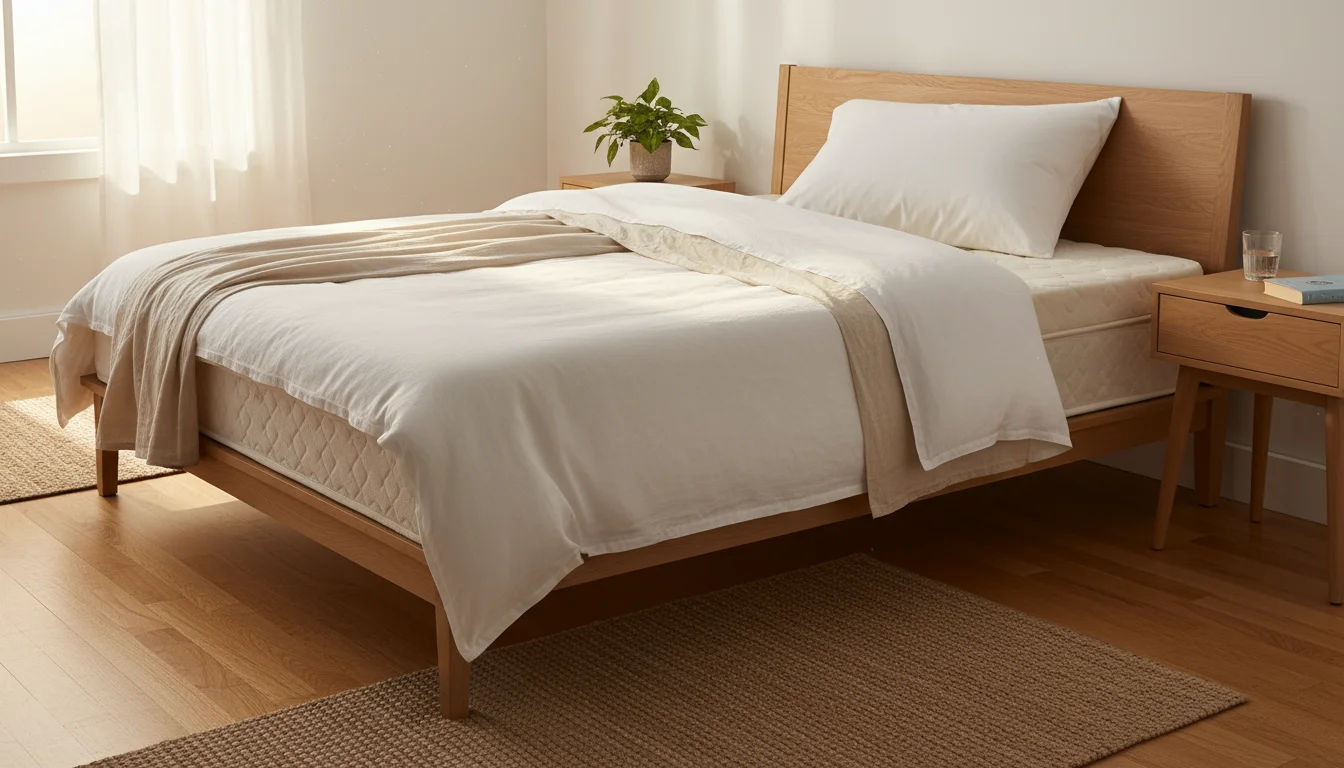
How they work: These traditional mattresses use a coil support system. Modern innerspring models often feature individually wrapped coils (pocketed coils), which offer targeted support and reduce motion transfer. Comfort layers of foam, fiber, or micro-coils sit atop the spring unit.
Pros for back pain:
- Good airflow due to the open coil structure, promoting cooler sleep.
- Offers a classic bouncy feel that some sleepers prefer.
- Generally more affordable than other types.
Considerations:
- Can sag over time, particularly older or lower-quality models.
- May not provide the same level of contouring or pressure relief as foam or latex mattresses.
- Motion transfer can be an issue with traditional connected coil systems.
Ideal for: Budget-conscious buyers, stomach sleepers who need a firmer surface, and those who prefer a traditional bouncy feel.

Hybrid Mattresses
How they work: Hybrid mattresses combine the best elements of innerspring and foam/latex mattresses. They typically feature a base layer of individually wrapped coils for support and breathability, topped with substantial comfort layers of memory foam, latex, or other specialized foams for pressure relief and contouring.
Pros for back pain:
- Combines the strong support and responsiveness of coils with the pressure relief of foam.
- Excellent breathability due to the coil layer, helping regulate temperature.
- Good edge support and reduced motion transfer due to pocketed coils.
- A balanced feel that appeals to a wide range of sleepers.
Considerations:
- Often among the most expensive mattress options.
- Can be very heavy and difficult to move.
Ideal for: Individuals who want the benefits of both foam contouring and coil support, those who sleep hot, and couples with different sleep preferences.
Choosing the right type involves considering your sleeping position, body weight, specific pain areas, and budget. For example, side sleepers often benefit from more pressure relief, while back and stomach sleepers need more even support to prevent their hips from sinking too far.
Our Top Mattress Recommendations for Various Needs and Budgets
Instead of specific brand names, which change frequently, we recommend focusing on the characteristics that define excellent mattresses for back pain relief within different categories and budget considerations. This approach helps you identify quality regardless of current market trends.

For Premium Support and Durability: High-End Latex or Hybrid Mattresses
If your budget allows for a significant investment, look for mattresses featuring high-quality natural latex or advanced hybrid constructions. Natural latex offers unparalleled durability, a buoyant yet conforming feel, and excellent spinal support. Hybrids in this category combine robust pocketed coil systems with thick, high-density foam or latex comfort layers. These often include zoned support systems, providing targeted relief for your lumbar region. Expect superior pressure relief, exceptional motion isolation, and advanced cooling features. Brands in this segment often offer extensive trial periods and warranties, reflecting their confidence in the product’s longevity and performance. As Good Housekeeping advises, a good mattress is an investment in your health, so consider the long-term benefits.

For Balanced Comfort and Value: Mid-Range Hybrid or High-Density Memory Foam
This category offers an excellent balance of features and affordability. Look for hybrid mattresses that use quality pocketed coils and at least 2-3 inches of high-density memory foam or responsive polyfoam in the comfort layers. These provide a good blend of support and pressure relief, suitable for most sleeping positions. Alternatively, consider high-density memory foam mattresses with specific cooling technologies, such as gel infusions or copper particles. Ensure the mattress has adequate edge support and a medium-firm feel to maintain proper spinal alignment. Many direct-to-consumer brands excel in this price point, offering competitive features and convenient delivery.
For Budget-Conscious Buyers: Quality Innerspring or Entry-Level Foam Mattresses
Even with a limited budget, you can find a supportive mattress. Focus on innerspring mattresses that feature a higher coil count or individually wrapped coils for better support and reduced motion transfer. Pair these with a quality mattress topper made from memory foam or latex if you need extra pressure relief. For foam options, look for high-density polyfoam mattresses. While they may not offer the same level of contouring as premium memory foam, their consistent firmness can still provide excellent support for back pain. Prioritize a medium-firm feel and ensure the mattress comes with a decent warranty, indicating a reasonable expectation of durability. Always check user reviews for feedback on long-term support and potential sagging.
Key Takeaway: Regardless of your budget, prioritize a mattress with a medium-firm feel, good spinal alignment properties, and adequate pressure relief. Read reviews, particularly from individuals with similar body types and back pain issues, to gauge real-world performance.

The Mattress Buying Process: Smart Strategies and Trial Periods
Purchasing a mattress is a significant decision for your health and comfort. Approach it strategically to ensure you select the best mattress for your back pain. Do not rush the process; allow yourself time for research and testing.

1. Research Thoroughly
Before you step into a store or click “add to cart,” research mattress types, materials, and features. Understand your specific needs: Are you a side sleeper with lower back pain, or a back sleeper with upper back stiffness? Knowing your pain points helps narrow down your choices. Read independent reviews from trusted sources and prioritize user experiences related to back pain.

2. Test Mattresses in Person (If Possible)
If you have the opportunity, visit a mattress showroom. Lie on different mattresses in your typical sleeping positions for at least 10-15 minutes each. Pay attention to how your spine feels. Does it remain straight on your side? Does your lower back feel supported on your back? Do not be shy about trying out various models. Wear comfortable clothes and bring your partner if you share a bed, so you can both assess motion transfer and individual comfort. This hands-on experience is invaluable for assessing sleep comfort.
3. Understand Trial Periods and Warranties
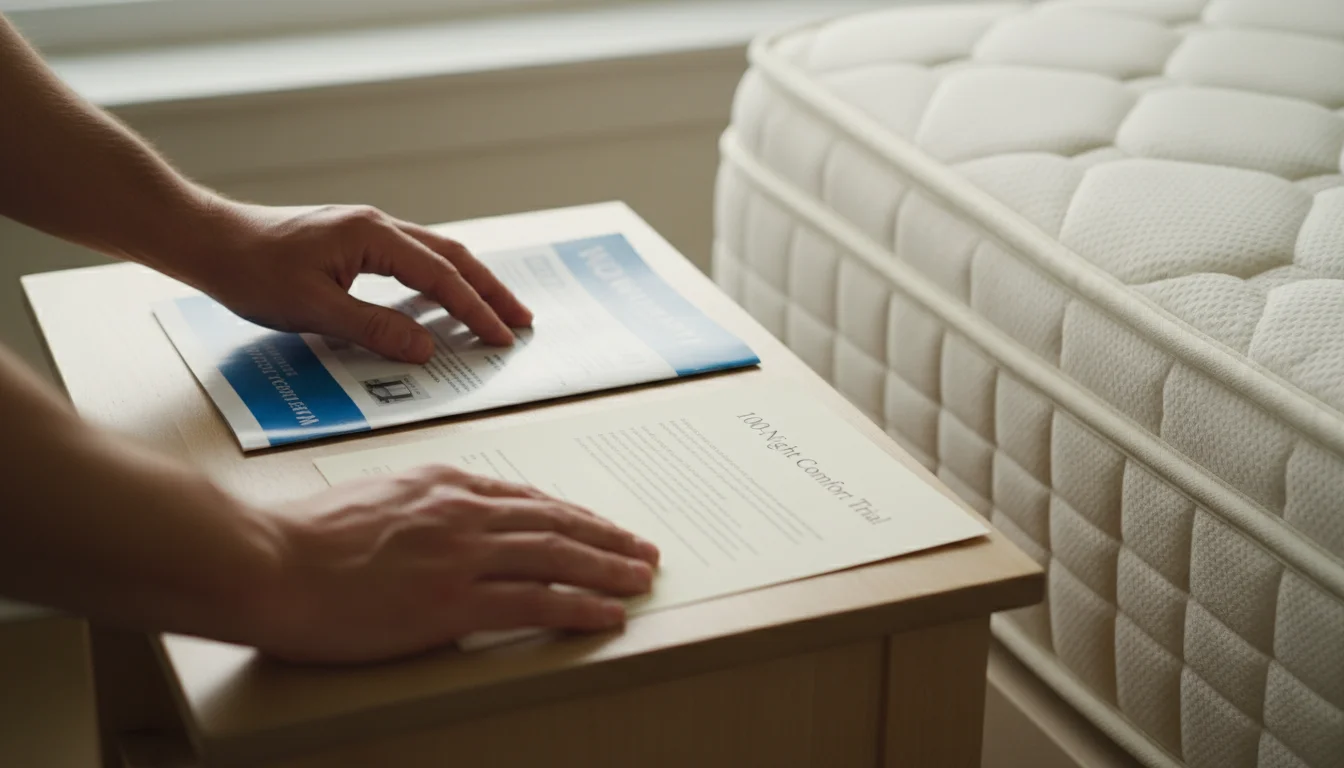
Many mattress companies, especially online retailers, offer generous home trial periods, often ranging from 90 to 365 nights. This allows you to test the mattress in your home environment, which is far more indicative of long-term comfort than a brief store visit. Confirm the return policy, including any fees or pickup arrangements. A robust warranty, typically 10 years or more, covers manufacturing defects and significant sagging. Understand what the warranty covers and what voids it.

4. Consider Your Bed Base
The foundation beneath your mattress is just as important as the mattress itself. A supportive bed base, whether a box spring, slatted foundation, or adjustable base, ensures your mattress performs optimally. If your current base is old or damaged, it could compromise the support of a new mattress. Ensure your new mattress is compatible with your existing frame or plan to upgrade your base as well.

5. Set a Realistic Budget
Mattresses range widely in price. Determine what you can comfortably afford, but remember that a quality mattress is an investment in your health. There are excellent options at every price point, but be wary of deals that seem too good to be true. Balance cost with the long-term benefits of improved sleep and reduced back pain.

Optimizing Your Sleep Environment Beyond the Mattress
While your mattress forms the foundation of good sleep, other elements of your sleep environment significantly contribute to overall sleep comfort and back pain relief. Addressing these factors creates a holistic approach to restorative rest.
1. Choose the Right Pillow
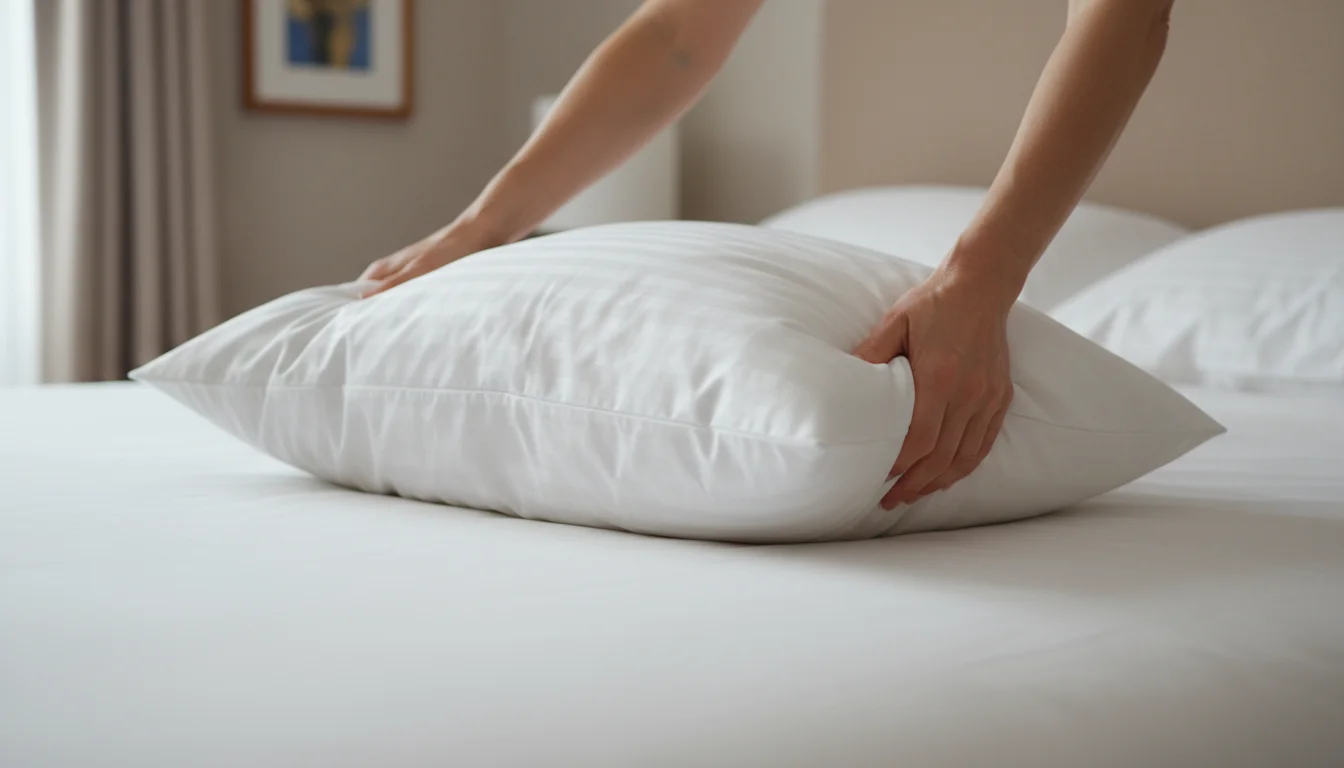
Your pillow supports your head and neck, complementing your mattress’s support for your spine. The ideal pillow maintains the natural alignment of your neck with the rest of your spine.
- Side sleepers: Need a thicker, firmer pillow to fill the gap between their head and shoulder.
- Back sleepers: Benefit from a medium-loft pillow that supports the neck’s natural curve without pushing the head too far forward.
- Stomach sleepers: Often need a very thin pillow or no pillow at all to avoid straining the neck.
Consider pillows made from memory foam, latex, or buckwheat for durable and adjustable support.

2. Adopt an Optimal Sleeping Position
Your sleeping position directly impacts your spinal alignment.
- Side sleepers: Place a pillow between your knees to keep your hips, pelvis, and spine aligned.
- Back sleepers: Slide a small pillow under your knees to maintain the natural curve of your lower back.
- Avoid stomach sleeping: This position often forces you to twist your neck, straining your spine. If you must sleep on your stomach, use a very thin pillow under your head and potentially a small pillow under your pelvis to flatten your spine.

3. Ensure a Supportive Bed Base
As mentioned, your bed base must provide adequate and even support for your mattress. For foam and hybrid mattresses, a solid platform or a slatted base with slats no more than 3 inches apart typically works best. Traditional innerspring mattresses often pair well with matching box springs. A sagging or unsupportive base undermines even the best mattress.

4. Control Room Temperature and Light
A cool, dark, and quiet bedroom promotes better sleep. Most sleep experts recommend a room temperature between 60-67 degrees Fahrenheit (15-19 degrees Celsius). Block out light with blackout curtains and minimize noise with earplugs or a white noise machine. A serene environment helps your body relax and transition into deep sleep, aiding muscle recovery and pain management.

5. Establish a Relaxing Bedtime Routine
Routines signal to your body that it’s time to wind down. This might include a warm bath, reading a book, gentle stretching, or meditation. Avoid screens (phones, tablets, TVs) at least an hour before bed, as the blue light can interfere with melatonin production. Consistency in your sleep schedule, even on weekends, further enhances sleep quality.
Maintaining Your Mattress for Lasting Support and Hygiene
A high-quality mattress is an investment in your health, and proper maintenance extends its lifespan and continues to provide the back pain relief you rely on. Simple habits make a big difference.

1. Rotate or Flip Your Mattress Regularly
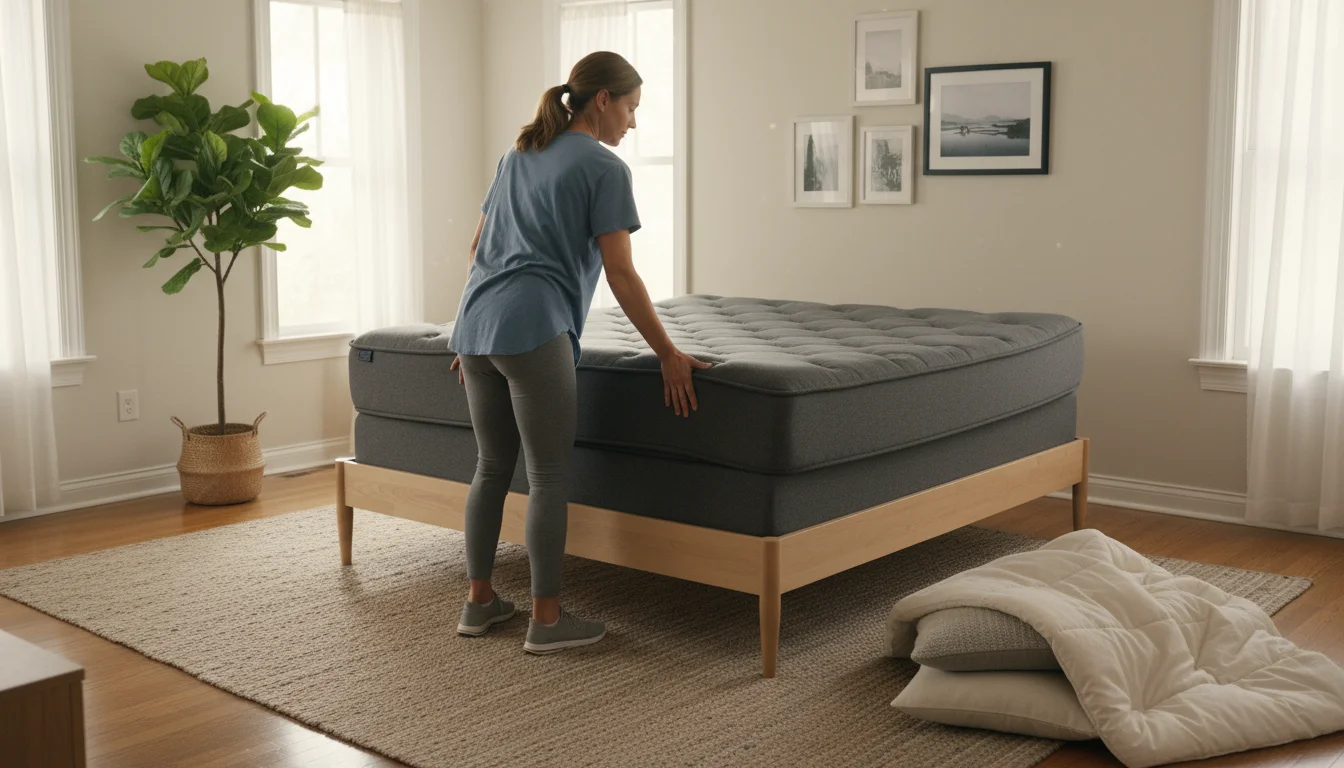
Most modern mattresses, especially foam and hybrid types, are designed to be rotated, not flipped. Rotation involves turning the mattress 180 degrees so the head becomes the foot. This helps distribute wear evenly and prevents permanent body impressions. Follow your mattress manufacturer’s recommendations, but a general guideline is to rotate it every 3-6 months. Some older innerspring mattresses may require flipping, so check your specific model’s instructions.

2. Use a Quality Mattress Protector
A waterproof and breathable mattress protector shields your mattress from spills, stains, dust mites, and allergens. This is crucial for hygiene and extends the life of your mattress by preventing moisture and contaminants from reaching the core materials. Choose a protector that fits snugly and does not alter the feel of your mattress.

3. Keep Your Mattress Clean
Even with a protector, periodic cleaning maintains freshness. Vacuum your mattress every few months using an upholstery attachment to remove dust and dead skin cells. For minor spills, spot clean immediately with a mild detergent and a damp cloth, then allow it to air dry completely. Avoid saturating the mattress, as excess moisture can lead to mold and mildew. For deeper cleaning or odor removal, baking soda can be sprinkled on the surface, left for several hours, then vacuumed away.

4. Ensure Adequate Support from Your Bed Base
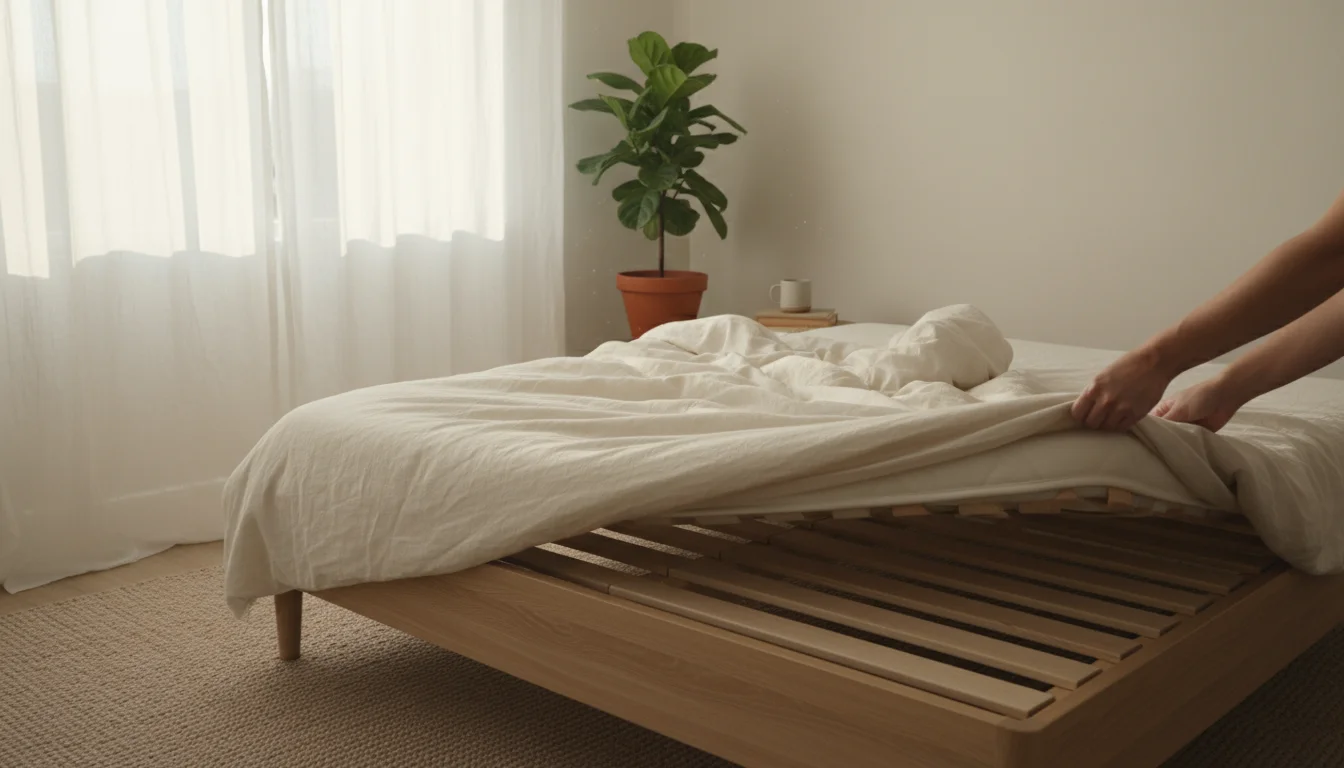
Regularly inspect your bed frame and foundation. Ensure slats are intact and evenly spaced, and that any center support legs are securely in place. A sagging or broken bed base compromises the integrity of your mattress, leading to premature wear and reduced support for your back. This can quickly negate the benefits of even the best mattress for back pain.
5. Allow for Airflow
Once a month, strip your bed linens and allow your mattress to air out for a few hours. This helps dissipate any trapped moisture and keeps the mattress fresh. If possible, periodically expose it to natural light, which can also help with freshness and combat dust mites. As noted by experts at EPA, maintaining good indoor air quality, including managing humidity, is important for overall health and preventing mold growth.

Frequently Asked Questions
What is the ideal firmness for a mattress to relieve back pain?
A medium-firm mattress generally offers the best balance of support and pressure relief for back pain. It cradles your body’s natural curves while keeping your spine properly aligned, preventing excessive sinking or uncomfortable pressure points. Avoid mattresses that are too soft, which can lead to misalignment, or too hard, which may create pressure on your hips and shoulders.
How often should I replace my mattress if I have back pain?
Most mattresses have a lifespan of 7-10 years. However, if you experience persistent back pain, you might need to replace your mattress sooner, especially if it shows signs of sagging, indentations, or diminished support. Pay attention to how you feel in the morning; if you wake up with increased stiffness or pain, it is often a clear indicator that your mattress is no longer providing adequate support.
Can an adjustable bed help with back pain?
Yes, an adjustable bed base can be highly beneficial for back pain sufferers. By allowing you to elevate your head and/or feet, it can relieve pressure on your lower back, improve circulation, and help you find an optimal sleeping position. Many people find the “zero-gravity” position, which slightly elevates both the head and feet, particularly effective for back pain relief.
Are memory foam mattresses good for all types of back pain?
Memory foam mattresses excel at pressure relief and contouring, making them excellent for many types of back pain, especially for side sleepers and those with conditions like arthritis. However, some individuals find the deep sink uncomfortable or experience heat retention. A medium-firm hybrid or latex mattress might be a better alternative if you prefer a more responsive feel or struggle with heat.
What should I do if my new mattress feels too firm or too soft?
Most new mattresses have a break-in period, so give it at least 30 days before making a judgment. If it still feels too firm, a mattress topper (memory foam or latex) can add a layer of softness and pressure relief. If it feels too soft, unfortunately, it is harder to add firmness. In this case, utilize your mattress’s trial period and consider exchanging it for a firmer model. Ensure your bed base provides adequate support, as a sagging base can make even a firm mattress feel too soft.
For expert home organization guidance, visit
Consumer Reports Home & Garden,
This Old House,
Family Handyman,
Bob Vila and
HGTV Home.
Disclaimer: This article is for informational purposes only and is not a substitute for professional advice. Consult professional organizers or specialists for personalized recommendations.









Leave a Reply