
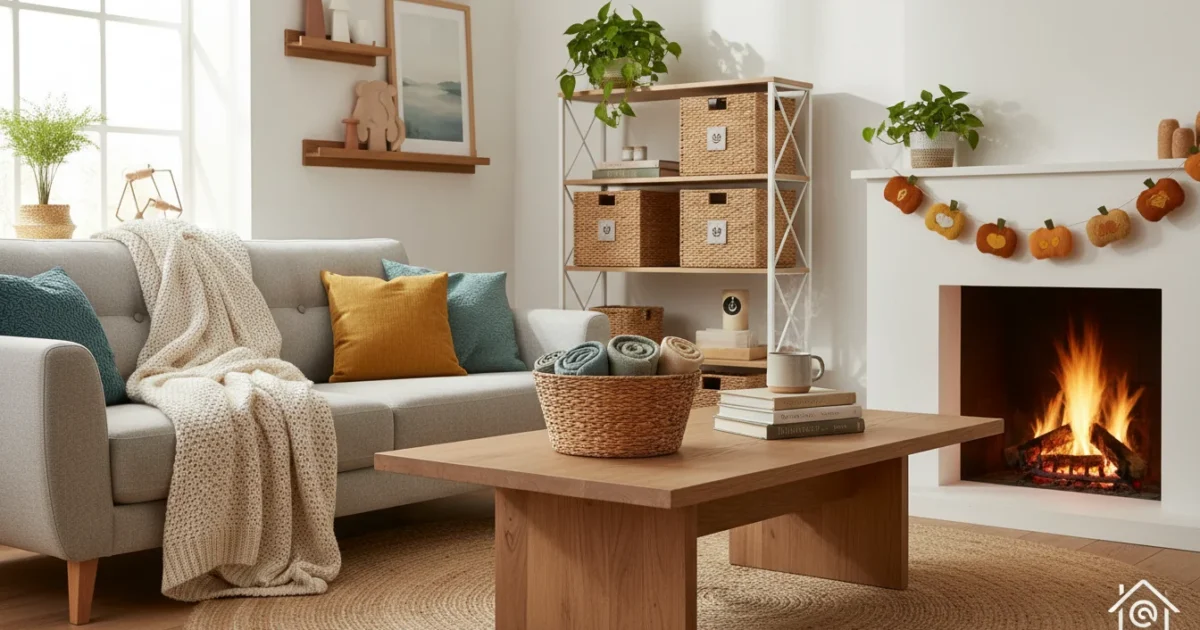
Do you ever feel like your home lacks warmth and vibrancy? Often, the culprit is insufficient natural light, leaving rooms feeling dim, dull, and less inviting. Natural light transforms spaces, boosts mood, and even impacts energy efficiency. As a practical home organization coach, I know you seek solutions that work for your busy life and budget.
This comprehensive guide helps you understand how light behaves in your home. You will discover actionable strategies to maximize every ray of sunshine, brightening dark rooms and creating more comfortable, lively living areas. We focus on realistic methods, from simple decluttering to smart decorating choices, ensuring you achieve a brighter home without major renovations.
Why Natural Light Matters for Your Home and Well-being
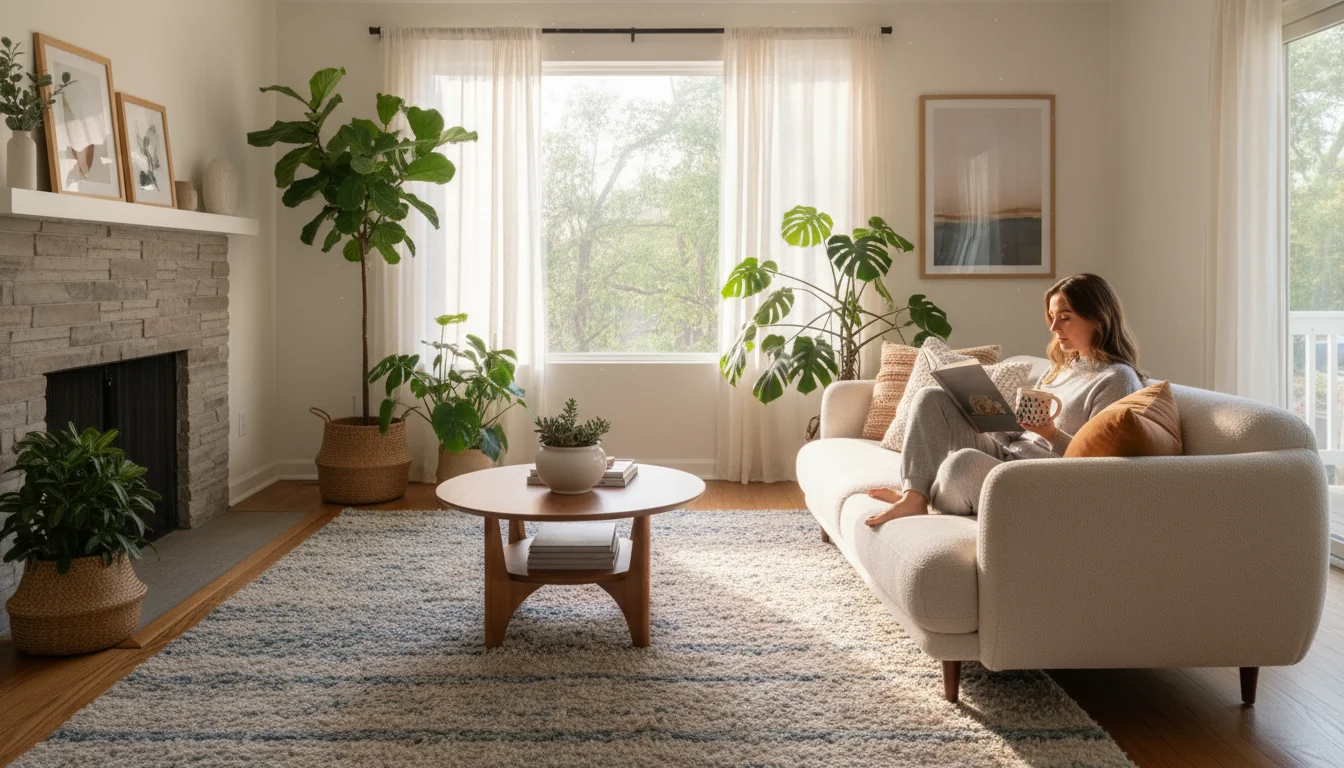
Natural light offers benefits far beyond aesthetics. It plays a crucial role in our physical and mental well-being, influencing mood, productivity, and sleep patterns. Studies suggest exposure to natural light improves overall health. For your home, it makes spaces feel larger, cleaner, and more welcoming. It also helps reduce your reliance on artificial lighting during the day, potentially lowering energy bills.
Think about a room flooded with sunlight. It instantly feels more inviting and vibrant. Conversely, a dark, gloomy room can feel cramped and draining. Prioritizing natural light means investing in your comfort and happiness at home.
Understanding How Light Works: Basics for Brightening Dark Rooms
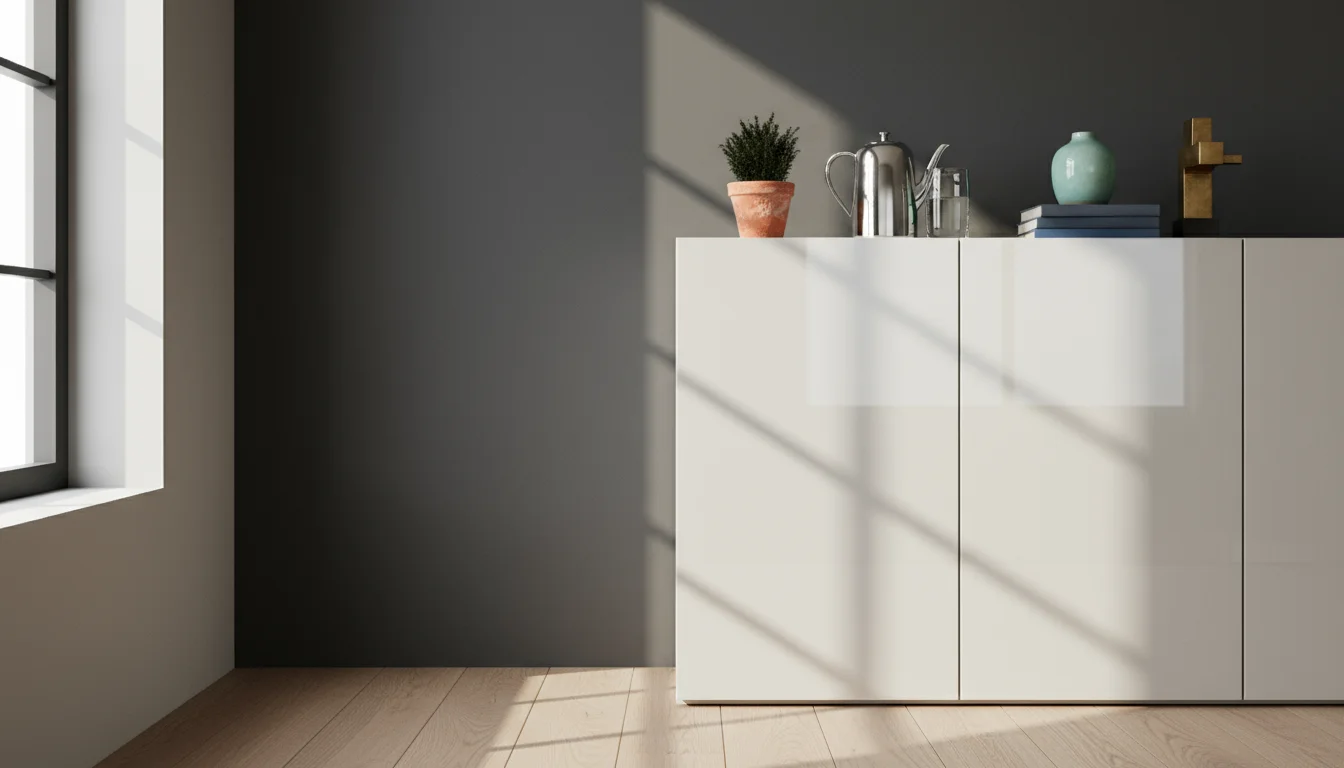
To improve natural light, you first need to understand how light behaves. Light travels in straight lines. When it hits a surface, it either reflects, absorbs, or transmits. Dark colors absorb light, making a room feel darker. Light colors reflect light, bouncing it around the space and making it feel brighter. Glossy finishes reflect more light than matte finishes.
Consider the direction your windows face. North-facing rooms receive consistent, indirect light, often feeling cooler. South-facing rooms get abundant direct sunlight throughout the day. East-facing rooms enjoy morning sun, while west-facing rooms receive strong afternoon light. Understanding these dynamics helps you choose the most effective strategies for each room in your home.
Strategic Decluttering and Furniture Placement to Maximize Light
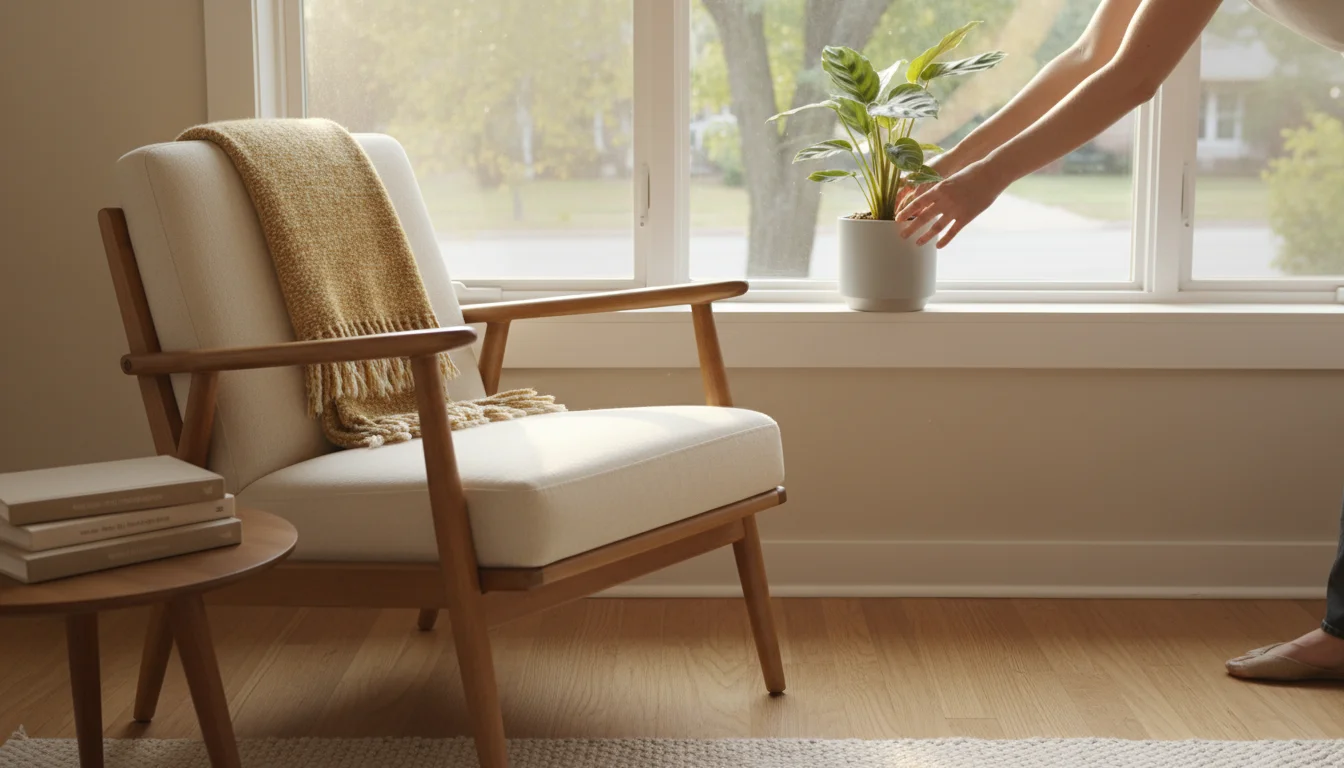
One of the easiest and most budget-friendly ways to improve room lighting is to assess your current setup. Clutter and bulky furniture act as roadblocks for natural light, absorbing brightness and casting shadows. Removing these obstacles immediately makes a noticeable difference.
Clearing bulky items from your living areas also makes it easier to maximize closet space so that extra storage doesn’t interfere with your home’s light flow.
- Declutter Surfaces: Clear windowsills, shelves, and tabletops. Each item on display can block light or create shadows, diminishing overall brightness. A clean, open surface allows light to travel freely.
- Evaluate Furniture Placement: Avoid placing tall or bulky furniture directly in front of windows or in pathways where light needs to flow. Reposition sofas, bookshelves, and armoires to walls that do not obstruct window views. Consider furniture with lower profiles, which allows light to pass over them.
- Open Up Pathways: Ensure clear lines of sight from windows to the interior of the room. This helps distribute light more effectively. According to experts at The Spruce — Home Organization, strategically placing furniture and removing clutter are fundamental steps in creating a functional and visually appealing home environment, directly impacting light distribution.
- Define Zones Clearly: Think about your “zones,” or designated areas for specific activities. Ensure these zones are distinct and not overlapping with light sources. For example, a reading nook by the window should have light-colored, minimal furniture.
By simply rethinking your space, you significantly enhance how natural light permeates your home, brightening dark rooms without needing to buy anything new.
Choose Light-Reflecting Colors and Finishes
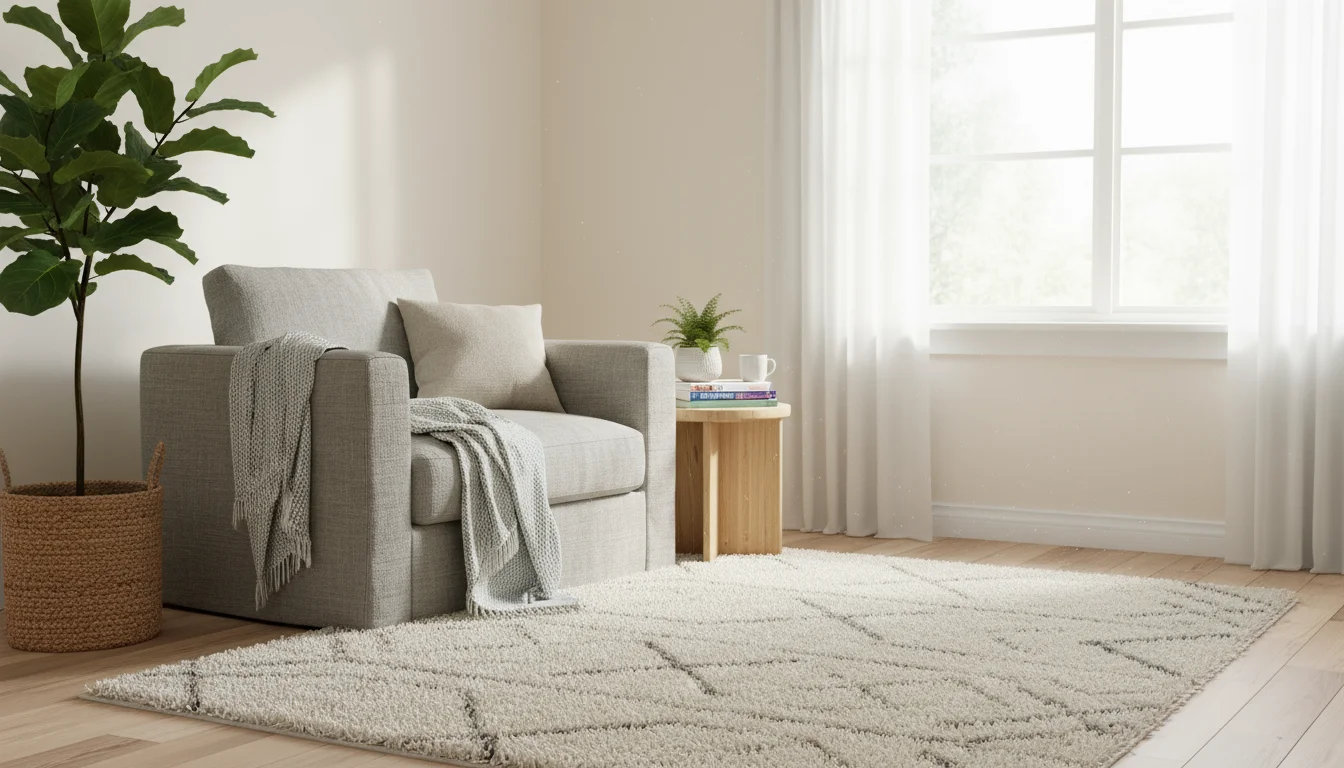
Your wall, ceiling, and floor colors dramatically impact how light behaves in a room. Dark colors absorb light, making a space feel smaller and dimmer. Light colors, particularly whites, off-whites, and soft pastels, reflect light, creating an airy, open, and brighter atmosphere.
If you are working with a windowless utility room, a quick bathroom refresh using these pale finishes can instantly make the space feel less enclosed.
- Wall Colors: Opt for paint colors with a high Light Reflectance Value (LRV). White and very light gray or beige hues are excellent choices. They bounce natural light around the room, making it feel larger and more illuminated.
- Ceiling Colors: Always paint ceilings a bright white or a color lighter than your walls. A white ceiling reflects light downwards, lifting the entire room.
- Floor Finishes: Light-colored flooring, such as light wood, pale tiles, or cream carpets, reflects light upwards. If replacing flooring is not an option, consider adding a large, light-colored area rug.
- Gloss vs. Matte: Matte paints absorb more light, while paints with an eggshell, satin, or semi-gloss finish offer more reflectivity. For walls in dark rooms, a subtle sheen helps bounce light.
Even if you prefer bolder accent colors, use them sparingly. Keep the dominant surfaces light to maximize the effect of natural light.
Leverage Mirrors and Reflective Surfaces Effectively
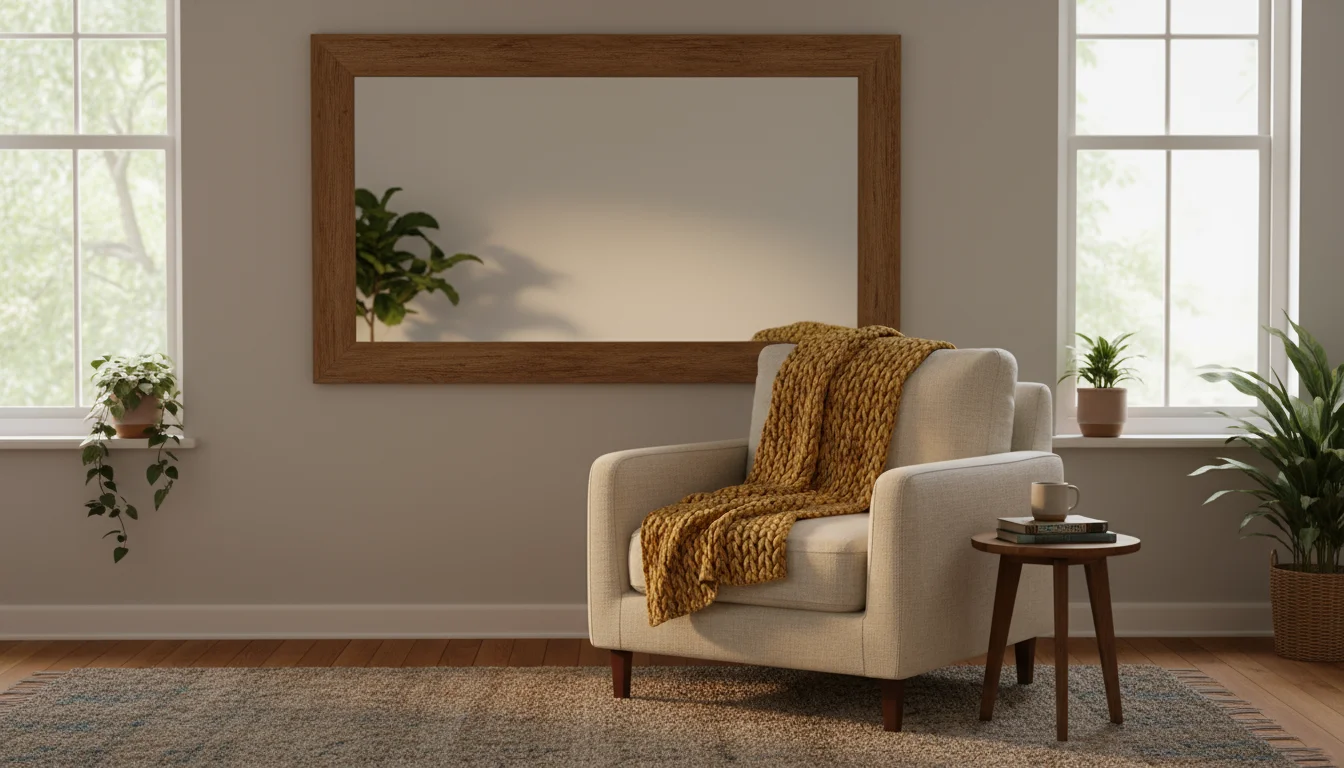
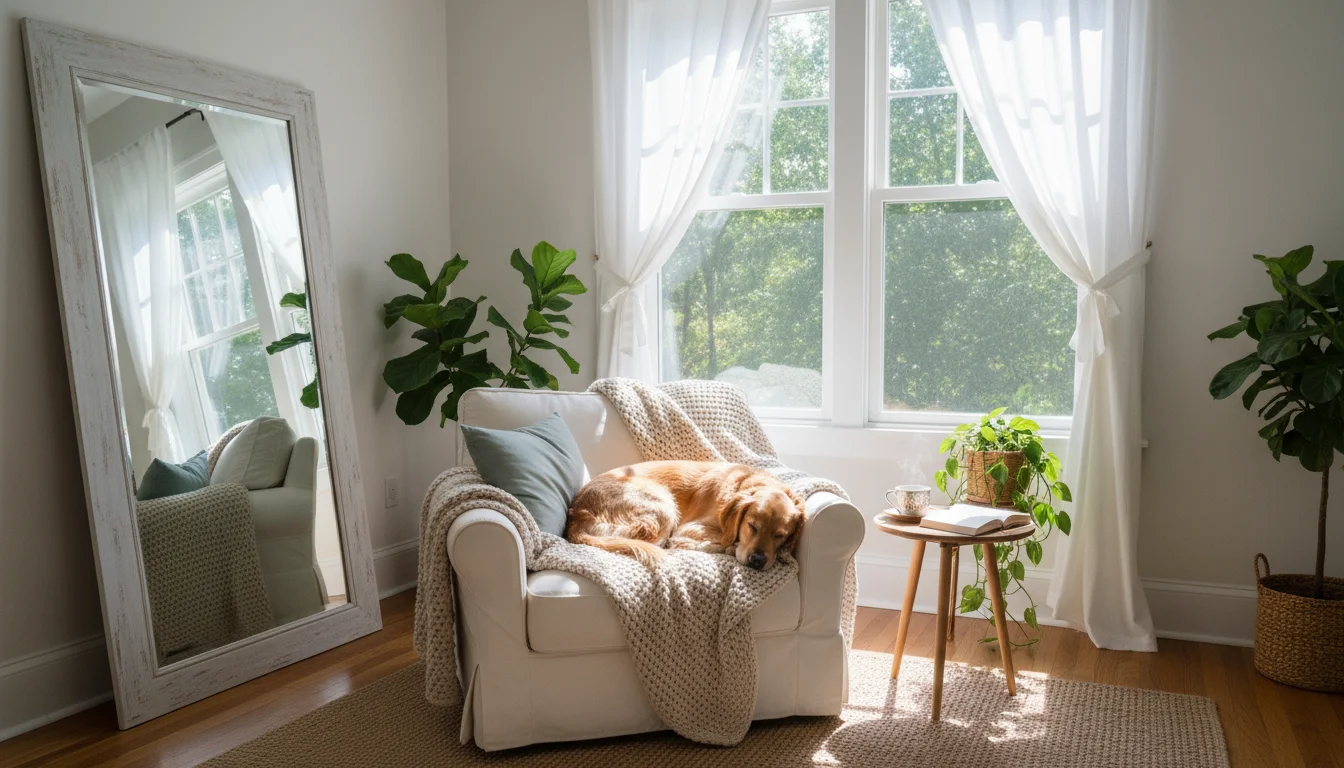
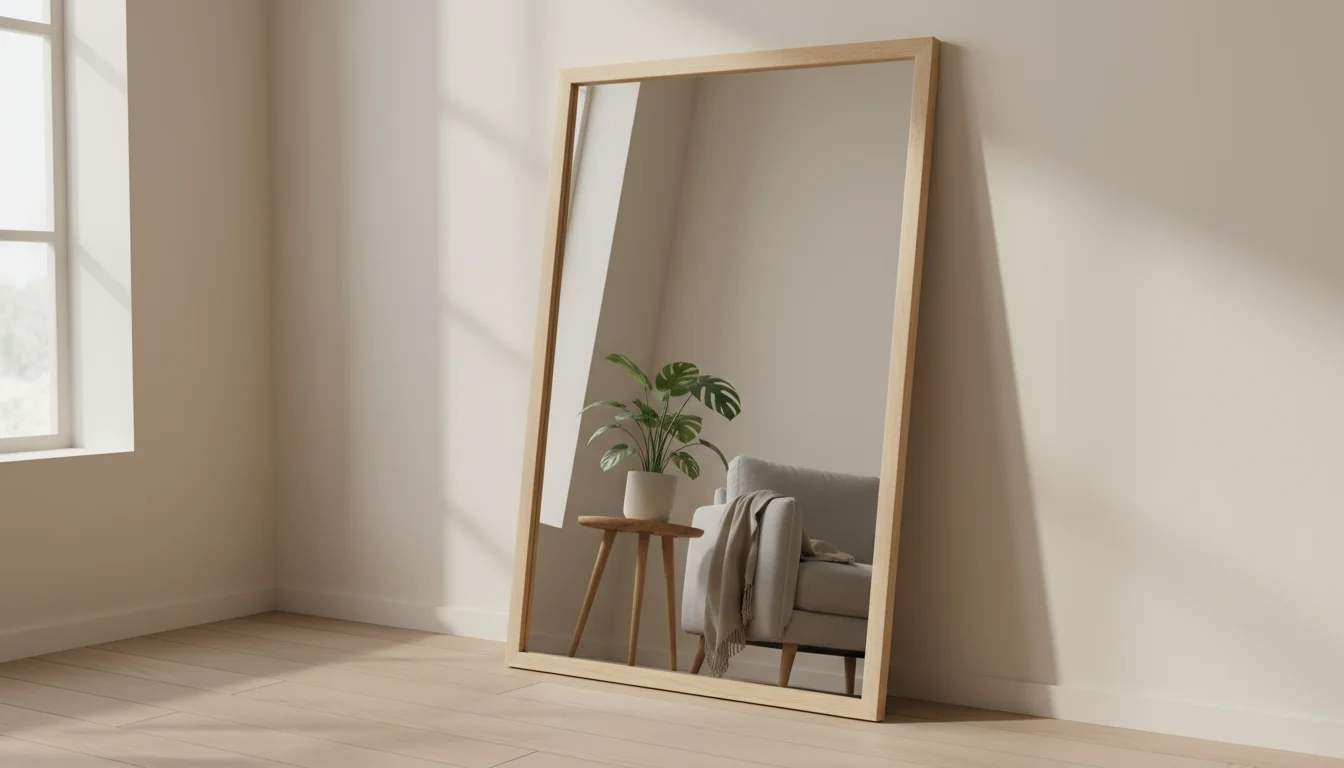
Mirrors are a designer’s secret weapon for brightening dark rooms. They do not generate light, but they excel at reflecting it, amplifying the existing natural light and making a room feel larger and more open. Strategic placement is key.
- Opposite a Window: Place a large mirror directly opposite a window. It captures the light entering the room and bounces it back into the space, effectively doubling the light source. This works wonders in rooms with limited windows.
- Adjacent to a Window: Positioning a mirror on a wall adjacent to a window helps catch light from the side and spread it further into the room.
- Behind Light Sources: If you have a lamp in a dark corner, placing a mirror behind it helps amplify its light, simulating more natural brightness.
- Grouped Mirrors: Create a gallery wall with multiple mirrors of different shapes and sizes. This forms a dynamic reflective surface that scatters light beautifully.
Beyond mirrors, incorporate other reflective surfaces:
- Glass and Chrome Furniture: Coffee tables with glass tops, chrome lamp bases, or clear acrylic chairs add subtle reflectivity.
- Metallic Decor: Silver, gold, or copper accents, such as decorative bowls, picture frames, or vases, catch and reflect light.
- Shiny Tiles or Backsplashes: In kitchens or bathrooms, choose glossy tiles for backsplashes or walls to reflect light.
Optimize Your Windows and Window Treatments
Your windows are the primary source of natural light. Keeping them clean and choosing the right window treatments makes a huge difference in how much light enters your home.
- Keep Windows Spotless: Dirt and grime on windows significantly reduce the amount of light passing through. Regularly clean your windows, both inside and out, to ensure maximum light transmission.
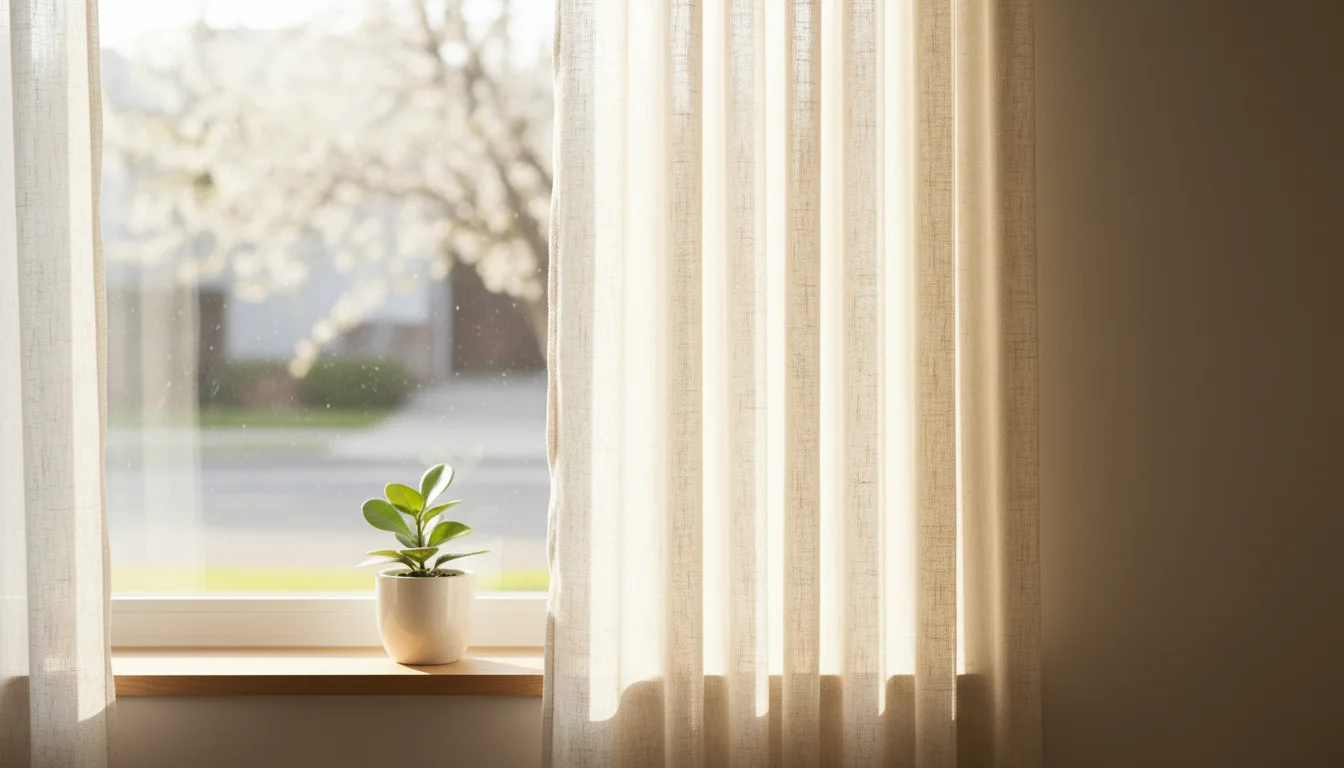
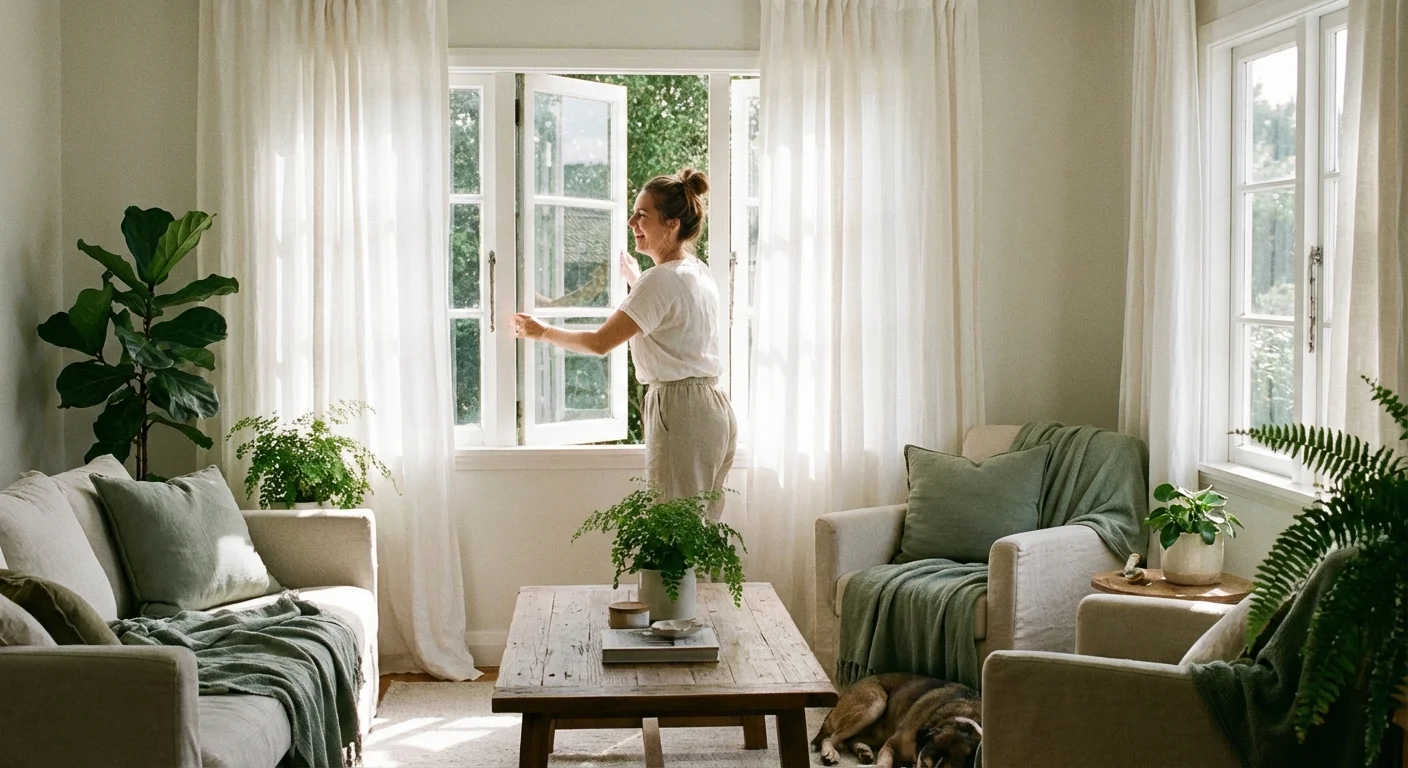
- Choose Light-Filtering Window Treatments: Heavy, dark drapes block light. Opt for lightweight, sheer, or light-colored curtains that allow light to filter through while still offering some privacy.
- Consider Blinds or Shades: Horizontal blinds, cellular shades, or Roman shades offer flexibility. You can adjust them to direct light upwards or block harsh glare while still letting in ambient light. Choose options that stack neatly and compactly when fully open, ensuring they do not obstruct the window opening.
- Install Rods High and Wide: Mount curtain rods several inches above your window frame and extend them beyond the frame on either side. This allows curtains to be pulled completely clear of the window, maximizing the glass exposure.
- Remove Obstructions: Check for bushes or trees outside your windows that might be blocking light. Pruning overgrown foliage can significantly increase the natural light entering your home.
Incorporate Smart Supplemental Lighting Solutions
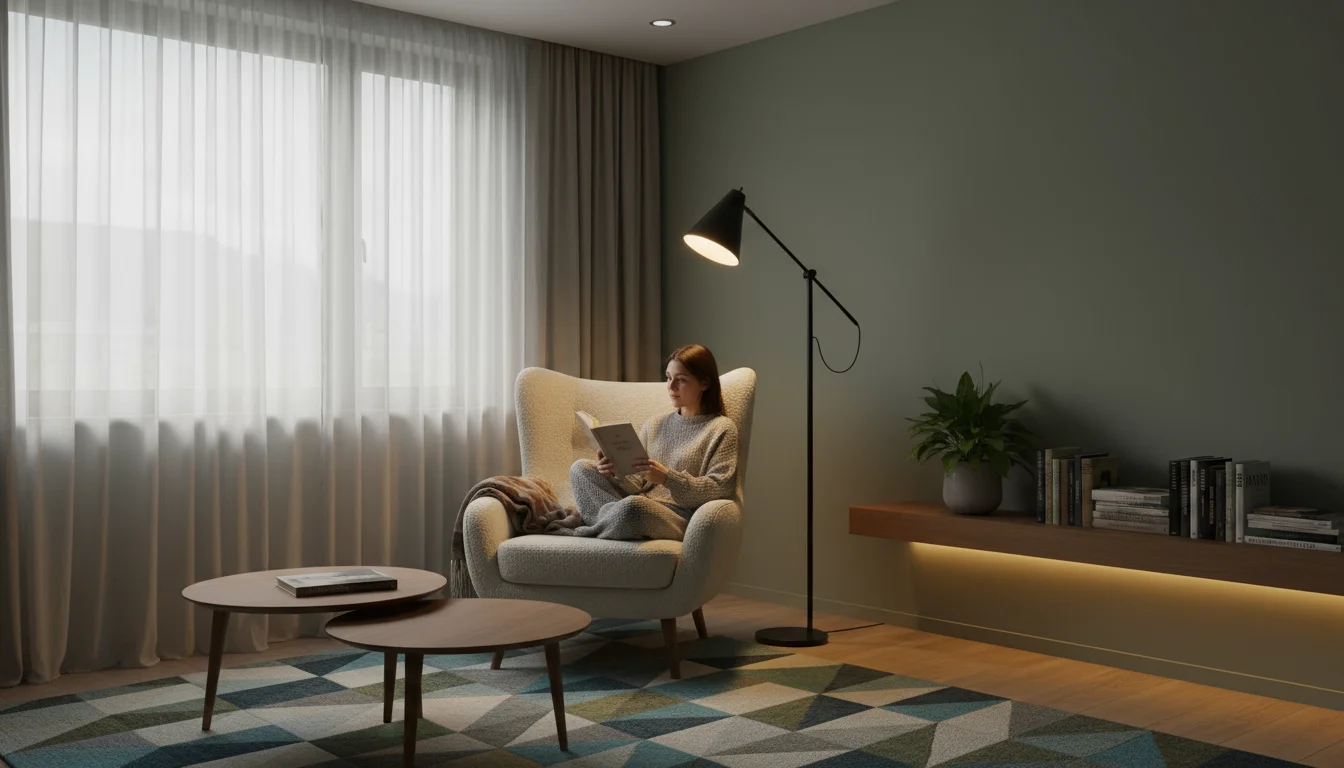
While this guide focuses on natural light, strategic artificial lighting plays a vital role in brightening dark rooms, especially during evenings or on cloudy days. Layered lighting creates a balanced and inviting atmosphere.
- Ambient Lighting: This provides overall illumination. Ceiling fixtures, recessed lights, or track lighting serve this purpose. Use bulbs with a higher Kelvin (color temperature) for a brighter, whiter light that mimics daylight, often in the 3000K-5000K range.
- Task Lighting: Essential for specific activities. Desk lamps for working, floor lamps for reading, and under-cabinet lighting in the kitchen directly illuminate your workspace, reducing eye strain.
- Accent Lighting: This highlights architectural features, artwork, or plants. Uplights or directional spotlights add depth and interest, preventing a room from feeling flat.
Consider smart bulbs and dimmer switches. These allow you to adjust the brightness and even color temperature of your artificial lights, perfectly complementing the available natural light at any given time. Using energy-efficient LED bulbs also helps keep your utility costs down. The Energy Star program provides guidance on selecting efficient lighting products that save energy and money.
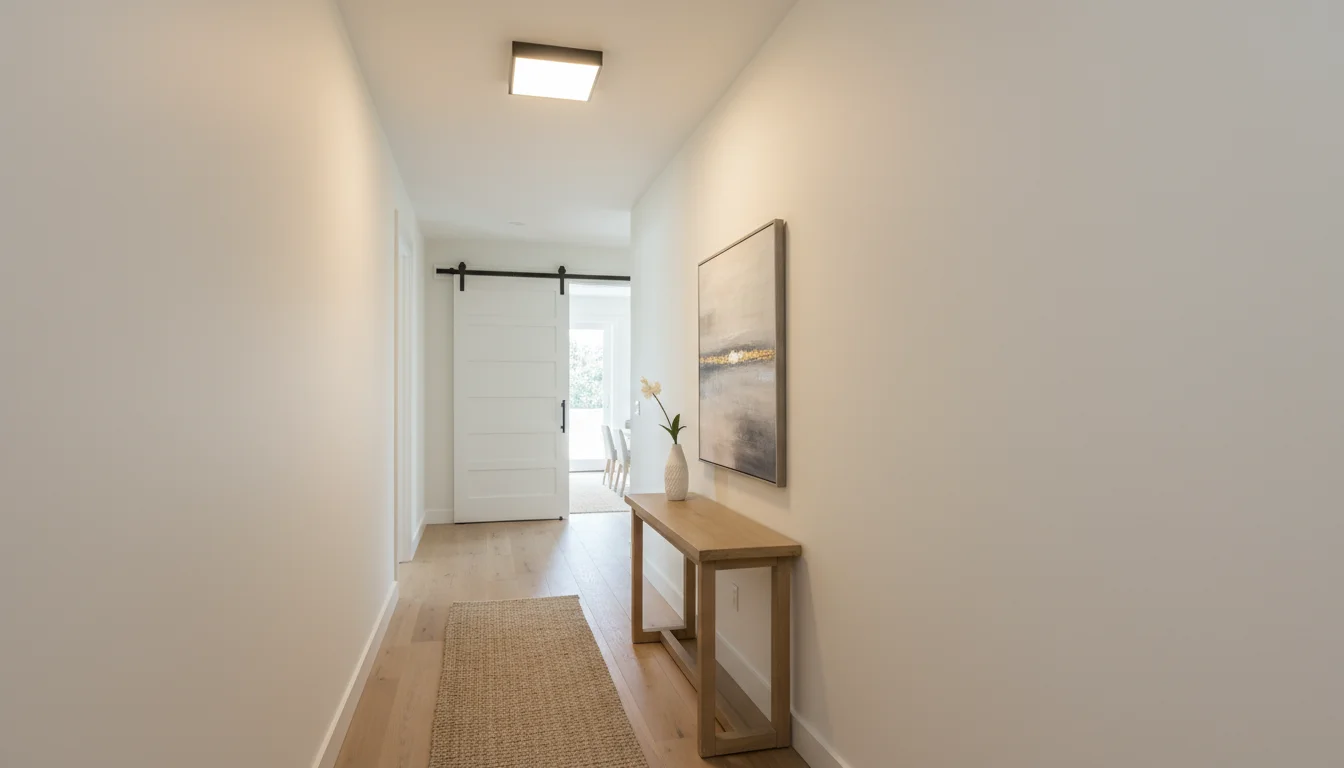
Room-Specific Strategies for Challenging Spaces
Some rooms inherently receive less natural light, posing unique challenges. Here are specific strategies for brightening dark rooms in different areas of your home:
For those dealing with cramped quarters, learning how to make a small bathroom feel bigger often starts with maximizing the available light.
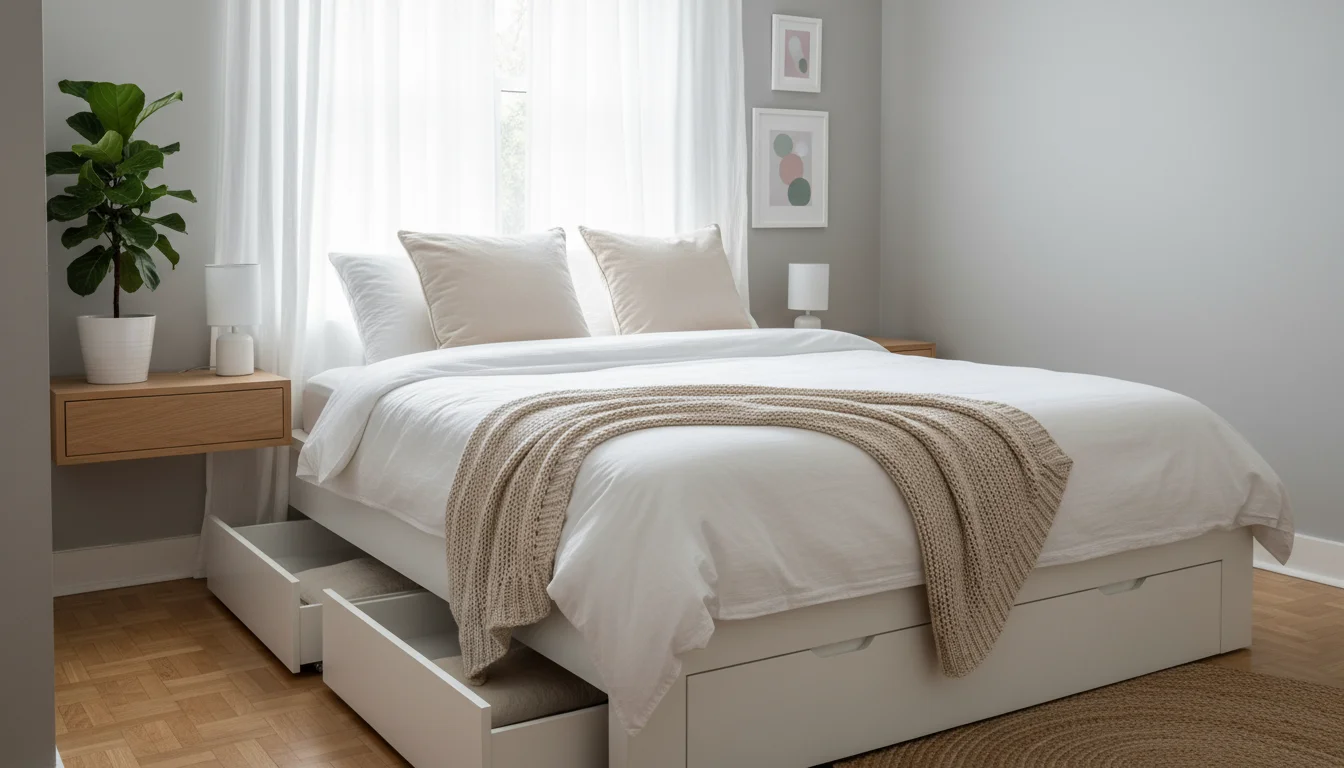
Small Bedrooms or Guest Rooms
- Minimalist Decor: Keep furniture light-colored and minimal. A floating nightstand instead of a bulky dresser, for example.
- Elevated Beds: A platform bed with storage underneath can eliminate the need for extra furniture, opening up floor space and allowing light to flow.
- Sheer Curtains: Opt for very light, sheer curtains that provide privacy without blocking precious light.
- Wall-Mounted Shelves: These free up floor space, reducing visual clutter that can absorb light.
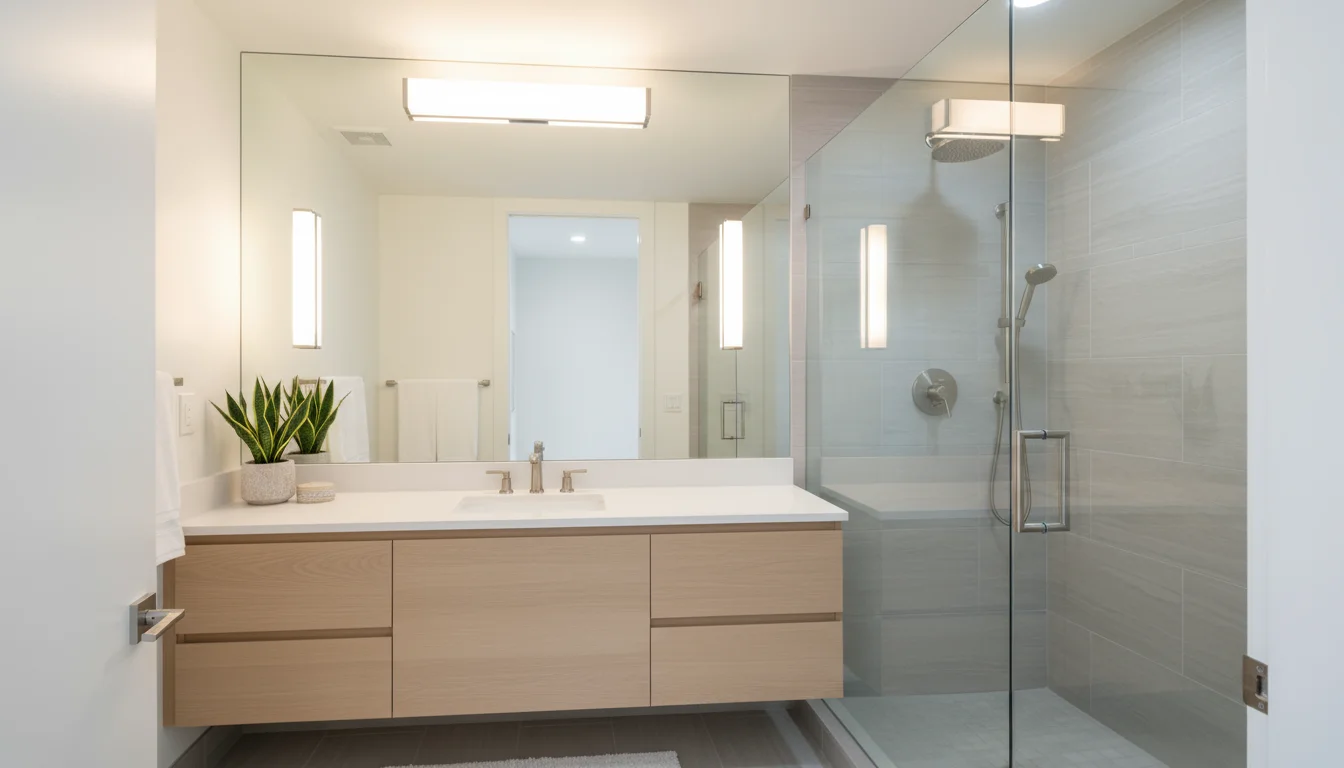
Windowless Bathrooms
- Bright White Palette: Use white or very light tiles, paint, and fixtures.
- Large Mirror: A full-width mirror over the vanity reflects any ambient light and makes the room feel larger.
- Bright Light Fixtures: Install bright, diffused overhead lighting and vanity lights. Consider a light fixture that mimics natural daylight.
- Glass Shower Doors: Clear glass shower doors, instead of opaque curtains, allow light to travel further into the room.
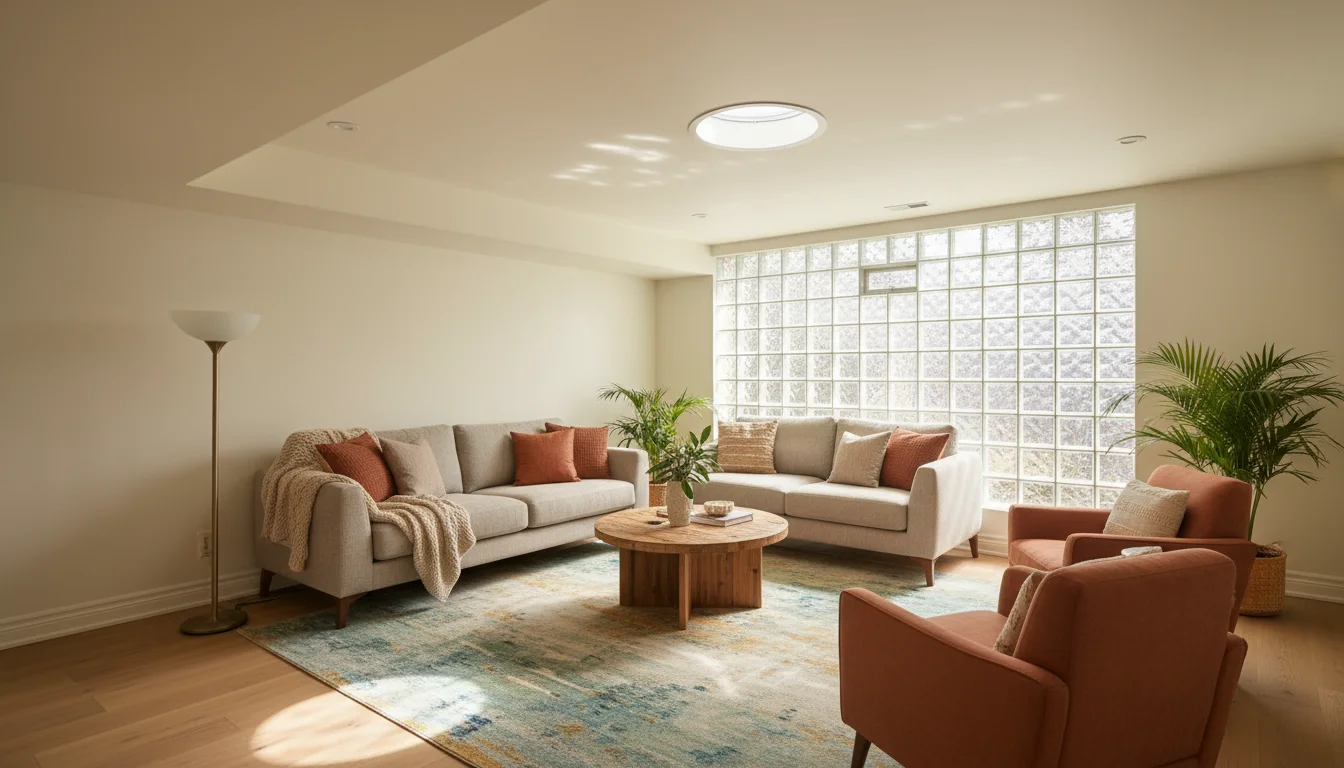
Basements or Densely Shaded Living Rooms
- Light Tunnel or Sun Tube: If feasible, consider installing a light tunnel or sun tube. These passive devices capture sunlight from the roof and channel it down into interior spaces, offering a significant boost in natural light for areas that lack windows. While it involves some construction, it is less invasive and costly than a full skylight. Apartment Therapy often features creative, budget-conscious solutions for improving home comfort, including ways to brighten challenging spaces.
- Glass Block Walls or Internal Windows: If you have an adjoining brighter room, consider replacing a section of a solid wall with glass blocks or an internal window to borrow light.
- Strategic Uplighting: Use floor lamps that cast light upwards onto light-colored ceilings to create the illusion of ambient brightness.
Budget-Friendly DIY Tips for Instant Brightness
You do not need a large budget for brightening dark rooms. Many simple, affordable changes make a significant impact:
- Clean Your Windows Regularly: This costs nothing but elbow grease and immediately boosts light.
- Rearrange Furniture: Move furniture away from windows to allow light to flow. Experiment with layouts until you find one that maximizes light.
- Add a Large Mirror: Source an inexpensive mirror from a thrift store or discount retailer. Paint the frame a light color if needed.
- Paint Your Walls and Ceiling: A gallon of light-colored paint makes an enormous difference for a relatively small investment.
- Swap Out Dark Textiles: Replace heavy, dark curtains, throws, and pillows with lighter, brighter fabrics.
- DIY Reflective Art: Create your own art using reflective materials like metallic spray paint on canvas or a collection of small mirrors.
- Utilize Sheer Fabric: Drape sheer fabric over existing window blinds to soften light and reduce glare while maintaining brightness.
- Trim Exterior Foliage: If trees or bushes outside your windows block light, carefully trim them back (ensuring you do not damage the plant or infringe on property lines).
Frequently Asked Questions
How can I make my north-facing room brighter?
North-facing rooms receive consistent, indirect light, which can feel cool and dim. Maximize brightness by painting walls and ceilings in very light, warm-toned whites or creams. Use large mirrors opposite or adjacent to windows. Incorporate light-colored, reflective decor and choose sheer window treatments. Layer artificial lighting with warm-toned bulbs to supplement the natural light.
Can plants help brighten a dark room?
While plants do not add light, strategically placed light-colored pots or planters can reflect some light. Choose plants that tolerate low light conditions, such as snake plants or ZZ plants, to add life and freshness without further darkening the space. Avoid large, dense plants that might block the little light you have.
What type of light bulb best mimics natural light?
Look for LED bulbs with a color temperature between 4000K and 5000K, often labeled “daylight” or “cool white.” These bulbs emit a crisper, bluer light that closely resembles natural daylight. Using these in your fixtures can help brighten a dark room and reduce the feeling of gloom, especially in areas with limited natural light.
Should I avoid all dark colors in a small, dark room?
You do not have to avoid dark colors entirely. Use dark colors sparingly as accents, perhaps on one small wall, in textiles, or for specific decor items. The key is to ensure the majority of surfaces – especially walls, ceilings, and floors – remain light and reflective. Dark accents can add depth without overpowering the overall brightness if balanced correctly.
Maximizing natural light transforms your home into a more vibrant, comfortable, and energy-efficient space. By implementing these practical and actionable strategies, you will undoubtedly brighten dark rooms and create an environment you love.
For expert home organization guidance, visit
HGTV — Home, Apartment Therapy, The Container Store — Organization Tips and IKEA Home Organization.
Disclaimer: This article is for informational purposes only and is not a substitute for professional advice. Consult professional organizers or specialists for personalized recommendations.


Leave a Reply