
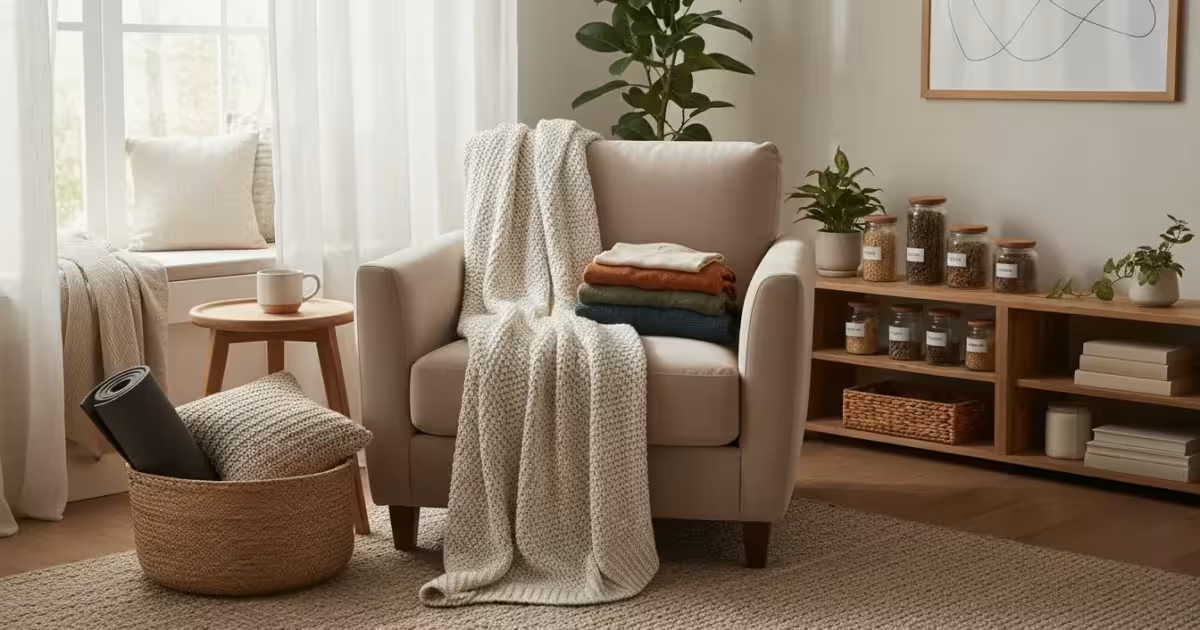
A peaceful bedroom is not a luxury, it is a necessity for restful sleep and overall well-being. External noise from traffic, neighbors, or even internal household sounds can disrupt your sleep cycle, leaving you feeling tired and less productive. If you struggle with constant disturbances, learning how to soundproof your bedroom effectively transforms your personal sanctuary into a quiet haven. You can reclaim your sleep quality with practical, actionable strategies that fit various budgets and lifestyles, whether you are a homeowner, renter, or apartment dweller.
Managing noise is just one part of the puzzle; you can also explore other cozy bedroom ideas to turn your room into a complete sleep sanctuary.
Soundproofing involves reducing noise transmission from one area to another. It does not always require extensive renovations. Instead, it often focuses on understanding how sound travels and strategically blocking or absorbing those pathways. We will explore simple DIY fixes, budget-friendly upgrades, and more comprehensive solutions to help you achieve the quiet bedroom you deserve.
The Impact of Noise on Your Sleep Quality
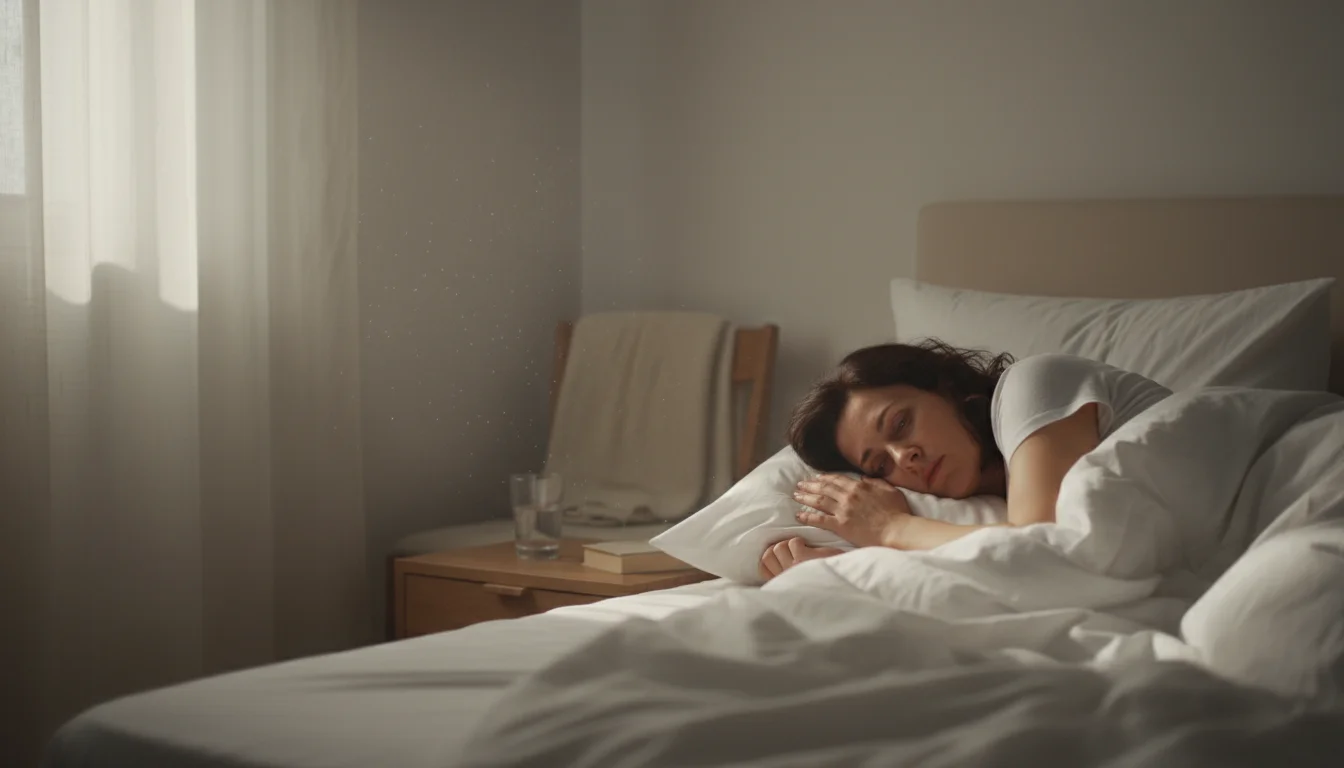
Noise pollution significantly impacts your health, especially when it invades your sleeping space. Even if a sound does not fully wake you, it can prevent you from reaching deeper, restorative sleep stages. This fragmented sleep contributes to a range of issues, including daytime fatigue, irritability, difficulty concentrating, and even long-term health problems.
Addressing sound is one of the most effective environment changes to reduce stress at home and improve your daily quality of life.
Research consistently links poor sleep quality to increased risks of chronic conditions like heart disease, diabetes, and obesity. Furthermore, a noisy environment elevates stress hormones, making it harder to fall asleep and stay asleep. According to The Spruce, creating a calm and organized environment, including managing noise, is crucial for improving overall home comfort and mental well-being. By actively addressing bedroom noise, you invest in your physical and mental health, ensuring your body and mind receive the critical rest they need to function optimally.
Consider the types of noise affecting you:
- Constant background hum: Traffic, distant machinery, HVAC systems.
- Intermittent loud noises: Sirens, barking dogs, loud neighbors.
- Internal household sounds: Family members, appliances, plumbing.
Identifying the primary culprits helps you target your soundproofing efforts effectively.
Understanding Sound: How Noise Infiltrates Your Bedroom
To effectively block noise, you must first understand how sound travels. Sound moves through vibrations. These vibrations transmit through air (airborne noise) or through solid structures (structure-borne noise). When sound waves hit a surface, they either reflect, absorb, or transmit through it.
Understanding these acoustic principles is a major step toward creating the perfect sleep environment tailored to your personal needs.
Here are the key principles of sound transmission:
- Mass: Denser, heavier materials block more sound. Think of a thick concrete wall versus a thin partition. Adding mass to your walls, doors, and windows is a fundamental soundproofing strategy.
- Damping: This refers to a material’s ability to convert sound energy into heat. Materials with good damping properties reduce vibrations within a structure.
- Decoupling: Separating structures prevents vibrations from easily transferring. For instance, creating a small air gap between two layers of drywall on a wall reduces sound transmission significantly.
- Sealing Gaps: Sound, like water, finds the path of least resistance. Small cracks around doors, windows, and electrical outlets act as direct conduits for noise. Sealing these gaps is often the most impactful and budget-friendly first step.
- Absorption: Soft, porous materials absorb sound waves, preventing them from reflecting and bouncing around a room. While absorption does not block sound from entering, it reduces echo and reverberation within the room, making it feel quieter.
Understanding these principles allows you to choose the right strategies for your specific noise issues. A holistic approach combining mass, damping, decoupling, sealing, and absorption yields the best results.
Easy Wins: Budget-Friendly Soundproofing Solutions
You do not need to embark on a major renovation to start improving your bedroom’s quietness. Many effective strategies are affordable and simple to implement immediately. These “easy wins” often address the most common noise leaks and absorption deficiencies.
If you are working with a compact area, these designer tricks to make a small bedroom feel luxurious can help you create a high-end feel while you quiet the space.
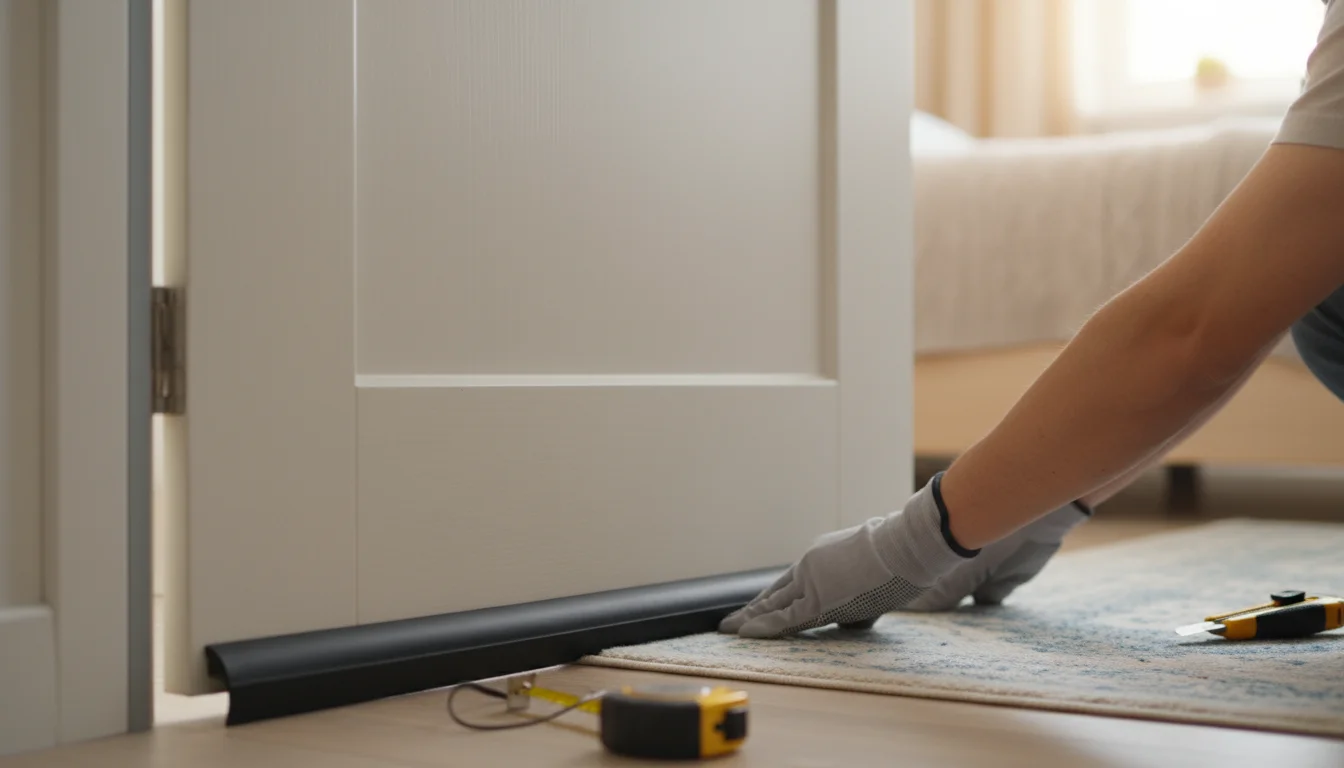
- Seal Door Gaps: Your door is often a major entry point for noise.
- Install a Consumer Reports recommended door sweep at the bottom of your door. This simple strip of metal, rubber, or brush material effectively blocks noise and drafts from slipping under the door.
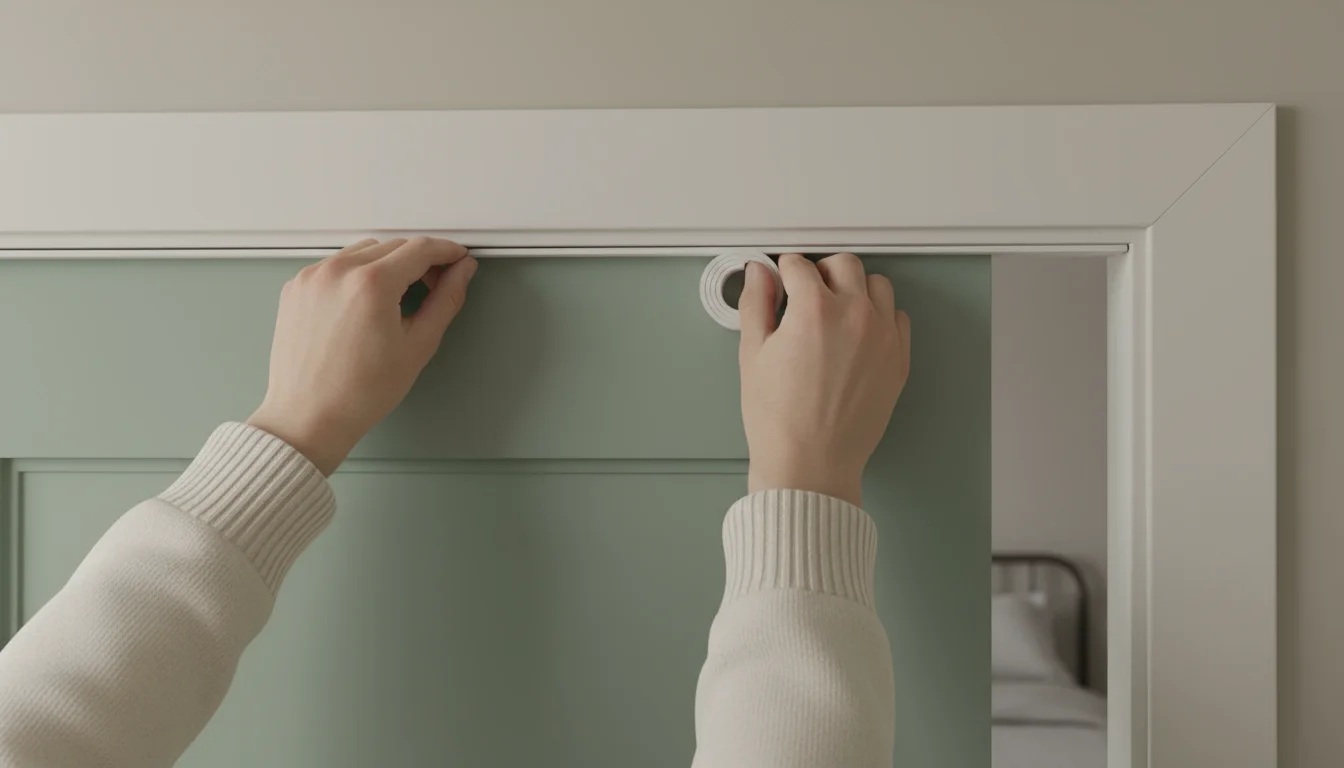
- Apply weatherstripping tape around the door frame. This creates a tight seal when the door closes, preventing airborne noise from passing through cracks.
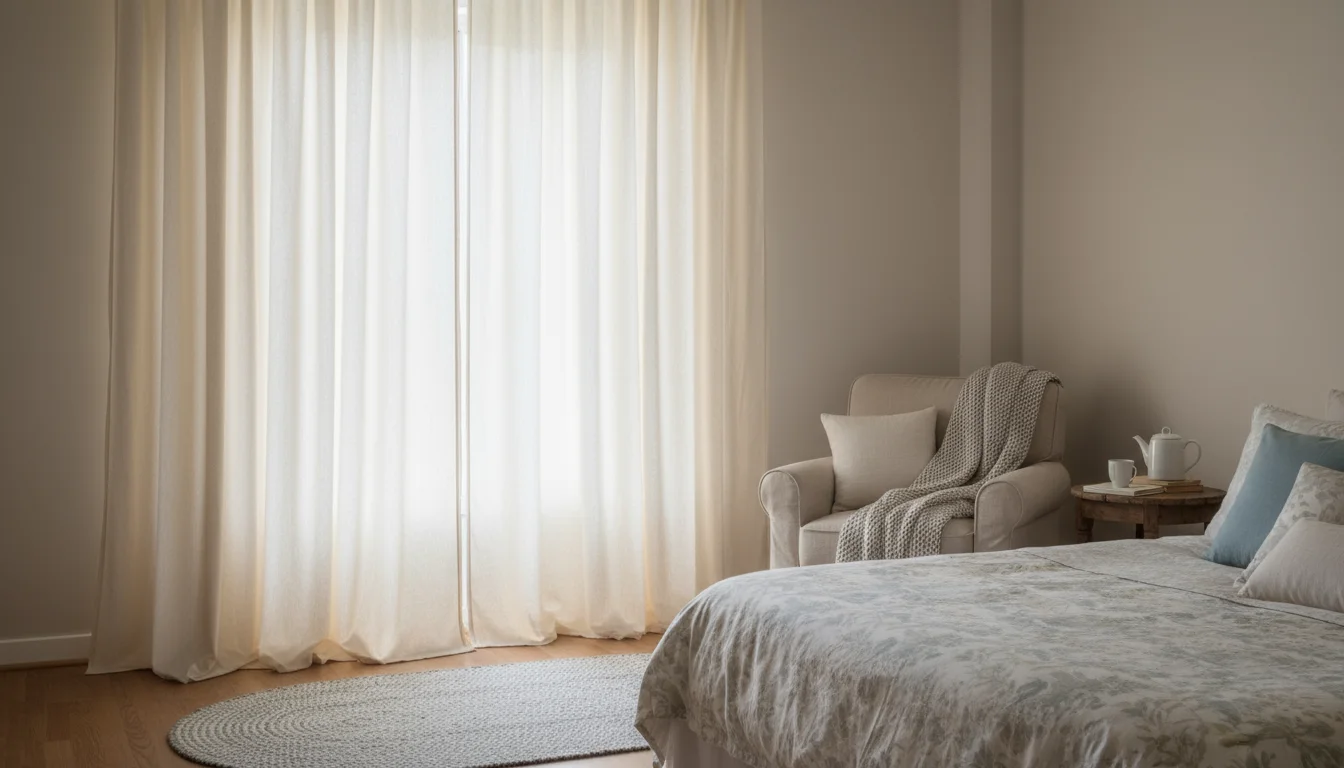
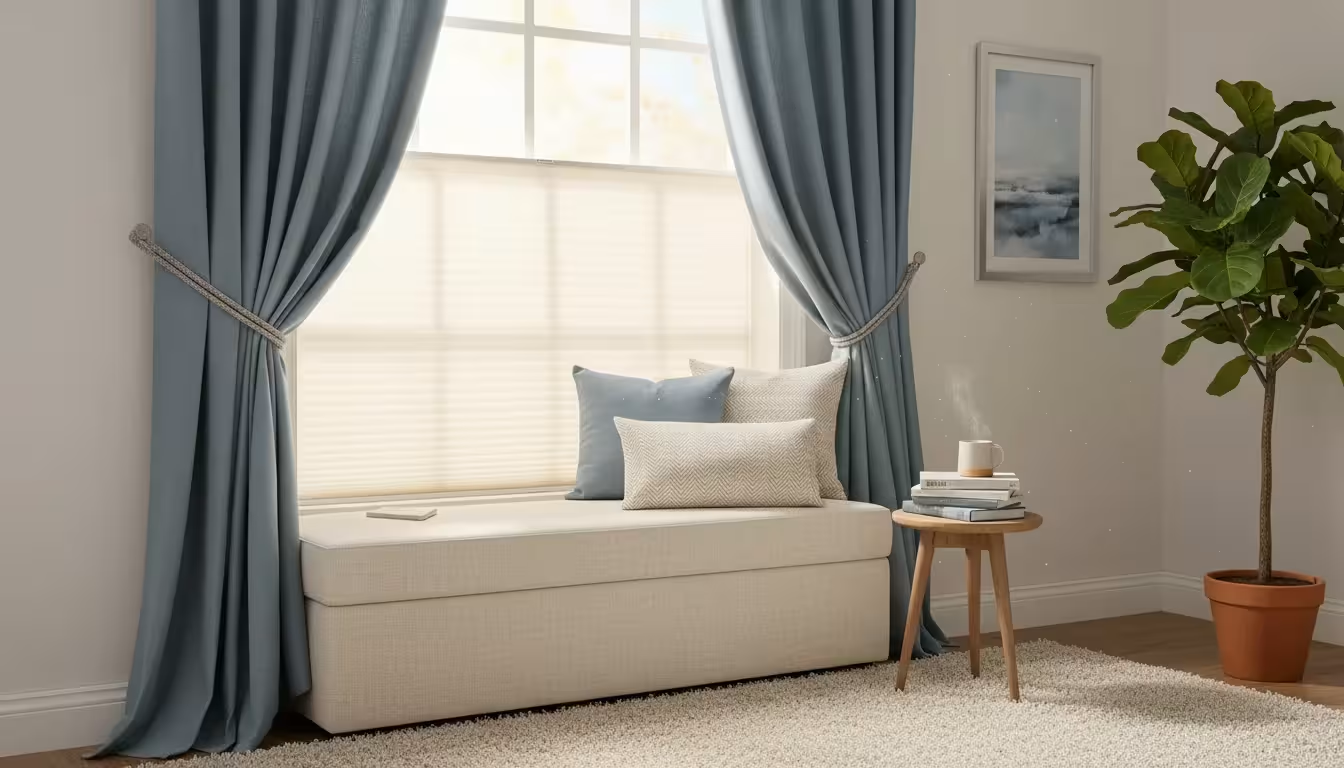
- Heavy Curtains or Drapes: Replace thin blinds or curtains with heavy, thick drapes. Materials like velvet, thermal-backed fabric, or specific sound-dampening curtains absorb sound waves and add a layer of mass to your windows. Hang them flush against the wall and extend them beyond the window frame for maximum coverage.
- Rug or Carpet: If you have hardwood, tile, or laminate flooring, a thick area rug significantly reduces noise. Rugs absorb footfall noise and reduce sound reflections within the room. Choose one with a dense pile and add a thick rug pad underneath for even better absorption and cushioning.
- Rearrange Furniture: Strategic furniture placement helps block and absorb sound.
- Place large, upholstered furniture, such as a tall headboard or a bulky dresser, against shared walls.
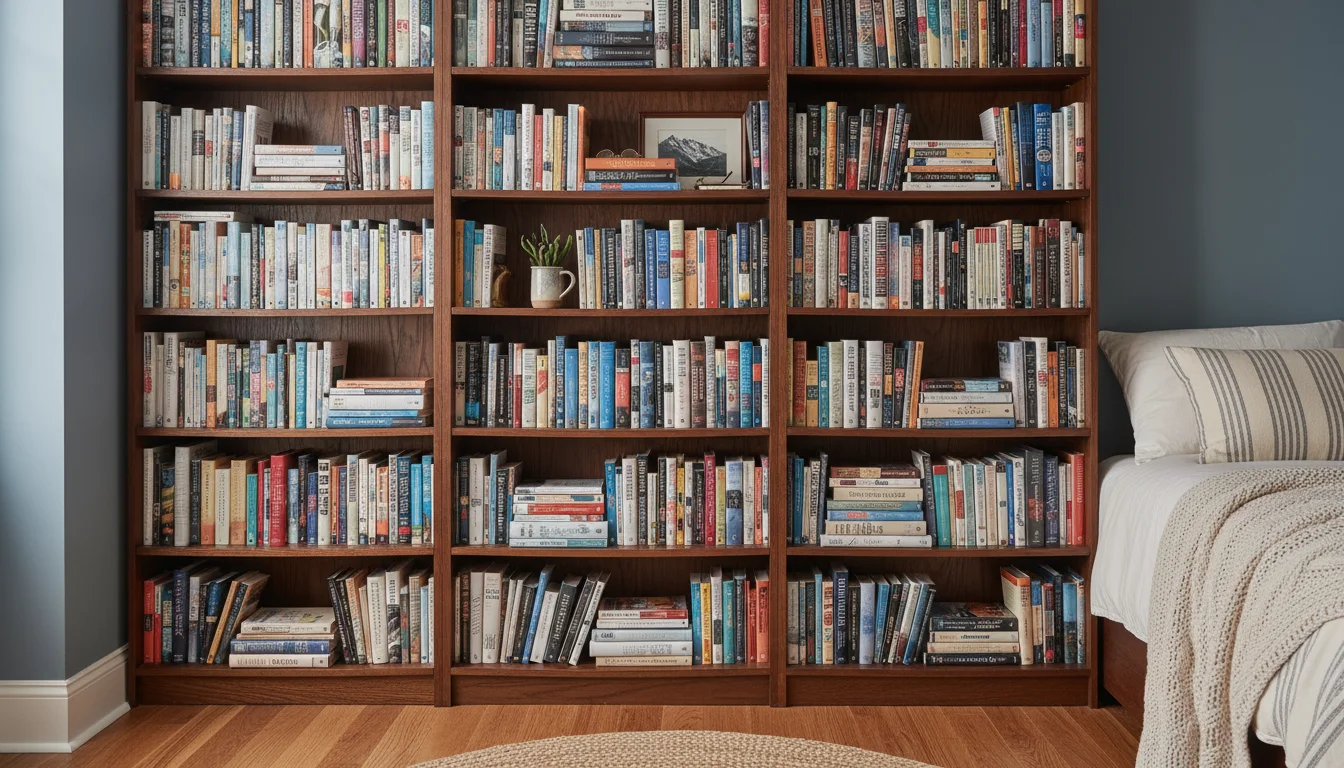
- Fill empty bookshelves with books, which act as excellent sound absorbers.
- Wall Hangings: Utilize fabric wall hangings, tapestries, or even large framed artwork to add soft, sound-absorbing surfaces to your walls. The more soft surfaces you have, the less echo and reverberation your room will experience.
- White Noise Machine or Fan: While not technically soundproofing, a white noise machine or even a simple fan generates a consistent, low-level sound that masks disruptive noises. This “sound masking” can be highly effective in promoting better sleep, especially for intermittent loud sounds.
These initial steps are often enough to make a noticeable difference in your bedroom’s acoustics, offering a quieter environment without significant investment.
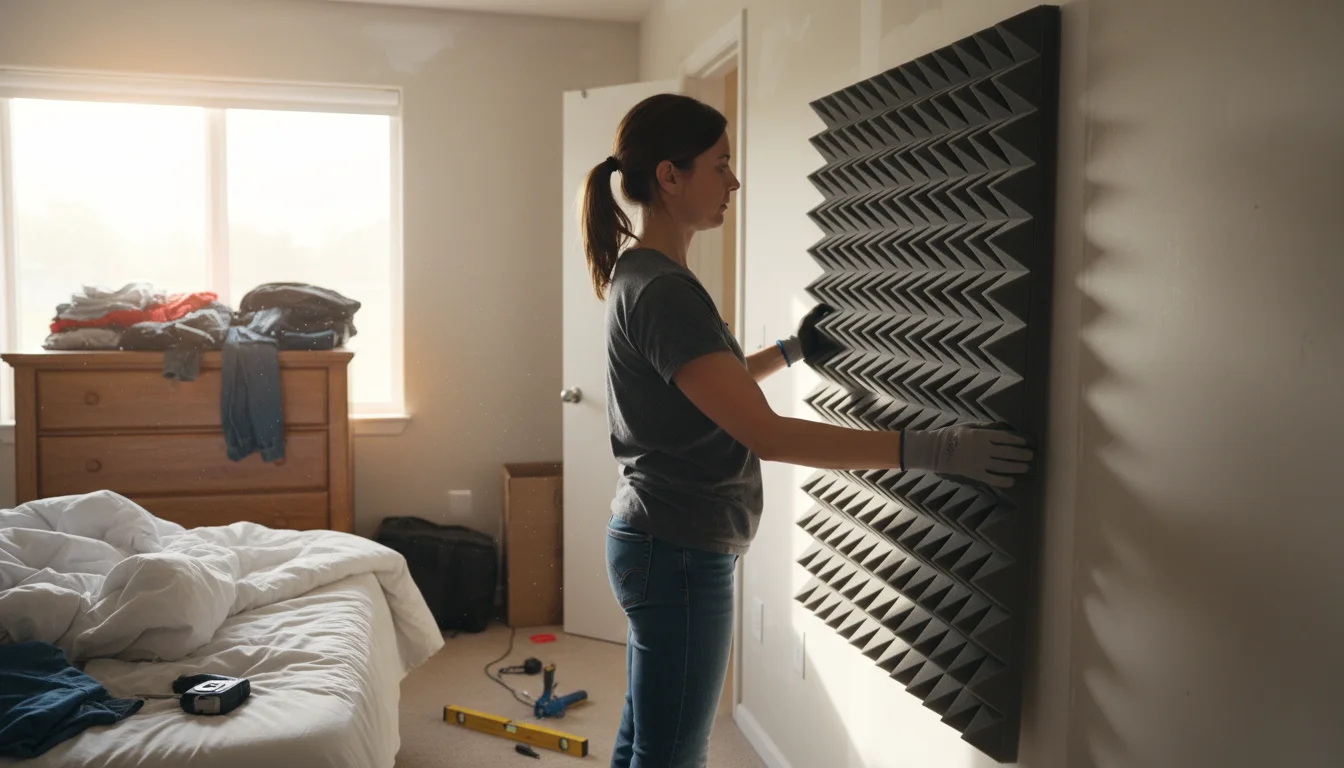
Reinforcing Walls and Ceilings for Quieter Nights
When basic solutions are not enough, you might need to address your walls and ceilings directly. These methods involve adding mass, damping, or decoupling to block more significant amounts of noise. You can tackle these projects yourself or hire a professional, depending on your comfort level and the complexity.
While you are optimizing your walls for sound, it is also worth learning how to reduce EMF exposure to remove other invisible sleep disruptors from your space.
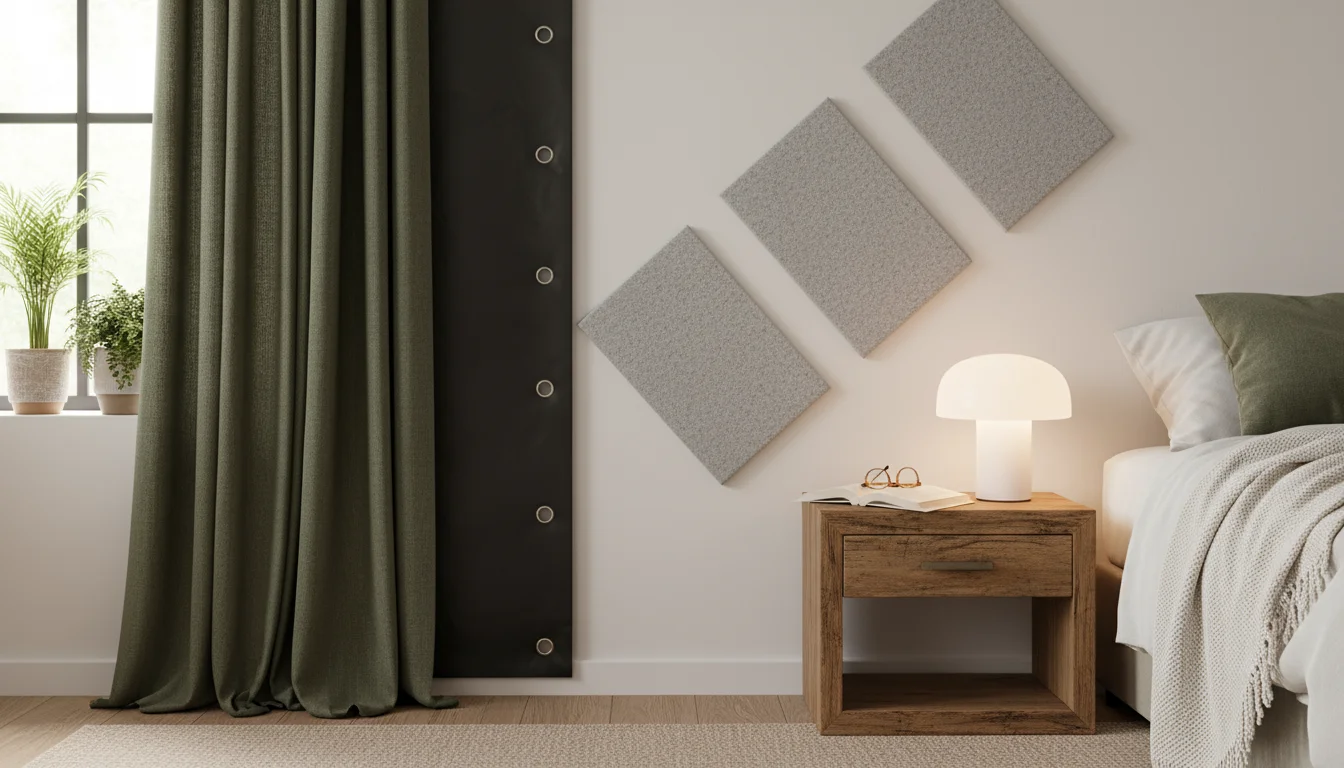
Walls:
Acoustic Panels: These panels, made from dense foam or fiberglass, mount directly to your walls. They are excellent for absorbing sound within the room, reducing echo and making your space feel quieter. While they do not completely block external noise, they improve the room’s overall acoustics significantly. You can find decorative options that blend seamlessly with your decor.
Mass Loaded Vinyl (MLV): MLV is a heavy, flexible material that effectively adds mass to walls without adding significant thickness. You can install it under existing drywall, inside wall cavities, or even temporarily hang it behind tapestries or curtains. It is particularly effective against low-frequency sounds like bass from music or distant traffic. For detailed installation guidance, resources like This Old House offer practical home improvement advice.
Additional Drywall Layer: Adding a second layer of drywall dramatically increases the mass of your wall. For even better results, consider using “green glue” or another viscoelastic damping compound between the two drywall layers. This compound converts sound energy into heat, significantly reducing sound transmission.
Insulation: If you have access to your wall cavities (e.g., during a renovation or if a wall is already open), filling them with sound-absorbing insulation, such as mineral wool or fiberglass, helps dampen sound. This is particularly effective for reducing airborne noise passing through walls.
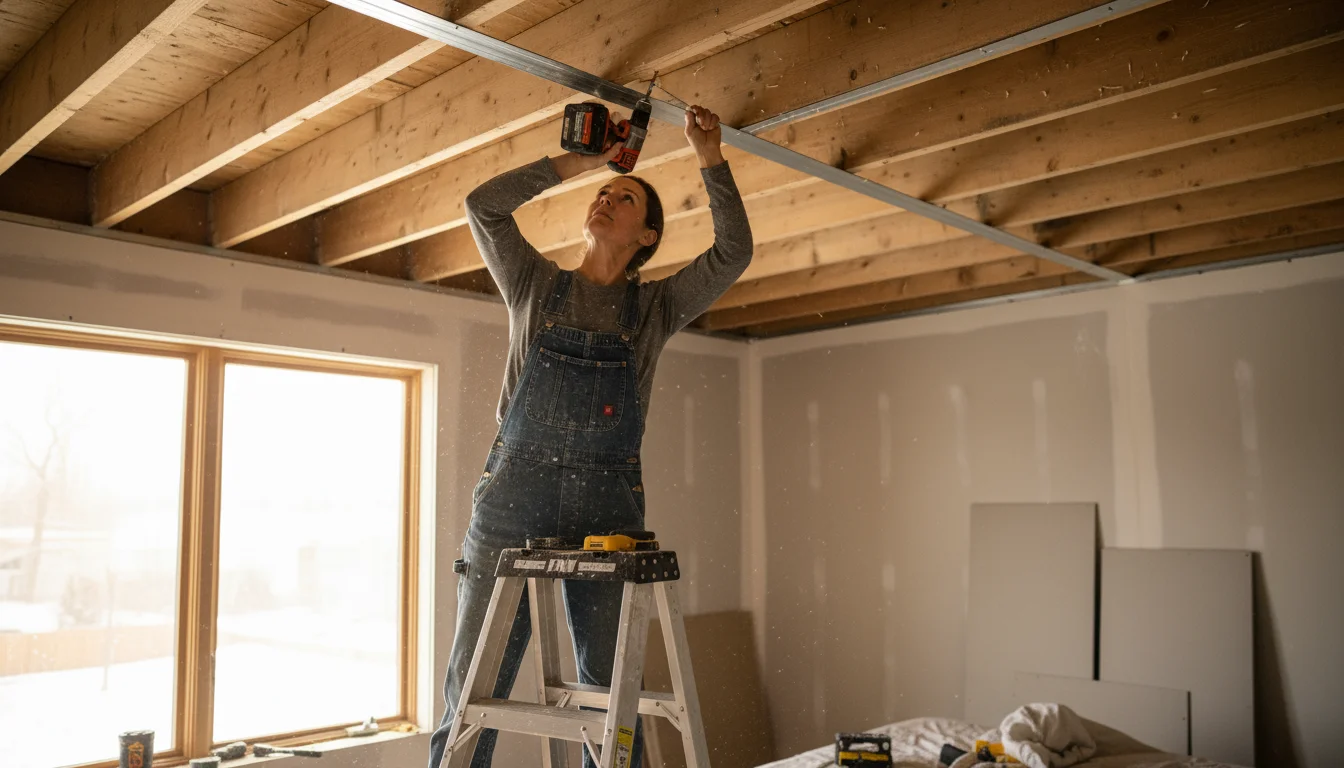
Ceilings:
Noise from upstairs neighbors or a busy attic space can penetrate your ceiling.
- Acoustic Ceiling Tiles: For drop ceilings, replacing standard tiles with acoustic ones offers significant sound absorption.
- Resilient Channels: If you are renovating, installing resilient channels before adding a new layer of drywall to your ceiling decouples the drywall from the joists. This creates an air gap that greatly reduces structure-borne noise.
- Thick Carpeting or Rugs (Upstairs): If the noise originates from an upstairs room, encourage the installation of thick carpets or rugs in that space. This helps absorb impact noise at its source.
These methods require a bit more effort than simple decor changes but offer substantial improvements in sound isolation.
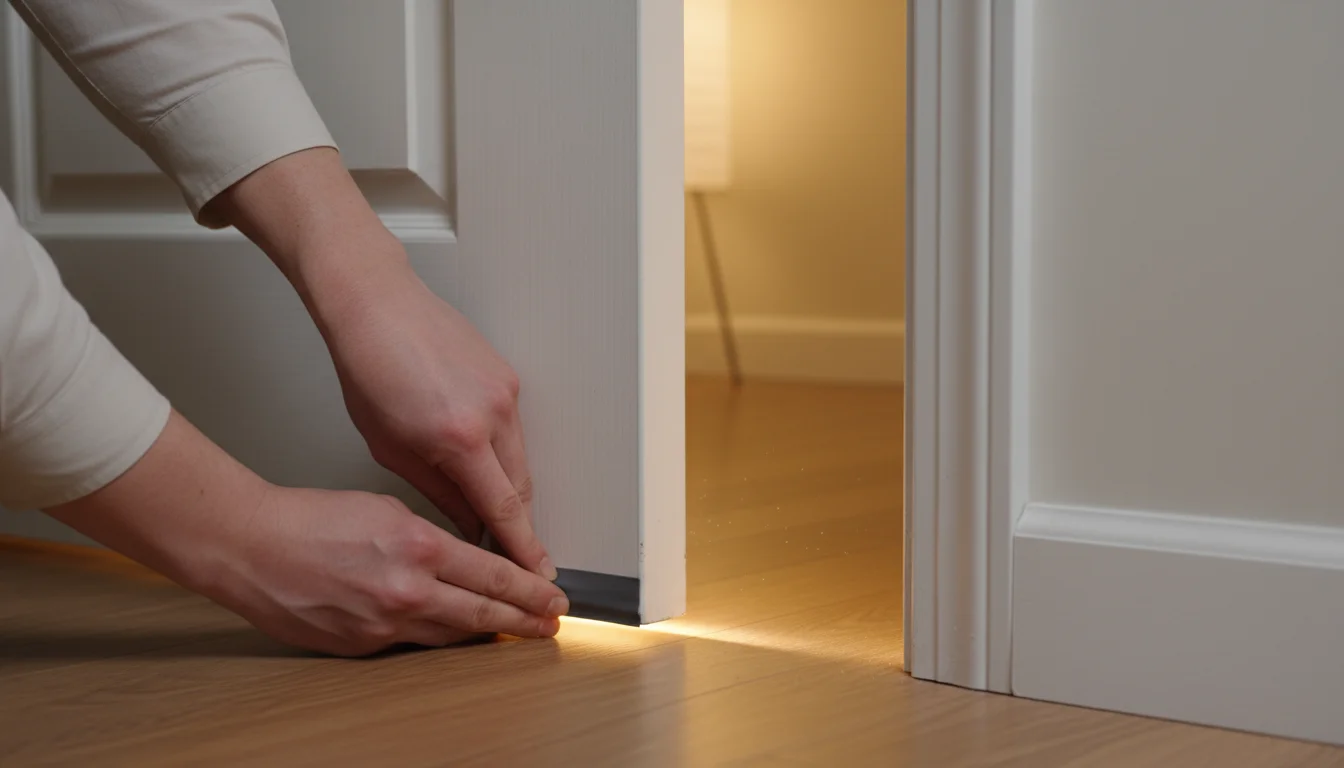
Sealing Doors and Windows: Your Primary Noise Entry Points
Doors and windows are often the weakest links in your bedroom’s soundproofing strategy. Even a small gap allows a surprising amount of noise to enter. Addressing these areas effectively means reducing both airborne and structure-borne sound transmission.
Doors:
- Solid Core Doors: Hollow-core doors offer almost no sound resistance. Replacing them with solid-core doors is a significant upgrade. The increased mass of a solid door provides a substantial barrier against noise.
- Door Sweeps and Thresholds: As mentioned, a quality door sweep seals the gap at the bottom. Combine this with an adjustable threshold that creates a tight seal when the sweep presses against it.
- Weatherstripping: Apply adhesive-backed weatherstripping (foam, rubber, or silicone) around the entire door frame. This closes any small gaps between the door and the jamb when the door is closed, creating an airtight seal.
- Automatic Door Bottoms: These devices are a more advanced form of door sweep that automatically drop down to seal the gap at the bottom of the door when it closes and lift when it opens, preventing dragging.
- Soundproof Curtains for Doors: If replacing the door is not an option, hang heavy, sound-blocking curtains over the door. This adds an extra layer of mass and absorption, similar to window treatments.
Windows:
- Thick, Soundproof Curtains or Blinds: Layering is key here. Use heavy, thermal, or specifically designed sound-blocking curtains. Hang them floor-to-ceiling and wider than the window frame to minimize gaps. Combining them with cellular blinds or honeycomb shades adds further insulation.
- Seal Gaps and Cracks: Inspect your window frames thoroughly. Caulk any visible cracks or gaps around the frame where it meets the wall. For minor drafts and noise leaks, apply removable window sealant film.
- Window Inserts: These are custom-fit acrylic or glass panels that install over your existing windows, creating an insulating air pocket. They are highly effective at blocking noise and also improve thermal insulation. Many are removable, making them a good option for renters.
- Double-Pane or Laminated Glass: If replacing windows, opt for double-pane windows with a larger air gap or, even better, laminated glass. Laminated glass has a layer of plastic PVB (polyvinyl butyral) sandwiched between two panes of glass, which significantly dampens sound vibrations.
- Window Plugs/Boards: For extreme cases or temporary solutions, cut a piece of plywood or dense foam board to fit snugly within your window frame. Cover it with acoustic foam or heavy fabric for added absorption. This blocks light as well as sound, so it is best for rooms where complete darkness is desired.
Addressing doors and windows offers some of the most dramatic improvements in reducing external noise penetration into your bedroom.
Smart Furniture Placement and Soft Furnishings
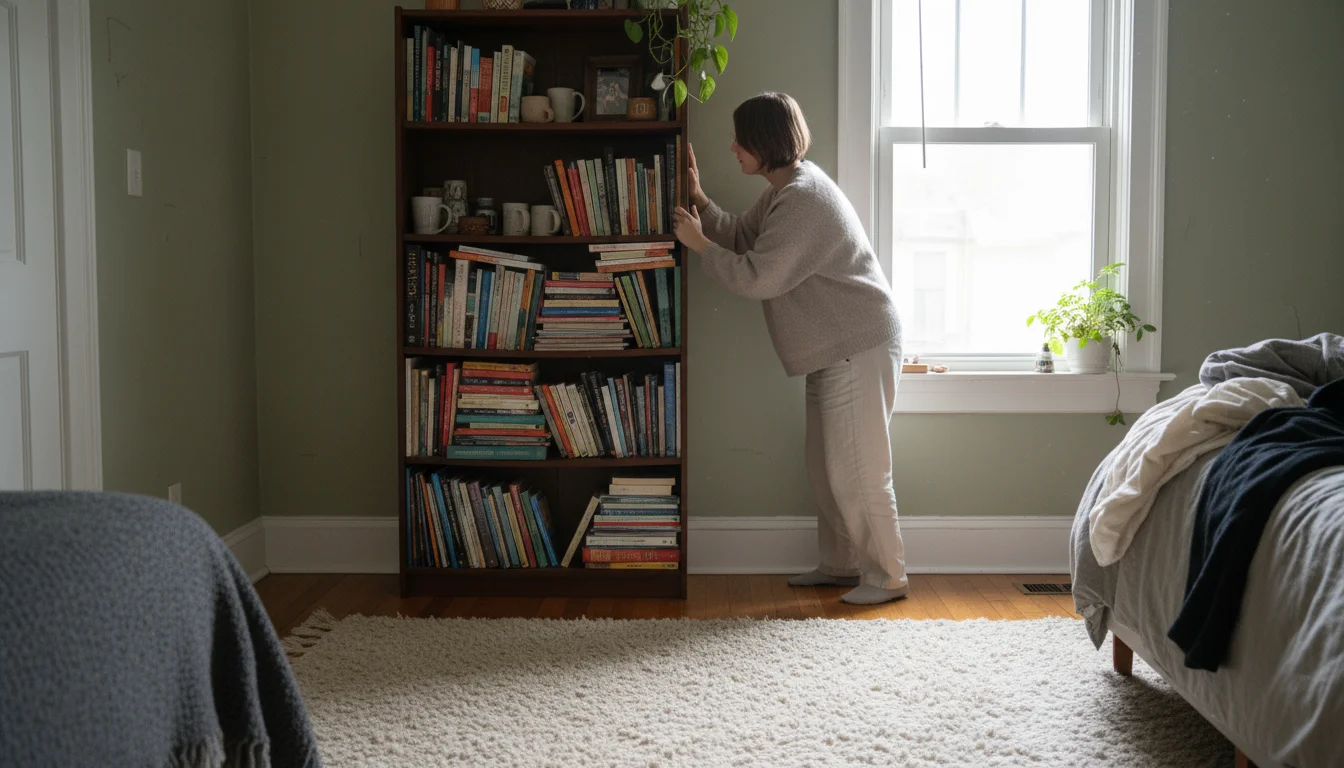
Beyond structural modifications, you can leverage your existing furniture and decor to create a quieter environment. This approach focuses on sound absorption and strategic blocking, minimizing the need for new purchases.
Strategic Furniture Placement:
The placement of your furniture can significantly impact how sound travels and reverberates within your room.
- Shared Walls: Position tall, bulky furniture, like wardrobes, bookshelves, or dressers, against walls shared with noisy neighbors or external areas. The solid mass of these items helps to block sound. Filling bookshelves completely with books adds even more sound-dampening mass.
- Upholstered Headboards: A large, upholstered headboard provides a soft, sound-absorbing surface right where your head rests. This can help reduce echoes and absorb some background noise.
- Avoid Empty Spaces: Large, empty spaces tend to echo. Break up these areas with furniture or decor.
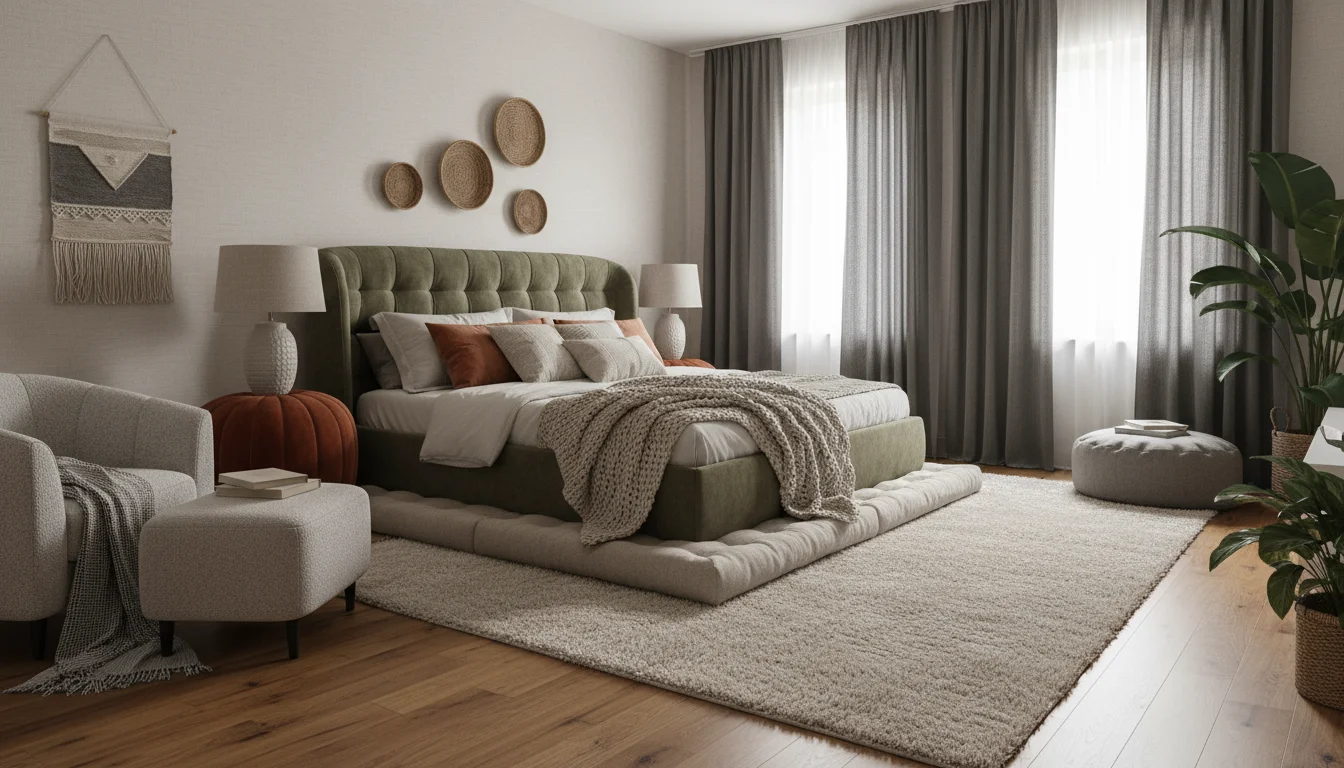
Soft Furnishings and Decor for Absorption:
Hard surfaces reflect sound, creating echoes and making a room feel louder. Soft, porous materials absorb sound, reducing reverberation and making the room feel calmer and quieter.
- Area Rugs and Carpeting: We have discussed this, but it bears repeating. A plush area rug with a thick pad on hard floors is one of the most effective ways to absorb sound from below and within the room.
- Heavy Curtains and Drapes: As previously mentioned, these are crucial for windows. Consider extending them beyond the window frame and from floor to ceiling for maximum sound absorption.
- Wall Tapestries and Fabric Art: Large pieces of fabric art or tapestries hung on walls act as decorative sound absorbers. Choose thick, textured materials.
- Upholstered Furniture: Sofas, armchairs, and ottomans with fabric upholstery absorb sound much better than leather or bare wood furniture.
- Pillows and Blankets: Do not underestimate the collective power of soft bedding. Multiple pillows, thick duvets, and decorative throw blankets all contribute to sound absorption within the room.
- Plants: While not a primary soundproofing solution, a room full of leafy plants can offer a small amount of sound absorption and help improve indoor air quality, contributing to a more comfortable sleep environment.
By thoughtfully arranging your existing items and perhaps adding a few soft furnishings, you can create a noticeably quieter and more inviting bedroom.
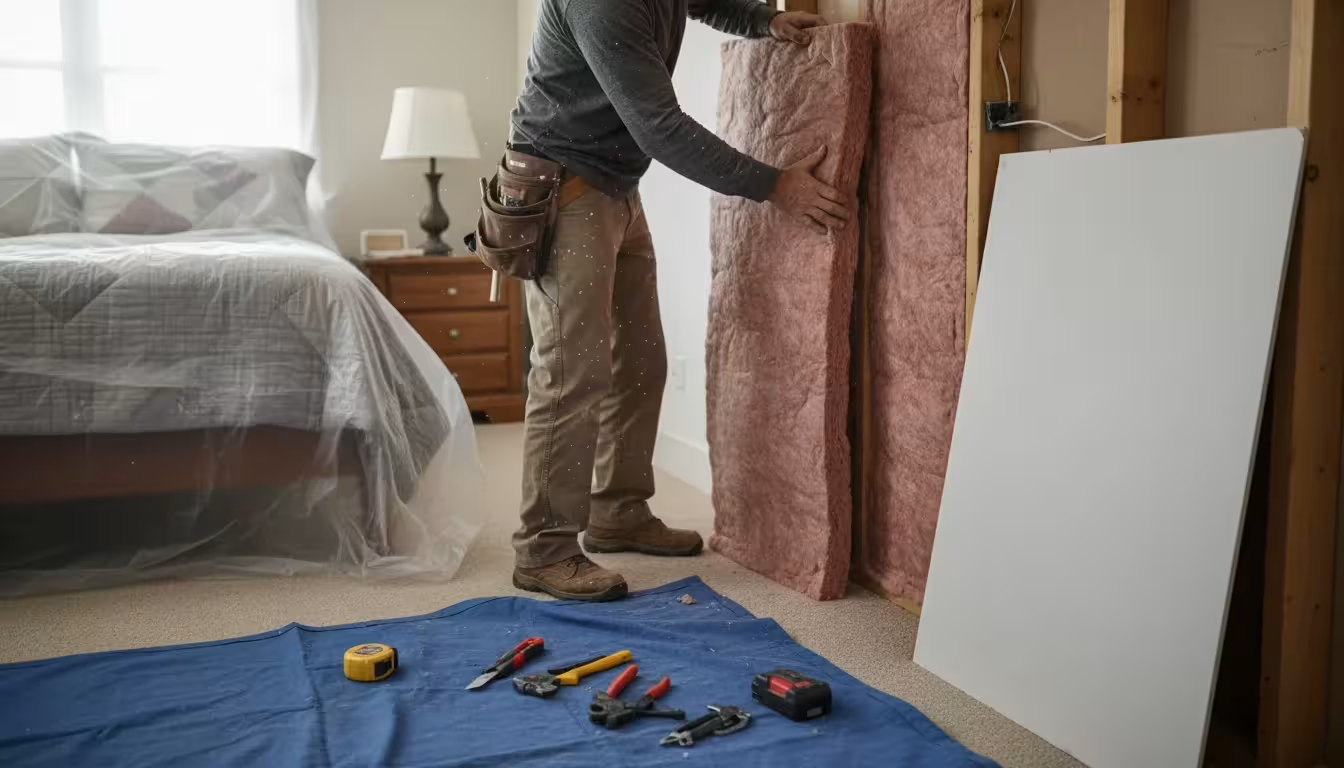
Advanced Soundproofing Measures and When to Call a Pro
Sometimes, simple fixes are not enough. If you are dealing with severe noise issues or planning a major renovation, advanced soundproofing techniques offer the most robust solutions. These often involve significant modifications to your home’s structure and may require professional expertise.
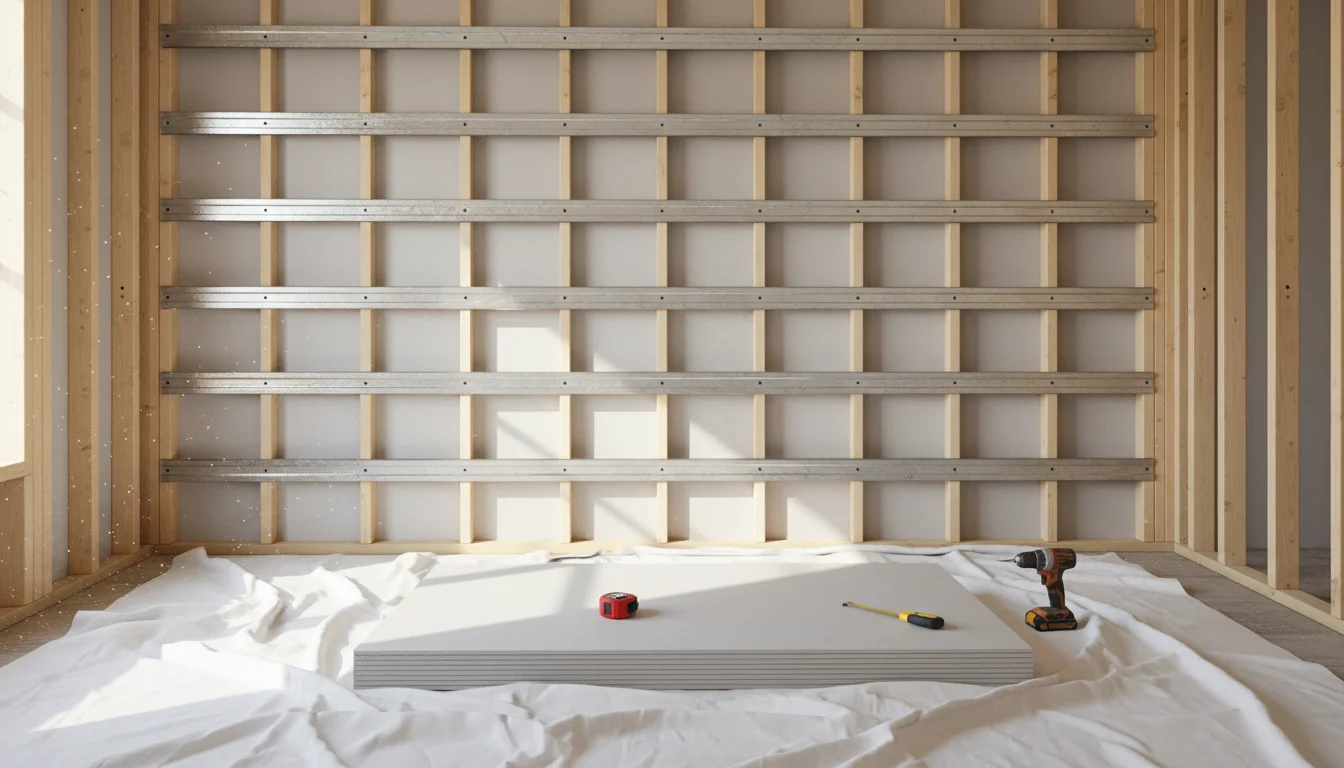
Structural Enhancements:
- Staggered Stud Walls or Double-Stud Walls: In new construction or major renovations, building walls with staggered studs or entirely separate double-stud frames creates an air gap and decouples the two sides of the wall. This is one of the most effective methods for blocking sound transmission between rooms.
- Resilient Channels and Sound Clips: These metal channels attach to wall studs or ceiling joists, and then drywall attaches to the channels. This system “floats” the drywall, creating a decoupling effect that significantly reduces structure-borne noise.
- Soundproof Drywall (QuietRock, SilentFX): These specialized drywall panels contain viscoelastic polymers between gypsum layers, providing superior sound-damping properties compared to standard drywall. They offer increased mass and damping in a single sheet.
- Insulation within Walls and Ceilings: Filling wall and ceiling cavities with dense insulation like mineral wool or blown-in cellulose provides excellent sound absorption, particularly for airborne noise. This is best done during construction or when walls are open.
- Flooring Underlayment: For multi-story homes, installing acoustic underlayment beneath hardwood, laminate, or tile flooring on upper levels significantly reduces impact noise (footfalls, dropped objects) that travels to the room below.
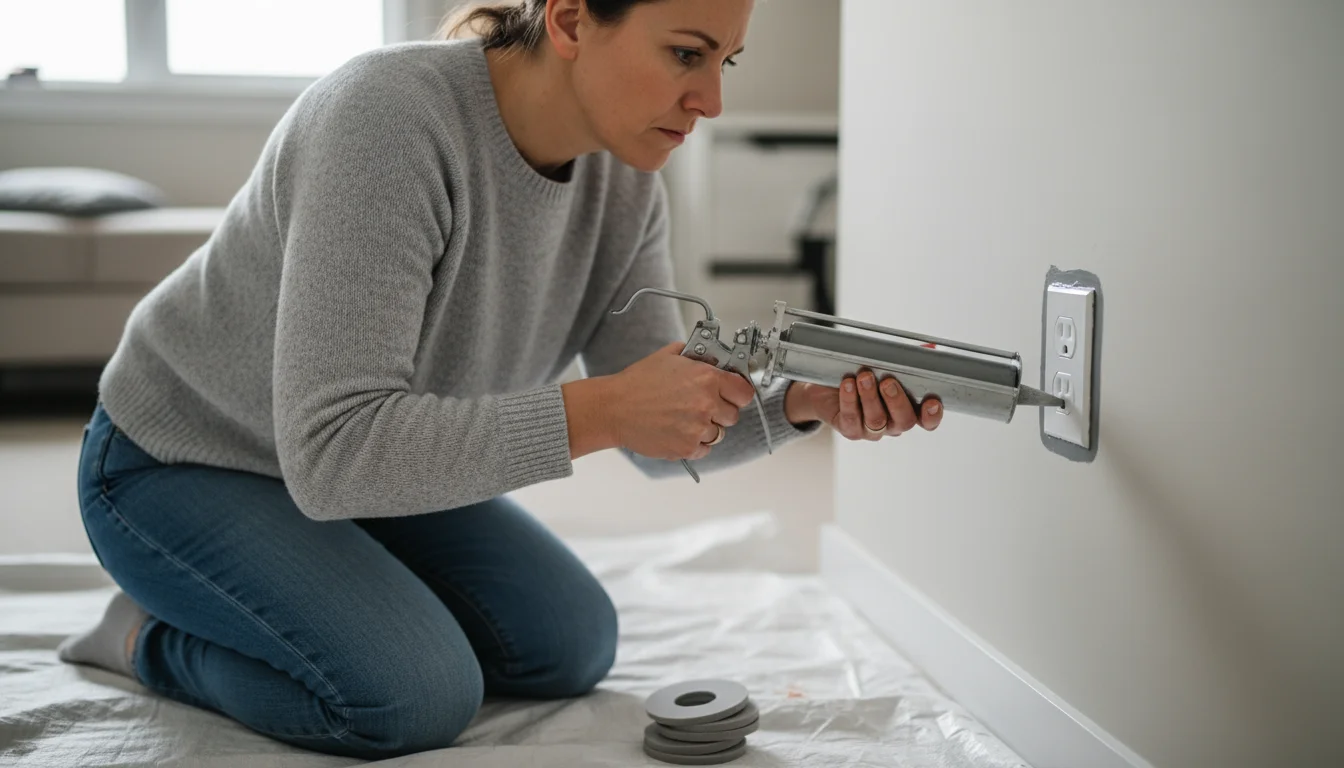
Addressing HVAC and Electrical Outlets:
- Seal Electrical Outlets: Electrical boxes create holes in your sound barrier. Use acoustic sealant around outlet boxes and install foam gaskets behind outlet covers to block noise leaks.
- Ductwork Insulation: Noise can travel through HVAC ducts. Lining ducts with acoustic insulation or installing sound attenuators helps reduce this internal noise transmission.
- Insulate Pipes: Water pipes can transmit noise from other parts of the house. Wrap exposed pipes in soundproofing insulation.

When to Call a Professional:
While many soundproofing tasks are DIY-friendly, some projects benefit greatly from professional expertise. Consider hiring a professional soundproofer or contractor if:
- You are undertaking major structural changes, such as adding a new wall, replacing windows, or dealing with complex ceiling noise.
- You have persistent, severe noise issues that simple fixes have not resolved.
- You are unsure about the best materials or techniques for your specific situation.
- You need precise measurements or custom solutions, such as acoustic panels designed for your room’s unique acoustics.
A professional can accurately diagnose noise sources and recommend the most effective, cost-efficient solutions, ensuring you achieve the quiet sanctuary you desire without costly mistakes.

Frequently Asked Questions
What is the difference between soundproofing and sound absorption?
Soundproofing aims to block noise from entering or leaving a space by adding mass, damping, or decoupling. This is like building a strong, sealed barrier. Sound absorption, on the other hand, reduces echoes and reverberation within a room by using soft, porous materials. It makes a room feel quieter by reducing sound reflections, but it does not stop external noise from entering. Effective sound control often combines both strategies.
Can plants really help with soundproofing?
While lush greenery creates a more calming environment and can slightly improve indoor air quality, plants offer minimal soundproofing benefits. Their ability to absorb or block sound is very limited compared to dense materials or structural modifications. Think of them as a complementary element for a more peaceful atmosphere, not a primary sound barrier.
Is “green glue” worth the investment?
Yes, viscoelastic damping compounds like Green Glue are highly effective for soundproofing walls and ceilings. When applied between two layers of drywall, they convert sound vibrations into heat, significantly increasing the sound transmission class (STC) rating of the assembly. It is a relatively inexpensive addition that yields substantial improvements in sound isolation compared to simply adding another layer of drywall alone.
How do I identify where noise is coming from if I cannot see the source?
To pinpoint noise sources, try a “sound audit.” Close all windows and doors. Sit quietly in your room and listen carefully. Walk around the room, placing your ear near walls, windows, doors, and even electrical outlets. Use a stethoscope against walls to hear faint sounds. For complex issues, a professional acoustician can use specialized equipment to detect sound leaks and vibrations you might miss.
Will painting my walls with soundproof paint actually work?
Be skeptical of claims about “soundproof paint.” While some specialized paints might offer a very marginal increase in mass, they generally do not provide significant soundproofing benefits on their own. For substantial noise reduction, you need to add significant mass, damping, or create air gaps, which paint cannot achieve. Focus your efforts on proven methods.
For expert home organization guidance, visit
American Cleaning Institute,
National Association of Professional Organizers,
Institute for Challenging Disorganization,
Consumer Reports — Home and
This Old House.
Disclaimer: This article is for informational purposes only and is not a substitute for professional advice. Consult professional organizers or specialists for personalized recommendations.




Leave a Reply