

For many, a comfortable home means a space free from the sniffles, sneezes, and itchy eyes that household allergens trigger. You deserve to breathe easier in your own living space, and achieving an allergy free home is more attainable than you might think. This guide provides practical, actionable steps for significant allergen reduction, helping you create a healthier, more comfortable environment. We focus on realistic strategies that busy homeowners, renters, and apartment dwellers can implement, even with limited time or budget. You can take control of your indoor air quality and enjoy your home without constant irritation.
What Are Household Allergens and Why Do They Matter?
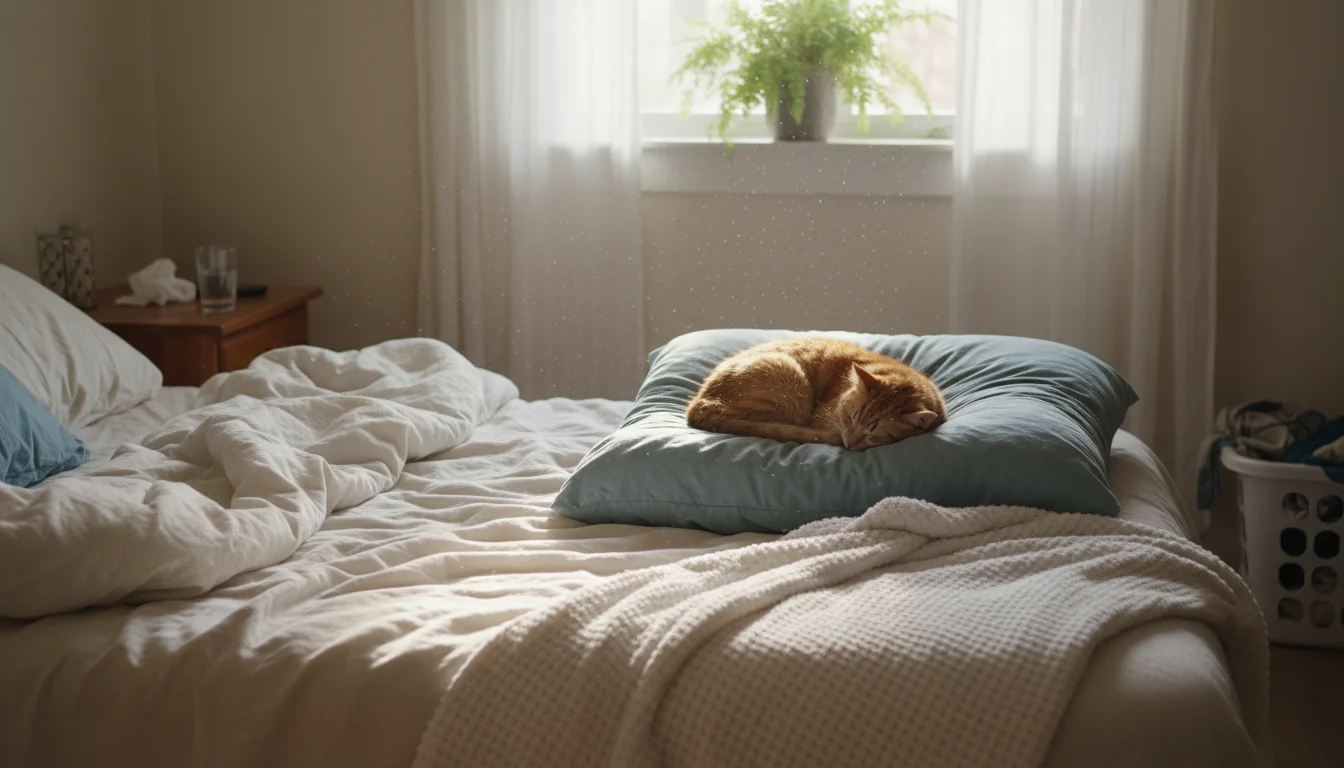
Household allergens are common substances found in your home that trigger allergic reactions in sensitive individuals. These microscopic particles often hide in plain sight, impacting your daily comfort and overall health. Understanding what these allergens are helps you target your efforts effectively for improved allergen reduction.
Using non-toxic cleaning products helps ensure you aren’t introducing new respiratory irritants while trying to remove biological ones.
In addition to these strategies, incorporating air-purifying plants can naturally enhance your environment while creating a more serene space.
Common indoor allergens include:
- Dust Mites: These tiny arachnids live in household dust and thrive in warm, humid environments. They feed on shed human skin cells, and their droppings are a primary trigger for many allergy sufferers. You find them in bedding, upholstered furniture, carpets, and curtains.
- Pet Dander: Pet dander consists of microscopic flakes of skin shed by animals with fur or feathers. It floats in the air, settles on surfaces, and adheres to clothing. It is not pet hair itself that causes allergies, but the proteins in dander, saliva, and urine.
- Mold and Mildew: Fungi grow in damp, dark areas, releasing spores into the air. Mold thrives in bathrooms, basements, kitchens, and around leaky pipes. Exposure to mold spores can cause respiratory symptoms and skin irritation.
- Pollen: While primarily an outdoor allergen, pollen enters your home through open windows, on clothing, and carried by pets. It settles on indoor surfaces, affecting those with seasonal allergies even when indoors.
- Cockroach Allergen: Droppings, saliva, and decaying body parts of cockroaches contain proteins that trigger allergic reactions in some individuals. This is particularly prevalent in urban areas.
Why does effective allergen management matter? Chronic exposure to these triggers can lead to persistent symptoms like sneezing, runny nose, congestion, itchy eyes, skin rashes, and even asthma attacks. Creating an allergy free home directly improves your quality of life, allowing you to sleep better, concentrate more easily, and enjoy your living space without discomfort. Proactive steps make a significant difference in your daily health.
Your First Steps to an Allergy-Free Home
Starting your journey toward allergen reduction does not require an immediate overhaul. Begin with these fundamental strategies to lay a strong foundation for a healthier home environment. These steps are often budget-friendly and immediately impactful.
If you are ready for a more intensive home refresh, a spring deep cleaning checklist can help you systematically eliminate dust from often-overlooked areas.
To truly reset your home, following a structured spring cleaning guide ensures you don’t miss hidden dust traps during your seasonal maintenance.
- Identify Your Triggers: You cannot effectively combat allergens until you know what causes your symptoms. Consult an allergist to confirm specific triggers. This guides your efforts, allowing you to prioritize the most problematic allergens.
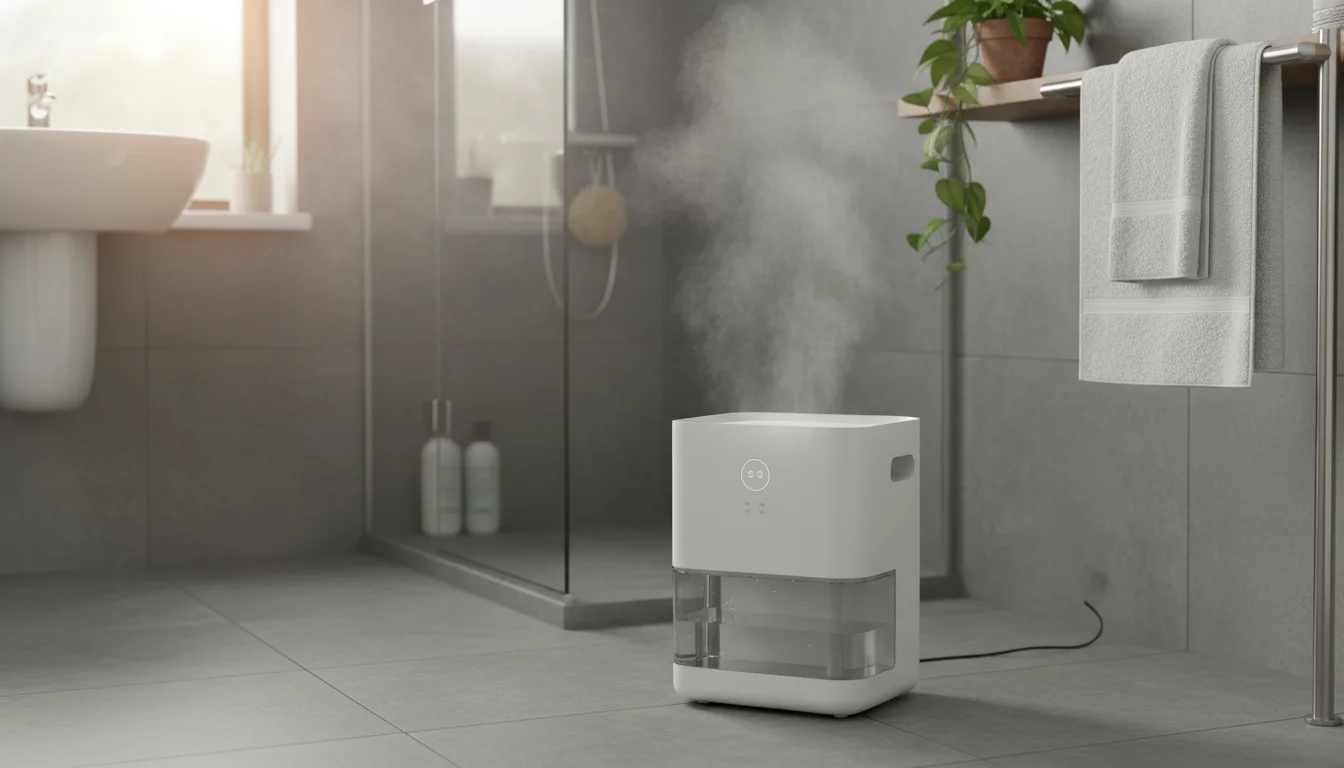
- Control Humidity Levels: Dust mites and mold thrive in high humidity. Aim to maintain indoor humidity between 30% and 50%. You achieve this using a dehumidifier in damp areas like basements and bathrooms. Ensure proper ventilation, especially during and after showers and cooking.
- Clean Regularly and Systematically: Consistent cleaning removes allergens before they accumulate. Develop a cleaning routine that targets key allergen hotbeds. We will delve into specific cleaning techniques later, but a general principle involves dusting, vacuuming, and wiping surfaces at least weekly.
- Consider Your Flooring: Carpets trap allergens like dust mites, dander, and pollen. Hardwood, laminate, tile, or linoleum floors are easier to clean and harbor fewer allergens. If replacing carpet is not an option, you can still mitigate its impact with proper vacuuming.
- Filter Your Air: Your HVAC system offers an excellent opportunity for allergen reduction. Use high-efficiency particulate air, or HEPA, filters in your furnace and air conditioning systems. These filters capture smaller particles than standard filters. Check the MERV rating; higher MERV ratings indicate better filtration. For example, a MERV 11-13 filter provides excellent residential filtration. According to the Environmental Protection Agency (EPA), upgrading your filter is one of the most effective ways to improve your indoor air quality.
Tackling Dust Mites: The Unseen Invaders
Dust mites are among the most common indoor allergens. They flourish in textiles where dead skin cells, their primary food source, are plentiful. You can significantly reduce their presence with targeted strategies, making your home a less hospitable place for these microscopic creatures.
Here’s how to effectively manage dust mites:
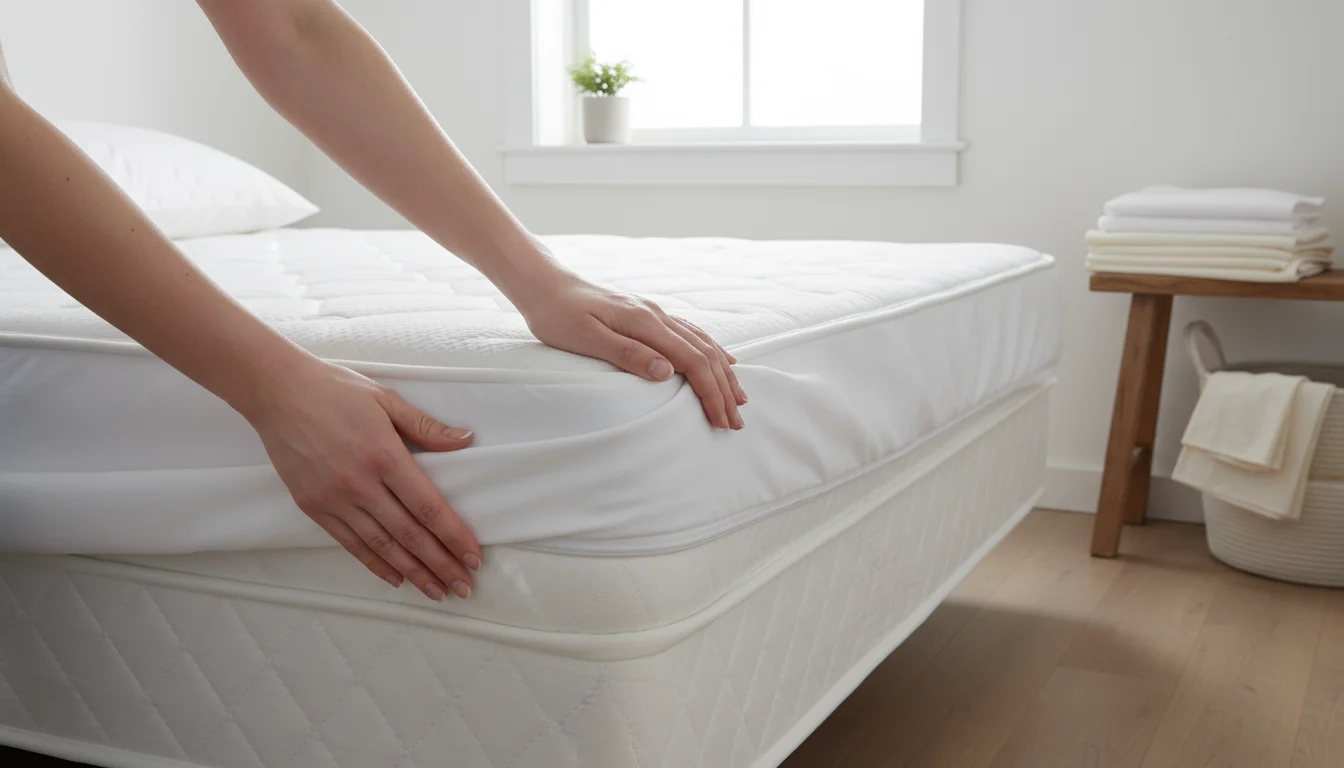
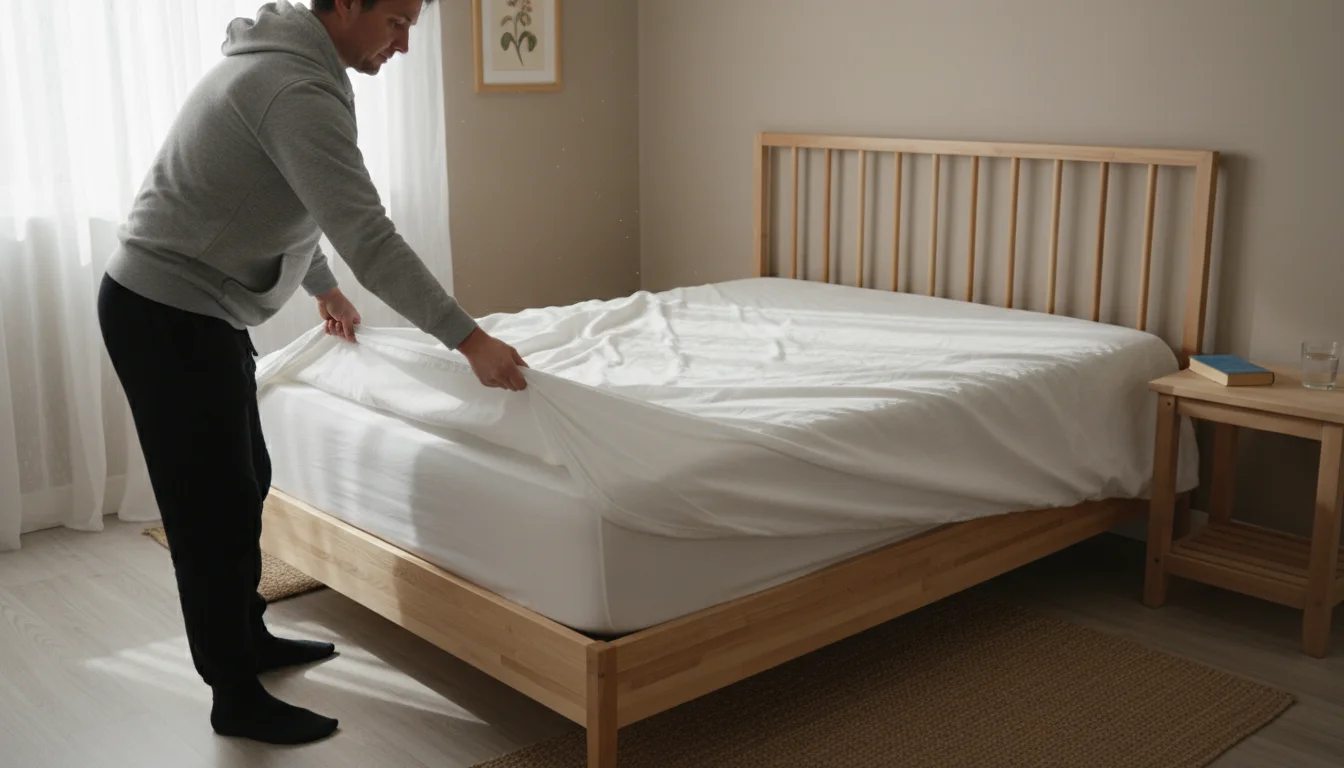
- Encasing Bedding: This is a crucial step. Purchase allergen-proof covers for your mattresses, box springs, and pillows. These covers create a barrier, preventing dust mites from colonizing your bedding and blocking existing allergens from escaping. Look for covers made of tightly woven fabric with a pore size small enough to block mites.
- Washing Bedding Frequently: You should wash all bedding, including sheets, pillowcases, and blankets, in hot water (at least 130°F or 54°C) weekly. Hot water kills dust mites and washes away their allergens. If hot water is not suitable for your bedding, use cooler water with an allergen-reducing detergent or simply tumble dry on high heat for at least 15 minutes after washing.
- Removing or Treating Carpeting: Carpets are significant reservoirs for dust mites. If possible, replace wall-to-wall carpeting with hard surface flooring, especially in bedrooms. If removing carpet is not feasible, you must vacuum frequently with a HEPA-filter vacuum cleaner. Consider professional steam cleaning annually, ensuring carpets dry completely to prevent mold growth.
- Minimizing Upholstered Furniture and Heavy Drapes: Upholstered items and heavy curtains also attract dust mites. You might consider replacing fabric upholstery with leather, vinyl, or wood furniture. For windows, opt for washable blinds or lightweight curtains that you can launder regularly.
- Decluttering: Dust mites collect in clutter. Remove unnecessary items that accumulate dust, such as decorative pillows, stuffed animals, and excessive knick-knacks. You reduce surfaces where dust mites can settle and thrive, simplifying your cleaning routine.
Controlling Pet Dander: Living Happily with Furry Friends
Living with pets and allergies presents a unique challenge, but you do not necessarily have to part with your beloved companions. Implementing specific strategies allows you to reduce pet dander and create a more allergy-friendly environment for your indoor allergies.
In addition to managing dander, learning how to remove pet odors naturally will keep your shared spaces smelling fresh and inviting.
Practical steps for managing pet dander:
- Establish Pet-Free Zones: Designate certain areas of your home, especially bedrooms, as pet-free zones. This gives you a sanctuary where you can escape dander and achieve better sleep. Keep bedroom doors closed and rigorously enforce this rule.
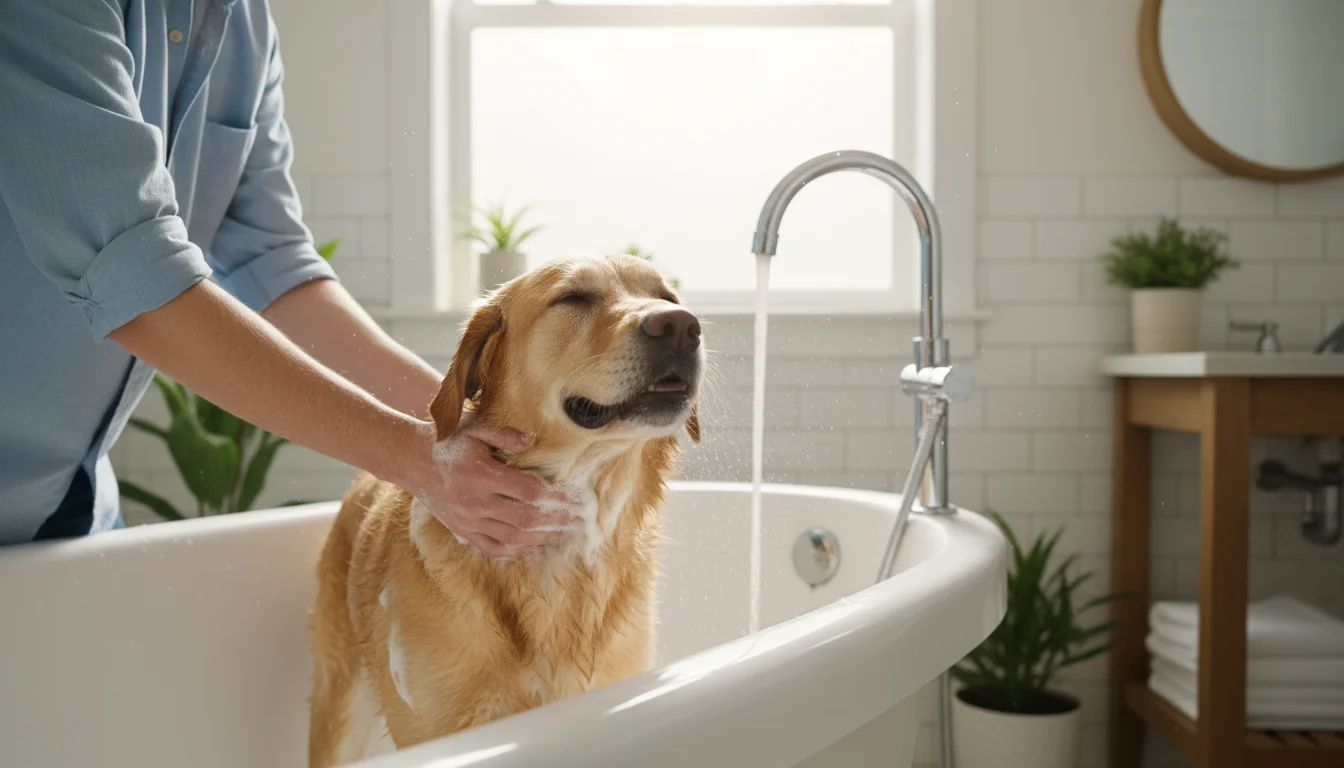
- Bathe Pets Regularly: Washing your pet at least once a week can significantly reduce the amount of dander they shed. Use a pet-friendly shampoo and ensure you rinse thoroughly. Consider having a non-allergic family member or a professional groomer handle bathing to minimize your exposure.
- Groom Pets Outdoors: Brush your pet frequently, but do this outside to prevent loose dander from spreading inside your home. This removes shedding hair and dander before it has a chance to settle indoors.
- Wash Pet Bedding: Just like human bedding, pet beds accumulate dander, fur, and other allergens. Wash pet bedding weekly in hot water (130°F/54°C) to kill dust mites and remove dander.
- Use HEPA Filters: In addition to your HVAC system, consider using portable air purifiers with HEPA filters in rooms where your pet spends the most time. These devices capture airborne dander, providing continuous allergen reduction.
- Clean Surfaces Regularly: Pet dander settles on all surfaces. Wipe down hard surfaces, vacuum carpets, and clean upholstered furniture often to remove accumulated dander. A damp cloth captures dander more effectively than a dry cloth, which can just stir it into the air.
Managing Mold and Mildew: Preventing Moisture Menaces
Mold and mildew thrive in damp, humid conditions, making moisture control your primary defense. Their spores can trigger respiratory issues and exacerbate existing allergies. You can prevent and manage mold effectively by addressing moisture sources throughout your home, ensuring an allergy free home environment.
Key strategies for mold and mildew control:
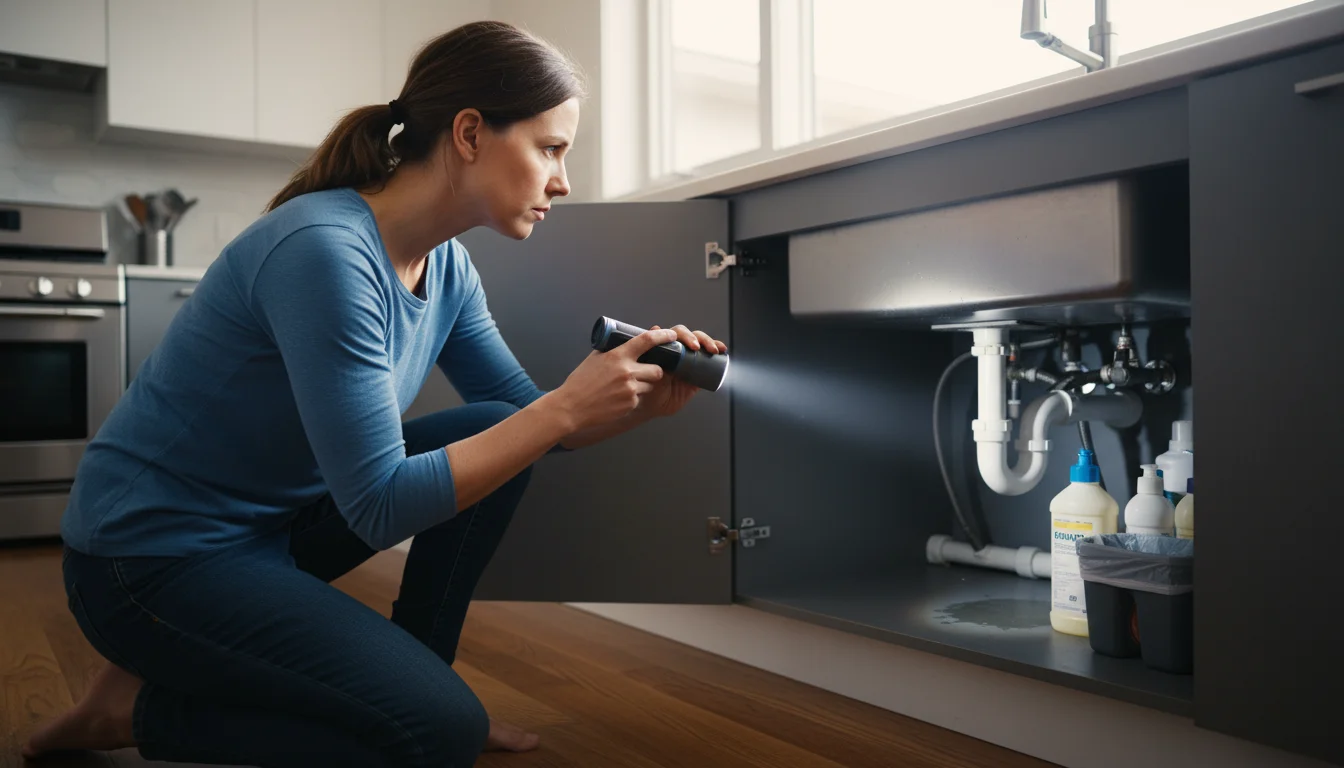
- Fix Leaks Immediately: Dripping faucets, leaky pipes, and roof leaks create ideal breeding grounds for mold. Address any water intrusion promptly. Even small leaks can cause significant mold growth over time. You should regularly inspect under sinks, around toilets, and in basements for signs of moisture.
- Ensure Proper Ventilation: Good airflow prevents moisture buildup.
- Bathrooms: Always use exhaust fans during and after showers or baths, running them for at least 30 minutes afterward. If you lack an exhaust fan, open a window.
- Kitchens: Use exhaust fans or open windows when cooking, especially when boiling water or using dishwashers.
- Basements/Crawl Spaces: Consider a dehumidifier in these areas to keep humidity levels below 50%. Ensure good air circulation, and check for condensation on pipes or walls.
- Clean Moldy Surfaces Promptly: For small areas of mold, you can typically clean hard surfaces with a solution of water and detergent, or a mixture of 1 cup bleach in 1 gallon of water (wear gloves and eye protection). For porous materials like drywall, you may need to remove and replace the affected section. The CDC provides detailed guidelines on cleaning and disinfecting, which are essential for mold remediation. Always dry cleaned areas completely to prevent recurrence.
- Avoid Carpeting in Damp Areas: Do not install carpeting in bathrooms, basements, or other areas prone to moisture. These environments create a perfect habitat for mold to grow within the carpet fibers.
- Maintain Gutters and Downspouts: Ensure your gutters are clean and direct water away from your home’s foundation. Standing water near your house can seep into the basement or crawl space, leading to mold problems.
Reducing Pollen and Outdoor Allergens Indoors
Even if you stay inside, outdoor allergens like pollen can still invade your home, triggering seasonal indoor allergies. You can significantly reduce their presence with a few mindful habits and strategic home maintenance.
Effective steps for keeping outdoor allergens out:
- Keep Windows and Doors Closed: During high pollen seasons, keep windows and doors shut, especially on windy days or when pollen counts are high. Rely on your air conditioning to cool your home, which also filters the air.
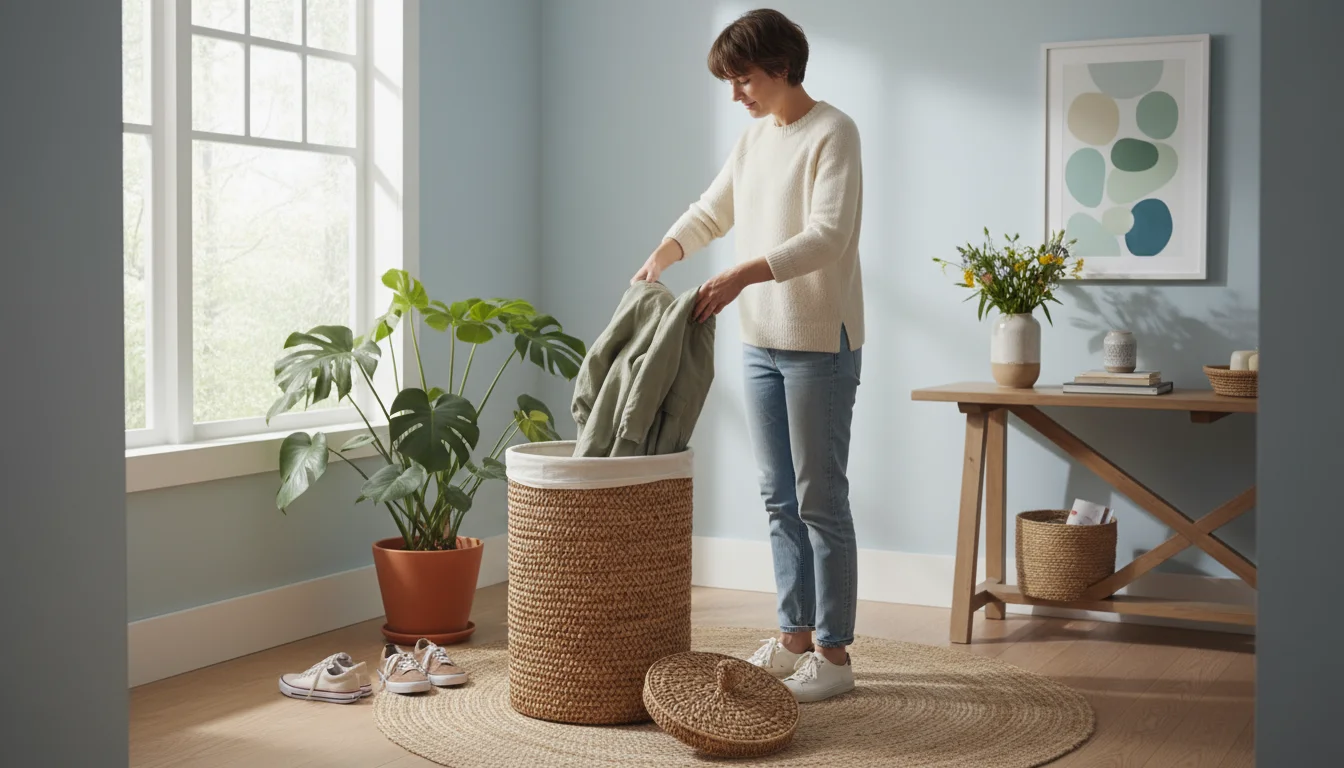
- Change Clothes and Shower After Coming Indoors: Pollen adheres to your clothing, hair, and skin. Change into fresh clothes immediately after spending time outdoors, and consider showering to wash off any accumulated pollen. This prevents you from tracking allergens throughout your home.
- Wipe Down Pets: If your pets go outside, their fur collects pollen. Wipe them down with a damp cloth or a pet-safe wipe before they re-enter your living areas.
- Clean Floors Regularly: Pollen settles on floors. Sweep, vacuum (with a HEPA filter), or mop hard floors frequently. This removes settled pollen before it becomes airborne again.
- Maintain Your HVAC System: Ensure your HVAC system uses a high-efficiency filter (MERV 11-13) and change it regularly according to the manufacturer’s recommendations. This helps trap incoming pollen and other airborne particles, contributing to allergen reduction.
- Use a Doormat: Place a sturdy doormat at all entrances and encourage everyone to wipe their feet thoroughly. This simple step traps a significant amount of outdoor debris and pollen before it enters your home.
Smart Cleaning Strategies for Allergen Reduction
Your cleaning routine plays a vital role in maintaining an allergy free home. The right techniques and tools capture allergens rather than simply redistributing them. You can achieve cleaner air and surfaces with consistent, targeted cleaning.
Implement these smart cleaning practices:
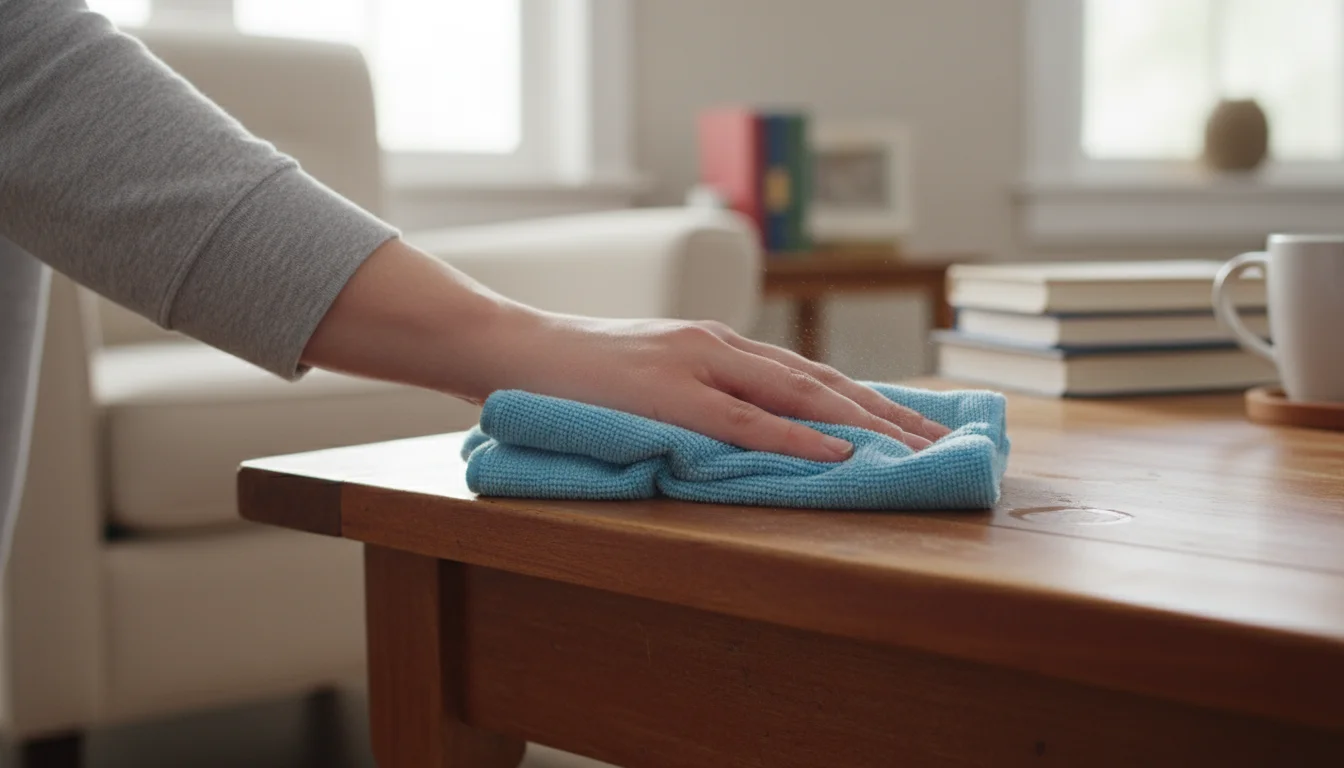
- Dust with Damp Cloths: Dry dusting only pushes dust and allergens into the air. Use a damp microfiber cloth or an electrostatic duster to effectively capture dust, dander, and pollen from surfaces. Wipe surfaces from top to bottom, then rinse your cloths frequently.
- Vacuum with HEPA Filtration: A vacuum cleaner with a certified HEPA filter prevents microscopic allergens from being blown back into the air. Vacuum carpets, rugs, and upholstered furniture at least once or twice a week. Replace vacuum bags before they become too full, or empty canisters outdoors to avoid re-exposure.
- Mop Hard Floors: After vacuuming, mop hard floors with a suitable cleaning solution. Mopping removes any remaining dust and allergens that the vacuum missed. Allow floors to dry completely to prevent mold growth.
- Clean Curtains and Blinds: Launder washable curtains regularly in hot water. For blinds, wipe them down with a damp cloth or vacuum them with a brush attachment.
- Declutter Regularly: Less clutter means fewer surfaces for dust and allergens to accumulate. Regularly go through your belongings and remove items you no longer need or use. Store items in sealed containers to keep dust out. This makes cleaning much easier and more effective.
- Wear a Mask: If you are highly sensitive to allergens, wear a dust mask (N95 respirator) while cleaning. This protects your respiratory system from airborne particles stirred up during cleaning.
Essential Products and Budget-Friendly Solutions
You do not need to spend a fortune to achieve significant allergen reduction. Many effective solutions are affordable, and some budget-friendly options deliver excellent results. Prioritize products that address your specific allergen triggers.
Consider these products and solutions:
- Allergen-Proof Bedding Covers: These are a top investment for dust mite allergies. Prices vary, but many affordable options exist. You can find quality mattress, pillow, and box spring covers at home goods stores or online.
- HEPA Filter Vacuum Cleaners: While some HEPA vacuums are expensive, you can find models in a wide price range. Look for reputable brands and check reviews. Consumer Reports often provides excellent unbiased product comparisons and recommendations for home appliances, helping you select a vacuum that fits your budget and needs.
- Air Purifiers with HEPA Filters: Portable air purifiers can target specific rooms. Research models that match your room size (CADR rating) and budget. You can find effective units for bedrooms and living areas without breaking the bank.
- Dehumidifiers: Essential for managing mold and dust mites in humid climates or damp areas. Energy-efficient models often carry the Energy Star label, reducing running costs.
- High-Efficiency HVAC Filters: Upgrade your furnace and AC filters to a MERV 11-13 rating. These are slightly more expensive than basic filters but offer superior indoor air quality without requiring a new HVAC system. Change them every 1-3 months.
- Microfiber Cloths: These are incredibly effective at trapping dust and cost very little. You can wash and reuse them, making them an environmentally and budget-friendly cleaning tool.
- DIY Cleaning Solutions: For general cleaning, a simple solution of white vinegar and water or baking soda can be effective and non-toxic. For mold, a diluted bleach solution (as mentioned earlier) is potent, but always test in an inconspicuous area first.
You can create an allergy free home environment by prioritizing where you spend your money. Focus on bedding, air filtration, and moisture control first, then expand as your budget allows.
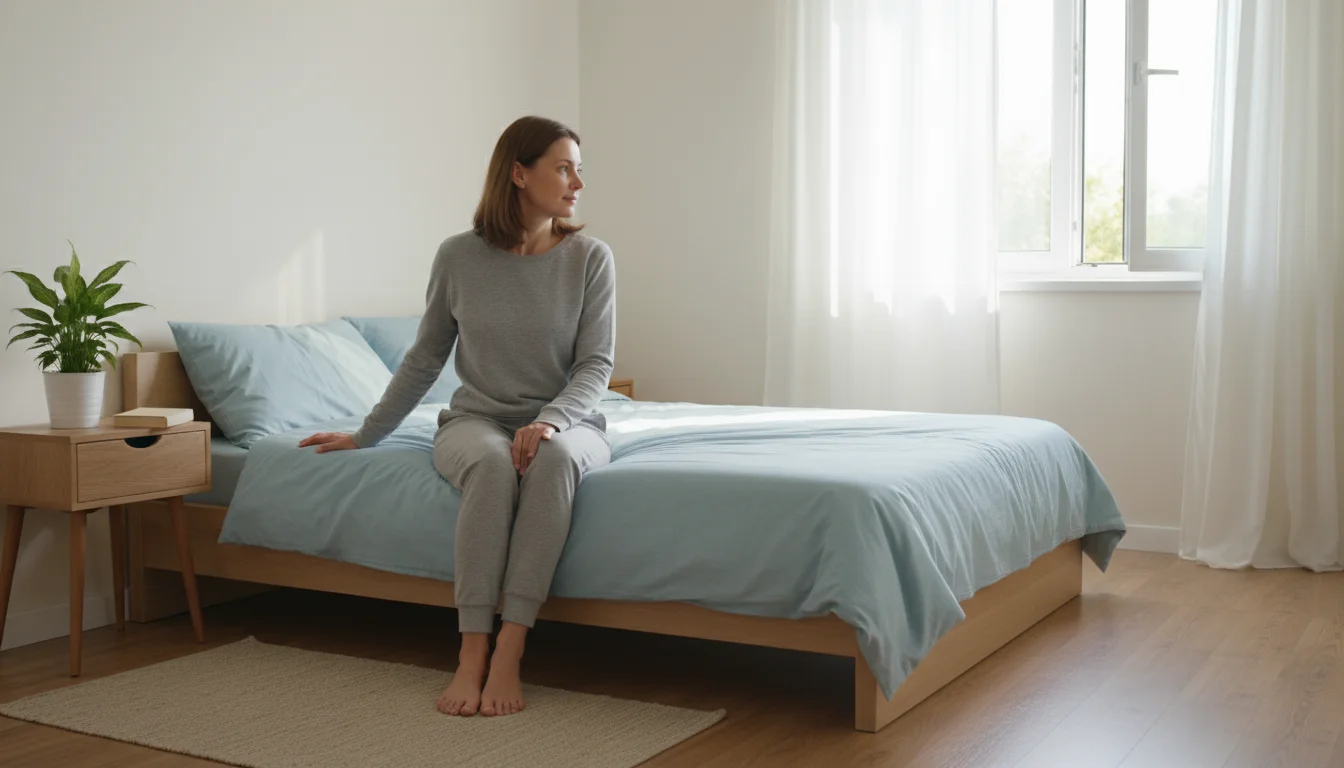
Creating Allergy-Friendly Zones: Room-by-Room Guide
Applying allergen reduction strategies throughout your entire home can feel overwhelming. Instead, focus on creating “zones,” designated areas for specific activities or purposes, where you rigorously control allergens. You start with your most critical zones, like the bedroom, and expand from there.
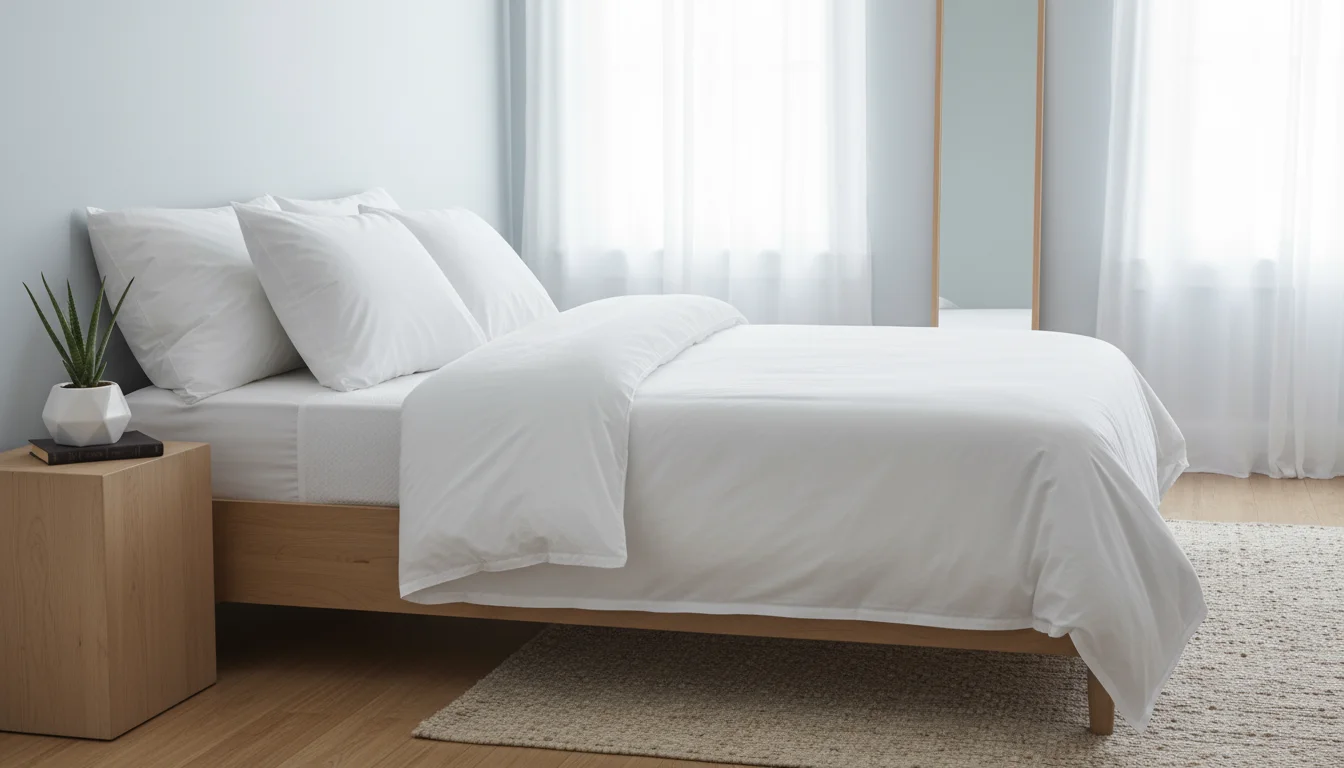
Bedroom: Your Sanctuary
Your bedroom is the most important allergy-friendly zone because you spend about a third of your life here. Prioritizing this space significantly impacts your well-being.
- Bedding: Encase mattresses, box springs, and pillows in allergen-proof covers. Wash sheets, pillowcases, and blankets weekly in hot water (130°F/54°C).
- Flooring: Opt for hard floors. If you have carpet, vacuum with a HEPA filter vacuum twice a week.
- Curtains: Replace heavy drapes with washable blinds or lightweight curtains.
- Clutter: Keep surfaces clear. Store clothes in closets and toys in sealed bins. Limit stuffed animals, or wash them weekly in hot water.
- Pets: Strictly enforce a no-pets-in-the-bedroom rule.
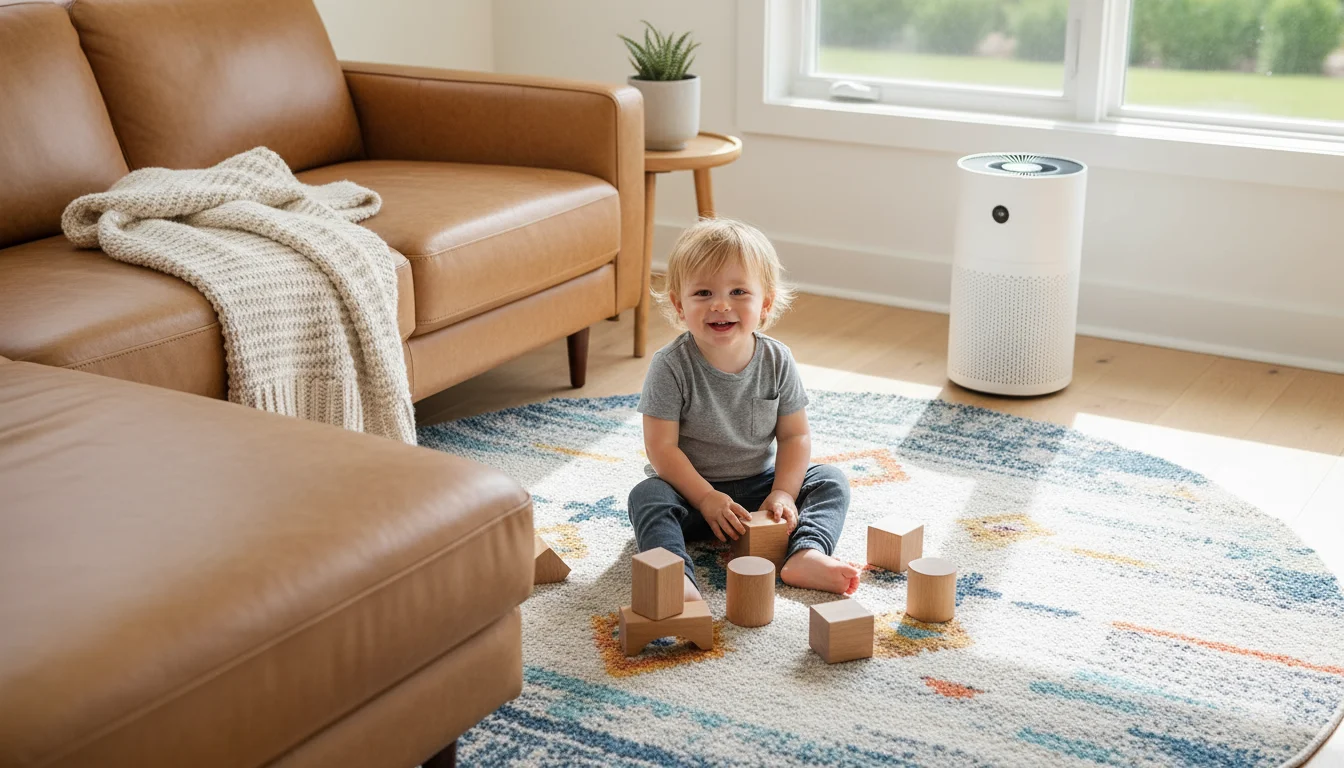
Living Room: The Family Hub
This room accumulates a lot of allergens due to high traffic.
- Furniture: Consider leather, vinyl, or wood furniture instead of upholstered pieces. If you have upholstered furniture, vacuum it weekly with an upholstery attachment.
- Rugs: Choose washable area rugs over wall-to-wall carpeting. Shake out and beat washable rugs outdoors regularly.
- Air Filtration: Use a portable HEPA air purifier in this main living space.
- Ventilation: Ensure good airflow, especially if you have a fireplace, which can introduce smoke particles.
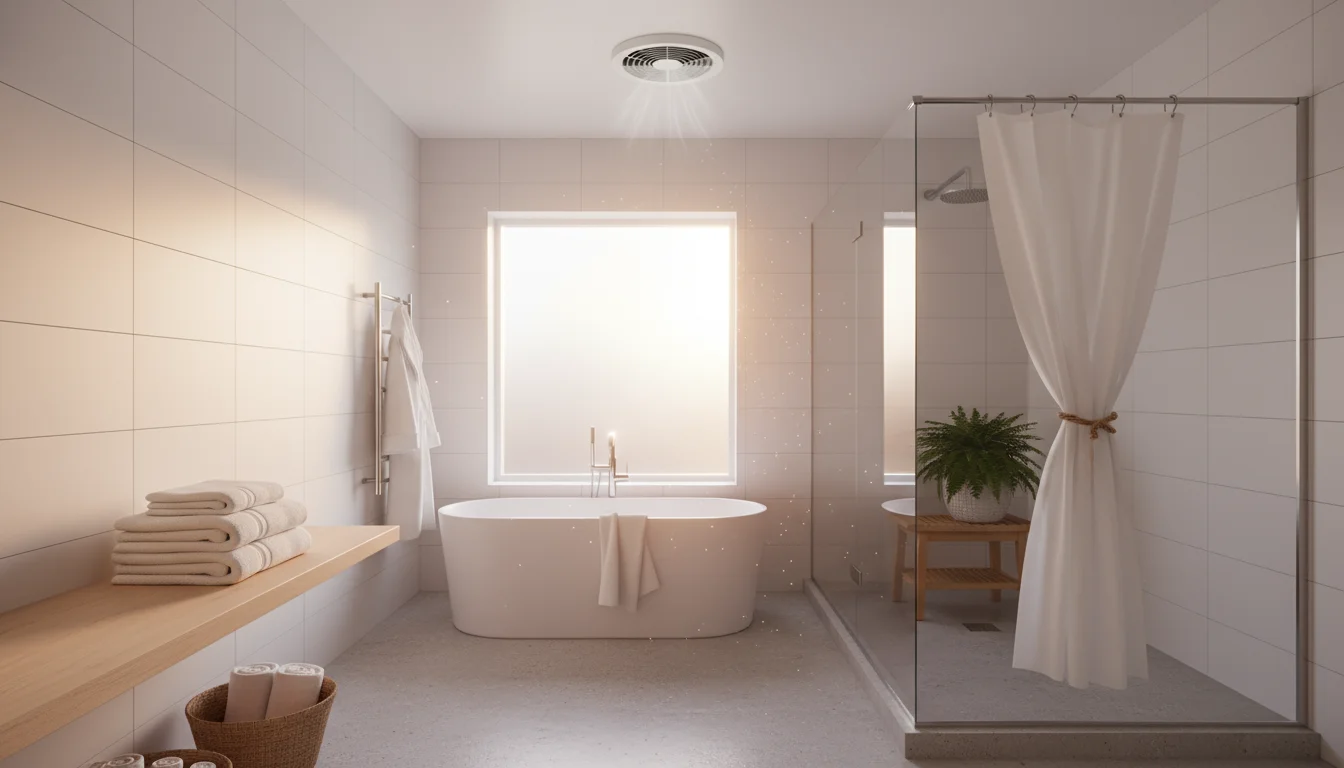
Bathroom: The Moisture Zone
Mold and mildew are the primary concerns here.
- Ventilation: Always use the exhaust fan during and after showers/baths for at least 30 minutes. If no fan, open a window.
- Cleaning: Clean showers, tubs, and sinks frequently with mold-inhibiting cleaners. Wipe down damp surfaces after use.
- Linens: Wash bath mats, towels, and shower curtains regularly.
- Shower Curtains: Choose washable fabric curtains or plastic ones you can easily wipe clean.
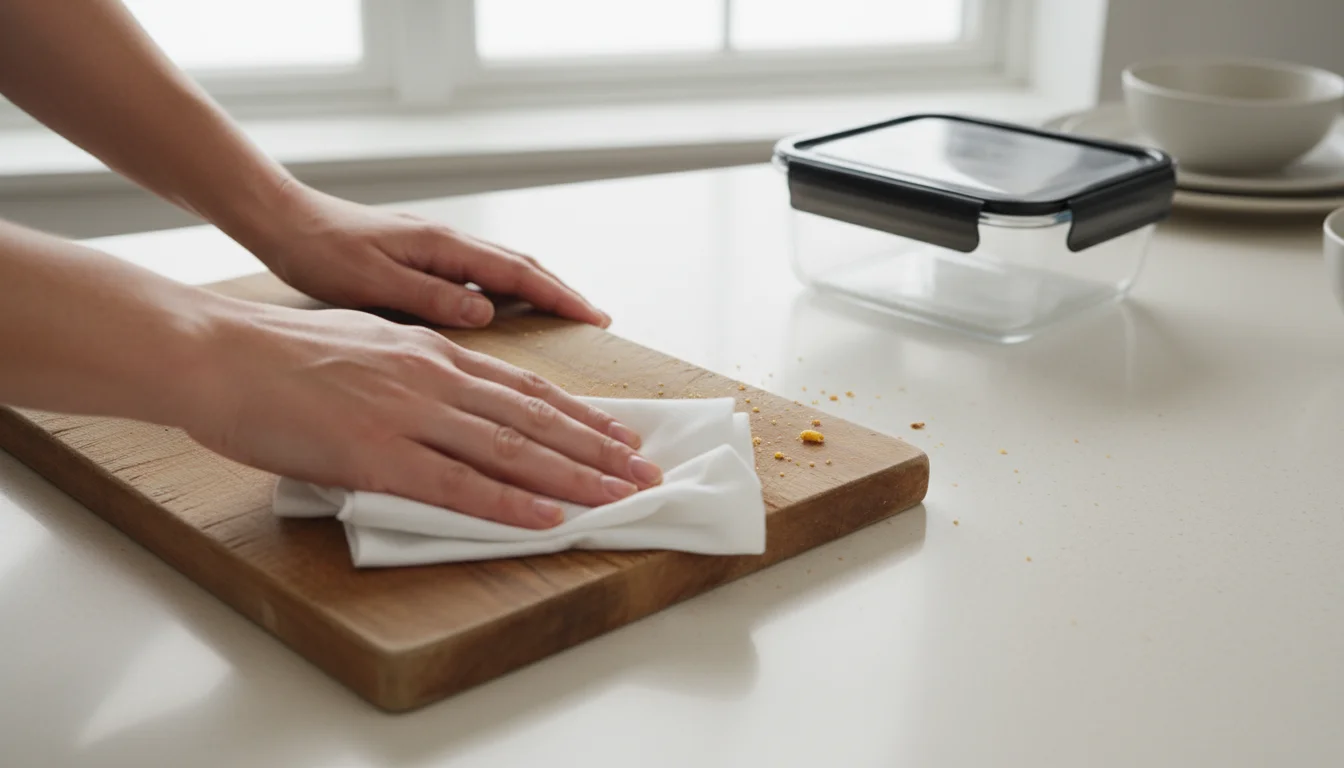
Kitchen: Food and Moisture
Food particles, mold, and even cockroach allergens can be issues here.
- Cleaning: Wipe down counters and surfaces daily. Clean spills immediately.
- Ventilation: Use a range hood or open a window when cooking.
- Pest Control: Keep food sealed, clean crumbs, and address any pest issues promptly.
- Refrigerator: Regularly clean and dry the drip pan and door seals to prevent mold growth.

Frequently Asked Questions
How often should I clean for effective allergen reduction?
For most homes, you should clean high-traffic areas, surfaces, and bedding weekly. Vacuum carpets and mop hard floors one to two times a week. Dusting and wiping surfaces should also occur weekly. You can increase frequency during peak allergy seasons or if you have severe allergies. Consistency is key for maintaining an allergy free home.
Do “hypoallergenic” pets truly exist?
No pet is truly 100% hypoallergenic. While some breeds produce less dander or shed less, they still produce allergens in their skin, saliva, and urine. You may find some breeds cause fewer symptoms for certain individuals, but they are not entirely allergen-free. It’s always best to spend time with a specific animal before bringing it into your home if you have pet allergies.
Can air fresheners or scented candles help with indoor allergies?
Air fresheners, scented candles, and other fragrance products do not reduce allergens; they only mask odors. Many individuals with allergies or asthma find these strong scents irritating, potentially worsening their symptoms. Focus on removing allergens and improving air quality through filtration and ventilation instead of using fragrances.
Is it better to open windows or use air conditioning for indoor allergies?
During high pollen seasons, it is better to keep windows closed and use air conditioning with a high-efficiency filter (MERV 11-13). Air conditioning filters the air, reducing the amount of outdoor pollen entering your home. Opening windows allows pollen, mold spores, and other outdoor allergens to enter freely, exacerbating your indoor allergies.
How can I reduce allergens on a tight budget?
You can achieve significant allergen reduction without spending a lot. Prioritize controlling humidity with proper ventilation, regularly cleaning with damp cloths and a basic vacuum, and washing bedding in hot water. Make DIY cleaning solutions. Focus on one room at a time, starting with your bedroom, and gradually incorporate more allergy-friendly habits. These consistent efforts are highly effective and cost very little.
For expert home organization guidance, visit
Houzz — Home, The Spruce — Home Organization, Real Simple — Organizing and Good Housekeeping — Organization.
Disclaimer: This article is for informational purposes only and is not a substitute for professional advice. Consult professional organizers or specialists for personalized recommendations.








Leave a Reply