

A single inch of rainfall on a standard 2,000-square-foot roof generates over 1,200 gallons of water. Without a clear path to the ground, that water finds its way into the path of least resistance—often your foundation, basement, or behind your home’s siding. Water management remains the single most critical factor in preserving the structural integrity of your property. Rather than viewing gutter maintenance as a tedious chore, approach it as the primary defense system protecting your most valuable asset.
When leaves, twigs, and roofing granules obstruct the flow of water, the resulting overflow triggers a cascade of costly problems. Wood fascia boards begin to rot, soil around the foundation erodes, and basement walls experience increased hydrostatic pressure, leading to cracks and leaks. Taking a proactive approach to seasonal gutter care prevents these expensive structural failures while extending the lifespan of the gutter system itself.
“Water is the enemy of any house. Gutters and downspouts are your first line of defense against it, moving runoff safely away from the foundation before it can cause structural damage.” — Richard Trethewey, Plumbing and Heating Expert
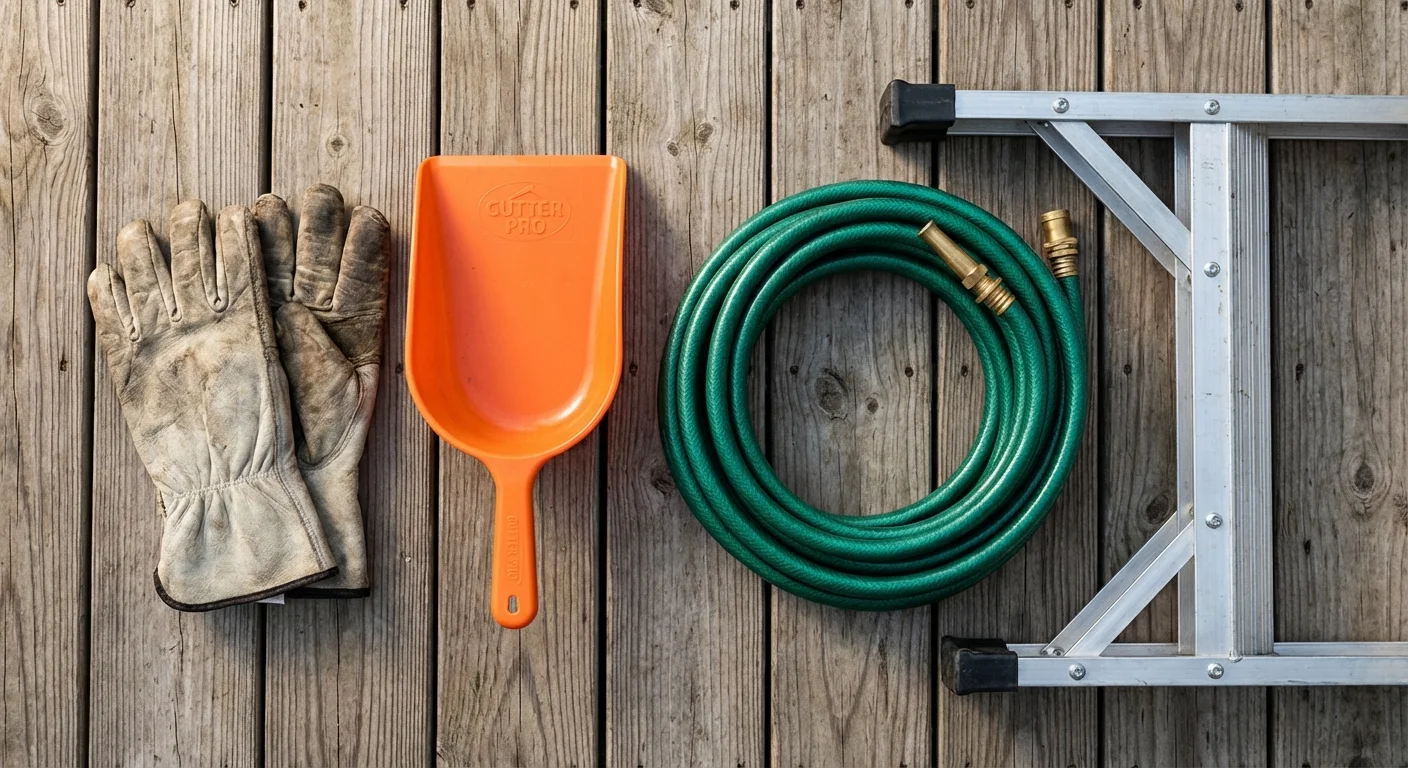
Essential Tools for a Successful Gutter Cleaning Guide
Executing a safe and effective gutter cleaning operation requires the right equipment. Attempting the job with improvised tools slows you down and compromises your safety on the ladder.
The Ladder and Standoff Stabilizer: An extension ladder provides the best access for single-story and two-story homes. Equip your ladder with a standoff stabilizer—a U-shaped metal attachment with rubber pads. The standoff rests against the roof or sturdy wall rather than the fragile aluminum gutter, preventing dents while dramatically increasing your stability by widening the ladder’s stance.
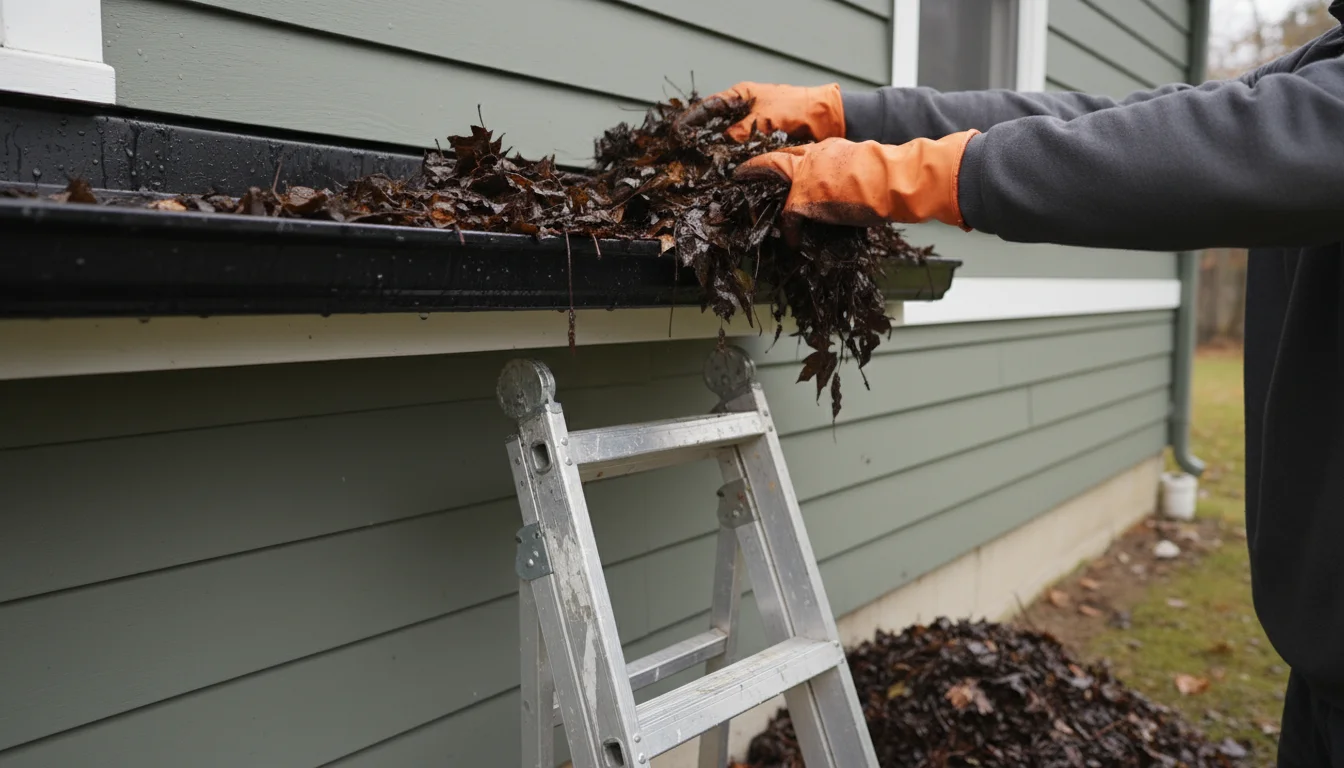
Hand Protection: Decaying leaves form a dense, wet sludge that harbors bacteria, mold, and sharp debris like roofing nails or sharp twigs. Wear thick, heavy-duty work gloves. Nitrile-coated garden gloves keep moisture out, while leather gloves offer superior puncture resistance. Thin latex gloves will tear instantly against the sharp metal edges of the gutter hangers.
The Gutter Scoop: Specialized gutter scoops feature a narrow, flexible edge designed to scrape the curved bottom of standard K-style gutters. You can create an excellent DIY alternative by cutting the bottom off a plastic milk jug diagonally, leaving the handle intact. The flexible plastic conforms easily to the gutter’s shape.
Plumbing Snake and High-Pressure Hose: A standard garden hose equipped with a high-pressure spray nozzle flushes out the remaining dirt and fine granules. Keep a basic plumber’s snake on hand; it easily clears stubborn clogs hiding deep inside corrugated downspouts where water pressure alone fails to break through.

How to Clean Gutters: A Step-by-Step Approach
Methodical cleaning prevents messes and ensures you do not miss hidden blockages. Follow this systematic process to restore full water flow to your property.
- Secure Your Ladder Position: Set up your ladder on firm, level ground. Follow the 4-to-1 rule—for every four feet of ladder height, pull the base one foot away from the wall. Always maintain three points of contact (two feet and one hand) while ascending, descending, and working. Move the ladder frequently rather than leaning precariously to the sides.
- Clear the Roof Surface First: Raking leaves out of the gutters proves pointless if the roof above them holds a fresh layer of debris waiting for the next breeze. Use a soft-bristled roof rake or a leaf blower to clear loose branches, pine needles, and leaves from the roof valleys before tackling the gutters themselves.
- Remove the Bulk Debris: Begin at the downspout and work your way toward the opposite end of the gutter run. Scoop the heavy, damp debris into a bucket hung securely from your ladder using an S-hook. Tossing the sludge directly onto the ground creates a frustrating cleanup job on your lawn and walkways below.
- Flush the Horizontal Runs: Once you remove the solid matter, bring your garden hose up the ladder. Spray the gutters starting at the high end, pushing the remaining dirt toward the downspout. Watch the water flow carefully; this step highlights areas where water pools due to improper pitch.
- Clear the Downspouts: Point the hose directly into the downspout opening and turn on the water. If the water backs up to the top, you have a clog. Tap the side of the downspout gently to locate the blockage—it will sound solid rather than hollow. Feed a plumber’s snake down from the top to break apart the obstruction, then flush the pipe again until the water runs clear and forcefully at the bottom exit.

Seasonal Gutter Care: A Year-Round Schedule
Most homeowners mistakenly believe gutter maintenance only happens during the autumn leaf drop. True protection requires assessing and maintaining the system as the seasons change.
To stay on top of all your household chores, refer to our monthly home maintenance calendar for a complete schedule.
Spring: The heavy rains of spring demand fully functional drainage. Spring brings a different type of debris: pollen strings, blossom petals, and “helicopter” seed pods from maple trees. These small organic materials adhere to the sides of the gutters and create dense mats over the downspout openings. Clear this debris early in the season to handle heavy April showers.
Summer: Severe summer thunderstorms test the structural integrity of your gutter hangers. Inspect the system for loose spikes or broken brackets. Summer heat also causes thermal expansion, which may loosen the sealant at the corner seams. Reapply a high-quality butyl rubber gutter sealant to any weeping joints while the metal remains warm and dry.
Fall: As trees shed their canopy, your gutters catch a massive volume of material. Depending on the tree coverage near your property, you may need to clean the gutters twice during autumn—once in early October as the first leaves drop, and again in late November after the branches sit bare.
Winter: Frozen gutters pull away from the fascia board under the immense weight of trapped ice. Ensure gutters are entirely clear before the first freeze. Inspect the downspout extensions at ground level; they must discharge water at least five feet away from the foundation to prevent water from freezing and expanding near the concrete slab.

Evaluating Drainage Pitch and Structural Integrity
Clean gutters fail to perform if they lack the proper slope. Water requires gravity to move toward the downspouts. Gutters should slope downward at a rate of roughly 1/4 inch for every 10 feet of horizontal run. Check the pitch during your flushing process.
If water sits stagnant in the middle of a gutter run, the system has sagged. Locate the structural hangers in the sagging area. Older systems use large spikes driven through the gutter and into the fascia board. Over time, wood rot and thermal expansion cause these spikes to slowly back out. Replace failing spikes with modern hidden screw hangers. These brackets clip into the front lip of the gutter and screw securely through the back into the rafter tails, providing vastly superior holding strength.
Examine the joints where two lengths of gutter meet, as well as the end caps. Remove old, cracked caulking with a putty knife, clean the bare metal thoroughly with rubbing alcohol, and apply a fresh bead of self-leveling gutter mastic. Standard silicone caulk breaks down rapidly under constant UV exposure and water submersion.
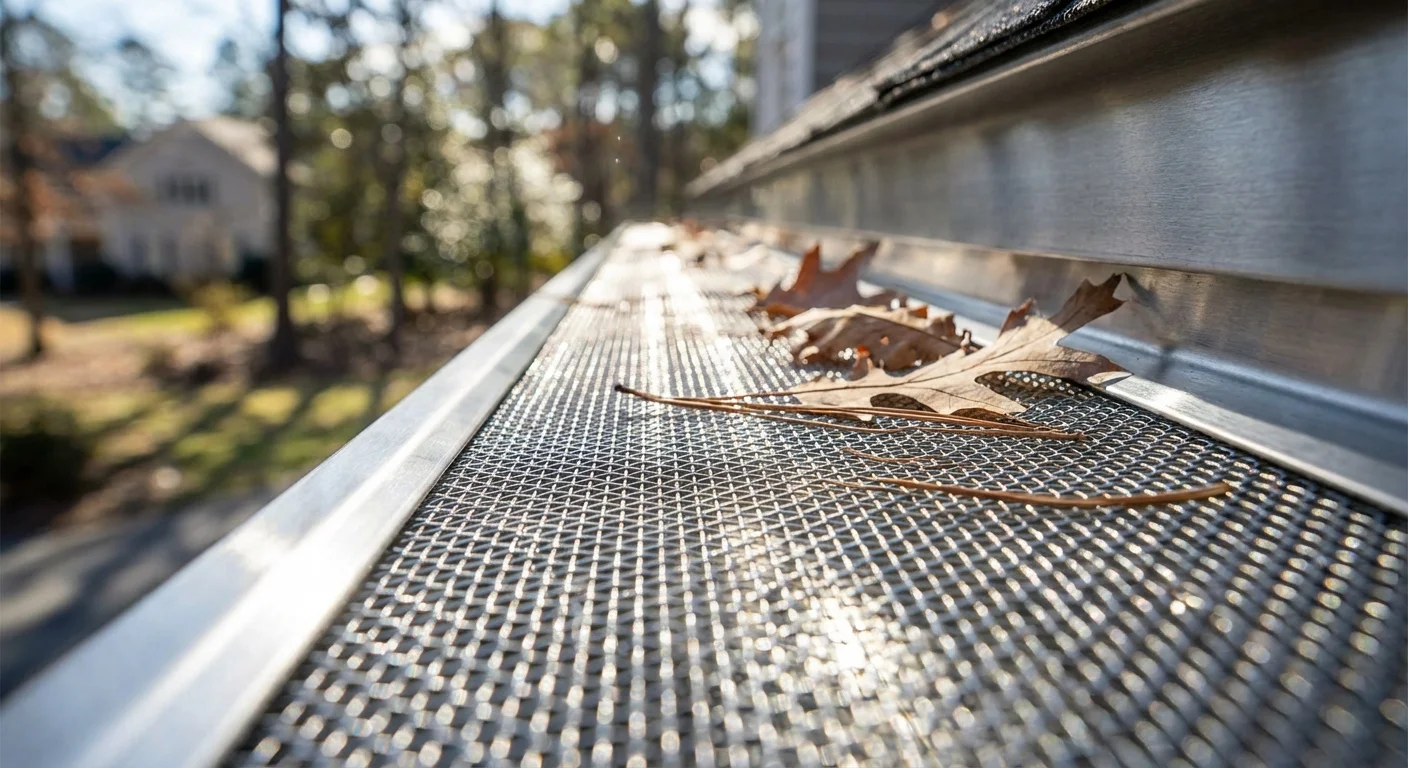
Gutter Guard Reviews: Do They Actually Work?
Gutter guards promise a maintenance-free life, but the reality involves a shift in maintenance rather than eliminating it entirely. While guards keep large leaves out of the trough, fine particles and seeds can still accumulate. Understanding the different styles helps you implement practical gutter maintenance tips for your specific environment.
Clean, functional gutters are one of the most effective curb appeal upgrades you can maintain on a modest budget.
| Guard Type | How It Works | Pros | Cons | Best Environment |
|---|---|---|---|---|
| Micro-Mesh Guards | Stainless steel mesh filters water while blocking debris as small as a grain of sand. | Highly effective at blocking pine needles and roof grit. Extremely durable. | Expensive to install. Water can overshoot the gutter during torrential downpours if the mesh gets coated in sap. | Homes surrounded by pine trees or heavily shedding trees. |
| Reverse Curve (Helmet) | Solid covers that use water surface tension to pull rain around a curve into a slit, dropping leaves to the ground. | Handles large volumes of water effectively. Blocks large, broad leaves. | Highly visible from the ground. Pests can sometimes nest inside the opening. Difficult to clean if debris gets inside. | Roofs with steep pitches near large deciduous trees. |
| Perforated Metal Screens | Aluminum or steel sheets with punched holes that lay flat or snap onto the top of the gutter. | Affordable and easy to install yourself. Stops basic leaf clogs. | Pine needles get stuck vertically in the holes. Requires frequent brushing to remove debris sitting on top of the screen. | Homes with moderate tree coverage requiring budget-friendly protection. |
| Brush Guards | Large cylindrical bristle brushes that sit directly inside the gutter trough. | Simplest DIY installation. Keeps large leaves suspended above the water flow. | Traps small debris, helicopters, and pine needles in the bristles. Requires pulling out the dirty brushes to clean them. | Homes with sparse tree coverage where only occasional large leaves are an issue. |
Regardless of the system you install, plan to inspect the top of the guards twice a year. Use a soft brush attachment on an extension pole to sweep away damp leaves that paste themselves to the mesh or screens, blocking water entry.
For extensive independent testing and unbiased reviews on specific guard brands, the experts at Consumer Reports regularly update their evaluations of home protection systems. Additionally, detailed architectural insights on gutter sizing and material lifespan can be found through This Old House.

Professional vs. DIY: Making the Right Call
While many homeowners handle seasonal gutter care on their own, certain situations elevate the risk beyond what a standard DIY approach can safely manage. Evaluate your property against these specific scenarios before pulling the ladder out of the garage.
Scenario 1: Multi-Story Homes with Complex Rooflines. Reaching the second or third story of a home requires a heavy-duty 30-foot or 40-foot extension ladder. Maneuvering these massive ladders safely requires specialized experience and physical strength. If your home features steep grades, dormers, or high peaks, hire professionals who use harness systems and industrial-grade scaffolding.
Scenario 2: Lack of Proper Safety Equipment. If your ladder is too short—forcing you to stand on the top two rungs—or if you lack a standoff stabilizer, do not attempt the job. The cost of purchasing adequate safety equipment often equals or exceeds the cost of a single professional cleaning. Falls from ladders remain a leading cause of home-related severe injuries.
Scenario 3: Significant Structural Repairs Needed. When you notice entire sections of the gutter pulling away from the house, exposing rotting wood fascia behind it, basic maintenance transitions into a construction project. Professionals possess the tools to re-pitch the gutters, replace sections of damaged fascia board, and custom-cut new seamless aluminum lengths right in your driveway.
Scenario 4: High-Tension Power Lines. If your roofline or gutters run within ten feet of the power drop connecting the utility pole to your home, step away. Metal ladders and wet environments pose an extreme electrocution hazard. Professional crews know how to navigate these obstacles safely and legally.
For robust guidance on hiring certified home service contractors, homeowners can consult resources from the National Association of Home Builders.
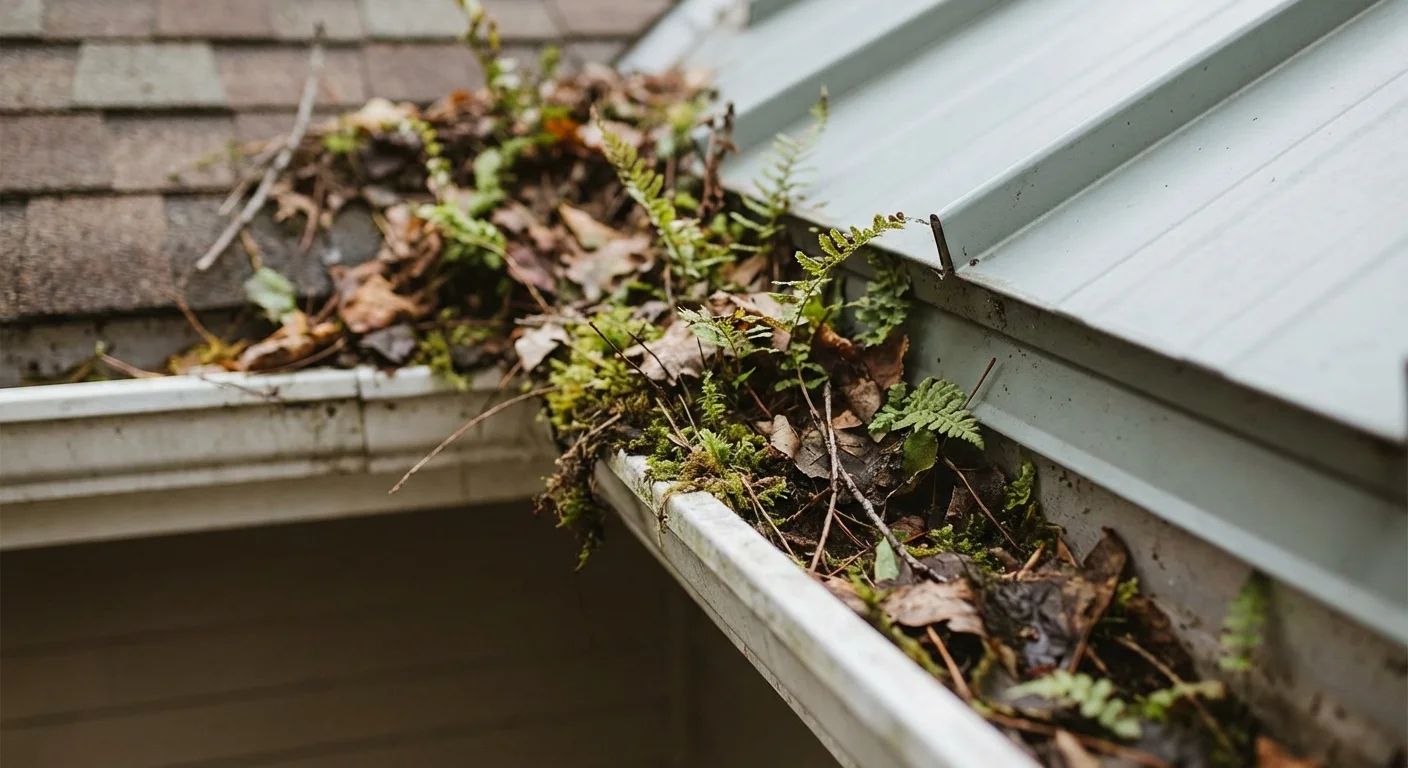
Common Mistakes to Avoid
Even seasoned DIYers sometimes fall into habits that damage their home or jeopardize their physical safety. Avoid these specific errors when managing your exterior drainage.
Leaning Direct Weight on Aluminum: Standard residential gutters consist of thin-gauge aluminum. Leaning an extension ladder directly against the front lip of the gutter causes permanent crimping and bending. These dents ruin the visual line of the home and disrupt water flow. Always use a roof-mounted standoff stabilizer.
Ignoring the Underground Drains: Many modern downspouts empty into corrugated black plastic pipes buried underground, redirecting water to a pop-up emitter in the yard. Never aggressively flush heavy leaf sludge directly down the downspout if it connects to an underground drain. The debris will pack tightly in the buried ribbed pipe, requiring expensive excavation to fix. Disconnect the downspout from the underground pipe before flushing.
Working Off the Roof Edge: Walking along the very edge of an asphalt shingle roof while leaning over to scoop gutters places you in a highly dangerous position. Shingles often break loose under foot pressure, and the natural downward slope of the roof offers no protection if you lose your balance. Always work from a properly secured ladder facing the structure.
Over-tightening Hangers: When adding new screws or hangers to a sagging section, driving the screw too tight pulls the back wall of the gutter hard against the fascia, altering the natural square shape of the trough. Sink the screw firmly, but stop before the metal begins to distort.
Frequently Asked Questions
How often do I realistically need to clean my gutters?
Standard guidance suggests twice a year—once in late spring and once in late fall. However, if your home sits directly beneath heavy-shedding trees like mature pines or oaks, you may need to increase your schedule to three or four times a year. Homes in arid climates with no surrounding foliage might only require an annual inspection.
Can I effectively clean gutters from the ground?
Yes, but with limitations. You can purchase specialized attachments for wet/dry shop vacuums or telescoping wands that connect to a garden hose or leaf blower. These tools work well for dry, loose leaves. However, they struggle to remove packed, muddy sludge and do not allow you to visually inspect the gutter seams or pitch for potential issues.
Do seamless gutters still need to be cleaned?
Absolutely. “Seamless” simply means the horizontal runs of the gutter are extruded from a machine in one continuous piece, eliminating the mid-run seams where leaks often develop. The top of the gutter remains completely open. Seamless gutters collect leaves and debris at the exact same rate as traditional sectional gutters.
Proper water management protects the longevity of your home’s foundation, siding, and landscaping. By implementing a proactive, seasonal approach, securing the right tools, and understanding your limits regarding ladder safety, you transform a dreaded chore into a manageable routine. Treat your exterior drainage system with care, and it will preserve the value of your property for decades.
The tips in this article are meant as general guidance. Your specific situation—including your home’s age, layout, and local building codes—may require different approaches. When in doubt, consult a professional.
Last updated: February 2026








Leave a Reply