

Winter weather puts your house through a grueling endurance test. Freezing temperatures expand moisture inside microscopic exterior cracks, heavy snow loads stress roof trusses, and ice dams tear at gutter systems. When the thaw finally arrives, the resulting runoff exposes vulnerabilities you might not notice until water is already pooling in your basement.
Staying consistent with a monthly home maintenance calendar ensures you stay ahead of these tasks year-round.
Waiting until mid-summer to inspect your property is a costly mistake. April provides the perfect weather window to assess winter damage and prepare your home’s systems for the sweltering heat of July. Executing a comprehensive spring home maintenance checklist allows you to spot minor wear and tear before it cascades into major structural failure.
Tackling your April home tasks systematically saves you money, protects your equity, and ensures your living space remains a sanctuary rather than a source of stress. Grab a clipboard, a flashlight, and a sturdy pair of work gloves; it is time to give your home the annual physical it desperately needs.

Conducting a Seasonal Home Inspection from the Top Down
Every effective maintenance routine begins with observation. Rather than rushing into repairs, dedicate your first weekend in April to a thorough seasonal home inspection. Start at the highest point of your property and work your way down to the foundation.
Assessing the Roof and Chimney
You do not need to climb a steep, slippery roof to spot trouble. Grab a pair of binoculars, stand across the street, and scan your shingles. Look for missing, curled, or cracked shingles. Pay special attention to the valleys—the internal angles where two sloping roof planes meet—because these bear the brunt of water runoff.
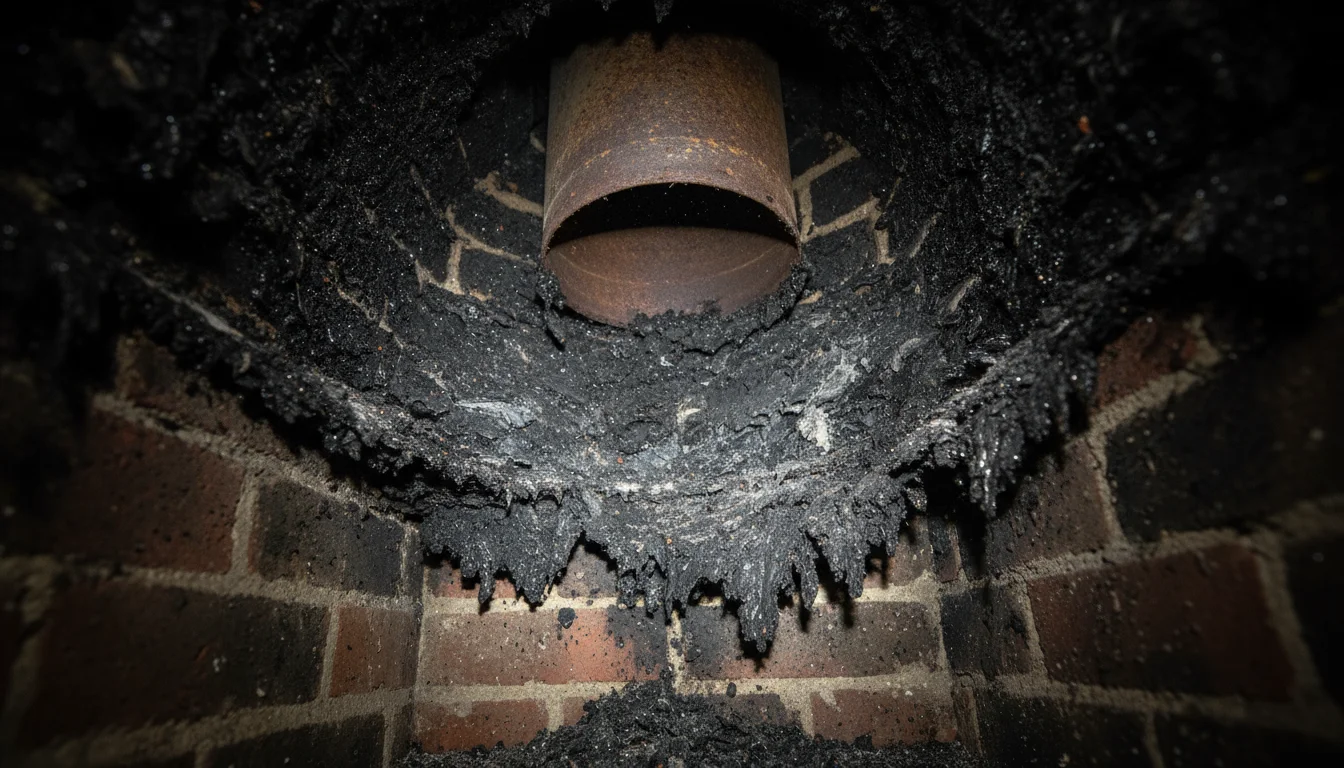
If you have a chimney, inspect the brickwork for efflorescence, a white, powdery residue indicating water absorption. Ensure the chimney cap remains securely attached; missing caps invite nesting birds and spring rain straight into your flue.
Clearing and Realigning Gutters
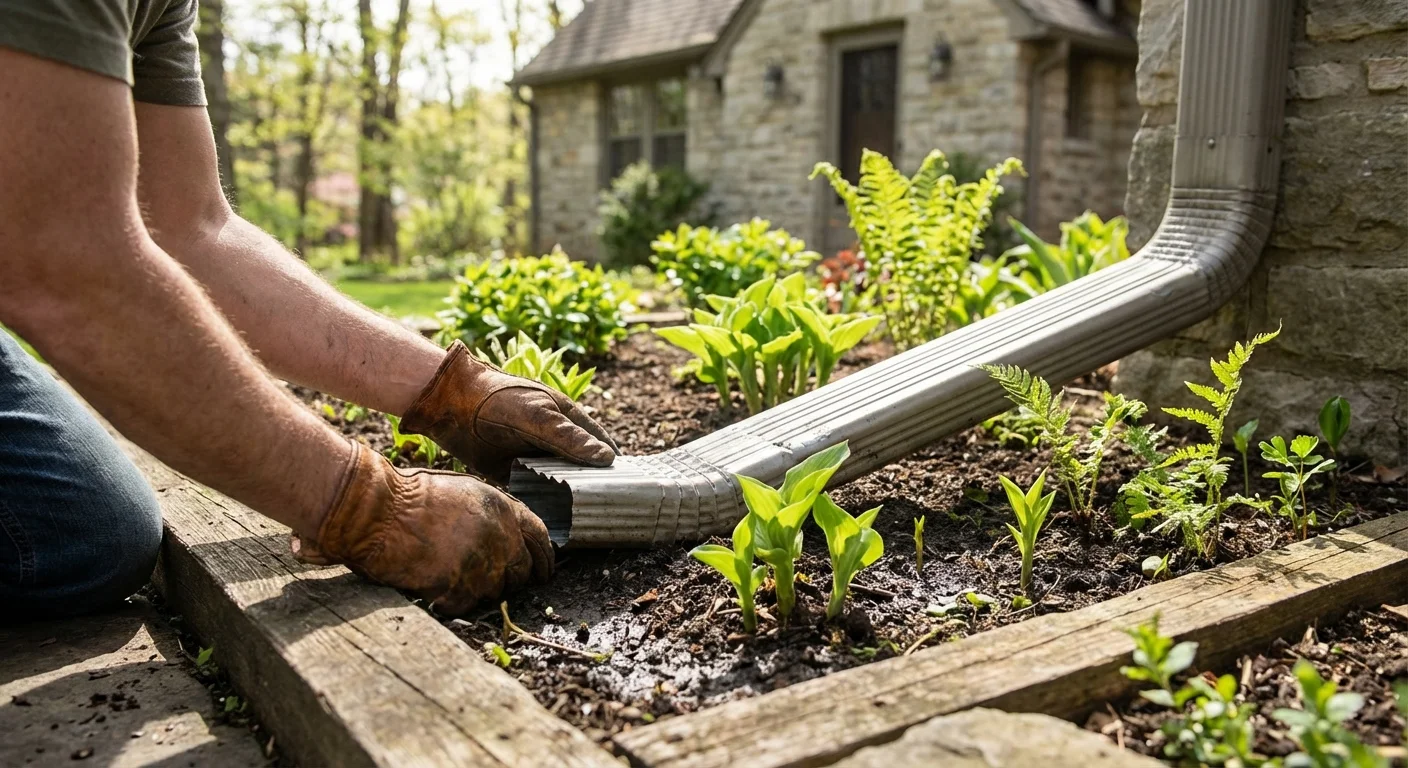
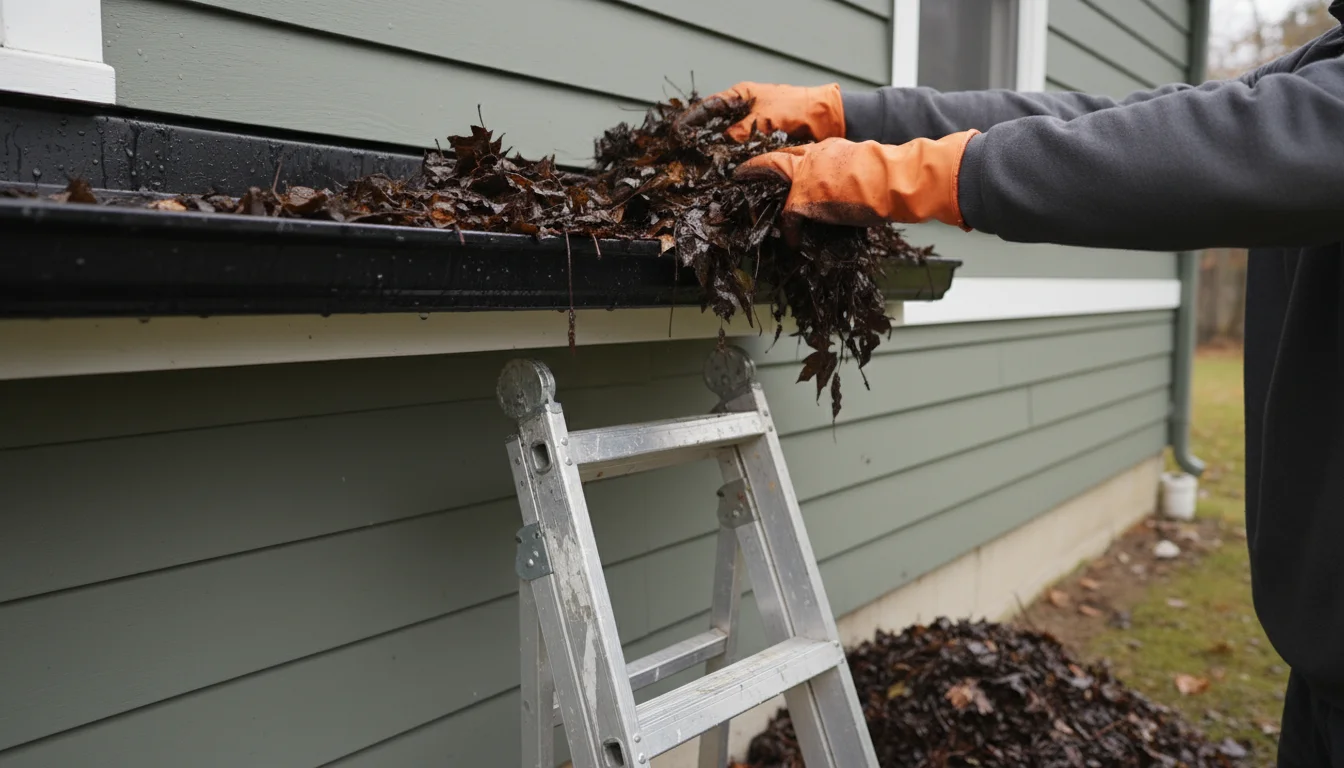
Gutters act as your home’s circulatory system, channeling destructive water away from your foundation. Over the winter, the weight of ice and snow often pulls gutters away from the fascia board. Spring cleaning home exterior tasks must prioritize the gutter system. Scoop out decaying leaves, twigs, and roofing granules. Once cleared, run water from a garden hose through the gutters to ensure they drain properly and to check for leaks at the seams. Tighten any loose brackets and verify that the downspouts direct water at least five feet away from your foundation walls.
Fortifying the Building Envelope
Your home’s exterior envelope dictates your energy bills and indoor comfort. Spring provides the ideal conditions to seal up the gaps created by winter contraction.
Inspecting Siding and Exterior Paint
Walk the perimeter of your house and closely examine your siding. Wood siding requires a check for soft spots indicating rot; use a screwdriver to gently probe suspicious areas, especially near the ground. Vinyl siding can crack under the impact of hail or wayward winter debris. If you have brick or stucco, look for step-crack patterns in the mortar.
Spring is also the time to wash away the grime. Renting or buying a pressure washer makes quick work of dirt, but use caution. Using too much pressure on wood or spraying upward under vinyl siding drives water directly into the wall cavity, causing hidden mold growth. If you are unsure of your technique, a soft-wash with a long-handled brush and a specialized house-cleaning detergent often yields safer results. For comprehensive guidance on safe exterior cleaning methods, This Old House offers excellent tutorials on siding maintenance.
Sealing Windows and Doors
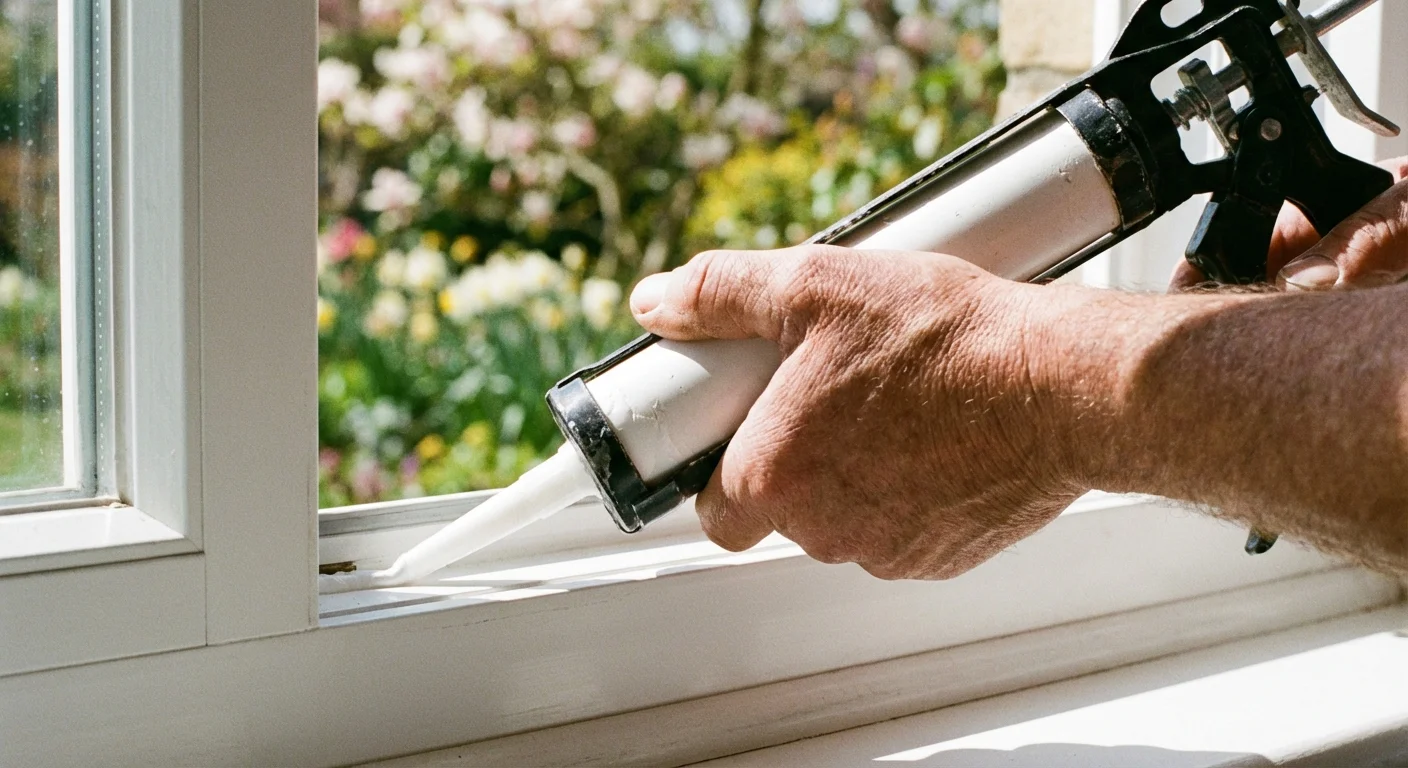
Drafty windows let your expensive air conditioning escape during the summer. Check the perimeter of all exterior doors and windows. The harsh winter freeze-thaw cycle rapidly degrades caulking and weatherstripping. Scrape away any brittle, cracked, or missing caulk and apply a fresh bead of high-quality exterior silicone or polyurethane sealant. Ensure the weep holes—the small slots at the bottom of window frames that allow water to drain—are completely free of debris and dead bugs.

The Critical Spring HVAC Checkup
Turning on your air conditioner on the first ninety-degree day, only to discover it blows warm air, is a miserable experience. Proactive homeowners schedule their spring HVAC checkup in April before local technicians get booked out for weeks.
“Regular seasonal maintenance is the single most effective way to protect your home’s equity and efficiency. Catching a minor issue in April prevents a catastrophic system failure in July.” — Bob Vila, Home Improvement Expert
While a licensed technician should handle electrical testing and refrigerant levels, you must complete several crucial DIY tasks to ensure your system breathes easily:
- Replace your furnace filter: A clogged filter forces your blower motor to work overtime, shortening its lifespan and increasing your energy bills. Swap your standard filter for one with a MERV rating between 8 and 11 to capture pollen and dust without suffocating your system.
- Clear the condenser unit: Head outside to your AC condenser. Remove winter covers, trim back any bushes or foliage to guarantee a two-foot clearance around the unit, and carefully brush away grass clippings and cottonwood seeds from the exterior fins.
- Clear the condensate drain line: Air conditioners extract humidity from the air, which drains outside via a PVC pipe. Pour a cup of white vinegar down the access port of your condensate drain to kill algae and prevent blockages that could cause water to back up into your home.
For more detailed information on maximizing your heating and cooling efficiency, the Energy Star program provides comprehensive guidelines on seasonal HVAC maintenance.
Taming the Terrain: Landscaping and Drainage
April showers bring May flowers, but they also bring flooded basements if your landscaping works against you. The soil around your house shifts and settles over time, often creating depressions that trap water against your foundation walls.
Mastering Foundation Grading
Take a hard look at the dirt abutting your foundation. The ground must slope away from your house. The standard rule dictates a six-inch drop over the first ten feet away from the foundation wall. If you spot low areas, haul in pulverized topsoil and tamp it down to recreate a positive slope. Never let mulch directly touch your siding, as this invites termites and carpenter ants straight into your wood framing.
Prepping Patios, Decks, and Driveways
Frost heave mercilessly cracks concrete and asphalt. Inspect your driveway and walkways for new fissures. Fill concrete cracks with a specialized masonry crack filler to prevent water from entering, freezing, and expanding the damage next winter.
For wooden decks, perform a safety audit before barbecue season begins. Check the ledger board—the critical piece of lumber attaching the deck to your house—to ensure all lag screws remain tight and the flashing is intact. Look for loose floorboards and popping nails. Give the wood the “water test”: pour a cup of water on the deck boards. If the water beads up, your sealant is still doing its job. If the wood quickly absorbs the water, add deck staining and sealing to your April home tasks.

Essential Indoor Safety and Systems Audit
While the exterior demands significant attention, your interior systems require a dedicated spring refresh. A few hours spent testing your home’s safety mechanisms provides peace of mind for the rest of the year.
To complement your safety audit, follow a spring deep cleaning checklist to refresh every corner of your living space.
While you audit your home’s safety systems, it is also the ideal time to follow a spring cleaning guide to refresh your interior living spaces.
Plumbing and Sump Pump Verification
Spring rains elevate the water table, making your sump pump the only line of defense against a flooded basement. Test your sump pump by pouring a five-gallon bucket of water directly into the basin. Watch to ensure the float switch rises freely, the pump activates smoothly, and the water evacuates quickly. If you do not have a battery backup system for your pump, consider installing one; severe spring thunderstorms routinely knock out neighborhood power grids precisely when you need your sump pump the most.
Walk through your house and run water in every guest bathroom sink and shower. Flush the toilets to ensure the internal flappers have not degraded over the winter. Head into the basement or utility room and look for chalky white or green residue on exposed copper water pipes, which indicates a slow, pinhole leak.
Fire Safety and Appliance Maintenance
Make it a habit to replace the batteries in all smoke detectors and carbon monoxide alarms every April. Check the manufacturer’s date stamped on the back of each unit; sensors degrade over time, and most detectors require full replacement every seven to ten years.
Do not neglect your clothes dryer vent. Lint buildup is a leading cause of residential fires. Disconnect the flexible duct from the back of your dryer and use a specialized rotary brush kit to push out trapped lint all the way to the exterior wall cap. Your clothes will dry faster, saving electricity and reducing fire risk.

Prioritizing Your Tasks: DIY vs. Professional Maintenance
Understanding your limits prevents costly mistakes and dangerous accidents. Use this matrix to determine which tasks you should tackle this weekend and which require a phone call to a local contractor.
Once your spring chores are finished, keep our fall home maintenance checklist handy so you are ready when the cycle starts again.
| Maintenance Category | Safe for DIY | Requires Professional Help |
|---|---|---|
| Roofing & Gutters | Cleaning single-story gutters, inspecting from the ground with binoculars, replacing splash blocks. | Patching missing shingles, repairing chimney flashing, fixing sagging two-story gutters. |
| HVAC Systems | Changing filters, clearing debris around the outdoor unit, flushing the condensate drain line. | Testing refrigerant levels, inspecting ductwork for leaks, repairing electrical relays. |
| Exterior Siding | Soft-washing vinyl siding, replacing damaged caulk around lower windows, touching up paint. | Replacing rotted structural wood, repairing extensive brick mortar (tuckpointing), high-pressure washing. |
| Plumbing | Testing the sump pump, clearing slow drains, replacing toilet flappers, de-winterizing hoses. | Repairing cracked pipes, replacing a water heater, installing a sump pump battery backup system. |

Pitfalls to Watch For
Even well-intentioned homeowners make errors during spring maintenance. Avoid these common traps that cause more harm than good:
- Ignoring Micro-Cracks in the Foundation: A hairline crack might seem harmless, but hydrostatic pressure from spring rains will force water through the tiniest openings. Seal small cracks with an epoxy injection system immediately.
- Over-Mulching Trees and Shrubs: Piling mulch high against the trunk of a tree (often called “mulch volcanoes”) traps moisture against the bark, encouraging rot and suffocating the root system. Keep mulch a few inches away from the base of all plants and house siding.
- Skipping the Attic Inspection: Homeowners rarely enter their attics, making them prime real estate for wintering rodents. Grab a flashlight and look for signs of animal droppings, chewed insulation, or daylight showing through the roof boards. Addressing a pest intrusion early prevents massive insulation replacement later.

Getting Expert Help
While a determined homeowner can execute most items on a spring home maintenance checklist, certain scenarios demand licensed expertise. Do not hesitate to call a professional if you encounter the following:
Structural Foundation Shifts: If you notice horizontal cracks in your basement walls or doors suddenly failing to latch properly, you may have severe foundation settlement. Call a structural engineer to assess the movement before it compromises the building’s integrity.
Persistent HVAC Inefficiencies: If your air conditioning runs continuously but fails to cool the house, or if you spot ice forming on the refrigerant lines, you likely have a leak. Handling Freon and other refrigerants requires specific EPA certifications. Do not attempt to recharge the system yourself.
Complex Tree Removal: Spring storms easily snap dead branches left over from winter. If a large, dead limb hangs over your roofline or near power lines, hire a certified arborist. Tree removal is highly dangerous and requires specialized rigging equipment and liability insurance.
Frequently Asked Questions About Spring Maintenance
When is it safe to de-winterize exterior faucets?
Wait until the threat of a hard overnight freeze has completely passed in your specific region. For most of the United States, mid-to-late April is safe. When you turn the interior shut-off valve back on, step outside and let the water run for a minute. If the water pressure is exceptionally low, you may have a cracked pipe inside the wall from winter freezing.
How often do I need a seasonal home inspection?
You should perform a personal visual inspection twice a year: once in the spring to assess winter damage, and once in the fall to prepare for freezing temperatures. A professional, paid home inspection is generally only necessary before buying or selling a property, though hiring an inspector every five to seven years for an objective checkup provides excellent peace of mind.
Should I power wash my roof to remove spring moss?
Never use a high-pressure washer on asphalt shingles. The intense water stream strips the protective mineral granules off the shingles, instantly halving the lifespan of your roof and voiding the manufacturer’s warranty. Instead, apply a dedicated moss-killing solution with a low-pressure garden sprayer and let the rain wash the dead organics away naturally.
What is the most critical April home task?
Managing water diversion is absolutely paramount. Ensuring your gutters are clear, your downspouts extend away from the house, and your foundation soil slopes downward will prevent 90% of the water-related structural damage homes suffer during the spring thaw.
Completing this spring home maintenance checklist requires a few weekends of dedicated sweat equity, but the return on investment is undeniable. Your house provides shelter, warmth, and security for your family; giving it the care it needs ensures it will continue to do so for decades to come. Tackle these tasks one by one, enjoy the warming weather, and head into summer with absolute confidence in your home’s resilience.
This guide provides general home improvement information. Every home is different—what works in one space may need adaptation in yours. For structural changes or electrical/plumbing work, consult a licensed professional.
Last updated: February 2026







Leave a Reply