

When the first major heatwave of the season arrives, your home is suddenly put to the test. A malfunctioning air conditioner on a 95-degree afternoon is a quick way to drain your wallet and ruin your weekend. Taking a proactive approach to prepare your home for summer ensures your living space remains comfortable, safe, and efficient throughout the hottest months of the year.
If you are still catching up on post-winter chores, review our spring home maintenance checklist to ensure your property’s foundation is ready for the heat.
Creating a solid summer home maintenance checklist requires looking at your property holistically—from the peak of your roof to the base of your foundation. By tackling these projects while the spring weather is still mild, you avoid the sweltering discomfort of outdoor labor in July while identifying small issues before they become expensive emergencies.
The Essentials: What You Will Accomplish
- Optimize Cooling Efficiency: Lower your energy bills by ensuring your HVAC system and insulation are functioning at their peak.
- Prevent Water Damage: Address winter and spring storm wear on your roof, gutters, and foundation.
- Maximize Outdoor Enjoyment: Revitalize your deck, patio, and landscaping equipment for summer entertaining.
- Enhance Home Safety: Confirm that all detectors, exterior lighting, and plumbing fixtures are secure.
Cooling and Indoor Air Quality
Staying cool is the top priority during the summer months. Proper AC maintenance summer routines not only keep you comfortable but significantly reduce your monthly utility expenses.
Proactively handling these items now makes your eventual fall home maintenance checklist much more manageable.
1. Schedule Professional HVAC Service
Do not wait until your cooling system fails to call a technician. A pre-season inspection ensures your condenser coils are clean, refrigerant levels are adequate, and electrical connections are secure. A professional will also check the blower motor and measure the airflow. Catching a small refrigerant leak in May saves you from a total compressor failure in August.
“Regular maintenance is the single best way to ensure your HVAC system runs efficiently, maintains indoor comfort, and lasts for its full expected lifespan.” — Energy Star Guidelines
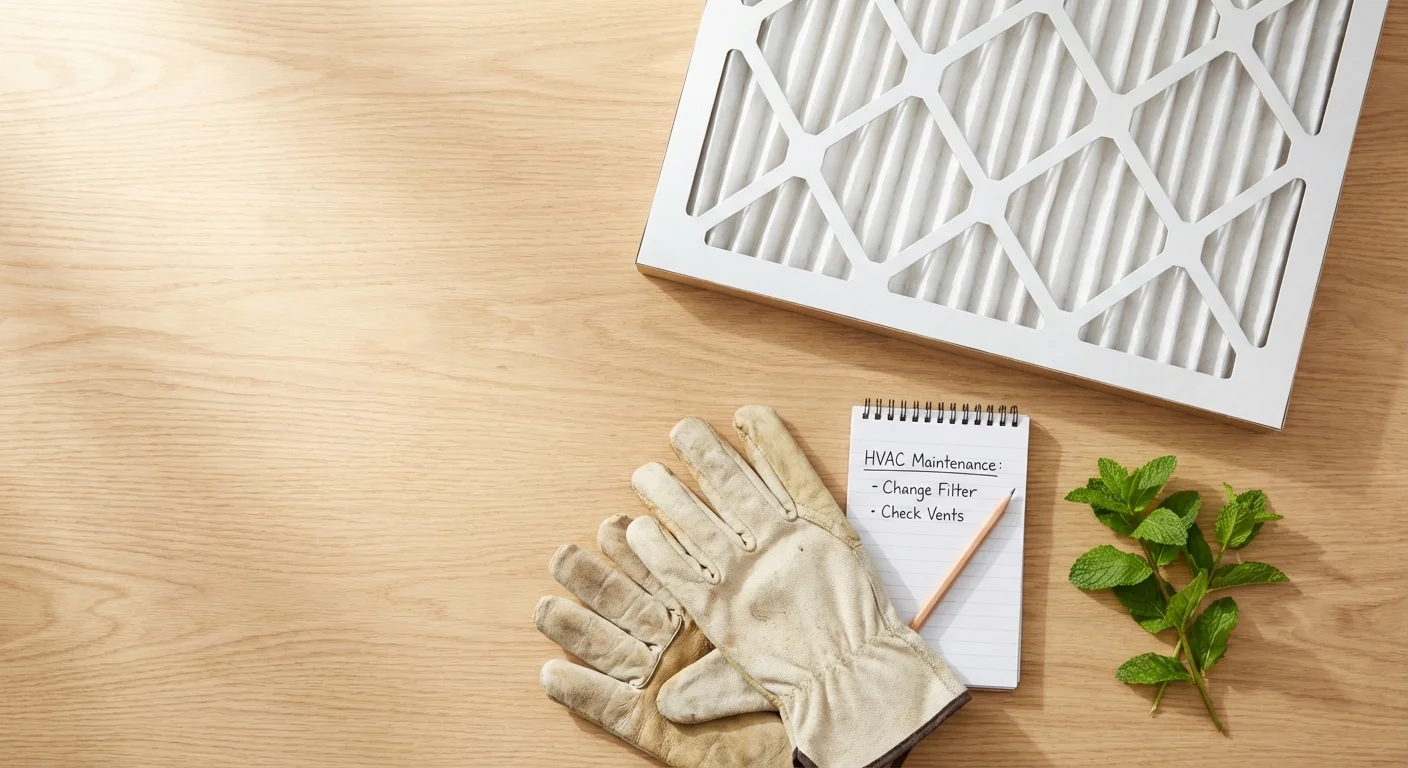
2. Replace Your Air Filters
Dirty air filters force your HVAC system to work overtime, consuming more energy and blowing dust back into your living space. Swap out your filters at the beginning of the season. If you live in an area prone to summer wildfires or have pets, consider upgrading to a HEPA filter or a filter with a MERV rating of 11 or higher. For detailed guidance on filter ratings and indoor respiratory health, consult the recommendations provided by the EPA Indoor Air Quality division.
3. Reverse Your Ceiling Fans
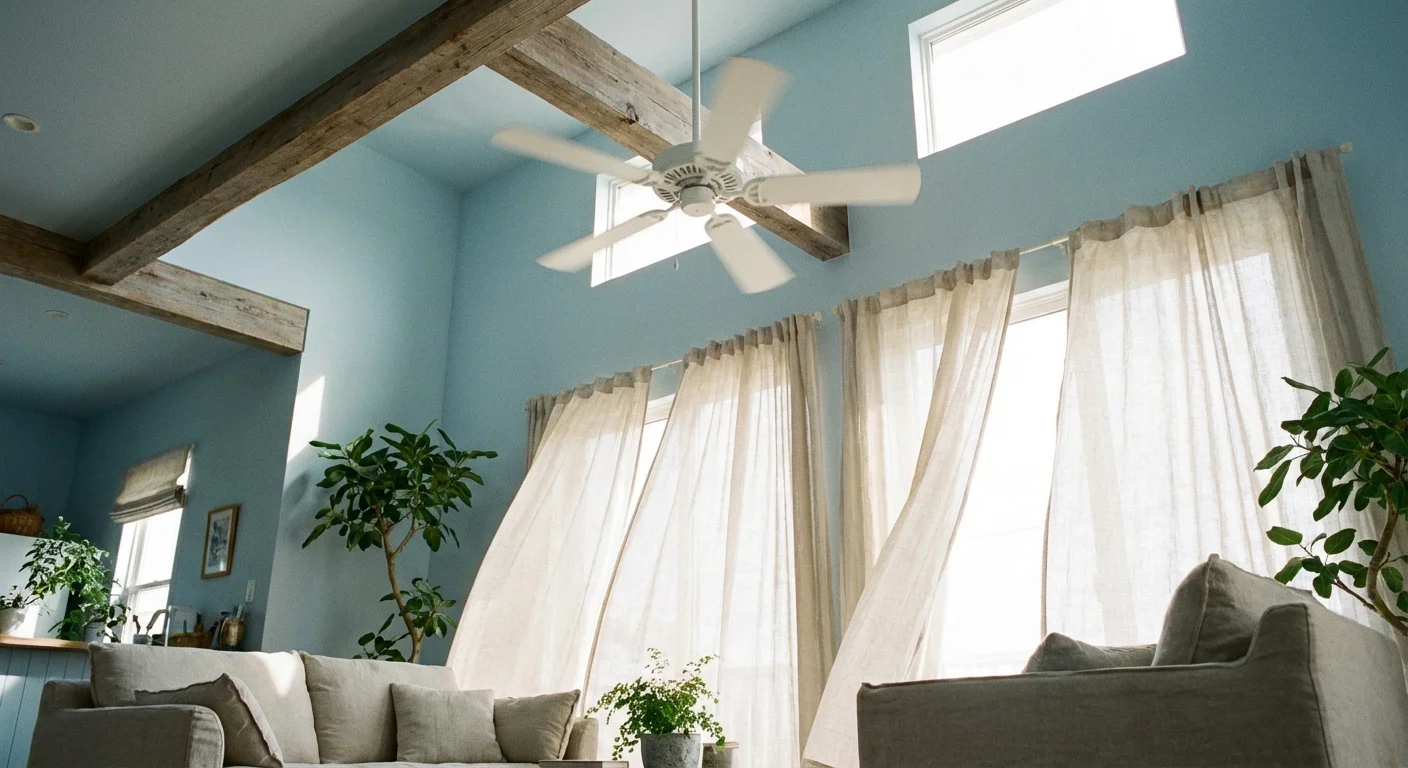
Ceiling fans do not actually lower the temperature of a room; they cool the people inside it by creating a wind-chill effect. Flip the directional switch on your ceiling fans so the blades rotate counterclockwise. This pushes cool air downward. Running a fan allows you to raise your thermostat setting by about four degrees without sacrificing comfort, delivering immediate summer energy saving tips directly to your utility bill.
4. Clean Vents and Exhaust Fans
Over the winter, bathroom exhaust fans and return air vents accumulate a thick layer of dust. Use the brush attachment on your vacuum to clear debris from all accessible vents. If your bathroom exhaust fan has a removable cover, take it down and wash it with warm, soapy water. A clean exhaust fan removes humid air more efficiently during summer showers, which prevents mold growth.
Energy Efficiency and Insulation
Keeping the hot air out is just as vital as pumping cold air in. Small gaps around your home’s envelope can account for substantial cooling losses.
5. Inspect and Upgrade Weatherstripping
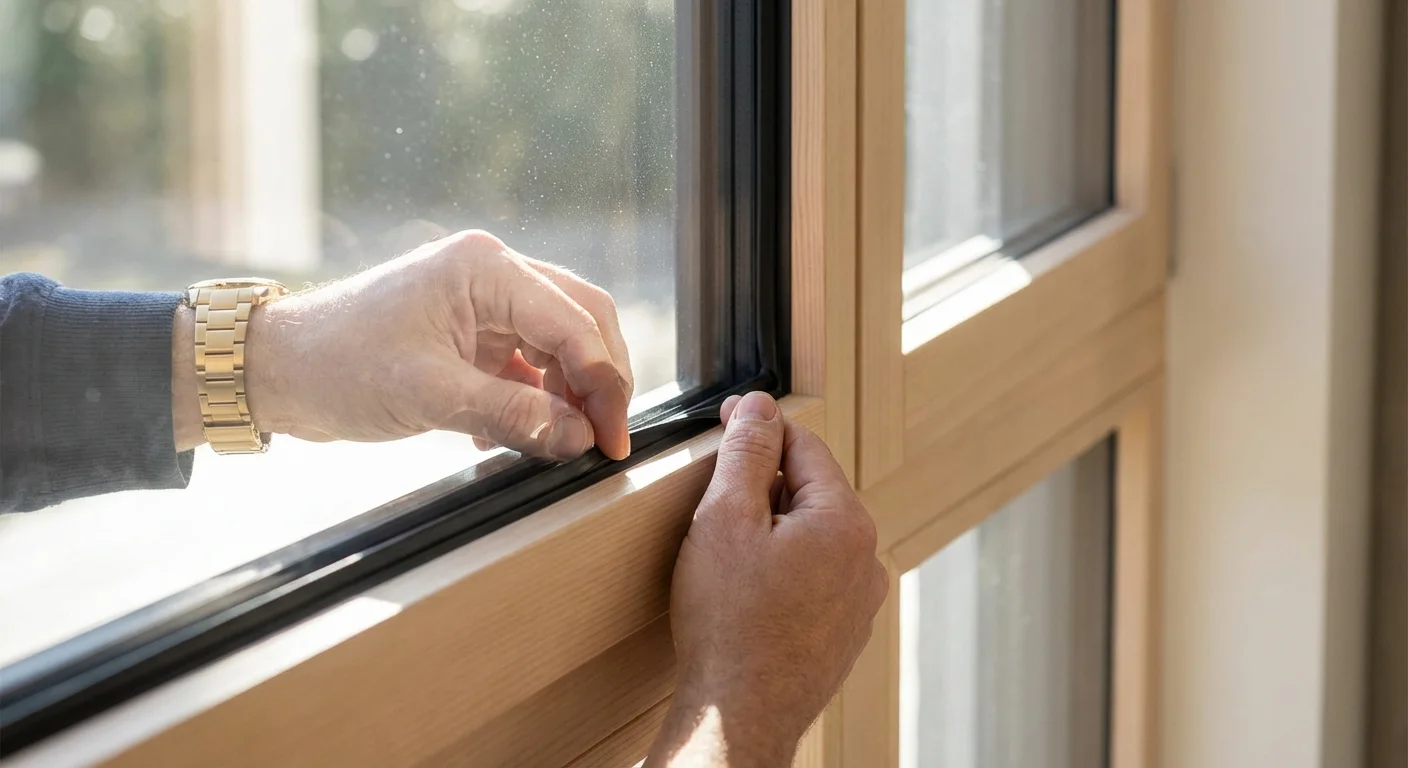
The weatherstripping that kept freezing drafts out during winter is now responsible for keeping the conditioned air inside. Check the seals around your exterior doors and windows. If you can see daylight around a doorframe or feel warm air seeping in, it is time to replace the seal.
| Weatherstripping Type | Best Application | Durability | Installation Difficulty |
|---|---|---|---|
| Foam Tape | Window sashes, door frames | Low to Medium (1-3 years) | Very Easy (Peel and stick) |
| V-Strip (Tension Seal) | Sliding windows, double-hung windows | High (5+ years) | Moderate |
| Door Sweeps | Bottom of exterior doors | High (5+ years) | Moderate (Requires drilling) |
6. Program Your Smart Thermostat
If you have a smart or programmable thermostat, update its schedule for the summer months. Set the temperature to 78°F when you are home and awake, and program it to rise by 7 to 10 degrees when the house is empty. If you are still using a manual thermostat, consider upgrading; smart models learn your routine and adjust automatically to prevent wasted cooling.
7. Install Blackout Curtains or Shades
Sunlight streaming through south- and west-facing windows acts like a greenhouse, rapidly raising the ambient temperature of your home. Install thermal-backed blackout curtains or cellular shades to block radiant heat. Closing window treatments during the peak afternoon sun reduces the load on your air conditioner significantly.
8. Check Attic Ventilation and Insulation
Your attic can easily exceed 140°F on a hot summer day. If that heat has nowhere to go, it radiates down into your living space. Verify that your soffit and gable vents are clear of obstructions like bird nests or debris. Additionally, check if your attic insulation has settled or degraded; a well-insulated attic floor creates a thermal barrier that keeps cool air trapped in the rooms below.
Exterior and Roof Maintenance
Outdoor home maintenance protects your property’s structural integrity. Winter ice and spring storms often leave behind hidden damage that needs addressing before summer thunderstorms roll in.
For those living in coastal regions, early summer is also the time to prepare your home for hurricane season by checking storm shutters and emergency supplies.
9. Clean Gutters and Downspouts
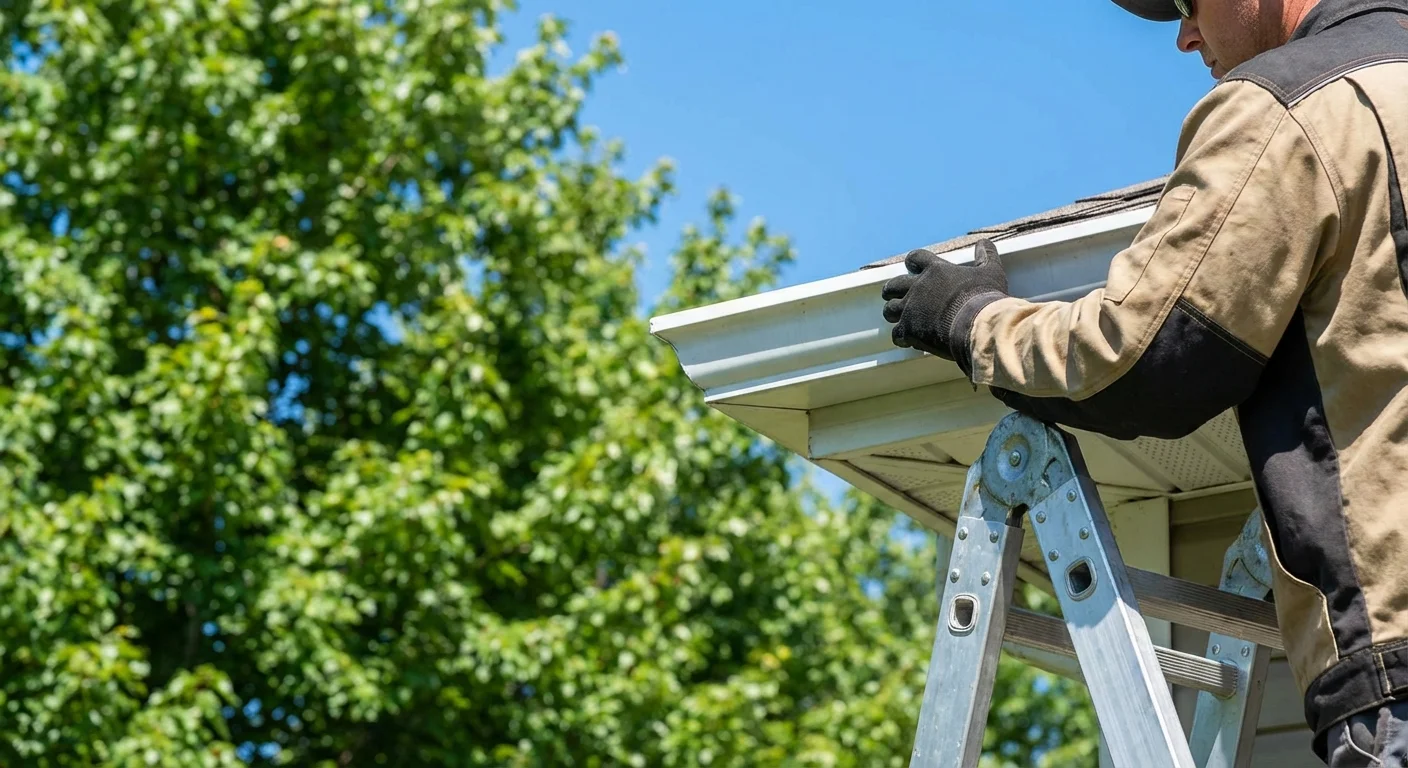
Spring rain leaves gutters packed with leaves, twigs, and sediment. Clogged gutters cause water to spill over the sides, pooling around your foundation and potentially causing basement leaks. Scoop out the debris, flush the gutters with a garden hose, and observe the downspouts to ensure water flows freely away from the house.
10. Inspect the Roof for Damage
Grab a pair of binoculars and inspect your roof from the ground, looking for curled, cracked, or missing shingles. Pay special attention to the flashing around chimneys, skylights, and vent pipes, as these are common entry points for water. Finding and replacing a few damaged shingles now prevents catastrophic leaks during heavy summer downpours.
11. Wash Siding and Windows
Give your home’s exterior a thorough bath. Wash the exterior windows to let in maximum natural light during the morning hours. For siding, use a garden hose with a specialized siding cleaning solution rather than a high-pressure power washer, which can force water behind the vinyl or wood panels and cause rot. You can find excellent exterior cleaning tutorials and maintenance guides at This Old House.
12. Repair Window Screens
Summer evenings are perfect for opening windows and letting in a cross-breeze—provided your screens are intact. Inspect all window and door screens for tears. Small holes can be mended with a patch kit or a dab of clear nail polish, while larger tears require replacing the fiberglass or aluminum mesh entirely.
13. Inspect the Foundation
Walk the perimeter of your house and look for cracks in the foundation block or poured concrete. While hairline cracks are often a normal sign of settling, any crack wider than a quarter-inch—or one that is growing—should be evaluated by a structural engineer. Seal minor cracks with masonry caulk to prevent ants and moisture from entering.

Outdoor Living Spaces
You want your outdoor areas ready for barbecues, family gatherings, and quiet evenings. Preparing these spaces early maximizes your time to enjoy them.
Many of these seasonal refreshes serve as excellent weekend DIY projects that boost both your home’s value and your summer enjoyment.
14. Revitalize the Deck or Patio
Sweep away accumulated dirt and debris. If you have a wood deck, check for splintering boards or loose nails. Clean the wood using a specialized deck wash and a stiff-bristled brush. Once completely dry, apply a fresh coat of water-repellent sealant or stain to protect the timber from harsh summer UV rays and moisture.
15. Deep Clean the Grill
Do not wait until your first cookout to discover last year’s grease still clinging to your grill grates. Disconnect the propane tank or unplug the grill, remove the grates, and scrub them with a wire brush and warm, soapy water. Check the burner tubes for spider webs or insect nests, which frequently block gas flow and create uneven heating.
16. Test Outdoor Lighting
Long summer nights require dependable illumination. Test all porch lights, floodlights, and landscape path lights. Replace burnt-out bulbs with energy-efficient outdoor LEDs. If you use solar-powered path lights, wipe the solar panels with a damp cloth to ensure they absorb maximum sunlight during the day.
17. Service Lawn Care Equipment
A dull mower blade tears grass rather than cutting it cleanly, leaving your lawn susceptible to disease and heat stress. Take your lawnmower blade in for sharpening, change the oil, replace the spark plug, and install a fresh air filter. Check the trimmer line in your weed eater and ensure you have an ample supply of fresh fuel or fully charged batteries.
Plumbing and Safety
The final phase of your checklist focuses on preventing water damage and ensuring your family’s safety features are fully operational.
To stay organized throughout the rest of the year, follow a monthly home maintenance calendar to break these larger projects into manageable monthly bits.
18. Test Detectors and Replace Batteries
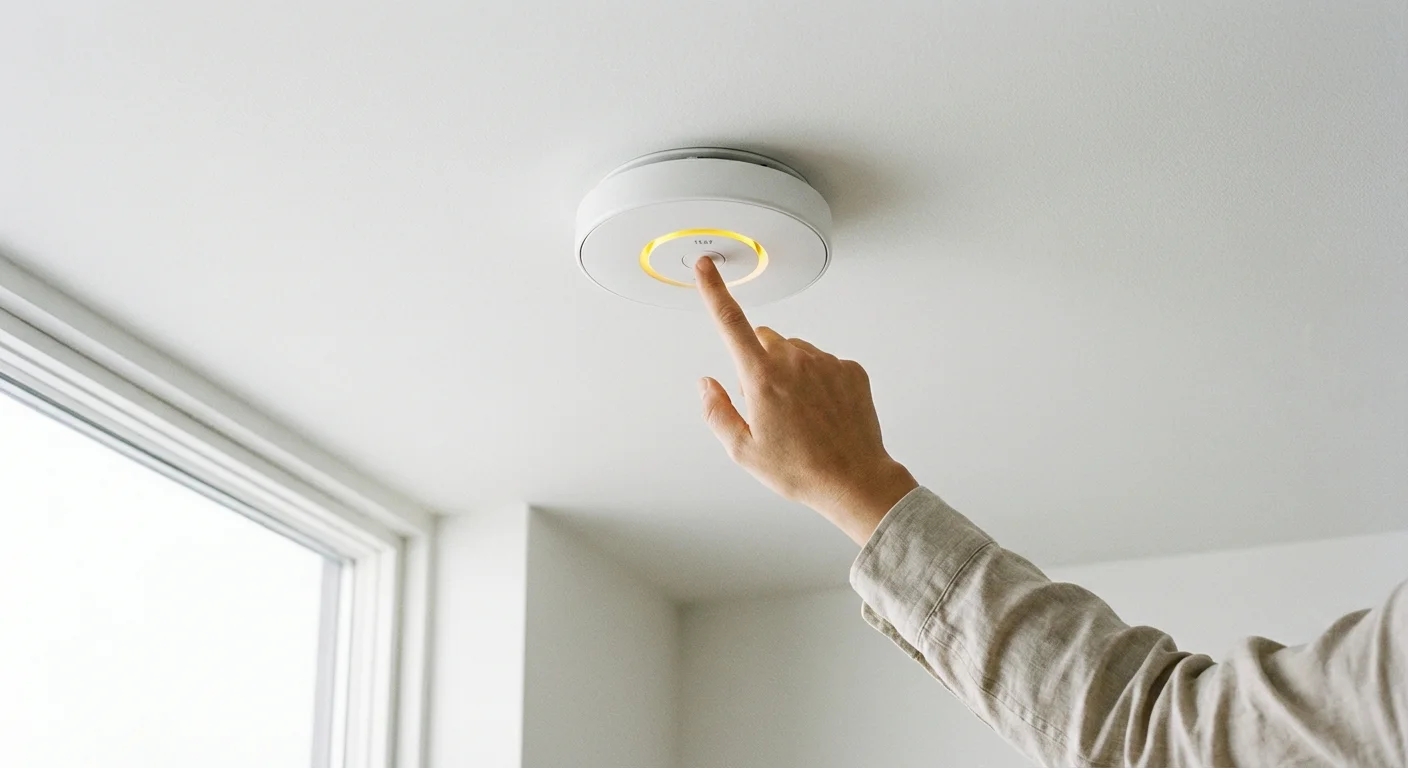
Smoke and carbon monoxide detectors save lives, but only if they have power. Test every unit in your home by pressing the button until the alarm sounds. Even if they are hardwired, replace the backup batteries annually. Vacuum the exterior of the detectors to remove dust that could cause false alarms.
19. Inspect Outdoor Faucets and Hoses
Winter freezes can crack the pipes leading to your exterior spigots. Turn on the water and place your thumb over the spigot to restrict the flow; if you easily stop the water pressure, there may be a leak inside your wall. Uncoil your garden hoses and check for dry rot or leaks, replacing any missing rubber washers inside the couplings.
20. Flush the Water Heater
Sediment accumulates at the bottom of your water heater tank over time, reducing its efficiency and lifespan. Attach a garden hose to the drain valve at the bottom of the tank, turn off the power or gas supply, and drain a few gallons of water into a bucket or floor drain until the water runs clear. This simple task improves heating times and lowers energy consumption.
Avoiding Common Errors
Even well-intentioned homeowners can make mistakes that inadvertently damage their property. Keep these common errors in mind as you work through your list:
When the temperatures eventually begin to dip, you can transition smoothly into the next season using our fall home maintenance checklist.
- Aggressive Power Washing: Using a high-PSI pressure washer on soft woods, aging brick, or vinyl siding can strip paint, gouge wood, and force water into your walls. Always use a wide-angle nozzle and keep the wand moving.
- Pruning Trees Improperly: Trimming large tree branches right before the summer heat hits can stress the tree. Stick to removing only dead or dangerous branches, and save major pruning for late fall or winter when the tree is dormant.
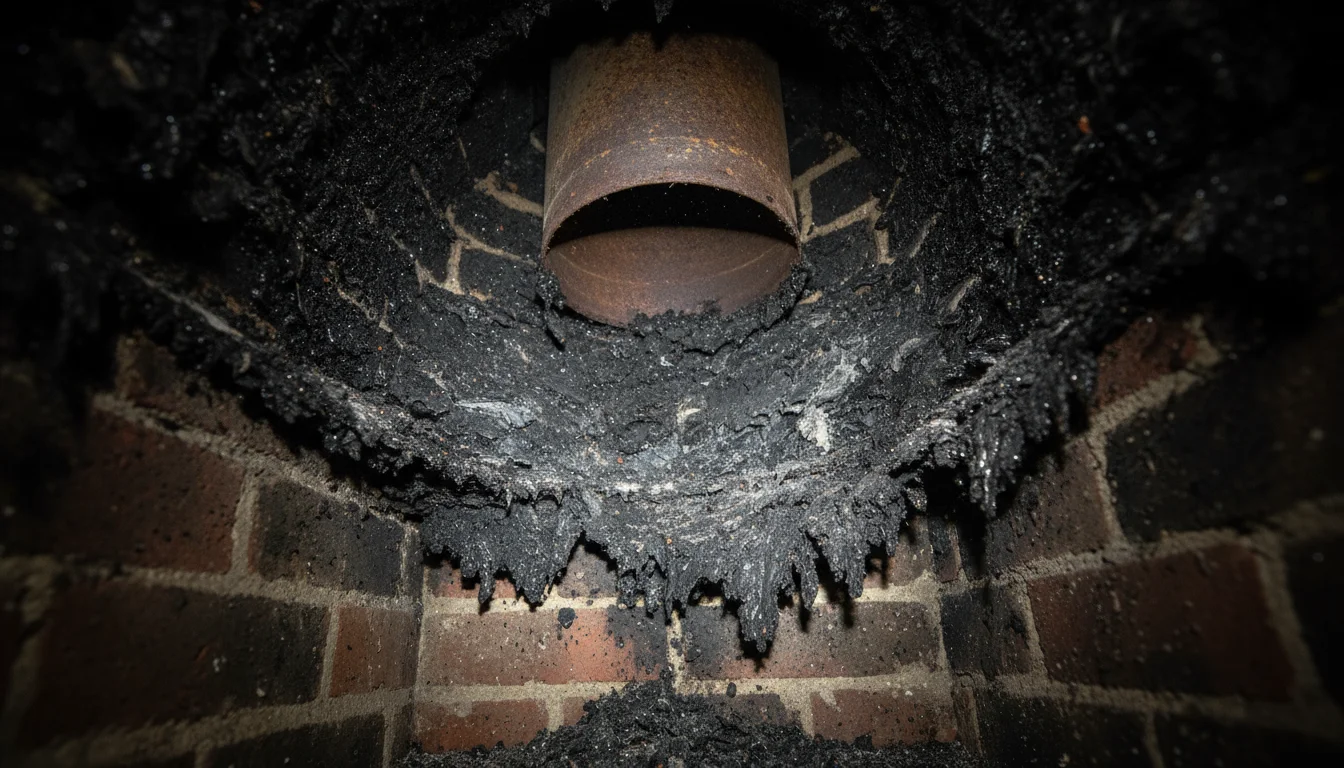
- Ignoring the Dryer Vent: Summer humidity combined with a lint-clogged dryer vent severely prolongs drying times and creates a serious fire hazard. Always clean the entire duct line, not just the lint trap.

When DIY Isn’t Enough
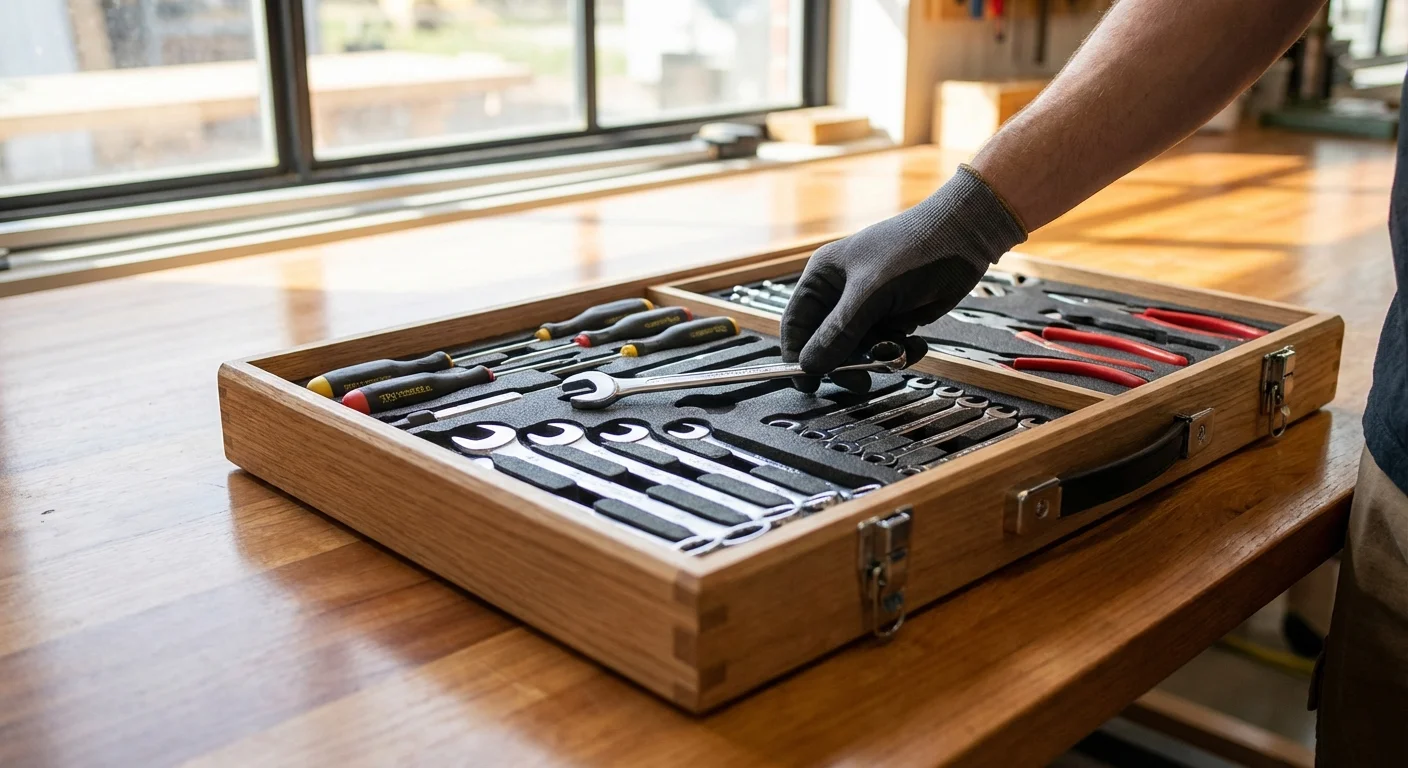
While you can accomplish most tasks on this summer home maintenance checklist with basic hand tools and a free weekend, certain jobs require specialized knowledge, permits, or commercial-grade equipment.
- Refrigerant Leaks: If your AC is running constantly but the air is not cold, do not attempt to recharge the system yourself. Handling refrigerant requires EPA certification and specialized gauges to detect the source of the leak.
- Roof Replacement or Major Repairs: Climbing onto a pitched roof is inherently dangerous. If you discover widespread shingle damage, soft spots in the decking, or complex flashing issues, hire a licensed roofing contractor.
- Electrical Upgrades: Installing a new smart thermostat is generally a safe DIY project if you follow the instructions. However, if you need to run new wire, upgrade your electrical panel for a larger AC unit, or fix faulty outdoor wiring, always hire a licensed electrician.
Frequently Asked Questions
When should I start my summer home maintenance checklist?
The ideal time to begin is mid-to-late spring, typically late April through May. You want the threat of freezing temperatures to have completely passed, but you also want to finish the work before the intense summer heat sets in.
How often do I really need to change my air filter?
During the heavy cooling months of summer, you should check your filter every 30 days. Replace it at least every 90 days. If you have multiple pets, suffer from allergies, or live in a dusty climate, replacing it every 30 to 45 days is highly recommended.
Can I service my AC unit myself?
You can perform basic maintenance—such as replacing filters, keeping the area around the outdoor condenser clear of vegetation, and gently rinsing dirt off the exterior fins with a garden hose. However, internal electrical checks, blower motor servicing, and refrigerant handling must be done by a licensed HVAC professional.
What is the most effective way to lower summer energy bills?
A combination of strategies yields the best results. Focus on blocking solar heat gain with window treatments, sealing air leaks around doors and windows, setting a higher ambient temperature on a programmable thermostat, and running ceiling fans to maintain personal comfort.
Taking Action for a Comfortable Summer
Working your way through this summer home maintenance checklist may seem daunting at first glance, but you do not need to tackle it all in a single afternoon. Break the tasks down by category—spend one Saturday on your outdoor living spaces and dedicate the following weekend to energy efficiency and cooling prep. By investing a little sweat equity now, you ensure your home serves as a cool, functional, and relaxing oasis when the dog days of summer arrive.
Once your maintenance is complete, you can confidently turn your attention to the fun parts of the season—firing up the newly cleaned grill, lounging on the freshly sealed patio, and enjoying the peace of mind that comes with a well-cared-for home. This is educational content based on general best practices. Individual results vary based on your home, budget, and circumstances. Always prioritize safety and consult professionals for major projects.
Last updated: February 2026








Leave a Reply