

Your bedroom should be more than just a place to sleep. It acts as your personal retreat, a haven where you unwind, recharge, and prepare for restful nights. Transforming your bedroom into a truly cozy bedroom improves your sleep quality and significantly boosts your overall well-being. This guide offers practical, actionable insights to help you create a serene, inviting space, your very own sleep sanctuary, even with limited time, budget, or space.
Embracing the art of hygge can help you focus on the simple comforts that make a space feel truly inviting.
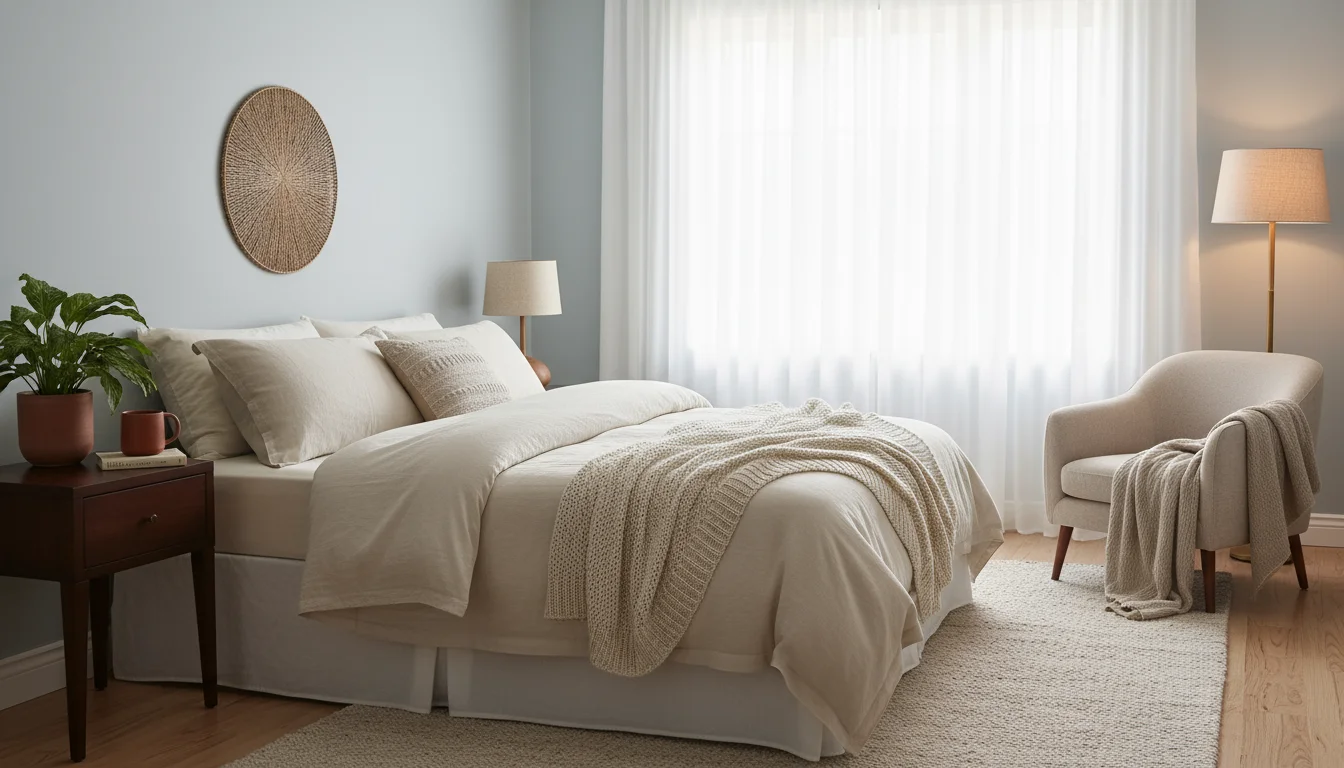
Why a Cozy Bedroom Matters for Your Well-being
A well-designed, cozy bedroom directly impacts your sleep, mood, and productivity. Consider your sleep environment as a critical factor in your health. A chaotic or uncomfortable room signals stress, making it difficult for your body and mind to truly relax. Conversely, a thoughtfully arranged space fosters calm and prepares you for deep, restorative sleep. Research consistently demonstrates the link between a conducive sleep environment and improved sleep quality, which in turn enhances cognitive function, emotional regulation, and physical health. Creating a dedicated sleep sanctuary helps your brain associate the space with rest, improving your ability to fall asleep faster and stay asleep longer.
Transforming your room into a sleep sanctuary also provides the perfect environment for creating a meditation space to start your mornings with clarity.
According to The Spruce — Home Organization, organizing your space effectively removes visual clutter, a common stressor that hinders relaxation. Your bedroom’s aesthetic and functionality contribute significantly to its coziness. Prioritizing this transformation is an investment in your overall health.
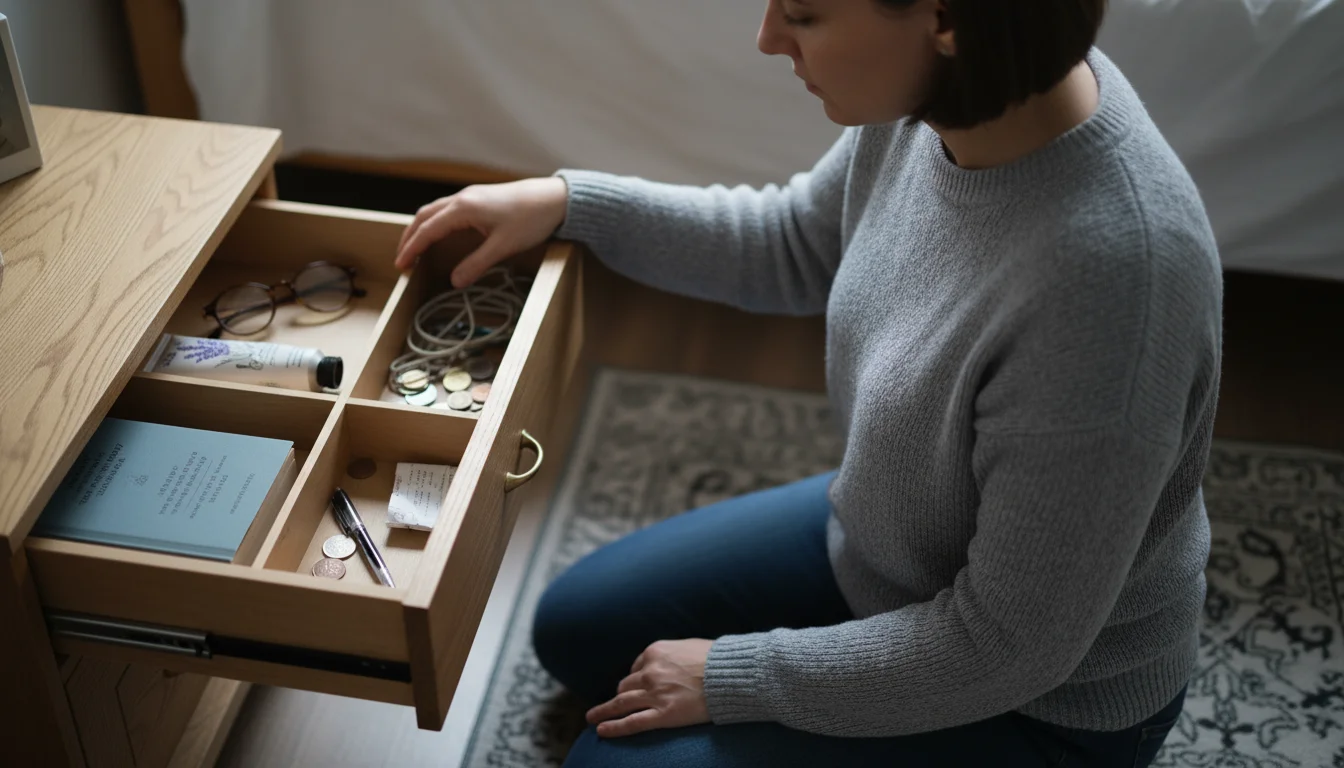
Decluttering: Your Path to a Peaceful Sleep Sanctuary
Before you introduce new elements, simplify what you already own. Decluttering creates physical and mental space, essential for a truly tranquil cozy bedroom. You might feel overwhelmed by the task, but a systematic approach makes it manageable, even for busy individuals.
If you’re feeling overwhelmed, follow a step-by-step plan to declutter your bedroom in just one weekend.
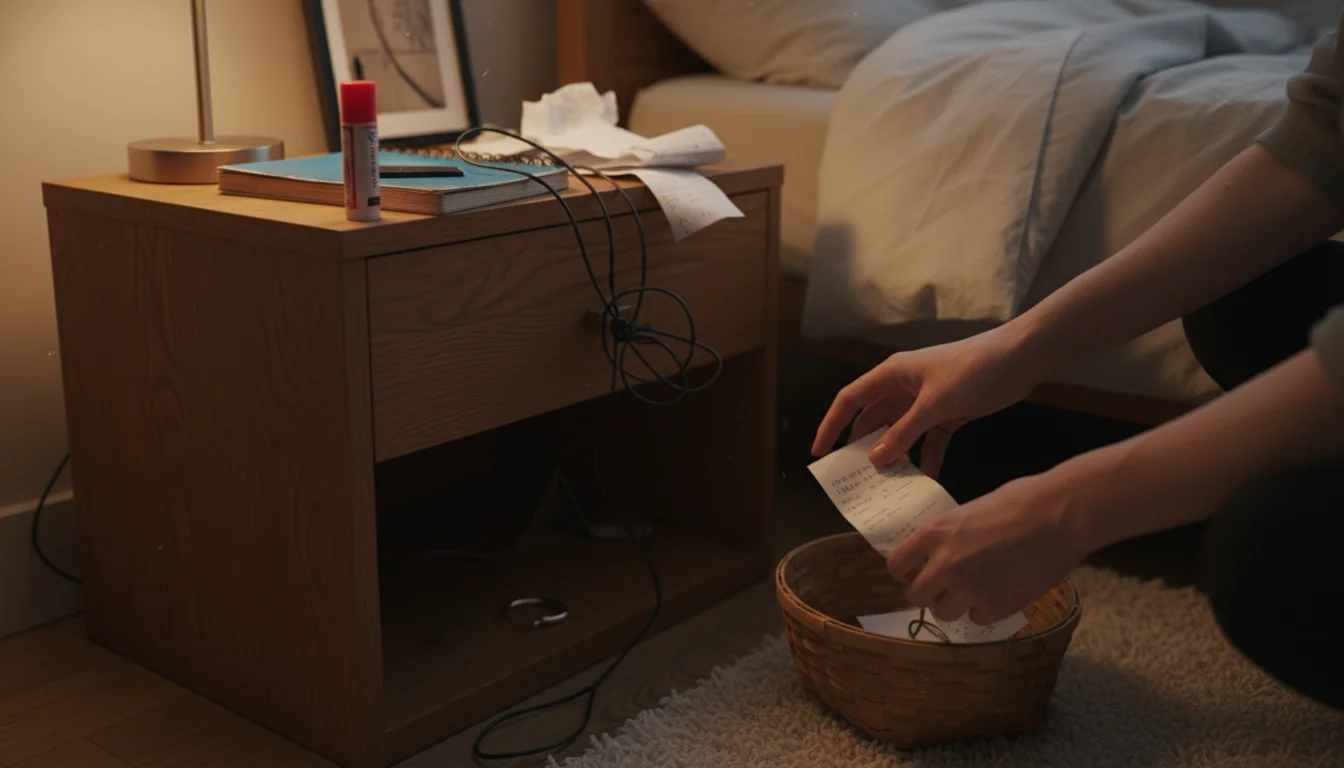
Step-by-Step Decluttering
- Start Small, Think Big: Instead of tackling the entire room, choose one small area first. Begin with your nightstand, a dresser drawer, or even just the top of a shelf. This builds momentum and prevents burnout.
- Empty and Evaluate: Remove everything from your chosen area. Group similar items together. Ask yourself these questions for each item:
- Do I use this regularly? (Within the last 6-12 months)
- Does it bring me joy or serve a practical purpose?
- Does it belong in the bedroom? (Avoid storing office supplies, workout gear, or non-bedroom specific items here if possible).
- Do I have duplicates of this item elsewhere?
- Sort into Action Piles: Create piles for “Keep,” “Donate/Sell,” “Relocate,” and “Trash/Recycle.” Be honest with your “Keep” pile. Remember, a peaceful sleep sanctuary requires intention, not accumulation.
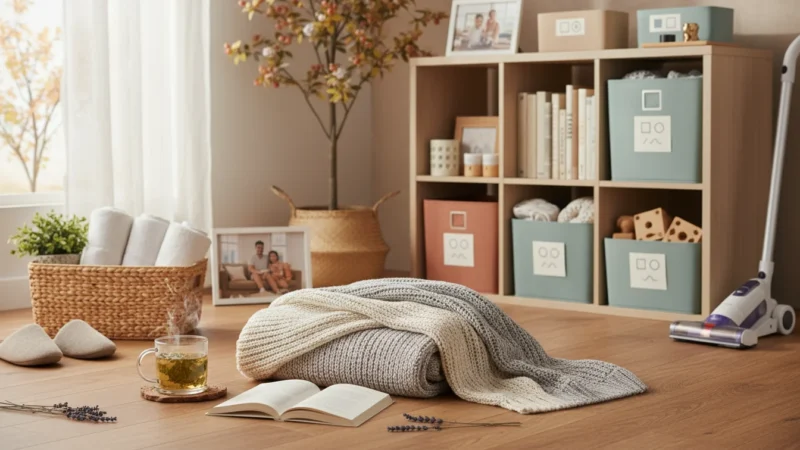
- Contain and Organize: For the items you keep, assign them a home. Utilize drawers, baskets, or decorative boxes to contain items neatly. This prevents visual clutter and makes future tidying easier. For instance, store remotes in a small decorative box on your nightstand, or keep books organized on a floating shelf.
- Address the Closet: Your bedroom closet often hides significant clutter. Dedicate a separate session to this. Pull out all clothing and accessories. Sort them by category. Donate items you no longer wear or that do not fit. Implement storage solutions like drawer dividers, hanging organizers, or shoe racks.
Don’t underestimate the power of an uncluttered space. It reduces stress, helps you relax, and promotes better sleep. You do not need to spend money on fancy organizers initially. Work with what you have, then invest in solutions that truly serve your needs.
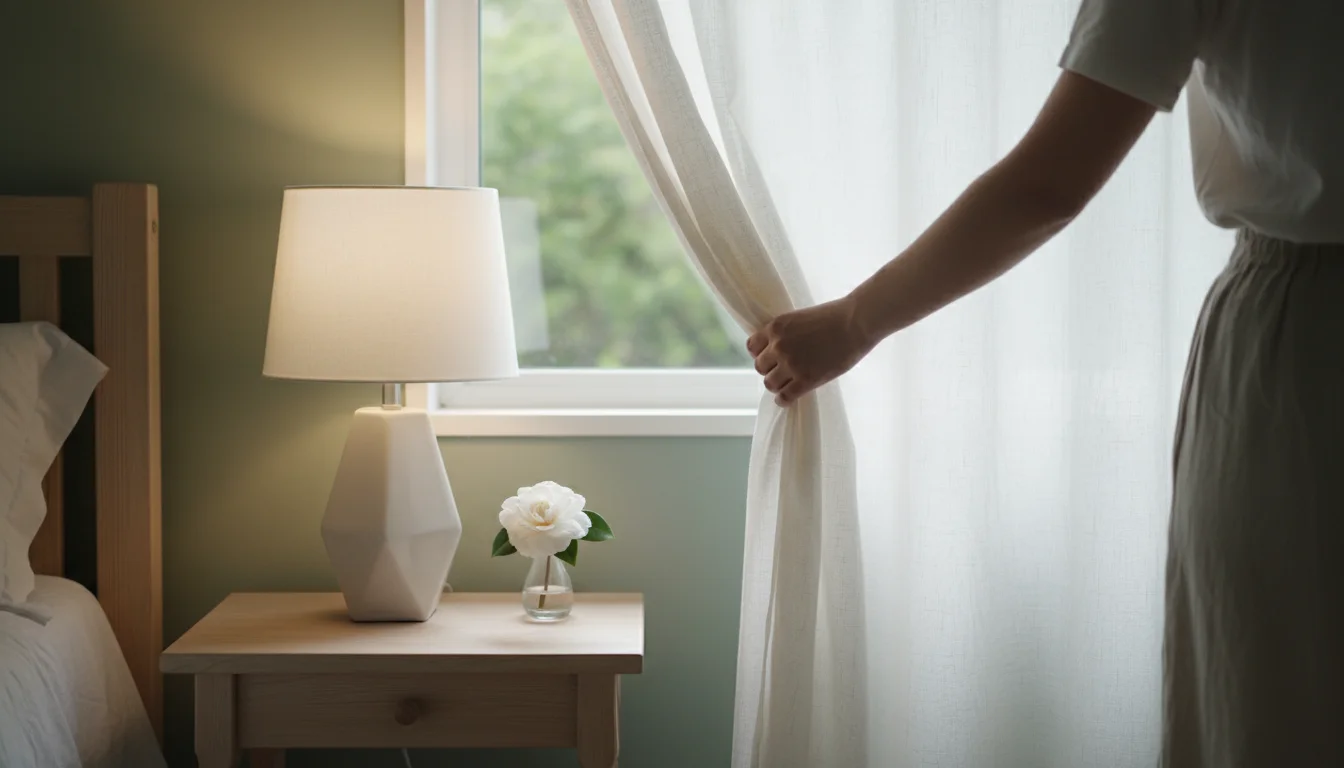
Color and Lighting: Setting the Mood for Rest
The visual elements of your bedroom significantly influence its coziness and your ability to relax. Choose colors and lighting strategies that promote tranquility.
In addition to visual tones, the way you arrange furniture for maximum coziness can change how light moves through the room and how you feel within it.
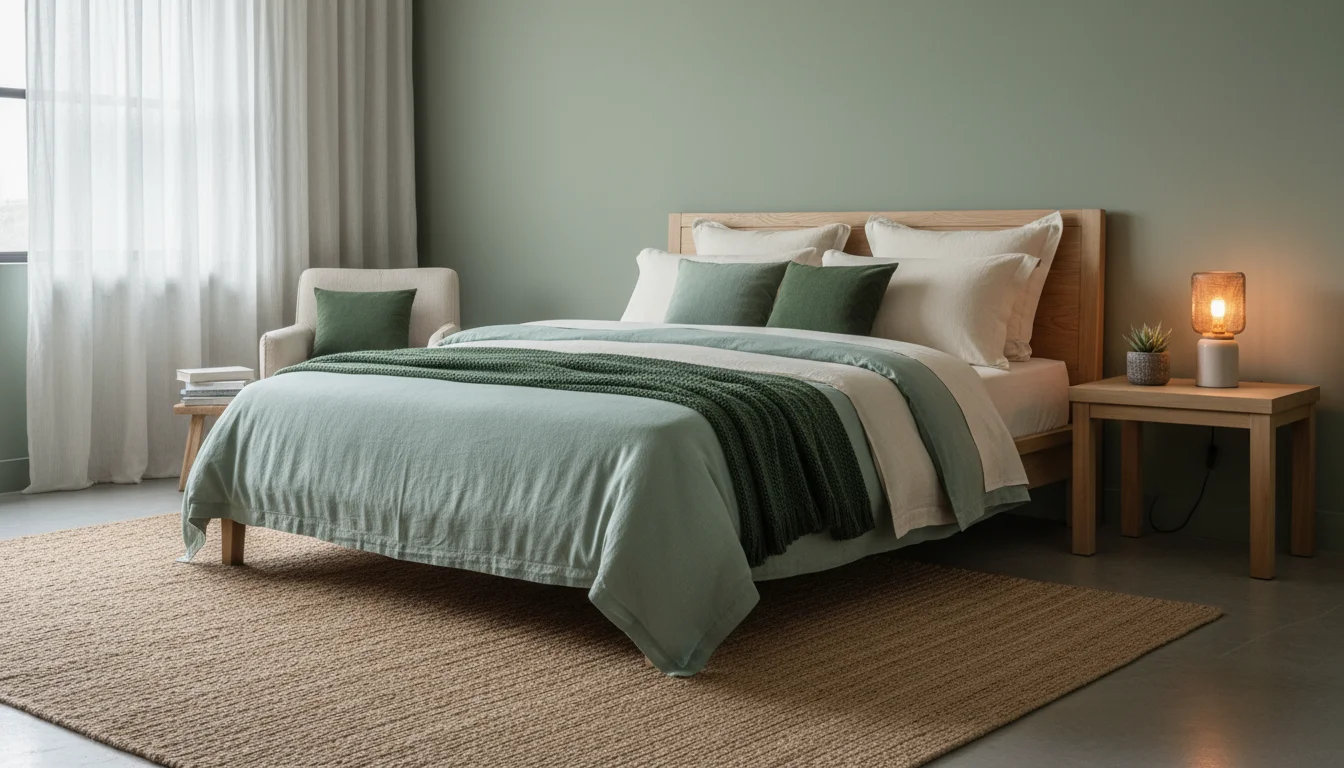
Calming Color Palettes
Opt for soothing colors that encourage relaxation. Soft neutrals, cool blues, gentle greens, and muted grays work wonderfully in a sleep sanctuary. These hues have a calming effect on the nervous system. Consider a monochromatic scheme, using different shades of the same color, for a sophisticated and serene look. For instance, paint your walls a soft sage green and introduce bedding in a lighter mint or a deeper forest green. Avoid overly bright or stimulating colors, such as vibrant reds or oranges, in areas directly within your line of sight from the bed, as these can increase alertness.
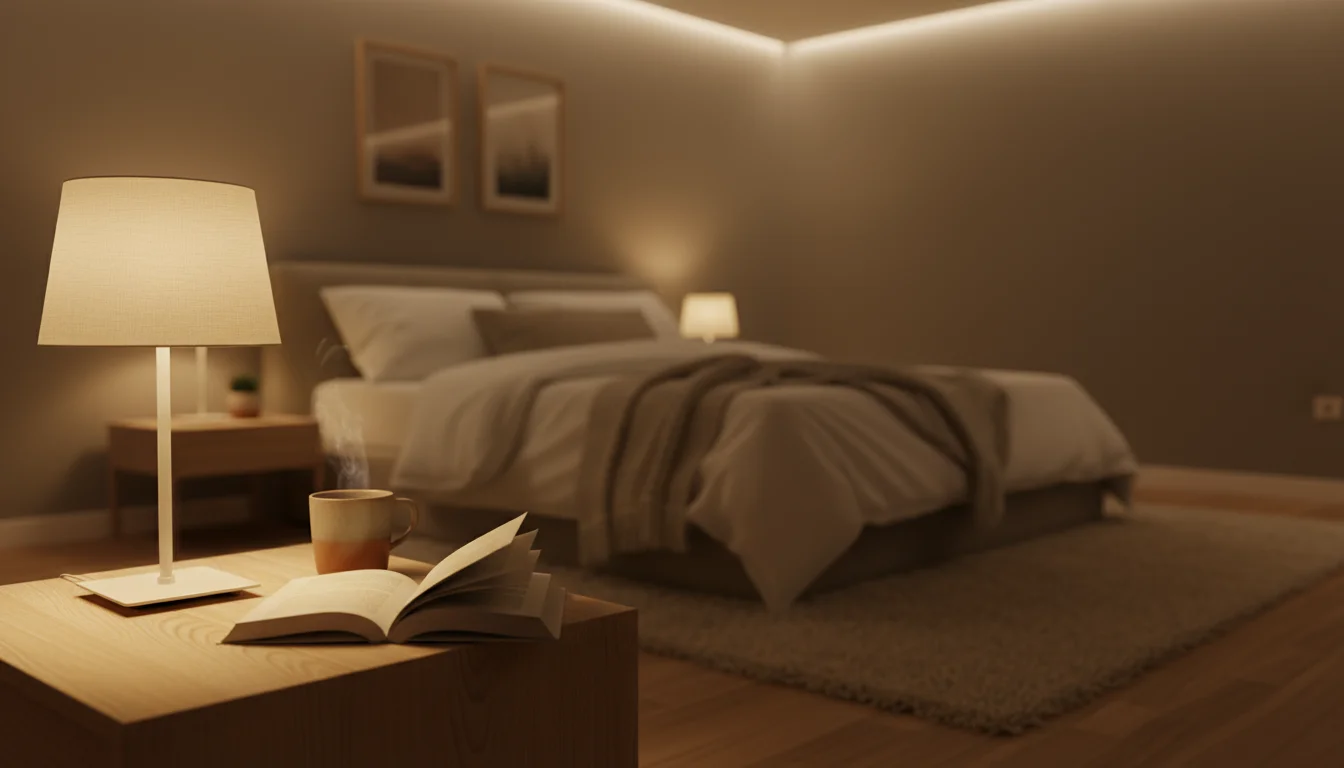
Strategic Lighting for Relaxation
Lighting plays a crucial role in regulating your body’s natural sleep-wake cycle, known as your circadian rhythm. Implement layered lighting to create a warm, inviting glow.
- Warm Lighting: Choose light bulbs with a warm color temperature (2700K or lower) for bedside lamps and overhead fixtures. This mimics natural sunset light and signals your body to prepare for sleep.
- Dimmers: Install dimmer switches for overhead lighting. This allows you to gradually reduce brightness as evening approaches, creating a calming transition.
- Bedside Lamps: Use bedside lamps with soft, ambient light for reading or winding down. Avoid harsh, bright lights before bed.
- Blackout Curtains or Blinds: Ensure your bedroom effectively blocks out external light. Blackout curtains or blinds are excellent investments. They prevent streetlights, car headlights, or early morning sun from disrupting your sleep, helping you maintain a dark environment conducive to rest. According to Consumer Reports — Home, quality blackout solutions can significantly improve sleep quality by eliminating light pollution.
- Avoid Blue Light: Minimize exposure to blue light from screens (phones, tablets, TVs) at least an hour before bedtime. Blue light suppresses melatonin production, making it harder to fall asleep.

Textiles and Textures: Layering Comfort
Textiles add warmth, softness, and visual interest, making your bedroom feel inviting and luxurious. Focus on materials that feel good against your skin and enhance the cozy atmosphere.

Bedding: The Foundation of Comfort
Your bed is the focal point of your sleep sanctuary. Invest in high-quality bedding that promotes comfort and breathability.
- Sheets: Choose soft, breathable sheets. Materials like cotton, linen, or bamboo are excellent choices. Consider a higher thread count for a more luxurious feel, but prioritize material quality.
- Duvet or Comforter: Select a duvet or comforter that provides appropriate warmth for your climate. Down, down alternative, or wool offer excellent insulation and comfort. Cover it with a duvet cover in a calming color or subtle pattern.
- Pillows: Good pillows are crucial for neck and spinal alignment. Choose pillows that suit your sleeping position (side, back, stomach). Consider hypoallergenic options if you have allergies.
- Throws and Blankets: Layer a soft throw blanket at the foot of your bed or draped over a chair. Cashmere, faux fur, chunky knit, or wool throws add texture and extra warmth, perfect for snuggling.

Rugs and Window Treatments
These elements enhance both comfort and acoustics.
- Area Rugs: A soft area rug anchors your bed and adds warmth underfoot. It also helps absorb sound, creating a quieter environment. Choose natural fibers like wool or cotton for softness.
- Curtains: Beyond blackout functionality, curtains add softness and texture. Choose fabrics like linen, velvet, or thick cotton in complementary colors to your walls and bedding. Hang them high and wide to make your windows appear larger and allow maximum natural light when open.
You can achieve a cozy, luxurious feel without overspending. Look for sales on quality bedding or consider DIY projects for throw pillows and curtains. A carefully chosen few items make a bigger impact than many low-quality ones.
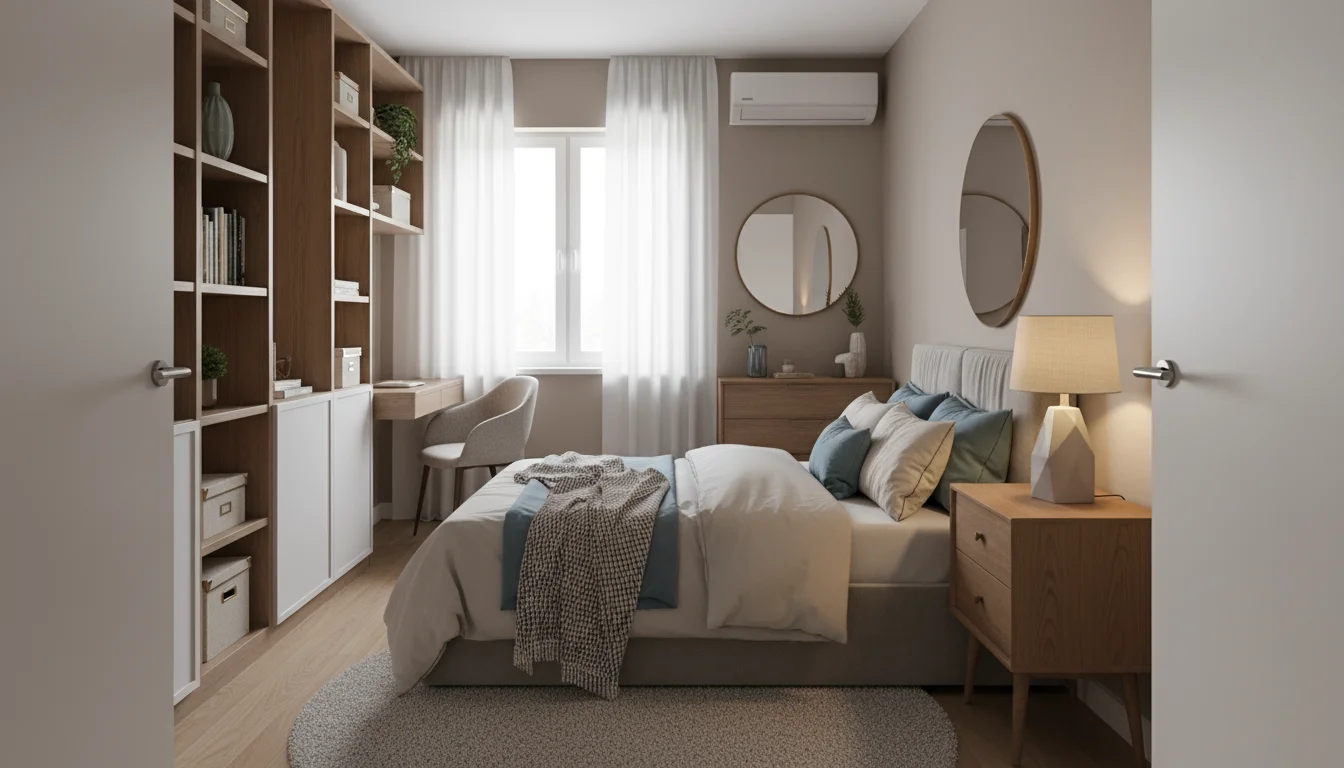
Optimizing Layout and Furniture for a Peaceful Retreat
Thoughtful furniture placement and selection maximize your bedroom’s comfort and functionality. Even in small spaces, you can create an efficient and aesthetically pleasing layout.
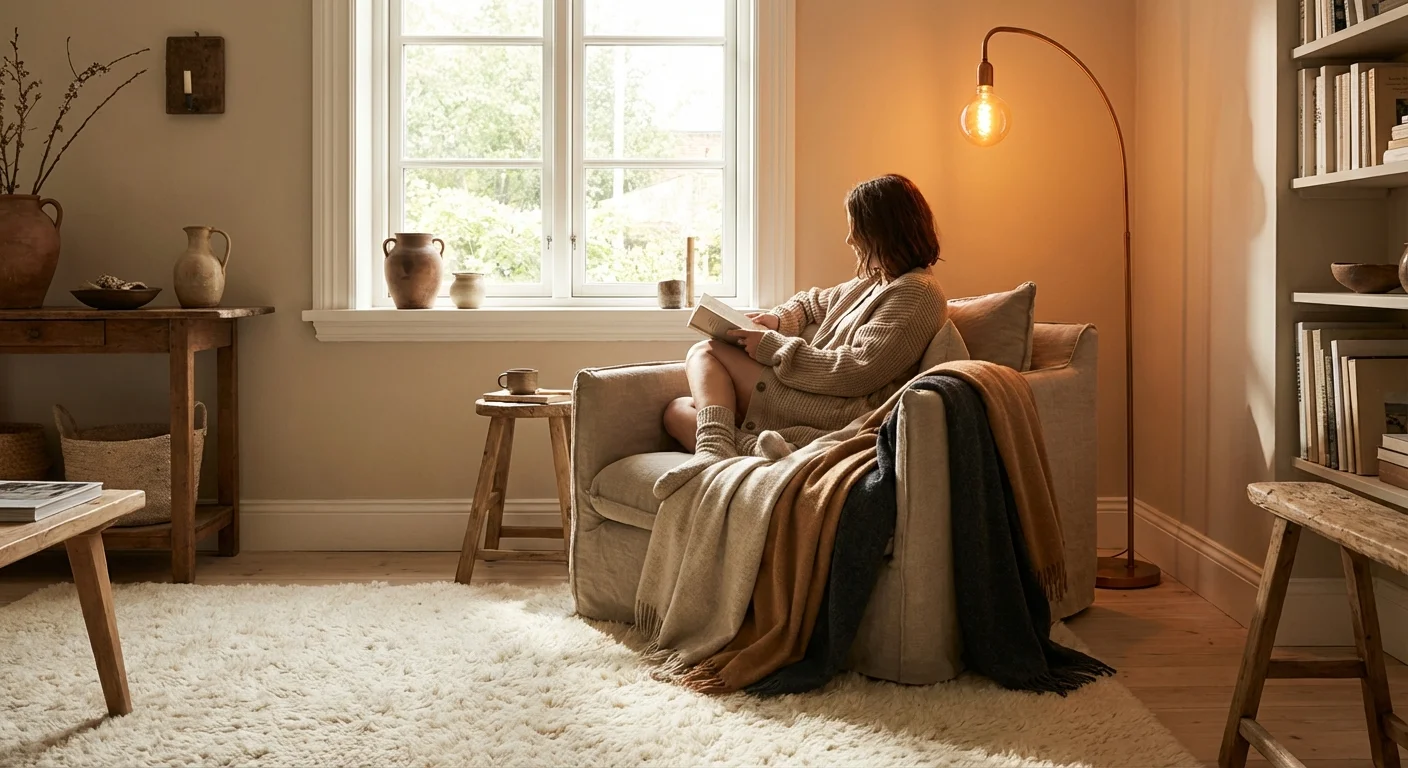
If you have extra space, consider creating a reading nook with a comfortable chair to provide a screen-free spot for winding down.

Strategic Furniture Placement
Consider the flow and purpose of your bedroom.
- Bed Placement: Position your bed against the largest wall, ideally not directly under a window or facing the door in a way that feels exposed. This creates a sense of security and prominence for your primary relaxation zone.
- Nightstands: Place a nightstand on each side of the bed, if space allows. These provide convenient surfaces for lamps, water, and a book. Choose nightstands with drawers or shelves for discreet storage, reducing clutter.
- Dressers and Wardrobes: Arrange larger furniture pieces against walls that do not interfere with pathways. If space is limited, opt for tall, narrow dressers or a wardrobe with integrated storage to maximize vertical space.
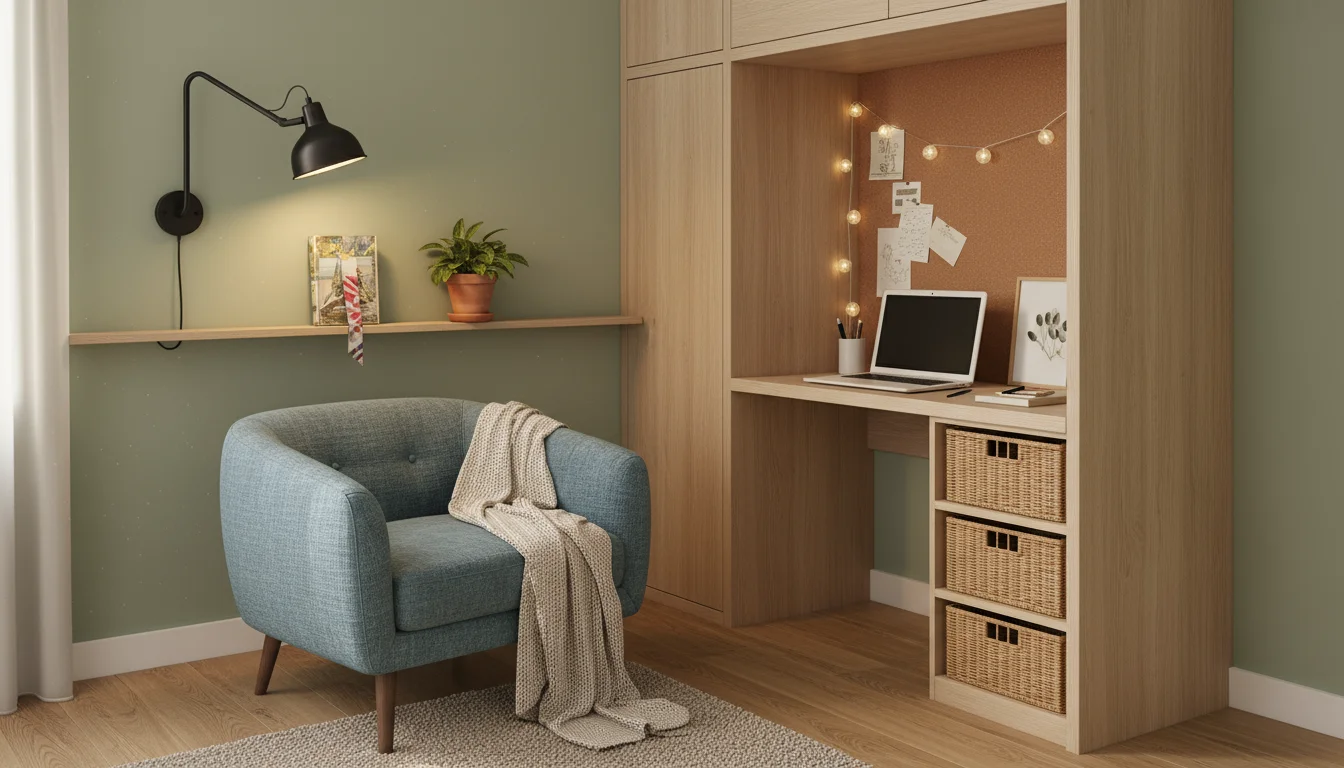
Creating Bedroom Zones
Designate specific areas, or “zones,” for different activities within your bedroom. This helps maintain order and focus.
- Sleep Zone: This is your bed, paramount for rest. Keep it clear of distractions.
- Relaxation/Reading Zone: If you have space, incorporate a comfortable armchair or a small bench with a soft cushion and good lighting. This provides an alternative spot for winding down without engaging with screens.
- Dressing Zone: If your closet is in your bedroom, organize it efficiently. Ensure you have clear pathways for getting dressed. A full-length mirror can also define this area.
For smaller bedrooms, think vertically. Floating shelves, wall-mounted lamps, and under-bed storage are excellent ways to maximize space without cluttering the floor. According to Apartment Therapy, smart storage solutions are key to maintaining an organized and calm environment in compact living spaces.
Enhancing Your Bedroom Environment: Air Quality and Sound
Beyond aesthetics, the unseen elements of your bedroom significantly impact your sleep and health. Focus on optimizing air quality, temperature, and sound.
Improving Indoor Air Quality
Poor indoor air quality can disrupt sleep and affect your respiratory health. You can take several steps to ensure fresh, clean air in your sleep sanctuary.
- Ventilation: Open windows for 10-15 minutes daily, even in cooler weather, to air out the room. This flushes out stale air and introduces fresh oxygen.
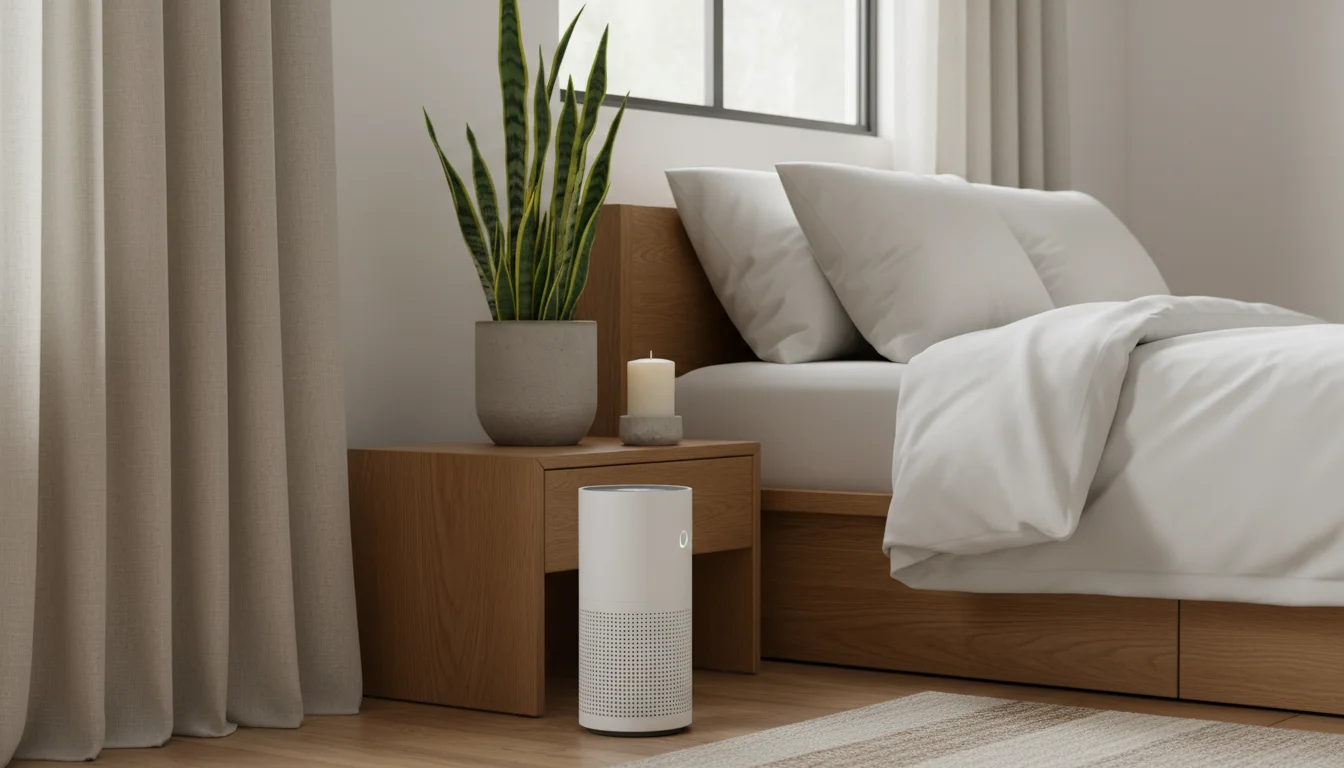
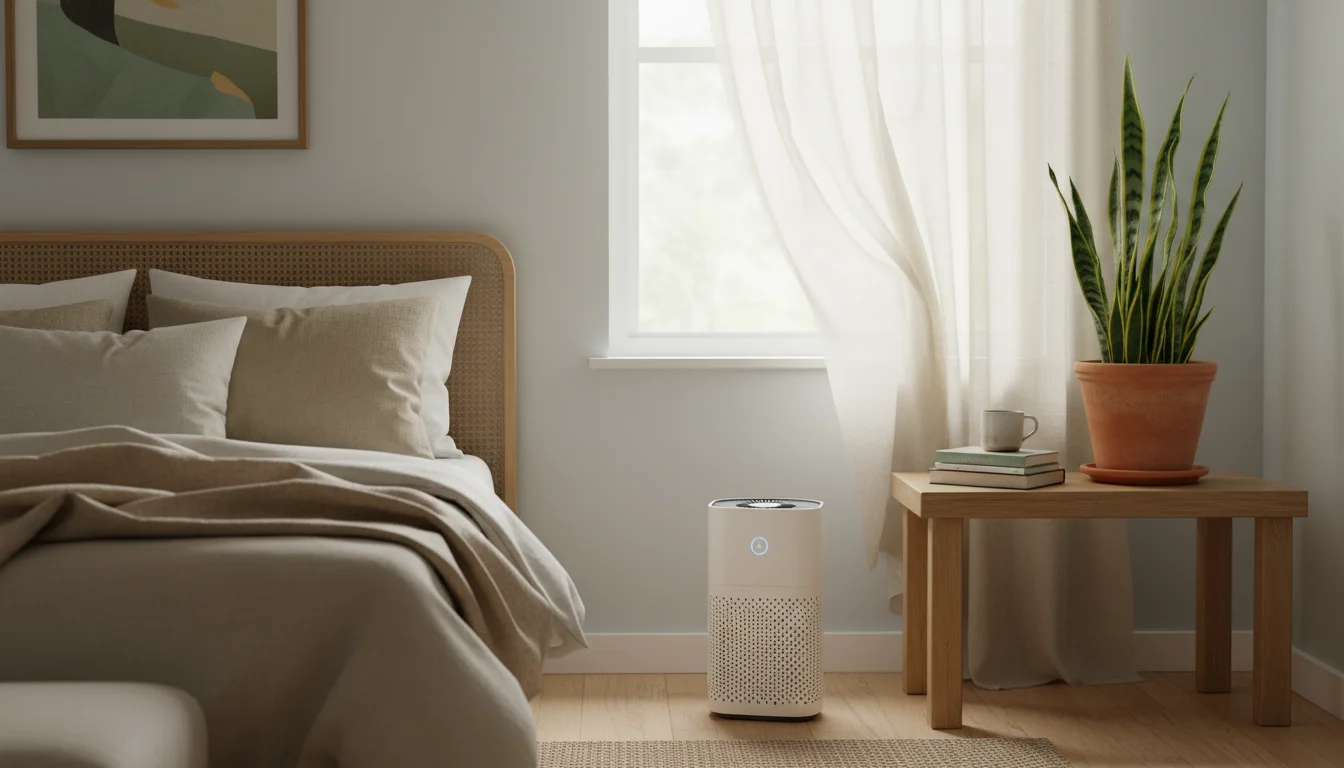
- Air Purifiers: Consider investing in an air purifier, especially if you suffer from allergies or live in an area with high pollution. HEPA filters effectively remove dust, pollen, pet dander, and other airborne irritants.
- Houseplants: Certain houseplants can help filter toxins from the air. Snake plants, peace lilies, and spider plants are excellent choices for the bedroom. Ensure you maintain them properly to avoid mold growth.
- Regular Cleaning: Dust surfaces, vacuum carpets, and wash bedding regularly. This reduces dust mites and allergens. According to the EPA — Indoor Air Quality, maintaining a clean home environment is crucial for improving indoor air quality.
Managing Sound and Temperature
External noise and an uncomfortable room temperature disrupt sleep patterns.
- Soundproofing: Thick curtains, rugs, and upholstered furniture help absorb sound. If noise is a significant issue, consider weatherstripping doors or investing in noise-reducing window inserts.
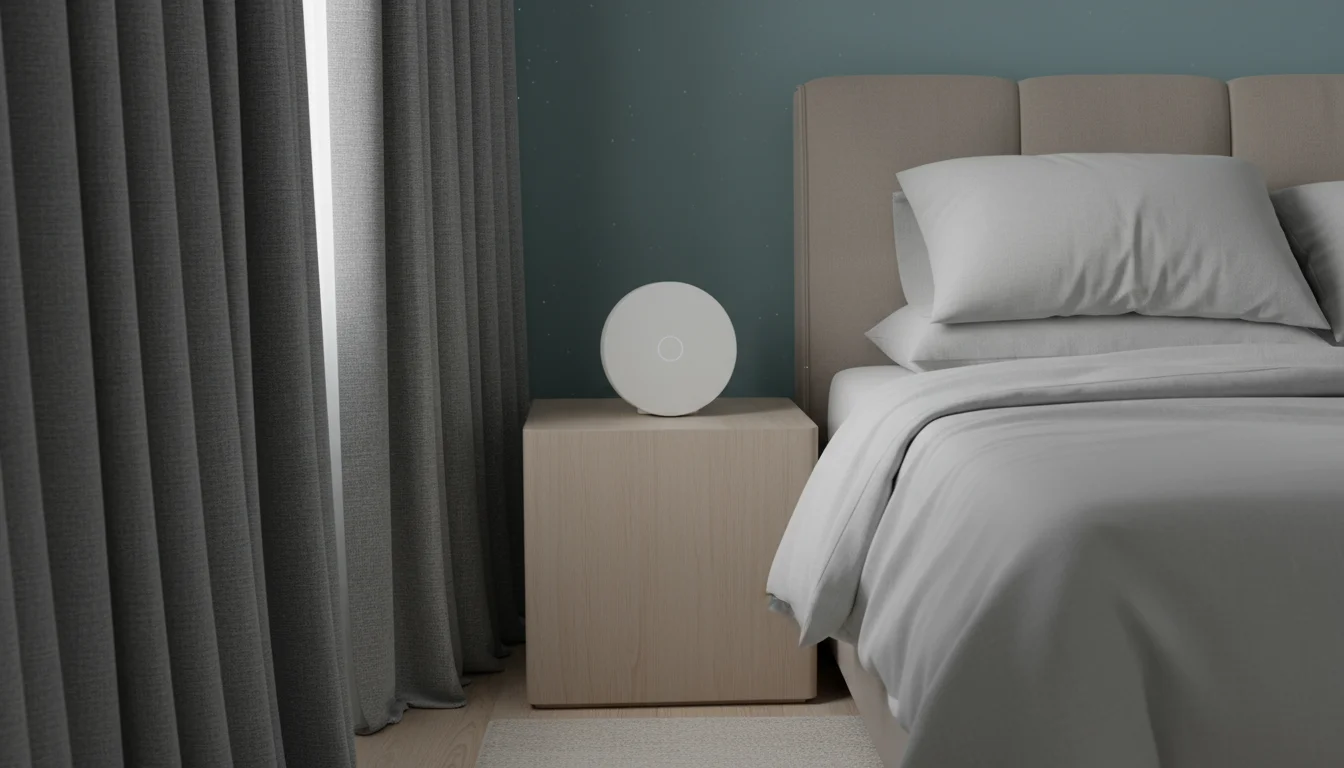
- White Noise Machines: A white noise machine or fan can mask disruptive sounds, creating a consistent, soothing background hum that promotes sleep.
- Optimal Temperature: Most sleep experts recommend a room temperature between 60-67 degrees Fahrenheit (15-19 degrees Celsius) for optimal sleep. Keep your room cool and comfortable. Use breathable bedding and adjust your thermostat as needed.
Creating a truly comfortable environment means addressing all sensory inputs. Prioritizing fresh air, quiet, and a comfortable temperature provides a foundation for truly restorative sleep.
Personal Touches: Making Your Sleep Sanctuary Truly Yours
Once you establish the foundation of comfort and calm, infuse your personality into your cozy bedroom with thoughtful, non-cluttering details. These personal touches transform your space into a unique sleep sanctuary.
Thoughtful Decor and Scents
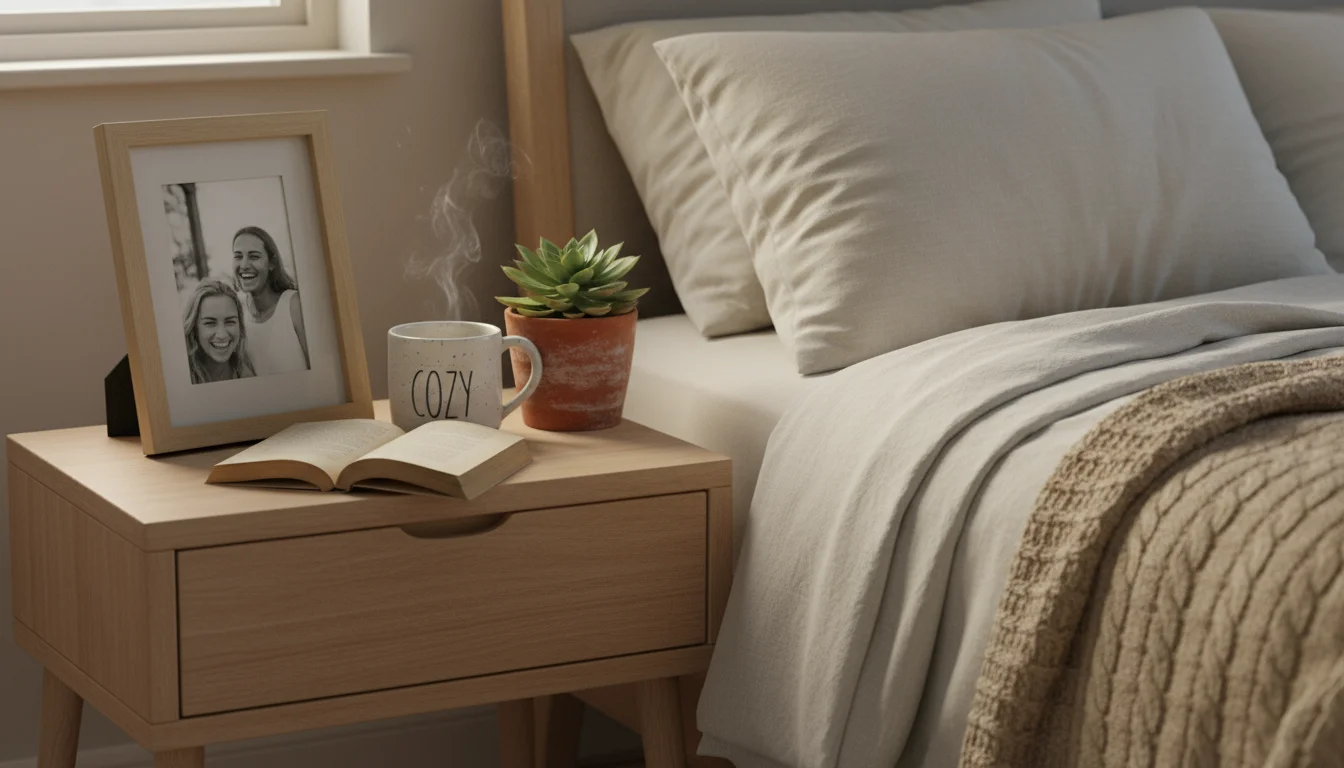
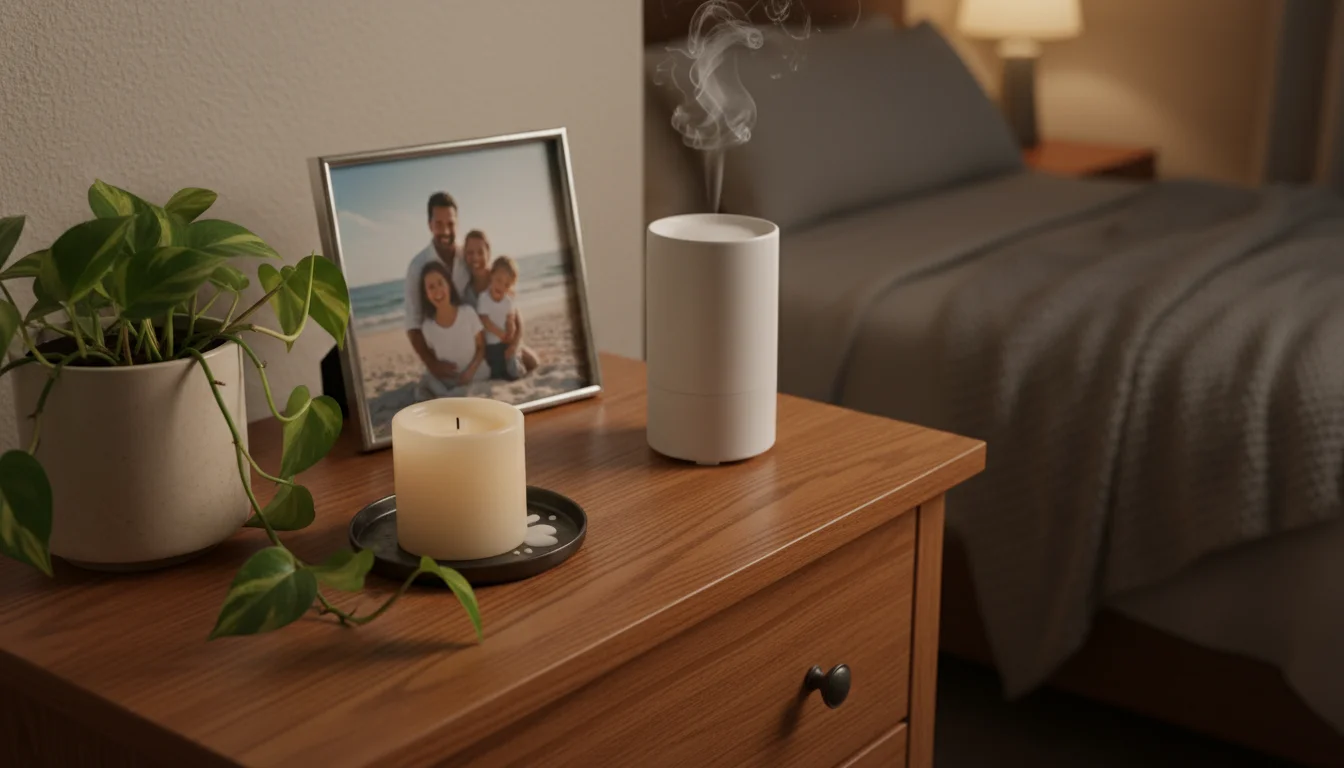
- Art and Photos: Hang calming artwork or cherished photos of loved ones. Choose pieces that evoke peace and happiness, rather than excitement or anxiety. Avoid overtly stimulating images.
- Plants: A few carefully chosen houseplants not only purify the air but also add a touch of nature and vibrancy. Opt for low-maintenance varieties like snake plants, ZZ plants, or Pothos.
- Aromatherapy: Use essential oil diffusers with calming scents like lavender, chamomile, or frankincense before bedtime. Avoid strong, artificial fragrances that might disrupt sleep. Diffuse oils for a short period before bed, rather than all night.
- Candles: Unscented or lightly scented candles add a soft, flickering glow, creating an intimate and cozy atmosphere. Always exercise caution and never leave burning candles unattended.
Mindful Additions, Not More Clutter
The key to personalizing your cozy bedroom lies in intentionality. Every item you add should contribute to the sense of peace and comfort, not detract from it. Avoid introducing items that are primarily functional for other areas of your life, such as exercise equipment, work documents, or excessive electronic gadgets.
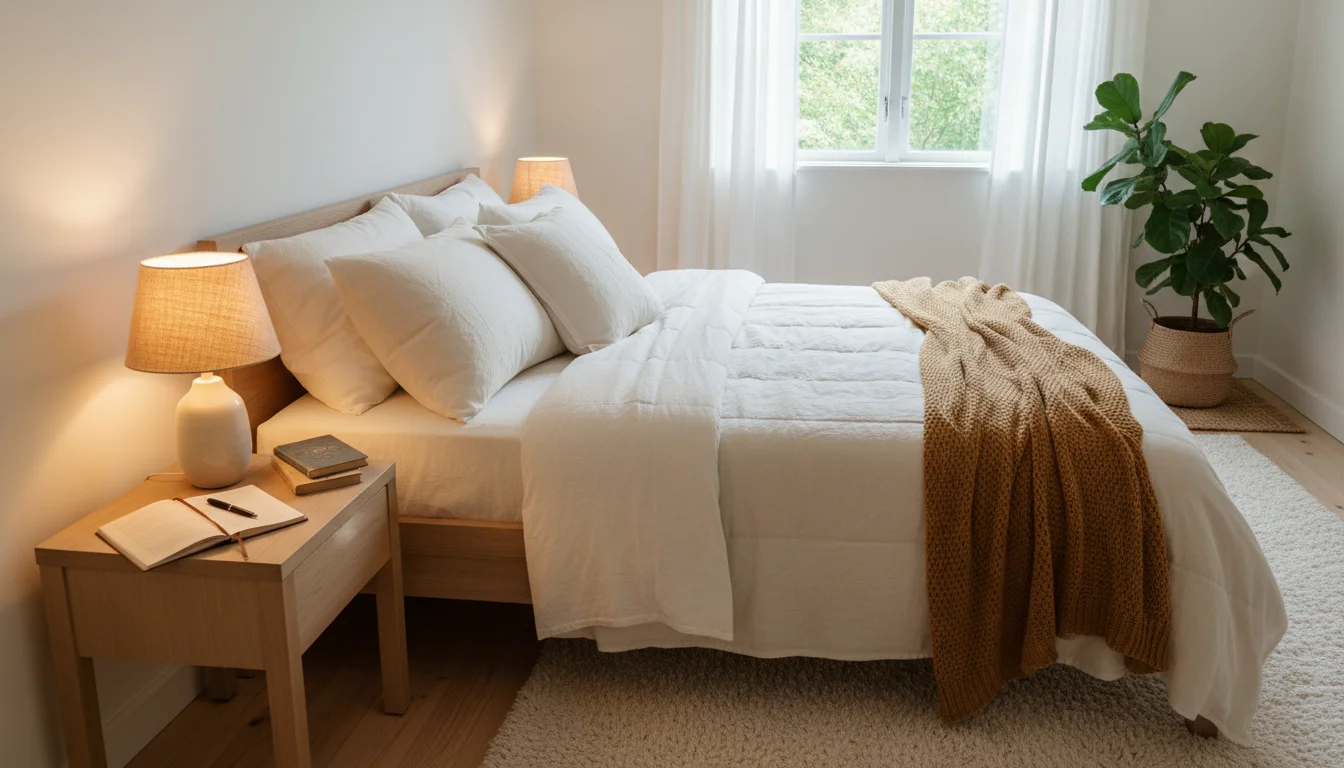
- Books: Keep a small selection of your favorite calming books on your nightstand or a nearby shelf. Reading before bed helps many people unwind.
- Journal: A journal and pen on your nightstand allow you to jot down thoughts or worries before sleep, effectively clearing your mind.
- Avoid Electronics: Make your bedroom a screen-free zone, especially in the hour leading up to bedtime. The blue light and mental stimulation from devices interfere with melatonin production and sleep quality. If you use an alarm, consider a dedicated alarm clock rather than your phone.
Your sleep sanctuary should reflect who you are and what makes you feel most at peace. These small, thoughtful additions enhance comfort and invite tranquility.
Maintaining Your Cozy Bedroom: Simple Habits for Lasting Peace
Creating a cozy bedroom is just the first step. Maintaining its tranquility requires consistent, simple habits. This ensures your sleep sanctuary remains a restorative space, preventing clutter and chaos from creeping back in.

Daily Rituals for a Tidy Space
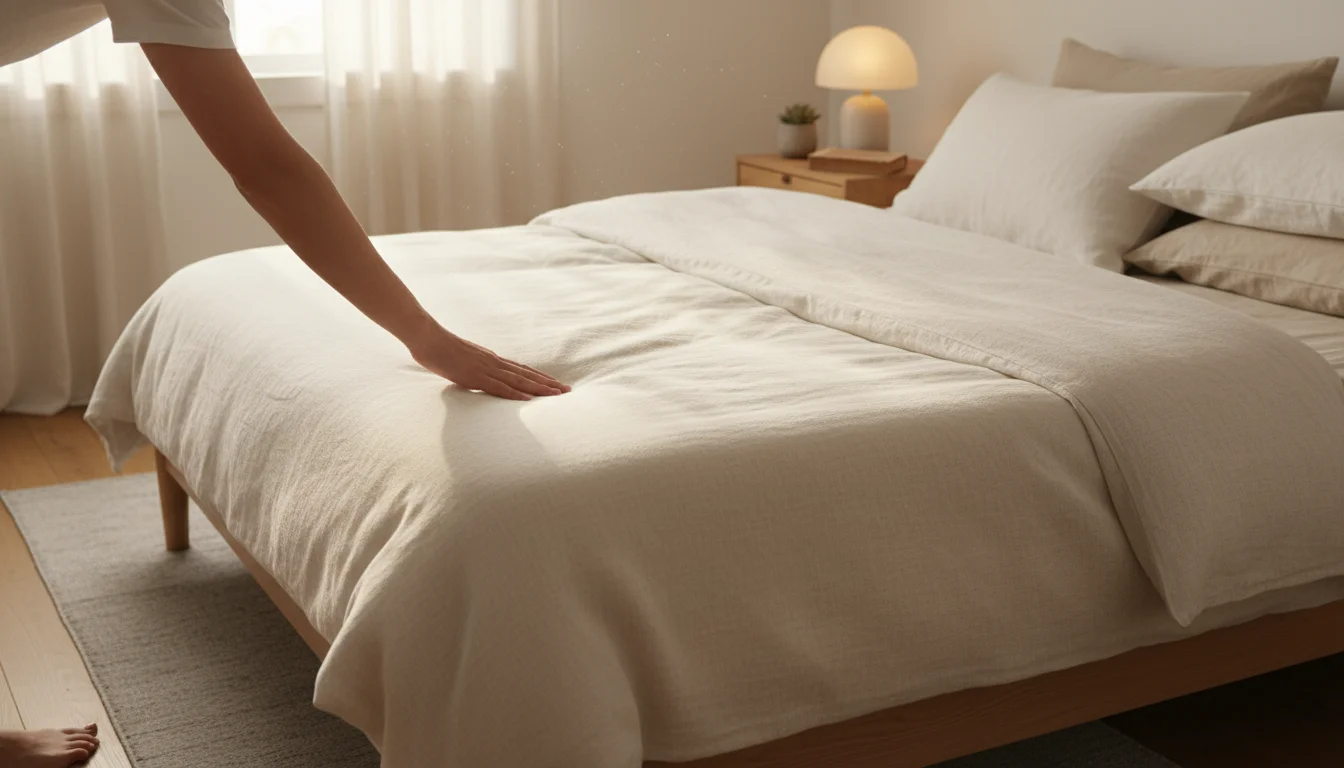
- Make Your Bed: This simple act instantly makes the room look tidier and more inviting. It takes only a minute or two but makes a significant difference in the room’s overall appearance.
- Put Things Away: Before leaving your bedroom each morning or before getting into bed at night, take a moment to put away any items that are out of place. Hang up clothes, return books to the shelf, and clear your nightstand.
- Quick Wipe-Downs: Keep a microfiber cloth nearby and quickly wipe down surfaces like your nightstand or dresser to remove dust and maintain cleanliness.

Weekly and Monthly Refresh
- Weekly Deep Clean: Dedicate a short period each week to a more thorough clean. Vacuum or sweep the floor, dust all surfaces, and clean mirrors. Change your bedsheets weekly to ensure a fresh, hygienic sleeping environment. According to the CDC — Cleaning and Disinfecting, regular cleaning practices are vital for maintaining a healthy home environment.
- Monthly Declutter Check: Briefly review your bedroom monthly. Are there new items that have accumulated? Are your storage solutions still effective? Adjust as needed to prevent clutter from overwhelming your space.

Troubleshooting Common Challenges
- Limited Time: Break down tasks into smaller, manageable chunks. Instead of decluttering the entire closet, dedicate 15 minutes to one shelf. Consistency over intensity yields better results.
- Small Space: Be ruthless with what you keep. Embrace multi-functional furniture and vertical storage. Every item must earn its place.
- Budget Constraints: Focus on DIY solutions and repurposing. Instead of buying new, consider painting existing furniture or making your own decorative items. Prioritize investing in comfortable bedding first, as it directly impacts sleep.
You can effortlessly maintain a peaceful and organized bedroom environment by integrating these simple habits into your routine. This commitment ensures your space consistently supports your well-being and restful sleep.

Frequently Asked Questions
What are the most crucial elements for creating a cozy bedroom?
The most crucial elements for a cozy bedroom are soft lighting, comfortable bedding, a decluttered space, and calming colors. These elements work together to create an environment that promotes relaxation and improved sleep. Focus on these foundational aspects before adding decorative details.
How can I make my bedroom cozy on a tight budget?
You can create a cozy bedroom on a tight budget by focusing on decluttering, rearranging existing furniture, and utilizing DIY solutions. Wash and press your current bedding to make it feel fresh, add a few soft throws or pillows from a discount store, and use warm-toned LED bulbs in existing lamps. You can also paint a wall with a calming color yourself, which makes a significant impact without a large investment.
What colors are best for a sleep sanctuary?
The best colors for a sleep sanctuary are soft, muted tones that promote calm and relaxation. Consider shades of blue, green, gray, and warm neutrals like cream or beige. These colors have a soothing effect and help prepare your mind for sleep. Avoid bright, stimulating colors such as vibrant reds or yellows, which can increase alertness.
Should I keep electronics in my bedroom?
For optimal sleep, minimize or entirely remove electronics from your bedroom. Devices emit blue light that interferes with melatonin production, and their presence can tempt you to scroll or work when you should be winding down. Designate your bedroom as a screen-free zone at least an hour before bedtime to foster better sleep habits.
How often should I clean my bedroom to maintain its coziness?
Maintain your bedroom’s coziness with a mix of daily, weekly, and monthly tasks. Make your bed and put away loose items daily. Clean your sheets, vacuum, and dust weekly. Perform a more thorough decluttering check monthly. This consistent approach prevents clutter buildup and keeps your sleep sanctuary fresh and inviting.
For expert home organization guidance, visit
Good Housekeeping — Organization,
Better Homes & Gardens — Home Organization,
EPA — Indoor Air Quality,
Energy Star and
CDC — Cleaning and Disinfecting.
Disclaimer: This article is for informational purposes only and is not a substitute for professional advice. Consult professional organizers or specialists for personalized recommendations.






Leave a Reply