
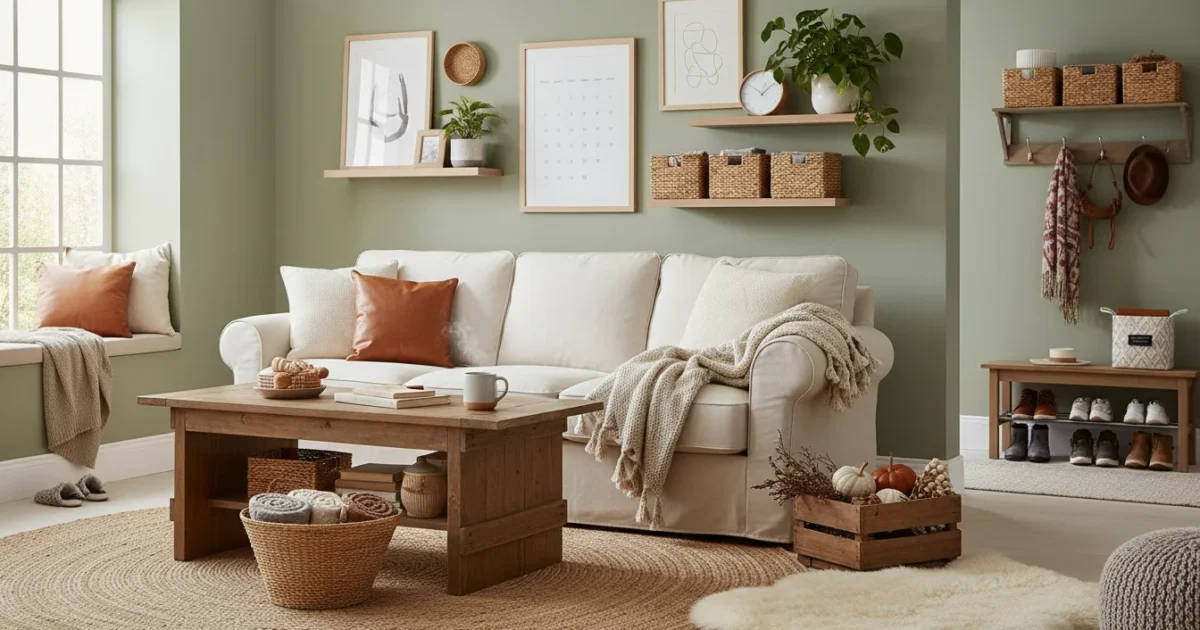
Imagine a dedicated corner in your home, a personal retreat where you can unwind, lose yourself in a book, or simply enjoy a moment of quiet reflection. This isn’t a luxury reserved for homes with spare rooms. A reading nook is a sanctuary you can carve out in any space, large or small, transforming an overlooked corner into your favorite spot. As your home organization coach, I am here to show you how to create this personal haven with practical, budget-conscious, and actionable steps that fit your real life.
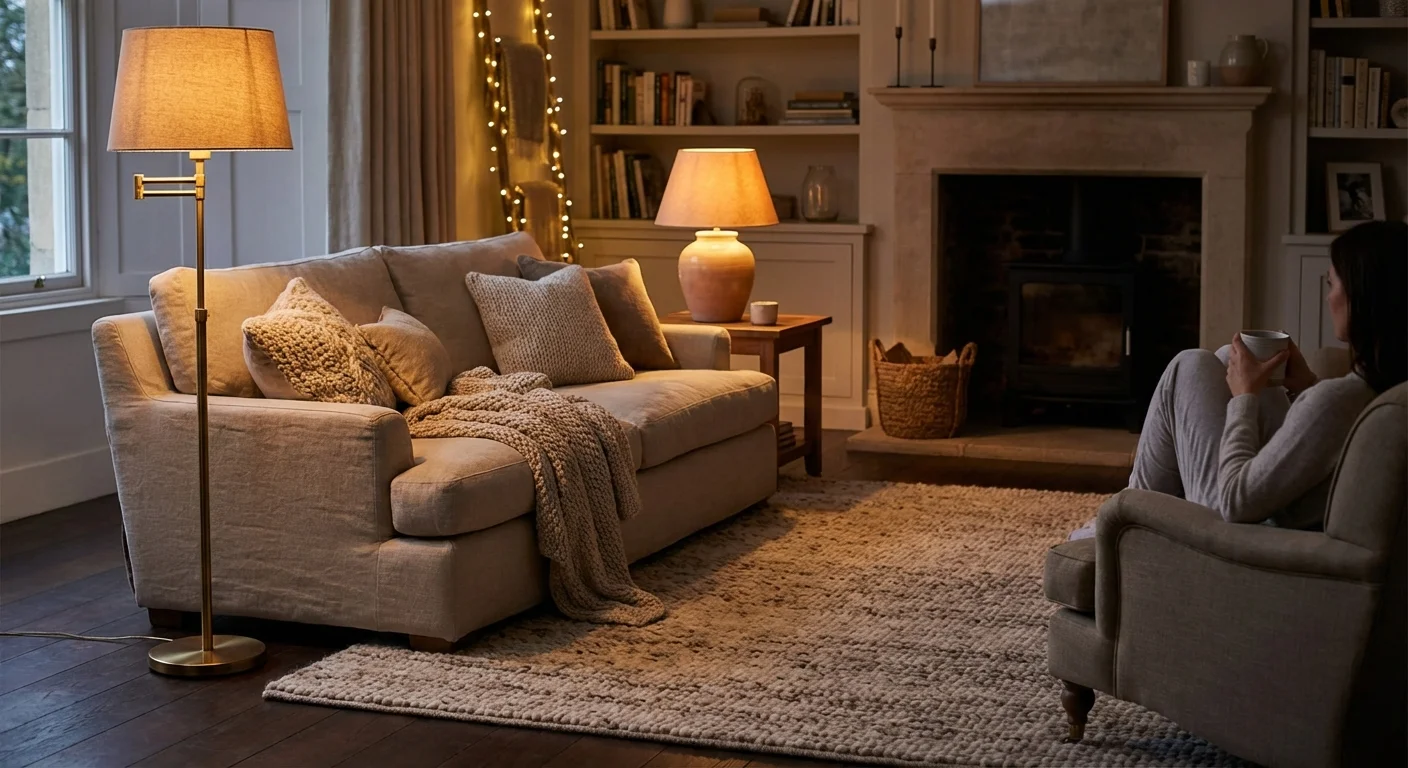
Embracing the art of hygge is a wonderful way to enhance the warmth and comfort of these personal sanctuaries.
What Makes a Perfect Reading Nook?
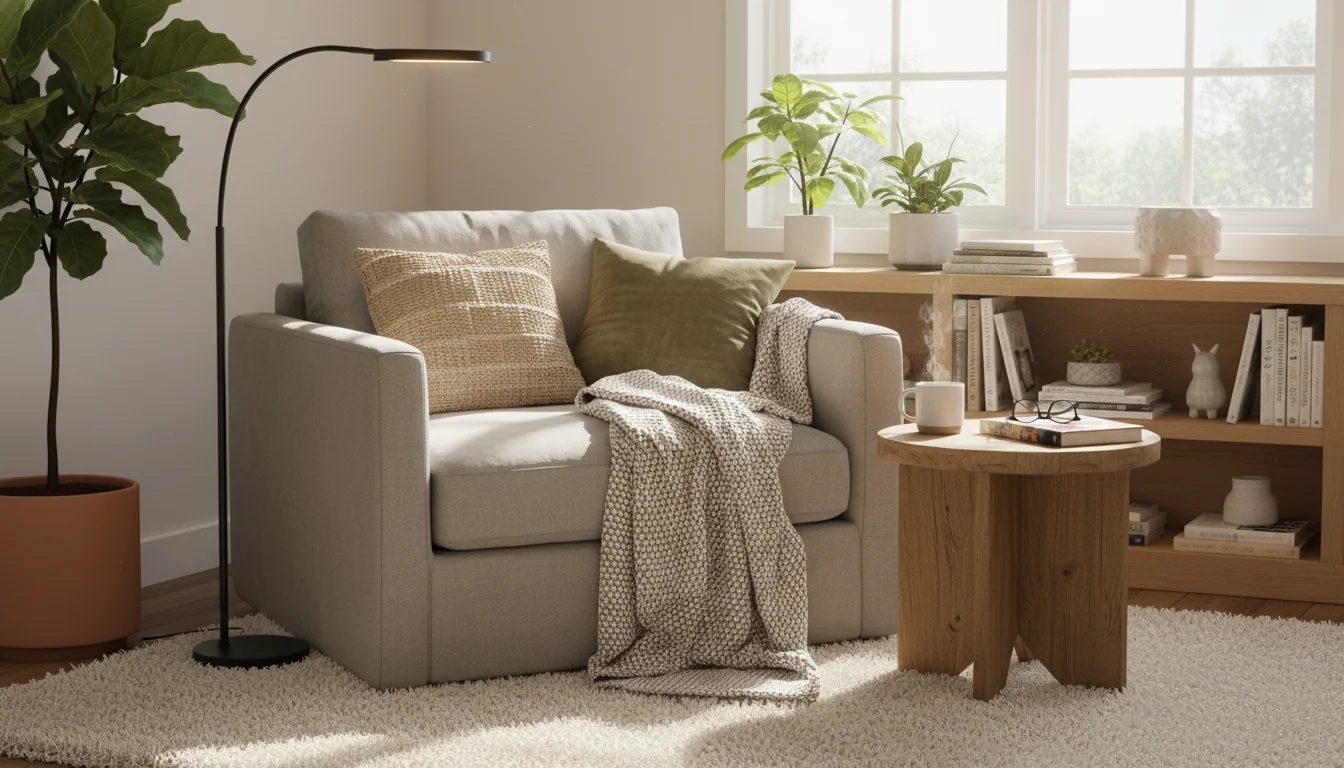
A reading nook is more than just a chair and a book. It’s a specifically designated area, or “zone,” designed to foster relaxation, focus, and comfort. Think of it as your personal oasis within the hustle and bustle of daily life. The perfect reading nook caters to your specific needs and preferences. It offers comfortable seating, adequate lighting, and a sense of enclosure or privacy, even if that privacy comes from clever arrangement rather than walls. It provides easy access to your reading material and a place for a warm drink, ensuring everything you need for relaxation is within reach.
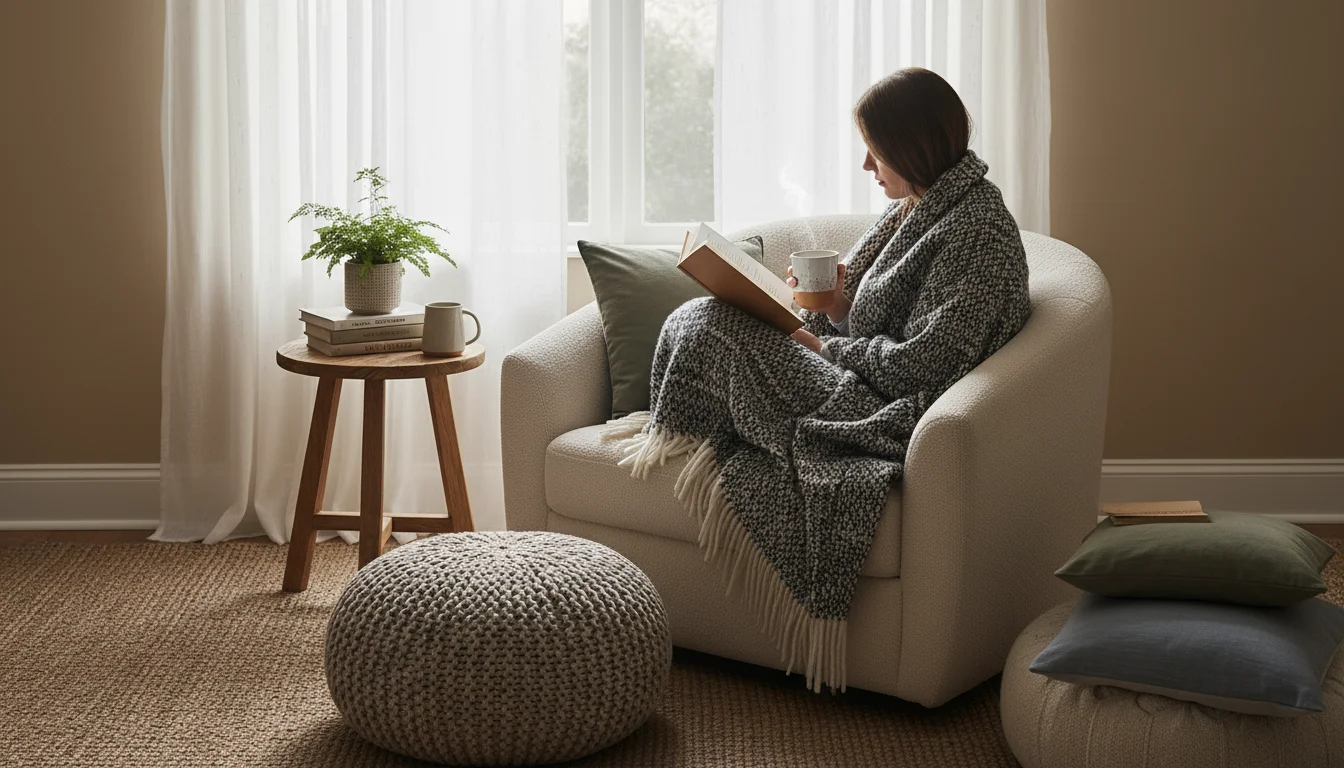
The beauty of creating a reading nook lies in its adaptability. You can design it to be minimalist or plush, bright or dimly lit, depending on what helps you unwind. The key is to craft a space that invites you to settle in and disconnect from distractions. For example, a perfect reading nook might feature a soft armchair, a floor lamp with a warm glow, a small side table for your mug, and a basket holding your current reads and a cozy throw blanket. This thoughtful setup transforms a simple spot into a truly inviting escape.

Why You Need a Dedicated Reading Nook
In our increasingly busy lives, finding moments of peace and quiet feels essential, not optional. A dedicated reading nook offers numerous benefits for your mental and emotional well-being:
- Reduces Stress: Stepping into a designated cozy corner signals to your brain that it’s time to slow down. The act of reading itself is a powerful stress reliever. According to Real Simple, creating organized zones in your home, such as a reading nook, fosters a sense of calm and control, directly contributing to stress reduction.
- Boosts Focus: When you have a specific place for reading, you train your mind to associate that area with concentration. This minimizes distractions, allowing you to dive deeper into your book or thoughts without interruption from household activities.
- Encourages a Reading Habit: A visually appealing and comfortable nook makes reading more enticing. You’re more likely to pick up a book when you have a welcoming space ready for you, making it easier to cultivate a consistent reading routine.
- Provides a Personal Sanctuary: Everyone needs a space that is just theirs, a spot to retreat. Your reading nook becomes that sanctuary, offering privacy and a quiet haven when you need to recharge. It is a place where you can be fully present with yourself, your thoughts, or a captivating story.
- Enhances Home Comfort: Beyond personal benefits, a well-designed reading nook adds a touch of warmth and personality to your home. It creates an inviting atmosphere and utilizes space effectively, contributing to the overall comfort and aesthetic appeal of your living environment.
Creating this space is a practical investment in your self-care and your home’s functionality. You are not just adding furniture; you are adding a lifestyle enhancement.
Finding Your Nook: Anywhere Works
You do not need a sprawling home to create an inviting reading nook. The beauty of this project lies in its flexibility. A reading nook can fit into surprisingly small or overlooked areas. Start by surveying your home with fresh eyes, looking for underutilized spaces.
If you’re creating a spot in your sleep space, it’s also a great time to declutter your bedroom to ensure your sanctuary remains distraction-free.
Using corner shelving ideas can help you turn an underutilized corner into a functional mini-library.
If you are setting up your spot in a sleep space, consider incorporating these cozy bedroom ideas to create a seamless, restful environment.
Understanding how to arrange furniture for maximum coziness will help you find the best layout for your new retreat without disrupting the flow of the room.
Consider these potential locations:
- The Living Room Corner: Often, there is an empty corner between a sofa and a wall. This is a classic spot for a reading nook. Add a comfortable chair, a floor lamp, and a small table.
- Bedroom Retreat: A bedroom corner or even the space beside a window can become a serene reading spot. Place an accent chair or a chaise lounge there.
- Under a Window: Natural light is a reader’s best friend. A window seat, or a small armchair pulled up to a window, offers beautiful views and ample light during the day. Consider adding a built-in bench with storage if you are feeling ambitious.
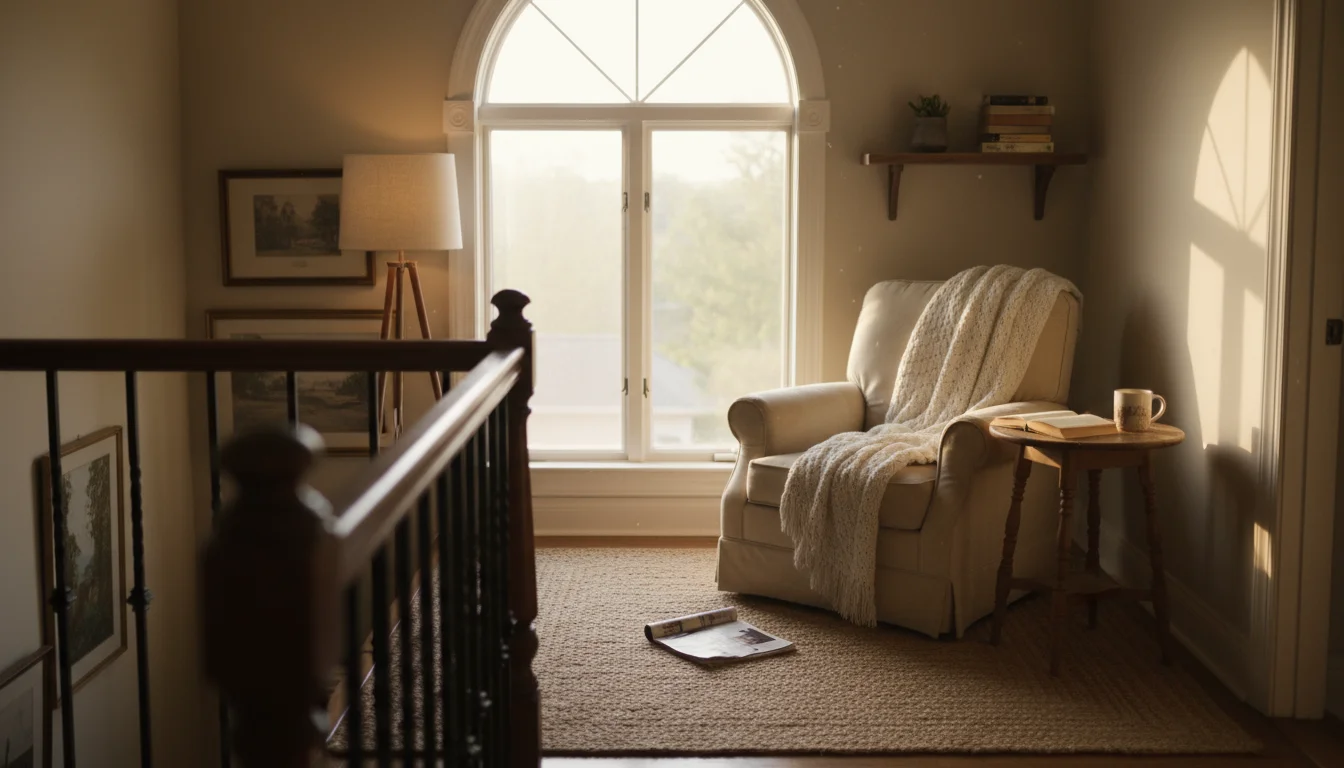
- Hallway or Landing: If you have a wider hallway or a landing at the top of stairs, a narrow bench or a small, armless chair can transform this transitional space into a functional reading zone.
- Kitchen or Dining Nook: Believe it or not, a quiet corner in a larger kitchen or dining area, away from the main cooking zone, can be a perfect spot for morning coffee and a newspaper. A banquette seating area is ideal for this.
- Unused Closet or Alcove: For the truly creative, an empty closet or a deep architectural alcove offers surprising potential. Remove the closet door, paint the interior, add a custom bench cushion, shelving, and lighting, and you have a truly unique, built-in reading nook.
- Office or Guest Room Corner: Even functional rooms can host a cozy corner. A comfortable chair tucked away in your home office provides a mental break from work, while a guest room nook offers a welcome touch for visitors.
The key is to identify a spot that offers a sense of retreat, even if it is not entirely separated from the rest of the room. You can define this space with a rug, a bookshelf, or even a strategically placed plant. Think about where you naturally gravitate when you want to relax, and start there.
Designing Your Cozy Corner: Essential Elements
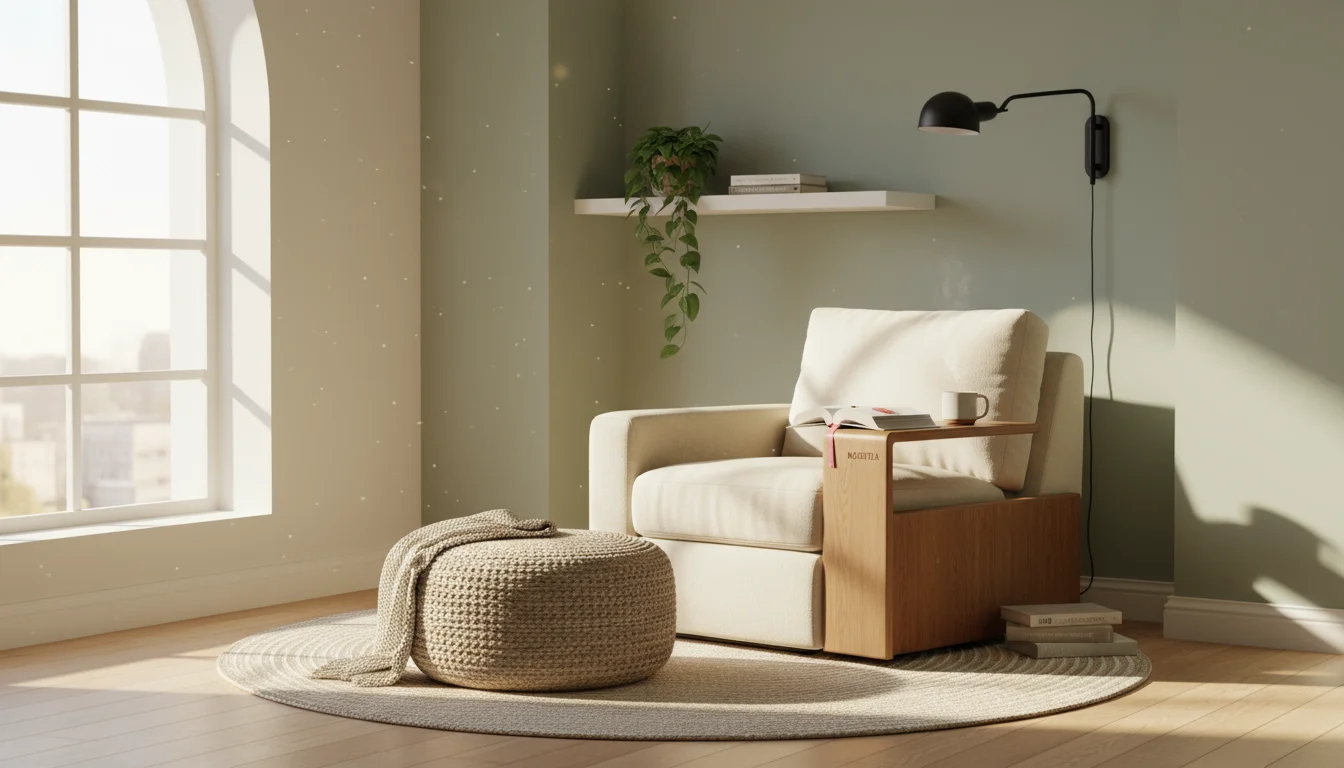
Once you have identified your spot, it is time to bring your reading nook to life. Focus on functionality, comfort, and aesthetics to create a truly inviting space. As Apartment Therapy often highlights, smart design in small spaces involves prioritizing essential items that serve multiple purposes and enhance comfort.
If you prefer reading closer to the ground, exploring cozy flooring options can help make the base of your nook feel warmer and more inviting.
You can further create ambiance with candles to add a soft, relaxing scent and glow to your reading sessions.
To save money while styling your corner, consider buying quality secondhand furniture for a budget-friendly yet charming look.
Choosing the right window treatments can also help manage glare and increase the sense of privacy in your new corner.
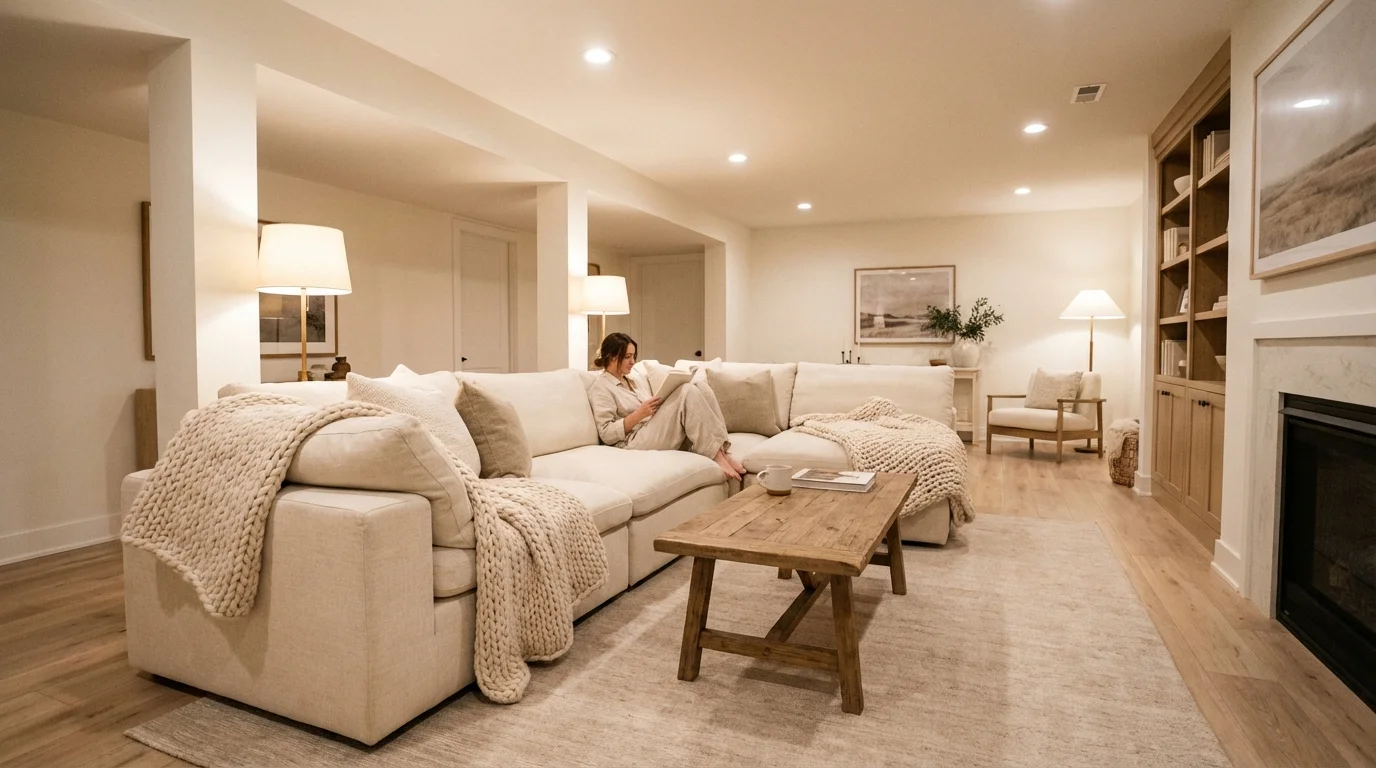
To create a truly inviting atmosphere, it helps to know how to layer lighting for a cozy living room throughout your entire living area.
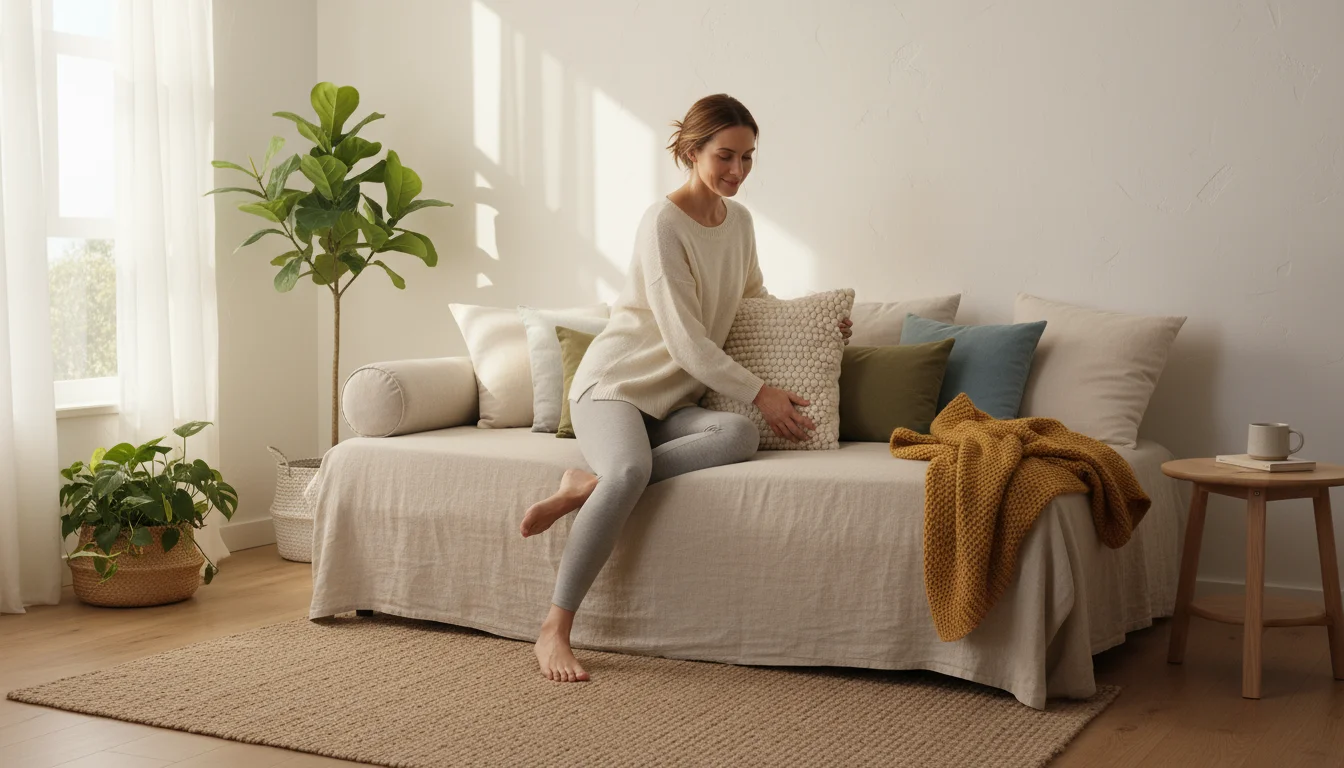
1. The Seating: Your Foundation of Comfort
This is the most crucial element. Choose seating that genuinely makes you want to settle in. Comfort is subjective, so consider what works best for your body and reading style.
- Armchair or Accent Chair: A classic choice. Look for one with good back support and soft upholstery. A swivel chair can be excellent for changing views.
- Chaise Lounge: Perfect for stretching out, especially if you enjoy reading lying down.
- Window Seat: If you have a built-in window seat, add thick cushions and throw pillows. If not, position a bench with storage beneath a window for a similar effect.
- Floor Cushions/Bean Bag: A more casual, bohemian option, great for small spaces or if you prefer reading closer to the floor.
- Daybed or Small Sofa: If space allows, a small sofa provides ample room to stretch out or share the nook.
Always test the seating before committing. Does it feel good for extended periods? Does it offer enough support?
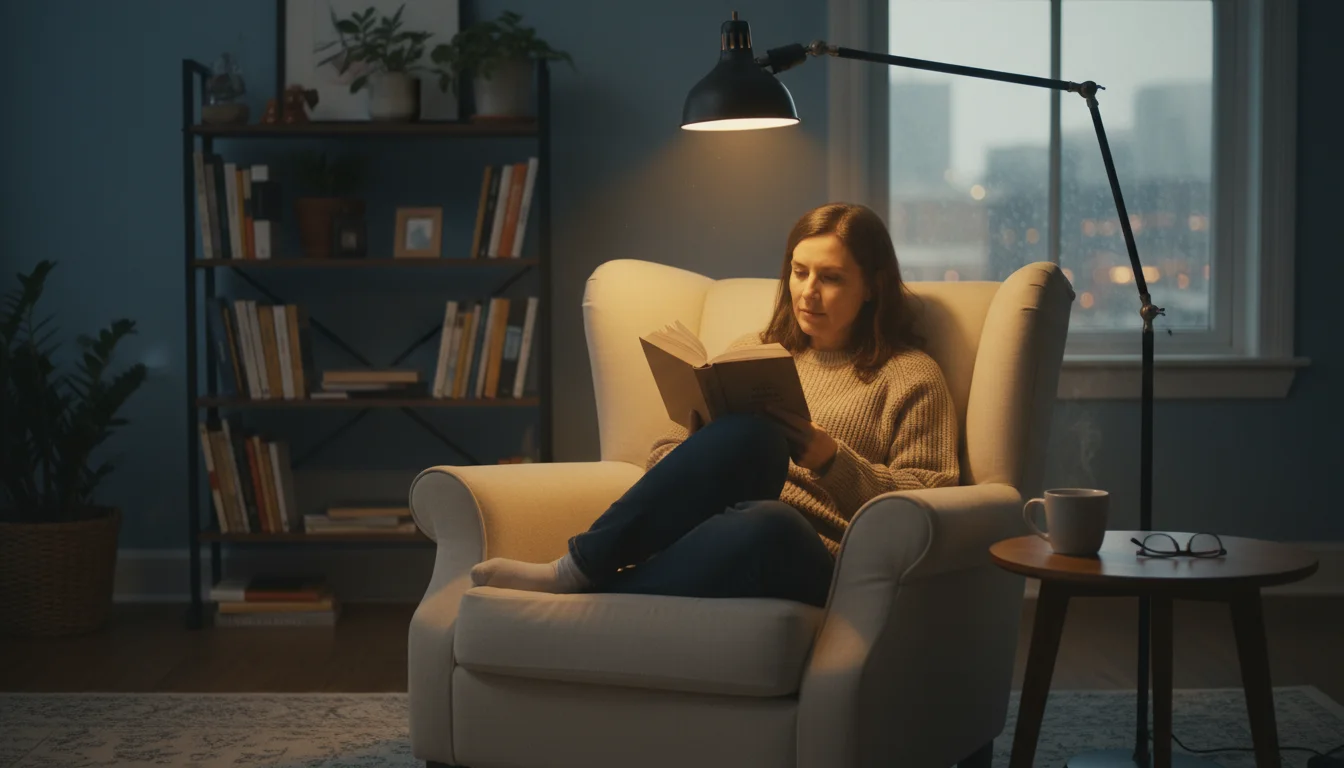
2. Lighting: Setting the Mood and Protecting Your Eyes
Good lighting is paramount for a reading nook, both for ambiance and practicality. You need sufficient illumination to read comfortably without straining your eyes, but you also want a warm, inviting glow.
- Task Lighting: A floor lamp with an adjustable arm or a swing-arm wall sconce provides direct light onto your book. Look for models with a warm color temperature (around 2700K-3000K) for a cozy feel. Ensure the light source is bright enough to prevent eye fatigue. As experts at Bob Vila often advise, strategic lighting can transform a space and make it more functional.
- Ambient Lighting: A small table lamp or string lights can add a softer, overall glow to the nook, enhancing the cozy atmosphere.
- Natural Light: Position your nook near a window to maximize daylight reading. Sheer curtains can soften harsh sunlight without blocking too much light.
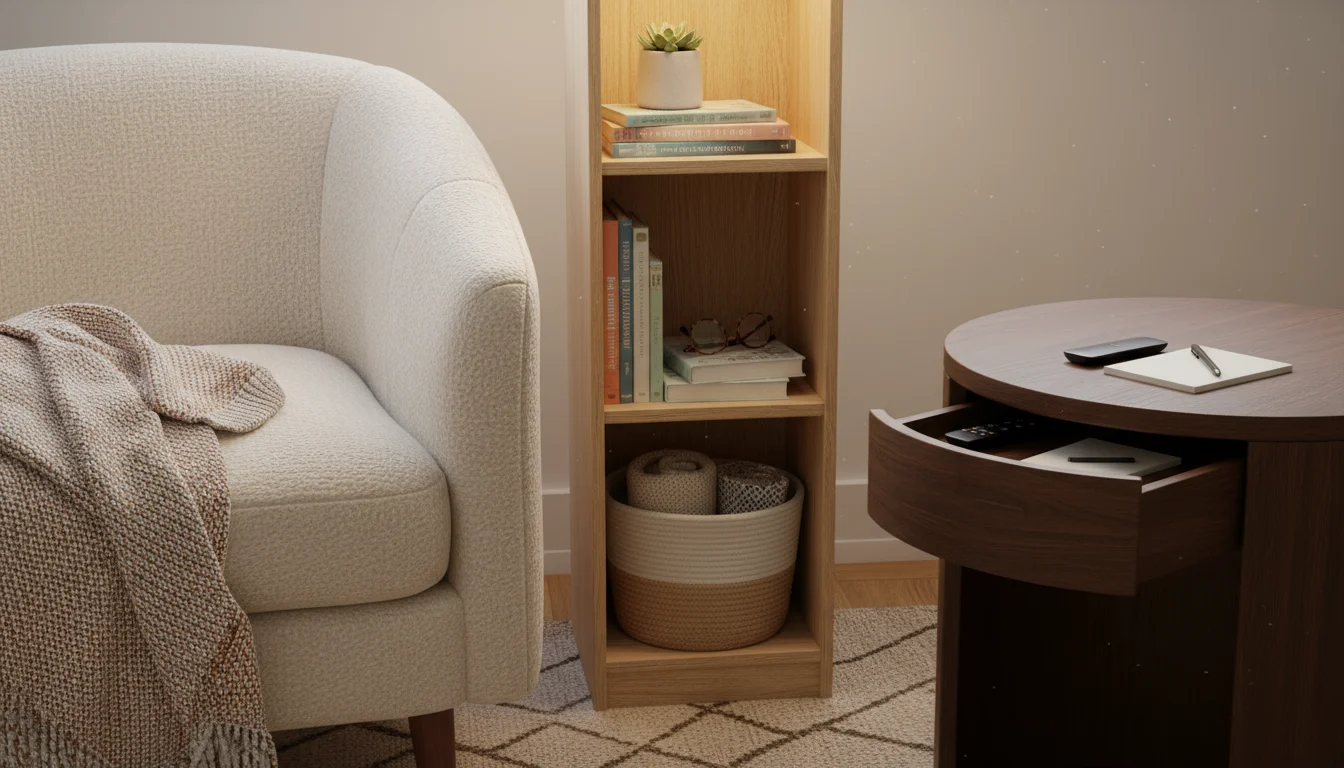
3. Storage for Books and Essentials
Keep your reading materials organized and accessible. This prevents clutter from accumulating and ensures your nook remains a peaceful space.
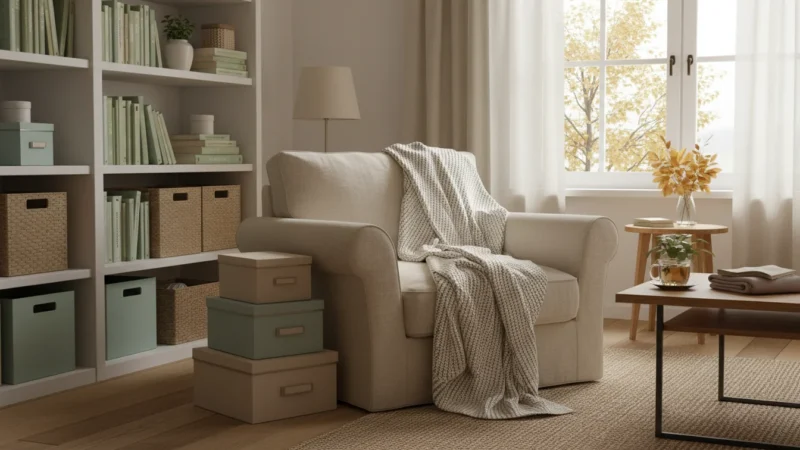
- Small Bookshelf: A narrow vertical bookshelf or floating shelves above your seating can hold your current reads and favorite titles.
- Side Table with Storage: Choose a side table with a drawer or a lower shelf for magazines, notebooks, or a remote control.
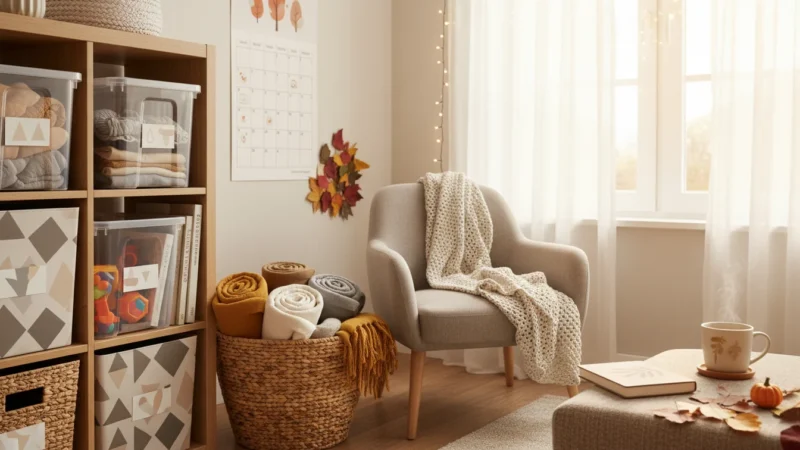
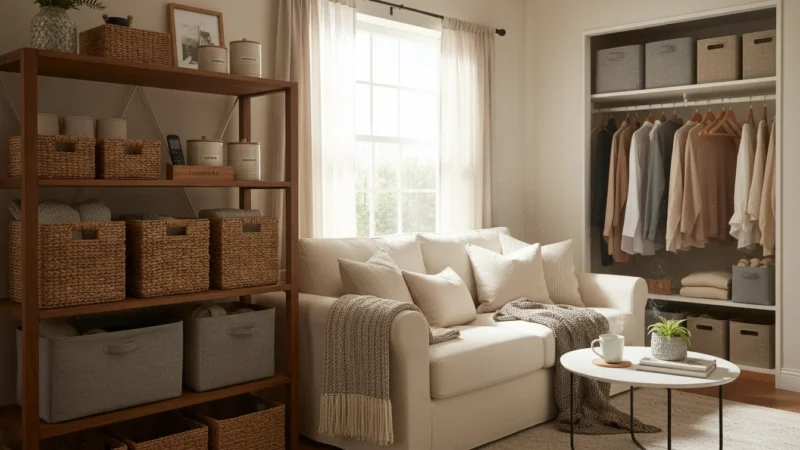
- Baskets or Crates: Tuck a decorative basket next to your chair for blankets, magazines, or books you plan to read soon.
- Under-Seat Storage: If your seating has an ottoman or a bench, utilize its internal storage.
The goal is to have enough storage for your immediate needs without overwhelming the space. According to the National Association of Professional Organizers, designated homes for items reduce visual clutter and enhance functionality, making your reading nook truly stress-free.
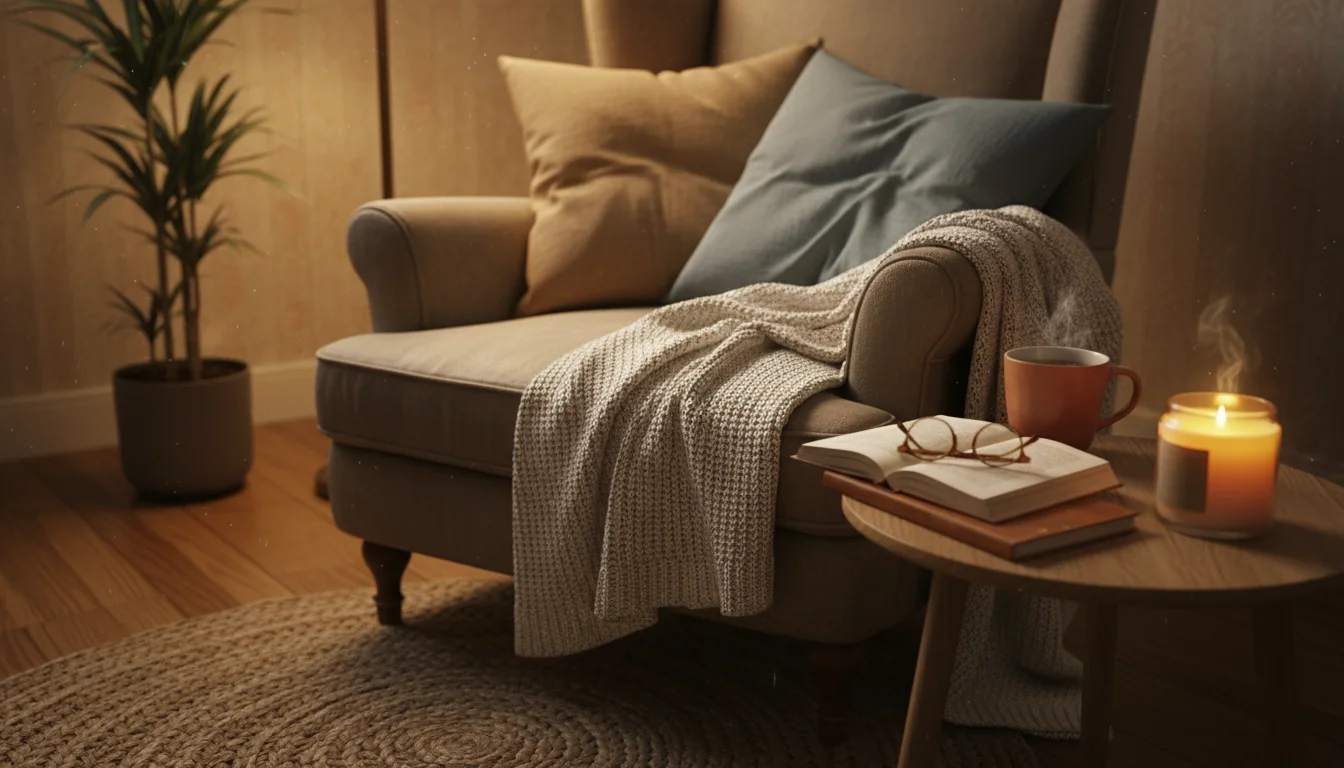
4. Accessories: The Finishing Touches for Coziness
These elements elevate your nook from functional to truly inviting.
- Throw Blankets and Pillows: Add a soft throw blanket and a few decorative pillows to your chair or bench. These add texture, color, and extra comfort.
- Small Rug: A small area rug can define your nook as a separate zone and add warmth, especially on hard floors.
- Plants: A small potted plant or a hanging plant introduces a touch of nature, improving air quality and adding visual interest. The EPA emphasizes the importance of good indoor air quality, and plants can contribute to a healthier environment.
- Personal Touches: A scented candle, a cup of tea or coffee, a framed photo, or a piece of art can make the space feel uniquely yours.
Remember, less is often more. Avoid over-accessorizing, which can make a small space feel cluttered. Choose items that enhance comfort and bring you joy.
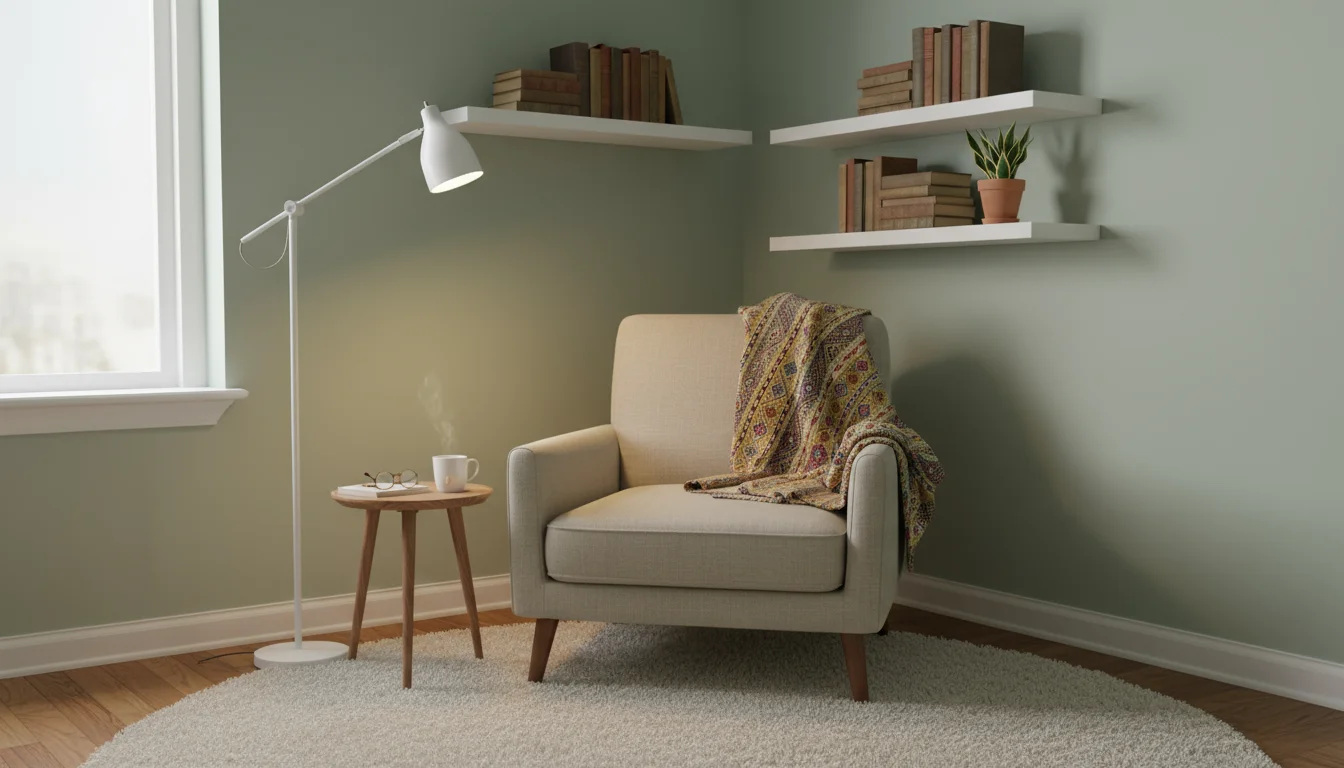
Small Space Nook Solutions
Living in an apartment or a smaller home doesn’t mean you have to sacrifice the dream of a reading nook. Smart design and multi-functional pieces are your best friends here. You can still create a dedicated reading nook even with limited square footage.
- Vertical Space is Your Ally: When floor space is limited, look up. Install floating shelves above your seating area for books and decor. A tall, narrow bookshelf takes up less horizontal space than a wider one.
- Multi-Functional Furniture:
- An ottoman with hidden storage can serve as a footrest, extra seating, and a place to stash blankets or books.
- A small nesting table set can provide a surface when needed, then tuck away neatly.
- A convertible chair that reclines or unfolds can offer versatility.
- Wall-Mounted Lighting: Instead of a floor lamp that takes up precious floor space, opt for a wall-mounted sconce with an adjustable arm. This frees up the floor and provides focused lighting.
- Corner Seating: A small accent chair designed to fit snugly into a corner, or even a comfortable floor cushion, can make use of an otherwise awkward space. Look for armless chairs to maximize perceived space.
- Define with a Rug: A small, distinct rug helps to visually “zone” your reading nook within a larger room without adding physical barriers. It creates the impression of a separate area.
- Utilize Door Backs or Walls: In very tight spots, a wall-mounted magazine rack or a slim book caddy attached to the wall can provide necessary storage without cluttering the floor.
- Minimalist Approach: Embrace simplicity. A single, comfortable chair, a good light source, and one small surface for your drink are often all you need. Resist the urge to add too many decorative items if they make the space feel cramped.
Small spaces demand creativity and a commitment to keeping items organized. Every piece should earn its spot in your reading nook, contributing to comfort or functionality.
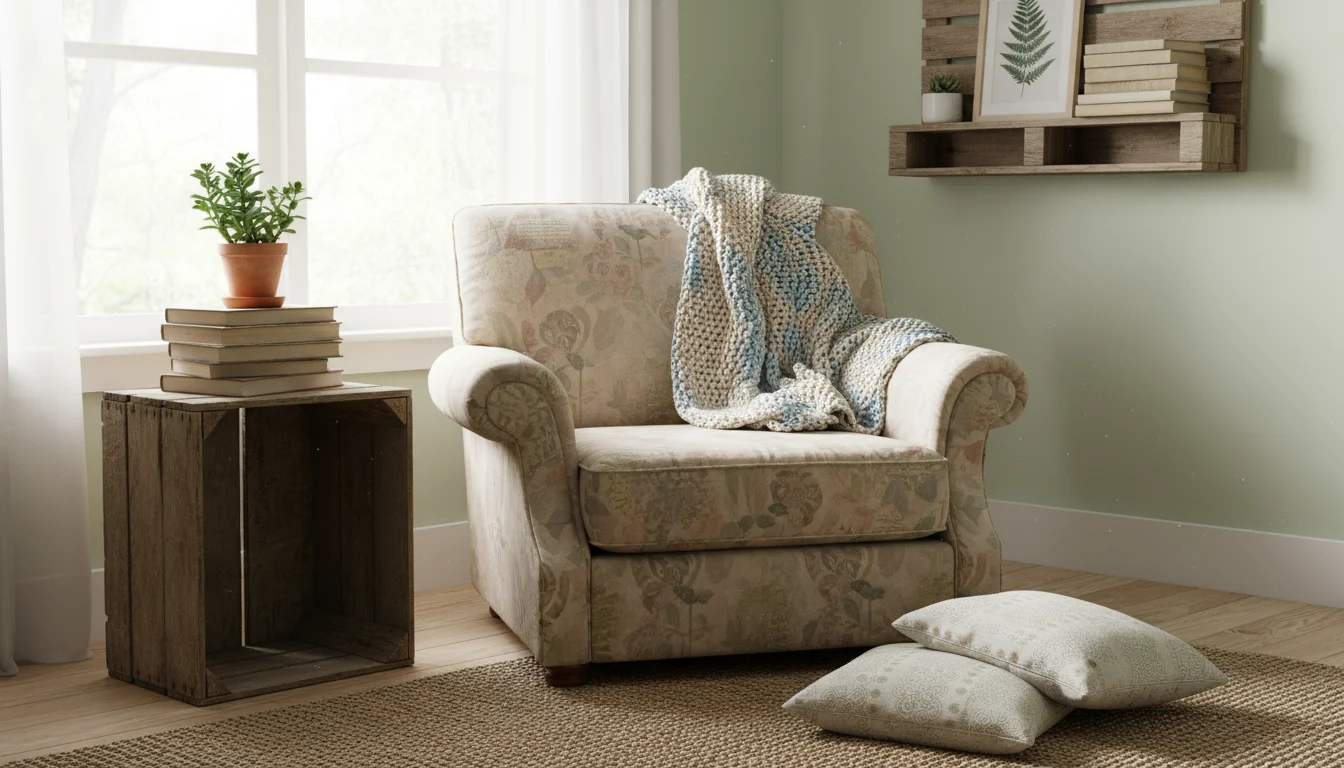
Budget-Friendly Nook Creation
Creating your dream reading nook does not require a hefty budget. You can achieve a cozy and functional space using a mix of DIY projects, thrift store finds, and smart shopping. The goal is to be resourceful and prioritize impact over expense.
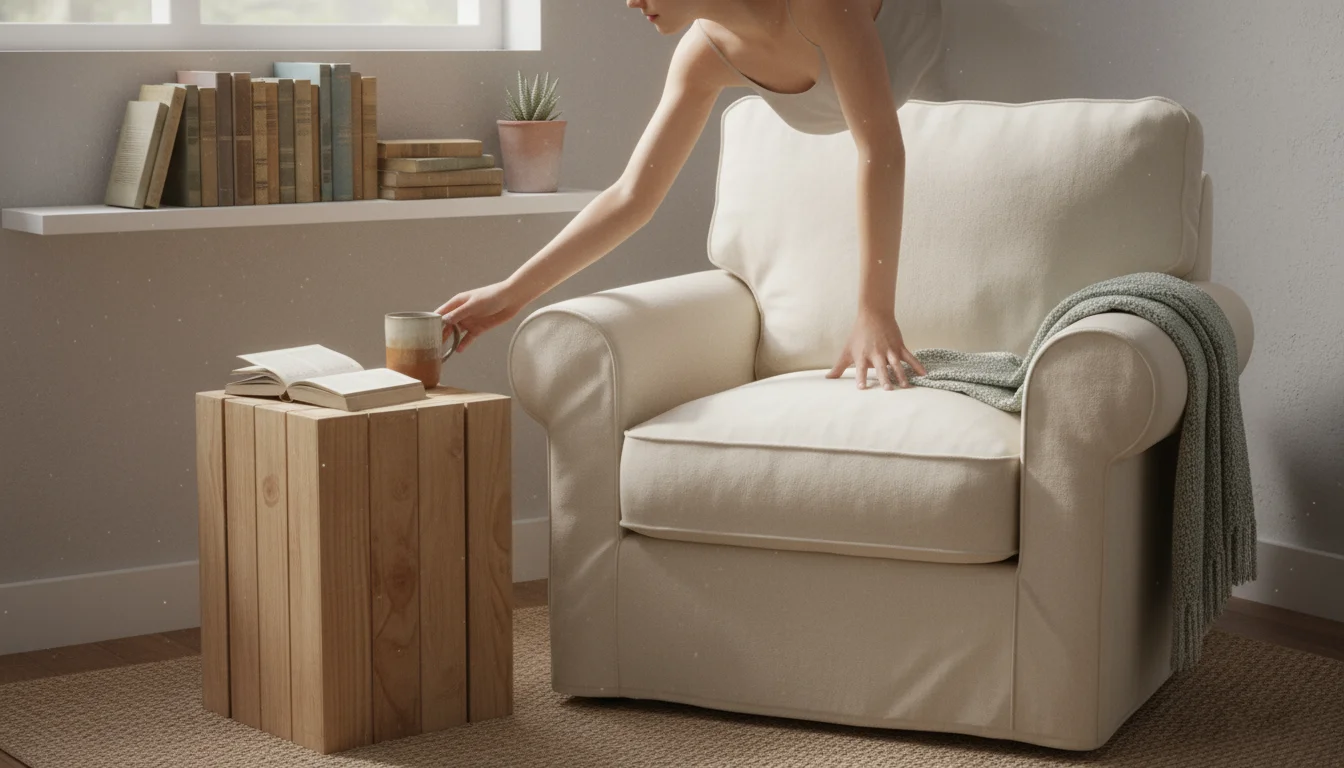
DIY Projects to Save Money
- Repurpose Old Furniture: Do you have an unused armchair in the attic? A forgotten wooden crate? With a little sanding, paint, or a new cushion cover, you can transform these into stylish, functional pieces for your nook. A wooden crate turned on its side makes a perfect small side table or even a mini bookshelf.
- Create a Window Seat: If you do not have a built-in window seat, you can create one using sturdy storage cubes or IKEA Kallax units placed side-by-side under a window. Add a custom-cut piece of plywood on top, cover it with foam and fabric for a cushion, and add throw pillows. This provides seating and valuable storage.
- Build Simple Shelves: Floating shelves are easy to install and cost-effective. You can buy pre-cut wooden planks from a hardware store and mount them with simple brackets. This provides display space for books and small decor.
- Sew or Upcycle Textiles: Make your own cushion covers for existing chairs or sew a cozy throw blanket from an inexpensive fleece fabric. Thrift store curtains can be repurposed into throw pillow covers.

Smart Shopping Strategies
- Thrift Stores and Secondhand Shops: These are goldmines for unique and affordable furniture. You might find a sturdy armchair, a charming side table, or interesting lamps that just need a little TLC. Check for solid construction before buying.
- Discount Retailers: Stores like IKEA, Target, and Walmart offer budget-friendly options for lighting, small tables, storage solutions, and accessories. Look for sales and clearance items.
- Online Marketplaces: Websites like Facebook Marketplace, Craigslist, and local buy-nothing groups are excellent for finding free or low-cost items. People often give away perfectly good furniture they no longer need.
- Shop Your Home First: Before buying anything new, look around your own home. Do you have an extra lamp that could be moved? A spare throw blanket? A chair that is currently underutilized?
- Prioritize Key Pieces: If your budget is tight, invest in one quality, comfortable piece of seating. You can then fill in the rest of the nook with more affordable or DIY elements. A comfortable chair makes a significant difference.
Remember that building a beautiful space is a process. You do not have to buy everything at once. Start with the essentials, and gradually add pieces as your budget and time allow. The most cherished spaces often evolve over time with thoughtful additions.
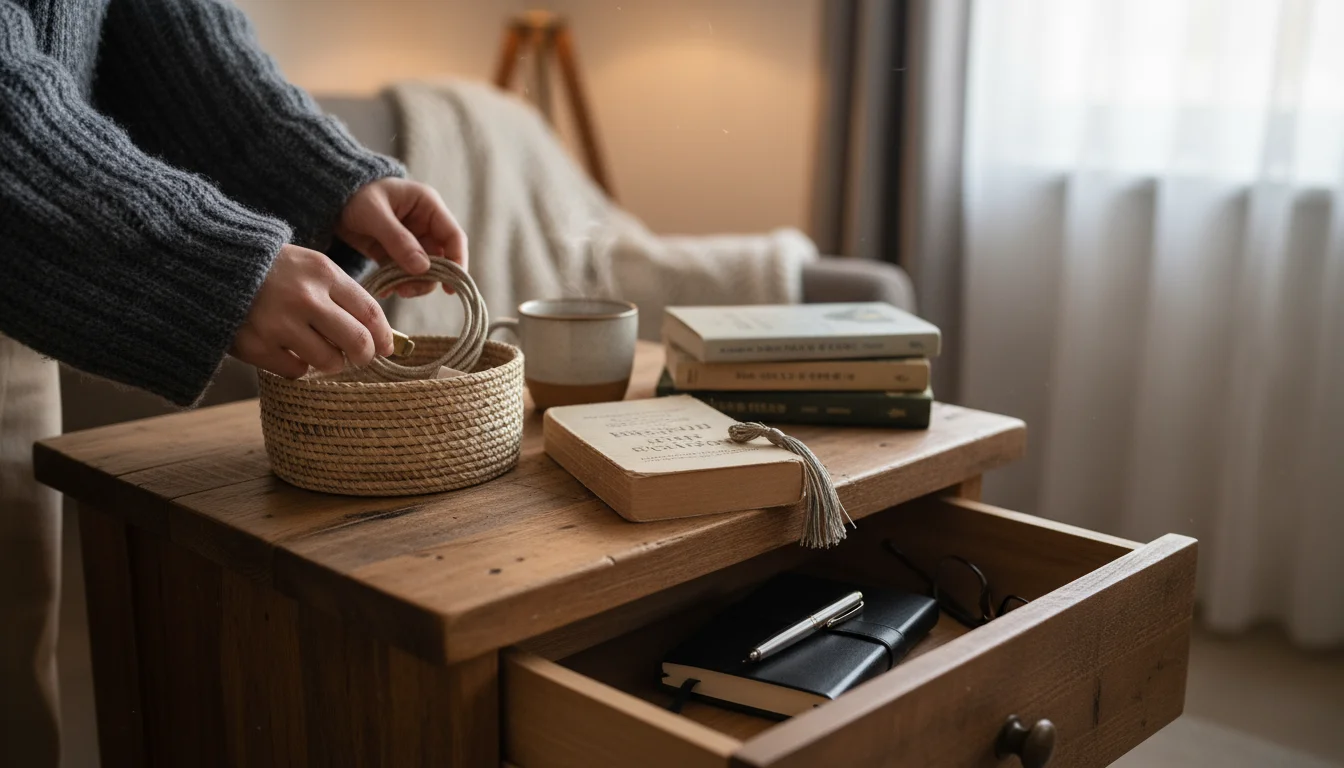
Troubleshooting Your Reading Nook
Even with the best intentions, you might encounter a few hurdles when setting up your reading nook. Here are common challenges and practical solutions to keep your cozy corner functional and inviting.
- Challenge: The Nook Feels Cluttered.
Solution: A reading nook should feel serene, not messy. Regularly assess what you store there. Keep only your current reads, a few essential items (like a bookmark, a coaster, a charging cable), and one throw blanket. Implement smart storage: a side table with a drawer, an ottoman with hidden storage, or a small basket for magazines. If a book finishes, return it to its main bookshelf. As Good Housekeeping advises, consistent decluttering and a “home” for every item prevents accumulation and maintains a tidy space.
- Challenge: Inadequate Lighting.
Solution: If your nook is too dim or too harsh, adjust your lighting. If too dim, upgrade your bulb to a higher wattage LED with a warm color temperature, or add another small light source like a table lamp. If too harsh, consider a dimmer switch or a lamp with a frosted shade to diffuse the light. Ensure the light source is positioned to shine directly on your reading material, not reflecting into your eyes.
- Challenge: Lack of Privacy/Too Much Noise.
Solution: Even without walls, you can create a sense of enclosure. Position your chair facing away from the main flow of traffic, perhaps towards a window or into a corner. Use a tall bookshelf, a room divider screen, or even a large plant to visually separate the nook. For noise, consider a white noise machine or noise-canceling headphones to create a personal sound buffer.
- Challenge: Uncomfortable Seating.
Solution: If your chair isn’t as comfortable as you hoped, do not give up. Add a plush seat cushion, an orthopedic back pillow, or a soft throw blanket to enhance comfort. A small footrest or ottoman can also make a significant difference in how relaxed you feel.
- Challenge: The Nook Feels Cold or Uninviting.
Solution: Warmth comes from layers and textures. Add a soft rug, more throw pillows, and a cozy blanket. Incorporate warm lighting and personal touches like candles (use safely!) or photos. Plants can also add life and warmth. Ensure the area is draft-free; you might consider a small space heater if the room is genuinely cold.
- Challenge: Books Are Everywhere.
Solution: If your reading materials are spilling out, your storage system is insufficient. Implement a “one in, one out” rule for books in your nook. Utilize vertical space with floating shelves. A simple magazine file or decorative box can contain current periodicals. Remind yourself that the nook is for current reads, not your entire library.
Addressing these common issues ensures your reading nook remains a comfortable and functional sanctuary, inviting you to return again and again.
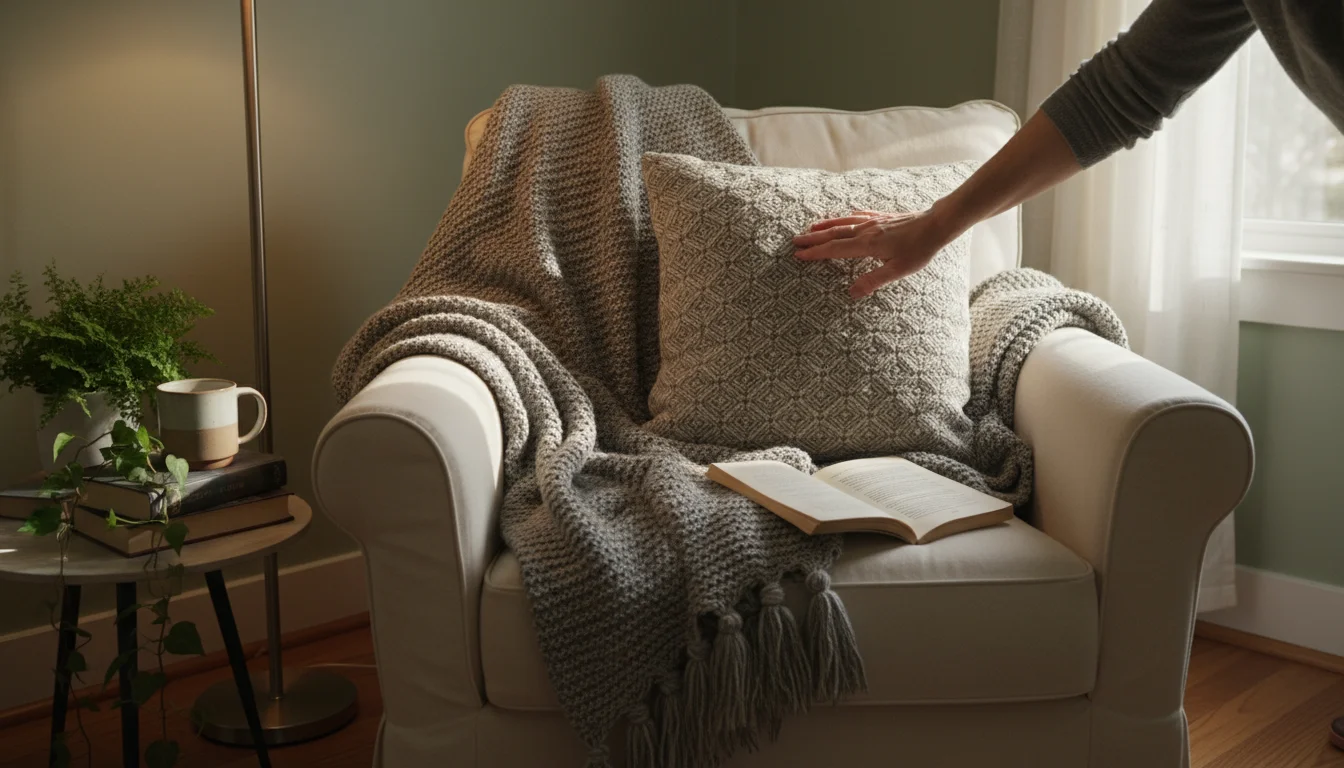
Maintaining Your Serene Space
Once you have created your reading nook, maintaining its tranquility and organization is key to its long-term enjoyment. A well-loved space needs a little consistent attention to remain an inviting haven.
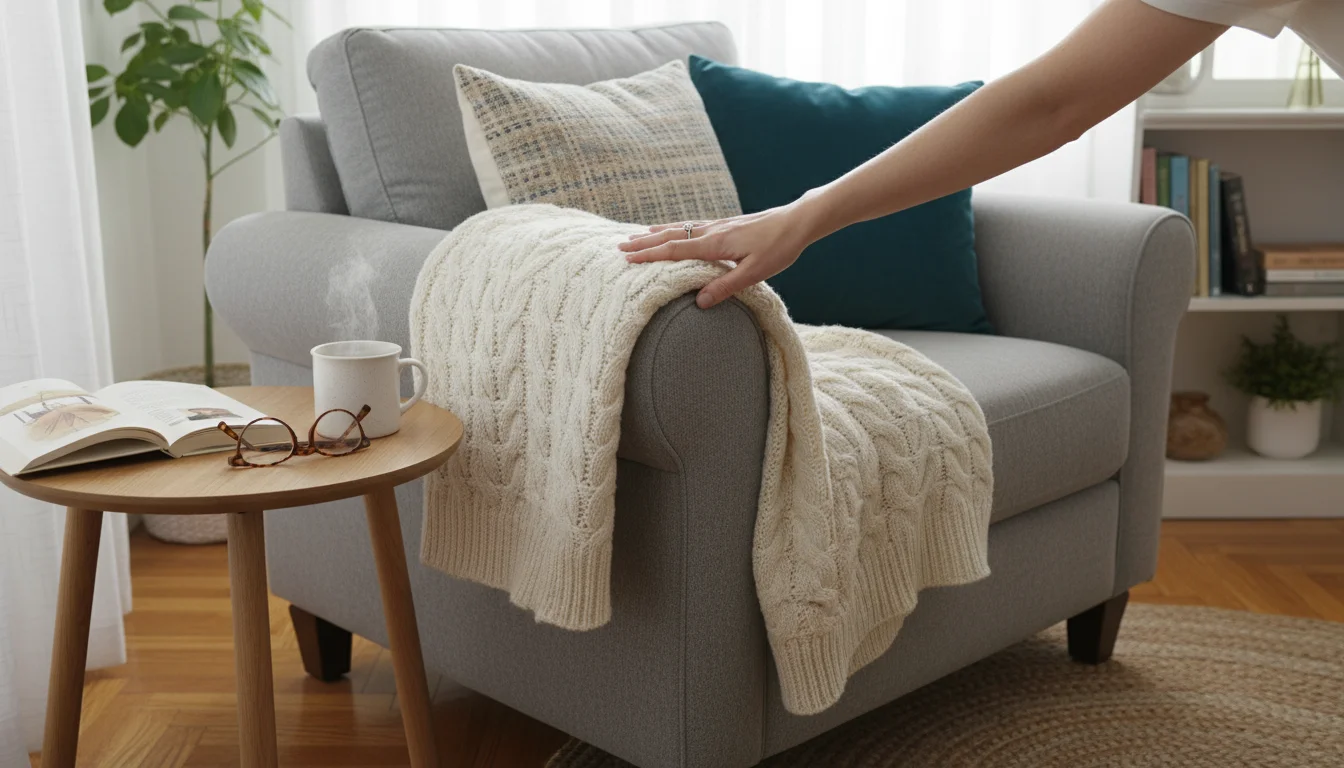
Daily Quick Tidy
Dedicate just a minute or two each day to these simple tasks:
- Return finished books to their primary storage location or a designated “return” basket.
- Fluff pillows and fold your throw blanket neatly.
- Wipe down your side table if there are any spills or dust.
- Put away any stray items that do not belong in the nook, such as coffee mugs or snack wrappers.
This quick routine prevents clutter from accumulating and keeps the space ready for your next reading session.
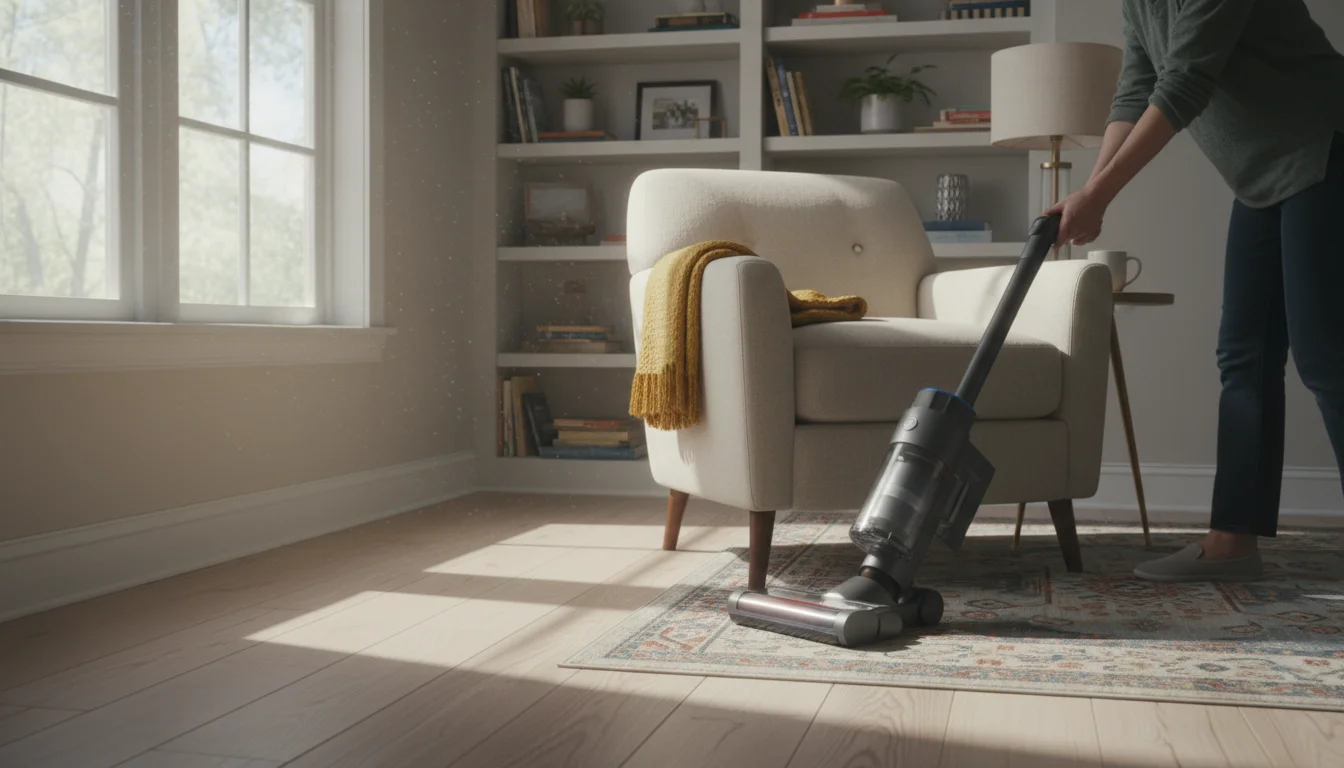
Weekly Refresh
Once a week, give your reading nook a slightly deeper clean:
- Dust Surfaces: Wipe down shelves, tables, and lamp bases to remove dust.
- Vacuum or Sweep: Clean the area rug and the floor beneath and around your seating. Move the chair if necessary to get into corners.
- Check Lighting: Ensure light bulbs are clean and replace any that are dimming or flickering.
- Organize Books: Re-stack any books that are out of place, ensuring only current reads remain in the nook.
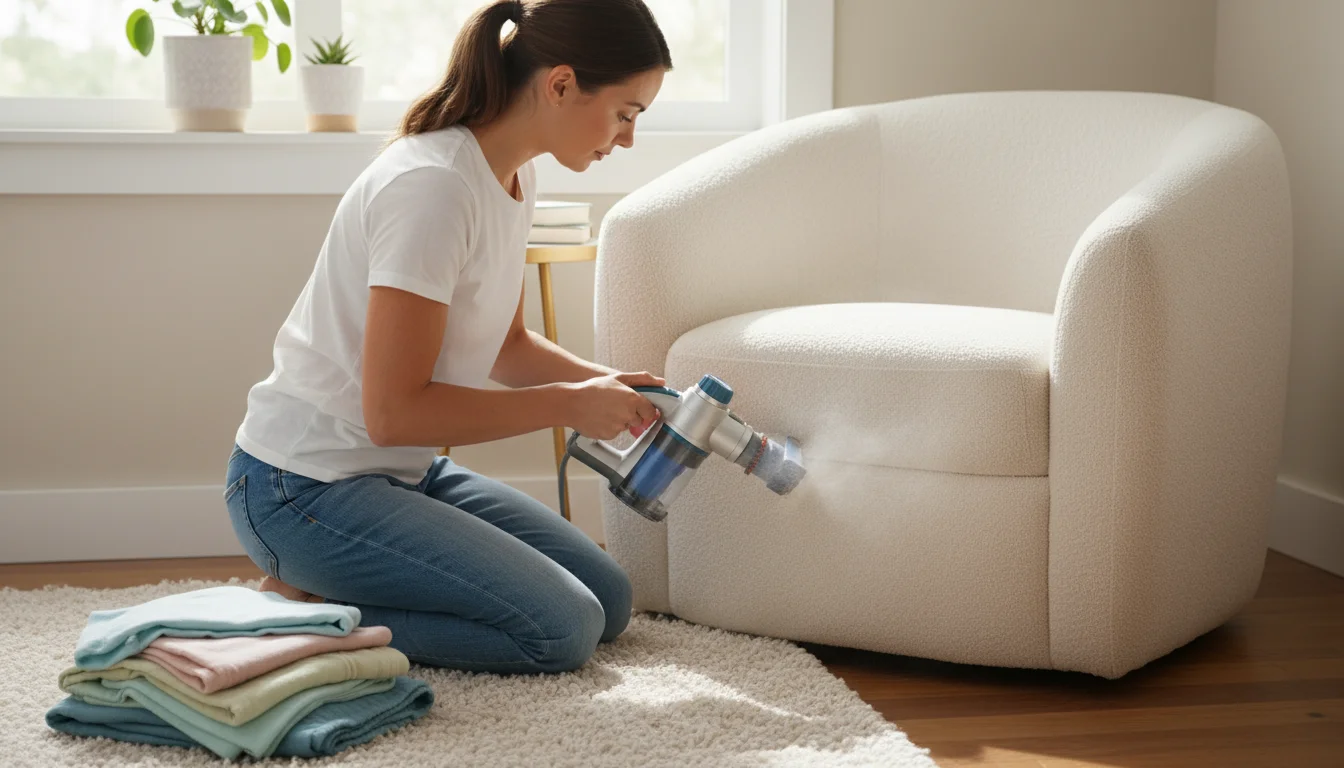
Seasonal Deep Clean
A few times a year, give your reading nook a thorough overhaul:
- Wash Textiles: Launder throw blankets, cushion covers, and pillowcases according to their care instructions.
- Inspect Furniture: Check your chair for any loose screws or wobbly legs. Tighten as needed. Vacuum upholstery attachments to clean fabric chairs.
- Declutter Completely: Take everything out of the nook and evaluate each item. Does it still serve its purpose? Does it bring you joy? Donate, sell, or rehome anything that no longer belongs.
- Window Cleaning: If your nook is near a window, clean the window panes for maximum light and enjoyment of the view.
By integrating these small habits into your routine, you ensure your reading nook remains a clean, comfortable, and truly serene escape, always ready to welcome you when you need a moment of peace.

Frequently Asked Questions
Is a reading nook only for reading books?
Absolutely not! While its name suggests reading, a reading nook is your personal cozy corner. Use it for journaling, meditating, listening to music or podcasts, working on a hobby like knitting, or simply enjoying a quiet cup of coffee. The purpose is to create a dedicated space for relaxation and personal time, however you define it.
How do I make my reading nook feel private without building walls?
You can create a strong sense of enclosure and privacy through strategic placement and visual cues. Position your chair to face a window or a wall, turning away from the main thoroughfare of the room. Use a tall bookcase, a decorative screen, or a large houseplant to create a visual barrier. A distinct area rug also helps define the space as its own zone. Headphones can block out auditory distractions effectively.
What if my home has no “extra” space at all?
Even in the smallest homes, you can find a spot. Look for overlooked corners in bedrooms, a wide hallway, or even a deep closet you can convert. Consider multi-functional furniture like an ottoman with hidden storage or a wall-mounted desk that folds down. The key is to think creatively about vertical space and pieces that serve multiple purposes. Sometimes, a reading nook can be as simple as a comfortable cushion on the floor with a strong light source and a small stack of books.
What is the most important element for a good reading nook?
Without a doubt, comfort is the most critical element. If your seating is uncomfortable, you will not want to spend time there. Invest in the most comfortable chair or cushion your budget allows, and supplement it with supportive pillows and soft blankets. Once you have a truly comfortable spot, the other elements like lighting and storage fall into place to enhance that core feeling of ease.
For expert home organization guidance, visit
The Spruce — Home Organization,
Real Simple — Organizing,
Good Housekeeping — Organization,
Better Homes & Gardens — Home Organization and
EPA — Indoor Air Quality.
Disclaimer: This article is for informational purposes only and is not a substitute for professional advice. Consult professional organizers or specialists for personalized recommendations.



Leave a Reply