
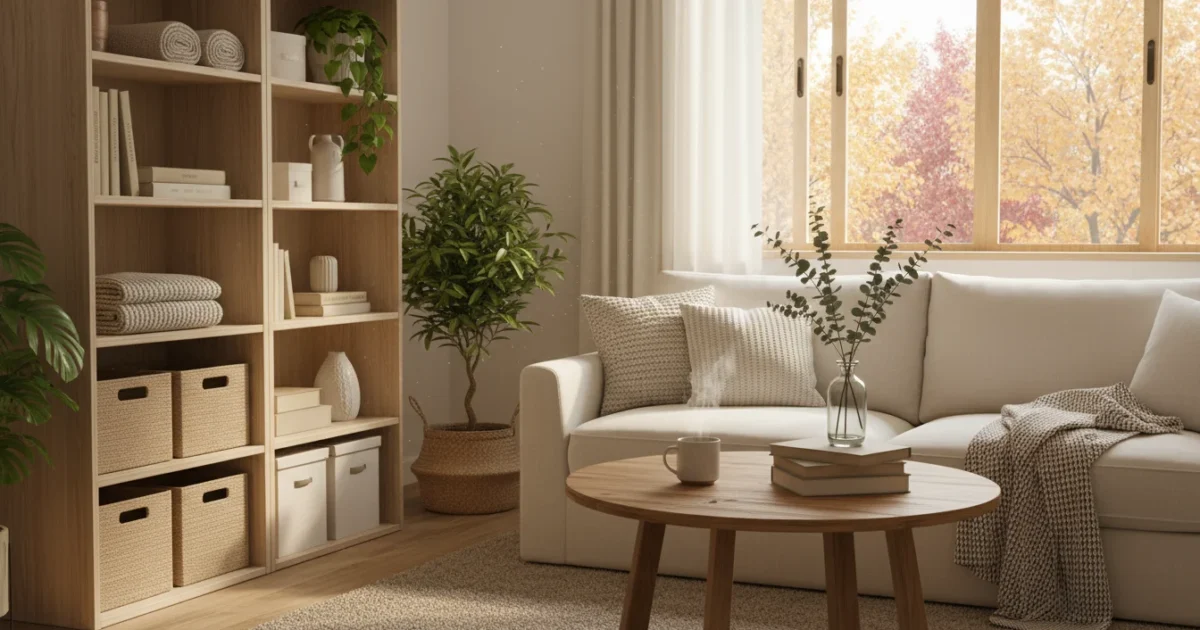
You dedicate time and effort to organizing your living space, decluttering your cabinets, and arranging your furniture to create a comfortable, functional home. But have you ever considered the invisible element shaping your home’s comfort and your family’s health? We are talking about the air you breathe every day. Poor indoor air quality often goes unnoticed, yet it can significantly impact your well-being, contributing to issues from seasonal allergies to chronic respiratory problems. As your home organization coach, I believe a truly healthy home extends beyond visible order; it embraces the unseen, ensuring the air inside is as clean as your countertops.
Beyond the air you breathe, understanding how to reduce EMF exposure is another vital step in creating a truly restorative and healthy sanctuary.
This guide will demystify indoor air quality, explain what factors influence it, and provide you with practical, actionable steps to improve the air in your home. We understand you lead a busy life, face budget constraints, and often work with limited space. Therefore, our focus remains on realistic, budget-conscious solutions that integrate seamlessly into your daily routine. You do not need a complete home overhaul to breathe easier. Let us explore simple changes you can implement today for a healthier, more comfortable living environment.

Understanding Indoor Air Quality: Why It Matters to You
Indoor air quality, or IAQ, refers to the air quality within and around buildings and structures, specifically as it relates to the health and comfort of building occupants. Many factors influence IAQ, including pollutants from building materials, furnishings, cleaning products, and even our own activities. You spend a significant portion of your day indoors, whether at home, work, or school. For many people, this can be up to 90 percent of their time. Given this reality, the quality of the air you breathe indoors becomes paramount for your health and overall comfort.
Combining clean air with other cozy bedroom ideas ensures your sleeping environment is both comfortable and healthy.
Since many of us now work from home, creating an ergonomic home office is equally important to ensure your physical health matches the high quality of your indoor environment.
Poor indoor air quality can cause a range of immediate and long-term health effects. Immediately, you might experience headaches, fatigue, dizziness, nausea, irritation of the eyes, nose, or throat, or worsening allergy and asthma symptoms. These symptoms often disappear soon after you leave the area, making it difficult to pinpoint the cause. However, continuous exposure to certain pollutants can lead to more severe, long-term health issues. These include respiratory diseases, heart disease, and even certain types of cancer. Children, the elderly, and individuals with pre-existing respiratory or cardiovascular conditions are often more susceptible to these effects.
Understanding indoor air quality empowers you to take control of your home environment. You can identify potential sources of pollution, implement simple strategies to reduce exposure, and create a healthier haven for yourself and your family. According to the Environmental Protection Agency (EPA), indoor air pollutant levels can be two to five times higher than outdoor levels, and sometimes even 100 times higher. This underscores the importance of actively managing the air quality within your home.
Common Indoor Air Pollutants and Their Sources
Before you can improve your home’s air, you need to understand what you are up against. Various pollutants can sneak into your indoor environment, each with its own characteristics and sources. Recognizing these helps you target your air improvement efforts effectively.
Opting for quality secondhand furniture can also help reduce the initial off-gassing common with brand-new pieces.
To lower VOC levels, consider switching to natural cleaning products that use simple, non-toxic ingredients.
If you are looking for a natural way to complement your cleaning routine, adding some of the best air-purifying plants can help scrub these toxins from your air.
Consider these common indoor air culprits:
- Dust and Allergens: Dust consists of tiny particles of fabric fibers, human and pet skin cells, pollen, soil, and microscopic debris. Allergens include pollen, pet dander, dust mites, and cockroach allergens. These become airborne and trigger respiratory reactions, skin irritation, and allergy symptoms. You find them in carpets, upholstery, bedding, and on surfaces.
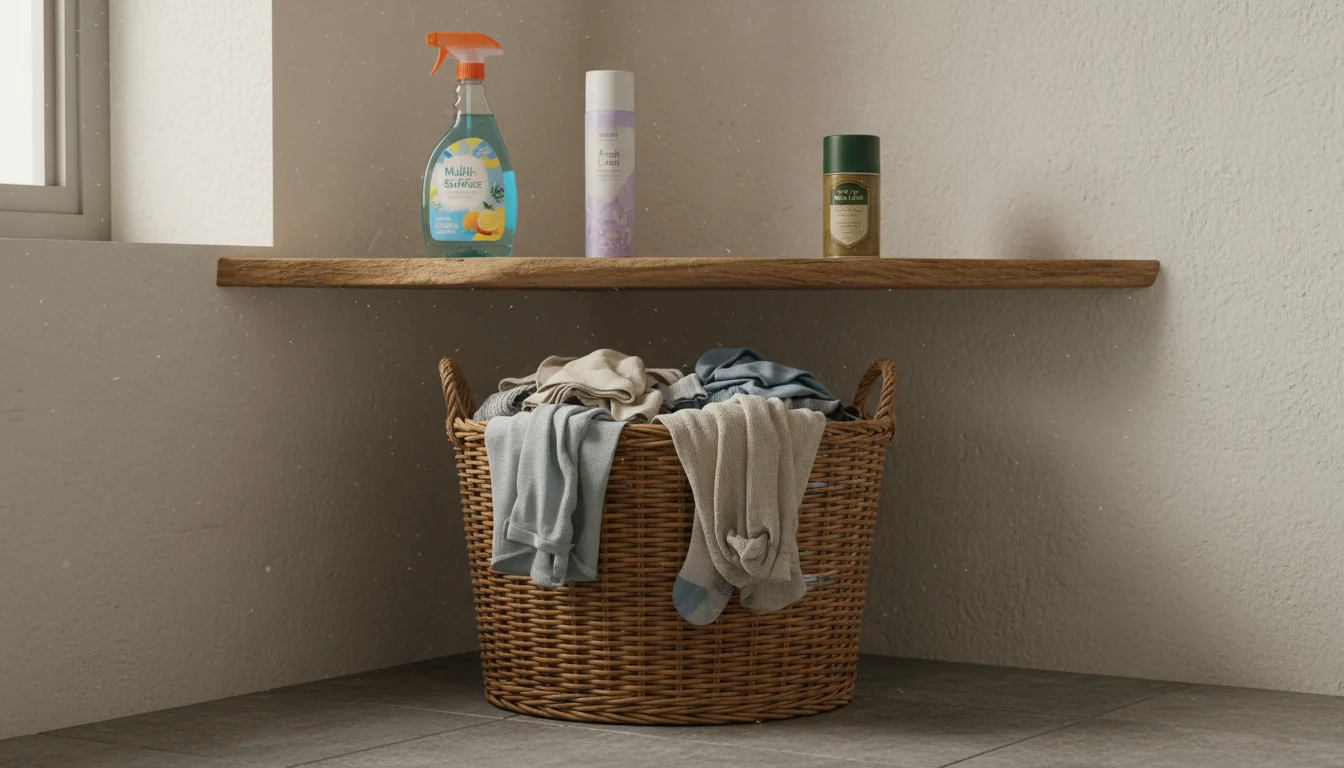
- Volatile Organic Compounds (VOCs): VOCs are gases emitted from certain solids or liquids. They include a variety of chemicals, some of which may have short- and long-term adverse health effects. Common sources in your home include paints, varnishes, wax, cleaning supplies, disinfectants, air fresheners, glues, adhesives, permanent markers, printers, and even building materials and furnishings like new carpets or particleboard. The “new car smell” or “new paint smell” you often notice signals the presence of VOCs.
- Mold and Mildew: These fungi thrive in damp, humid conditions. Common areas for mold growth include bathrooms, kitchens, basements, and around leaky pipes or windows. Mold spores are allergenic and can trigger respiratory problems, asthma attacks, and skin irritation.
- Pet Dander: If you share your home with furry friends, pet dander is a constant component of your indoor air. These microscopic flecks of skin shed by animals carry proteins that act as allergens for many individuals.
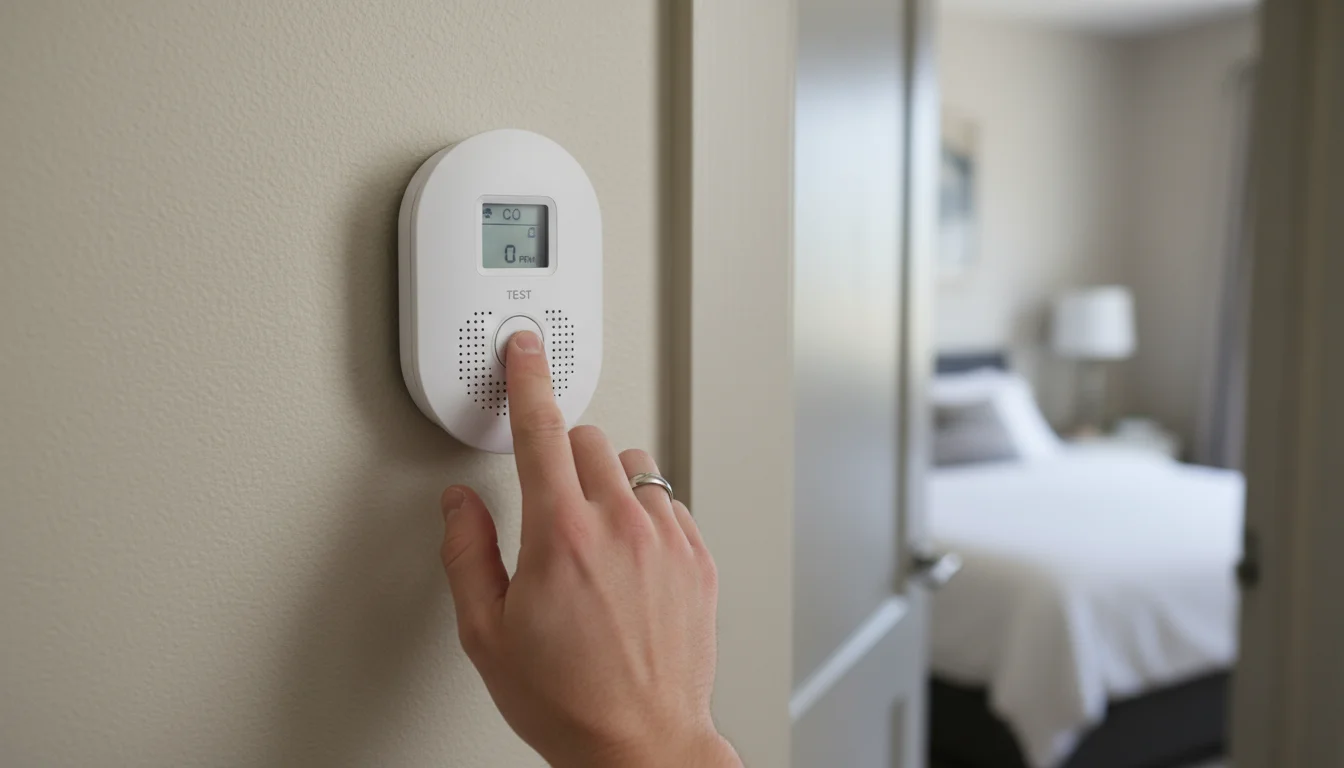
- Carbon Monoxide (CO): This odorless, colorless, and tasteless gas is a silent killer. It results from the incomplete burning of fuel, such as from furnaces, gas stoves, fireplaces, and car exhaust. High levels of CO can cause flu-like symptoms, confusion, and even death.
- Radon: A naturally occurring radioactive gas, radon seeps into homes from the ground. It is undetectable without specialized testing and is a leading cause of lung cancer among non-smokers.
- Combustion Byproducts: Cooking fumes, smoke from fireplaces or candles, and emissions from gas stoves contribute particulate matter and gases to your indoor air.
Knowing these common pollutants and their origins allows you to approach air quality improvement with a focused strategy. You can start by addressing the sources most relevant to your specific home and lifestyle.
Simple Steps to Improve Your Home’s Air: Ventilation and Filtration
Improving your indoor air quality does not require complex solutions. You can start with fundamental approaches: enhancing ventilation and upgrading your filtration systems. These two strategies offer significant returns for your effort.
Boost Natural Ventilation
Ventilation simply means bringing fresh air into your home and letting stale, polluted air out. You can accomplish this in several straightforward ways:
- Open Windows and Doors: On days with good outdoor air quality, open your windows and doors for at least 5-10 minutes a few times a day. This creates cross-ventilation, flushing out accumulated pollutants. Even a small crack makes a difference. If you live in a multi-story home, opening windows on different floors helps create a chimney effect, drawing in fresh air.
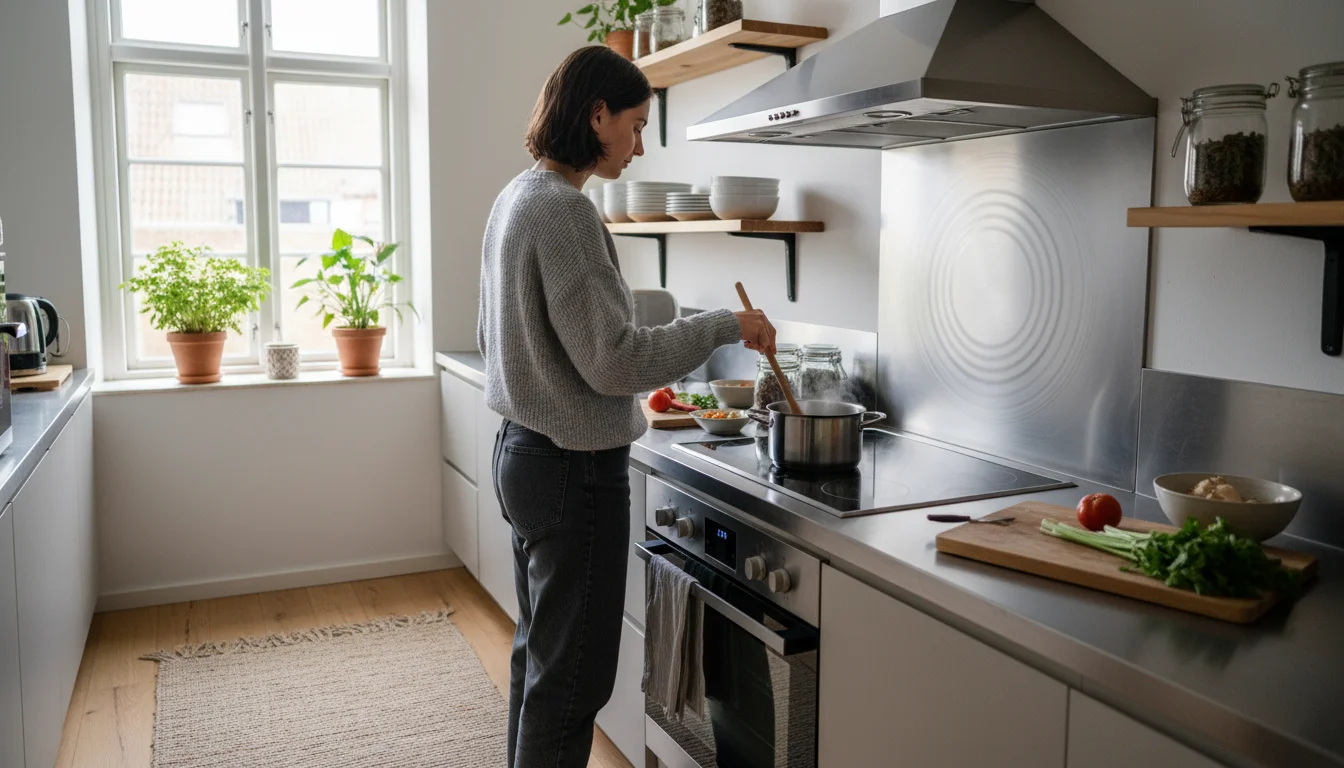
- Use Exhaust Fans: Always use your kitchen exhaust fan when cooking to vent cooking fumes and moisture. Run your bathroom exhaust fan during and after showers to remove excess humidity, which prevents mold growth. Ensure these fans vent outside, not into your attic or walls.
- Schedule Screen Time: If you do not have screens on your windows, consider installing them. They allow you to open windows for ventilation without inviting pests.
- Air Out New Items: Before bringing new furniture, carpets, or even certain craft supplies into your main living areas, unbox them and let them off-gas in a garage or well-ventilated space for a few days. This helps release initial VOCs.
Enhance Mechanical Filtration
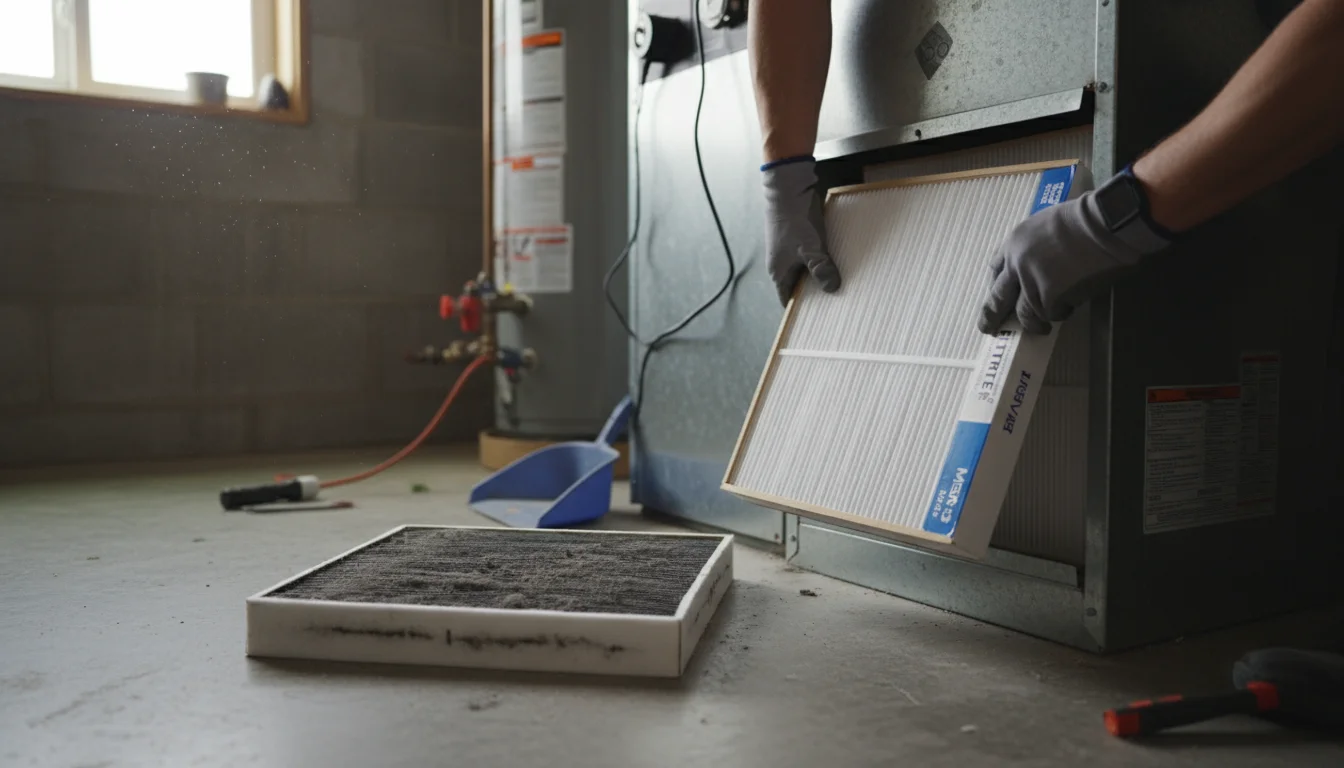
Your home’s heating, ventilation, and air conditioning (HVAC) system is your primary line of defense against airborne particles.
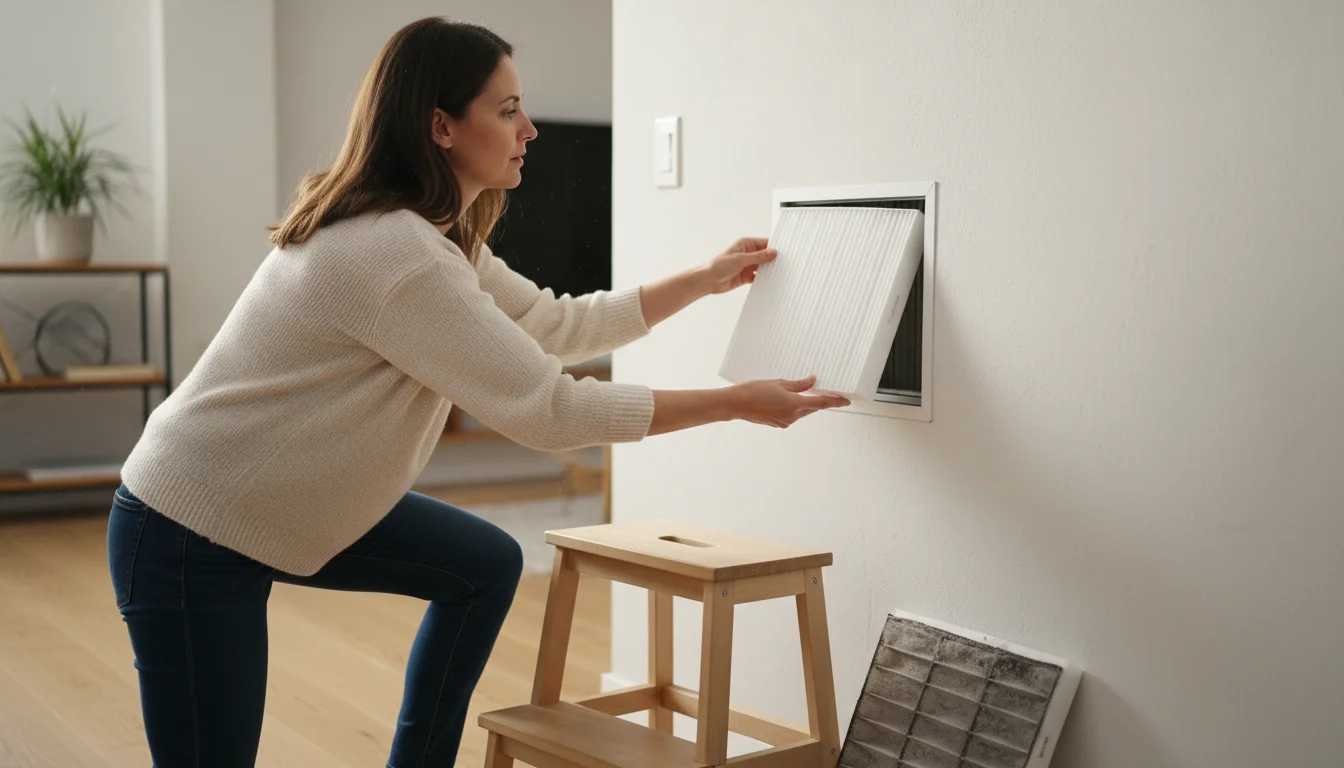
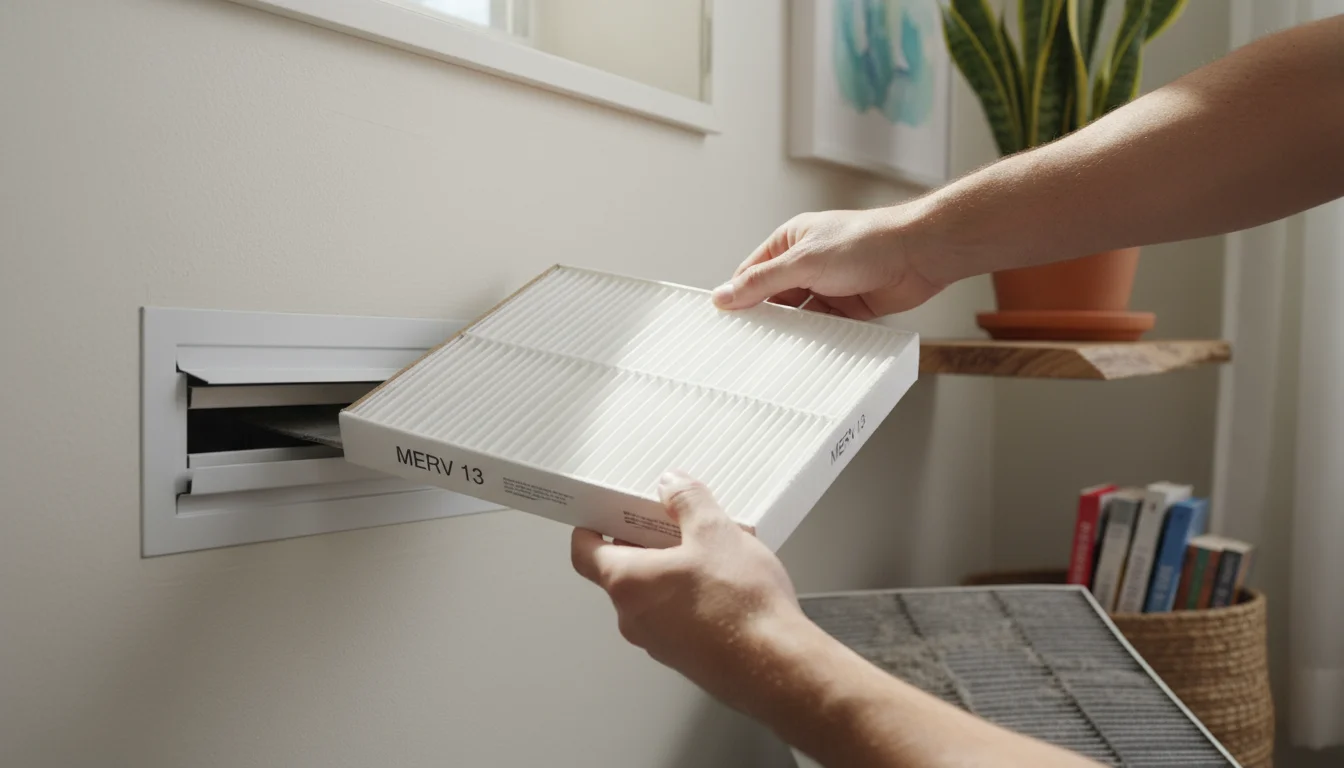
- Upgrade Your HVAC Filter: Standard fiberglass filters capture only larger particles. Upgrade to a higher-efficiency pleated filter with a Minimum Efficiency Reporting Value (MERV) rating of 8 to 13. Higher MERV ratings capture smaller particles like pollen, pet dander, and mold spores. Be aware that filters with MERV ratings above 13 can restrict airflow, potentially straining older HVAC systems. Consult your HVAC technician if you have concerns.
- Replace Filters Regularly: This is a crucial, yet often overlooked, task. A dirty filter cannot effectively clean your air and can even reduce your HVAC system’s efficiency. Replace filters every one to three months, depending on your home’s conditions, the number of pets you have, and whether anyone in your household has allergies or asthma.
- Consider Portable Air Purifiers: For targeted air cleaning in specific rooms, portable air purifiers offer an excellent solution. Look for models with HEPA filters, which capture 99.97 percent of particles 0.3 microns in size, including many allergens and fine dust. The Energy Star program certifies air purifiers that use less energy, helping you save on utility bills while still providing effective air cleaning.
By prioritizing both natural ventilation and effective filtration, you establish a solid foundation for cleaner indoor air.

Tackling Specific Pollutants: Practical Strategies
Now, let us dive into specific strategies for reducing the most common indoor air pollutants you encounter daily. These practical tips integrate easily into your existing cleaning and maintenance routines.
While controlling moisture is key to preventing mold, maintaining proper hydration in the air is also vital; explore the best humidifiers for dry indoor air if your home feels too parched during the winter.
Managing Dust and Allergens
Dust and allergens are persistent, but consistent action helps immensely.
- Regular Cleaning: Dust surfaces weekly with a microfiber cloth. Microfiber traps dust rather than just pushing it around. Vacuum carpets and rugs at least once or twice a week, using a vacuum cleaner with a HEPA filter if possible.
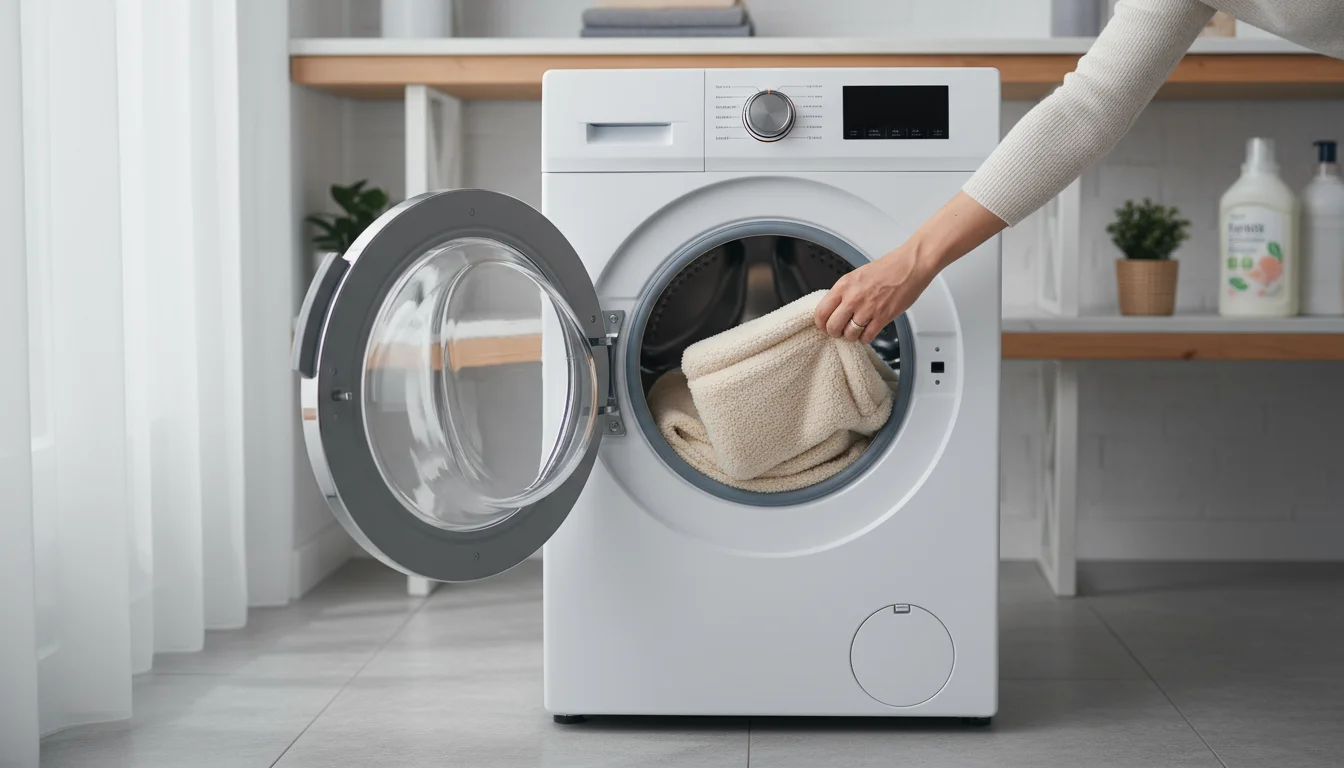
- Wash Bedding Frequently: Dust mites thrive in bedding. Wash sheets, pillowcases, and duvet covers weekly in hot water (at least 130°F/54°C) to kill dust mites.
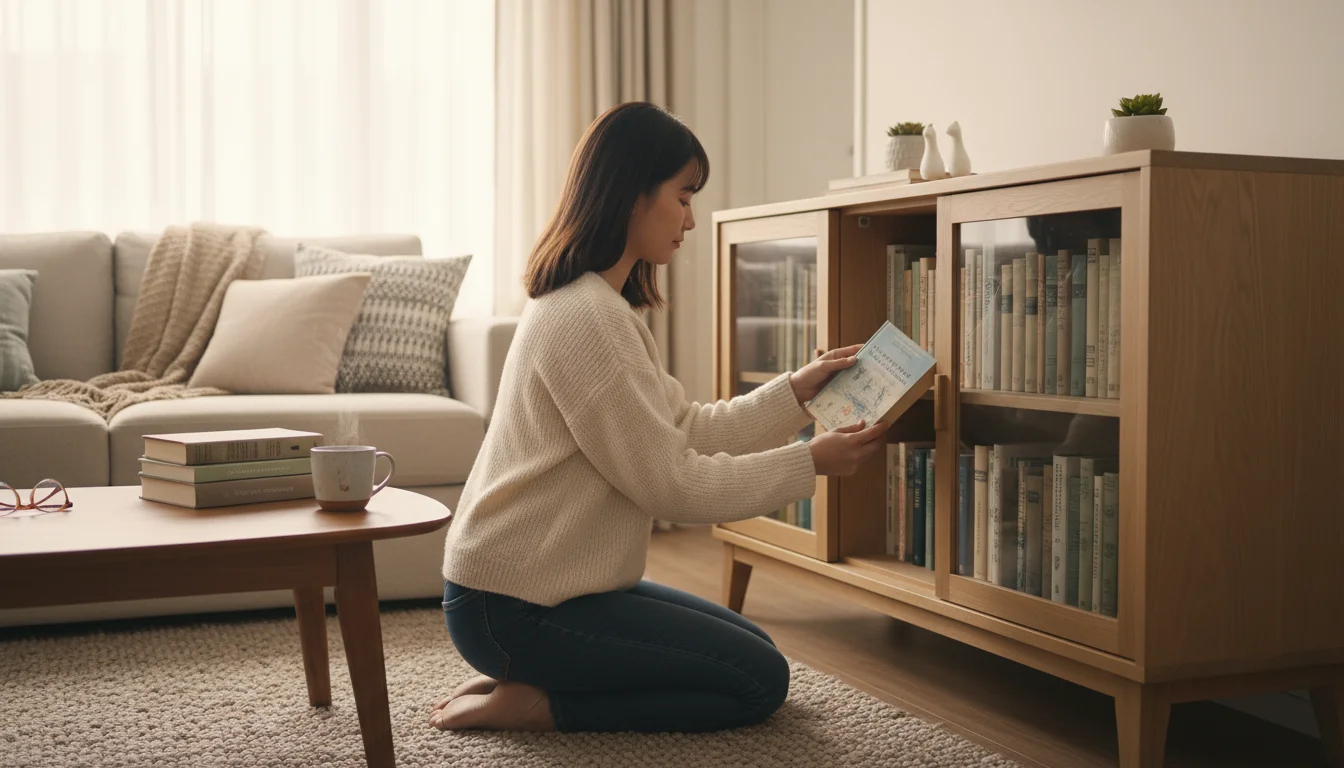
- Minimize Dust Traps: Consider replacing heavy drapes with blinds or washable curtains. Reduce clutter, as every item collects dust. For example, store books in closed bookcases instead of open shelves.

Controlling Mold and Moisture
Mold requires moisture to grow. Your goal is to control humidity and address any water issues promptly.
- Fix Leaks Immediately: Dripping faucets, leaky pipes, or roof leaks provide perfect breeding grounds for mold. Address these issues as soon as you notice them.
- Control Humidity: Aim to keep your indoor humidity levels between 30 and 50 percent. Use a hygrometer to monitor levels. In humid climates or seasons, a dehumidifier helps significantly. Ensure proper ventilation in bathrooms and kitchens.
- Clean Up Spills Promptly: Wipe up spills on floors and carpets right away. Dry wet areas within 24-48 hours to prevent mold growth.
- Ensure Proper Drainage: Outside your home, ensure gutters are clean and direct water away from your foundation.
Reducing VOCs from Products
You can significantly lower VOC exposure by making conscious choices about the products you bring into your home.
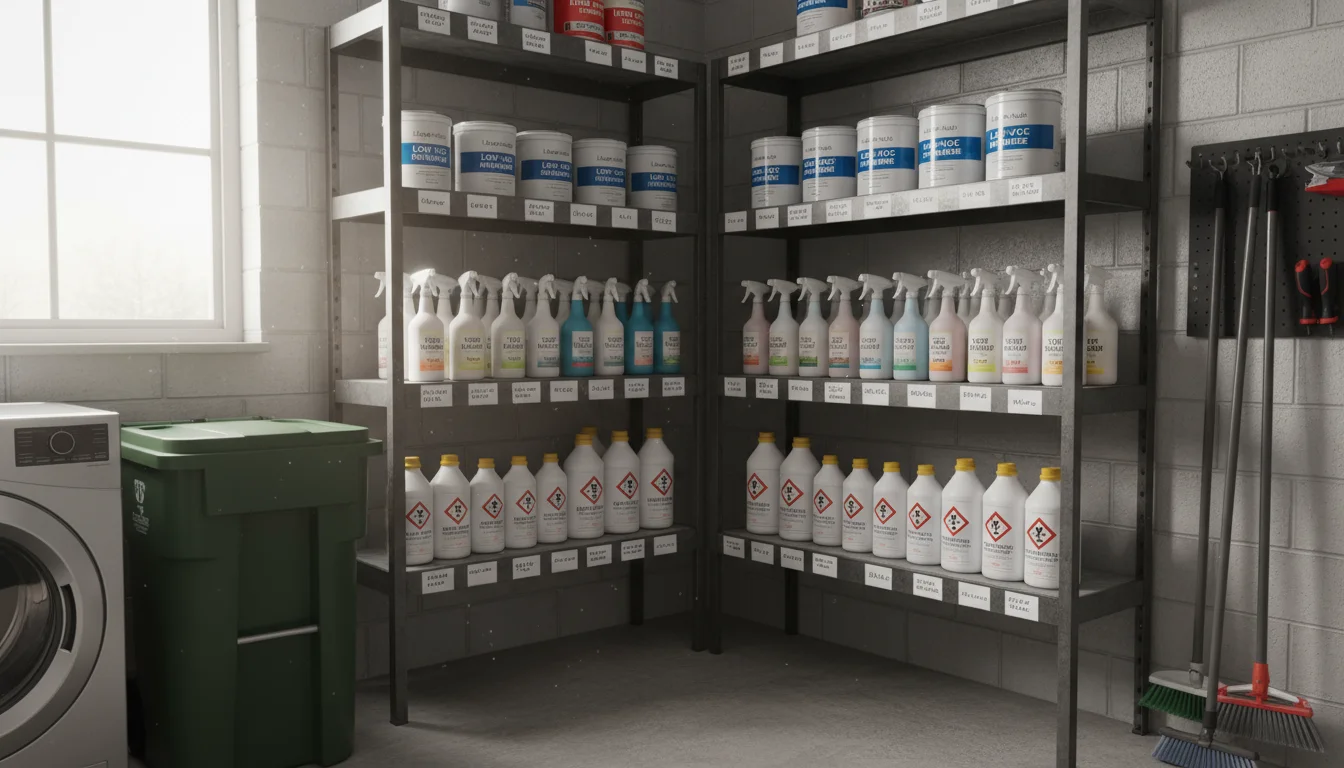
- Choose Low-VOC Products: When painting, selecting new flooring, or buying furniture, look for products labeled “low-VOC” or “no-VOC.”
- Store Chemicals Properly: Keep paints, solvents, and pesticides in tightly sealed containers in a well-ventilated area, preferably outdoors in a shed or garage, away from your living spaces.
- Ventilate During Use: When you use products that emit fumes, like strong cleaners, open windows and doors to ensure adequate ventilation.
Addressing Pet Dander
For pet owners, managing dander is a continuous effort.
- Regular Grooming: Brush your pets frequently, ideally outdoors, to remove loose dander before it spreads throughout your home.
- Designate Pet-Free Zones: Keep pets out of bedrooms to create an allergen-reduced sleeping environment.
- Frequent Cleaning: Vacuum regularly with a HEPA-filtered vacuum. Wash pet bedding often.
- Hand Washing: Wash your hands after petting animals to avoid spreading dander to your face or other surfaces.
Protecting Against Carbon Monoxide and Radon
These invisible gases require specific monitoring.
- Install CO Detectors: Place carbon monoxide detectors on every level of your home and near sleeping areas. Test them regularly and replace batteries annually.
- Test for Radon: Radon testing is simple and inexpensive. You can purchase DIY test kits or hire a professional. If levels are high, mitigation systems are available.
By implementing these targeted strategies, you actively work towards a home environment with significantly cleaner indoor air. The CDC offers comprehensive guidance on cleaning and disinfecting, reinforcing the importance of proper techniques to control pollutants.
Choosing the Right Air Purifier: What You Need to Know
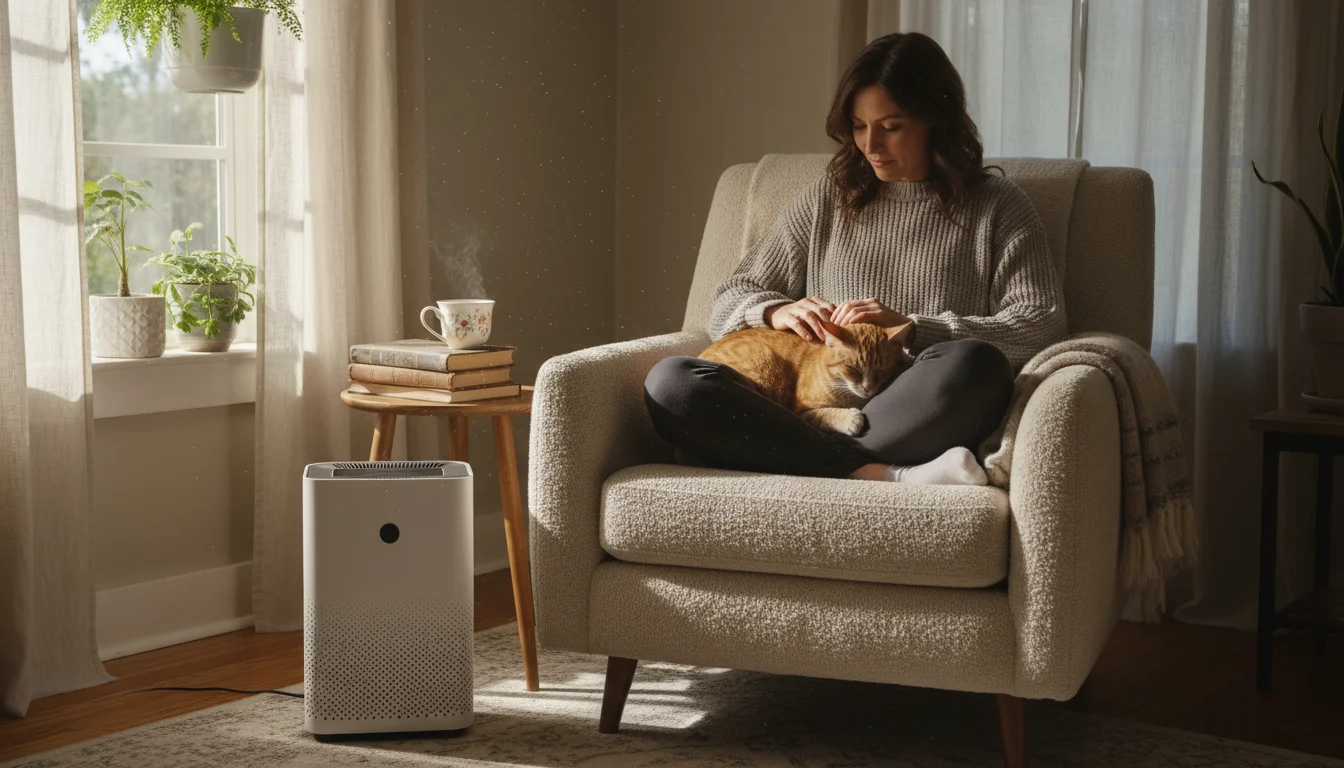
A portable air purifier can be a valuable addition to your strategy for improving indoor air quality, especially in specific rooms or if you or a family member suffer from allergies or asthma. However, with many options on the market, choosing the right one requires a bit of understanding.
Key Factors to Consider
When you shop for an air purifier, focus on these critical elements:
- Filter Type:
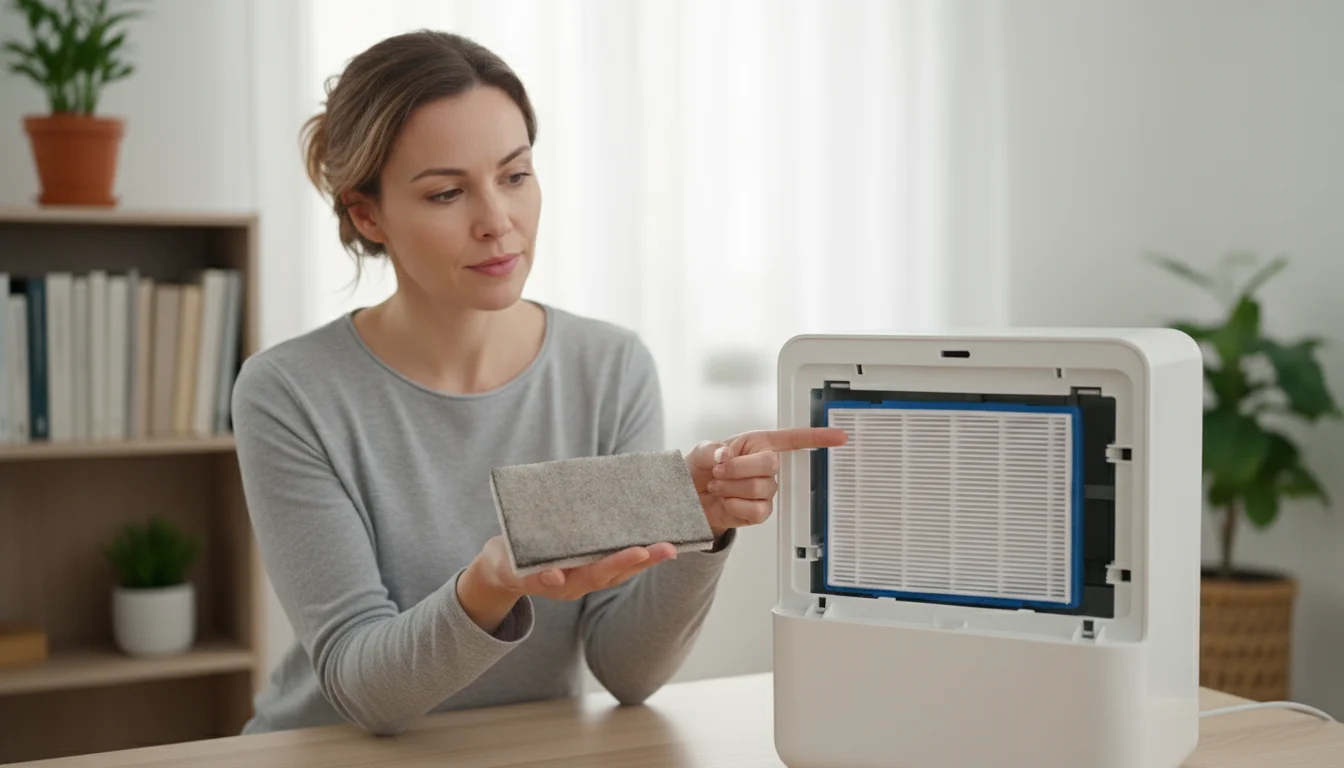
- HEPA Filter: This is the gold standard for particle removal. A true HEPA filter captures 99.97% of airborne particles 0.3 microns in size, including dust, pollen, pet dander, mold spores, and some bacteria and viruses. Most effective air purifiers will feature a HEPA filter.
- Activated Carbon Filter: This filter type specializes in removing odors, gases, and Volatile Organic Compounds (VOCs). It is often paired with a HEPA filter in multi-stage filtration systems. If cooking smells, pet odors, or chemical fumes are a concern, look for a unit with a substantial activated carbon filter.
- Pre-filter: A washable pre-filter typically captures larger particles, like hair and lint, extending the life of the HEPA and carbon filters.
- CADR (Clean Air Delivery Rate): The CADR rating indicates how quickly the air purifier cleans a room of specific pollutants like smoke, dust, and pollen. A higher CADR means faster cleaning. Look for a CADR that matches or exceeds the square footage of your room.
- Room Size Coverage: Manufacturers specify the maximum room size their purifiers effectively clean. Measure your room and choose a model designed for that square footage or slightly larger to ensure optimal performance. Placing a purifier designed for a small bedroom in a large living room will yield disappointing results.
- Noise Level: Air purifiers operate with fans, creating noise. Check the decibel rating, especially if you plan to use it in a bedroom or office. Many units offer different fan speeds; the lowest settings are typically quiet enough for sleeping.
- Energy Efficiency: Look for Energy Star certified models. These purifiers consume less electricity, saving you money on your utility bills over time without compromising performance.
- Maintenance and Filter Replacement Costs: Filters require replacement periodically, which is an ongoing cost. Research the cost and availability of replacement filters for any model you consider. Some units have washable pre-filters, which can save money.
- Additional Features: Consider features like sleep mode, timer settings, filter replacement indicators, smart connectivity, or air quality sensors that automatically adjust fan speed. Decide which features are essential for your needs and budget.
Choosing an air purifier involves balancing your budget, room size, and the specific pollutants you want to target. Do your research, read reviews, and prioritize units with true HEPA and activated carbon filters for comprehensive air cleaning.
Budget-Friendly Solutions for Cleaner Air
Improving your indoor air quality does not have to break the bank. Many effective strategies are low-cost or even free, proving that a healthier home is accessible to everyone. You can make significant improvements using simple habits and clever DIY approaches.
Harness Natural Resources
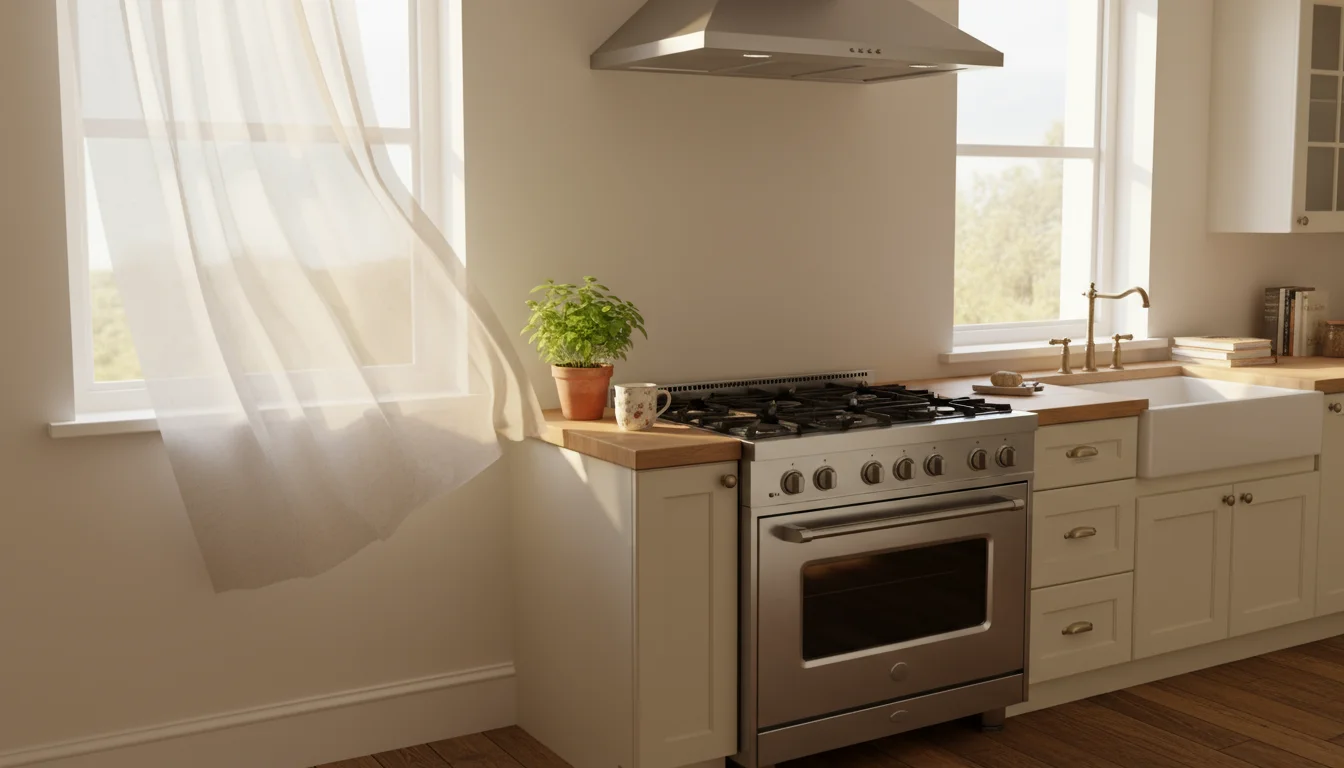
- Embrace Ventilation: This is the simplest and most cost-effective method. Opening windows for even 10-15 minutes a day, especially after cleaning or cooking, flushes out stale air and pollutants. Use cross-ventilation by opening windows on opposite sides of your home.
- Utilize Exhaust Fans: Make a habit of running your kitchen and bathroom exhaust fans. They effectively remove moisture, odors, and cooking fumes, preventing mold growth and particulate buildup. Remember to ensure they vent outside.
- Sunlight Power: Open curtains and blinds to let sunlight in. UV rays in sunlight can help kill mold spores and bacteria on surfaces.
Smart Cleaning Habits
- Regular Dusting and Vacuuming: Consistent cleaning prevents dust and allergens from accumulating. Use microfiber cloths to trap dust effectively. Even a basic vacuum cleaner helps significantly. If possible, upgrade to a vacuum with a HEPA filter for better particle capture when your budget allows.
- DIY Cleaning Solutions: Many effective cleaning solutions use inexpensive household ingredients like vinegar, baking soda, and water. These often contain fewer harsh chemicals (VOCs) than commercial cleaners, benefiting both your air and your wallet.
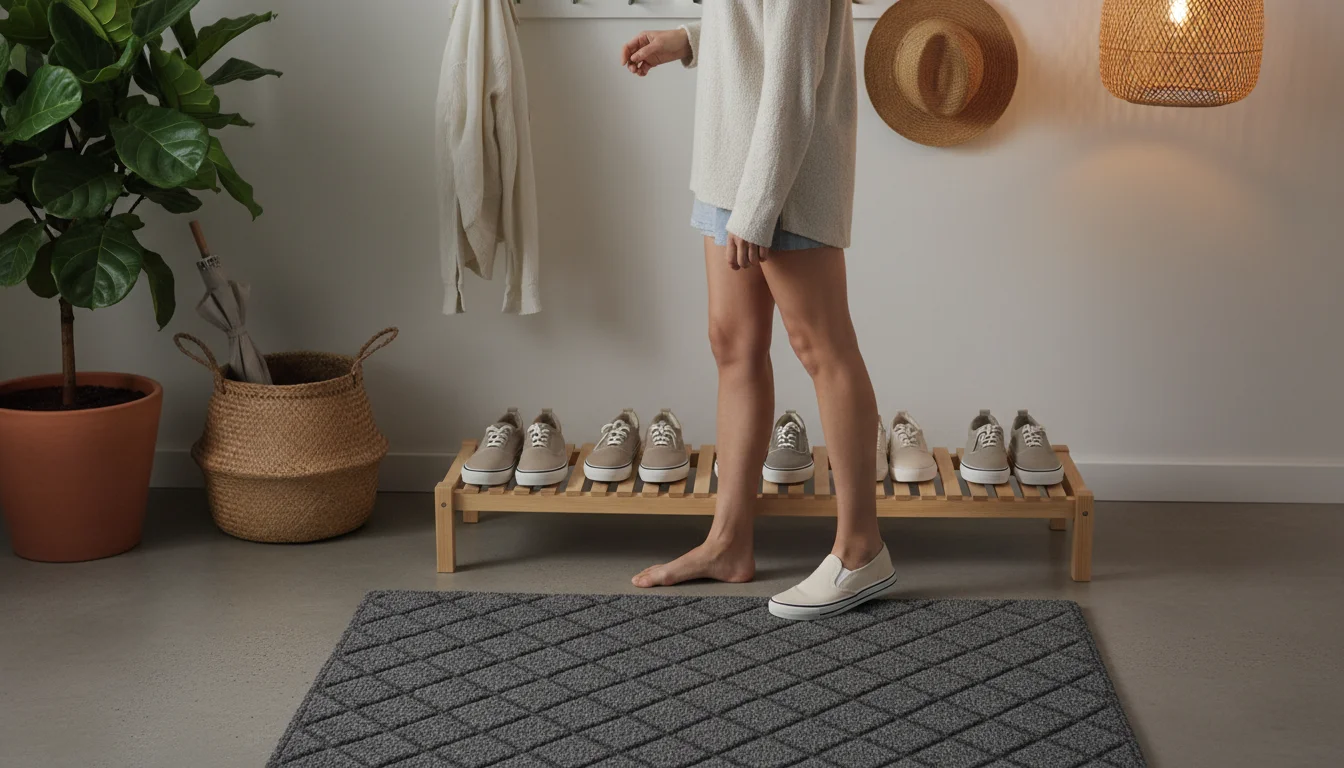
- Door Mats: Place durable door mats at all entrances. They trap dirt, pollen, and other outdoor pollutants before they enter your living space, reducing the amount of airborne particles inside.
Strategic Purchases and Maintenance
- High-Efficiency HVAC Filters: While a higher MERV filter costs a little more than a basic one, the improved air quality and potential for fewer allergy symptoms often justify the expense. Changing them regularly prevents system strain and maintains efficiency, saving energy costs in the long run.
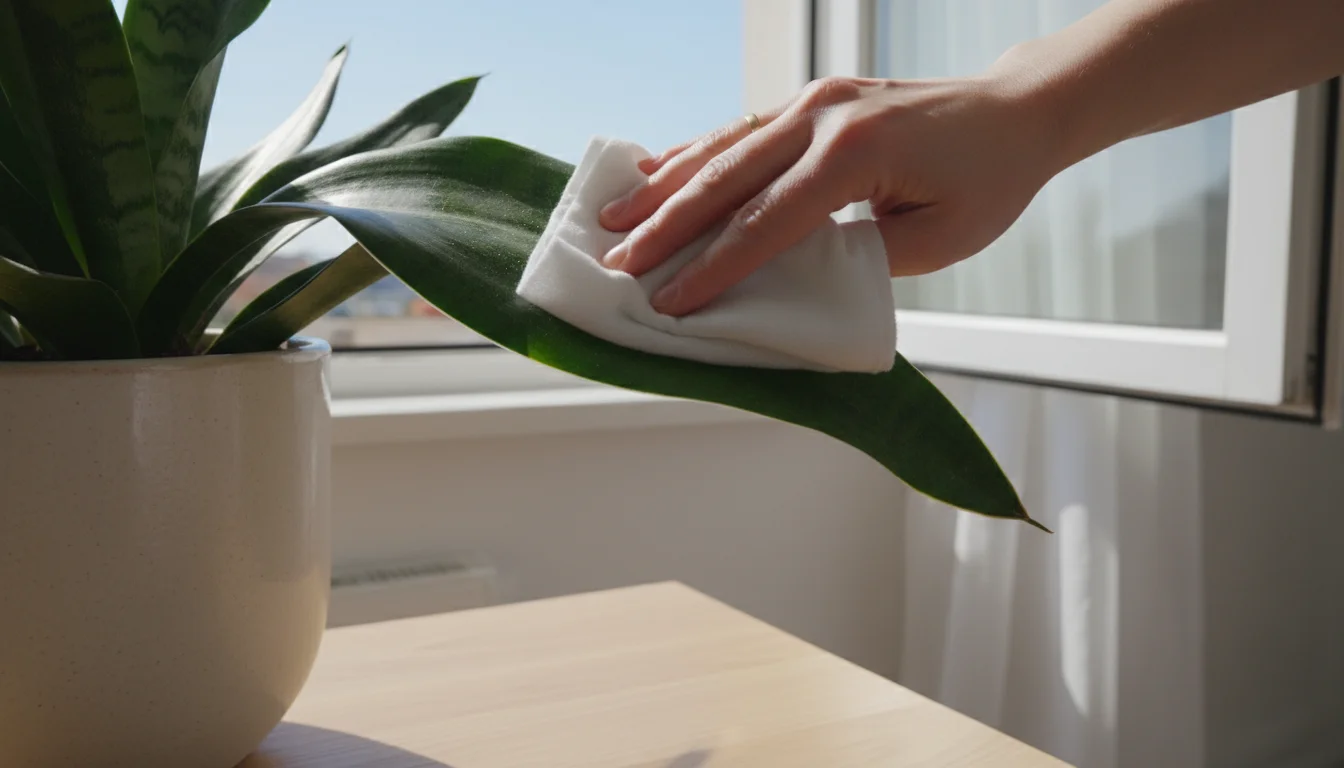
- Houseplants (with caveats): Certain houseplants can help filter some airborne toxins and release oxygen, though their impact on overall indoor air quality in a typical home is often overstated. Still, they add natural beauty and a subtle benefit. Choose low-maintenance options like spider plants, snake plants, or peace lilies, ensuring you do not overwater them to avoid mold growth.
- DIY Air Filter: For a very budget-conscious solution in a pinch, you can create a makeshift air filter by attaching a high-quality furnace filter (MERV 11-13) to the back of a box fan with bungee cords or tape. Ensure a tight seal. While not as efficient as a dedicated air purifier, it offers better filtration than nothing for very low cost.
These budget-friendly approaches demonstrate that you can significantly enhance your home’s air quality without needing extensive renovations or expensive equipment. Start with simple habits and build from there.
Maintaining Your Air Quality System for Lasting Results
Implementing initial changes to improve your indoor air quality is an excellent start, but consistent maintenance ensures those efforts provide lasting benefits. Think of it like organizing your pantry: a one-time clean-out helps, but regular upkeep keeps it functional. Your air quality system, whether it is natural ventilation or mechanical filtration, requires similar attention.
Integrating these air quality checks into your monthly home care tasks will help keep your living environment healthy and comfortable long-term.
Health is about more than just purity; creating a quiet, stress-free space by learning how to reduce noise in your apartment will further enhance your home’s comfort.
HVAC System Care
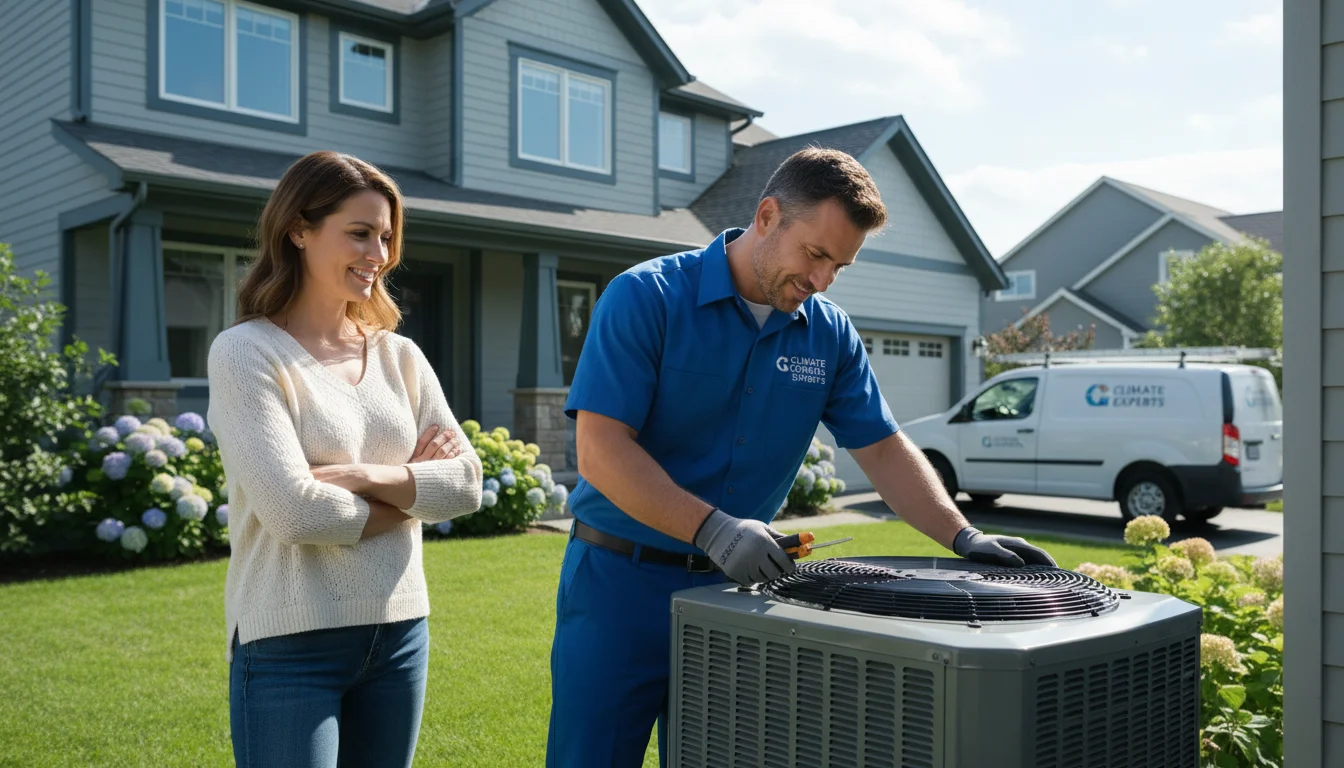
Your central heating and cooling system plays a critical role in circulating and filtering your home’s air.
- Regular Filter Replacement: This cannot be stressed enough. Mark your calendar or set a reminder to replace your HVAC filter every 1 to 3 months. In homes with pets, smokers, or allergy sufferers, monthly replacement might be necessary. A clean filter allows your system to work efficiently and effectively remove pollutants.
- Professional Maintenance: Schedule annual professional HVAC inspections. Technicians can clean coils, check for duct leaks, and ensure your system operates optimally. This not only maintains air quality but also extends the life of your unit and improves energy efficiency.
- Duct Cleaning (as needed): While not required annually, consider professional duct cleaning if you notice excessive dust, mold growth within the ducts, or after major renovations.
Portable Air Purifier Maintenance
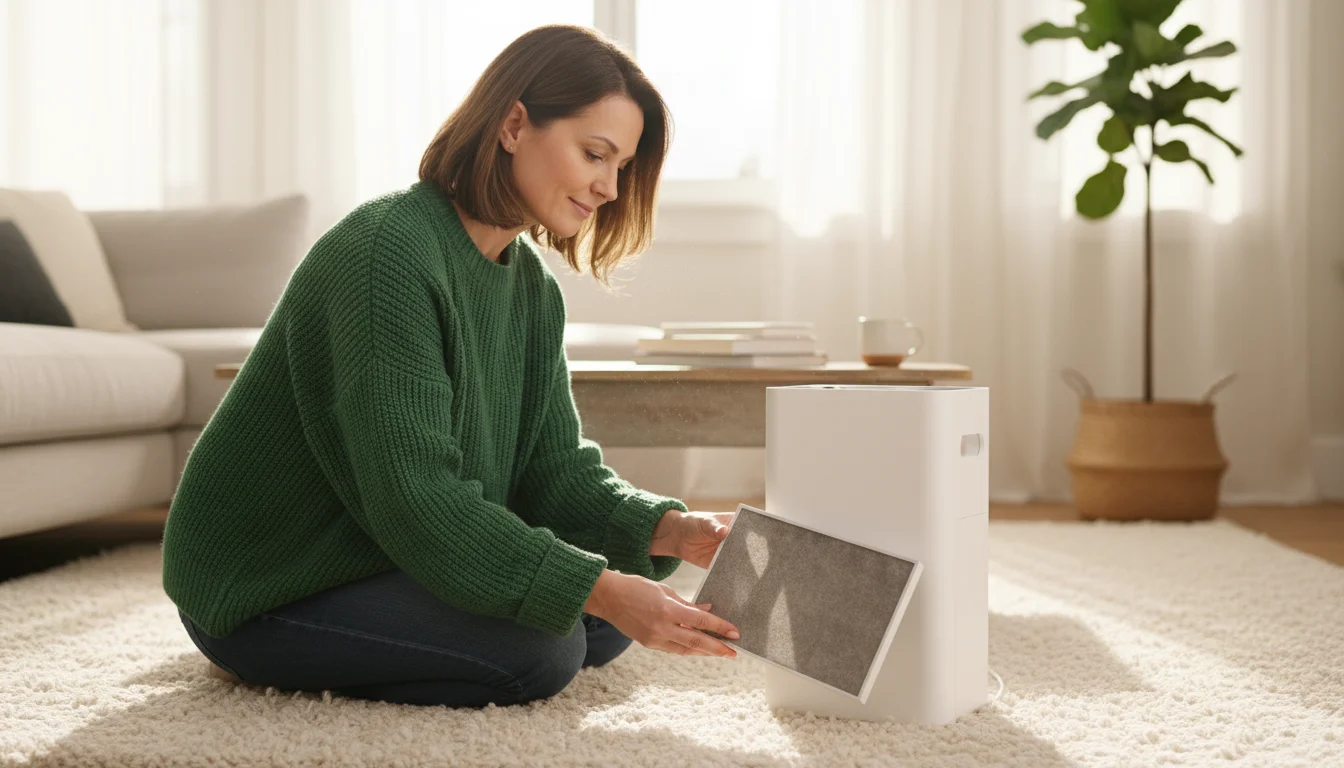
If you use portable air purifiers, they also require ongoing attention to perform their best.
- Filter Replacement: Most air purifiers have indicator lights that signal when to replace the HEPA and activated carbon filters. Follow the manufacturer’s recommendations, usually every 6 to 12 months for HEPA filters and 3 to 6 months for carbon filters, depending on usage and air quality.
- Pre-filter Cleaning: If your unit has a washable pre-filter, clean it regularly, perhaps monthly, to remove large dust and pet hair. This preserves the life of the more expensive main filters.
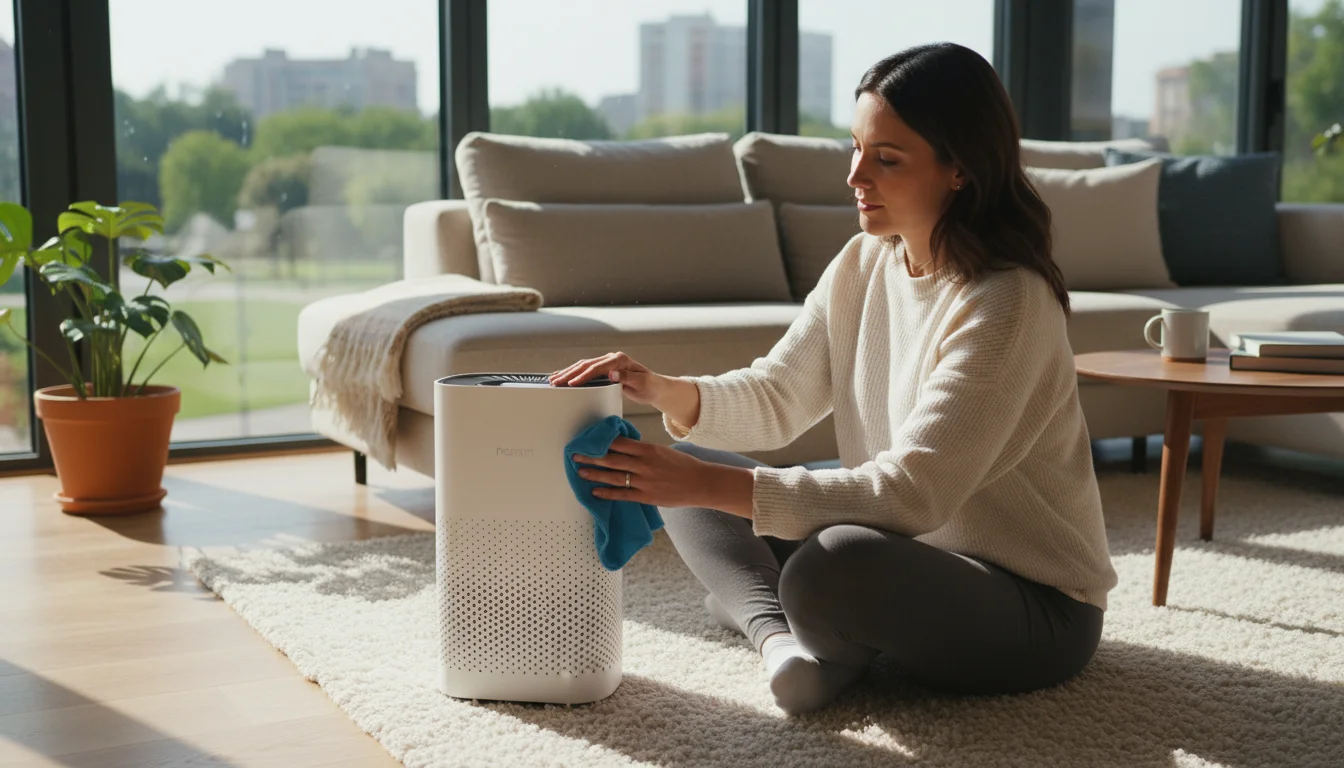
- Exterior Cleaning: Periodically wipe down the exterior of your purifier to prevent dust buildup on its vents and surfaces.
Consistent Cleaning Routines
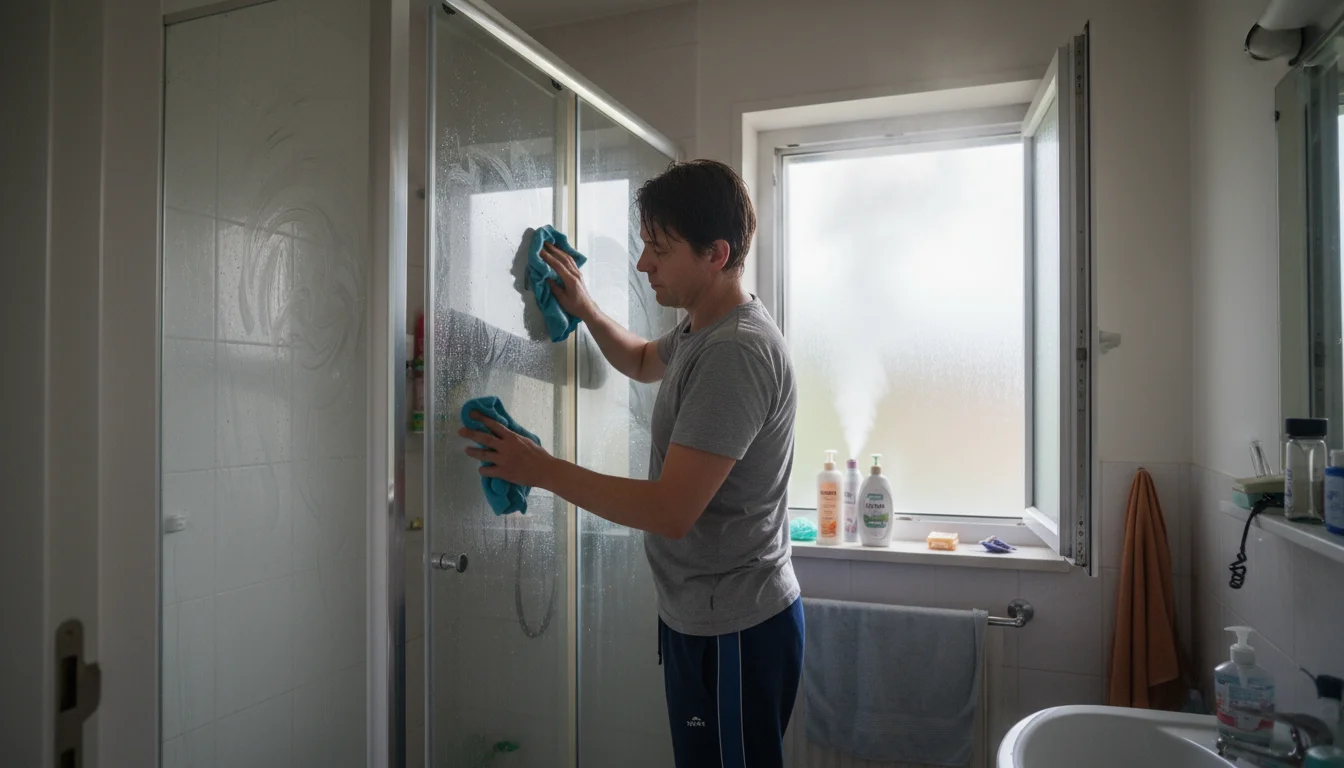
Your cleaning habits directly impact your home’s airborne pollutant levels.
- Stick to a Schedule: Regular dusting, vacuuming, and mopping remove settled dust and allergens before they become airborne again. Integrate these tasks into your weekly routine.
- Address Moisture Promptly: Inspect areas prone to moisture, such as bathrooms, kitchens, and basements, regularly for signs of leaks or mold. Clean up any spills or wetness immediately.
- Ventilate During Activities: Continue the habit of opening windows or using exhaust fans during and after activities like cooking, showering, and cleaning to vent out fumes and moisture.
By making these maintenance tasks a regular part of your home care, you ensure your efforts to create a healthier home with better indoor air quality yield consistent and lasting results.

Frequently Asked Questions
What is a good indoor humidity level for my home?
Ideally, you should maintain indoor humidity levels between 30% and 50%. This range discourages the growth of mold, dust mites, and bacteria, while also preventing issues like dry skin and static electricity. You can monitor your home’s humidity with a simple hygrometer.
Can houseplants really improve indoor air quality significantly?
While some houseplants can filter certain toxins from the air, their overall impact on improving indoor air quality in a typical home setting is often limited compared to ventilation and filtration systems. You would need a very large number of plants to significantly affect a room’s air. However, they do offer aesthetic and psychological benefits, and some species may offer a minor contribution to air purity.
How often should I test for radon in my home?
The EPA recommends that all homes be tested for radon. If your initial test shows elevated levels, you should retest to confirm. If mitigation measures are installed, test again afterward to ensure they are effective. Otherwise, it is a good idea to retest every two years or if you make significant structural changes to your home.
Is it bad to use scented candles or air fresheners?
Many scented candles and conventional air fresheners release Volatile Organic Compounds (VOCs) and particulate matter into the air. If you are sensitive to fragrances or looking to improve indoor air quality, consider reducing their use or choosing natural alternatives like essential oil diffusers with pure essential oils, or simply relying on good ventilation.
What is the most effective way to remove pet dander from my home?
The most effective way involves a multi-pronged approach: regularly vacuuming with a HEPA-filtered vacuum, washing pet bedding frequently in hot water, using an air purifier with a HEPA filter in rooms your pet frequents, and regular pet grooming (ideally outdoors). Keeping pets out of bedrooms also significantly reduces allergen exposure where you sleep.
For expert home organization guidance, visit
Apartment Therapy,
The Container Store — Organization Tips,
IKEA Home Organization,
Martha Stewart — Home and
Houzz — Home.
Disclaimer: This article is for informational purposes only and is not a substitute for professional advice. Consult professional organizers or specialists for personalized recommendations.







Leave a Reply