

Your bedroom should be a sanctuary, a calm space where you recharge after a long day. Unfortunately, modern homes are filled with electronic devices that emit electromagnetic fields, or EMFs. While the scientific community continues to study the long-term health effects of chronic EMF exposure, many people actively seek ways to create a healthier sleeping environment. Concerns often center around how these invisible fields might impact sleep quality, overall well-being, and even energy levels. As your home organization coach, I am here to offer practical, budget-friendly solutions to help you reduce EMF exposure in your bedroom, turning it back into the peaceful haven you deserve.
For those sensitive to external disturbances, learning how to soundproof a bedroom can also significantly enhance your sleep quality alongside these EMF changes.
In addition to minimizing radiation, learning how to reduce noise in your apartment can further improve your room’s tranquility.

Understanding EMFs and Why Your Bedroom Matters
Electromagnetic fields (EMFs) are invisible areas of energy, often referred to as radiation, that are associated with the use of electrical power. They fall into two main categories: electric fields and magnetic fields, and they exist everywhere in our environment, from natural sources like the Earth’s magnetic field to man-made sources like power lines, cell phones, Wi-Fi routers, and household appliances. When we talk about emf reduction in the home, we generally focus on minimizing exposure to these man-made fields.
Much like addressing invisible radiation, reducing household allergens is another key step in purifying your personal recovery zone.
Managing electromagnetic fields is just one component of creating a healthier home environment for your family’s overall well-being.
To complement your efforts, incorporating air-purifying plants for better sleep can naturally enhance the restorative nature of your space.
Your bedroom is a particularly crucial area for EMF reduction because you spend approximately one-third of your life there, sleeping. During sleep, your body undergoes vital restorative processes. Many proponents of reducing exposure suggest that minimizing artificial EMFs during these hours can support better sleep quality, enhance natural healing, and contribute to overall bedroom wellness. While conclusive long-term studies on the health effects of everyday EMFs continue, taking proactive steps provides peace of mind and potentially a more restful night.
Different types of EMFs vary in their frequency and strength. Extremely low frequency (ELF) EMFs come from power lines and electrical wiring. Radiofrequency (RF) EMFs come from wireless devices, such as cell phones, Wi-Fi, and smart meters. Your goal is to identify sources of both types within your bedroom and implement strategies to reduce your interaction with them.
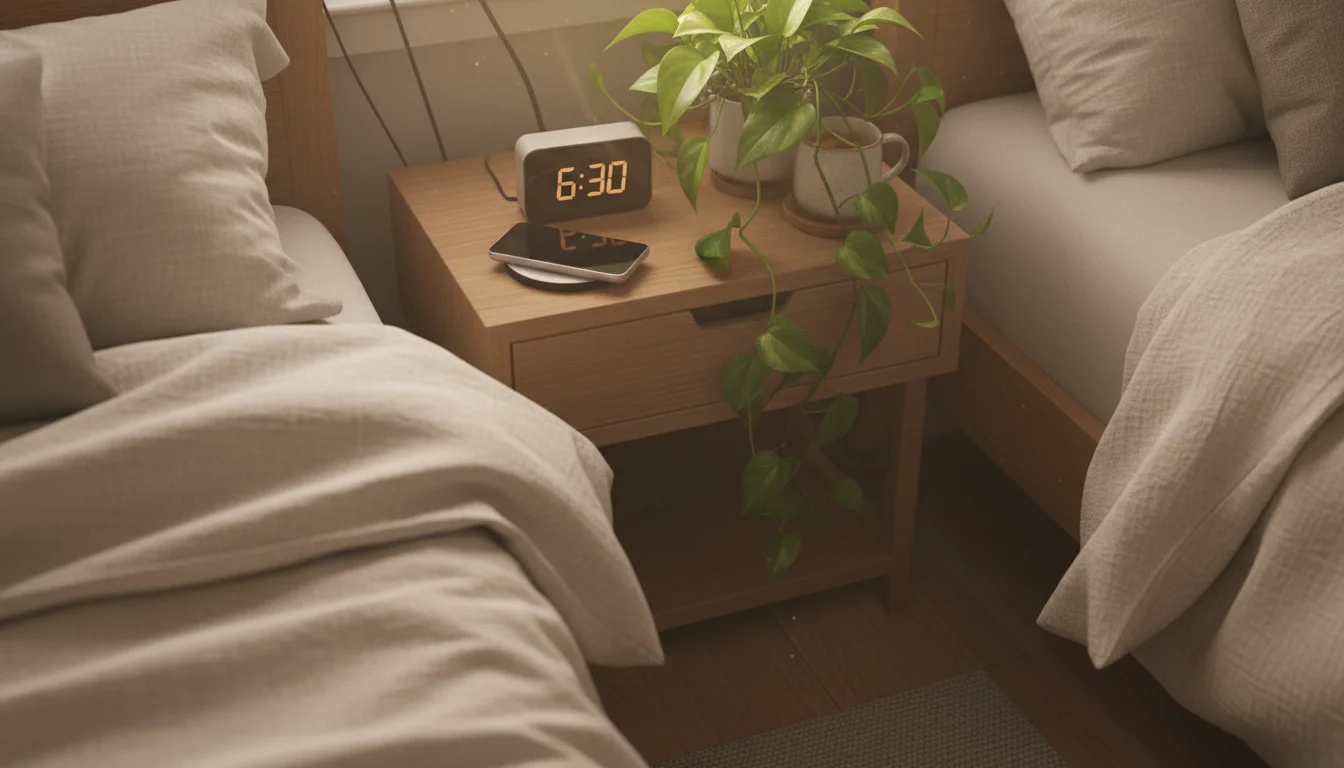
Identifying Common EMF Sources in Your Sleep Sanctuary
Before you can reduce EMF exposure, you need to know where these fields originate in your bedroom. Many common items contribute to the overall electromagnetic load. Start by looking around your room with a critical eye, considering both obvious and hidden sources.
Clearing out electronic clutter from the floor also allows you to utilize practical under-bed storage ideas that keep your bedroom organized.
If you need to move devices away from your bed, maximizing closet space can help you create a hidden, centralized charging station.
Addressing these electronic sources is a key step when you decide to declutter your bedroom to create a more organized and peaceful sanctuary.
If your bedroom doubles as a workspace, ensuring an ergonomic home office setup is just as vital as managing electronic interference.
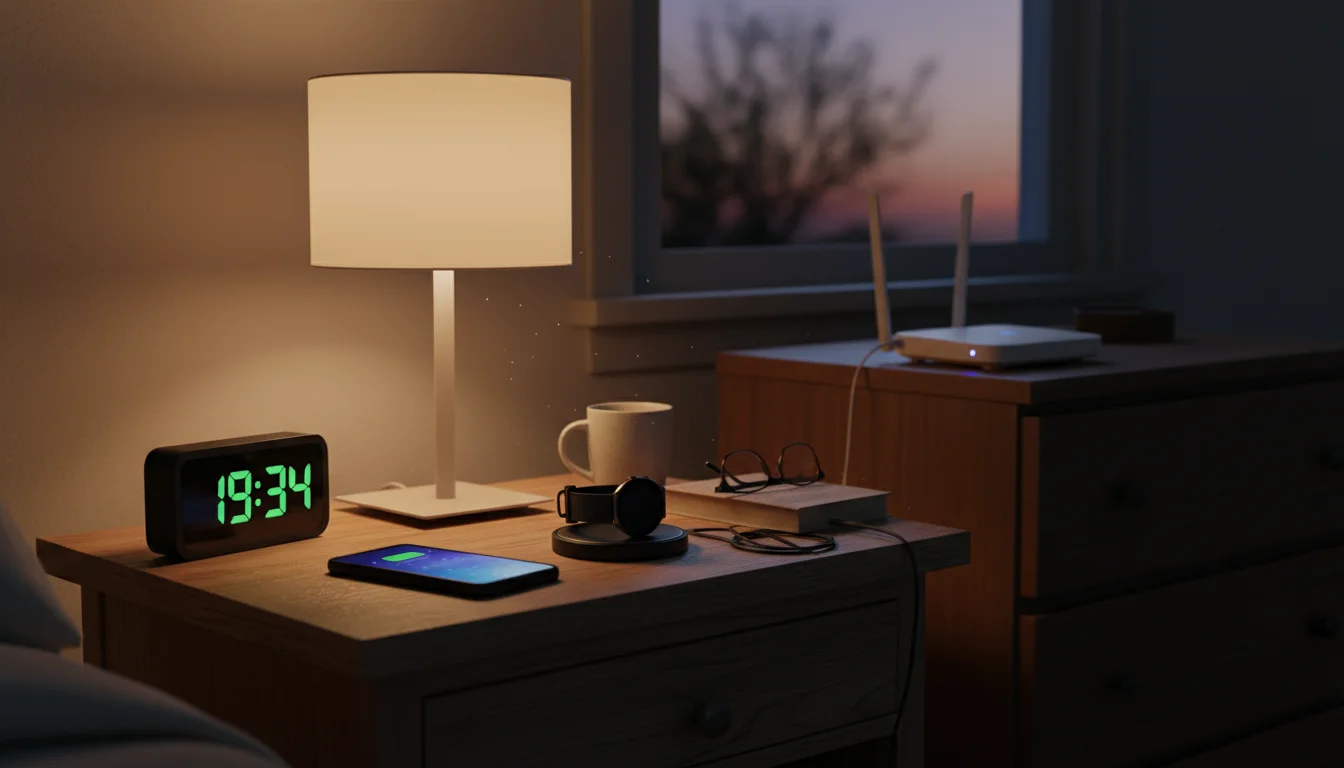
Obvious EMF Sources:
- Wireless Devices: Your smartphone, tablet, laptop, smartwatches, and any other device using Wi-Fi or cellular data are primary sources of radiofrequency EMFs. Leaving them on your nightstand or under your pillow keeps them close to your head throughout the night.
- Wi-Fi Routers: If your Wi-Fi router is in or directly adjacent to your bedroom, it constantly emits RF EMFs.
- Smart Home Devices: Smart speakers, smart plugs, baby monitors, and smart lighting systems often use Wi-Fi, Bluetooth, or other wireless protocols to function.
- Cordless Phones: The base station of a cordless phone, even when not in use, continuously emits RF EMFs.
- Digital Alarm Clocks: While not wireless, these often have bright LED displays and use electricity, creating electric fields. Some models might even have hidden Wi-Fi capabilities.
- Televisions and Gaming Consoles: These larger electronics emit EMFs, especially when powered on or in standby mode.
- Electric Blankets and Heating Pads: These devices involve significant electrical currents running close to your body, producing strong ELF magnetic fields.
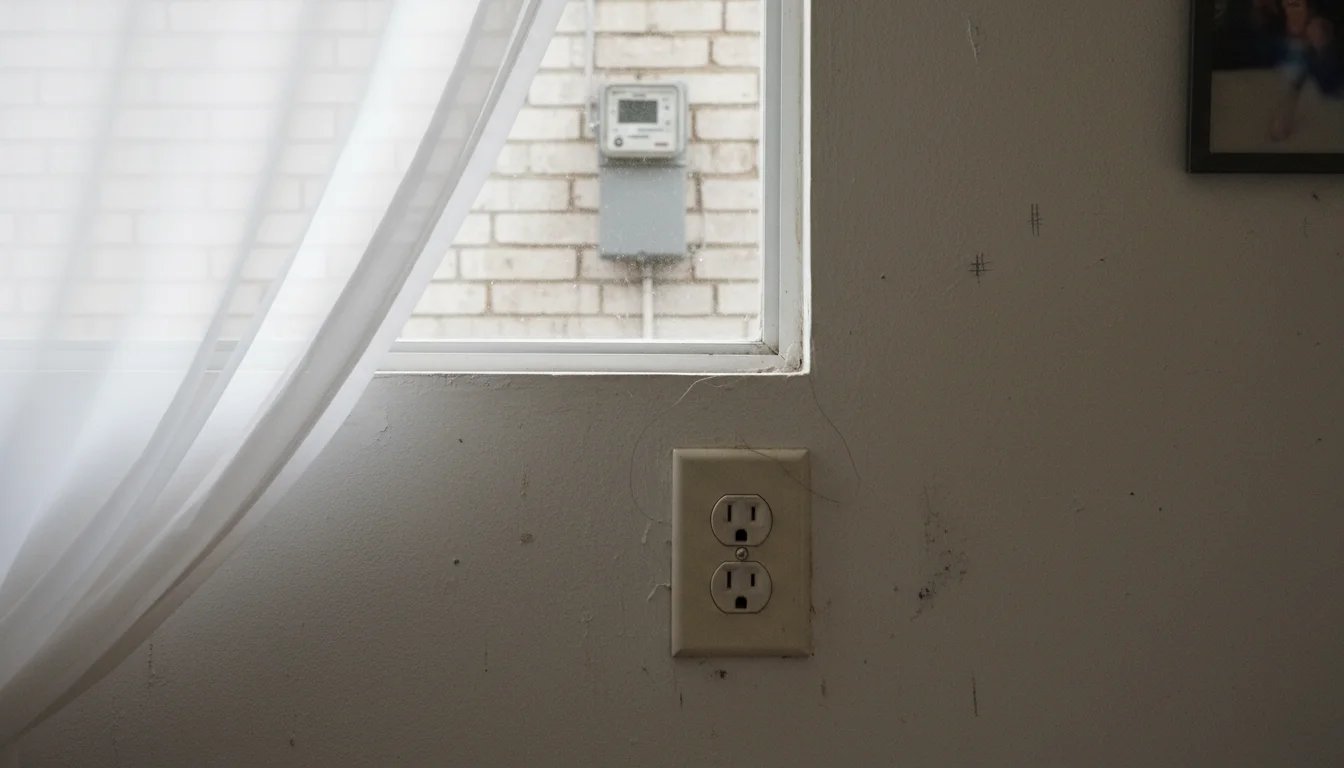
Less Obvious or Hidden EMF Sources:
- Electrical Wiring in Walls: The electrical circuits running behind your bed or within your walls create electric and magnetic fields, particularly if the wiring is old or incorrectly installed.
- Adjacent Rooms: Appliances or smart devices in neighboring rooms, such as a refrigerator on the other side of a shared wall, can also contribute to the EMF levels in your bedroom.
- Smart Meters: If your home has a smart meter, it transmits data wirelessly, and if it’s located on the wall outside your bedroom, it can be a significant source of RF EMFs.
- Fluorescent and LED Lighting: While energy-efficient, some types of LED and fluorescent lights can emit higher levels of dirty electricity, a form of electromagnetic interference.
- Adjustable Beds: Beds with electric motors for adjustments can generate magnetic fields, especially when operating.
Once you identify these potential sources, you can develop a targeted strategy for emf reduction. Remember, the goal is not elimination, which is nearly impossible, but significant reduction, especially in your immediate sleeping environment.
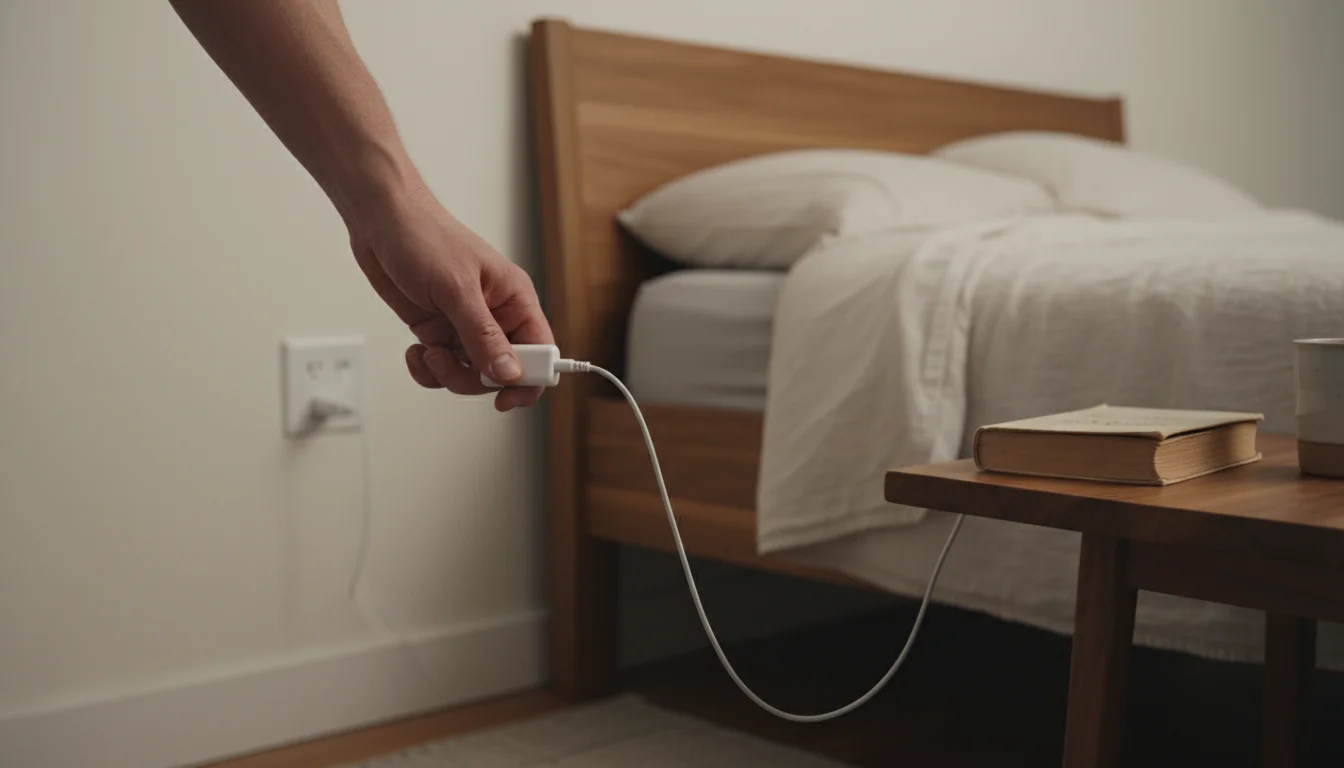
Practical Steps for a Low-EMF Bedroom Environment
Creating a bedroom that supports optimal rest and minimizes electromagnetic exposure involves a series of practical, actionable changes. You do not need a large budget or specialized knowledge to begin. Focus on simple, consistent habits.
Many of these practical steps can be integrated into your annual spring cleaning routine to ensure your home remains a healthy retreat year-round.
Beyond the health benefits, many of these habits—like unplugging unused electronics—are simple ways to reduce energy bills over time.
For those who work where they sleep, designing an essential setup for remote workers can help separate professional demands from your recovery zone.
- Unplug Devices Before Bed: This is perhaps the most impactful and easiest step. Any device plugged into an outlet creates an electric field, even when turned off. Unplugging lamps, chargers, televisions, and other electronics severs the connection to the electrical grid, eliminating their electric fields. This action also removes the magnetic fields generated by devices in standby mode.
- Move Electronics Away from Your Bed: Create distance between yourself and any necessary electronics. If you must use a digital alarm clock, place it at least three to six feet from your head. Remember, EMF intensity drops off sharply with distance.
- Turn Off Wi-Fi at Night: Your Wi-Fi router constantly emits radiofrequency signals. Schedule your router to turn off automatically during your sleeping hours, or manually unplug it. This significantly reduces RF exposure throughout the night for everyone in your home. You can often set a timer on the router itself, or use a simple timer plug.
- Use Wired Connections: Wherever possible, opt for wired internet connections (Ethernet cables) over Wi-Fi, especially for laptops and desktop computers. This eliminates the RF emissions from the Wi-Fi card in your device.
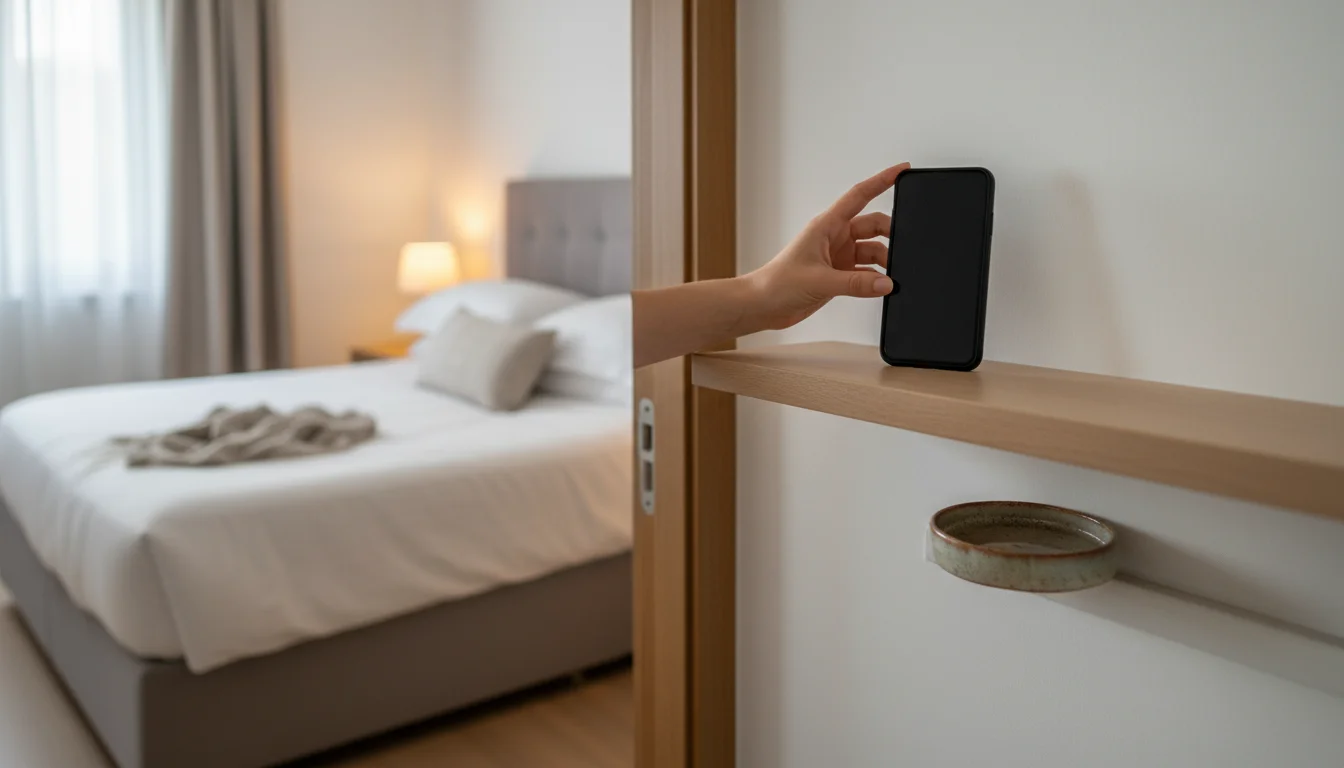
- Keep Your Cell Phone Out of the Bedroom: This step addresses multiple issues. Keeping your phone in another room eliminates its RF emissions from your immediate sleep zone. It also removes the temptation to scroll through social media or check emails late at night, promoting better sleep hygiene. If you use your phone as an alarm, consider a battery-operated alarm clock instead.
- Opt for Battery-Operated Alarm Clocks: Replace electric alarm clocks with simple, battery-operated alternatives. This removes one continuous source of electric fields from your nightstand.
- Avoid Electric Blankets and Heating Pads: These devices create powerful magnetic fields right next to your body. If you need warmth, consider using extra blankets, hot water bottles, or even a pre-heated conventional blanket.
Implementing these steps consistently will make a significant difference in your bedroom’s electromagnetic environment, contributing to better bedroom wellness.

Creating a “Digital Detox Zone” Around Your Bed
Beyond simply unplugging, actively designing a “digital detox zone” around your bed transforms your sleeping space into an oasis free from electromagnetic interference and digital distractions. This proactive approach supports deeper, more restorative sleep.
By removing digital distractions from your bedside, you also create the perfect opportunity for creating a meditation space to start your mornings mindfully.
Step-by-Step for Your Digital Detox Zone:
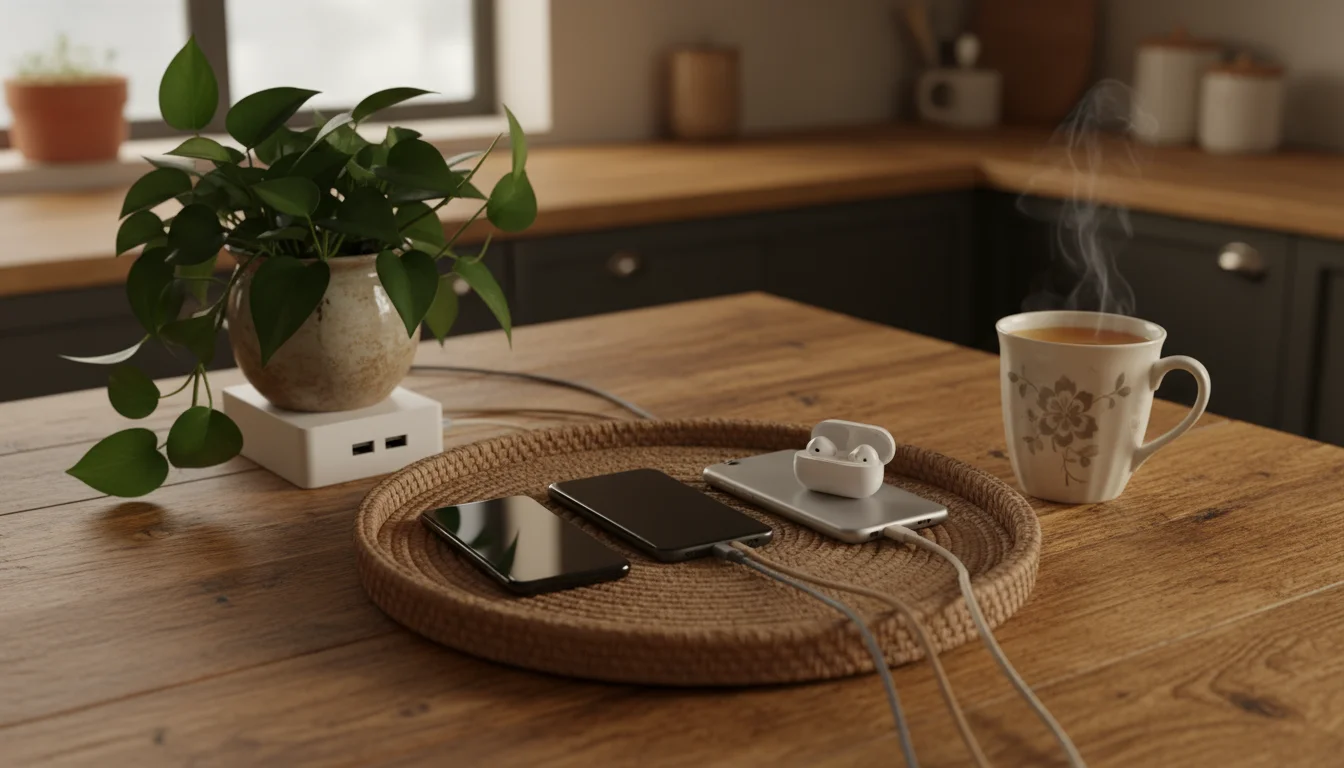
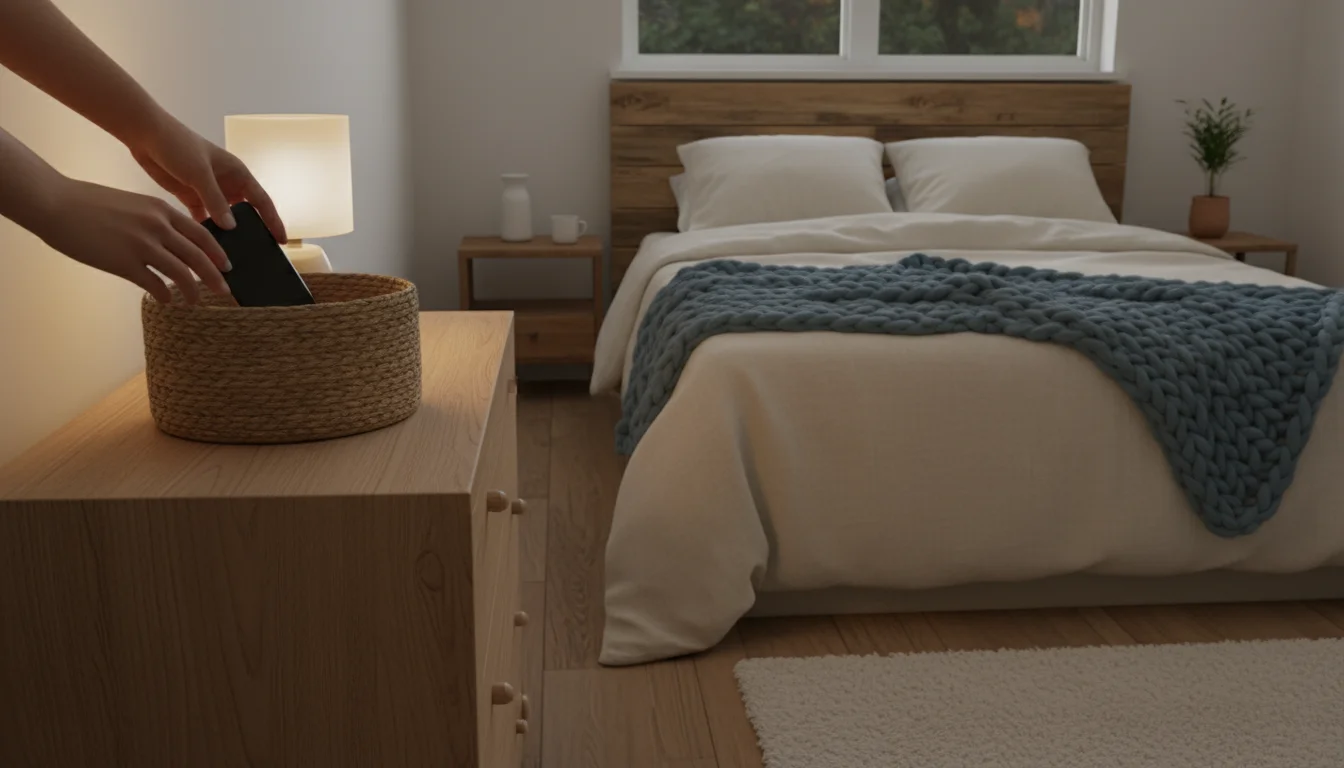
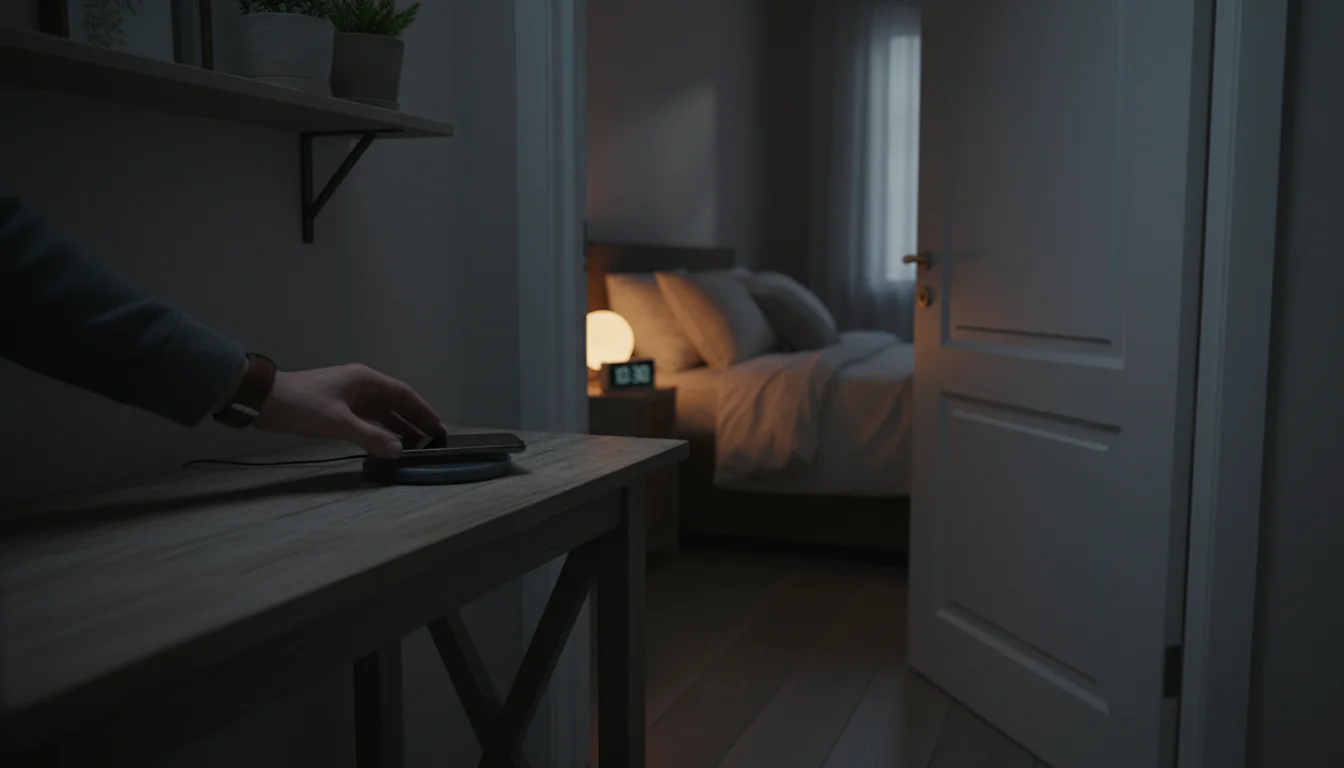
- Establish a “No Phones in Bed” Rule: This is foundational. Your phone should not be on your nightstand, under your pillow, or even within arm’s reach while you are in bed. Designate a charging station in another room, such as the kitchen or living room, where phones can charge overnight, away from your sleeping space.
- Remove All Bluetooth Devices: This includes smartwatches, wireless headphones, and any other gadgets that utilize Bluetooth technology. These devices constantly emit low-level RF EMFs. Turn them off and store them outside the bedroom for the night.
- Hardwire Entertainment Systems: If you have a TV or media player in your bedroom, connect it directly to your internet router via an Ethernet cable, rather than relying on Wi-Fi. When not in use, turn off the device completely, not just to standby mode, and consider unplugging it.
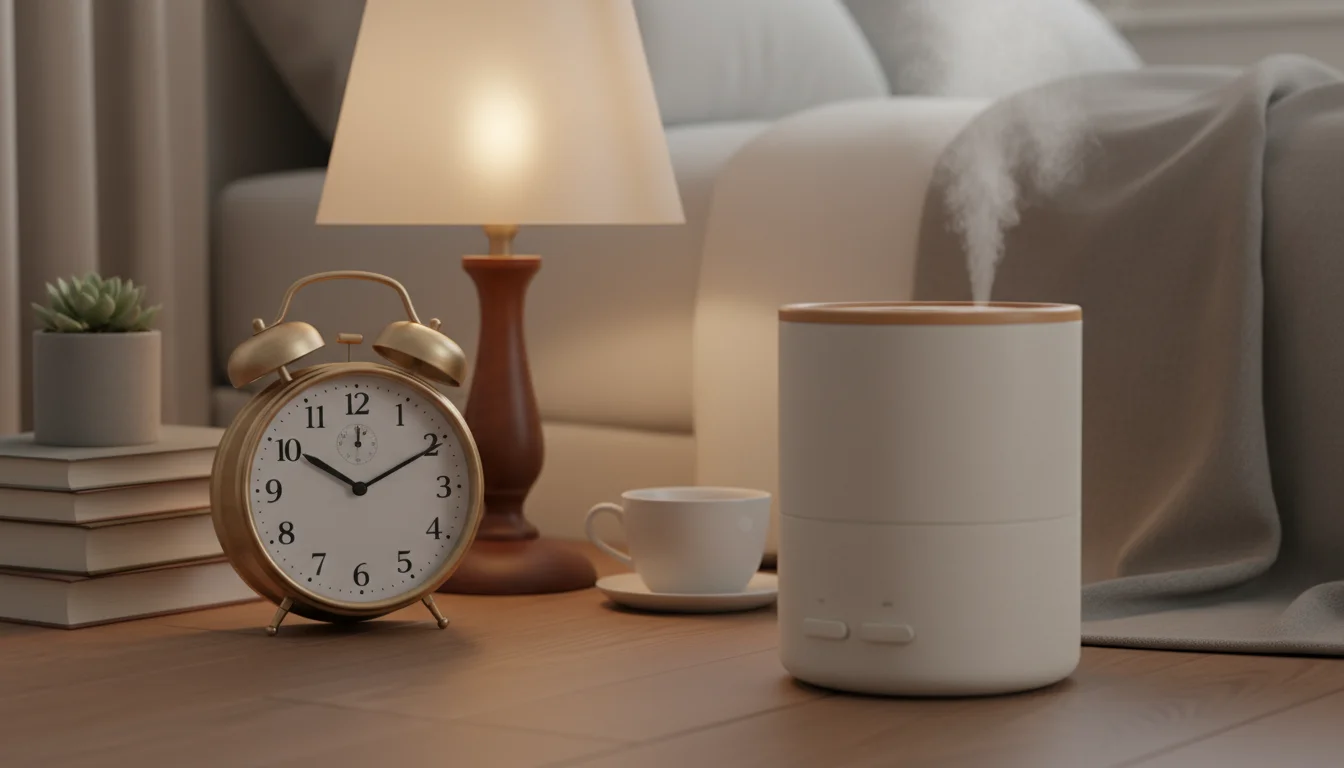
- Switch to Analog Clocks: Replace digital alarm clocks, even battery-operated ones with small LCDs, with a purely analog, wind-up, or battery-operated clock that has no digital display. This eliminates any potential for high-frequency emissions from digital components.
- Distant Device Storage: For any essential electronics that must remain in your bedroom, like a CPAP machine, place them as far away from your head as possible. Maintain at least a three to six-foot distance. If possible, situate them on a dresser or table on the opposite side of the room.
- Mind the Walls: Consider what is on the other side of your bedroom walls. If a smart meter, refrigerator, or other major appliance is directly opposite your headboard, try to adjust your bed’s position to increase distance. Sometimes a small shift can make a big difference in reducing your exposure to electromagnetic fields.
By intentionally creating this digital detox zone, you are not only reducing EMF exposure but also fostering a more serene environment conducive to excellent sleep hygiene. This simple change improves your bedroom wellness significantly.
Smart Device Choices and Placement for Reduced Exposure
While technology is integral to modern life, you can make smarter choices about the devices you bring into your bedroom and how you position them. This ensures you maintain convenience while minimizing your exposure to electromagnetic fields.
Selecting Lower-EMF Devices:
- Opt for Non-Smart Appliances: When choosing bedroom appliances like humidifiers, air purifiers, or fans, select models that do not have “smart” or Wi-Fi capabilities. Many smart devices constantly scan for networks or communicate wirelessly, even when not actively controlled.
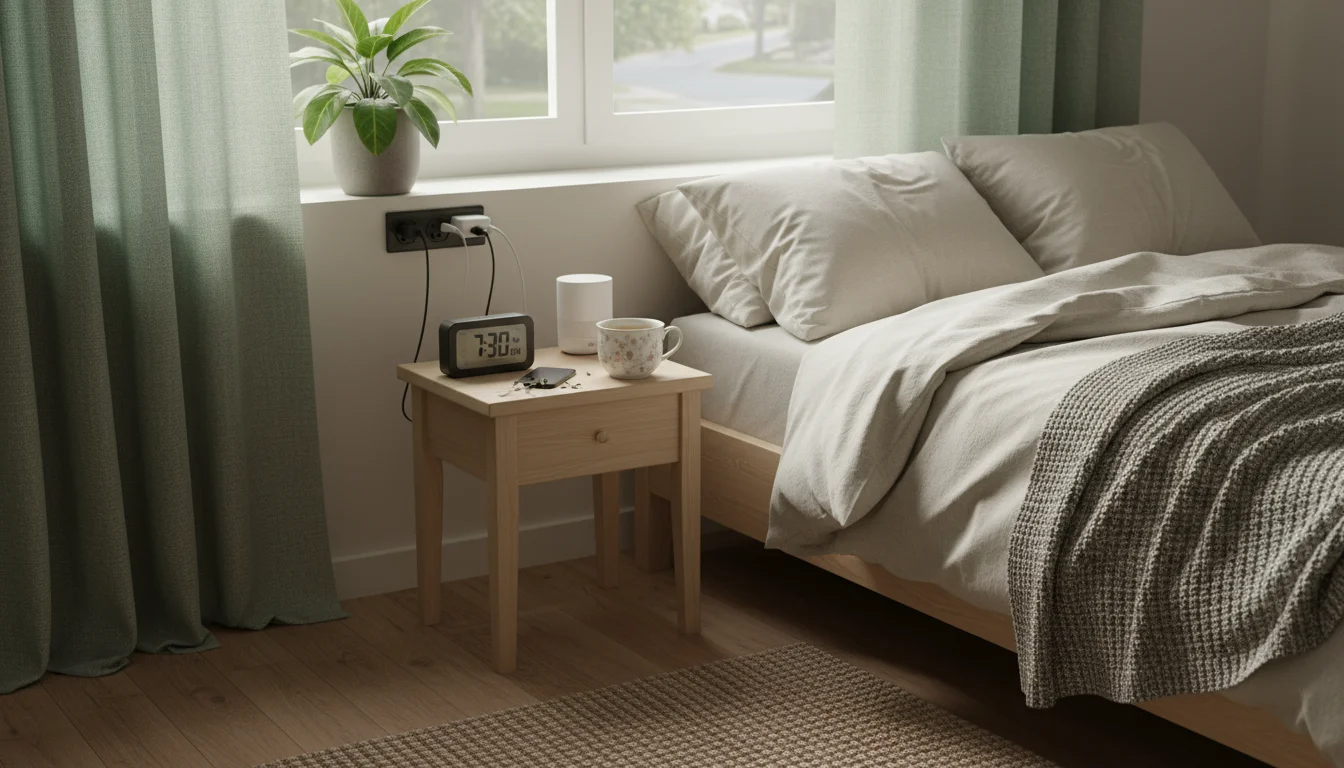
- Choose Battery-Operated Over Plug-In: For small items like alarm clocks or nightlights, prioritize battery-operated options to avoid constant electric field emissions from wall outlets.
- LED Lighting Considerations: While LEDs are energy-efficient, some types can emit more “dirty electricity,” which is high-frequency voltage transients on the electrical wiring. If you are sensitive, choose incandescent bulbs or investigate “low-EMF” LED options which are designed to minimize this.
Strategic Placement for Reduction:
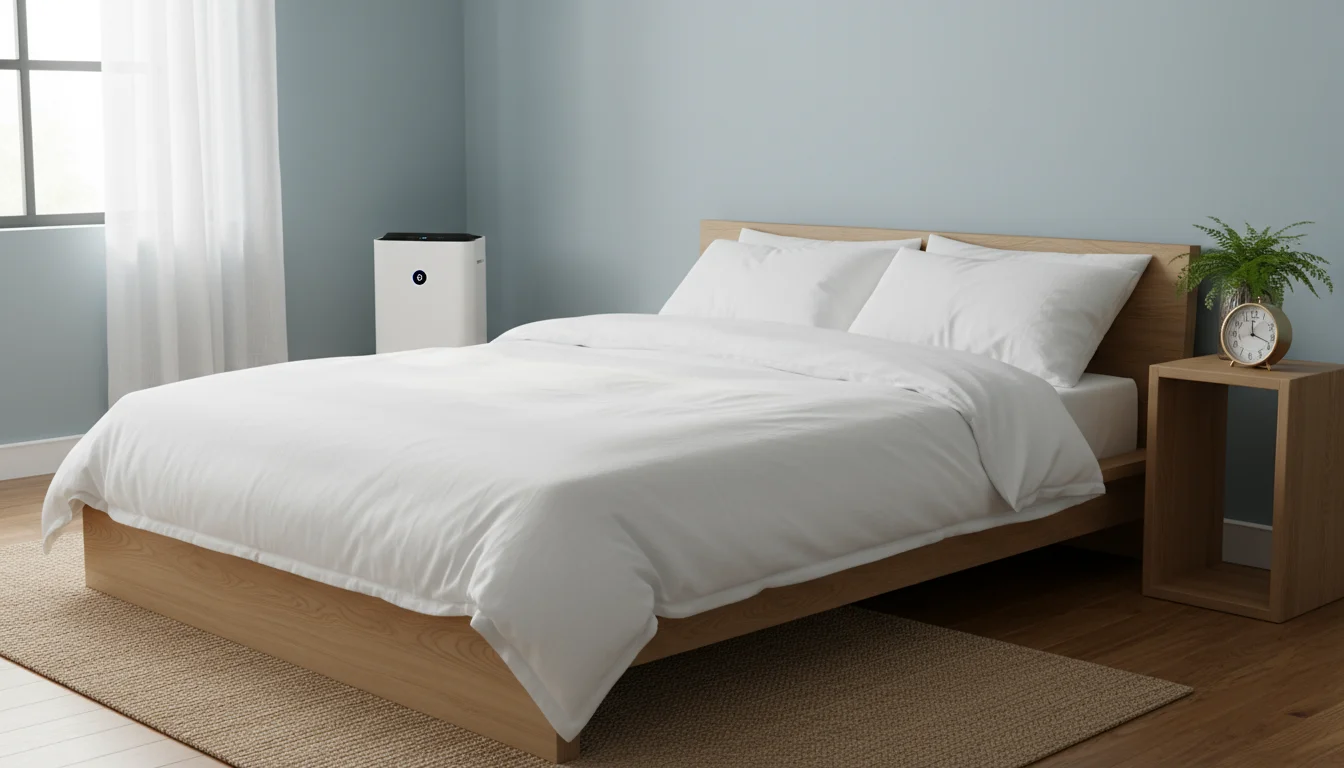
- Increase Distance from Your Body: This is the most critical principle. EMF intensity diminishes rapidly with distance. Place any necessary electronic device, such as an air purifier, as far from your bed as possible. A distance of three to six feet is a good starting point for significant reduction.
- Avoid Headboard Placement: Never place devices directly on or immediately next to your headboard. This includes charging phones, tablets, or even electric alarm clocks. These devices generate fields directly next to your brain for hours.
- Centralize Wi-Fi Away from Bedrooms: If possible, locate your Wi-Fi router in a central part of your home, but not directly adjacent to a bedroom wall. Living rooms or offices are often better choices than directly outside a sleeping area.
- Router Placement: If your router must be in a bedroom, place it on the floor, away from your body, or elevate it as much as possible, but still distanced. However, turning it off at night remains the most effective strategy.
- Consider Hardwiring Entertainment: As mentioned, use Ethernet cables for smart TVs, gaming consoles, and streaming devices in the bedroom. This eliminates their Wi-Fi emissions entirely.
According to Consumer Reports, evaluating product features and understanding their potential impact can help you make informed decisions about technology in your home. By thoughtfully selecting and positioning your bedroom devices, you can maintain modern conveniences while actively contributing to your overall emf reduction strategy and promoting better bedroom wellness.
Budget-Friendly DIY Solutions for EMF Reduction
You do not need to spend a lot of money to significantly reduce EMF exposure in your bedroom. Many effective strategies involve simple changes to your habits and the smart use of existing resources. Here are practical, cost-effective DIY solutions:
Behavioral and Organizational Changes (Free!):
- Implement a Strict “No Phones in Bedroom” Policy: The absolute best and cheapest solution. Charge your phone in the kitchen or living room. Use a simple battery-operated alarm clock.
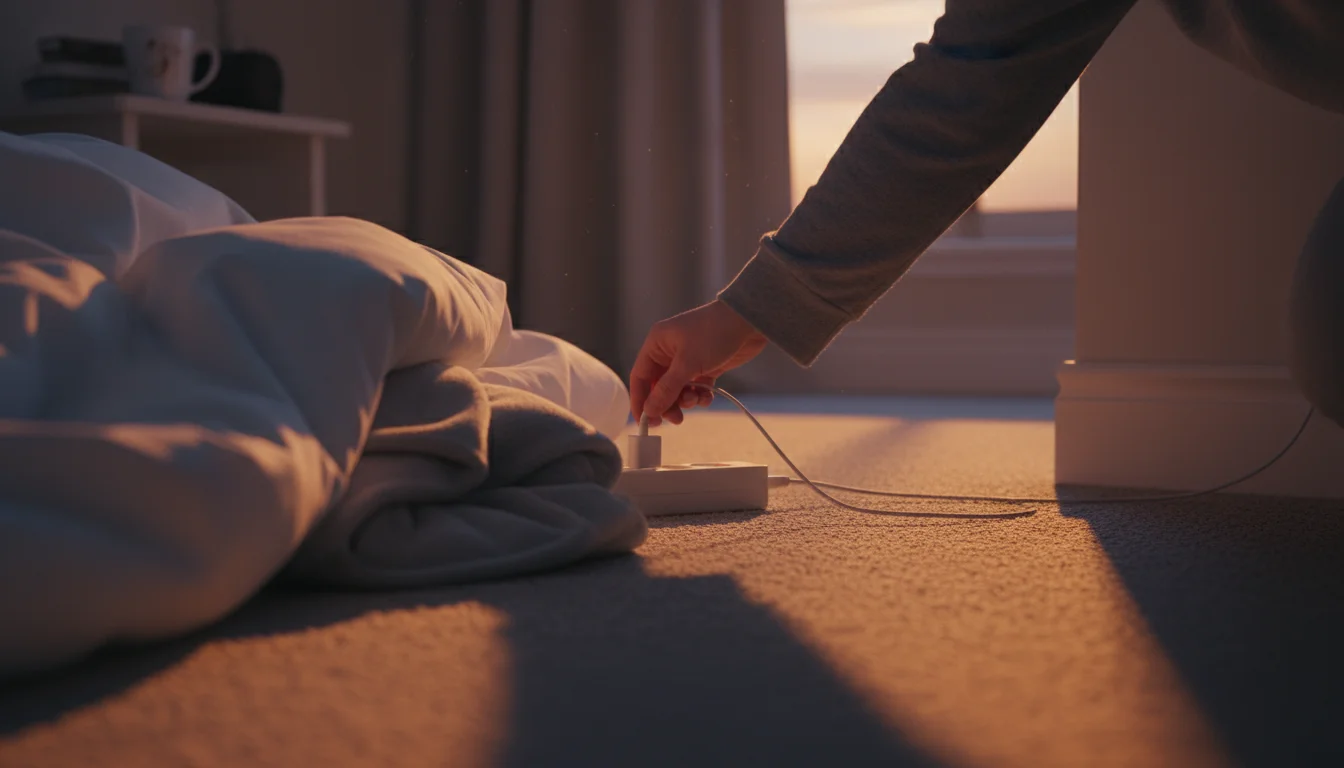
- Unplug Everything at Night: Make it a habit. Get a power strip with an on/off switch for a cluster of devices, or simply pull plugs from the wall. This costs nothing and eliminates both electric and magnetic fields.
- Turn Off Your Wi-Fi Router at Night: Manually flip the switch or unplug it. If that is too inconvenient, use your router’s settings to schedule it to turn off and on at specific times.
- Rearrange Your Bedroom Layout: Move your bed away from walls that contain major electrical panels, fuse boxes, or smart meters on the exterior. Increase distance between your head and any remaining electronics. A few feet can make a big difference.
- Embrace Analog: Replace digital alarm clocks with battery-powered analog ones. Opt for books instead of tablets for bedtime reading.
Low-Cost Product Solutions:
- Battery-Operated Alarm Clocks: Available for under $15 at most retail stores. This is a foundational swap.
- Power Strips with On/Off Switches: These allow you to turn off multiple devices with one click, ensuring they are not drawing phantom power or emitting fields when not in use. You can find these for $10-20.
- Manual Timer Plugs: For devices you want to power cycle, such as a Wi-Fi router, a simple mechanical timer plug (around $10-15) can automate the process, turning it off during sleeping hours.
- Ethernet Cables: For hardwiring devices like laptops or smart TVs, a long Ethernet cable is inexpensive (under $20 for a lengthy one) and drastically reduces RF exposure from Wi-Fi.
- Thick Curtains or Blinds: While not direct EMF shielding, thick window coverings can provide a slight barrier against external RF signals and contribute to an overall darker, more conducive sleep environment. They are also great for light and temperature control.
You can significantly reduce your daily exposure to electromagnetic fields without breaking the bank. These practical changes foster better bedroom wellness and a more serene sleeping environment, all while respecting your budget.
Advanced Considerations: Shielding and Professional Assessments
For those who have implemented basic emf reduction strategies and seek to go further, or for individuals experiencing sensitivities, exploring shielding solutions and professional assessments can provide additional layers of protection. These options typically involve a greater financial investment and might require expert assistance.

EMF Shielding Solutions:
Shielding aims to block or redirect electromagnetic fields using specific materials. Here are some common approaches:
- EMF Shielding Paint: This specialized paint contains conductive materials that can block radiofrequency and low-frequency electric fields when applied to walls. It is typically used on exterior walls facing sources like smart meters or cell towers, or on all bedroom walls. This is a more permanent and labor-intensive solution.
- EMF Shielding Fabric: You can purchase fabrics woven with conductive threads (like silver or copper) to create canopies over your bed or drapes for windows. These fabrics can significantly reduce RF and electric fields within the shielded area. This offers a more flexible and often less permanent solution than paint.
- Shielding Window Film: For windows facing external RF sources, special films can be applied to block a portion of incoming radiofrequency radiation.
- Grounding Products: Grounding sheets or mats connect you directly to the Earth’s electrical potential, which some believe can help neutralize the body’s electric charge and potentially reduce the effects of electric fields. These typically plug into the ground port of an electrical outlet (but do not use electricity).
- Router Shielding Boxes: These enclosures for Wi-Fi routers are designed to reduce the spread of RF signals while allowing the router to function, often with reduced range.
When considering shielding, it is crucial to understand which type of EMF you are trying to block. Different materials and products are effective against different frequencies. Improper application can sometimes even create unintended consequences, like reflecting fields rather than absorbing them.
Professional EMF Assessments:
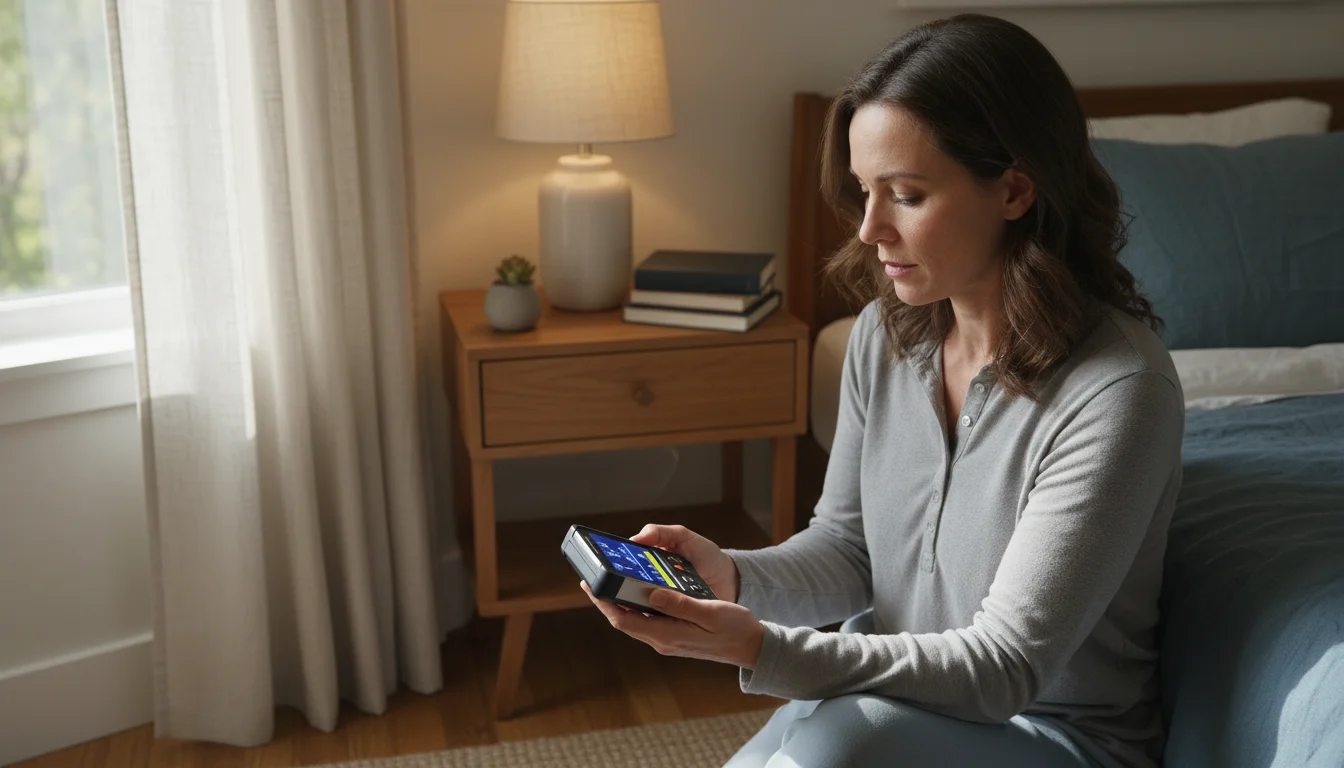
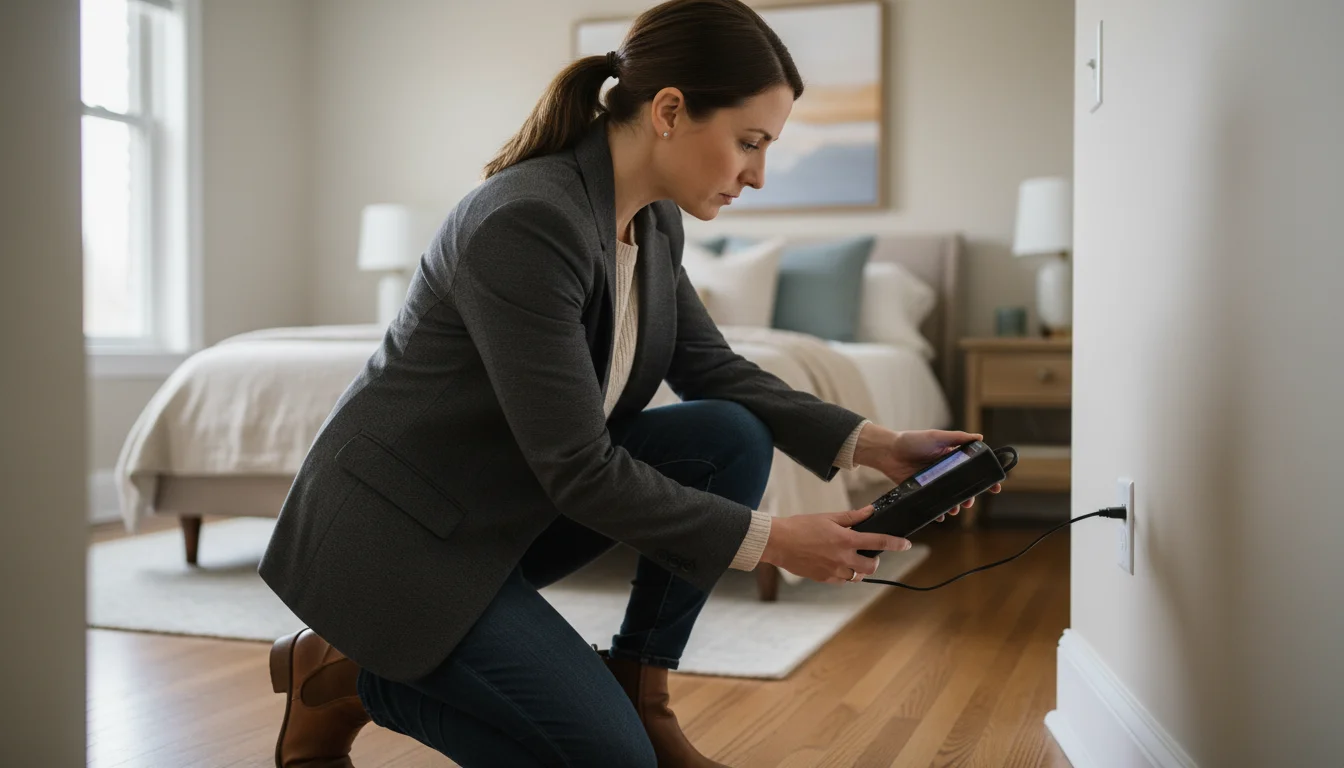
For a precise understanding of your specific exposure levels and to identify hidden sources, a professional EMF assessment can be invaluable. A trained consultant uses specialized meters to measure electric fields, magnetic fields, and radiofrequency radiation throughout your home, including your bedroom.
Benefits of a professional assessment include:
- Accurate Measurements: They provide quantified data on your exposure levels.
- Identification of Hidden Sources: Experts can find issues like wiring errors or external sources you might not be aware of.
- Tailored Recommendations: Based on the measurements, they can provide specific, customized solutions for your unique home and lifestyle.
- Verification of Solutions: They can measure again after implementing changes to confirm effectiveness.
Professional assessments can be an investment, but they offer clarity and targeted guidance, which is particularly helpful if you have persistent concerns about electromagnetic fields and your bedroom wellness.
Maintaining Your Low-EMF Bedroom Habits
Implementing EMF reduction strategies is not a one-time task; it is an ongoing commitment to your bedroom wellness. Just like any good home organization system, consistency is key to maintaining a low-EMF environment. Here are practical tips for making these habits stick:
- Integrate into Your Nightly Routine: Make unplugging devices, turning off Wi-Fi, and placing your phone outside the bedroom part of your bedtime ritual. Just as you brush your teeth, make these steps automatic. Set a reminder on a non-EMF emitting device if needed, or simply place a small, visual cue by your bedroom door.
- Educate Family Members: If you live with others, explain the “why” behind these changes. Share the benefits of improved sleep and overall well-being. Encourage them to adopt similar practices in their own sleeping spaces or to respect the rules in your bedroom.
- Declutter Your Nightstand: A cluttered nightstand often means more devices and cables. Keep it clear to minimize the temptation to add unnecessary electronics. A minimalist approach supports both organization and EMF reduction.
- Regularly Review Your Setup: New devices enter our homes constantly. Periodically check your bedroom for new potential EMF sources. Did you add a smart nightlight? A new charging pad? Re-evaluate and adjust your strategies as needed.
- Use Reminders and Visual Cues: Place a sticky note by your Wi-Fi router to turn it off, or by your bedroom door to remember to leave your phone outside. Simple visual cues reinforce good habits.
- Embrace the Benefits: Focus on how much better you feel. Do you sleep more soundly? Do you wake up feeling more refreshed? Linking these positive outcomes to your low-EMF efforts will strengthen your commitment.
- Consider a “Tech-Free Zone” in the Home: Extend the idea of a digital detox beyond just the bedroom. Designate certain areas or times of day as tech-free to give your body and mind a break from constant digital input.
Consistency transforms these individual actions into sustainable habits, ensuring your bedroom remains a true sanctuary. By consistently managing electromagnetic fields, you invest in your long-term health and create an environment that genuinely supports rest and rejuvenation.

Frequently Asked Questions
What are the primary sources of EMFs in a typical bedroom?
The main sources of EMFs in a bedroom include wireless devices like smartphones, tablets, and smartwatches, Wi-Fi routers, smart home gadgets (smart speakers, smart lights), digital alarm clocks, televisions, and electric blankets. Even electrical wiring within your walls and appliances in adjacent rooms contribute to the overall electromagnetic field.
Do I need expensive equipment to measure EMFs in my bedroom?
While professional EMF meters offer precise measurements, you do not need expensive equipment to start reducing your exposure. Many effective strategies, such as unplugging devices, turning off Wi-Fi, and moving electronics away from your bed, are free or low-cost and rely on simple behavioral changes. If you are deeply concerned, a professional assessment provides detailed data.
Can simply unplugging devices make a real difference?
Yes, absolutely. Unplugging devices is one of the most effective and easiest ways to reduce EMF exposure. When a device is plugged in, it still creates an electric field, even if turned off or in standby mode. Unplugging breaks this connection to the electrical grid, eliminating both electric and magnetic fields from that specific item. This simple action significantly contributes to emf reduction.
Is it better to use an old-fashioned alarm clock instead of my phone?
Yes, using a battery-operated, analog alarm clock is highly recommended. Your smartphone emits radiofrequency EMFs from its cellular, Wi-Fi, and Bluetooth functions, even in airplane mode. Keeping it on your nightstand means you are exposed to these fields close to your head for hours. A traditional alarm clock eliminates this source of exposure and removes the temptation to check your phone before bed.
How far away should my Wi-Fi router be from my bedroom?
Ideally, your Wi-Fi router should not be in your bedroom at all. Place it in a central location in your home, such as a living room or office, as far as possible from any sleeping areas. If it must be near your bedroom, maintain a distance of at least 15-20 feet, and crucially, turn it off completely at night to minimize RF exposure during your sleep, supporting better bedroom wellness.
For expert home organization guidance, visit
IKEA Home Organization,
Martha Stewart — Home,
Houzz — Home,
The Spruce — Home Organization and
Real Simple — Organizing.
Disclaimer: This article is for informational purposes only and is not a substitute for professional advice. Consult professional organizers or specialists for personalized recommendations.








Leave a Reply