

Most homeowners treat bug problems reactively. You spot an ant trail marching across your kitchen counter, and you immediately reach for a spray bottle. You notice a spider taking up residence in the guest bathroom, so you grab a shoe. But true pest control requires anticipation, not just reaction. Every season triggers a specific biological imperative for insects and rodents; they wake up, breed, seek water, or look for winter shelter based entirely on the temperature outside.
Understanding these biological rhythms gives you a distinct advantage. When you know what pests want and when they want it, you can remove their incentives before they ever cross your threshold. A proactive approach to seasonal pest prevention protects your property from damage, keeps your indoor air quality healthy, and saves you the stress of dealing with a full-blown infestation. By making small, strategic adjustments to your home maintenance routine every few months, you build an invisible fortress around your living space.

The Essentials of Pest Prevention
If you only have a few minutes to dedicate to home pest control tips right now, focus on these four foundational rules. Implementing these baseline habits reduces your risk of an infestation drastically, regardless of what the calendar says.
- Control indoor moisture: Bugs and rodents need water more than they need food. Fix leaky faucets, use bathroom exhaust fans, and run dehumidifiers in damp basements.
- Seal the envelope: Inspect the exterior of your home for gaps. A mouse can squeeze through a hole the size of a dime; insects need only a fraction of a millimeter.
- Manage your landscaping: Keep tree branches and shrubs at least two feet away from your roof and siding. Plants touching your house act as a direct highway for ants and spiders.
- Store food securely: Transfer pantry staples like flour, sugar, and cereal into airtight glass or heavy-duty plastic containers. Cardboard boxes offer zero protection against hungry pests.

Spring: The Awakening and The Invasion
As the ground thaws and temperatures rise, nature wakes up—and so do the pests surrounding your property. Spring represents prime breeding season. Insects that overwintered in the soil or deep inside tree bark emerge looking for fresh food sources to support their rapidly growing colonies. Termites begin to swarm, carpenter ants scout for damp wood, and common house ants send out foragers to locate reliable sugar and protein sources.
This transitional period is also the ideal time to follow a spring deep cleaning checklist to eliminate any dust and residue that might attract early foragers.
Your primary goal in the spring is to establish strong exterior boundaries. You want to make the immediate perimeter of your home as inhospitable to pests as possible before they multiply.
Clear Away Winter Debris
Start your spring defense in the yard. Rake up decaying leaves, remove fallen branches, and clean out your gutters. Debris left over from winter traps moisture against your foundation, creating a perfect nursery for mosquitoes and an ideal hiding spot for rodents. If you use mulch in your garden beds, pull it back at least twelve inches from your home’s foundation. Replace that gap with crushed rock or gravel, which forces insects to cross an exposed, dry barrier before reaching your siding.
Inspect and Repair Screens
Spring breezes are wonderful, but open windows invite trouble if your screens are compromised. Inspect every window screen and screen door for tears. You can patch small holes using adhesive screen repair tape, but heavily damaged screens require complete replacement. Pay special attention to basement window well screens, as ground-level access points are highly attractive to wandering pests.
Eliminate Standing Water
Mosquitoes require only a bottle cap’s worth of stagnant water to lay hundreds of eggs. Walk around your property after the first heavy spring rain and look for pooling water. Empty old flower pots, check your wheelbarrow, clear out clogged drainage ditches, and ensure your downspouts direct rainwater at least six feet away from your foundation.
“An integrated approach to pest management relies on common-sense practices. By anticipating pest activity and altering their environment, you prevent infestations with the least possible hazard to people, property, and the environment.” — Environmental Protection Agency (EPA) Guidelines on Integrated Pest Management

Summer: The Search for Water and Relief
Summer brings peak insect activity. The heat accelerates the lifecycle of flies, mosquitoes, and stinging insects like wasps and hornets. However, when the sweltering heat combines with long dry spells, pests face a survival crisis. They begin looking for reliable moisture and cooler temperatures, which often leads them directly into your air-conditioned home.
Proactive summer home maintenance is essential for spotting hidden moisture sources before they invite infestations.
Learning how to keep bugs out of house environments during the summer involves strict sanitation and moisture management. You must eliminate the resources that make your interior more appealing than the outdoors.
Manage Kitchen Temptations
Summer fruits ripening on the counter are a magnet for fruit flies. During the hottest months, store produce in the refrigerator whenever possible. If you must keep fruit out, use a fine mesh dome to cover your fruit bowl. Wipe down kitchen counters every evening with a mixture of water and a few drops of dish soap to erase the invisible pheromone trails left by scouting ants. Empty your kitchen trash can daily, and ensure your outdoor garbage bins have tight-fitting lids.
Maintain Your Yard Weekly
Tall grass harbors ticks, fleas, and resting mosquitoes. Mow your lawn regularly and trim back overgrown vegetation. If you enjoy dining outdoors, install an overhead fan on your porch or patio; mosquitoes are incredibly weak flyers, and a steady breeze easily disrupts their flight paths. For comprehensive yard maintenance advice, consult Better Homes & Gardens, which offers excellent strategies for integrating pest-repellent plants like marigolds, lavender, and citronella into your landscaping.
Monitor High-Moisture Areas
Check the areas under your kitchen and bathroom sinks for condensation or slight drips. Inspect the area around your HVAC unit’s condensation line; make sure it drains properly away from the house rather than pooling near the foundation. Spiders, silverfish, and roaches gravitate toward these damp microclimates.

Fall: The Hunt for Winter Shelter
As daylight hours shorten and nighttime temperatures drop, pests recognize that winter is coming. Their biological focus shifts entirely from reproduction to survival. This is the season of the home invasion. Mice, rats, squirrels, stink bugs, boxelder bugs, and spiders begin actively searching for warm, secure places to wait out the freezing months.
Fall requires a highly physical approach to year round pest management. You must meticulously seal your home to ensure no uninvited guests can slip inside.
Caulk and Seal Every Gap
Arm yourself with high-quality exterior silicone caulk and a can of expanding foam. Walk the perimeter of your house, inspecting where different building materials meet. Seal the gaps around window frames, door frames, and where plumbing pipes or electrical wires enter the house. According to expert advice from Family Handyman, updating your weatherstripping and installing sturdy door sweeps not only blocks out cold drafts but also serves as a critical physical barrier against rodents and insects.
Secure Vents and Chimneys
Rodents and birds frequently use dryer vents, attic vents, and chimneys as entry points. Install heavy-duty wire mesh covers over your attic and foundation vents. Ensure your chimney has a secure, intact flue cap. Clean your dryer vent thoroughly, as lint buildup props the exterior flapper open, providing an easy doorway for mice.
Store Firewood Safely
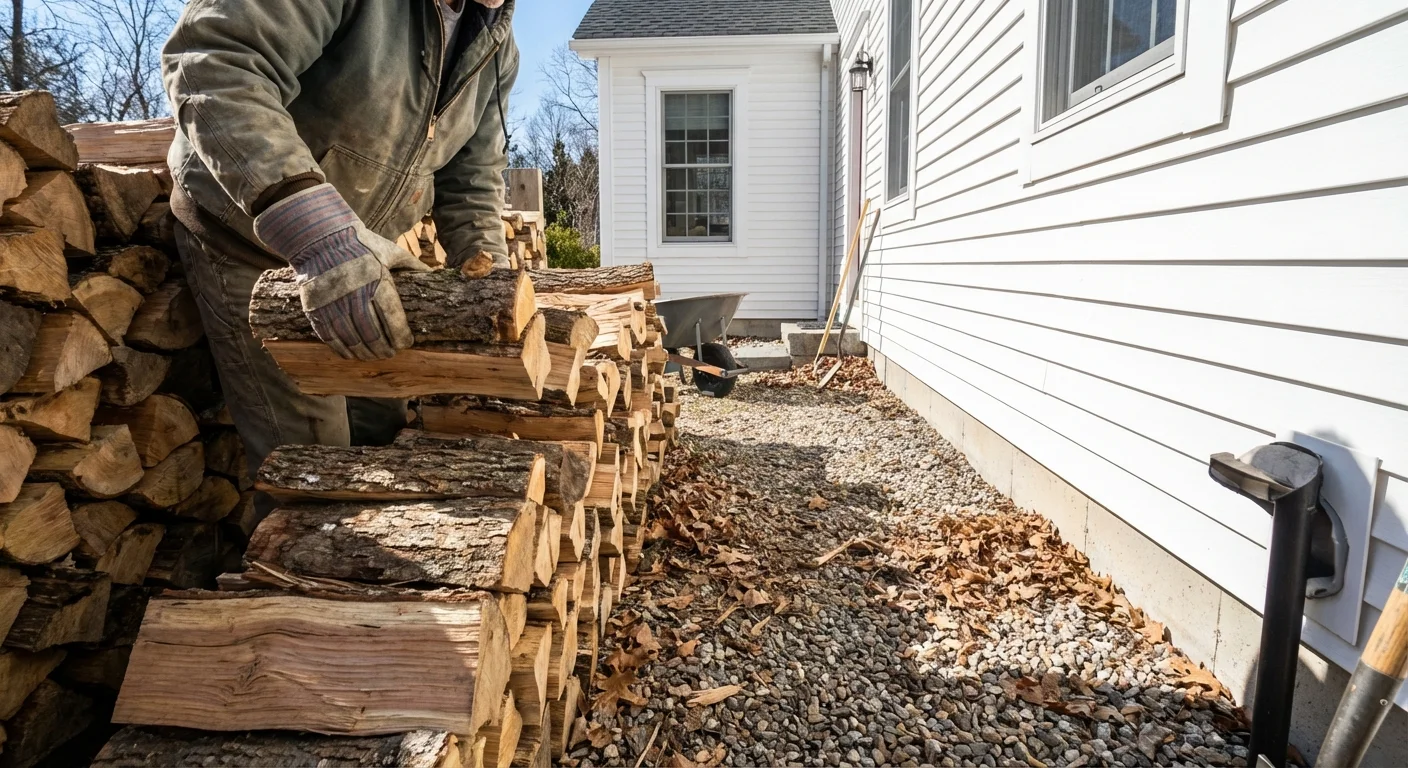
A stack of firewood is an ideal condominium for spiders, ants, and mice. Never stack firewood directly against your house or inside your garage. Keep wood piles elevated off the ground on a sturdy rack and position them at least twenty feet away from your home. Bring inside only the wood you plan to burn immediately to prevent dormant insects from waking up in your warm living room.

Winter: The Indoor Battle
By winter, the outdoor bug population has either died off or gone dormant. If you are seeing pests during the winter, it means they are already living inside your walls, basement, or attic. Winter pest control focuses entirely on indoor maintenance, decluttering, and disrupting the habitats of bugs that managed to slip past your fall defenses.
Many of these winter sanitation tasks can be handled effectively with non-toxic cleaning solutions that keep your indoor air quality high.
Declutter Storage Areas
Silverfish, cockroaches, and mice love undisturbed piles of clutter. They thrive in dark, quiet spaces like attics, basements, and the back of deep closets. Spend a weekend in January organizing your storage areas. Transfer seasonal clothing and holiday decorations out of cardboard boxes and into heavy-duty plastic totes with latching lids. Cardboard degrades over time, absorbs moisture, and provides both food and nesting material for pests.
Deep Clean Forgotten Spaces
Winter is the perfect time to clean the spaces you ignore during the rest of the year. Pull your stove and refrigerator away from the wall. You will likely find a hidden buffet of crumbs, grease, and debris that feeds indoor pests for months. Vacuum the coils behind your refrigerator, scrub the baseboards, and mop the floor underneath these heavy appliances.
Improve Indoor Ventilation
Houses are sealed tightly during the winter to conserve heat, which often leads to trapped humidity. This moisture benefits pests. Run exhaust fans during and after showers to pull damp air out of the house. For more details on how indoor humidity affects your living environment, the EPA Indoor Air Quality guidelines provide excellent resources on maintaining safe, dry air that deters mold growth and insect nesting.

Comparing Prevention Methods: Natural vs. Conventional
When developing your strategy, you will likely choose between natural pest prevention methods and conventional, synthetic treatments. Both have their place in a well-rounded maintenance plan. Natural methods work best as daily preventative measures, while conventional treatments offer targeted relief when pest pressures run high.
| Methodology | Best Uses | Pros | Cons |
|---|---|---|---|
| Natural Repellents (Essential oils, vinegar, citrus peels) |
Wiping down counters, masking pheromone trails, deterring light insect traffic. | Safe for pets and children; improves indoor scent; inexpensive. | Requires frequent reapplication; ineffective against existing infestations. |
| Mechanical Barriers (Diatomaceous earth, sticky traps) |
Monitoring pest activity in basements or garages; non-toxic perimeter defense. | Highly effective physically; does not lose potency unless wet. | Can be messy; dust can irritate respiratory systems if inhaled. |
| Conventional Baits (Ant and roach gel baits, bait stations) |
Targeting colonies directly; eliminating pests hiding inside walls. | Destroys the source of the problem; requires little effort to apply. | Must be kept strictly away from pets and children; takes time to work. |
| Synthetic Barrier Sprays (Exterior perimeter treatments) |
Creating an aggressive chemical boundary around the foundation in spring and fall. | Long-lasting residual effect; drastically reduces insect entry. | Can harm beneficial insects (like bees); requires careful application. |
“The most effective home organization and maintenance strategies prioritize the health of the space. When you eliminate clutter and properly seal your home, you aren’t just making it look better—you are fundamentally changing the environment so pests can no longer survive there.” — Home Maintenance Expert
Avoiding Common Errors
Even homeowners with the best intentions make critical mistakes that inadvertently invite pests inside. Check your habits to ensure you aren’t sabotaging your own prevention efforts.
Leaving Pet Food Out Overnight
A bowl of dog or cat food sitting on the kitchen floor overnight is a reliable dinner bell for mice, roaches, and ants. Feed your pets at scheduled times, and pick up their bowls as soon as they finish eating. Store bulk pet food in sealed, heavy plastic or metal bins rather than rolling up the top of the paper bag.
Relying Exclusively on Bug Bombs
Total-release foggers, commonly known as bug bombs, are rarely the answer to pest problems. The aerosol mist rarely penetrates deep inside walls or crevices where bugs actually hide. Instead, it coats your living surfaces in chemicals and often pushes surviving bugs deeper into your home’s infrastructure.
Ignoring the Gutters
Gutters filled with rotting leaves and standing water create a perfect ecosystem above your head. Carpenter ants and mosquitoes thrive in blocked gutters. Furthermore, water spilling over the edges of clogged gutters lands directly at your foundation, softening the soil and making it easier for termites to travel.
Using Pesticides as a First Resort
Reaching for a can of heavy-duty insecticide every time you see a single bug is inefficient and introduces unnecessary chemicals into your living space. Always start with mechanical prevention: kill the bug, wipe down the area to remove scent trails, seal the tiny crack it used to get inside, and assess the moisture levels in the room.

When DIY Isn’t Enough
While sealing drafts and managing moisture handles the vast majority of household bugs, some situations require professional intervention. Delaying a call to a licensed pest control operator in these specific scenarios often leads to extensive property damage or serious health risks.
- Termite Activity: If you spot discarded wings on your windowsills, mud tubes winding up your foundation, or wood that sounds hollow when tapped, call a professional immediately. Termites cause billions of dollars in structural damage annually, and DIY treatments cannot reach the subterranean colonies driving the destruction.
- Bed Bug Infestations: Bed bugs are notoriously resilient. They hide in electrical outlets, behind baseboards, and deep within mattress seams. Over-the-counter sprays rarely eradicate them and often cause them to spread to other rooms. Professionals have access to commercial-grade heat treatments and specialized chemicals required to break the bed bug lifecycle.
- Large Rodent Populations: Catching an occasional field mouse in the fall is normal. Finding excessive droppings in your pantry, hearing loud scratching inside your walls, or noticing chewed electrical wires indicates a larger, entrenched colony. Rodents carry diseases and pose a severe fire hazard when they chew through wiring.
- Stinging Insect Nests Attached to the House: While you can safely spray a small wasp nest hanging from a low tree branch, do not attempt to remove large hornet nests or yellow jacket colonies that have established themselves inside your siding, eaves, or attic. Aggravating these nests can result in hundreds of dangerous stings.
Frequently Asked Questions
What is the best natural pest prevention to keep bugs out of my house?
The most effective natural prevention is removing access to food and water. Beyond strict cleanliness, using a barrier of food-grade diatomaceous earth around your basement perimeter physically deters crawling insects. Peppermint essential oil mixed with water acts as a decent temporary repellent for spiders and ants, but it must be reapplied frequently.
How often should I treat the outside of my house for bugs?
If you choose to use a liquid exterior barrier spray, applying it once in the early spring and once in the early fall generally provides adequate coverage. Always read the manufacturer’s label, as different formulations break down at different rates based on UV exposure and rainfall.
Do ultrasonic pest repellers actually work?
The scientific consensus on ultrasonic plug-in repellers is mixed at best. While they may cause temporary disorientation for some rodents and insects, pests typically habituate to the sound within a few days. Your money is better spent on physical deterrents like caulk, weatherstripping, and proper food storage containers.
Can house plants attract bugs?
Yes, overwatered house plants are the primary cause of fungus gnat infestations. To prevent this, allow the top two inches of the soil to dry out completely before watering your plants again. You can also place sticky traps near the base of the plant to catch flying adult gnats.
Taking a seasonal approach to pest management transforms a stressful, reactive chore into a manageable part of your home maintenance routine. By walking your property with a critical eye during the transition between seasons, you learn to spot the vulnerabilities in your home’s armor before pests do. Invest the time in sealing those tiny gaps, managing your yard’s moisture, and storing your food properly. The reward is a clean, quiet, and bug-free home all year long.
This is educational content based on general best practices. Individual results vary based on your home, budget, and circumstances. Always prioritize safety and consult professionals for major projects or dangerous infestations.
Last updated: February 2026









Leave a Reply