
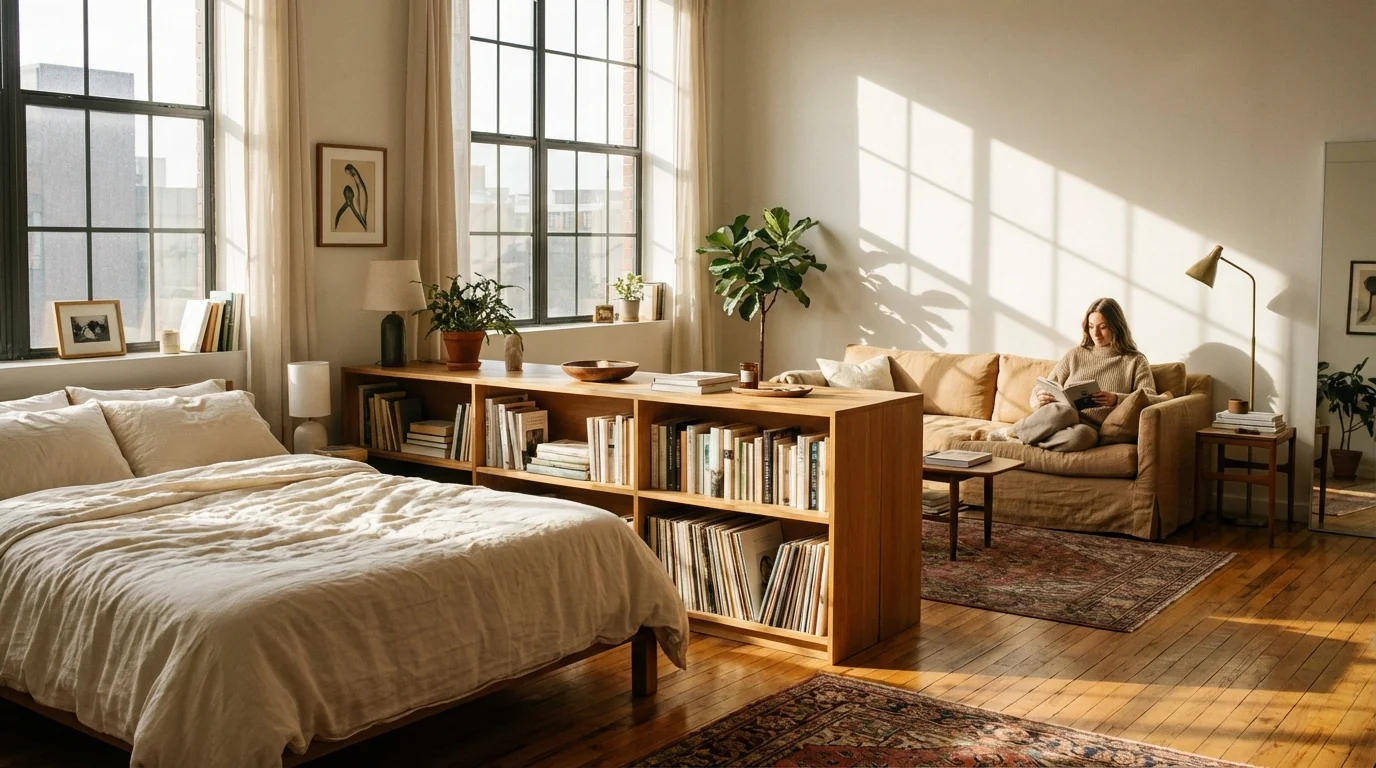
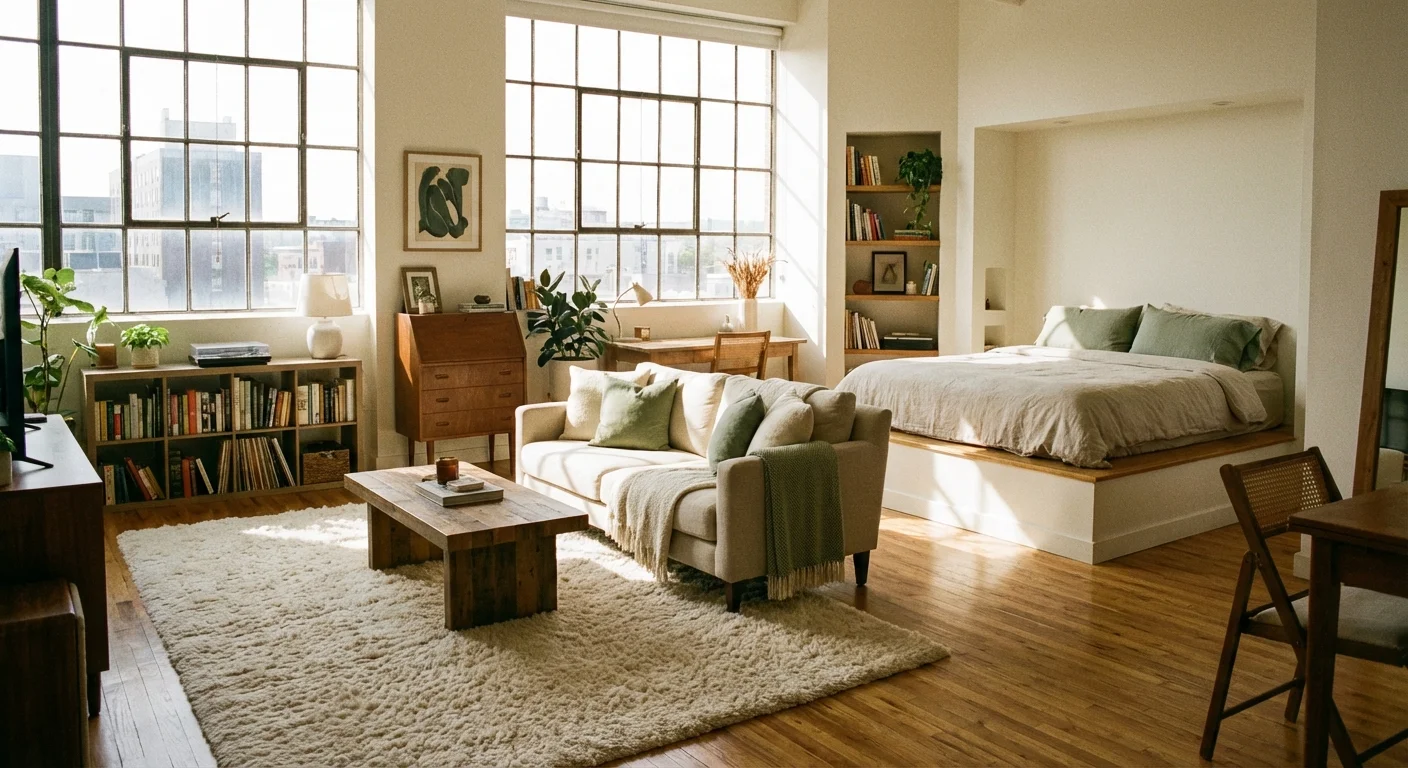
Unlocking the front door of a new studio apartment brings a unique mix of excitement and intimidation. A completely open floor plan presents a blank slate, offering limitless design possibilities. Yet, without intentional planning, a one room apartment layout can quickly devolve into a chaotic space where your bed, kitchen, and home office blur into a single, overwhelming jumble. Staring at your refrigerator from your pillow or trying to relax on the sofa while your work desk looms in your peripheral vision takes a subtle toll on your daily well-being.
Establishing boundaries within an open space requires more than simply pushing furniture against the walls. You must manipulate natural light, leverage vertical space, and strategically place physical and visual barriers to guide movement. Mastering the art of spatial separation allows you to transform a large, echoing box into a highly functional home equipped with dedicated areas for resting, entertaining, and working.
At a Glance: Studio Zoning Essentials
- Map the natural light: Reserve sunlit areas for active zones like living and working; tuck your sleep zone into the darker recesses of the apartment.
- Float your furniture: Pull sofas and chairs away from the walls to organically create walkways and define room perimeters.
- Layer your lighting: Use different light fixtures—pendants, floor lamps, and sconces—to establish distinct atmospheres for each functional area.
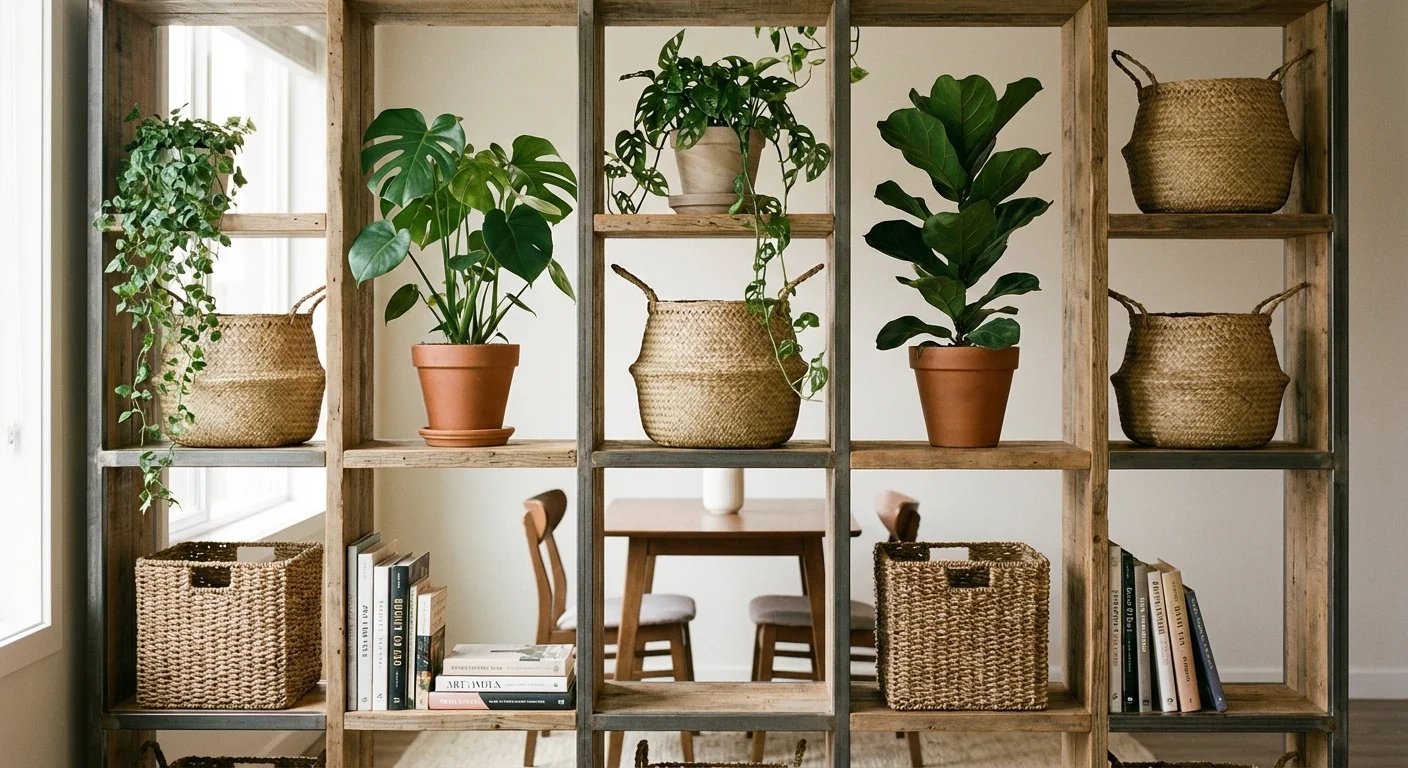
- Prioritize multipurpose dividers: Choose room dividers that pull double duty, such as open shelving units that provide both separation and vital storage.
The Psychology of Establishing Boundaries
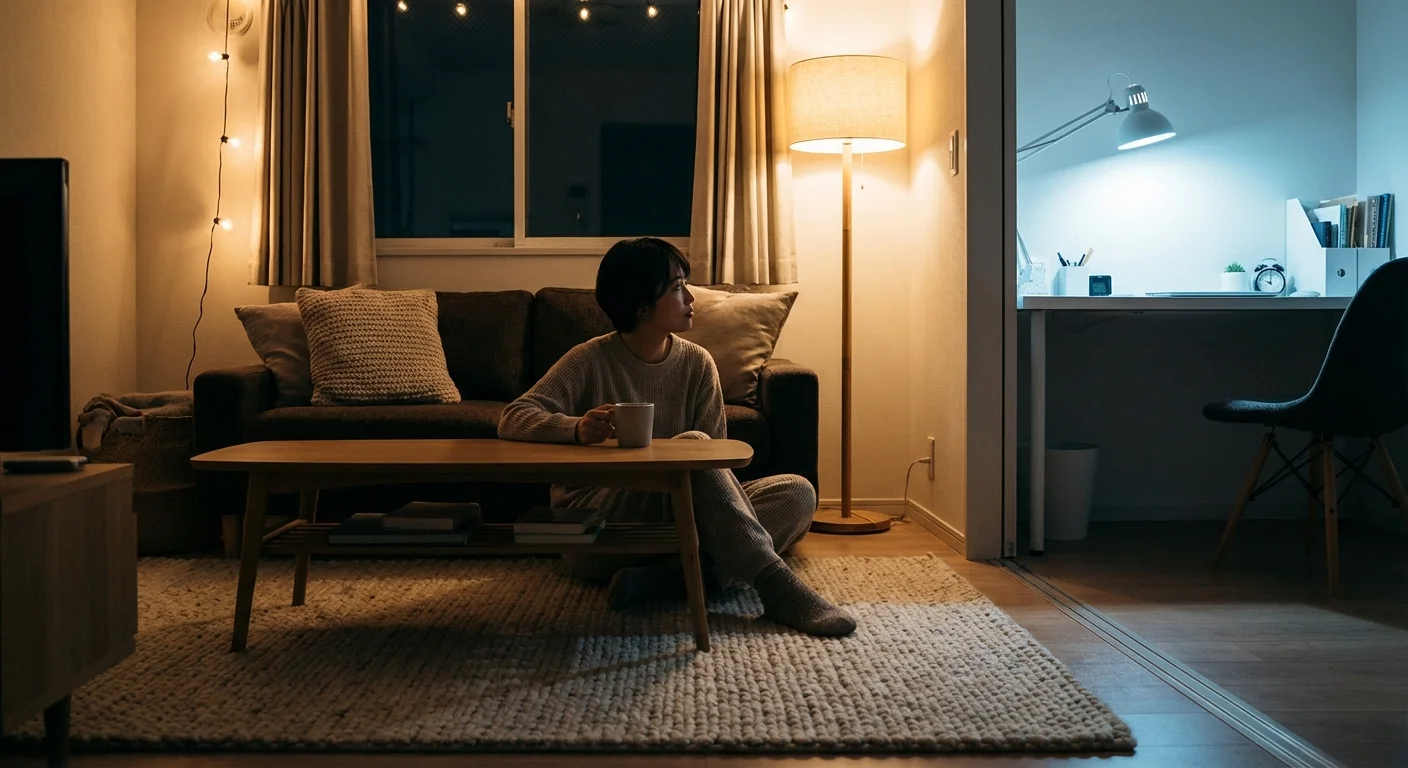
Human brains thrive on environmental cues. When you walk into a traditional bedroom, the environment signals your brain to wind down. When you step into an office, the setting cues focus and productivity. In a studio apartment, these environmental triggers are stripped away. If you work, eat, sleep, and binge-watch television in the exact same footprint, your mind struggles to shift gears.
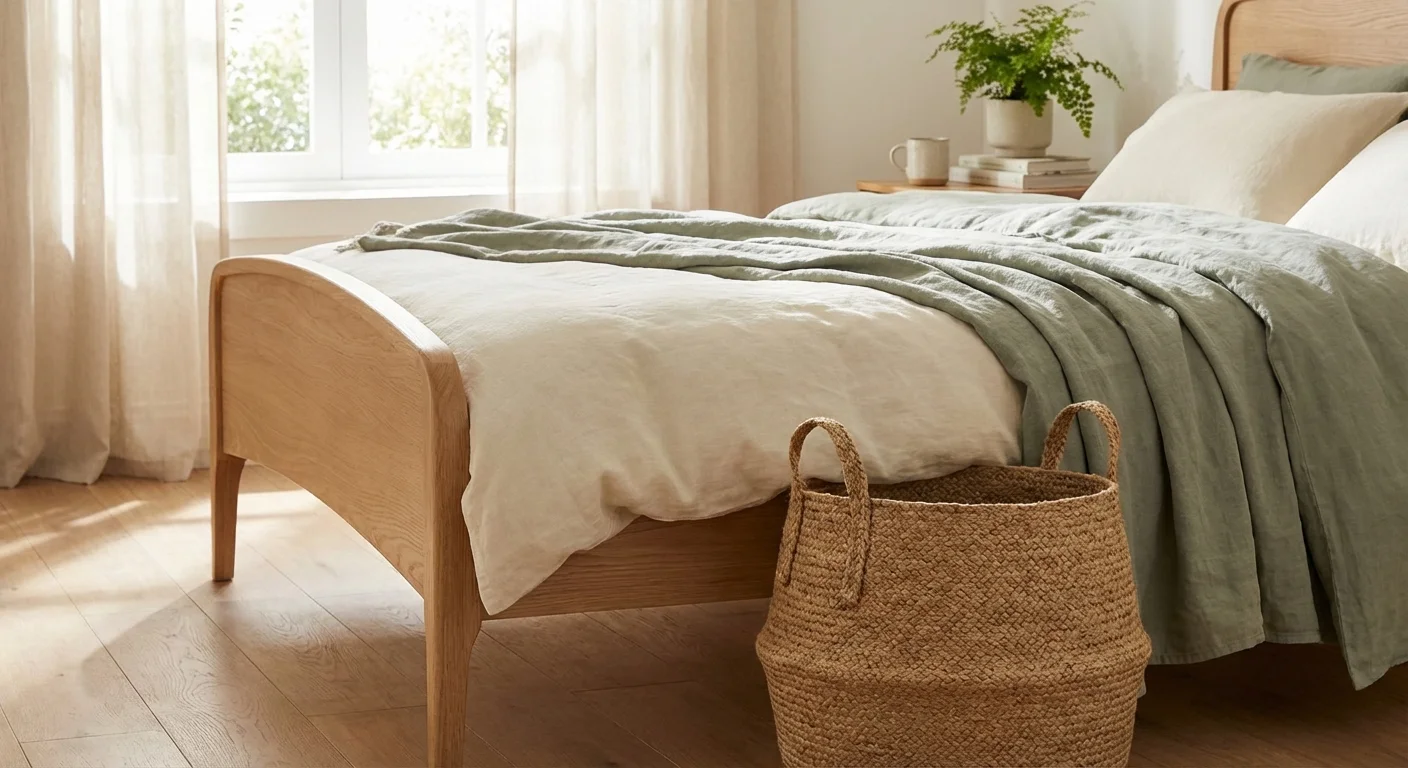
Once you have set your boundaries, following a layered design guide for a cozy bedroom can help ensure your sleep zone remains a restful sanctuary.
Incorporating the best multifunctional furniture for small homes ensures your pieces can adapt as you shift between different functional zones throughout the day.
Creating distinct studio apartment zones restores these necessary psychological cues. A physical or visual boundary—even something as simple as a low bookcase or a strategically placed rug—tells your brain that you are stepping out of the workday and moving into an evening of relaxation.
“The question of what you want to own is actually the question of how you want to live your life.” — Marie Kondo, Organizing Consultant
Applying this philosophy to your apartment layout means curating specific items for specific zones. Your home office zone should only house items related to productivity; your sleep zone should strictly harbor items that promote rest. Mingling these possessions destroys the utility of the zone.
Evaluating and Mapping Your Floor Plan
Before purchasing heavy furniture or installing ceiling tracks, you must evaluate your architectural shell. Every studio has a unique flow dictated by the front door, the bathroom entrance, the kitchen placement, and the windows.
To help visualize your options, review these studio apartment layout tips for maximizing every inch of your floor plan.
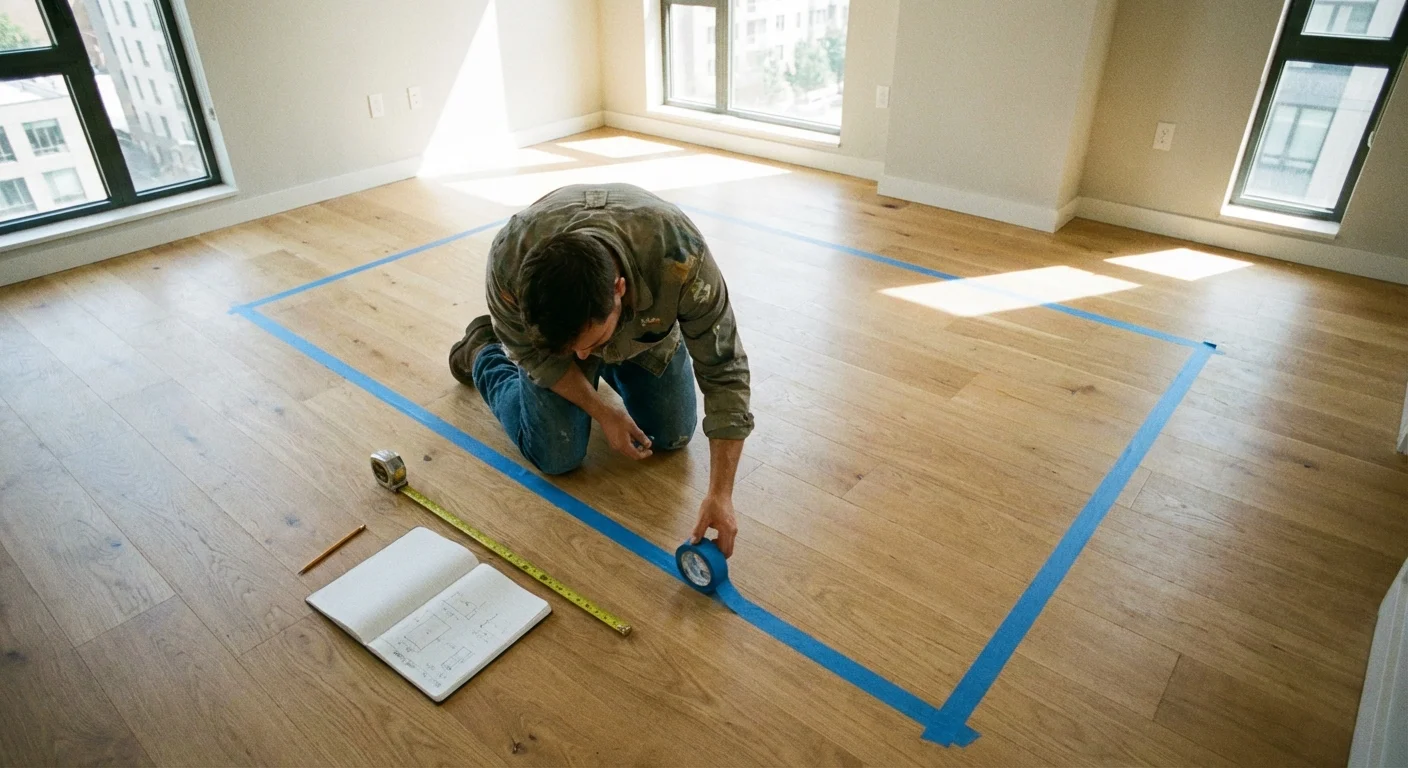
Grab a roll of blue painter’s tape and a measuring tape. Walk into your apartment and take note of the permanent fixtures. You cannot move the kitchen plumbing or the bathroom door, so these elements anchor your initial layout. Outline your proposed zones on the floor with the tape. Leave a minimum of 36 inches for primary walkways and at least 24 inches between pieces of furniture to prevent the space from feeling like a cramped obstacle course.
Pay close attention to the windows. Natural light is the most valuable commodity in a small apartment. Avoid erecting solid barriers parallel to your windows, as this will trap the light and leave the rest of the apartment feeling like a cave. Instead, place physical dividers perpendicular to the windows so daylight can wash across the entire length of the room.
Strategic Furniture Placement for Natural Flow
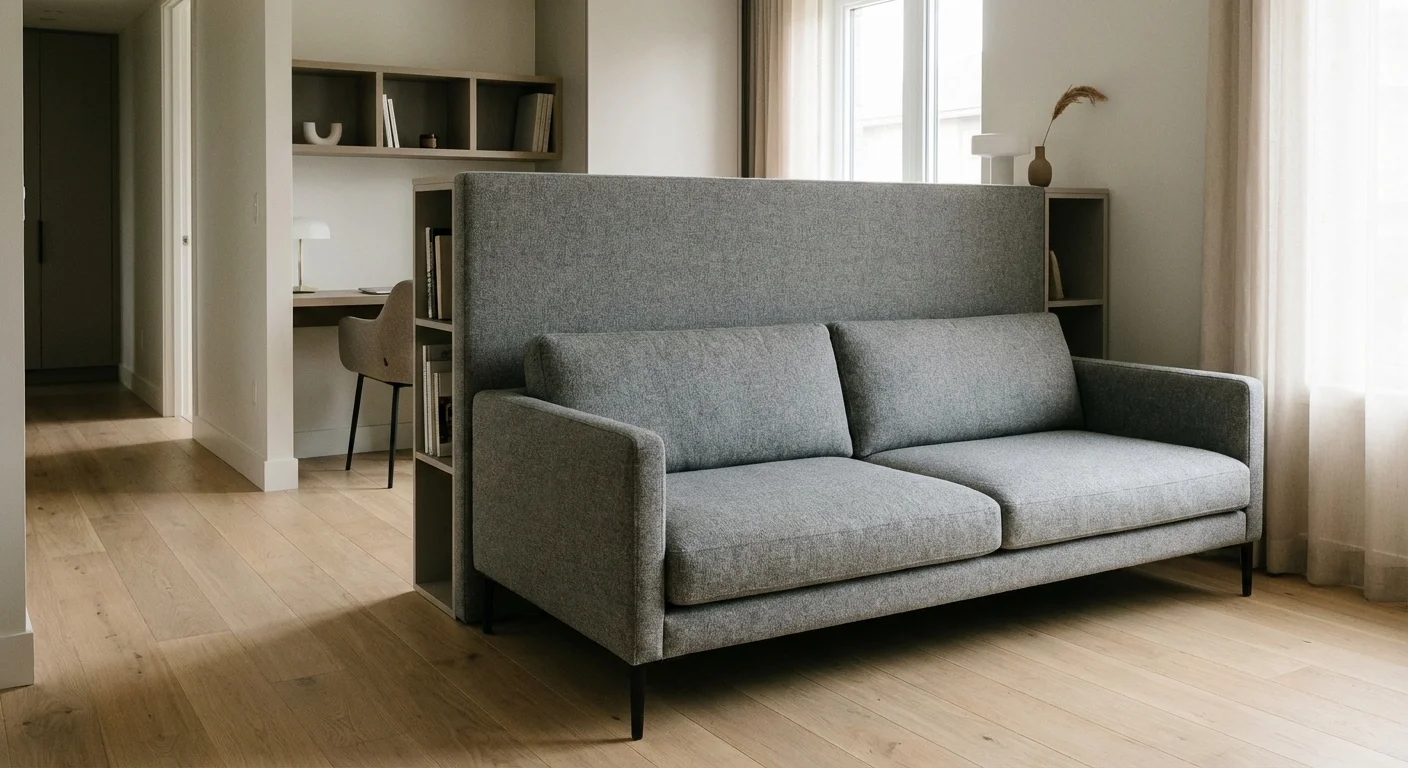
The most effective way to divide a studio apartment requires zero construction and utilizes items you likely already own. Furniture arrangement forms the foundational layer of spatial organization.
Abandon the instinct to line the perimeter of the room with your belongings. Pushing a sofa against the wall, placing the bed in a corner, and shoving a desk against the opposite wall creates an awkward, cavernous empty space in the center of the room. This arrangement highlights the lack of walls rather than solving it.
Instead, pull your furniture away from the walls. Use the back of your sofa as an invisible wall to delineate the living room from the dining or sleeping area. Placing a narrow console table against the back of a floating sofa offers a natural drop zone for keys and mail while further reinforcing the boundary between spaces. If you need inspiration for floating layouts, Apartment Therapy regularly showcases real-world examples of how renters manipulate standard furniture to carve out cozy, intentional living areas.
Physical Room Divider Ideas for Maximum Impact
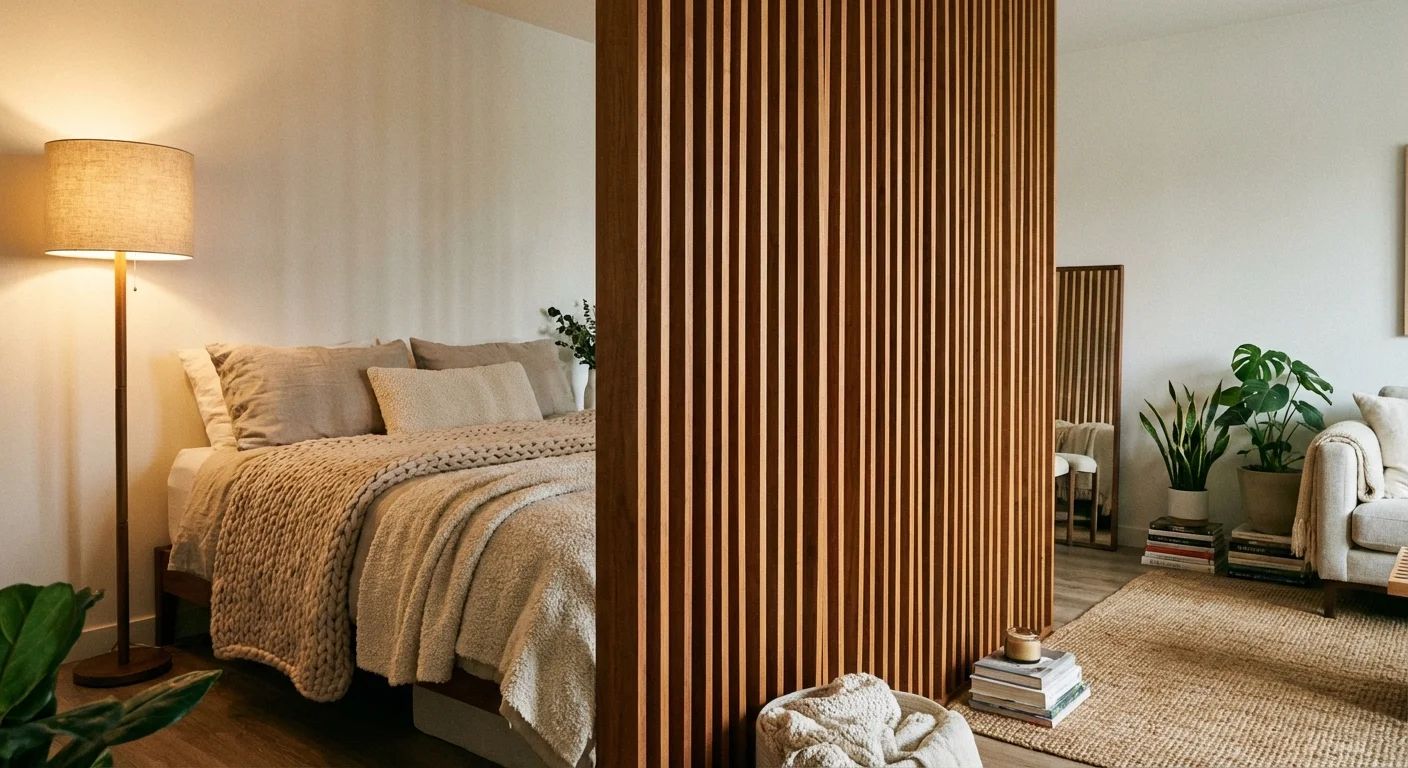
Once your primary furniture is in place, you may find that you need more definitive separation between your sleeping quarters and the rest of your home. Incorporating physical barriers provides immediate visual privacy and structural organization.
Open Bookshelves as Functional Walls
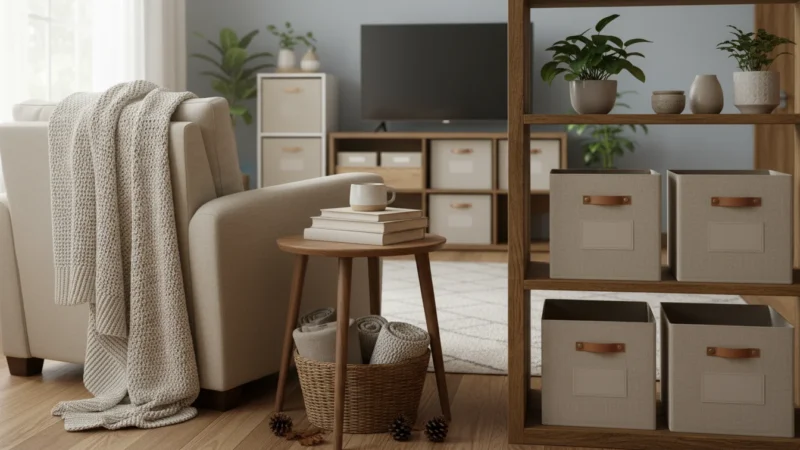
An open-backed shelving unit ranks among the most popular open plan room dividers for a simple reason: it works perfectly. Tall, deep-set shelving units divide the room without stopping the flow of light or air. The iconic cube shelving systems—frequently featured in IKEA Ideas galleries—allow you to customize the level of privacy.
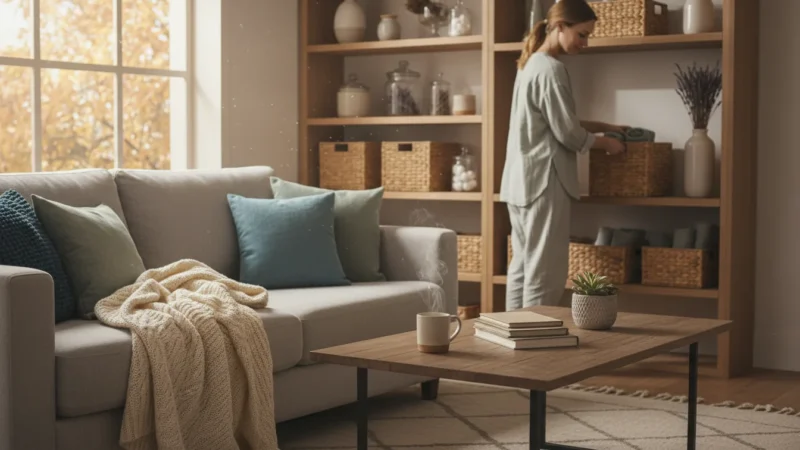
Leave the top cubes entirely open to let sunshine through. Fill the middle cubes with books, trailing houseplants like pothos or philodendrons, and sculptural objects. Use fabric or woven baskets in the bottom cubes to hide unsightly items like charging cables, paperwork, or off-season accessories. Ensure that you anchor any tall shelving unit safely to a wall or secure it to the floor or ceiling to prevent tipping.
Curtains and Ceiling Tracks
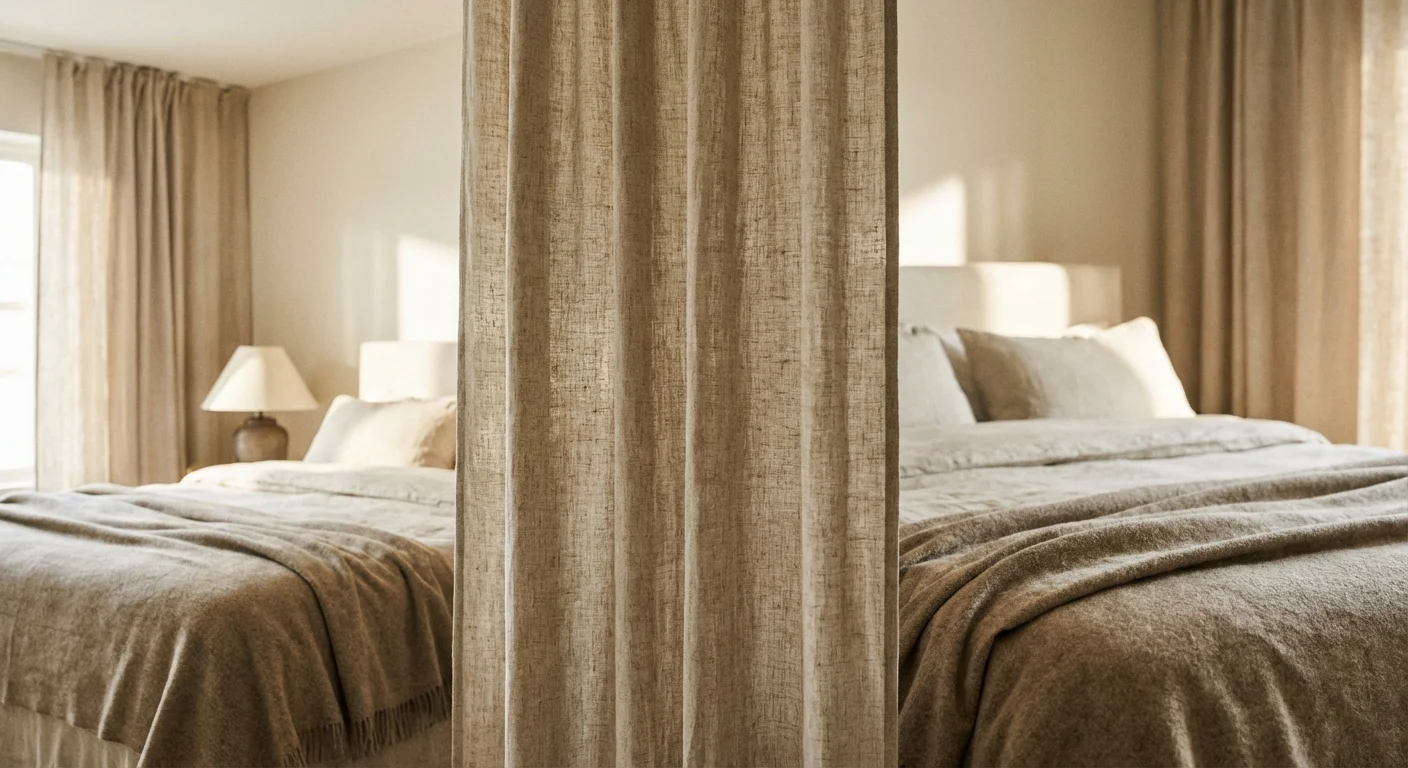
Fabric offers a softer, highly flexible approach to dividing a room. Installing a ceiling track and hanging floor-to-ceiling drapery allows you to instantly hide your bed when guests arrive and open the space up completely during the day.
The fabric you select determines the function of the divider. Sheer linen panels diffuse harsh afternoon sunlight and offer a gentle, breezy separation that feels resort-like. Heavyweight velvet or blackout curtains provide a sound-dampening, theater-like enclosure ideal for shift workers who need complete darkness to sleep during the day. For renters who cannot drill into the ceiling, extra-long, heavy-duty tension rods stretched between structural pillars or alcove walls serve as an excellent alternative.
Folding Screens and Slat Walls
Freestanding folding screens—sometimes called shoji screens or room partitions—deliver immediate privacy with zero installation. You can unfold a beautifully crafted rattan or slatted wood screen to block the view of a messy desk at the end of the workday, then fold it flat and slide it under your sofa when you want more floor space.
If you prefer a more modern, architectural look, vertical wood slat dividers create stunning visual interest. The gaps between the wooden dowels or slats allow light to stripe through the room while significantly obscuring the view of the zone behind them.
Visual Separation Techniques Without Walls
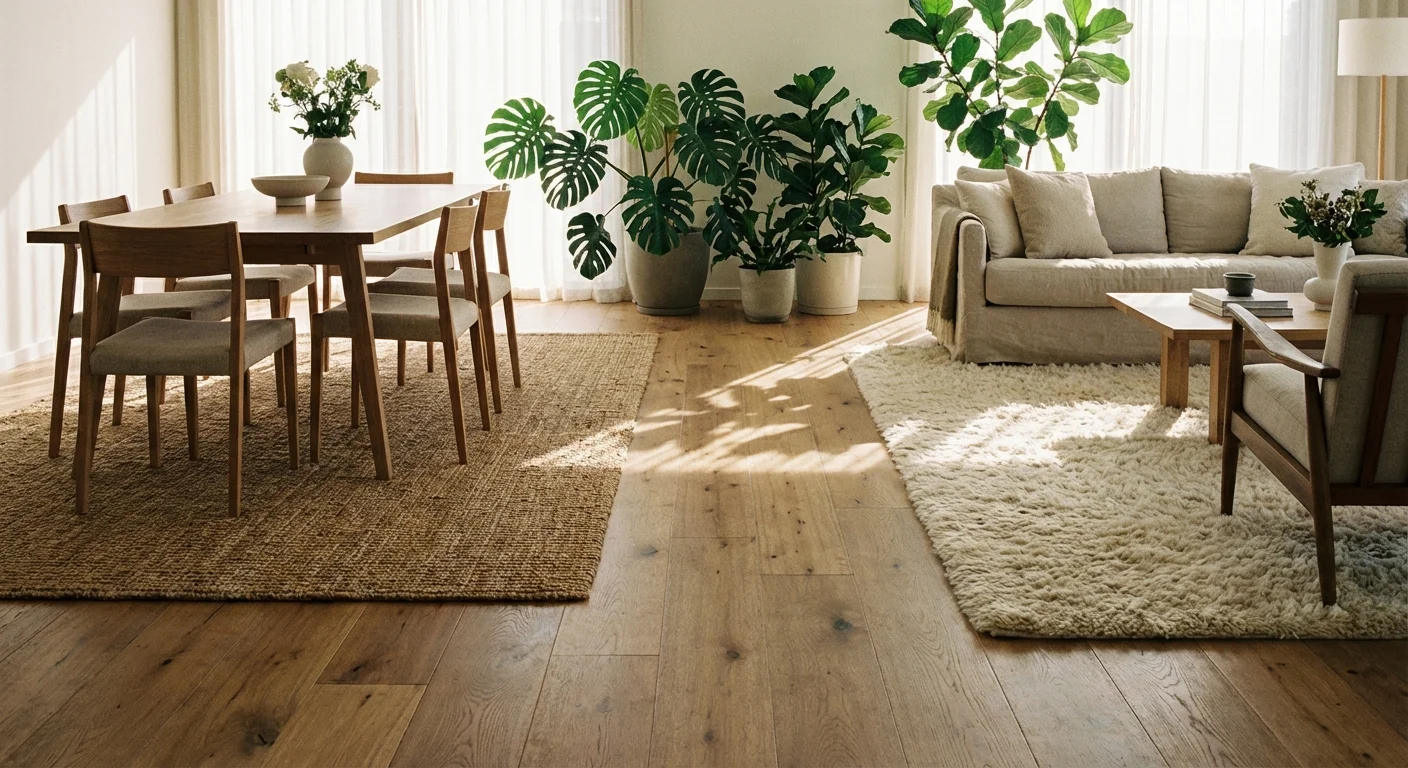
Physical barriers eat up precious square footage. If your studio is exceptionally small—perhaps under 400 square feet—adding heavy furniture to the middle of the room will make the space feel suffocating. In these tight quarters, rely heavily on visual zoning techniques.
In these instances, utilizing furniture ideas that make a small room feel bigger is essential to maintaining an airy feel without physical partitions.
Anchoring with Area Rugs
Rugs operate as islands in a sea of hardwood or concrete flooring. Place a large, plush rug under your bed and nightstands to designate the sleep zone. Lay a flatweave rug with a distinct pattern or contrasting color under your sofa and coffee table. The moment a guest steps from the bare floor onto the textured rug, they intuitively understand they have transitioned into a new room. Ensure your rugs are properly scaled; a rug that is too small will make the furniture look disproportionate and the zone feel cramped.
Zoning Through Light
Lighting fundamentally alters how we perceive space. Rather than relying on the single, harsh overhead dome light provided by your landlord, create micro-environments using layered lighting. According to interior design experts featured in Architectural Digest, localized lighting is one of the most effective tools for spatial definition.
Hang a dramatic pendant light directly over a small dining table to carve a dining room out of thin air. Position a warm, low-wattage floor lamp next to a reading chair to establish a cozy corner. Attach plug-in sconces above your nightstands to frame the bed. By putting your various lighting sources on separate smart plugs or dimmers, you can literally turn off the “office” and turn on the “living room” with a single command.
Color Blocking and Paint Tricks
Paint is cheap, reversible, and highly effective for defining space. Painting a solid block of color behind your desk or bed creates an instant visual alcove. You can paint an arch framing a bookshelf or apply removable wallpaper to a single structural bump-out to dedicate that specific corner to a unique task.
Even if you cannot paint the walls, you can apply color blocking through textiles and art. Stick to cool, calming blues and greens in your sleep zone, and transition to energetic yellows or deep, moody terracottas in your living and dining areas.
Comparing Divider Options: Cost vs. Functionality
Choosing the right divider requires balancing your budget, your desire for privacy, and your landlord’s rules regarding wall damage. Use this breakdown to evaluate which method suits your layout.
| Divider Type | Average Cost | Visual Privacy | Light Transmission | Installation Effort |
|---|---|---|---|---|
| Open Bookshelves | $100 – $400 | Partial | High (Customizable) | Low (Assembly required) |
| Ceiling Track Curtains | $75 – $250 | High | Low to Medium (Depends on fabric) | Medium (Drilling usually required) |
| Folding Screens | $80 – $300 | Medium to High | Low | None |
| Area Rugs (Visual) | $100 – $500+ | None | Maximum (Does not block light) | None |
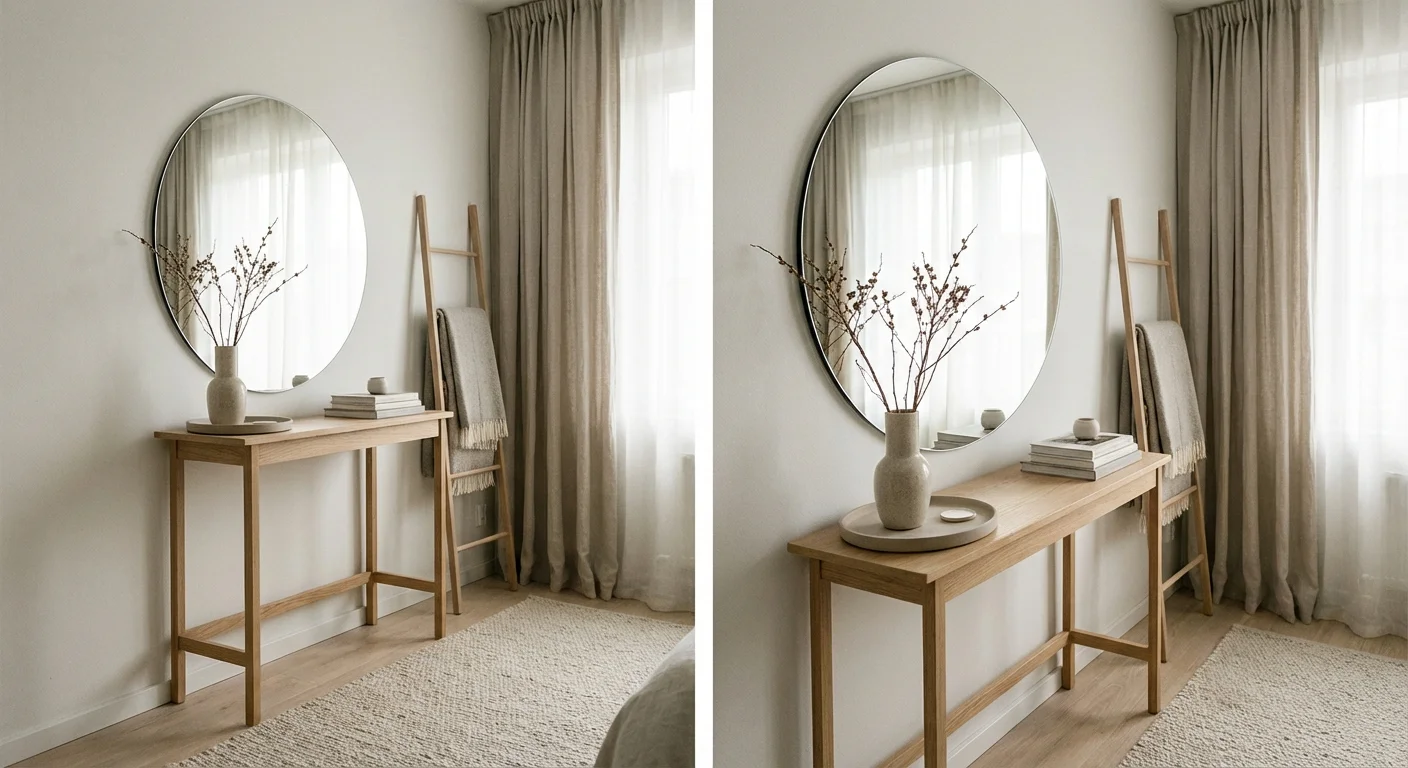
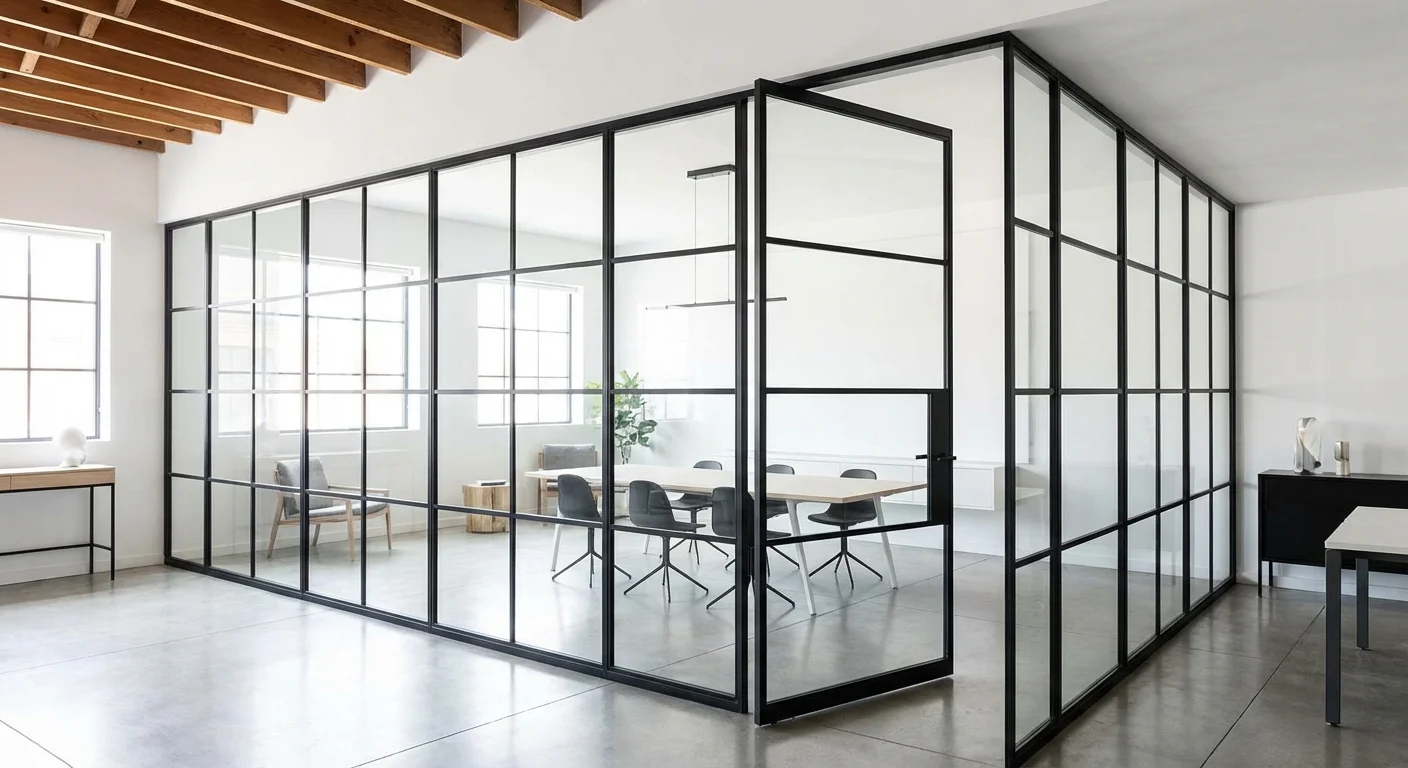
| Freestanding Glass/Metal Partitions | $600 – $1,500+ | Low (Unless frosted) | Maximum | High (Heavy lifting, anchoring) |
Avoiding Common Errors in Small Spaces
Dividing a room requires a delicate touch. Even well-intentioned layouts can backfire if you ignore basic interior design principles. Watch out for these frequent missteps when organizing your studio.
Blocking Natural Light: As mentioned earlier, light is your best friend. A heavy, solid wardrobe placed directly in front of the only window will instantly shrink your apartment. Always favor low-profile furniture or translucent materials near light sources.
Creating “Hallways”: Stacking dividers too closely together creates tight, bowling-alley pathways that waste square footage. Your eye should be able to travel smoothly across the room. If you have to turn sideways to walk past your bed and your desk, your layout is too tight.
Clutter Masquerading as Decor: Open shelving is beautiful, but it demands relentless organization. If you use a bookshelf as a room divider and stuff it with messy stacks of paper, crumpled clothing, and assorted junk, you have essentially built a wall of stress right in the center of your home. Use opaque boxes for the items you don’t want to look at every day.
Buying Miniature Furniture: A common reaction to living in a studio is buying tiny, “apartment-sized” furniture. A loveseat, a tiny rug, and a micro-desk floating in a large room actually make the space look disjointed and temporary. Purchasing a few full-sized, substantial pieces anchors the room far better than a dozen miniature ones.
When DIY Isn’t Enough
While folding screens and area rugs solve most zoning dilemmas, certain layouts or lifestyle requirements call for professional intervention. If you encounter the following scenarios, put down the hammer and contact an expert.
- Concrete Ceilings: If you live in an industrial loft with exposed concrete ceilings, installing a secure curtain track or hanging heavy acoustical panels requires specialized masonry drills and anchors. Attempting this without the right tools will result in a messy ceiling and a collapsed divider.
- Hardwiring New Light Fixtures: Swagging a plug-in pendant light on a ceiling hook is a safe DIY project. Cutting into drywall to hardwire a new ceiling junction box over your dining table involves electrical risk and usually requires a licensed electrician to remain compliant with building codes.
- Semi-Permanent Half-Walls: Building a sturdy knee-wall topped with glass requires framing, drywalling, and finishing skills. A poorly constructed divider wall will look cheap and could pose a structural hazard if someone leans against it.
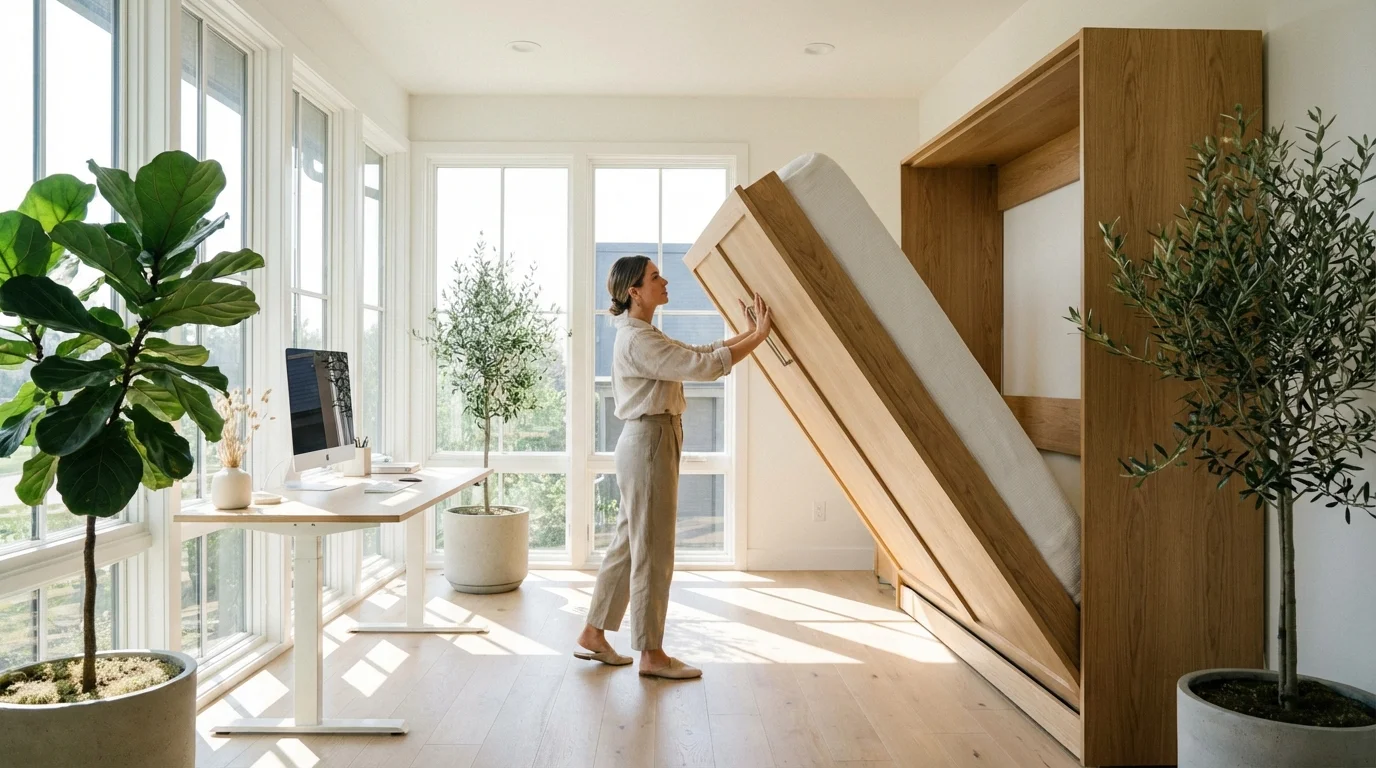
- Installing a Murphy Bed: Wall beds magically open up floor space, but the heavy spring mechanisms and immense weight of the frame mean they must be perfectly anchored to wall studs. A professional installation ensures the bed won’t pull out of the wall and cause severe injury.
Frequently Asked Questions
How do I hide a bed in a studio apartment without buying a Murphy bed?
If you want to hide your bed entirely without structural changes, position it in a corner and use a ceiling-mounted curtain track wrapped around the two exposed sides. Alternatively, use a tall, wide wardrobe placed a few feet from the wall to create a walk-in closet effect that blocks the bed from the main living area.
Can I divide a studio apartment without spending any money?
Absolutely. Simply pivoting your existing furniture can completely redefine a space. Pull your sofa out to act as a barrier at the foot of your bed, and turn your desk so it faces a window rather than the television. Rethinking the orientation of your current items costs nothing and can drastically improve flow.
How many distinct zones can reasonably fit in a standard 500-square-foot studio?
To maintain a comfortable flow, aim for three primary zones: a sleep zone, a living/relaxing zone, and a cooking/eating zone. If you need a workspace, integrate it into the living or sleeping zone using a fold-down desk or a slim console table rather than trying to force a fourth distinct area into a small footprint.
Bringing Your Floor Plan to Life
Dividing a one-room apartment isn’t about building barriers; it is about creating purpose. By intentionally guiding light, arranging furniture with foresight, and deploying the right mix of physical dividers and visual anchors, you shape a large open box into a dynamic, multi-functional home. Start simple: grab some painter’s tape, sketch out your ideal walkways, and experiment with moving a single piece of large furniture away from the wall. You will be surprised by how quickly the space begins to feel like a carefully curated apartment rather than a college dorm.
The tips in this article are meant as general guidance. Your specific situation—including your home’s age, layout, and local building codes—may require different approaches. When in doubt, consult a professional.
Last updated: February 2026

Leave a Reply