
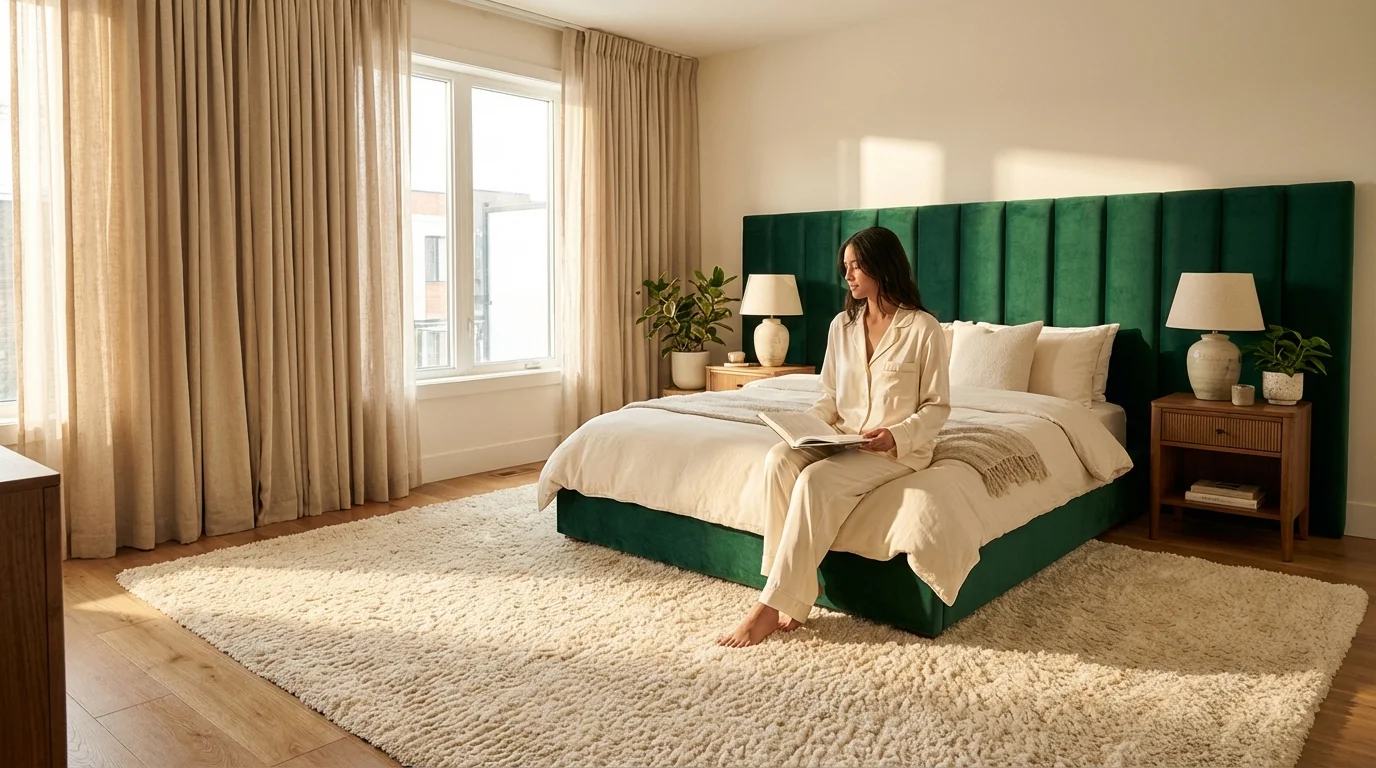
Most people assume that luxury requires sprawling square footage. We picture massive primary suites with sitting areas, palatial walk-in closets, and endless floor space. However, some of the most opulent boutique hotels in the world operate within impossibly tight floor plans. They master the art of small-space luxury by focusing on scale, texture, and intentional design choices rather than sheer size.
Beyond visual aesthetics, implementing cozy bedroom ideas ensures that your luxury sanctuary also promotes deep, restorative rest.
You do not need a massive bedroom to create a sophisticated, high-end retreat. When space is limited, every detail matters more. A cramped room feels instantly elevated when you trick the eye with clever lighting, strategic fabric placement, and a disciplined approach to clutter. By applying a few proven interior design strategies, you can transform a basic, boxy bedroom into an elegant sanctuary that feels custom-built for relaxation.
At a Glance: The Core Elements of Luxury
- Scale up, don’t scale down: Avoid filling the room with miniature furniture. A few large, statement pieces make a room feel grander than a dozen tiny ones.
- Layer your lighting: Relying on a single overhead light flattens the space. Multiple ambient light sources create depth and mood.
- Control visual clutter: Luxury is inherently peaceful; exposed cords, overflow clothing, and cluttered nightstands immediately disrupt that peace.
Mastering Layout and Scale
The foundation of a luxurious bedroom lies in how you arrange the space. When square footage is tight, human instinct often tells us to buy smaller furniture. Designers take the exact opposite approach.
This focus on scale is similar to selecting furniture that makes a living room feel bigger, where intentionality outweighs quantity.
If your floor plan is exceptionally tight, exploring Murphy bed ideas can provide a high-end look without sacrificing daily square footage.
1. Anchor the Room with an Oversized Rug
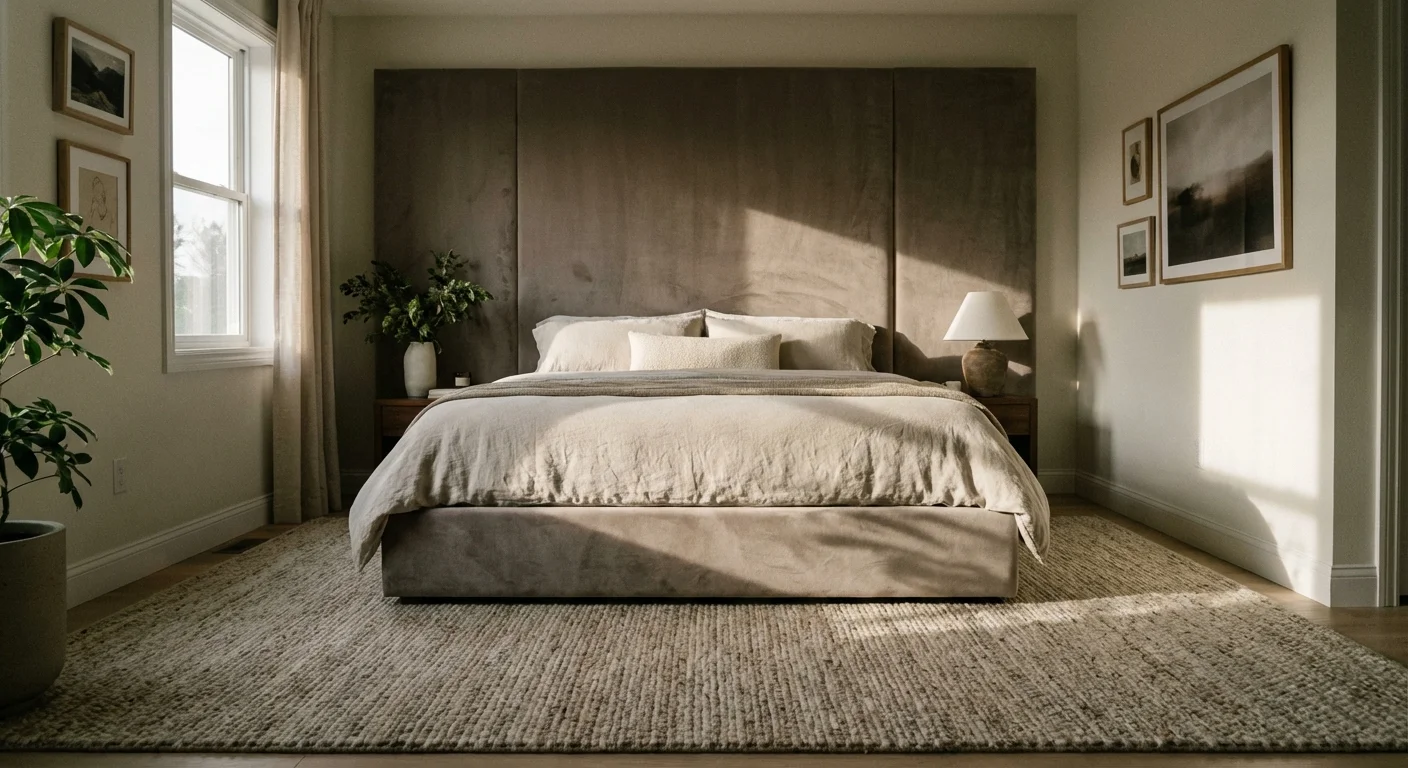
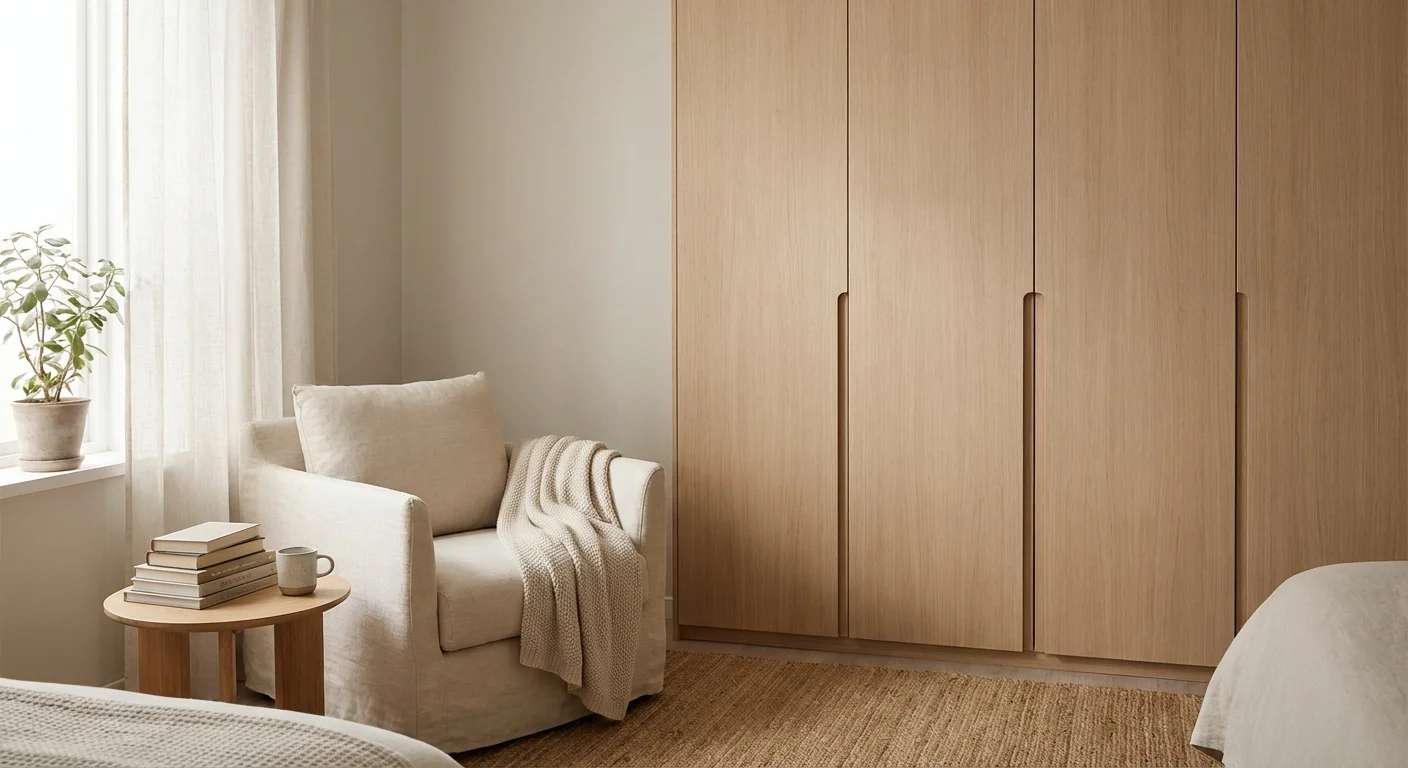
A tiny rug placed only at the foot of the bed visually chops the floor in half, making the room feel smaller than it actually is. Instead, invest in a rug large enough to sit entirely under the bed and nightstands, leaving just a border of bare floor around the edges of the room. An 8×10 or 9×12 rug creates a wide, continuous plane of color and texture that tricks the eye into perceiving a much larger footprint.
2. Choose One Statement Piece of Furniture
Avoid the temptation to push a small bed, a small dresser, a small desk, and a small chair against the walls of your bedroom. A room filled with small items feels chaotic. Opt for one grand statement piece—such as an oversized, upholstered headboard or a substantial, beautifully crafted dresser. Let this piece command attention while keeping the rest of the furniture minimal and streamlined.
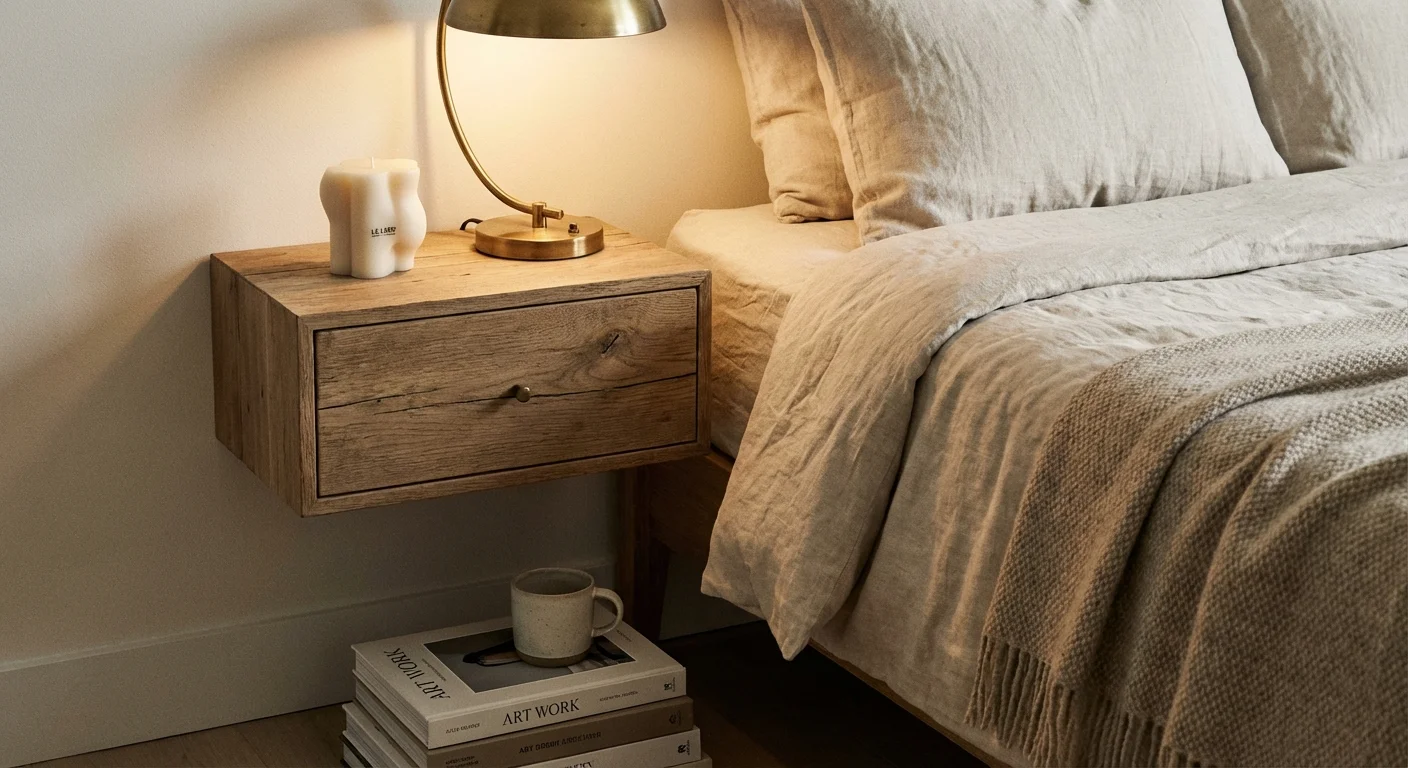
3. Install Floating Nightstands
Floor space is premium currency in a small bedroom. Traditional nightstands with legs or solid bases consume visual weight and make the room feel heavy. Wall-mounted floating nightstands free up the floor underneath, instantly creating an illusion of airiness and extra square footage. They provide the practical surface area you need for a book and a glass of water without bogging down the room’s layout.
Lighting and Illumination Strategies
Lighting is the single most powerful tool for changing the atmosphere of a room. Standard builder-grade lighting rarely flatters a space, let alone makes it feel expensive.
4. Ditch the Single Overhead Fixture
The standard flush-mount ceiling light casts harsh, downward shadows that highlight corners and make a small room feel like a gloomy box. Stop relying on it. Instead, build a layered lighting scheme using lamps and sconces. If you must use overhead lighting, swap the basic fixture for an elegant semi-flush mount or a scaled-down chandelier, and always put it on a dimmer switch.
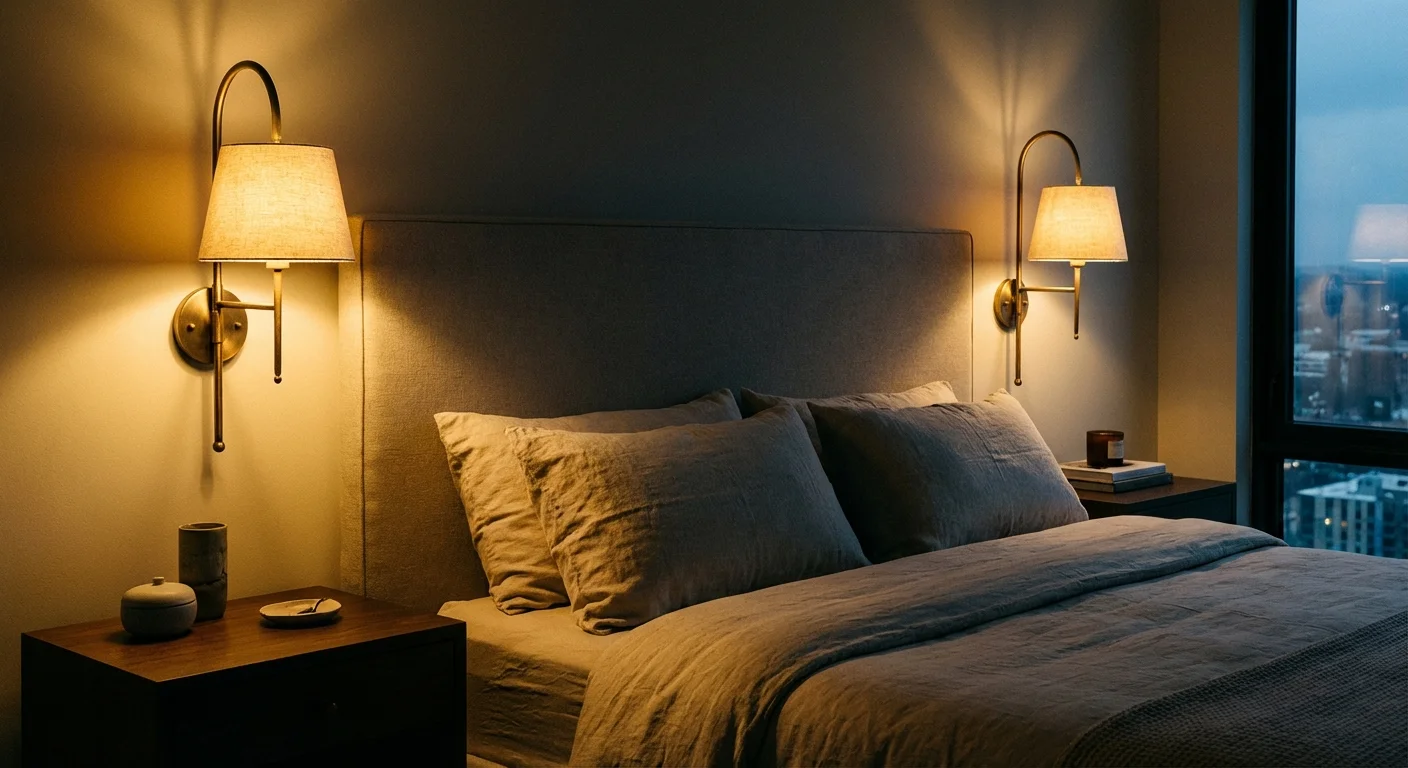
5. Mount Wall Sconces Flanking the Bed
Table lamps are beautiful, but they consume valuable real estate on your nightstands. Installing wall sconces on either side of the bed provides excellent reading light while keeping your surfaces completely clear. You do not even need to hire an electrician; many high-end lighting retailers offer brilliant plug-in sconces with sleek cord covers that look incredibly sophisticated.
6. Bounce Light with Floor-to-Ceiling Mirrors
Mirrors act as virtual windows. When placed opposite your actual windows, they reflect natural light back into the room and create the illusion of depth. To achieve a luxurious look, skip the flimsy over-the-door mirrors. Lean a heavy, framed floor mirror against the wall, or install custom-cut mirrored panels on sliding closet doors. The larger the mirror, the more expensive the room will feel.
“The details are not the details. They make the design.” — Charles Eames, Architect and Designer
Elevating Textiles and Comfort
A luxurious bedroom appeals to the senses. The things you touch and feel should emulate a five-star hotel experience.
7. Hang Curtains High and Wide
Window treatments can make or break a small room. Never mount your curtain rod directly just above the window frame. Instead, install the rod just inches below the ceiling line and extend it a foot past the window on either side. Hang floor-grazing, heavy panels. This technique draws the eye upward, making standard ceilings feel vaulted, and allows maximum natural light to enter when the curtains are open.
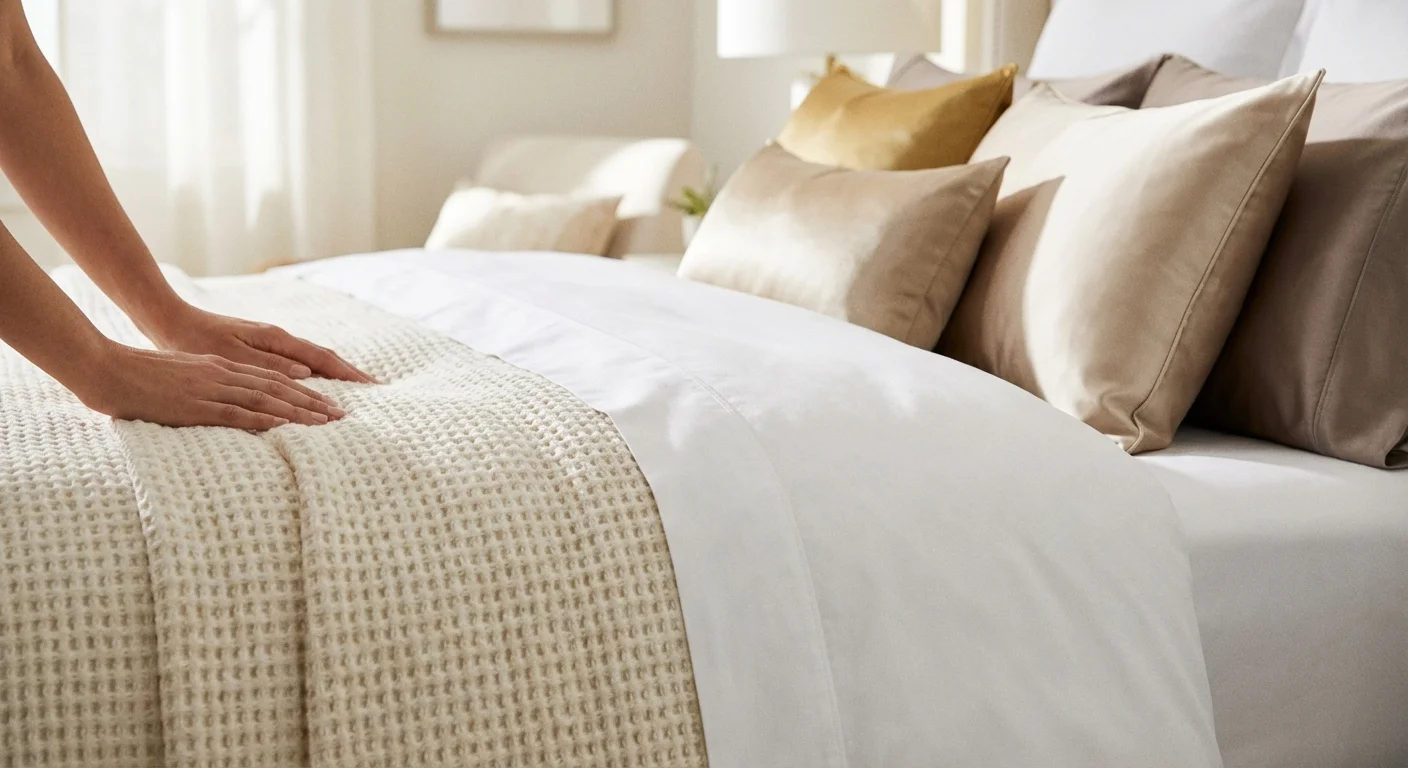
8. Invest in High-Quality, Layered Bedding
Your bed is the undeniable focal point of a small bedroom. Dress it accordingly. Start with crisp percale or breathable linen sheets. Add a fluffy, down or down-alternative duvet folded halfway down the bed to create volume. Place two sleeping pillows flat against the headboard, followed by two decorative shams, and finish with a heavy, textured throw blanket draped casually across the foot of the bed. For ongoing inspiration on high-end bedding combinations, resources like Architectural Digest offer excellent visual guides.
9. Mix Rich, Tactile Fabrics
If your room lacks architectural details, introduce depth through texture rather than busy patterns. A monochromatic room feels instantly expensive when you mix materials. Combine a linen duvet with a velvet throw pillow, a boucle accent chair, and a silk sleep mask resting on the nightstand. These contrasting textures catch the light differently and give the space a deeply custom, wealthy feel.
Color and Wall Treatments
Paint is inexpensive, but how you apply it determines whether the room feels like a cheap rental or a bespoke sanctuary.
Many of these tonal strategies are also used to make a small bathroom feel bigger and more cohesive.
10. Commit to a Tight Color Palette
Small spaces cannot handle visual chaos. Limit your bedroom palette to three complementary shades. Whether you choose serene neutrals like warm cream, taupe, and charcoal, or deep jewel tones like emerald and navy, stick to the plan strictly. Consistency across your walls, bedding, and art creates a calming environment that feels curated rather than thrown together.
11. Try Color Drenching
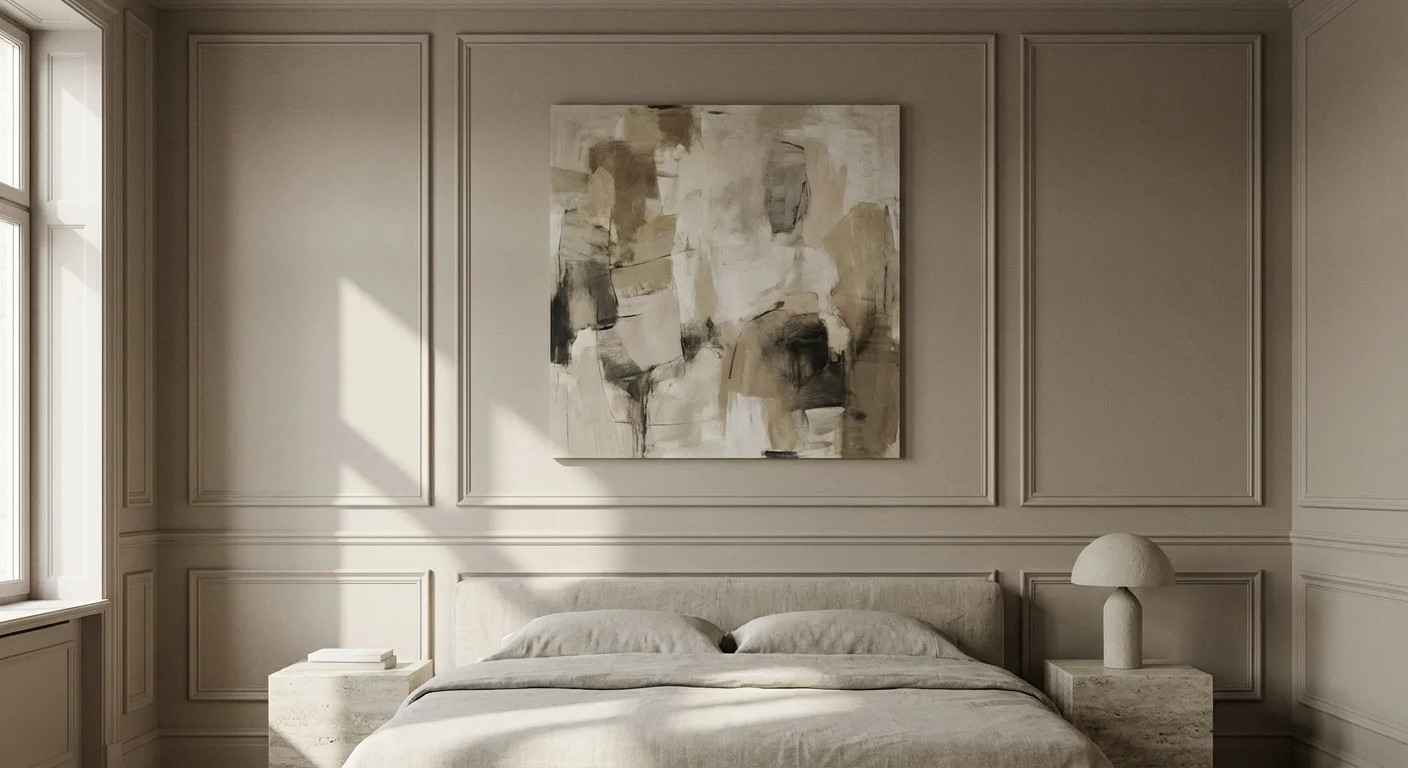
Designers frequently use a technique called “color drenching” in compact rooms. This involves painting the walls, baseboards, trim, doors, and even the ceiling the exact same color. Erasing the contrasting white trim blurs the boundaries of the room. Without sharp lines to indicate where the walls end and the ceiling begins, the space feels continuous, expansive, and incredibly chic.
12. Add Architectural Interest with Molding
Basic drywall offers very little character. Applying picture frame molding, wainscoting, or a subtle board-and-batten treatment to the walls elevates the entire room. You can apply this treatment to a single accent wall behind the bed or wrap it around the entire room. Paint the molding the same color as the walls for a textured, Parisian-apartment aesthetic.
The Finishing Details
True luxury is found in the final five percent of the design process. The small hardware choices and the way you manage your daily lifestyle elements dictate the room’s overall success.
For a truly bespoke experience, learning how to soundproof a bedroom can add an extra layer of quiet luxury to your home.
Utilizing vertical storage ideas can help you keep everyday items out of sight while maintaining an airy, expensive feel.
13. Upgrade Standard Hardware
Take a close look at your bedroom door handle, closet knobs, and dresser pulls. Builder-grade brushed nickel or cheap plastic hardware instantly downgrades a room. Swap these out for unlacquered brass, matte black, or polished nickel hardware. Heavy, solid metal fixtures provide a tactile sense of quality every time you open a drawer or walk through the door. You can find beautiful, affordable options through sites like Apartment Therapy‘s recommended vendor lists.
14. Conceal Everyday Clutter Completely
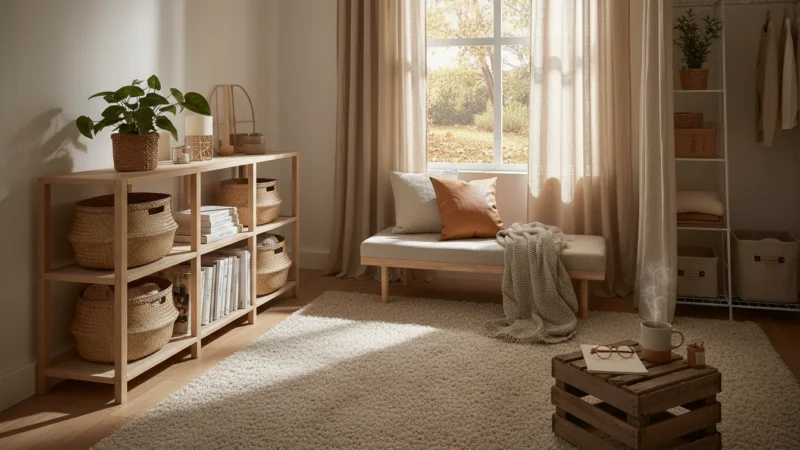
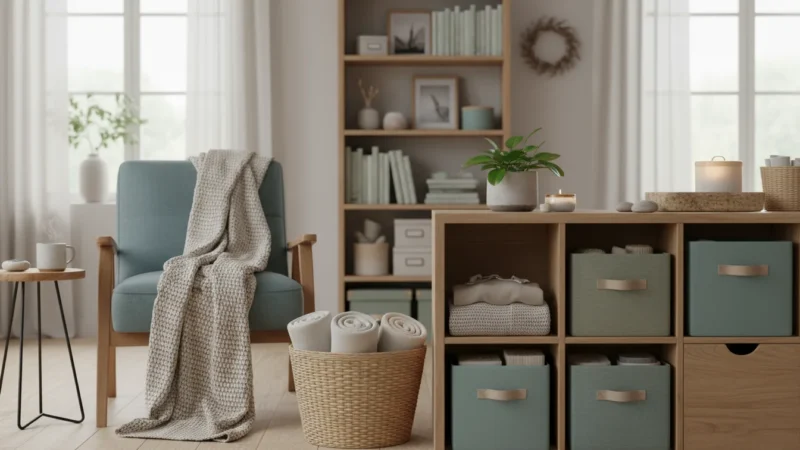
Visual noise destroys the illusion of luxury. A chaotic stack of books, a tangle of phone chargers, and overflowing laundry baskets will ruin even the most beautifully decorated room. Utilize closed storage ruthlessly. Use cord-concealing boxes for your electronics, store seasonal clothing in under-bed bins, and ensure your nightstand has at least one drawer to hide your lip balm, reading glasses, and hand cream.
“Clutter is caused by a failure to return things to where they belong. Therefore, storage should reduce the effort needed to put things away, not the effort needed to get them out.” — Marie Kondo, Organizing Consultant
15. Introduce a Subtle Signature Scent
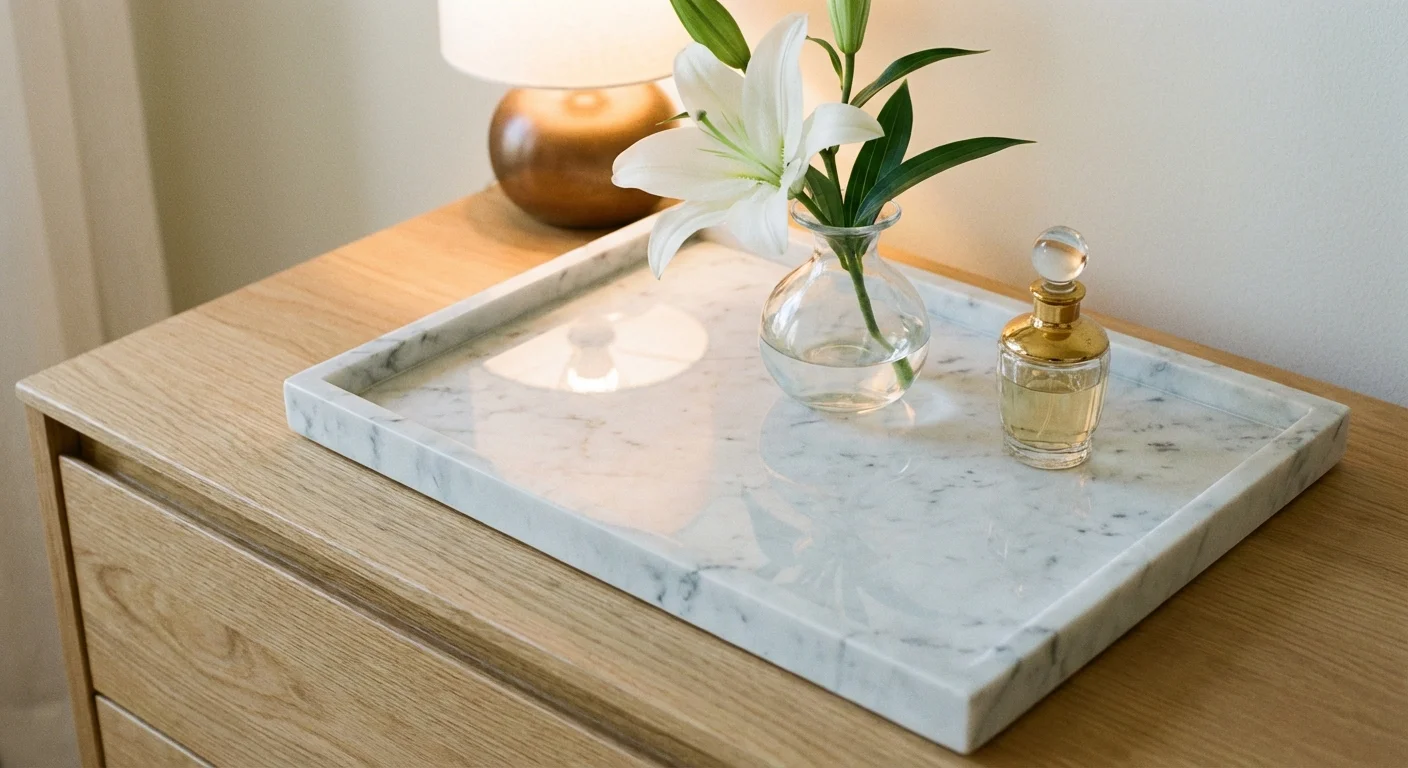
High-end hotels pump custom fragrances through their ventilation systems because scent is heavily tied to memory and luxury. Recreate this at home by layering scents. Use a high-quality reed diffuser on your dresser, keep a linen spray infused with lavender or eucalyptus in your nightstand to mist your pillows before bed, and burn a soy candle in a heavy glass vessel during your evening routine.
Comparing Average vs. Luxurious Bedroom Elements
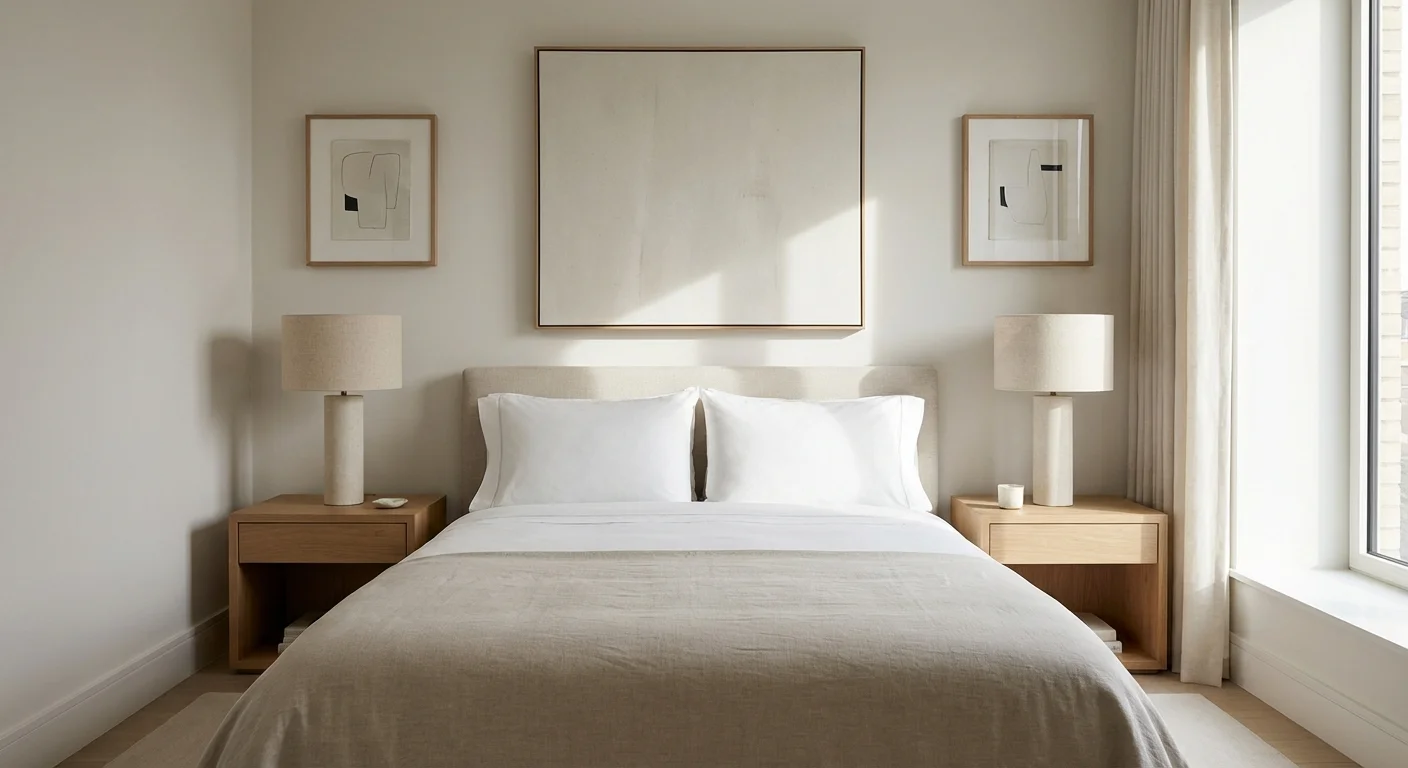
Understanding the subtle differences between a standard approach and a designer approach makes executing these upgrades much easier. Review this comparison to see where you can make immediate changes.
| Design Element | The Standard Approach | The Luxurious Designer Approach |
|---|---|---|
| Window Treatments | Plastic blinds or short curtains hung right on the window frame. | Floor-to-ceiling linen or velvet drapes hung high and wide. |
| Bedding | A single matching “bed in a bag” set with flat pillows. | Layered, mixed textures (linen, cotton, down) with plumped inserts. |
| Lighting | A harsh flush-mount ceiling light in the center of the room. | Dimmable wall sconces, a small statement chandelier, and warm bulbs. |
| Area Rug | A small 5×7 rug that floats awkwardly at the end of the bed. | An oversized 8×10 rug that grounds the bed and nightstands. |
| Storage | Open shelving displaying random personal items and clothing. | Closed, structural storage that hides visual clutter entirely. |
What Can Go Wrong: Small Bedroom Mistakes to Avoid
Even with the best intentions, certain design choices can backfire in compact spaces. If you are trying to elevate your bedroom, be mindful of these common missteps.
Buying “Apartment Sized” Sets
Purchasing an entire matching bedroom set—bed, dresser, nightstands, and mirror—makes a space look like a showroom catalog rather than a curated home. When those matching pieces are miniaturized to fit a small room, they look juvenile. Mix your furniture styles and prioritize a few full-sized pieces over a complete miniature set.
Ignoring the Ceiling
In a small bedroom, the ceiling represents a massive amount of visual real estate. Leaving it a flat, builder-grade white when the rest of your room features rich colors or textures can feel jarring. Consider painting it the same color as your walls, or applying a subtle wallpaper to draw the eye upward.
Sacrificing Function for Form
A beautiful room that fails to serve your daily needs will never feel truly luxurious. If you remove your dresser to make the room look larger, but end up with clothes piled on a chair because your closet is too small, you have defeated the purpose. Always ensure your storage solutions align with your actual lifestyle. Look to experts at The Spruce for practical organizing systems that blend beautifully with high-end decor.
Frequently Asked Questions
How can I make a small bedroom look bigger and expensive?
To make a room look both larger and more expensive, focus on continuity. Use large-scale rugs to widen the floor, hang curtains from the ceiling to heighten the walls, and paint your trim the same color as your walls to erase visual boundaries. Removing visible clutter and upgrading your hardware are the cheapest ways to add an expensive feel.
What colors make a small bedroom look luxurious?
There are two highly effective routes. The first is a tonal, warm neutral palette—think cream, mushroom, taupe, and camel. This creates a serene, upscale spa environment. The second route is deep and moody—think navy blue, forest green, or charcoal. Dark colors blur the corners of a small room, creating a sophisticated, jewel-box effect.
Is it worth putting a king-size bed in a small room?
It depends entirely on your priorities. If a spacious sleeping surface is your ultimate definition of luxury, then a king-size bed is worth the sacrifice of floor space. However, to maintain an elegant look, you will need to dramatically minimize the rest of the furniture. Use wall-mounted sconces and tiny floating shelves instead of traditional nightstands to accommodate the larger mattress.
Do mirrors really help small spaces?
Yes, significantly. Mirrors bounce light around the room, which naturally brightens dark corners. When placed strategically opposite a window or a beautiful piece of art, a large mirror acts as an additional window, tricking the brain into perceiving twice as much space.
Creating a luxurious bedroom is not about spending thousands of dollars on designer furniture; it is about intentionality. By controlling your color palette, maximizing your lighting, and refusing to tolerate visual clutter, you can create a space that feels deeply restorative. Start small—perhaps by upgrading your bedding or changing out your cabinet knobs—and gradually build a room that welcomes you at the end of every day.
This is educational content based on general best practices. Individual results vary based on your home, budget, and circumstances. Always prioritize safety and consult professionals for major projects like hardwiring lighting or installing heavy architectural elements.
Last updated: February 2026
Leave a Reply