
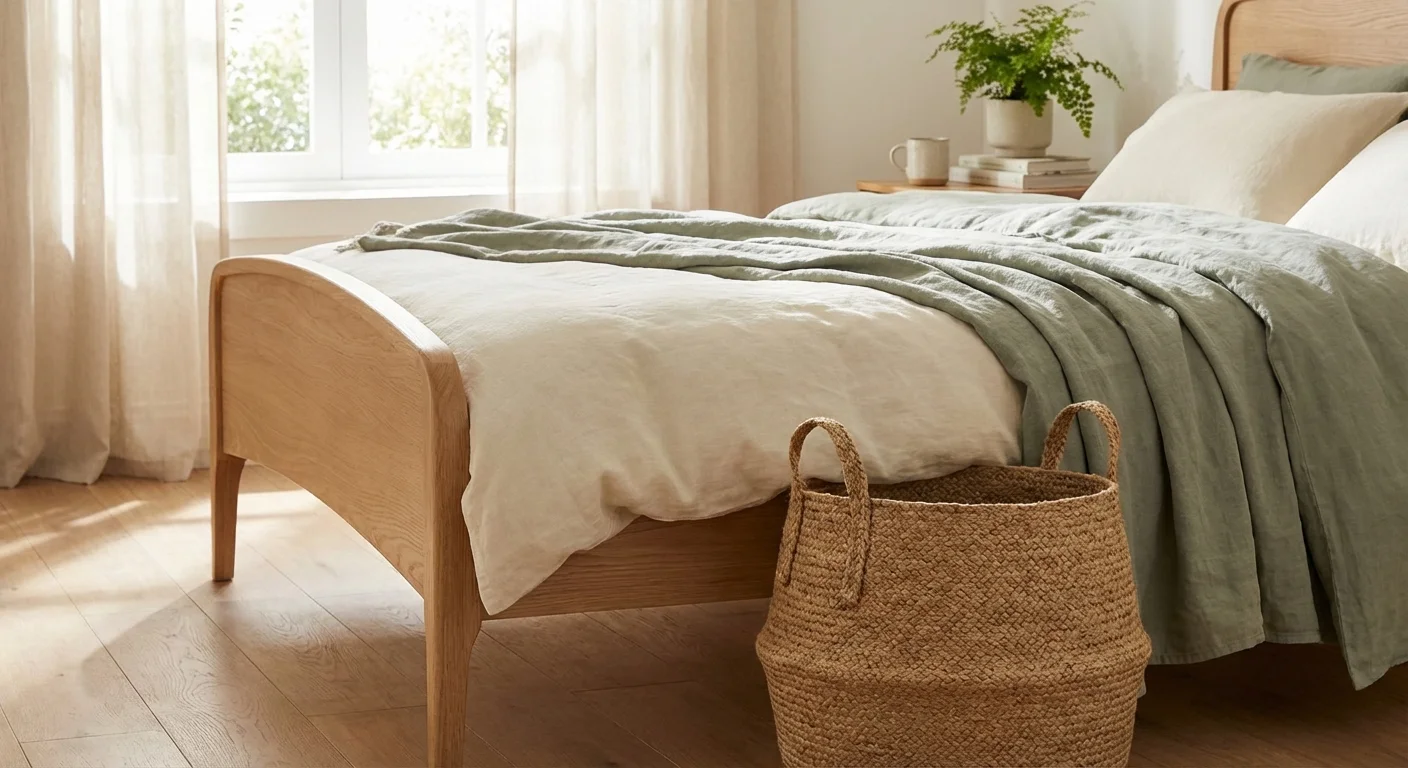
Look at the floor plan of your bedroom. A standard queen-size mattress occupies about 33 square feet of continuous floor space; a king-size bed takes up over 42 square feet. Leaving the area beneath your bed empty means forfeiting the equivalent footprint of a medium-sized walk-in closet. Maximizing this horizontal real estate completely transforms how your bedroom functions, shifting the heavy lifting away from overcrowded wardrobes and overflowing dressers.
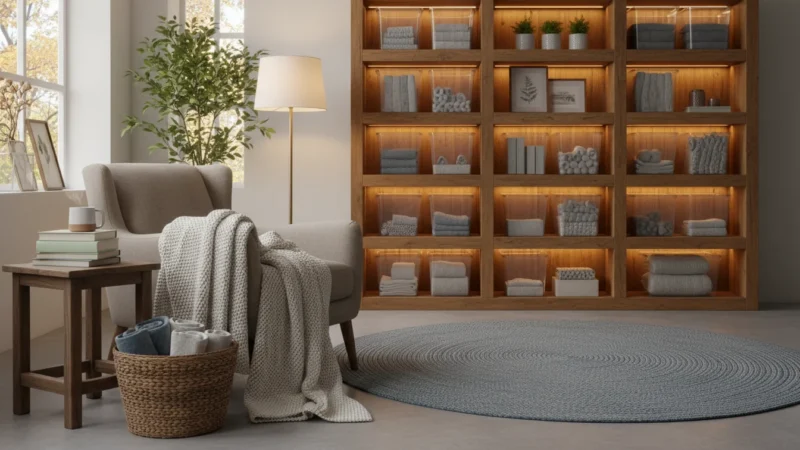
To truly maximize a room, you should also look into vertical storage solutions to utilize the full height of your walls.
Implementing effective under bed storage ideas requires more than just sliding old cardboard boxes out of sight. Without a proper system, the space beneath your mattress quickly devolves into a dusty graveyard of forgotten items. By choosing the right organizers for your specific bed frame, you keep your belongings accessible, protected, and perfectly organized.
“The space under your bed is prime real estate. Treat it like a horizontal closet rather than a hidden dumping ground. When you assign clear categories to this area, you instantly double your bedroom’s storage capacity.” — Lisa Zaslow, Professional Organizer
Assessing Your Bed Type and Clearance
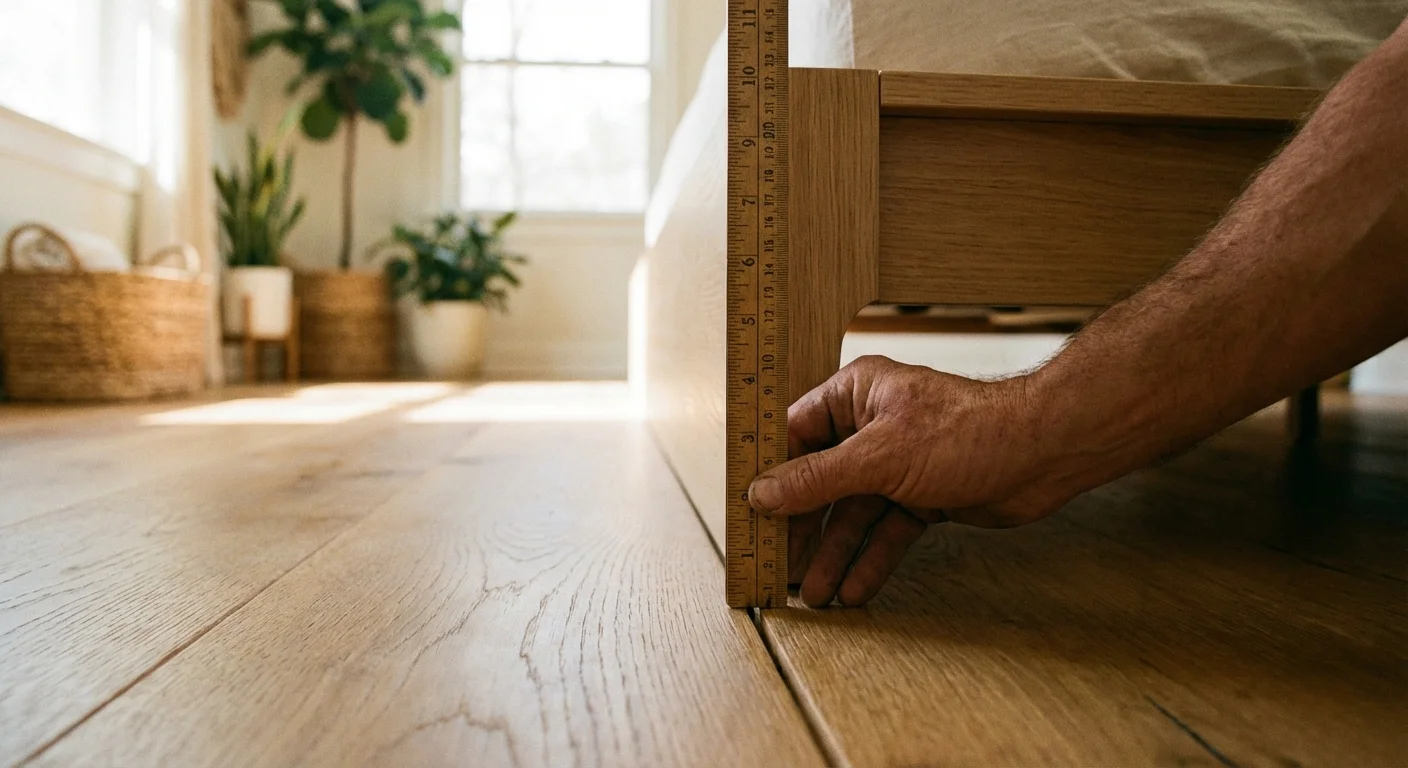
Before buying any storage products, you need exact measurements. The biggest mistake homeowners make is estimating the gap between the floor and the bed frame. Always measure the clearance from the floor to the lowest hanging component of the bed. If your frame has a lip, a center support beam, or a drooping box spring, base your maximum height limit on those specific obstacles.
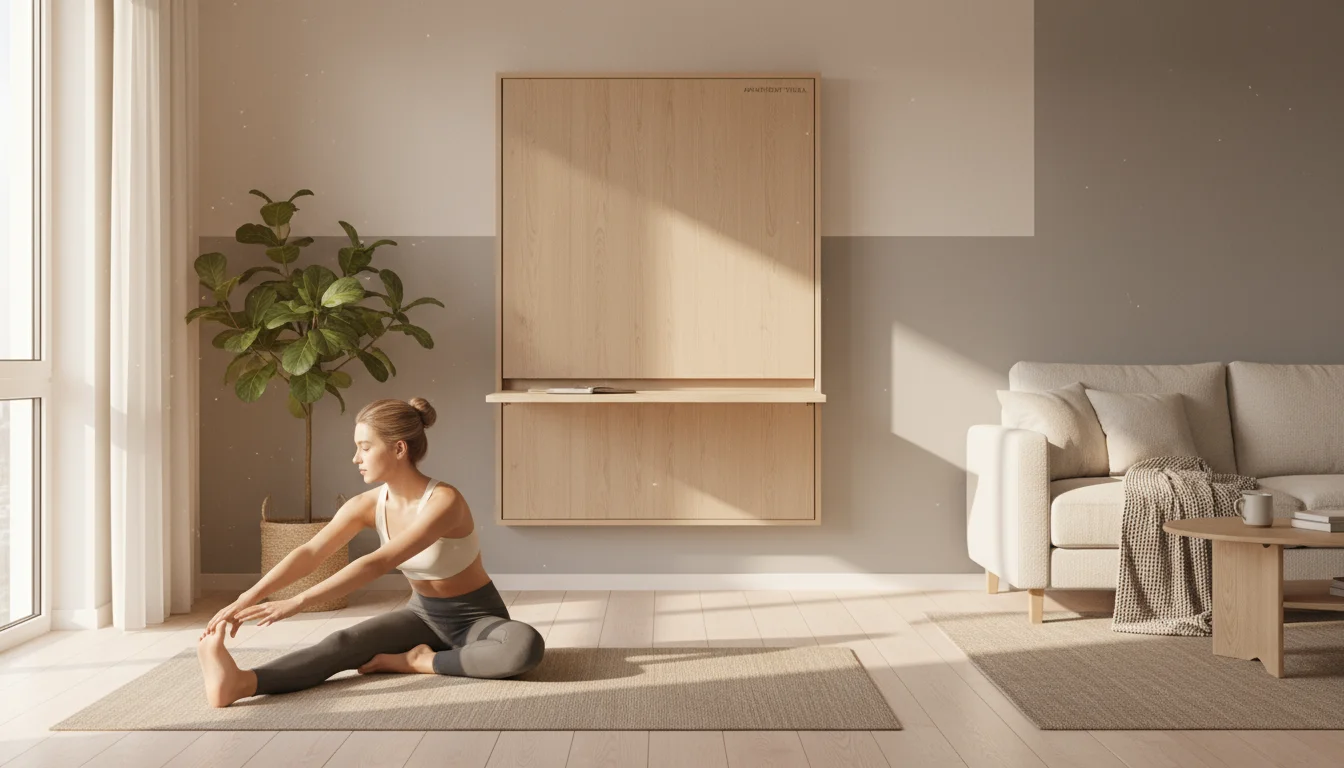
If your clearance is too low for standard bins, you might even consider Murphy bed ideas that free up floor space entirely during the day.
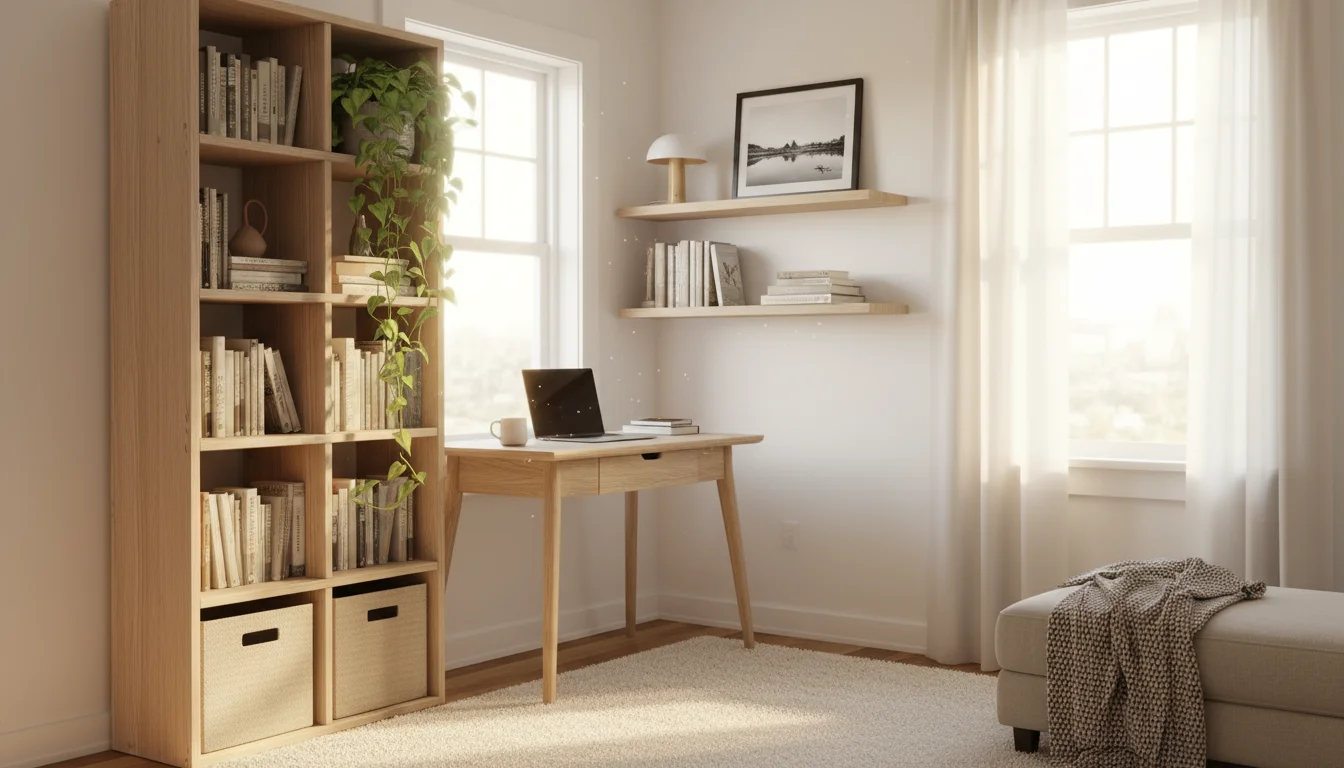
Before you start measuring, take the time to declutter your bedroom so you aren’t finding homes for things you no longer use.
Different bed frames demand entirely different storage approaches:
- Standard Metal Frames: These typically offer 7 to 9 inches of clearance. Because they have a minimalist structure, you can usually slide longer containers underneath. However, you must account for the center support leg commonly found on full, queen, and king sizes.
- Platform Beds: Modern platform beds sit closer to the ground, often leaving a narrow 4 to 6 inches of clearance. Soft-sided bags or specialized low-profile containers work best here. Some platform beds have a solid base, meaning zero under-bed storage is available unless you raise the bed using heavy-duty risers.
- Antique and Sleigh Beds: Older beds often feature intricate wooden side rails. While the center clearance might be high, the side rails drop low. You will likely need to lift the mattress slightly or find containers that clear the bottom edge of the decorative wood.
- Adjustable Bases: Motorized beds present a unique challenge. Because the mechanical arms drop below the frame when the head or foot is lowered, rigid boxes can cause severe damage to the motor. Use flexible, soft-sided bags, and always test the bed’s full range of motion while empty before pushing items underneath.
The Best Under Bed Organizers by Category
Walking down the aisles of a home goods store reveals dozens of bed storage solutions. Choosing the right material dictates how well your items survive seasonal transitions.
If you are looking for more creative ways to utilize this area, explore these under-bed storage ideas you haven’t thought of for unconventional solutions.
Heavy-Duty Plastic Bins
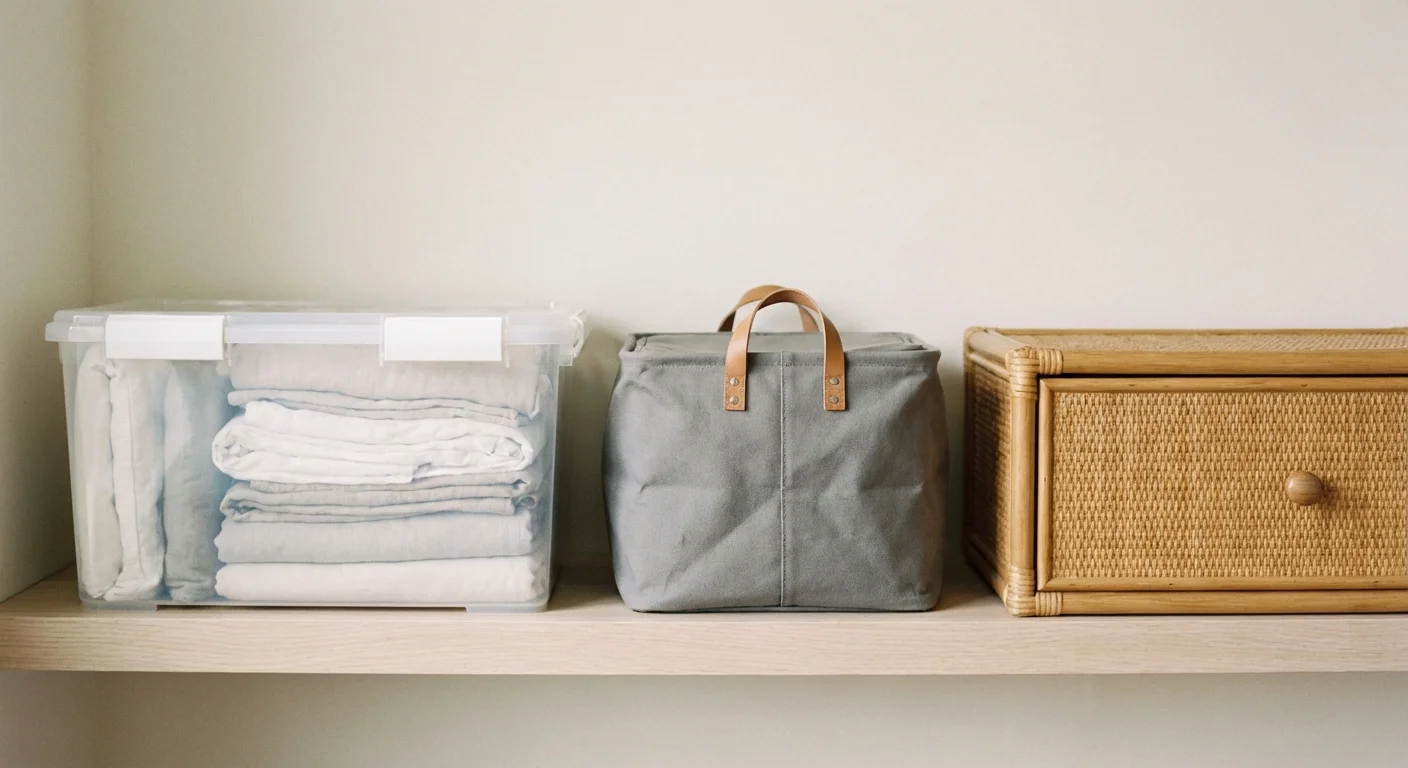
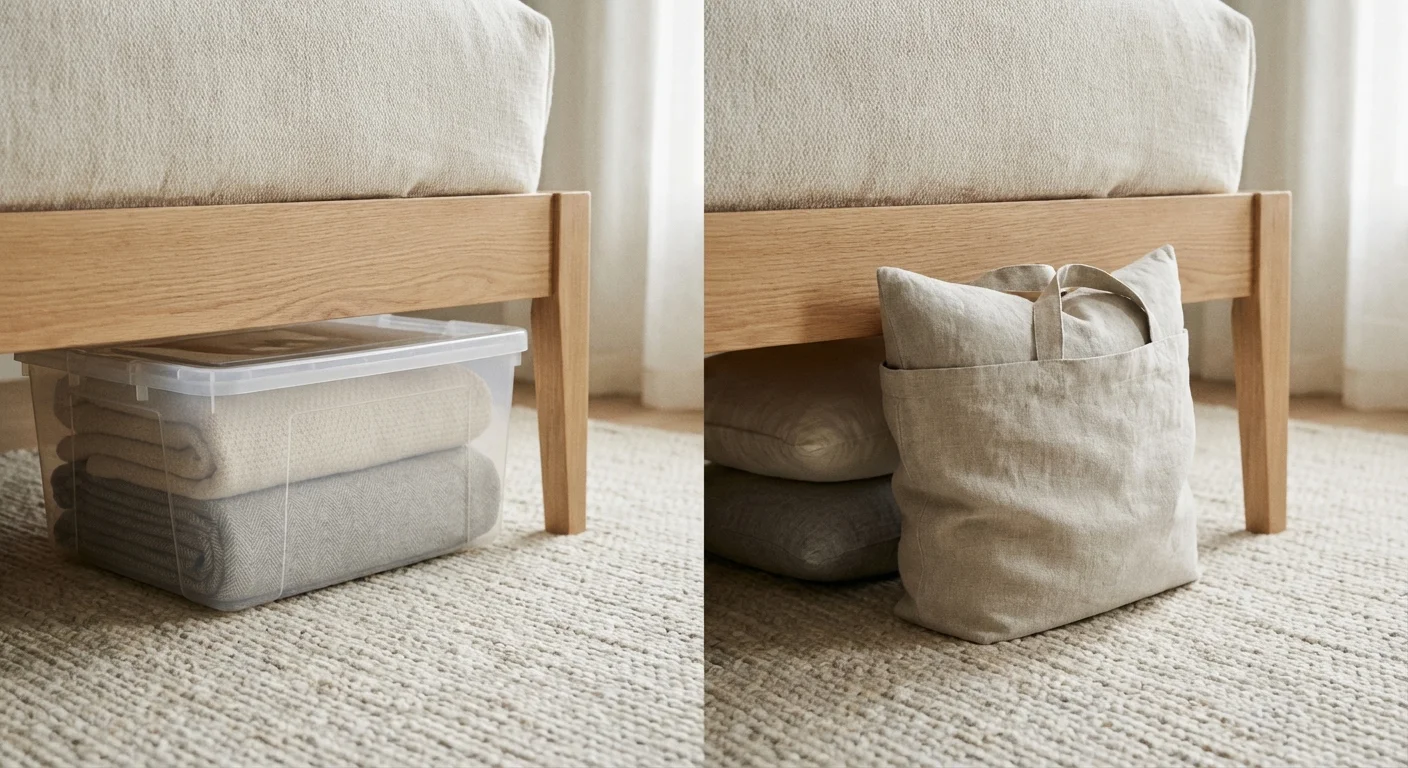
Plastic under bed bins serve as the gold standard for long-term storage, particularly in older homes, basement bedrooms, or ground-floor apartments where moisture fluctuates. Look for bins with latching lids rather than simple snap-on tops. Latches create a tighter seal against dust mites, silverfish, and seasonal humidity. Plastic containers work exceptionally well for heavy winter sweaters, denim, and extra pairs of shoes. Many home care experts featured in Real Simple recommend clear bins so you can instantly identify the contents without unlatching the lid.
Soft-Sided Canvas Bags
If your bed features an odd center support or a low-hanging rail, rigid plastic simply will not work. Soft-sided canvas or heavy-duty fabric bags offer crucial flexibility. You can gently compress a fabric organizer to clear a tight wooden frame. Breathable fabric prevents the stale, musty odors that sometimes plague completely airtight containers. Canvas bags excel at holding bulky, lightweight soft goods—think spare duvets, extra pillows, and seasonal linens.
Rolling Wood or Metal Drawers
When you need to access items daily or weekly, dragging a plastic bin across carpet quickly becomes an annoying chore. Rolling drawers equipped with multidirectional caster wheels provide instant, frictionless access. You can purchase standalone wooden drawers that match your bed frame or sleek metal wire baskets. These are ideal for storing everyday shoes, workout gear, or children’s toys. Because wire baskets remain uncovered, reserve them for items you cycle through rapidly to prevent dust accumulation.
Vacuum Storage Bags
When dealing with extreme space limitations, vacuum bags offer an almost magical solution. By extracting the air, you reduce the volume of puffy winter coats and oversized comforters by up to 80 percent. Once flattened, slide these rigid, airtight packages into a larger under-bed bin or fabric bag for double protection. Always wash and completely dry textiles before sealing them; any trapped moisture will cause mildew over the ensuing months.
Comparison: Evaluating Bed Storage Solutions
Use this breakdown to match your storage needs with the most efficient materials.
| Storage Type | Best Used For | Durability | Accessibility |
|---|---|---|---|
| Latching Plastic Bins | Sweaters, off-season clothing, archives | High (moisture and pest resistant) | Moderate (requires pulling out entirely) |
| Soft-Sided Canvas | Linens, blankets, delicate fabrics | Medium (breathable, flexible) | Moderate (lightweight to handle) |
| Rolling Drawers | Shoes, daily wear, children’s toys | High (wood or metal frames) | High (smooth gliding access) |
| Vacuum Bags | Puffer jackets, thick duvets | Low to Medium (can puncture) | Low (requires a vacuum to reseal) |
Strategic Organization for Small Bedrooms
Maximizing storage for small bedrooms requires a strategic map of your under-bed territory. Do not just shove boxes randomly into the dark; create specific zones based on frequency of use.
For those living in multipurpose spaces, applying studio apartment organization principles can help define clear boundaries between your sleeping and storage areas.
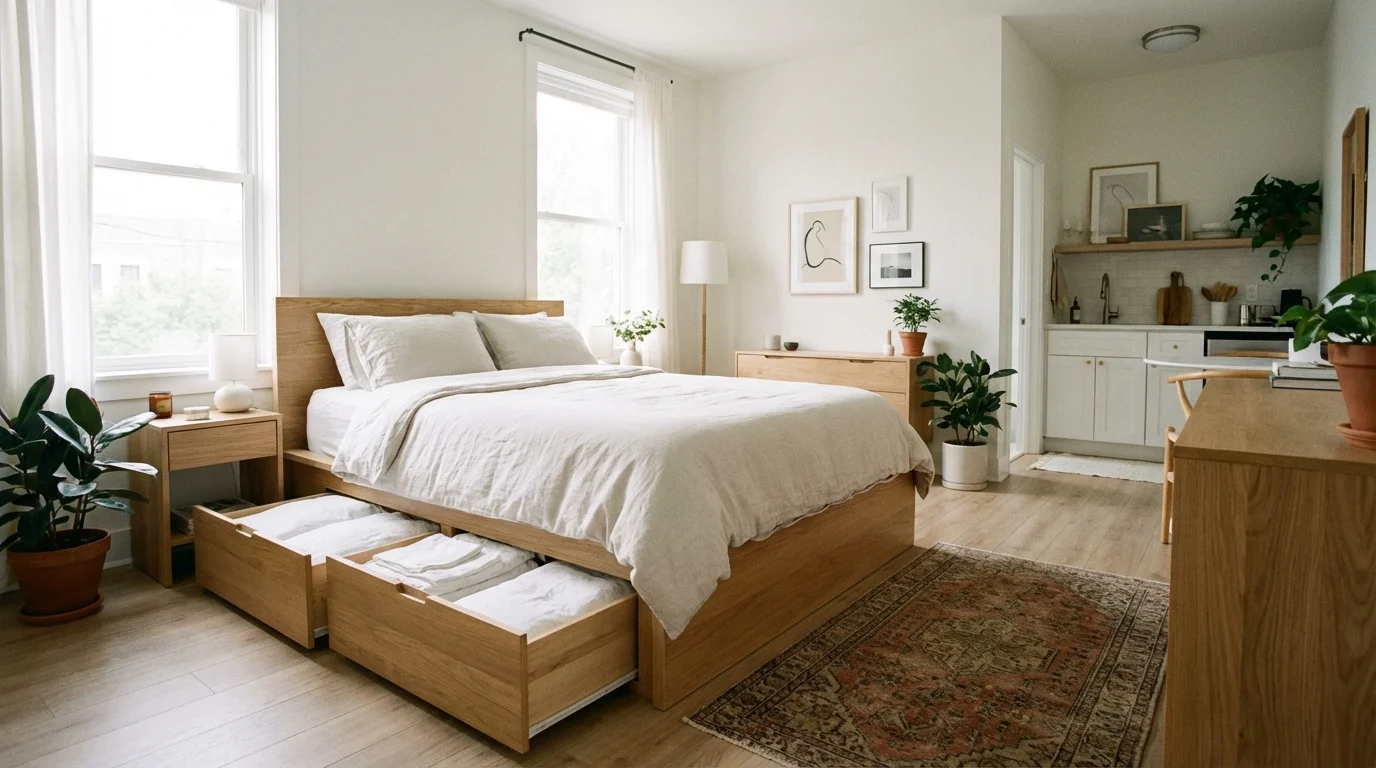
The Perimeter Zone: The outer edges of the bed—the spaces you can reach simply by reaching down—should house items you need frequently. Keep rolling drawers with your current-season shoes or extra bed sheets along the side rails.
The Deep Center: The dead center of a king or queen bed is notoriously difficult to reach. Reserve this deep zone for true long-term storage. Holiday decorations, luggage (which can be filled with off-season clothes), and tax archives belong in the center. To retrieve them, you will likely need to pull out the perimeter boxes first, which is why this space is strictly for items you access once or twice a year.
Foot of the Bed: If you lack space to pull long boxes out from the sides of the bed due to nightstands or narrow walls, utilize the foot of the bed. Purchase extra-long, narrow bins designed to slide out horizontally from the footboard.
For more inspiration on maximizing tight bedroom layouts, interior designers routinely share brilliant spatial hacks on Apartment Therapy, showcasing how tailored under-bed storage can replace bulky freestanding furniture.
Aesthetic Considerations: Hiding Your Storage
Practicality matters, but visual clutter disrupts the calming atmosphere a bedroom requires. Seeing plastic tubs peeking out from under your mattress creates visual noise. You have several options for concealing the best under bed organizers effectively.
To keep the rest of your floor space open and uncluttered, consider pairing your under-bed bins with wall-mounted storage ideas that draw the eye upward.
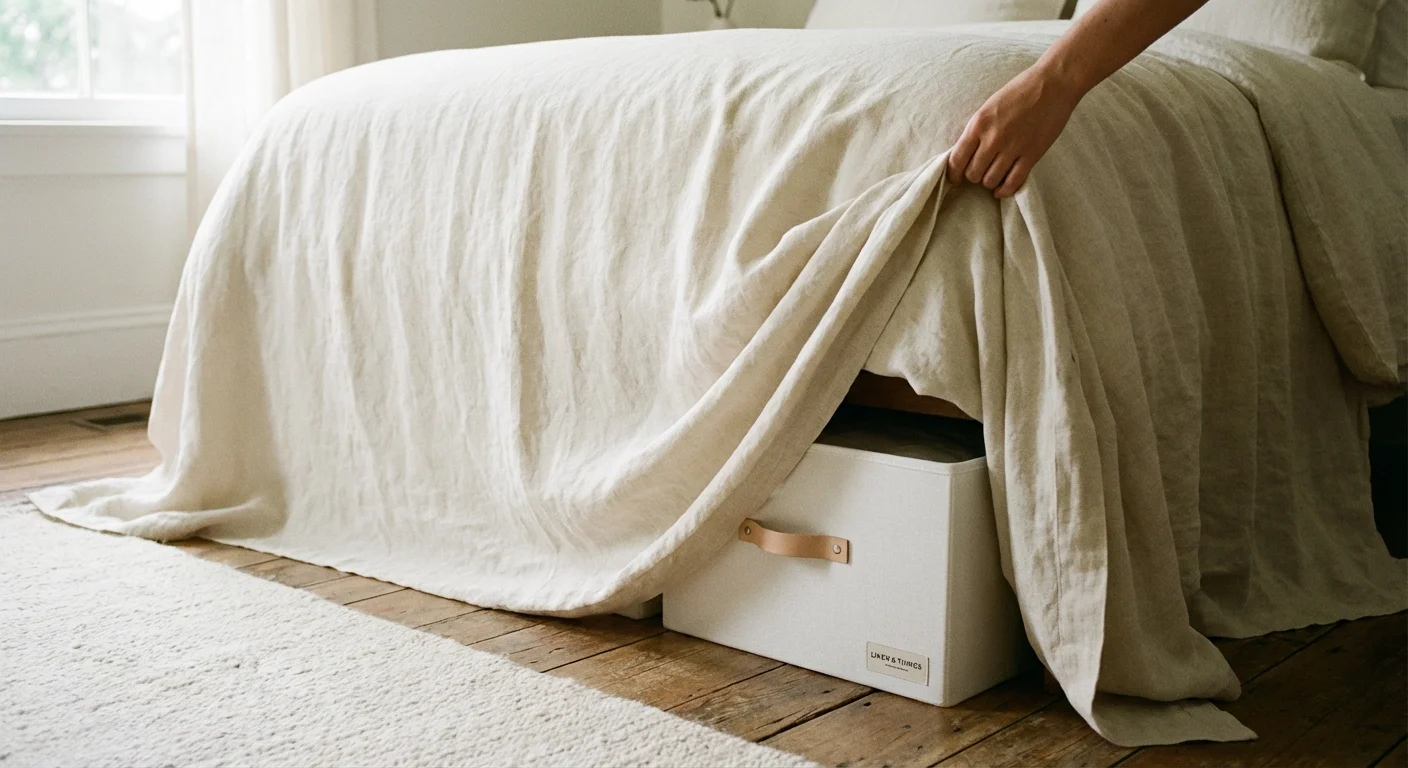
A tailored bed skirt offers the most traditional concealment. Skip the ruffled, dated skirts and opt for a box-pleated or straight-tailored linen bed skirt for a clean, modern aesthetic. Ensure the drop length—the measurement from the top of the box spring to the floor—just brushes the carpet or hardwood.
If you prefer a contemporary look without a bed skirt, consider buying an oversized duvet or coverlet. Sizing up your bedding (putting a king-size duvet on a queen bed) creates an elegant drape that naturally hides the gap beneath the frame. Alternatively, invest in rolling wooden drawers that perfectly match the stain of your bed frame. When pushed flush against the edge, they mimic the look of a solid, built-in captain’s bed.

Pitfalls to Watch For
Even the most organized systems fail if you ignore the environmental realities of the floor.
Ignoring Dust Accumulation: The area beneath your bed acts as a magnet for dust bunnies, skin cells, and pet dander. Every time you move, the mattress acts like a bellows, pushing dust down. Never store items completely uncovered unless you use them daily. Commit to pulling all storage bins out twice a year to thoroughly vacuum the floor and wipe down the containers.
Using Cardboard Boxes: Never use corrugated cardboard for long-term under-bed storage. Cardboard absorbs ambient humidity, breaking down over time and leaving a musty odor on your clothes. Worse, the glue used in corrugated cardboard acts as a food source for silverfish, roaches, and other pests. Always transfer items to proper plastic or fabric bins.
Restricting Mattress Airflow: Mattresses need to breathe to evaporate the moisture our bodies release overnight. If you pack the under-bed area so tightly that boxes touch the wooden slats or the bottom of the mattress, you severely restrict this necessary airflow. Always leave at least one to two inches of vertical space between the top of your storage containers and the bottom of the bed frame. Resources from The Spruce frequently emphasize this crucial gap to prevent mold growth inside mattress layers.
Frequently Asked Questions
How do I keep my under-bed storage smelling fresh?
Store freshly laundered items with cedar blocks, lavender sachets, or activated charcoal bags inside the bins. Avoid using strongly scented chemical dryer sheets, as the artificial fragrance can become overpowering when trapped in an airtight box for months. Toss a few silica gel packets into plastic bins to absorb residual moisture and prevent mildew.
What should I absolutely never store under my bed?
Avoid storing leather jackets or heavy leather boots in airtight plastic under the bed, as leather requires air circulation to prevent drying and cracking. Additionally, avoid storing important, irreplaceable documents (like birth certificates or property deeds) under the bed unless they are secured in a fireproof, waterproof lockbox. Floor-level storage is highly susceptible to water damage during plumbing leaks or floods.
Can under-bed storage attract bed bugs?
Storage containers do not spontaneously generate or attract bed bugs, but cluttered spaces provide excellent hiding spots if an infestation occurs. Using clear, hard plastic bins with latching lids makes it much harder for pests to infiltrate your belongings compared to open cardboard boxes or loose fabric bags.
Is it bad feng shui to store things under the bed?
Traditional feng shui principles suggest leaving the space beneath the bed completely empty to allow energy (chi) to circulate freely while you sleep. However, modern organizing philosophies recognize the necessity of storage in small homes. If you must use the space, experts recommend storing only sleep-related or soft items—like clean linens, blankets, and seasonal clothing. Avoid storing sharp objects, active paperwork, nostalgic memorabilia, or heavy tools beneath where you sleep.
Establishing Your New Storage Routine
Taming the chaos beneath your mattress yields immediate rewards. You reclaim precious closet space, protect your off-season wardrobe, and create a more serene, orderly bedroom environment. Start the process by pulling everything out from under the bed, vacuuming the floor thoroughly, and aggressively decluttering before purchasing any new containers.
Take exact measurements, evaluate what categories of items need homes, and select a mix of rolling drawers for daily use and latching bins for deep storage. By implementing a thoughtful system, you turn wasted square footage into one of the most functional spaces in your home.
This guide provides general home improvement information. Every home is different—what works in one space may need adaptation in yours. For structural changes or electrical/plumbing work, consult a licensed professional.
Last updated: February 2026



Leave a Reply