

Every time the weather shifts, you face the same spatial puzzle: where to put bulky winter coats, heavy duvets, and thick wool sweaters when your closet space is already maxed out. Most homes simply lack the built-in storage necessary to comfortably house a four-season wardrobe alongside extra guest bedding. Instead of stuffing sweaters onto top shelves or cramming comforters into bursting bins, space saver vacuum bags offer a highly effective solution. By extracting the ambient air trapped within textile fibers, these bags compress your softest, bulkiest items down to a fraction of their original size.
Before you begin packing, taking the time to declutter your bedroom ensures you only store items that are worth the effort of preserving.
Navigating the market of vacuum seal bags for clothes can feel overwhelming. Many products look identical but perform drastically differently over a six-month storage period. Some hold their seal perfectly through the summer heat, while others slowly re-inflate, bursting open your under-bed storage drawers in the middle of the night. Choosing the right bedding storage bags requires understanding material thickness, valve construction, and zipper integrity.
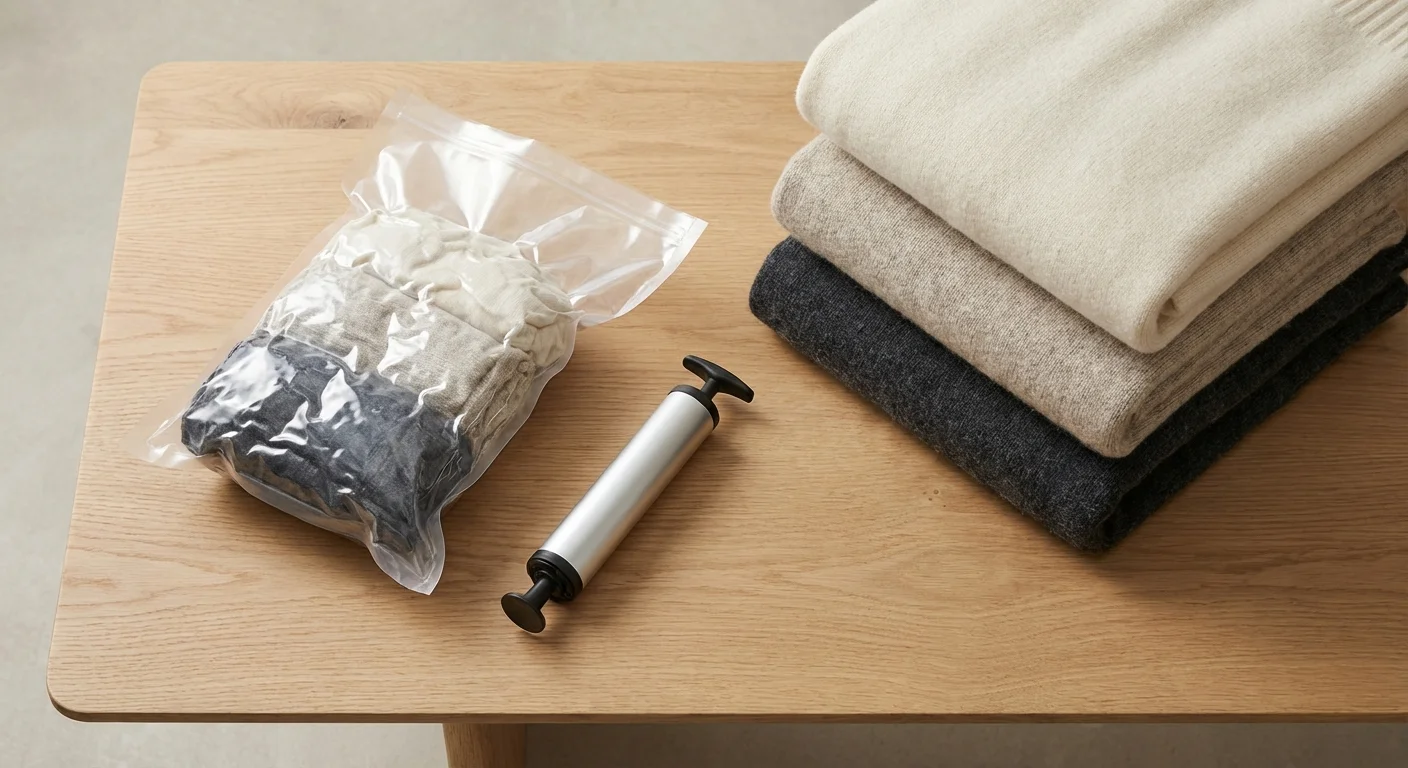
The Essentials: What You Need to Know at a Glance
- Material matters: Look for bags made from a PA+PE (Polyamide and Polyethylene) blend. This combination remains flexible and resists tearing, unlike cheaper, brittle PET plastics.
- Dual-zip seals are non-negotiable: A single zipper will almost always fail over time. Double-zipper seals lock securely to prevent microscopic air leaks.
- Not everything should be compressed: Avoid vacuum sealing natural leather, silk, or items with sharp structural elements. Down feathers should only be compressed by 50 percent to prevent breaking the quills.
- Bone-dry storage only: Even a trace amount of moisture sealed inside a vacuum bag will lead to mildew. Wash and thoroughly dry all items before packing.
Understanding Vacuum Storage Bag Materials and Components
To understand why one bag keeps your seasonal clothing flat for eight months while another inflates after two weeks, you have to look at the anatomy of the bag itself. A high-quality vacuum storage bag relies on three critical components: the plastic blend, the zipper track, and the extraction valve.
Implementing these tools is a key strategy for maximizing closet space in a small bedroom where square footage is at a premium.
The plastic film must be thick enough to resist punctures from zippers or buttons, yet flexible enough to fold around the contours of your compressed clothing. As noted by organization experts at The Spruce, the industry standard for premium bags is a co-extrusion of Polyamide (PA) and Polyethylene (PE). Polyamide provides the structural strength and acts as a superior oxygen barrier, while Polyethylene offers flexibility and water resistance. If you see bags advertised as pure PET (Polyethylene Terephthalate), pass them by; they tend to crack along the fold lines after a single use.
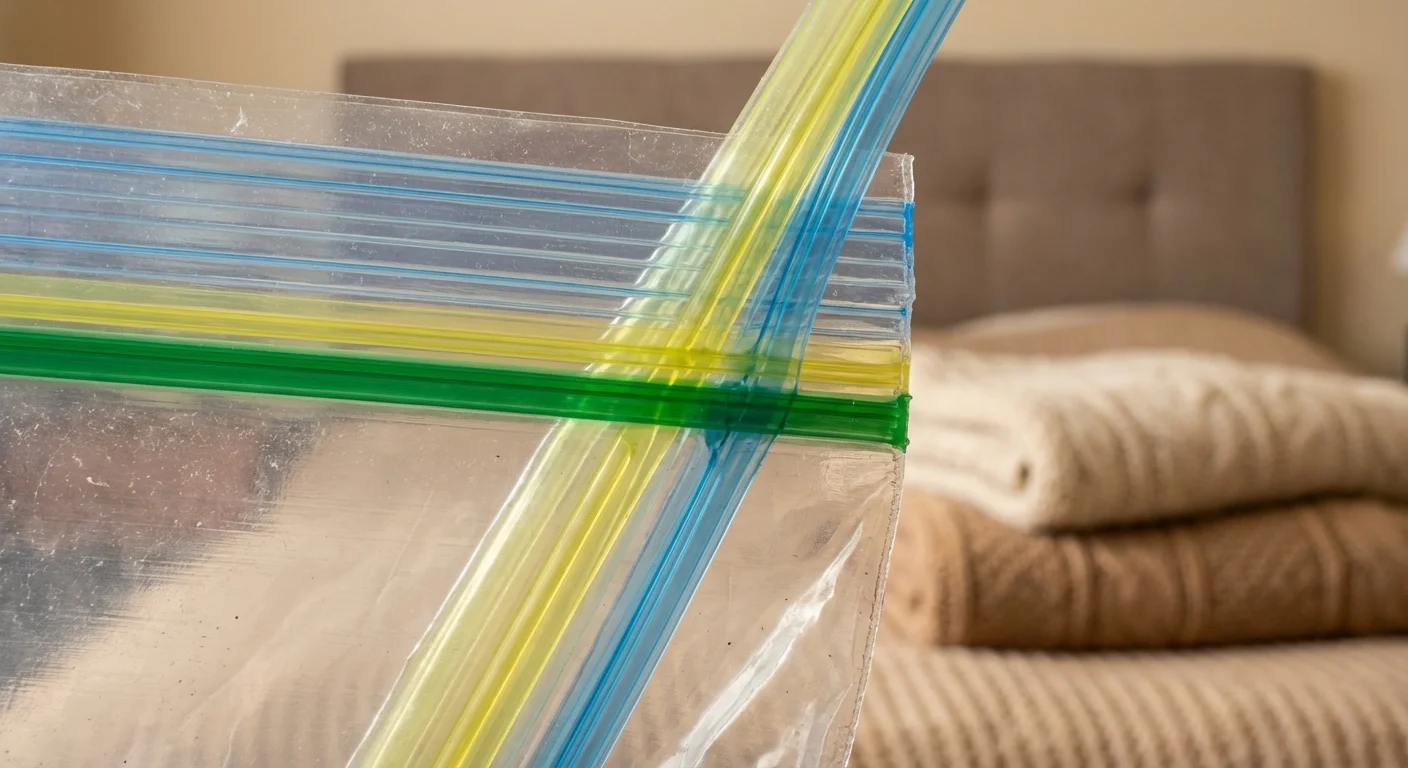
The zipper track is your first line of defense against air intrusion. The best vacuum storage bags feature an asymmetric double-zip seal. This means the two interlocking tracks have slightly different shapes, creating a secondary physical barrier if the first track slightly separates. Most high-quality bags also use a color-changing zipper—the tracks are two different colors (like yellow and blue) that turn a solid third color (green) when firmly pressed together, giving you visual confirmation of a perfect seal.
Finally, the one-way extraction valve dictates how easily you can remove the air and how securely the bag stays flat. A turbo valve uses a silicone flap or a rubber stopper that opens under the negative pressure of your vacuum hose and immediately snaps shut the moment you pull the hose away. Screw-on caps then cover this valve to protect the delicate silicone flap from dust and physical damage.
Comparing the Best Vacuum Storage Bags
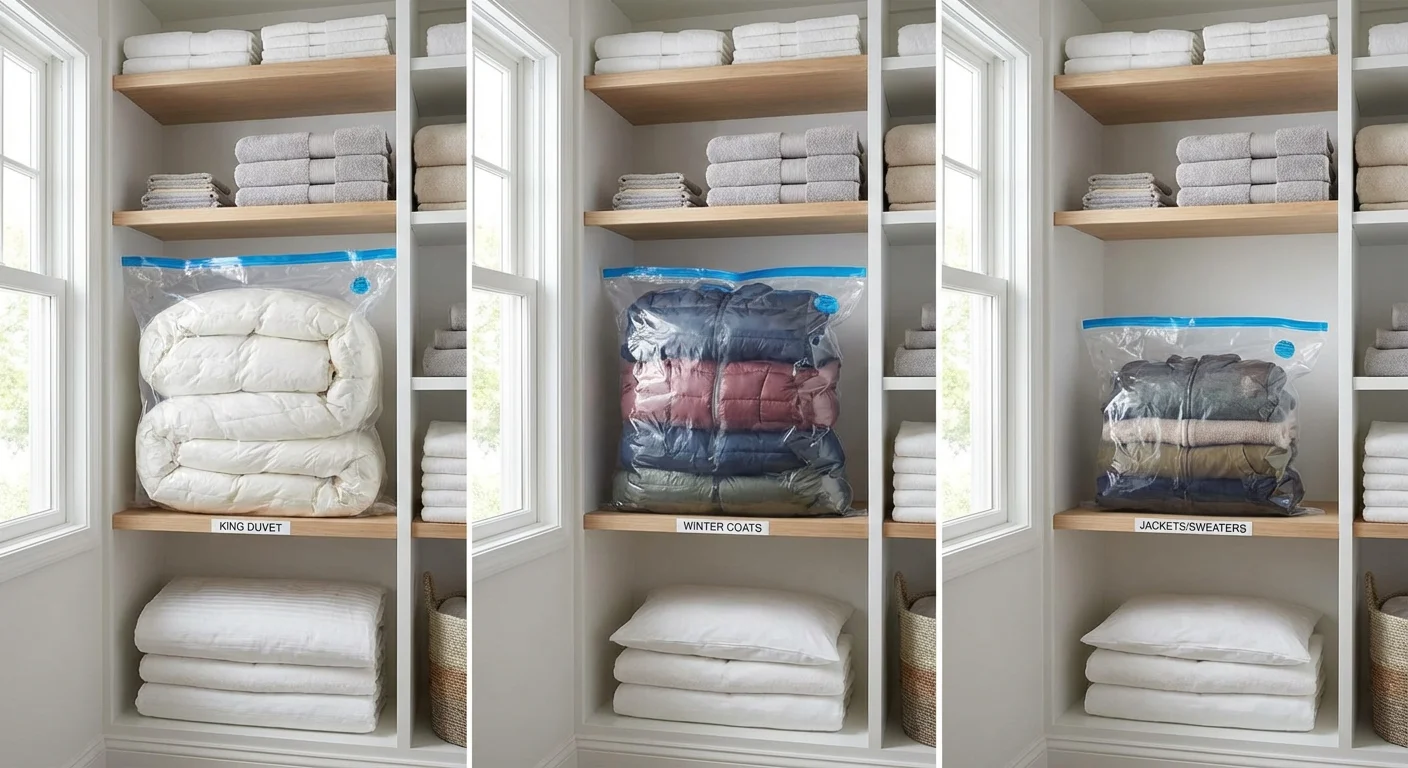
Different storage scenarios require different bag styles. A jumbo bag designed for a king-sized comforter will be unwieldy if used for a few lightweight summer dresses. Here is a breakdown of the top categories and what makes them effective.
To get the most out of these tools, consider combining them with practical closet organization ideas designed for busy families.
| Storage Category | Ideal Use Case | Key Features to Look For |
|---|---|---|
| Flat Premium Bags | Everyday seasonal clothing, standard pillows, and medium blankets. | PA+PE material blend, color-changing double zipper, included hand pump for travel. |
| Jumbo / Cube Bags | King-sized duvets, multiple heavy winter coats, guest room bedding sets. | Gusseted bottom that expands into a box shape, allowing the bag to stand upright. |
| Hanging Vacuum Bags | Long winter coats, formal dresses, suits, and jackets. | Integrated hanger hook, reinforced top seam to handle the hanging weight. |
| Roll-Up Travel Bags | Suitcases, backpacking, gym bags. | No vacuum valve required; features air-exit channels at the bottom for manual compression. |
Flat Premium Bags: The Versatile Workhorse
For standard seasonal closet rotations, flat bags are your best investment. When you transition your closet—a process frequently highlighted by style editors at Real Simple—you want varying sizes. Medium bags are perfect for sweaters and jeans, while large bags handle standard blankets. Because they compress completely flat, they are ideal for sliding under beds or stacking horizontally on top shelves. Look for multi-size variety packs from reputable manufacturers to cover all your basic wardrobe needs.
Jumbo Cube Bags: The Bedding Champions
If you have ever tried to shove a down-alternative king-size duvet into a standard flat vacuum bag, you know it is an exercise in frustration. Cube bags feature a gusseted bottom that expands, creating a box-like structure before compression. This three-dimensional shape allows you to stack folded quilts, duvets, and pillows neatly. Once vacuumed, the cube compresses straight down, resulting in a dense, stackable block that fits perfectly into the large plastic storage bins you might find at The Container Store.
Hanging Bags: Protecting Structured Outerwear
Some items simply should not be folded. Heavy winter wool coats, ski jackets, and formal wear hold their shape best when left on a hanger. Hanging vacuum bags feature an internal ring where you can hook 3 to 5 hangers. The bag drops down over the garments, seals at the bottom or side, and compresses inward. This clears up immense horizontal space on your closet rod while protecting expensive outerwear from dust and moths.
How to Properly Pack Seasonal Clothing and Bedding
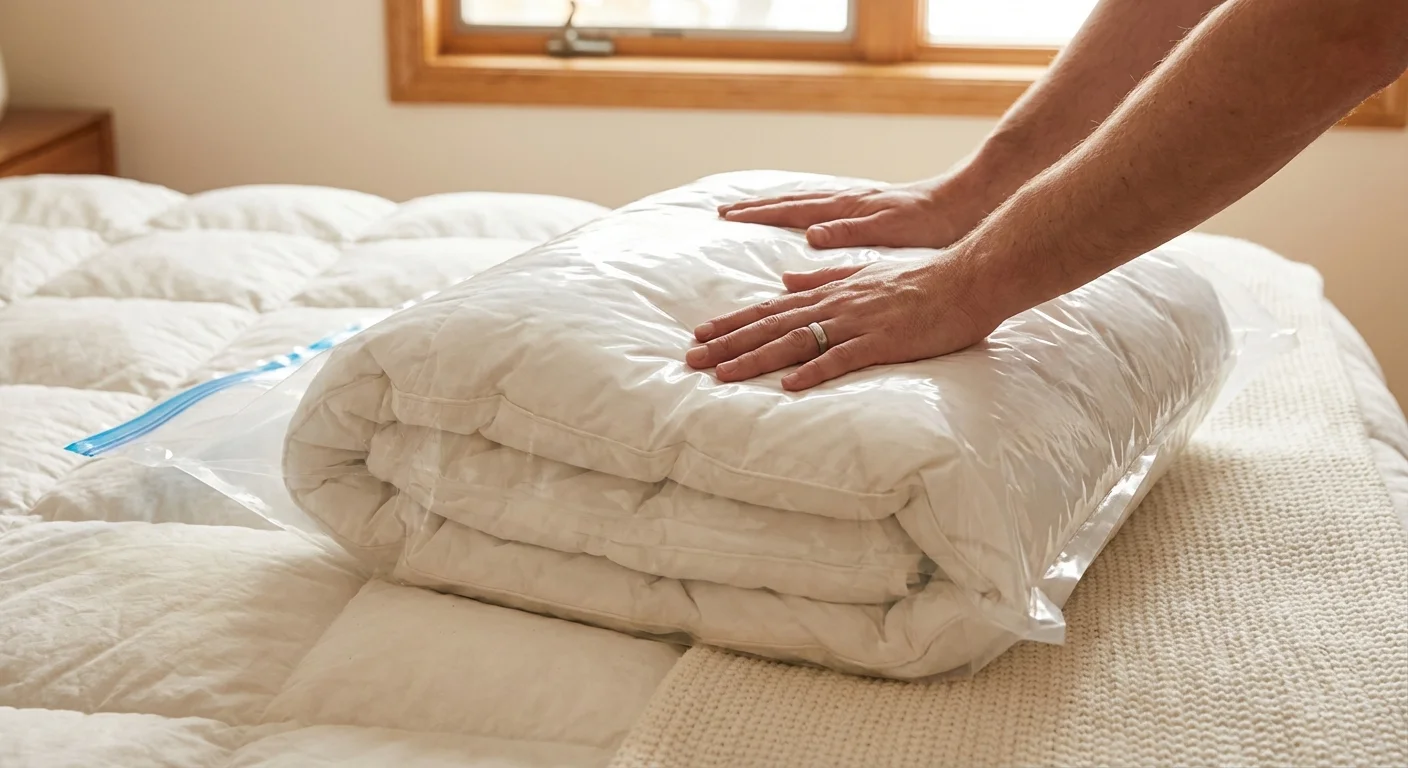
Buying the best vacuum storage bags is only half the equation; your packing technique determines how well your items survive the off-season. Rushing the packing process is the most common reason bags fail to hold their seal or clothes come out smelling musty.
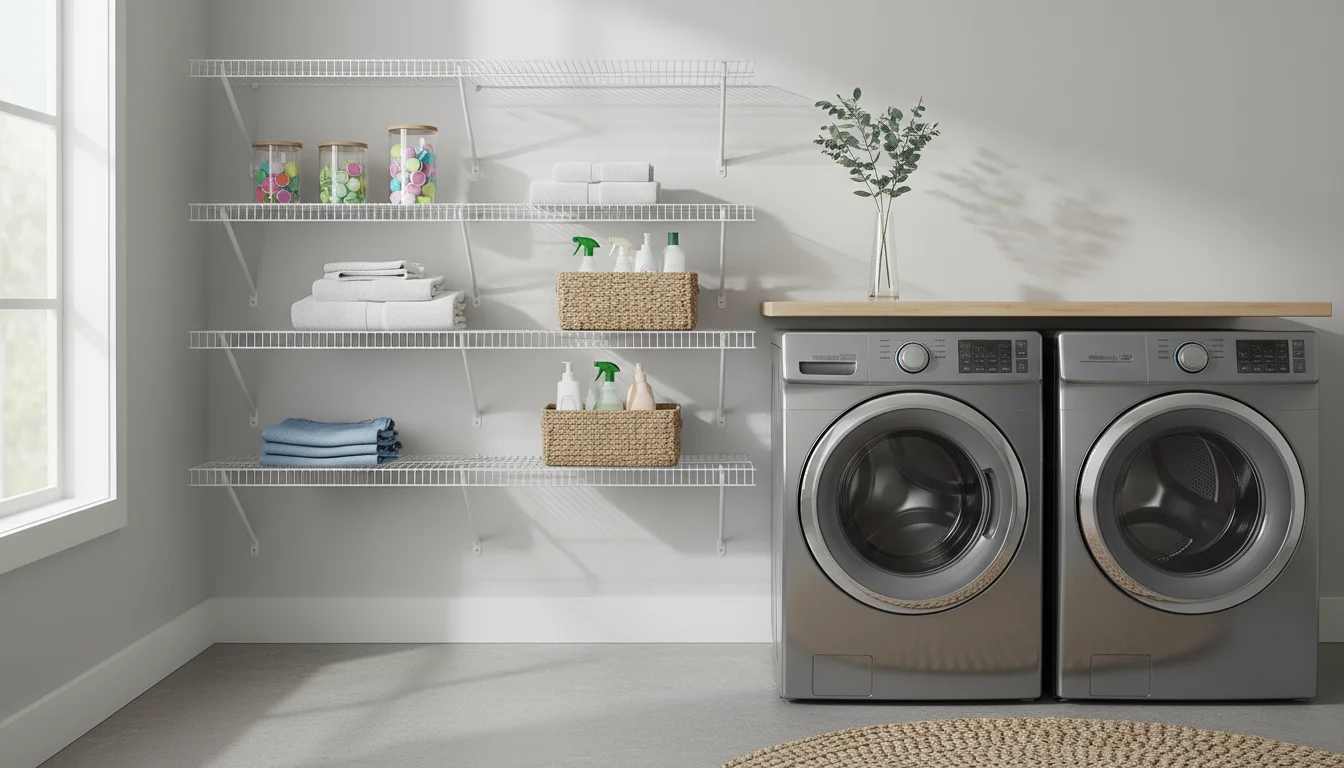
Establishing a routine laundry room organization system helps simplify the washing and drying phases required before sealing your items away.
- Wash and dry absolutely everything: Never store clothing that has been worn, even once. Invisible body oils, dead skin cells, and microscopic food splatters attract pests and degrade fabric over time. Wash everything according to its care label. More importantly, ensure items are completely dry. Run bedding through an extra dryer cycle; even a tiny amount of residual moisture in a waistband or thick seam will breed mildew inside an airtight vacuum bag.
- Fold strategically: Avoid rolling your clothes. Rolling creates uneven lumps that prevent the bag from laying perfectly flat when compressed. Instead, use a structured, flat folding method. Stack your heaviest items on the bottom and lighter items on top. Keep metal zippers, buttons, and buckles folded inward so they do not press against the plastic bag and cause a puncture under pressure.
- Respect the fill line: Every vacuum bag has a “Stop” or “Max Fill” line printed a few inches below the zipper. Do not cross it. If you overstuff the bag, the extreme tension placed on the zipper track will inevitably cause it to pop open. Leave enough room for the plastic to comfortably close.
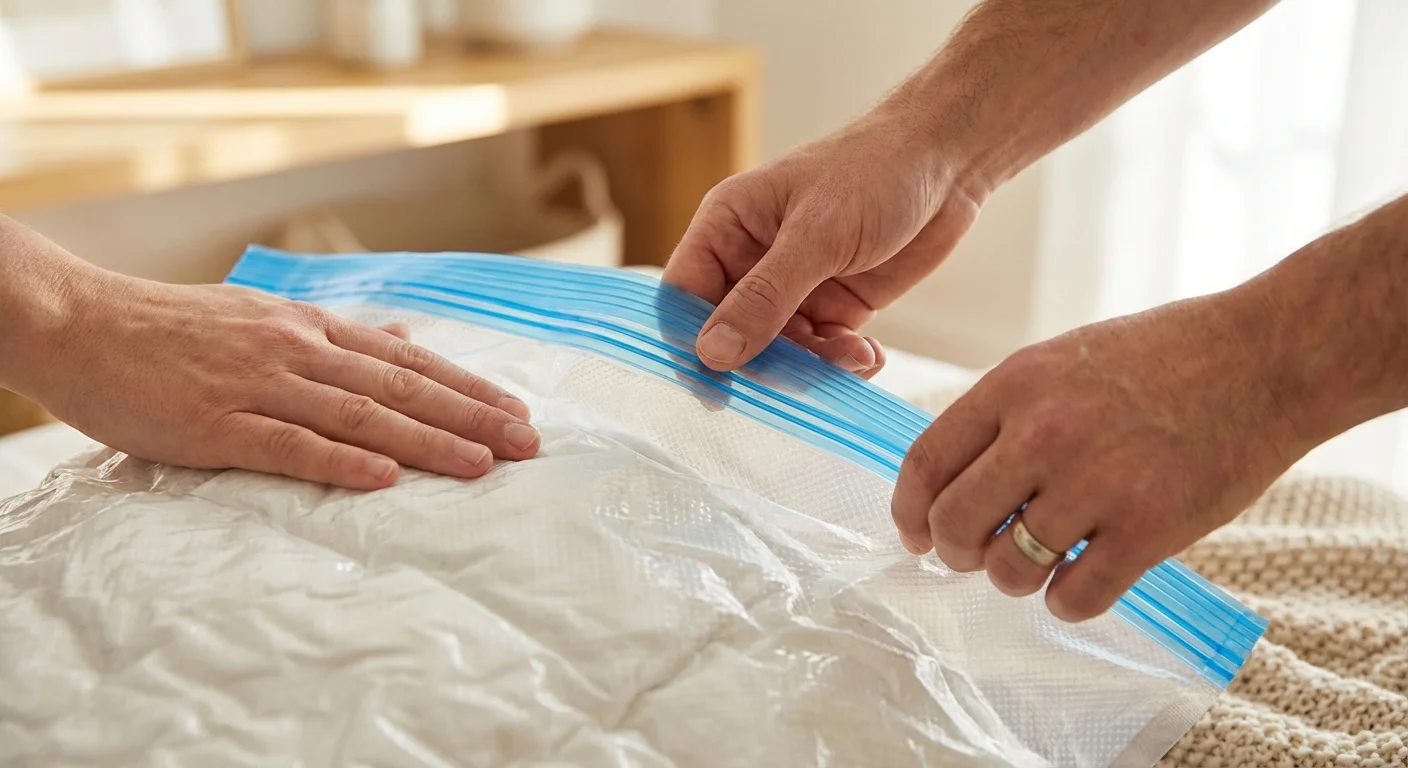
- Seal the zipper completely: Run the provided plastic slider clip back and forth across the zipper track at least three times. Press firmly. After using the clip, run your thumb and index finger along the entire length of the track to feel for any distinct clicks or open spots. A 99 percent sealed bag is a 100 percent failed bag.
- Extract the air: Remove the cap from the turbo valve. Press your vacuum cleaner hose completely flat against the valve to create a tight seal. Turn the vacuum on and watch the bag shrink. As it compresses, use your free hands to pat and mold the bag, ensuring it flattens evenly rather than turning into a rigid, awkward ball.
- Secure the valve and store: Quickly remove the vacuum hose and screw the protective cap tightly over the valve. Store your compressed bags in a climate-controlled environment. Avoid extreme heat, such as uninsulated attics, which can cause the plastic to warp or adhere to your fabrics.
“Proper storage is about preservation, not just space-saving. When you remove the air, you also remove the primary environment where pests and moisture thrive. However, treating your textiles with respect during the packing process is what guarantees they emerge looking fresh next season.” — Organization and Textile Care Specialists

Special Care: What NOT to Vacuum Seal
While vacuum sealing feels like magic, it is not suitable for every material in your home. Subjecting certain fibers to months of extreme pressure will cause irreversible damage.
Once your bags are sealed, using one of the best label makers will allow you to identify contents at a glance without breaking the airtight seals.
Natural Animal Fibers: Leather, suede, and silk require ambient air to retain their natural moisture and flexibility. If you vacuum seal a leather jacket, the material will dry out, crack, and permanently crease. Silk fibers are too delicate and will develop deep, structural wrinkles that no amount of steaming can remove.
Down Feathers: There is heavy debate regarding down comforters and pillows. The insulating power of down comes from the tiny structural quills of the feathers, which trap air. If you use a vacuum to suck 100 percent of the air out of a down duvet, you risk snapping those delicate quills. If you must use a space saver vacuum bag for down, only extract about 50 percent of the air. Leave enough loft so the feathers are not crushed flat. Synthetic down-alternative fills, however, can be compressed safely and will bounce back with a good fluffing.
Puffy Jackets and Sleeping Bags: Similar to down bedding, high-performance winter gear relies on loft to keep you warm. Compressing insulated ski jackets or extreme-weather sleeping bags for extended periods can crush the internal batting, significantly reducing their thermal rating.
Items with Sharp Edges: Avoid packing garments with heavy structural boning, sharp metallic embellishments, or rigid wireframes. Under the intense negative pressure of a vacuum seal, these elements will easily slice through the PA+PE plastic, ruining the bag instantly.
Avoiding Common Errors
Even with the best vacuum storage bags, user error can lead to frustrating results. Watch out for these frequent missteps when packing away your seasonal clothing and bedding.
Losing the Slider Clip: Those tiny plastic clips attached to the zipper track are essential for creating an airtight seal. They easily slide right off the end of the track and get lost. Keep track of them, and store any extras in a designated drawer. If you lose one, you will have to rely on pinching the track with your fingers, which is vastly less effective.
Ignoring Fabric Care Labels: Just because an item fits in the bag does not mean it belongs there. Always double-check care labels. If an item explicitly states “Do Not Compress” or “Store in Breathable Garment Bag,” follow the manufacturer’s instructions. The textile experts at Good Housekeeping frequently test fabric resilience and confirm that ignoring these labels usually results in shortened garment lifespans.
Storing in Fluctuating Temperatures: Vacuum bags protect against water and bugs, but they do not protect against heat. Storing sealed bags in a hot garage or attic can cause the plasticizers in the bag to break down. In extreme cases, the plastic can melt slightly and fuse to your clothing. Always store vacuum bags under the bed, in interior closets, or in climate-controlled storage units.

When DIY Isn’t Enough
While vacuum bags are excellent for seasonal transitions, there are times when standard at-home storage methods fall short. You may need to look beyond space saver bags in the following scenarios:
- Antique or Heirloom Preservation: Wedding dresses, vintage quilts, and inherited textiles should never be vacuum-sealed. They require acid-free preservation boxes and breathable muslin wrapping to prevent yellowing and fiber decay.
- Severe Humidity and Mold Issues: If your home frequently suffers from high humidity, extreme dampness, or active mold problems, relying solely on plastic bags in a damp basement is risky. You may need to invest in dedicated climate-controlled storage or whole-home dehumidification systems.
- Downsizing and Chronic Clutter: Vacuum bags should not be used to enable hoarding. If you find yourself vacuum-sealing clothes you have not worn in five years just to make them fit in your house, space is not your primary issue. In these cases, consulting a professional organizer or undertaking a serious decluttering purge is the necessary next step.
Frequently Asked Questions
Do vacuum storage bags wrinkle clothes permanently?
Most everyday fabrics like cotton, polyester, and spandex will emerge with heavy wrinkles, but they are not permanent. A quick run through the washing machine or a few minutes with a garment steamer will completely restore them. However, if you vacuum seal delicate items like silk, linen, or organza, the extreme pressure can cause deep, permanent creases that weaken the fabric structure.
How long do vacuum bags keep their seal?
High-quality vacuum seal bags made from a PA+PE blend and featuring a double-zip closure can hold their seal for 6 to 12 months without issue. However, microscopic dust particles in the zipper track or slight temperature fluctuations can cause slow leaks. It is good practice to check your stored bags every three months; if you notice one starting to puff up, simply reattach your vacuum and pull the air back out.
Can I use any household vacuum cleaner to extract the air?
Yes, the vast majority of vacuum storage bags are designed with universal valves that accommodate standard household vacuum cleaner hoses. Stick vacuums or cordless models with uniquely shaped proprietary attachments might struggle to form a tight seal, but standard canister or upright vacuums with a circular hose attachment work perfectly. Many premium bags also come with a manual hand pump, which is highly effective for travel but requires significant physical effort for jumbo bedding bags.
Do vacuum bags protect against moths and bed bugs?
Yes. Because a properly sealed vacuum bag creates a completely airtight environment, it provides an impenetrable barrier against clothes moths, carpet beetles, and bed bugs. Furthermore, because you extract all the oxygen from the bag, any microscopic pests or eggs that accidentally made it inside during the packing process cannot survive.
Practical Next Steps for Your Home Storage
Tackling your seasonal closet transition does not have to be a multi-day headache. Start small: order a multi-size variety pack of high-quality PA+PE vacuum bags with double-zip seals. Begin by washing and thoroughly drying your bulkiest winter bedding, as removing just one or two jumbo comforters from your regular closet will immediately free up an enormous amount of visual and physical space. Once you master the packing and sealing technique, you can systematically work your way through your sweaters, coats, and extra linens.
The tips in this article are meant as general guidance. Your specific situation—including your home’s age, layout, climate, and local building codes regarding storage spaces—may require different approaches. When in doubt regarding the care of expensive or heirloom textiles, consult a professional preservationist or dry cleaner.
Last updated: February 2026







Leave a Reply