

Keeping your floors clean significantly impacts your home’s comfort and overall feel. A clean home feels more organized and inviting. But with so many floor types, choosing the right cleaning tools can feel overwhelming. You need a practical solution that fits your busy life, cleans effectively, and does not damage your beautiful floors.
This guide cuts through the confusion, helping you identify the best mop for your specific floor types. We focus on real-life effectiveness, ease of use, and budget-conscious choices, ensuring you get the sparkling results you want without the hassle.
Understanding Your Floors: Why Mop Choice Matters
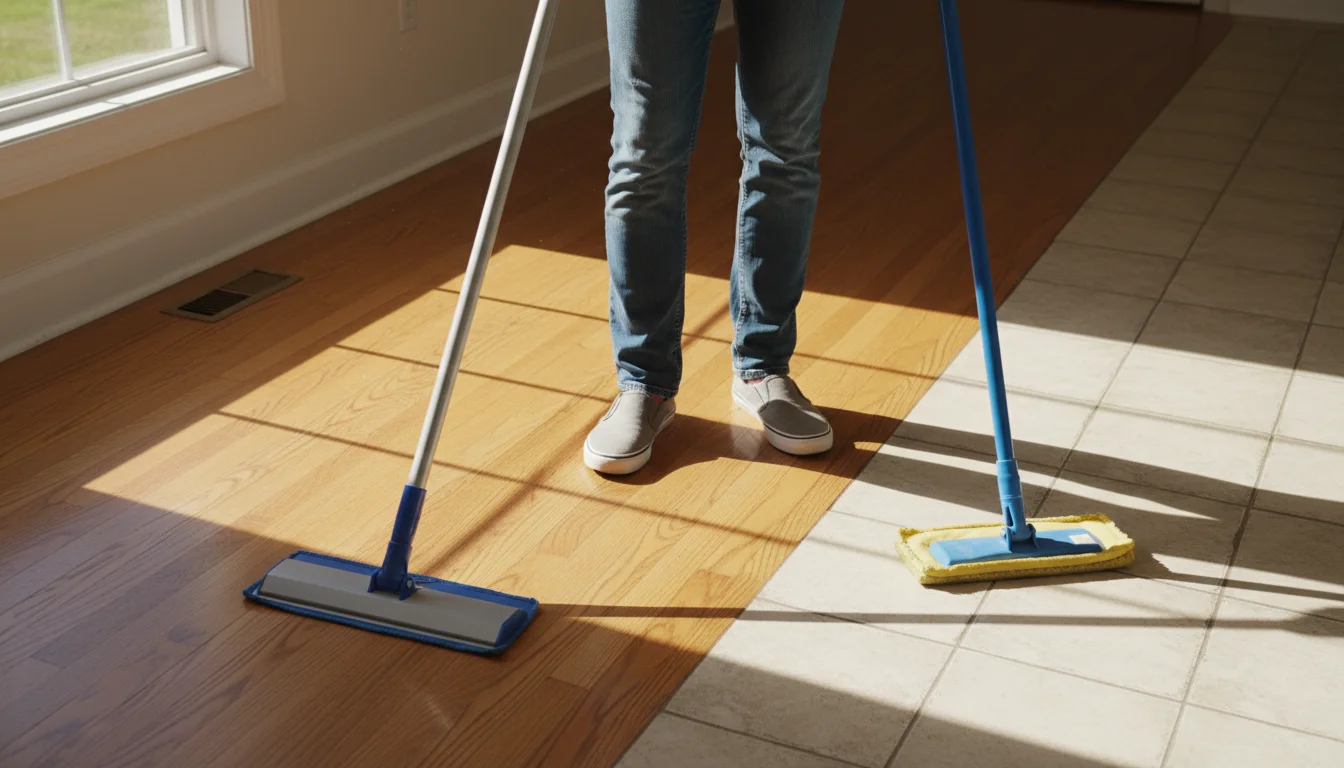
Your floors are not all created equal. Each material, from gleaming hardwood to durable tile, requires a specific approach to cleaning. Using the wrong cleaning tools can lead to streaks, water damage, or even a less hygienic clean. Imagine using a drenched string mop on your delicate laminate; it could warp or swell the planks. Conversely, a light spray mop might not tackle the deep grime in your kitchen tile grout effectively.
Understanding your floor type directly influences your mop selection, the cleaning solution you use, and your overall cleaning strategy. This knowledge saves you time, money, and potential damage to your home. It ensures your cleaning efforts are efficient and produce the best results, keeping your living spaces looking their best for years.
Here is a quick overview of common floor types and their primary considerations:
- Hardwood Floors: These are susceptible to water damage and can dull with harsh chemicals. You need minimal moisture and gentle cleaning agents.
- Laminate Floors: Similar to hardwood, laminate can swell if exposed to too much water. Avoid abrasive cleaners.
- Vinyl Floors: Generally durable and water-resistant, but they can scratch. They tolerate more moisture than wood-based floors.
- Tile Floors (Ceramic, Porcelain, Stone): Highly durable and water-resistant. The main challenge here is cleaning grout lines, which can trap dirt.
As noted by experts at Real Simple, selecting the correct tools prevents unnecessary wear and tear, preserving your home’s value and appearance. Investing a little time upfront to understand your floors and their needs pays off with a healthier, cleaner home.
The Ultimate Guide to Mop Types
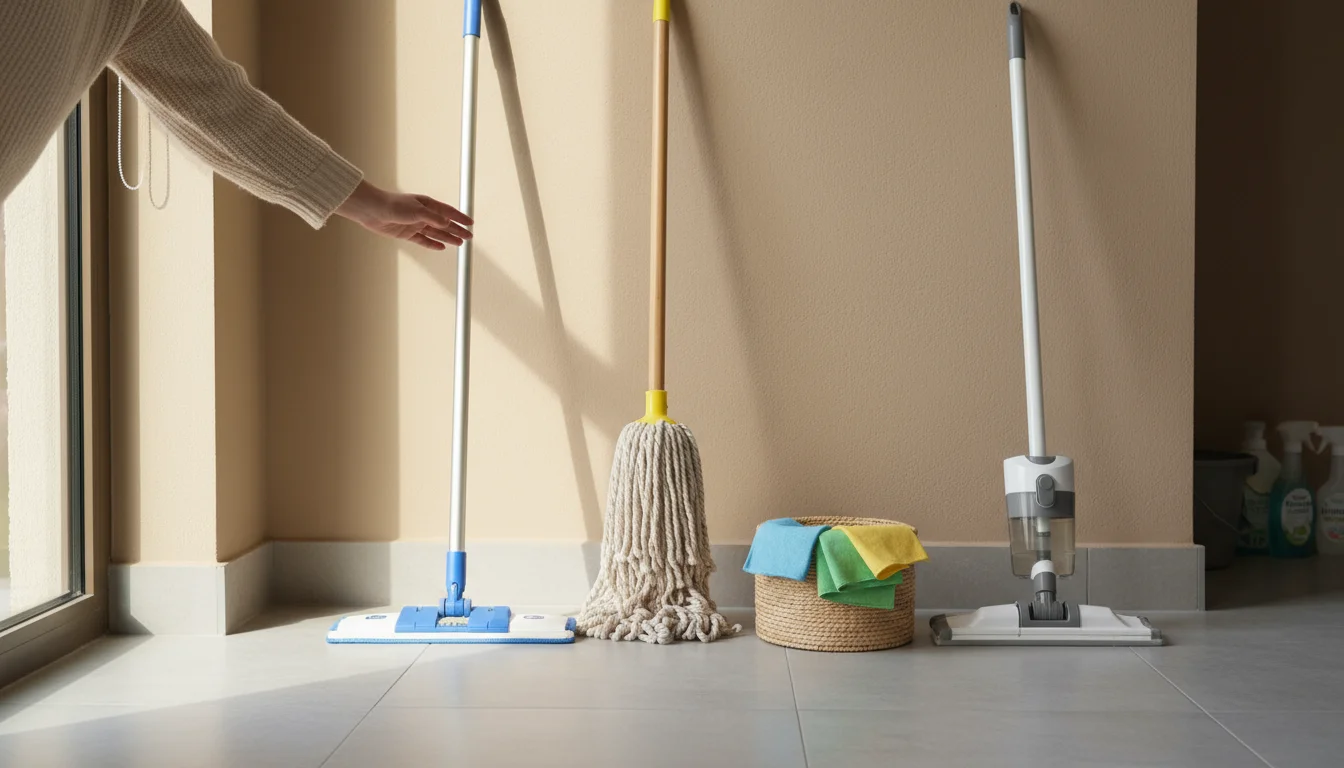
The market offers a dizzying array of mops, each designed with specific features to tackle different cleaning challenges. Understanding these types empowers you to make informed decisions for your unique household needs. Let us break down the most common and effective mop options available today.
Spin Mops
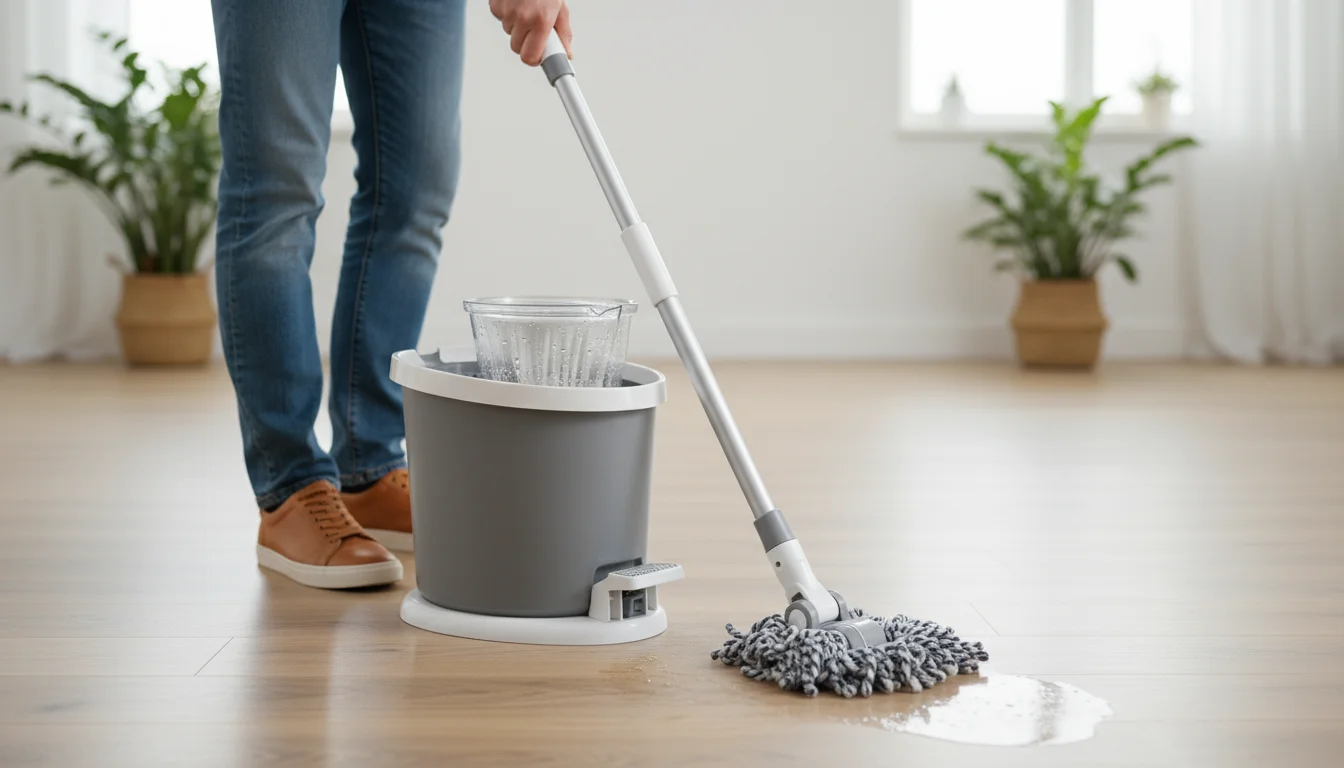
Spin mops typically feature a bucket with a foot-pedal or hand-plunger activated wringing mechanism. The mop head, usually microfiber, spins rapidly to expel excess water, allowing you to control the moisture level. This control is crucial for various floor types.
- Pros: Excellent for controlled damp cleaning, effective at picking up dirt, microfiber heads are machine washable, reducing waste. The spinning action makes wringing effortless, reducing strain on your back and wrists.
- Cons: The bucket can be bulky to store. Some models might have flimsy wringing mechanisms.
- Best For: Hardwood, laminate, tile, and vinyl floors where controlled moisture is key. Their ability to thoroughly wring out water makes them adaptable.
- Practical Tip: Always wring the mop head until it is barely damp for hardwood and laminate floors.
Spray Mops
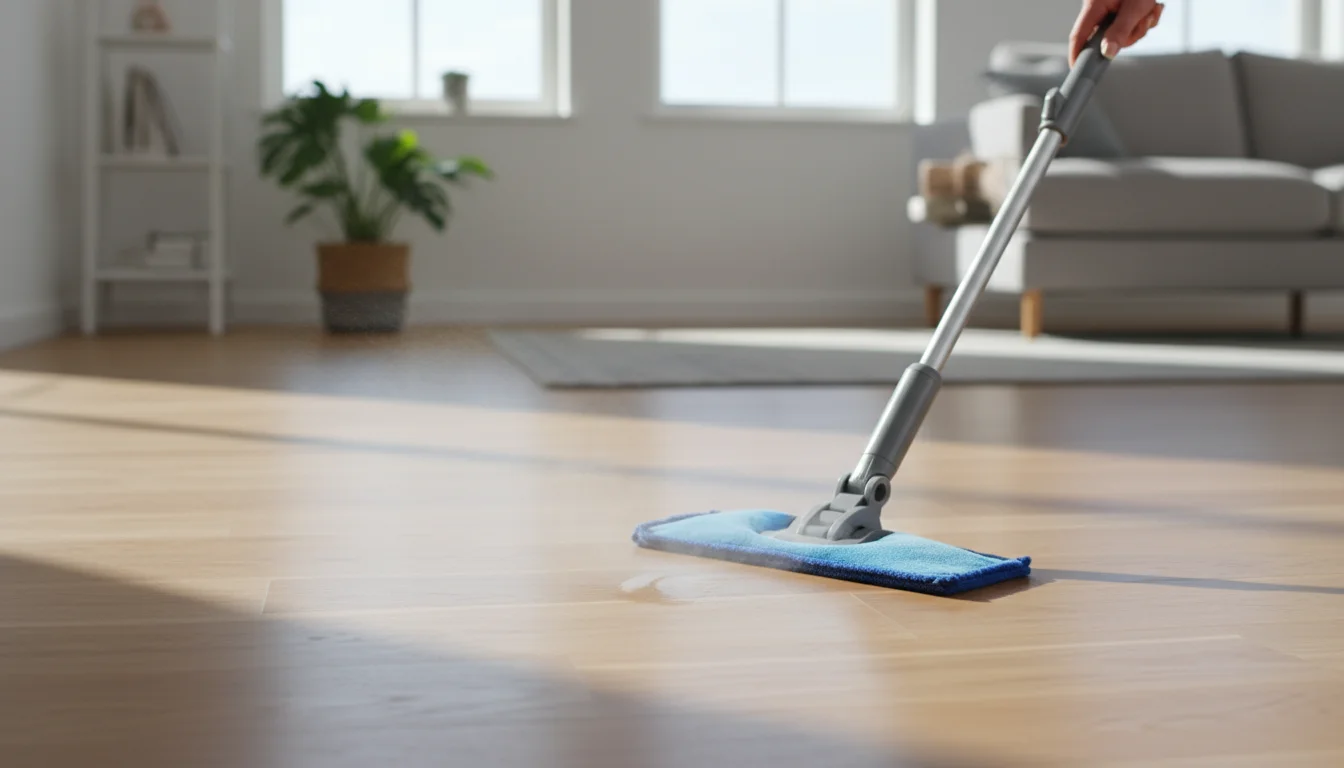
Spray mops come with a built-in refillable solution cartridge and a trigger to spray cleaning solution directly onto the floor. They typically use a flat microfiber pad that attaches with Velcro or snaps. This design eliminates the need for a separate bucket.
- Pros: Lightweight, convenient, and quick for everyday spills and light cleaning. You control the amount of cleaning solution. Many pads are machine washable.
- Cons: Not ideal for heavy-duty cleaning or large areas. The small reservoir means frequent refilling. They lack the scrubbing power for deeply embedded dirt.
- Best For: Quick clean-ups, light maintenance on hardwood, laminate, vinyl, and sealed tile. They are excellent for those who need a fast, hassle-free floor refresh.
- Practical Tip: Use a manufacturer-recommended solution or a simple mixture of water and a few drops of dish soap for most floors to avoid residue.
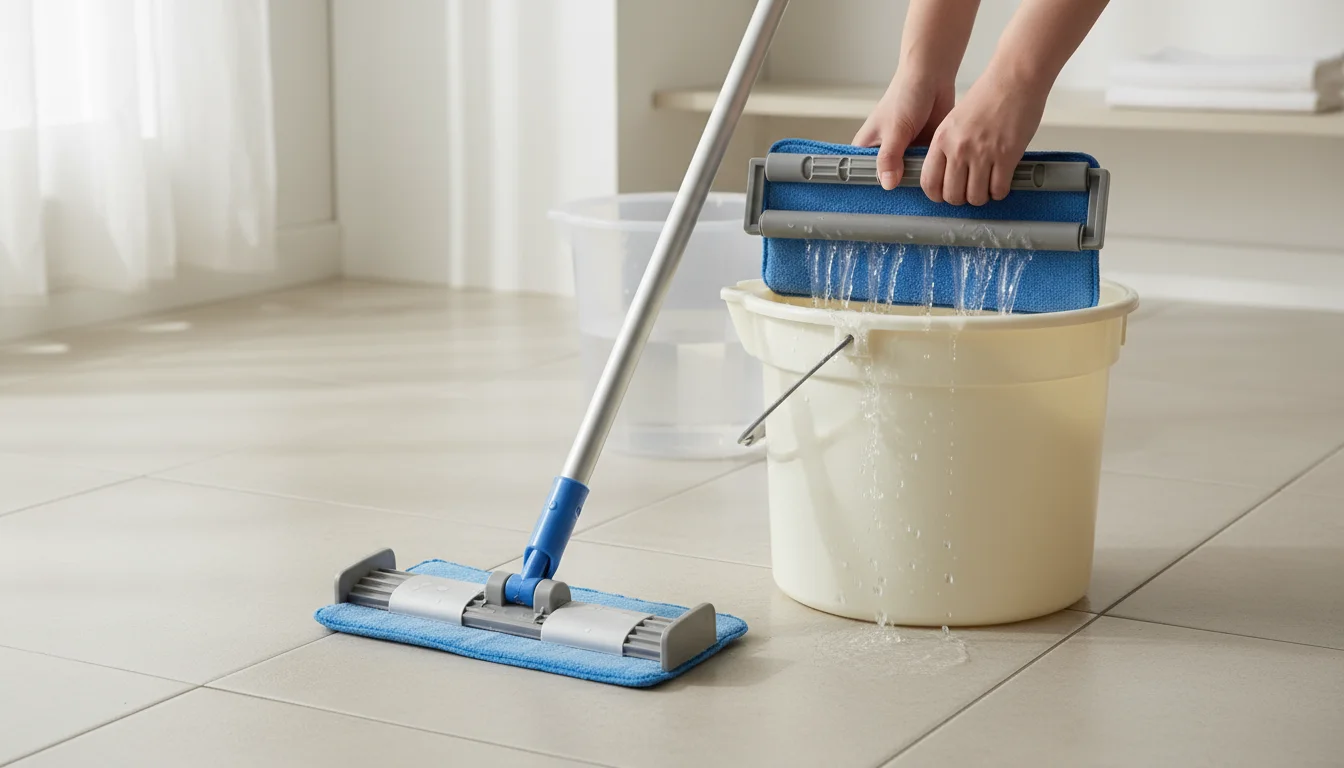
Microfiber Flat Mops (Bucket & Wringer Systems)
These mops feature a flat, rectangular head covered with a removable microfiber pad. While some are spray mops, many traditional flat mops require a separate bucket and wringer. You dip the pad in a bucket, wring it manually or with a specific wringer, and then clean your floor.
- Pros: Excellent dirt and dust pickup due to the electrostatic properties of microfiber. They offer good coverage for larger areas. Pads are durable and reusable.
- Cons: Manual wringing can be messier than a spin mop. Buckets can be cumbersome.
- Best For: All floor types, particularly for those who prefer a more traditional bucket system but want the superior cleaning of microfiber. They are versatile for damp or dry dusting.
- Practical Tip: Always have a few extra microfiber pads on hand so you can swap out dirty ones during a cleaning session.
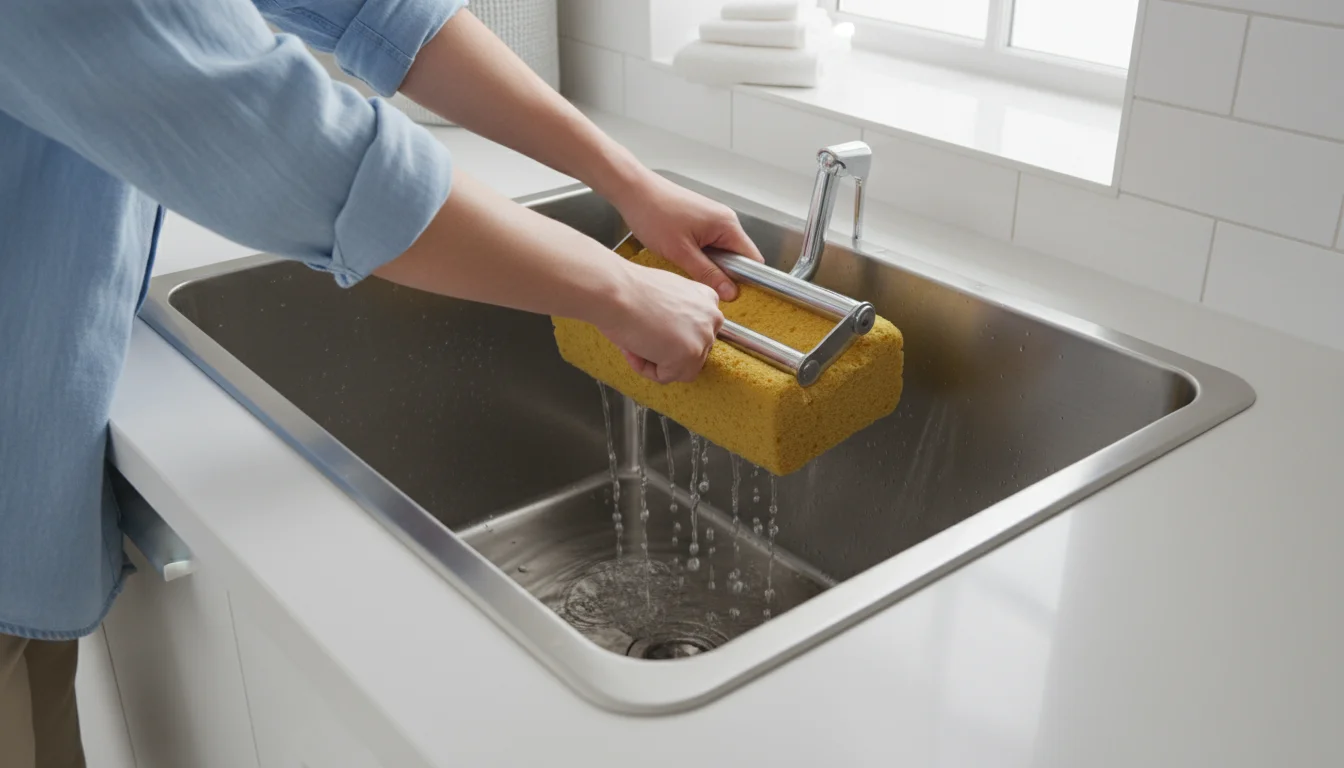
Sponge Mops
Sponge mops feature an absorbent sponge head, often with a built-in wringing mechanism that squeezes water out of the sponge. They excel at absorbing spills and are good for certain types of floors.
- Pros: Highly absorbent for spills. Effective at scrubbing stubborn spots, especially if they have an abrasive strip. Generally inexpensive.
- Cons: Can push dirt around instead of picking it up if the sponge is too wet or dirty. The sponge head can become mildewed if not properly cleaned and dried. They can leave streaks.
- Best For: Tile and vinyl floors where absorbency and moderate scrubbing are beneficial. Less ideal for hardwood or laminate due to the difficulty in controlling moisture.
- Practical Tip: Rinse the sponge frequently during cleaning and allow it to air dry completely after use to prevent bacterial growth.
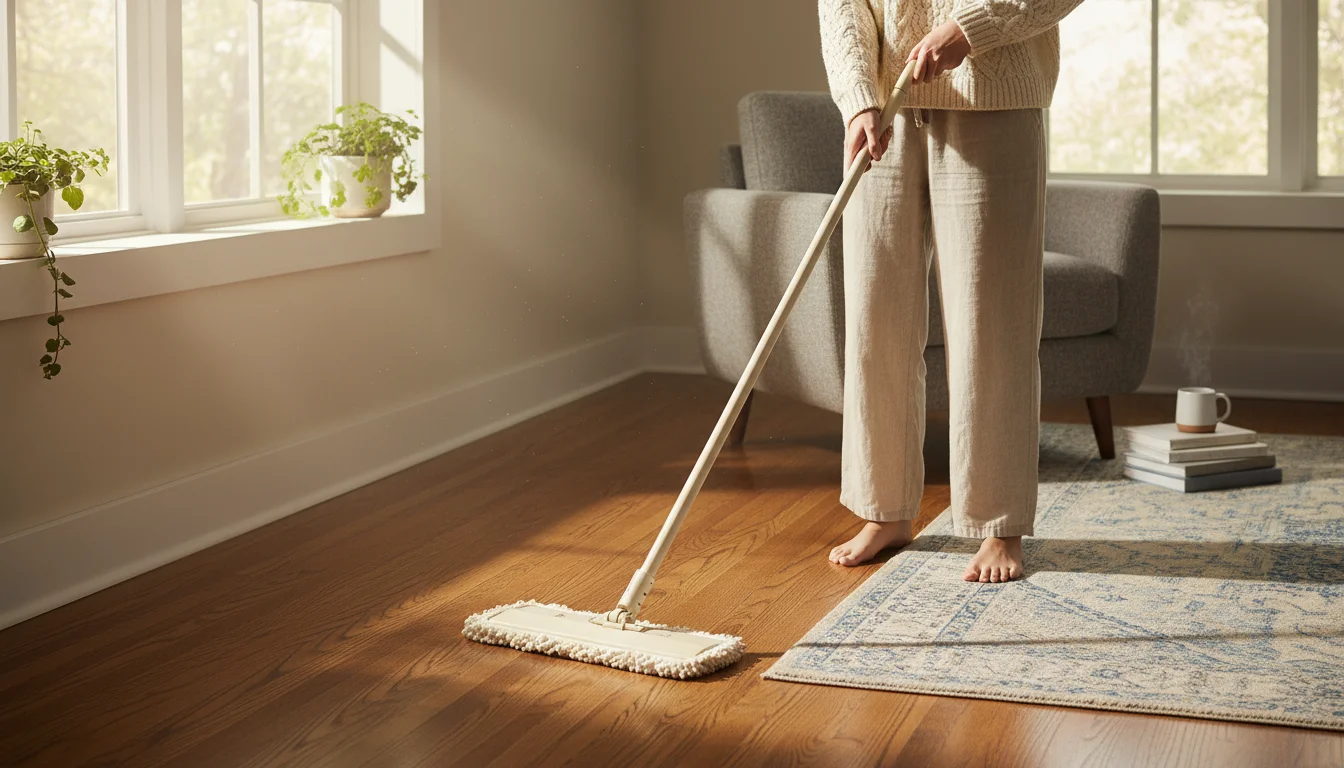
Mop Recommendations for Hardwood Floors
Hardwood floors add warmth and elegance to your home, but they require a gentle touch during cleaning. Excess moisture is their enemy, leading to warping, swelling, and finish damage. Your goal is to clean effectively with minimal water. According to the American Cleaning Institute, regular dry dusting before wet cleaning is a critical step to protect your floor’s finish and prevent scratches.
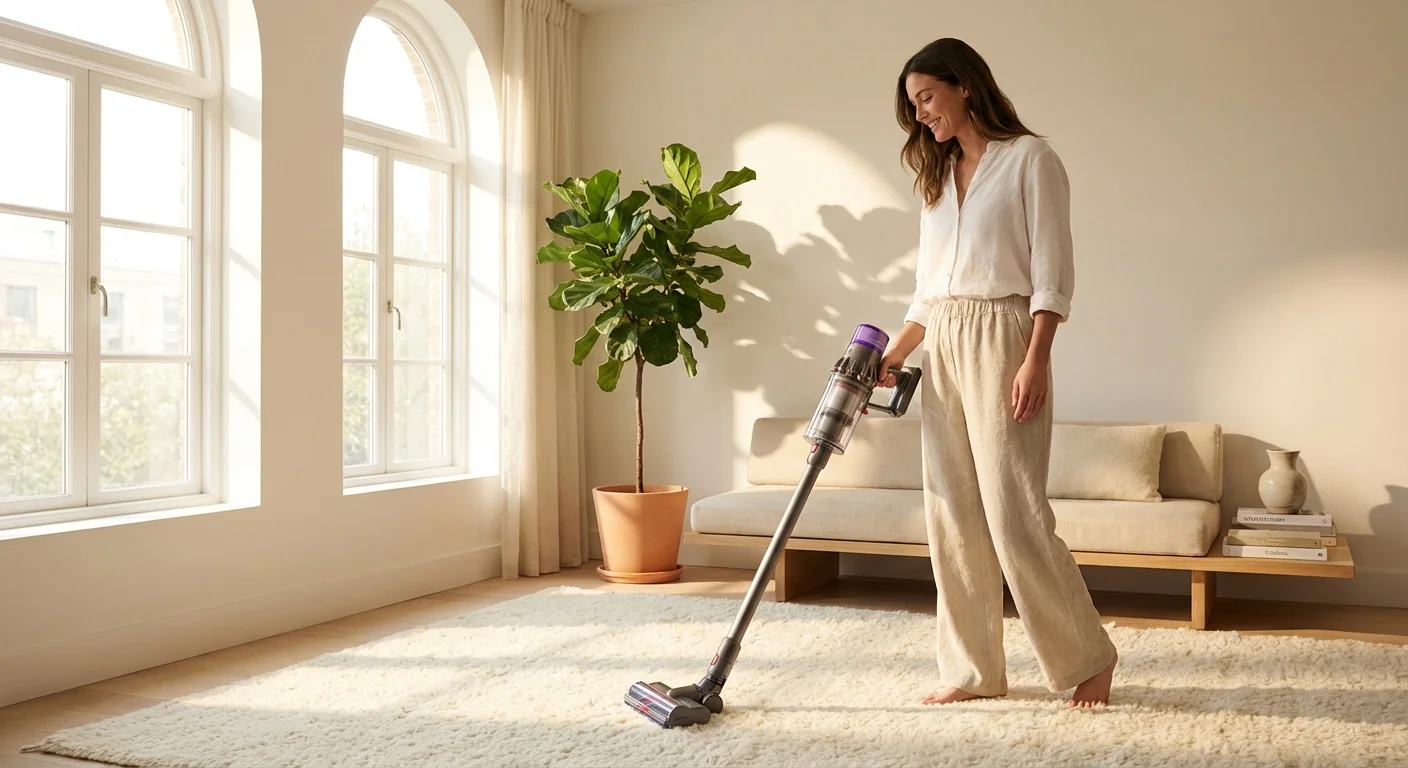
Before you even reach for the mop, using one of the best vacuum cleaners for every home type is the most effective way to remove abrasive grit that can damage wood finishes.
Here are the best mop types for your hardwood floors:
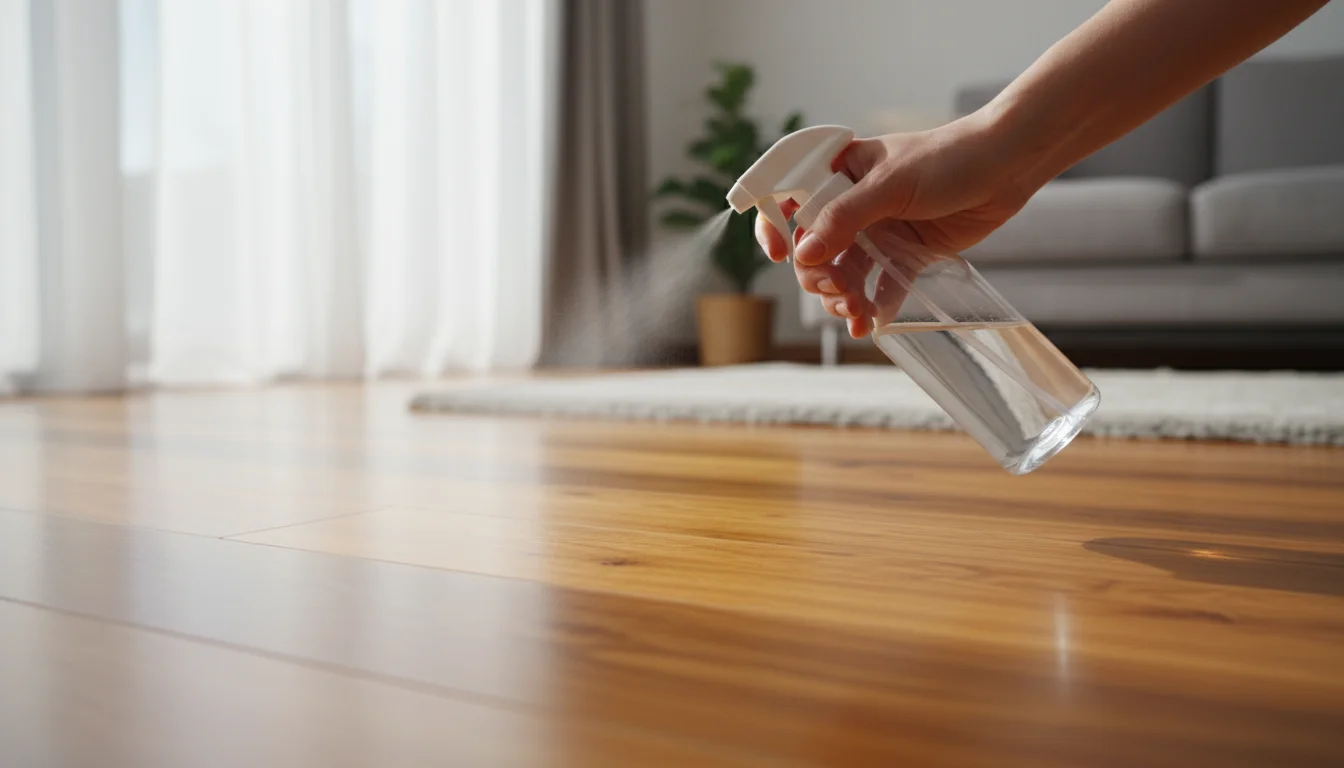
1. Microfiber Flat Mops (Damp)
Why they work: Microfiber pads are highly effective at capturing dust, dirt, and pet hair with minimal moisture. You can easily control how damp the pad is, making them ideal for a safe clean. Many come with reusable, washable pads, a budget-friendly and eco-conscious choice.
Actionable Insight: For hardwood, always use a microfiber flat mop that is barely damp. You can achieve this by misting the floor directly with a spray bottle containing a wood-specific cleaner, or by thoroughly wringing out the pad after dipping it in your cleaning solution.
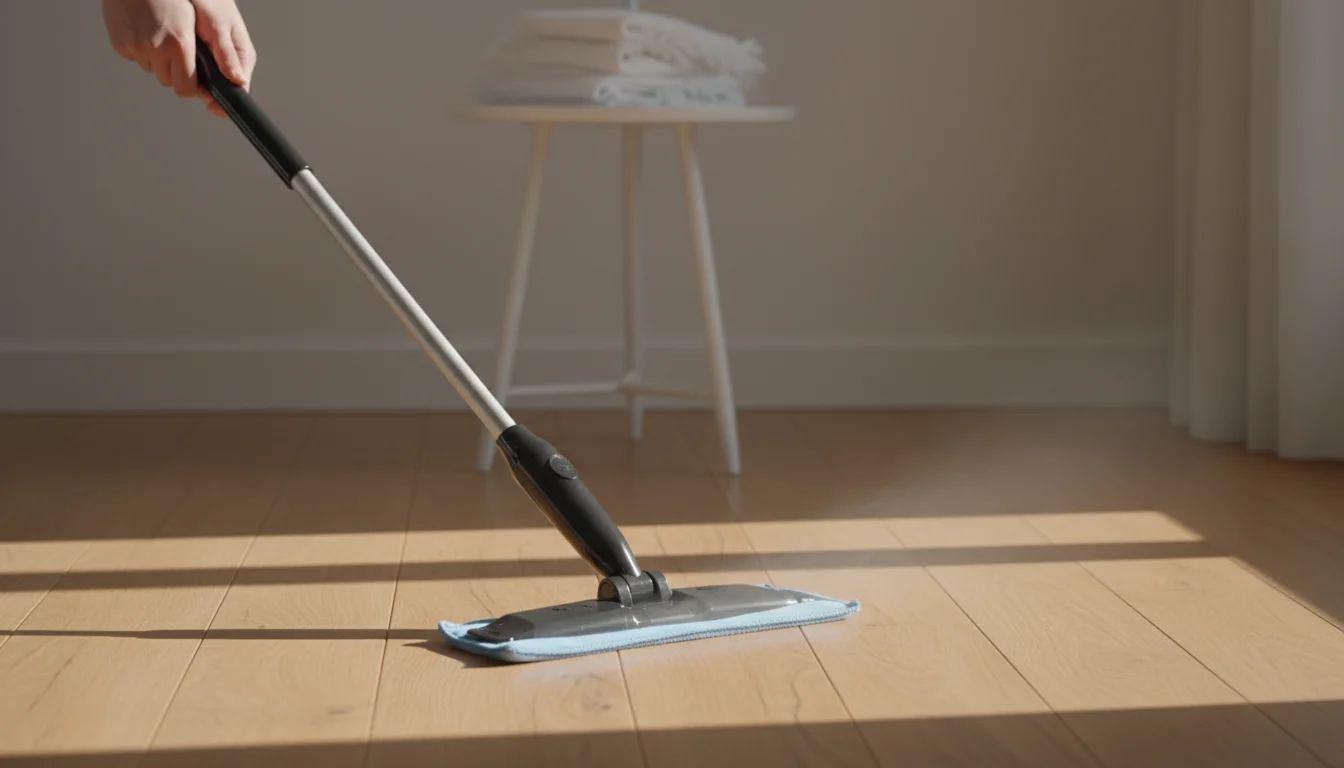
2. Spray Mops with Microfiber Pads
Why they work: These mops offer the ultimate control over moisture. You spray a fine mist of cleaner directly onto the floor, then wipe it with the microfiber pad. This prevents oversaturation, which is crucial for hardwood. They are perfect for quick touch-ups and regular maintenance, avoiding heavy bucket use.
Actionable Insight: Use a pH-neutral, wood-safe cleaning solution. Always test new cleaners in an inconspicuous spot first. Keep extra pads on hand to swap out once they get dirty, ensuring you do not just spread grime.
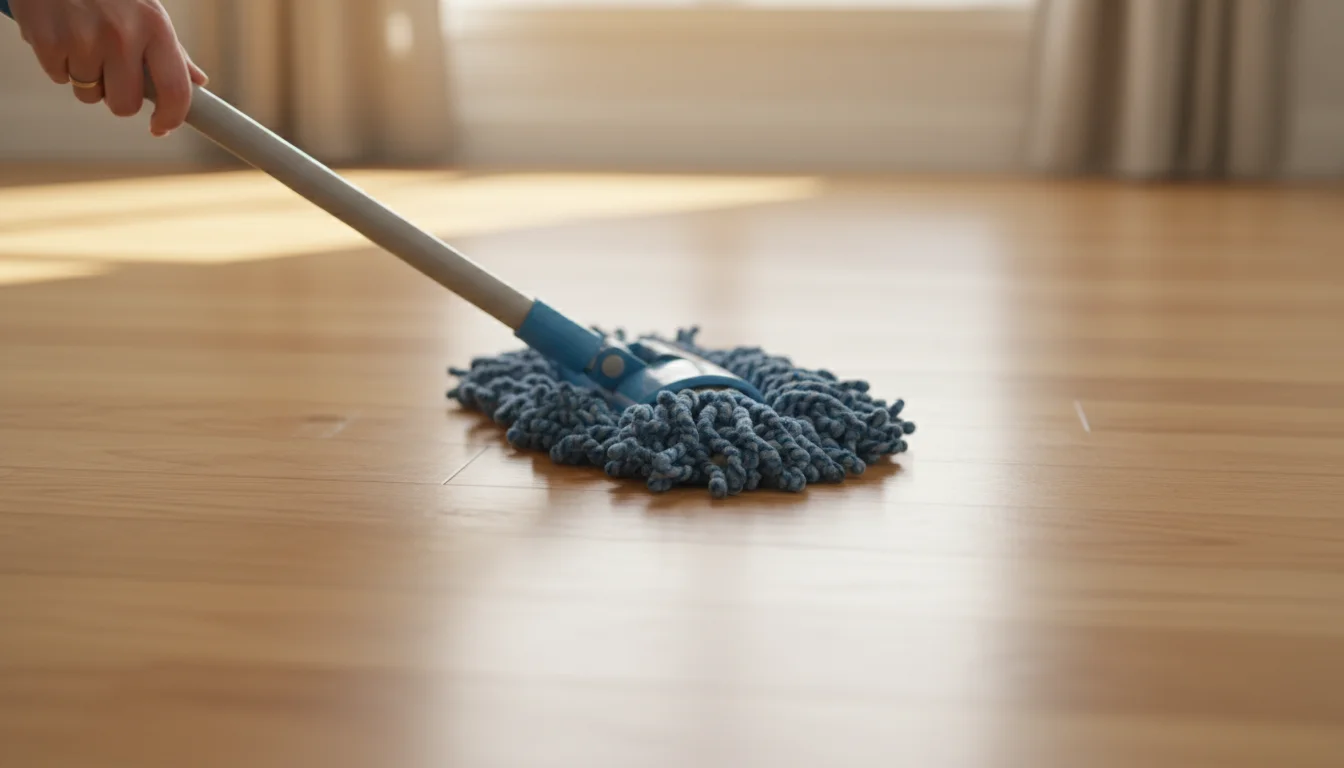
3. Spin Mops (Well-Wrung)
Why they work: A well-wrung spin mop can be a good option for hardwood. The spinning mechanism allows you to extract almost all the water, leaving the mop head just damp enough to clean without saturating the floor. The microfiber strands effectively pick up dirt.
Actionable Insight: When using a spin mop on hardwood, spin the mop head until it is nearly dry, leaving only a hint of moisture. Work in small sections, allowing the floor to dry quickly. If you see standing water, you are using too much.
What to Avoid: Steer clear of traditional string mops or sponge mops that tend to leave too much water on the floor. Also, avoid harsh chemical cleaners, as these can strip your hardwood’s finish over time. Opt for cleaners specifically formulated for wood.
Best Mops for Tile and Grout
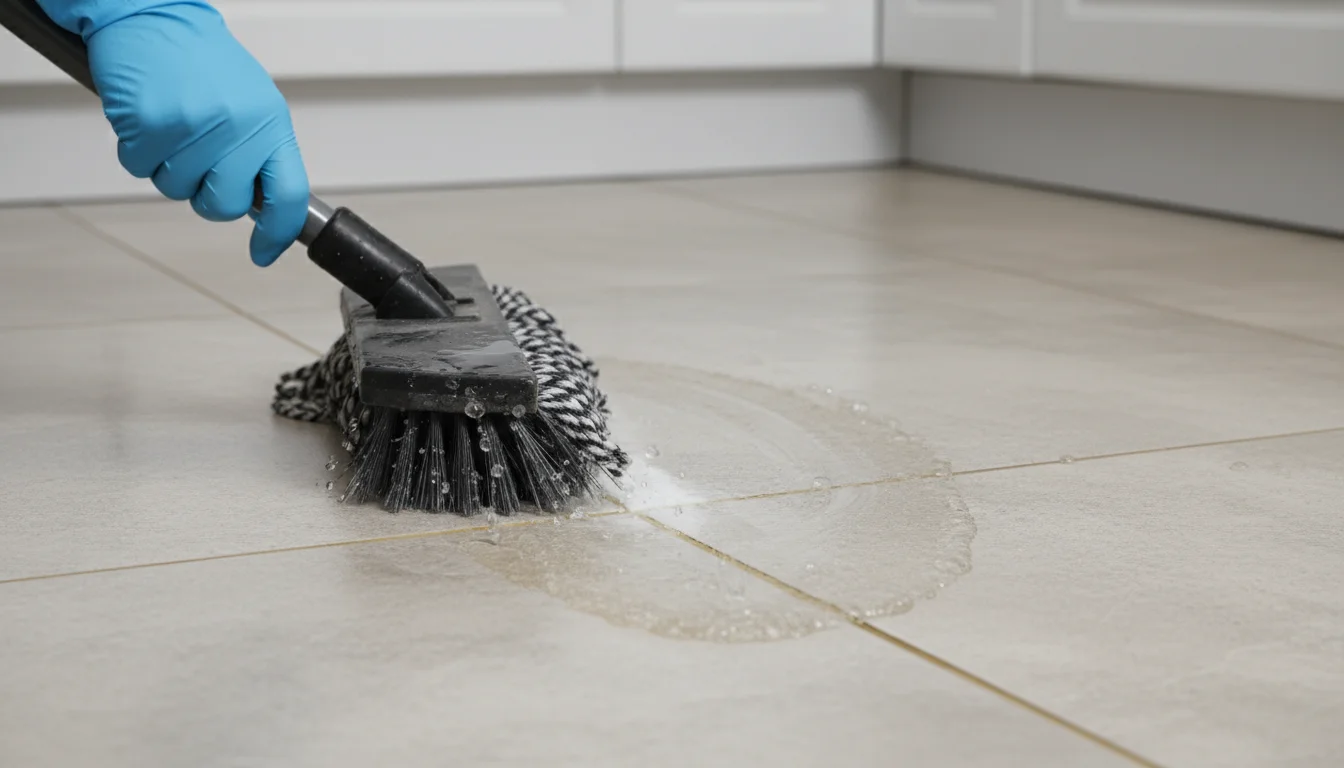
Tile floors, whether ceramic, porcelain, or stone, are durable and water-resistant, making them ideal for high-traffic areas like kitchens and bathrooms. The challenge with tile often lies in cleaning the grout lines, which can trap dirt and become discolored. Your mop needs scrubbing power and the ability to handle appropriate moisture levels for effective cleaning.
Here are the top mop types for sparkling tile and grout:
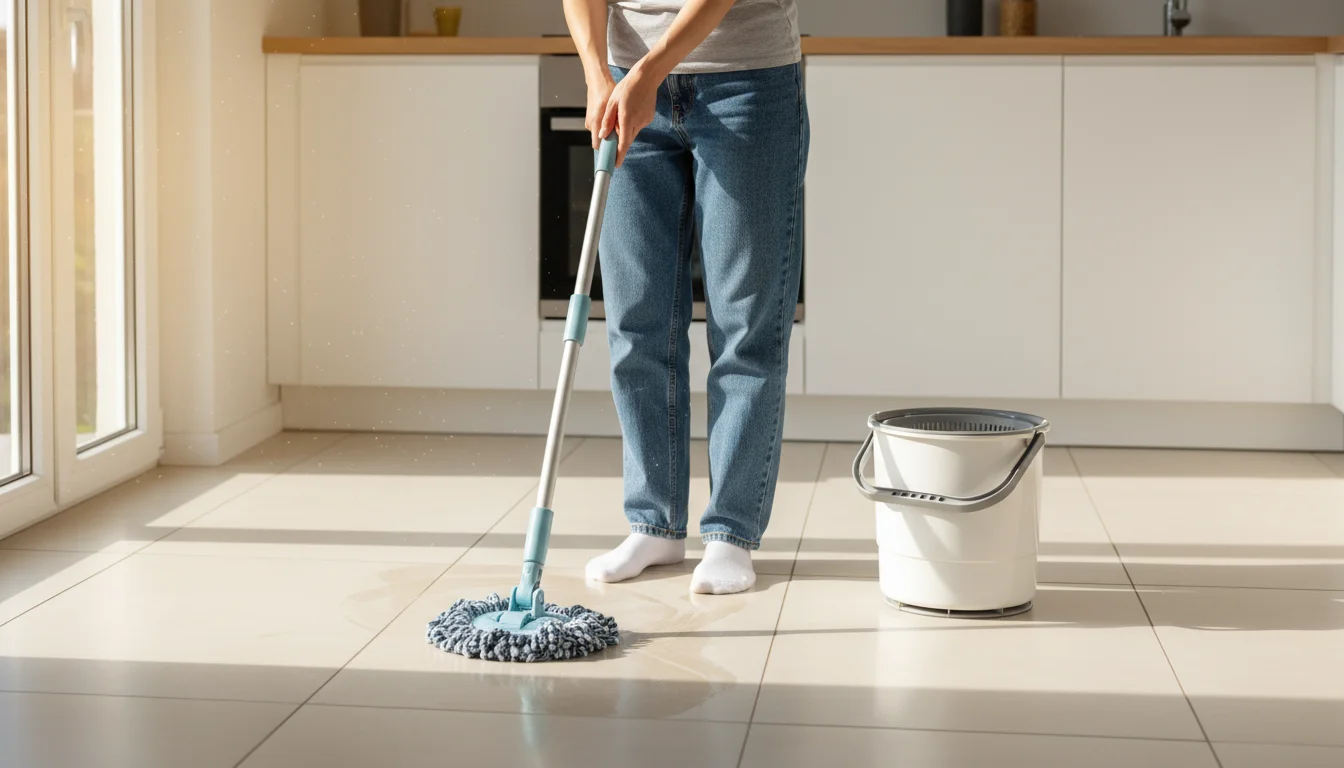
1. Spin Mops
Why they work: Spin mops are excellent for tile floors. You can adjust the moisture level, ensuring the mop is wet enough to dissolve grime without leaving excessive standing water. The microfiber heads effectively pick up dirt from the tile surface, and the ability to thoroughly rinse and wring the mop minimizes spreading dirty water. This contributes to a cleaner finish.
Actionable Insight: For deeply soiled tile or dirty grout, use a spin mop with a slightly wetter head and allow the cleaning solution to sit for a few minutes before scrubbing. For an extra boost, pre-treat grout lines with a dedicated grout cleaner or a paste of baking soda and vinegar.
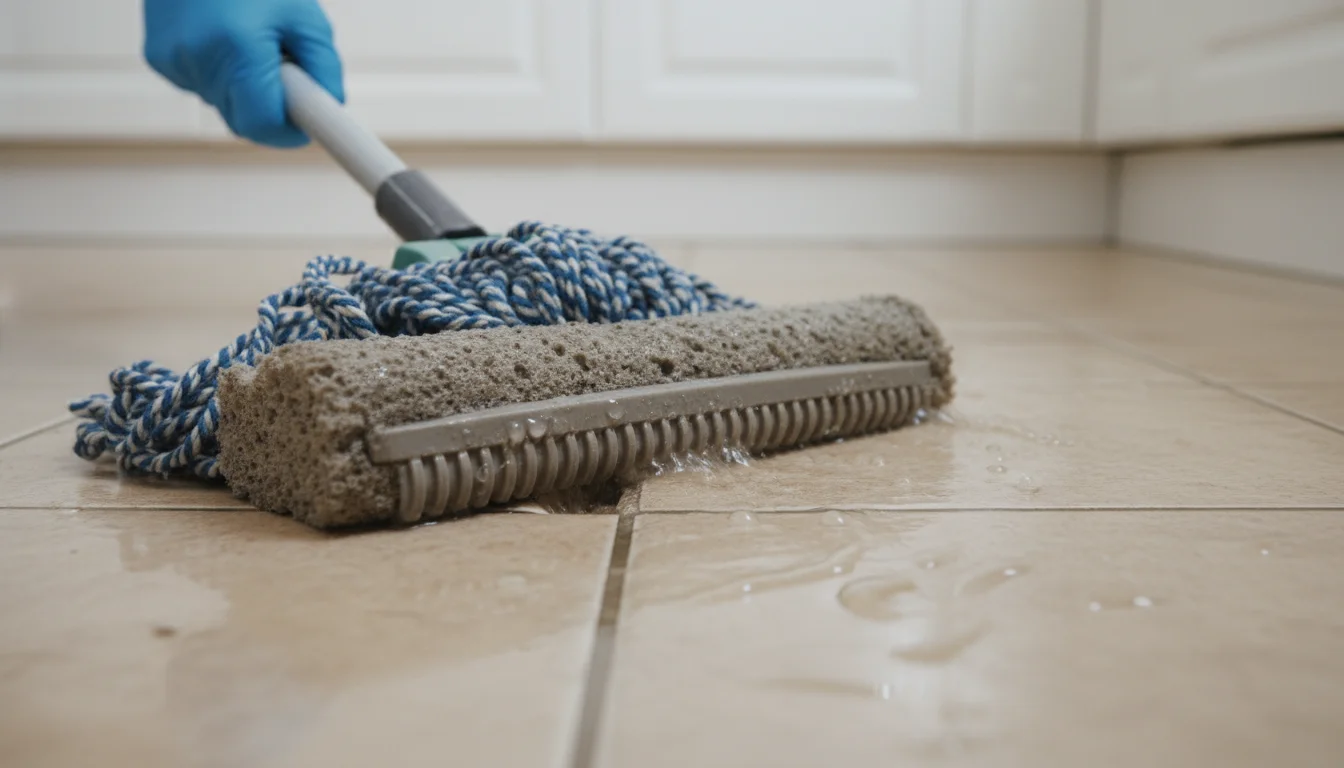
2. Sponge Mops (with built-in scrubber)
Why they work: Sponge mops are highly absorbent and provide good scrubbing action. Many models include a rough scrubbing strip on the sponge, which is invaluable for attacking stubborn stains and grime in grout lines. Their ability to soak up spills also makes them practical for kitchens.
Actionable Insight: Always sweep or vacuum your tile floor first to remove loose debris. Rinse the sponge mop frequently in clean water to prevent spreading dirty water across the floor. For heavily soiled grout, apply a grout cleaner directly, then use the sponge mop’s scrubber to work it in.
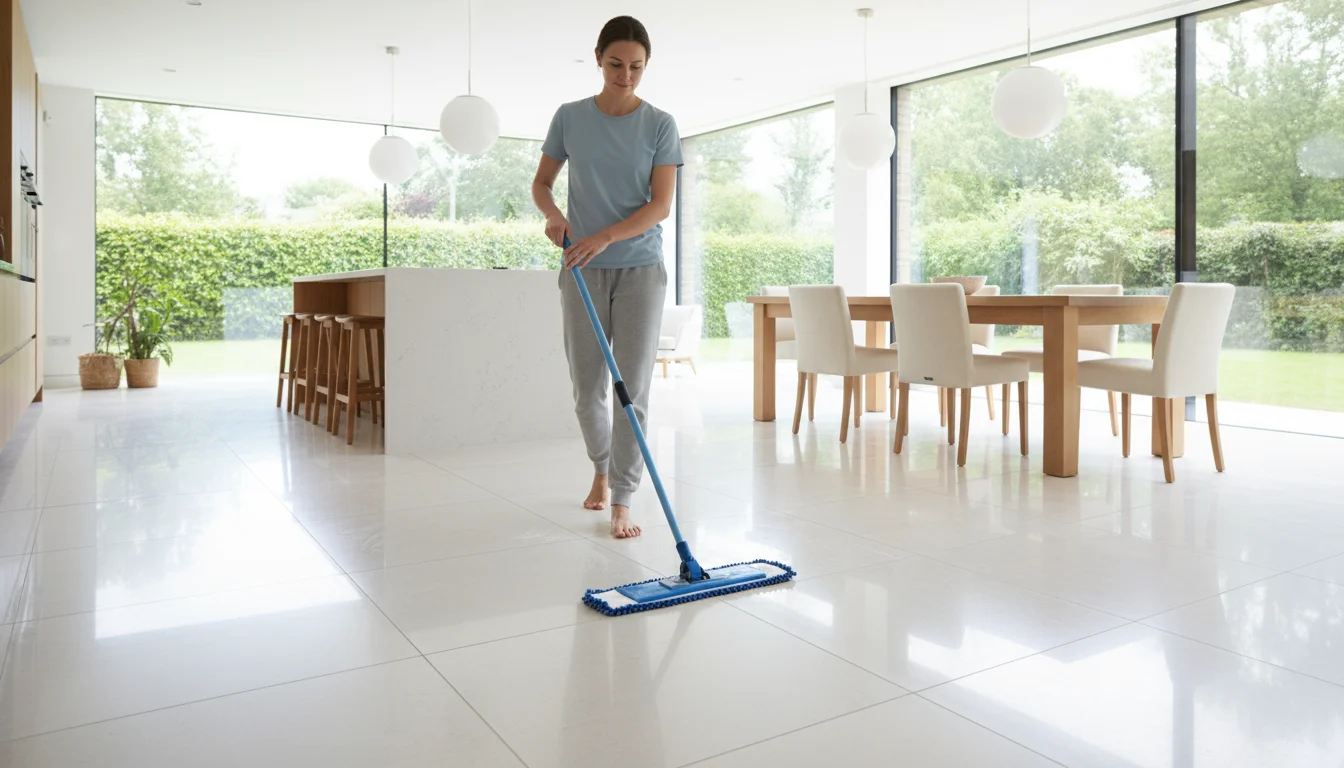
3. Microfiber Flat Mops (with textured pads)
Why they work: While flat mops might not offer the same deep scrubbing as a sponge, microfiber pads designed with textured surfaces or extra loops can perform surprisingly well on tile. Their broad coverage makes them efficient for larger tiled areas. They excel at picking up fine dust and surface grime.
Actionable Insight: Look for microfiber pads specifically marketed for “deep cleaning” or “scrubbing” for your tile floors. Use a slightly damp pad with a tile-specific cleaner. For very dirty floors, you might need to go over areas multiple times, rinsing the pad thoroughly between passes.
Grout Cleaning Tip: No matter which mop you choose, regular maintenance is key. For tough grout stains, a small brush (like a stiff toothbrush or a dedicated grout brush) paired with a good grout cleaner often provides the best results for detailed cleaning.
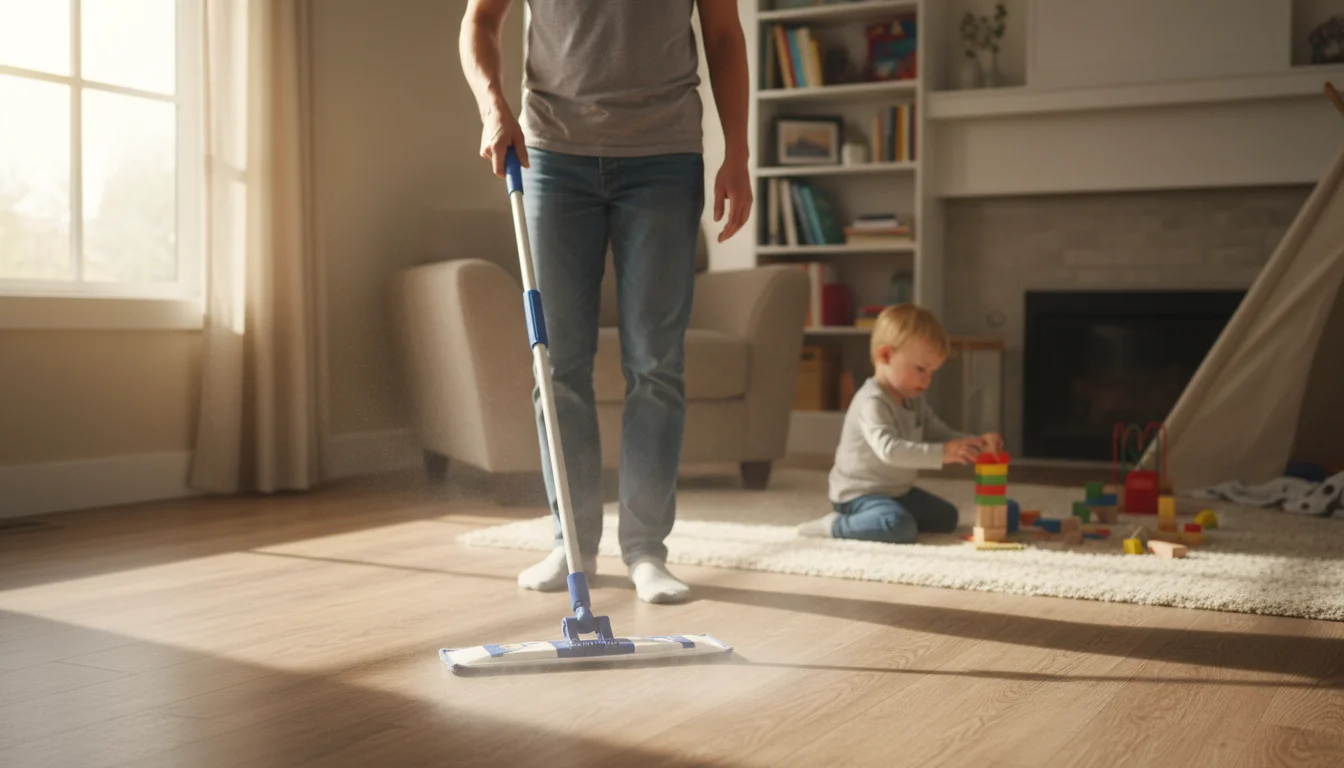
Picking a Mop for Laminate and Vinyl
Laminate and vinyl floors offer durability and style at an accessible price point, making them popular choices for busy households. Both types are generally resistant to scratches and everyday wear, but they have specific needs when it comes to wet cleaning. The primary concern, especially for laminate, is preventing water damage. Your goal is efficient cleaning with minimal moisture.
Here are the ideal mop choices for your laminate and vinyl floors:
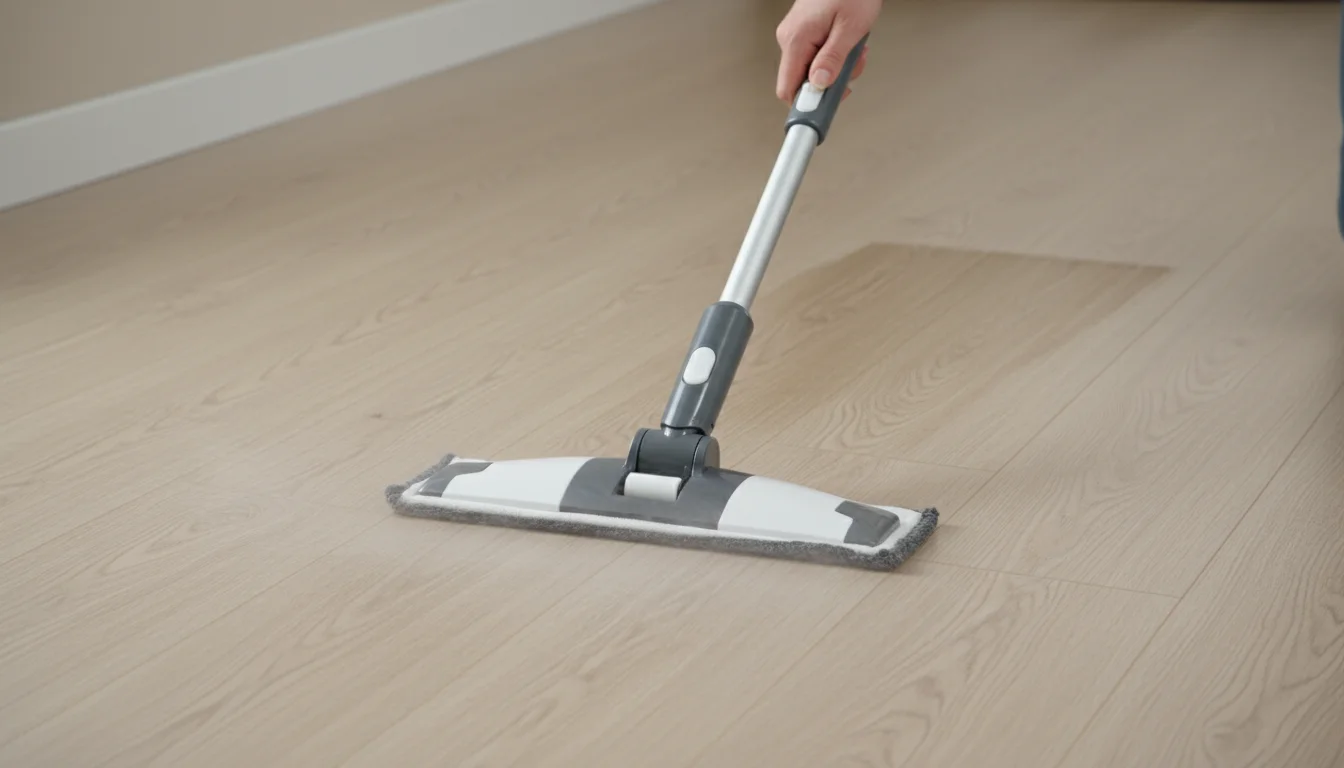
1. Spray Mops
Why they work: Spray mops are arguably the best option for laminate and vinyl. They allow you to apply a precise, fine mist of cleaning solution directly onto the floor, ensuring you never oversaturate the surface. This controlled moisture application is vital for preventing water from seeping into seams and causing swelling or damage to laminate. For vinyl, it ensures a streak-free finish.
Actionable Insight: Use a cleaning solution specifically designed for laminate or vinyl floors, or a diluted pH-neutral cleaner. Always sweep or vacuum your floor first to remove loose dirt and grit that could scratch the surface. Work in small sections, spraying lightly and wiping immediately.
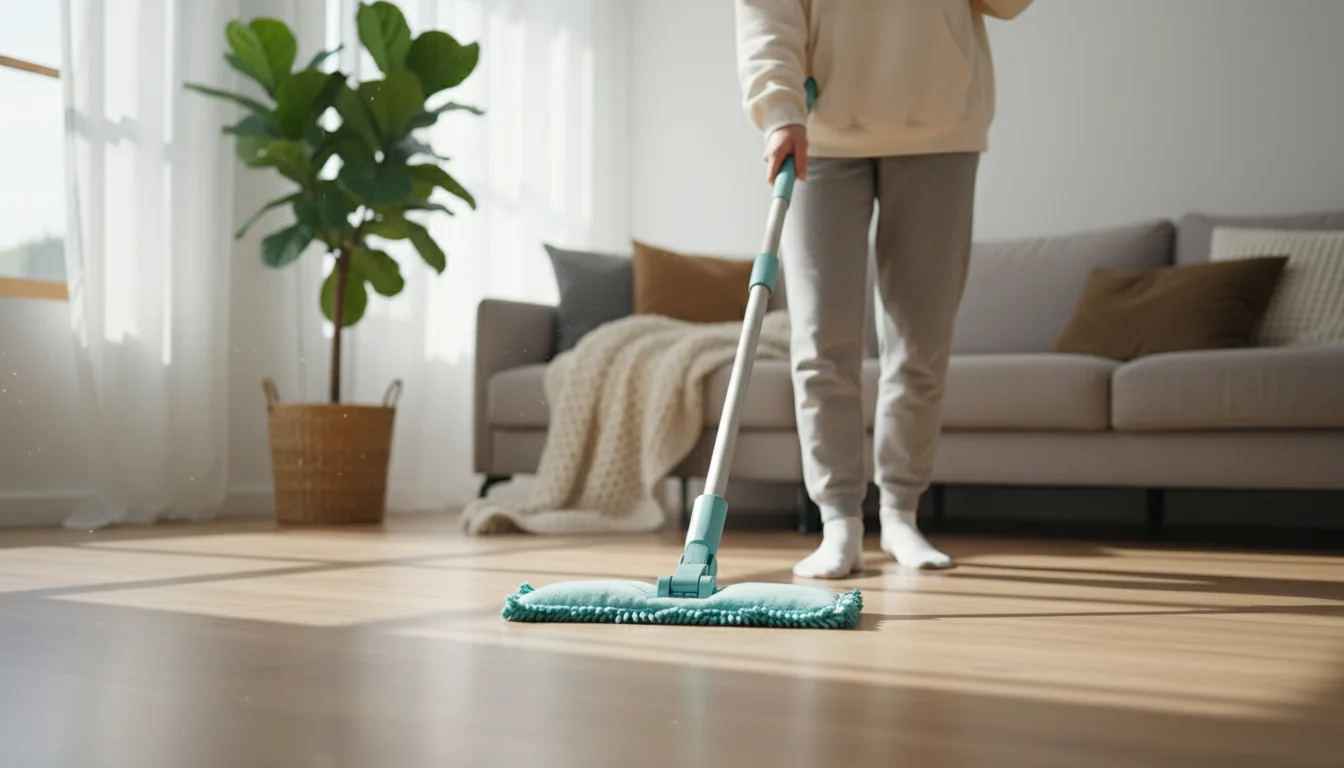
2. Microfiber Flat Mops (Damp)
Why they work: These mops provide excellent coverage and use microfiber pads that are highly effective at attracting and trapping dust and dirt. When used damp, they clean laminate and vinyl thoroughly without leaving excess water. The ability to use reusable, machine-washable pads also makes them a cost-effective and environmentally friendly choice.
Actionable Insight: Ensure the microfiber pad is barely damp, not wet. You can achieve this by running it under the faucet and wringing it out extremely well, or by using a spray bottle to mist your floor lightly before wiping. If your pad becomes too dirty, replace it with a clean one to avoid streaks.
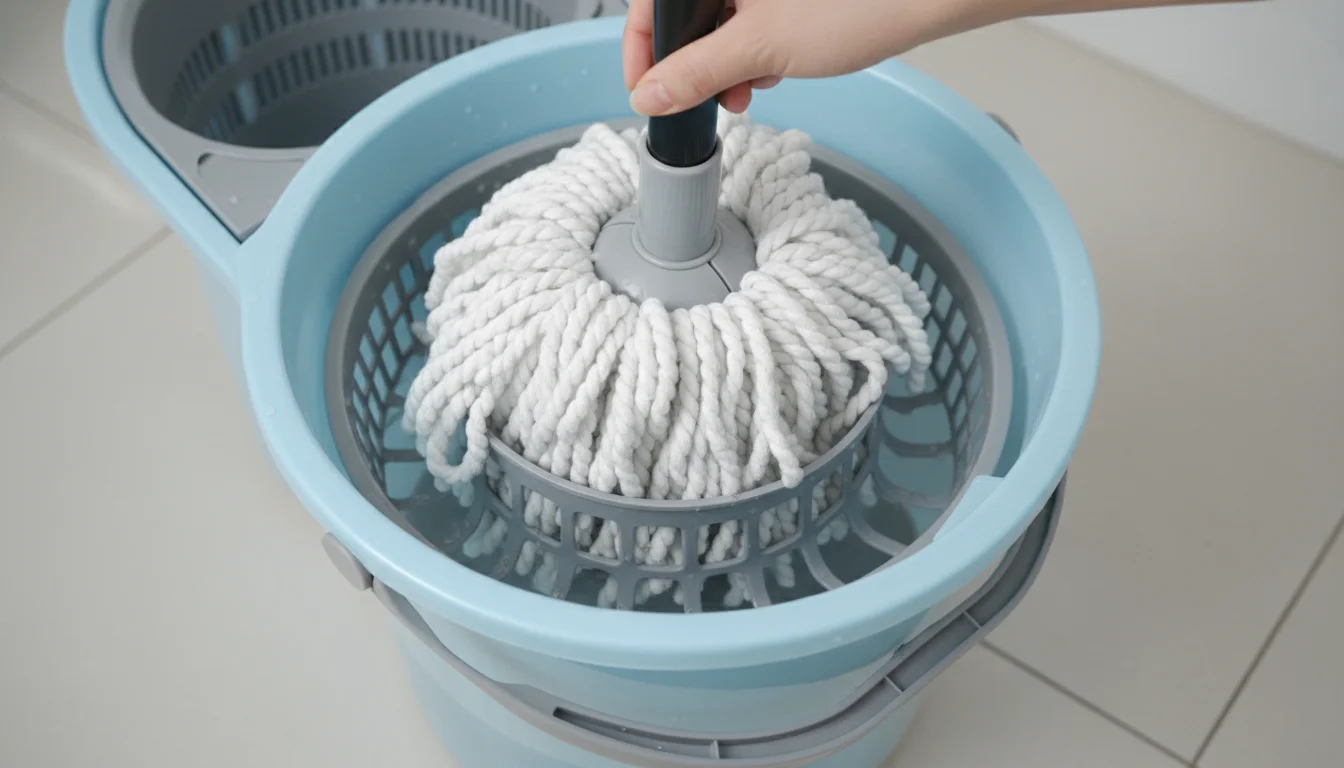
3. Spin Mops (Extremely Well-Wrung)
Why they work: Like with hardwood, a spin mop can work for laminate and vinyl if you wring it out exceptionally well. The goal is a damp, not wet, mop head. This allows for a deeper clean than a spray mop while still controlling moisture. They offer a good balance of scrubbing power and moisture control.
Actionable Insight: Practice wringing your spin mop until it feels almost dry. The floor should dry almost immediately after you mop a section. If you see pooling water or slow drying, you need to wring the mop more thoroughly. According to Good Housekeeping, preventing excessive moisture is the single most important rule for maintaining laminate and vinyl floors.
What to Avoid: Never use a traditional string mop or a very wet sponge mop on laminate or vinyl, as they deposit too much water. Avoid abrasive cleaners, harsh chemicals, or steam mops (unless specifically rated for laminate) as these can damage the finish or layers of your flooring. Always check your flooring manufacturer’s recommendations before using a new cleaning product or tool.
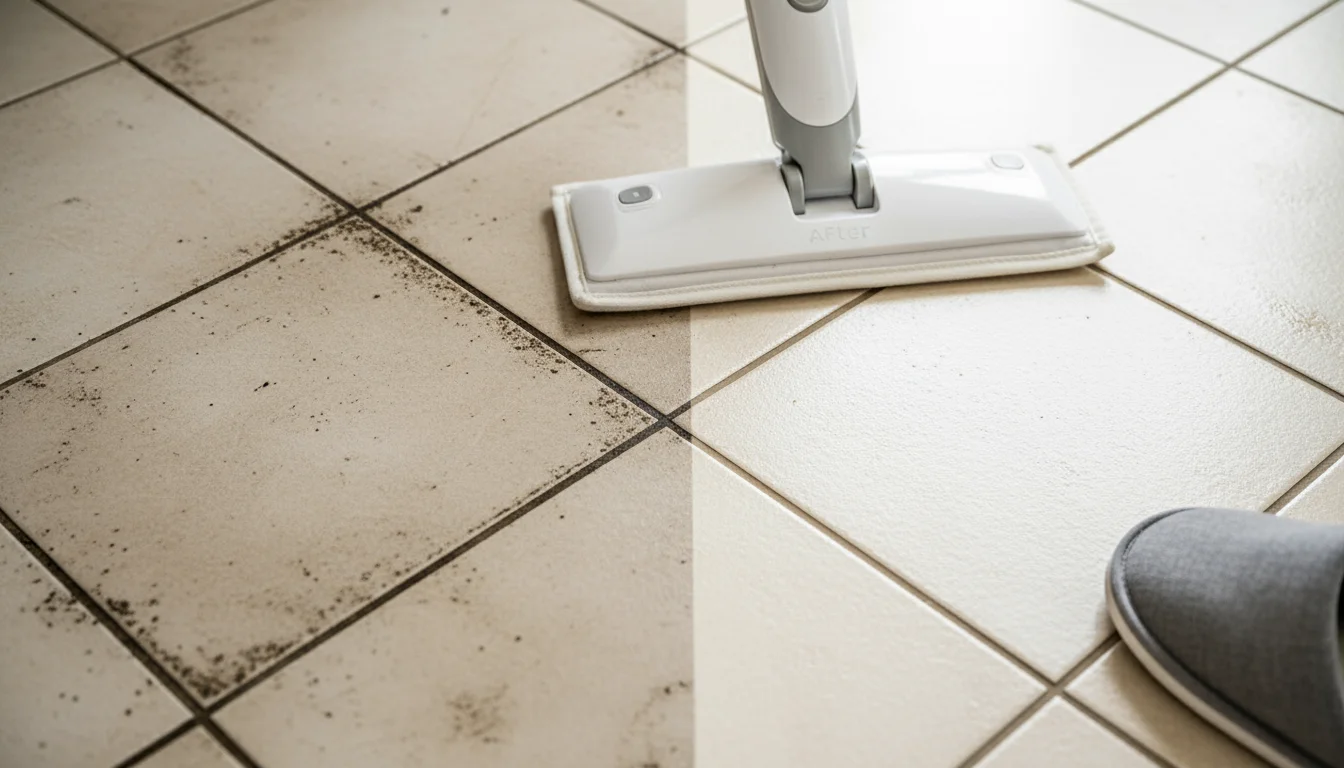
Steam Mops: Are They Right for You?
Steam mops use hot steam to clean and sanitize floors, offering a chemical-free cleaning solution. They are highly effective at breaking down grime and killing bacteria without the need for harsh detergents. However, their suitability depends heavily on your specific floor type.
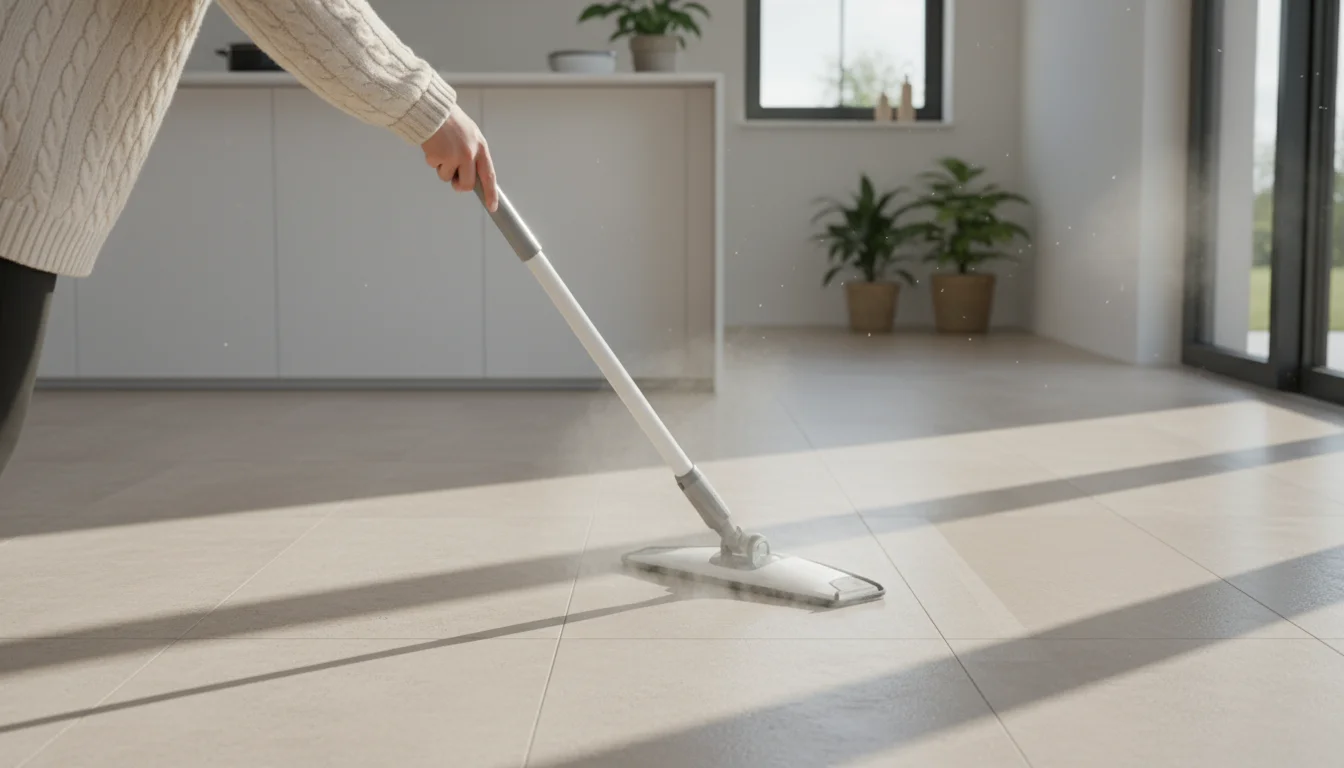
How Steam Mops Work
A steam mop heats water to a high temperature, creating steam that is then released through a pad onto your floor. The heat and moisture loosen dirt and grime, which the pad then absorbs. This process offers excellent sanitizing benefits.
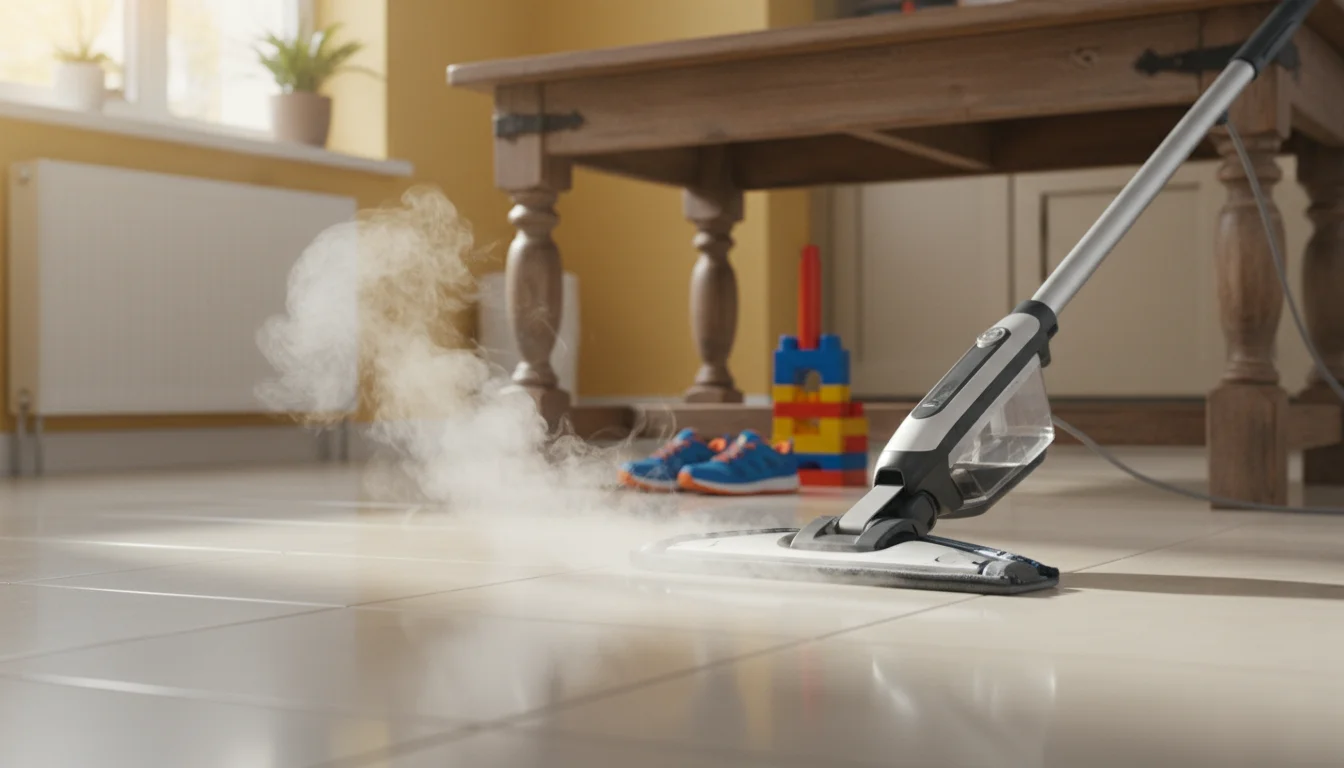
Benefits of Steam Mops:
- Chemical-Free Cleaning: Great for homes with pets, children, or allergy sufferers, as they rely on water vapor instead of detergents.
- Sanitizing Power: The high temperature effectively kills bacteria, viruses, and dust mites, offering a hygienic clean. Research from the CDC highlights the importance of effective cleaning and disinfection in maintaining a healthy home environment.
- Effective on Tough Grime: Steam penetrates and loosens stubborn dirt, making it easier to wipe away.
- Quick Drying: The steam typically leaves minimal moisture, leading to faster drying times than traditional wet mopping.
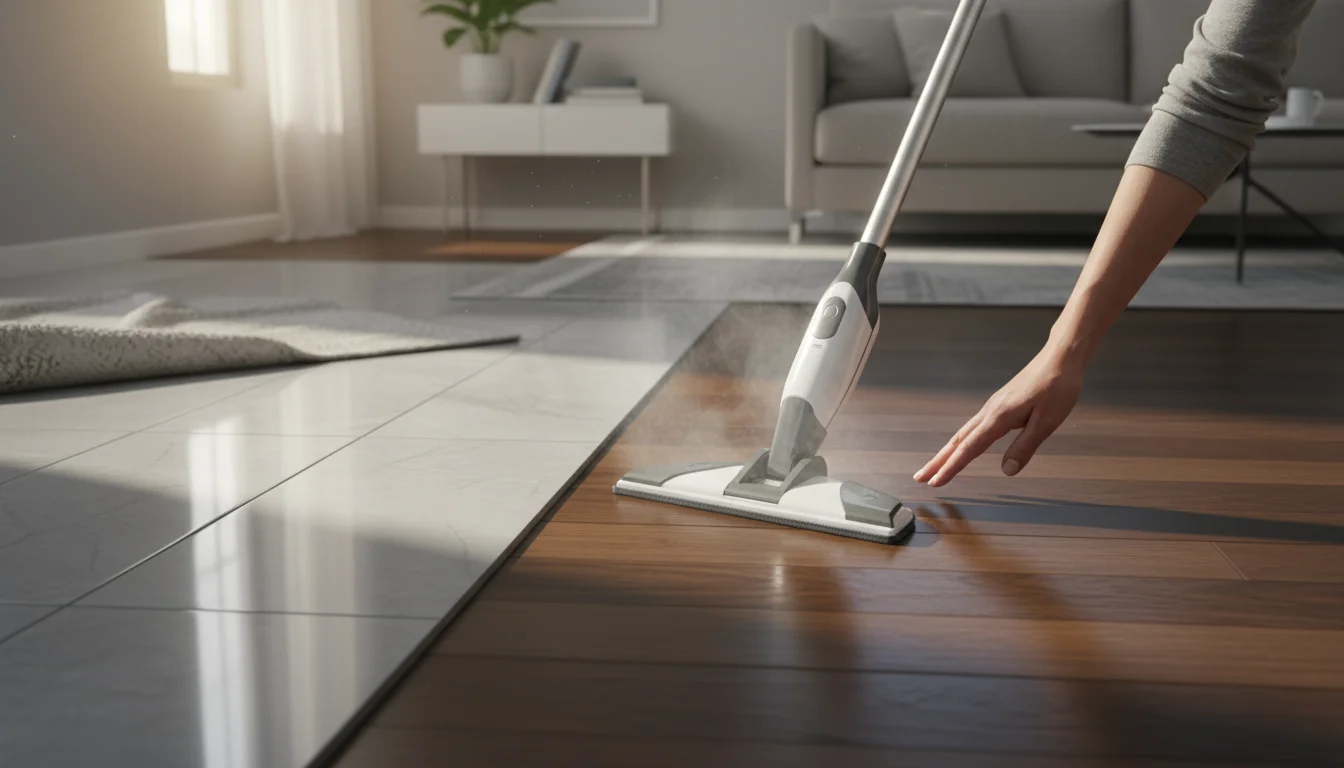
Considerations and Floor Suitability:
- Tile and Vinyl Floors: Steam mops are generally excellent for sealed ceramic, porcelain, and natural stone tiles, as well as vinyl floors. The steam effectively cleans grout and surfaces without saturating them.
- Hardwood Floors: Use caution. While some modern steam mops claim to be safe for sealed hardwood, the continuous application of heat and moisture can still be risky. It can potentially warp wood, dull finishes, or break down sealants over time. If you choose to use one, ensure your hardwood is perfectly sealed and use it on the lowest steam setting, moving quickly.
- Laminate Floors: Generally, avoid steam mops on laminate. The heat and moisture can penetrate the seams and core, causing irreversible swelling, warping, and delamination.
- Unsealed Floors: Never use a steam mop on unsealed hardwood, unsealed stone, or any floor that is not water-resistant, as it will cause damage.
Actionable Insight: Always check your flooring manufacturer’s recommendations regarding steam cleaning. If they specifically advise against it, listen to their guidance to protect your investment. If you decide to use a steam mop, always sweep or vacuum your floor beforehand to remove loose debris. Move the mop continuously and do not let it sit in one spot for too long.
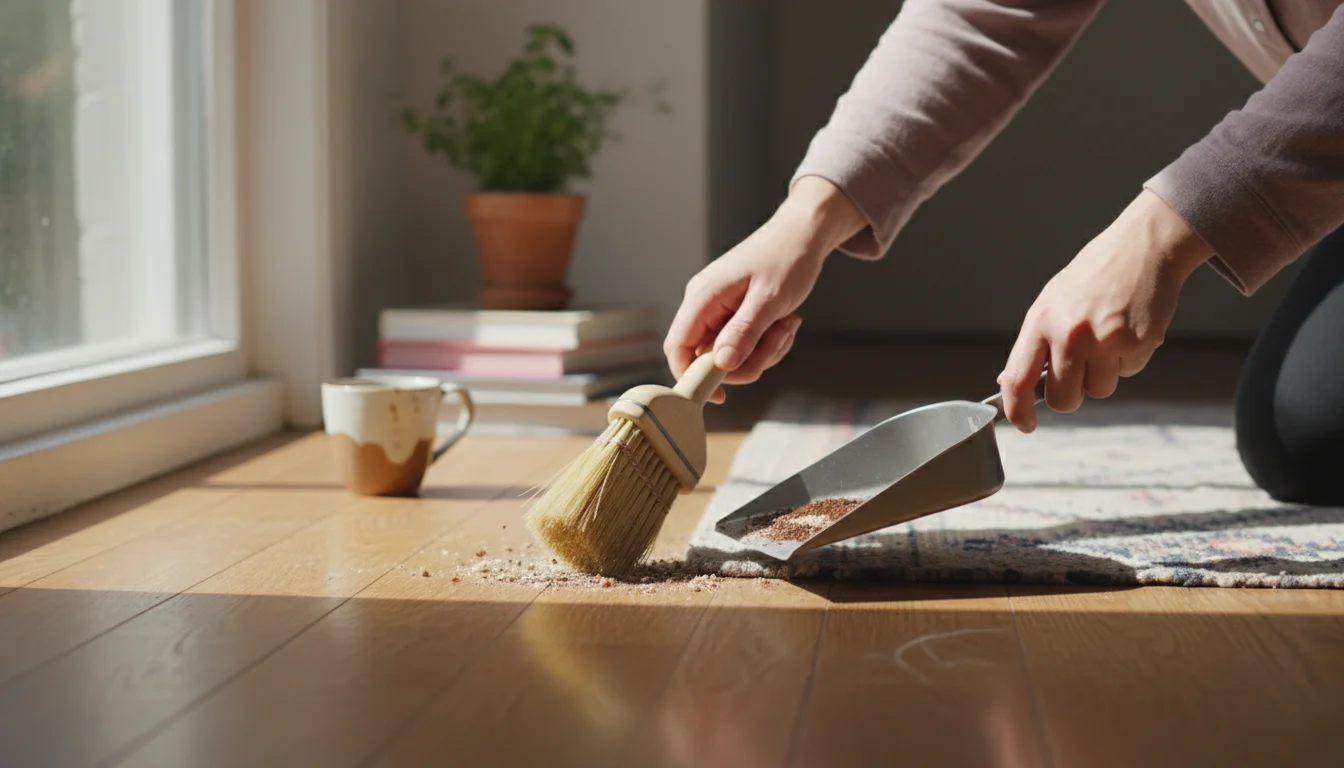
Streamlining Your Cleaning Routine: Tips for Efficiency
A sparkling clean floor does not require endless hours of work. With a few smart strategies, you can maintain your floors effectively, even with a busy schedule. The key is to create a realistic system that supports consistent, efficient cleaning.
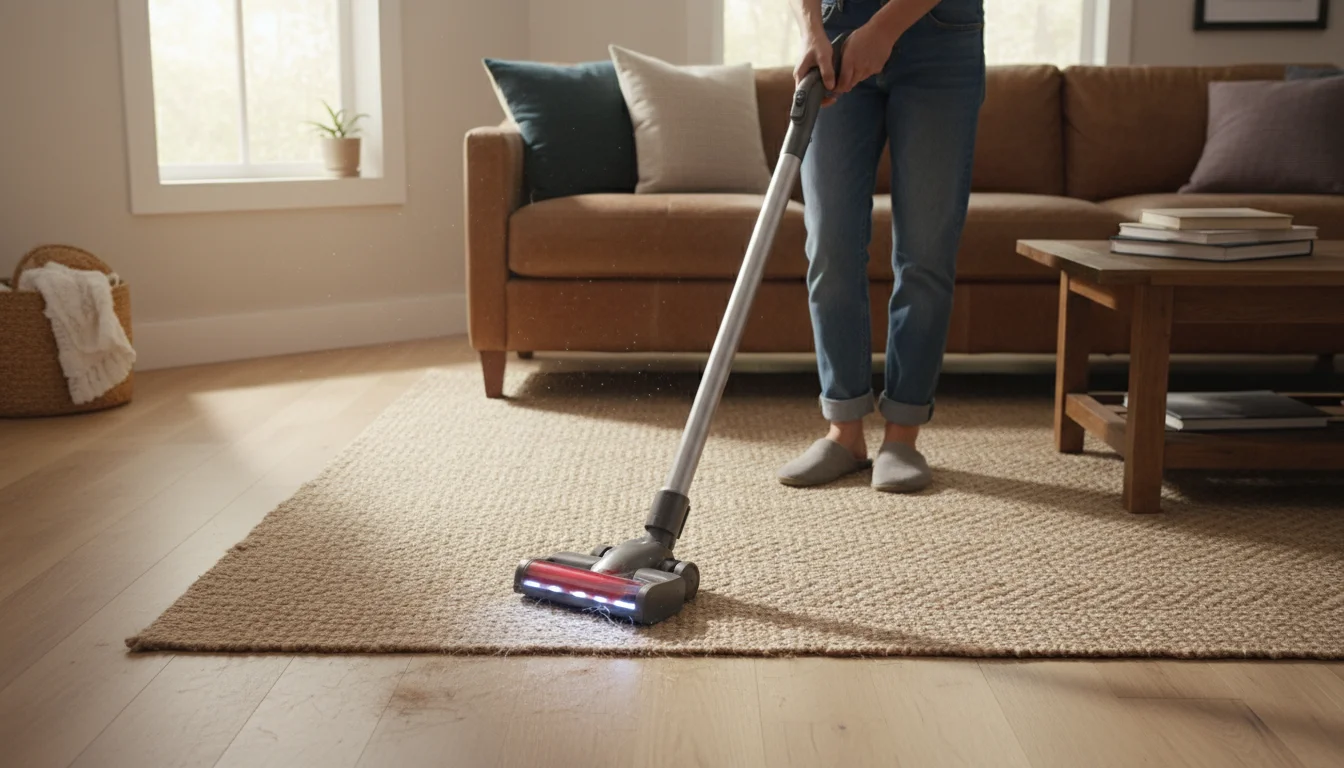
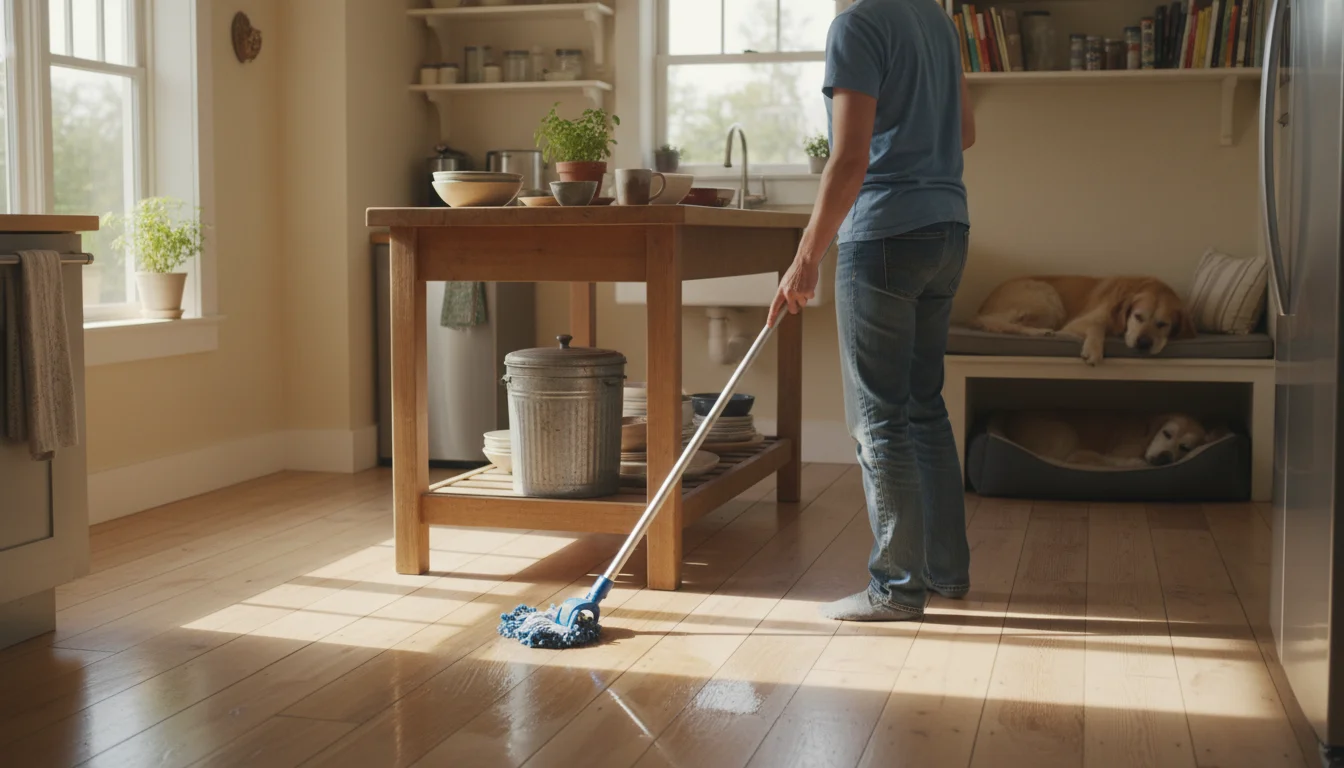
1. Sweep or Vacuum First, Always
Before any wet mopping, always sweep or vacuum your floors thoroughly. This removes loose dirt, dust, crumbs, and pet hair. Skipping this step means your mop will simply push dirty particles around, creating streaks and muddy residue. This foundational step makes your wet cleaning much more effective and prevents scratching delicate floors.
2. Divide and Conquer: Zone Cleaning
Think of your home in cleaning “zones,” or designated areas for specific activities. Focus your mopping efforts on high-traffic zones like the kitchen, entryways, and bathrooms more frequently. Less-used areas, like guest rooms or formal living rooms, can be mopped less often. This approach saves time and targets the areas that need attention most.
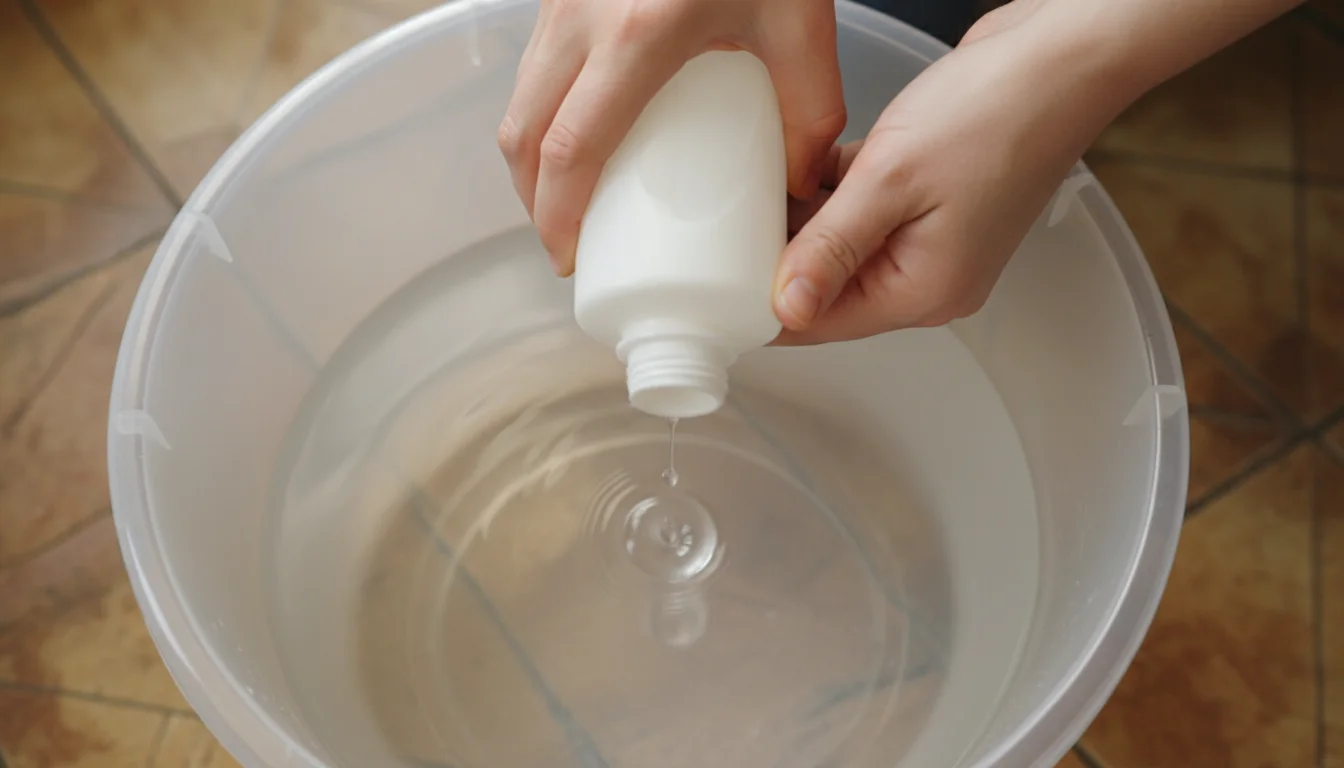
3. Use the Right Cleaning Solution (and Less of It)
Pair your chosen mop with a cleaning solution appropriate for your floor type. Many commercial cleaners offer formulations for hardwood, tile, or laminate. You can also opt for simple solutions like diluted white vinegar (for most non-wood floors) or a few drops of dish soap in warm water. Remember, more cleaner does not mean cleaner floors. Over-applying solution leads to sticky residue and streaks. Use just enough to get the job done.
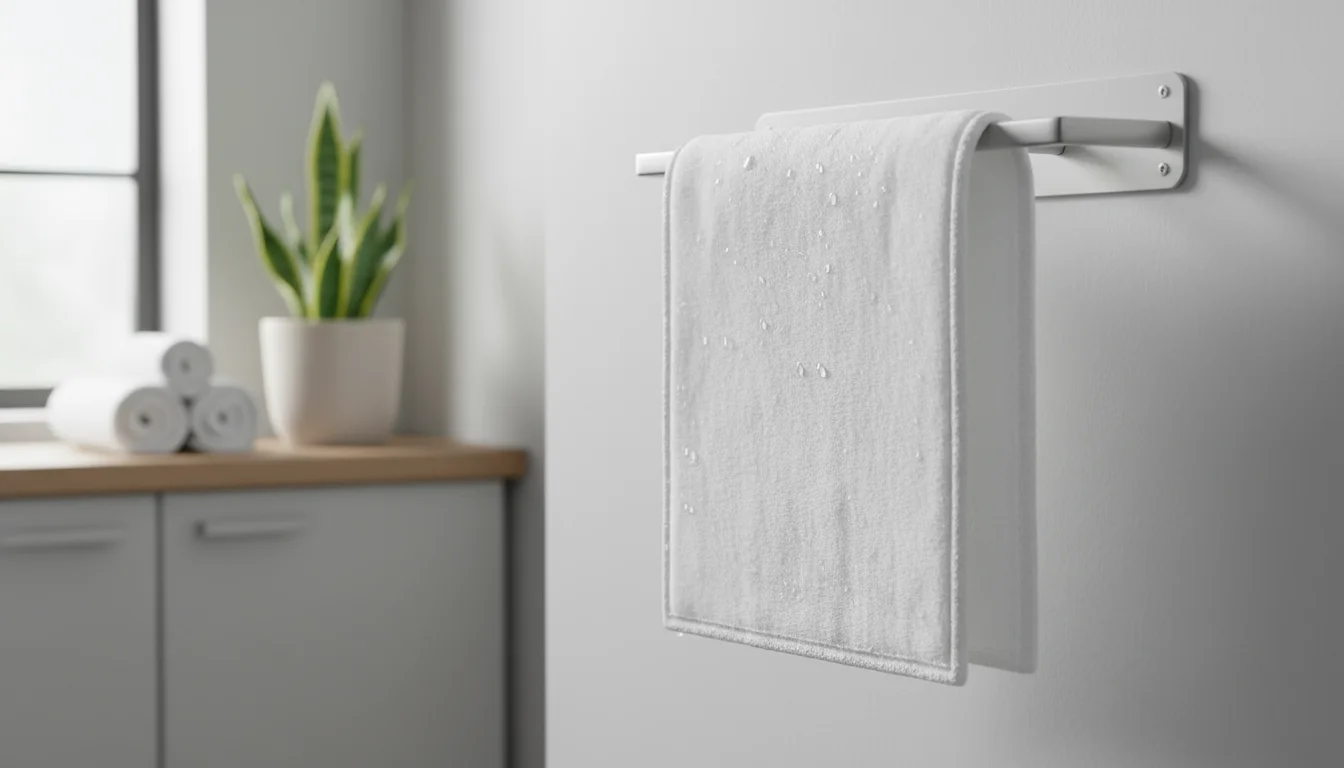
4. Keep Mop Heads Clean and Ready
Dirty mop heads are counterproductive; they spread germs and grime. For reusable microfiber pads, wash them after every use. For sponge mops, rinse thoroughly and allow them to air dry. If your mop head is disposable, change it regularly. Having a clean mop head ready to go makes the cleaning process much faster and more hygienic.
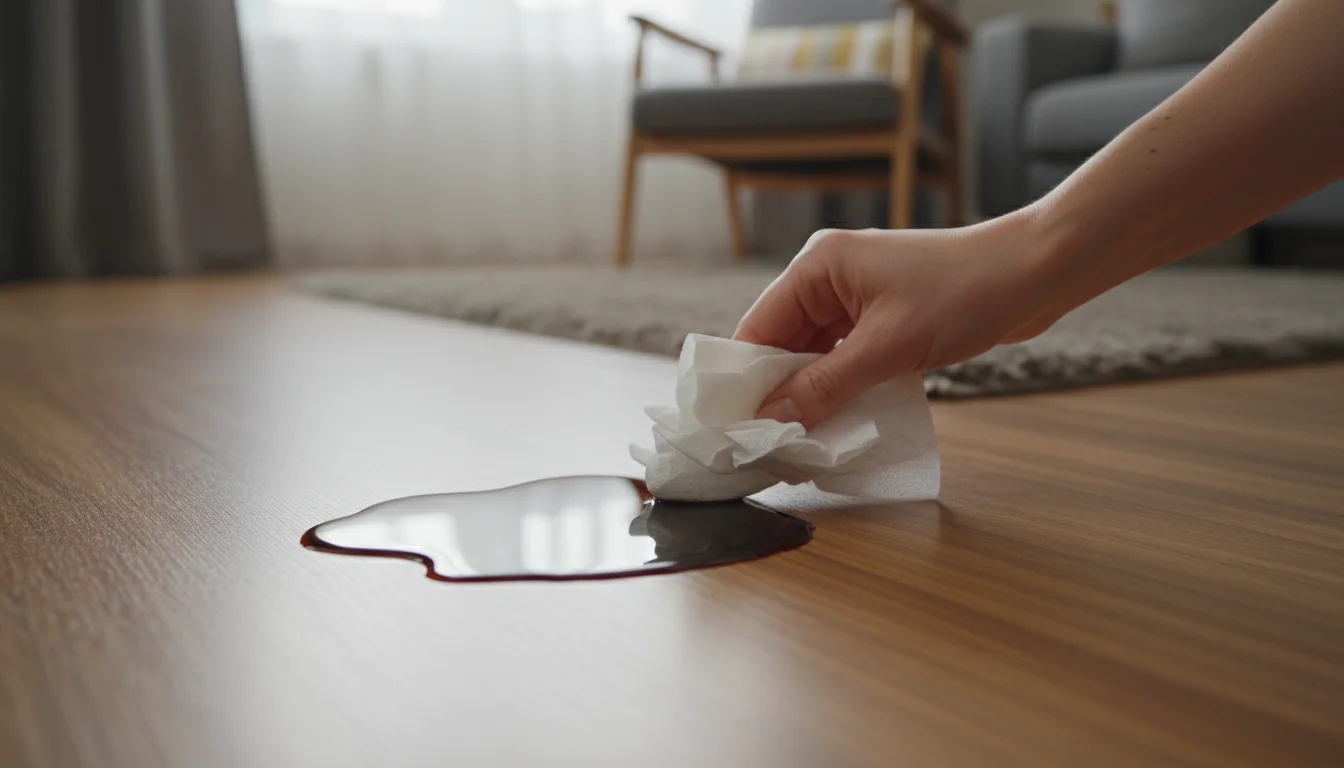
5. Address Spills Immediately
The fastest way to clean a spill is to tackle it right when it happens. Do not let spills sit and dry, especially on hardwood or laminate. A quick wipe with a paper towel or a small spray mop can prevent staining and make your weekly cleaning easier.
By implementing these strategies, you transform mopping from a dreaded chore into a manageable part of your home maintenance routine. You will achieve cleaner floors with less effort, allowing you more time for things you enjoy.
Caring for Your Mop and Floors: Maintenance Essentials
Proper care of your cleaning tools extends their lifespan and ensures they remain effective. Likewise, consistent floor maintenance preserves your flooring investment and keeps your home looking its best. A little effort goes a long way in both areas.
Mop Maintenance:
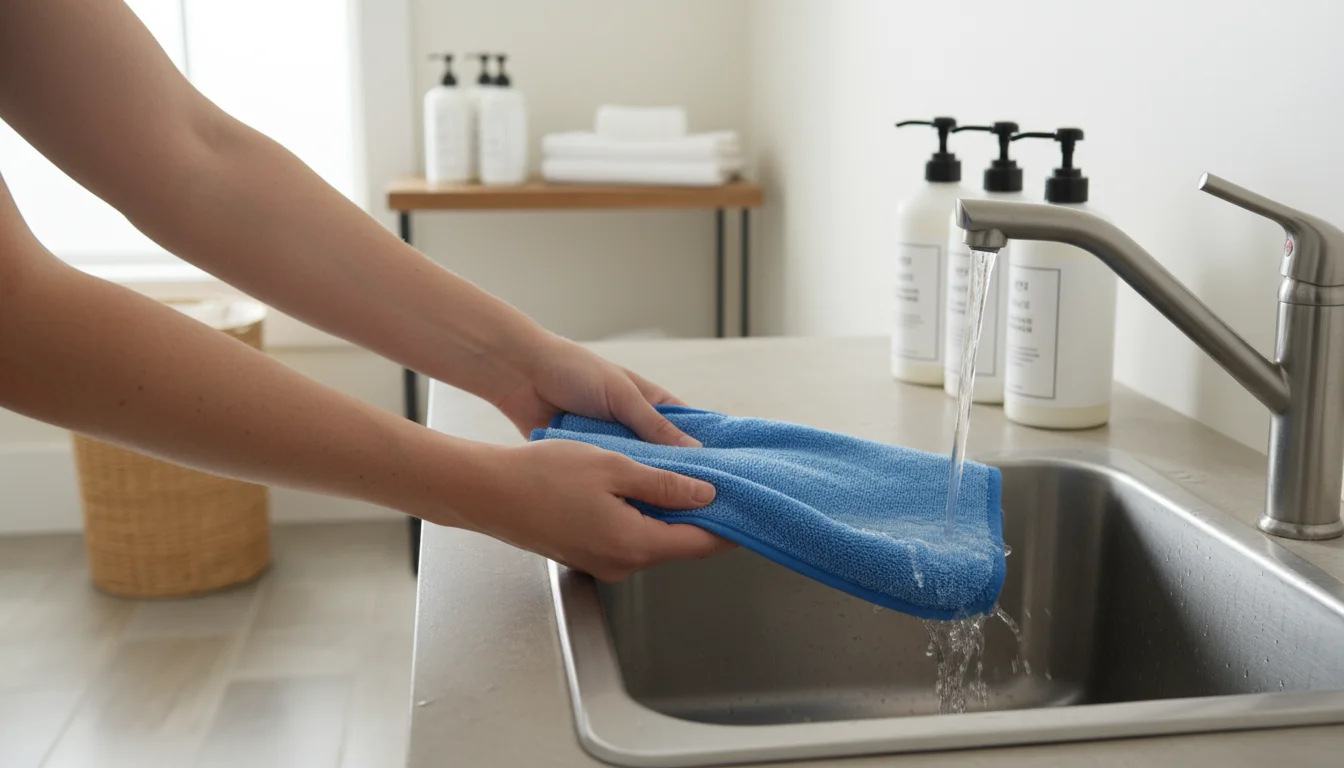
- Clean Mop Heads After Every Use: For microfiber pads, machine wash them without fabric softener (which can reduce absorbency) and air dry. For sponge mops, rinse them thoroughly under running water until all soap and debris are gone, then squeeze dry and allow to air dry completely to prevent mildew.
- Inspect for Wear and Tear: Regularly check your mop head for signs of excessive wear, fraying, or stubborn stains that will not wash out. Replace worn-out heads to maintain cleaning efficiency.
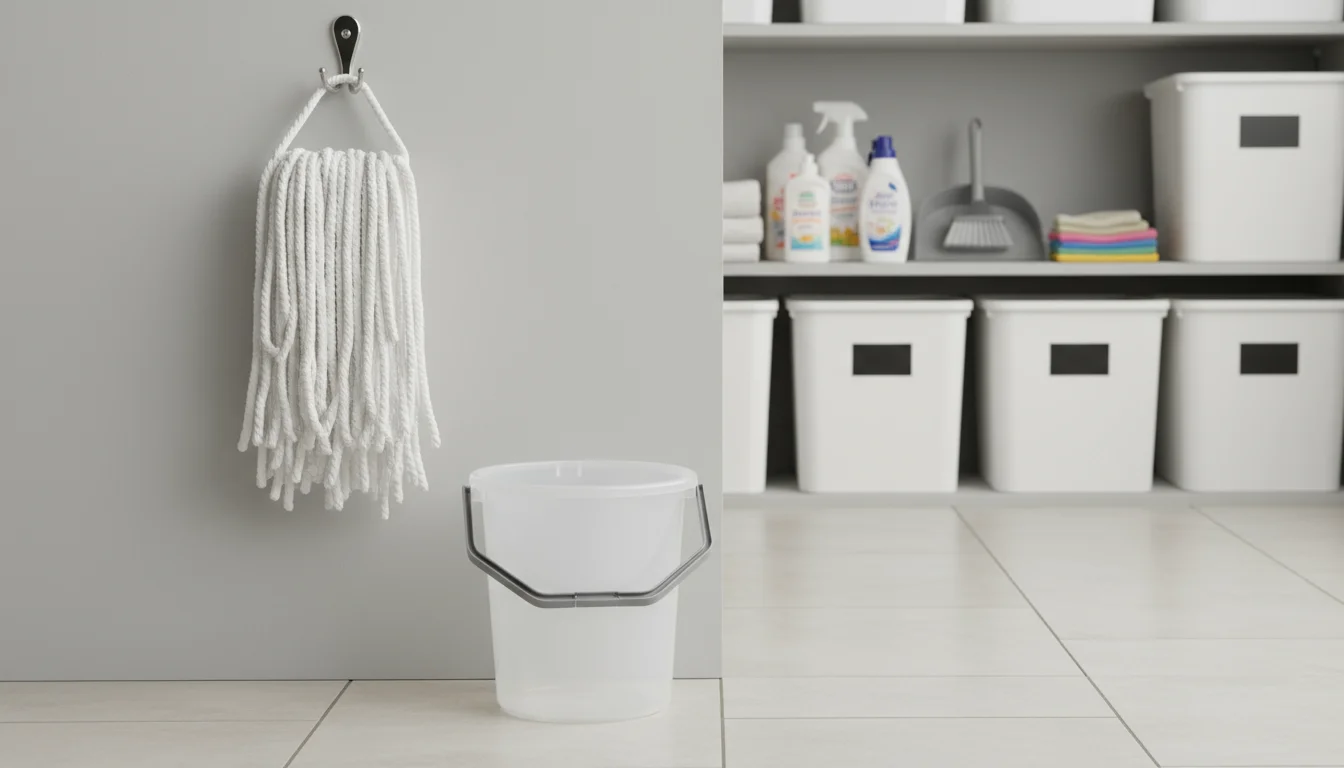
- Store Properly: Hang your mop upside down or with the head elevated to allow for optimal drying and to prevent the mop head from sitting in dirt or moisture. A clean, dry storage area is key.
- Clean Your Bucket: If you use a bucket system, rinse the bucket thoroughly after each use and allow it to air dry. This prevents the buildup of grime and bacteria.
Floor Maintenance:
- Regular Dry Cleaning: Sweep or vacuum frequently to remove abrasive grit and dust that can scratch your floors. This is especially important for hardwood and laminate.
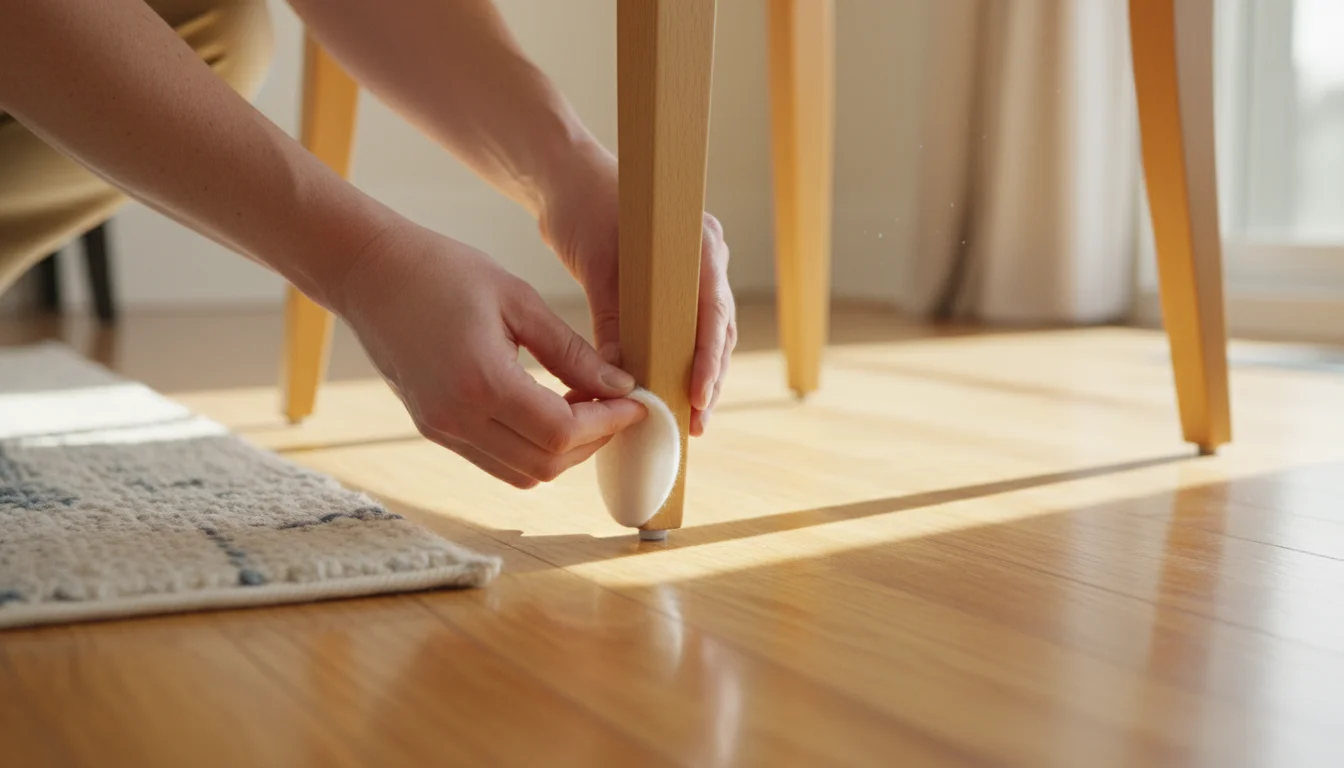
- Use Floor Protectors: Place felt pads under furniture legs to prevent scratches and dents. Use rugs in high-traffic areas, entryways, and under dining tables to protect your floors from wear and spills.
- Address Spills Promptly: Wipe up spills immediately, especially on moisture-sensitive floors. This prevents stains and water damage.
- Follow Manufacturer Guidelines: Always refer to your flooring manufacturer’s care instructions for specific recommendations on cleaning solutions and methods. These guidelines are your best resource for preserving your floor’s warranty and appearance.
According to Consumer Reports, consistent, gentle care is often more beneficial than aggressive, infrequent cleaning. By integrating these simple maintenance practices into your routine, you ensure your floors remain beautiful and your cleaning tools perform optimally for years to come.

Frequently Asked Questions
What is the most versatile mop for a home with multiple floor types?
A high-quality spin mop with a microfiber head or a versatile microfiber flat mop (used with a bucket or a spray bottle) offers excellent versatility. These options allow for precise moisture control, making them suitable for both moisture-sensitive floors like hardwood and laminate, and more robust surfaces like tile and vinyl. You can adjust the dampness to suit each room.
Can I use a steam mop on all floor types?
No, you cannot. Steam mops are generally safe and effective for sealed tile and vinyl floors, providing chemical-free sanitization. However, you should use extreme caution on sealed hardwood floors, moving quickly and using the lowest steam setting. Avoid steam mops entirely on laminate floors and any unsealed flooring, as the heat and moisture can cause irreversible damage like warping or delamination.
How often should I clean my mop head?
For optimal hygiene and cleaning effectiveness, clean your reusable mop head (like microfiber pads) after every single use. If you are cleaning a very large area or particularly dirty floors, you might need to swap out and clean multiple pads during one session. Regular cleaning prevents the spread of dirt and bacteria, ensuring a truly clean floor.
What cleaning solution is best for a general purpose mop?
For most sealed floor types (hardwood, laminate, tile, vinyl), a mild, pH-neutral cleaner is generally best. You can often use a simple solution of warm water with a few drops of dish soap or a diluted solution of white vinegar (avoid vinegar on natural stone or unsealed grout, as it can be too acidic). Always avoid harsh chemicals, excessive soap, or oil-based cleaners unless specifically recommended by your floor manufacturer, as these can leave residue or damage finishes.
How can I avoid streaks when mopping?
Streaks often result from too much cleaning solution, a dirty mop head, or not rinsing the mop frequently enough. To avoid streaks: always sweep or vacuum first, use minimal, properly diluted cleaning solution, ensure your mop head is clean and only damp (not wet), and rinse the mop head often with clean water during your cleaning process. Work in small sections and allow the floor to dry quickly.
For expert home organization guidance, visit
Institute for Challenging Disorganization,
Consumer Reports — Home,
This Old House and
Family Handyman.
Disclaimer: This article is for informational purposes only and is not a substitute for professional advice. Consult professional organizers or specialists for personalized recommendations.





Leave a Reply