

You juggle careers, family responsibilities, school runs, and endless to-do lists. The idea of adding a meticulous cleaning schedule to your already overflowing plate feels like a fantasy, not a practical solution. We understand your challenge completely. Maintaining a clean and organized home often falls by the wayside when you are a working parent, leading to stress, guilt, and a feeling of constant overwhelm.
This article provides a realistic, actionable cleaning schedule designed specifically for working parents. We focus on efficiency, smart strategies, and creating sustainable habits that keep your home tidy without demanding every spare moment. You will learn how to break down tasks, involve your family, and reclaim peace of mind. Let us transform your approach to household management, helping you stay sane while living in a comfortable, clean space.

The Working Parent’s Cleaning Conundrum: Why a Schedule Matters
Life as a working parent is a constant balancing act. Your energy reserves often deplete before the day ends, leaving little enthusiasm for scrubbing floors or dusting shelves. You might find yourself caught in a cycle of reactive cleaning, tackling messes only when they become unbearable. This approach, while understandable, often leads to higher stress levels and a home that never quite feels truly clean.
A structured cleaning schedule shifts you from reactive to proactive. It does not demand more of your time, but rather helps you manage the time you have more effectively. Instead of one overwhelming weekend clean-up, you distribute tasks throughout the week. This strategy prevents dirt and clutter from accumulating, making each cleaning session shorter and less daunting. You gain control, reduce stress, and ensure a healthier living environment for your family. A clean home also contributes significantly to your mental well-being, offering a calm retreat from the demands of work and parenting.
Research consistently shows a link between organized environments and reduced stress. When you have a clear plan, you eliminate decision fatigue about what to clean next. This frees up mental space, allowing you to focus on quality time with your family or personal relaxation. Establishing a sustainable cleaning schedule for working parents is not about achieving perfection, but about creating peace.
Understanding Your Household: A Reality Check
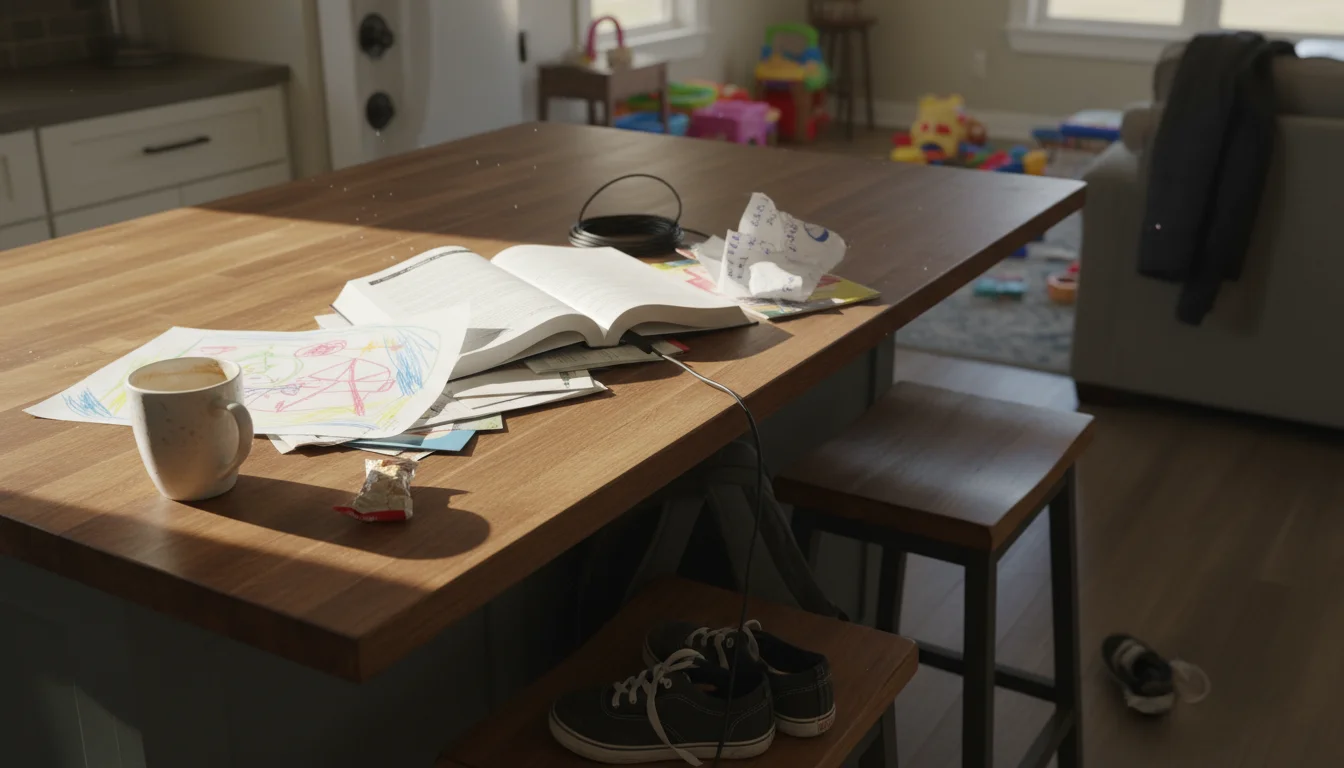
Before you dive into creating a cleaning schedule, you need an honest assessment of your current situation. This is not about judgment, but about understanding your real limitations and opportunities. Every family and home is unique, and a one-size-fits-all schedule simply does not work for busy working parents.
Assess Your Time Availability
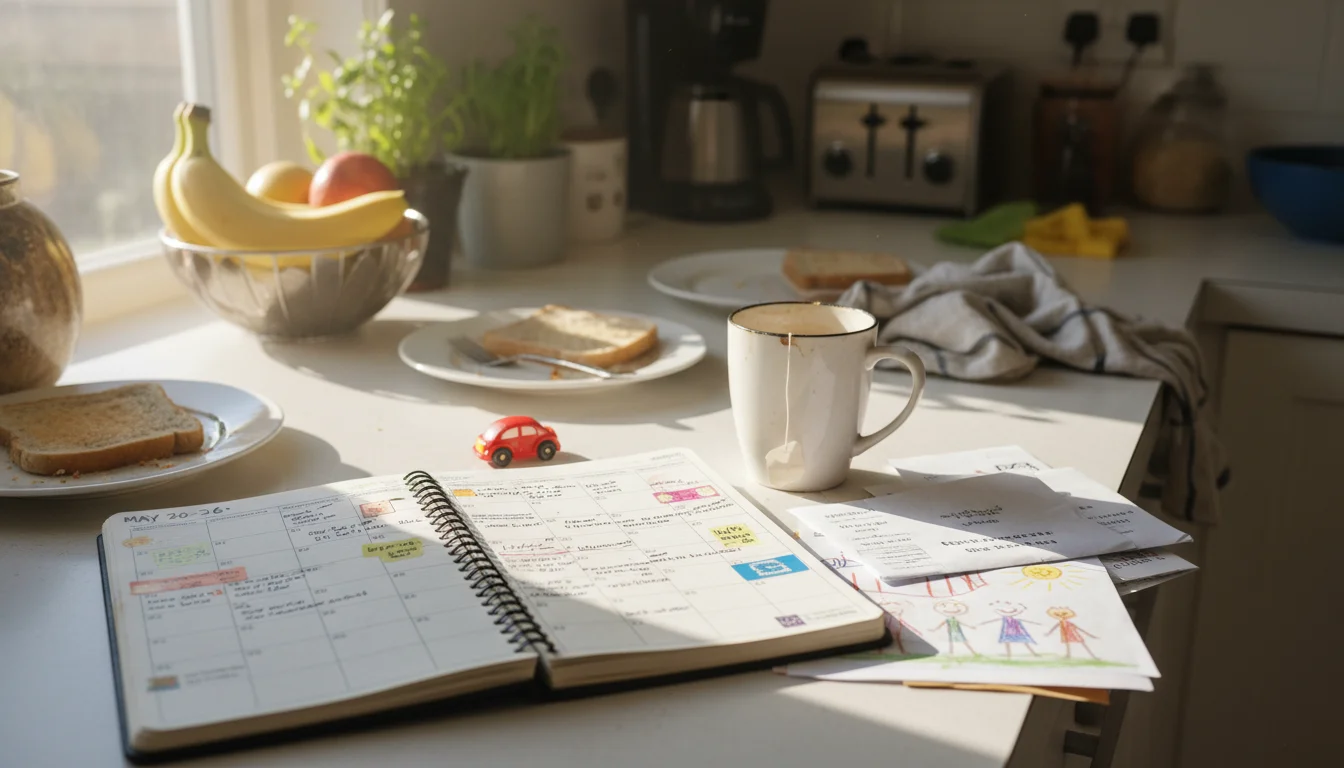
Look at your weekly schedule. Where do you genuinely have pockets of time? This might be 15 minutes before work, 30 minutes after dinner, or a couple of hours on a Sunday morning. Be realistic. Do not plan for an hour of cleaning if your evenings are consistently packed with extracurricular activities and homework.
- Morning Routine: Do you have 10-15 minutes before the kids wake up or before you leave for work?
- Evening Routine: Can you dedicate 20-30 minutes after dinner, or after the kids are in bed?
- Weekend Blocks: Identify a 1-2 hour block on Saturday or Sunday for deeper cleaning tasks.

Evaluate Your Home’s Needs
Consider the size of your home, the number of people living in it, and the presence of pets. A small apartment with two adults has different cleaning demands than a large house with three children and two dogs.
- High-Traffic Areas: Your kitchen, bathrooms, and living room likely need more frequent attention.
- Pet Impact: Pet hair and muddy paws necessitate daily vacuuming or quick floor cleans.
- Children’s Play Areas: Toys accumulate quickly, requiring regular tidying.
Identify Your Cleaning Priorities
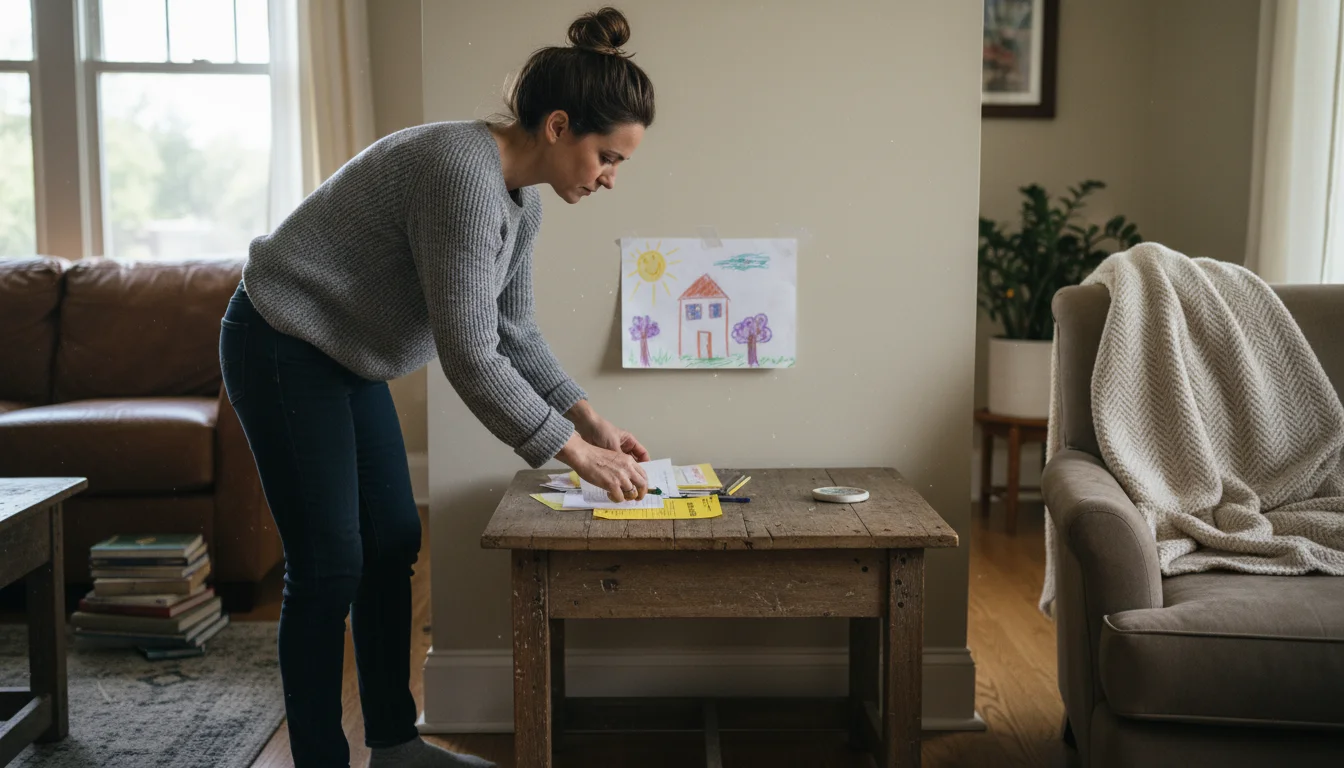
What aspects of a clean home are most important to you? Is it sparkling bathrooms, dust-free surfaces, or simply clutter-free common areas? Focus your energy where it matters most for your family’s comfort and sanity. According to Real Simple, prioritizing tasks helps prevent overwhelm and ensures you tackle the most impactful items first. You do not need a perfect house, just one that supports your family’s well-being.

Building Your Foundation: Daily, Weekly, and Monthly Tasks
The secret to an effective cleaning schedule for working parents lies in breaking tasks into manageable chunks. This approach prevents any single cleaning session from becoming an overwhelming ordeal. We categorize tasks into daily, weekly, and monthly routines, with seasonal tasks handled periodically.

Daily Power-Ups (15-30 minutes total)
These are quick, high-impact tasks you can tackle in short bursts. Consistency is key here. Think of these as preventative measures that stop clutter and dirt from spiraling.
- Make Beds: Takes two minutes, makes the bedroom instantly look tidier.
- Wipe Down Kitchen Counters: A quick wipe after meals prevents food buildup.
- Spot Clean Bathroom Sinks/Toilets: A quick swish and wipe keeps things fresh.
- Load/Run Dishwasher: Doing this nightly prevents a towering pile of dishes.
- Quick Pick-Up: Spend 5-10 minutes before bed putting away misplaced items (toys, papers, clothes). Teach kids to help.
- Sweep Kitchen Floor: If you have pets or active kids, a quick sweep or vacuum of the kitchen floor makes a big difference.
Weekly Deep Dives (2-4 hours total, broken into smaller sessions)
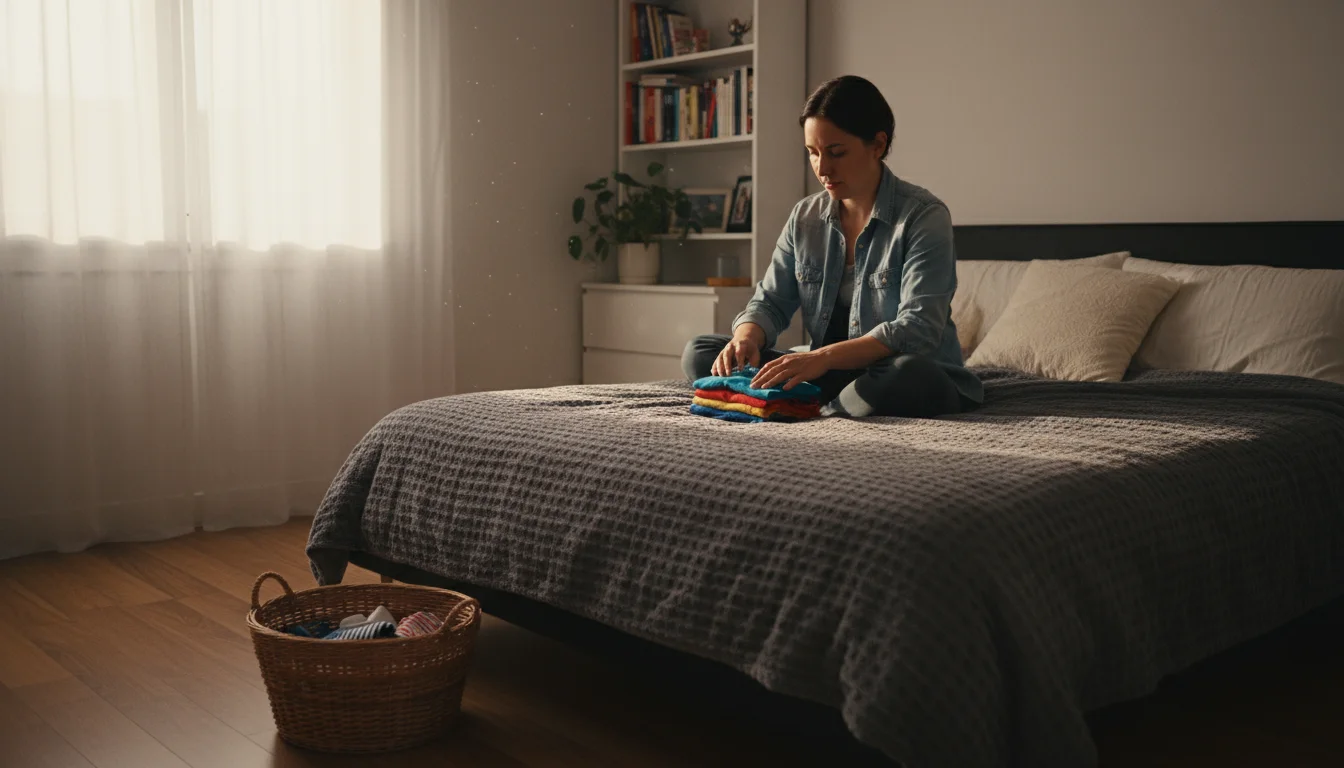
These tasks can be done in longer blocks on the weekend, or spread out in 30-minute segments throughout your evenings. For example, dedicate Tuesday evening to bathrooms and Thursday evening to floors.
- Bathrooms: Clean toilets, showers, tubs, sinks, mirrors, and floors.
- Kitchen: Wipe down appliance exteriors, clean stovetop, microwave interior, sweep/mop floors.
- Dusting: Dust all surfaces, furniture, and electronics in common areas and bedrooms.
- Vacuum/Mop Floors: All hard floors and carpets in high-traffic areas.
- Laundry: Wash, dry, fold, and put away clothes. Consider a “load a day” strategy to prevent laundry mountains.
- Empty Bins: Empty all trash cans in the house.
Here is a sample table illustrating how you might break down weekly tasks:
| Day | Focus Area / Tasks (30-45 minutes) | Daily Tasks (15-30 minutes) |
|---|---|---|
| Monday | Laundry (one load), Tidy living room, Dust common areas | Make beds, Wipe kitchen counters, Quick pick-up |
| Tuesday | Bathroom 1 (toilet, sink, mirror, floor) | Make beds, Wipe kitchen counters, Load dishwasher, Quick pick-up |
| Wednesday | Kitchen floor vacuum/mop, Wipe down appliance exteriors | Make beds, Wipe kitchen counters, Load dishwasher, Quick pick-up |
| Thursday | Bathroom 2 (toilet, sink, mirror, floor) | Make beds, Wipe kitchen counters, Load dishwasher, Quick pick-up |
| Friday | Vacuum/Mop other floors, Quick tidy for the weekend | Make beds, Wipe kitchen counters, Load dishwasher, Quick pick-up |
| Saturday | Catch-up tasks, Yard work (if applicable), Deeper clean one specific area (e.g., pantry) | Morning tidy, Basic kitchen wipe-down |
| Sunday | Meal prep, Plan for the week, Quick overall reset | Morning tidy, Basic kitchen wipe-down |

Monthly Maintenance (1-2 hours)
These are less frequent tasks that keep your home in top shape. You can dedicate one weekend morning a month to these, or spread them across a few evenings.
- Deep Clean Kitchen: Clean inside microwave, wipe down cabinet fronts, clean sink, disinfect trash can.
- Deep Clean Bathrooms: Scrub grout, clean shower heads, organize medicine cabinet.
- Vacuum Upholstery/Under Furniture: Move furniture to vacuum thoroughly.
- Clean Mirrors/Windows: Clean interior windows and mirrors throughout the house.
- Dust Light Fixtures/Ceiling Fans: Prevent significant dust buildup.
- Clean Baseboards: A quick wipe keeps them looking fresh.
- Change Bed Linens: (If not done weekly) Change all bed sheets.
Strategic Zones: Tackling Your Home Room by Room
Organizing your home into “zones” means designating specific areas for specific activities and, consequently, specific cleaning tasks. This approach makes cleaning more efficient and less overwhelming. Instead of cleaning your entire home at once, you focus on one zone, maximizing your effort within that space. This method works especially well for working parents with limited time, as you can tackle one zone at a time without feeling like you need to finish everything in one go. According to experts at National Association of Professional Organizers, breaking down your home into zones helps create sustainable organization habits.

The Kitchen Zone: The Heartbeat of Your Home
The kitchen often sees the most activity and mess. Focus on daily tidying and a weekly deep clean.
- Daily: Wipe down counters, clean sink, load/run dishwasher, sweep crumbs.
- Weekly: Clean stovetop, wipe appliance exteriors, mop floor, clean microwave interior.
- Monthly: Deep clean refrigerator, wipe down cabinet fronts, disinfect trash can.
Practical Tip: Keep cleaning supplies (all-purpose cleaner, dish soap, sponge) readily accessible under the sink. This eliminates excuses for not doing a quick wipe-down.
The Bathroom Zone: Hygiene Hub
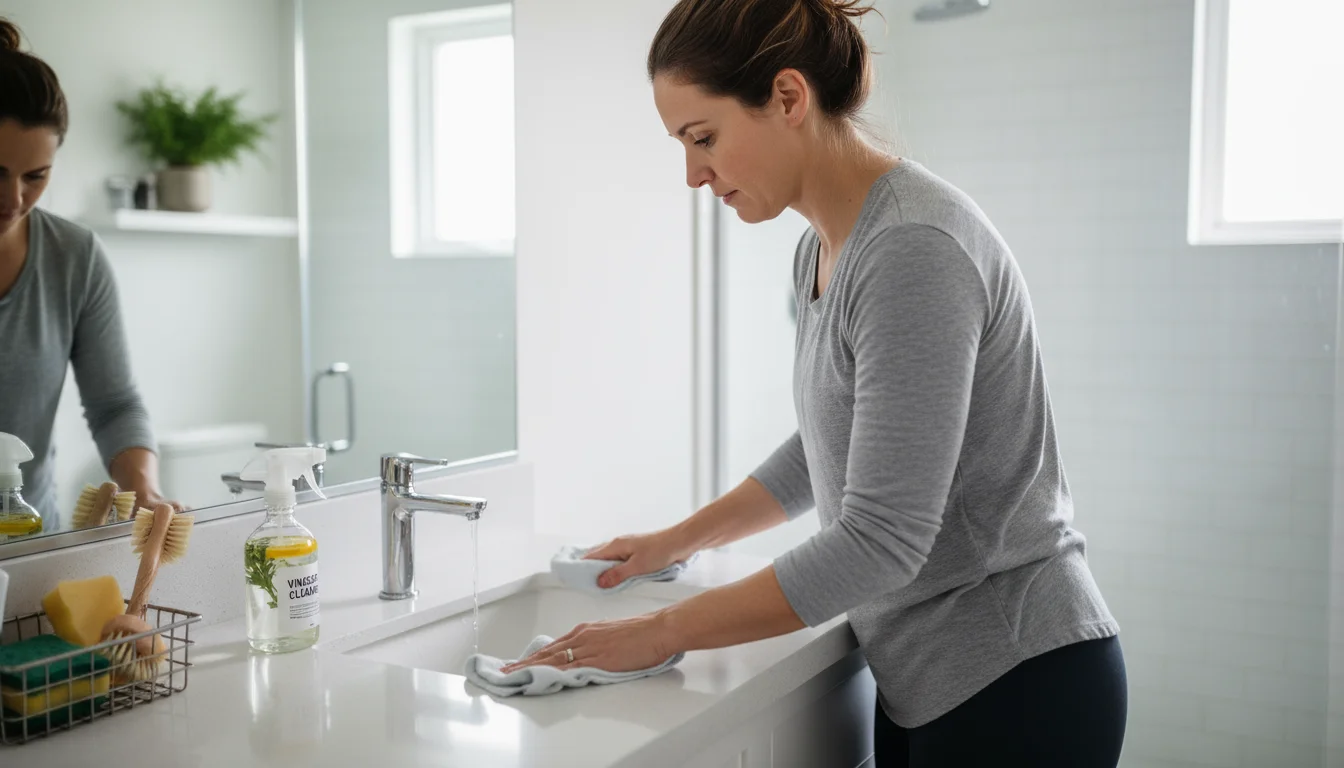
These areas require consistent sanitization. Consider having a small caddy of cleaning supplies for each bathroom to streamline the process.
- Daily: Wipe down sink and counter, spot clean toilet.
- Weekly: Clean toilet, shower/tub, sink, mirror, and mop floor.
- Monthly: Scrub grout, clean shower curtain/door, disinfect toothbrush holders.
Budget-Conscious Solution: A mixture of white vinegar and water makes an excellent all-purpose cleaner for many bathroom surfaces, saving money on specialized products.
Living Room/Common Areas Zone: The Family Gathering Spot
These spaces often collect clutter and dust. Focus on daily tidying and weekly dusting and vacuuming.
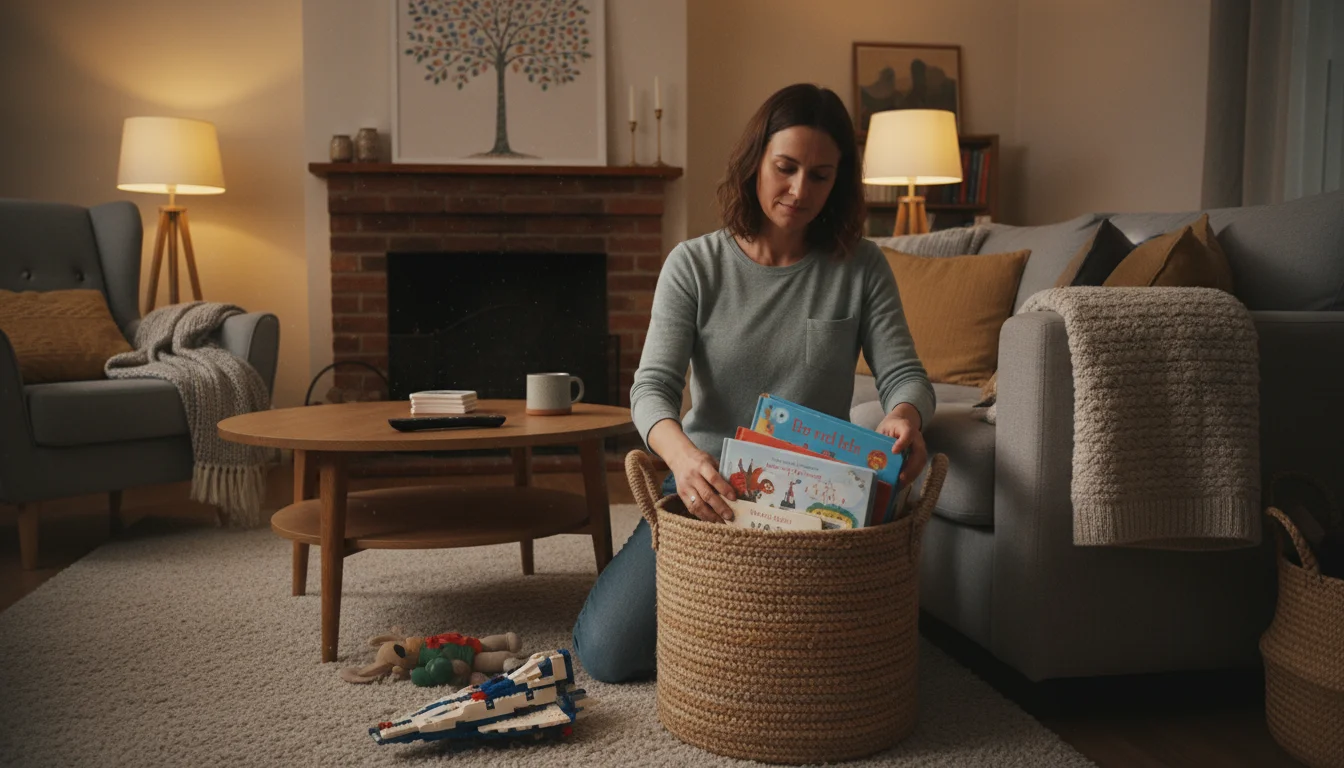
- Daily: Quick pick-up of toys, books, and remote controls. Straighten pillows/blankets.
- Weekly: Dust all surfaces (TV, coffee table, shelves), vacuum/sweep floor.
- Monthly: Vacuum upholstery, clean baseboards, wipe down light fixtures.
Actionable Insight: Place a designated bin or basket in the living room for toys or items that need to go to other rooms. This makes daily tidying much faster.
Bedroom Zones: Your Private Retreats
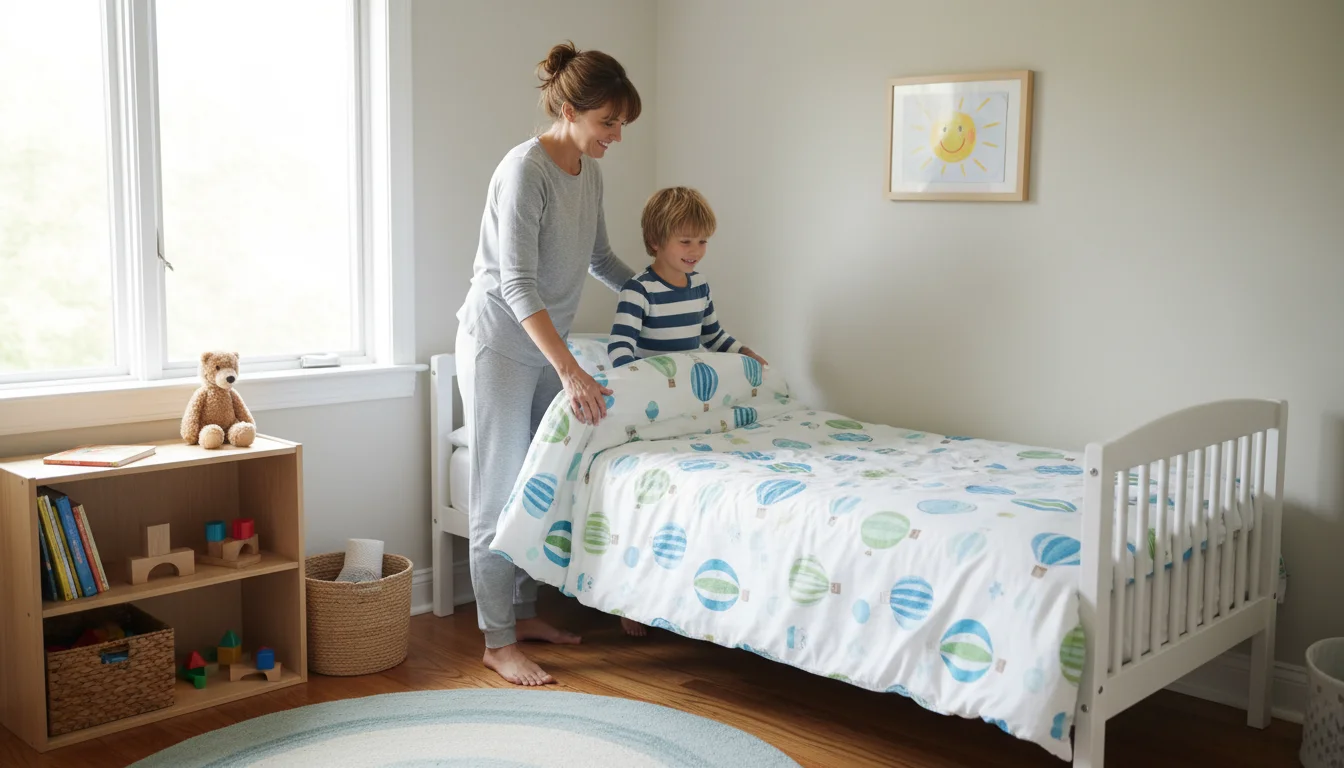
Bedrooms primarily need regular tidying and dusting. Encourage children to participate in keeping their own rooms tidy.
- Daily: Make beds, put away clothes.
- Weekly: Dust furniture, vacuum/sweep floor, change bed linens.
- Monthly: Declutter nightstands and dressers, clean under the bed.
Simple Hack: Use under-bed storage containers for out-of-season clothes or extra linens, keeping surfaces clear.

Smart Cleaning Hacks for Time-Strapped Families
Maximizing efficiency is crucial for working parents. These hacks help you clean smarter, not harder, enabling your cleaning schedule to be sustainable.

1. The “Clean As You Go” Mentality
This is arguably the most effective hack. If you spill something, clean it immediately. If you finish cooking, wipe down the stovetop and counters as you wait for food to cool. Put items away as soon as you finish using them. This prevents small messes from becoming large, overwhelming projects. As noted by experts at Good Housekeeping, consistent “clean as you go” practices significantly reduce overall cleaning time.
2. Optimize Your Cleaning Caddy
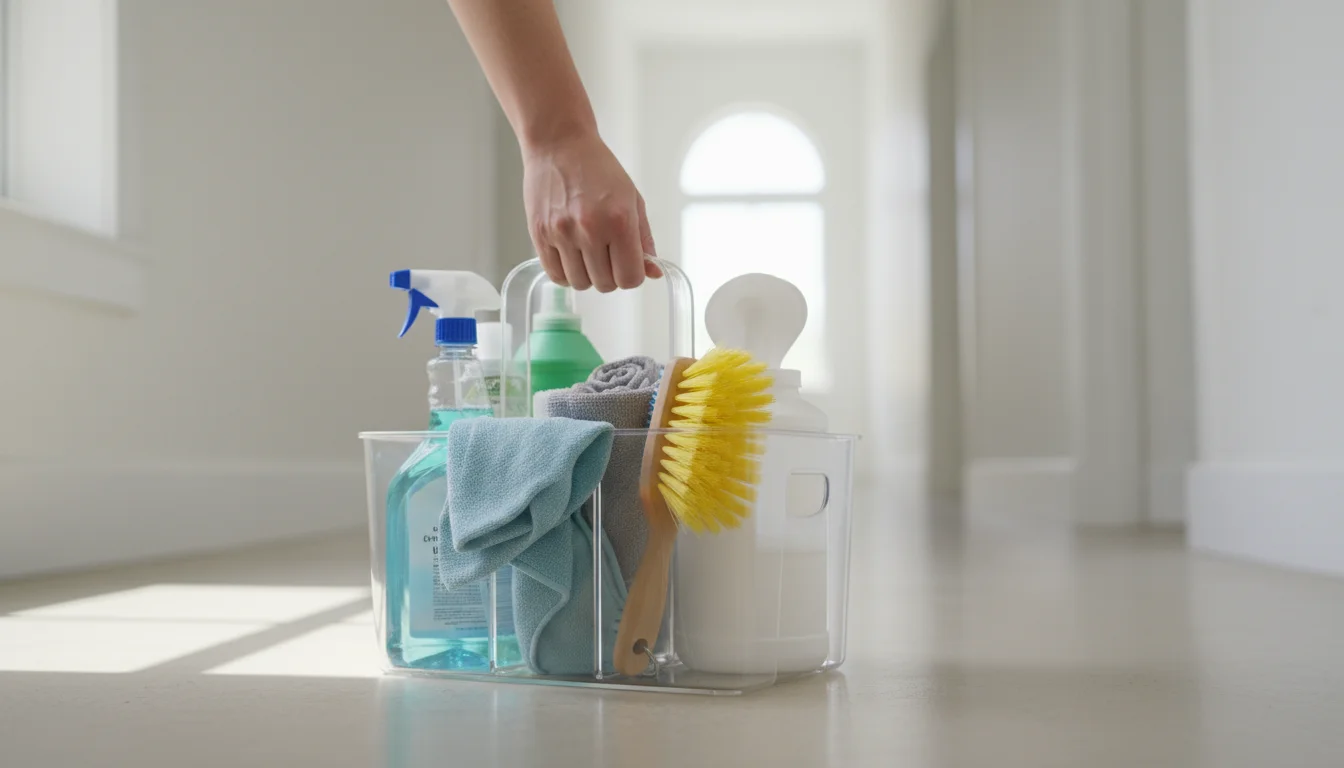
Assemble a portable cleaning caddy for each level of your home or for specific tasks. Fill it with all necessary supplies: all-purpose cleaner, glass cleaner, microfber cloths, scrub brush, and disposable wipes. This saves precious minutes spent searching for supplies and makes it easy to grab and go for quick tasks.
3. Invest in Smart Tools (Budget-Friendly Options)
- Microfiber Cloths: These are reusable, highly effective at trapping dust, and often clean surfaces with just water, reducing the need for multiple chemical cleaners.
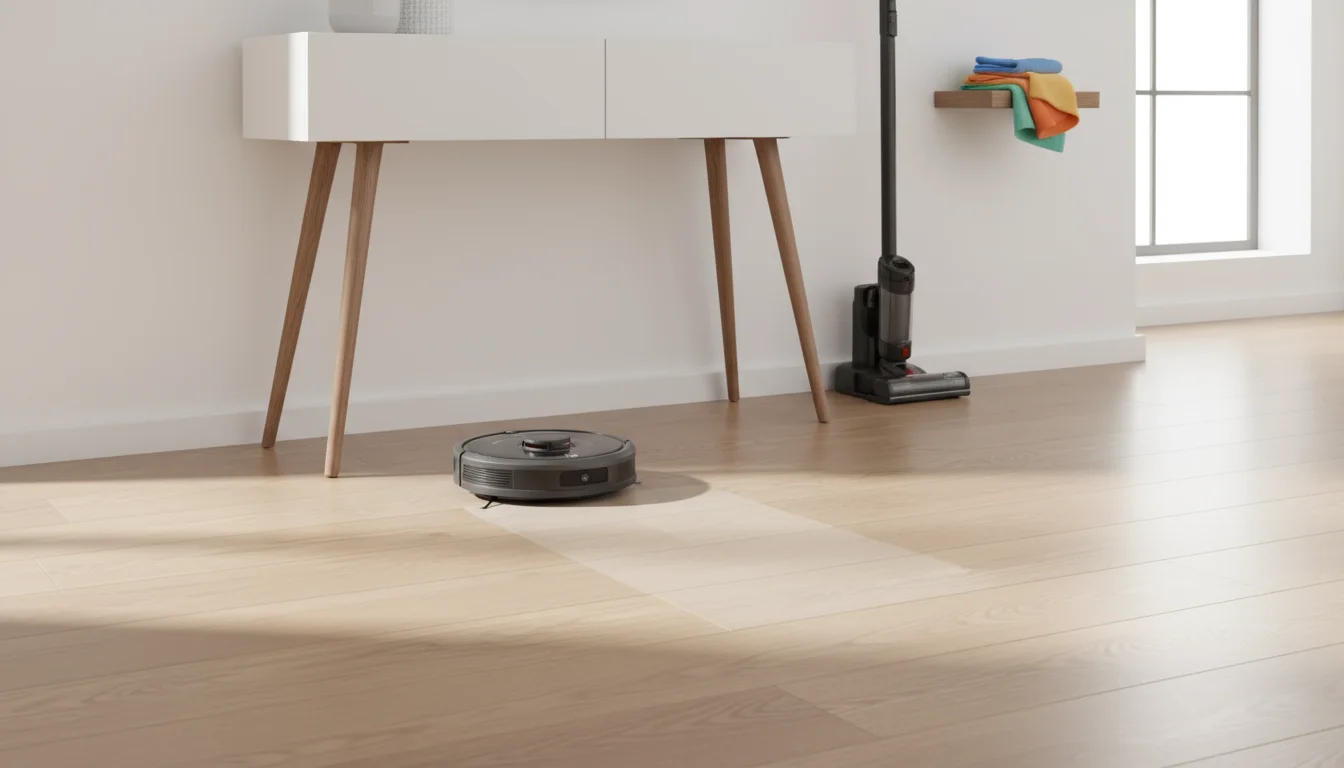
- Cordless Stick Vacuum: A lightweight, easy-to-grab stick vacuum encourages frequent, quick clean-ups of pet hair and crumbs. Look for sales or refurbished models.
- Robot Vacuum: If your budget allows, a robot vacuum is a game-changer for working parents. Schedule it to run daily while you are at work, maintaining clean floors without any effort on your part. Even basic models offer significant help.
- Squeegee: Keep one in the shower to quickly wipe down glass doors after each use, preventing soap scum buildup.
Actionable Tip: Before making a significant purchase, read reviews on sites like Consumer Reports to ensure you are investing in durable and effective tools.
4. Time Boxing Your Tasks
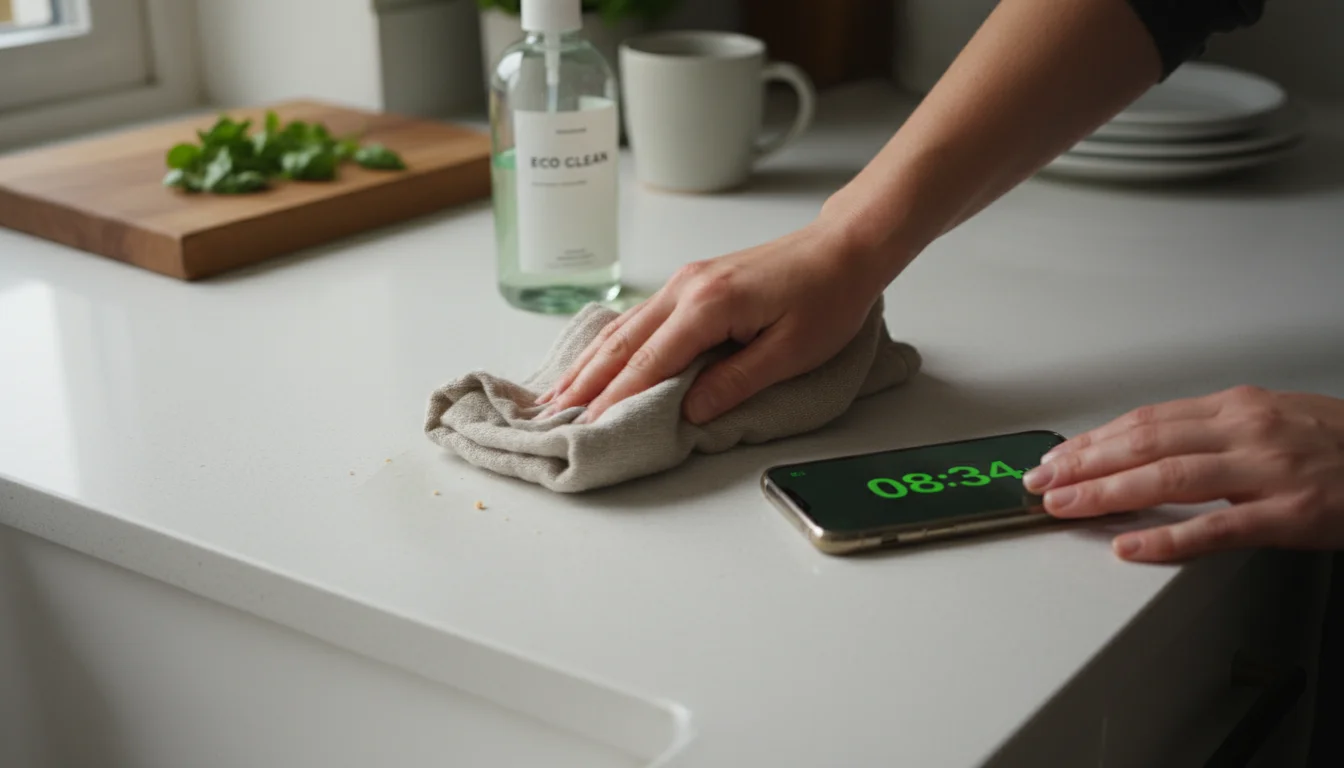
Set a timer for 15-20 minutes and focus intently on one cleaning task. When the timer goes off, you stop. This technique, often called the Pomodoro Technique, prevents burnout and makes cleaning feel less like an endless chore. It also helps you see how much you can accomplish in short bursts.

5. Declutter Relentlessly
Less stuff means less to clean and less to organize. Regularly declutter, especially in high-traffic areas. This is a foundational step in any effective household management system. If an item does not have a home, create one or consider donating it. Fewer items on surfaces translate directly to faster dusting and tidying.

6. Utilize Downtime
Waiting for water to boil? Wipe down the counter. Kids playing independently for a few minutes? Quickly put away laundry. These small pockets of time, often spent on your phone, can be repurposed for micro-cleaning tasks that add up significantly.

Integrating Your Family: Delegation and Expectations
You do not need to shoulder the entire burden of household cleaning yourself. Your family members, even young children, can contribute. Involving everyone not only lightens your load but also teaches valuable life skills and fosters a sense of shared responsibility.

Age-Appropriate Chores
Tailor tasks to individual capabilities. Even a toddler can learn to put toys in a bin. Older children can take on more significant responsibilities.
- Toddlers (2-3 years):
- Put toys in a basket.
- Place dirty clothes in the hamper.
- Help wipe spills with a cloth.
- Preschoolers (4-5 years):
- Make their bed (or help).
- Set the table (plastic plates).
- Help clear their own plate from the table.
- Gather trash from common areas.
- School-Aged Children (6-10 years):
- Load/unload dishwasher.
- Take out trash.
- Clean their bedroom.
- Help with laundry (sorting, folding simple items).
- Vacuum a room.
- Pre-Teens/Teenagers (11+ years):
- Clean bathrooms.
- Meal prep assistance.
- Deep clean their own room.
- Help with yard work.
- Take on a “zone” of the house.
Clearly Communicate Expectations
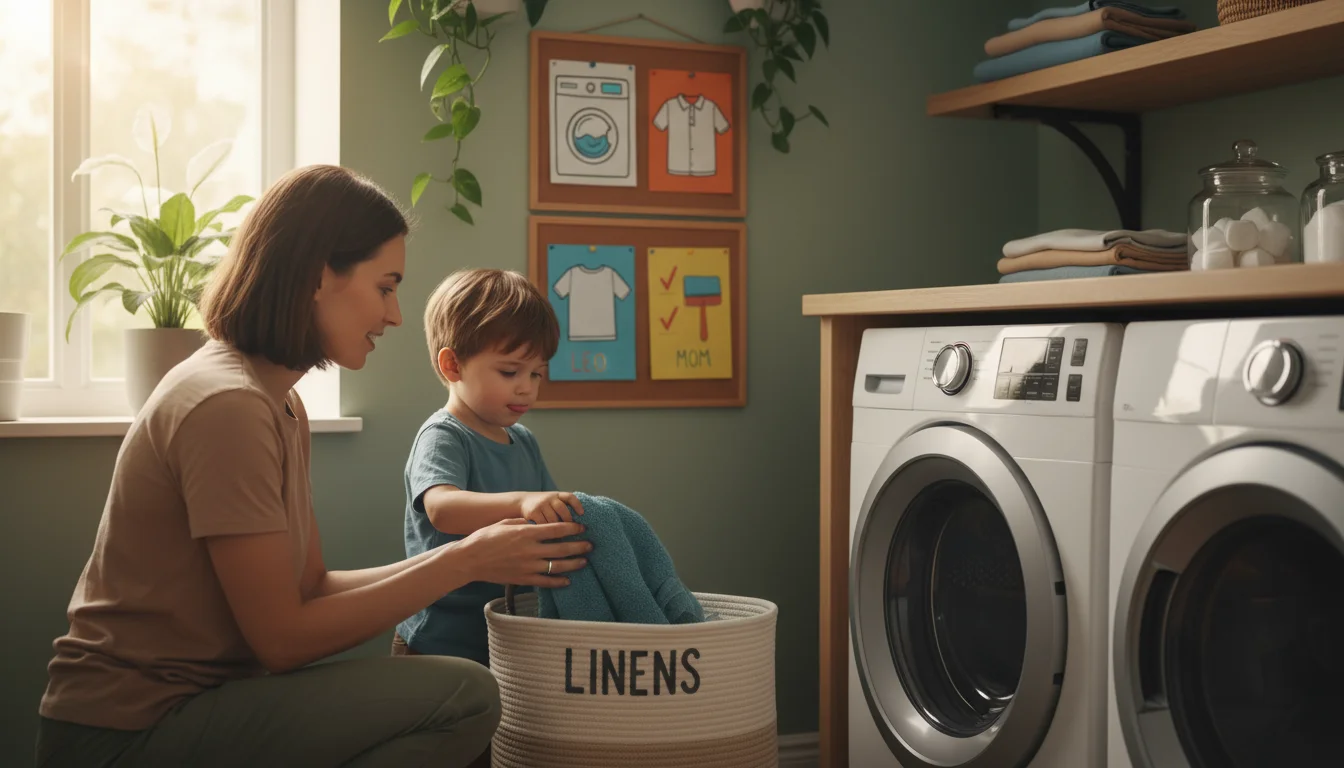
Do not assume your family knows what you expect. Explain tasks clearly, show them how to do it, and provide positive reinforcement. A chore chart, visual checklist, or even a rotating schedule can help everyone understand their responsibilities.
- Be Specific: Instead of “clean your room,” say “put all toys in the toy box, put dirty clothes in the hamper, and make your bed.”
- Provide Tools: Make sure children have access to appropriate cleaning tools (e.g., small broom, dustpan).
- Be Patient: It takes time for new habits to form. There will be resistance and mistakes.

Make it a Team Effort
Turn cleaning into a family activity. Put on music, set a timer, and tackle tasks together. This fosters camaraderie and makes the work feel less like a chore. You are building good habits, teaching responsibility, and spending time together, even if it is productive time.

Troubleshooting Your Cleaning Schedule: When Life Happens
Even the most meticulously planned cleaning schedule faces challenges, especially when you are a working parent. Sick kids, unexpected deadlines, or simply a need for rest can derail your best intentions. Do not despair. The key is flexibility and adaptation, not perfection.

1. When You Fall Behind: Don’t Give Up, Reset
It is inevitable. You will miss a day, or even a week. The worst thing you can do is let guilt paralyze you. Instead:
- Assess the Damage: Take 15 minutes to quickly survey your home. What absolutely needs attention?
- Prioritize: Focus on hygiene-critical areas first (bathrooms, kitchen).
- Micro-Burst: Do 10-15 minute cleaning bursts. You might not finish everything, but you make progress.
- Adjust Expectations: If you missed a week, aim for a “reset clean” rather than trying to catch up on every single missed task.

2. The Clutter Creep: Constant Vigilance
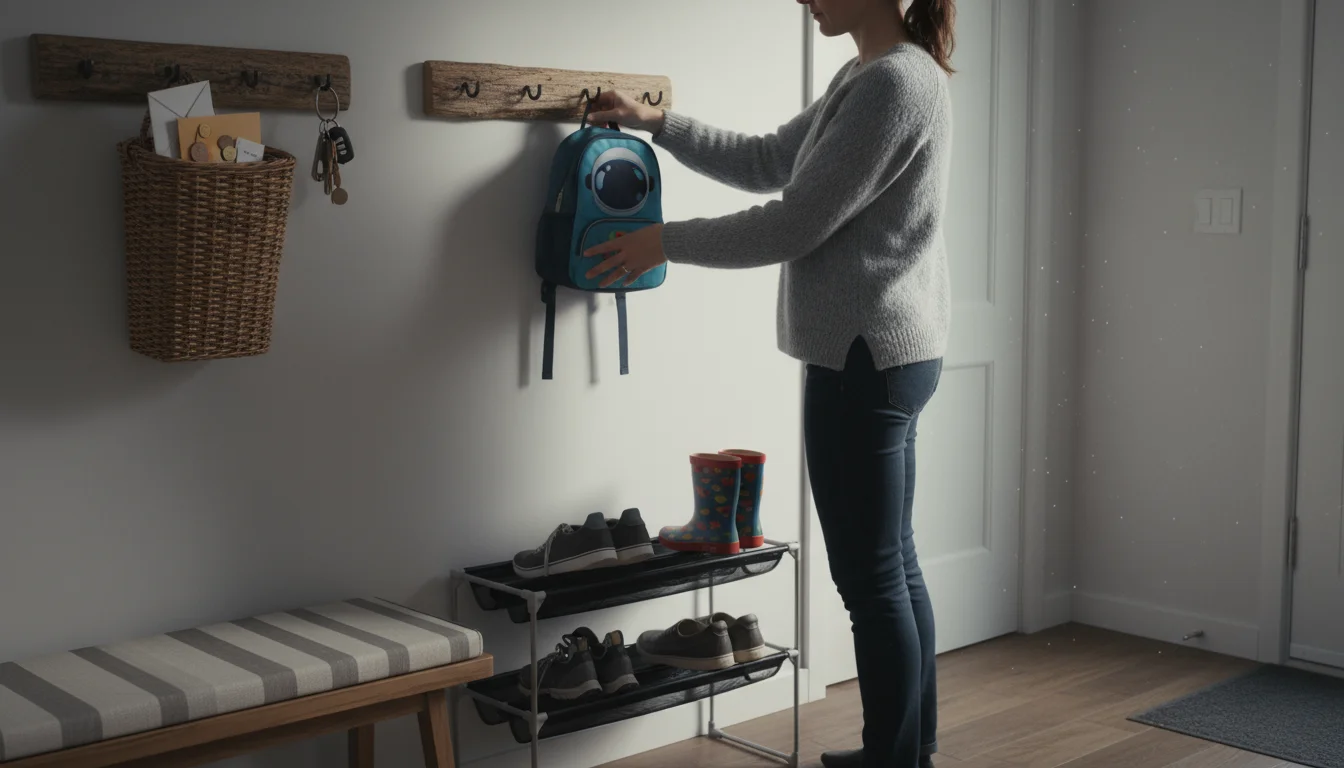
Clutter is the enemy of a clean home, and it creeps back quickly. Implement a daily 10-15 minute family tidy-up session. Everyone participates, putting away items that belong to them or have drifted into common areas. A “landing strip” near your entryway with hooks for coats, a tray for keys, and a spot for shoes prevents immediate clutter buildup.

3. Dealing with Cleaning Fatigue: Rotate and Reward
If you find yourself dreading certain tasks, try rotating who does them (if family members are old enough) or tackle them at a different time of day when your energy is higher. Consider listening to a podcast or music while you clean to make it more enjoyable. Acknowledge your efforts and occasionally reward yourself, whether with a quiet cup of tea or an episode of your favorite show.
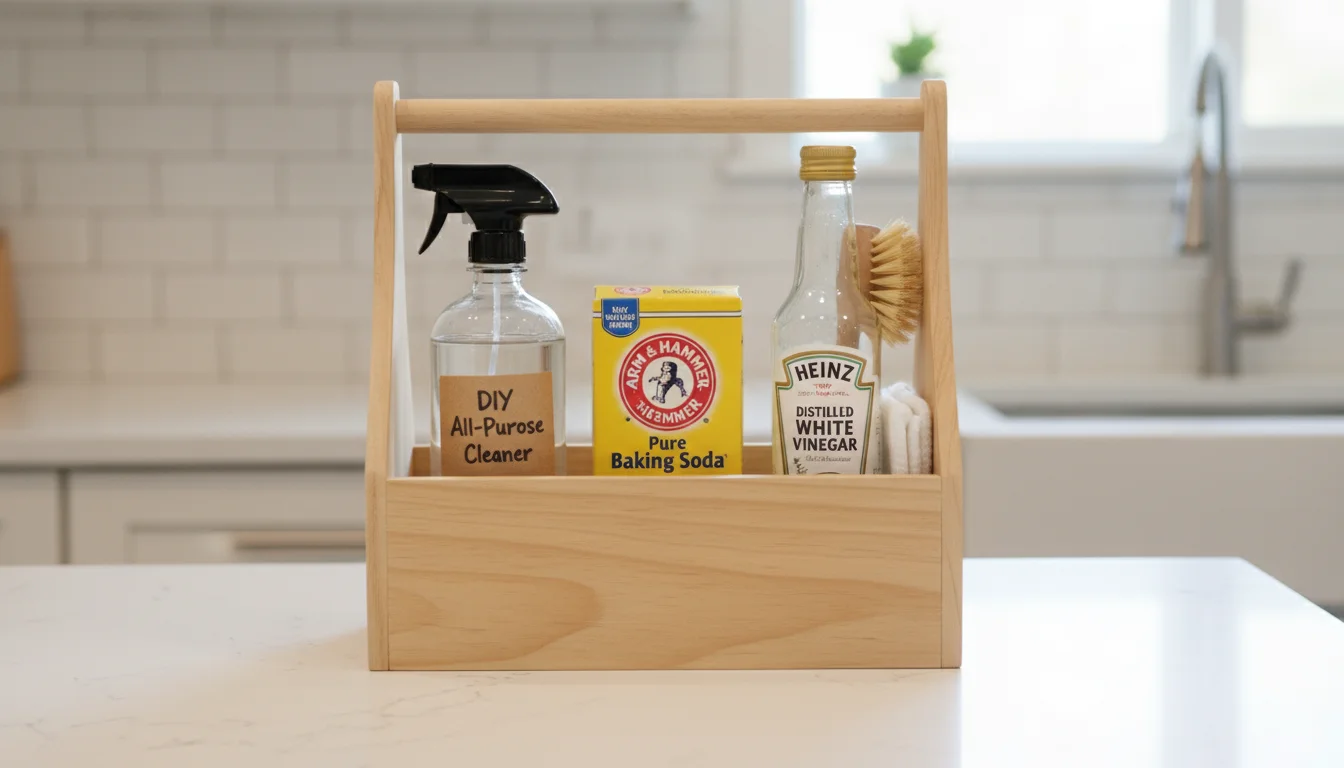
4. Budget Constraints: DIY Solutions and Smart Purchases
You do not need expensive cleaners or gadgets to have a clean home. Many effective cleaning solutions are budget-friendly:
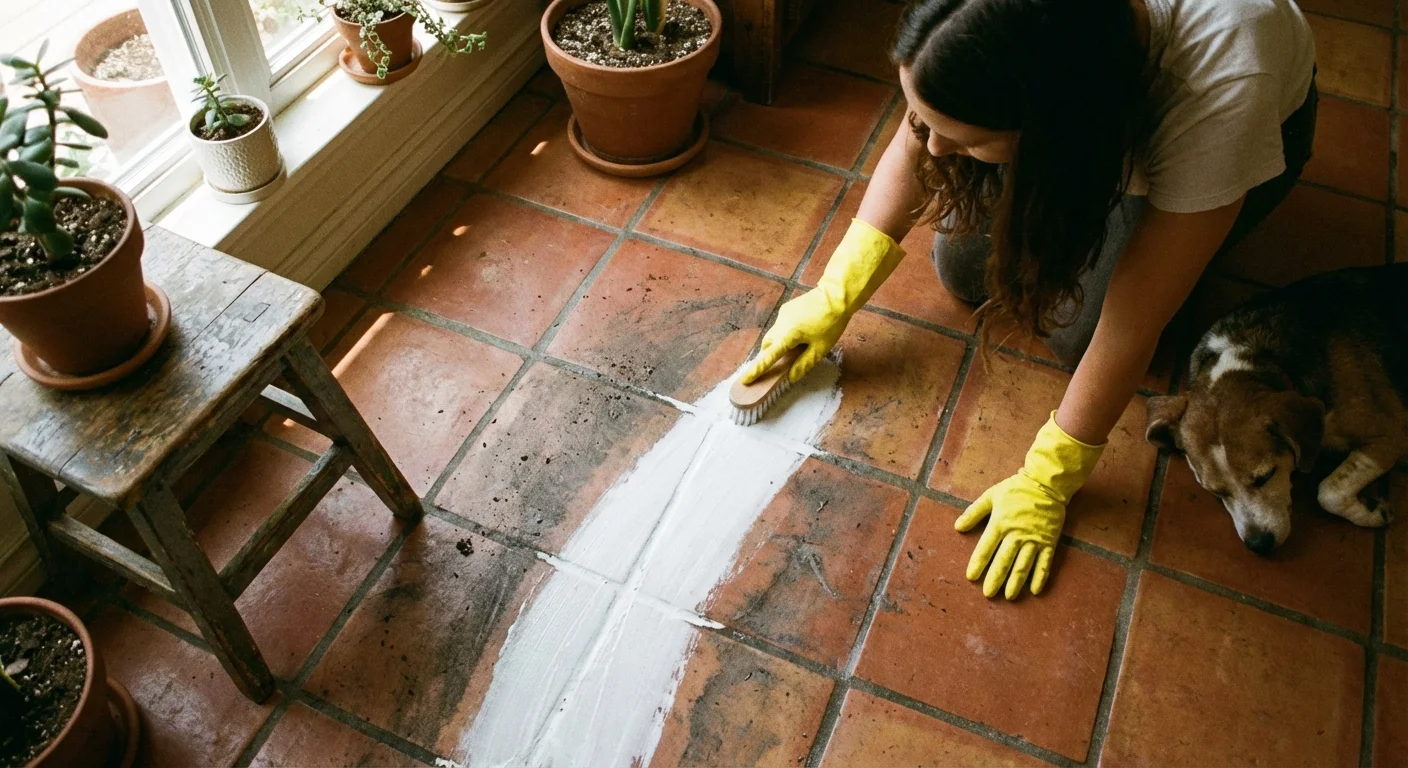
- Vinegar and Baking Soda: These natural powerhouses clean, deodorize, and disinfect a multitude of surfaces.
- Reusable Microfiber Cloths: Wash and reuse them hundreds of times, replacing paper towels.
- DIY All-Purpose Cleaner: Mix water, white vinegar, and a few drops of essential oil (like lemon or tea tree) in a spray bottle.
When you do purchase products, look for multi-purpose cleaners that can tackle several tasks, reducing the number of bottles you need. The American Cleaning Institute offers extensive resources on effective and safe cleaning practices for every budget.

5. Seasonal Deep Cleaning: Plan Ahead
Twice a year, typically spring and fall, your home benefits from a deeper clean. These are opportunities to tackle tasks like washing curtains, cleaning carpets, scrubbing walls, and organizing closets. Do not try to do it all in one weekend. Break these larger tasks into smaller projects over several weeks or hire help for specific, large tasks if your budget allows. Consider having a “decluttering weekend” with your family to sort through unused items before a deep clean.

Frequently Asked Questions
Are daily cleaning tasks truly necessary for working parents?
Yes, daily cleaning tasks are incredibly important. While they seem small, they are preventative measures. Doing a quick 15-30 minute tidy-up each day prevents messes from escalating into overwhelming tasks, making your weekly and monthly cleans much faster and more manageable. Consistency reduces the overall burden.
What if I have very limited time, like only 10 minutes a day?
Even 10 minutes makes a difference. Focus on the highest impact areas: clear kitchen counters, load the dishwasher, and do a quick pick-up of common area clutter. These micro-bursts prevent major accumulation. On weekends, dedicate a slightly longer block, even if it is just an hour, to address essential weekly tasks.
How can I get my kids to help with cleaning without constant nagging?
Make it a routine. Introduce chores early, make them age-appropriate, and use visual aids like chore charts. Be clear about expectations and follow through consistently. Positive reinforcement, like praise or tying chores to privileges, often works better than nagging. You also demonstrate that contributing to the household is a normal part of family life.
Should I invest in professional cleaning services?
If your budget allows, professional cleaning services can be a fantastic investment for working parents. You might opt for a monthly deep clean to maintain baseline cleanliness, allowing you to focus on daily tidying and family time. Alternatively, consider a one-time deep clean to get your home to a manageable state, then implement your regular schedule.
What is the most effective way to start a cleaning schedule when my house is already very messy?
Do not try to clean everything at once. Begin with a “reset” phase. Focus on decluttering one room or one specific area at a time. Once an area is decluttered, give it a thorough clean. Work systematically through your home. This gives you small victories and builds momentum. Once you have a baseline, implement your daily and weekly schedule to maintain it.
Establishing an effective cleaning schedule as a working parent is an ongoing process of adjustment and commitment. You will have good days and bad days, weeks where you nail it, and weeks where life throws a curveball. The goal is not a perfectly pristine home every moment, but a consistent system that supports your family’s well-being and reduces your stress. You gain control over your living space, giving you more time and energy for what truly matters: your family and yourself.
For expert home organization guidance, visit
EPA — Indoor Air Quality,
Energy Star,
CDC — Cleaning and Disinfecting and
American Cleaning Institute.
Disclaimer: This article is for informational purposes only and is not a substitute for professional advice. Consult professional organizers or specialists for personalized recommendations.







Leave a Reply