

Hardwood floors add warmth, beauty, and timeless elegance to any home. They are a significant investment and a defining feature, and with proper care, your hardwood floors can last for decades, maintaining their luster and charm. Neglecting them, however, leads to dullness, scratches, and costly repairs. You want practical solutions that fit into your busy life, helping you keep your floors looking beautiful without excessive effort or expense.
This guide provides straightforward, actionable steps for everyday hardwood floor care, regular floor maintenance, and tackling common issues. We focus on realistic methods that protect your investment, extend the life of your floors, and keep your home feeling comfortable and clean. Let’s ensure your wood floor cleaning routine works for you, not against you.
Why Hardwood Floors Need Specific Care
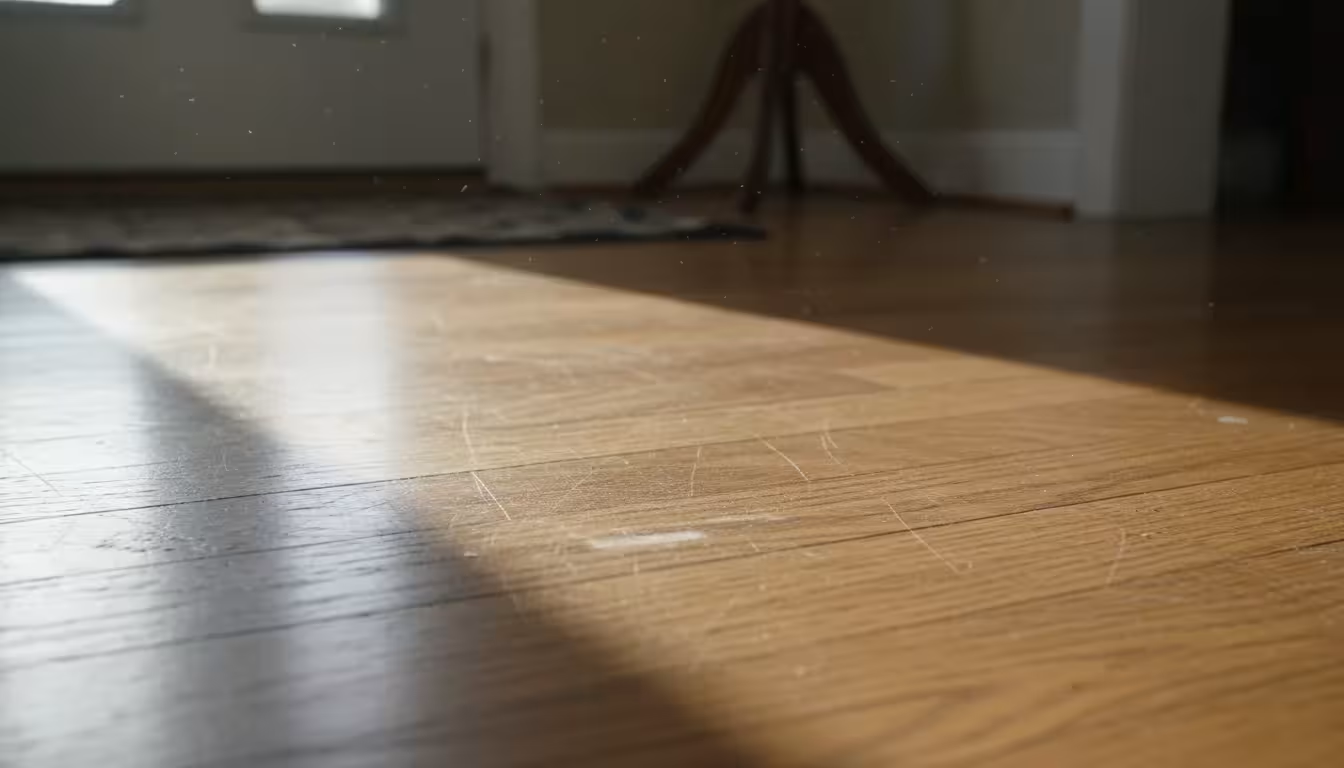
Your hardwood floors endure daily foot traffic, spills, and the general wear and tear of home life. Unlike carpet or tile, wood responds differently to moisture, abrasive dirt, and harsh chemicals. Proper hardwood floor care goes beyond aesthetics; it directly impacts the longevity and structural integrity of your flooring. Regular maintenance prevents tiny particles from scratching the finish, eliminates harmful moisture exposure, and preserves the wood’s natural beauty.
Investing a small amount of time in consistent floor maintenance saves you significant money and hassle down the road. You avoid expensive sanding and refinishing projects, maintain your home’s value, and keep your living spaces looking their best. According to experts at Bob Vila, consistent, gentle cleaning extends the life of your hardwood floors and protects their finish from premature wear.
Understanding Your Hardwood Floor Finish
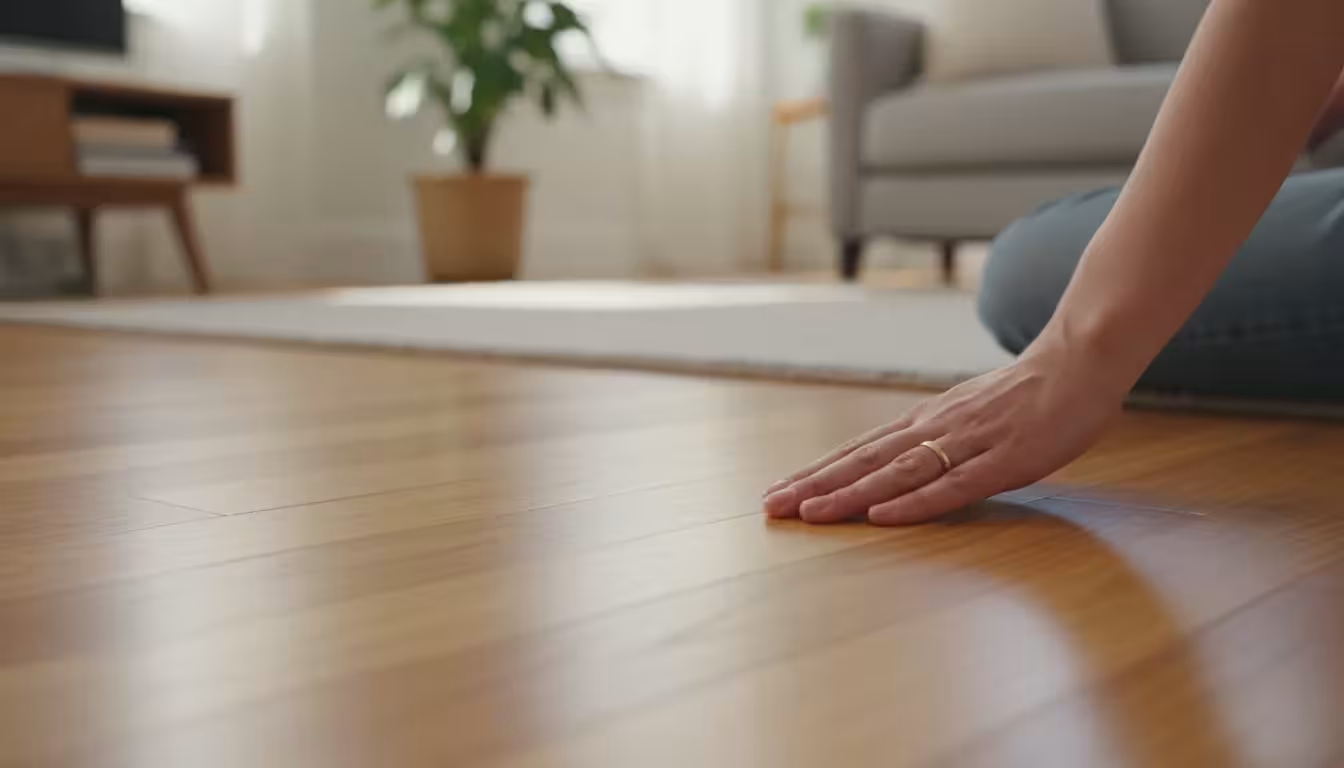
Before you begin any wood floor cleaning, identify your floor’s finish. This distinction dictates which cleaning methods and products are safe and effective for your specific type of hardwood. Most modern hardwood floors feature a sealed finish, usually polyurethane or urethane. These finishes create a protective layer over the wood, making them water and scratch-resistant.
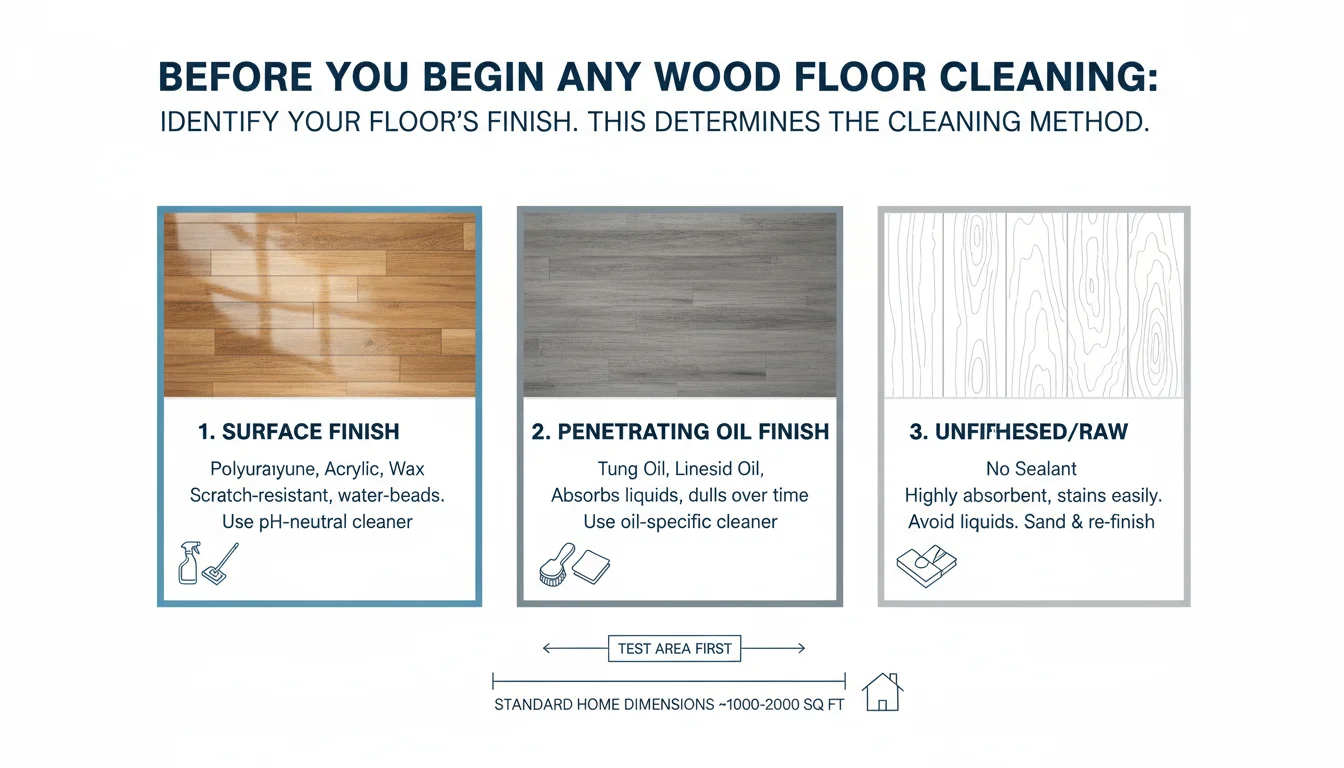
Older or specialty floors might have a waxed, oiled, or shellac finish. These floors absorb cleaners differently and require specialized products to avoid damage. When in doubt, perform a small test in an inconspicuous area, like a closet corner, before applying any new cleaning solution to your entire floor. You can also contact the floor installer or manufacturer for specific recommendations.
Essential Tools and Supplies for Hardwood Cleaning
Gathering the right tools makes your hardwood floor care routines efficient and effective. You do not need a vast collection of expensive gadgets. Focus on a few quality items that do the job without harming your floors.
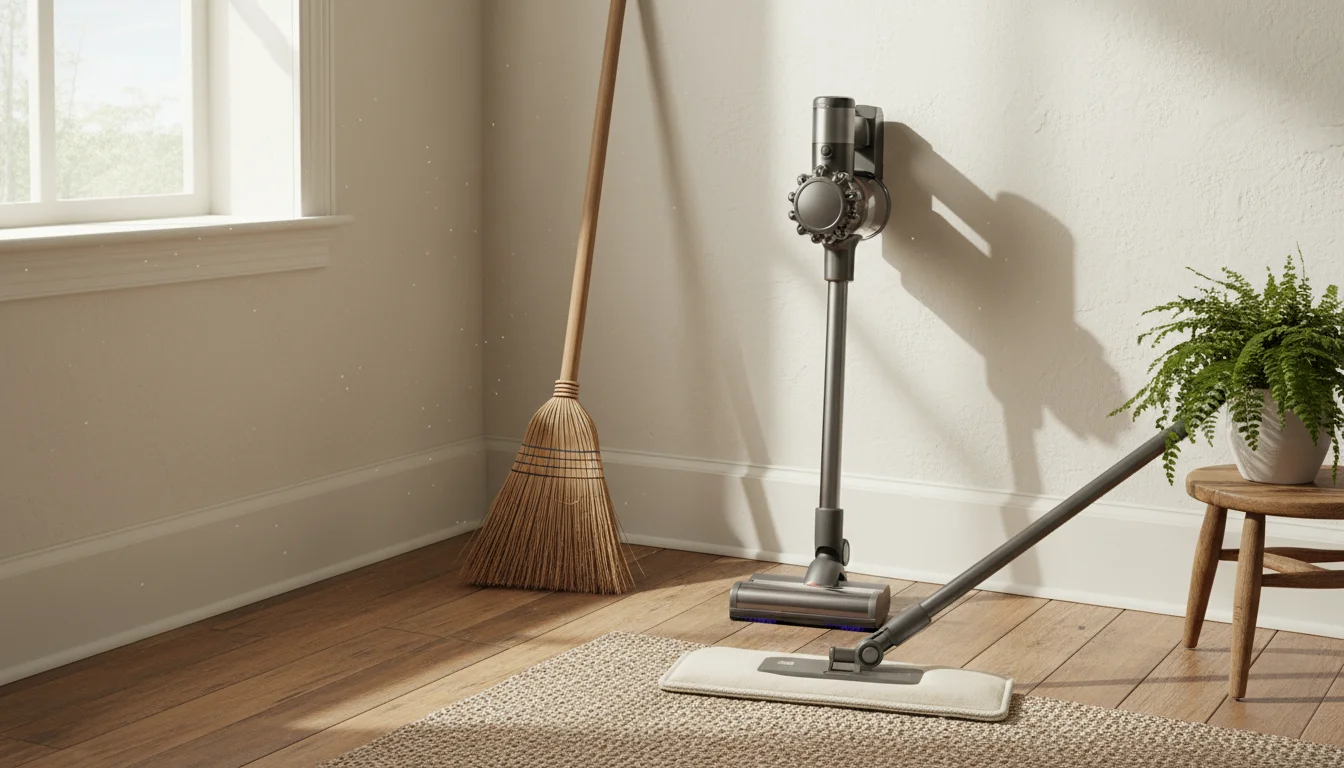
- Soft-Bristle Broom or Dust Mop: Use a broom with soft, flagged bristles or a micro fiber dust mop. These tools effectively capture dust, dirt, and pet hair without scratching the surface.
- Vacuum Cleaner with Hardwood Floor Attachment: Ensure your vacuum has a “hard floor” setting or a dedicated attachment that disables the beater bar. The spinning brush of a standard vacuum damages hardwood finishes.
- Microfiber Mop: A flat-head microfiber mop provides excellent cleaning power with minimal moisture. Avoid traditional string mops, which tend to oversaturate floors.
- Hardwood Floor Cleaner: Choose a pH-neutral, water-based cleaner specifically formulated for hardwood floors. Many brands offer spray bottles for easy application. Avoid multi-surface cleaners, harsh detergents, oil soaps, or ammonia-based products, as these dull the finish or leave residue. Research from the American Cleaning Institute emphasizes the importance of using appropriate cleaning products for specific surfaces, especially for delicate materials like wood.
- Clean Microfiber Cloths: Keep several clean cloths on hand for spot cleaning, wiping spills, and drying damp areas.
- Small Spray Bottle: Useful for mixing your own gentle cleaning solution if you prefer.
Your Daily Hardwood Floor Care Routine
Consistency is key to maintaining beautiful hardwood floors. Daily habits prevent dirt buildup and reduce the need for intensive cleaning. These simple steps take minutes but make a significant difference in your long-term hardwood floor care.
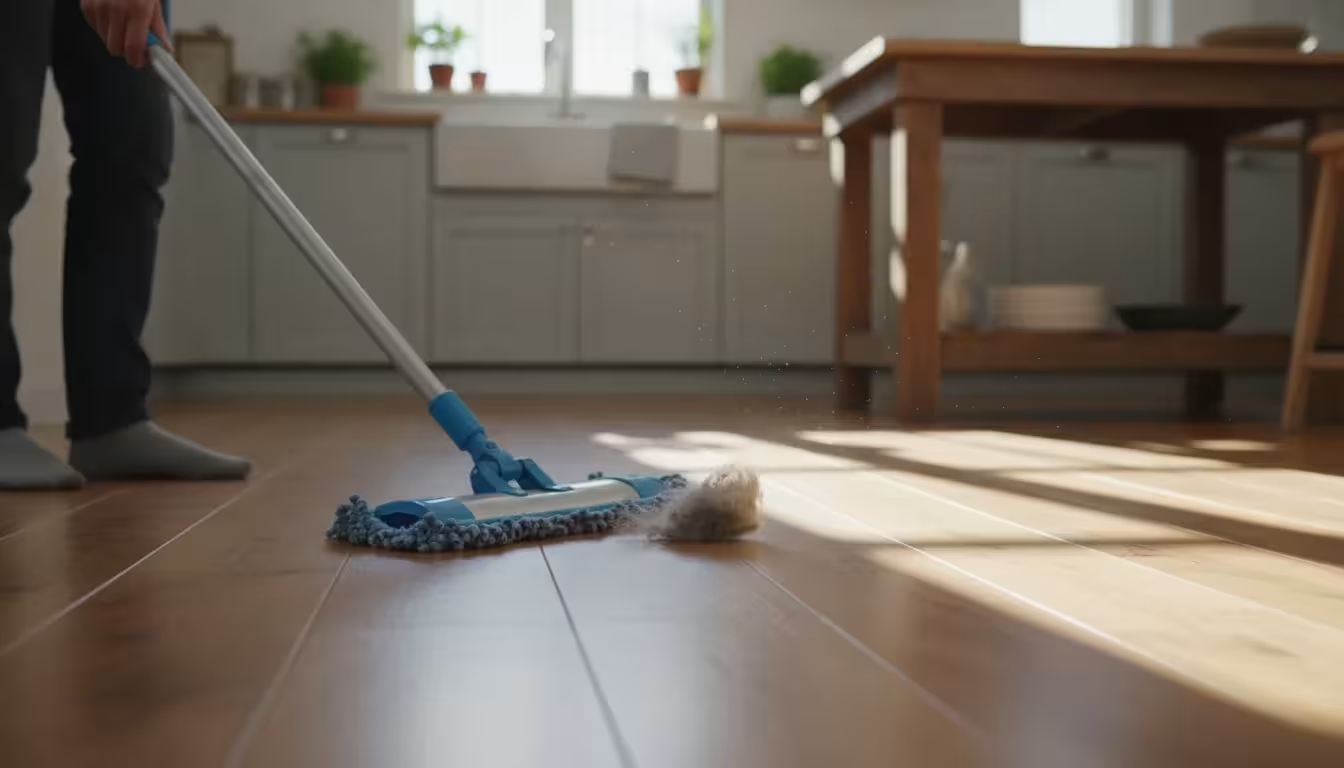
- Sweep or Dust Mop Daily (or Every Other Day): Quickly run a soft-bristle broom or a micro fiber dust mop over high-traffic areas. This removes loose dirt, dust, and pet hair before it gets ground into the finish and causes scratches. Focus on entryways, kitchens, and hallways.
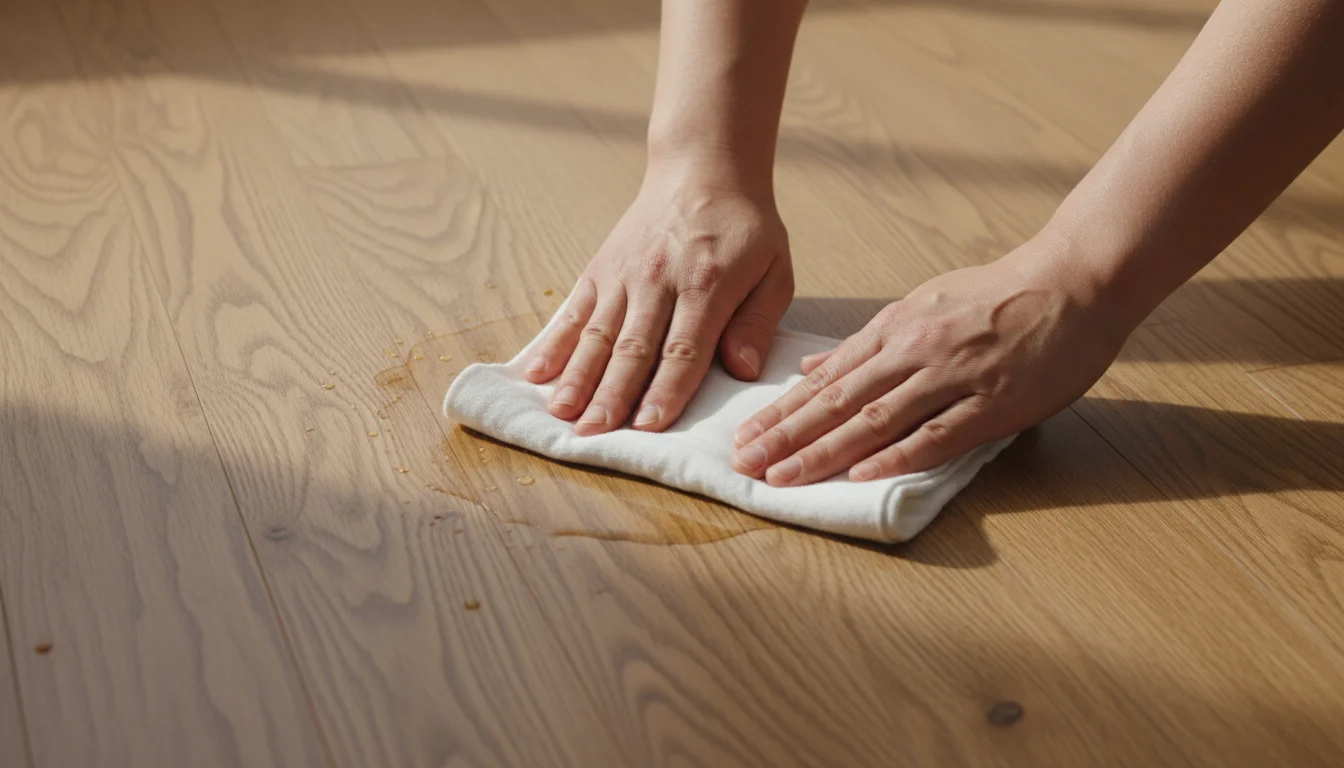
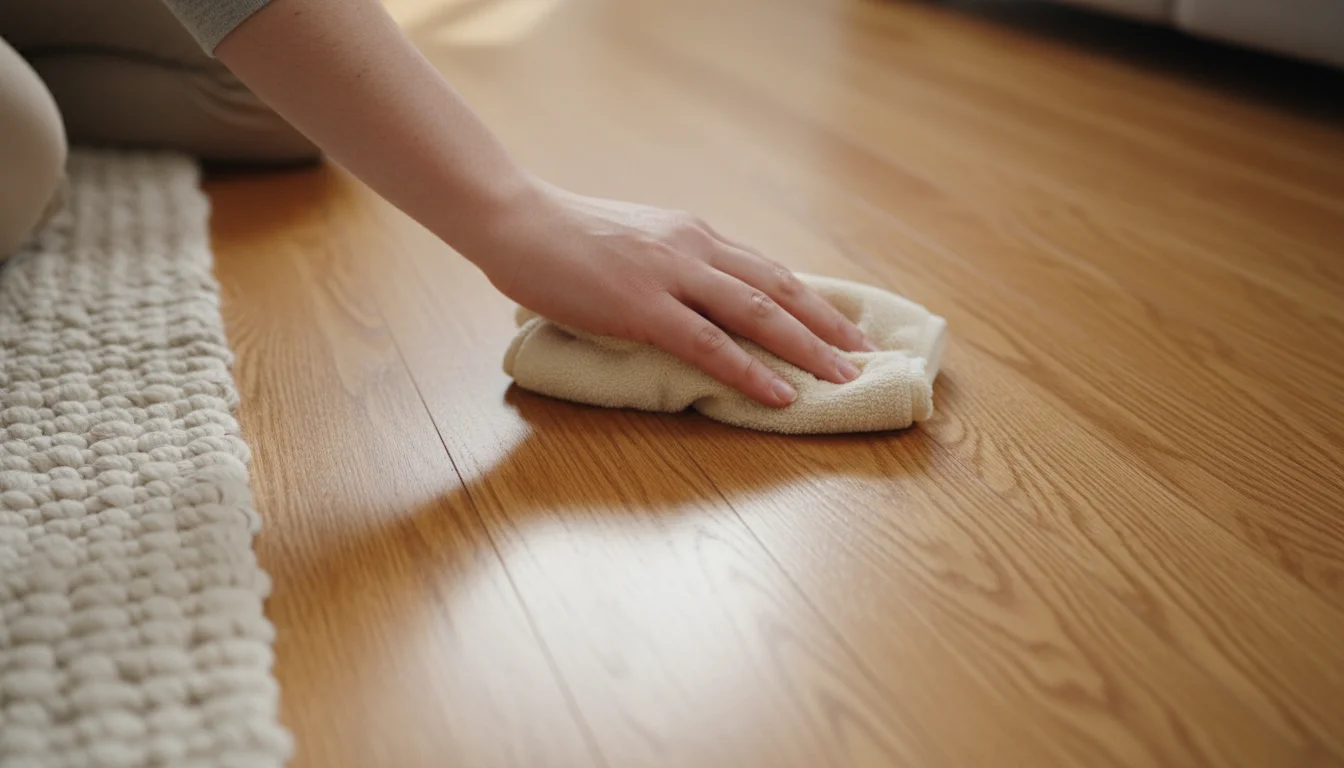
- Wipe Up Spills Immediately: Accidents happen. Address spills as soon as they occur. Use a clean, dry cloth to blot up liquid spills. For sticky messes, dampen a micro fiber cloth with a little water and a tiny drop of hardwood cleaner, wipe the spill, then immediately dry the area thoroughly. Do not let liquids sit on your hardwood floors, as moisture causes warping and staining.
- Remove Shoes at the Door: Institute a “no shoes inside” policy. Shoes track in dirt, pebbles, and moisture, which are primary culprits for scratches and grime. Place a sturdy doormat outside and a washable rug inside each entrance to trap debris.
- Check for Grit and Debris: Visually inspect your floors daily for any small pebbles, sand, or other abrasive particles. These act like sandpaper underfoot. Remove them with a quick sweep or by hand.
Weekly Wood Floor Cleaning Steps
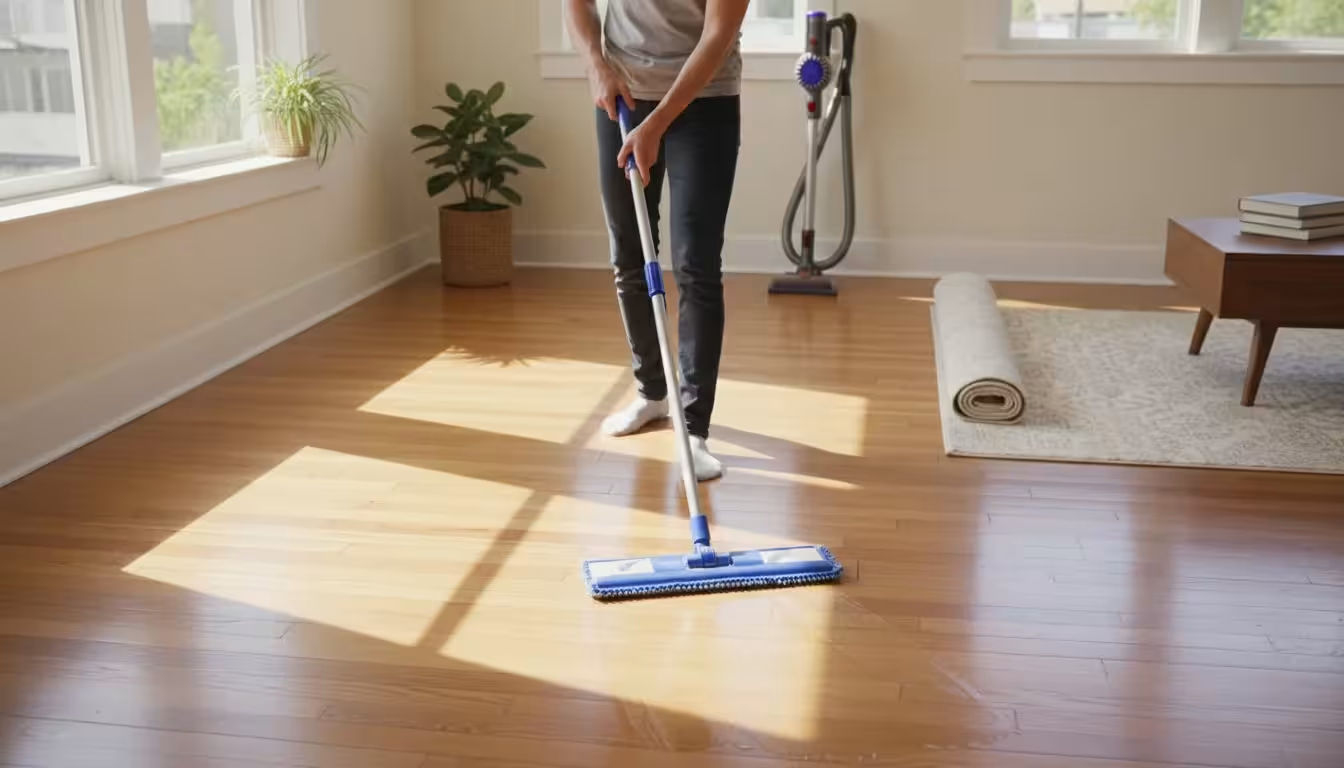
Once a week, dedicate a little more time to a deeper clean. This routine removes accumulated grime and keeps your floors sparkling. Follow these steps for effective wood floor cleaning:
- Vacuum Thoroughly: Use your vacuum cleaner with the hardwood floor attachment to clean all areas of your floor. Pay special attention to corners, under furniture, and along baseboards where dust tends to accumulate. The vacuum effectively picks up finer particles that a dust mop might miss.
- Prepare Your Cleaning Solution: If using a concentrated hardwood floor cleaner, mix it according to the manufacturer’s instructions. If using a spray cleaner, ensure it is ready.
- Damp Mop with Hardwood Cleaner:
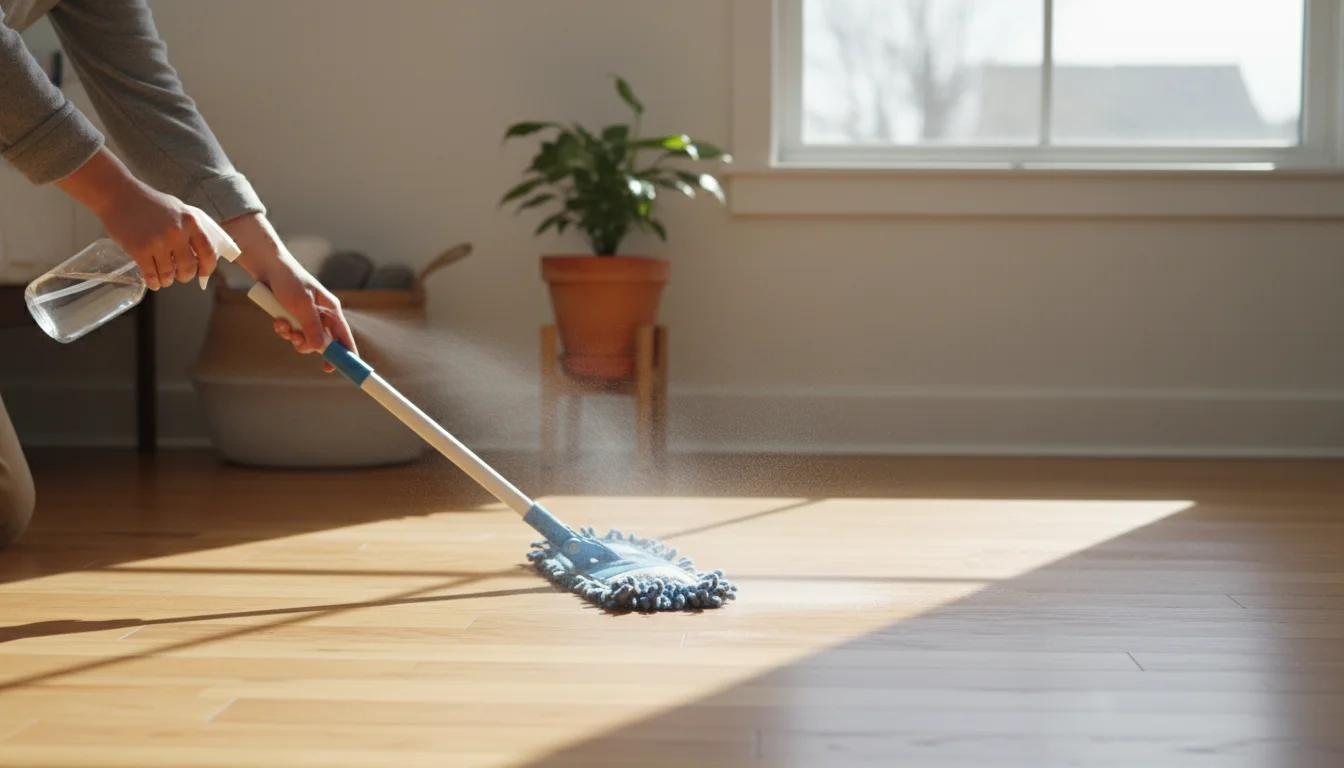
- Lightly mist a section of your floor with the hardwood cleaner. Work in small sections, approximately 4×4 feet, to prevent the cleaner from drying before you can mop.
- Dampen your micro fiber mop pad with clean water, then wring it out until it is barely damp. The key is “damp,” not “wet.” Excessive water damages hardwood.
- Mop the sprayed section, moving with the grain of the wood.
- Rinse your mop pad frequently in clean water and wring it out again. This prevents you from spreading dirt around. You might need multiple clean mop pads for larger areas.
- Immediately dry the mopped section with a clean, dry micro fiber cloth if any standing water remains. Do not leave any moisture on your floors.
- Spot Treat Stains: For any remaining scuffs or stubborn spots, apply a small amount of hardwood floor cleaner directly to a clean micro fiber cloth and gently rub the area.
Deep Cleaning and Long-Term Maintenance
Beyond your regular routine, occasional deeper cleaning and preventative measures extend the life and beauty of your hardwood floors. Aim for these tasks every few months or annually, depending on your home’s traffic and climate.
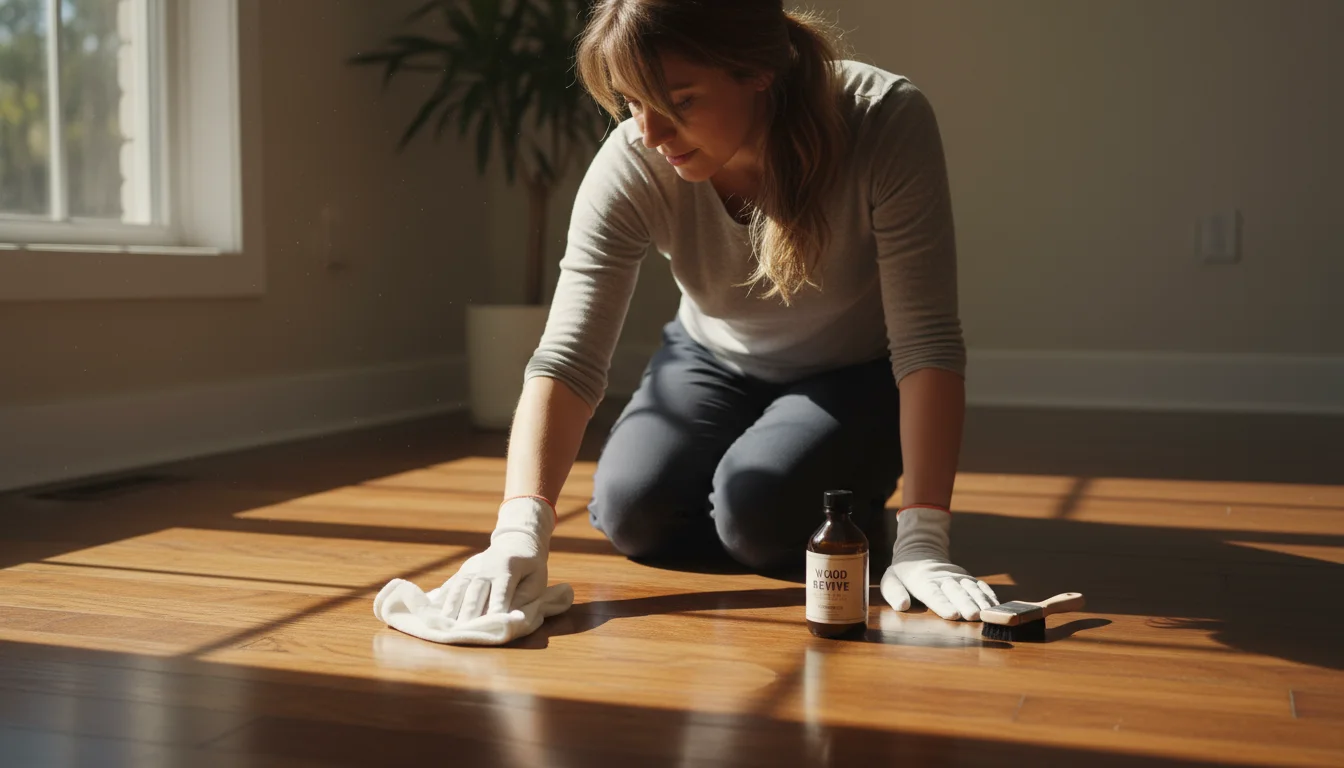
- Buffing or Polishing (Annually or Biennially): Over time, the finish on your hardwood floors can dull. A hardwood floor polish or refresher product can restore shine and provide an extra layer of protection. These products typically apply like a cleaner and dry to a subtle sheen. Always ensure the product matches your floor’s finish type. Test in an inconspicuous area first.
- Checking for Gaps and Cracks: Periodically inspect your floors for any new gaps or cracks between boards. Small gaps often appear due to humidity changes and are usually harmless. Larger gaps or cracks might indicate a need for professional attention, especially if accompanied by squeaking or movement.
- Consider Professional Cleaning: For significant buildup or if your floors look dull despite your best efforts, consider hiring a professional hardwood floor cleaning service every few years. They use specialized equipment and solutions to deep clean and restore the finish without damaging the wood.
Tackling Common Hardwood Floor Problems
Even with diligent hardwood floor care, issues arise. Knowing how to address them quickly minimizes damage and prevents minor problems from becoming major ones.
Scratches and Scuffs
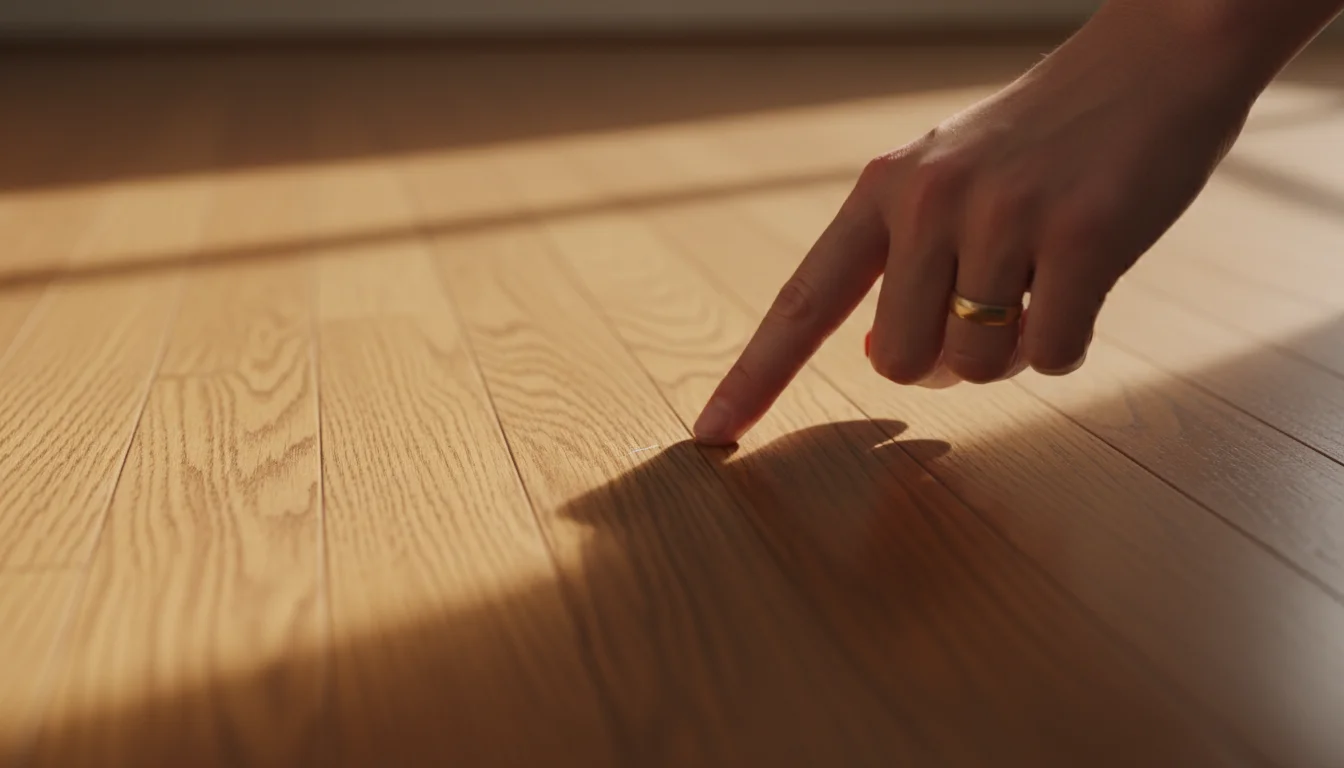
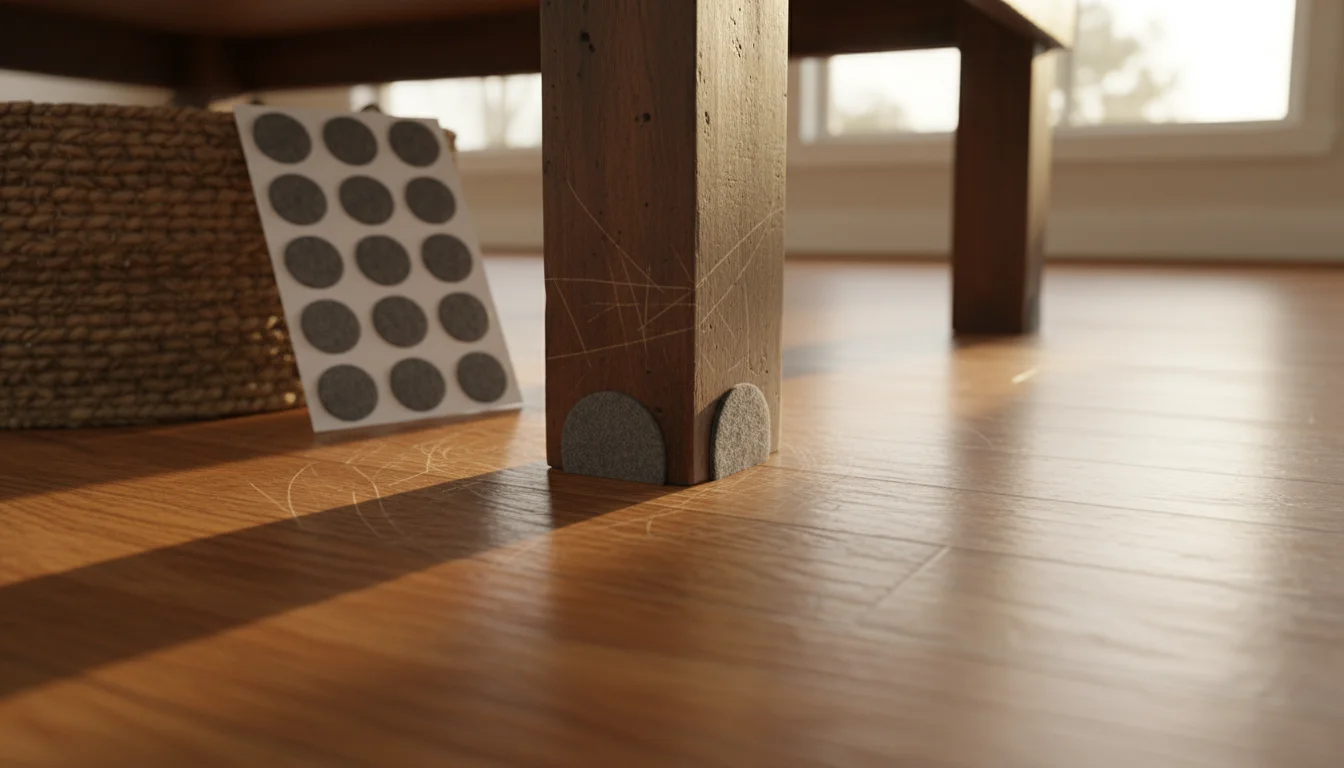
Light surface scratches often occur from furniture movement or tracked-in grit. For minor scuffs, try gently rubbing them with a clean tennis ball. For deeper scratches, you can purchase scratch repair kits that include colored fillers or touch-up pens designed to blend with your floor’s stain. For widespread or deep scratches, consult a professional who can assess if spot repair, recoating, or sanding and refinishing is necessary. Prevention remains your best defense: use furniture pads and place mats in high-traffic areas.
Water Stains and Pet Accidents
Act quickly on any water or pet urine spills. Blot the area thoroughly with a dry cloth. For water marks that have penetrated the finish, you might try a product designed to remove water stains from wood. For pet urine, which often causes dark stains and odors, clean the spot as quickly as possible with a pet-specific enzymatic cleaner designed for hardwood. You might need professional intervention for old, deep pet stains, as they can penetrate deep into the wood itself.
Dullness and Residue Buildup
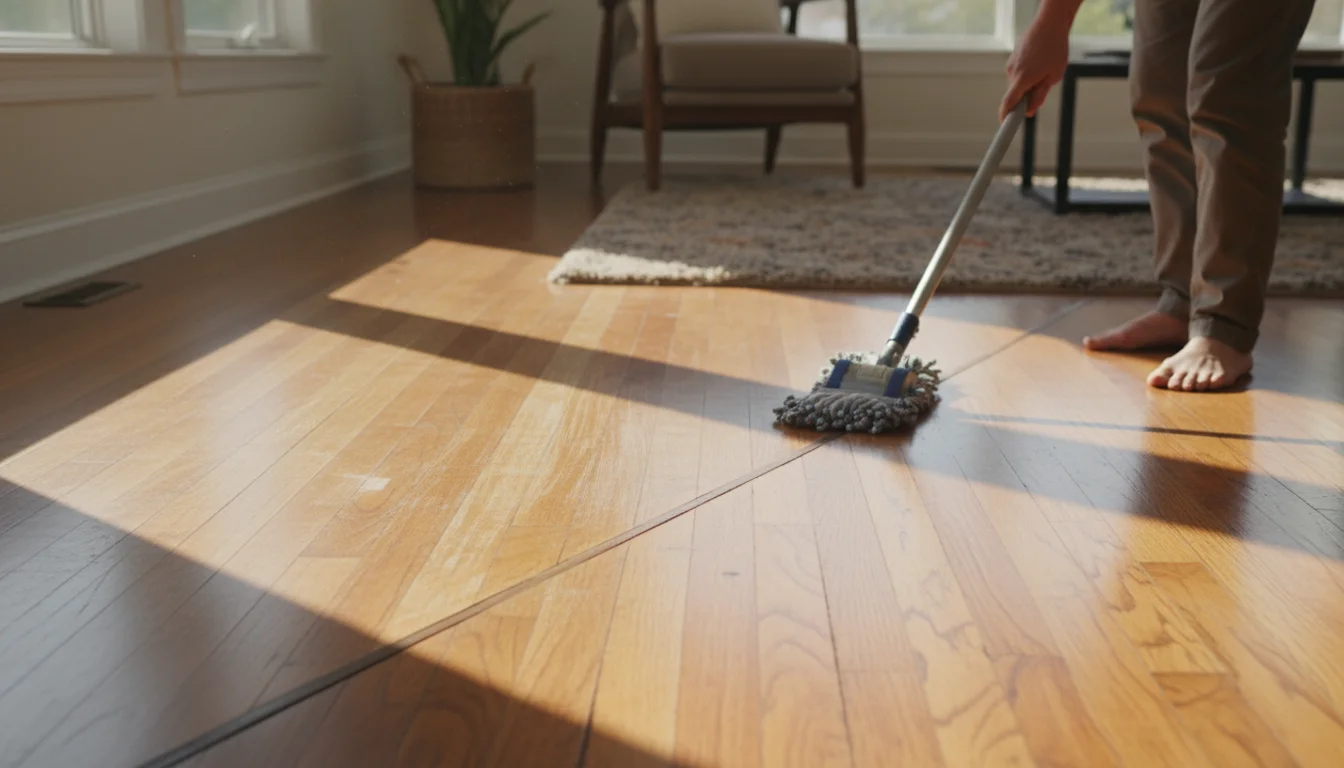
If your floors look dull or cloudy, it often indicates residue buildup from improper cleaning products. Many multi-surface cleaners, oil soaps, or wax-based products leave a film. To remove this, stop using the offending product. Clean your floors with a pH-neutral hardwood floor cleaner and a barely damp micro fiber mop, rinsing the mop head frequently with clean water. You might need to do several passes. Sometimes, a professional deep clean is the most effective way to strip away years of residue. According to Consumer Reports, using the correct cleaning solution for your floor type is paramount to avoid dulling finishes and product buildup.
Protecting Your Hardwood Floors: Proactive Measures
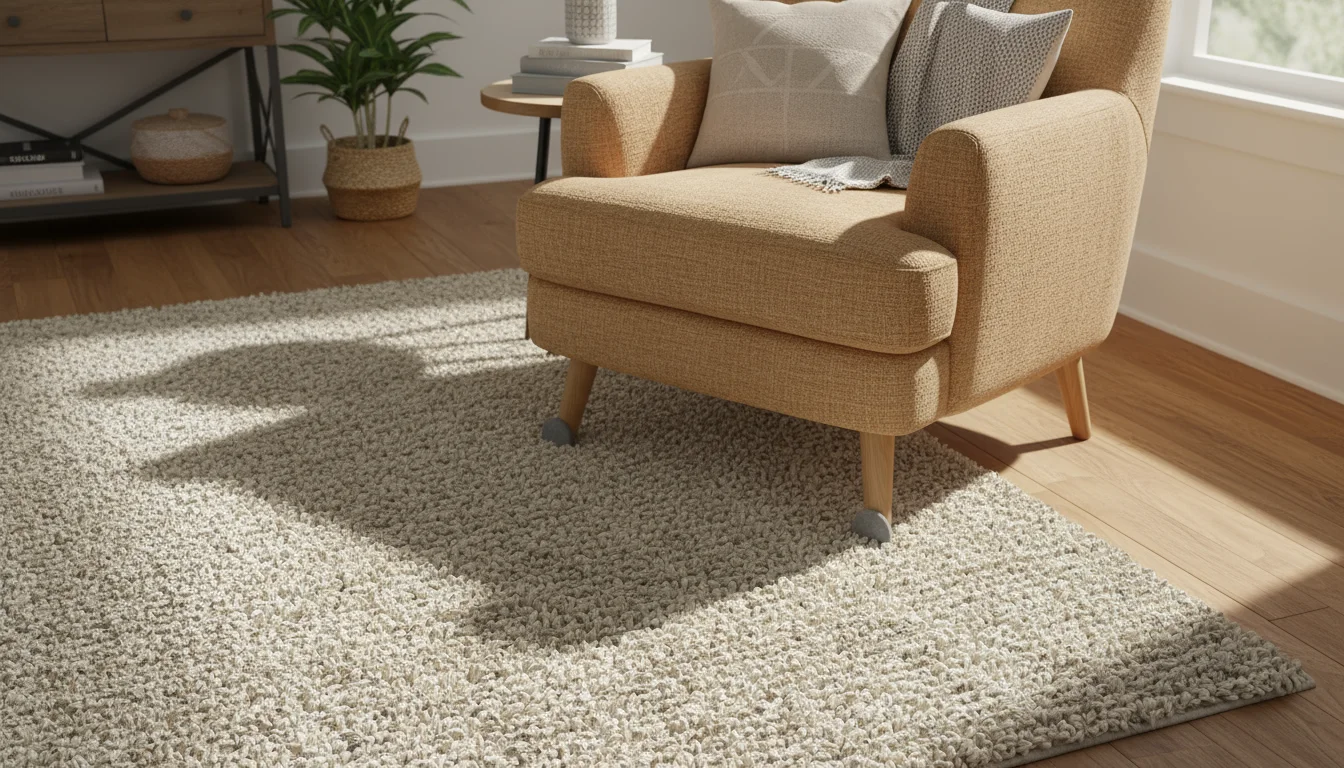
Prevention is the most effective form of hardwood floor care. Implementing these proactive measures safeguards your floors from daily wear and tear and helps them retain their beauty for years.
- Use Floor Protectors on Furniture: Affix felt pads to the legs of all furniture pieces that rest on your hardwood floors. These pads prevent scratches when furniture moves. Regularly check and replace worn-out pads. You can find these inexpensive items at any hardware store.
- Place Area Rugs and Mats Strategically: Position area rugs in high-traffic zones like living rooms, dining areas, and hallways. Use waterproof mats in entryways and in front of sinks or dishwashers to protect against moisture damage. These also absorb impacts and reduce noise.
- Maintain Consistent Indoor Humidity: Hardwood expands and contracts with changes in humidity. Extreme fluctuations lead to gapping, cupping, or even cracking. Aim to maintain indoor humidity levels between 35% and 55%. Use a humidifier in dry winter months and a dehumidifier in humid summer months to protect your wood floors.
- Trim Pet Nails: Keep your pets’ nails trimmed short. Long, sharp nails scratch hardwood surfaces, especially from larger, more active pets. Regular grooming protects your floors.
- Lift, Do Not Drag Furniture: When moving furniture, always lift it completely off the floor. Even with felt pads, dragging heavy items causes scratches and gouges. Enlist help for heavy pieces.
Budget-Friendly Hardwood Floor Care
Maintaining beautiful hardwood floors does not require a large budget. Smart choices and DIY approaches save you money while still delivering excellent results.
- DIY Cleaning Solutions: For sealed hardwood floors, a simple mixture of distilled water and a capful of white vinegar often works as a gentle, effective cleaner. This avoids harsh chemicals and saves money on specialized products. However, avoid vinegar on unsealed or waxed floors, as it can dull the finish. Always test in an inconspicuous area.
- Microfiber Over Disposable: Invest in washable micro fiber mop pads and cloths instead of disposable ones. They are reusable, more effective at picking up dirt, and significantly reduce your long-term costs.
- Regular DIY Maintenance: Your daily sweeping and weekly damp mopping are the most budget-friendly maintenance tasks. They prevent costly damage and reduce the need for professional services.
- Proper Protection: Inexpensive felt pads for furniture, strategically placed rugs, and good doormats are small investments that yield huge returns in preventing scratches and wear, saving you from expensive refinishing down the line. As This Old House often highlights, preventative measures are key to home longevity and cost savings.
- Shop Smart for Cleaners: When buying hardwood floor cleaners, look for concentrated formulas that you dilute, or buy larger refill bottles. Compare prices and read reviews to ensure you select an effective, safe product.
Frequently Asked Questions
Can I use a steam mop on my hardwood floors?
No, you should not use a steam mop on hardwood floors. The heat and excessive moisture from a steam mop can damage the wood, causing it to warp, swell, or dull the finish. Stick to damp mopping with a micro fiber mop and a pH-neutral hardwood cleaner for sealed floors.
How often should I deep clean my hardwood floors?
You should aim for a deep clean, which might include polishing or using a hardwood floor rejuvenator, annually or every other year. This depends on your home’s traffic levels. Regular weekly damp mopping should handle most of your cleaning needs.
What should I do if my hardwood floors lose their shine?
Dullness often comes from residue buildup from inappropriate cleaning products or general wear. First, ensure you use a pH-neutral hardwood floor cleaner and a barely damp mop. If the dullness persists, consider using a hardwood floor polish or a “refresh” product designed to restore shine. For severe dullness, professional cleaning and buffing might be necessary.
Are homemade cleaning solutions safe for all hardwood floors?
Homemade solutions, such as diluted white vinegar and water, are generally safe for *sealed* hardwood floors. However, never use vinegar on *unsealed* or *waxed* floors, as it strips wax and penetrates unsealed wood, causing damage. Always test any homemade solution in an inconspicuous area first, regardless of your floor type, to ensure it does not cause discoloration or dullness.
How can I prevent pet scratches on my hardwood floors?
To prevent pet scratches, keep your pet’s nails regularly trimmed. Use area rugs in high-traffic zones where pets frequently play or run. You can also consider paw protectors for your pets, particularly if they are very active indoors. Consistent daily sweeping also removes small debris that pets might track in, which causes scratches.
By following these practical steps for hardwood floor care, you protect your home’s beauty and investment. Consistent floor maintenance is achievable, even in a busy household, ensuring your wood floor cleaning routine enhances your home comfort and style.
For expert home organization guidance, visit
The Spruce — Home Organization, Real Simple — Organizing and Good Housekeeping — Organization.
Disclaimer: This article is for informational purposes only and is not a substitute for professional advice. Consult professional organizers or specialists for personalized recommendations.





Leave a Reply