

Imagine waking up on a Saturday morning, pouring a fresh cup of coffee, and realizing you have absolutely no cleaning to do. For many, the weekend represents a grueling reset period—hours spent scrubbing baseboards, mopping sticky floors, and tackling towering piles of laundry. Spending your days off trying to recover your living space is exhausting, and it rarely leaves you feeling rejuvenated for the week ahead.
Shifting from marathon weekend sessions to a structured weekly cleaning schedule completely changes how you interact with your home. By breaking down overwhelming chores into manageable, bite-sized daily tasks, you maintain a baseline of cleanliness without sacrificing your free time. The secret lies in creating a routine that bends to fit your lifestyle rather than demanding rigid perfection. When you figure out how to keep house clean using a systematic approach, you reclaim your weekends and dramatically reduce your daily stress levels.

The Foundation: Understanding the Daily Non-Negotiables
Before you implement a comprehensive weekly cleaning schedule, you need to establish a foundation of daily habits. These are small, rapid tasks that prevent catastrophic messes from accumulating. Think of these non-negotiables as a favor you do for your future self. When you complete these quick chores every 24 hours, the heavy lifting required for your weekly deep cleaning tasks drops significantly.
Incorporate the following daily tasks into your morning and evening routines. Combined, they take less than twenty minutes, but they yield massive returns in maintaining order:
- Make the bed: This single action instantly makes a bedroom look 50 percent cleaner and sets a productive tone for the day.
- Wipe kitchen counters: After dinner, wipe down the countertops and the stove. Removing food splatters immediately prevents them from hardening into stubborn stains.
- Run the dishwasher: Run it every evening and empty it every morning. This ensures dirty dishes go straight into the machine rather than piling up in the sink.
- Do a 10-minute nightly sweep: Walk through the main living areas with a laundry basket. Pick up stray shoes, mail, toys, and cups, returning them to their proper homes.
- Manage the mail: Sort mail the moment you bring it inside. Recycle the junk, file the bills, and eliminate paper clutter before it colonizes your kitchen island.
“The objective of cleaning is not just to clean, but to feel happiness living within that environment.” — Marie Kondo, Organizing Consultant and Author

Building Your Realistic Cleaning Plan
A realistic cleaning plan acknowledges that you have a life outside of maintaining your home. The most successful routines assign specific categories of tasks to specific days of the week. This prevents you from feeling overwhelmed; if it is Tuesday, you only have to think about Tuesday’s assignment.
If you are balancing a high-pressure career, you might find that the ultimate weekly cleaning checklist for working parents provides a more condensed version of this routine.
The following five-day schedule leaves your weekends completely free. You can adjust the days to fit your personal work schedule, but the core principle remains: tackle one major zone or task type per day.
Monday: Kitchen and Dining Areas
Mondays require momentum. Starting with the kitchen—often the most heavily used room in the house—provides an immediate sense of accomplishment. Begin by discarding expired food from the refrigerator to prepare for upcoming grocery runs and trash collection.
Wipe down the exterior of all large appliances, including the refrigerator, oven, and dishwasher front, using a specialized cleaner or a simple mixture of water and dish soap. Next, clean the microwave inside and out. Scrub the kitchen sink thoroughly; a paste of baking soda and water works wonders for removing stains from stainless steel and porcelain. Finally, wipe down the dining room table and chairs, paying special attention to sticky fingerprints on chair backs.
Tuesday: Bathrooms
Bathrooms require consistent sanitization to prevent mold, mildew, and grime buildup. Spray down the shower and tub with a soap scum remover, allowing the product to sit and work its magic while you focus on other areas. This waiting period—known as dwell time—is critical for disinfectants to effectively kill bacteria. The American Cleaning Institute consistently highlights that rushing the wiping process diminishes a product’s efficacy.
While the shower soaks, clean the mirrors with a streak-free glass cleaner. Wipe down the bathroom counters, sinks, and faucets. Next, scrub the inside of the toilet bowl and carefully wipe down the exterior, including the base and behind the seat. Return to the shower, scrub the walls and floor, and rinse thoroughly. Swap out damp towels for fresh ones and empty the bathroom trash bins.
Wednesday: Dusting and Surfaces
Midweek is the perfect time to tackle the dust that settles on every horizontal surface. The golden rule of dusting is to work from top to bottom; otherwise, you will knock dirt onto surfaces you have already cleaned. Start with ceiling fans, light fixtures, and the tops of bookshelves. Work your way down to picture frames, window sills, end tables, and eventually baseboards.
Always use a damp microfiber cloth or a dedicated dusting spray. Dry dusting with a feather duster simply pushes allergens back into the air, allowing them to resettle later. Focus on the main living areas, hallways, and bedrooms. Moving systematically from room to room makes this task surprisingly swift.
Thursday: Vacuuming and Floor Care
Now that Wednesday’s dust has settled onto the floor, Thursday is dedicated to vacuuming and mopping. Vacuum all carpeted areas, area rugs, and hard floors. Pay special attention to high-traffic zones like entryways, hallways, and the spaces beneath the dining table.
Once the loose debris is removed, mop the hard surfaces. Use a cleaner appropriate for your specific flooring material—wood floors require different care than ceramic tile or luxury vinyl plank. A spin mop with a two-bucket system (one for clean soapy water, one for wringing out dirty water) prevents you from simply pushing muddy water around your home. For expert advice on selecting the right tools and products for various flooring types, resources like Good Housekeeping offer rigorous, tested recommendations.
Friday: Bedrooms and Weekly Reset
Friday serves as a transitional day to prepare your home for a relaxing weekend. Focus on the bedrooms. Strip the beds and wash the sheets, pillowcases, and duvet covers. While the laundry is running, tidy up the nightstands and dressers, putting away any clothes that have accumulated on the dreaded “chair” over the week.
Use the remaining time on Friday to execute a quick whole-house reset. Empty all the trash cans into the main outdoor bins. Fluff the sofa pillows, fold the throw blankets, and ensure the entryway is clear of clutter. When you wake up on Saturday morning, your house cleaning routine for the week is complete.
Task-Based vs. Zone-Based Cleaning Methods
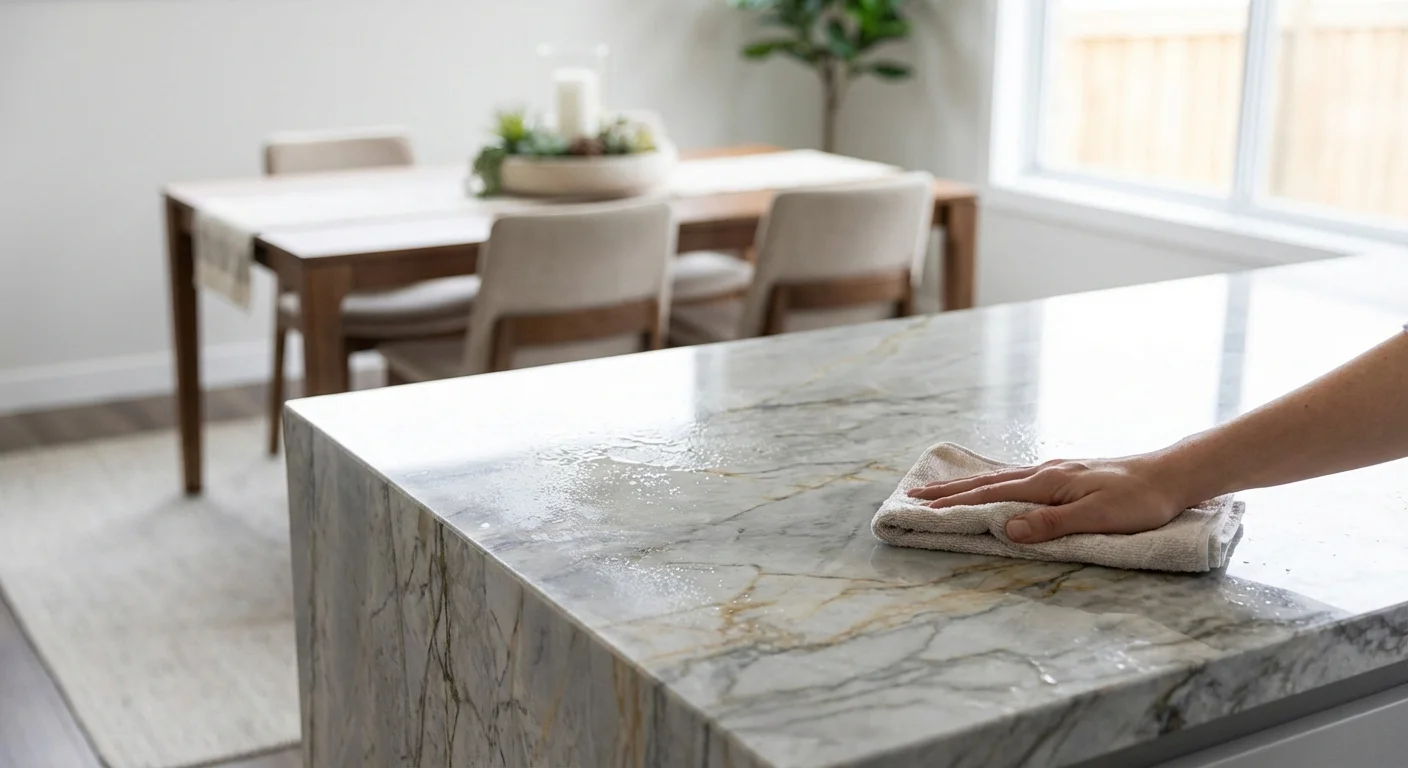
When developing a cleaning checklist weekly routine, you will encounter two primary philosophies: task-based cleaning and zone-based cleaning. The schedule outlined above utilizes a task-based approach (dusting the whole house on Wednesday, vacuuming the whole house on Thursday). However, some people prefer tackling one specific room at a time. Understanding the differences helps you choose the method that best aligns with your brain’s natural workflow.
| Method | How It Works | Pros | Cons | Best For |
|---|---|---|---|---|
| Task-Based | Performing one specific chore (e.g., mopping) across the entire house before moving to the next. | Highly efficient. You only gather supplies once. Builds muscle memory and momentum. | Can feel repetitive. The house doesn’t feel entirely clean until the end of the week. | People who want to clean quickly and efficiently; those with moderate-sized homes. |
| Zone-Based | Deep cleaning a single room or area (e.g., the master suite) from top to bottom in one session. | Instant gratification of seeing one perfectly clean space. Easy to pause if interrupted. | Requires dragging multiple different cleaning supplies from room to room. | People easily distracted by switching tasks; those living in very large, multi-story homes. |
| Time-Blocked | Setting a timer for 30 minutes and cleaning as much as possible, regardless of the room. | Prevents burnout. Guarantees you never spend more than the allotted time cleaning. | Easy to miss hidden corners. Lacks a systematic approach to deep cleaning. | Busy parents, professionals working long hours, and individuals with ADHD. |

Equipping Yourself for Success: The Minimalist Cleaning Caddy
A major roadblock to executing a weekly cleaning schedule is the scavenger hunt for supplies. If you have to dig under the sink for a sponge, visit the laundry room for glass cleaner, and check the garage for paper towels, you will lose motivation before you begin. Streamlining your supplies into a single, portable cleaning caddy eliminates this friction.
You do not need a massive arsenal of toxic chemicals to maintain a beautiful home. A minimalist, highly effective cleaning caddy should include:
- High-quality microfiber cloths: These grab dust and polish surfaces far better than paper towels, and they are reusable, making them an eco-friendly choice.
- All-purpose cleaner: Suitable for countertops, sinks, and general surface wipe-downs. Look for a pH-neutral option if you have natural stone counters.
- Glass cleaner: Essential for mirrors, windows, and polishing chrome fixtures.
- Disinfectant spray: Necessary for high-touch areas like doorknobs, light switches, and bathroom surfaces.
- A heavy-duty scrub brush: Perfect for grout lines, shower floors, and stubborn sink stains.
- Baking soda and white vinegar: Keep these in your pantry. Together, they clear minor drain clogs, neutralize odors, and tackle tough grease.
Store your caddy in a central location. When Tuesday arrives and it is time to clean the bathrooms, you simply grab the bucket and get to work.

Common Mistakes That Derail Your Cleaning Checklist Weekly
Even with the best intentions, certain habits can sabotage your progress. Recognizing these pitfalls ensures your routine remains sustainable and effective over the long haul.
Failing to Declutter First
You cannot clean clutter. Trying to dust around piles of unsorted mail or mop around a barricade of misplaced shoes doubles the time a task takes. Organization and cleaning are two distinct processes. If your home is severely disorganized, dedicate your energy to decluttering before you implement a strict cleaning schedule. Publications like Real Simple consistently emphasize that assigning a permanent home to every item is the prerequisite to efficient cleaning.
Ignoring Dwell Time
As mentioned in the bathroom section, wiping away antibacterial sprays immediately renders them useless against germs. Read the labels on your products. Many require three to ten minutes of surface contact to actually sanitize. Spray your surfaces first, move on to another task, and come back to wipe them down later.
Overloading Your Daily List
Ambition is great, but adding “clean out the garage” or “shampoo the carpets” to a standard Tuesday evening will result in burnout. Keep your weekly house cleaning routine focused purely on surface-level maintenance. Save deep cleaning projects for dedicated weekend afternoons or seasonal shifts.
Neglecting to Clean Your Tools
A vacuum with a clogged filter cannot pick up dirt. A sour-smelling sponge will transfer bacteria onto your dishes. A mop head caked in old grime will leave streaks across your kitchen floor. Make it a habit to empty the vacuum canister after every use, wash your microfiber cloths in hot water without fabric softener, and replace your kitchen sponges regularly.
Professional vs. DIY: When to Call for Backup
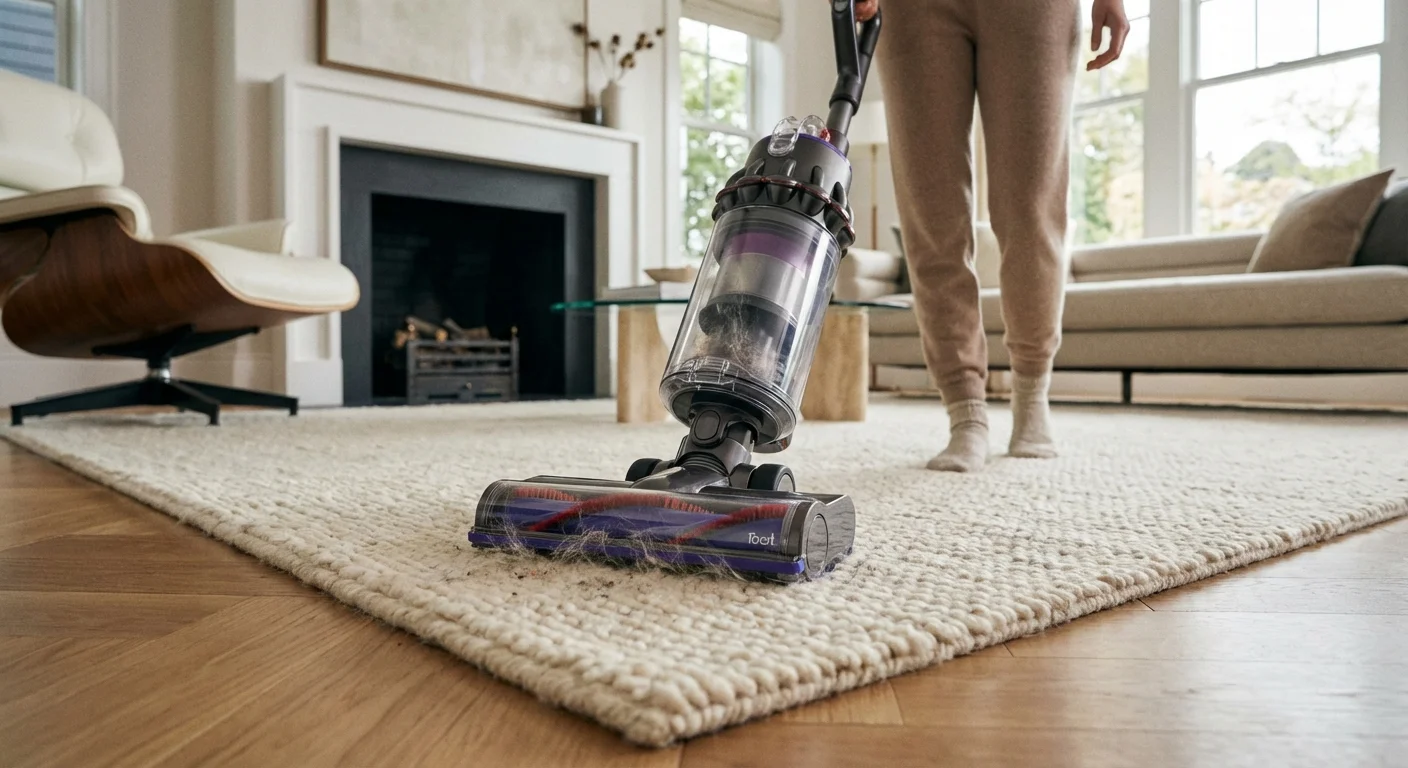
Implementing a daily and weekly routine handles the vast majority of household maintenance. However, there are times when doing it yourself is neither practical nor effective. Understanding when to hire a professional cleaning service saves time, protects your property, and preserves your sanity.
- Scenario 1: Routine Weekly Maintenance (DIY). Dusting, basic mopping, wiping counters, and maintaining bathroom hygiene are easily managed with the daily and weekly schedule outlined above. Doing this yourself saves thousands of dollars a year.
- Scenario 2: Bi-Annual Deep Cleaning (Professional). Twice a year, homes benefit from a rigorous deep clean. This includes moving heavy appliances to clean behind them, washing baseboards by hand, interior window washing, and deep-cleaning upholstery. Hiring a team for a one-off spring or fall cleaning resets the baseline of your home, making your DIY weekly schedule much easier to maintain.
- Scenario 3: Carpet Extraction and Upholstery (Professional). While you can rent carpet cleaners, professional truck-mounted extraction units reach much higher temperatures and possess vastly superior suction. Attempting DIY carpet cleaning often leaves the padding soaked, leading to mildew. Leave this to the experts.
- Scenario 4: Move-In/Move-Out Cleaning (Professional). When transitioning between homes, your energy should be focused on packing, logistics, and organizing. Professional cleaners specialize in making empty spaces pristine, ensuring you get your security deposit back or present a spotless home to new buyers.

Advanced Strategies for Specific Lifestyles
No two households operate on the exact same rhythm. The beauty of learning how to keep house clean through a structured system is that the system can be customized. If you work long shifts, travel frequently, or manage a household full of pets and children, your approach will look slightly different.
If you work 12-hour shifts or travel, a Monday-through-Friday schedule might be impossible. Instead, compress the routine. Assign two major tasks to your days off, and rely strictly on the 15-minute daily non-negotiables during your workdays to keep the house functional.
For homes with multiple pets, the dusting and floor care days may need to be doubled. Consider investing in a robotic vacuum to run daily, supplementing your Thursday deep-mopping and vacuuming session. For parents of young children, getting the kids involved is paramount. Assign age-appropriate chores—like matching socks, wiping baseboards with a damp cloth, or putting toys in designated bins—to lighten your load and teach valuable life skills.
You can also utilize online resources and templates for inspiration. Lifestyle sites like The Spruce offer printable checklists that you can laminate and hang on your refrigerator, providing a satisfying visual confirmation as you cross off completed tasks.
Frequently Asked Questions About House Cleaning Schedules
How long should a weekly cleaning routine take each day?
If you are consistent with your daily maintenance (the 15-minute non-negotiables), your dedicated daily tasks from the weekly schedule should take between 20 and 45 minutes, depending on the size of your home. The goal is to keep it under an hour so it easily fits into a weekday evening.
What is the hardest room in the house to keep clean?
The kitchen is universally considered the most challenging room to maintain because it faces multiple uses daily: food preparation, dining, homework, and socializing. This is why the kitchen requires strict daily habits, such as wiping counters and loading the dishwasher every single night, to prevent an overwhelming buildup of grease and dirty dishes.
How often should I wash my bed sheets?
Sheets and pillowcases should be washed once a week. You shed dead skin cells, sweat, and body oils every night, which accumulate rapidly. Washing your bedding weekly removes allergens and dust mites, promoting better sleep hygiene and clearer skin. Make this a standard part of your Friday bedroom reset.
Can I use one all-purpose cleaner for my whole house?
While an all-purpose cleaner handles most countertops and sinks, it is not ideal for everything. Glass requires a streak-free formula, natural stone (like granite or marble) needs a pH-neutral cleaner to prevent etching, and wood floors require specialized care. A minimalist caddy with 3 to 4 specific products is safer and more effective.
Stepping Into a Cleaner, Calmer Home
Transforming your home from chaotic to consistently tidy does not happen overnight. It requires patience, realistic expectations, and the willingness to build new habits. Do not punish yourself if you miss a Wednesday dusting session or if the laundry piles up during a particularly stressful week. A realistic cleaning plan is meant to serve you, not burden you. Pick up where you left off the next day and keep moving forward.
Start this week by focusing entirely on the daily non-negotiables. Once making the bed and clearing the kitchen counters feels automatic, introduce the Monday-through-Friday schedule. Over time, you will find that maintaining your home takes less mental energy, less physical effort, and gives you back the peaceful, restorative weekends you deserve.
This is educational content based on general best practices. Individual results vary based on your home, budget, and circumstances. Always prioritize safety and consult professionals for major projects.
Last updated: February 2026








Leave a Reply