
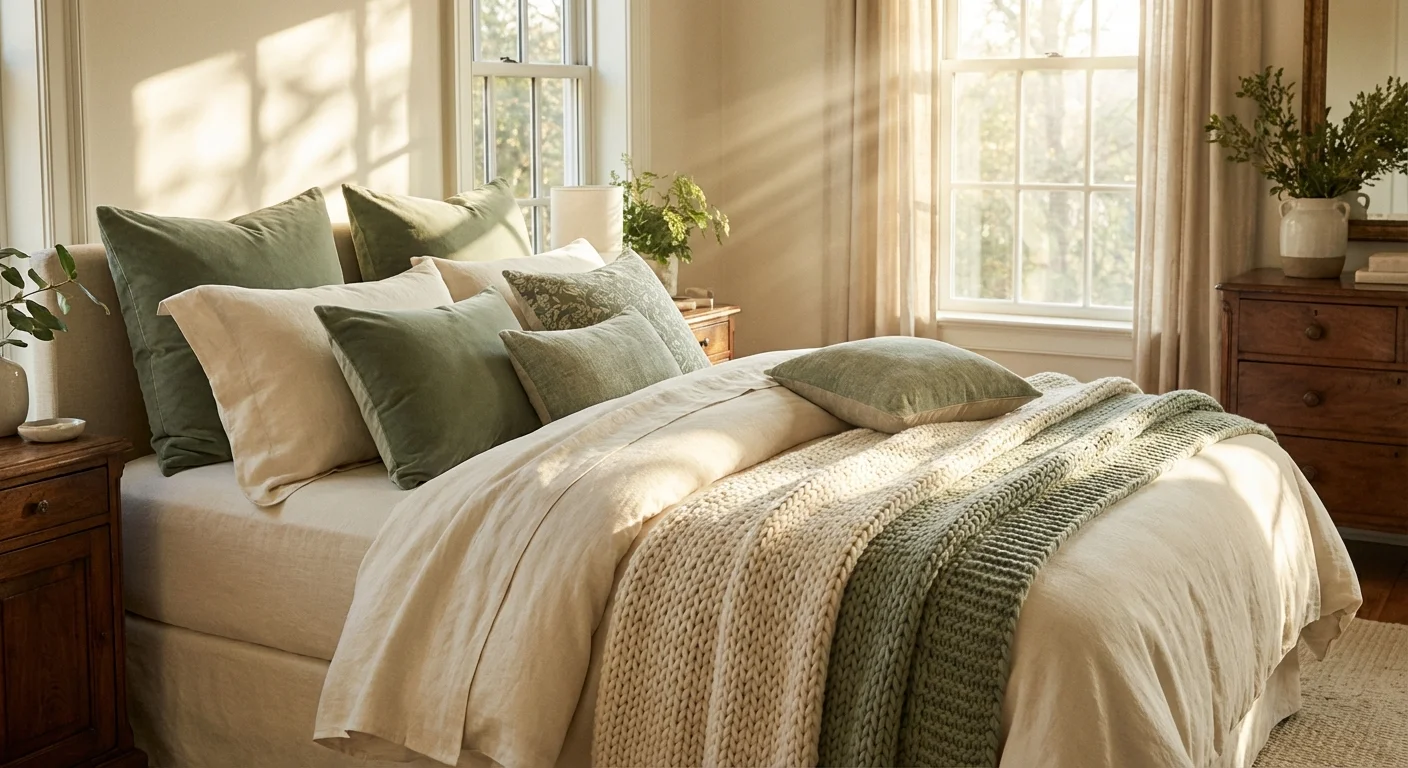
Most people spend a third of their lives in the bedroom, yet it remains one of the last rooms in the house to receive deliberate design attention. We prioritize living rooms for guests and kitchens for utility, leaving our personal sanctuaries as practical but uninspiring spaces. A truly comfortable bedroom setup goes beyond a supportive mattress and a matching nightstand; it requires a deliberate approach to texture, light, and spatial arrangement.
Beyond aesthetics, your design choices should help you create the perfect sleep environment by optimizing temperature and sound.
When you understand the principles of layered design, you can transform any stark, cold room into an inviting retreat. Creating warmth does not require a massive budget or a complete architectural overhaul. Instead, it relies on intentional choices about what you bring into the space and how you arrange those elements to engage your senses.
The Foundation of a Comfortable Bedroom Setup
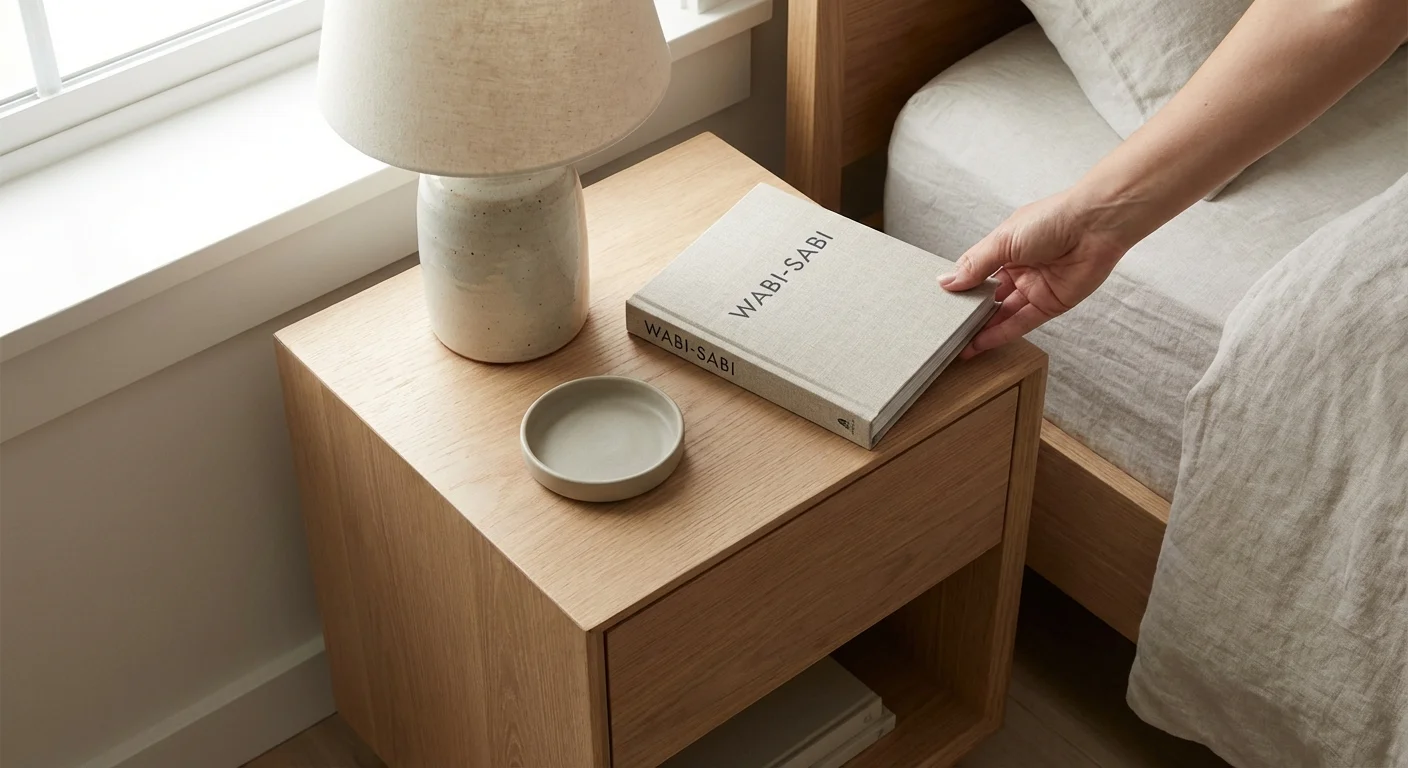
You cannot decorate your way out of clutter. Before you purchase new throw pillows or select the perfect paint color, you must address the structural foundation of your room. Visual clutter translates directly to mental clutter, making it impossible for a room to feel truly restful. Clear your nightstands of everything except the essentials—a lamp, a book, and perhaps a small dish for jewelry.
If space permits, you can enhance the room’s functionality by incorporating reading nook ideas into an unused corner.
Once you establish a clean baseline, evaluate your furniture layout. The bed commands the most visual weight in the room and should serve as the focal point. Place your bed on the longest uninterrupted wall, ensuring you have adequate walking space on both sides. Pushing a bed into a corner might save floor space, but it instantly diminishes the mature, intentional feel of the room. If you struggle with tight floor plans, explore layout strategies from Apartment Therapy to maximize flow without sacrificing style.
“Your bedroom should be the ultimate sanctuary. When you surround yourself only with things that spark joy, you create a space that actively restores your energy.” — Marie Kondo, Organization Consultant

Master the Bedroom Layering Design Strategy
If you want to know how to make a bedroom cozy, look directly at your bed. The secret to a bed that looks like it belongs in a luxury boutique hotel is bedroom layering design. A single flat comforter thrown over a mattress looks unfinished. By building your bed with distinct layers, you create depth, visual interest, and adjustable comfort for fluctuating nighttime temperatures.
Building a bed with intentional layers is a key principle in the art of hygge, focusing on simple comforts and tactile warmth.
Follow this exact sequence to build a layered bed:
- The Foundation Layer: Start with a fitted and flat sheet. Natural fibers reign supreme here. Crisp cotton percale sleeps cool, cotton sateen offers a buttery drape, and pure linen provides unmatched breathability while adding instant visual texture.
- The Base Blanket: Add a lightweight quilt or matelassé coverlet over your flat sheet. Pull this tight and tuck it in on all sides to create a tailored, clean base.
- The Primary Insulator: Your duvet acts as the plush, cloud-like layer. Rather than pulling the duvet all the way up to the pillows, fold it in half and place it at the lower third of the bed. This exposes your base blanket and creates massive volume.
- The Accent Layer: Drape a textured throw blanket casually across the foot of the bed. Choose a material that contrasts with your duvet—if your duvet is smooth cotton, opt for a chunky knit wool or a faux fur throw.
- The Pillow Scape: Prop up two large European shams against your headboard to anchor the arrangement. Place your standard sleeping pillows in front of them, and finish with one or two decorative lumbar pillows.
High-quality natural fibers feature heavily in the spaces showcased by Architectural Digest, and for good reason—they breathe well, age beautifully, and inherently elevate the aesthetic of the room.
Lighting: The Secret to Warm Bedroom Decor
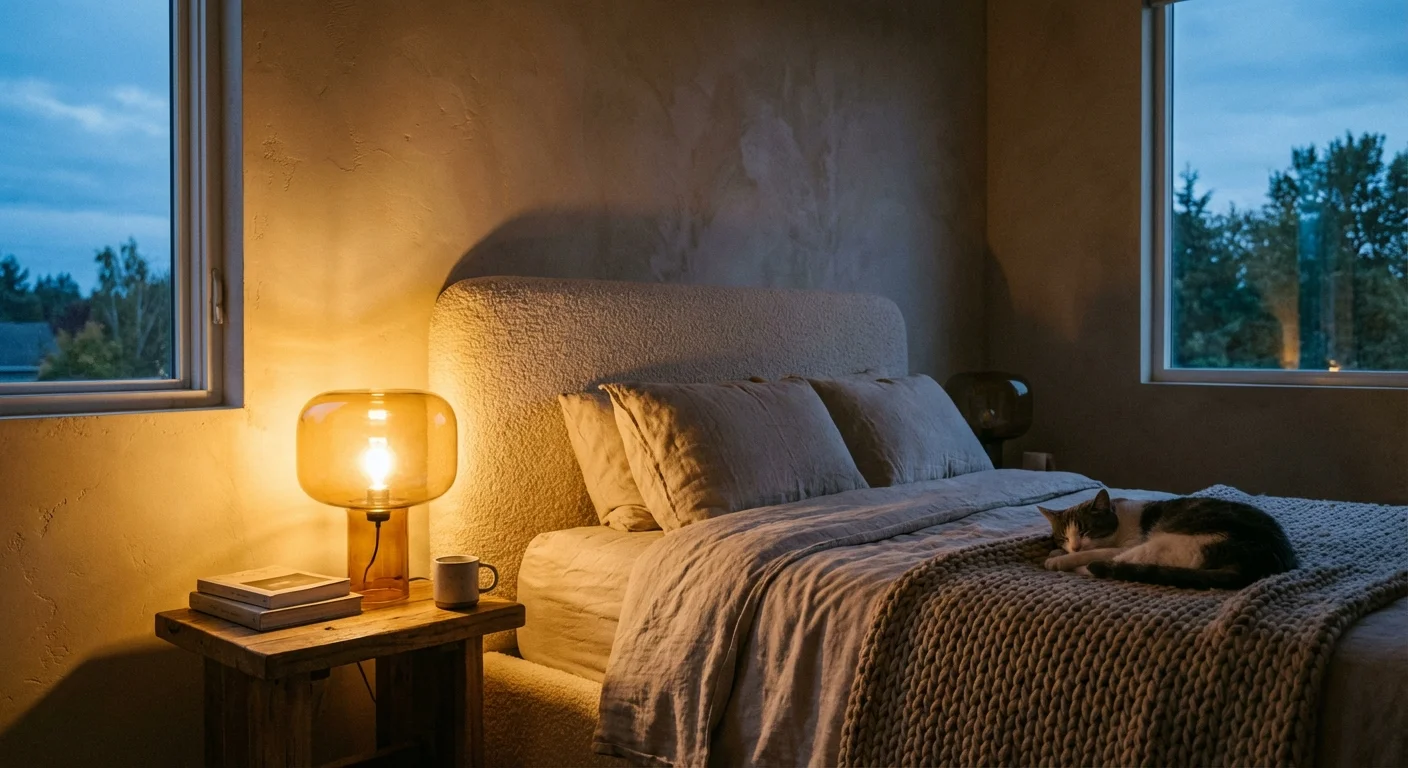
The overhead ceiling fixture—often jokingly called the “big light”—is the enemy of a cozy atmosphere. Harsh, single-source overhead lighting casts unflattering shadows and suppresses melatonin production, signaling to your brain that it is daytime.
To further soften the mood in the evening, try creating ambiance with candles on a tray or nightstand.
To cultivate warm bedroom decor, you must layer your lighting just as you layer your bedding. A well-designed room requires three distinct types of lighting, all operating on separate switches or dimmers.
| Lighting Layer | Purpose | Ideal Fixtures | Recommended Bulb Temperature |
|---|---|---|---|
| Ambient | Provides overall room illumination without harsh glare. | Flush mounts with frosted glass, paper lanterns, or upward-facing chandeliers. | 2700K (Warm White) |
| Task | Delivers focused light for reading or getting dressed. | Adjustable bedside sconces, articulated table lamps, or closet spotlights. | 2700K – 3000K |
| Accent | Creates mood and highlights architectural features or art. | LED strip lights behind a headboard, small picture lights, or a low-wattage corner lamp. | 2200K – 2700K (Amber/Warm) |
Pay strict attention to your bulb temperatures. For a bedroom, never purchase bulbs rated above 3000 Kelvin. Bulbs in the 2700K range mimic the gentle, golden glow of late afternoon sun, instantly signaling your body to relax.

Bringing in Texture: Cozy Bedroom Ideas that Engage the Senses
Visual warmth relies heavily on texture. A room filled exclusively with smooth surfaces—painted drywall, polished wood, glass mirrors, and tight-weave cotton—will always feel sterile, regardless of the color palette. You must introduce friction and softness to the eye.
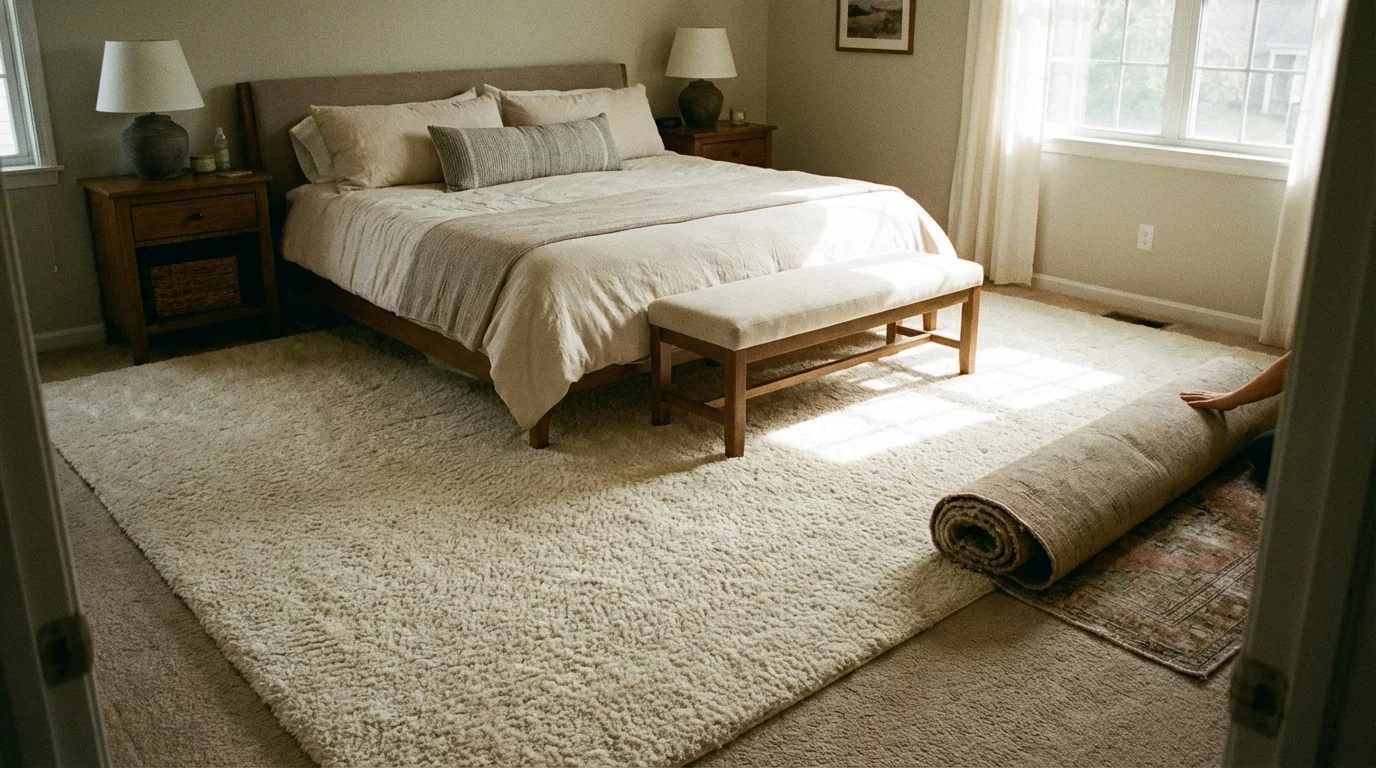
Start from the floor up. Hardwood or laminate floors require an area rug to anchor the space and dampen sound. Size matters immensely here; an 8×10 rug sits perfectly under a queen bed, leaving 18 to 24 inches of soft landing space on either side for your feet to hit in the morning. Opt for plush wool, Moroccan-style shags, or hand-tufted designs that beg to be walked on barefoot.
Move to your windows. Flimsy aluminum blinds do nothing to soften a room. Frame your windows with floor-to-ceiling drapery. Even if you rely on blackout roller shades for sleep, adding sheer or velvet curtain panels on either side of the window frame adds crucial vertical softness. Hang the curtain rod close to the ceiling and extend it a foot past the window frame on each side; this optical illusion makes your windows look larger and your ceilings taller.
When selecting your foundational colors for these textiles, look toward the warm palettes recommended by Better Homes & Gardens. Earth tones like terracotta, sage green, warm oatmeal, and deep moody blues absorb light beautifully, wrapping the room in a comforting embrace.
Common Mistakes to Avoid
Even with the best intentions, certain design choices actively work against a cozy atmosphere. Watch out for these frequent missteps:
- Purchasing Matching Furniture Sets: Buying a bed, nightstands, and a dresser from the exact same collection strips a room of character. It looks like a showroom rather than a home. Mix wood tones and painted finishes to create a collected, evolved look.
- Ignoring Scale: A massive, heavy headboard in a small room feels oppressive, while tiny, spindly nightstands next to a king-size bed look ridiculous. Measure your space and ensure your furniture speaks to the scale of the room.
- Hanging Art Too High: Art in the bedroom should relate to the furniture below it. If you hang a piece above your bed or dresser, keep the bottom edge of the frame just six to eight inches above the furniture. Floating art high on the wall disconnects it from the room’s gravity.

Professional vs. DIY Bedroom Upgrades
Creating a sanctuary involves knowing when to roll up your sleeves and when to call in an expert. Allocate your budget wisely by separating DIY tasks from professional jobs.
These simple layering tips show that you can make any room feel warmer without needing to adjust the thermostat.
Perfect for DIY:
- Painting: Refreshing your walls with a warm, matte finish is a weekend project that offers the highest return on investment for the atmosphere.
- Updating Hardware: Swapping out basic builder-grade dresser knobs for brushed brass or matte black pulls instantly elevates inexpensive furniture.
- Installing Window Treatments: Hanging a curtain rod requires basic tools and an afternoon.
Hire a Professional:
- Hardwired Lighting: If you want wall sconces but lack existing electrical boxes, hire a licensed electrician. Dangling cords can ruin the elevated aesthetic you are trying to achieve.
- Custom Closet Systems: A poorly organized closet spills chaos into the bedroom. A professional installer can maximize your storage footprint, ensuring everything has a home behind closed doors.
- Architectural Molding: Adding picture frame molding or a board-and-batten accent wall adds incredible architectural depth, but requires precise miter cuts and leveling that frustrate many beginners.
Frequently Asked Questions
How can I make a small bedroom feel cozy without feeling cramped?
Focus on vertical space and cohesive colors. Paint the walls, baseboards, and doors the same warm color to blur the boundaries of the room. Use wall-mounted sconces instead of table lamps to free up surface area on your nightstands, and rely on mirrors placed opposite your windows to bounce natural light around the space.
What are the best colors for a warm bedroom decor scheme?
Move away from stark, sterile whites and cool grays. Embrace nature-inspired hues. Warm taupes, mushroom grays, olive greens, and dusty terracottas possess a low Light Reflectance Value (LRV), meaning they absorb light and create an enveloping, den-like atmosphere ideal for resting.
Do I need a headboard for a comfortable bedroom setup?
Yes. A headboard provides crucial visual anchoring for the bed and prevents pillows from slipping off the back. Furthermore, an upholstered headboard offers a soft surface for reading in bed and absorbs sound, making the room physically quieter and more serene.
How do I keep a layered bed looking tidy?
The trick is intentional folding. You do not need to tuck every layer perfectly every morning. Simply pull your fitted and flat sheets tight, pull your base blanket up, and fold your heavy duvet neatly in half at the foot of the bed. It takes less than sixty seconds and looks professionally styled rather than messy.
Take these strategies one step at a time. You do not need to replace all your furniture or buy an entirely new bedding set today. Start tonight by changing your lightbulbs to a warmer temperature and clearing the clutter from your nightstand. Small, intentional adjustments compound quickly, turning a sterile sleeping quarter into a deeply personal retreat.
This is educational content based on general best practices. Individual results vary based on your home, budget, and circumstances. Always prioritize safety and consult professionals for major projects involving electrical work or structural modifications.
Last updated: February 2026








Leave a Reply