
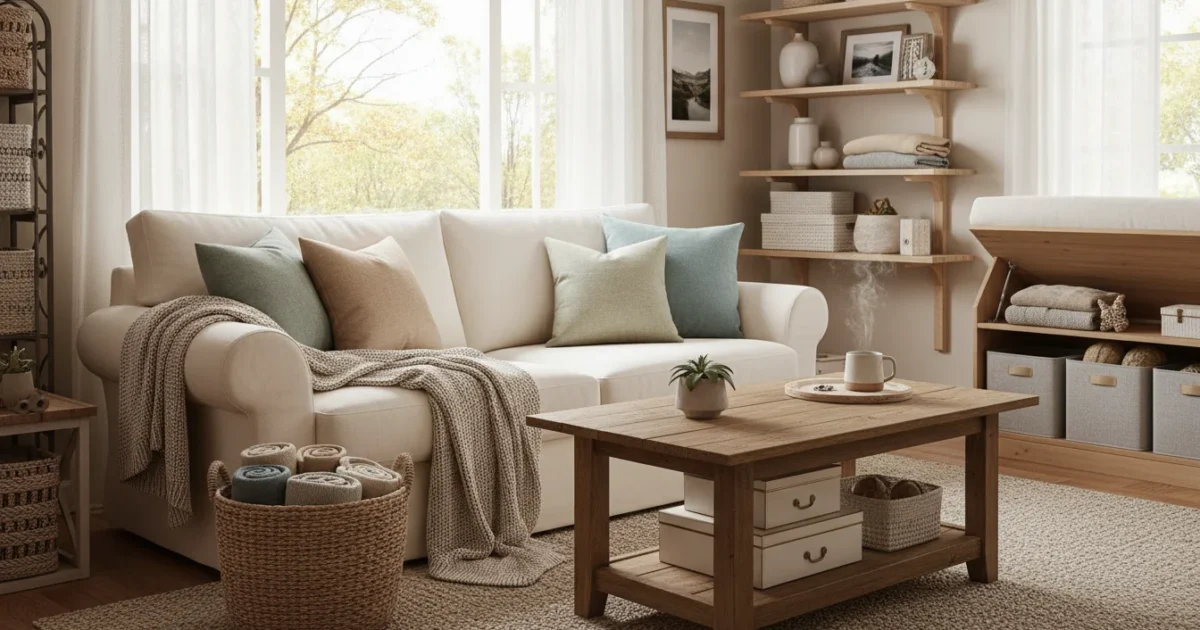
Your living room serves many purposes. It hosts movie nights, quiet reading sessions, lively conversations with friends, and peaceful moments of reflection. To truly make it a comforting sanctuary, you need more than just a single overhead light. Creating a cozy living room environment starts with a thoughtful approach to lighting. We often overlook the power of light to transform a space, but with layered lighting design, you can achieve warmth, depth, and unparalleled comfort.
This layered approach is a fundamental part of the art of Hygge, which focuses on creating a warm and soul-soothing atmosphere.
This guide helps you understand how to use various light sources to build an inviting atmosphere. You will learn practical strategies, fixture recommendations, and tips to achieve that perfect, warm glow, regardless of your budget or space size. Get ready to illuminate your living room in a way that truly feels like home.
What is Layered Lighting, and Why Does Your Living Room Need It?
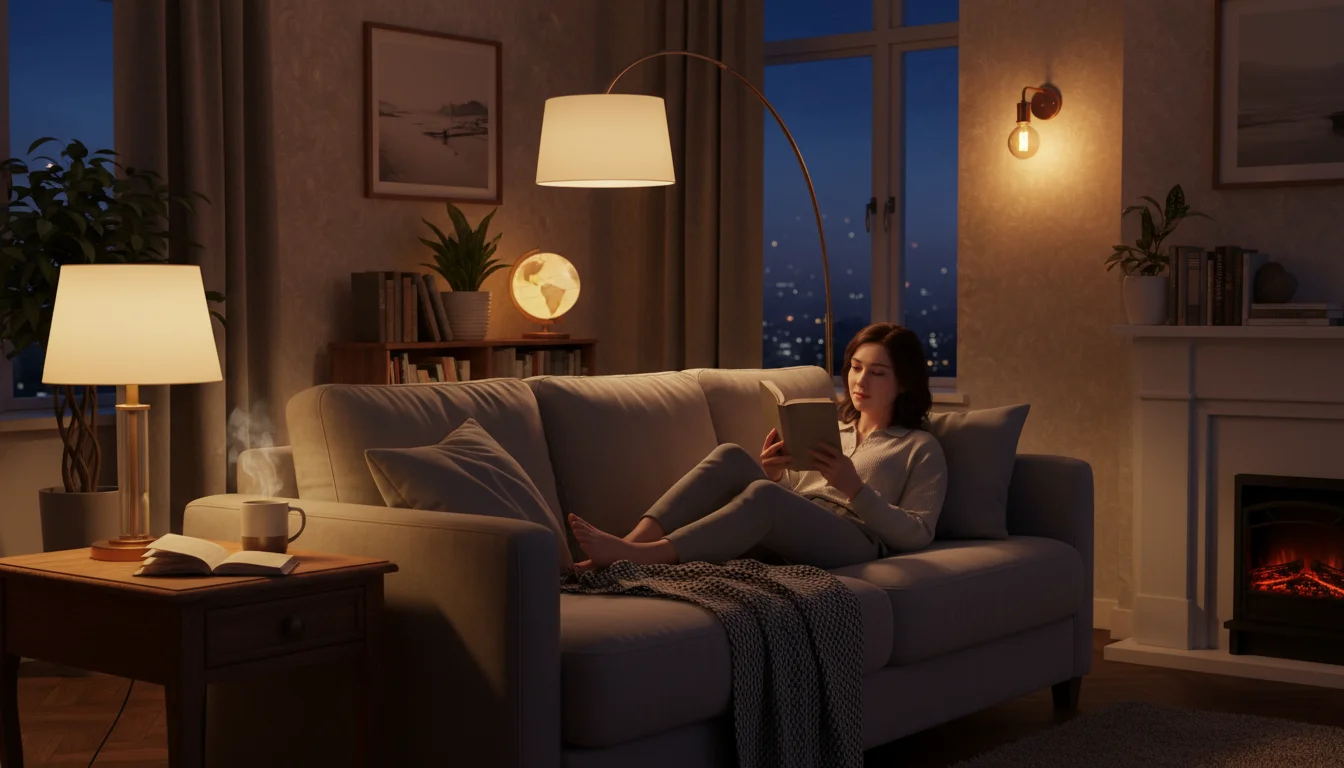
Layered lighting involves using multiple light sources at different heights, intensities, and purposes to illuminate a room. Think of it like building a wardrobe: you do not rely on just one item of clothing for every occasion. Similarly, you should not rely on a single ceiling fixture for all your living room lighting needs. This strategic approach offers flexibility, improves functionality, and significantly enhances the aesthetic appeal and mood of your space.
To complement your new glow, incorporating one of the best area rugs for adding warmth can help ground the space and enhance the overall comfort.
For your living room, layered lighting creates depth and dimension, banishing harsh shadows and flat, uninspired illumination. Instead, you achieve a welcoming ambiance that adapts to different activities. You can shift from bright light for cleaning to a soft, warm glow for an evening of relaxation. As Real Simple notes, good lighting profoundly impacts your home’s feel and functionality. It turns a merely lit room into a truly cozy living room.
Understanding the Three Layers of Light
Effective layered lighting design relies on three distinct types of light, each serving a unique purpose. When you combine them thoughtfully, you create a dynamic and inviting environment.
The way you manage external light also matters, and choosing window treatments that make rooms feel cozier can help you control the natural ambient layer during the day.
Ambient Lighting: The Foundation
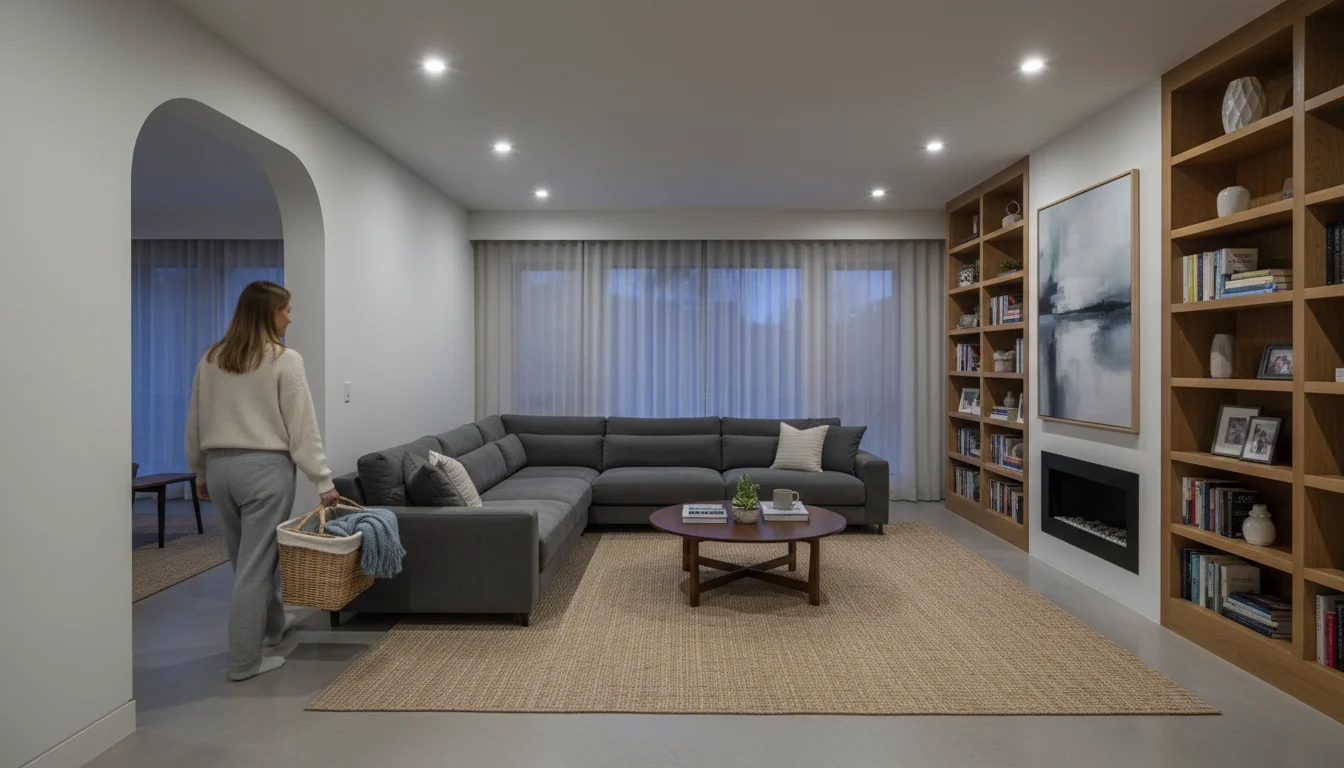
Ambient lighting provides the overall illumination for your living room. It aims to create a comfortable level of brightness, allowing you to move around safely and generally see everything in the room. This often comes from overhead fixtures, but it does not have to be the only source. For a cozy feel, ensure your ambient light sources are dimmable.
- Common Sources: Ceiling lights, recessed lighting, chandeliers, large flush-mount fixtures, track lighting.
- Goal: General illumination, preventing shadows, setting the base brightness.

Task Lighting: Practical Focus
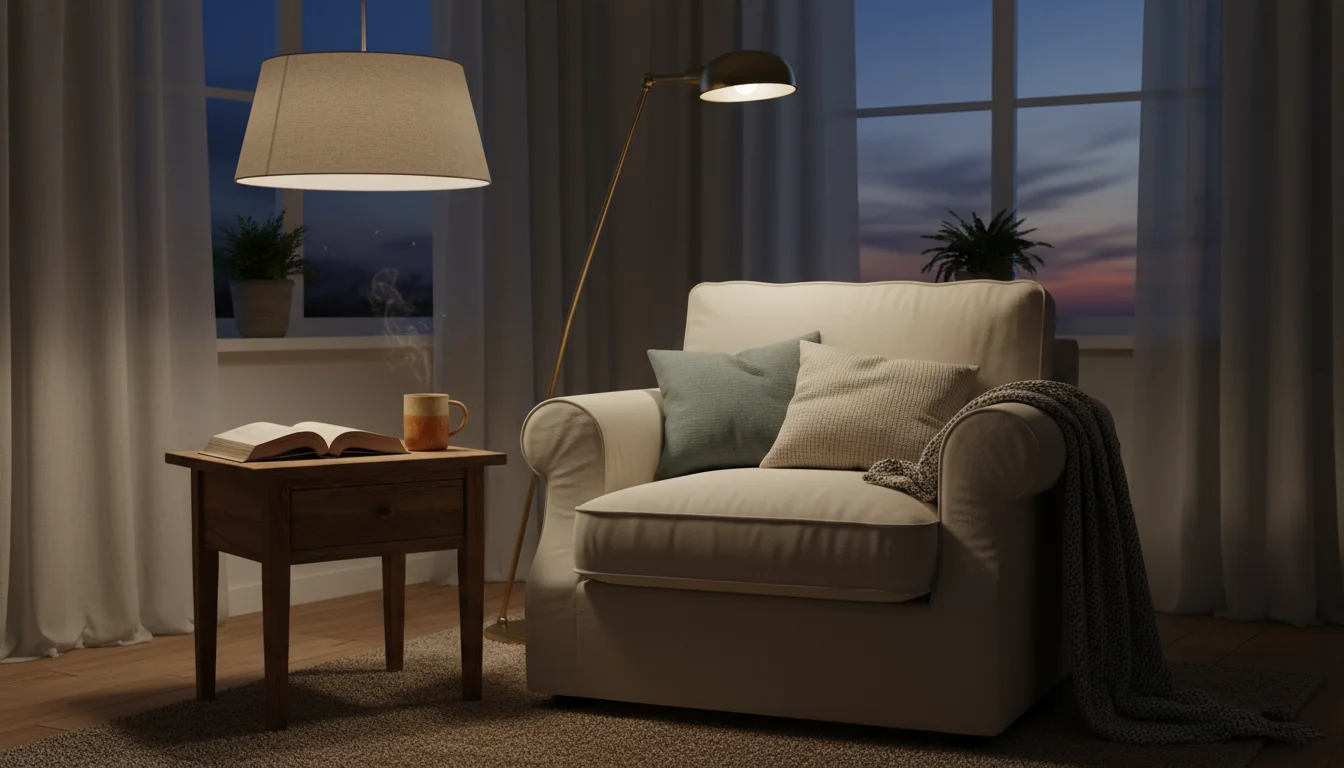
Task lighting illuminates specific areas where you perform activities requiring focused light. This prevents eye strain and ensures you have adequate brightness for reading, crafting, or working on a laptop. Position these lights carefully to direct illumination where you need it most, without creating glare.
- Common Sources: Reading lamps (floor lamps or table lamps positioned next to seating), desk lamps, picture lights, under-shelf lighting.
- Goal: Functional illumination for specific activities, enhancing usability.
Accent Lighting: Adding Drama and Warmth
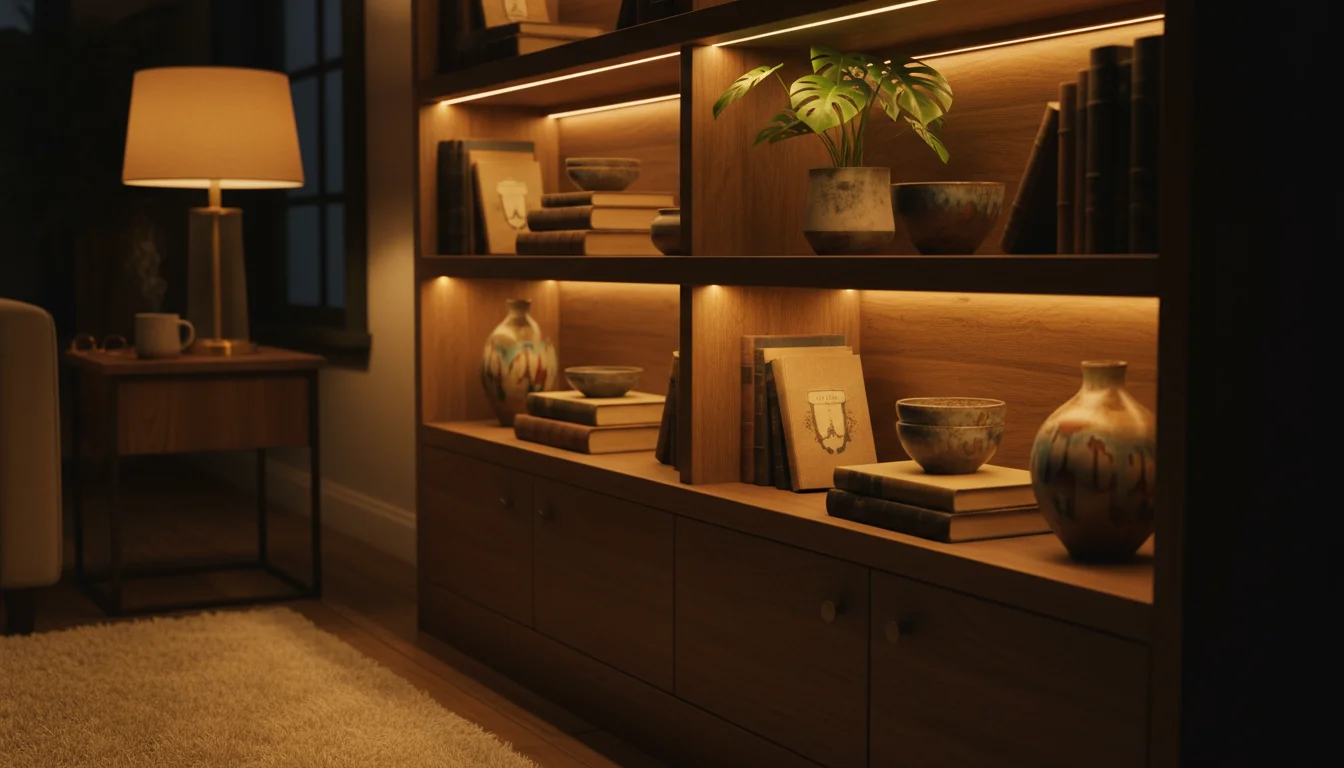
Accent lighting highlights specific architectural features, artwork, plants, or decorative items. It adds visual interest and creates focal points, bringing depth and character to your living room. This is where you truly infuse warmth and personality into your space, contributing significantly to a cozy atmosphere. Accent lights are often lower in intensity and use warmer color temperatures.
- Common Sources: Wall sconces, small spotlights, LED strip lights, puck lights inside display cabinets, uplights for plants, decorative table lamps.
- Goal: Highlighting features, creating mood, adding visual interest and warmth.
Choosing the Right Color Temperature for Coziness
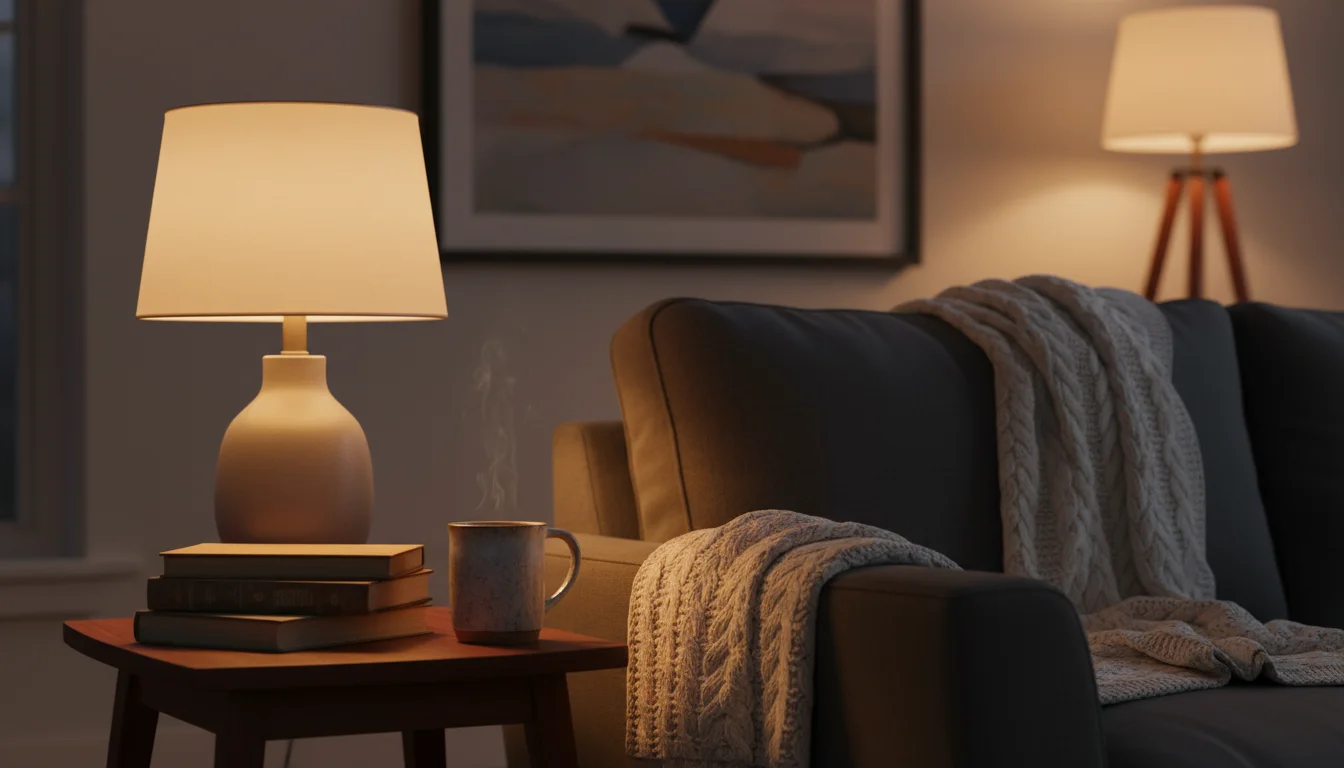
Color temperature is crucial for achieving a cozy living room. Measured in Kelvin (K), it describes the warmth or coolness of the light emitted by a bulb. Lower Kelvin numbers indicate warmer light, while higher numbers indicate cooler, bluer light.
Switching to warm-toned LED bulbs is not only stylish but is also an effective way to reduce energy bills at home while keeping your space inviting.
Keep in mind that light interacts with your walls, so choosing the perfect paint color is a vital step in defining the final warmth of the room.
For a truly inviting and cozy atmosphere, aim for warm white light. Look for bulbs in the 2,200K to 3,000K range. This range mimics the warm glow of a sunset or candlelight, promoting relaxation and comfort. Bright white or daylight bulbs (3,500K-5,000K+) are excellent for task-oriented spaces like kitchens or offices, but they can feel stark and less inviting in a living room. Mixing color temperatures within one room often creates an unsettling effect, so strive for consistency in your ambient and accent lighting, with task lighting being a slight exception if needed for specific reading tasks.
Many modern LED bulbs offer “tunable white” technology, allowing you to adjust the color temperature from warm to cool, giving you ultimate flexibility. According to Consumer Reports, smart bulbs and smart home systems provide convenient control over brightness and color temperature, enhancing your ability to create the perfect mood.
Step-by-Step Guide to Layering Your Living Room Lighting
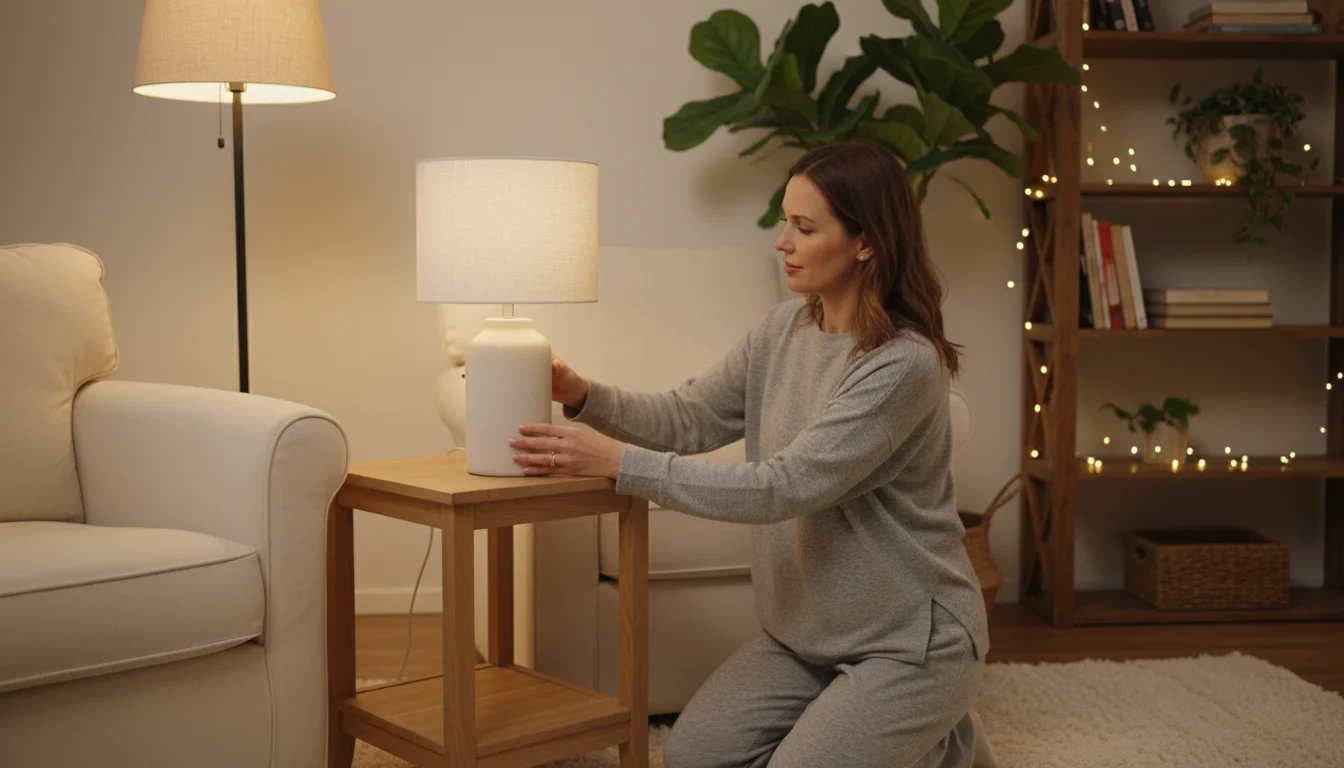
Transforming your living room with layered lighting does not need to be complicated. Follow these practical steps to design a system that works for your home and lifestyle.
Once your task lighting is in place, draping one of the best throw blankets for maximum coziness over a nearby armchair will make your reading sessions even more enjoyable.
Before you position your new lamps, take a moment to arrange furniture for maximum coziness to ensure your lighting zones align with where you actually sit and relax.
Step 1: Assess Your Current Lighting and Living Room Zones
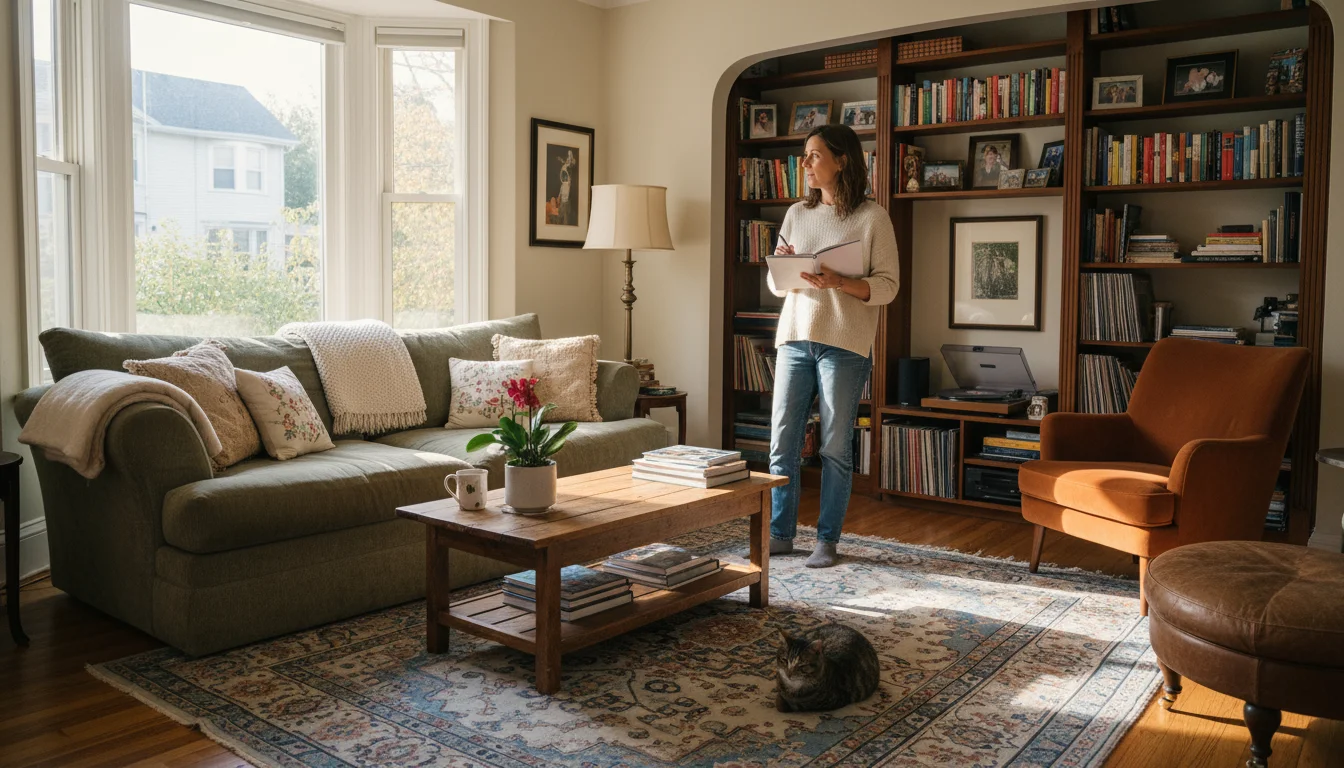
Before you add new fixtures, evaluate what you already have. Identify any existing overhead lights, lamps, or natural light sources. Next, consider your living room’s “zones,” which are designated areas for specific activities. Do you have a reading nook, a conversation area, a TV viewing spot, or a display shelf for art?
- Walk through your living room at different times of day. Note where shadows fall and where light feels insufficient or too harsh.
- Map out your activity zones. This helps you determine where you need task or accent lighting. For example, a sofa requires reading lamps, while a gallery wall needs accent lighting.
Step 2: Establish Your Ambient Layer
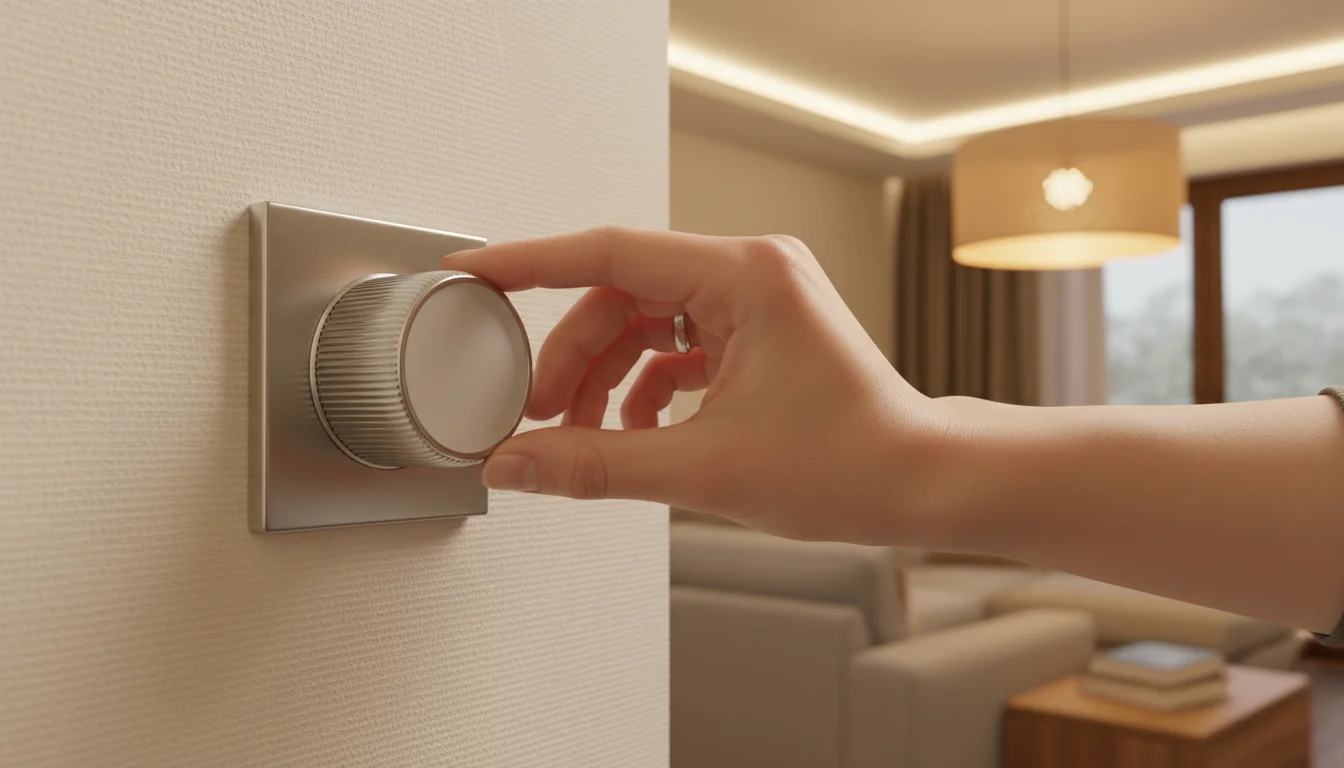
Begin by ensuring your general room illumination sets a comfortable foundation. If you have an overhead fixture, consider if it provides adequate overall light. If it is too dim, upgrade the bulb wattage (within fixture limits) or consider adding more general light sources.
- Ceiling Fixtures: If you have one, ensure it has a dimmer switch. This single upgrade offers immense flexibility, allowing you to adjust brightness for any mood.
- Recessed Lighting: If you have recessed lights, verify their spread and brightness. They should illuminate the room evenly without creating harsh pools of light.
- Diffused Light: Choose fixtures that diffuse light evenly, like a semi-flush mount with an opaque shade, rather than harsh spotlights.

Step 3: Integrate Task Lighting for Functionality
Now, focus on where you need concentrated light for activities. Position your task lights to prevent glare and illuminate the specific area you use.
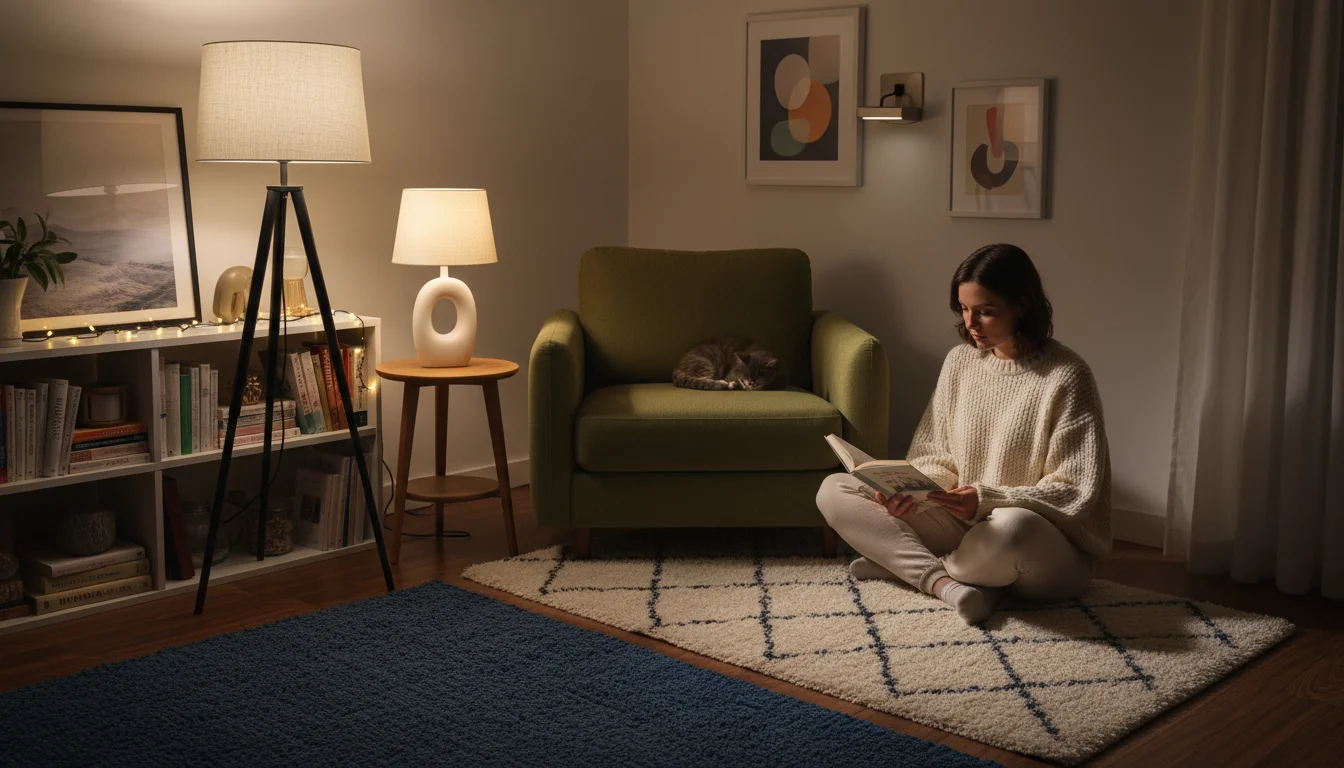
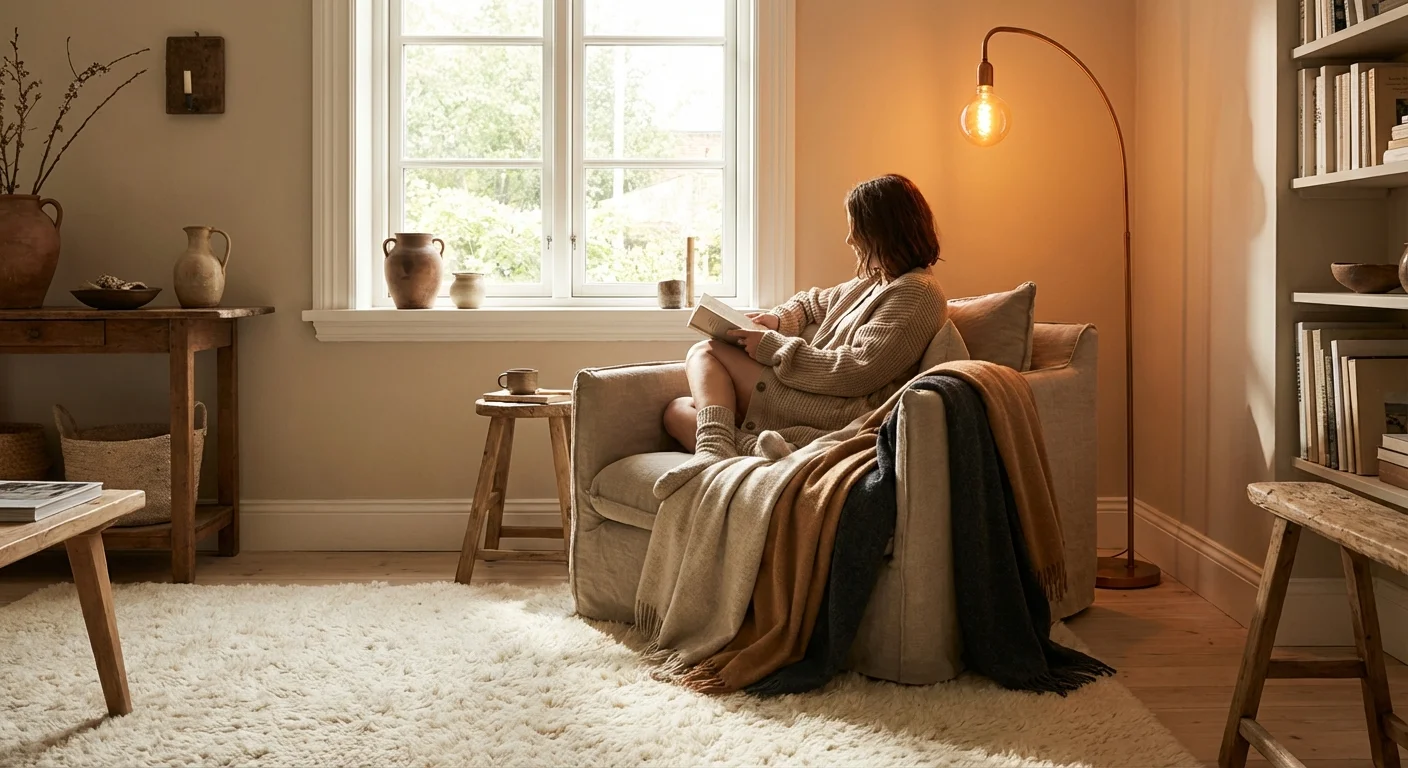
- Reading Nooks: Place a floor lamp or a sturdy table lamp next to your favorite armchair or sofa. The bottom of the lampshade should be roughly at eye level when you are seated to prevent glare.
- Hobby Areas: If you have a small desk or craft corner in your living room, a focused desk lamp provides the necessary illumination.
- Consider Adjustability: Look for lamps with adjustable necks or heads, allowing you to direct the light precisely.
Step 4: Add Accent Lighting for Depth and Mood
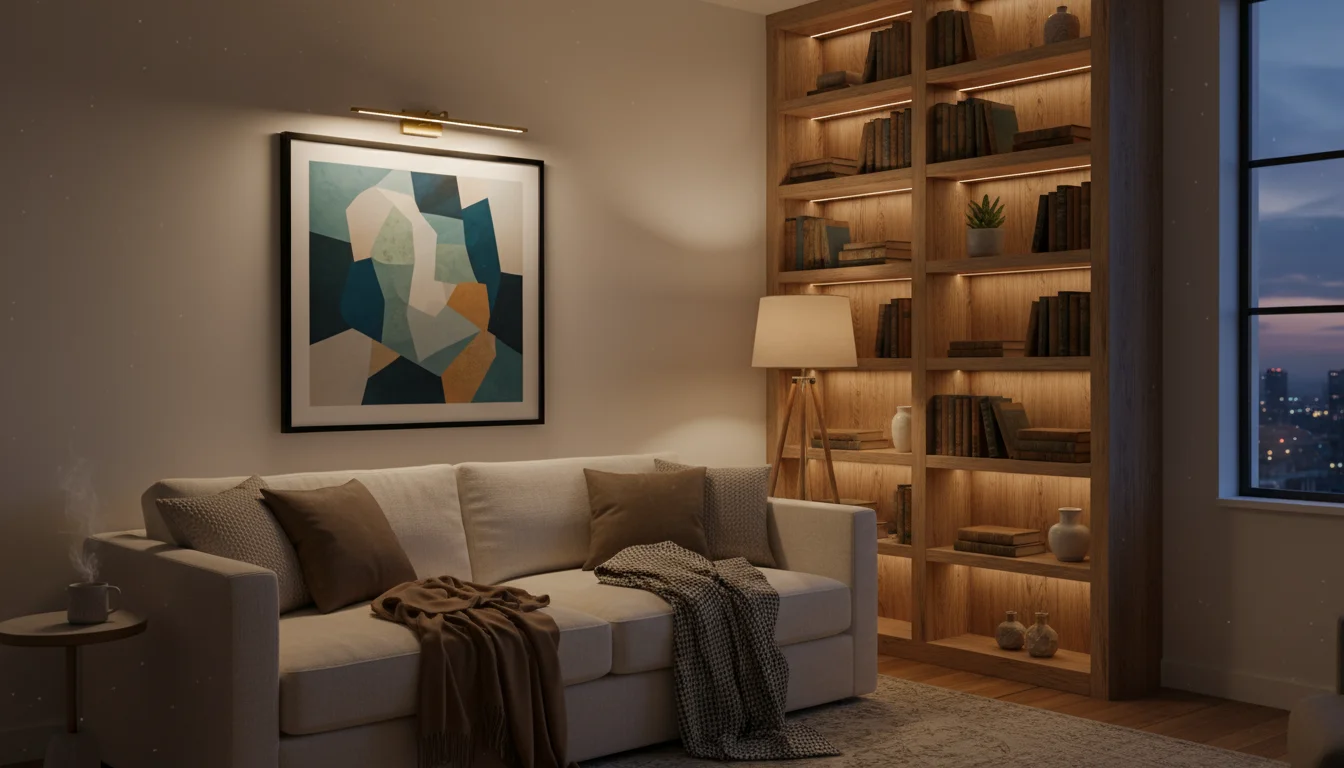
This is where you infuse personality and warmth. Accent lighting draws attention to features and creates a visually rich environment.
- Highlight Artwork: Use small picture lights mounted above paintings or wall sconces to cast light upwards or downwards along a wall.
- Showcase Collections: LED strip lights or puck lights inside bookshelves or display cabinets illuminate your cherished items.
- Uplighting: Place a small canister light on the floor behind a large plant or in a corner to cast light upwards, highlighting textures and adding height.
- Decorative Lamps: Small, stylish table lamps on end tables or console tables contribute to both ambient and accent lighting, offering a soft glow.
Step 5: Control Your Layers
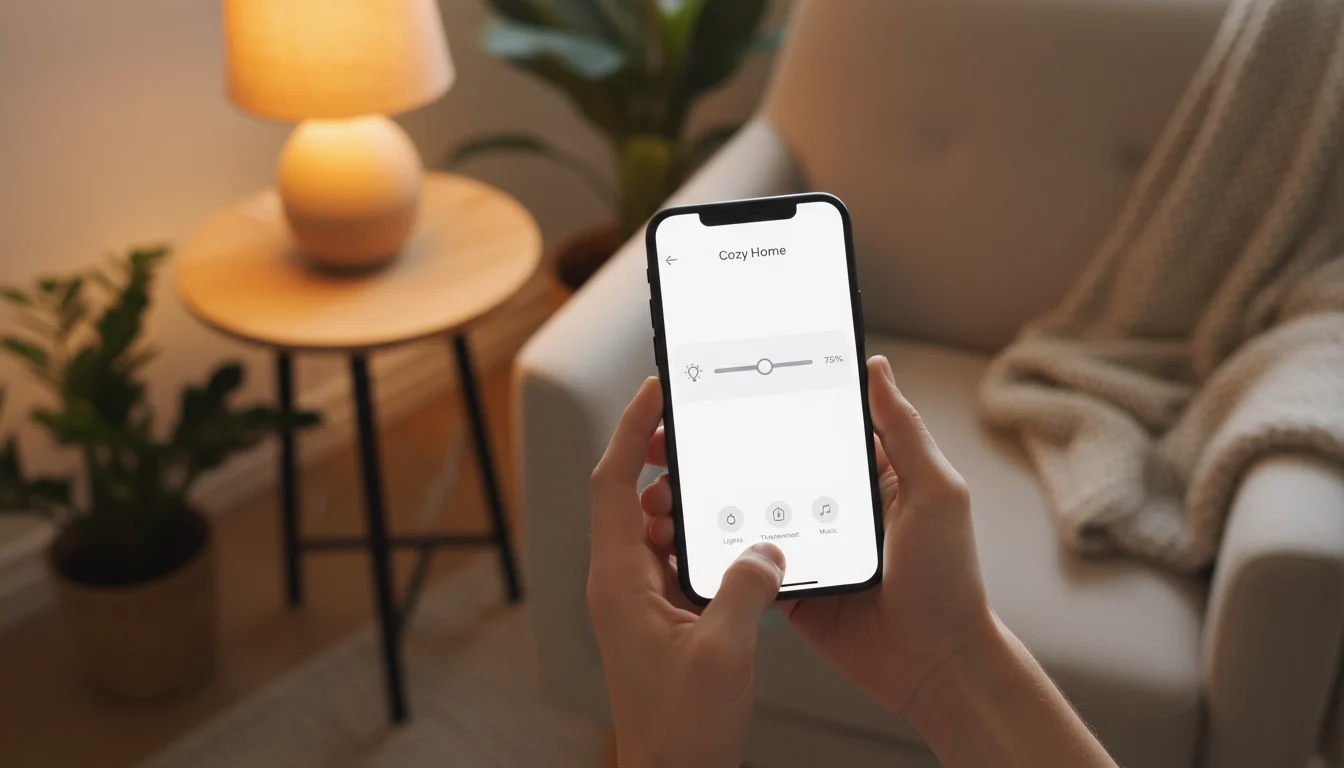
The ability to control each layer independently is key to a truly flexible and cozy living room. You want to be able to turn on only your accent lights for a movie, or just your reading lamp when settling in with a book.
- Dimmers: Install dimmer switches for all your ambient and accent lights. This is perhaps the single most impactful upgrade for mood control.
- Smart Plugs and Bulbs: For lamps, smart plugs or smart bulbs allow you to control lights from your phone, schedule them, or even integrate with voice assistants. This is a budget-friendly way to add dimming and control to existing lamps.
- Group Switches: If undertaking a renovation, consider grouping switches so you can activate all lights in a certain layer (e.g., all accent lights) with a single flick.
Smart Solutions for Small Spaces and Tight Budgets
You do not need a sprawling living room or an unlimited budget to achieve beautiful layered lighting. Many clever solutions exist for renters, small apartment dwellers, and those watching their spending.
Beyond lighting, there are many other budget-friendly ways to make your living room cozier that fit into a busy lifestyle.
Lighting is just the start; there are many other budget-friendly ways to make your living room cozier without a full renovation.
Maximizing Light in Small Spaces
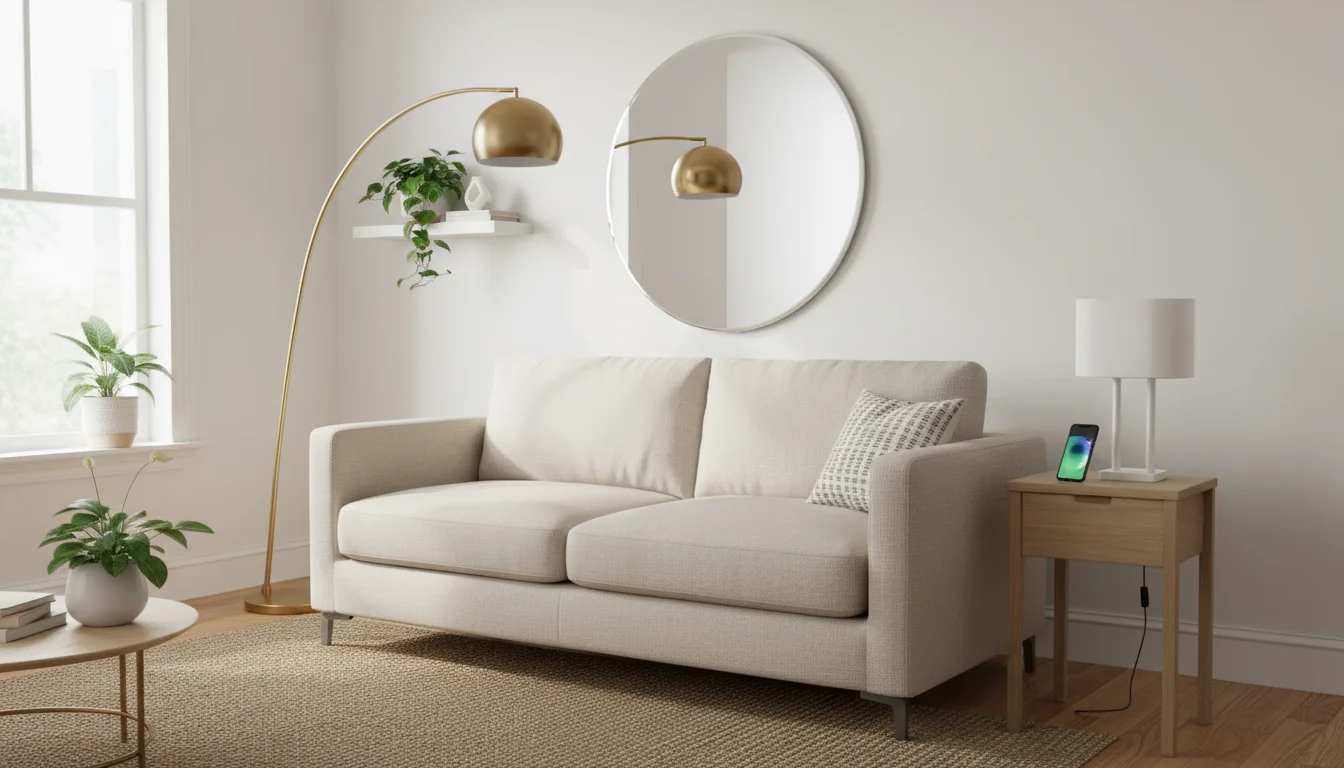
Small living rooms benefit immensely from strategic lighting that makes the space feel larger and more open.
- Vertical Lighting: Use tall, slender floor lamps or wall-mounted sconces that draw the eye upwards, creating the illusion of height.
- Reflective Surfaces: Position lights to bounce off mirrors or metallic decor. This amplifies light and visually expands the room. As experts at Apartment Therapy often suggest, mirrors are powerful tools for light distribution.
- Minimalist Fixtures: Choose sleek, unobtrusive fixtures that do not clutter the visual space. Think slender arc lamps or minimalist table lamps.
- Multifunctional Lamps: Opt for floor lamps with attached shelves or table lamps with USB charging ports to maximize utility in a compact footprint.
Budget-Friendly Lighting Ideas
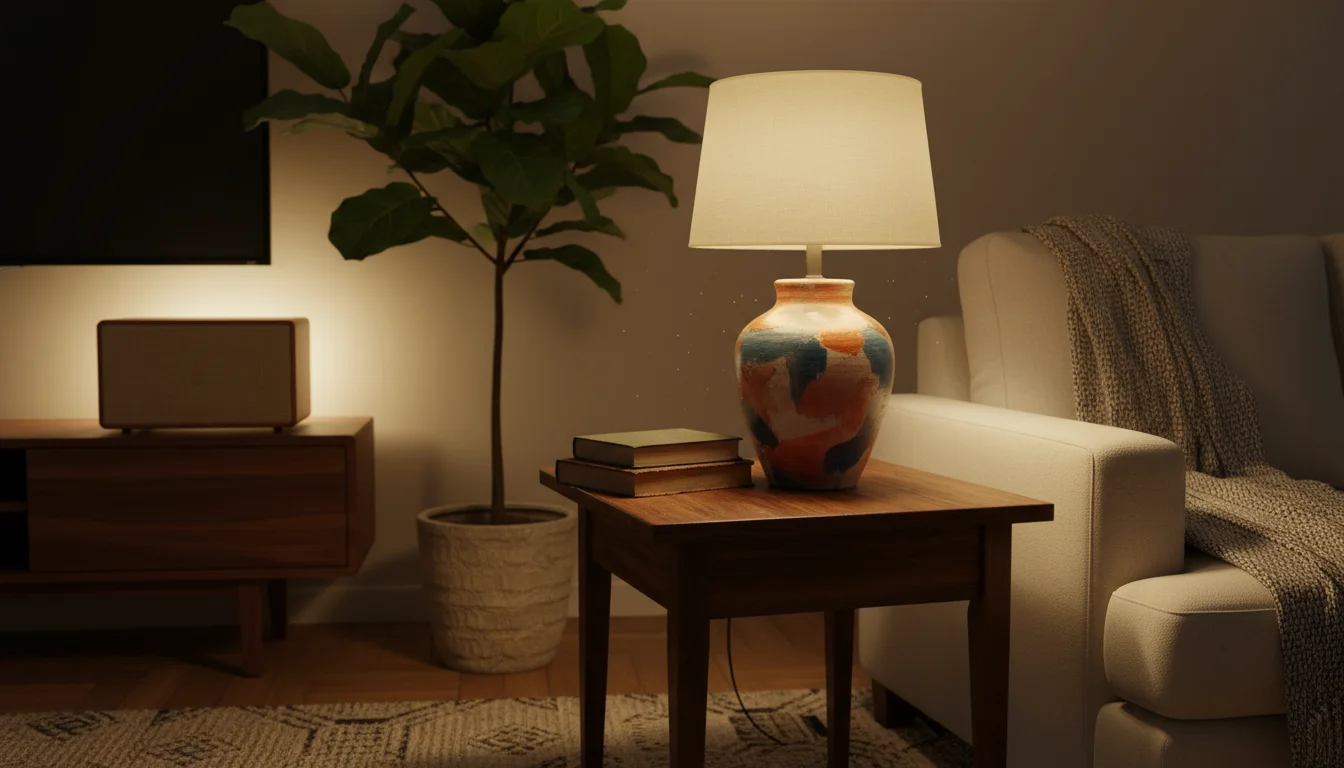
Achieving a layered look does not require expensive designer fixtures.
- DIY Lamp Shades: Update existing lamps by replacing outdated shades with new ones. A fresh shade can dramatically alter a lamp’s appearance and light diffusion.
- Thrift Store Finds: Hunt for unique lamp bases at thrift stores. A fresh coat of paint and a new shade transforms a dated find into a stylish piece.
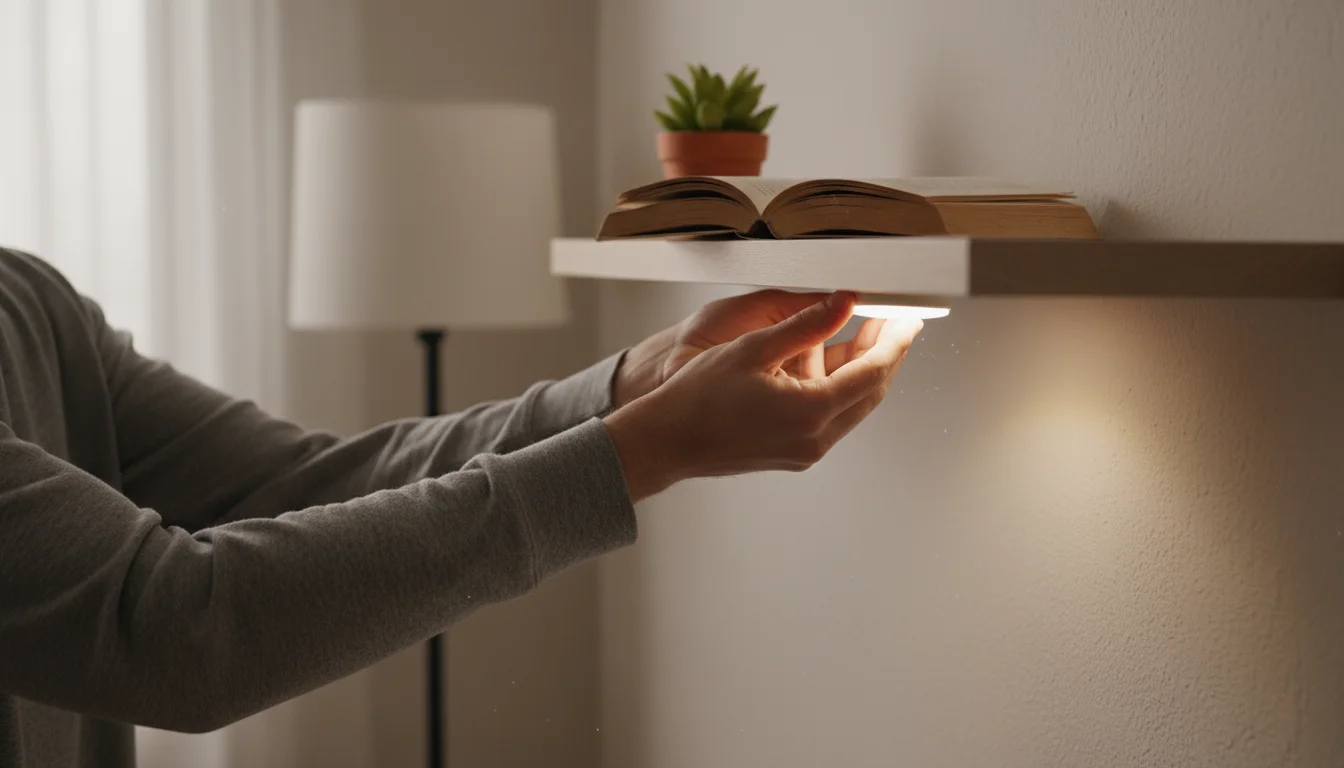
- Affordable LED Strips: LED strip lights are incredibly versatile and inexpensive. Use them to back-light a TV, illuminate shelves, or line the underside of a console table for instant accent lighting.
- Smart Plugs: Instead of buying expensive smart bulbs, use smart plugs with your existing lamps. They give you remote control, dimming capabilities (if the bulb is dimmable), and scheduling for under $20 per plug.
- Leverage Natural Light: Maximize natural light during the day. Keep windows clear, use sheer curtains, and strategically place mirrors to reflect sunlight deeper into the room.
Selecting Fixtures: Beyond the Overhead Light
Your choices for lamps and fixtures play a significant role in both the functionality and aesthetics of your living room lighting. Consider these options to build a robust layered lighting design.
Floor Lamps
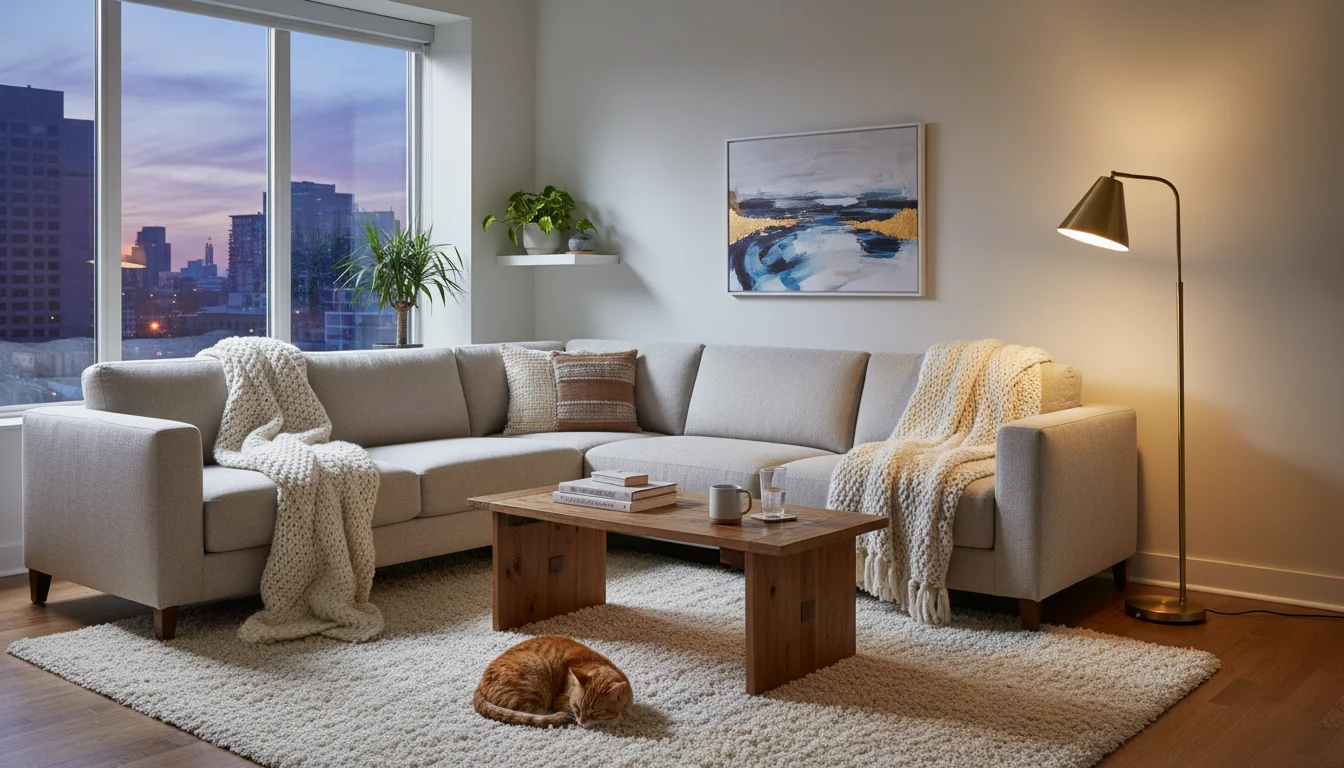
Floor lamps are workhorses in layered lighting. They provide ambient light, excellent task lighting, and contribute to accent lighting depending on their design.
- Arc Lamps: These are perfect for positioning over a seating area, acting as an overhead light without requiring ceiling wiring.
- Tripod Lamps: Offer a contemporary aesthetic and stable base, often providing diffused ambient light.
- Torchiere Lamps: Cast light upwards, bouncing it off the ceiling to create soft, indirect ambient light. Ensure these are dimmable for optimal coziness.
- Reading Lamps: Dedicated floor lamps with adjustable heads direct light precisely for reading or crafting.
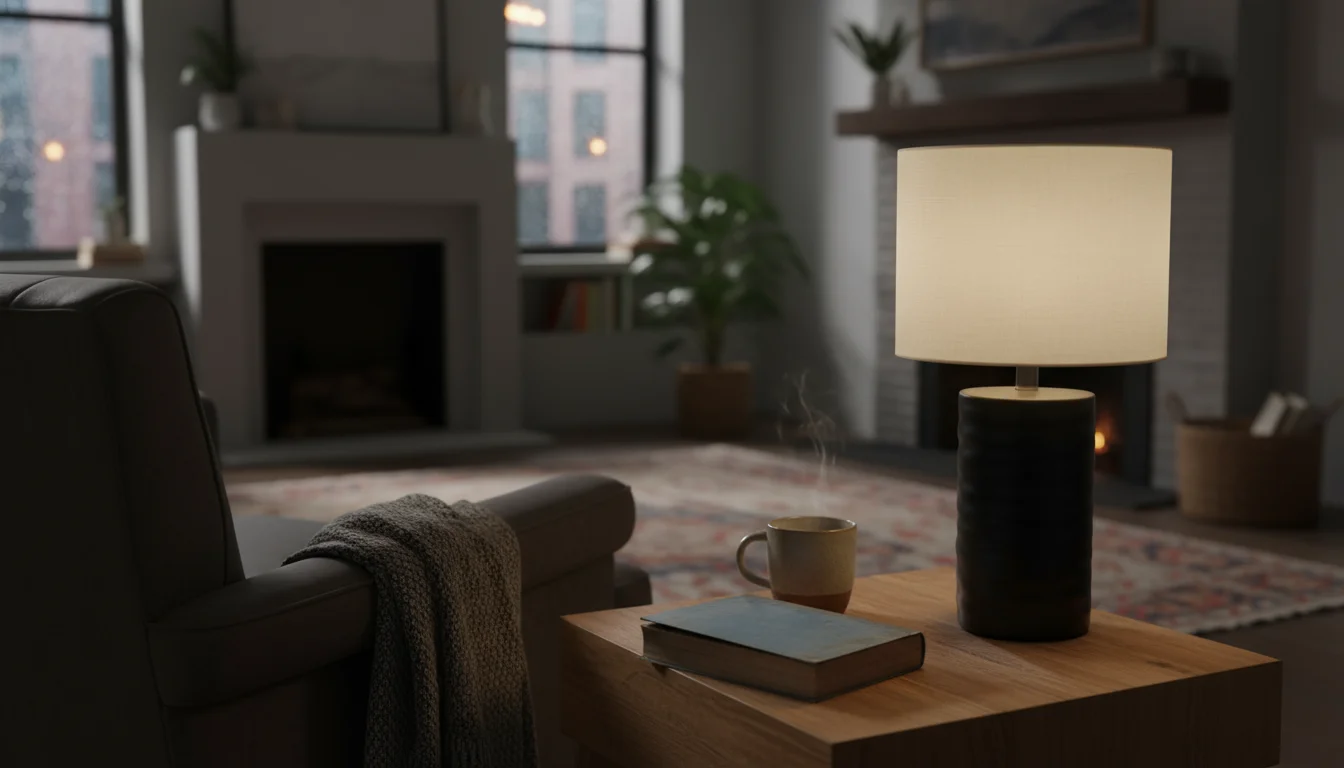
Table Lamps
Table lamps are versatile, offering task lighting on side tables and consoles, while also serving as crucial accent lights that add warmth and visual interest.
- Consider Height: Ensure the lamp height is appropriate for the table and surrounding furniture. The bottom of the shade should generally align with eye level when seated.
- Shade Material: Opaque shades direct light up and down, while translucent shades diffuse light more broadly. Choose shades that complement your room’s style and desired light output.
- Decorative Appeal: Table lamps are design elements themselves. Select bases and shades that enhance your decor. As HGTV Home frequently emphasizes, your light fixtures are not merely functional tools; they serve as critical decorative elements that enhance your room’s overall design.
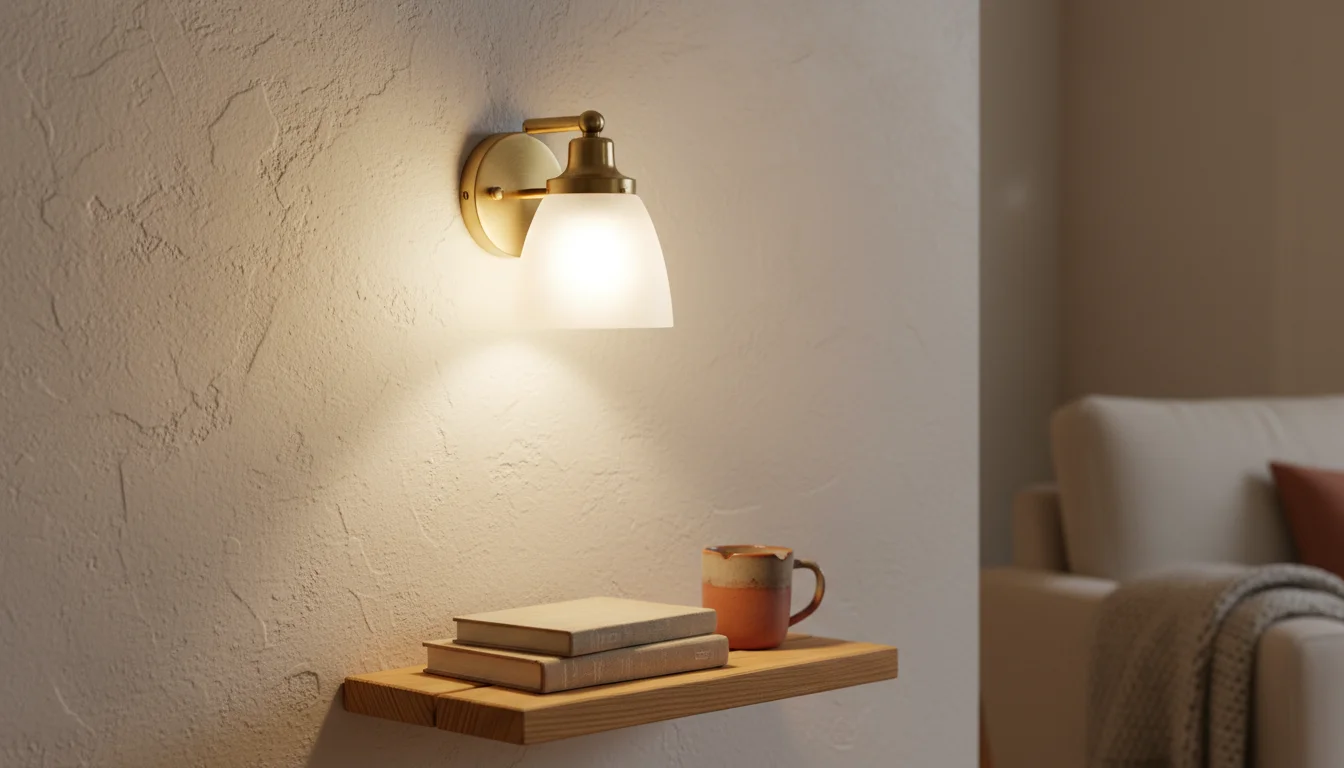
Wall Sconces
Wall sconces are excellent for adding ambient and accent lighting without taking up floor space, making them ideal for smaller living rooms or narrow hallways adjacent to the living room.
- Uplight/Downlight: Sconces that direct light upwards or downwards create dramatic shadows and highlight wall textures.
- Diffused Light: Sconces with shades provide a softer, more ambient glow.
- Placement: Install them at eye level or slightly above to create a balanced look. They work well flanking a fireplace, a piece of art, or along a long wall.
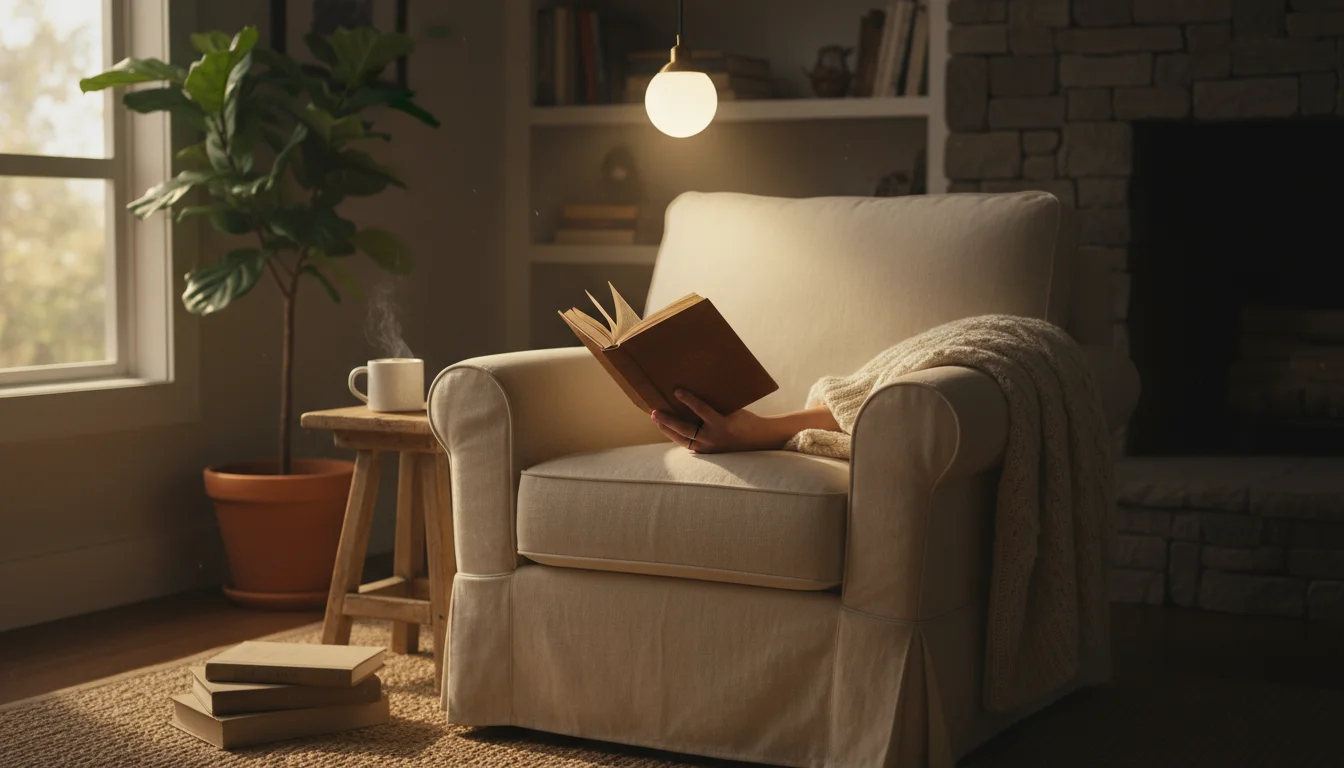
Pendant Lights
While often seen in kitchens, smaller pendant lights can work beautifully in a living room, especially over a small coffee table, a corner armchair, or even in a cluster for visual impact. They provide focused light and act as a decorative accent.
Common Lighting Mistakes to Avoid
Even with good intentions, it is easy to make lighting choices that hinder rather than help your pursuit of a cozy living room. Be mindful of these common pitfalls:
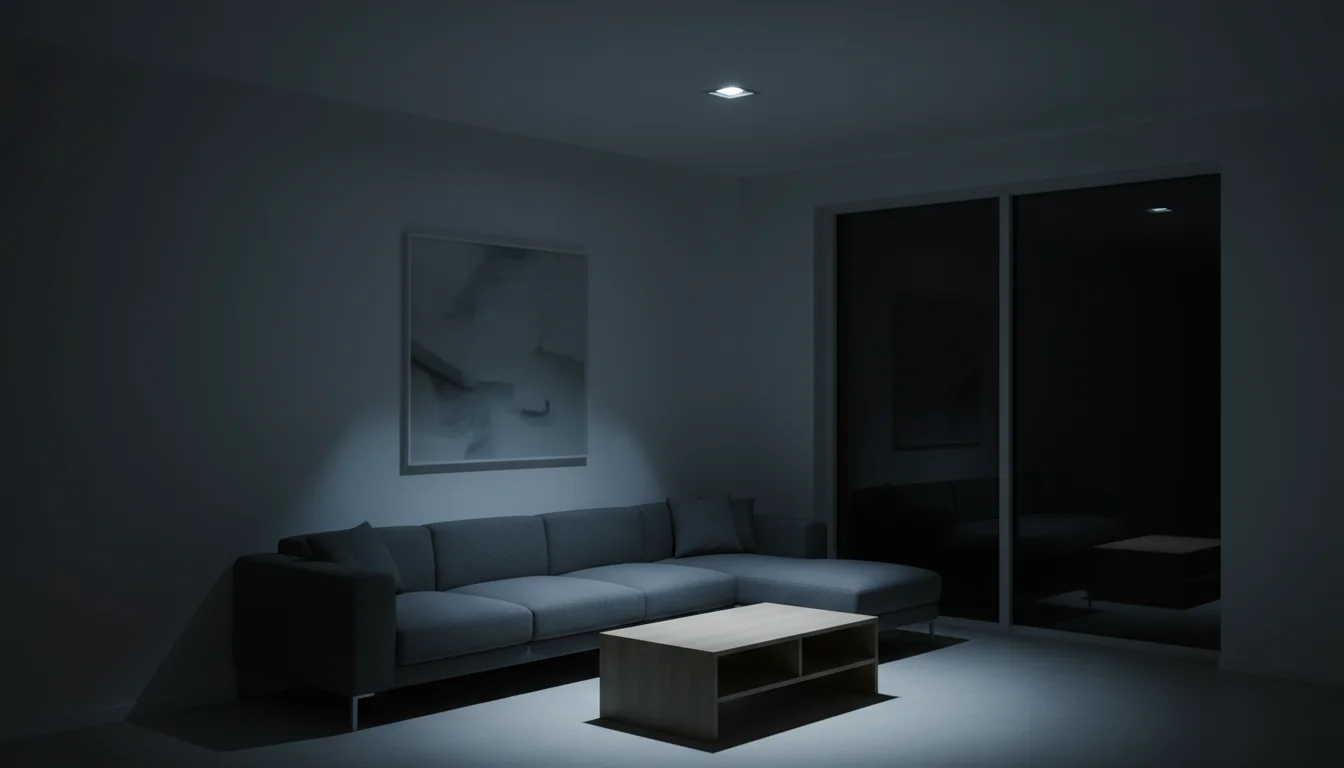
- Relying on a Single Overhead Fixture: This is the most prevalent mistake. A single light source creates a flat, harsh environment with undesirable shadows. It eliminates the ability to adjust the mood.
- Incorrect Color Temperature: Using cool, blue-toned bulbs (above 3,500K) in a living room immediately diminishes any chance of coziness, making the space feel sterile and unwelcoming.
- Ignoring Dimmers: Without dimmers, even the warmest light can feel too bright at times. Dimmers are fundamental for controlling intensity and creating adaptable moods.
- Poor Placement of Task Lighting: Placing a reading lamp too far away or at an incorrect height results in glare or insufficient light, leading to eye strain rather than comfort.
- Overlighting or Underlighting: Too much light makes a room feel clinical, while too little makes it feel gloomy. The goal is balance and the ability to adjust.
- Forgetting About Corners: Unlit corners create shadows and make a room feel smaller and less inviting. Use accent lights or small floor lamps to illuminate these often-neglected areas.
- Mismatched Styles: While variety is good, a collection of lamps that clash dramatically in style or period can make a room feel disjointed. Strive for cohesive design.
Maintaining Your Cozy Glow: Tips for Longevity
Once you have invested in your layered lighting design, a little maintenance ensures your living room remains beautifully illuminated and your fixtures last longer. Many of these tips also align with energy efficiency practices, which Energy Star consistently promotes for home appliances and lighting.
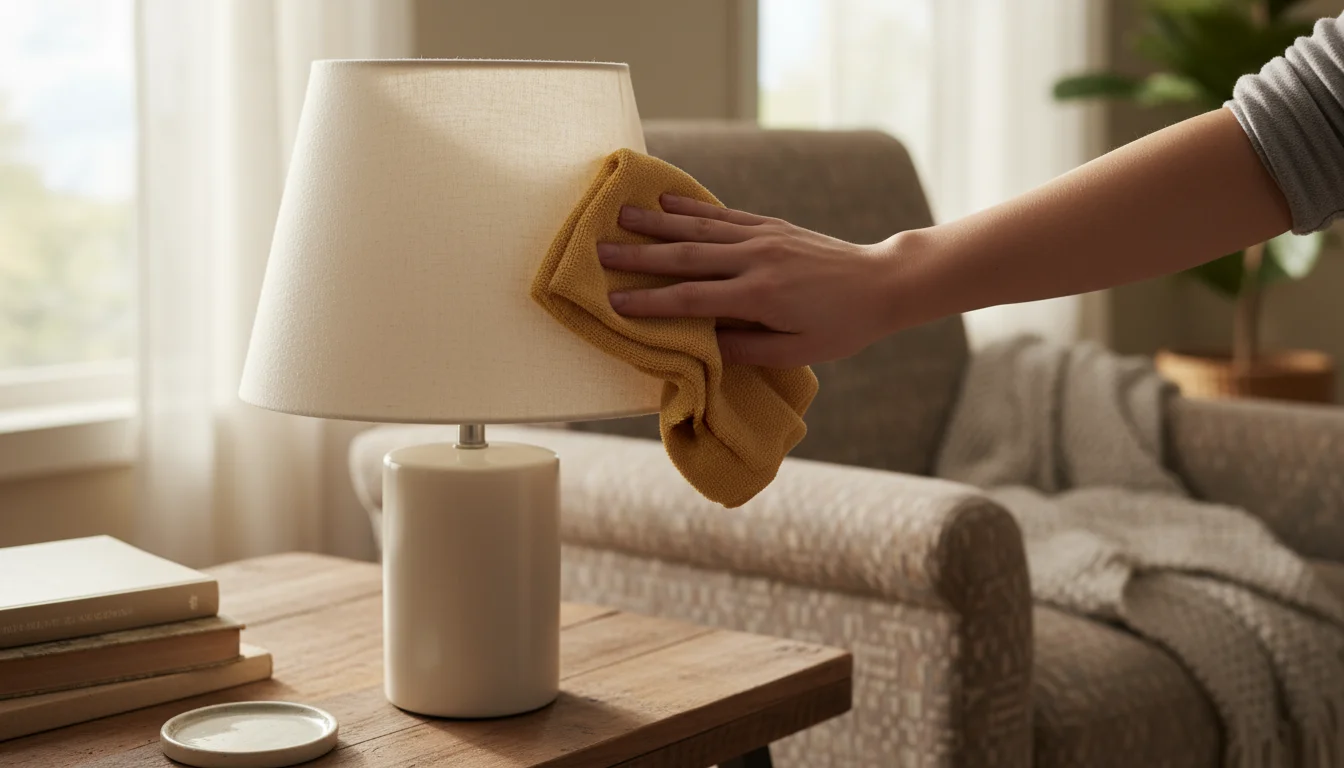
- Regular Dusting and Cleaning: Dust and dirt accumulate on bulbs and lamp shades, reducing light output and potentially altering color. Wipe bulbs gently when cool and clean shades according to their material instructions.
- Replace Bulbs Promptly: When a bulb burns out, replace it with one of the same color temperature and wattage to maintain consistency in your lighting scheme.
- Check Wiring and Cords: Periodically inspect lamp cords for fraying or damage, especially if lamps are often moved. Ensure plugs fit securely into outlets.
- Optimize for Energy Efficiency: Replace old incandescent bulbs with energy-efficient LED alternatives. LEDs consume significantly less power and last much longer, saving you money and reducing your environmental footprint.
- Mind the Dimmers: Ensure your bulbs are compatible with dimmer switches. Using non-dimmable bulbs on a dimmer can cause flickering, buzzing, or premature bulb failure.
- Strategic Placement for Longevity: Avoid placing lamps in direct sunlight where their shades might fade, or in high-traffic areas where they could easily be knocked over.

Frequently Asked Questions
What is the ideal wattage for a living room lamp?
There is no single “ideal” wattage, as it depends on the bulb type and the lamp’s purpose. For LED bulbs, look at the lumen output. For ambient light, you might aim for the equivalent of a 60-75 watt incandescent bulb (around 800-1100 lumens). For task lighting, a brighter equivalent of 75-100 watts (1100-1600 lumens) can be appropriate. Always check the maximum wattage or lumen rating for your specific fixture.
Can I mix different types of light fixtures in one living room?
Absolutely, mixing fixtures is the essence of layered lighting. You should combine overhead lights, floor lamps, table lamps, and wall sconces. The key is to maintain a consistent color temperature across all your bulbs for a cohesive and cozy feel, even if the fixtures themselves vary in style. Ensure each type of light serves one of the three layers: ambient, task, or accent.
How do I make my living room feel cozier with existing lighting?
Start by installing dimmer switches on your overhead lights. This single change gives you immediate control over intensity. Next, add a few table or floor lamps with warm white bulbs (2200K-2700K). Focus on placing these lamps in corners or next to seating to create pools of inviting light. Even battery-operated LED candles can add a significant amount of warmth and charm without needing new wiring.
Is smart lighting worth the investment for a cozy living room?
Yes, smart lighting offers significant benefits for creating a cozy living room. Smart bulbs and plugs allow you to control brightness, color temperature (with tunable bulbs), and even create schedules or scenes from your phone or voice assistant. This flexibility means you can effortlessly switch from a bright setting for daytime activities to a dim, warm glow for a relaxed evening, maximizing your comfort and control over the ambiance.
For expert home organization guidance, visit
EPA — Indoor Air Quality,
Energy Star,
CDC — Cleaning and Disinfecting and
American Cleaning Institute.
Disclaimer: This article is for informational purposes only and is not a substitute for professional advice. Consult professional organizers or specialists for personalized recommendations.
Defining these zones effectively often involves knowing how to arrange furniture for maximum coziness to complement your light sources.
To make the space even more inviting, pair your task light with one of the best throw blankets for maximum coziness.
Remember that light interacts with your walls, so learning how to choose the perfect paint color for a cozy room will further enhance your lighting design.
Leave a Reply