

You sit on your sofa, wrap a thick blanket around your shoulders, and glance at the thermostat. It reads an objective 70 degrees; yet, a phantom chill makes the living room feel ten degrees colder. Paying for heat you cannot actually feel is deeply frustrating. Heating accounts for the lion’s share of home energy use, and turning up the dial every time a draft rolls in creates skyrocketing utility bills without solving the underlying problem.
Beyond structural changes, there are many budget-friendly ways to make your living room cozier as the weather begins to turn.
For a more comprehensive approach to the season, following a room-by-room winterizing guide can help you identify every weak point in your home’s envelope.
Before you bump the thermostat higher, you need to understand how heat operates in your home. Heat constantly seeks equilibrium—it naturally moves from warm areas to cold areas. If your home has air leaks, poorly insulated floors, or exposed glass panes, your expensive warm air is rushing outside while the cold outdoor air seeps inside. You can stop this cycle. Using a mix of physical insulation tactics, strategic furniture placement, and psychological design tricks, you can create a highly energy efficient warmth that transforms a drafty space into a comfortable retreat.
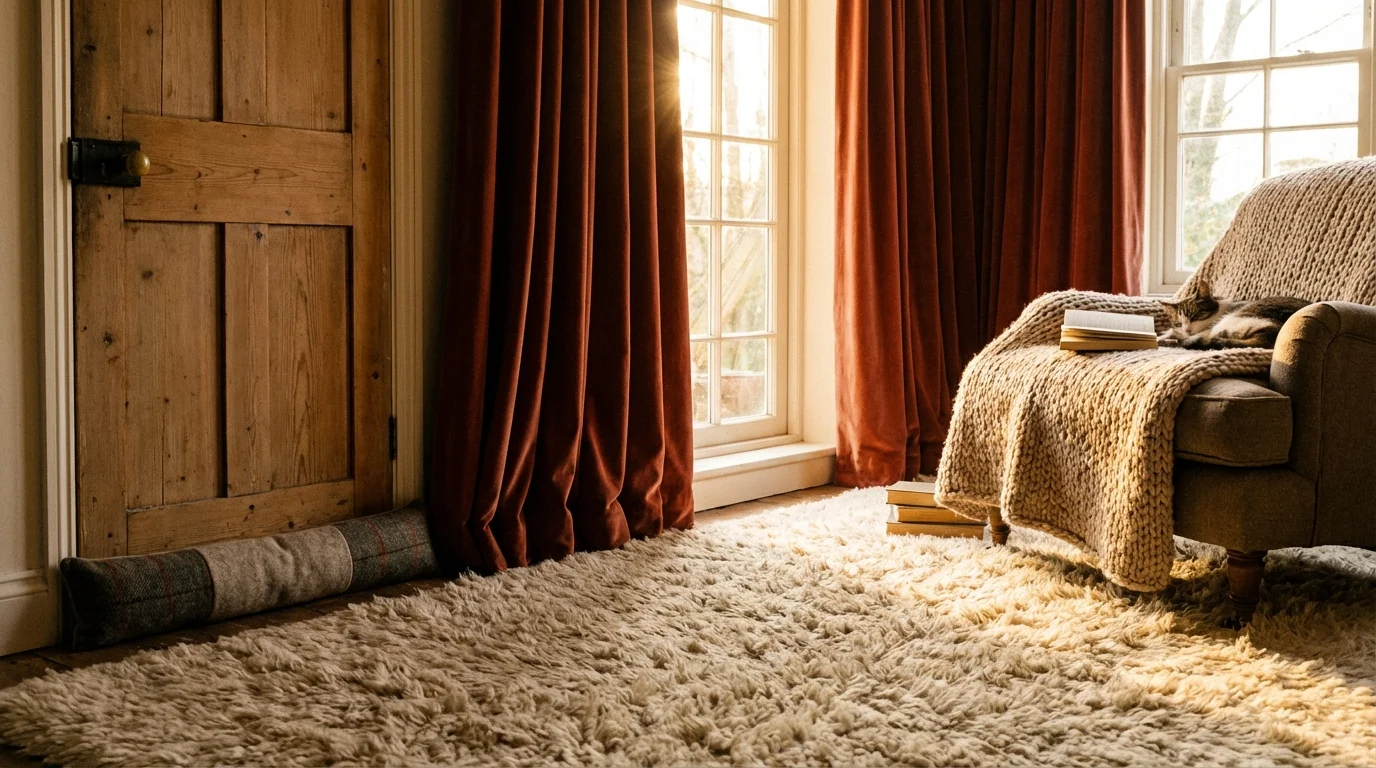
At a Glance: Quick Ways to Capture Heat
- Stop the invisible leaks: Use weatherstripping and draft snakes to block cold air at the source.
- Layer your windows: Combine cellular shades with heavy curtains to trap insulating air against cold glass panes.
- Insulate your floors: Add thick, wool-blend area rugs over bare hard surfaces to block rising cold.
- Manage your airflow: Reverse your ceiling fan to push trapped warm air down from the ceiling.
- Trick your senses: Use warm-toned lighting and heavily textured fabrics to increase perceived psychological warmth.
The Invisible Intruders: Hunting Down and Sealing Air Leaks
You cannot warm a room effectively if cold air pours in through structural gaps. Even tiny cracks around window sashes and door frames accumulate into a massive energy drain; in some homes, these gaps equate to leaving a medium-sized window wide open 24 hours a day.
To gain even better control over your home’s climate, consider learning how to install a smart thermostat for automated efficiency.
Implementing these simple steps is the first phase in learning how to reduce your home’s energy bills through smarter heat management.
To find these invisible leaks, perform a simple diagnostic test on a windy day. Light a candle or an incense stick and slowly trace the perimeter of your windows, doors, baseboards, and wall outlets. When the flame flickers wildly or the smoke blows horizontally into the room, you have located a draft. Once you pinpoint the leaks, you can seal them using highly targeted methods.
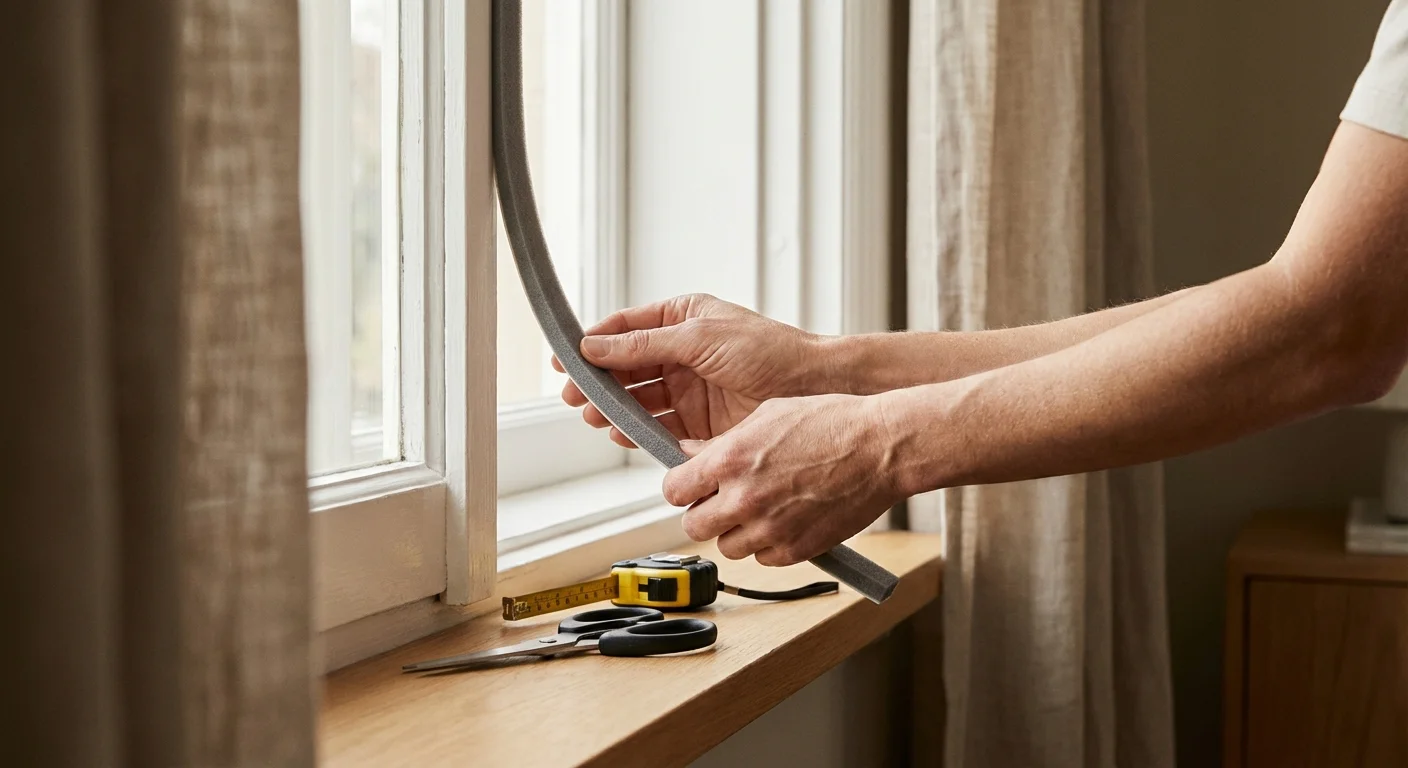
Weatherstripping offers the best defense for moving parts like window sashes and door jambs. You can choose from several varieties based on your needs:
- V-Strip (Tension Seal): Ideal for the sides of double-hung or sliding windows. This plastic or metal strip folds into a “V” shape that springs open to fill gaps perfectly.
- Felt: A low-cost option for areas with minimal friction. Felt comes in rolls and staples easily into place, though it degrades faster than synthetic options.
- Foam Tape: Backed with heavy adhesive, foam tape compresses to fill irregular gaps around door frames. Clean the surface with rubbing alcohol before applying to ensure a permanent bond.
For the gap at the bottom of your doors, install a rigid door sweep. A sweep attaches directly to the bottom edge of the door, featuring a rubber or bristle fin that drags tightly against the threshold. If you rent your home and cannot drill into the door, use a heavy fabric draft stopper—often called a “door snake”—to physically block the bottom gap.
“Sealing air leaks around your home and adding insulation are two of the most cost-effective ways to improve energy efficiency and comfort in your home.” — Energy Star Program
Dress Your Windows for the Season
Glass conducts heat incredibly well, making your bare windows the weakest thermal link in your home. A single pane of glass offers an insulation R-value of just 1.0, effectively acting like an ice pack radiating cold into your living space. To combat this, you need to create pockets of dead air between the cold glass and your warm room.
Start by harnessing the sun’s natural energy. Leave your south-facing and west-facing window coverings wide open during peak daylight hours. Passive solar heating provides entirely free energy, warming your floors and furniture. The crucial step happens at dusk: the moment the sun dips below the horizon, close every window treatment tightly to trap that harvested heat indoors.
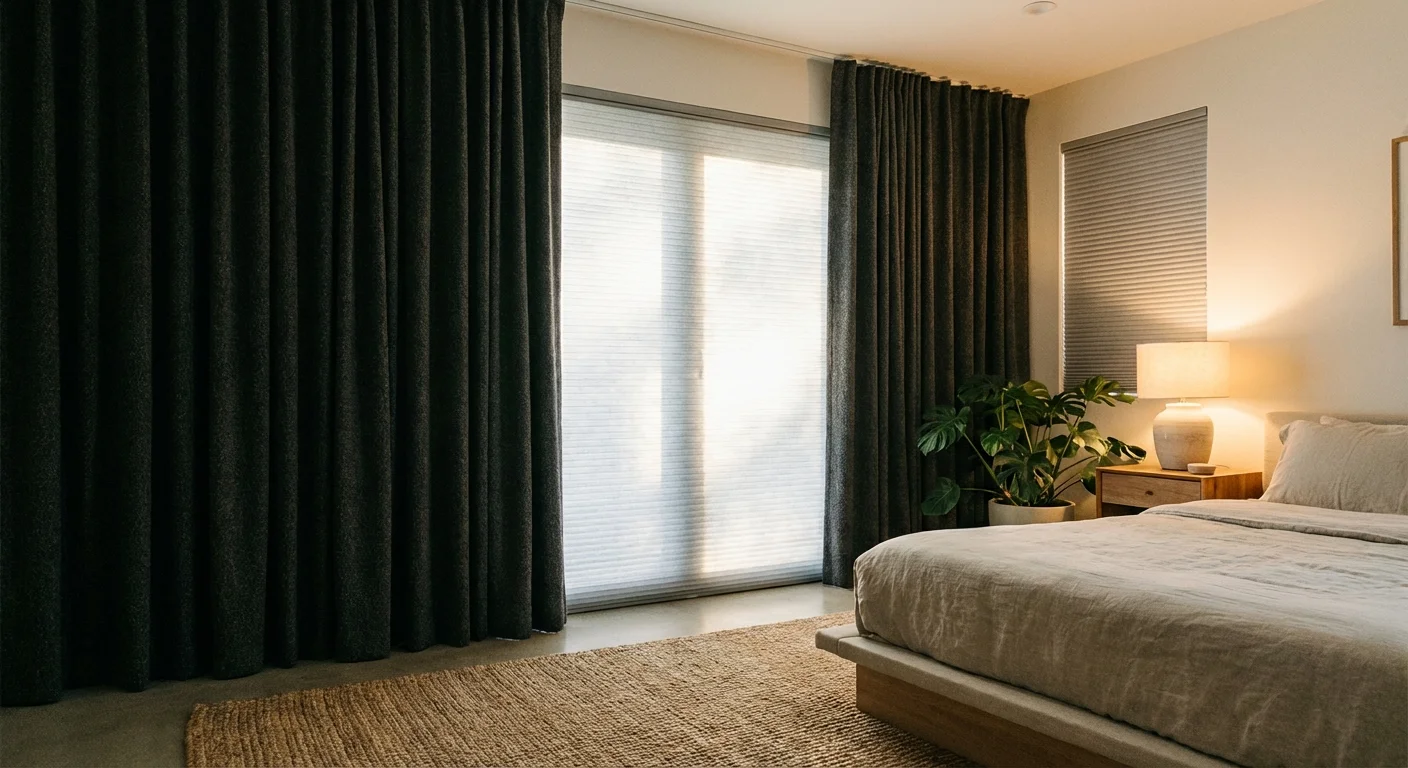
Layering your window treatments multiplies their insulating power. Use the table below to determine the best thermal barriers for your space.
| Treatment Type | How It Works | Insulating Power | Best Use Case |
|---|---|---|---|
| Cellular Shades | Honeycomb-shaped chambers trap air, preventing thermal transfer. | High (Excellent R-value) | Directly inside the window frame for maximum draft reduction. |
| Thermal Curtains | Heavy fabric backed with a dense acrylic foam layer blocks cold and reflects room heat back inward. | High | Hung high and wide over existing shades to seal the entire window casing. |
| Window Insulation Film | A clear plastic shrink-wrap applied over the window frame, creating a large, airtight barrier. | Medium | Drafty historic homes or rental properties where replacing windows is impossible. |
| Standard Heavy Drapes | Thick materials like velvet or wool create a physical barrier against cold radiation. | Low to Medium | Adding aesthetic warmth and mild draft protection in moderate climates. |
Create a Thermal Barrier on Your Floors
Heat naturally rises, which leaves your floors constantly fighting off the coldest air in the room. Uninsulated hardwood, tile, or concrete floors drain heat directly from your body upon contact. When your feet feel cold, your vascular system constricts blood flow, causing your entire body to feel chilled regardless of the actual room temperature.
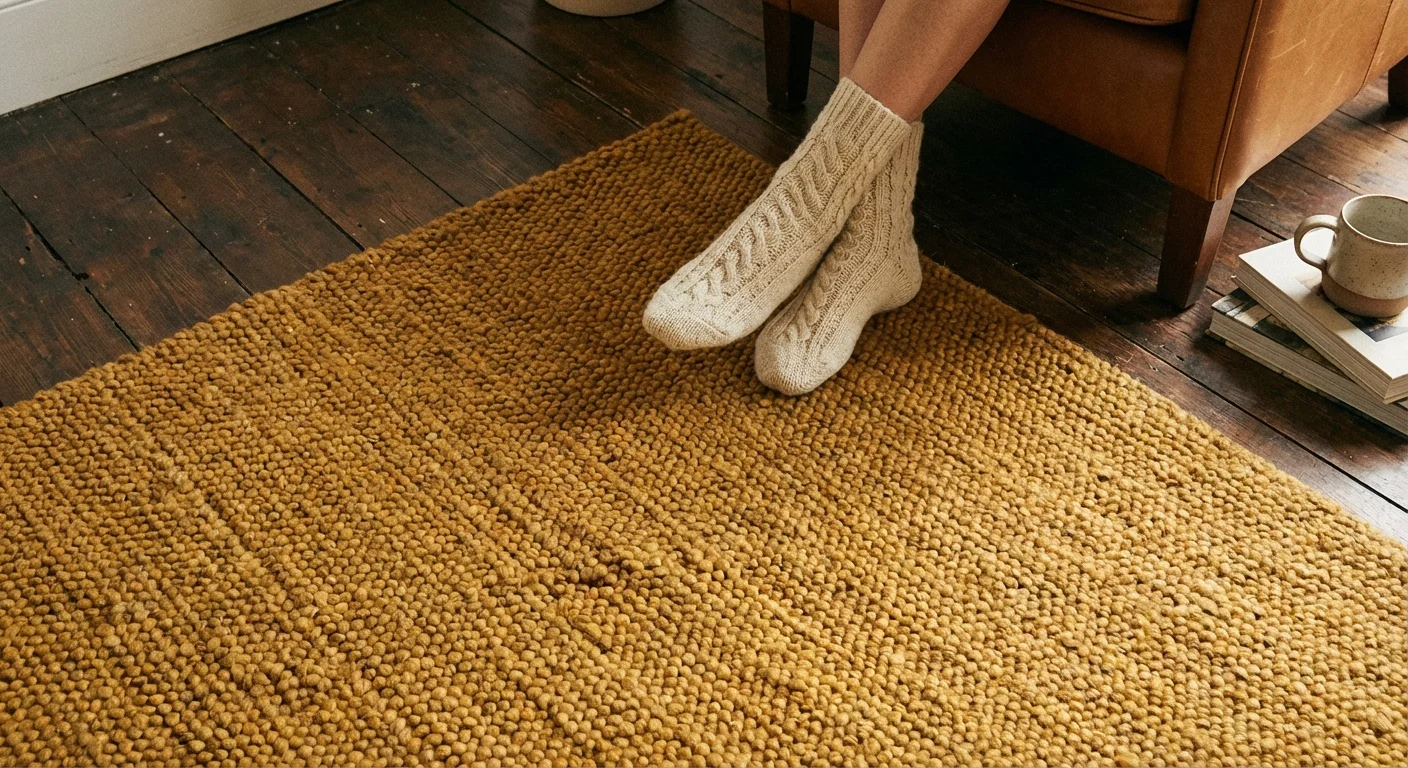
Area rugs act as massive thermal blankets for your room. To maximize their effectiveness, focus on the material and the underlayment. Synthetic rugs offer durability, but natural wool provides superior insulation. Wool fibers contain natural crimps that trap microscopic pockets of air, stopping cold air from rising through the floorboards while retaining ambient room heat.
Do not skip the rug pad. A bare rug resting on hardwood provides minimal insulation. Place a quarter-inch or half-inch dense felt rug pad beneath your area rug. This unseen layer dramatically increases the R-value of the floor covering, softens the impact on your joints, and significantly reduces the chill radiating from the subfloor.

Rethink Your Furniture Layout for Optimal Airflow
Sometimes, the secret to a warm room without heating lies in simply moving your sofa. Take a critical look at your room’s layout. Is a large bookshelf, a low profile sofa, or a heavy bed frame parked directly over a heating register or pushed tight against a baseboard radiator?
Solid furniture absorbs heat. If your sofa sits directly over a floor vent, your furnace is spending energy warming the bottom of your couch rather than the air you breathe. Pull all heavy furniture at least ten inches away from heating sources to allow the warm air to circulate freely into the center of the room.
Furthermore, avoid placing your primary seating directly against exterior walls. Exterior walls naturally radiate cold. By pulling your armchair or bed just a few feet toward the interior of the room, you physically distance yourself from the cold zone. This subtle shift in placement keeps you inside the room’s warm air envelope.
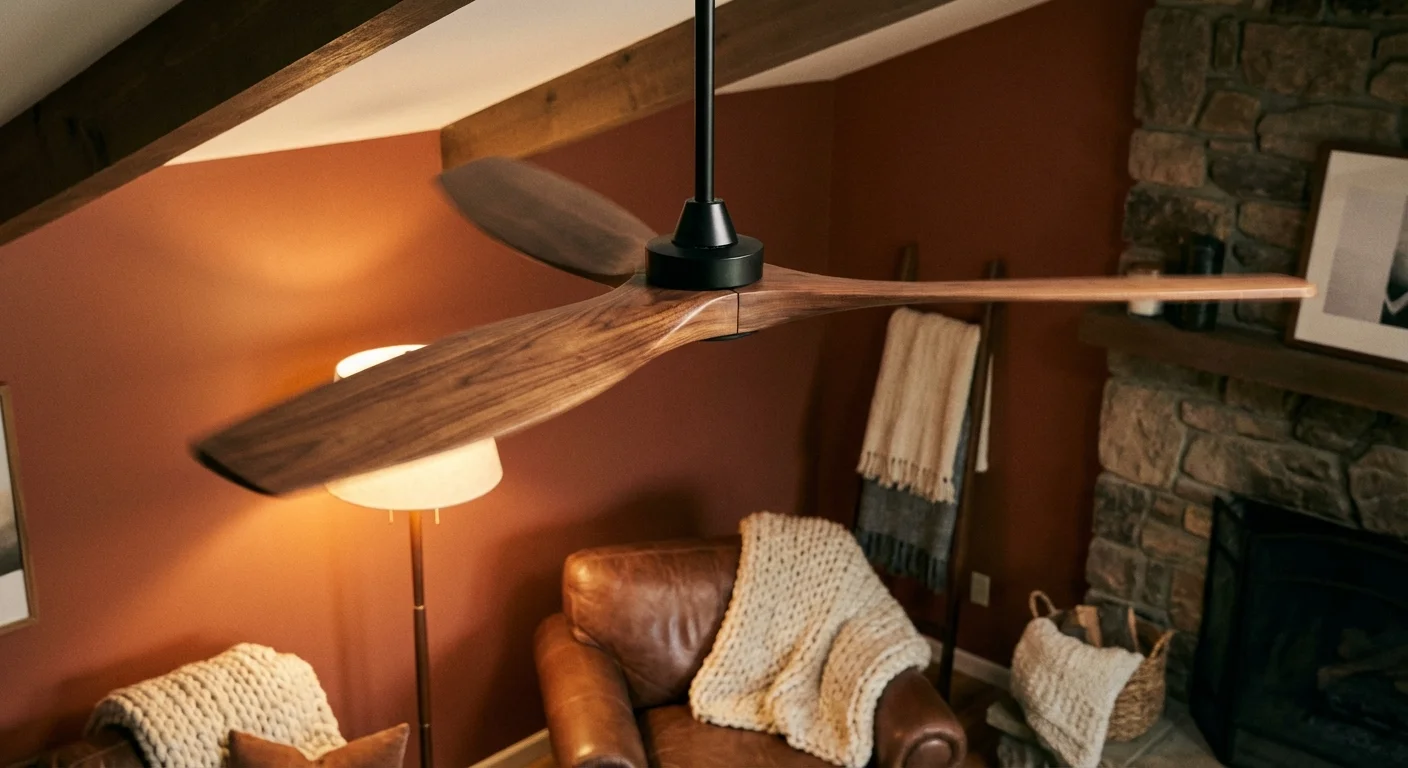
The Ceiling Fan Trick You Need to Use
We typically associate ceiling fans with humid summer afternoons, but they serve as a vital tool for winter comfort. Because warm air is less dense than cold air, it rises to the highest point in your room. In a space with standard eight-foot ceilings—and especially in rooms with vaulted ceilings—the warmest air remains trapped completely out of reach while you sit shivering on the sofa.
You can reclaim this trapped heat with a simple switch. Locate the directional toggle switch on the motor housing of your ceiling fan. Flip the switch so the blades rotate clockwise. Turn the fan on the absolute lowest speed setting.
As the blades turn clockwise on low, they draw cold air up from the floor, forcing the trapped layer of warm air at the ceiling to gently cascade down the walls and back into your living space. This continuous, slow circulation homogenizes the room’s temperature, instantly making the space feel warmer without causing a cooling wind-chill effect on your skin.
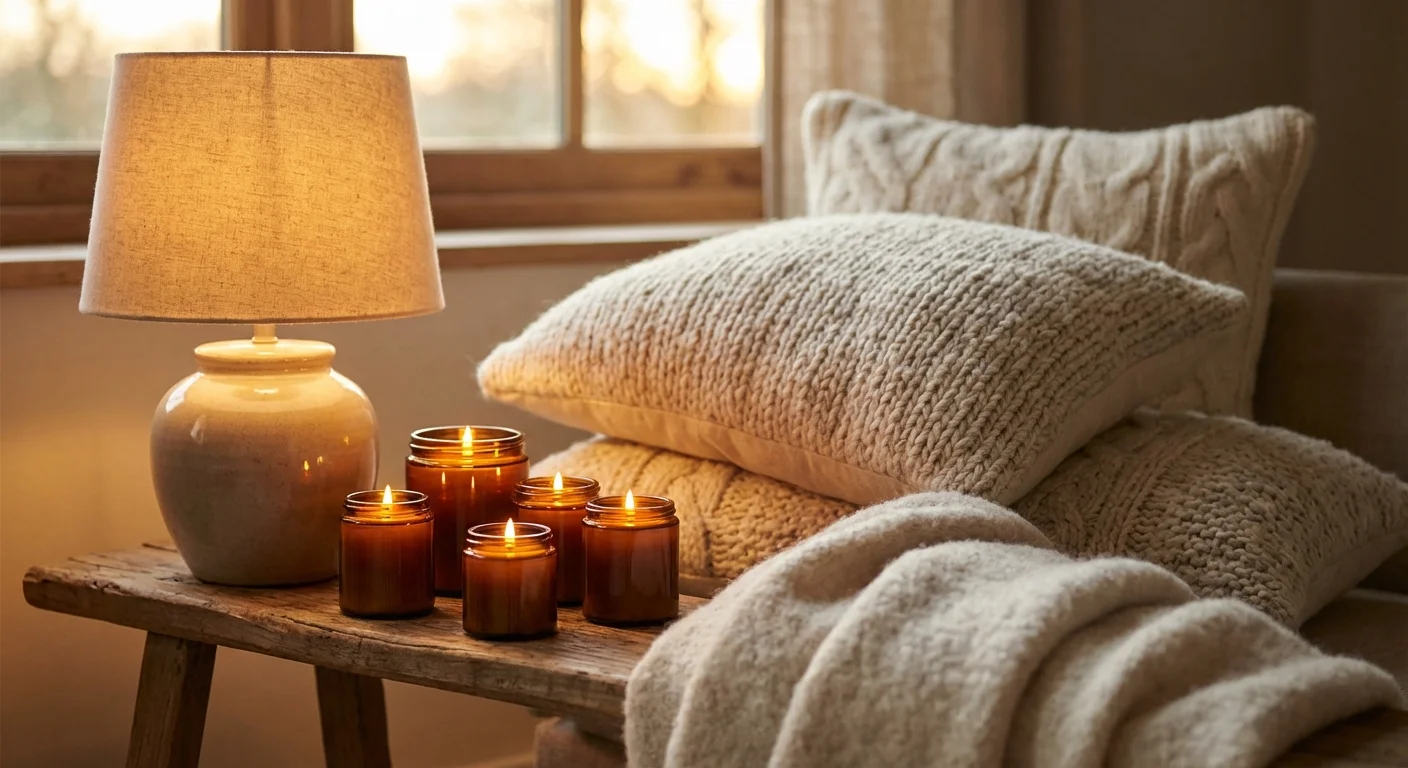
Warm Home Decor Ideas: Trick Your Senses
Physical temperature only tells half the story of home comfort; psychological perception dictates the rest. The visual cues in your environment tell your brain how to feel. If a room features stark white walls, harsh blue lighting, and smooth metal surfaces, you will perceive the space as cold. You can manipulate these visual cues to make the room feel much warmer.
Master Warm Lighting
Light temperature is measured in Kelvins (K). Bulbs rated at 4,000K or higher emit a crisp, blue-toned light that mimics an overcast winter sky. To foster a sense of warmth, replace your living room and bedroom bulbs with soft-white or warm-white LEDs rated between 2,700K and 3,000K. This spectrum mimics the amber glow of a traditional incandescent bulb or a crackling fire. Use multiple low-wattage table and floor lamps rather than a single harsh overhead light to create pools of inviting warmth throughout the space.
Layer Heavy Textures
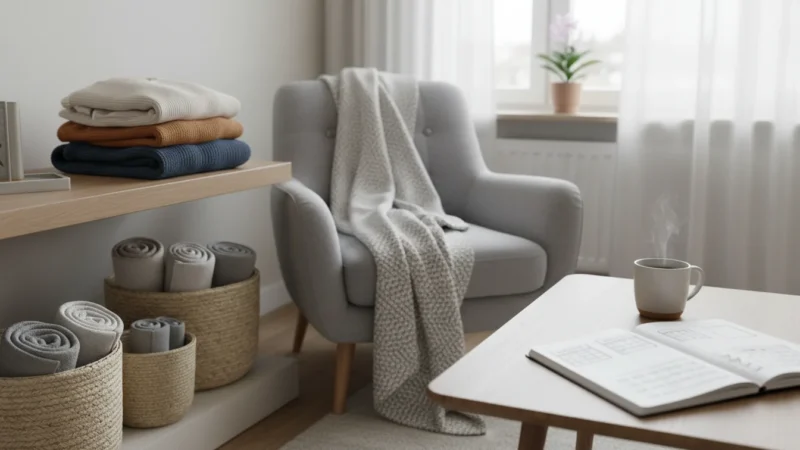
Smooth surfaces look and feel cold. To soften a room, drape heavily textured textiles over your furniture. Swap out crisp linen throw pillows for covers made of velvet, boucle, or faux fur. Keep chunky knit blankets easily accessible on the arms of your chairs. These materials physically warm you when used, but their mere visual presence softens the room’s aesthetic, signaling comfort and heat to your brain.
“Adding layers of texture is the quickest way to make a room feel warm and inviting. Think chunky knit blankets, velvet pillows, and plush rugs that absorb sound and insulate the space.” — Apartment Therapy Editorial Team
Utilize Warm Color Palettes
You do not need to paint your entire room bright red to achieve warmth, but introducing warm-toned accents changes the perceived climate of the space. Integrate elements of terracotta, mustard yellow, burnt orange, or deep chocolate brown through artwork, curtains, or accent rugs. These earthy hues advance toward the eye, making large, cavernous rooms feel more intimate and snug.
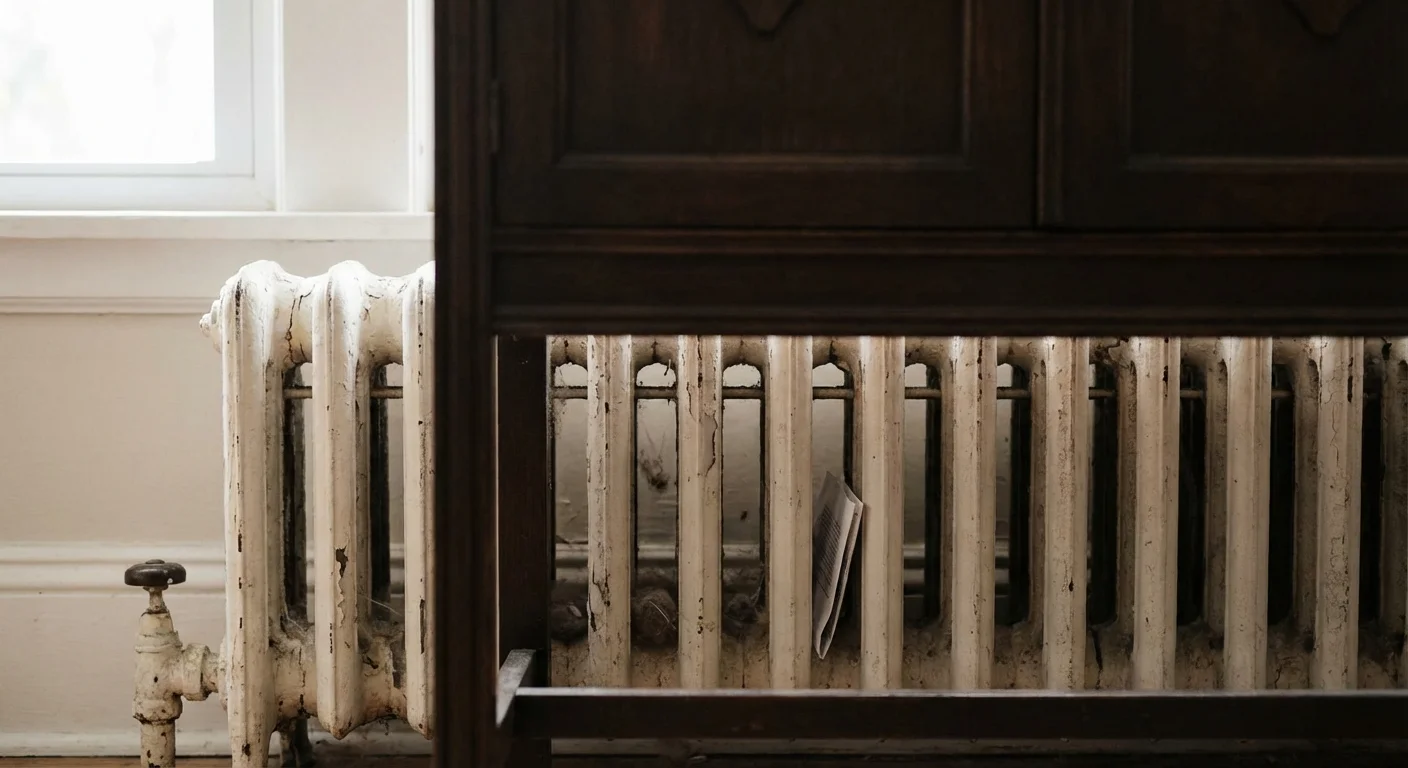
What Can Go Wrong
When implementing these insulating strategies, you must remain mindful of the balance between trapping heat and maintaining a healthy home ecosystem. Trying to hermetically seal your living space can introduce unexpected problems.
Moisture Traps and Mold: Heavy thermal curtains pressed tightly against cold window panes create a perfect environment for condensation. As warm, moist indoor air slips behind the curtain and hits the freezing glass, it turns into water droplets. If left unchecked, this moisture rots wooden window sashes and breeds black mold. To prevent this, pull your thermal curtains open every morning. Wipe down any condensation on the glass with a dry microfiber cloth and allow the window frame to breathe during daylight hours.
Fire Hazards: Moving furniture away from baseboard heaters is crucial, but you must also monitor your window treatments. Ensure your long drapes do not pool over electric baseboard heaters or block floor vents, which creates a significant fire hazard and damages your HVAC system by forcing it to work against extreme static pressure.
Over-Sealing the Home: Older homes were designed to “breathe” through structural gaps. If you aggressively caulk and weatherstrip every millimeter of an older house without proper mechanical ventilation, you trap indoor air pollutants, cooking fumes, and carbon monoxide inside. Ensure your kitchen and bathroom exhaust fans vent completely out of the house, and always maintain your carbon monoxide detectors.
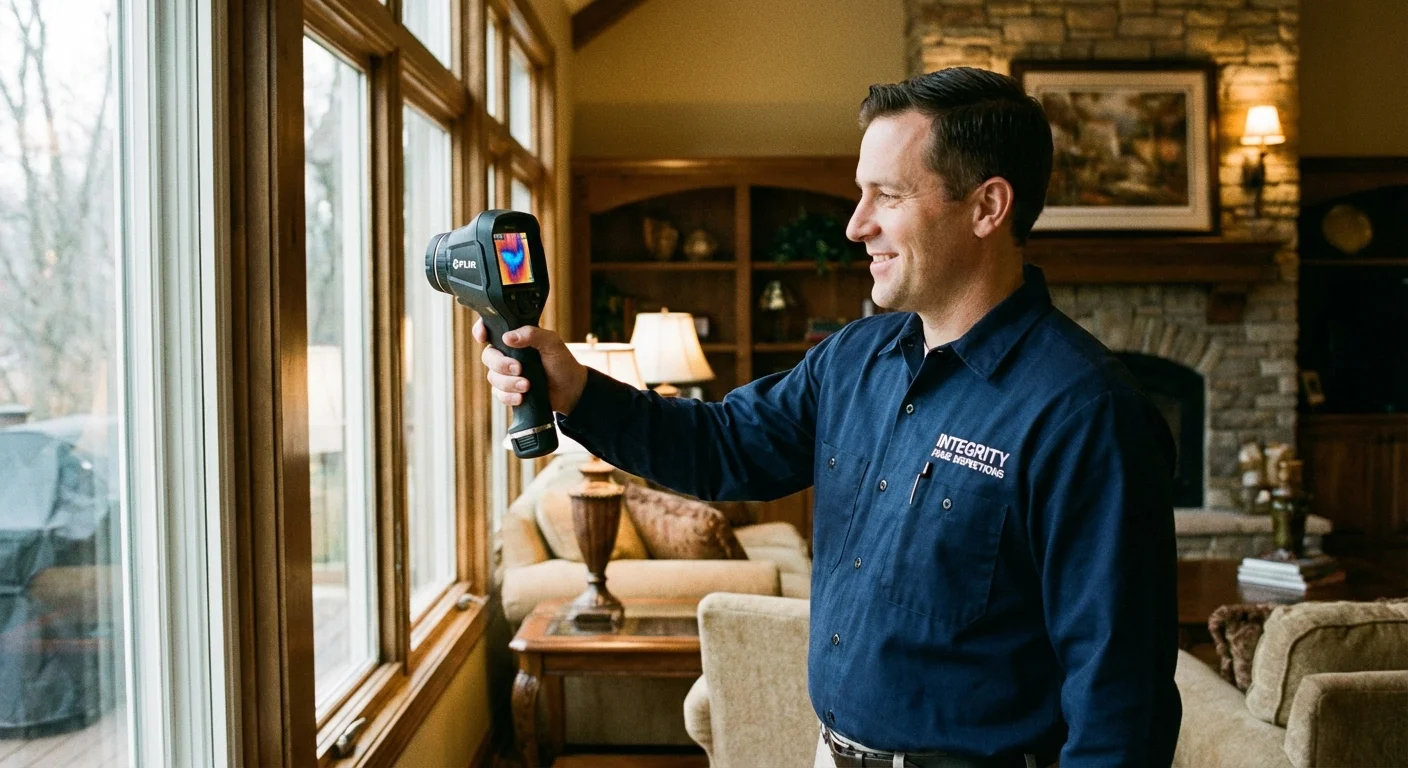
When to Call a Professional
DIY solutions work wonders for general comfort, but severe temperature imbalances usually point to underlying structural or mechanical failures that require expert intervention. Consider hiring a professional contractor or an energy auditor if you encounter the following scenarios:
- Chronically Cold Rooms: If one specific room remains freezing despite your best efforts while the rest of the house is warm, you likely have ductwork issues. A professional HVAC technician can check for disconnected ducts, install zone dampers, or balance the system’s airflow.
- Ice Dams on the Roof: If thick ridges of ice form along your roof’s eaves in the winter, heat is escaping through your ceiling. This indicates severely degraded or entirely missing attic insulation. An insulation contractor can blow in cellulose or fiberglass to stop the massive heat hemorrhage.
- Rattling Window Sashes: Weatherstripping cannot fix a window frame that has completely rotted or warped. If you can physically shake the glass panes within their casing, or if daylight shines visibly through the frame joints, you need a carpenter to repair or fully replace the window units.
Frequently Asked Questions
What is the most energy-efficient way to warm a single room?
Zonal heating combined with closed doors yields the best results. Keep the door to the room shut to trap the air. Use an energy-efficient oil-filled radiator space heater to warm that specific zone, while lowering the thermostat for the rest of the central house system.
Do draft stoppers really save money?
Yes. While they seem overly simple, a $15 fabric draft stopper placed at the bottom of a leaky exterior door prevents massive amounts of cold air intrusion. The return on investment usually pays off within the first few months of the winter season.
How can I warm up a room with high ceilings?
High ceilings exacerbate heat loss because all the warm air settles far out of reach. Run your ceiling fan clockwise on low to push the air down. Additionally, visually lower the ceiling by hanging curtains slightly above the window frame rather than at the very top of the wall, and use tall, warm-toned artwork to draw the eye downward.
Will hanging blankets on the walls keep the room warmer?
Yes, thick tapestries and quilted wall hangings add an extra layer of insulation against exterior walls. They slow the transfer of cold radiating from the drywall into the room and help absorb sound, making the space feel instantly cozier.
Small adjustments to your home’s envelope and interior design yield massive improvements in your daily comfort. By identifying sneaky air leaks, trapping the heat you already have, and surrounding yourself with visually warm textures, you stop fighting against the cold and start outsmarting it. Take an afternoon to apply weatherstripping to your draftiest window or finally lay down that plush wool rug. You will immediately notice the difference in the air quality and the warmth on your skin, allowing you to enjoy a genuinely cozy home without ever touching the thermostat.
The tips in this article are meant as general guidance. Your specific situation—including your home’s age, layout, and local building codes—may require different approaches. When in doubt, consult a professional.
Last updated: February 2026







Leave a Reply