

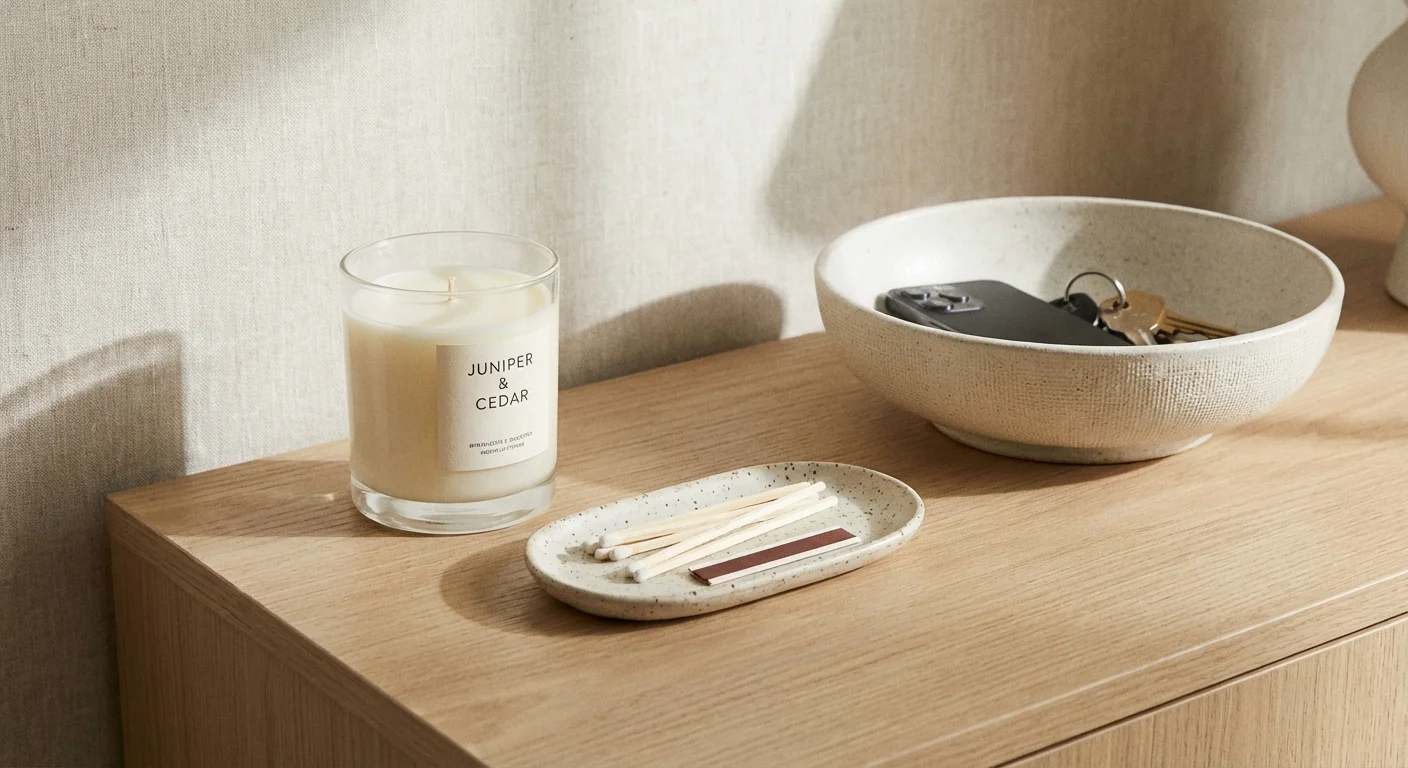
Walk through the front door of your home, drop your keys on the console table, and take a deep breath. What do you smell? Most homeowners invest significant time and budget into visual aesthetics—selecting the perfect throw pillows, painting accent walls, and arranging gallery displays—but often overlook the profound impact of invisible design. Scent acts as a powerful anchor for human emotion; it dictates how a room feels the moment you cross the threshold.
This sensory approach is a fundamental part of Hygge home design, where the goal is to create a sanctuary from the outside world.
The olfactory bulb in your brain connects directly to the amygdala and hippocampus, the regions responsible for emotion and memory. This biological hardwiring explains why the scent of fresh pine immediately transports you to a winter forest, or why the aroma of baking bread makes a stark kitchen feel instantly warm. By intentionally curating your home’s fragrance profile, you gain a remarkable tool for altering the mood, energy, and comfort level of your living spaces.
At a Glance: The Essentials of Olfactory Design
- Neutralize before you scent: Masking bad odors with heavy perfumes creates an unpleasant clash. Always address the source of baseline odors first.
- Match the scent to the room’s function: Energizing citrus fits the kitchen; calming lavender suits the bedroom.
- Vary your delivery methods: Combine passive systems like reed diffusers with active systems like candles for a layered effect.
- Mind the ingredients: Opt for natural waxes and high-quality essential oils to maintain healthy indoor air quality.
The Science of Scent and Emotion
Before you begin placing candles and diffusers around your floor plan, understanding how fragrance families influence human psychology helps you make deliberate choices. Perfumers and aromatherapists categorize scents into primary families, each offering a distinct psychological benefit.
Mastering these olfactory cues is a key step in bringing Danish coziness to your home for a more grounded lifestyle.
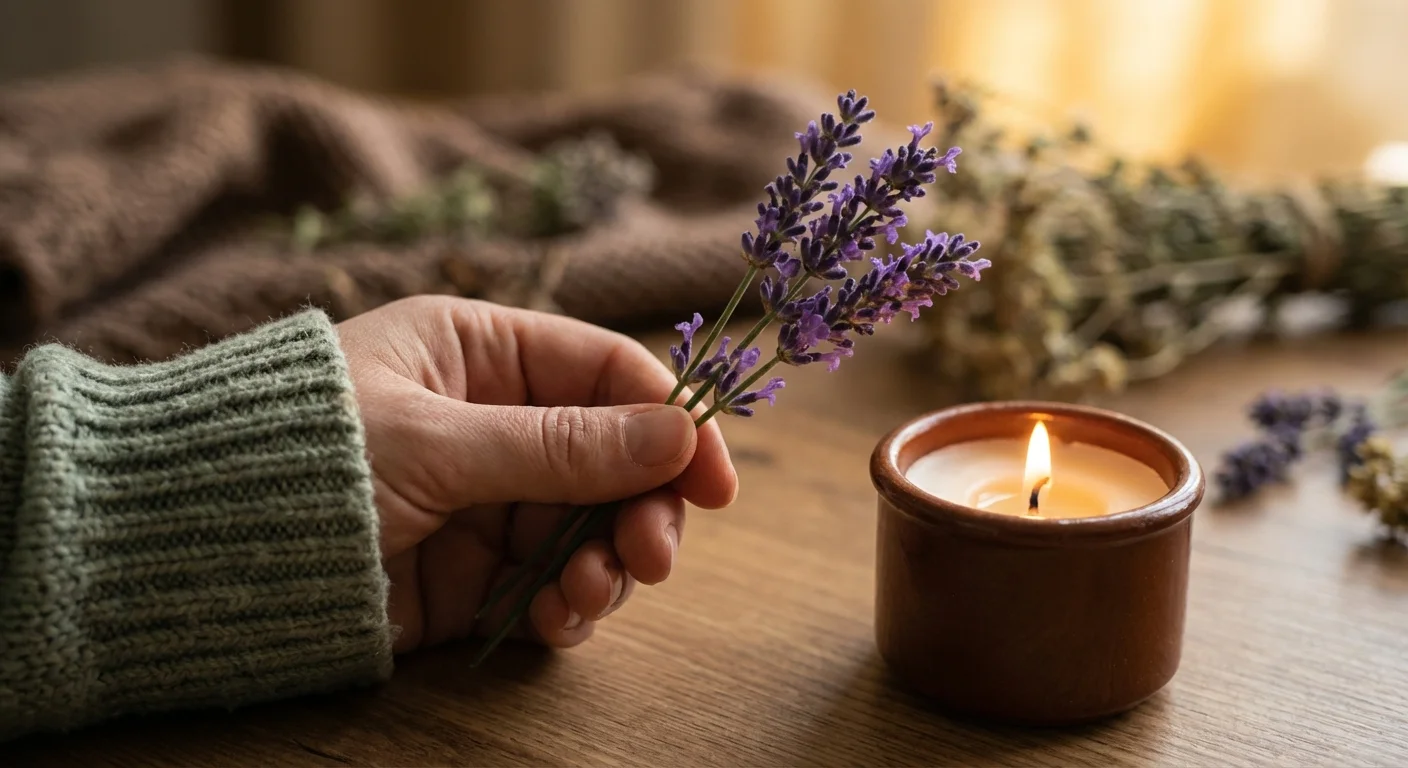
Woody and Earthy: Scents like cedarwood, sandalwood, vetiver, and patchouli ground the mind. They mimic the experience of being in nature, reducing stress and promoting a feeling of stability. These are foundational elements for establishing a cozy home smell in lounging areas.
Floral: Rose, jasmine, geranium, and ylang-ylang introduce elegance and softness. While heavy florals can overpower small spaces, light floral notes promote relaxation and reduce anxiety.
Fresh and Citrus: Lemon, grapefruit, bergamot, and sweet orange are energetic and uplifting. They signal cleanliness and vitality, making them perfect for active spaces or morning routines.
Spicy and Gourmand: Vanilla, cinnamon, clove, and nutmeg evoke feelings of warmth, nostalgia, and comfort. These scents physically make a room feel warmer to our senses, which is why they dominate the autumn and winter months.
“The way your home smells is just as important as how it looks. Fragrance is the invisible design element that brings a room together, dictating the energy of the space before your eyes even adjust to the lighting.” — Clean Living & Organization Research
A Room-by-Room Guide to Scent and Ambiance
A common mistake in olfactory design involves using one overpowering scent throughout the entire house. Just as you paint different rooms different colors based on their purpose, you should tailor your fragrances to the function of each space. This creates a dynamic sensory experience as you move through your home.
While fragrance is vital, combining it with other budget-friendly ways to make your living room cozier can completely transform your home’s atmosphere.
The Entryway: Making a First Impression
Your entryway sets the tone for the rest of the house. You want a scent that is welcoming and universally appealing, yet distinct enough to register immediately. Opt for sophisticated, clean blends like white tea and thyme, or a gentle amber and fig. Because entryways often experience drafts from the front door, use a constant delivery method like a high-quality reed diffuser.
The Living Room: Gathering and Grounding
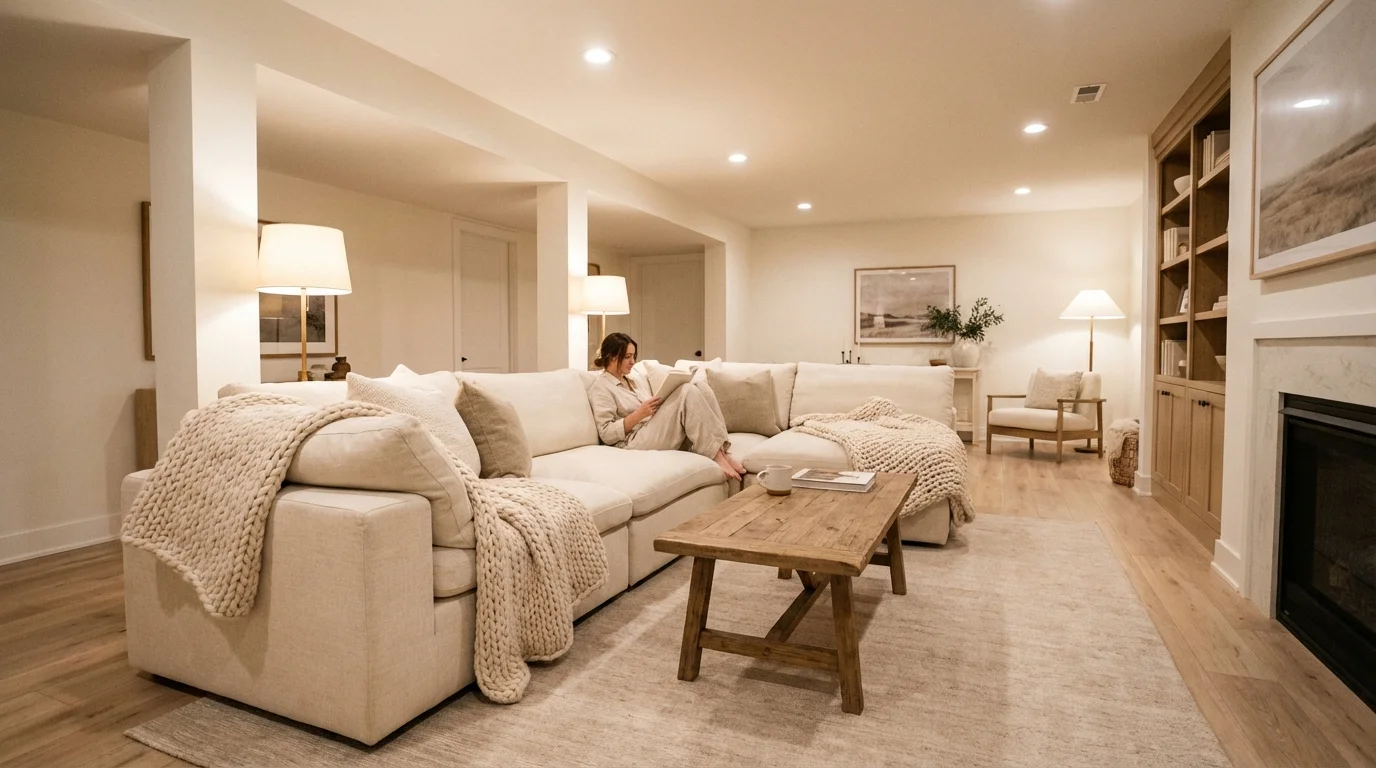
The living room serves as the heart of relaxation. Finding the best candles for cozy home environments usually starts here. Look for complex, layered scents that burn for hours without causing a headache. Sandalwood mixed with subtle vanilla, or leather mixed with aged oak, provides a rich, comforting backdrop. If you have a fireplace, scents containing hints of smoke or tobacco leaves enhance the architectural features of the room.
The Kitchen: Cleanliness and Culinary Harmony
Kitchens already generate their own intense smells. Your goal here is to neutralize cooking odors rather than compete with them. Avoid heavy florals or musks in the kitchen—they clash aggressively with the smell of garlic, onions, or roasted meats. Instead, rely on crisp, fresh profiles. Lemon, basil, rosemary, and green apple cut through grease and lingering food smells, leaving the space feeling sanitized and bright. According to the experts at Martha Stewart Living, natural citrus oils are exceptional at neutralizing airborne cooking particulates.
The Bathroom: Creating a Personal Spa
Bathrooms are inherently practical spaces that benefit immensely from spa-like aromatherapy. Eucalyptus and spearmint are elite choices for the bathroom. When the steam from your shower mixes with a eucalyptus scent profile, it acts as a natural decongestant and stress reliever. Sea salt and water lily are also excellent options for creating a crisp, aquatic atmosphere.
The Bedroom: Sanctuary and Sleep
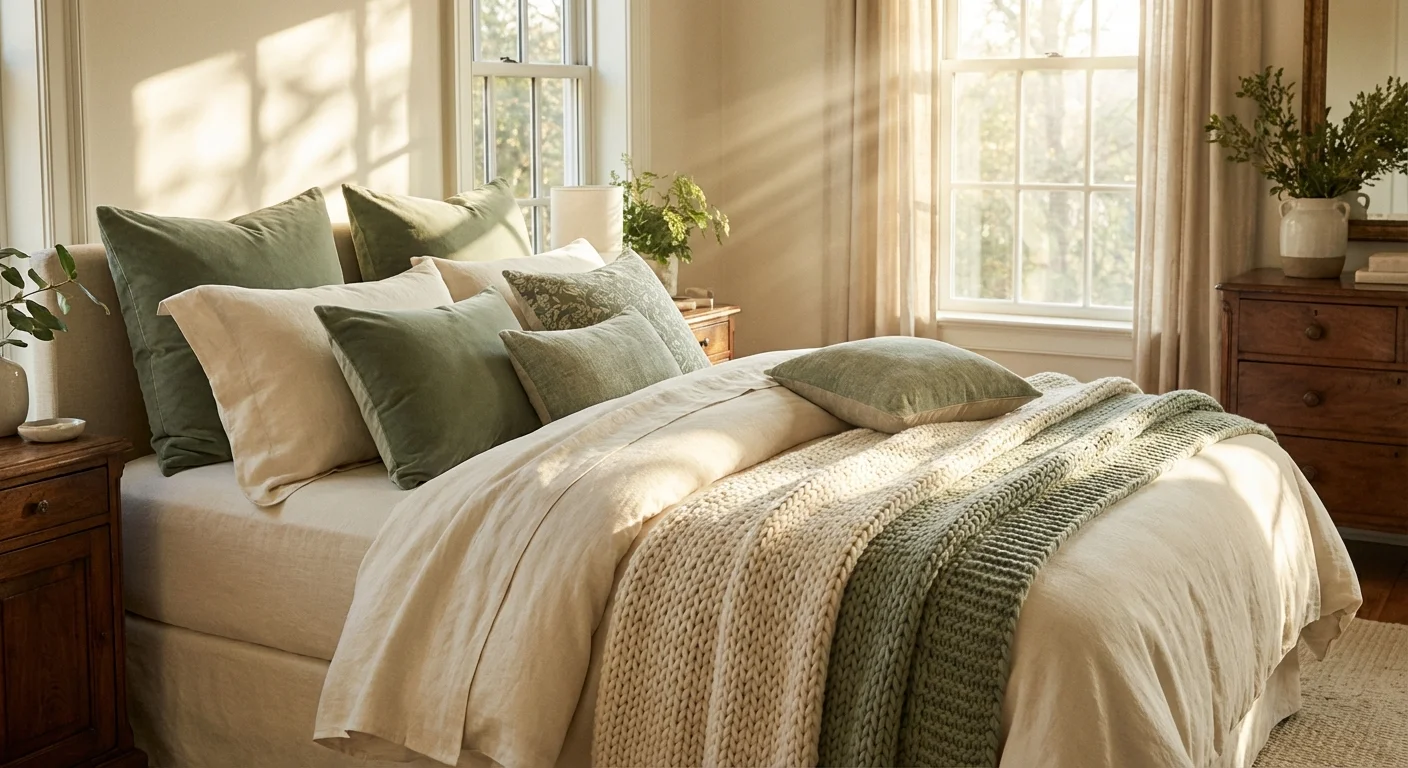
Reserve your most calming, gentle fragrances for the bedroom. The objective is to signal to your brain that it is time to wind down. French lavender, chamomile, clary sage, and soft cedar are highly effective sleep aids. Because leaving a burning candle unattended is dangerous, the bedroom is the ideal location for an essential oil diffuser home setup that features an automatic shut-off timer.
Delivery Systems: Choosing Your Fragrance Vehicle
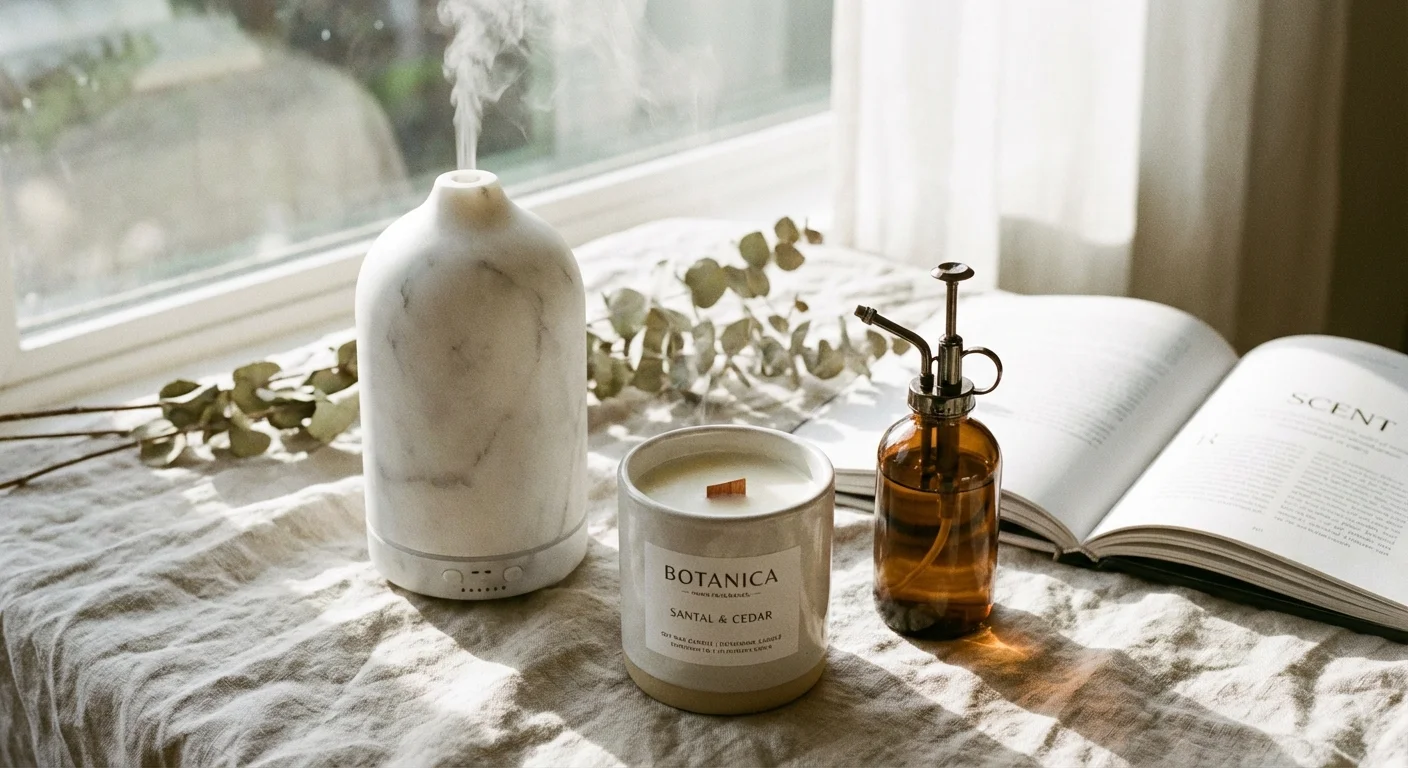
How you introduce a scent into your room dictates its intensity, longevity, and maintenance level. Let’s examine the most popular delivery systems to help you choose the right tool for the job.
| Delivery Method | Best Room Application | Intensity Level | Pros & Cons |
|---|---|---|---|
| Scented Candles | Living Room, Dining Room (unlit during meals), Bathrooms | Medium to High | Pros: Provides visual warmth via the flame; highly concentrated scent. Cons: Requires supervision; soot potential if wicks aren’t trimmed. |
| Ultrasonic Diffusers | Bedrooms, Home Offices | Adjustable (Low to High) | Pros: Doubles as a mini humidifier; customizable oil blends. Cons: Requires frequent cleaning to prevent mold; needs a power outlet. |
| Reed Diffusers | Entryways, Guest Bathrooms, Hallways | Low to Medium (Constant) | Pros: Zero maintenance; continuous 24/7 scent; safe around children. Cons: Can lose potency quickly if reeds aren’t flipped; limited range. |
| Room Sprays | Mudrooms, Bathrooms, Closets | High (Immediate, but fleeting) | Pros: Instant gratification; excellent for targeted odor control. Cons: Scent dissipates rapidly; droplets can land on hard surfaces. |
Mastering the Scented Candle
Candles offer a dual sensory experience: the olfactory pleasure of the fragrance and the visual comfort of a flickering flame. However, not all candles are created equal. When shopping, prioritize candles made from soy wax, beeswax, or coconut wax. These natural waxes burn cooler, last longer, and produce significantly less indoor pollution than traditional paraffin wax, which is derived from petroleum. The EPA Indoor Air Quality guidelines emphasize the importance of minimizing volatile organic compounds (VOCs) in your home, making natural wax an important consideration for health-conscious households.
To get the most out of your candles, you must master the “memory burn.” The first time you light a new candle, allow it to burn until the entire top layer of wax becomes a liquid pool reaching the edges of the glass. This usually takes one hour per inch of the candle’s diameter. Skipping this step causes the candle to tunnel—leaving hard wax around the rim and significantly reducing the lifespan of your product. Furthermore, always trim your wick to 1/4 inch before lighting to prevent smoking and black soot stains on your walls.
Optimizing Your Diffuser Setup
Integrating an essential oil diffuser home system grants you the flexibility of an alchemist. Ultrasonic diffusers use water and rapid vibrations to disperse a fine, scented mist into the air. This method is incredibly cost-effective because a single bottle of high-quality essential oil can provide dozens of uses.
Try these practical diffuser blends based on the mood you want to create:
- The Deep Focus: 3 drops Peppermint, 3 drops Rosemary, 2 drops Lemon (Ideal for the home office).
- The Weekend Wind-Down: 4 drops Lavender, 2 drops Bergamot, 1 drop Ylang-Ylang (Perfect for Sunday evenings).
- The Forest Retreat: 3 drops Pine or Fir Needle, 2 drops Cedarwood, 2 drops Sweet Orange (Excellent for living rooms during the winter).

Natural Home Fragrance Ideas
If you prefer entirely natural approaches, there are plenty of home fragrance ideas that require minimal investment and utilize items you likely already have in your pantry.
The Stovetop Simmer Pot: This is an incredibly effective, chemical-free way to scent your entire house. Fill a medium saucepan with water and bring it to a gentle simmer. Add sliced citrus (oranges, lemons), aromatic spices (cinnamon sticks, whole cloves, star anise), and herbs (rosemary sprigs, pine needles). The heat gently releases the volatile oils from the ingredients, permeating your home with a rich, natural aroma. Just remember to keep an eye on the water level and add more as it evaporates.
Baking Soda Sachet Jars: Baking soda is a natural odor absorber. Fill a small mason jar halfway with baking soda and add 15-20 drops of your favorite essential oil. Cover the top with a piece of breathable fabric (like burlap or muslin) and secure it with a rubber band or twine. Place these jars in the back of musty closets, under bathroom sinks, or in the laundry room.
Fresh Eucalyptus Showers: Purchase a bundle of fresh eucalyptus from your local florist or grocery store. Using twine, tie the bundle directly to your showerhead, ensuring it hangs behind the stream of water so it doesn’t get soaked. The steam from your daily shower will release the eucalyptus oils, turning a mundane routine into a spa-like experience.
Avoiding Common Errors in Home Fragrance
Even the most beautifully curated scents can become a nuisance if applied incorrectly. Avoid these common pitfalls to maintain an inviting atmosphere.
Ignoring the Baseline Odor
Fragrance is not a substitute for cleaning. If your home has underlying odors from pets, mildew, or lingering garbage, adding a heavy layer of vanilla or rose will simply create a confusing, unpleasant hybrid smell. Always eliminate the source of the bad odor first. Empty the trash, wash pet bedding weekly, and open windows for cross-ventilation. Design experts at The Spruce frequently emphasize that fresh air is the ultimate primer for indoor fragrance.
Inducing Olfactory Fatigue
Have you ever noticed that you can’t smell your own perfume after wearing it for twenty minutes? This is olfactory fatigue—your brain stops registering a constant stimulus to prevent sensory overload. If you burn the same strong candle every single day, you will eventually stop smelling it, which might prompt you to light more candles or buy stronger scents, ultimately overwhelming your guests. Combat this by rotating your scents every few weeks and giving your nose a break by enjoying fragrance-free days.
Scent Clashing in Open Floor Plans
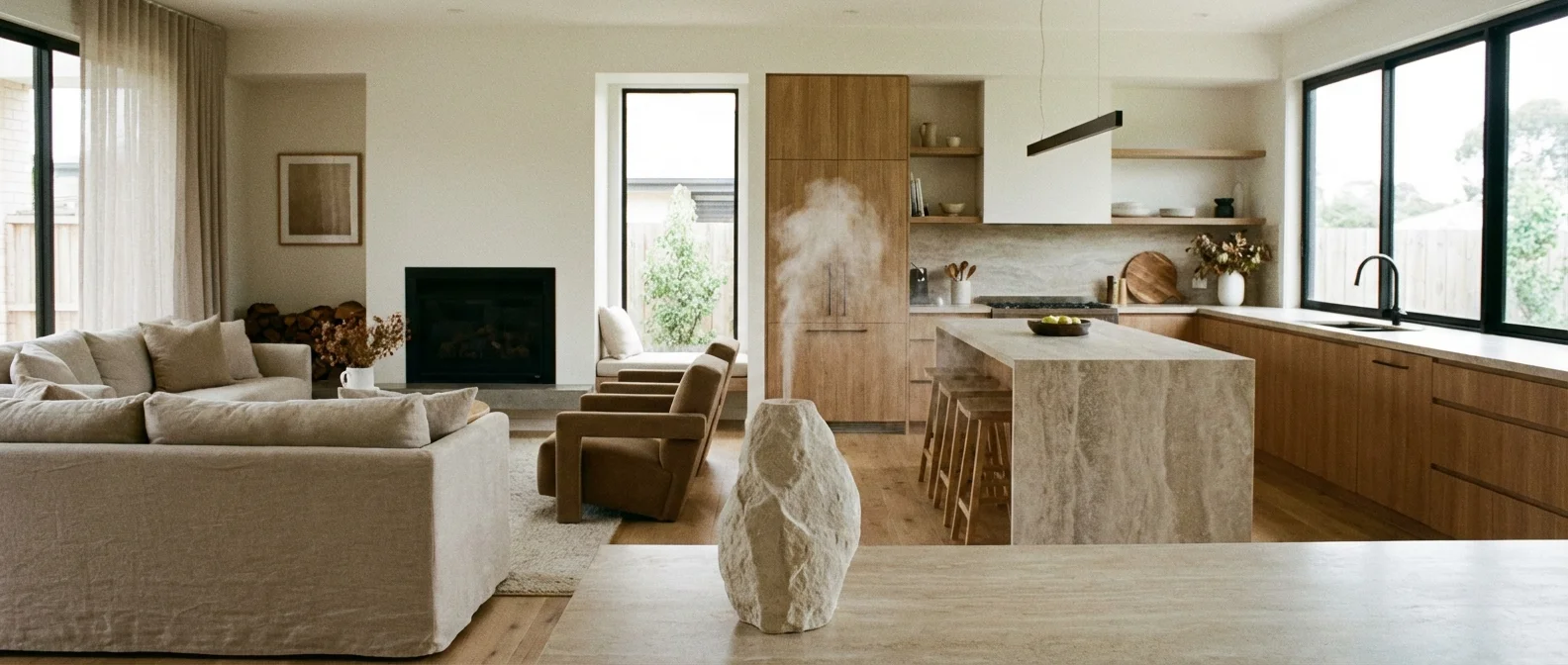
Modern homes with open floor plans present a unique challenge. Without walls to contain the air, the spicy pumpkin candle in your kitchen will eventually mix with the oceanic reed diffuser in your living room. When designing scent profiles for open-concept spaces, choose complementary fragrances from the same family, or stick to a single signature scent for the entire open area.
Seasonal Scent Transitions
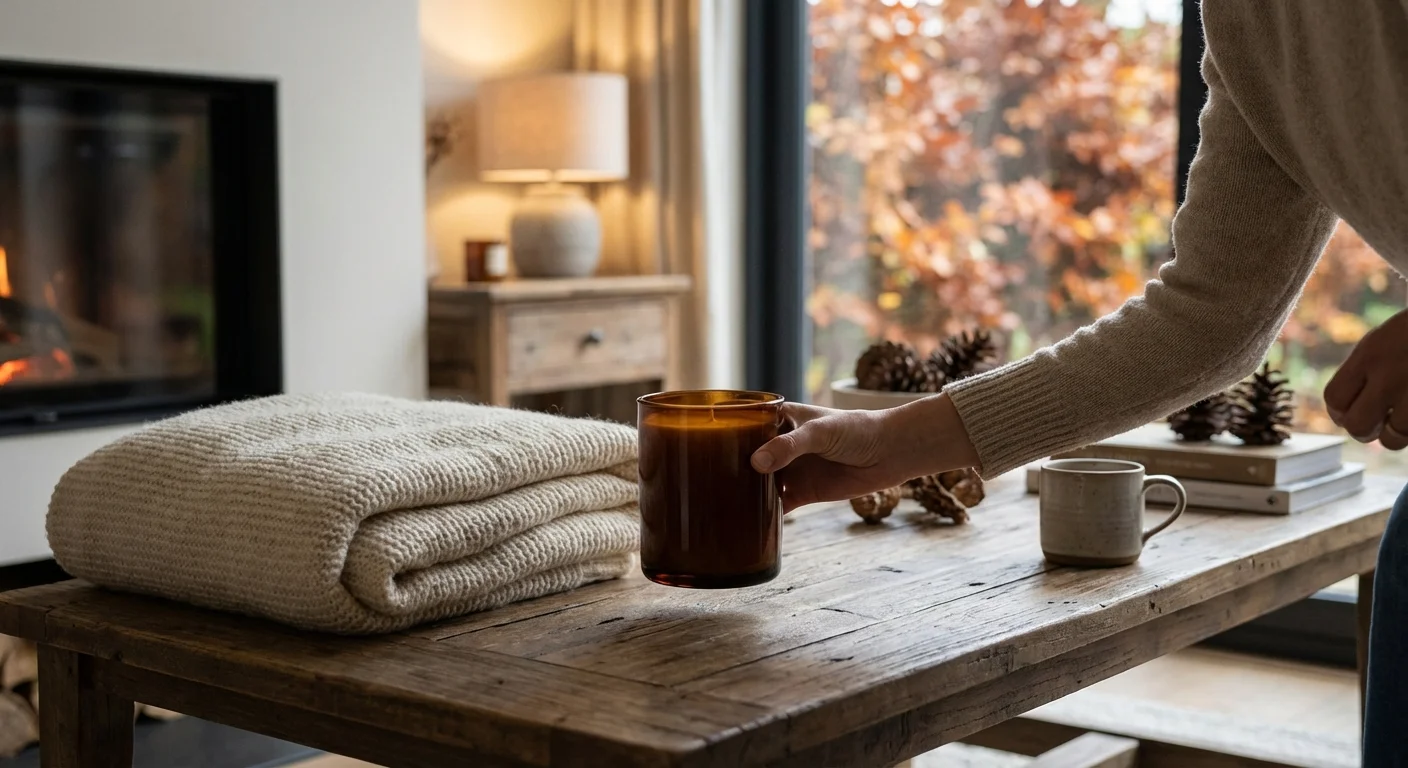
One of the most enjoyable scent and ambiance tips is rotating your home’s fragrance profile to mirror the changing seasons. This practice keeps your environment feeling fresh and aligned with the natural world outside your windows.
Spring: Transition away from heavy woods and spices. Introduce light, airy notes like lilac, sweet pea, green tea, and grapefruit. Spring is about renewal and crispness.
Summer: Heat intensifies fragrance, so heavy scents can quickly become cloying in July. Lean into tropical fruits, coconut, sea salt, cucumber, and fresh-cut grass.
Autumn: As the weather cools, reintroduce warmth. Apple, cinnamon, cardamom, pumpkin, and fallen leaf profiles create an immediate sense of shelter against the dropping temperatures.
Winter: Embrace deep, comforting aromas. Pine, balsam, roasted chestnuts, peppermint, and amber help combat the darkness of winter evenings, providing maximum coziness.
Frequently Asked Questions
Are essential oil diffusers safe for pets?
Many essential oils are highly toxic to cats and dogs. Eucalyptus, tea tree, cinnamon, citrus, and peppermint can cause severe respiratory and neurological issues in pets. Always research a specific oil’s toxicity before diffusing it, ensure the room is well-ventilated, and provide your pet with a way to leave the room. When in doubt, consult your veterinarian.
How can I make my candle scent last longer in a large room?
For large spaces with high ceilings, a single standard candle will struggle to fill the room. You can increase the scent throw by placing the candle away from drafts and return air vents. Alternatively, switch to multi-wick candles, which melt a larger surface area of wax, releasing more fragrance into the air simultaneously. Layering the same scent via a room spray on your upholstery also reinforces the ambiance.
Why does my reed diffuser stop smelling after a week?
Reed diffusers work through capillary action, pulling the scented oil up the porous sticks. Over time, dust from the air settles on the reeds and clogs those pores, stopping the diffusion process. To fix this, flip your reeds upside down once a week. If you have had the same reeds for over a month and flipping no longer works, replace the sticks entirely.
What is the most universally appealing scent for showing a house?
If you are hosting guests or selling your home, avoid highly polarizing scents like heavy florals, intense musks, or artificial baked goods. Stick to clean, universally recognized scents that suggest freshness and hygiene. Mild citrus, green tea, or a very subtle vanilla are generally safe and welcoming choices that do not overwhelm the senses.
Mastering your home’s fragrance profile is an ongoing, rewarding process. By thoughtfully layering scents, selecting the right delivery methods, and matching the aroma to the room’s function, you transform standard living spaces into highly personalized, comforting retreats. Start small with a simmer pot or a high-quality soy candle in your living room this evening, and pay attention to how that simple change shifts your mood.
This guide provides general home improvement information. Every home is different—what works in one space may need adaptation in yours. For structural changes or electrical/plumbing work, consult a licensed professional.
Last updated: February 2026
Leave a Reply