
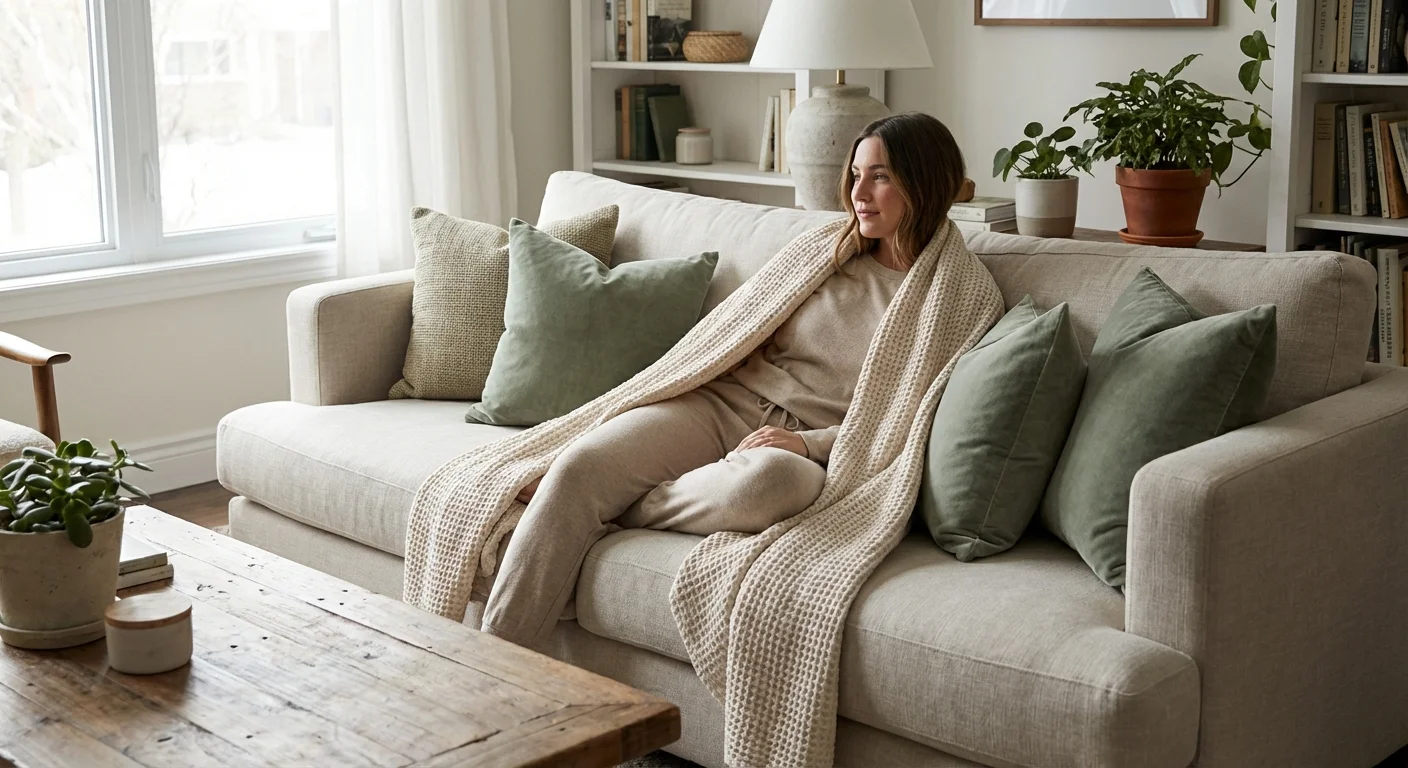
A living room without textiles feels unfinished. The difference between a sterile, showroom-style seating area and a truly welcoming sanctuary almost always comes down to the strategic placement of soft fabrics. Finding the right balance of living room textile decor transforms your space entirely, signaling to family and guests that they are invited to sit down, put their feet up, and linger for a while.
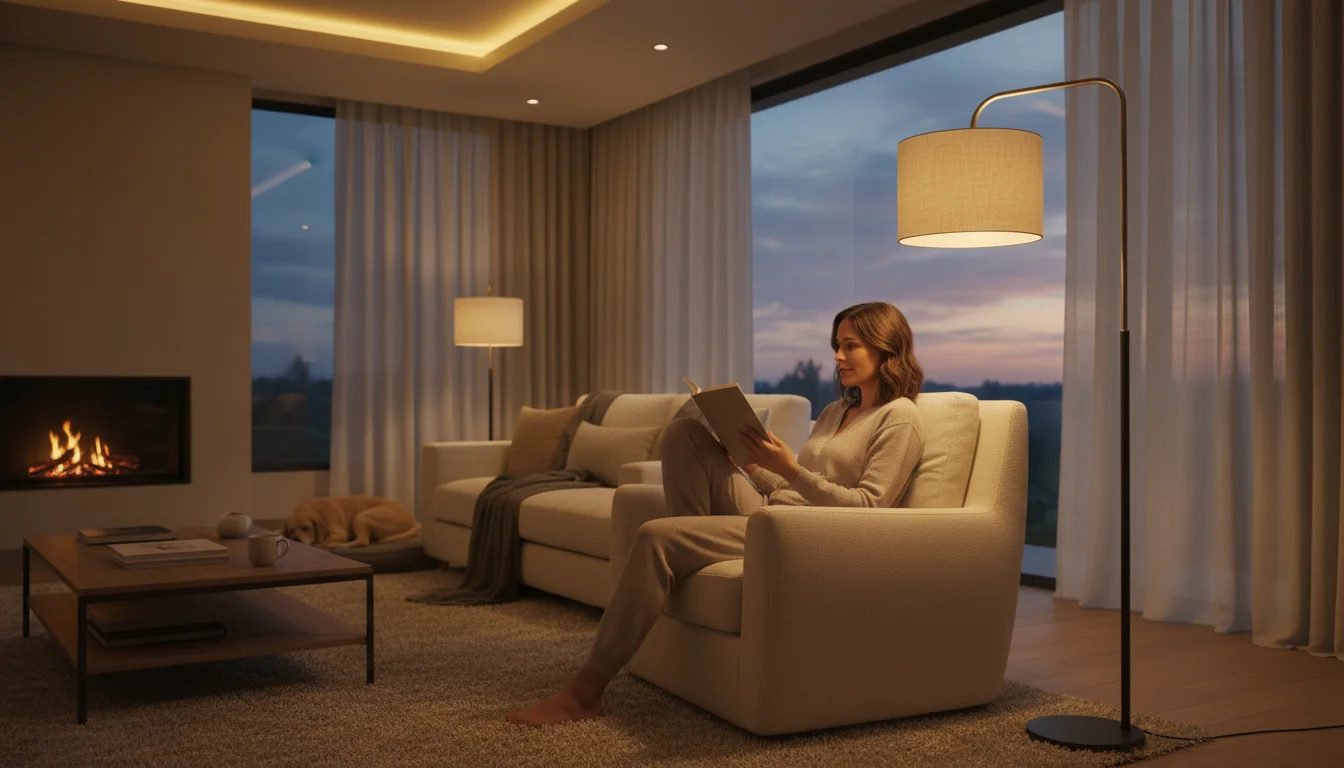
To complete the atmosphere, consider how to layer lighting for a cozy living room so your new textiles glow in the right ambiance.
Investing in the right textiles requires looking past basic color coordination. The materials you choose directly impact your daily comfort. A scratchy wool blanket will sit unused on the back of the sofa, while a perfectly weighted, breathable throw becomes a coveted household item. Navigating the vast market of decor requires a sharp eye for material quality, proper sizing, and realistic maintenance expectations.
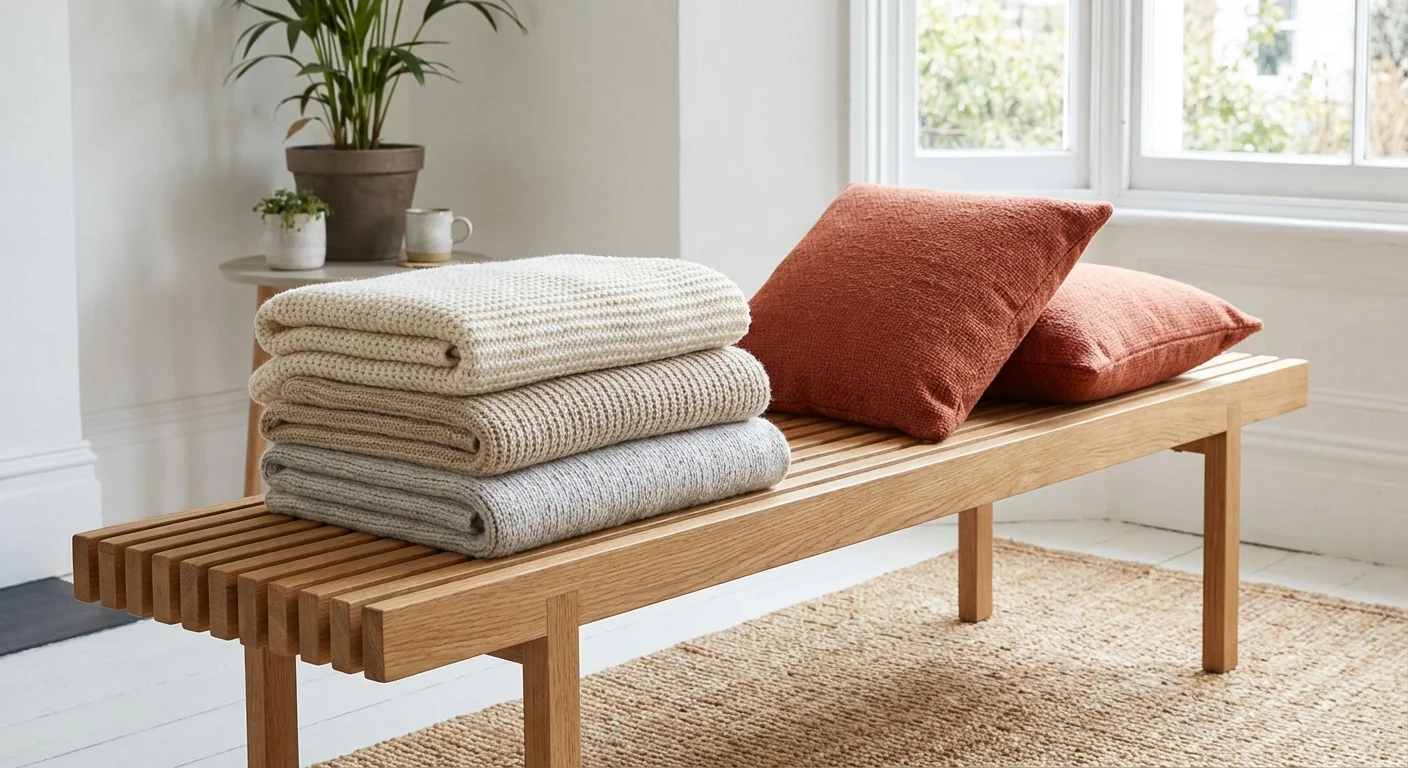
The Essentials at a Glance
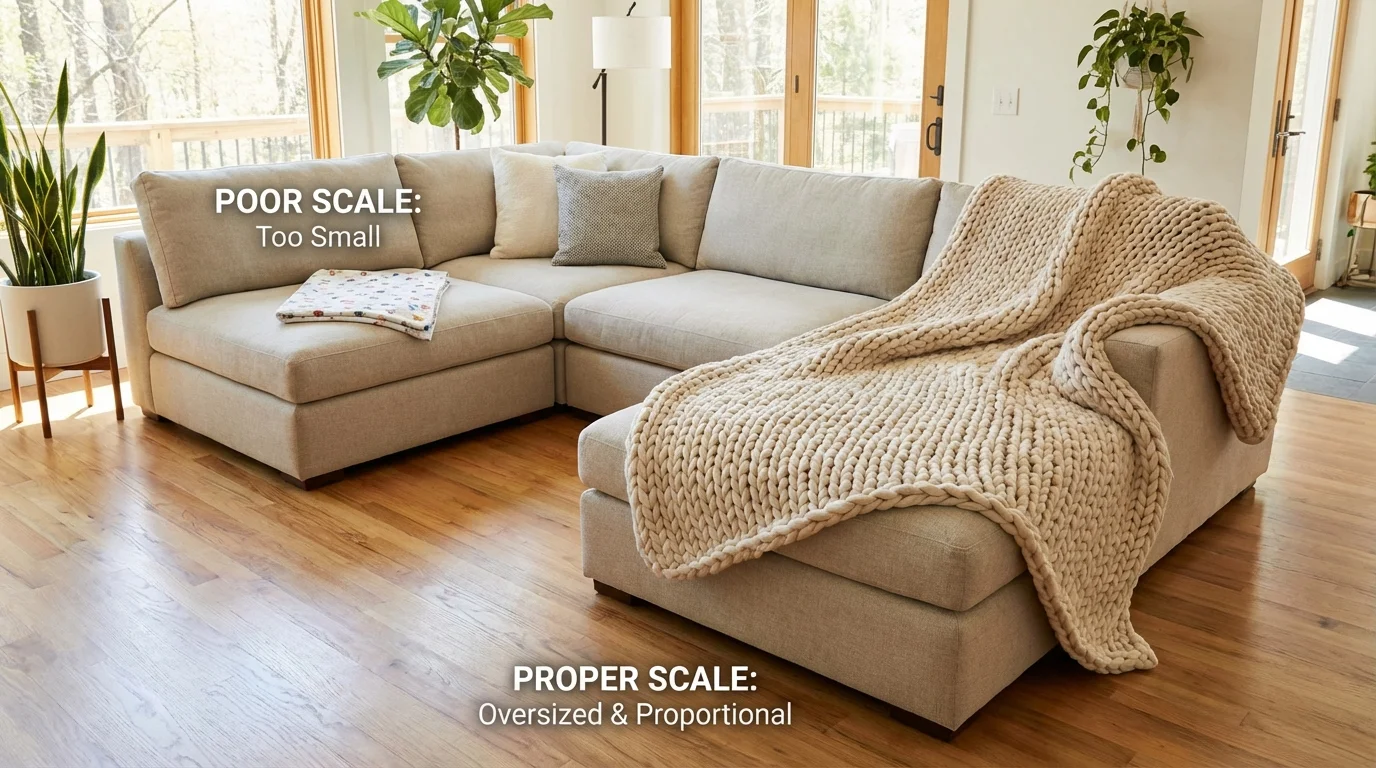
- Scale matters most: Standard throw blankets measure 50 by 60 inches, but tall individuals and deep sectionals require oversized throws measuring at least 60 by 80 inches.
- The insert rule: For perfectly plump decorative throw pillows, always purchase an insert that is two inches larger than your pillow cover.
- Texture over matching: Avoid buying pillows and blankets in the exact same fabric as your sofa; instead, use contrasting textures to build visual depth.
- Lifestyle dictates fabric: Pet owners should avoid chunky knits that snag on claws, opting instead for tightly woven cotton or performance velvet.
The Fabric Foundation for the Best Throw Blankets
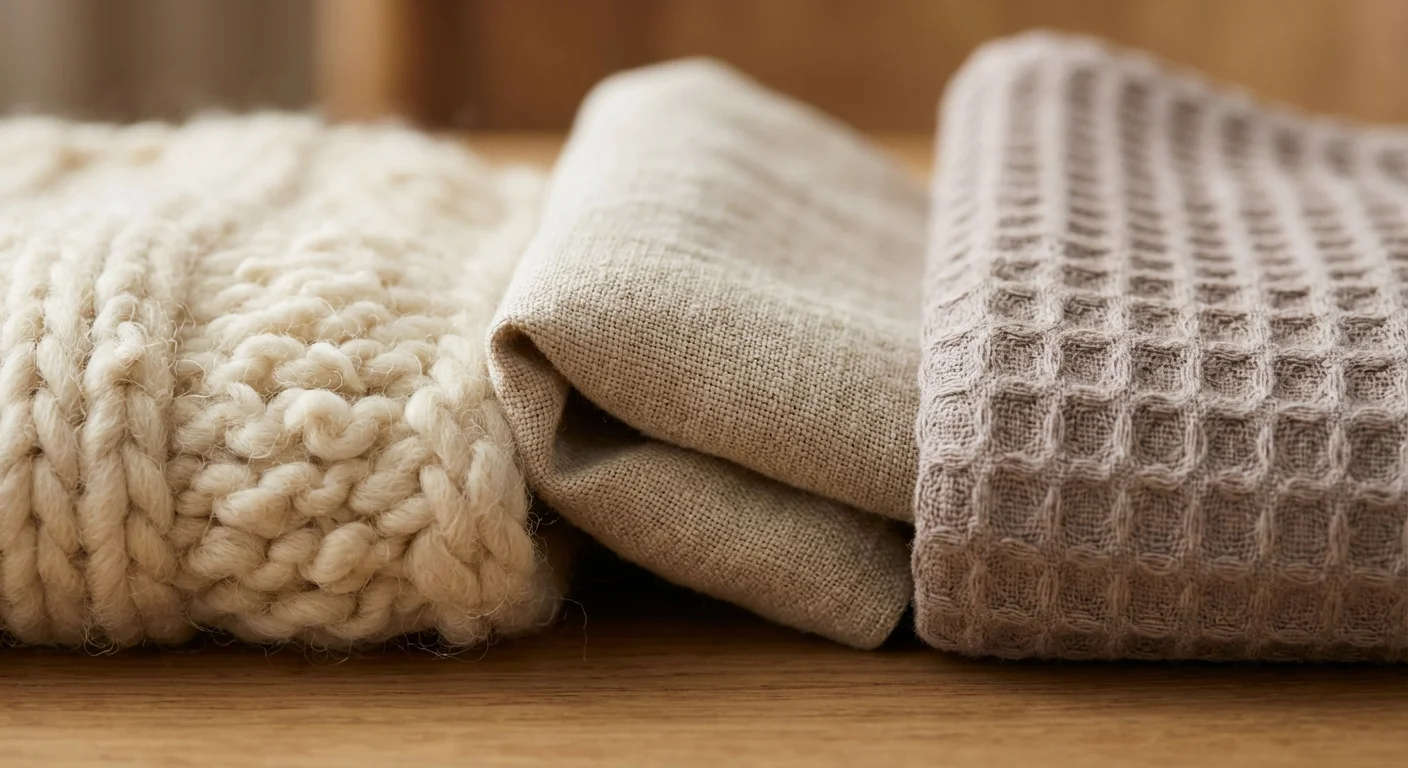
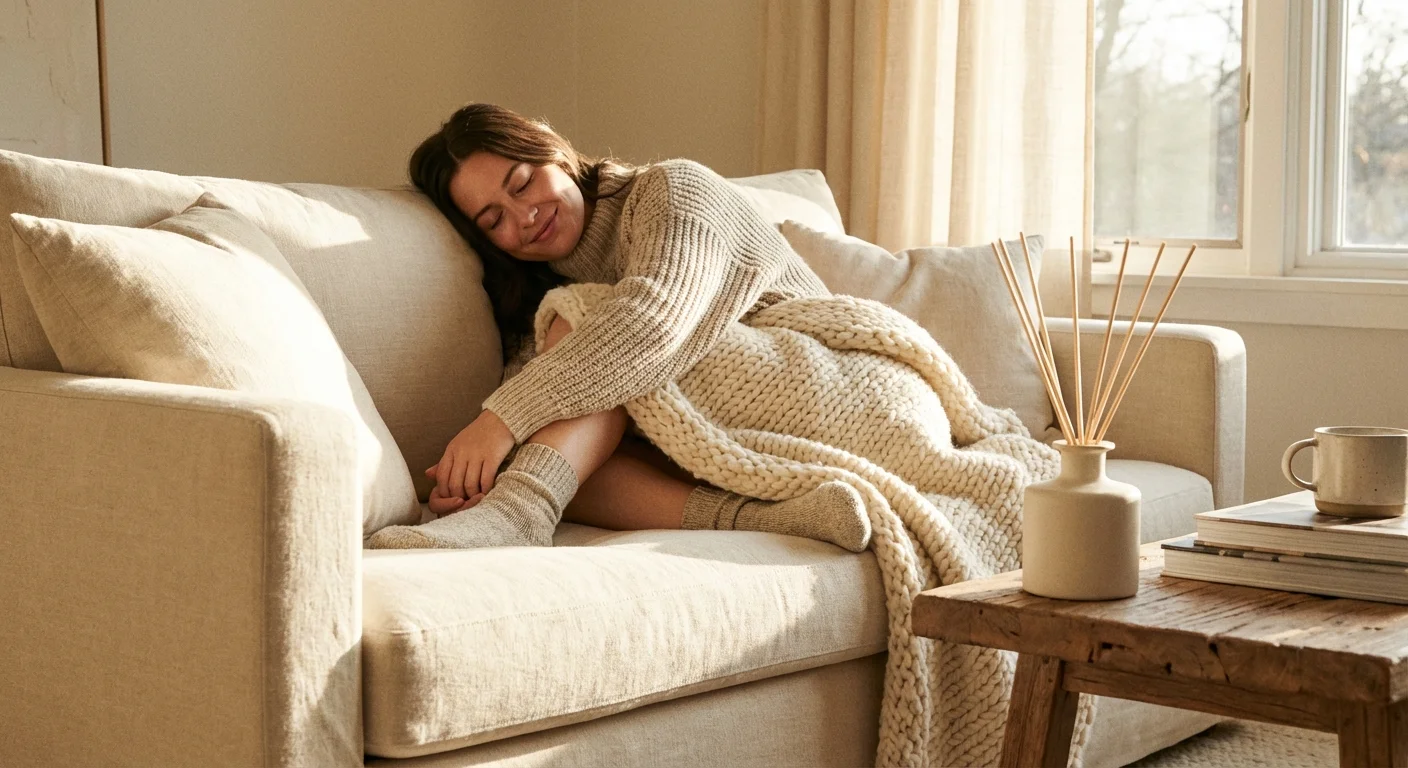
The journey to finding the best throw blankets begins with understanding fiber construction. Blankets serve a dual purpose—they must look beautiful draped over furniture while offering genuine warmth and comfort. Natural and synthetic fibers behave entirely differently when exposed to body heat, friction, and washing machines.
Strategic textile swaps are one of the most effective ways to execute a budget living room makeover without replacing major furniture.
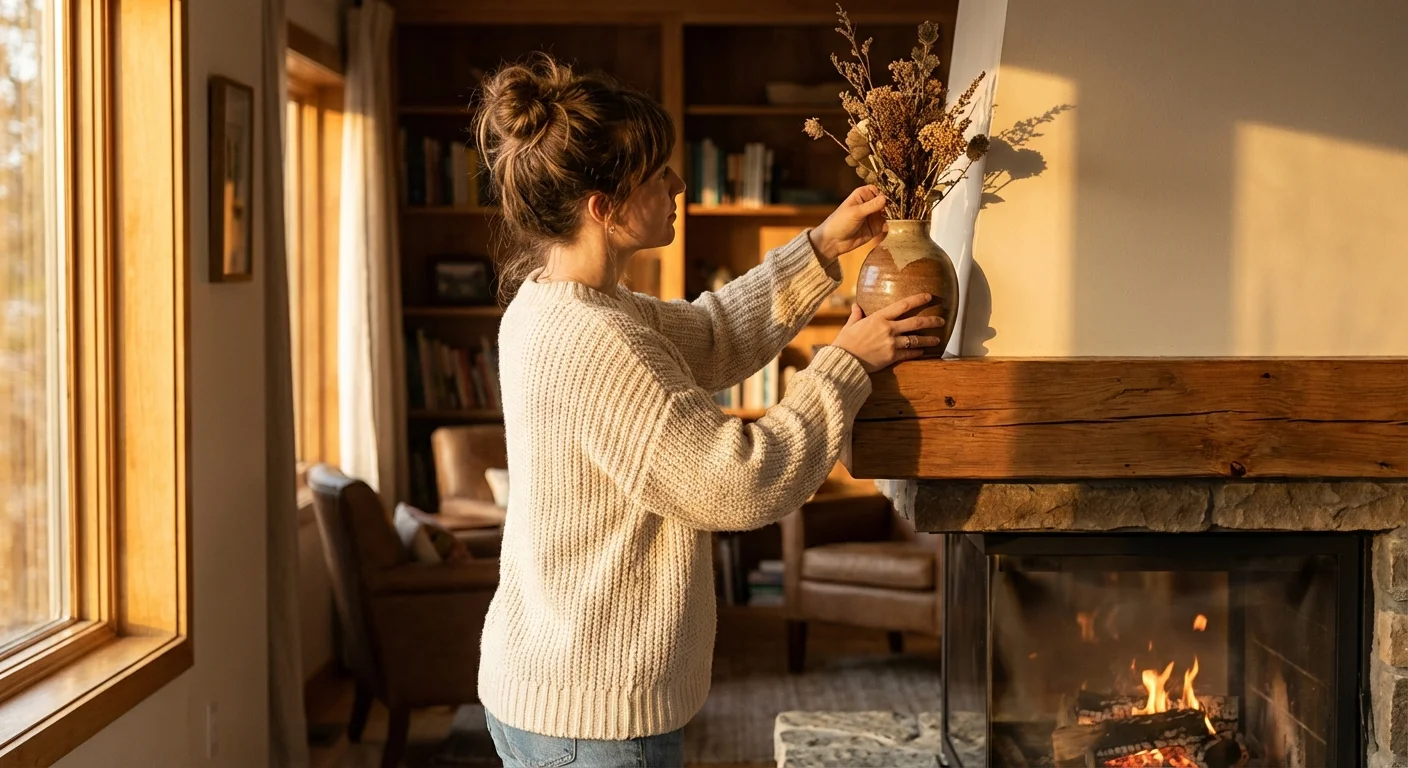
These plush layers are especially effective when paired with seasonal fireplace decor ideas to create a central focal point for relaxation.
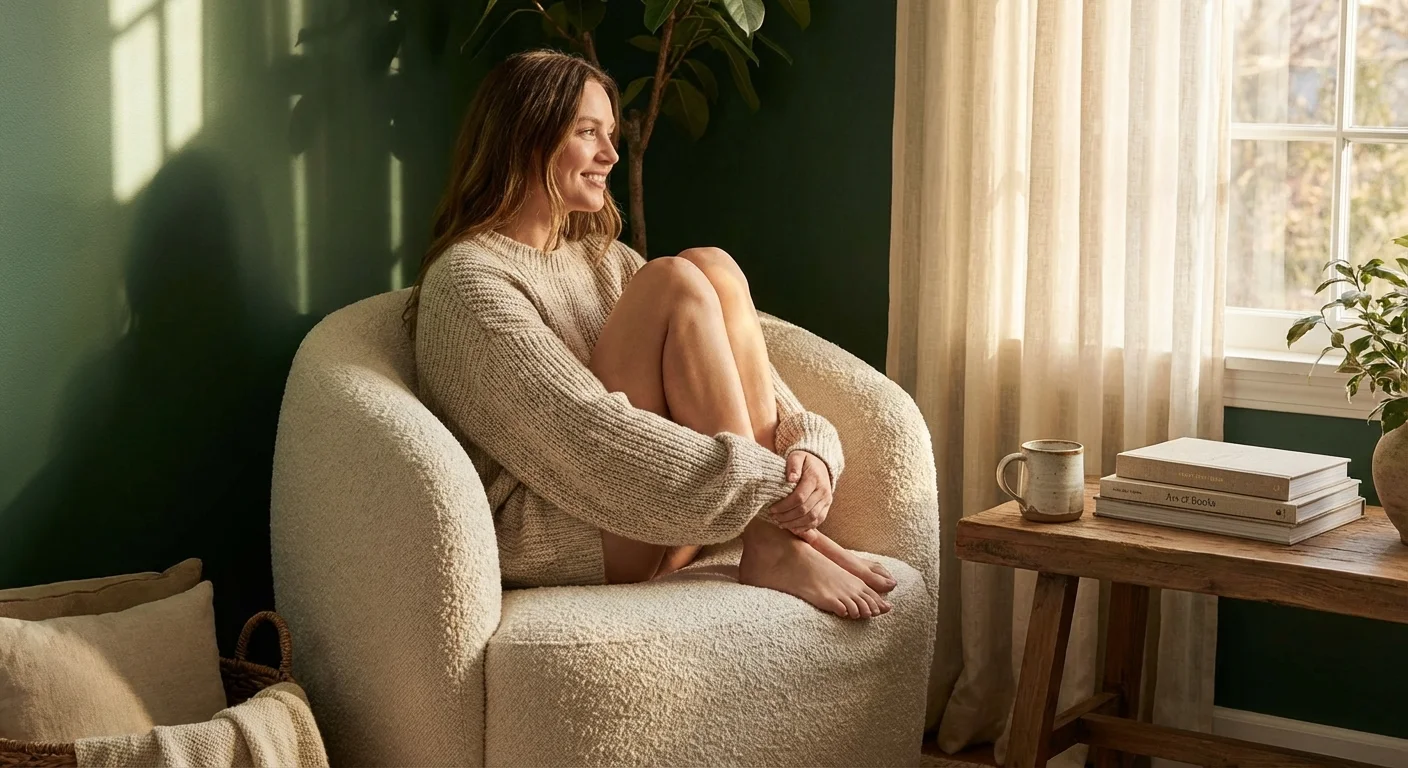
Embracing these soft textures is a core principle of the Art of Hygge, where physical comfort is prioritized to create a sense of well-being.
Natural Fibers: Breathable and Enduring
Cotton remains the most versatile material for year-round living room textile decor. Waffle-weave cotton provides excellent airflow during summer months, while heavier cable-knit cotton transitions smoothly into autumn. Look for long-staple cotton varieties, such as Turkish or Egyptian cotton, which resist pilling and grow softer with every wash.
Wool introduces unmatched insulation, making it the premier choice for chronic chillers. However, not all wool is created equal. Traditional sheep’s wool can feel abrasive against bare skin. If you want supreme softness, seek out Merino wool or Alpaca fleece. Merino wool fibers are incredibly fine—often measuring between 18 and 24 microns—allowing them to bend easily against the skin without causing itchiness. Alpaca wool features hollow fibers that trap heat efficiently, making it incredibly warm without the heavy bulk of traditional wool.
Linen offers a distinct, relaxed aesthetic perfect for coastal or casual interiors. While it does not provide heavy winter warmth, its moisture-wicking properties make it the ideal companion for humid climates or hot sleepers. Linen famously wrinkles, but embracing this rumpled texture adds a beautifully unstudied, lived-in quality to your living room.
Synthetic Fibers: Plush and Budget-Friendly
Modern synthetic textiles have evolved dramatically, offering ultra-soft textures that rival natural materials. Faux fur and fleece (polyester) dominate the market for soft blanket recommendations. High-quality faux fur adds a layer of undeniable luxury and tactile intrigue to modern or glam spaces. These heavy blankets provide immediate, intense heat retention.
The primary drawback of synthetics is their lack of breathability; they trap heat rather than regulating it. Furthermore, synthetic fabrics require meticulous care to maintain their plush texture. Exposing fleece or faux fur to high heat in a dryer melts the microscopic plastic fibers, resulting in permanent matting and a coarse, scratchy surface.
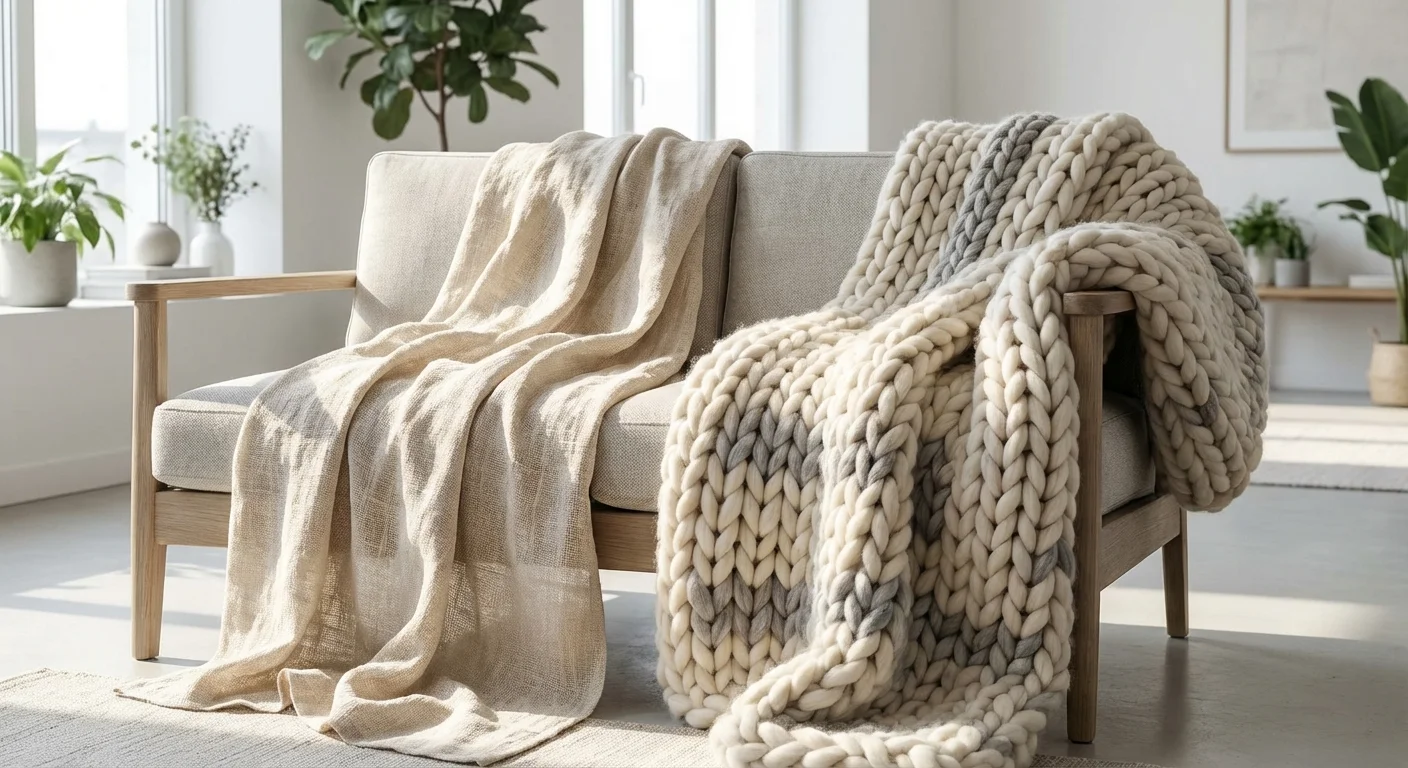
Comparing Popular Blanket Materials
Choosing the right fabric requires balancing your climate, budget, and willingness to perform proper maintenance. Use this comparison to guide your selection.
| Material | Warmth Level | Breathability | Durability | Maintenance |
|---|---|---|---|---|
| Cotton (Waffle/Knit) | Light to Medium | Excellent | High | Machine wash warm; tumble dry low. Highly resilient. |
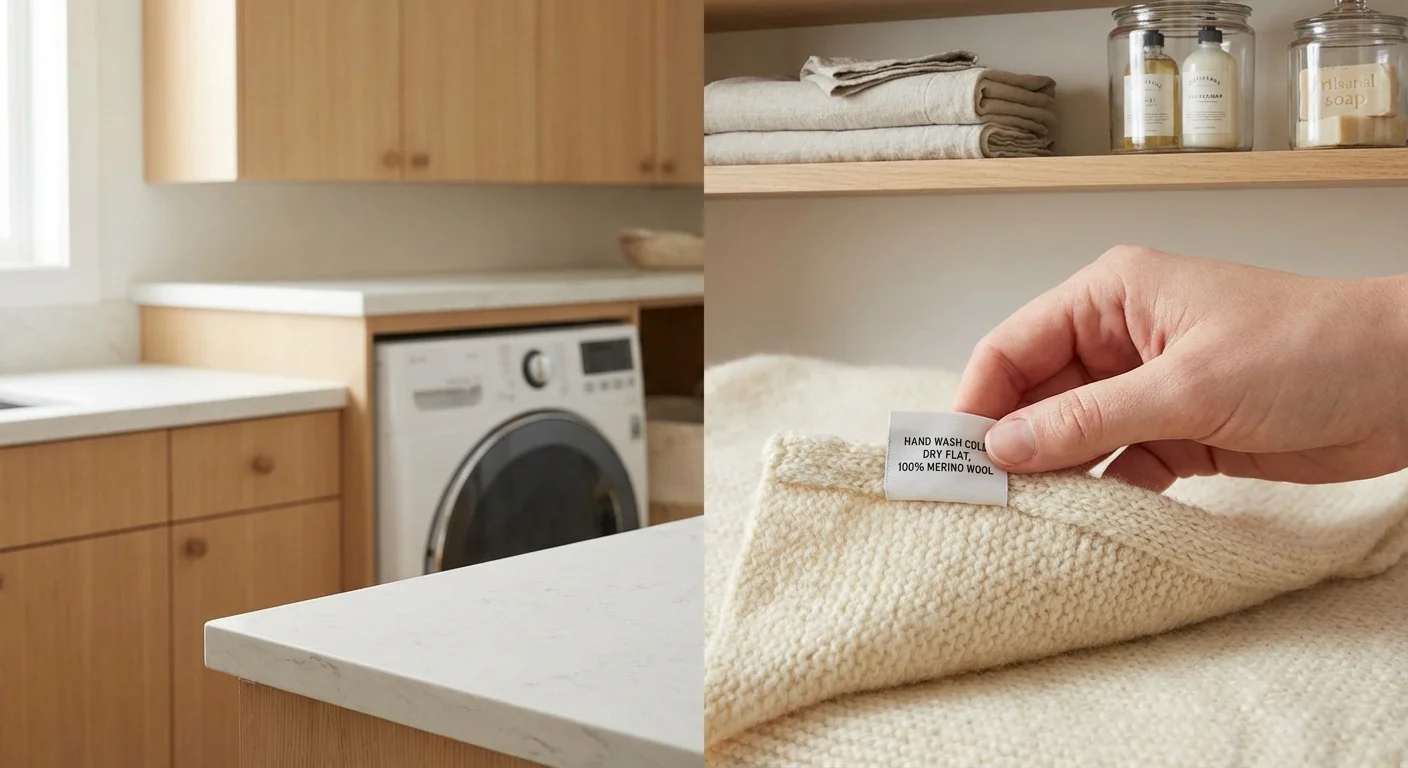
| Merino Wool | High | Very Good | Medium | Hand wash or dry clean. Susceptible to shrinking and moths. |
| Faux Fur (Polyester) | Very High | Low | Medium | Machine wash cold; strictly air dry to prevent melting fibers. |
| Alpaca Fleece | Very High | Excellent | High | Dry clean or delicate hand wash. Naturally repels dirt. |
| Chenille | Medium | Moderate | Low to Medium | Spot clean or delicate wash; highly prone to snagging and shedding. |
Decoding Cozy Living Room Pillows: The Insert Matters
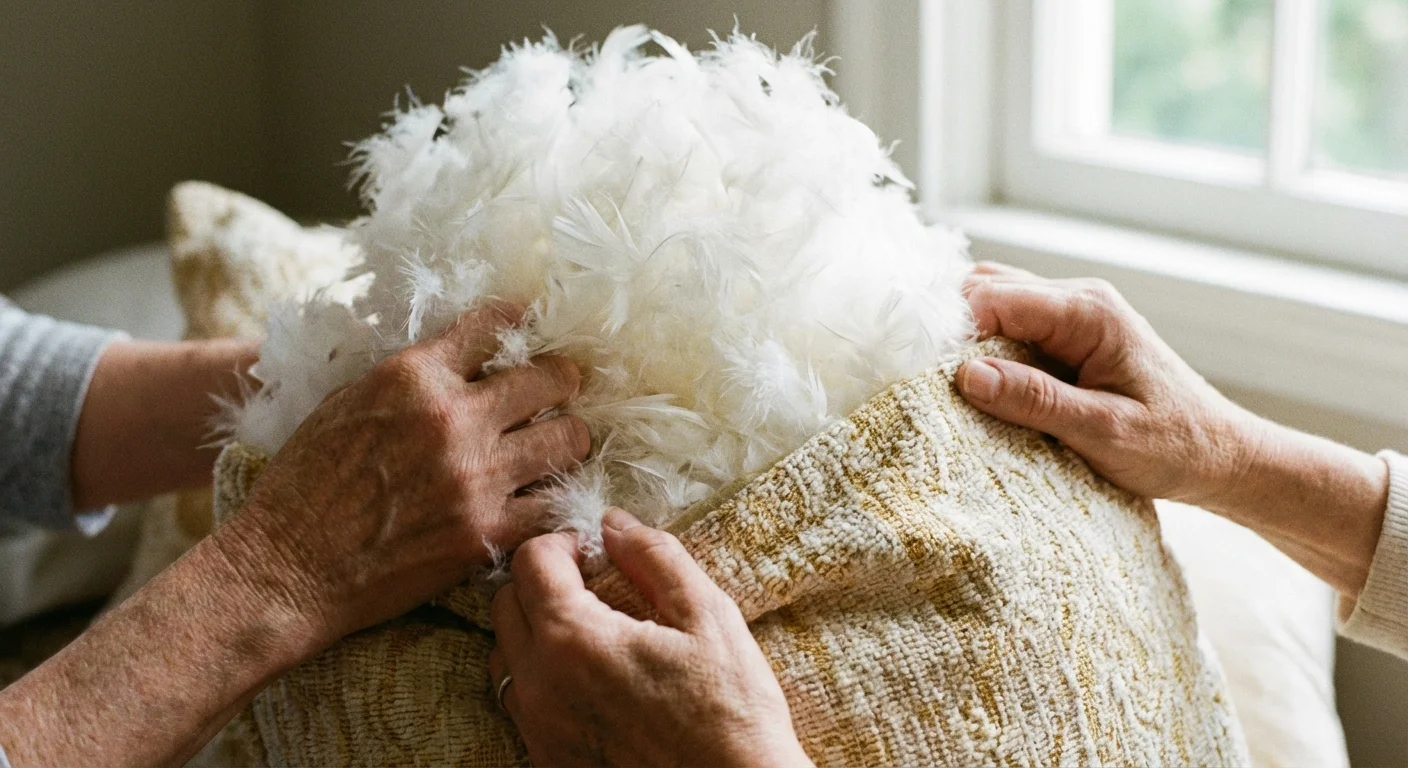
A decorative pillow is only as good as its insert. You can purchase an expensive, hand-woven silk pillow cover, but if you stuff it with a cheap, flat insert, the entire arrangement will look deflated. Achieving the plush, magazine-worthy look relies entirely on what hides behind the zipper.
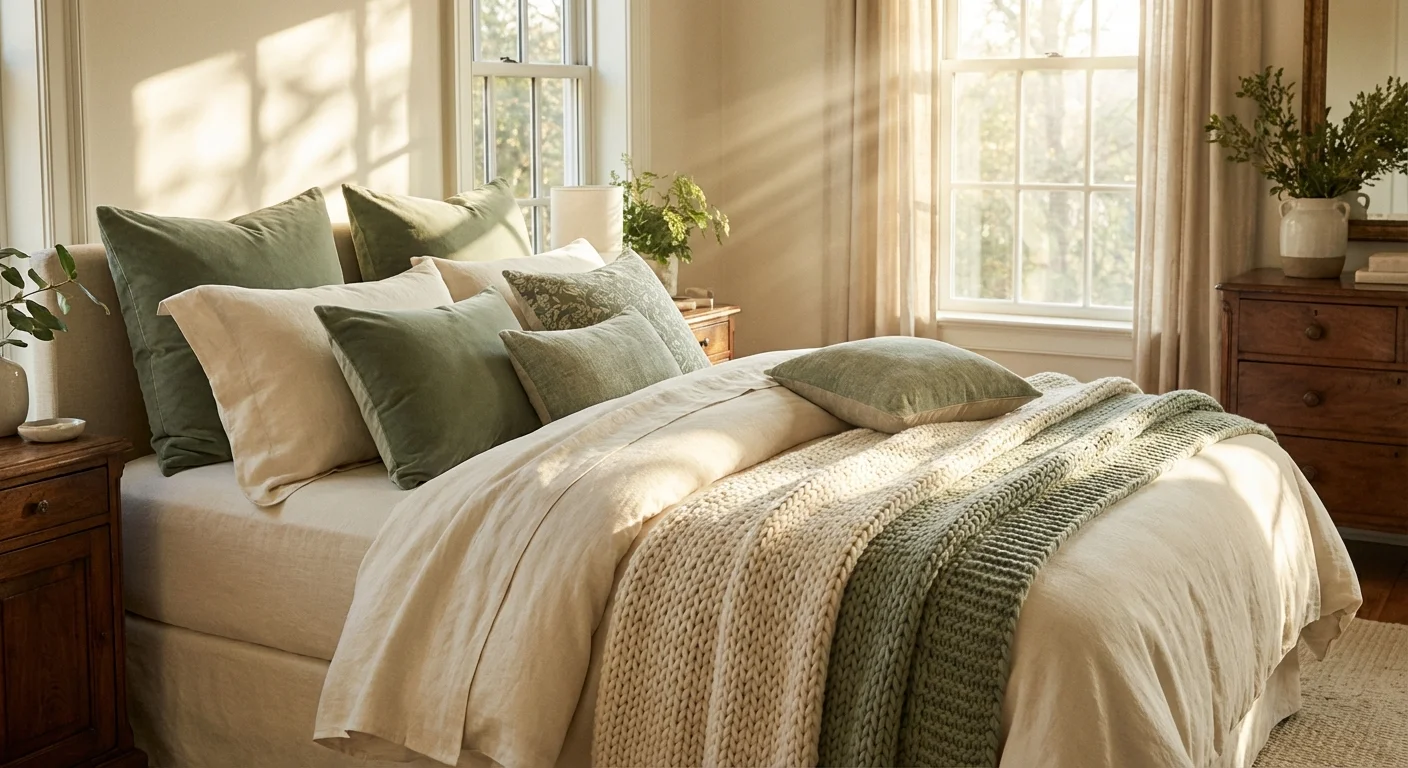
While these tips focus on your seating area, you can apply similar principles to create a cozy bedroom using layered bedding and plush accents.
The Two-Inch Sizing Rule
The most common mistake people make when buying cozy living room pillows is matching the insert size perfectly to the cover size. Placing an 18-by-18-inch insert into an 18-by-18-inch cover yields a floppy pillow with empty, drooping corners. For a full, luxurious profile, you must size up the insert. Always purchase an insert two inches larger than your cover. An 18-by-18-inch cover requires a 20-by-20-inch insert; a 20-by-20-inch cover demands a 22-by-22-inch insert. This forces the filling firmly into the corners, creating tension across the fabric that displays patterns beautifully.
Down vs. Down Alternative
Feather and down inserts represent the gold standard for luxury seating. Down clusters trap air effortlessly, allowing the pillow to mold to your body when you lean against it. Furthermore, down inserts accommodate the infamous “karate chop” styling technique—a gentle crease down the center of the top edge that breaks up the rigid square shape and signals that the pillow is soft and yielding.
If you suffer from allergies or prefer vegan options, high-end down-alternative inserts—often made from blown micro-polyester—mimic the loft and weight of natural down. Avoid standard, blocky polyfill inserts whenever possible. They bounce back aggressively, refuse to hold a styled shape, and tend to clump awkwardly after a few months of use.
Choosing Covers for Decorative Throw Pillows
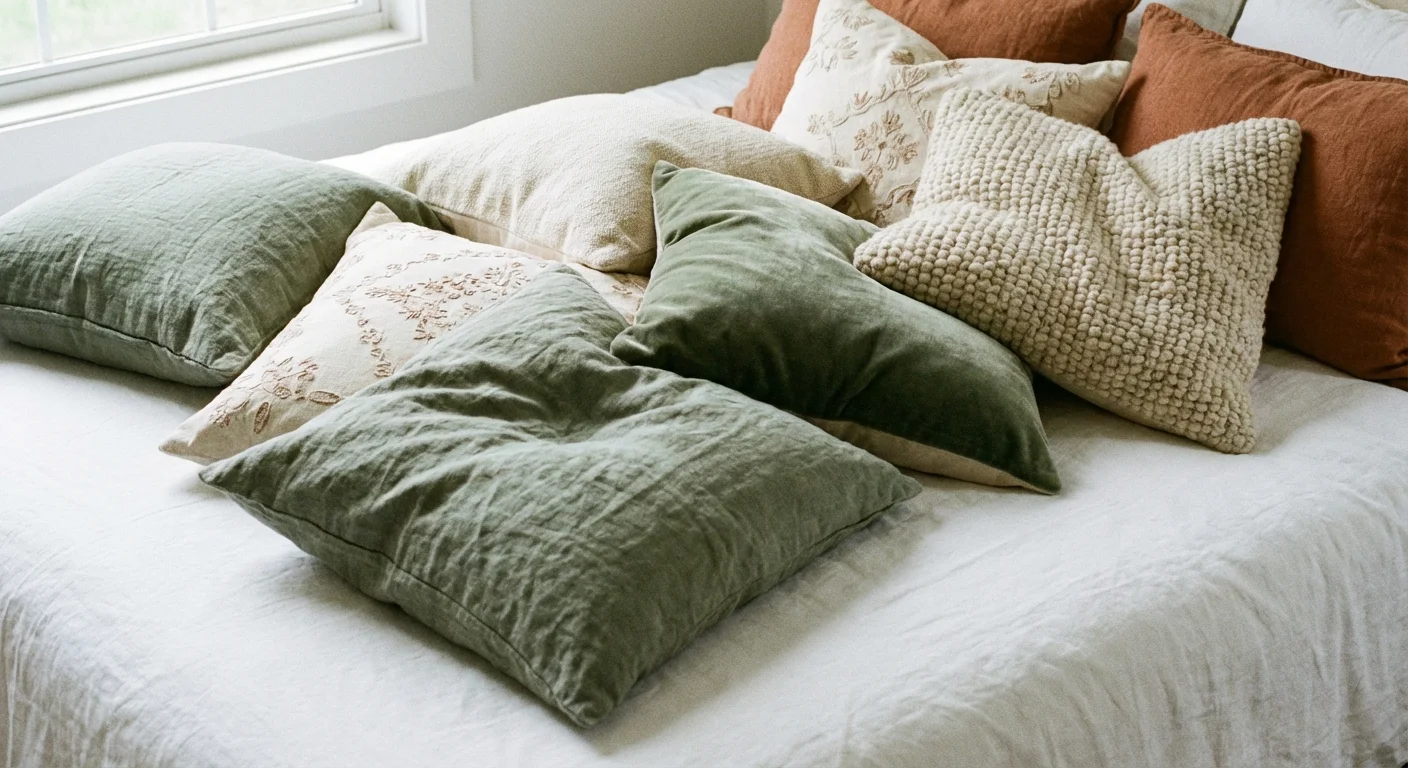
Once you secure the right inserts, selecting covers becomes an exercise in layering textures. Flat, untextured rooms feel unwelcoming. If you own a smooth leather sofa, bypass smooth silk or flat cotton pillows. Instead, introduce heavy linen, chunky boucle, or cut velvet to create friction and visual interest. Conversely, if you have a highly textured tweed or chenille sofa, smooth velvet or sleek leather pillows provide a resting place for the eye.
Before selecting your fabric palette, it is helpful to choose the perfect paint color for a cozy room so your pillows and blankets complement the walls.
“Texture is the most enduring and ubiquitous undercurrent of interior design. Throw pillows and blankets are the easiest way to inject tactile warmth into a space without committing to major furniture changes.” — Kelly Wearstler, Interior Designer
When selecting colors, pull inspiration from existing artwork, rugs, or window treatments in the room. A foolproof method involves choosing one large-scale pattern, one small-scale pattern, and one solid color drawn directly from the patterns. Ensure covers feature hidden zippers rather than envelope closures. Hidden zippers allow you to display both sides of the pillow seamlessly and keep the insert securely contained.
The Art of Arrangement: Master Your Living Room Textile Decor
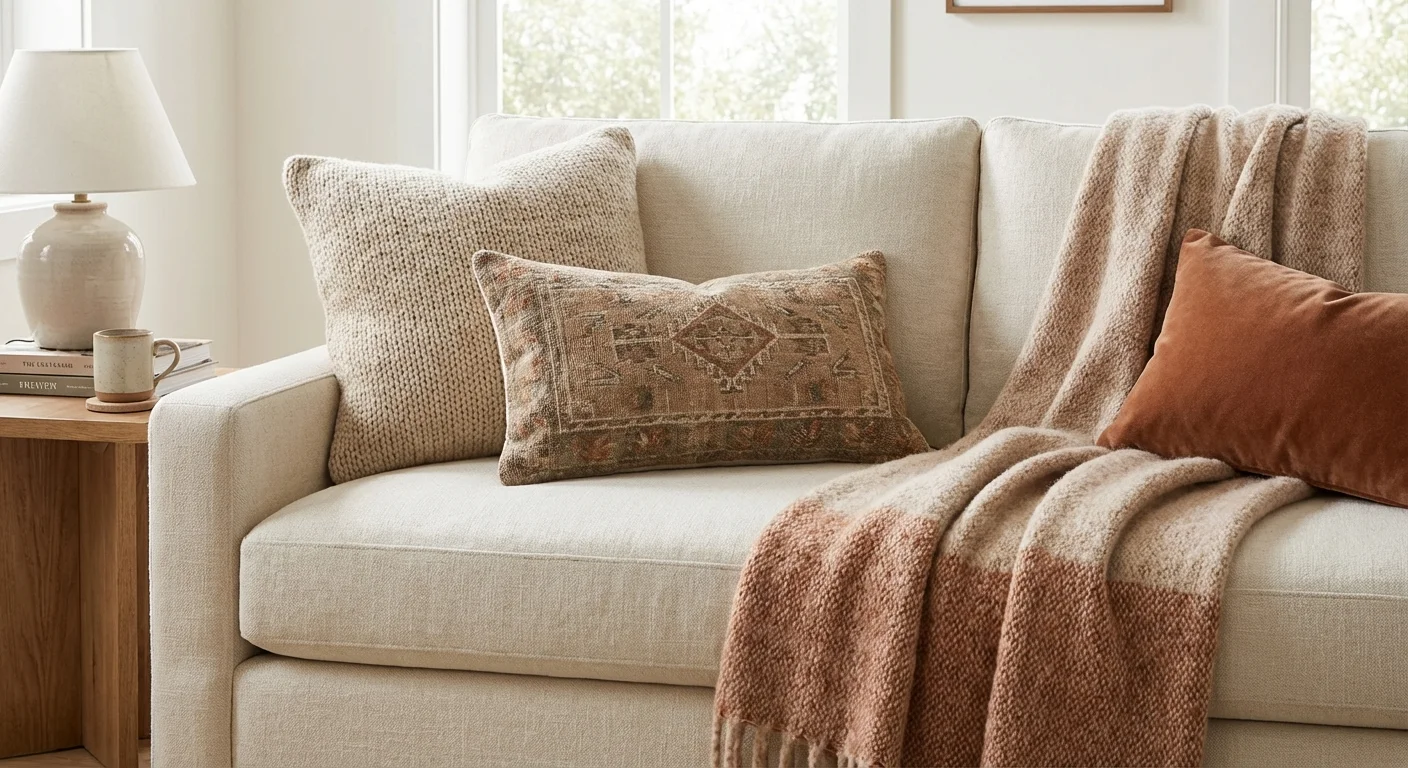
Buying beautiful textiles is only half the battle; arranging them correctly elevates your living room from messy to styled. Haphazardly tossing pillows and blankets onto furniture rarely achieves the effortless look you desire.
These same styling rules can be used to elevate reading nook ideas in a quiet corner of your home.
Proper textile placement works best when you also arrange your furniture for maximum coziness to facilitate conversation and relaxation.
The 2-2-1 Pillow Formula
For a standard three-seat sofa, the 2-2-1 arrangement offers perfect symmetry and visual balance without feeling overly formal. Follow these steps to execute it flawlessly:
- Place two solid anchor pillows: Start with two large pillows (typically 22-by-22 or 24-by-24 inches) in a solid color that contrasts with your sofa. Nestle these firmly into the far left and right corners.
- Add two patterned pillows: Select two slightly smaller pillows (20-by-20 inches) featuring a pattern that ties the room’s color palette together. Place these directly in front of your anchor pillows, slightly offset toward the center of the sofa.
- Finish with one accent pillow: Place a single, uniquely shaped pillow in the dead center. A lumbar pillow (rectangular) or a round bolster works best here. This breaks up the monotonous square shapes and provides excellent lower back support for guests.
Styling the Blanket Drape
Throw blankets can be styled cleanly or casually. For a tailored aesthetic, fold the blanket lengthwise into thirds and drape it neatly over the back of the sofa or down the center of a chaise lounge. Tuck the ends under the seat cushion for a crisp, immovable finish.
For a relaxed, organic feel, pinch the blanket near its center point, lift it up, and gently drop it over the corner of the sofa. Let the fabric puddle naturally. Adjust the edges slightly so the fringe or texture is visible, but resist the urge to smooth it out completely. The goal is to make it look as though someone just stood up from a cozy nap.
Soft Blanket Recommendations by Lifestyle
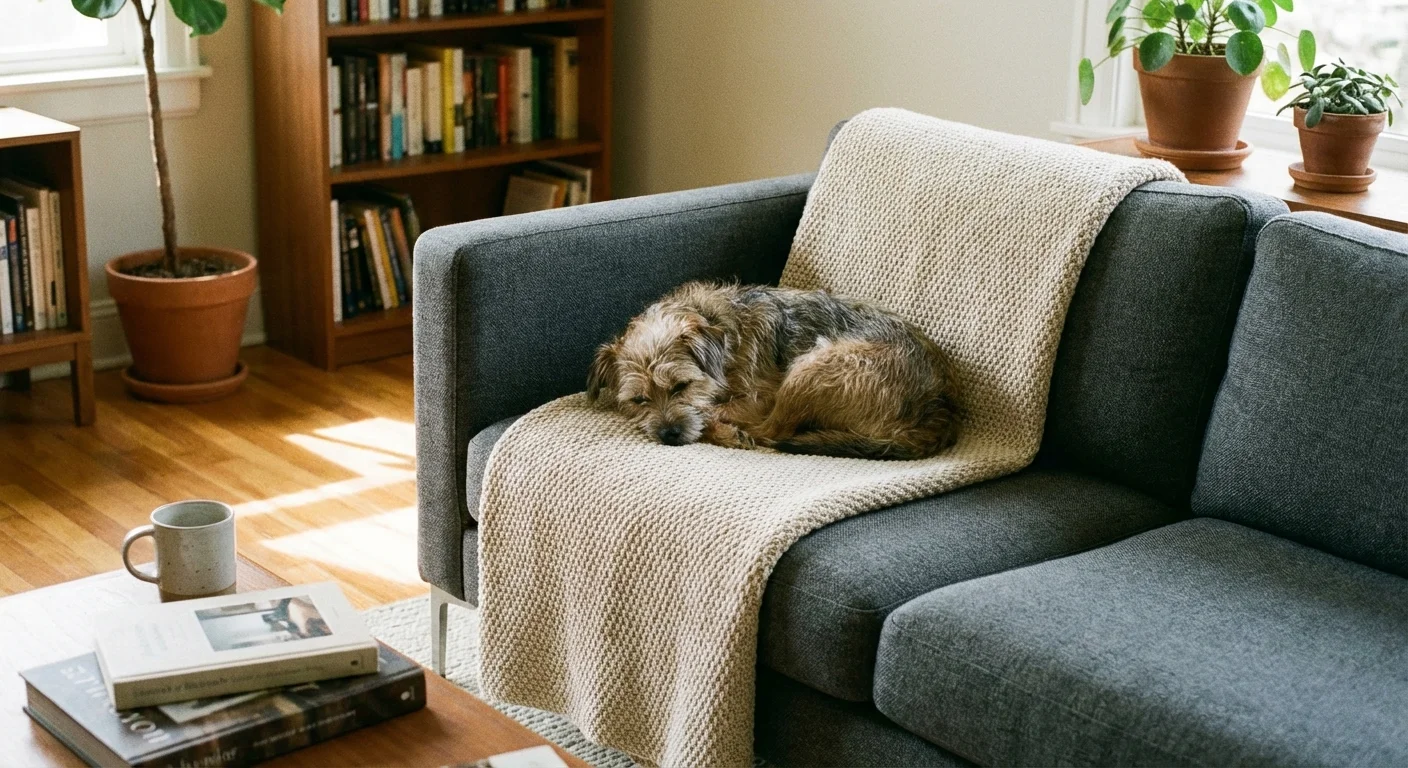
General advice falls short when it meets the reality of daily life. The best blanket for a formal sitting room will not survive a week in a busy family room.
For Pet Owners: Cats and dogs instinctively scratch and knead soft surfaces. Avoid chunky knits, chenille, and loosely woven linens, as pet claws will pull the threads instantly. Instead, rely on tightly woven canvas, heavy denim, or performance microfiber. These fabrics resist snagging and release pet hair easily in the wash. For tips on maintaining a beautiful home with animals, Architectural Digest frequently highlights pet-friendly design strategies that do not sacrifice aesthetics.
For Families with Toddlers: Sticky hands and frequent spills demand durability. Look for pre-washed cotton muslin or heavy-duty fleece. Ensure the blanket can withstand hot water cycles to remove stubborn stains. Avoid anything labeled “dry clean only.”
For Leather Furniture Owners: Blankets notoriously slide off slippery leather sofas. Combat this by choosing textiles with significant weight and grip. Heavy wool blends, weighted cotton knits, or throws lined with a suede-like material create enough friction to stay securely in place.
Avoiding Common Errors
Even with high-quality pieces, certain styling mistakes can downgrade the overall look of your living space. Be mindful of these frequent pitfalls.
Buying “Bed-in-a-Bag” Matchy Sets: Retailers often sell matching sets of sofas, pillows, and blankets. Using these perfectly matching sets strips a room of its personality. A curated home looks collected over time. Mix and match your patterns, brands, and textures to build a customized look.
Ignoring the Scale of Your Furniture: A massive, overstuffed sectional will swallow a standard 16-by-16-inch throw pillow. Conversely, placing massive 24-inch pillows on a delicate, mid-century modern loveseat leaves no room for human beings to actually sit. Measure your backrests; the top of your throw pillows should never extend significantly above the back frame of the sofa.
Overstuffing the Seating Area: Pillows and blankets should enhance comfort, not hinder it. If guests have to excavate a spot to sit down, or if they are forced to hold pillows in their laps because there is no room on the furniture, you have over-decorated. Leave at least half of the sofa seating area entirely clear of textiles.
Seasonal Rotation and Proper Storage
To extend the life of your living room textile decor, practice seasonal rotation. Pack away heavy faux fur and wool in the spring, replacing them with light linen and bright cotton. This simple swap instantly refreshes the room’s energy and prevents your heavy textiles from accumulating unnecessary wear and tear during months they aren’t being used.
When swapping textiles out, storage becomes the next hurdle. Avoid cramming down pillows into tight spaces; compressing natural feathers for months on end can permanently damage the quills and ruin the pillow’s loft. Instead, store covers and inserts in breathable cotton bags in a dry closet.
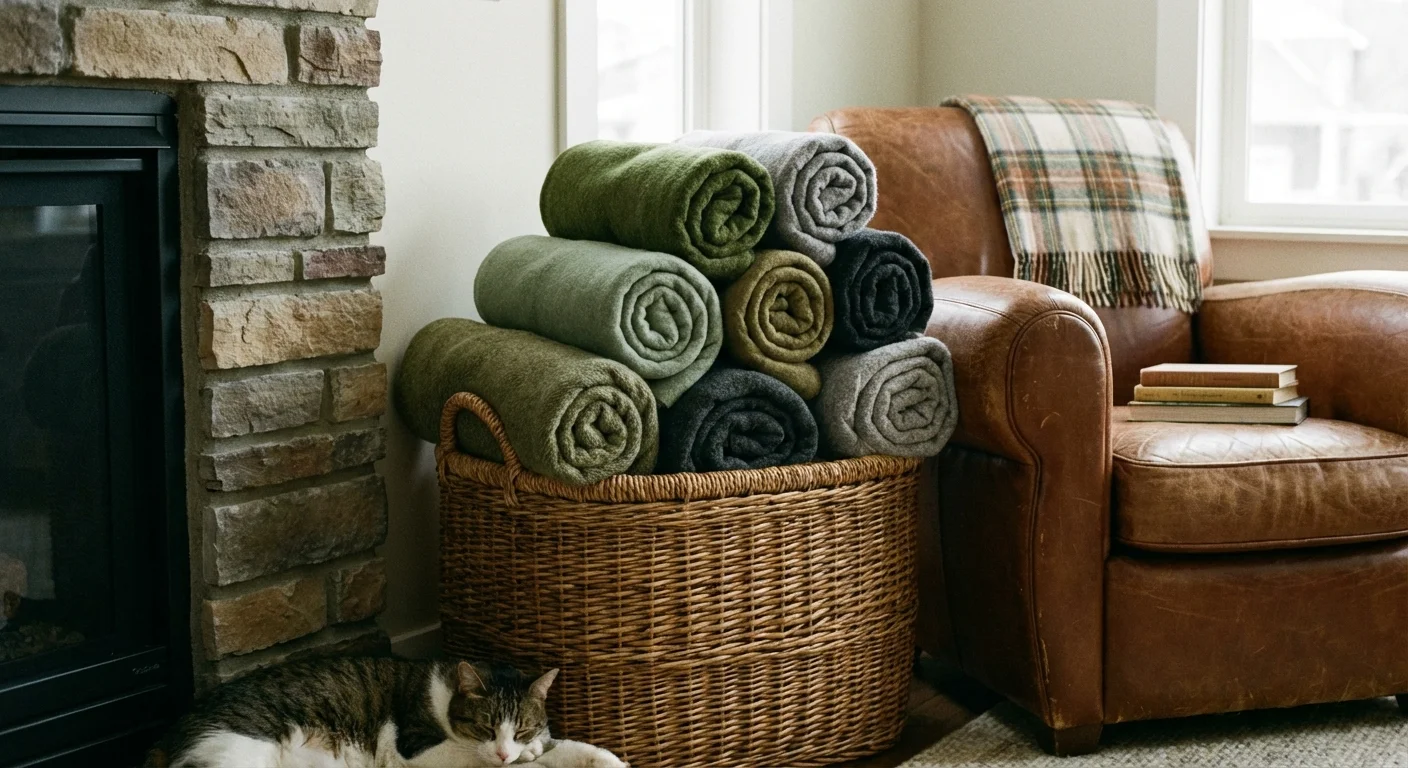
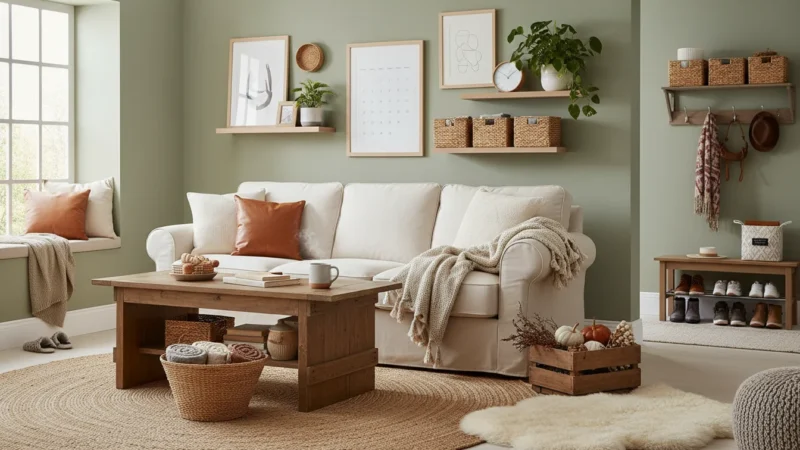
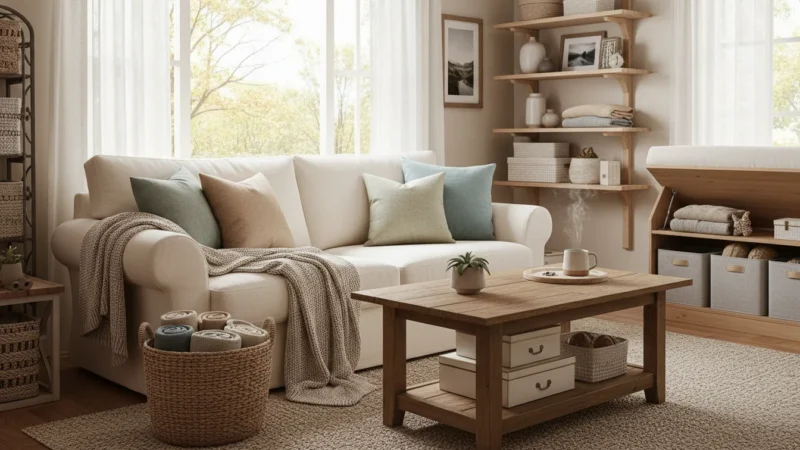
For everyday storage of blankets currently in rotation, utilize woven seagrass baskets placed next to the sofa. Blanket ladders leaning against an empty wall provide a vertical storage solution that doubles as artwork, displaying your beautiful textiles while keeping them off the floor. If floor space is tight, invest in a storage ottoman. Leading organizational platforms like the Container Store offer excellent hidden storage furniture designed specifically to keep living rooms uncluttered while keeping textiles easily accessible.
When DIY Washing Isn’t Enough
While most modern throws and pillow covers handle standard washing machines, certain high-end materials require professional intervention. If you invest in vintage textiles, hand-dyed mud cloth, or intricate Moroccan wedding blankets featuring sequins and delicate fringe, do not risk standard laundering. The agitation of a modern washing machine can destroy hand-woven threads in a single cycle. Take these specialty items to a professional dry cleaner who specializes in delicate household textiles. Similarly, if your down pillow inserts develop a persistent musty odor that a run through the dryer (with tennis balls) cannot cure, professional ozone cleaning may be required to kill deep-seated mildew without destroying the down clusters.
For general guidance on maintaining standard household fabrics and extending the life of your everyday laundry, resources like Real Simple offer excellent, tested stain-removal techniques.
Frequently Asked Questions
How many throw pillows should go on a standard sofa?
For a standard 84-inch three-seat sofa, aim for three to five pillows. Three pillows create a clean, minimalist aesthetic, while five pillows provide a lush, cozy, and traditional look. Using an odd number prevents the arrangement from looking overly rigid and symmetrical.
How do I keep my throw blankets from sliding off leather couches?
Leather lacks the friction of upholstered fabric. To keep blankets in place, avoid slippery materials like silk or fine synthetic fleece. Choose heavier, textured materials like a chunky cable knit or heavy wool. Tucking the corners of the blanket tightly behind the seat cushions also anchors it securely.
Are faux fur blankets machine washable?
Most faux fur blankets are machine washable, but you must strictly use cold water and the delicate cycle. Never put faux fur in the dryer, even on low heat. The friction and heat will melt the synthetic fibers, permanently destroying the soft texture. Always lay faux fur flat to air dry, then gently brush it out with a soft-bristled brush.
How often should I wash living room blankets and pillow covers?
Frequency depends heavily on household usage. In homes with pets, small children, or heavy daily use, wash everyday throw blankets every two to four weeks. Decorative pillow covers that only see occasional use can be washed once a season. Always wash covers inside-out to protect the patterns and zippers.
Creating Your Comfort Zone
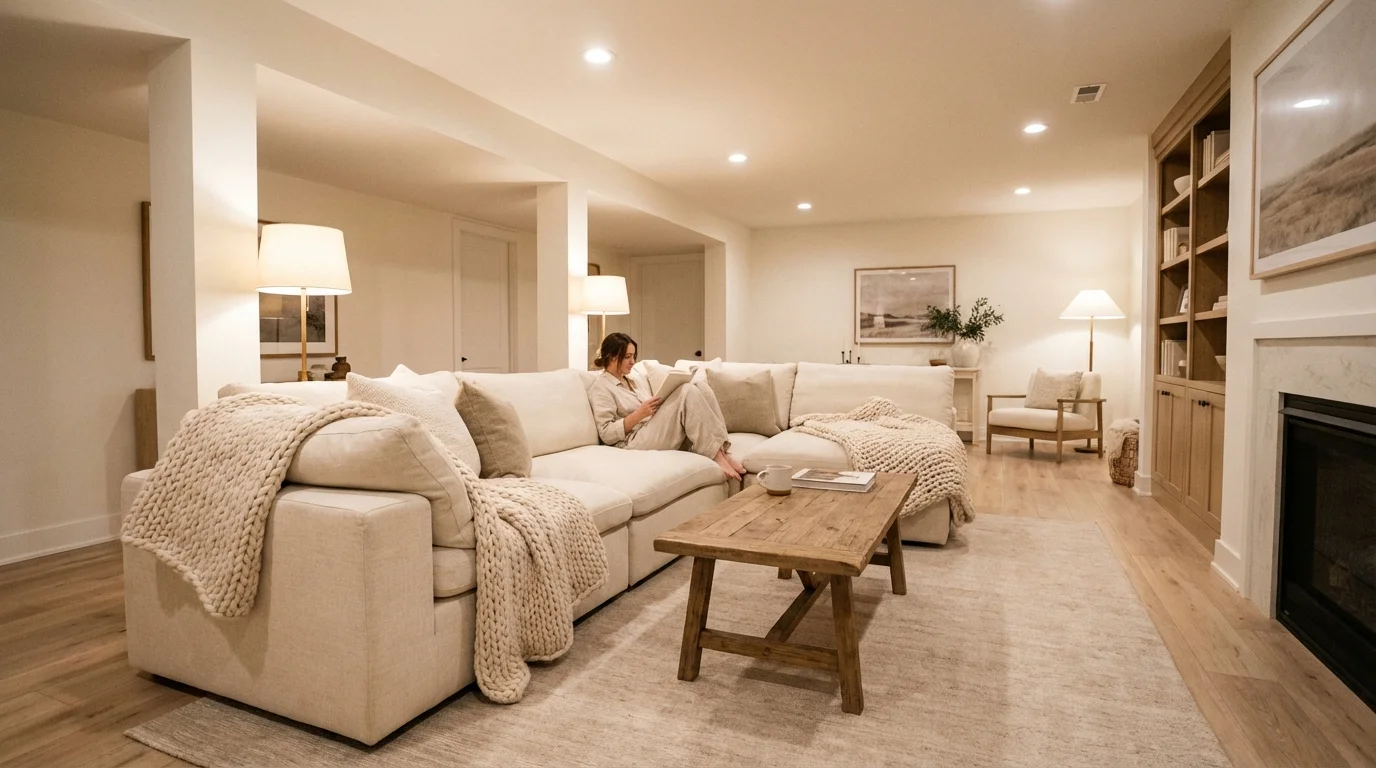
Upgrading your living room with the right blankets and pillows is one of the most cost-effective ways to completely alter the mood of your home. By paying close attention to fabric composition, enforcing the two-inch rule for pillow inserts, and arranging your pieces with intention, you create a space that looks professionally designed but feels entirely personal. Take the time to touch and test fabrics before committing to them. Ultimately, the best textile is the one you instinctively reach for at the end of a long day.
Start small by swapping out your pillow inserts for higher-quality options, or drape a new textured throw over that empty armchair in the corner. You will immediately notice the warmth it brings to the room.
This guide provides general home improvement information. Every home is different—what works in one space may need adaptation in yours. For structural changes or electrical/plumbing work, consult a licensed professional.
Last updated: February 2026
Leave a Reply