
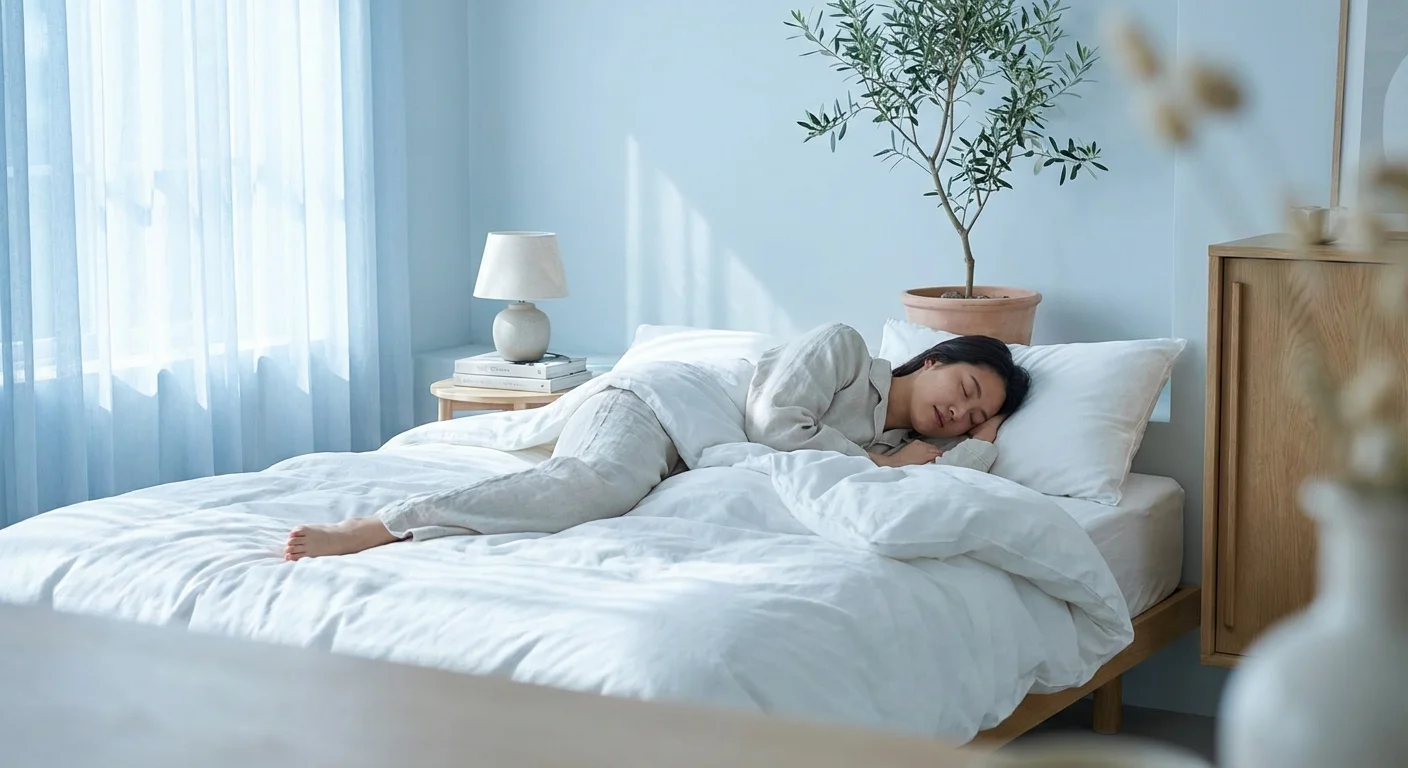
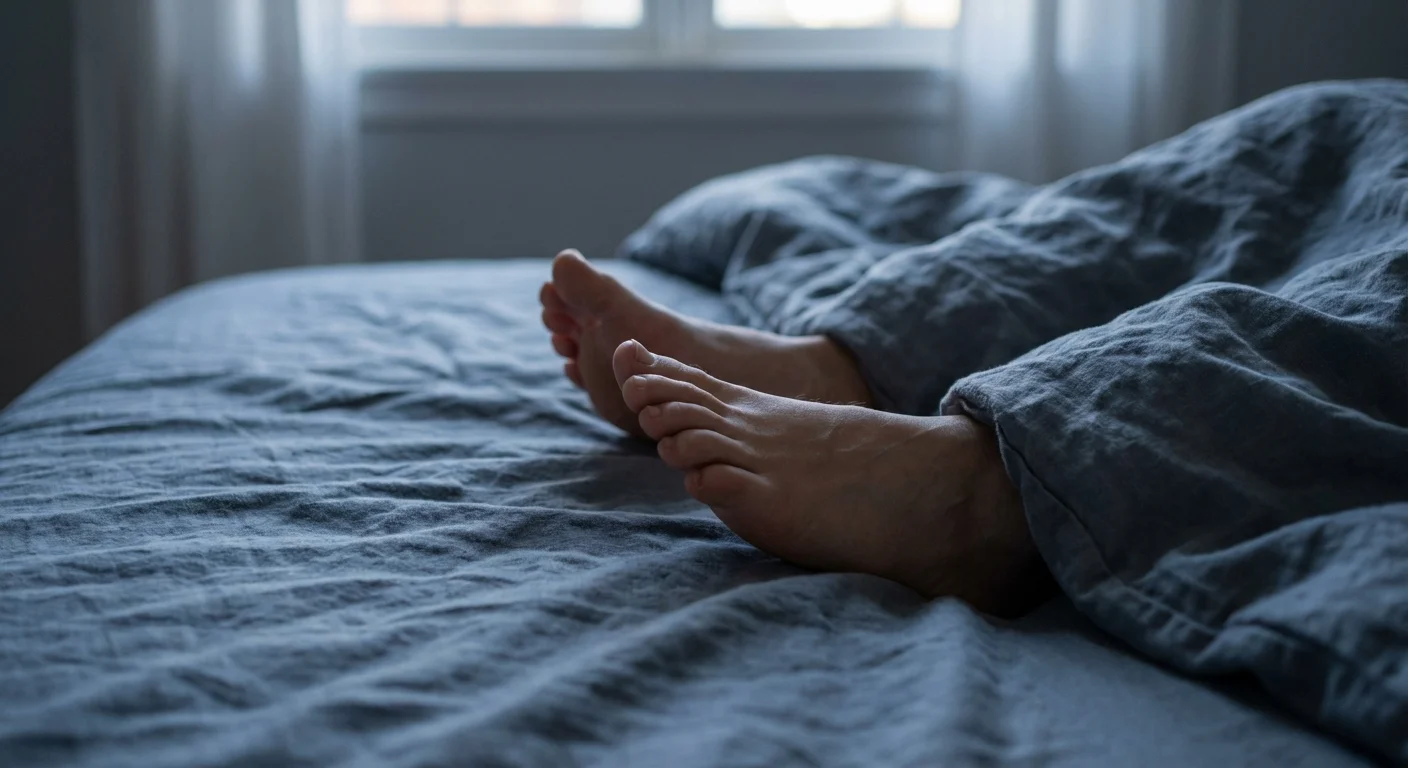
Your body performs a quiet, complex physiological dance every single evening to prepare you for rest. About two hours before you feel ready to close your eyes, your core body temperature begins to drop. Blood vessels in your skin dilate, radiating heat away from your core and out through your hands and feet. This internal cooldown is the biological starting gun for sleep; it tells your brain to release melatonin and begin the transition into deep rest. When your bedroom environment fights this natural process, you toss, turn, and wake up feeling groggy.
Understanding the exact relationship between the ambient air in your room and the quality of your rest allows you to engineer a better night. We will look closely at the biological mechanics of sleep, evaluate the materials and technologies that regulate heat, and map out practical steps to transform your bedroom into an optimal environment for recovery.
The Biological Connection: Sleep Temperature Science
The human body operates on a circadian rhythm—an internal 24-hour clock that regulates the sleep-wake cycle. This rhythm dictates that your core temperature peaks in the late afternoon and reaches its lowest point around 4:00 AM. For this thermal regulation to happen efficiently, your sleeping environment must facilitate heat loss. When you dive into sleep temperature science, the data points to a very specific target.
In addition to thermal regulation, soundproofing your bedroom can prevent acoustic disruptions that pull you out of deep sleep cycles.
Most sleep researchers and medical professionals agree that the best bedroom temperature for sleep hovers between 60 and 67 degrees Fahrenheit (15.6 to 19.4 degrees Celsius). At this specific range, the ambient air assists your body in shedding core heat without triggering a shiver response. Drop the temperature below 60 degrees, and your body activates its defense mechanisms, tightening blood vessels and waking you up to preserve heat. Raise the temperature above 70 degrees, and the air becomes too warm to absorb your excess body heat, interrupting your transition into the deeper, restorative stages of sleep known as slow-wave sleep and REM.
“Temperature acts as a primary circadian cue for the brain. A room that stays too warm disrupts the architecture of sleep, pulling individuals out of deep restorative phases and increasing the frequency of micro-awakenings.” — Dr. Matthew Walker, Sleep Scientist and Author
Those micro-awakenings often go unnoticed until the alarm rings. You might not remember waking up, but you will certainly feel the physical toll of a fragmented sleep cycle. By taking control of your room’s thermal profile, you actively protect your deep sleep.
Assessing Your Current Bedroom Climate Control
Before buying new fans or replacing your mattress, evaluate your current setup. Effective bedroom climate control requires understanding how your room gains and loses heat throughout the day and night.
Along with managing temperature, incorporating air-purifying plants can naturally improve the oxygen levels and freshness of your sleeping environment.
Beyond temperature, ensure your space remains a sanctuary by learning how to declutter your bedroom to remove visual stress.
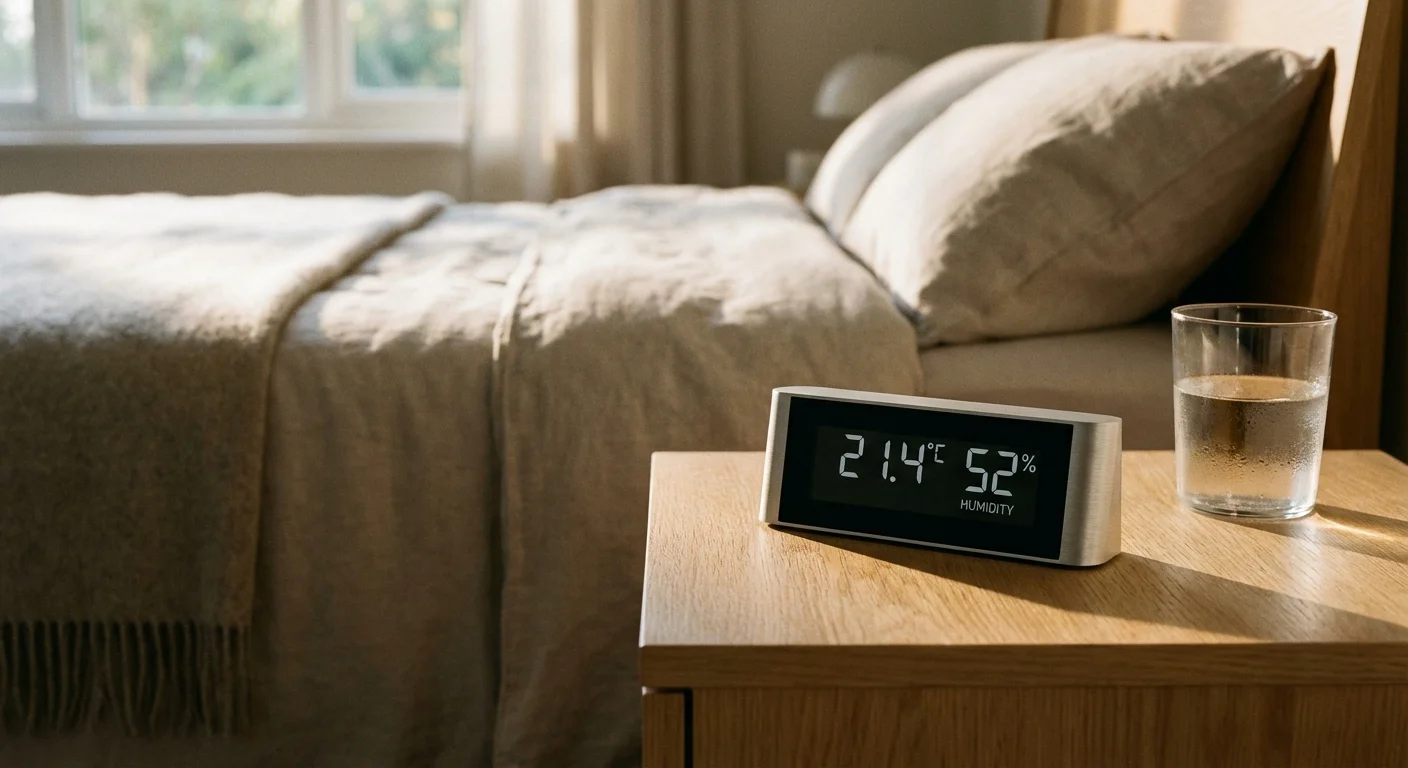
Start by placing a basic digital thermometer on your nightstand. Wall thermostats read the temperature in the hallway or the living room, which often differs significantly from the microclimate right next to your bed. Monitor this nightstand temperature for a few nights. Notice how it fluctuates between the time you go to sleep and the time you wake up. Track the room’s humidity as well; high humidity prevents sweat from evaporating off your skin, making a 68-degree room feel like 75 degrees.
Next, observe the structural elements of your bedroom. Which direction do the windows face? A bedroom with west-facing windows absorbs intense afternoon sun, baking the room and the walls well into the evening. Check your air vents to ensure furniture or heavy curtains do not block the airflow. A bed placed directly over a floor register or right under a ceiling vent receives concentrated blasts of air, creating uncomfortable hot or cold spots that disrupt sleep.
Practical Adjustments for a Cooler Sleep Environment
You can significantly lower your sleep temperature by adjusting the immediate environment around your body. The fabrics you sleep on and under play a massive role in trapping or releasing heat.
If you enjoy the calming effect of pressure, look for the best weighted blankets specifically designed with breathable fabrics to prevent night-time overheating.
Optimize Your Bedding Layers
The goal of bedding is to provide physical comfort without trapping the heat your body is trying to expel. Ditch heavy, synthetic materials like polyester or microfiber. These fabrics act like plastic wrap; they hold heat and moisture against your skin.
- Choose breathable sheets: Look for 100 percent natural fibers. Cotton percale is excellent for hot sleepers because the one-over-one weave structure leaves tiny gaps for air to pass through. Linen is highly durable and naturally wicks moisture, though it feels textured at first. Tencel (lyocell) offers a silky feel while providing exceptional breathability.
- Keep thread counts reasonable: Marketing campaigns have convinced consumers that higher thread counts equal better quality. In reality, a thread count above 600 often requires weaving extremely thin threads very tightly together, which drastically reduces airflow. A crisp 200- to 400-thread-count cotton percale sheet will sleep much cooler.
- Use the layered approach: Instead of one heavy winter duvet, dress your bed in layers. A breathable flat sheet combined with a lightweight cotton quilt allows you to adjust your insulation dynamically during the night.
Investigate Mattress Technology
Traditional memory foam revolutionized the mattress industry by providing incredible pressure relief, but it came with a massive flaw: it relies on your body heat to soften, and its dense cellular structure traps that heat underneath you. If you routinely wake up sweating in the exact shape of your body, your mattress is likely the culprit.
If you are in the market for an upgrade, research options for a cooling mattress for sleep. Modern designs tackle heat retention in several ways. Gel-infused foam attempts to pull heat away from the surface. Latex foam naturally sleeps cooler than memory foam because it features a more open, breathable cellular structure. Hybrid mattresses combine foam top layers with an innerspring core; the empty space between the steel coils provides an avenue for body heat to escape. You can find independent durability and heat-retention testing for these different materials through organizations like Consumer Reports.
Leveraging Technology: Smart Thermostat Sleep Settings
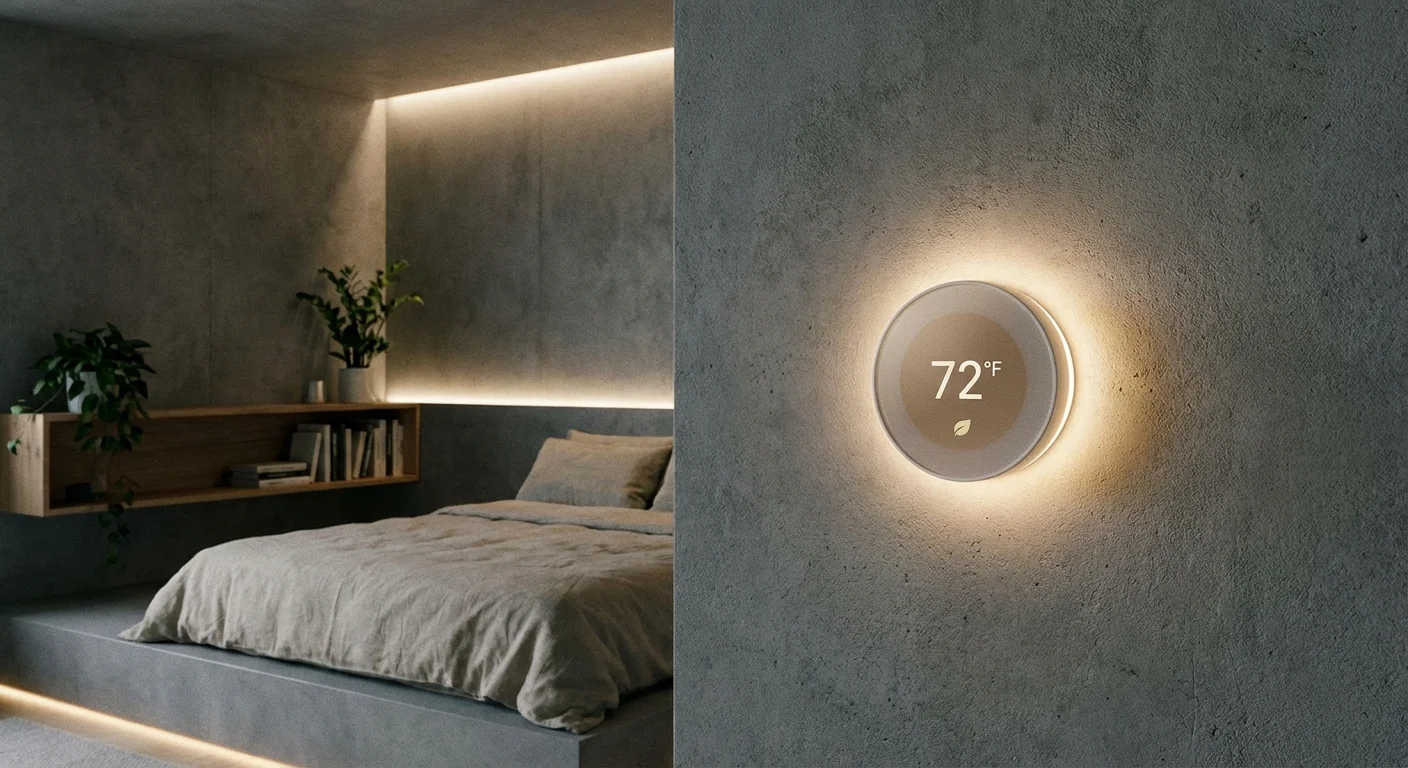
Manually adjusting the thermostat right before bed often fails. Either you forget, or the HVAC system takes too long to cool the room, leaving you sweating for the first hour of sleep. Automating your bedroom climate control guarantees consistency.
This type of automation is also a highly effective strategy for reducing your home’s energy bills by maximizing HVAC efficiency while you rest.
If you currently have a manual dial, discovering how to install a smart thermostat is a simple DIY project that can revolutionize your sleep quality.
Dialing in your smart thermostat sleep settings ensures the room perfectly matches your body’s biological schedule. Most modern smart thermostats allow you to set a multi-stage schedule. Try programming this highly effective sleep-cycle schedule:
- 8:00 PM (Pre-cooling): Program the thermostat to drop to 68 degrees. This removes the ambient heat that built up during the day and cools the walls and furniture.
- 10:00 PM (Sleep initiation): Drop the temperature to your ideal sleep target, somewhere between 60 and 65 degrees. The room is now perfectly primed to help lower your core body temperature.
- 5:30 AM (Wake preparation): Program the thermostat to gently rise back to 68 or 70 degrees about 30 to 60 minutes before your alarm goes off. Warming the room naturally signals to your body that it is time to wake up, making it significantly easier to pull back the covers.
Running the air conditioning lower at night might seem expensive, but night-time electricity rates are often lower, and cooling a house without fighting the heat of the sun requires less energy. For guidelines on maximizing your HVAC system’s efficiency while running sleep schedules, the Energy Star program provides excellent data on balancing comfort and utility costs.
Comparing Cooling Strategies
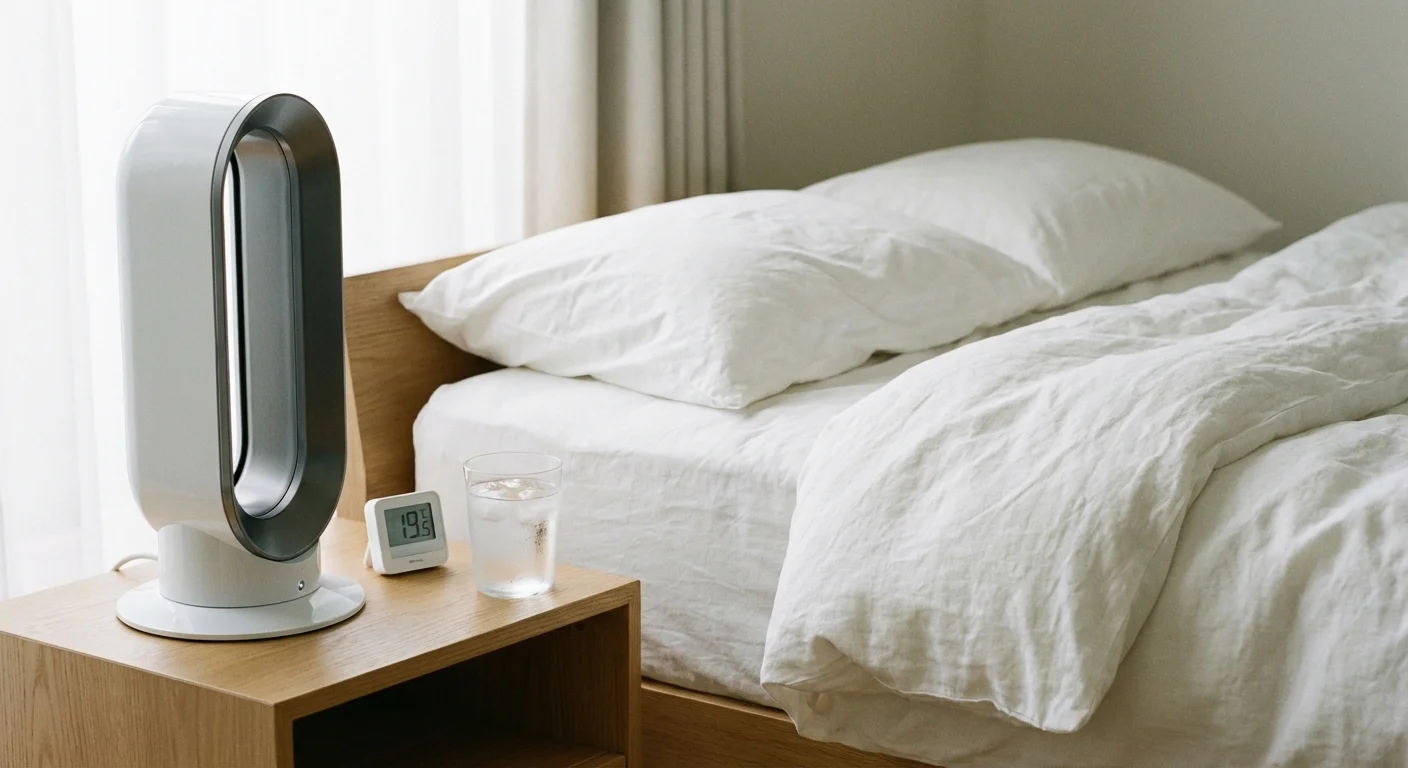
Not everyone has central air conditioning, and modifying a rental property is not always possible. Here is a breakdown of how different cooling strategies compare in terms of effort, cost, and effectiveness.
| Cooling Method | Upfront Cost | Effectiveness | Best Use Case |
|---|---|---|---|
| Breathable Bedding (Percale/Linen) | Low to Medium ($50 – $200) | Moderate | Immediate relief for hot sleepers without changing room temperature. |
| Ceiling or Floor Fans | Low ($30 – $150) | High (Perceived) | Circulating air to evaporate sweat; does not actually lower room temp, but cools the body. |
| Smart Thermostat Automation | Medium ($100 – $250) | Very High | Whole-house temperature control aligned with natural circadian rhythms. |
| Active Cooling Mattress Pads | High ($500 – $1,200+) | Exceptional | Partners with wildly different temperature preferences; pumps temperature-controlled water under the sleeper. |
| Blackout Thermal Curtains | Low ($40 – $100) | Moderate | Preventing afternoon solar heat gain in west- or south-facing bedrooms. |
Common Mistakes to Avoid
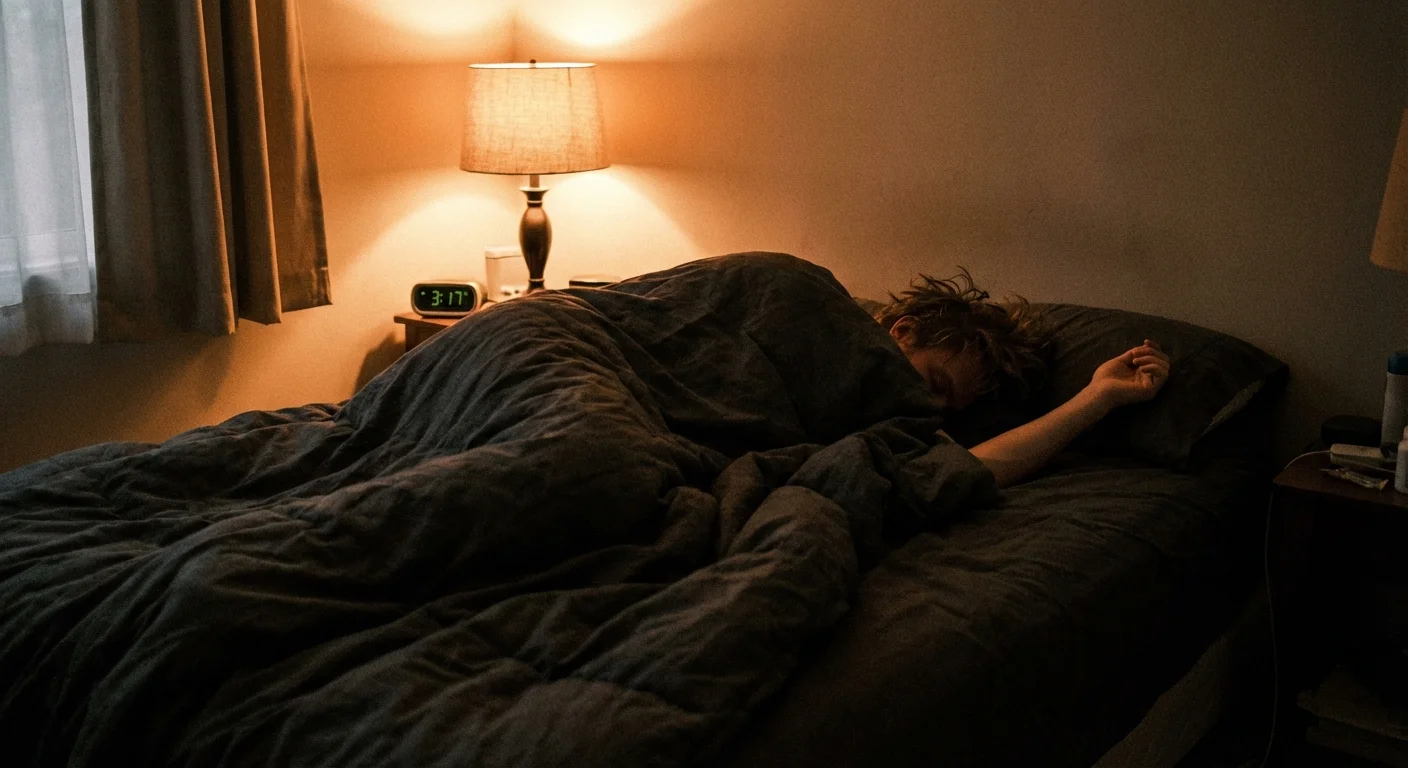
Even with the best thermostat settings and expensive sheets, certain habits and environmental factors can sabotage your bedroom temperature and your sleep quality.
Ignoring the humidity: As mentioned earlier, humidity changes everything. A 65-degree room with 70 percent humidity feels clammy and warm. If you live in a damp climate, integrating a dehumidifier into your bedroom climate control strategy is just as important as running the AC. Aim for an indoor relative humidity of 30 to 50 percent.
Exercising too close to bedtime: A vigorous workout spikes your core body temperature. Because your body needs to drop its core temperature to initiate sleep, exercising within two hours of your bedtime forces you to fight your own biology. Your body will simply take too long to cool down, delaying sleep onset regardless of how cold the room is.
Taking a cold shower before bed: This seems counterintuitive, but a cold shower right before bed is a mistake. Cold water on your skin causes your blood vessels to constrict, which temporarily traps your core body heat inside. Instead, take a warm bath or shower an hour before bed. The warm water brings blood to the surface of your skin; when you step out into the cooler bedroom, that heat rapidly dissipates into the air, effectively lowering your core temperature.
Closing the bedroom door without return vents: If your home utilizes central HVAC, closing your bedroom door at night can disrupt airflow. If the room has supply vents but no return vent, closing the door pressurizes the room, preventing fresh, cool air from entering. If you must sleep with the door closed for privacy or fire safety, ensure there is a sufficient gap under the door or consider installing a transfer grille to allow air circulation.
Professional vs. DIY: Upgrading Your Bedroom Temperature
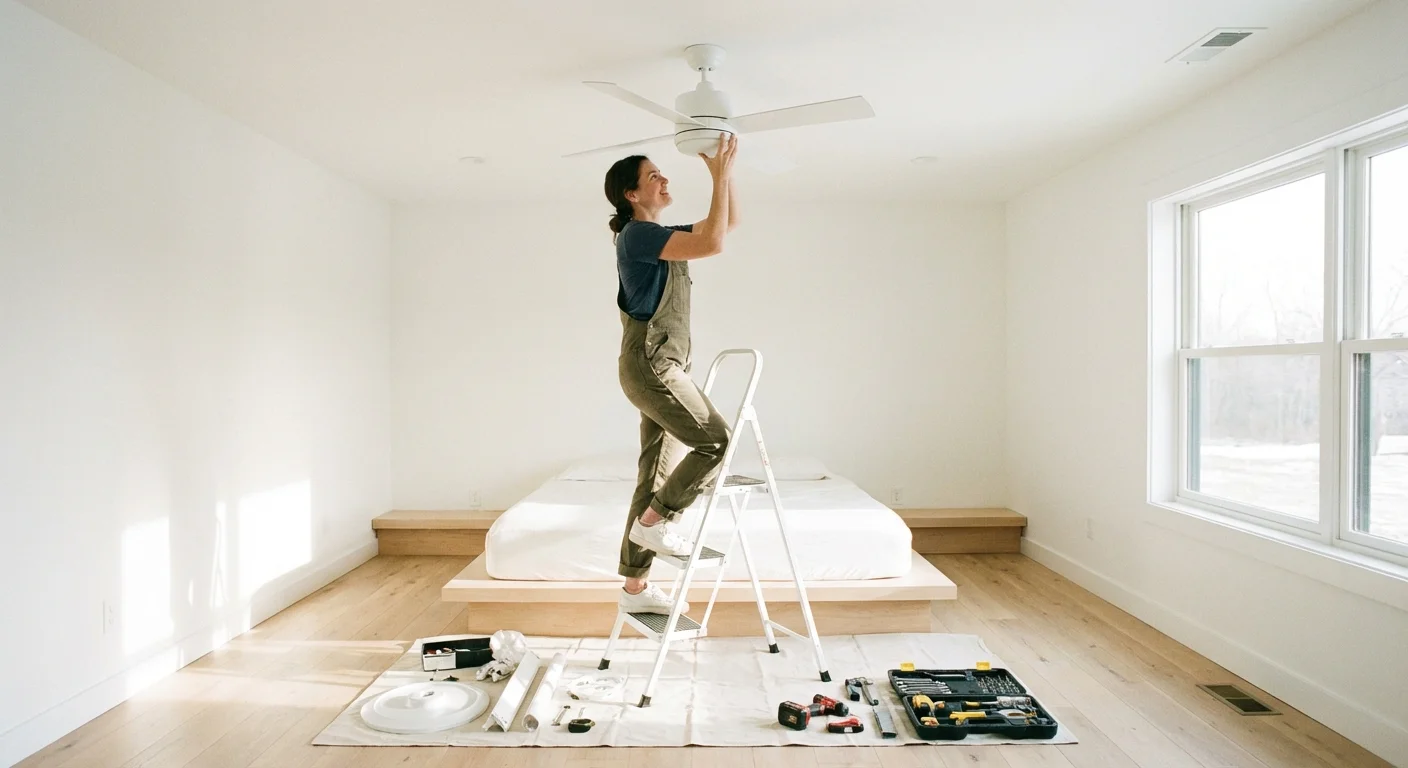
Improving your sleep environment ranges from simple weekend projects to major electrical work. Knowing when to call an expert saves time, money, and frustration.
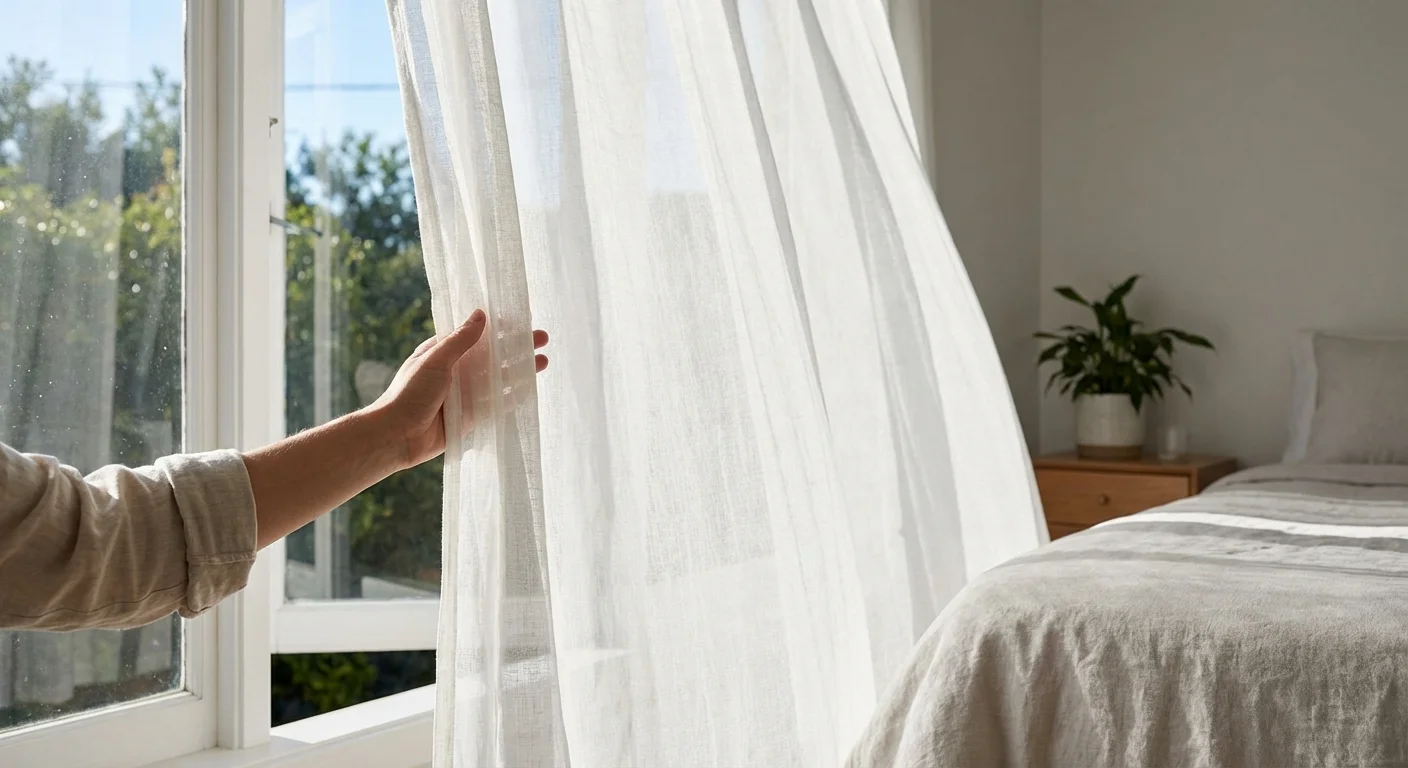
Installing Blackout Window Treatments (DIY): Hanging thermal, blackout curtains is a simple weekend task. You only need a drill, a level, and basic measuring skills. For maximum thermal protection, ensure the curtain rod extends several inches past the window frame on all sides so the fabric completely seals out light and radiant heat.
Installing a Smart Thermostat (DIY / Pro): Most smart thermostats are designed for DIY installation and come with excellent step-by-step apps. However, if you remove your old thermostat and discover high-voltage thick black wires (common in older electric baseboard heating), or if your system lacks a “C-wire” (common wire) to power the smart unit, you should hire a licensed HVAC technician to run the proper low-voltage wiring.
Replacing a Light Fixture with a Ceiling Fan (Pro): Moving air makes a room feel up to 4 degrees cooler due to the wind chill effect on your skin. However, if your ceiling box was only designed to hold a lightweight flush-mount light, it cannot safely support the dynamic weight and vibration of a 50-pound ceiling fan. A licensed electrician must install a fan-rated electrical box and ensure the wiring is up to code.
Installing a Mini-Split Air Conditioner (Pro): If your central AC cannot adequately cool a second-story bedroom, a ductless mini-split is the ultimate solution for precise bedroom climate control. This equipment requires handling pressurized chemical refrigerants and drilling through exterior walls. Always hire a certified HVAC professional for mini-split installations.
Frequently Asked Questions
Can my partner and I sleep at different temperatures?
Yes. Thermal preferences vary wildly based on body mass, metabolism, and hormones. The easiest solution is the “Scandinavian Sleep Method,” which involves ditching the shared top sheet and outfitting the bed with two separate twin-size duvets of different weights. If the discrepancy is severe, active cooling mattress pads allow each side of the bed to be set to a different exact temperature.
Should I leave my bedroom window open at night?
Opening a window provides excellent ventilation and passive cooling during the spring and fall. However, you must weigh the temperature benefits against potential disruptions. Outside noise (traffic, dogs, sirens) and influxes of pollen or allergens can disrupt sleep just as much as a warm room. If you leave the window open, consider using a white noise machine to mask exterior sounds.
Does memory foam always sleep hot?
Traditional, dense memory foam does trap heat. However, mattress manufacturers have heavily modified modern foams. If you love the feel of foam but sleep hot, look for mattresses that utilize copper infusions, graphite, or phase-change materials designed specifically to pull heat away from the sleeper’s body.
Transforming Your Sleep Routine
Taking control of your bedroom environment changes how you recover from daily life. You do not need to overhaul your entire house in one weekend. Start small: program a temperature drop into your thermostat tonight, or swap out your heavy synthetic sheets for crisp, breathable cotton this weekend. Notice how these small thermal shifts impact your ability to fall asleep and stay asleep. Real Simple often highlights how organizing your environment translates to organizing your mind, and temperature control is the invisible foundation of a well-organized bedroom.
By respecting your body’s natural circadian need to cool down, you remove the physical barriers to deep rest. Better sleep requires a holistic approach, blending the right fabrics, smart routines, and efficient technology to build a true sanctuary.
This guide provides general home improvement information. Every home is different—what works in one space may need adaptation in yours. For structural changes or electrical/plumbing work, consult a licensed professional.
Last updated: February 2026





Leave a Reply