
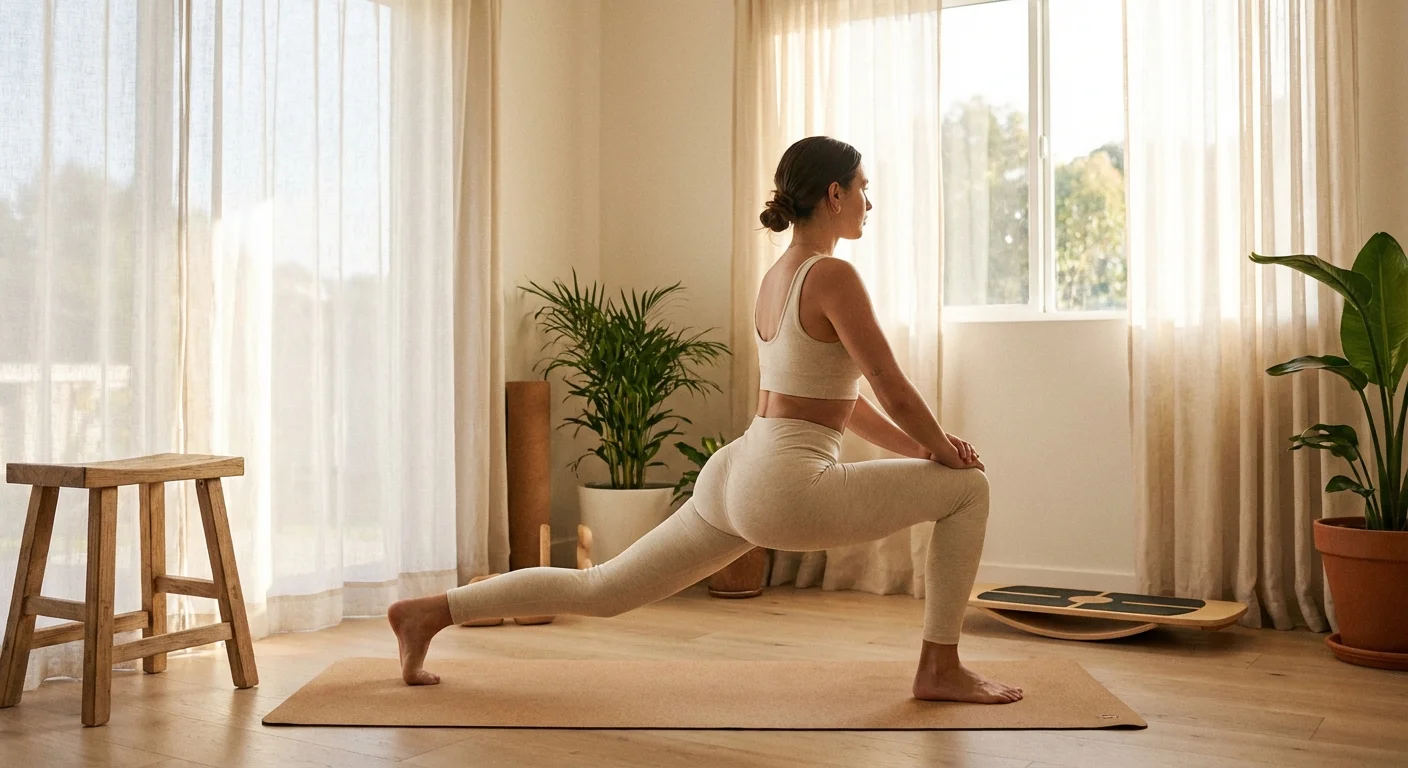
The hardest part of a workout often happens before you even lift a weight—it is the friction of packing a gym bag, driving through traffic, and waiting for a squat rack to open up. Building your own home workout space removes those barriers completely. When your equipment is just down the hall or out in the garage, consistency becomes a natural byproduct of convenience.
Establishing a dedicated fitness zone is also a perfect opportunity to consider creating a meditation space at home to support your mental recovery alongside your physical gains.
Creating an effective home gym setup guide requires looking past the glossy fitness magazines. You do not need a massive square footage or a commercial-level budget to build an environment that builds health. Whether you are carving out a quiet corner in a studio apartment or transforming a two-car garage into a heavy-lifting sanctuary, strategic equipment choices and clever spatial planning dictate your success.
Evaluating Your Home Workout Space
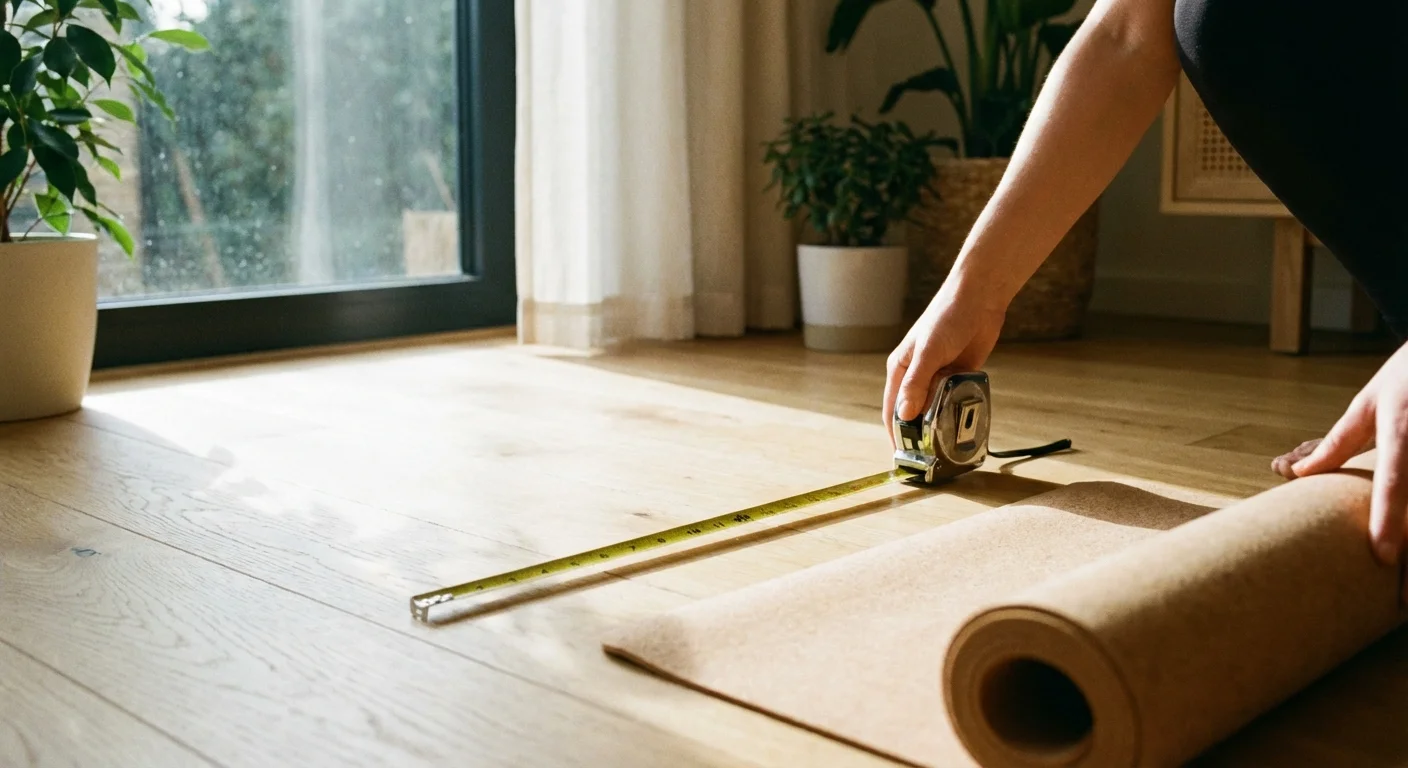
Before you purchase a single dumbbell, you must assess the reality of your available square footage. The best home gym equipment is completely useless if you cannot achieve a full range of motion while using it. Grab a tape measure and evaluate your potential spaces with movement in mind.
A standard yoga mat demands an area of about 2 feet by 6 feet, but dynamic movements like burpees or kettlebell swings require at least a 6-by-8-foot clearing. Ceiling height poses another common limitation. Stand in your prospective area and extend your arms straight overhead. If your fingertips brush the ceiling, you will struggle to perform overhead presses, pull-ups, or jump rope routines safely.
Consider the structural integrity and noise transmission of your chosen room. Second-floor spare bedrooms work beautifully for yoga, stationary cycling, and light resistance training; however, dropping a heavy deadlift on standard residential floor joists can crack drywall on the floor below and disturb everyone in the house. For heavy weightlifting, ground-floor rooms, basements, and garages offer the safest foundation.
“The objective of cleaning and organizing is not just to clean, but to feel happiness living within that environment.” — Marie Kondo, Organizing Consultant
Applying this philosophy to your fitness space means eliminating visual clutter that distracts from your routine. A dedicated area, free from laundry piles and household storage, signals to your brain that it is time to focus on physical health.
Garage Gym Ideas: Transforming Raw Space
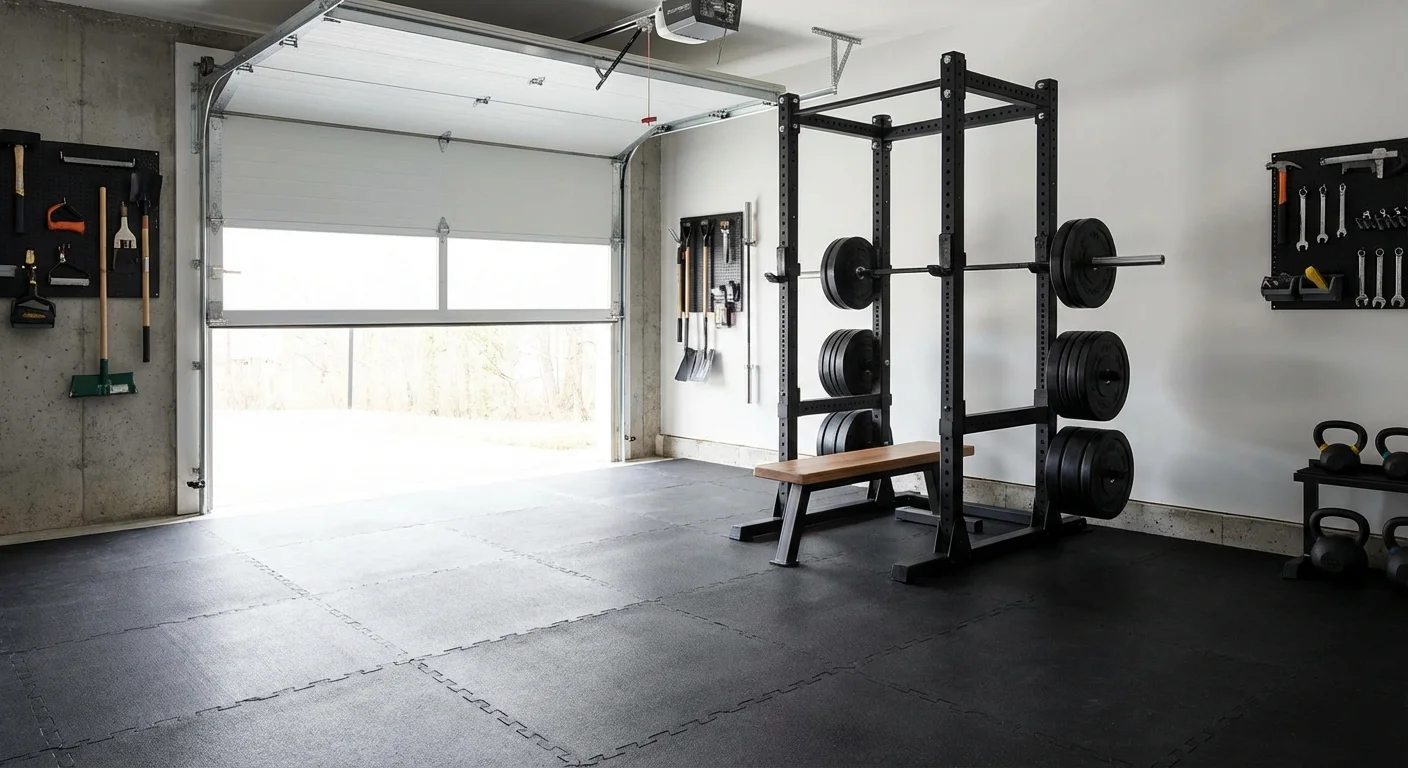
If you have an attached or detached garage, you possess the absolute best canvas for a comprehensive fitness center. Garages provide concrete foundations capable of handling heavy weight drops, tall ceilings for towering power racks, and excellent airflow when the main door is open.
Selecting the right garage shelving systems is also essential for keeping weights and cleaning supplies organized and off the gym floor.
Before laying down heavy mats, designing a functional garage storage system can help you reclaim the space needed for a full power rack or cardio zone.
Transforming a garage into a comfortable gym requires addressing the elements. Standard concrete floors are punishing on joints and freeze quickly in winter months. The foundational step for excellent garage gym ideas is proper flooring. Heavy-duty 3/4-inch rubber horse stall mats—typically sourced from agricultural supply stores—offer commercial-grade floor protection for a fraction of the cost of interlocking foam tiles. They dampen sound, insulate against cold concrete, and protect both your equipment and your foundation.
Climate control dictates how often you will actually use the space. A raw garage quickly becomes an oven in July and an icebox in January. Insulating your garage door and weatherstripping the perimeter keeps temperatures moderate. Adding a robust floor fan handles summer circulation, while a safe, radiant space heater can warm the training zone before a winter session. For extensive guidance on regulating garage temperatures and sealing drafts, This Old House offers practical, builder-grade solutions.
How to Build a Home Gym on a Budget
Fitness equipment scales dramatically in cost, but physical exertion does not know the difference between a $5 piece of equipment and a $5,000 machine. The secret to a highly effective build home gym on budget strategy is prioritizing versatile, multi-use tools over single-function machines.
We can break gym setups into three distinct tiers based on your goals and available funds.
Tier 1: The Minimalist Space-Saver (Under $150)
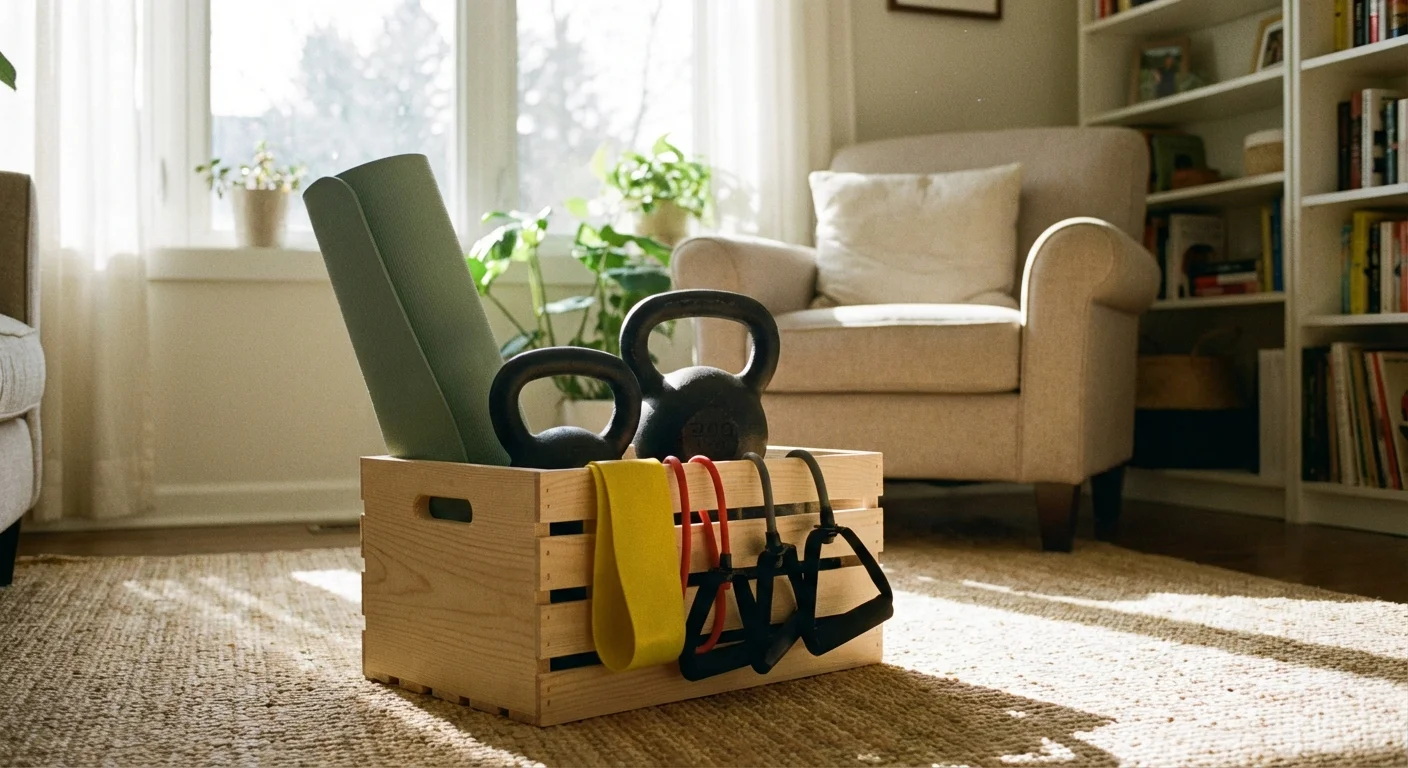
If you live in a tight apartment or want to test the waters before committing heavy funds, you can build an incredibly effective functional fitness setup for less than the cost of a three-month commercial gym membership.
- High-Density Exercise Mat: Skip the thin yoga mats. Invest in a thick, dense mat that provides joint support for floor work and absorbs minor impacts.
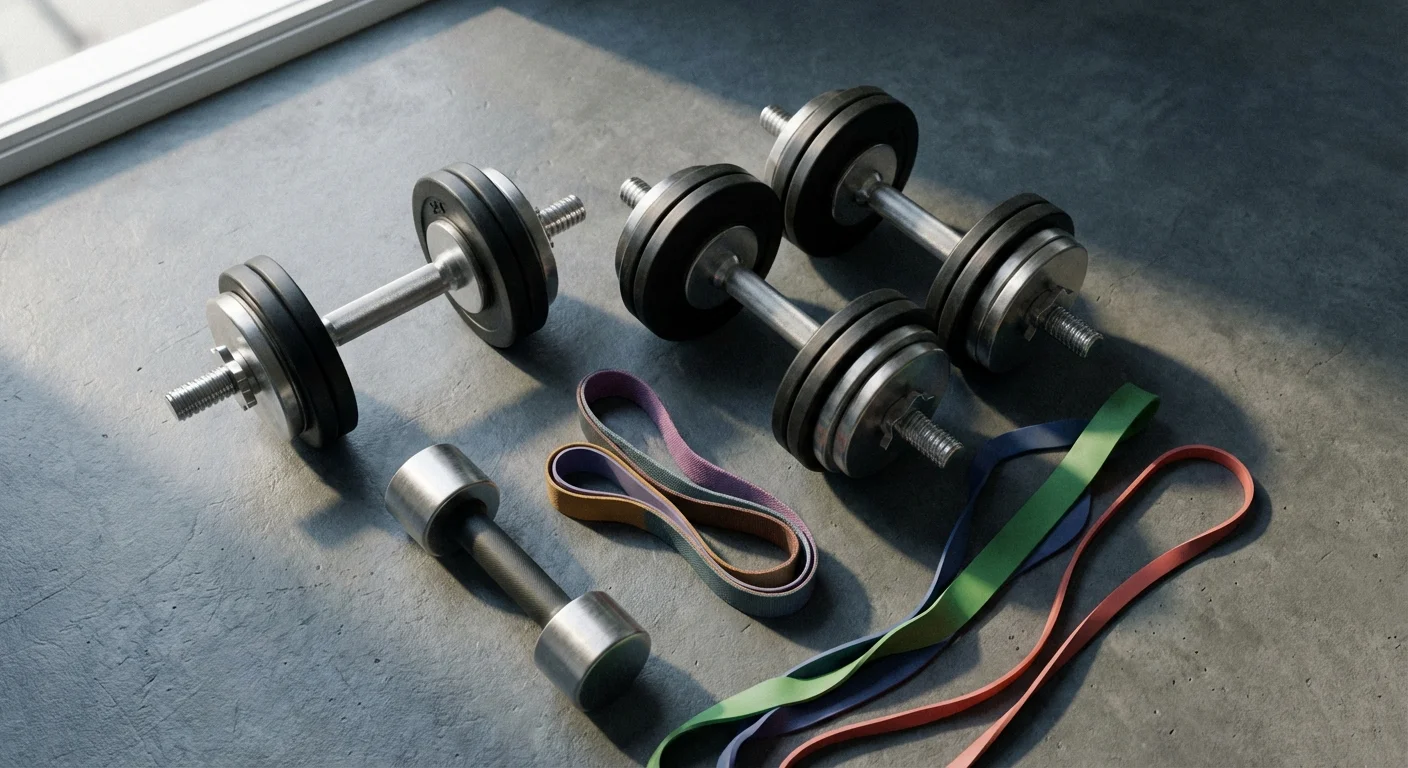
- Resistance Band Set: Continuous loop bands provide progressive resistance for squats, presses, and pulls. They mimic the function of a cable machine while fitting inside a shoebox.
- Adjustable Dumbbells (Light): A simple spin-lock dumbbell set allows you to adjust weights from 5 to 25 pounds, covering a vast array of upper body exercises.
- Doorframe Pull-Up Bar: Pull-ups remain the gold standard for back development. A tension-mounted bar utilizes your existing doorframes without requiring permanent hardware.
Tier 2: The Core Strength Builder ($500 – $1,200)
When you have a dedicated room or half a garage and want to push your strength limits, it is time to introduce heavier iron. This tier maximizes the ratio of footprint to functionality.
- Premium Adjustable Dumbbells: Selectorized dumbbells (like those from Bowflex or PowerBlock) replace up to 15 pairs of traditional dumbbells. While the upfront cost hovers around $300 to $450, they save roughly 20 square feet of floor space.
- Adjustable FID Bench: An adjustable Flat/Incline/Decline bench transforms your dumbbells into a complete upper-body workout system. Look for a bench with a weight capacity of at least 500 pounds for long-term safety.
- Kettlebells: One or two moderately heavy kettlebells introduce dynamic, explosive movements like swings and snatches that build functional power and cardiovascular endurance.
Tier 3: The Complete Performance Center ($2,000+)
For those dedicating a full garage or basement to strength and conditioning, this tier replicates the full commercial gym experience.
- Power Rack: The centerpiece of a heavy lifting gym. A quality four-post rack equipped with safety spotter arms allows you to squat and bench press heavy weights safely without a human spotter.
- Olympic Barbell and Bumper Plates: A 45-pound Olympic barbell paired with rubber bumper plates allows for heavy deadlifts, cleans, and presses. Rubber plates are crucial if you plan on dropping weights.
- Cardio Equipment: A concept2 rowing machine, an assault bike, or a high-quality treadmill provides programmable cardiovascular conditioning. Always verify the motor warranty when researching treadmills; Consumer Reports frequently updates their rigorous testing data on cardiovascular machines.
Equipment Comparison: What Actually Delivers Value
Not all fitness investments yield equal returns. This table breaks down the value proposition of common home gym purchases based on space requirements and exercise versatility.
| Equipment Type | Average Cost | Space Required | Versatility Score | Best Used For |
|---|---|---|---|---|
| Adjustable Dumbbells | $300 – $500 | Minimal (2 sq. ft.) | High | Total body strength, isolation exercises |
| Power Rack | $400 – $1,000+ | Large (16+ sq. ft.) | High | Heavy compound lifts (Squat, Bench, Pull-ups) |
| Leg Press Machine | $1,500 – $3,000 | Massive (30+ sq. ft.) | Low | Lower body isolation |
| Kettlebells (Set of 2) | $100 – $200 | Minimal (1 sq. ft.) | Medium | Dynamic power, grip strength, cardio |
| Cable Crossover Machine | $1,000 – $2,500 | Massive (40+ sq. ft.) | Medium | Hypertrophy, varied angle resistance |
Professional vs. DIY Setup
Building a home gym blends interior design, heavy lifting, and sometimes minor construction. Knowing when to tackle a project yourself and when to hire an expert saves both money and prevents serious structural damage to your home.
For those who enjoy a hands-on approach to home improvement, there are many other weekend DIY projects that can add both comfort and value to your living space.
When to DIY:
- Flooring Installation: Laying rubber stall mats or interlocking tiles is labor-intensive but requires zero technical expertise. A utility knife, a straight edge, and elbow grease are all you need.
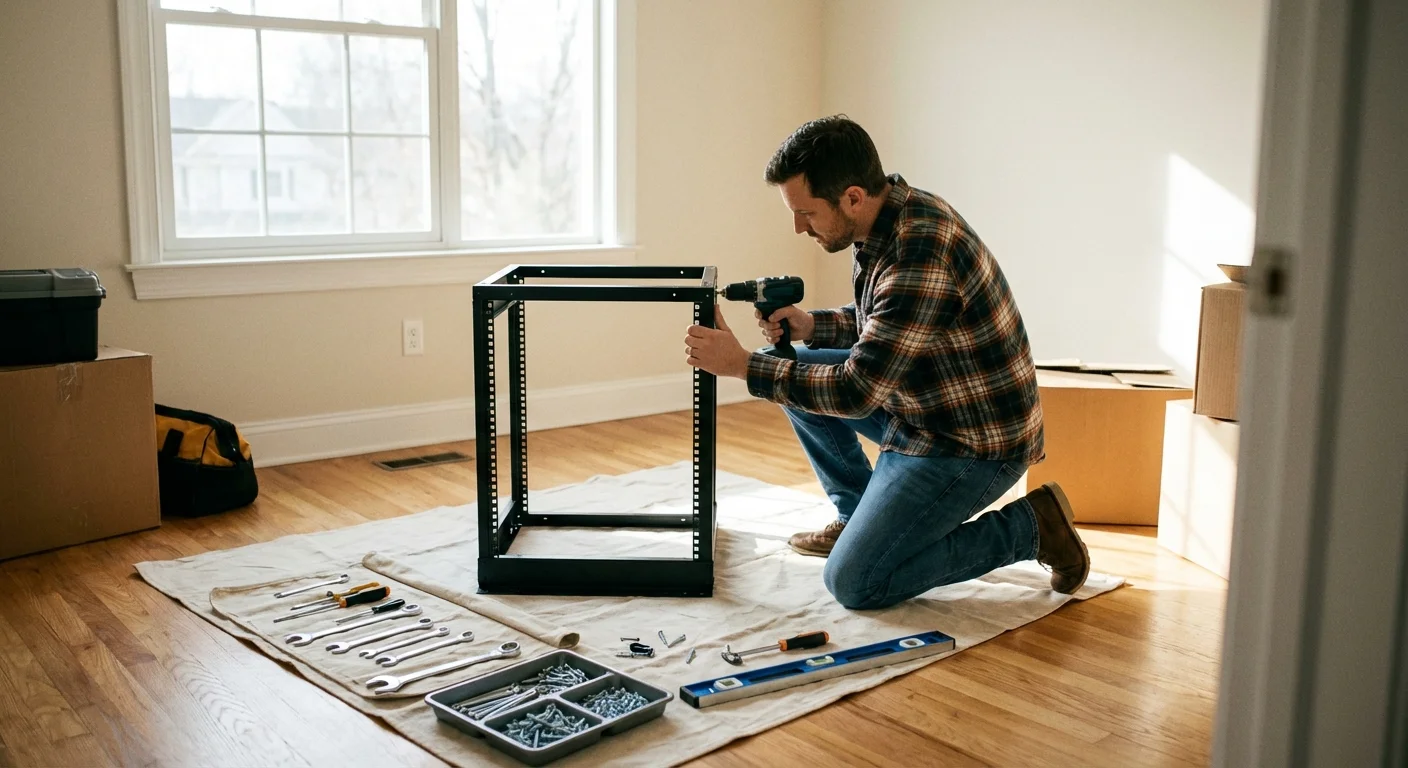
- Equipment Assembly: Most power racks, benches, and stationary bikes ship with detailed instructions and basic tools. Putting them together yourself ensures you understand how to tighten and maintain the hardware later.
- Aesthetic Upgrades: Painting accent walls or hanging lightweight motivational decor helps define the space and completely changes the room’s energy for the cost of a can of paint.
When to Hire a Professional:
- Massive Wall Mirrors: Commercial gym mirrors are incredibly heavy, fragile, and dangerous if improperly secured. A professional glass installer ensures they are anchored directly to the studs using proper J-channels and mastic adhesive.
- Heavy Bag Mounting: Hanging a 100-pound punching bag from a ceiling joist creates immense kinetic vibration. A professional contractor can assess if your joists require structural blocking to prevent the vibration from cracking your home’s drywall or compromising the framing.
- Electrical Upgrades: Modern treadmills draw massive amounts of power upon startup. If your treadmill causes your lights to flicker or trips the breaker, you need a licensed electrician to run a dedicated 20-amp circuit to your gym space.
Common Mistakes to Avoid
Many well-intentioned fitness spaces end up as expensive laundry drying rooms. Avoid these frequent pitfalls to ensure your space remains functional and inviting.
Overcrowding the Floor Plan: The most common error in a home gym setup guide is recommending too much equipment. You need empty floor space to stretch, move, and execute dynamic exercises. Leaving a clear “runway” in the center of your room is vastly more valuable than squeezing in an extra piece of bulky equipment. The Spruce features excellent visual examples of maintaining traffic flow in small fitness spaces.
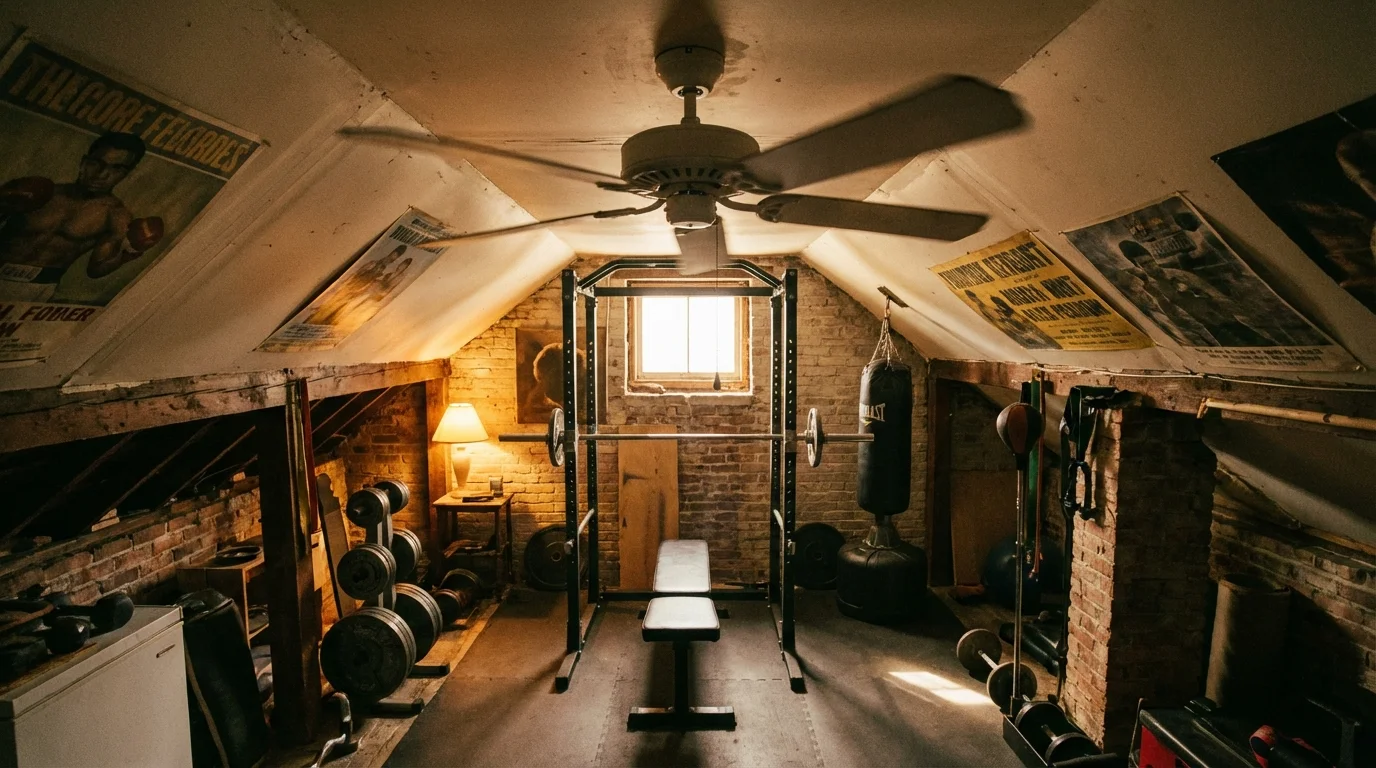
Ignoring Air Quality and Ventilation: Exertion requires oxygen and produces humidity. A closed-off basement room without airflow quickly smells like a locker room and can even promote mold growth. Ensure your space has operable windows, an air purifier, or a ceiling fan. Wiping down equipment with antibacterial wipes after every session prevents sweat from corroding metal parts and embedding odors in upholstery.
Buying Single-Use Machines Too Early: Resist the urge to buy a dedicated leg extension machine, a standalone bicep curl bench, or massive single-station cable towers until your foundational equipment (dumbbells, bench, rack) is complete. Single-use machines eat up valuable real estate and restrict the variety of your workouts.
Frequently Asked Questions
How can I protect my hardwood floors from heavy weights?
Hardwood floors require a layered approach. Never place gym equipment directly on wood. Start with a layer of thin, high-density felt or a rigid rug pad to prevent scratching. Top that with at least 1/2-inch to 3/4-inch thick interlocking rubber tiles. For areas where heavy dumbbells might be dropped, invest in specialized “crash pads”—thick foam cushions designed specifically to absorb the shock of dropped iron.
How high should my ceilings be for a power rack?
Standard power racks require an absolute minimum ceiling height of 84 inches (7 feet) just to fit inside the room, but you must account for pull-ups. If you are 6 feet tall, your head will easily rise another 12 to 18 inches above the bar during a pull-up. For comfortable, unrestricted use of a full power rack, a ceiling height of 9 feet (108 inches) is ideal. If your ceilings are lower, look for “short” or “half-rack” variations specifically designed for low-clearance basements.
How do I get rid of the strong rubber smell from new gym mats?
New vulcanized rubber stall mats emit a strong off-gassing odor. Before bringing them inside, scrub both sides with a mild dish soap and water solution, then leave them outside in direct sunlight for three to five days. The UV rays and open air significantly accelerate the off-gassing process. Once inside, run a fan and keep windows open during the first few weeks of use.
Transforming a portion of your home into a personal fitness space is an investment in your long-term physical independence. Start with the space you have, buy the highest quality versatile equipment your budget allows, and let the space evolve alongside your fitness journey. The best gym in the world is the one you actually use on a Tuesday morning when it is raining—and nothing beats a commute that only requires walking down the hallway.
This is educational content based on general best practices. Individual results vary based on your home, budget, and circumstances. Always prioritize safety and consult professionals for major projects.
Last updated: February 2026









Leave a Reply