
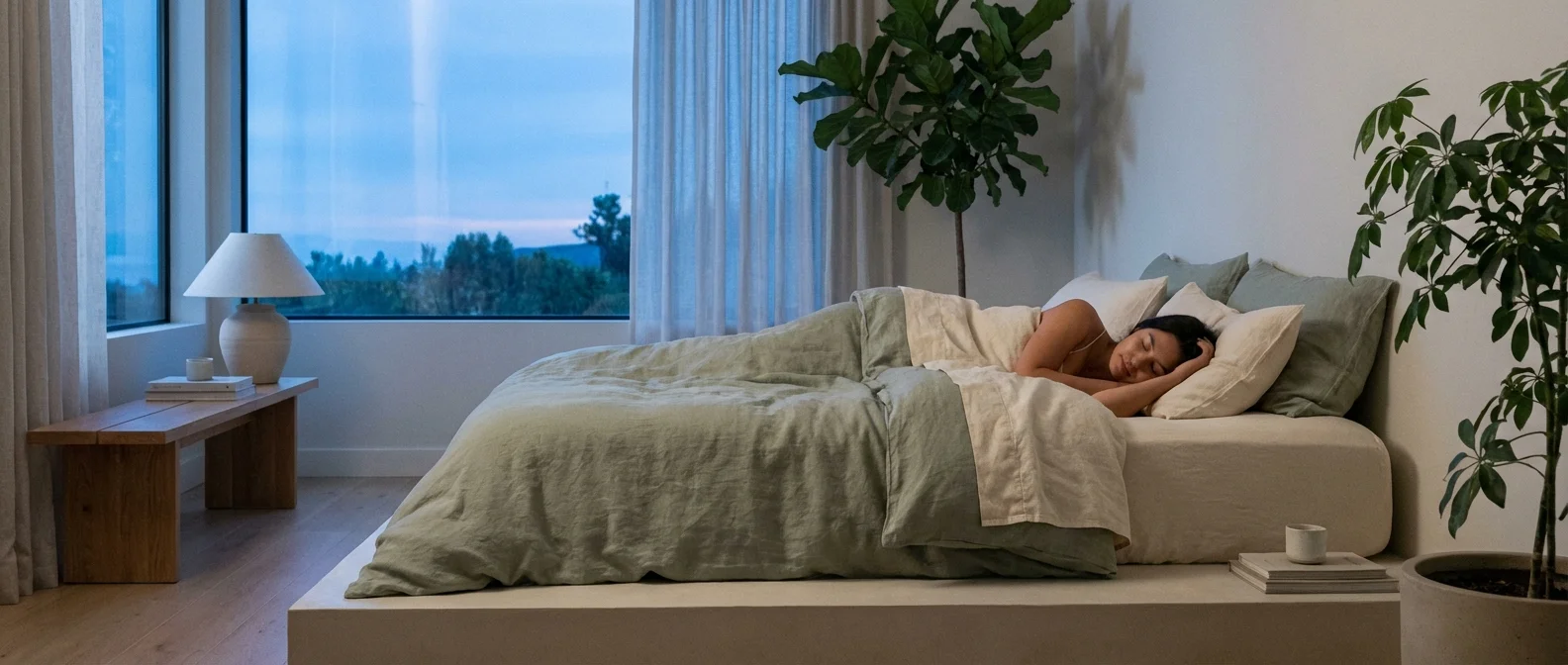
Your body relies on environmental cues to know when it is time to shut down, repair cells, and consolidate memories. When you toss and turn at night, the culprit rarely stems from a lack of tiredness; more often, it is a mismatch between your physical environment and your biological needs. Designing the perfect sleep environment requires treating your bedroom not as a multi-purpose living space, but as a specialized sanctuary optimized for rest.
Science dictates that three primary pillars control how quickly you fall asleep and how deeply you rest: ambient temperature, light exposure, and acoustic consistency. By systematically auditing and upgrading these three elements, you can transform a restless room into a deeply restorative haven.
Mastering the Thermostat: Finding the Best Bedroom Temperature for Sleep
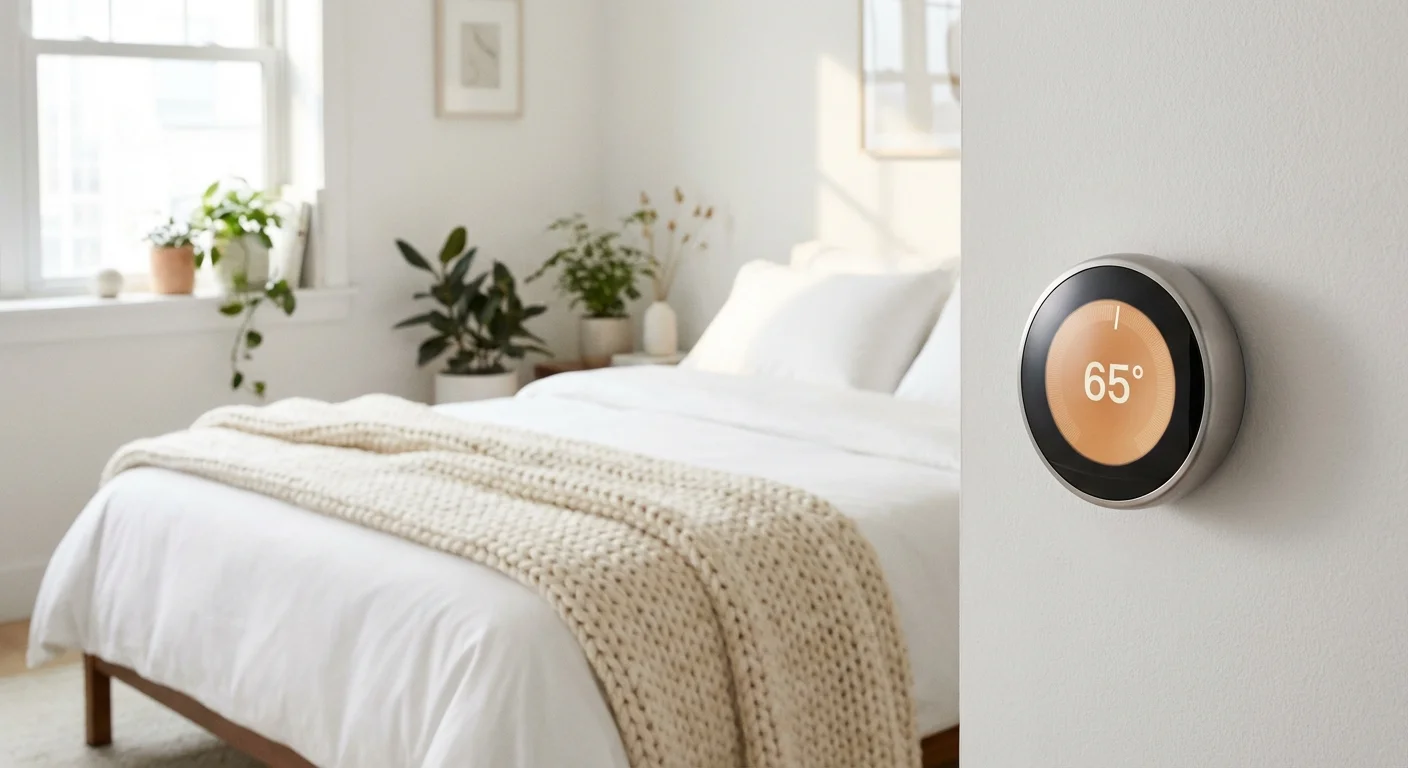
Your core body temperature naturally drops as evening approaches—a biological signal that initiates the sleep cycle. If your bedroom traps heat, this necessary cooling process stalls, leaving you restless and prone to midnight awakenings. Identifying the best bedroom temperature for sleep often requires a bit of experimentation, but sleep experts and physiologists universally agree on a specific range: 60 to 67 degrees Fahrenheit (15 to 19 degrees Celsius).
During the colder months, knowing how to make any room feel warmer through textiles and insulation can help you maintain comfort without overheating the air.
Achieving and maintaining this temperature involves more than simply adjusting your thermostat before bed. Your bedroom’s microclimate depends on air circulation, mattress materials, and your choice of textiles.
Optimize Room Climate
To keep the ambient air comfortably cool, program your thermostat to drop at least one hour before your intended bedtime. If you do not have central air conditioning or a smart thermostat, a simple oscillating fan placed near an open window can pull cooler evening air indoors. Furthermore, managing your bedroom’s humidity is critical. High humidity makes a room feel oppressively warm and stifles your body’s ability to shed heat. Aim for a relative humidity between 30 and 50 percent. Use a humidifier in the dry winter months and a dehumidifier during humid summers.
Invest in Breathable Bedding
Your mattress and sheets create a localized microclimate directly against your skin. Memory foam mattresses notorious for trapping body heat can actively work against a cool room. If you sleep hot, prioritize mattresses built with innersprings, latex, or cooling gel layers—topics frequently tested and reviewed by independent organizations like Consumer Reports.
Swap out synthetic sheets, such as polyester or microfiber, for natural, breathable fibers. Linen and percale cotton offer excellent airflow, while newer materials like eucalyptus-derived Tencel wick moisture away from the body to prevent night sweats. Layering your bedding allows you to adjust your personal temperature dynamically throughout the night without adjusting the entire room’s climate.
Designing a Dark Bedroom for Sleep: Light Management
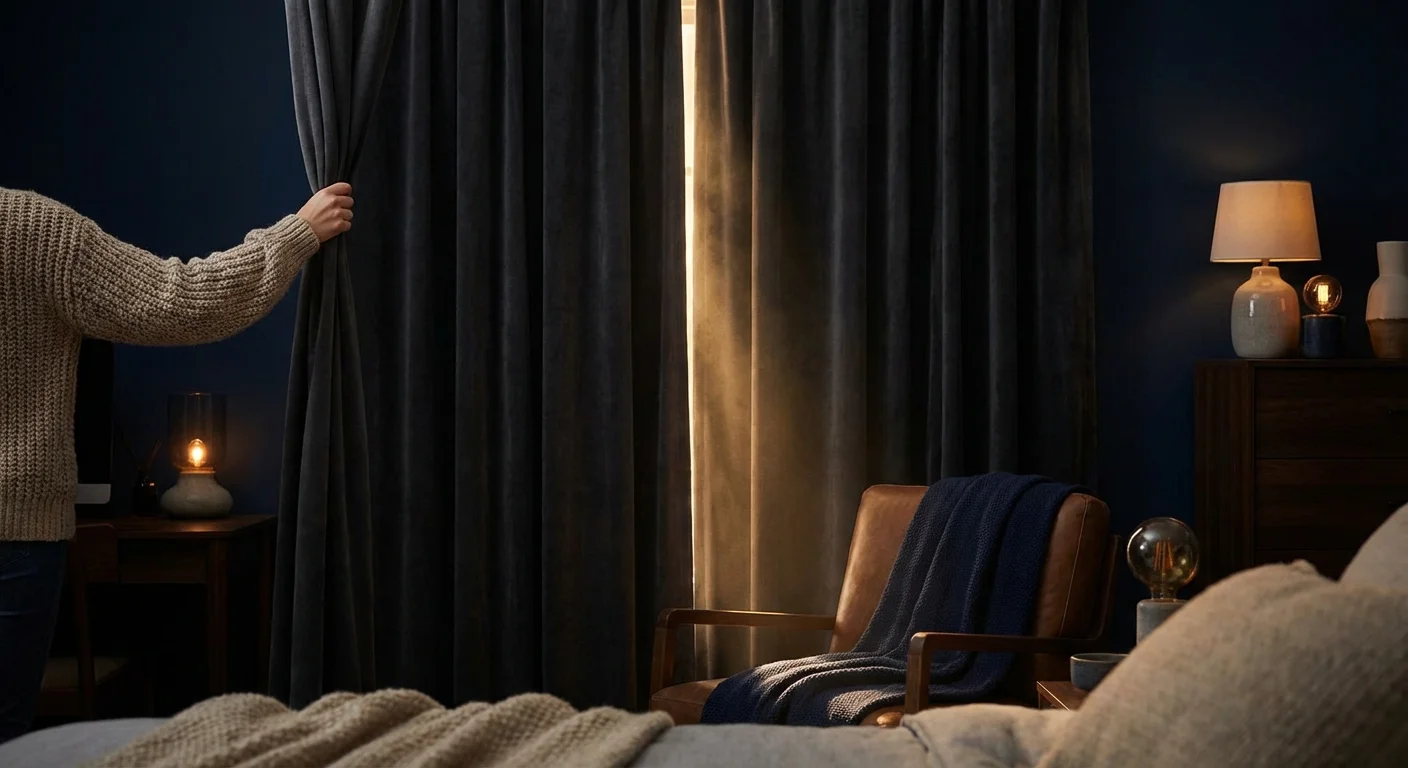
Light is the most powerful influence on your circadian rhythm. Exposure to light inhibits the secretion of melatonin, the hormone responsible for regulating your sleep-wake cycle. Even minor sources of ambient light—a streetlamp shining through the blinds or the glaring standby indicator on a television—can disrupt your progression into deep, restorative sleep stages. Building a dark bedroom for sleep requires a multi-layered approach to light elimination.
Beyond curtains, choosing the perfect paint color for your walls can further enhance the room’s ability to feel like a dim, restful cocoon.
Block Exterior Light
Standard window blinds rarely block enough light to create pitch-black conditions. To effectively manage streetlights, passing car headlights, and early morning sun, you need dedicated window treatments. Layering is the most effective strategy. Start with an inner layer of cellular shades mounted inside the window frame; these block light while also providing an insulating barrier against heat and cold. Follow this with a layer of blackout drapery mounted outside the window frame.
When hanging blackout curtains, mount the rod at least four to six inches above the window frame and ensure the panels extend past the sides of the window. This prevents “light bleed”—the frustrating halo of light that escapes around the edges of poorly fitted curtains. For inspiration on layering window treatments stylishly without making your room look like a cave, design resources like Apartment Therapy offer excellent visual guides.
Eliminate Internal Light Pollution
Once you tackle the windows, turn your attention to the insidious light generated inside the room. Electronic devices constantly emit sharp, blue-toned light that aggressively suppresses melatonin. Take these actionable steps to darken your space:
- Audit your electronics: Turn off the lights in your bedroom at night and let your eyes adjust for two minutes. Look around for glowing power buttons, charging indicators, or illuminated displays.
- Use blackout tape: Cover LED indicators on air purifiers, humidifiers, and smoke detectors with inexpensive light-dimming sticker sheets or standard electrical tape.
- Rethink the alarm clock: Ditch the glowing digital clock. Switch to an analog clock with an on-demand backlight, or use a smart clock with a display that turns entirely black until tapped.
- Install amber nightlights: If you need a light to navigate to the bathroom safely, install motion-activated nightlights with warm amber or red bulbs. Red light has the least impact on melatonin production.
“The bedroom is a space to recharge your energy. Keep it as empty as possible and remove anything that does not contribute to your rest.” — Marie Kondo, Organizing Consultant and Author
The Acoustic Sanctuary: Utilizing White Noise for Sleep
While you might think you need absolute silence to sleep, acoustic science suggests otherwise. Complete silence can actually make you hypersensitive to sudden, isolated sounds—like a dog barking, pipes clanking, or a car driving past. These abrupt changes in volume trigger micro-arousals, pulling you out of deep sleep even if you do not fully wake up.
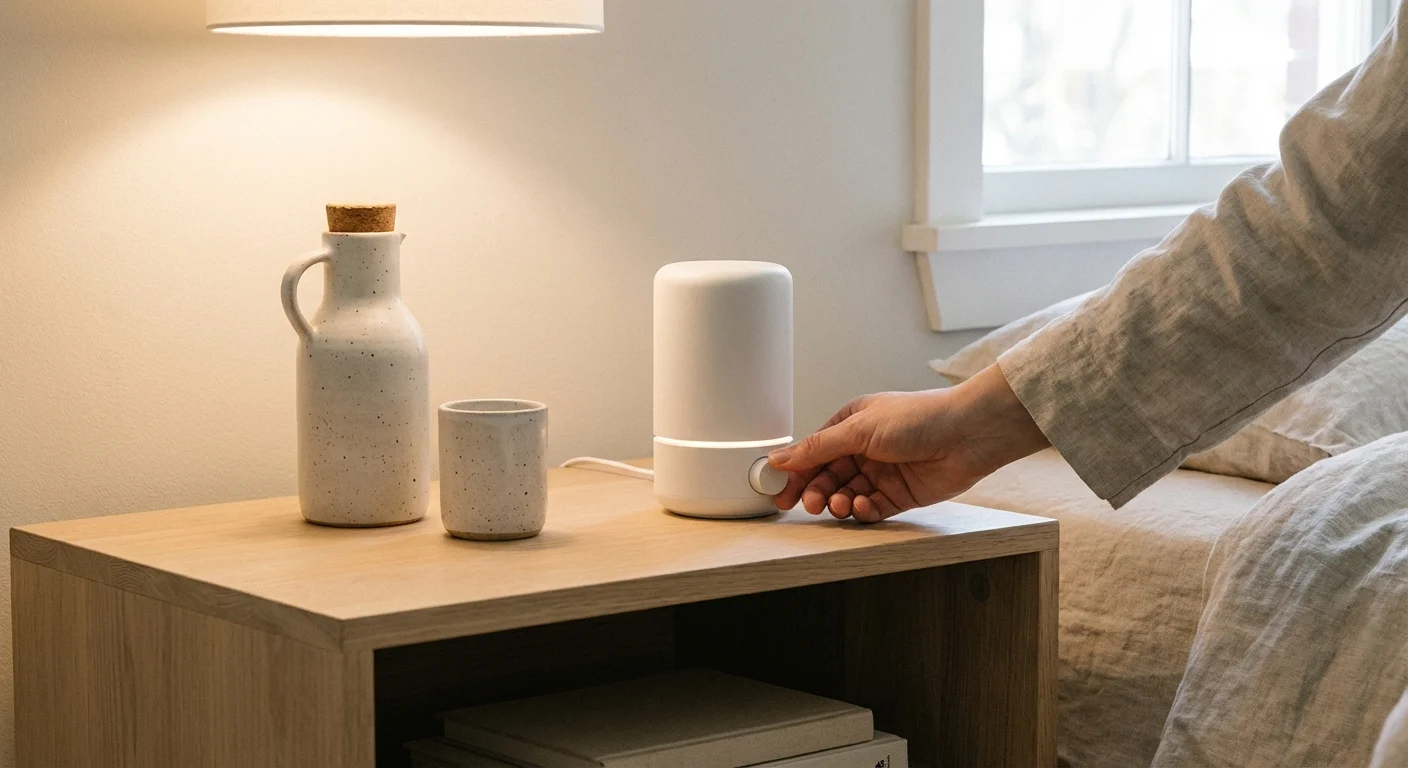
The solution lies in sound masking, which involves introducing a consistent, soothing background frequency that raises the ambient noise floor of the room. When you utilize white noise for sleep, you blend those disruptive, sudden sounds into a steady sonic background, rendering them unnoticeable to your brain.
Choosing the Right Sound Profile
Not all continuous noise is created equal. Different “colors” of noise emphasize different frequencies, and finding your preference is key to your sleep optimization tips toolkit:
- White Noise: Contains all frequencies across the spectrum of audible sound in equal measure. It sounds similar to television static or a running fan. It is excellent for blocking out high-pitched disruptions.
- Pink Noise: Emphasizes lower frequencies, creating a deeper, more balanced sound. It mimics the rustling of leaves, steady rain, or ocean waves. Many people find pink noise more soothing than white noise.
- Brown Noise: Lowers the higher frequencies even further, resulting in a deep, rumbling sound similar to a strong river or distant thunder. It feels highly restorative and less abrasive to sensitive ears.
You can generate these sounds using a dedicated mechanical sound machine, a smart speaker, or a mobile app paired with a Bluetooth speaker. Place the sound source between your bed and the primary source of the disruptive noise (such as a window facing a busy street or a door leading to a noisy hallway) to create an effective acoustic barrier.
Physical Soundproofing Enhancements
If you live in a particularly noisy environment, electronic sound masking should be paired with physical sound absorption. Hard surfaces—like bare hardwood floors, glass windows, and empty walls—bounce sound waves around the room, amplifying noise. Soften your space to absorb these waves. Incorporate plush area rugs directly under your bed. Swap flimsy curtains for heavy, velvet drapery. You can even install an upholstered headboard to deaden noise directly behind your head.
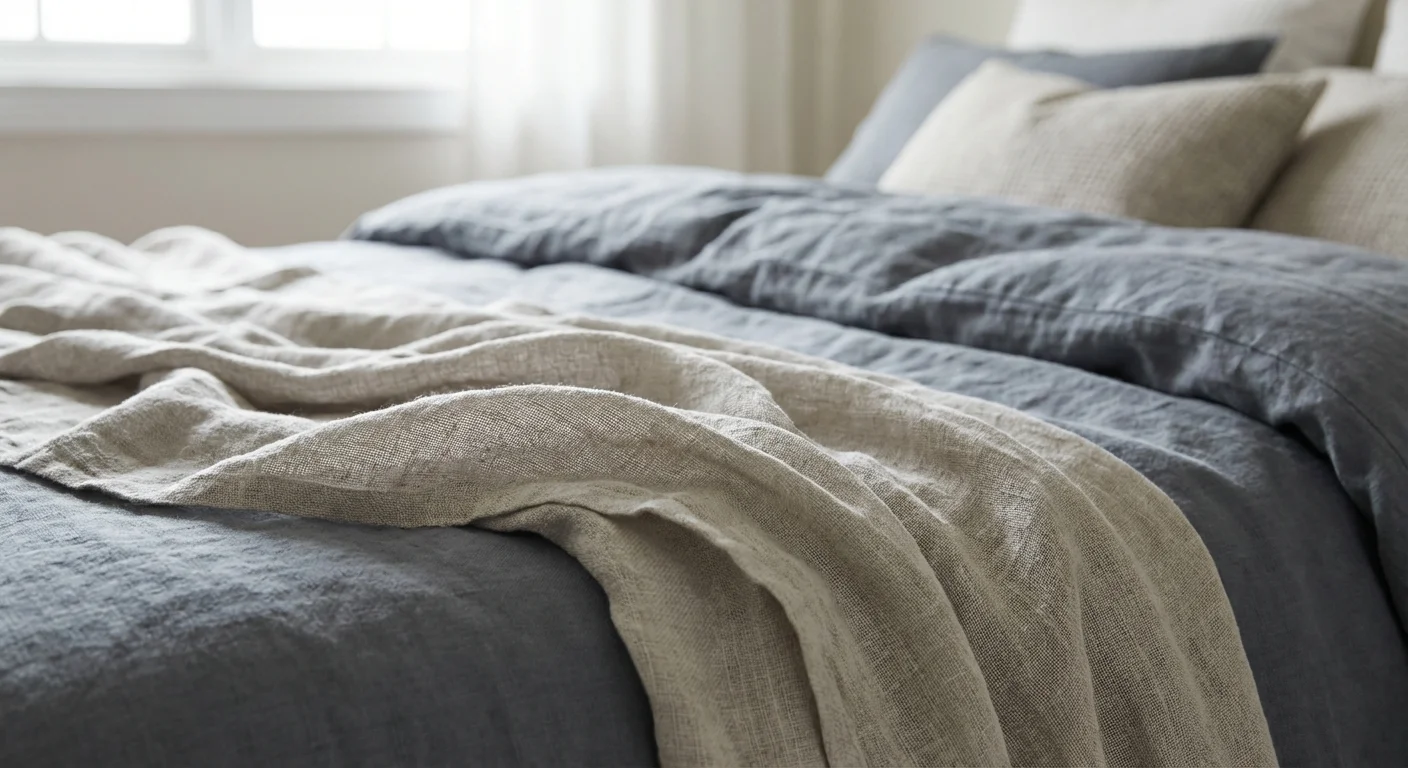
Comparing Bedding Materials for Temperature Regulation
Choosing the right textiles plays a massive role in maintaining your optimal sleep climate. Use this table to determine which material suits your specific needs:
To complement breathable textiles, many people find that the best weighted blankets provide deep touch pressure that further grounds the nervous system for deep sleep.
| Material | Breathability | Moisture Wicking | Best For |
|---|---|---|---|
| Percale Cotton | High | Moderate | Warm sleepers looking for a crisp, cool feel. |
| Linen | Very High | High | Hot climates and sleepers who prefer a textured, airy fabric. |
| Tencel / Lyocell | High | Very High | Night sweats; offers a silky smooth, cool-to-the-touch finish. |
| Flannel | Low | Low | Cold climates and sleepers who struggle to stay warm. |
| Microfiber (Synthetic) | Low | Low | Budget-conscious shoppers, though generally avoided for hot sleepers. |
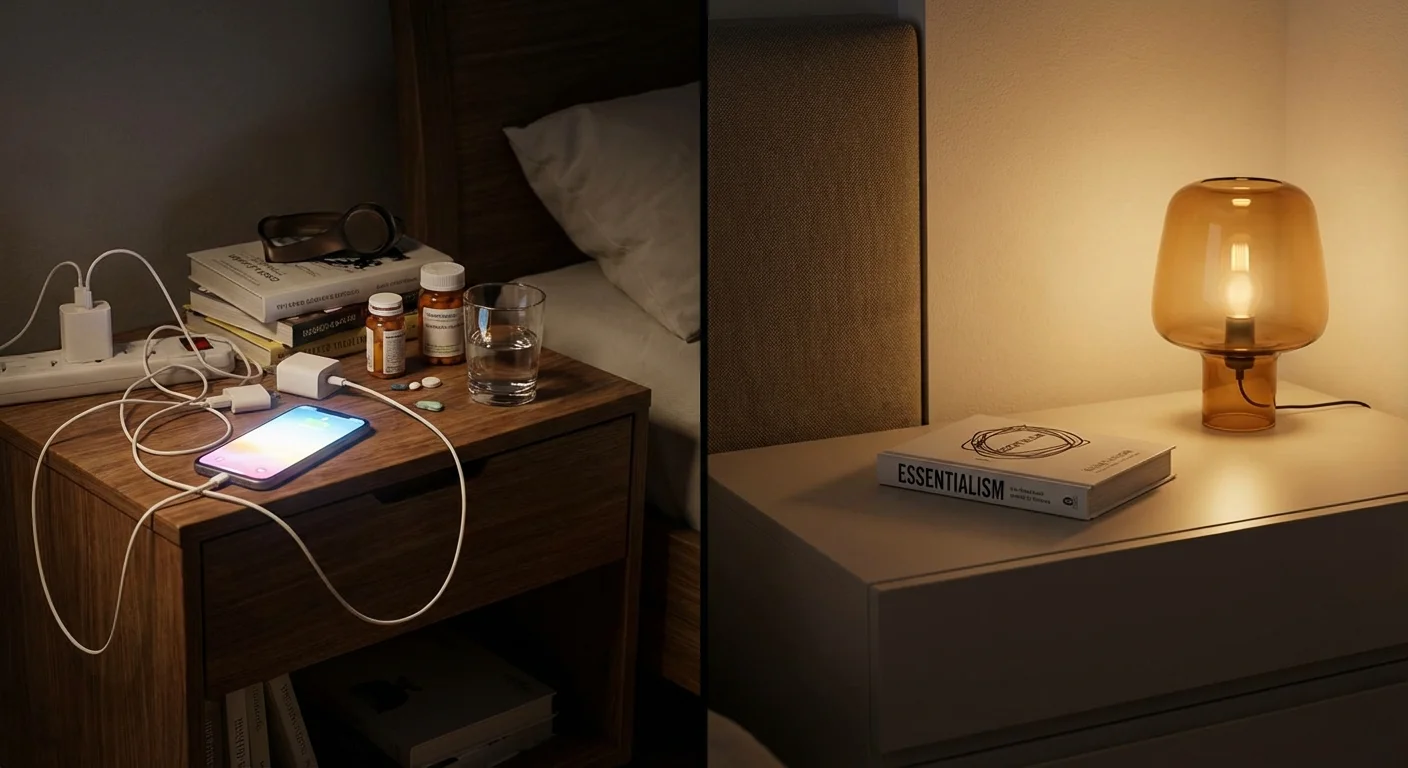
Common Mistakes to Avoid in Bedroom Design
Even with the right temperature, light, and sound systems in place, fundamental design errors can sabotage your rest. Keep an eye out for these frequent missteps.
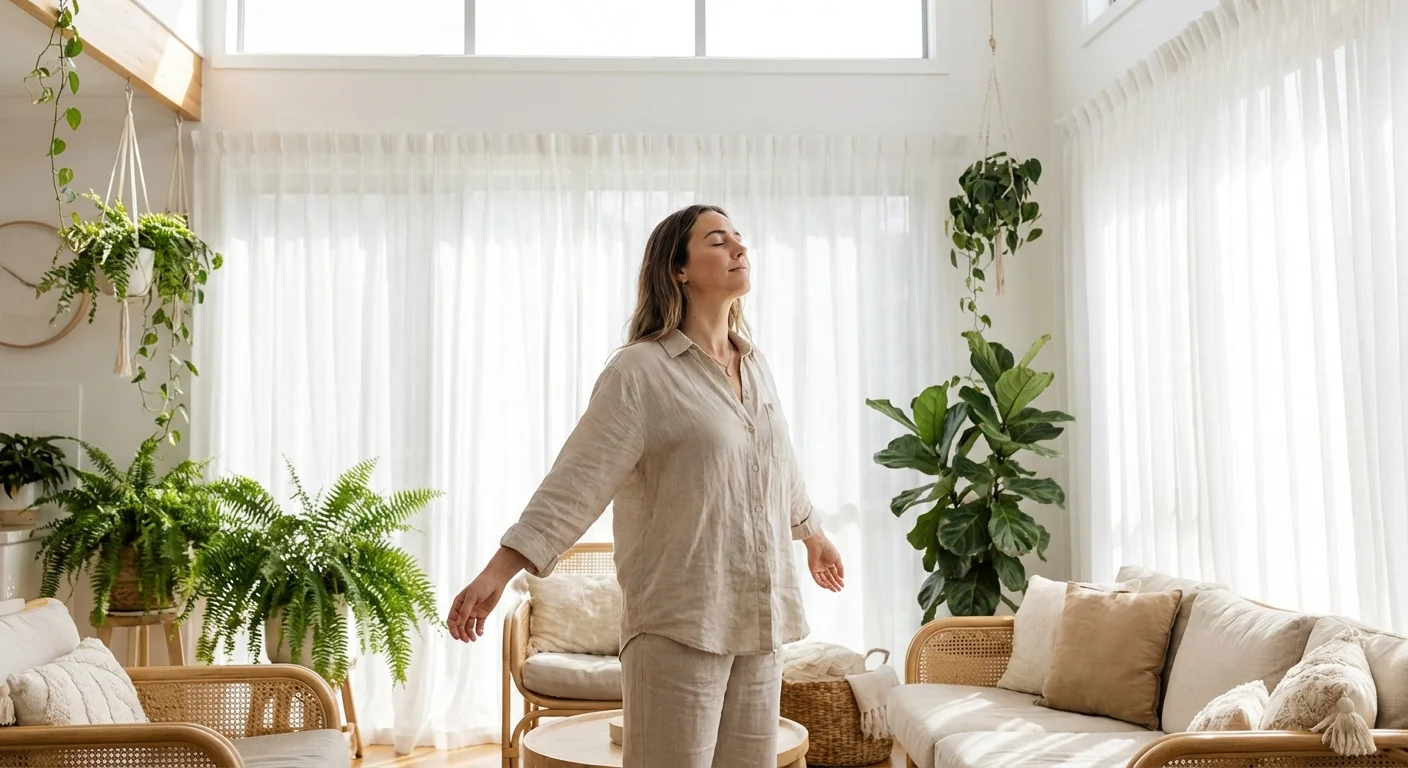
To further improve your overnight recovery, consider adding air-purifying plants for better sleep to naturally filter toxins and freshen the air.
Bringing the Office into the Bedroom: Treating your bedroom as an extension of your home office blurs the psychological boundary between work and rest. When your brain associates the bedroom with stress, emails, and deadlines, transitioning into a relaxed state becomes incredibly difficult. If you must have a desk in your bedroom due to space constraints, use a physical divider like a folding screen to hide the workspace from the bed.
Ignoring Air Quality: Stale air laden with dust, pet dander, or allergens leads to nighttime congestion, snoring, and restless sleep. Keep the bedroom well-ventilated during the day. Consider adding a high-efficiency particulate air (HEPA) purifier to your room; many modern purifiers run quietly enough to double as a pink noise machine.
Overlooking the Mattress Foundation: You can invest in a highly breathable, premium mattress, but if you place it on a solid platform bed with zero ventilation, heat and moisture will become trapped beneath you. Ensure your bed frame utilizes wooden slats or a breathable foundation to allow air to circulate completely around the mattress.
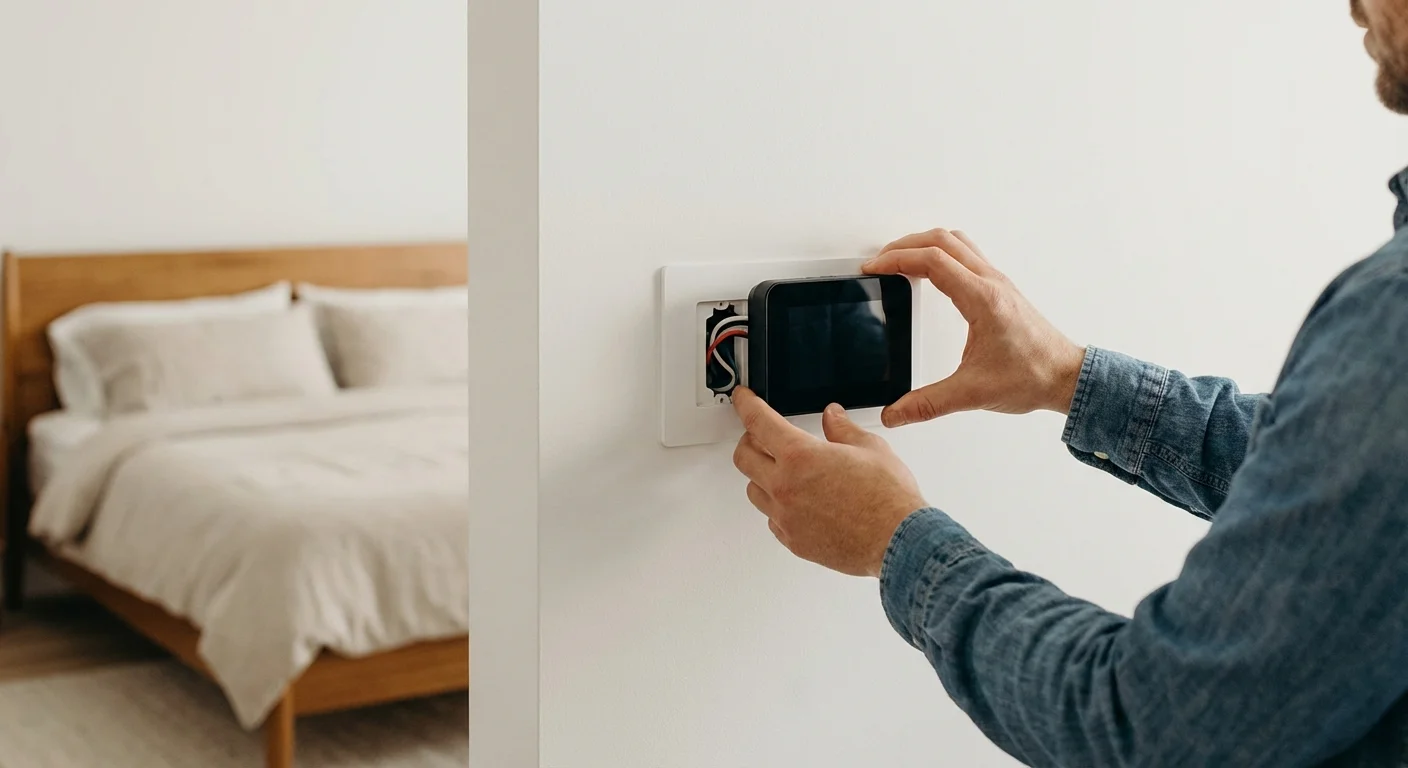
Professional vs. DIY: Sleep Environment Upgrades
Upgrading your bedroom involves a mix of simple weekend tasks and potentially complex renovations. Knowing when to handle a project yourself and when to call a professional saves time, money, and frustration.
- Window Treatments (DIY vs. Pro): Installing standard blackout curtains or tension rods is an easy DIY task requiring only a drill and a level. However, if you want motorized blackout shades integrated into a smart home system, or custom drapery tracks mounted to a concrete ceiling, hire a professional installer to ensure seamless operation and perfect light-blocking alignment.
- Climate Control (DIY vs. Pro): Swapping out a basic thermostat for a smart thermostat is typically a straightforward DIY project if you have a “C-wire” in your wall. However, if you are looking to install a mini-split AC unit specifically for the master bedroom to achieve that perfect 65-degree chill without cooling the whole house, you must hire a licensed HVAC professional.
- Acoustic Treatments (DIY vs. Pro): Adding rugs, heavy curtains, and acoustic wall panels are highly effective DIY sound-dampening strategies. If you are dealing with extreme noise pollution—like living directly adjacent to train tracks—you may need professional structural soundproofing, which involves opening walls to add mass-loaded vinyl and specialized acoustic insulation.
Frequently Asked Questions
Does watching TV before bed impact the sleep environment?
Yes. Televisions emit bright, blue-spectrum light that suppresses melatonin production and tricks your brain into thinking it is daytime. Furthermore, the engaging content and sudden volume shifts disrupt the calming routine necessary for good sleep hygiene. It is best to remove the television from the bedroom entirely.
Can indoor plants improve my sleep environment?
Indoor plants add a calming, natural aesthetic to the bedroom which reduces stress levels. While some plants like snake plants and aloe vera do release oxygen at night, the actual impact on indoor air quality is negligible unless you have a massive volume of greenery. Focus on plants for their psychological comfort rather than treating them as functional air purifiers.
How often should I wash my bedding to maintain a healthy sleep environment?
You should wash your sheets and pillowcases once a week in warm or hot water to remove dead skin cells, sweat, and dust mites. If you have pets that sleep in the bed or you suffer from severe allergies, consider washing them every four to five days. Wash duvet covers and blankets every two to four weeks.
Is it better to sleep with the bedroom door open or closed?
From a fire safety and acoustic isolation perspective, sleeping with the door closed is highly recommended. A closed door drastically slows the spread of smoke and fire, and it blocks noise from other areas of the house. To prevent the room from feeling stuffy, ensure your central HVAC system is running or leave a window slightly cracked if weather permits.
Creating Your Restorative Space
Transforming your bedroom into a sanctuary optimized for rest does not require a complete overnight overhaul. Start with the most disruptive element in your current space. If streetlights keep you awake, prioritize window treatments. If you constantly wake up sweating, tackle your bedding and thermostat first. By methodically adjusting the temperature, eliminating intrusive light, and smoothing out the acoustic landscape, you signal to your body that this space has one dedicated purpose: profound, uninterrupted sleep.
Take a few minutes tonight to perform an audit of your bedroom. Tape over that glowing television light, crack a window, or download a white noise app. Small, intentional adjustments yield massive dividends for your daily energy and long-term health.
This guide provides general home improvement information. Every home is different—what works in one space may need adaptation in yours. For structural changes or electrical/plumbing work, consult a licensed professional.
Last updated: February 2026







Leave a Reply