

The Environmental Protection Agency estimates that indoor air can be two to five times more polluted than outdoor air. That statistic usually shocks people; we tend to view our houses and apartments as safe havens from city smog and outdoor pollution. But everyday items—from your favorite non-stick skillet to the cushions on your sofa and the cleaners under your sink—silently release chemical compounds into your living space.
This process works perfectly alongside your regular spring cleaning routine for a truly fresh start.
If you feel overwhelmed by the process, starting a declutter challenge can help you systematically clear out old, toxic items.
Creating a healthy home environment does not mean you have to throw away everything you own and start from scratch. In fact, panic-purging is terribly expensive and creates unnecessary landfill waste. A sustainable home detox guide focuses on gradual, deliberate swaps. By tackling one room at a time and making informed choices when replacing everyday items, you can dramatically reduce your daily exposure to hidden household toxins.
This comprehensive guide provides a practical, room-by-room roadmap to identify and remove toxins from home environments, empowering you to create a cleaner, safer space for you and your family.
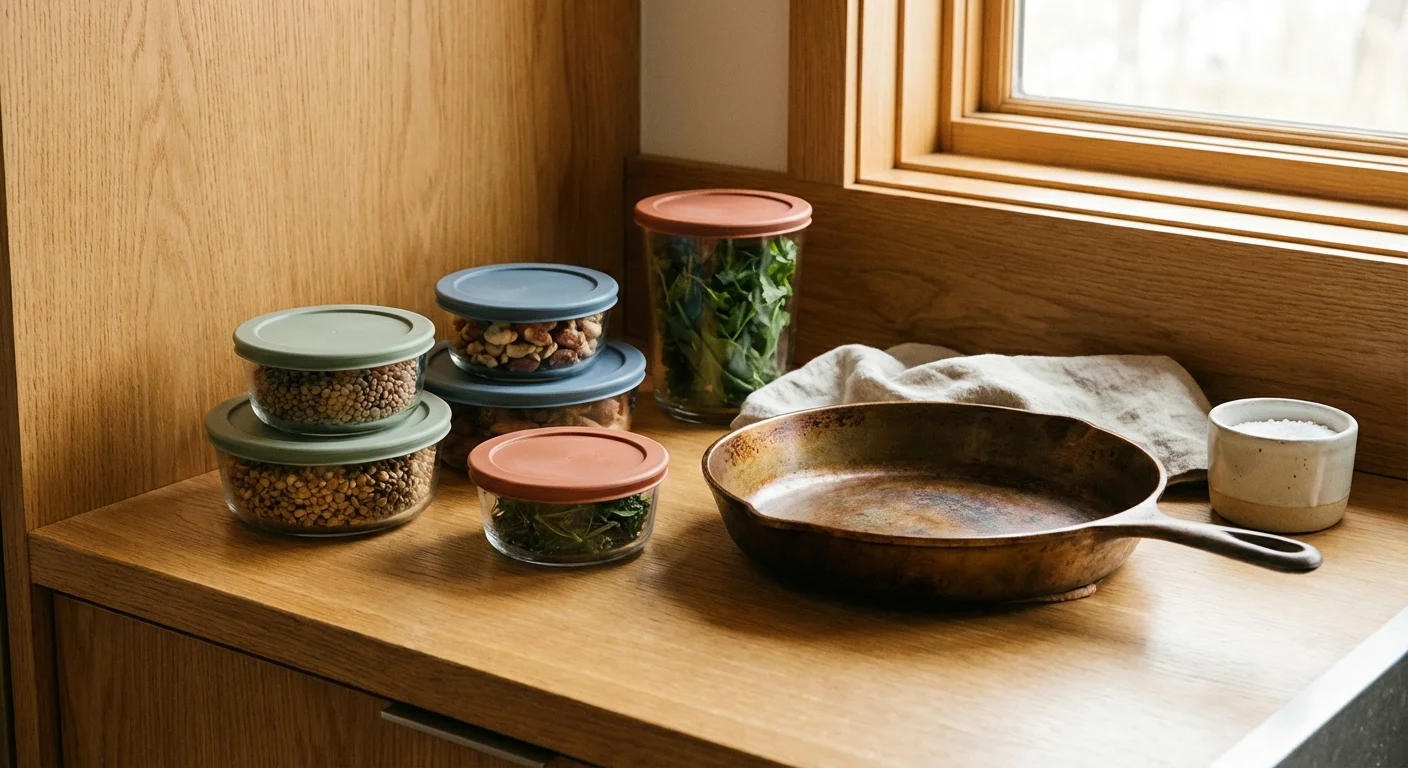
The Kitchen: Swapping Out Harmful Cookware and Plastics
The kitchen is the heart of the home, but it is also ground zero for some of the most pervasive household chemicals. Between food storage, cooking surfaces, and cleaning supplies, toxins can easily make their way into the meals you eat.
To ensure your food prep area stays truly healthy, it is also essential to deep clean every major appliance where residues can hide.
Your first target should be plastic food storage containers. Many hard plastics contain Bisphenol-A (BPA) or its common replacement, Bisphenol-S (BPS). These chemicals are known endocrine disruptors that can mimic hormones in the human body. When you heat plastic in the microwave or run it through the high-heat cycle of a dishwasher, the plastic degrades and leaches these chemicals directly into your food.
Transitioning to safer alternatives is straightforward. Opt for tempered glass storage containers with silicone lids; they are microwave-safe, dishwasher-safe, and infinitely recyclable. If you need lightweight options for taking lunch on the go, food-grade stainless steel bento boxes provide an unbreakable, non-toxic alternative.
Next, evaluate your cookware. Traditional non-stick pans utilize per- and polyfluoroalkyl substances (PFAS), widely known as “forever chemicals.” When scratched or heated past 500 degrees Fahrenheit, traditional Teflon coatings can release toxic fumes. Replacing scratched non-stick pans should be a top priority. Instead, invest in materials that have stood the test of time.
| Cookware Material | Toxin Risk | Durability | Best Use |
|---|---|---|---|
| Traditional Non-Stick (Teflon) | High (PFAS/PFOA release at high heat) | Low (scratches easily; lasts 1-3 years) | Eggs and delicate foods at low heat only |
| Cast Iron | None (can leach dietary iron, which is generally beneficial) | Extremely High (lasts generations) | Searing meats, baking, high-heat frying |
| Stainless Steel | None (highly stable at all temperatures) | High (scratch and warp resistant) | Sautéing, boiling, making acidic sauces |
| Ceramic-Coated | Low (PTFE-free, though coatings vary) | Moderate (coating loses non-stick properties over time) | Everyday cooking at medium heat |
Finally, look closely at your kitchen cleaners. Conventional degreasers and surface sprays rely heavily on synthetic fragrances, ammonia, and harsh solvents. You can achieve the same level of cleanliness with simple, non toxic home products. White vinegar cuts through grease beautifully; baking soda acts as a gentle, unscented abrasive for scrubbing sinks; and a few drops of castile soap in warm water can handle daily countertop wipe-downs.

The Living Room: Rethinking Furniture, Fabrics, and Finishes
While the kitchen harbors chemical risks in our cookware, the living room presents an entirely different challenge: off-gassing. Off-gassing occurs when manufactured items release volatile organic compounds (VOCs) and other chemicals into the air over time.
For a natural boost to your home’s ecosystem, consider adding some of the best air-purifying plants to scrub toxins from the air.
Upholstered furniture often contains polyurethane foam treated with chemical flame retardants. Historically, manufacturers used polybrominated diphenyl ethers (PBDEs) to meet flammability standards. While many of the worst offenders have been phased out, older couches and chairs still release these compounds into household dust, which you then breathe in. When purchasing new furniture, look for the TB117-2013 tag. This California flammability standard allows manufacturers to pass safety tests without injecting their foam with toxic flame retardants.
Engineered woods—such as medium-density fiberboard (MDF) and particleboard—are frequently used to build bookshelves, TV stands, and coffee tables. These materials are bound together with resins that often contain formaldehyde, a known human carcinogen. To minimize this risk, prioritize solid wood furniture or search for engineered wood products specifically labeled as “NAF” (No Added Formaldehyde) or “CARB Phase 2 compliant.”
“Source control is the most effective way to improve indoor air quality. Eliminate individual sources of pollution or reduce their emissions.” — U.S. Environmental Protection Agency (EPA)
Your living room paint and rugs also contribute to indoor air quality. Conventional interior paints release VOCs long after they feel dry to the touch. If you plan to repaint, always select products labeled “Zero-VOC” or “Low-VOC.” Similarly, synthetic wall-to-wall carpeting traps dirt and dander while emitting its own cocktail of chemical treatments. Area rugs made from natural fibers—like wool, jute, or organic cotton—offer a safer foundation for your space.
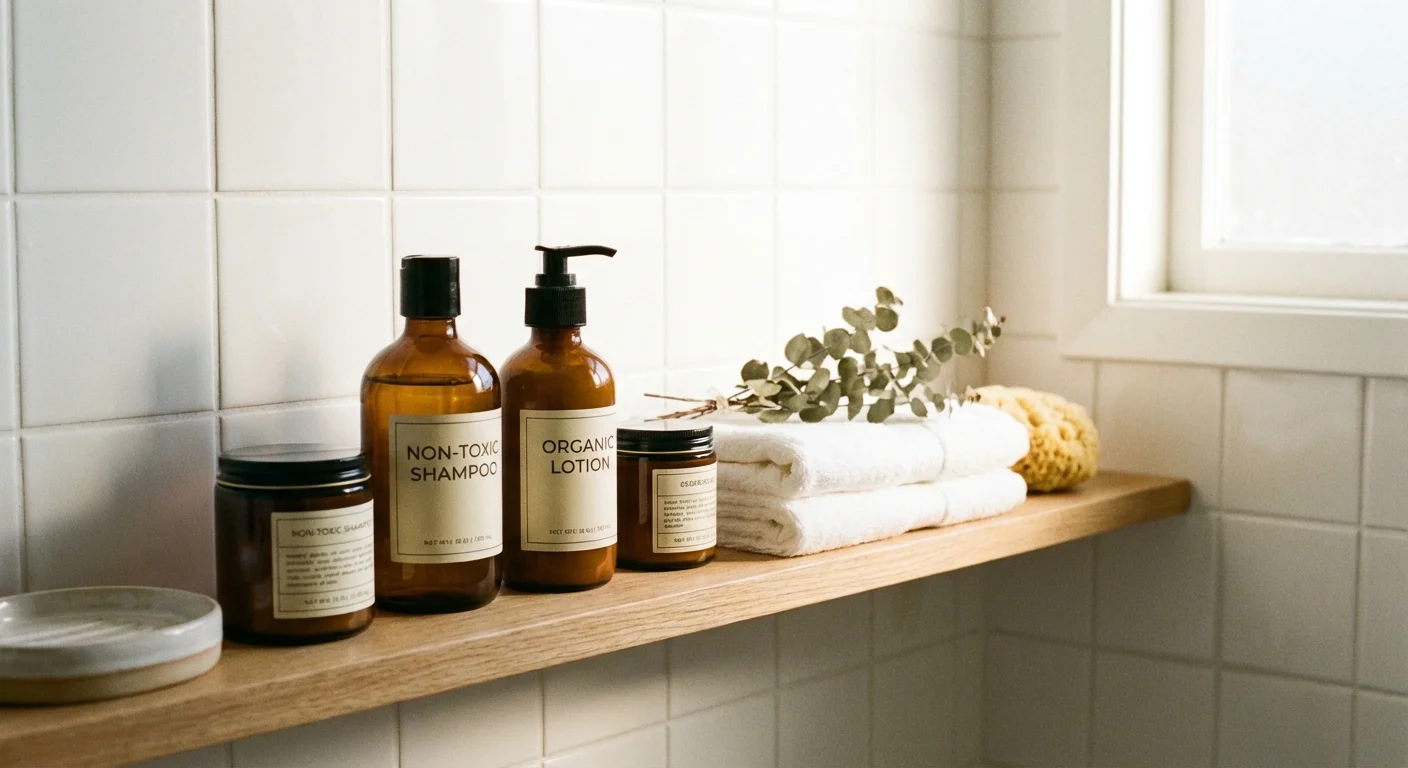
The Bathroom: Evaluating Personal Care and Managing Moisture
The bathroom requires a dual approach to home detoxing: eliminating harmful synthetic chemicals from your daily routine and actively managing biological toxins, namely mold and mildew.
Start with the most notorious bathroom offender—the vinyl shower curtain. Items made from Polyvinyl Chloride (PVC) are stiffened with phthalates, which release a distinct, chemical “new shower curtain” smell. Phthalates are known endocrine disruptors that readily evaporate into the warm, humid air of a bathroom. Swap your PVC liner for a washable nylon, polyester, or organic cotton alternative. PEVA (polyethylene vinyl acetate) is another widely available, non-chlorinated plastic alternative that significantly reduces chemical off-gassing.
Next, audit your personal care products. The term “fragrance” or “parfum” on an ingredient list acts as a legal loophole; manufacturers are not required to disclose the dozens of chemicals that make up a specific scent. Many of these synthetic fragrances contain phthalates and parabens (preservatives that extend shelf life but mimic estrogen). Transitioning to personal care items scented exclusively with essential oils, or choosing fragrance-free options entirely, drastically cuts down your daily chemical load.
Equally important in the bathroom is the prevention of biological toxins. Mold spores thrive in damp, poorly ventilated environments. Chronic mold exposure triggers respiratory issues, allergies, and asthma. To combat this, run your bathroom exhaust fan during every shower and leave it on for at least 20 minutes afterward to pull excess moisture from the air. If you do not have an exhaust fan, crack a window and use a small oscillating fan to circulate the air and dry surfaces quickly.
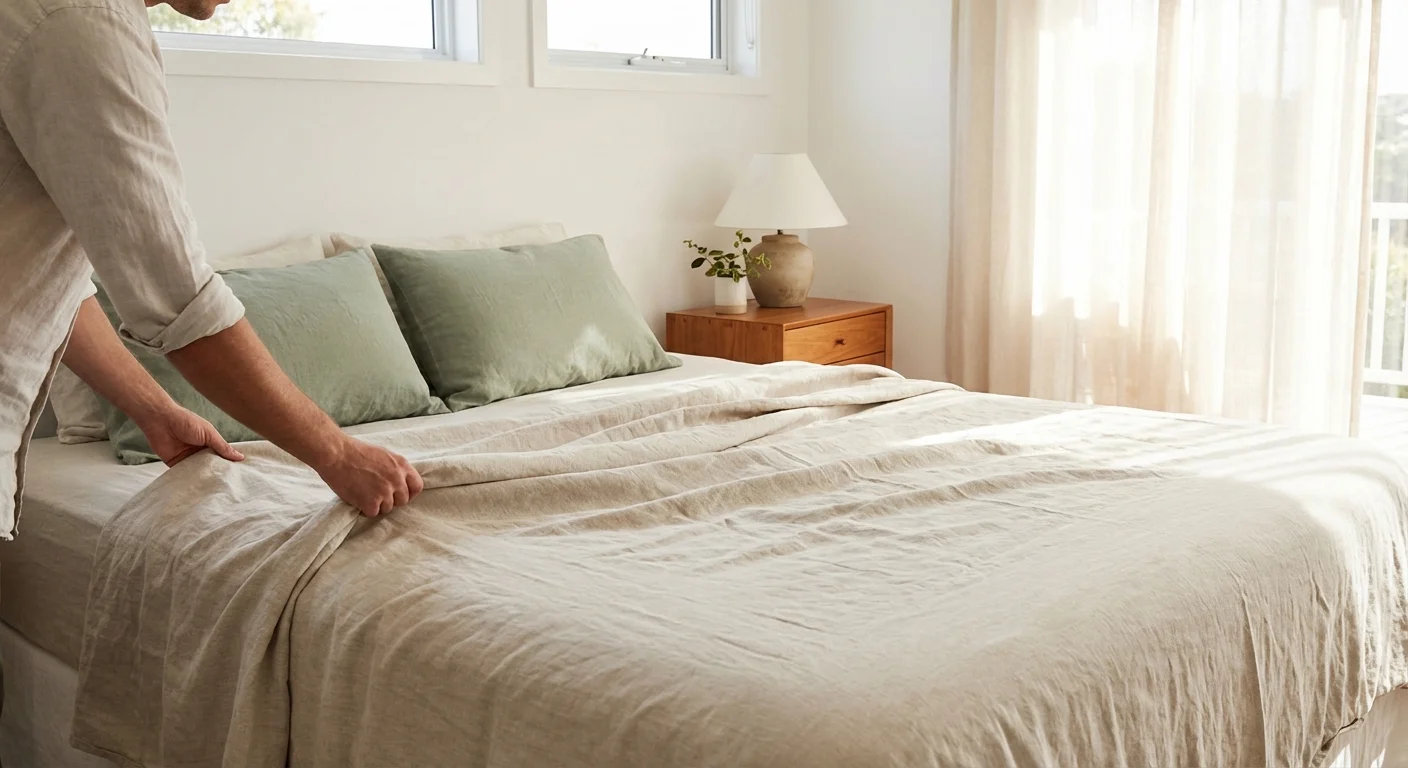
The Bedroom: Creating a Clean, Restorative Sleep Sanctuary
You spend roughly a third of your life in your bedroom; its environment directly impacts your physical recovery and immune system. Detoxing this space requires careful attention to your mattress, bedding, and dust management.
Applying the concepts of Danish hygge can help you balance these safety changes with a warm, restorative atmosphere.
Conventional mattresses are typically constructed from petroleum-based polyurethane foam, synthetic latex, and chemical fire barriers. Because your body heat accelerates the off-gassing process, sleeping on a high-VOC mattress means breathing in chemical emissions all night long. When it is time to replace your mattress, look for certifications like GOTS (Global Organic Textile Standard) and GOLS (Global Organic Latex Standard). Mattresses made from organic cotton, wool, and natural Dunlop or Talalay latex provide excellent support without the chemical burden.
Your bedding should also breathe. Synthetic fabrics like polyester trap heat and moisture, creating an ideal breeding ground for dust mites. Swap microfiber sheets for natural fibers like organic cotton, linen, or bamboo. Wash your sheets weekly in hot water (at least 130 degrees Fahrenheit) to neutralize dust mites and remove lingering allergens.
Finally, reconsider your use of heavily scented candles or plug-in air fresheners on your nightstand. These products mask odors by coating your nasal passages with synthetic chemicals and releasing soot into the air. If you enjoy a pleasant scent before bed, use an ultrasonic diffuser with high-quality, pure essential oils like lavender or chamomile.
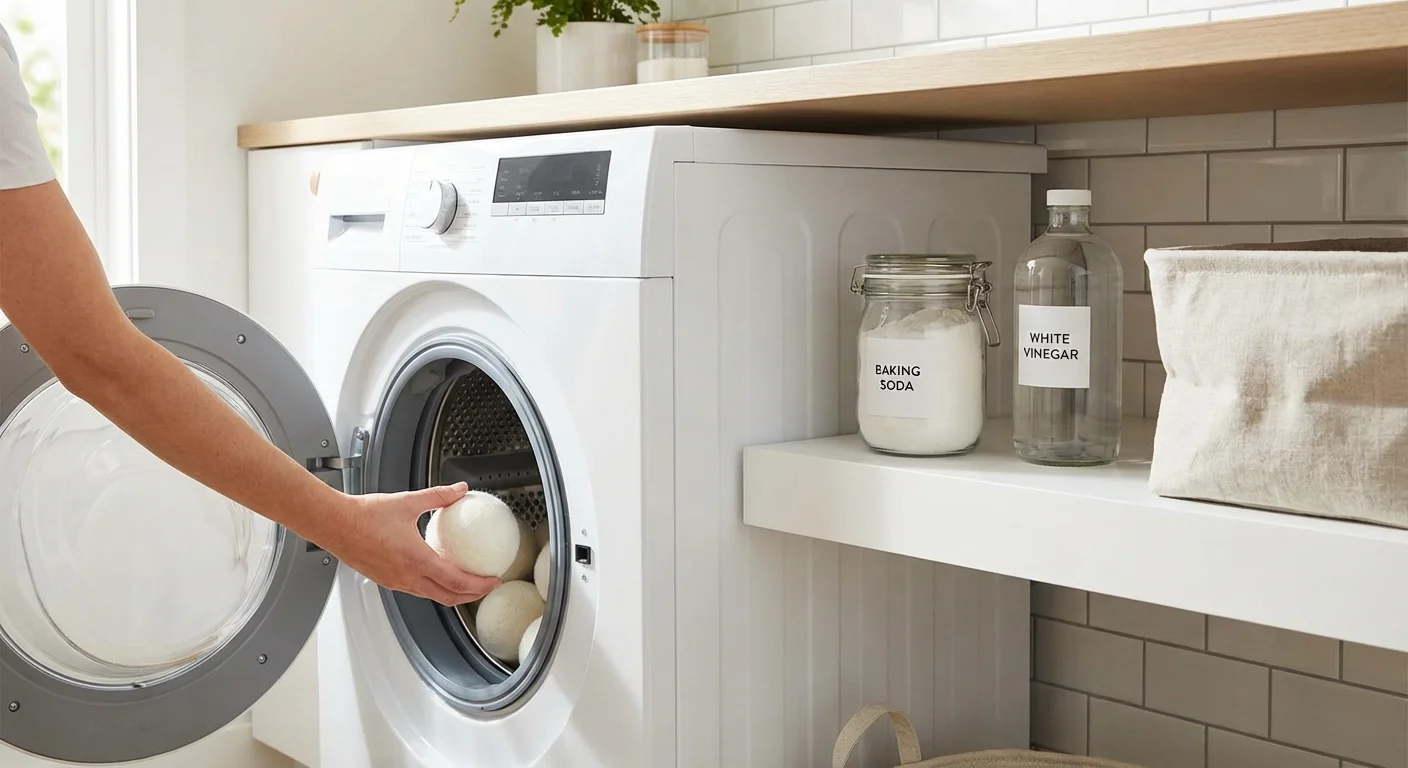
The Laundry Room: Ditching Synthetic Fragrances and Harsh Chemicals
The products you use to clean your clothes end up resting against your skin 24 hours a day. Unfortunately, the laundry aisle is packed with products that prioritize artificially intense scents over actual cleanliness.
Even without harsh chemicals, you can effectively remove every type of stain using natural household ingredients like lemon and vinegar.
Replacing these products is a key part of learning how to replace every chemical cleaner with safer, more sustainable alternatives.
Conventional liquid detergents often contain optical brighteners—chemicals designed to remain in the fabric to reflect light and make clothes appear whiter. They do not actually clean your clothes; they simply trick the eye, all while posing a risk for skin irritation. Switching to a plant-based, fragrance-free detergent ensures your clothes are genuinely clean without leaving a chemical residue behind.
Dryer sheets and liquid fabric softeners are arguably the most toxic products in the laundry room. They work by coating your clothing in a thin layer of synthetic lubricants, quaternary ammonium compounds (quats), and heavy fragrances. This coating reduces static but also ruins the absorbency of towels and traps odors in athletic wear. The solution is remarkably simple: replace dryer sheets with pure wool dryer balls. They agitate the clothes to reduce drying time and soften fabrics naturally. If you struggle with static electricity, attaching a safety pin to one of the wool balls or reducing your drying time can eliminate the problem completely.
Whole-House Strategies: Air Quality, Filtration, and Dust Management
Detoxing your home requires holistic strategies that address the air circulating through every room. The EPA Indoor Air Quality guidelines emphasize that proper ventilation is critical for maintaining a healthy indoor environment.
You can also naturally filter your air by incorporating several air-purifying plants throughout your home.
The simplest, most effective step you can take is opening your windows. Practicing daily “cross-ventilation”—opening windows on opposite sides of your home for just 10 to 15 minutes—flushes out stale, VOC-heavy indoor air and replaces it with fresh outdoor air. Do this in the early morning or late evening when outdoor pollen and pollution levels are generally lower.
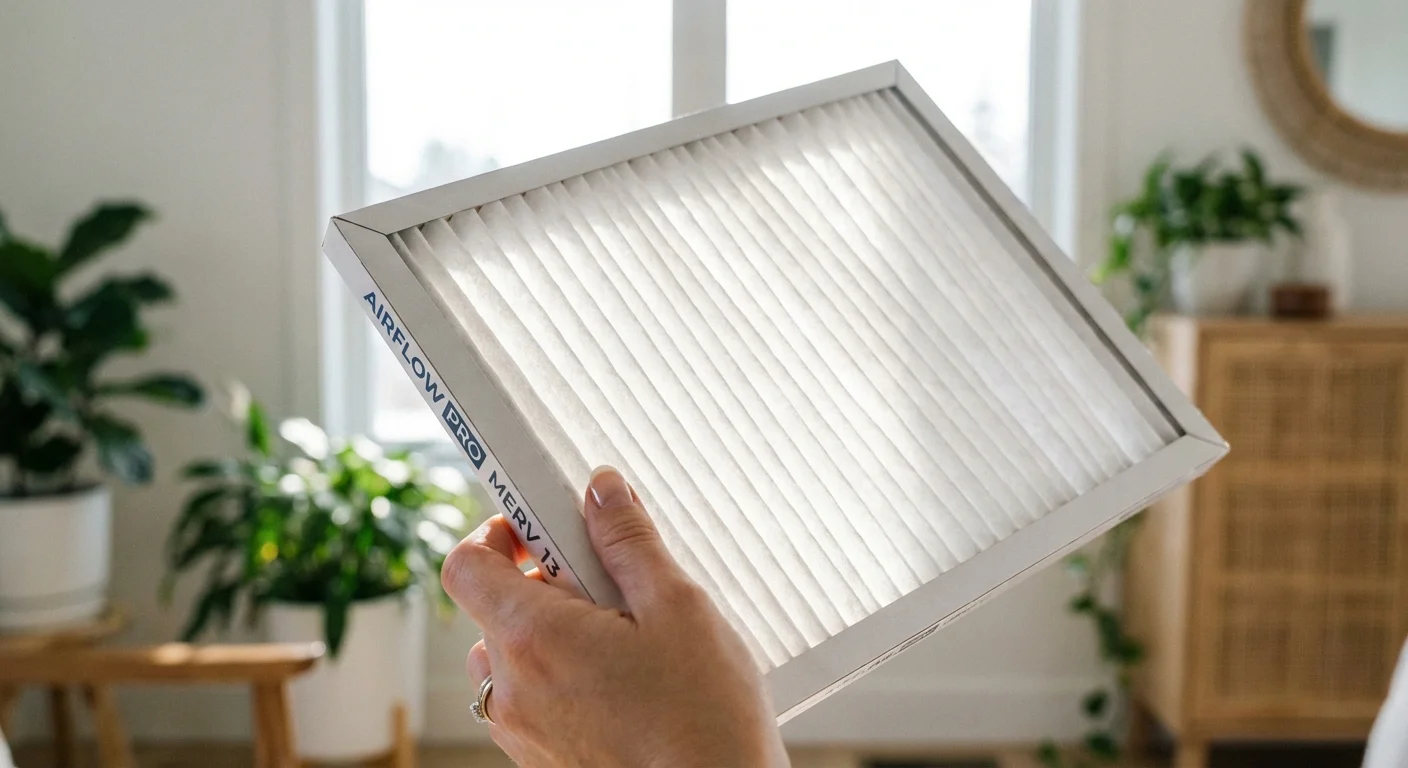
Your heating, ventilation, and air conditioning (HVAC) system is the lungs of your home. You must change the air filters regularly. Check the Minimum Efficiency Reporting Value (MERV) rating on your filters; a MERV rating between 8 and 13 captures a significant amount of dust, pollen, and pet dander without overworking your system’s blower motor.
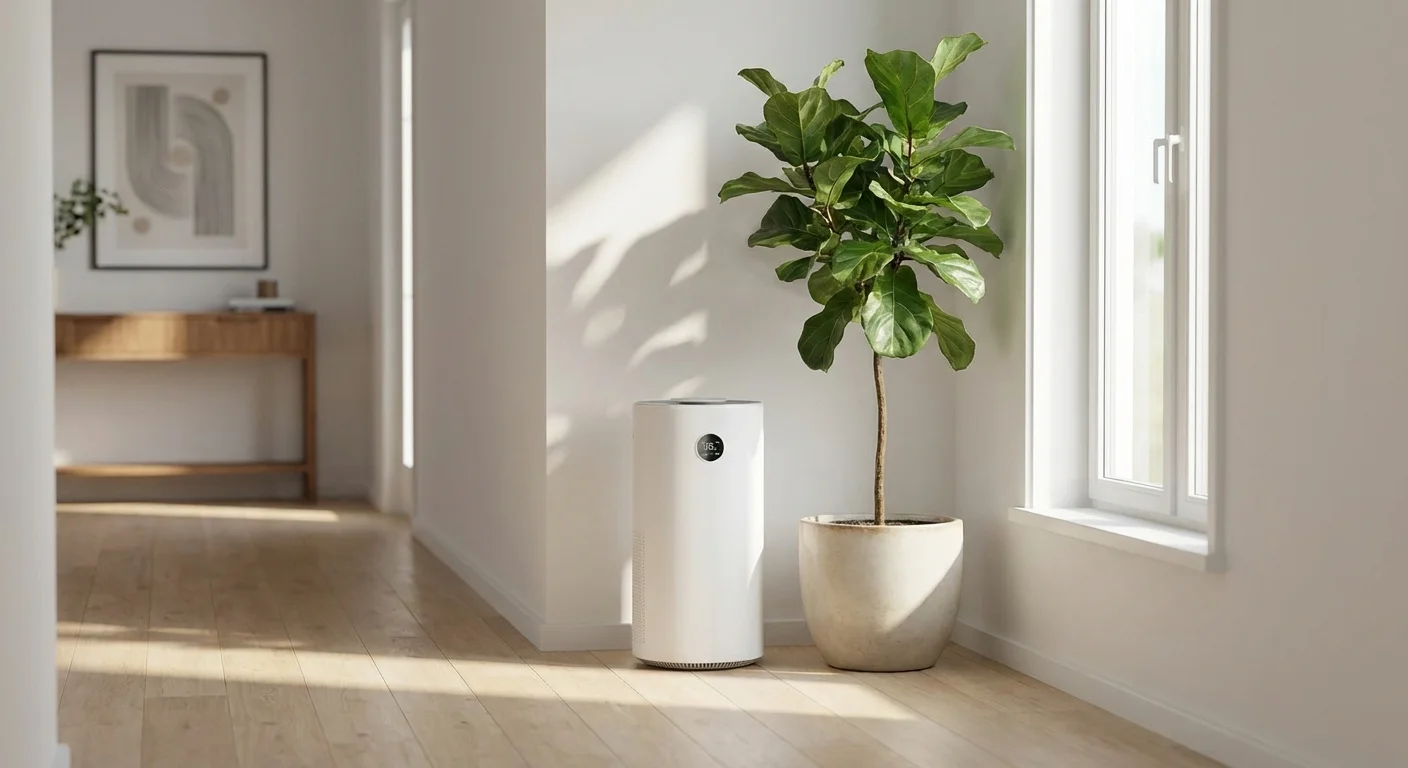
To further purify your air, particularly in bedrooms and main living spaces, consider investing in a standalone air purifier. According to testing by Consumer Reports, purifiers equipped with True HEPA filters are highly effective at capturing ultra-fine particles, while models that also include a substantial activated carbon filter will actively pull VOCs and odors from the air.
Finally, change how you dust. Dry dusting with a feather duster simply launches settled toxins—like flame retardants, pet dander, and heavy metals—back into the air. Instead, practice damp dusting. Use a slightly damp microfiber cloth to trap and remove dust from surfaces. Follow up by vacuuming your floors with a machine that features a sealed HEPA filtration system, ensuring that the microscopic particles you vacuum up stay trapped inside the canister.
Common Mistakes to Avoid When Detoxing Your Home
As you transition to non toxic home products, it is easy to stumble. Avoid these common pitfalls to ensure your efforts are both effective and budget-friendly:
- Falling for “Greenwashing”: Marketing terms like “natural,” “eco-friendly,” or “green” are completely unregulated. A product can feature leaves on the packaging and still contain harmful chemicals. Always read the actual ingredient list or look for trusted third-party certifications like Energy Star for appliances, EWG Verified, or Safer Choice.
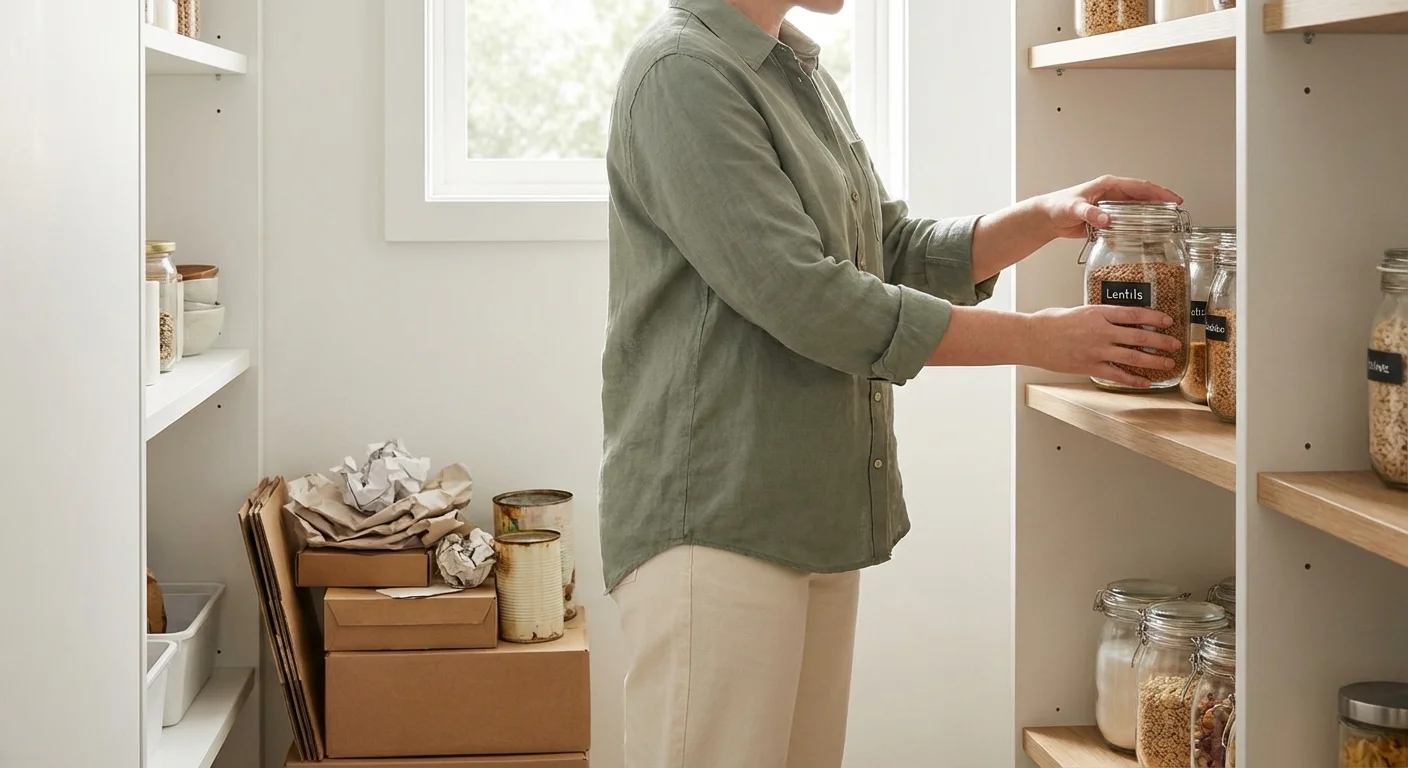
- Throwing Everything Out at Once: Trashing perfectly good items before their useful life is over causes financial stress and environmental waste. Use up your current products, and when they run out, replace them with a safer alternative.
- Ignoring Water Quality: We often focus heavily on air and surfaces but forget about the water we drink and bathe in. Municipal water can contain chlorine, lead, and trace pharmaceuticals. Adding a high-quality carbon block filter to your kitchen sink or a specialized filter to your showerhead is a critical step in a complete home detox.
- Over-Sanitizing: Constantly using antibacterial wipes and heavy bleach sprays destroys the beneficial microbiome of your home and contributes to the rise of resistant bacteria. Save the heavy disinfectants for raw meat spills or illness; use gentle soap and water for everyday cleaning.
Professional vs. DIY: When to Call the Experts
While swapping out cleaning products and changing furnace filters are easy DIY tasks, certain household toxins require professional intervention. Never attempt to handle the following issues on your own:
Lead Paint: If your home was built before 1978, assume there is lead paint beneath the surface layers. Sanding or scraping older window frames and walls releases toxic lead dust. Always hire an EPA-certified lead abatement professional for renovations in older homes.
Asbestos: Commonly found in older popcorn ceilings, vinyl floor tiles, and pipe insulation, asbestos is harmless when intact but deadly when disturbed. If you suspect asbestos, hire a certified inspector to test the material before you begin any demolition.
Extensive Mold Growth: You can clean a small patch of mildew on bathroom grout with hydrogen peroxide and a scrub brush. However, if you find mold covering an area larger than 10 square feet—or if you suspect mold inside your HVAC ductwork or behind drywall—you must hire a professional mold remediation company to contain the spores and fix the underlying moisture issue safely.
Frequently Asked Questions About Home Detox
How much does it cost to transition to non-toxic home products?
The cost varies widely based on your approach. Swapping conventional cleaning sprays for white vinegar and baking soda will actually save you money immediately. Replacing a mattress or living room sofa requires a significant investment. The most cost-effective strategy is replacing items gradually as they wear out, prioritizing items you interact with daily, like cookware and personal care products.
Do house plants actually purify the air?
While a famous 1980s NASA study suggested plants absorb VOCs, modern environmental engineers note that you would need an impractically large number of plants—roughly 10 to 1,000 per square meter—to replicate those results in a normal home environment. However, plants do increase humidity, reduce stress, and improve your home’s aesthetic, making them a wonderful addition even if their air-purifying capabilities are minimal in practice.
What is the single most important swap to make first?
Address your indoor air quality first. Stop using synthetic air fresheners, plug-ins, and scented candles immediately. This swap costs nothing, instantly removes a massive source of continuous VOC emissions from your home, and allows your respiratory system to rest.
Are all plastics bad for food storage?
While glass and stainless steel are superior, if you must use plastic, look for products labeled BPA-free and BPS-free, and check the recycling number on the bottom. Numbers 2, 4, and 5 are generally considered the safest plastics for food. Regardless of the type, never heat plastic in the microwave or place it in the dishwasher, as heat accelerates chemical leaching.
Creating a healthy home environment is a marathon, not a sprint. Do not let the pursuit of perfection paralyze your progress. Every small change—whether it is buying a wool dryer ball, opening a window, or choosing a fragrance-free lotion—reduces your body’s toxic burden. Take it one room, one product, and one day at a time, and you will gradually build a space that truly supports your health and well-being.
This is educational content based on general best practices. Individual results vary based on your home, budget, and circumstances. Always prioritize safety and consult professionals for major projects.
Last updated: February 2026








Leave a Reply