

We spend approximately 90 percent of our lives indoors. You invest time curating your furniture, selecting the perfect paint finishes, and optimizing your floor plan to create a sanctuary. Yet, the most crucial element of your living space remains completely invisible: the air you breathe. Research consistently reveals that indoor environments often harbor pollutant levels two to five times higher than what you breathe outdoors. This unseen layer of dust, volatile organic compounds, and airborne allergens quietly impacts your sleep quality, your daily energy levels, and your long-term respiratory health.
You cannot buy your way out of poor indoor air quality with a single appliance. Achieving truly clean air requires a comprehensive approach that combines smart ventilation, targeted purification, and mindful daily habits. This guide walks you through the exact steps to transform your home’s atmosphere, turning stagnant, heavy air into a crisp, healthy environment.
The Essentials: Clean Air at a Glance
- Eliminate at the Source: The most effective strategy is removing pollutants before they become airborne; this means swapping out harsh chemical cleaners and storing paints and solvents outside your main living area.
- Ventilate Daily: Even 15 minutes of cross-ventilation dramatically dilutes indoor pollutants and replenishes oxygen levels.
- Filter Intelligently: Upgrade your HVAC filters to MERV 11 or 13, and deploy HEPA air purifiers in the rooms where you spend the most time.
- Control Humidity: Keep indoor humidity between 30 and 50 percent to cripple dust mite populations and prevent mold growth.
Understanding Indoor Air Pollution: What Are You Actually Breathing?
To effectively reduce indoor air pollution, you first need to identify the culprits. Air quality issues generally stem from three distinct categories of pollutants, each requiring a different management strategy.
To protect your health, it is essential to learn how to detox your home by identifying these hidden sources of pollution room by room.
In addition to these core principles, you can naturally enhance your home’s atmosphere by selecting the best air-purifying plants for each room.
Volatile Organic Compounds (VOCs)
VOCs are carbon-based chemicals that easily evaporate at room temperature. When you bring a new piece of manufactured furniture into your home and notice a distinct chemical smell, you are experiencing VOC off-gassing. These compounds continuously seep from synthetic carpets, fresh paint, pressed-wood cabinetry, vinyl flooring, and household cleaning products. Long-term exposure to common VOCs—like formaldehyde and benzene—can cause headaches, dizziness, and throat irritation. The off-gassing process is fastest in the first few months but can continue at lower levels for years.
Biological Pollutants
Every home hosts a microscopic ecosystem. Biological pollutants include pet dander, pollen tracked in from outside, dust mite droppings, and mold spores. Dust mites thrive in warm, humid environments, burying themselves deep within mattresses, upholstered furniture, and heavy drapery. Mold spores act similarly, lying dormant until they find the moisture they need to colonize the corners of your bathroom or the dark recesses of a damp basement.
Combustion Byproducts
If you cook with a gas stove, use a wood-burning fireplace, or occasionally burn scented candles, you are introducing combustion byproducts into your breathing space. Nitrogen dioxide and carbon monoxide are primary offenders here. Even simple tasks like roasting vegetables at high temperatures generate fine particulate matter (PM2.5) that can penetrate deep into your lungs.
“The most effective way to improve indoor air quality is to eliminate individual sources of pollution or to reduce their emissions.” — Environmental Protection Agency (EPA)

Master the Fundamentals of Home Ventilation
Modern homes are built with energy efficiency in mind. Contractors seal every crack, weatherstrip every door, and insulate every wall to prevent conditioned air from escaping. While this significantly lowers your utility bills, it creates an airtight box that traps pollutants inside. Active ventilation is your primary defense mechanism against a stagnant indoor environment.
Creating Effective Cross-Ventilation
Opening a single window offers minimal benefit because air needs a pathway to flow through your home. To set up effective cross-ventilation, open windows on opposite sides of your house or room. If there is a breeze outside, open the window facing the wind a few inches, and open the window on the opposite, downwind side as wide as possible. This creates a pressure differential that actively pulls fresh air through your living space. Make a habit of doing this for just 10 to 15 minutes every morning, even during the winter months. The brief exchange of air will not significantly impact your heating bill, but it will dramatically reduce indoor air pollution.
Maximizing Mechanical Exhaust
Your kitchen range hood and bathroom exhaust fans are powerful tools for managing air quality, provided they vent entirely outside the home. Many cheaper range hoods merely pass cooking smoke through a rudimentary metal mesh filter and blow it back into the kitchen. If you are planning a renovation, upgrading to an exterior-venting range hood is non-negotiable for clean air. Run your kitchen exhaust fan whenever you turn on a burner, and leave it running for 10 minutes after you finish cooking.
Similarly, bathroom exhaust fans should run during every shower and continue operating for at least 20 minutes afterward to extract residual moisture before it condenses on your drywall and feeds mold spores.
Optimizing Your HVAC System
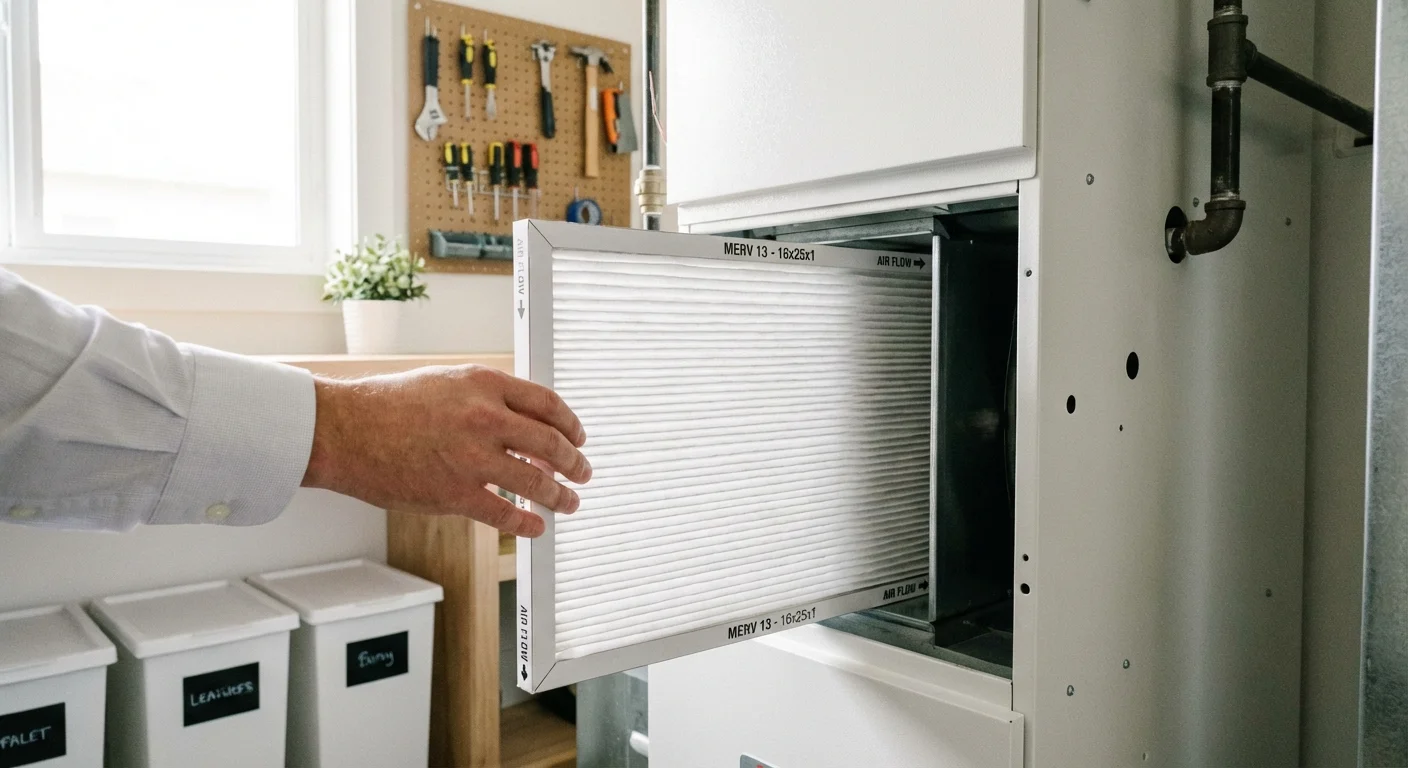
If your home relies on forced-air heating and cooling, your HVAC system acts as the respiratory system of your house. The standard fiberglass filters sold at hardware stores exist solely to protect the blower motor from large debris; they do absolutely nothing to improve indoor air quality. Upgrade to pleated filters with a Minimum Efficiency Reporting Value (MERV) rating of 11 to 13. These filters capture fine dust, pet dander, and smog particles without restricting airflow enough to damage your system. Inspect your filter every 30 days and replace it at least every 90 days. For independent evaluations on how different HVAC components impact energy efficiency and air quality, the Energy Star program provides excellent technical guidance.
How to Choose the Best Air Purifier for Home Use
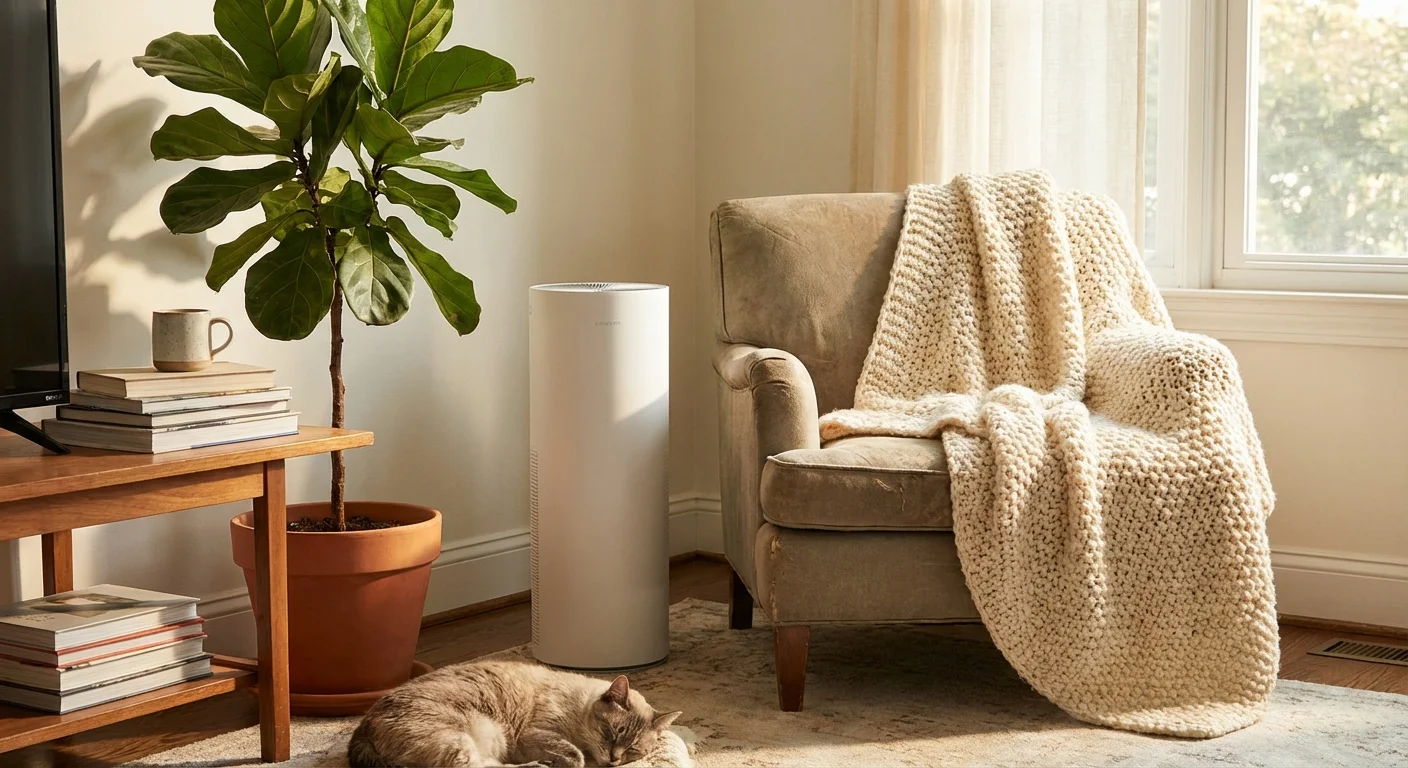
When source control and ventilation fall short—particularly during allergy season or periods of wildfire smoke—a dedicated air purifier becomes essential. The market is saturated with futuristic-looking towers claiming to eliminate every known toxin. However, effective air purification relies entirely on basic physics: pulling air through dense mechanical filters.
Finding the best air purifiers for pet owners is especially important if you are managing both dander and airborne particulates.
When shopping for the best air purifier for home environments, ignore marketing buzzwords and look exclusively at the Clean Air Delivery Rate (CADR). The CADR measures exactly how much filtered air a machine pushes out per minute. A unit with a high CADR will turn over the air in your room multiple times per hour, which is the only way to genuinely lower particulate counts.
Comparing Air Purification Technologies
| Filter Type | How It Works | What It Captures | Verdict for Home Use |
|---|---|---|---|
| True HEPA | Forces air through a dense web of fiberglass or synthetic fibers. | Dust, pollen, mold spores, pet dander, and smoke particles (down to 0.3 microns). | Essential. This should be the core technology in any purifier you purchase. |
| Activated Carbon | Uses highly porous carbon granules to chemically trap gas molecules. | Odors, VOCs from paint and furniture, and cooking smells. | Highly Recommended. Look for units with heavy, pellet-based carbon filters, not just thin black sponges. |
| Ionizers / Ozone Generators | Releases charged ions or ozone gas to force particles to stick to surfaces or break down odors. | Particulates and odors, but leaves them clinging to walls and floors. | Avoid. Ozone is a lung irritant. Devices intentionally producing ozone harm indoor air quality. |
| UV-C Light | Uses ultraviolet light to neutralize biological pathogens. | Bacteria and some viruses. | Optional. Most residential units move air too quickly past the light for effective sterilization. Focus on HEPA instead. |
For independent lab testing on specific models and their actual CADR performance, Consumer Reports offers rigorous, unbiased reviews that strip away manufacturer hype. Place your air purifier in the room where you spend the most uninterrupted time—usually the bedroom—and run it continuously on a low to medium setting rather than sporadically blasting it on high.
Daily Clean Air Home Tips and Cleaning Habits
Your cleaning routine profoundly influences the air you breathe. Traditional cleaning methods often just agitate dust, lifting it off the floor and launching it into the air where it remains suspended for hours. By shifting your approach, you can physically remove pollutants from your home permanently.
Establishing a consistent weekly house cleaning schedule ensures that pollutants don’t have time to settle into your upholstery and rugs.
Integrating these high-impact tasks into a daily cleaning routine ensures that dust and allergens never have the chance to accumulate.
Adopt the Damp-Dusting Method
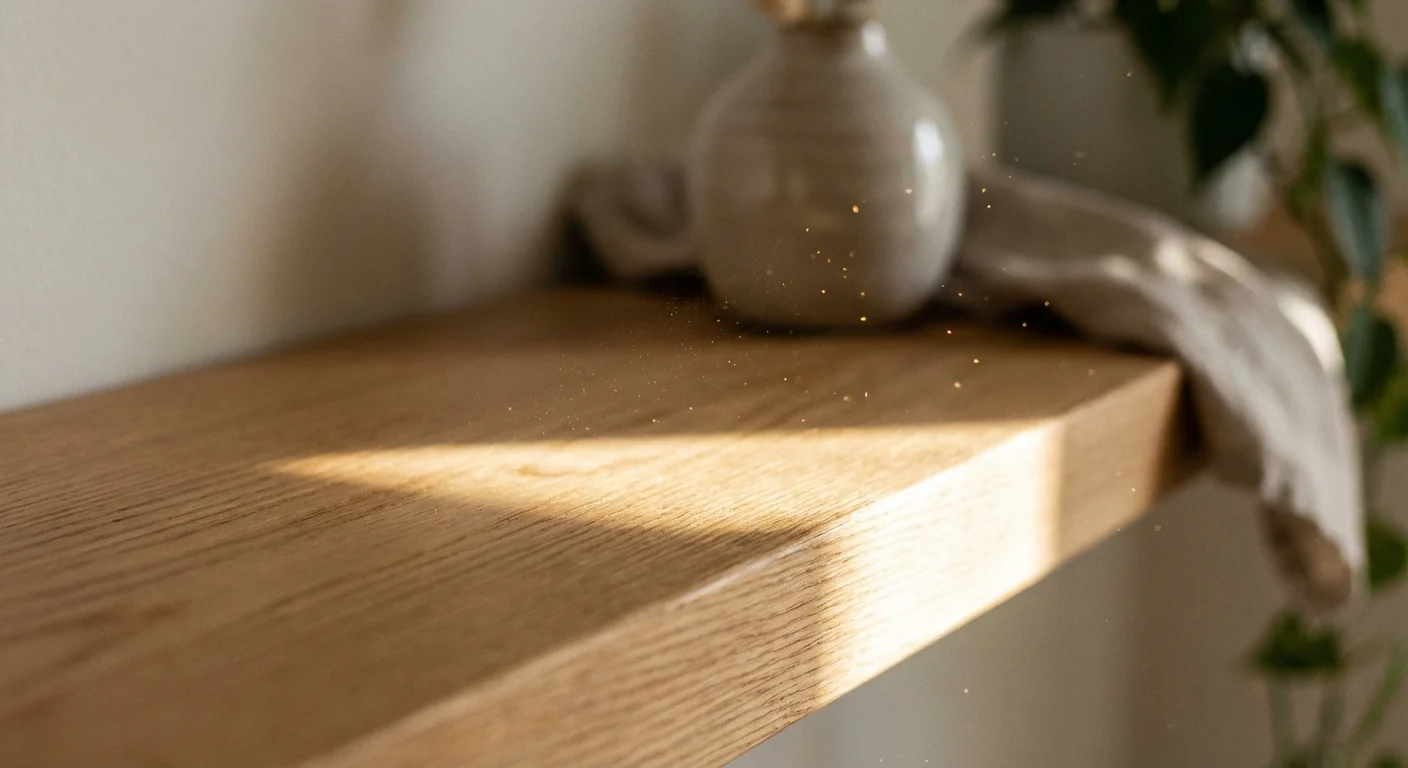
Feather dusters and dry cloths are counterproductive. They flick dust into the air, guaranteeing you will breathe it in later. Instead, use slightly damp microfiber cloths. The moisture traps the fine particulate matter, holding it fast to the cloth until you rinse it down the sink. Always dust from the top of the room down to the floor, addressing ceiling fan blades, high shelving, and window casings before moving to baseboards.
Upgrade Your Vacuum Strategy
Your floors act as a massive sponge, collecting everything that falls out of the air. If you use a vacuum without a sealed HEPA filtration system, you are simply sucking up heavy dirt while blasting the finest, most irritating particles right back out the exhaust port. Invest in a high-quality HEPA vacuum. Vacuum high-traffic areas at least twice a week, moving slowly. Speed-vacuuming creates turbulence and fails to pull deeply embedded dander out of carpet fibers.
Rethink Your Cleaning Supplies
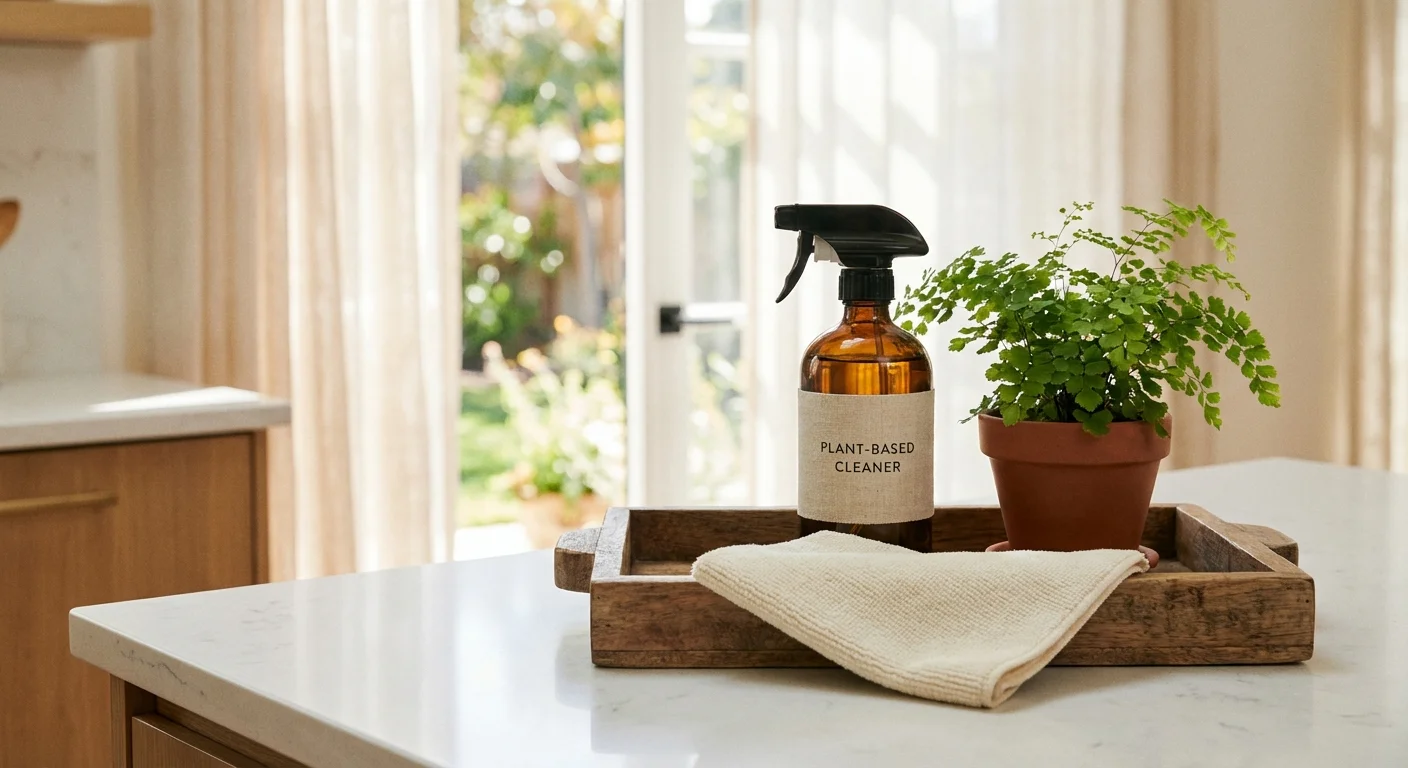
Many commercial window cleaners, floor polishes, and bathroom scrubs are massive sources of VOCs. The aggressive pine or lemon scent you associate with a clean house is actually chemical off-gassing. Transition to straightforward, natural cleaning agents wherever possible. A simple mixture of water, white vinegar, and a few drops of dish soap tackles the vast majority of surface cleaning without releasing volatile compounds into your breathing space. If you need heavy-duty chemicals for a specific project, use them with the windows wide open and store the bottles in a detached garage or outdoor shed afterward.
Control Clutter to Control Dust
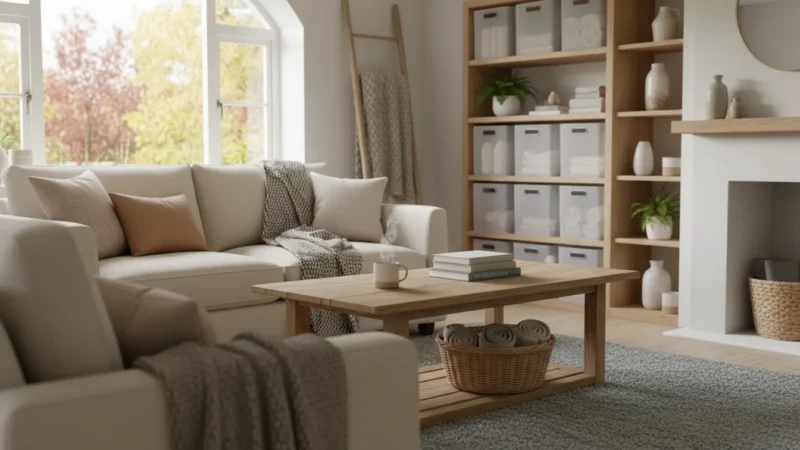
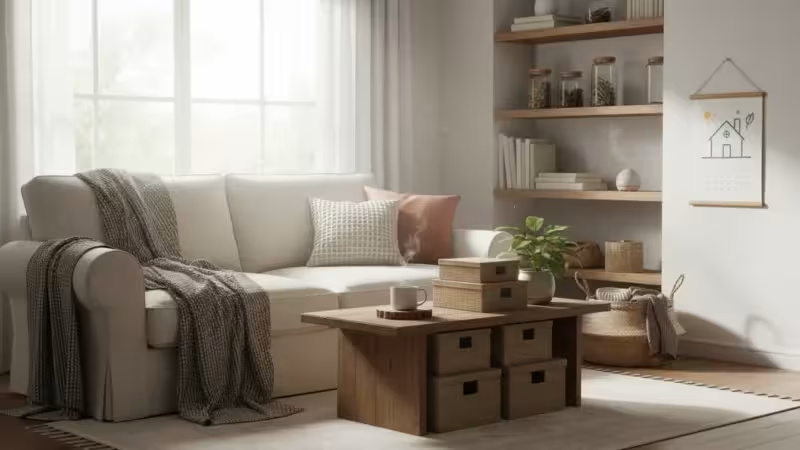
From a purely logistical standpoint, clutter ruins air quality. Every stack of unread magazines, every overloaded bookshelf, and every decorative knick-knack acts as a magnet for dust and pet dander. The more objects you have resting on surfaces, the harder it is to clean effectively. By embracing organizational systems and keeping horizontal surfaces clear, you eliminate the micro-habitats where dust mites breed. Store out-of-season clothing and extra bedding in airtight plastic bins rather than leaving them exposed on closet shelves.
Managing Indoor Humidity Levels
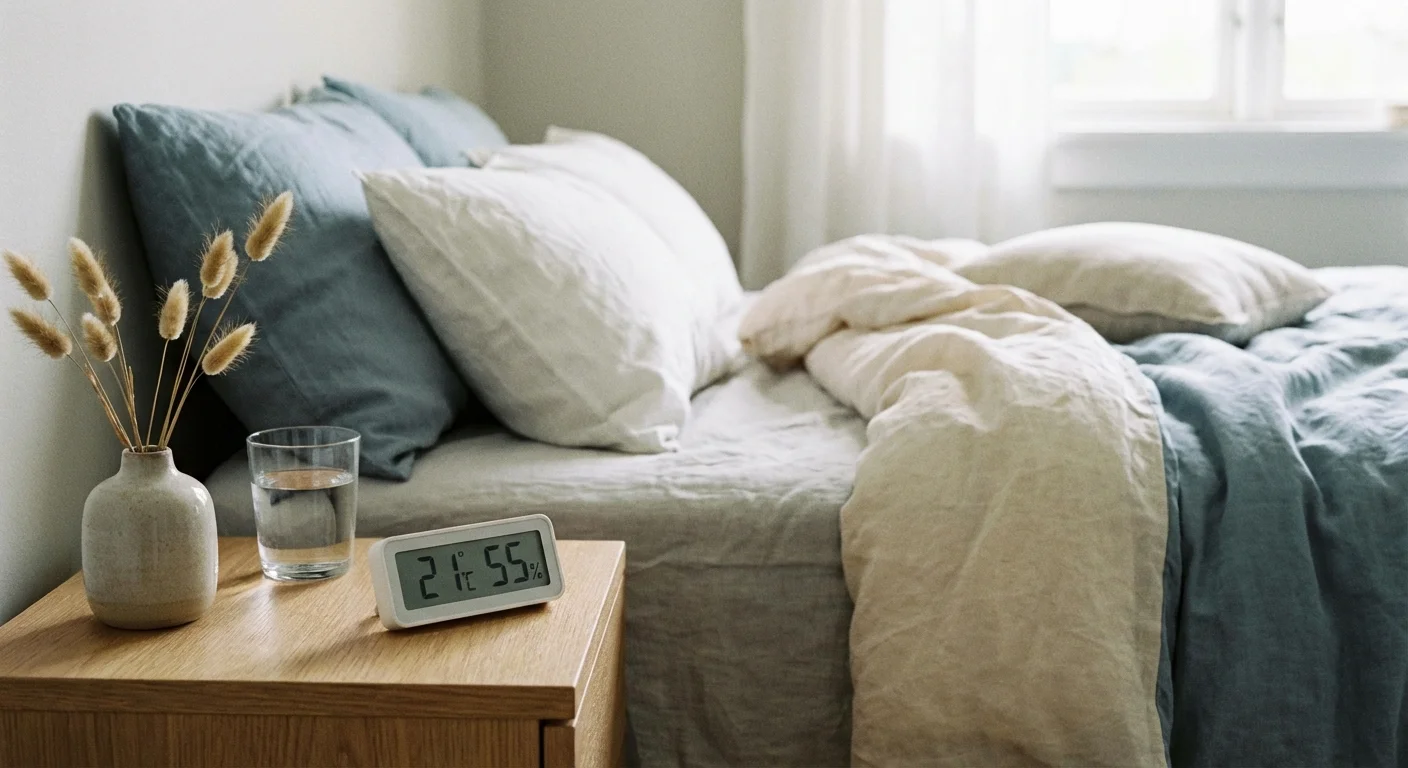
Moisture is the invisible variable in the air quality equation. If the air in your home is too dry, your nasal passages dry out, making you more susceptible to respiratory viruses. If the air is too wet, you create a paradise for mold, mildew, and dust mites.
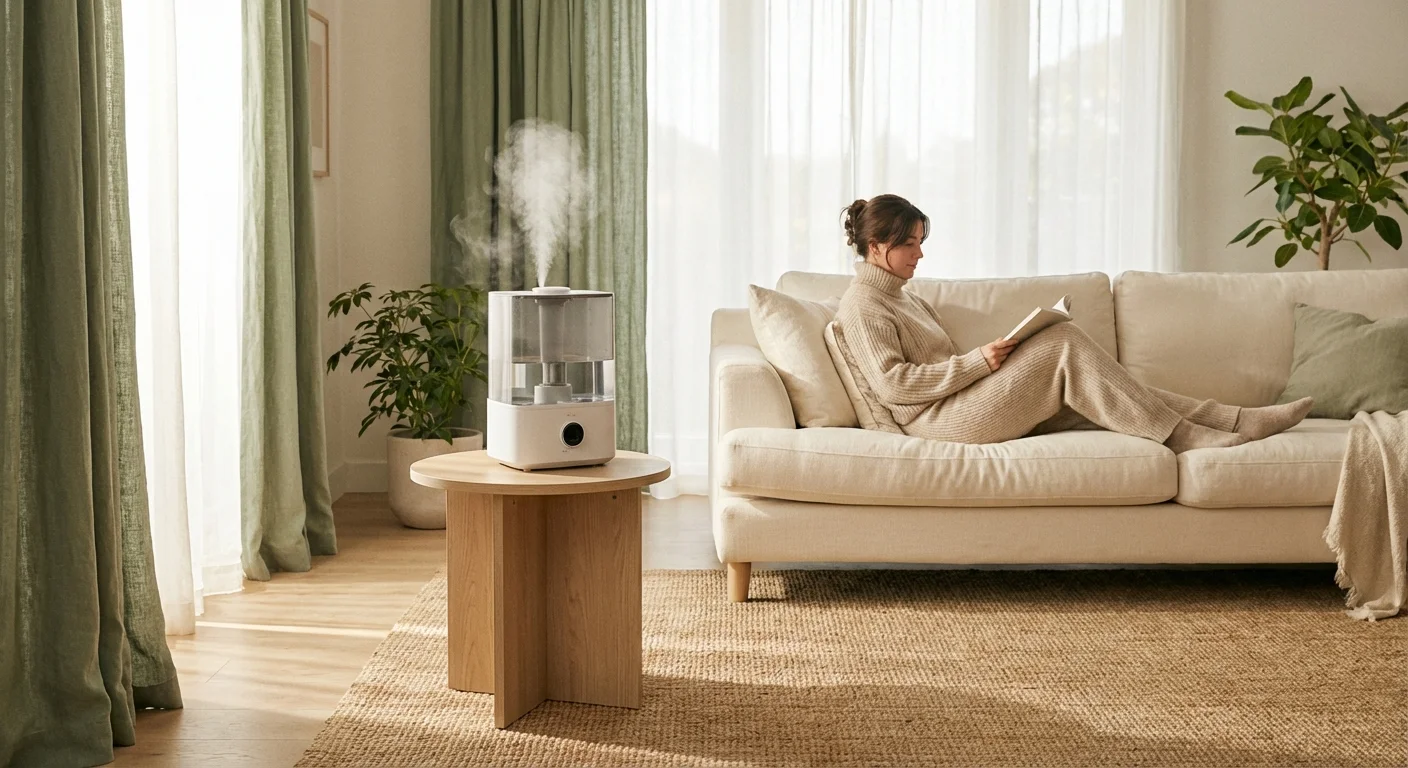
During the winter months when heaters strip moisture from the environment, using one of the best humidifiers for dry air can keep your respiratory system healthy.
Aim to keep your indoor humidity levels tightly controlled between 30 and 50 percent. Buy an inexpensive digital hygrometer for your living room and bedroom to monitor these levels daily; you cannot manage what you do not measure.
Dealing with High Humidity
During humid summer months, or if you live in a damp climate, a dehumidifier is critical. Run a high-capacity dehumidifier in your basement to prevent the musty odors that inevitably seep up into the main living areas. Empty the collection bucket daily, or better yet, attach a drain hose so it empties directly into a floor drain. Pay close attention to condensation forming on the inside of your windows during cooler weather; this is a glaring warning sign that your indoor humidity is too high and mold is likely germinating in hidden corners.
Navigating Low Humidity
In the dead of winter, forced-air heating systems bake the moisture out of the air, driving humidity down to desert-like levels. Using a humidifier can soothe your respiratory tract, but it requires relentless maintenance. If you allow water to stagnate in a humidifier tank, it becomes a breeding ground for bacteria, which the machine then atomizes and sprays into your air. Empty, scrub, and dry your humidifier tank every three days, using white vinegar to dissolve mineral scale. Always use distilled water in ultrasonic humidifiers; tap water contains minerals that these machines pulverize and blast into the air, creating a fine white dust that lowers your air quality.
Avoiding Common Errors in Air Quality Management
Homeowners often spend money and effort trying to improve their air, only to accidentally make it worse by falling for common myths or adopting counterproductive habits.
The Houseplant Purification Myth
A persistent myth suggests that adding a few spider plants or peace lilies to your living room will drastically purify your air. This idea stems from a decades-old NASA study conducted in small, sealed chambers. In a real-world home environment, air exchanges rapidly. While plants do absorb carbon dioxide and release oxygen, independent environmental engineers have calculated that you would need between 10 and 1,000 plants per square meter to tangibly reduce VOC levels in a standard home. Enjoy houseplants for their aesthetic and psychological benefits, but do not rely on them as your primary air purification strategy.
The Danger of Scented Products
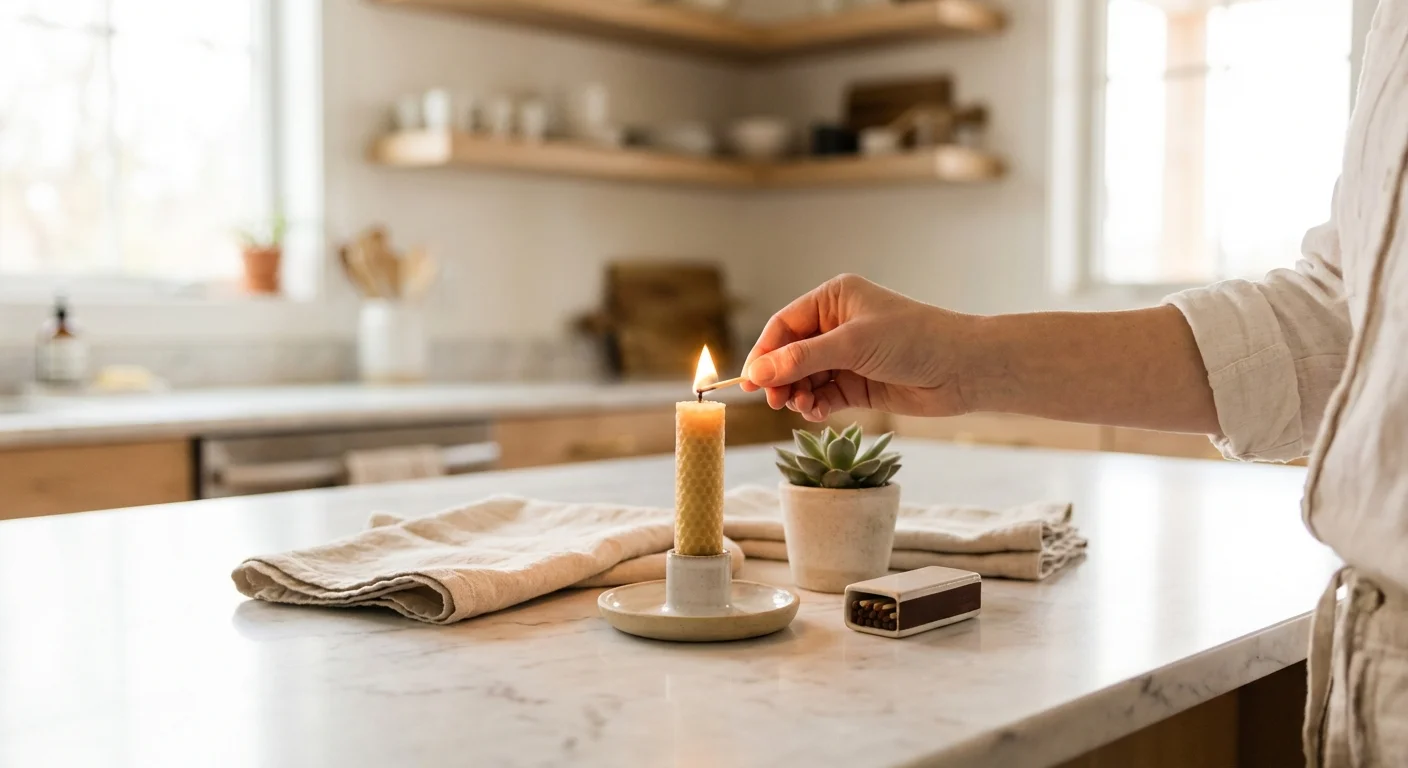
Air fresheners, scented plug-ins, and paraffin wax candles do not clean the air; they simply mask existing odors by introducing new, highly reactive chemicals. When the limonene used in citrus-scented sprays reacts with naturally occurring ozone in the air, it creates formaldehyde. If you want your home to smell fresh, rely on thorough cleaning, baking soda to absorb odors, and open windows. If you enjoy candles, switch to 100 percent beeswax candles with cotton wicks, which burn much cleaner than petroleum-based paraffin.
Ignoring the Bedroom Environment
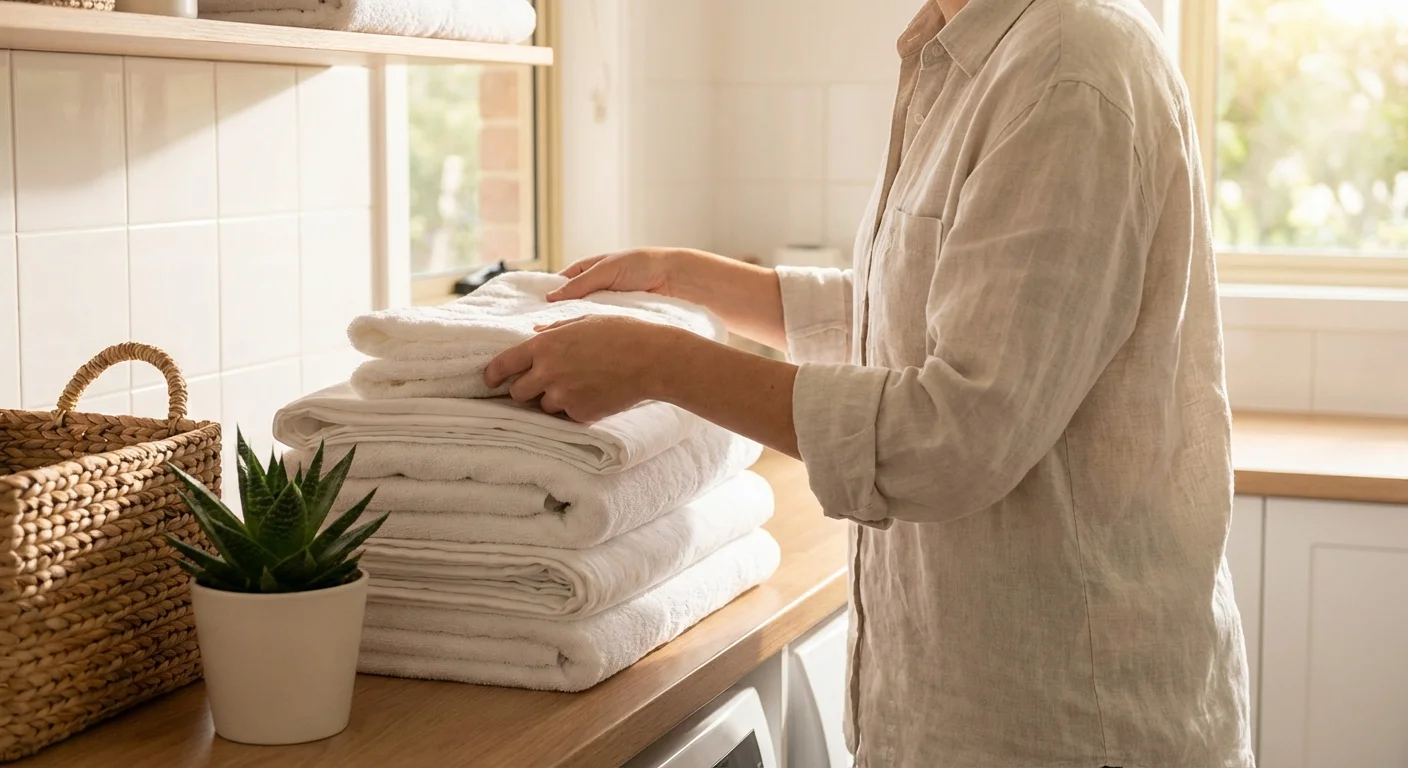
You spend a third of your life asleep, making your bedroom the most critical air quality zone in the house. Many people run purifiers in the living room but ignore the bedroom. Dust mites colonize mattresses and pillows by the millions. Wash all your bedding—including duvet covers and pillow protectors—in hot water weekly to kill dust mites. Consider encasing your mattress and pillows in allergen-proof, zippered covers to lock out biological pollutants.
When DIY Isn’t Enough: Seeking Professional Help
While establishing good habits and upgrading your filters will solve the majority of residential air quality issues, certain situations demand professional intervention. Recognizing these scenarios early protects both your health and your property value.
- Extensive Mold Growth: If you discover a mold colony larger than roughly three feet by three feet, do not attempt to scrub it with bleach. Large infestations indicate a severe moisture intrusion issue behind the drywall. Disturbing massive mold colonies without proper containment will send billions of spores soaring through your HVAC system. Call a certified mold remediation specialist.
- Radon Gas Suspicions: Radon is an invisible, odorless, naturally occurring radioactive gas that seeps up through foundation cracks. It is the second leading cause of lung cancer. You cannot filter it out with a HEPA machine. Purchase a long-term radon testing kit, and if levels exceed the EPA action level of 4.0 pCi/L, you must hire a professional to install a sub-slab depressurization system.
- Legacy Contaminants (Asbestos and Lead): If you live in a home built before 1980 and plan to renovate, assume the popcorn ceilings, old floor tiles, and baseboard paint contain asbestos or lead. Never sand, scrape, or tear out these materials without testing them first. A licensed abatement team must handle the removal to prevent toxic dust from permanently contaminating your home’s air.
- HVAC Duct Contamination: Routine duct cleaning is rarely necessary for air quality if you use good filters. However, if vermin have nested in your ductwork, or if a plumbing leak caused mold to grow inside the sheet metal, you need professional duct cleaning and sanitization. The EPA Indoor Air Quality division provides stringent guidelines on when duct cleaning is actually warranted.
Frequently Asked Questions About Indoor Air Quality
How can I accurately test my home’s air quality?
While professional testing is the most accurate, consumer-grade indoor air quality monitors have improved drastically. Look for a monitor that measures PM2.5 (fine particulates), VOCs, carbon dioxide, and humidity. Place it in your main living area away from direct sunlight or drafty windows to get a baseline reading of your daily air quality fluctuations.
How often should I change my air purifier’s HEPA filter?
Most manufacturers recommend replacing HEPA filters every 6 to 12 months, but this depends heavily on your environment. If you run the machine 24/7, live with multiple shedding pets, or reside in an area prone to wildfire smoke, you may need to replace the filter every 3 to 4 months. Never attempt to wash and reuse a true HEPA filter; water destroys the delicate fibrous web.
Are essential oil diffusers bad for indoor air quality?
Yes, they can be. Essential oil diffusers work by atomizing liquid compounds and launching them into the air. While these are “natural” compounds, they still contribute heavily to your indoor VOC load and particulate matter count. For individuals with asthma or chemical sensitivities, diffusers can trigger severe respiratory distress. Use them sparingly, if at all, and always in well-ventilated spaces.
Does burning sage or palo santo clean the air?
No. While smudging holds deep cultural and spiritual significance for many, from a strict air-quality perspective, burning any botanical material releases fine particulate matter and carbon monoxide into your breathing space. If you practice smudging, ensure you open windows to allow the combustion byproducts to escape.
Taking the Next Step Toward Healthier Air
Improving your home’s air quality does not require an overnight, expensive overhaul. Begin with the simplest, highest-impact changes: open your windows for ten minutes tomorrow morning, swap out your cheap furnace filter for a MERV 13 alternative this weekend, and commit to using the exhaust fan every time you cook. As you gradually phase out chemical cleaners and integrate a high-quality HEPA purifier into your bedroom, you will notice a tangible difference in the freshness of your home and the clarity of your breathing.
Clean air is the foundation of a comfortable, restorative home. By taking control of the unseen environment within your walls, you protect your health, increase your daily energy, and create a truly safe haven for your family.
This guide provides general home improvement information. Every home is different—what works in one space may need adaptation in yours. For structural changes, mold remediation, or electrical/plumbing work, consult a licensed professional.
Last updated: February 2026




Leave a Reply