

The average home contains roughly 300,000 items. When you start packing, that staggering statistic suddenly becomes very real. Every forgotten closet, stuffed drawer, and overcrowded garage shelf represents physical weight that you have to sort, box, carry, transport, and unpack. Relocating gives you a rare, built-in opportunity to completely reset your living environment, yet many people simply pack their existing clutter and pay professional movers to transport it to a new location. You can avoid this costly and exhausting trap by implementing a strategic moving declutter checklist.
For those who prefer a longer lead time, a 30-day declutter challenge can also provide a structured path to clearing your entire household.
If you find yourself paralyzed by the sheer volume of belongings, starting with a 15-minute-a-day decluttering system can help you build the necessary momentum.
Whether you are upgrading to a larger property, downsizing to an apartment, or relocating across the country, evaluating your possessions before you buy a single moving box will save you time, money, and emotional energy. Local movers charge by the hour, while long-distance companies charge by weight. Every box of items you no longer need drains your budget and extends your moving timeline. By determining exactly what to get rid of before moving, you ensure that only the items that actively serve your lifestyle make the journey across the threshold of your new home.
The Hidden Costs of Moving Clutter
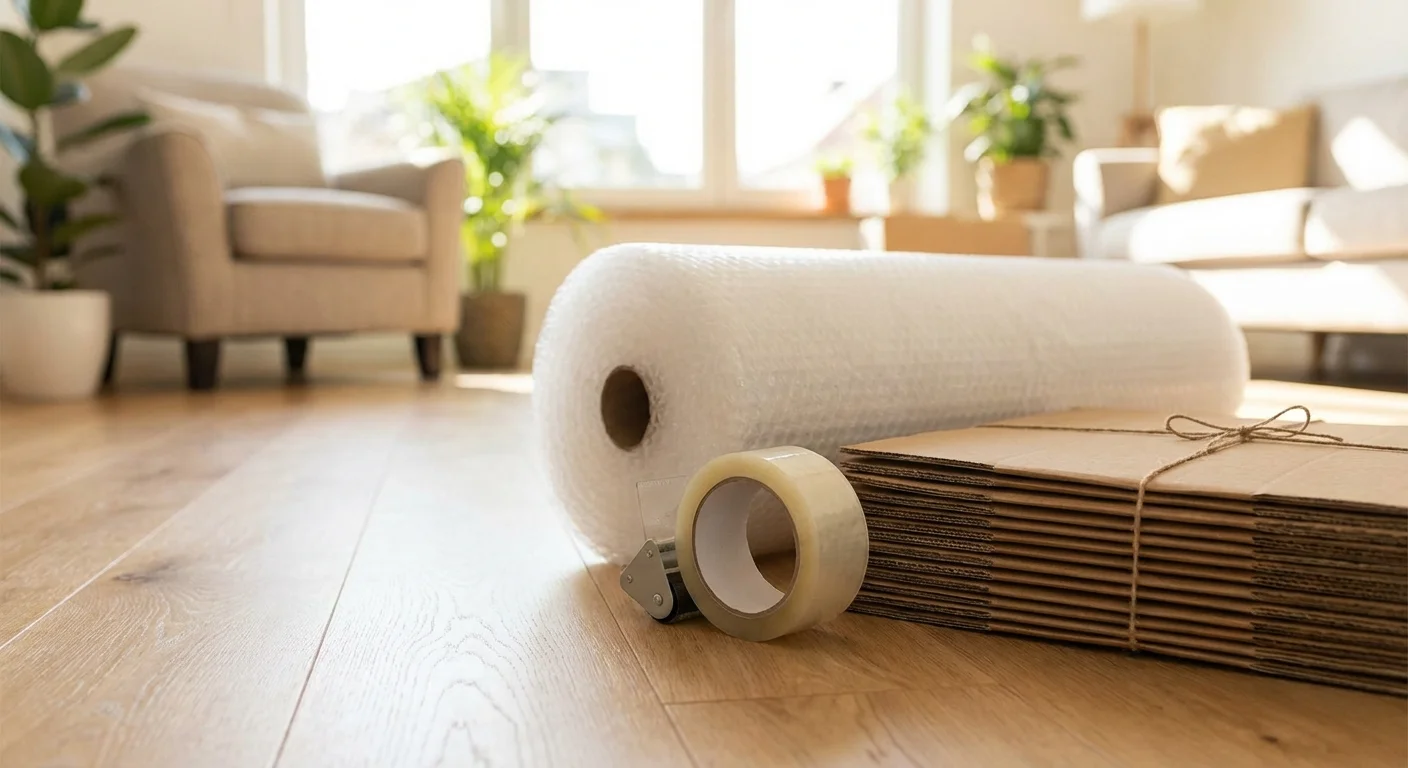
Moving unwanted items carries a heavier financial burden than most people realize. The cost of packing materials alone adds up quickly. A standard medium moving box costs roughly two to three dollars; high-quality packing tape, bubble wrap, and specialized inserts push that number higher. If you pack fifty boxes of items you ultimately do not need, you are spending hundreds of dollars just on the materials to contain your clutter.
Additionally, how you organize your entryway in the new home will dictate the immediate flow and cleanliness of the space from your first day.
Furthermore, the physical labor involved is immense. If you hire professional movers, their hourly rate directly reflects the time it takes to carry those boxes down the stairs and load them onto the truck. For cross-country moves, the transportation weight dictates your final bill. A box of outdated college textbooks can weigh over forty pounds. Paying a premium freight rate to move reference materials you will never open again is a poor investment. Embracing a thorough packing checklist that prioritizes elimination over relocation guarantees a more efficient, cost-effective move.
“Keep only those things that speak to your heart. Then take the plunge and discard all the rest.” — Marie Kondo, Organizing Consultant

The 8-Week Declutter Before Moving House Timeline
Waiting until the week before the moving truck arrives guarantees panic. You will end up throwing everything into boxes haphazardly, resulting in a chaotic unpacking experience. To declutter before moving house successfully, you need a systematic schedule. Start this process two months before your moving date to allow ample time for selling valuable items and coordinating charity pickups.
As you pack these long-term areas, decide between clear storage bins and fabric bins based on the conditions of your new attic or basement.
Week 8: The Hidden Storage Areas
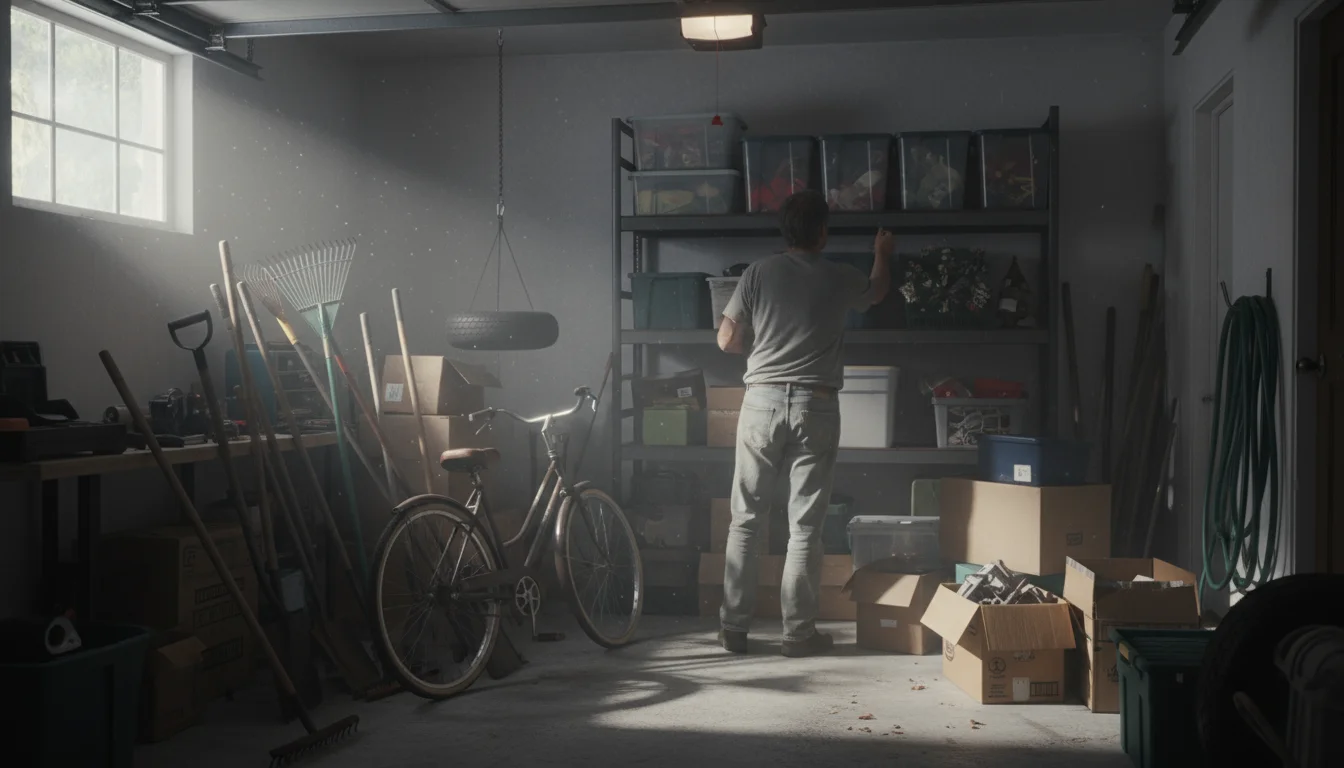
Begin with the attic, basement, and garage. These areas house the most deeply buried clutter—holiday decorations, old paint cans, forgotten sporting equipment, and mystery boxes from previous moves. Since you do not use these items daily, packing or discarding them early will not disrupt your current routine.
Week 7: The Closets and Linens
Tackle out-of-season clothing, spare bedding, and coat closets. Try on clothes you have not worn in the past year. If an item no longer fits or requires constant adjustment to look right, place it in the donation pile. Review your towel supply and discard anything frayed or permanently stained.
Week 6: Books, Media, and Home Office
Digitize whatever you can. Shred old utility bills, expired insurance policies, and outdated tax returns (consult current tax guidelines for document retention). Review your book collection critically; keep only rare editions, signed copies, or books you genuinely plan to re-read. Donate the rest to a local library or thrift store.
Week 5: Decorative Items and Artwork
Evaluate your current decor against the floor plan and aesthetic of your new home. A massive mid-century modern credenza might look completely out of place in a cozy coastal cottage. Take measurements of your new space and sell any furniture or large art pieces that will not transition well.
Week 4: The Kitchen and Pantry
Sort through your gadgets, duplicate cooking utensils, and mismatched food storage containers. Check expiration dates in the back of the pantry and discard stale spices. Start planning meals that utilize your existing frozen goods and pantry staples to minimize what you need to move.
Week 3: The Bathrooms
Safely dispose of expired medications, dried-out cosmetics, and half-empty bottles of lotion. Consolidate cleaning supplies and plan to use them up during your final move-out clean.
Week 2: Final Furniture Decisions
Confirm the sale or donation of any remaining large pieces. Ensure that charities have scheduled their pickup times, and arrange for a final trash collection or dump run for broken items that cannot be donated.
Week 1: The Essentials Box
Pack the items you need for the first forty-eight hours in your new home. This includes basic toiletries, a few changes of clothes, essential chargers, important documents, and a simple toolkit. Everything else should be boxed and ready for transport.

The Four-Category Decision Framework
As you encounter each item during your decluttering process, you must make a definitive choice. Avoid creating a “maybe” pile, as that simply delays the decision and creates a secondary mess. Sort every object into one of four distinct categories.
- Keep: These are items you use regularly, pieces that hold profound sentimental value, and objects that perfectly fit the dimensions and style of your new home.
- Sell: High-value items in excellent condition that you no longer need. This includes designer clothing, quality furniture, recent electronics, and collectible items. Selling these can help offset your moving expenses.
- Donate: Items in good, working condition that hold little resale value but can benefit someone else. Think everyday clothing, basic kitchenware, and common books.
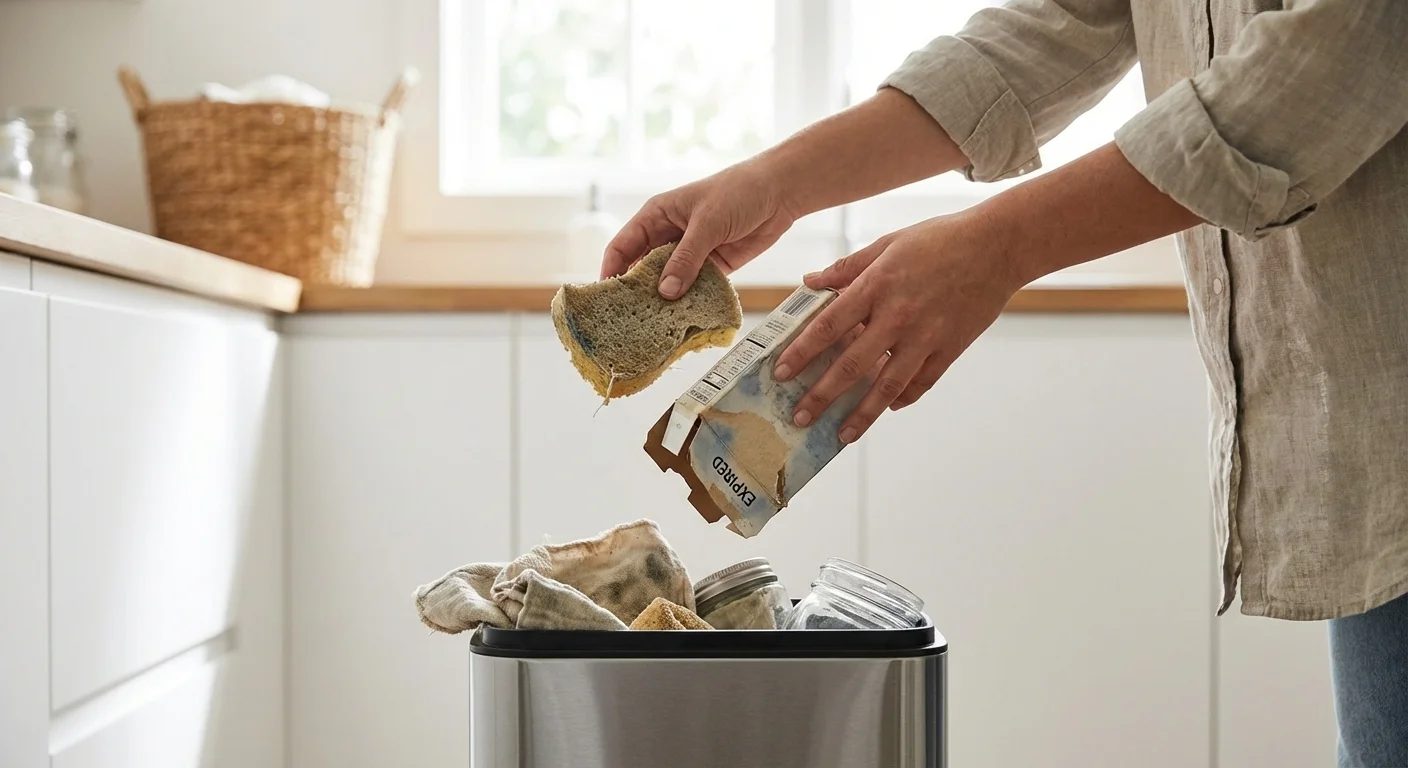
- Discard/Recycle: Broken items, expired products, torn clothing, and obsolete technology. If it cannot be repaired easily or safely used by another person, it must leave your home via the trash or a recycling center.
If you struggle to categorize an item, ask yourself: If I were shopping right now, would I buy this item again? If the answer is no, do not waste energy packing it. For excellent strategies on organizing the items you choose to keep, resources like Apartment Therapy offer comprehensive guides on space planning and aesthetic sorting.

Room-by-Room Moving Declutter Checklist
Approaching your house as a single project feels overwhelming. Breaking the task down into specific rooms makes the process manageable. Use this detailed room-by-room moving declutter checklist to systematically clear your space.
Treating this like a room-by-room deep clean session ensures that you aren’t just moving surface-level items while leaving dust and debris behind.
The Kitchen
Kitchens hide an astonishing amount of clutter in deep cabinets and high shelves. You likely use the same few pots, pans, and utensils daily while the rest gather dust.
- Mismatched plastic containers: Discard any bottoms without lids and any lids without bottoms. Recycle plastics that are warped or heavily stained.
- Specialty appliances: If you have not used the bread maker, ice cream machine, or waffle iron in the past year, donate or sell them.
- Coffee mugs: Keep your favorite matching sets and a few cherished novelty mugs. Donate the overflow.
- Spices and pantry goods: Spices lose their potency after a year or two. Throw away expired items. Donate unexpired, unopened non-perishables to a local food bank.
- Duplicate tools: You do not need four spatulas or three whisks. Keep the best quality items and donate the rest.
The Living Room and Family Room
Living spaces accumulate recreational clutter over time. Focus on evaluating bulky items and outdated media.
- Physical media: DVDs, CDs, and video games you no longer play should be sold to a secondhand media store or donated.
- Magazines and catalogs: Recycle all outdated periodicals. You will not read them in the new house.
- Throw pillows and blankets: Wash and keep the ones in good condition that match your future decor. Discard or donate flattened pillows and frayed blankets.
- Furniture scaling: Measure your current sofa, coffee table, and bookshelves. Compare these dimensions to your new floor plan. If an item restricts traffic flow in the new space, sell it now.
Bedrooms and Closets
Clothing is heavily tied to our identity, making closets difficult to declutter. Adopt a ruthless mindset to lighten your wardrobe load.
- The one-year rule: If you have experienced all four seasons and haven’t worn a particular garment, it is time to let it go.
- Aspirational clothing: Donate clothes that no longer fit. Your wardrobe should reflect your current life and body, not a past or future version of yourself.
- Wire hangers: Return excess wire hangers to your dry cleaner. Invest in slim velvet or sturdy wooden hangers for the clothes you decide to keep.
- Bedding sets: Keep two sets of sheets per bed. Any more is unnecessary. Old sheets can be cut up and used as moving rags or donated to an animal shelter.
The Bathroom
Bathrooms are small but densely packed with expiring products. Moving companies often have strict rules about transporting liquids, making this room crucial to cull.
- Expired medications: Do not flush medications down the toilet. Check your local pharmacy for safe drop-off disposal bins.
- Old cosmetics: Liquid makeup harbors bacteria after a few months. Discard separated foundations, dried mascara, and ancient eyeshadow palettes.
- Travel toiletries: Gather all the hotel shampoos and mini soaps you have hoarded. Donate them to a homeless shelter or use them up before moving day.
- Worn out towels: Animal shelters are almost always desperate for old towels. Donate your frayed and faded linens there.
The Garage, Attic, and Basement
Storage areas require the most physical effort. Because these items are rarely used, you can be aggressive in your decluttering.
- Hazardous materials: Movers will not transport paint, pool chemicals, motor oil, or propane tanks. Research your county’s hazardous waste disposal facility and drop these items off safely.
- Broken equipment: The lawnmower you meant to fix three years ago will not magically get repaired in the new house. Sell it for parts or scrap it.
- Leftover construction materials: Unless your new home uses the exact same tile, flooring, or paint color, leave these items behind for the new owners or take them to a construction recycling center.
- Childhood memorabilia: Keep a single, small memory box for sentimental items. Digitize children’s artwork by taking high-quality photos rather than hauling boxes of brittle paper.
What to Get Rid of Before Moving: The Non-Negotiables
Even if you struggle with letting go of possessions, certain categories of items simply do not belong on a moving truck. Knowing exactly what to get rid of before moving removes the emotion from the decision-making process. Treat the following items as non-negotiable discards.
First, abandon any low-quality, assemble-it-yourself furniture that has already survived one move. Particleboard bookcases and flimsy desks rarely survive the torque and vibration of a moving truck intact. The cost to move a heavy particleboard desk often exceeds the price of buying a brand new one upon arrival. Second, evaluate your paper files. Old manuals for appliances you no longer own, receipts from five years ago, and outdated warranties take up heavy space. Find digital versions of manuals online and run the rest of the paper through a shredder.
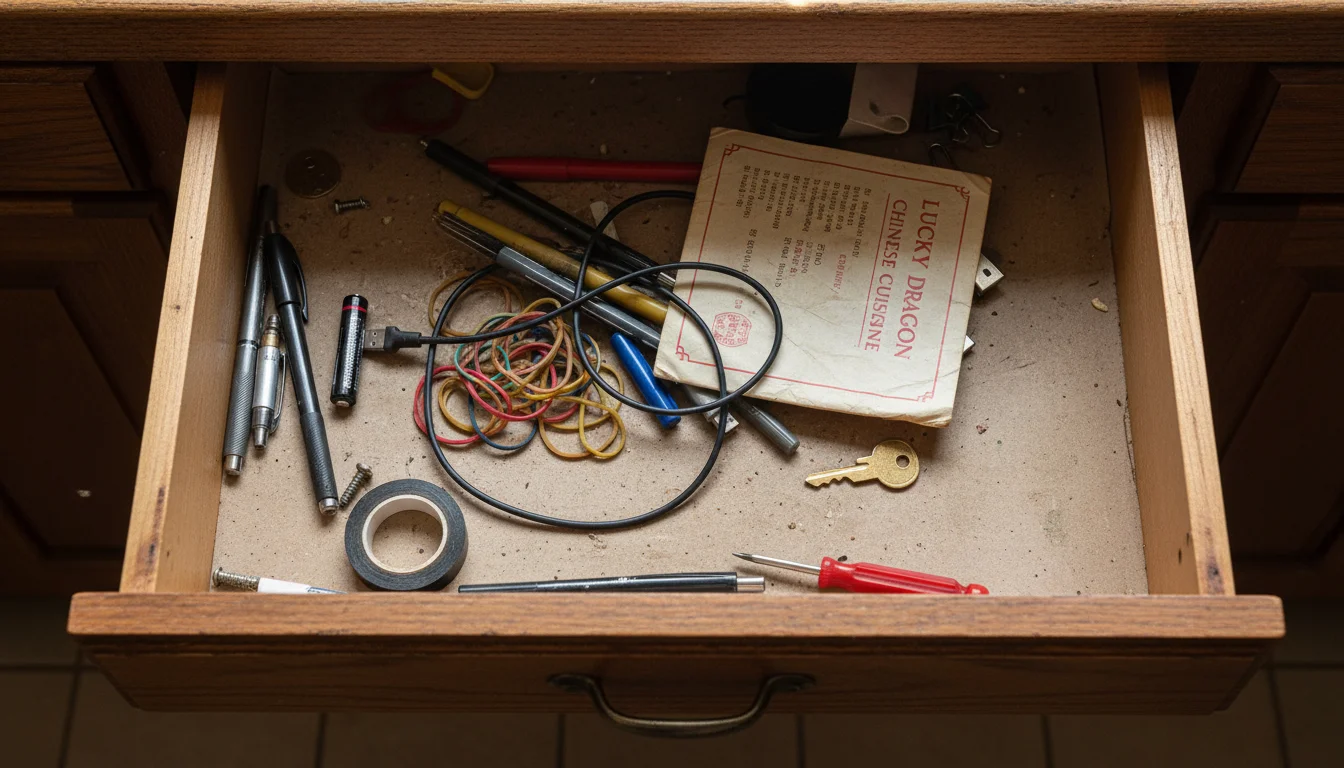
Finally, inspect your cables and electronics. Every home has a box of tangled cords, obsolete chargers, and old mobile phones. If you cannot identify what device a cable powers, you do not need it. Take outdated electronics to a certified e-waste recycling facility. For guidance on organizing the technology and home systems you do plan to keep, The Spruce provides excellent visual guides and organization tips.

Comparison: Keep, Donate, Sell, or Discard
Use this table to quickly assess an item’s fate when you are stuck in the middle of your moving declutter checklist.
| Criteria | Keep | Donate | Sell | Discard / Recycle |
|---|---|---|---|---|
| Condition | Excellent / Good / Sentimental | Good, gently used, clean | Excellent, like-new, valuable | Broken, torn, stained, expired |
| Frequency of Use | Daily, weekly, or reliable seasonal use | Rarely or never used | Rarely or never used | Unusable |
| Value | High personal or functional value | Low resale value (under $20) | High market demand (over $50) | Zero market value |
| Effort Required | Needs careful packing | Drop off or schedule charity pickup | Requires photos, listings, shipping | Put in trash or drive to specific recycling center |
| Examples | Current wardrobe, vital documents, quality furniture | Paperback books, basic mugs, outgrown clothes | Designer bags, new appliances, gaming consoles | Old paint, frayed towels, broken chairs |

Moving Organization Tips: Managing the Outflow
Once you decide what is leaving your home, you must execute its removal efficiently. Creating massive piles of donations in your hallway only trades hidden clutter for visible stress. You need moving organization tips designed to handle the outflow of your discarded goods.
Optimize Your Selling Strategy
Do not try to sell every small item you own. The time it takes to photograph, list, negotiate, and ship a ten-dollar vase is simply not worth your hourly energy during a move. Reserve online marketplaces for high-ticket items like furniture, electronics, and specialty tools. Write clear, honest descriptions and take photos in natural light. For mid-tier items like clothing, consider using a local consignment shop. You drop the items off once, and they handle the merchandising for a cut of the profit.
Streamline Your Donations
Many national charities offer free home pickups if you schedule them a few weeks in advance. Box up your donations just as carefully as the items you plan to keep. Label the boxes clearly so the charity workers can easily identify the contents. Keep a detailed, itemized list of what you donate; you can use this documentation for tax deductions at the end of the year. If you prefer to drop items off, keep a dedicated donation box in the trunk of your car and make a drop-off run every time the box gets full.
“Clutter is not just the stuff on your floor, it’s anything that stands between you and the life you want to be living.” — Peter Walsh, Professional Organizer
Handle Trash and Recycling Responsibly
Your standard weekly trash bin will not accommodate a whole-house decluttering session. Renting a small dumpster for the weekend allows you to toss broken furniture, ruined carpets, and general junk without waiting for municipal bulk-pickup days. For specialized items like mattresses, research local recycling programs that dismantle the springs and foam rather than sending them to a landfill. Properly outfitting yourself with heavy-duty garbage bags and organizing tools from places like The Container Store will keep the sorting process clean and contained.

Professional vs. DIY: Packing and Decluttering
Deciding whether to handle the sorting and packing yourself or hire professionals depends heavily on your budget, timeline, and the size of your household. Consider these scenarios to determine the best path for your move.
Scenario 1: You have a tight budget and flexible timeline (DIY)
If you have several months before your move and need to save money, handling the decluttering and packing yourself is the obvious choice. By starting early, you can meticulously sort through every box, maximize your profits from selling unwanted items, and hunt down free moving boxes from local grocery stores.
Scenario 2: You are moving on short notice (Professional Packing)
If a job transfer forces you to move in three weeks, DIY sorting might be impossible. Professional packers can box up an entire four-bedroom house in a single day. However, packers do not declutter; they pack everything they see, including trash. If you hire packers, you must ruthlessly throw away unwanted items before they arrive.
Scenario 3: You are overwhelmed by generational clutter (Professional Organizer)
If you are downsizing a home you have lived in for thirty years, the emotional weight of deciding what to keep can paralyze you. Hiring a professional home organizer specifically for the decluttering phase provides an objective, supportive third party. They can help you break emotional attachments to objects and systematize the donation process, making the eventual move much smoother.

Common Mistakes to Avoid When You Declutter Before Moving House
Even with a solid packing checklist, the stress of moving can lead to poor decision-making. Protect your time and energy by avoiding these common pitfalls.
Holding onto the “Just in Case” Items:
Fear often drives clutter. You might keep a specialized cake pan “just in case” you decide to take up baking, or hold onto old cables “just in case” they fit a future device. If you have not needed an item in the past year, you will not suddenly need it in your new home. Trust that you can acquire what you need when a genuine need actually arises.
Falling for the Sunk Cost Fallacy:
It is difficult to donate an expensive jacket that you never wear because you remember how much money you spent on it. This is the sunk cost fallacy. The money is already gone. Keeping the jacket in your closet does not refund your bank account; it only takes up valuable space in your moving box. Let it go so someone else can enjoy it.
Buying Organizing Supplies Before Decluttering:
Never buy storage bins, drawer dividers, or matching baskets until you have completely finished purging your items. If you buy the bins first, you will subconsciously find items to fill them. Declutter thoroughly, see exactly what remains, and then purchase storage solutions that fit your remaining inventory.
Frequently Asked Questions
How far in advance should I start decluttering before a move?
You should begin the decluttering process at least eight weeks before your moving date. This provides a comfortable buffer to sort through dense areas like garages and basements, list valuable items for sale, and arrange for charities to pick up large furniture donations without rushing.
Should I clean items before donating them?
Yes, you should always clean items before donating them. Charities spend significant resources sorting through donations, and they will throw away dirty, stained, or broken items. Wash all clothing, wipe down hard goods, and ensure puzzles or board games have all their pieces before dropping them off.
What is the quickest way to get rid of a lot of clutter before moving?
The fastest method is to rent a residential dumpster for broken goods and schedule a single, large charity pickup for usable items. By removing the desire to individually sell items, you eliminate the time-consuming tasks of photographing, listing, and negotiating with buyers, allowing you to clear the house in a matter of days.
Do moving companies take everything?
No, professional movers have strict lists of prohibited items. They will not transport perishable food, live plants, hazardous materials (like paint, bleach, and aerosols), flammable items (like propane tanks or matches), or ammunition. You must use up, discard, or personally transport these items yourself.
Tackling your moving house declutter checklist ensures that your new home starts as a sanctuary rather than a storage unit. By systematically addressing what to keep, donate, and discard, you significantly reduce your moving costs and physical labor. Take your time, rely on the room-by-room framework, and embrace the freedom that comes with transporting only the possessions that truly enhance your life.
This is educational content based on general best practices. Individual results vary based on your home, budget, and circumstances. Always prioritize safety and consult professionals for major projects.
Last updated: February 2026







Leave a Reply