

A single envelope rests on the kitchen counter. By Tuesday, it has multiplied into a small stack of bills, school permission slips, and glossy catalogs. By the end of the month, that small stack has evolved into a towering, disorganized monument to procrastination—a physical manifestation of postponed decisions that creates daily, underlying stress in your living space. Managing this influx of information is one of the most persistent challenges of modern home management; despite living in a digital age, the sheer volume of physical paper entering our homes remains staggering.
If the sheer volume of paperwork feels paralyzing, starting with a 15-minute-a-day decluttering system can help you build the momentum needed to tackle the whole mountain.
The mental tax of disorganized paperwork extends far beyond the unsightly piles on your dining table. When you cannot locate a crucial tax form, an important medical record, or the warranty for a malfunctioning appliance, you lose precious time and energy. Implementing a dedicated paper clutter solution transforms your living environment from a chaotic holding zone into a streamlined, functional space where every document has a specific, logical home.
“My basic principle for sorting papers is to throw them all away. Most people have no idea how much paper they keep, or how completely unnecessary most of it is.” — Marie Kondo, Organizing Consultant and Author
While throwing everything away might not be legally or practically advisable for your tax records and property deeds, the underlying philosophy holds true: you are likely keeping far more paper than you actually need. By actively managing your documents, setting up a reliable home filing system, and digitizing the rest, you take control of your space and your peace of mind.

The Great Paper Gather: Confronting the Clutter
Before you can organize your documents, you must understand exactly what you are dealing with. You cannot successfully organize a decentralized mess. The first step in this process requires gathering every single piece of loose paper in your home and bringing it to one central staging area—often the dining room table or a cleared-off desk.
Walk through your home with a large basket. Check the entryway console, the kitchen island, your home office desk, your nightstands, and the random junk drawers where mail often gets shoved before company arrives. Pull out your existing, perhaps outdated, file folders. Empty your briefcase or work bag. Bring everything into your central staging area.
This mountain of paper will likely look intimidating, but seeing the sheer volume of your paper clutter provides the necessary motivation to build a system that prevents it from ever returning to this state. Once gathered, clean and wipe down the surfaces where these papers previously lived; you are preparing a clean slate for your new organizational habits.

The Four-Box Sorting Method
With your papers gathered, the sorting phase begins. Do not attempt to file anything during this step; your only goal is to categorize the mountain into manageable categories. Set up four clearly labeled boxes or bins to process every single document.
Once you clear the initial backlog, implementing the one-touch rule will ensure that new documents are processed immediately rather than forming new piles.
Box 1: Action Required
This box catches anything that requires your immediate or upcoming attention. It includes unpaid bills, wedding invitations you need to RSVP to, school forms requiring a signature, and traffic tickets. If a document demands an action from you before it can be filed or discarded, it goes here.
Box 2: File and Keep (Physical)
Reserve this box for documents that you must retain in their original, physical format. This includes vital records like birth certificates, passports, social security cards, property deeds, vehicle titles, and notarized estate planning documents. You will also place recent tax returns and essential medical records here.
Box 3: Digitize
Many documents hold important information but do not need to exist in physical form. Utility bills, bank statements, appliance manuals, and receipts for major purchases fall into this category. You will scan these items into your digital filing system and then shred or recycle the physical copies.
Box 4: Shred and Recycle
This box will likely become the fullest. Toss in expired coupons, old takeout menus, credit card offers, and outdated insurance policies. Remember to separate items containing sensitive personal information—like account numbers, social security numbers, or medical data—into a dedicated shredding pile to protect your identity.
Establishing Your Home Filing System
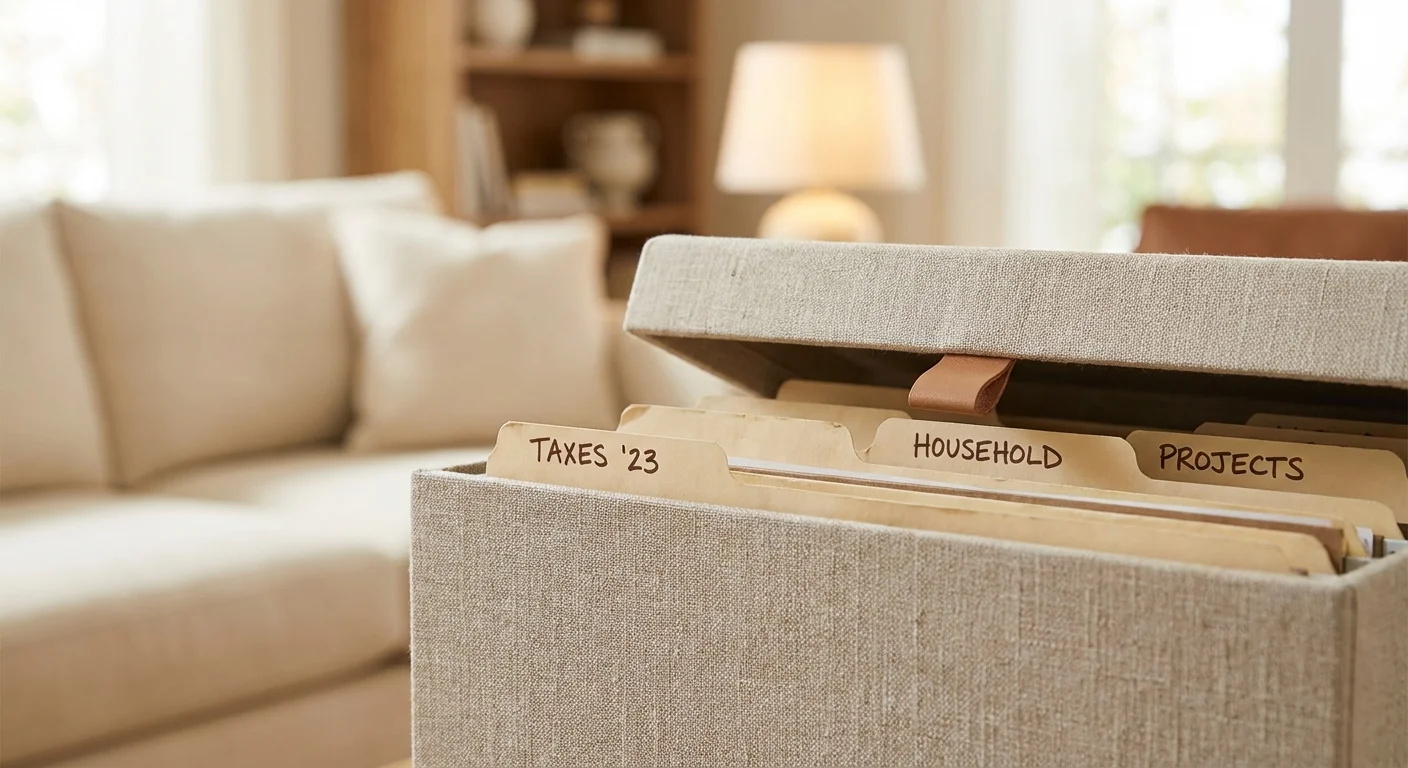
Once you have sorted your paperwork, you need a reliable home filing system to house the items in your “File and Keep” box. The most beautiful filing cabinet in the world will fail if the system inside it is too complicated to use. Simplicity is the cornerstone of sustainable paper organization.
If you have limited cabinet space, exploring wall-mounted storage ideas can provide an efficient way to keep folders accessible without cluttering your desk.
Divide your filing system into two distinct categories: Active Files and Archive Files. Active files are documents you reference frequently throughout the year, such as current medical records, ongoing project notes, or current-year tax documents. Keep these in an easily accessible location, like a desktop file organizer or the top drawer of your desk. Archive files hold long-term documents you rarely need but must keep—such as old tax returns, property records, and closed accounts. Store these in a fireproof safe, a sturdy filing cabinet, or weather-proof storage bins in a climate-controlled area of your home.
When creating your folders, use broad, clear categories. Instead of creating a separate folder for every single utility provider, create one broad “Utilities 2026” folder. Broad categories prevent the system from becoming bloated and make filing a swift, frictionless process.
If you need inspiration for storage solutions that seamlessly blend with your home decor, The Spruce offers excellent visual guides on integrating filing cabinets into living spaces without making your home look like a corporate cubicle.

Physical vs. Digital Storage: Finding the Right Balance
Determining whether to keep a physical document or transition it to digital storage often trips people up. Both methods have distinct advantages, and the most effective home filing system utilizes a hybrid approach.
| Storage Method | Best Suited For | Advantages | Disadvantages |
|---|---|---|---|
| Physical Files | Vital records with raised seals, notarized legal documents, passports, vehicle titles, property deeds. | Immediate tangible access; legally binding in original format; immune to hard drive failures or hacking. | Consumes physical space; vulnerable to fire, flood, or misplacement; difficult to search quickly. |
| Digital Files | Bank statements, utility bills, receipts, appliance manuals, old tax returns, reference articles. | Takes up zero physical space; fully searchable; easily backed up to the cloud; accessible from anywhere. | Requires initial time investment to scan; requires digital backup strategy; not all institutions accept digital copies of certain legal forms. |
When digitizing documents, establish a consistent file-naming convention so you can find what you need instantly via your computer’s search function. A highly effective format is YYYY-MM-DD_Category_DocumentName. For example, a receipt for a new refrigerator purchased in May 2026 would be named 2026-05-14_Receipt_SamsungRefrigerator.pdf. This naming structure automatically sorts your files chronologically, saving you countless hours of digital rummaging.

Document Retention Guidelines: What to Keep and For How Long
One of the most powerful paper organization tips is simply knowing when you have permission to throw things away. Fear of needing a document “someday” causes massive paper accumulation. Follow these general retention guidelines to confidently purge your files.
Mastering your paperwork is a great first step toward a more organized life, perhaps even leading you to take on a full 30-day declutter challenge for your entire home.
- Keep for less than a month: ATM receipts, minor purchase receipts (once reconciled with your bank statement), and generic mailers.
- Keep for 1 year: Utility bills, bank statements, and credit card statements. If you can access these via an online portal, you can opt out of paper delivery entirely and keep zero physical copies.
- Keep for 7 years: Tax returns and all supporting documentation (W-2s, 1099s, charitable donation receipts, and business expense records). The IRS generally has three years to audit you, but this extends to six years under certain circumstances; keeping records for seven years provides a safe buffer.
- Keep while active: Contracts, insurance policies, property records, appliance warranties, and vehicle titles. The moment you sell the car, cancel the policy, or replace the appliance, discard the corresponding paperwork.
- Keep forever: Birth certificates, adoption papers, marriage licenses, death certificates, social security cards, estate planning documents, and honorable discharge military papers. Store these strictly in a fireproof safe or a bank safe deposit box.
How to Organize Documents at Home by Category
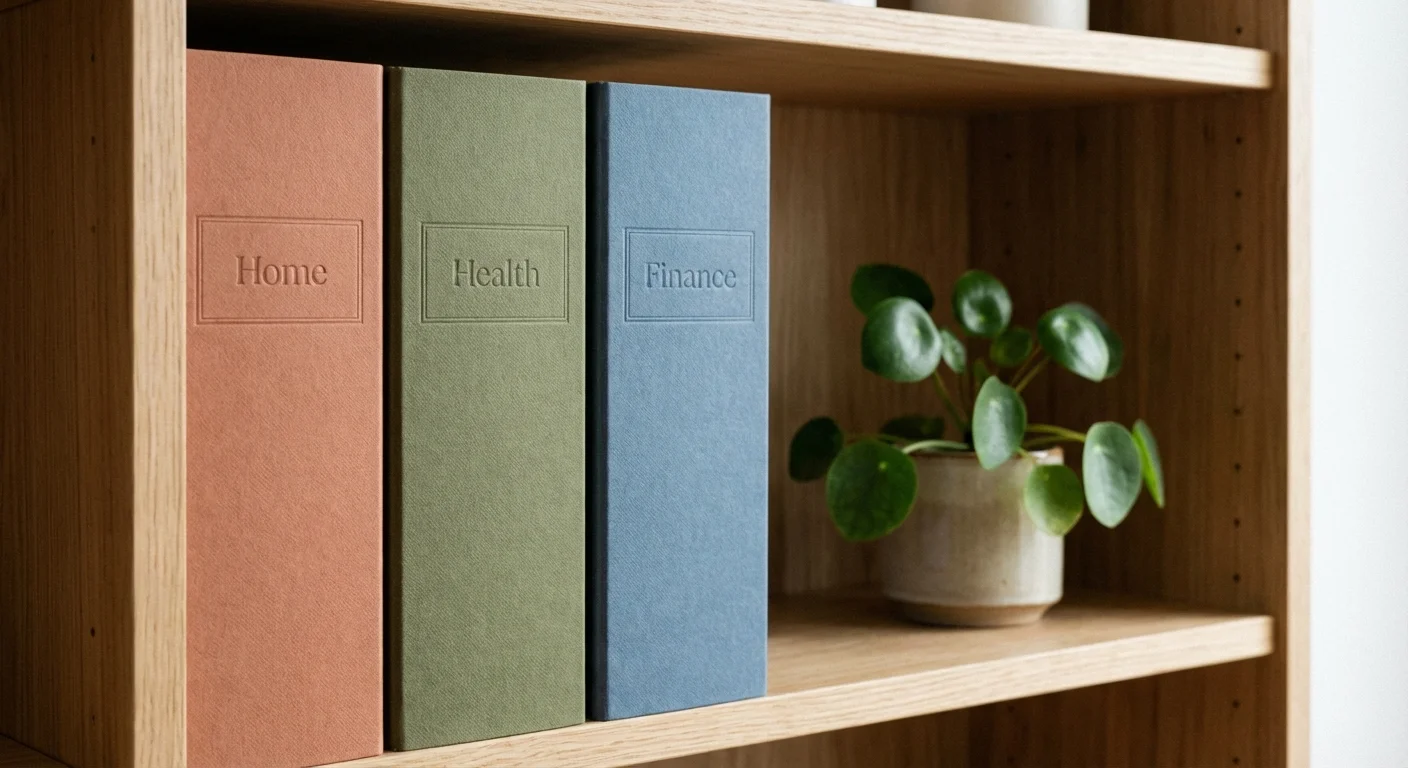
Categorizing your paperwork correctly ensures that when an emergency strikes or tax season arrives, you know exactly where to reach. Structure your home filing system around these essential categories.
To prevent daily mail from cluttering these categories, many households find success using a family command center to sort incoming information at the door.
Vital Records and Identification
This category holds the most critical documents in your home. Passports, birth certificates, marriage licenses, and social security cards belong here. Because these documents are difficult and time-consuming to replace, they should never be mixed in with everyday household files. House them in a fire-resistant, waterproof lockbox. As a backup measure, scan copies of these documents and store them in a secure, encrypted digital vault so you have the information readily available if the physical copies are compromised.
Financial and Tax Records
Financial paperwork represents the bulk of the average household’s paper footprint. Separate your financial files into “Current Year” and “Archive.” Throughout the year, drop tax-related receipts, donation acknowledgments, and relevant medical bills into a single “Tax Prep [Current Year]” folder. When tax season arrives, your preparation work is already done. Move previous years’ tax returns into an archive box housed in the back of your closet or basement.
House and Property Records
Owning or renting a home generates a tremendous amount of paper. Create a dedicated section for your mortgage documents or lease agreement, home insurance policies, and property tax records. Additionally, maintain a “Home Improvements” folder. Whenever you repair the roof, update the electrical system, or remodel a bathroom, keep the invoices and contractor agreements here; this information proves invaluable when you eventually sell the property.
Medical and Health Information
Medical records can quickly overwhelm a filing system, especially if you manage chronic health conditions or care for children or aging parents. Create a separate folder for each family member. Keep a master sheet at the front of each folder detailing their blood type, allergies, current medications, and primary physicians. File recent test results, vaccination records, and significant procedure summaries behind this master sheet. Discard routine appointment reminders and standard physical summaries once a year.
Appliance Manuals and Warranties
Physical appliance manuals are often thick, multi-language booklets that take up unnecessary space. The most effective way to reduce paper clutter in this category is to search the manufacturer’s website or check resources like Energy Star to download the PDF versions of your appliance manuals. Save these to a “House Manuals” folder on your computer. Keep the physical purchase receipt and the single page outlining the warranty terms in a unified physical folder, and recycle the bulky manual.
Actionable Strategies to Reduce Paper Clutter at the Source
Organizing the paper you already have is only half the battle; the other half is stopping new paper from crossing your threshold. To truly conquer your home filing system, you must implement defensive strategies at your front door.
Stop the Junk Mail: Register with the Direct Marketing Association’s mail preference service to remove your name from national mailing lists. Similarly, use services like OptOutPrescreen to stop receiving pre-approved credit card offers. These two actions alone can reduce your incoming paper volume by more than half.
Embrace Paperless Billing: Log into your accounts for electricity, water, internet, cell phone, and credit cards, and switch your delivery preferences to paperless. Rather than receiving a physical envelope, you will receive an email notification when your statement is ready. Download the PDF statement and drop it directly into your digital filing system.
Say No to Receipts: When running errands, cashiers frequently ask if you would like your receipt printed or emailed. Unless you are purchasing a high-ticket item that might require a return or warranty claim, politely decline the receipt entirely or opt for the email version.

The Maintenance Routine: Keeping Your System Alive
A beautifully organized home filing system will degrade into chaos within weeks if you do not establish a maintenance routine. Organization is not a one-time event; it is a daily habit and a weekly practice.
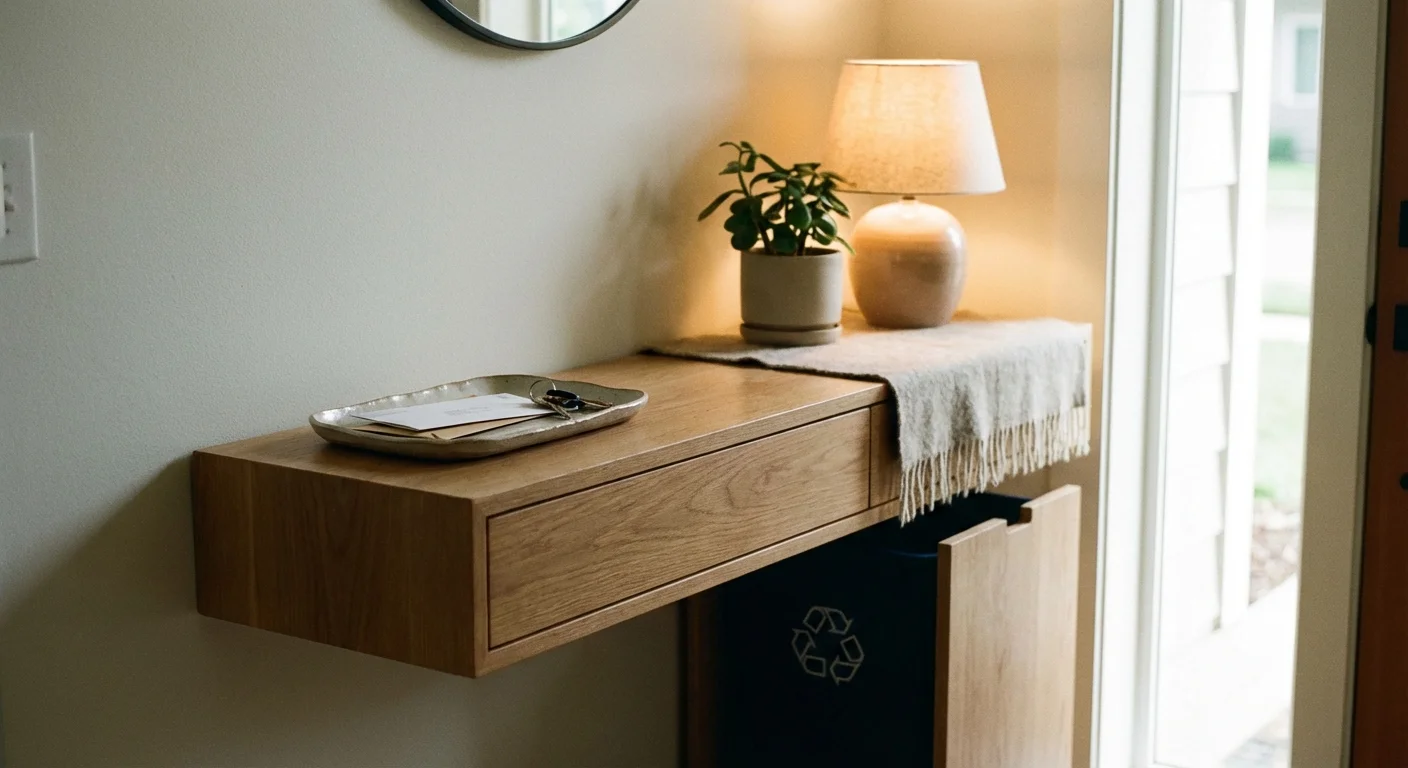
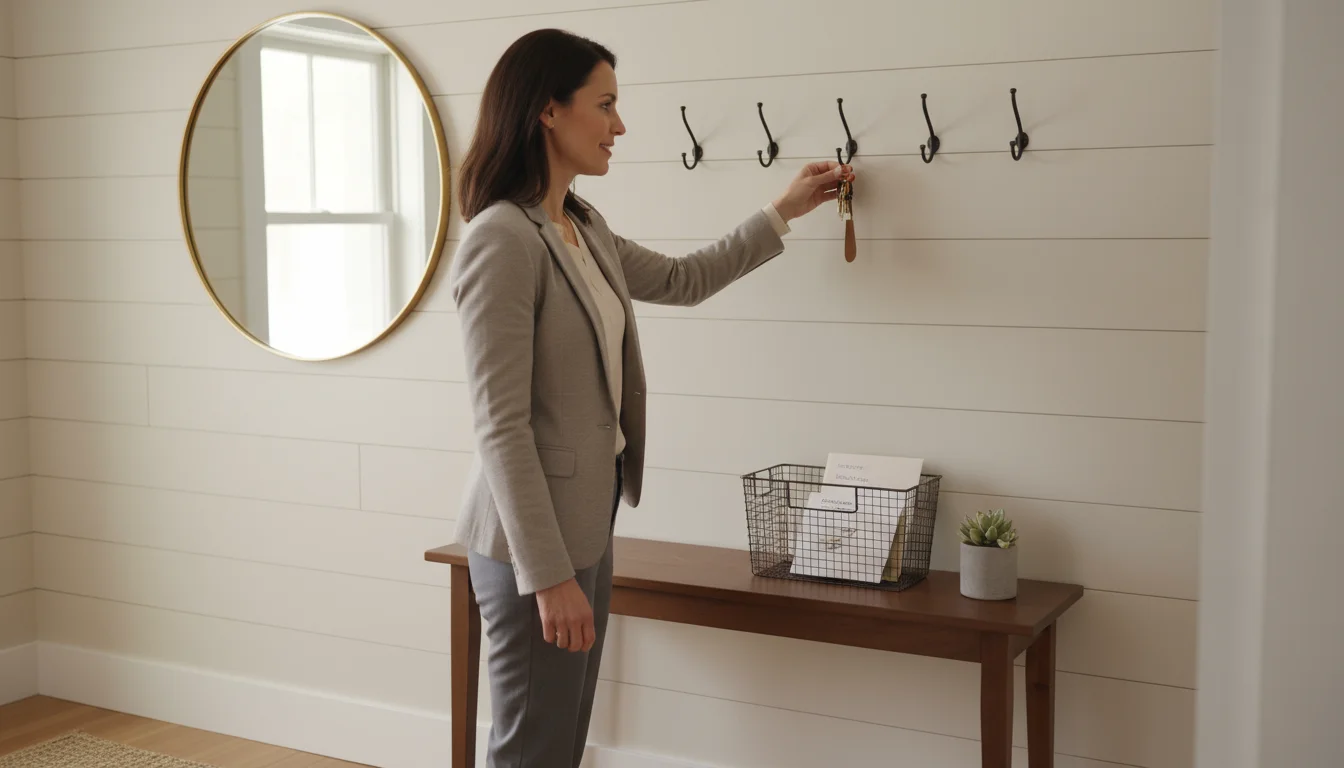
Implement the “One-Touch Rule” for incoming mail. Set up an inbox tray near your entryway. When you bring the mail inside, do not toss it on the kitchen counter to deal with later. Stand over the recycling bin and immediately discard the junk mail, catalogs you will not read, and empty envelopes. Place the remaining important items—bills to pay, invitations, or letters—into your designated action tray. By touching each piece of mail only once and immediately deciding its fate, you prevent the kitchen counter pile from ever forming.
Once a week, schedule a 15-minute administrative session. Sit down with your action tray, pay the outstanding bills, RSVP to the invitations, file the completed documents into your physical folders, and scan anything that needs to be digitized. Consistency is the secret ingredient to maintaining a clutter-free home.
Common Mistakes to Avoid When Reducing Paper Clutter
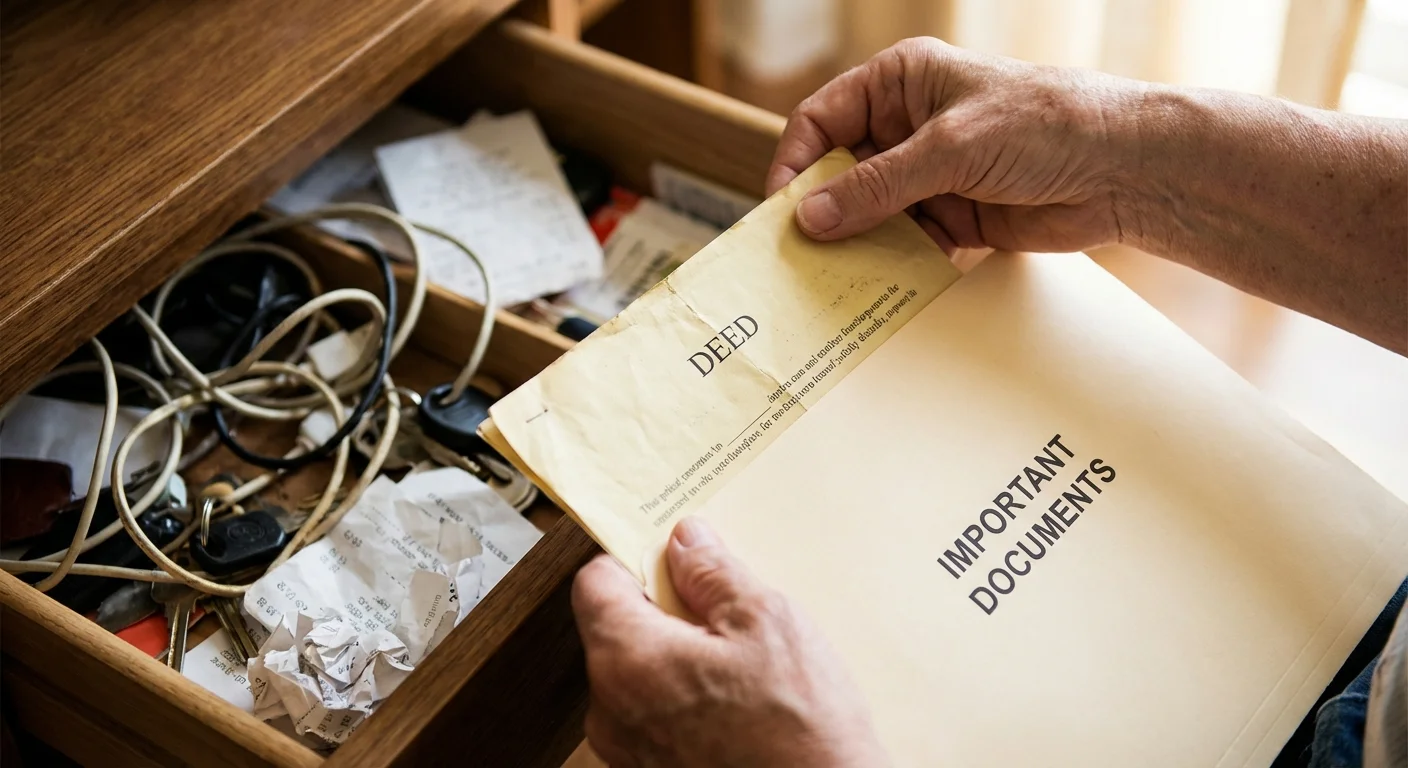
Even with the best intentions, certain pitfalls can derail your progress. Be mindful of these common organization errors.
The “Miscellaneous” Folder Trap: Never create a file named “Miscellaneous.” It quickly becomes a black hole where you shove documents you don’t want to make decisions about. If a document is important enough to keep, it deserves a specific, named category. If it doesn’t fit into any category, question whether you truly need to keep it at all.
Overcomplicating the Categories: Creating a hyper-specific filing system with dozens of micro-categories often backfires. If you have separate folders for “Car Repairs,” “Car Insurance,” “Car Registration,” and “Car Loan,” you create unnecessary friction when filing. Combine these into one straightforward “Vehicles 2026” folder.
Failing to Shred Sensitive Information: Tossing bank statements or credit card offers directly into the recycling bin leaves you vulnerable to identity theft. Invest in a reliable cross-cut or micro-cut shredder. According to testing standards by organizations like Consumer Reports, micro-cut shredders offer superior security by turning paper into unreadable confetti rather than long, easily reassembled strips.
Ignoring Digital Backups: If you transition to a highly digital filing system, failing to back up your hard drive is a catastrophic mistake. Ensure your computer automatically backs up your scanned documents to a secure cloud service or an external hard drive. A digital system is only as strong as its backup protocol.
Frequently Asked Questions
Are digital copies of receipts and documents legally acceptable for taxes?
Yes, the IRS accepts digital copies of receipts and tax documents, provided they are legible and identical to the original physical document. Ensure your scans clearly show the date, amount, and vendor information. Once you have a secure, backed-up digital copy, you can safely shred the physical receipt.
How do I safely dispose of old documents if I don’t own a shredder?
If you have a massive backlog of sensitive paperwork and lack a heavy-duty shredder, look for community shred days hosted by local banks, credit unions, or municipalities. Alternatively, office supply stores often offer secure shredding services by the pound, allowing you to quickly and safely dispose of large volumes of personal documents.
What should I do with sentimental papers, like children’s artwork or old greeting cards?
Sentimental items require a different approach than utility bills. Create a dedicated “Memory Box” for each family member. Limit the volume by establishing physical boundaries—once the box is full, you must curate and remove items before adding new ones. For children’s artwork, consider scanning or photographing the pieces to create a printed photo book, allowing you to preserve the memory without storing hundreds of physical papers.
Transforming your relationship with paper requires an initial investment of time and energy, but the resulting clarity is entirely worth the effort. By establishing a logical home filing system, setting firm boundaries on what enters your home, and consistently maintaining your inbox, you reclaim your physical space and your mental bandwidth. Start small—perhaps by sorting just the mail currently sitting on your kitchen island—and steadily work your way through the house.
This guide provides general home improvement and organization information. Every home is different—what works in one space may need adaptation in yours. For structural changes, electrical/plumbing work, or highly complex legal/financial archiving, consult a licensed professional.
Last updated: February 2026








Leave a Reply