As autumn leaves begin to fall and the air turns crisp, your thoughts naturally drift to cozy evenings by a warm fire. A functional fireplace and chimney provide comfort and ambiance, but they also demand proper care. Neglecting This Old House experts highlight the critical importance of regular Family Handyman chimney and fireplace maintenance. This crucial pre-winter preparation ensures your home’s safety, enhances heating efficiency, and prolongs your system’s life. Think of it as a vital check-up for your home’s warm heart.
Beyond the hearth, you can create a similarly inviting atmosphere by using candles safely to add warmth and light to your living space.
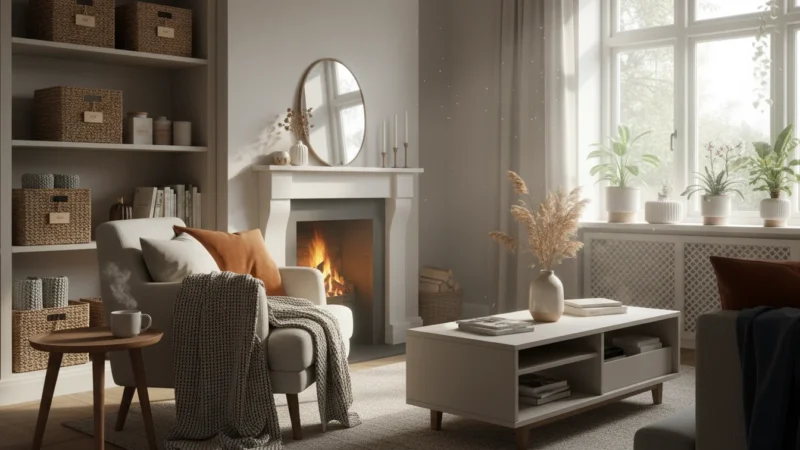
To complement your safe hearth, you can also explore several budget-friendly ways to make your living room cozier as the temperatures drop.
Many homeowners, renters, and apartment dwellers use fireplaces or wood-burning stoves without realizing the significant risks poor maintenance presents. Creosote buildup, blockages, and structural damage are silent threats that can lead to dangerous chimney fires or carbon monoxide leaks. This guide equips you with practical, actionable steps to prepare your fireplace and chimney for safe and enjoyable use this winter, whether you tackle tasks yourself or know when to call a professional.
The Importance of Pre-Winter Chimney and Fireplace Maintenance
Your fireplace and chimney are more than just architectural features; they form a complex system designed to safely vent smoke and combustion byproducts from your home. This system works hard, especially during peak heating season. Ignoring its needs before winter sets in puts your home and family at risk.
This service is a fundamental part of any comprehensive fall home maintenance checklist designed to secure your property before the cold sets in.
Safety First: Preventing Chimney Fires and Carbon Monoxide Poisoning
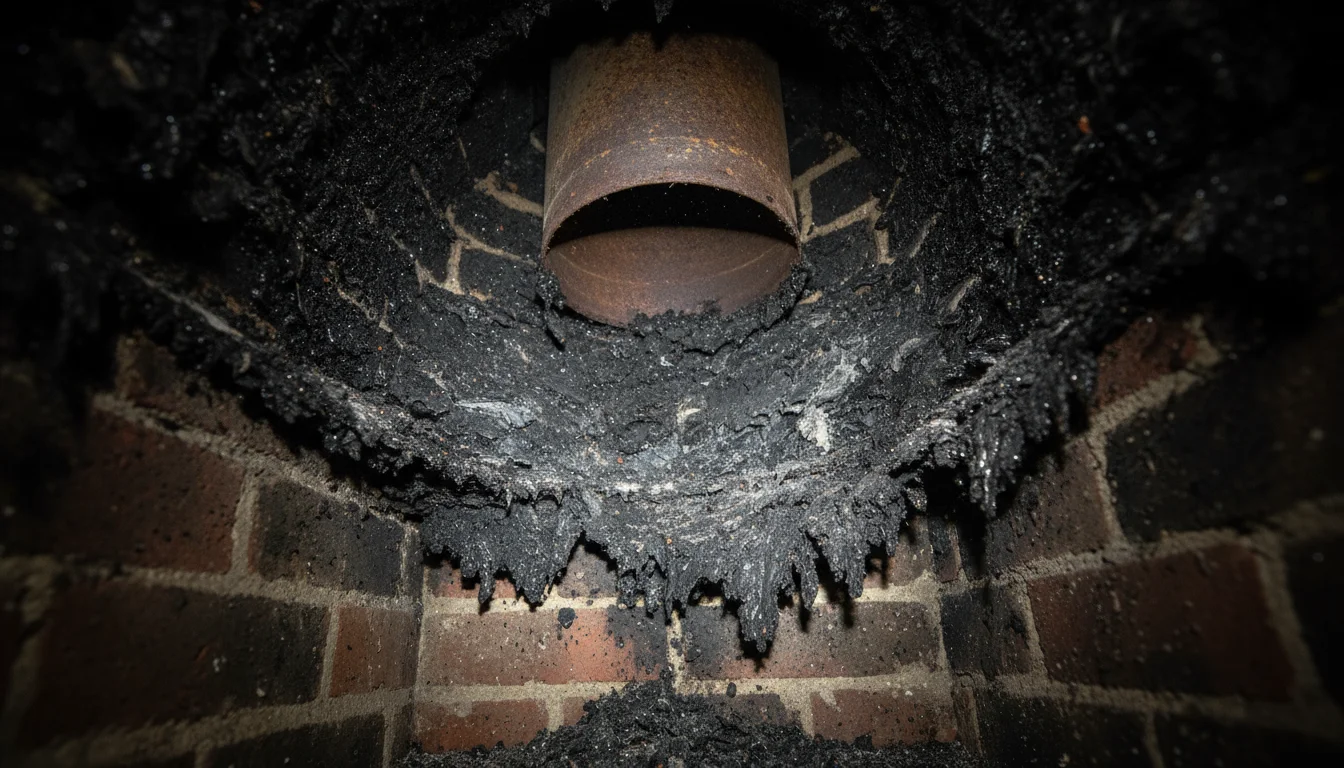
The primary reason for thorough Consumer Reports chimney cleaning and fireplace maintenance is safety. When you burn wood, it releases unburnt particles and volatile organic compounds that travel up the chimney. These substances condense on the cooler flue walls, forming a dark, crusty, or tar-like residue called creosote. Creosote is highly flammable, and even a small spark can ignite it, leading to a destructive and dangerous chimney fire. Such fires often go unnoticed initially, burning silently within the chimney structure, potentially spreading to other parts of your house.
Blockages from creosote, bird nests, or debris also pose a serious threat. A blocked flue prevents smoke and harmful gases, including colorless, odorless carbon monoxide, from escaping. Instead, these dangerous byproducts backdraft into your living space, causing serious health issues or even fatalities. The Environmental Protection Agency (EPA) emphasizes the importance of good ventilation to maintain indoor air quality. Regular chimney inspections prevent these life-threatening situations by ensuring a clear, safe passageway.
Enhancing Efficiency and Reducing Heating Costs
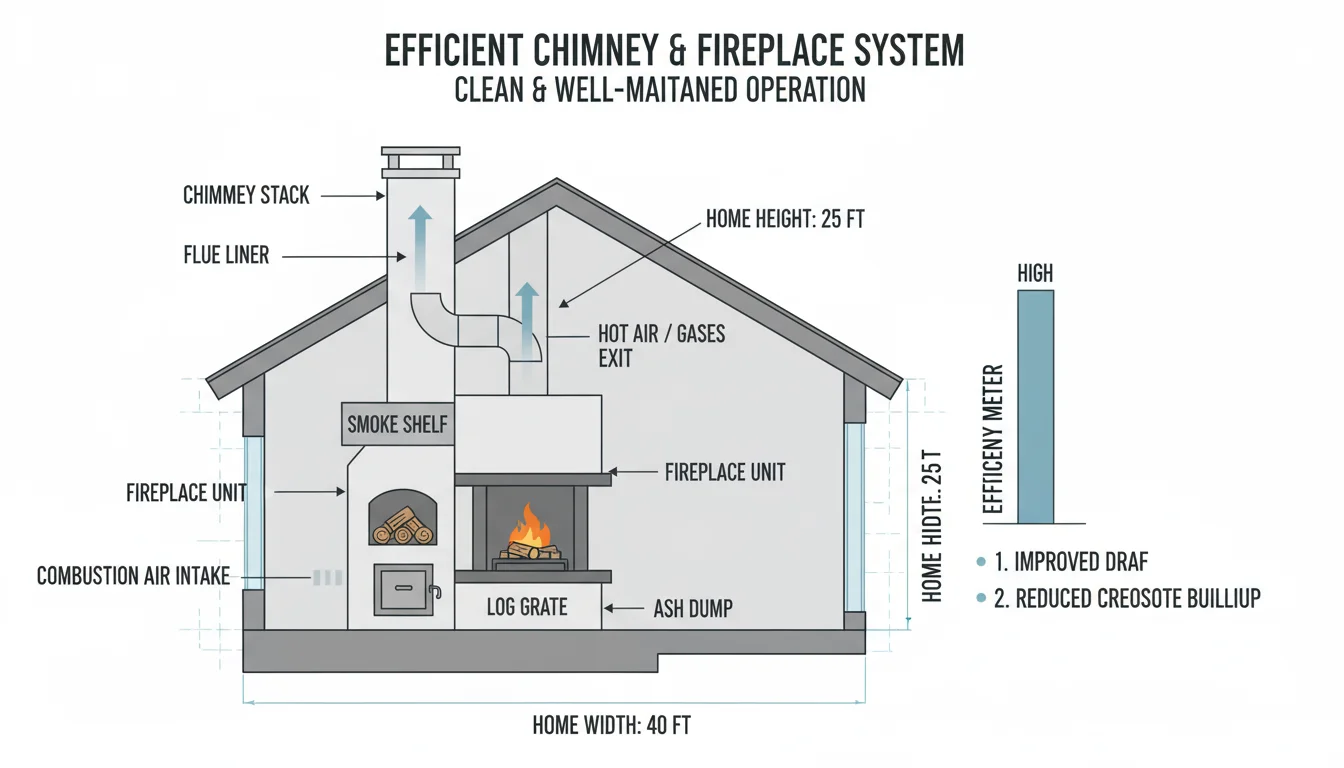
A clean, well-maintained chimney and fireplace system operates more efficiently. When creosote coats your flue, it restricts the airflow, forcing your fireplace to work harder to draw smoke out. This poor draft means your fires burn less efficiently, producing less heat for the amount of wood you consume. You might find yourself burning more wood to achieve the same level of warmth, directly impacting your budget and increasing your Energy Star footprint. Proper maintenance ensures optimal airflow, allowing your fires to burn hotter and cleaner, maximizing the heat output from each log and reducing overall fuel consumption.
Protecting Your Investment and Extending Lifespan
Your chimney and fireplace represent a significant investment in your home. Regular maintenance protects this investment by catching minor issues before they escalate into costly repairs. For instance, a cracked flue liner, if ignored, can allow heat and flames to escape into combustible wall structures, requiring extensive and expensive remediation. Water damage, another common issue, can deteriorate masonry and mortar over time. Proactive inspections identify and address these problems early, saving you money and preserving the structural integrity of your entire system. This approach extends the lifespan of your fireplace and chimney, ensuring you enjoy its benefits for many years.
Understanding Your Chimney and Fireplace: Key Components
Before you begin any maintenance, familiarize yourself with the basic anatomy of your fireplace and chimney. Knowing these parts helps you understand where to look for problems and what a professional will inspect.
To keep track of all these components throughout the year, refer to a monthly home maintenance calendar to stay organized.
- Firebox: This is the chamber where you build your fire. It typically features firebrick lining designed to withstand extreme heat.
- Hearth: The non-combustible area directly in front of and sometimes extending into the firebox. It protects your flooring from sparks and embers.
- Damper: A movable plate or door, usually located just above the firebox or at the top of the chimney, that opens to allow smoke to escape and closes to prevent heat loss when the fireplace is not in use.
- Smoke Shelf: An angled ledge behind the damper designed to catch soot and debris, and to help prevent downdrafts.
- Flue: The passageway inside the chimney through which smoke and gases travel.
- Flue Liner: A protective layer, typically made of clay tiles, metal, or a cast-in-place material, that lines the flue. It contains the combustion products, protects the chimney walls from heat and corrosion, and ensures a smooth, efficient draft.
- Chimney Crown: The concrete slab at the very top of the chimney that covers the masonry and prevents water from entering the chimney structure, except for the flue opening.
- Chimney Cap/Spark Arrestor: A cover placed on top of the flue to keep out rain, animals, and debris. It often includes a mesh screen that acts as a spark arrestor, preventing embers from escaping and landing on your roof.
- Smoke Chamber: The transitional area directly above the firebox and below the flue, designed to funnel smoke efficiently into the narrower flue.
Your DIY Fireplace Inspection Checklist
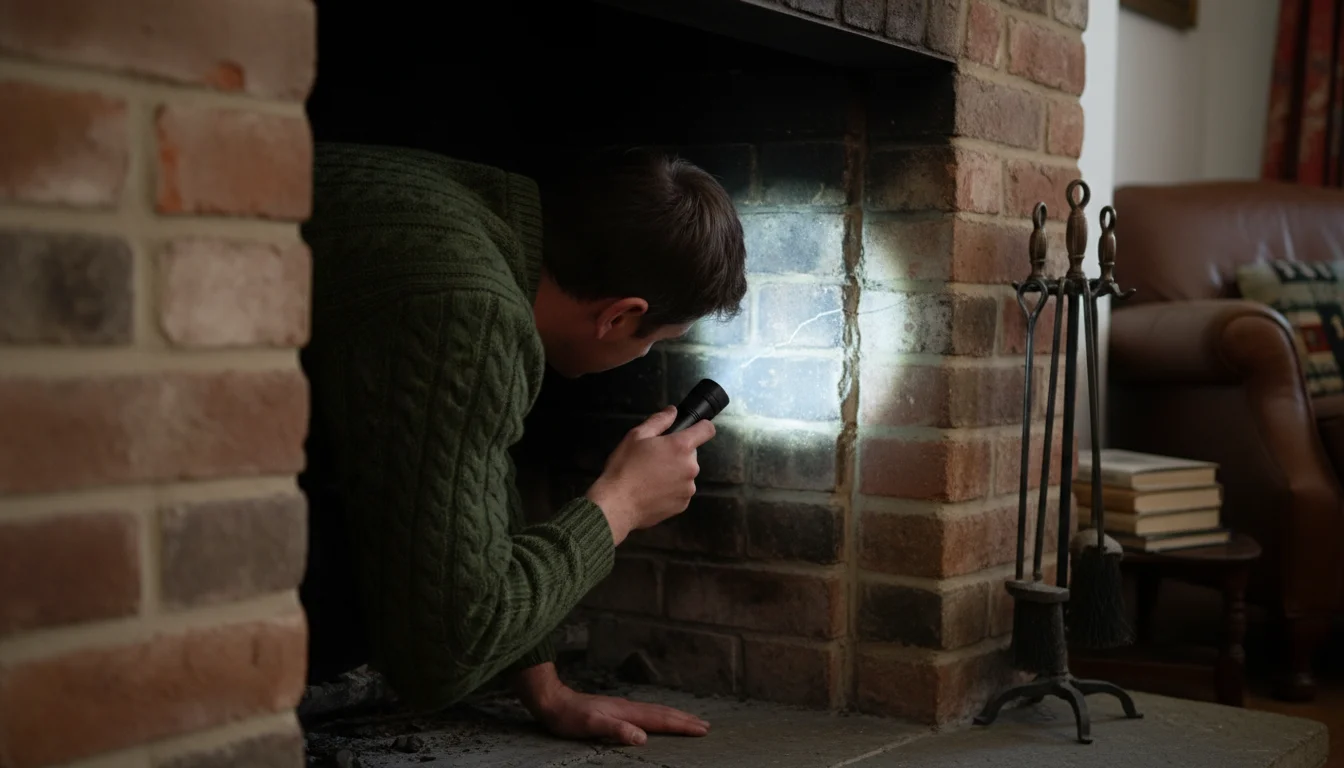
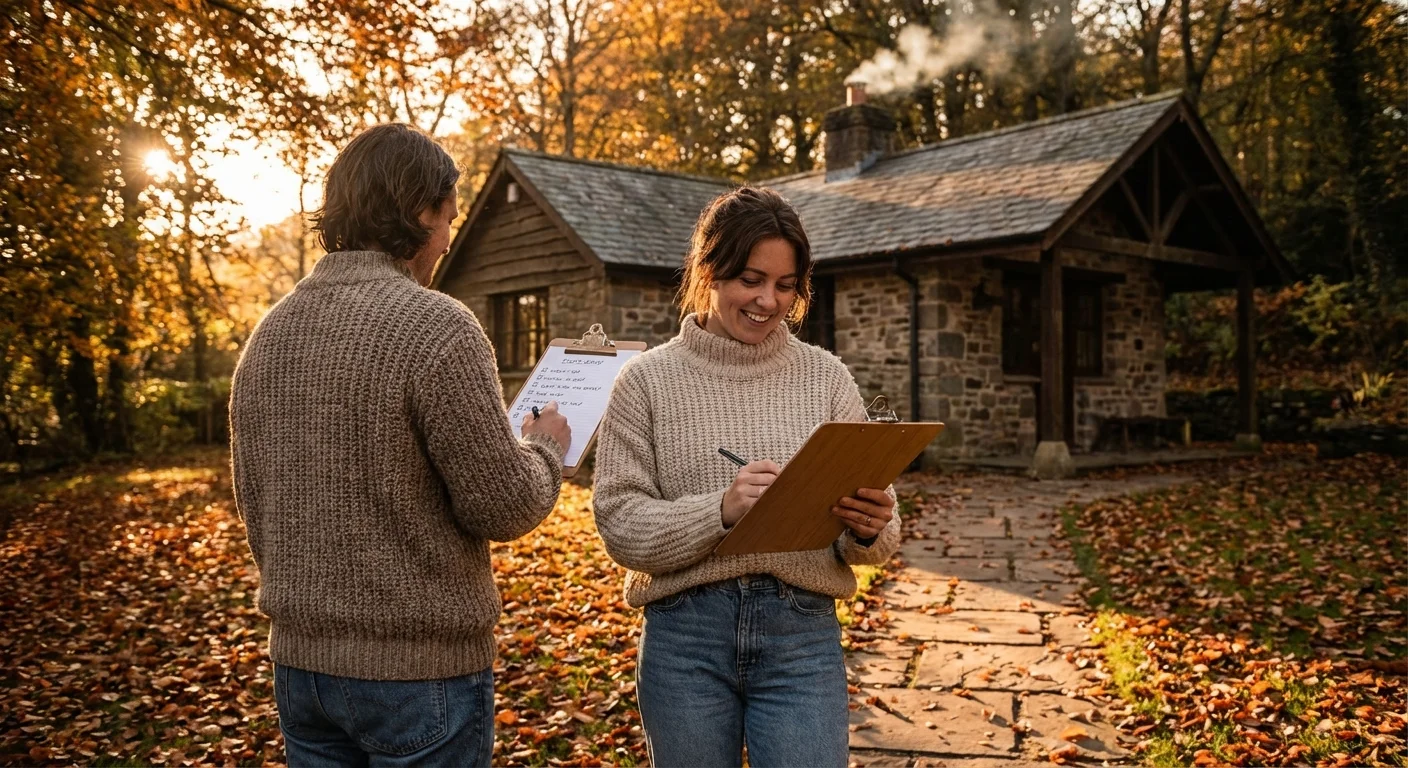
While a professional chimney sweep provides the most thorough assessment, you can perform several basic checks yourself. These simple tasks help you identify obvious problems and maintain your fireplace between professional visits. Always ensure the fireplace is completely cold before starting any inspection.
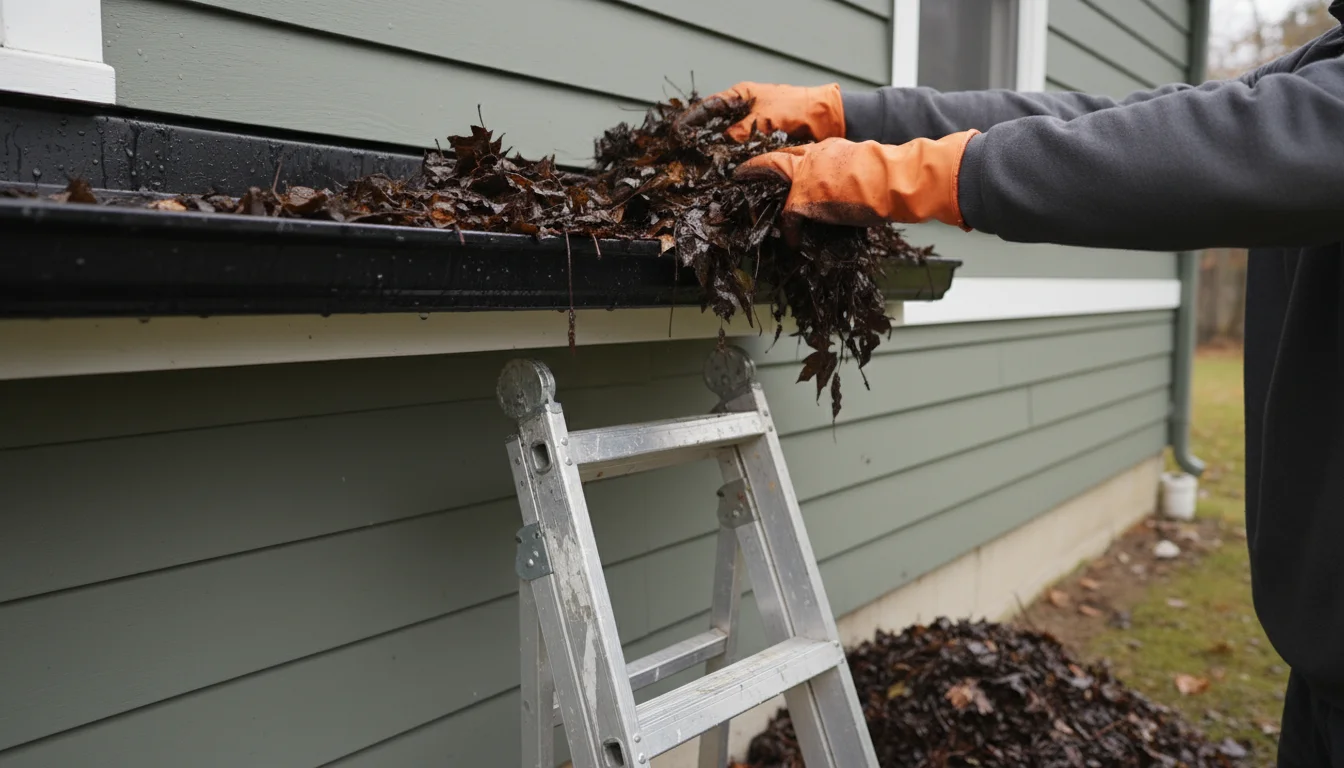
While you are using a ladder to inspect your exterior masonry, it is also the perfect time to follow a gutter cleaning guide to ensure proper drainage.
- Examine the Firebox: Look for any cracks, loose bricks, or missing mortar in the firebrick lining. Even small cracks can compromise the integrity of the firebox and allow heat to escape to combustible materials. Pay attention to the condition of the grate; replace it if it shows significant rust or damage.
- Inspect the Damper: Open and close the damper to ensure it operates smoothly and seals completely when closed. A damper that does not seal properly allows treated air to escape your home, leading to higher energy bills. Use a flashlight to look up into the smoke chamber for any obstructions or debris.
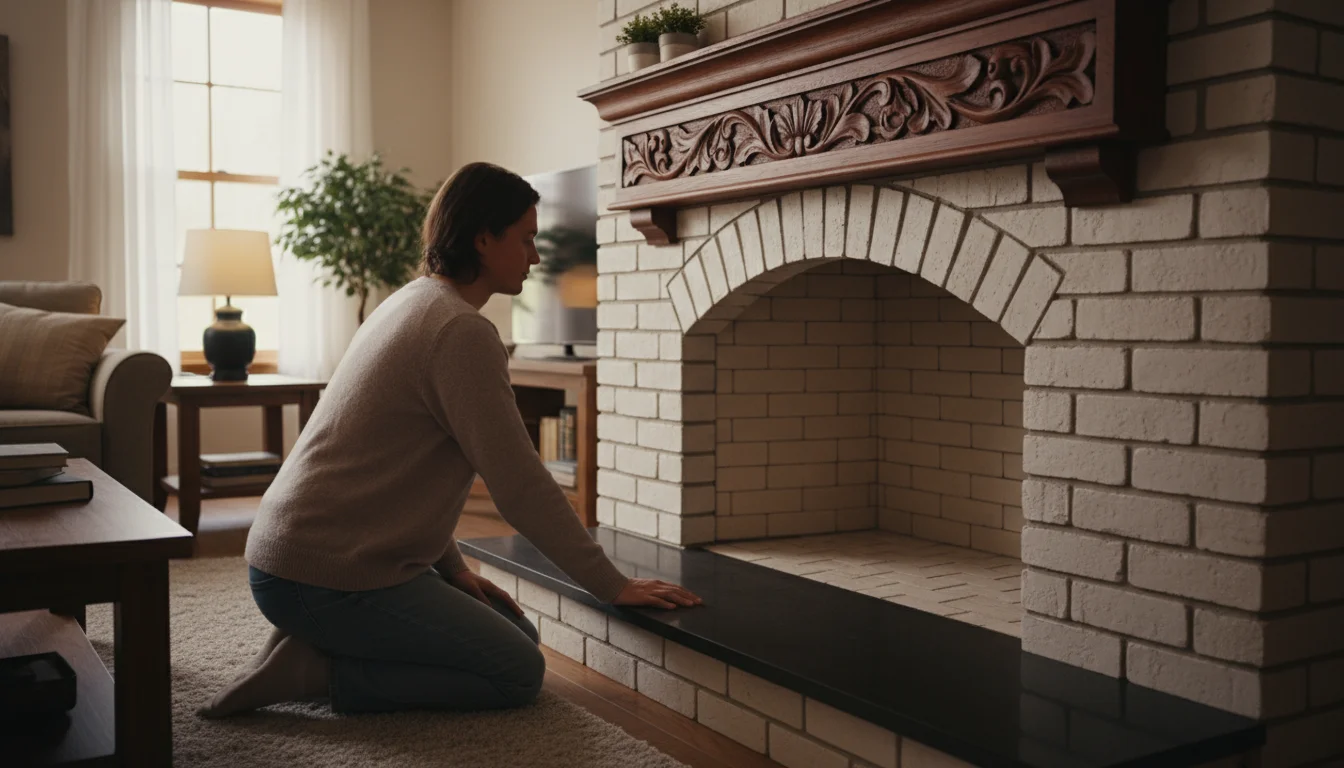
- Check the Hearth: Ensure the hearth is free of cracks and completely level. It must extend adequately into the room and remain structurally sound to protect your flooring from stray sparks and embers.
- Scan for Creosote Buildup: Using a bright flashlight, look up into the flue from inside the firebox. You may need a mirror to see higher up. Look for a dark, crusty, or flaky buildup on the flue walls. A layer thicker than 1/8 inch indicates a need for professional Bob Vila chimney cleaning. Also, note any tar-like, hardened creosote, which is particularly dangerous.
- Assess the Chimney Exterior: From outside, visually inspect the chimney structure. Look for crumbling mortar, loose bricks, or cracks in the masonry. Check the chimney crown for cracks, as these allow water to penetrate the chimney, causing significant damage over time.
- Verify the Chimney Cap/Spark Arrestor: Ensure the chimney cap remains securely in place and is free of damage. Confirm the mesh screen is intact and not clogged with leaves or debris, which obstructs airflow and could cause smoke to back up.
- Check for Animal Nests: Birds, squirrels, and other small animals often build nests in chimneys during warmer months. Look for signs of nesting material around the cap or any animal sounds coming from the flue. A blocked chimney creates a carbon monoxide hazard.
Perform these checks annually, ideally before you begin using your fireplace for the winter season. This proactive approach helps maintain a safe and efficient system.
When to Call a Professional Chimney Sweep
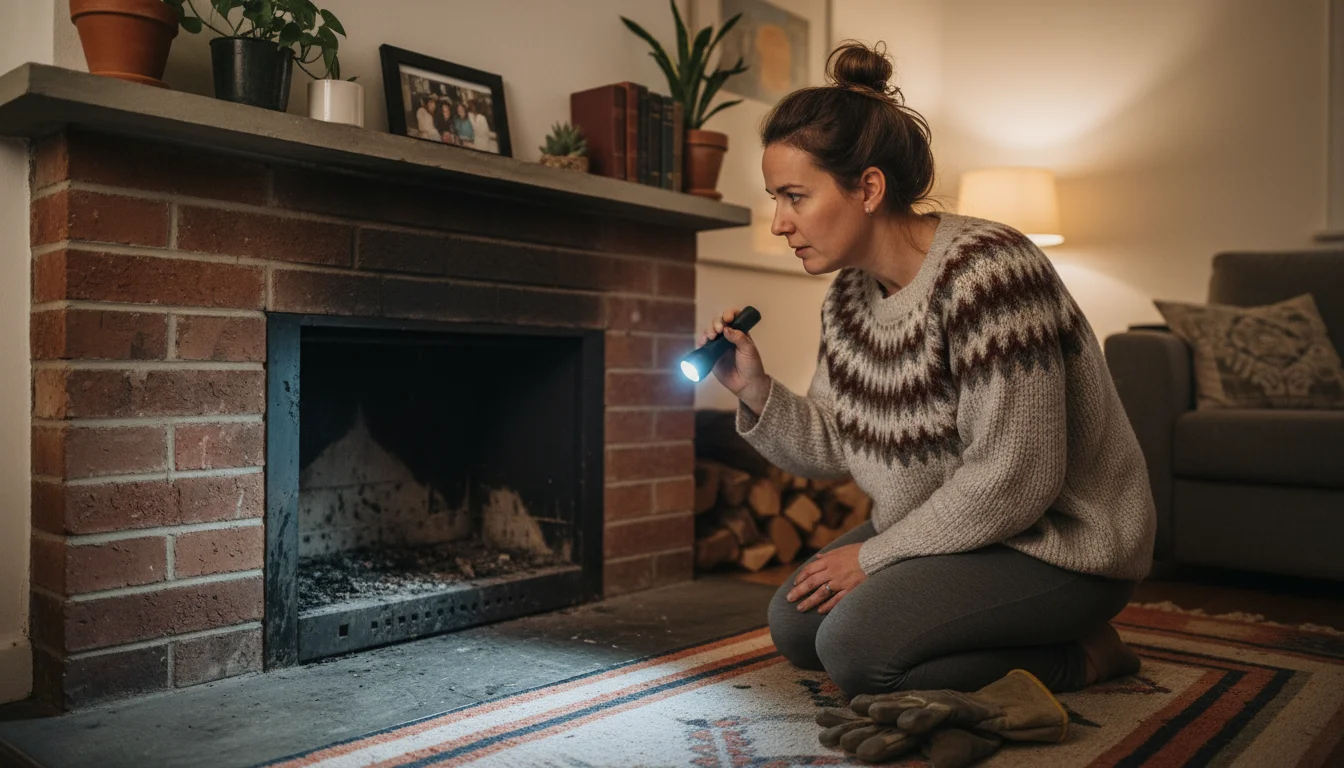
While your DIY inspection is a good starting point, it does not replace the expertise of a certified professional chimney sweep. The Chimney Safety Institute of America (CSIA) recommends annual inspections and cleanings. This recommendation is based on safety data and ensures your chimney meets current safety standards.
Safety inspections shouldn’t stop at the chimney; performing routine water heater maintenance is another vital step to ensure your home remains comfortable throughout the winter.
In addition to chimney care, remember that seasonal HVAC maintenance is essential for keeping your home’s main heating system running efficiently alongside your fireplace.
Signs You Need a Professional Immediately:
- Heavy Creosote Buildup: If your flashlight inspection reveals a layer of creosote thicker than 1/8 inch, or if you see shiny, tar-like creosote, call a professional. This type of creosote is highly flammable and difficult to remove safely without specialized tools.
- Smoke Backup: If smoke consistently fills your room instead of going up the chimney, a serious blockage or draft issue exists. Stop using your fireplace immediately and contact a professional.
- Unusual Odors: Strong smoky odors lingering in your home even when the fireplace is not in use can indicate excessive creosote, a blocked flue, or structural issues.
- Visible Damage: Any significant cracks in the firebox, flue liner, chimney crown, or exterior masonry require immediate professional assessment. These issues compromise the safety and integrity of the entire system.
- Animal Activity: If you suspect animals or birds are nesting in your chimney, a professional can safely remove them and install a proper cap.
- Changes in Fire Performance: If your fires struggle to draw, burn poorly, or produce excessive smoke, this signals a problem with the chimney’s ventilation or a creosote buildup.
A certified chimney sweep possesses the training, tools, and experience to conduct a thorough inspection, identify hidden hazards, and perform a safe and effective cleaning. They use specialized cameras to inspect the entire length of your flue liner, ensuring its integrity, and employ powerful brushes and vacuums to remove creosote and debris safely.
What to Expect During a Professional Chimney Cleaning
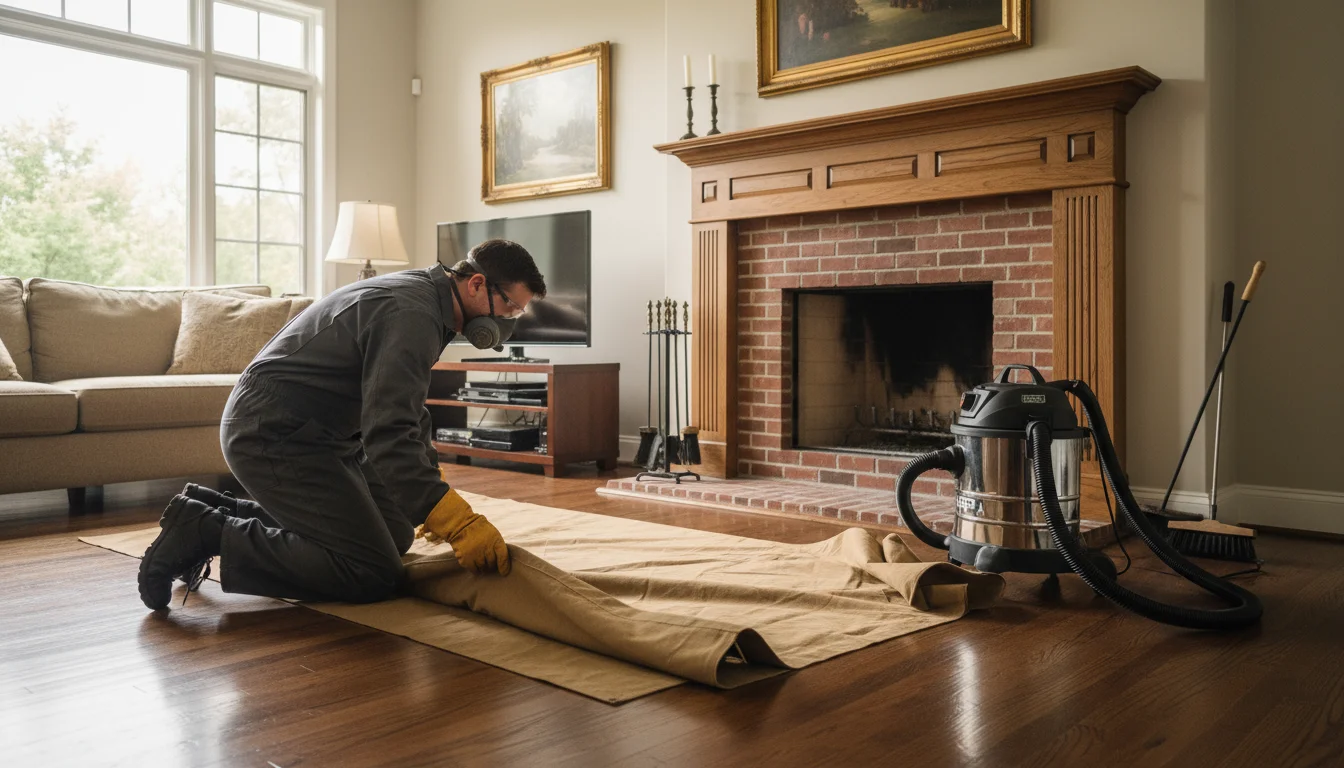
Understanding the process a professional chimney sweep follows helps you prepare and appreciate the value of their service. A typical professional chimney cleaning and inspection involves several key steps:
Once your fireplace is soot-free, you can look forward to your spring deep cleaning checklist to refresh the rest of your living space.
- Setup and Protection: The sweep first lays down tarps and drop cloths around your fireplace opening to protect your floors and furnishings from soot and debris. They use high-powered vacuums specifically designed to capture fine particles and maintain a clean work environment.
- Initial Inspection: The technician conducts a visual inspection of your firebox, damper, and smoke chamber. Many professionals use specialized cameras to inspect the interior of the flue liner from top to bottom, looking for cracks, deterioration, creosote buildup, and blockages. This diagnostic step is crucial for identifying hidden problems.
- Creosote Removal: The sweep uses a variety of brushes, rods, and specialized scraping tools to dislodge creosote from the flue walls. The type of brush and technique depends on the chimney’s size, shape, and the type of creosote present. They work from the top down or the bottom up, ensuring all surfaces receive attention.
- Debris Removal: As creosote and soot fall into the firebox, the sweep uses a powerful vacuum to collect the debris, preventing it from spreading into your home. They also remove any animal nests, leaves, or other obstructions.
- Damper and Smoke Shelf Cleaning: They thoroughly clean the damper and the smoke shelf, removing accumulated soot and debris that can interfere with proper operation and cause odors.
- Post-Cleaning Inspection and Report: After cleaning, the sweep performs a final inspection, often using the camera again, to confirm the flue is clear. They provide you with a detailed report of their findings, including any recommended repairs or maintenance. This report ensures you understand your chimney’s condition.
- Clean-up: The sweep meticulously cleans the work area, leaving your home as tidy as they found it.
The entire process typically takes 1 to 2 hours, depending on the chimney’s condition and complexity. This annual investment in Bob Vila chimney cleaning pays dividends in safety, efficiency, and peace of mind.
Fueling Your Fire: Firewood Best Practices
The type and condition of the wood you burn directly impact your fireplace’s efficiency and the rate of creosote buildup. Burning the right wood is a simple yet effective way to minimize maintenance needs and maximize safety.
Organizing your woodpile is a great way to kick off your lawn and garden winterization and prepare your outdoor space for the snowy months.
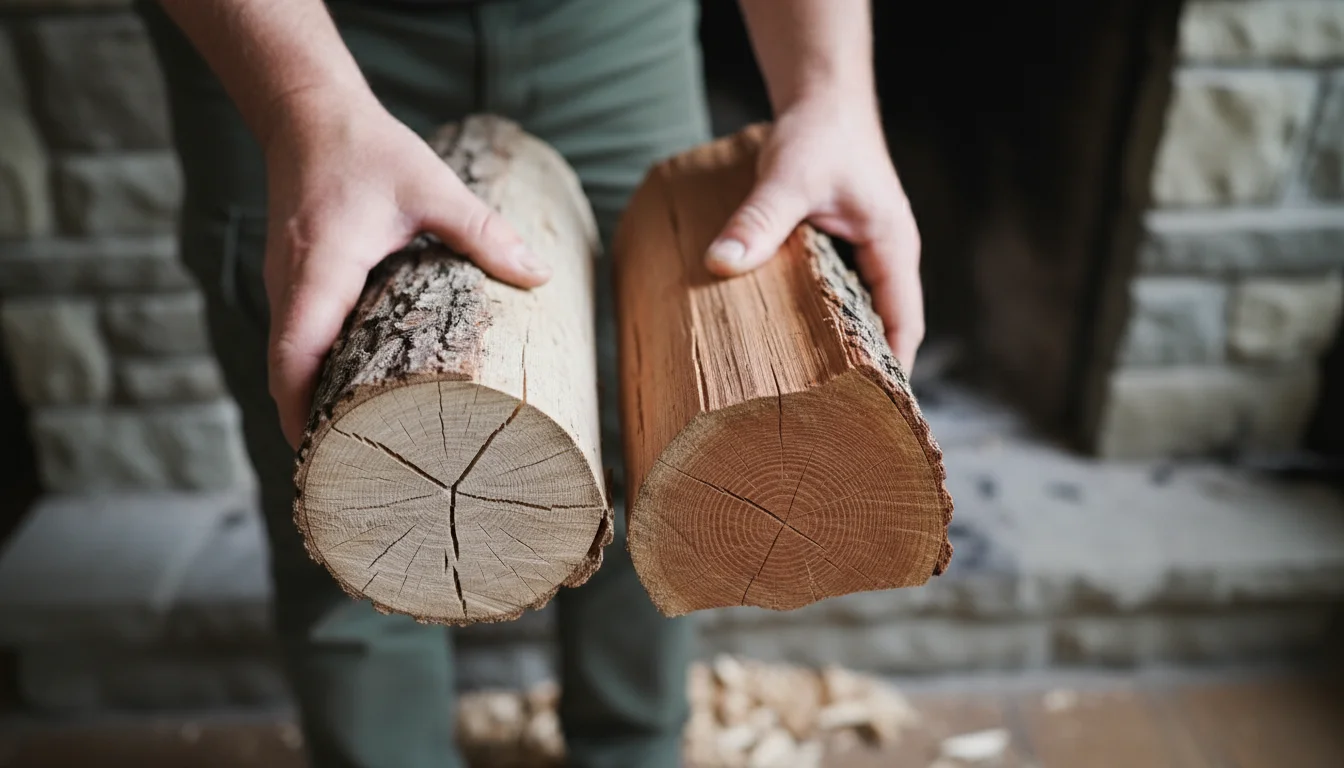
- Burn Only Seasoned Wood: “Seasoned” wood means it has been cut, split, and dried for at least 6 to 12 months, ideally longer. Seasoned wood has a moisture content of 20% or less. You can identify seasoned wood by its lighter weight, presence of cracks at the ends, and a dull, hollow sound when struck. Unseasoned, or “green,” wood contains a high percentage of water. Burning green wood produces excessive smoke, leaves a significant amount of creosote in your chimney, and provides very little heat.
- Choose Hardwoods: Hardwoods like oak, maple, hickory, and ash burn longer and produce more heat than softwoods like pine, fir, or spruce. Softwoods also contain more sap, which contributes to creosote formation. While softwoods ignite easily, save them for kindling.
- Store Wood Properly: Store your firewood in a dry, elevated location, away from your house. Stack it loosely to allow for good air circulation, which helps the wood continue to dry and prevents mold or insect infestation. Cover the top to protect it from rain and snow, but leave the sides exposed for airflow. Do not store firewood directly against your home, as it attracts pests.
- Avoid Burning Unsuitable Materials: Never burn treated lumber, trash, cardboard, plastics, or glossy paper in your fireplace. These materials release toxic fumes, excessive smoke, and chemicals that can damage your chimney and harm your health. They also contribute heavily to creosote buildup.
By following these firewood best practices, you create hotter, cleaner-burning fires, reduce creosote accumulation, and make your fireplace experience more enjoyable and safer.
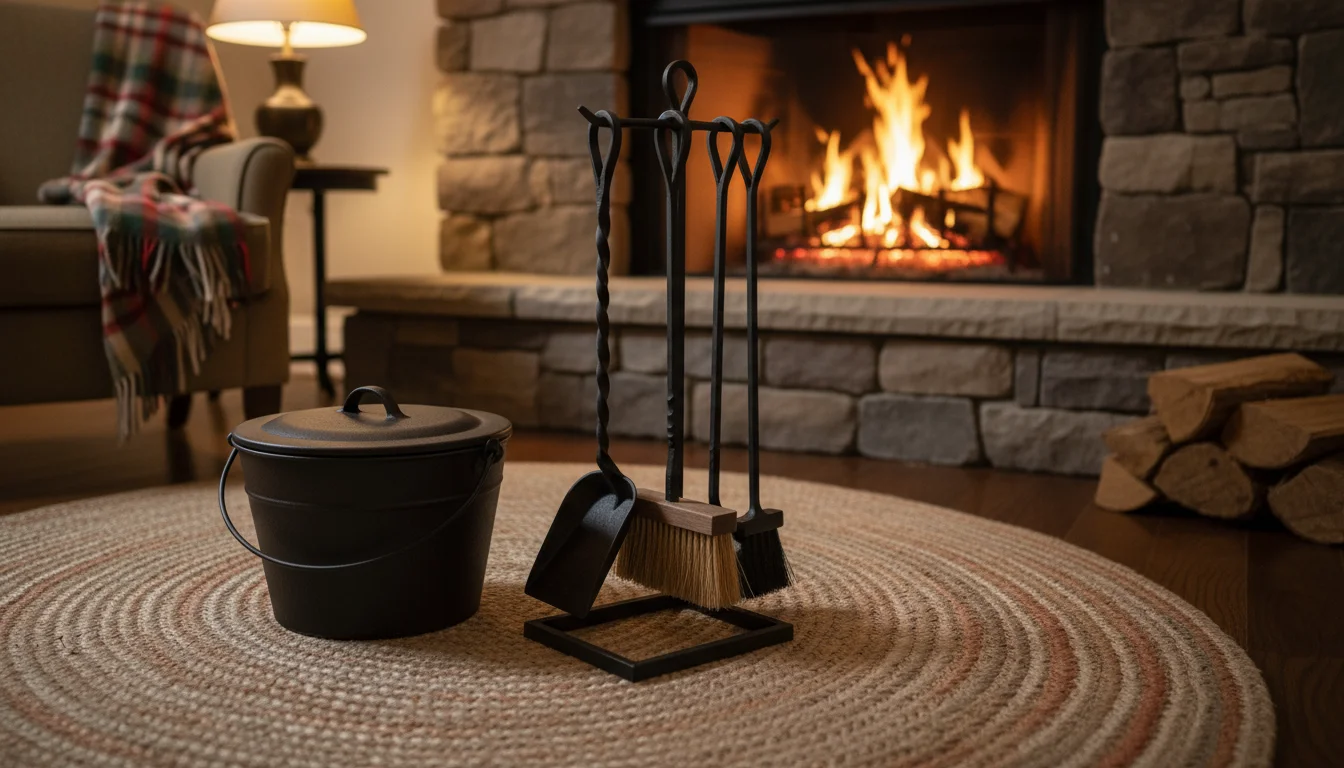
Essential Tools for DIY Fireplace Care
Having the right tools on hand simplifies your routine fireplace maintenance and ensures you can safely manage your fires.
- Fireplace Tongs: Use tongs to safely adjust logs and move burning materials within the firebox without getting too close to the heat.
- Shovel and Brush: A small shovel and stiff-bristled brush are essential for cleaning out ash and embers from the firebox after the fire has completely cooled.
- Ash Bucket: A metal ash bucket with a tight-fitting lid is crucial for safely disposing of ashes. Even if they appear cold, embers can remain hot for days. Never use a plastic bucket, as it poses a significant fire hazard. Store the bucket outdoors, away from combustible materials, until you are sure the ashes are completely cold.
- Poker: A poker helps you manage logs, break up embers, and ensure proper airflow within the firebox.
- Fireplace Screen or Glass Doors: A sturdy screen or glass doors prevent sparks and embers from flying out of the firebox and onto your floor or carpet, protecting your home and family.
- Carbon Monoxide Detector: Install a carbon monoxide detector in your home, especially near sleeping areas and on every level. This device provides crucial warning of this odorless, colorless gas, a silent killer that can result from a malfunctioning or blocked chimney.
- Smoke Detectors: Ensure you have working smoke detectors installed throughout your home, regularly testing their batteries.
- Heavy-Duty Gloves: Protect your hands from heat, splinters, and sharp edges when handling firewood or performing maintenance.
These tools, combined with your annual professional chimney cleaning, form a comprehensive approach to safe and enjoyable fireplace use.
Common Fireplace Issues and Simple Fixes
Even with regular Family Handyman maintenance, you might encounter minor issues. Knowing how to address them often prevents larger problems.
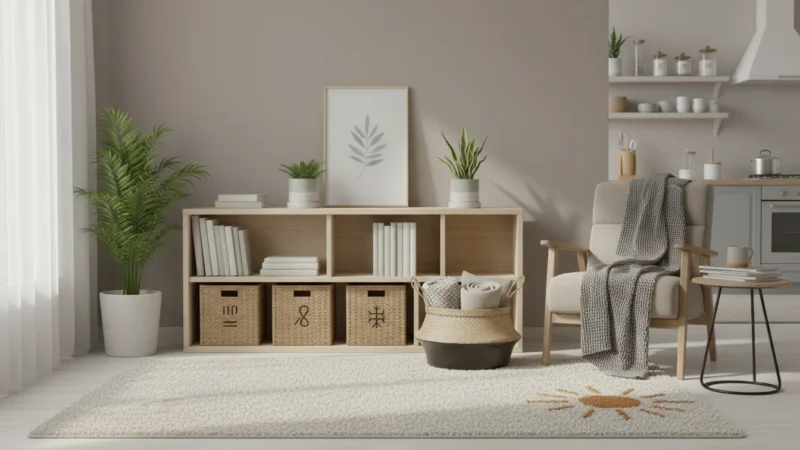
To maximize the comfort of your fireside seating area, consider choosing a plush area rug to keep the floor warm underfoot.
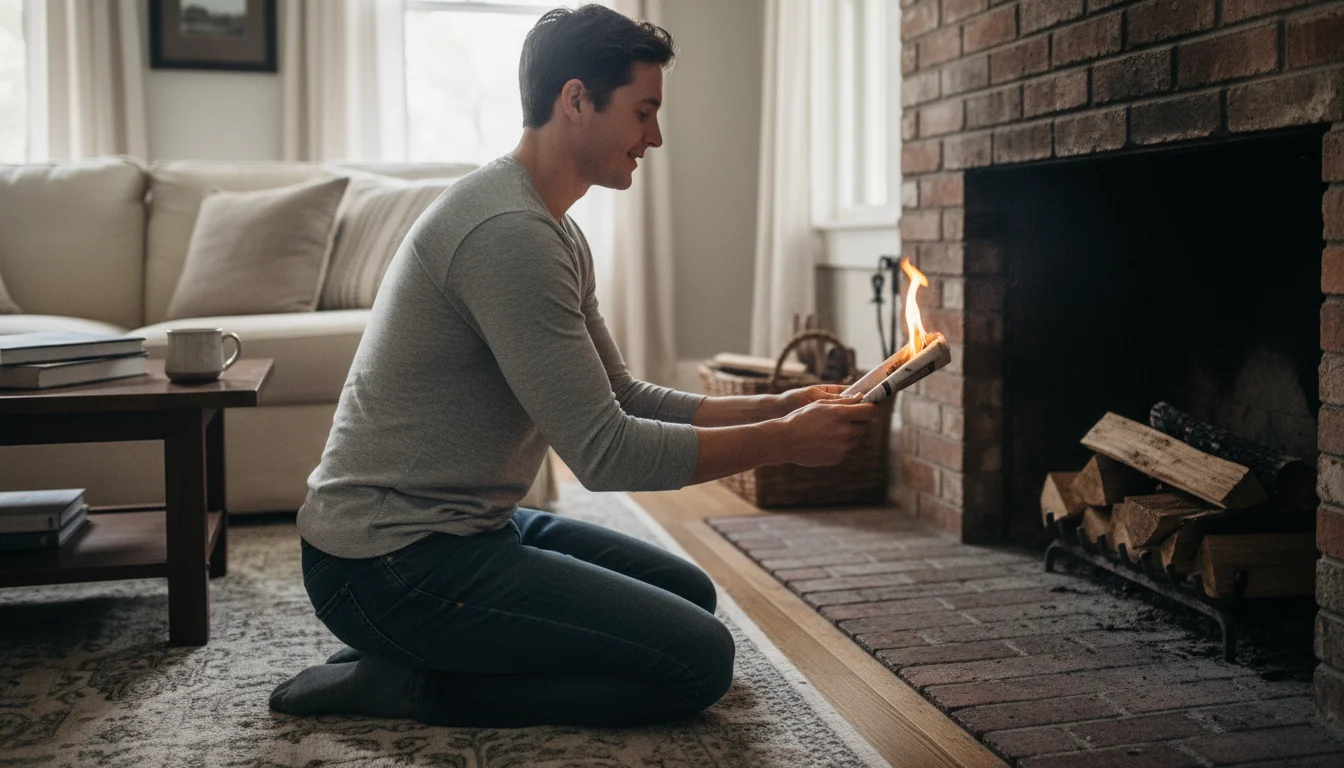
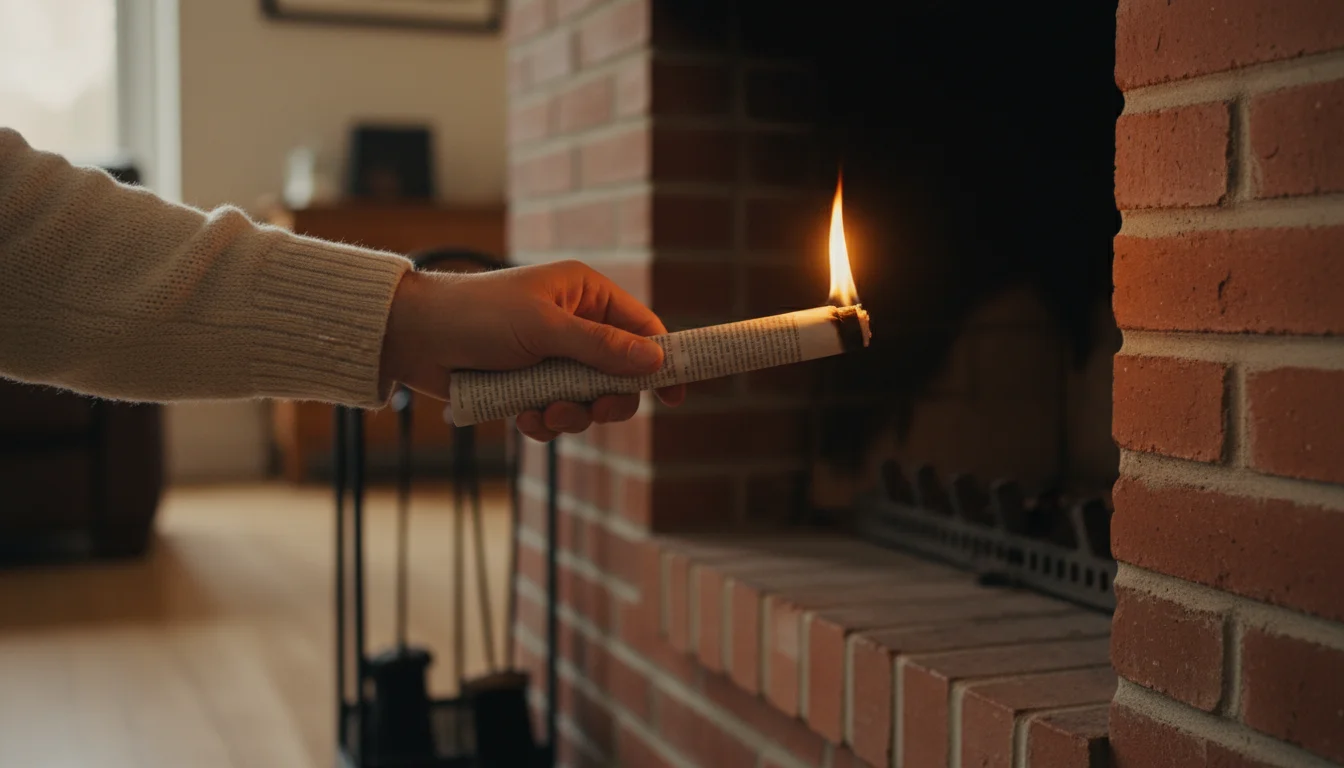
- Smoking Fireplace: If your fireplace fills the room with smoke, check the damper first to ensure it is fully open. A cold flue can also cause smoke to back up; try lighting a rolled-up newspaper in the firebox to warm the flue before building your main fire. Excessive creosote or a blocked flue are more serious causes requiring professional attention.
- Poor Draft: A weak draft makes it hard to get a fire going and keeps it burning. Ensure your chimney cap is not clogged with debris. Check for negative air pressure in your home, which can happen with tightly sealed modern homes. Opening a window slightly in the room can sometimes help.
- Creosote Odor: If you smell creosote in your home, especially during warm, humid weather, it means creosote buildup is significant. Ensure your damper is closed when the fireplace is not in use. Consider a professional cleaning to remove the source of the odor.
- Water Leaks: Water stains on your ceiling or walls near the chimney indicate a leak. Common culprits include a cracked chimney crown, damaged flashing (the material sealing the chimney to the roof), or a missing/damaged chimney cap. Address leaks quickly to prevent extensive structural damage.
For persistent or complex issues, always consult a professional. Attempting DIY repairs without proper knowledge can exacerbate problems and compromise safety.
Safe and Efficient Fireplace Use During Winter
Once you have completed your This Old House pre-winter maintenance, follow these tips to ensure a safe and efficient fireplace experience throughout the colder months.
In addition to your hearth, ensure your primary heating system receives HVAC maintenance before the coldest weather hits.
Before Lighting a Fire:
- Open the Damper: Always ensure your damper is fully open before lighting a fire. This allows smoke to exit the chimney.
- Check for Blockages: Briefly look up the flue with a flashlight to confirm no immediate blockages exist.
- Pre-Heat the Flue (Optional but Recommended): Light a twisted piece of newspaper and hold it near the open damper for a minute or two. This warms the air in the flue, establishing an upward draft and reducing the chance of smoke entering your room.
While the Fire Burns:
- Use a Fireplace Screen or Doors: Keep a screen or glass doors closed to prevent sparks from flying into the room.
- Never Leave a Fire Unattended: Always monitor a burning fire, especially when children or pets are present.
- Avoid Overloading: Do not overload your firebox with too much wood. This creates an excessively hot fire that can damage your fireplace and lead to rapid creosote buildup.
- Ensure Adequate Air Supply: Fires need oxygen to burn efficiently. If your fire seems to smolder, check for proper air intake.
After the Fire:
- Let Ashes Cool Completely: Do not close the damper until you are certain all embers are extinguished and the ashes are completely cool. This prevents carbon monoxide from building up in your home.
- Dispose of Ashes Safely: Scoop cooled ashes into a metal container with a tight-fitting lid. Store the container outside, away from any combustible materials, for several days before disposal, as embers can remain hot for an extended period.
- Close the Damper: Once the fire is completely out and ashes are cool, close the damper to prevent heat loss from your home.

Frequently Asked Questions
How often should I have my chimney professionally cleaned?
The Chimney Safety Institute of America (CSIA) recommends annual professional inspections and cleanings. This frequency ensures the removal of hazardous creosote buildup and identifies any potential structural issues before they become dangerous.
Once the cold weather passes, you can refer to our summer home maintenance checklist to keep your property in top shape year-round.
Can I use chemical chimney cleaners instead of a professional sweep?
Chemical chimney cleaners can help reduce creosote buildup, but they are not a substitute for a professional chimney cleaning. These products typically only address certain types of creosote and cannot remove hard glazed creosote or animal nests. Always follow up with a professional inspection to confirm the chimney is truly clean and safe.
What is the difference between creosote and soot?
Soot is a fine, powdery black residue that results from incomplete combustion. Creosote is a more dangerous, tar-like, or crusty buildup that forms when volatile organic compounds from wood smoke condense on cooler chimney surfaces. Creosote is highly flammable, while soot poses less of a direct fire hazard but can still restrict airflow.
My fireplace smells bad when it is not in use. What causes this?
A persistent smoky or acrid odor often indicates significant creosote buildup in your chimney. High humidity can exacerbate the smell. Ensure your damper is closed when not in use. If the smell persists, schedule a professional cleaning to remove the creosote.
Is it safe to burn artificial logs?
Artificial logs are generally safe when used according to manufacturer instructions. They typically burn cleaner than natural wood, producing less creosote. However, they do not eliminate the need for regular Consumer Reports chimney inspections and occasional cleaning, as some residue can still accumulate.
For expert home organization guidance, visit
CDC — Cleaning and Disinfecting,
American Cleaning Institute and
National Association of Professional Organizers.
Disclaimer: This article is for informational purposes only and is not a substitute for professional advice. Consult professional organizers or specialists for personalized recommendations.




Leave a Reply