

Your deck and patio are more than just outdoor spaces; they are extensions of your home, places where memories are made, meals are shared, and relaxation takes center stage. Like any part of your home, these outdoor living spaces require consistent care to remain safe, beautiful, and functional. Neglecting maintenance can lead to costly repairs, premature wear, and a less enjoyable environment. A practical, seasonal care schedule helps you stay ahead of potential issues, ensuring your outdoor areas are always ready for you and your family.
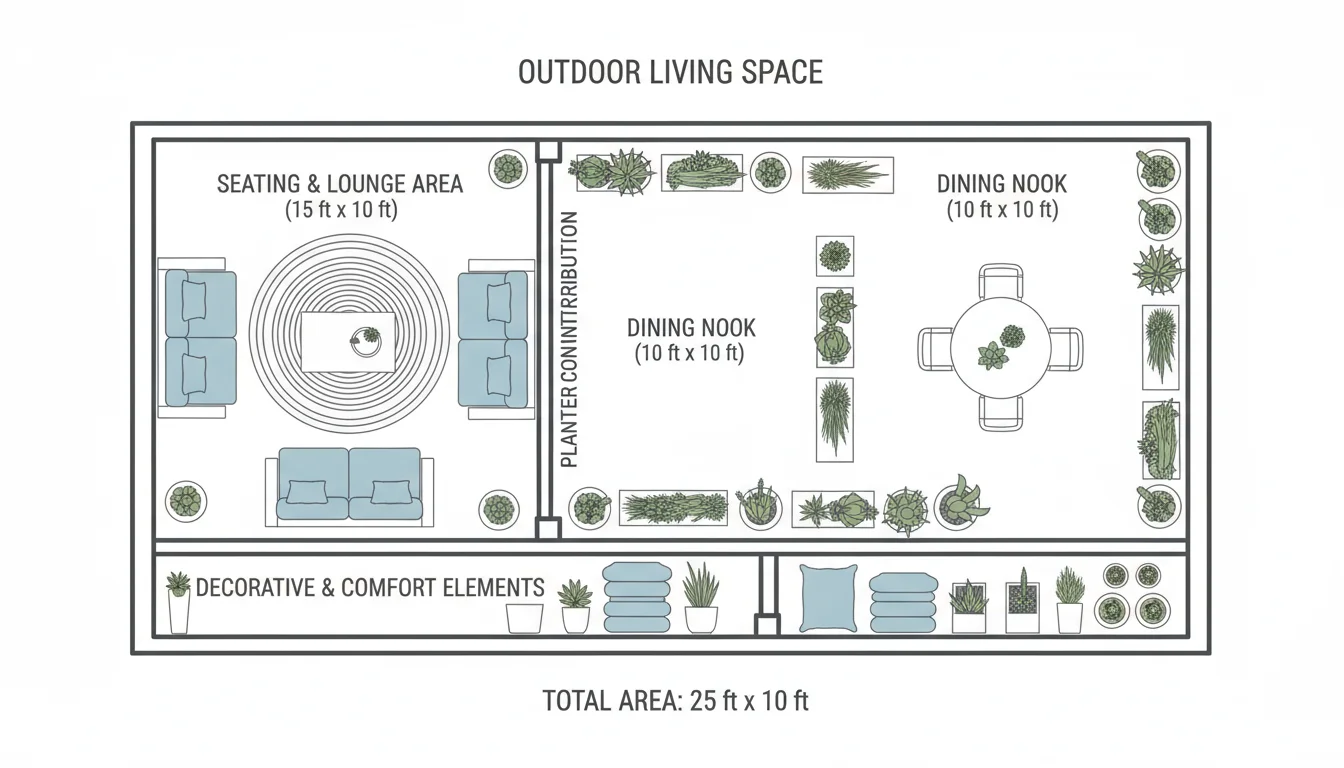
This guide provides actionable insights for busy homeowners, renters, and apartment dwellers. You will discover straightforward steps to protect your investment, extend the life of your deck and patio, and keep them looking their best, no matter the season. We understand that your time is valuable, and your budget matters, so we focus on realistic solutions that fit into your busy life.
Why Seasonal Deck and Patio Care Matters
Adopting a seasonal approach to deck maintenance and patio care offers significant long-term benefits for your outdoor living space. Think of it as preventative medicine for your home. By addressing small issues before they become major problems, you save time, money, and stress.
Beyond the deck, preparing your home for winter involves checking seals and insulation to prevent moisture damage during the cold months.
Just as you perform seasonal HVAC maintenance to keep your interior comfortable, consistent outdoor care protects your home’s structural exterior.
This proactive approach is a key part of the monthly home care tasks that help prevent expensive repairs over time.
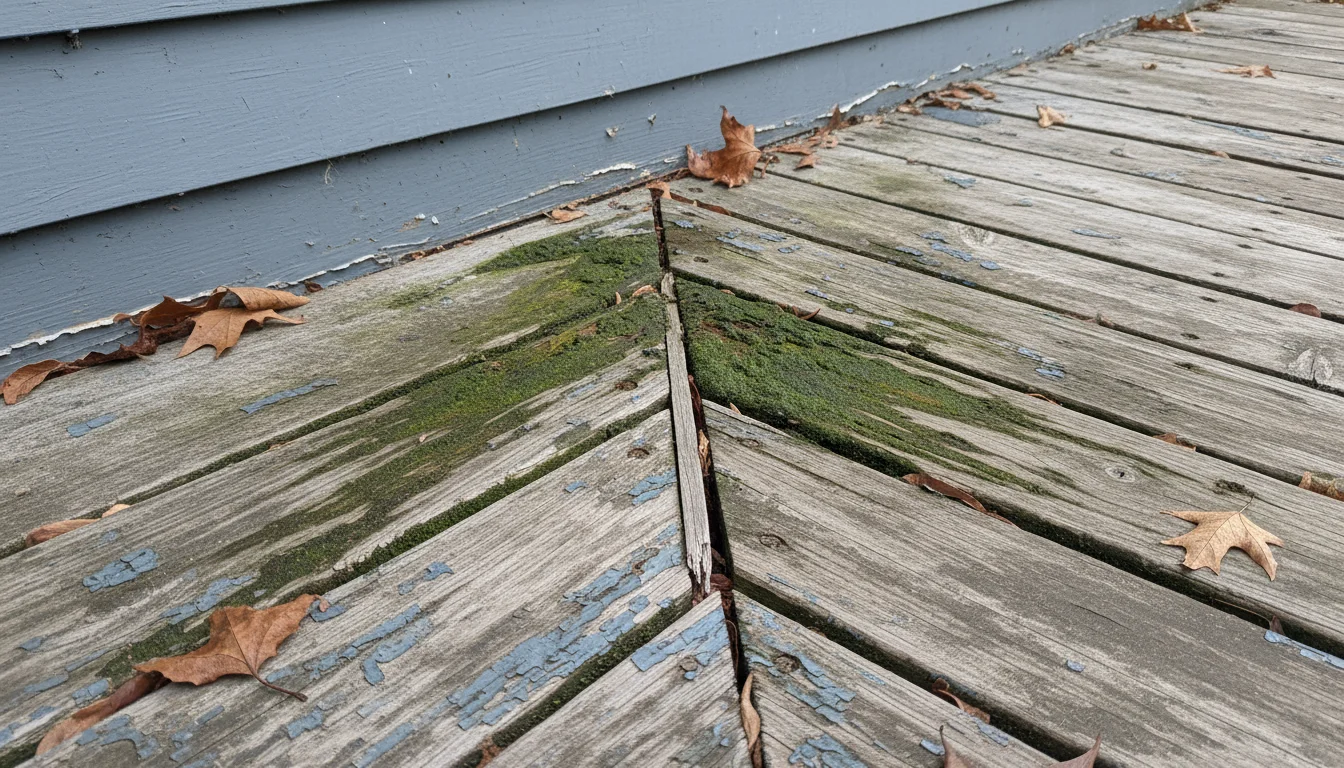
The elements constantly challenge your outdoor surfaces. Sun, rain, snow, ice, and even daily foot traffic take a toll. Wood can rot, warp, or splinter. Concrete can crack or spall. Pavers can shift. Mold, mildew, and algae thrive in damp conditions, making surfaces slippery and unsightly. Regular, targeted maintenance helps mitigate these effects. According to This Old House, proper maintenance not only preserves the aesthetic appeal of your outdoor areas but also significantly extends their structural integrity and lifespan, postponing costly replacements.
Beyond longevity, seasonal care ensures safety. Loose railings, warped boards, or slippery algae growth present tripping hazards. Regular inspections and cleaning prevent accidents. Furthermore, well-maintained outdoor areas enhance your home’s curb appeal and can even increase its value. You invest in these spaces for enjoyment and relaxation, and a consistent care schedule helps you maximize that investment.
Understanding Your Outdoor Surfaces
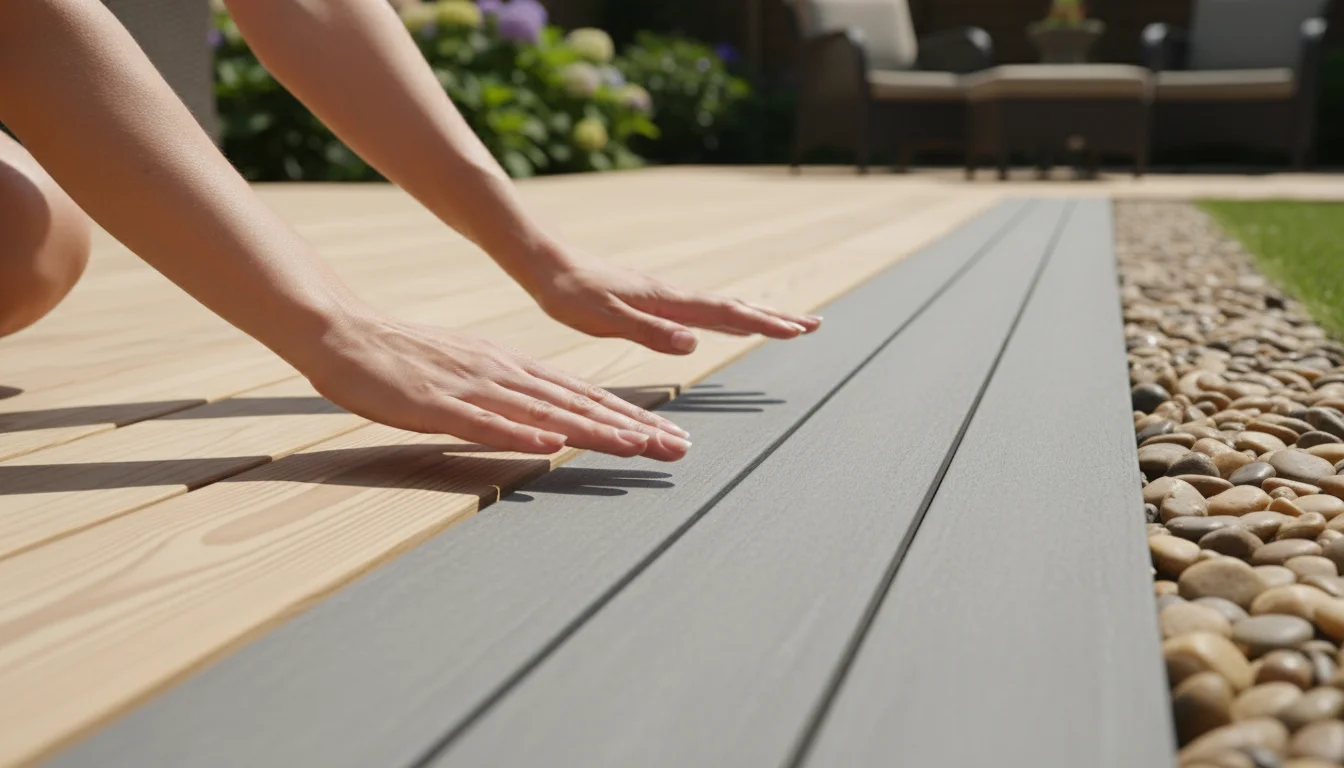
Before you dive into the specifics of deck maintenance and patio care, identify the materials of your outdoor living space. Different materials require distinct approaches to cleaning, protection, and repair. Applying the wrong cleaner or technique can cause damage, negating your efforts.
Storing your deck sealers and patio tools is much easier with efficient garage organization on a budget.
If you are dealing with a compact patio, utilizing vertical storage ideas can help keep your maintenance tools organized without sacrificing floor space.
- Wood Decks: These include pressure-treated lumber, cedar, redwood, and exotic hardwoods. Wood requires regular cleaning, sealing or staining, and inspection for rot, splinters, or loose fasteners.
- Composite Decks: Made from a blend of wood fibers and plastic, composite decks offer durability and low maintenance. They resist rot and splinters but can still get dirty, stain, and develop mold or mildew. Follow manufacturer guidelines closely for cleaning.
- Concrete Patios: Common and versatile, concrete can be plain, stamped, or stained. It is durable but susceptible to cracking, staining, and surface erosion from freeze-thaw cycles if not sealed.
- Paver Patios: Interlocking pavers made from concrete, clay, or natural stone create a flexible, attractive surface. The sand in the joints is crucial for stability and weed suppression, requiring periodic replenishment.
- Natural Stone Patios: Flagstone, slate, granite, and bluestone offer beauty and durability. These surfaces often require gentle cleaning and sometimes sealing, depending on the stone’s porosity.
- Outdoor Tile Patios: Ceramic or porcelain tiles are durable and attractive but require proper grout maintenance to prevent water infiltration and weed growth.
Knowing your material helps you select the right cleaning products and protective treatments, making your deck maintenance and patio care routines more effective and less prone to errors.
Spring Renewal: Deck and Patio Prep
Spring marks the perfect time to rejuvenate your outdoor living space after winter’s harshness. This is your most intensive deck maintenance and patio care period, setting the stage for months of enjoyment. Focus on thorough cleaning, inspection, and protection.
Before focusing on the deck floor, it is wise to follow a gutter cleaning guide to ensure rainwater doesn’t wash debris onto your patio.
While you focus on the exterior, you can also use our spring deep cleaning checklist to refresh your home’s interior at the same time.
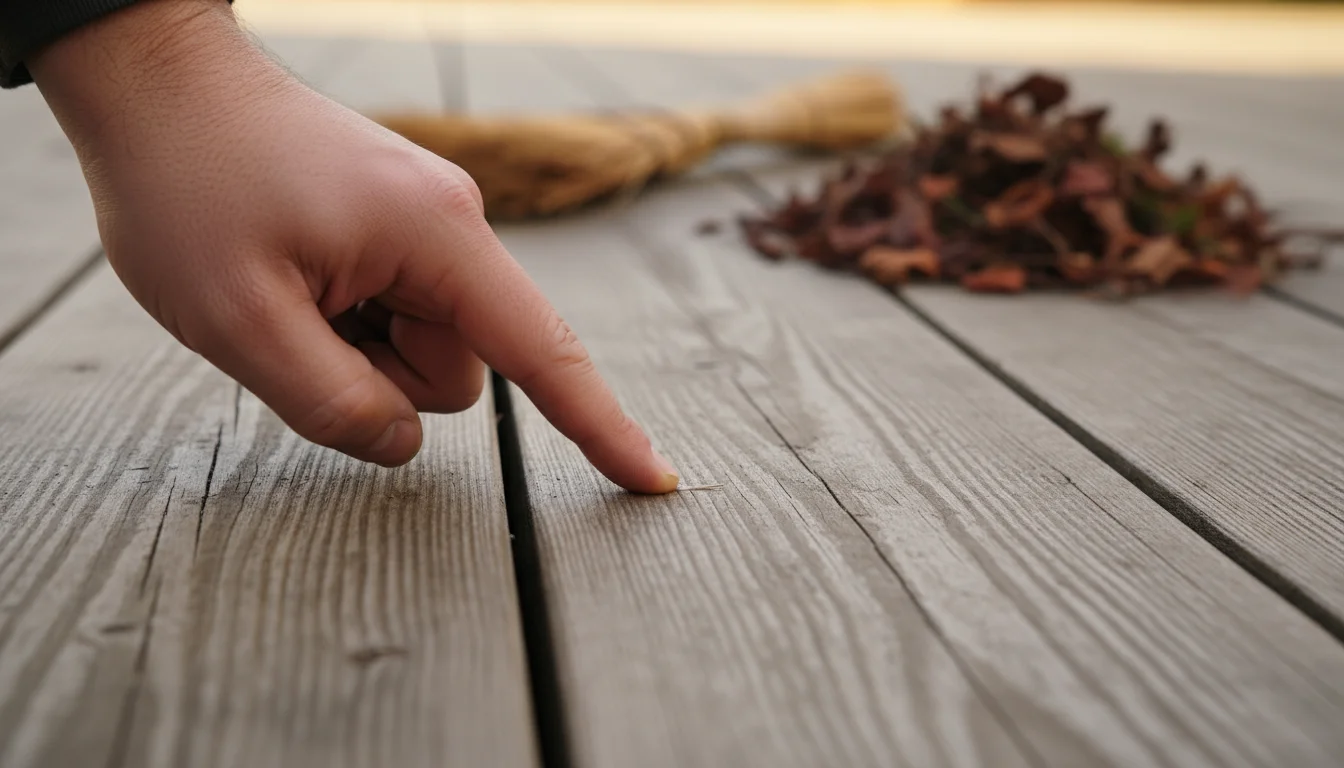
1. Clear Debris and Inspect Thoroughly
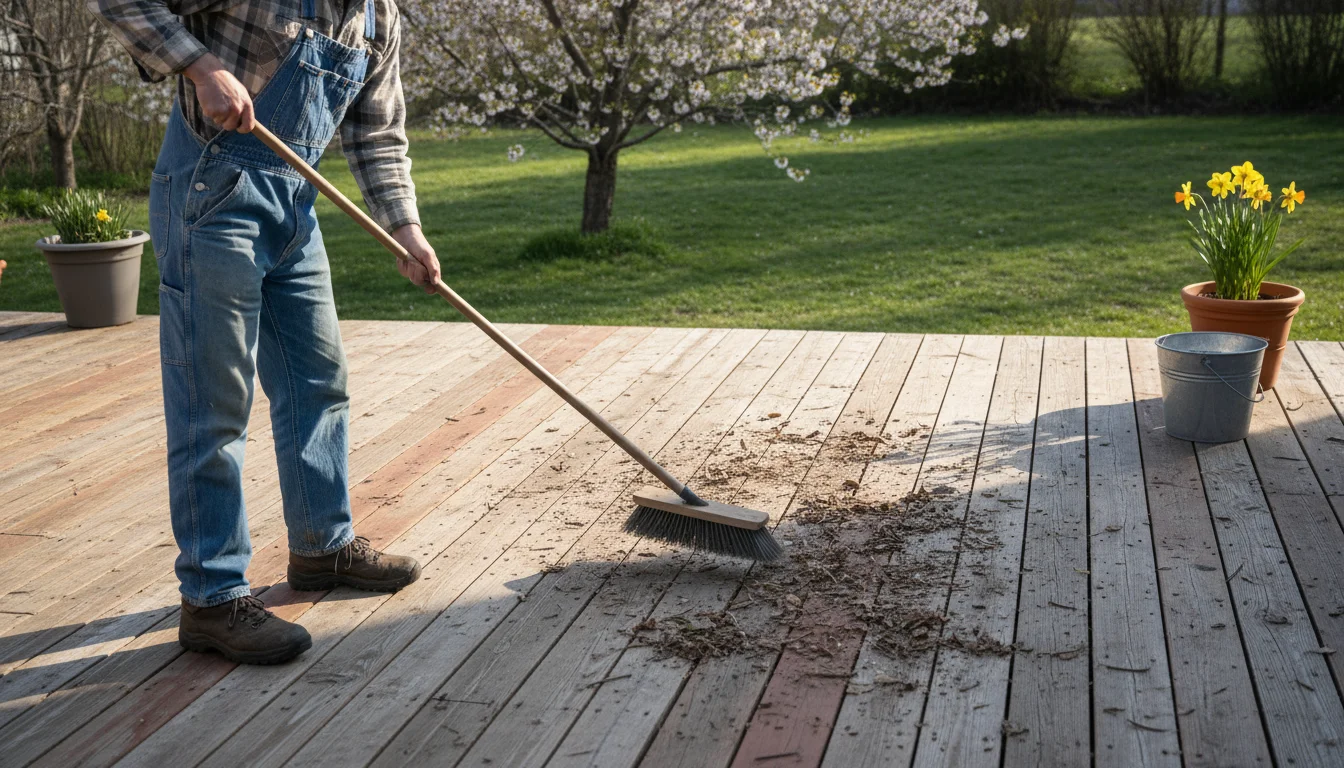
Begin by sweeping away all leaves, twigs, and accumulated winter grime. Pay close attention to corners, under furniture, and between deck boards or paver joints where moisture and debris collect. Once clear, conduct a meticulous inspection:
- For decks (wood and composite): Check for loose boards, protruding nails or screws, splintering, signs of rot (especially on wood), and wobbly railings. Test all steps for stability. Look for evidence of insect activity or excessive moisture.
- For patios (concrete, pavers, stone, tile): Examine the surface for cracks, shifting pavers, crumbling grout, and areas of discoloration or excessive weed growth. Check drainage to ensure water runs off correctly.
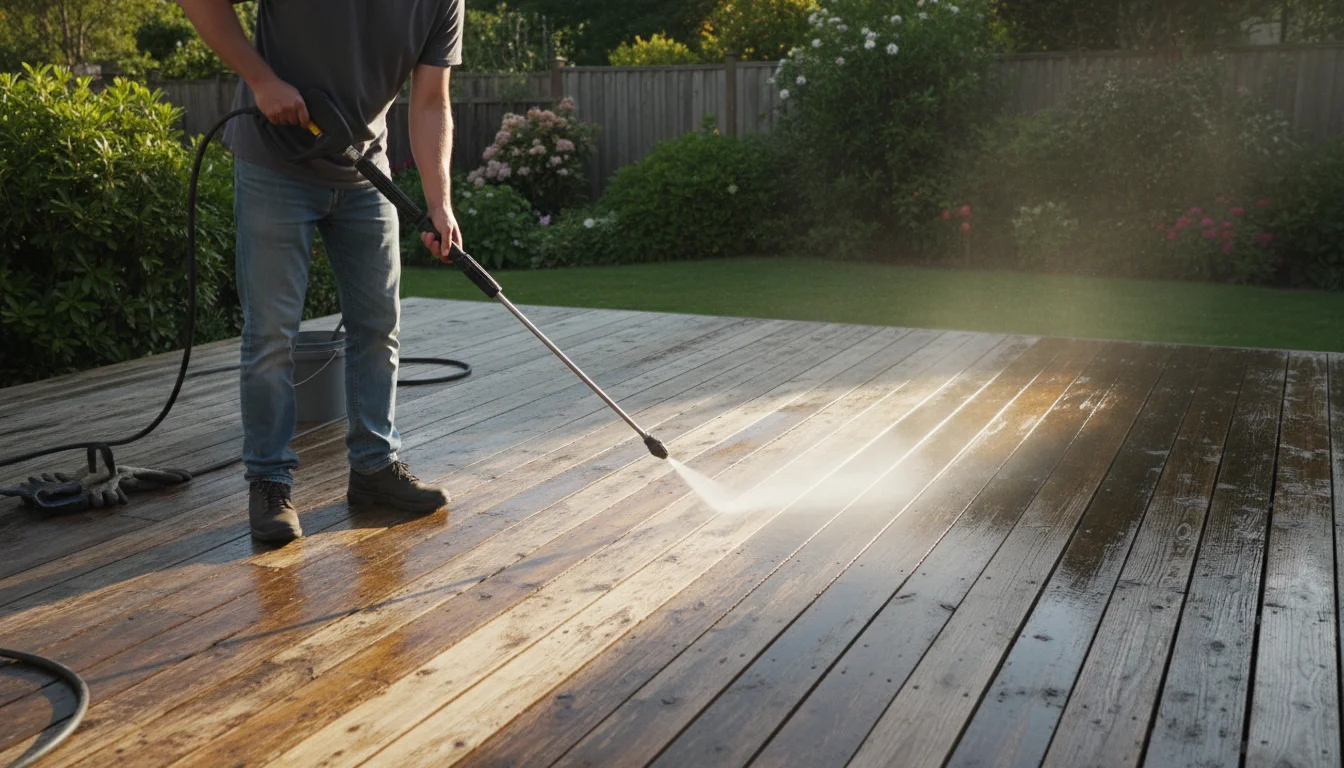
2. Deep Clean Your Surfaces
A good deep clean removes built-up dirt, mildew, and algae, which not only looks bad but also creates slippery surfaces and can degrade materials. Always follow product instructions and test cleaners in an inconspicuous area first.
- Wood Decks: Use a deck cleaner designed for wood, often oxygen bleach-based, which helps lift dirt and mildew without harsh chemicals. Apply with a garden sprayer, scrub with a stiff brush, and rinse thoroughly. For stubborn grime, a pressure washer set to a low-pressure fan tip (no more than 1,000-1,200 PSI) can be effective, but keep the wand moving to avoid damaging the wood fibers.
- Composite Decks: Most composite manufacturers recommend mild soap and water or a specialized composite deck cleaner. Avoid pressure washing at high settings, as it can damage the surface or void warranties. A soft-bristle brush and a garden hose usually suffice.
- Concrete Patios: A concrete cleaner or a solution of water and mild detergent works well. A pressure washer (up to 2,000 PSI) is highly effective for concrete, removing dirt, oil stains, and mildew.
- Paver, Stone, and Tile Patios: Use a pH-neutral cleaner specifically designed for your material. A scrub brush and hose often work best. Be cautious with pressure washers on pavers or natural stone, as high pressure can dislodge joint sand or etch softer stones.
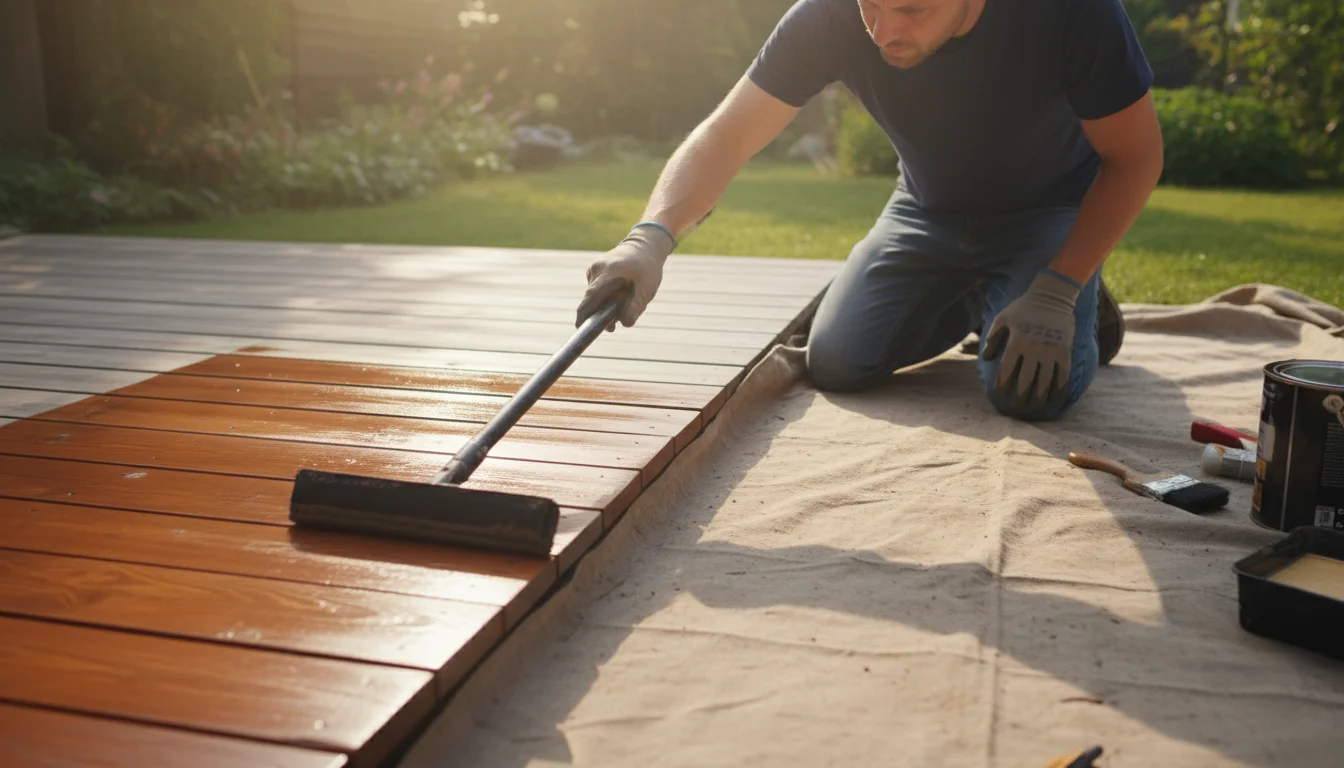
3. Repair and Protect
Once clean and dry, address any repairs and apply protective coatings.
- Wood Decks: Replace rotten boards, tighten loose fasteners, and sand down splinters. Then, apply a high-quality deck stain or sealer. Stains offer color and UV protection, while sealers provide clear water repellency. This crucial step protects the wood from moisture, UV damage, and mildew. According to Family Handyman, resealing or restaining every 1-3 years is essential for wood deck longevity, depending on climate and product.
- Composite Decks: Address any minor scratches with specialized repair kits if recommended by the manufacturer. No sealing or staining is typically required for composite materials.
- Concrete Patios: Fill minor cracks with concrete crack filler. Consider applying a concrete sealer every few years to protect against stains, moisture, and freeze-thaw damage, enhancing the durability of your outdoor living space.
- Paver Patios: Sweep polymeric sand into paver joints to lock them in place and deter weeds. A paver sealer can enhance color and protect against stains.
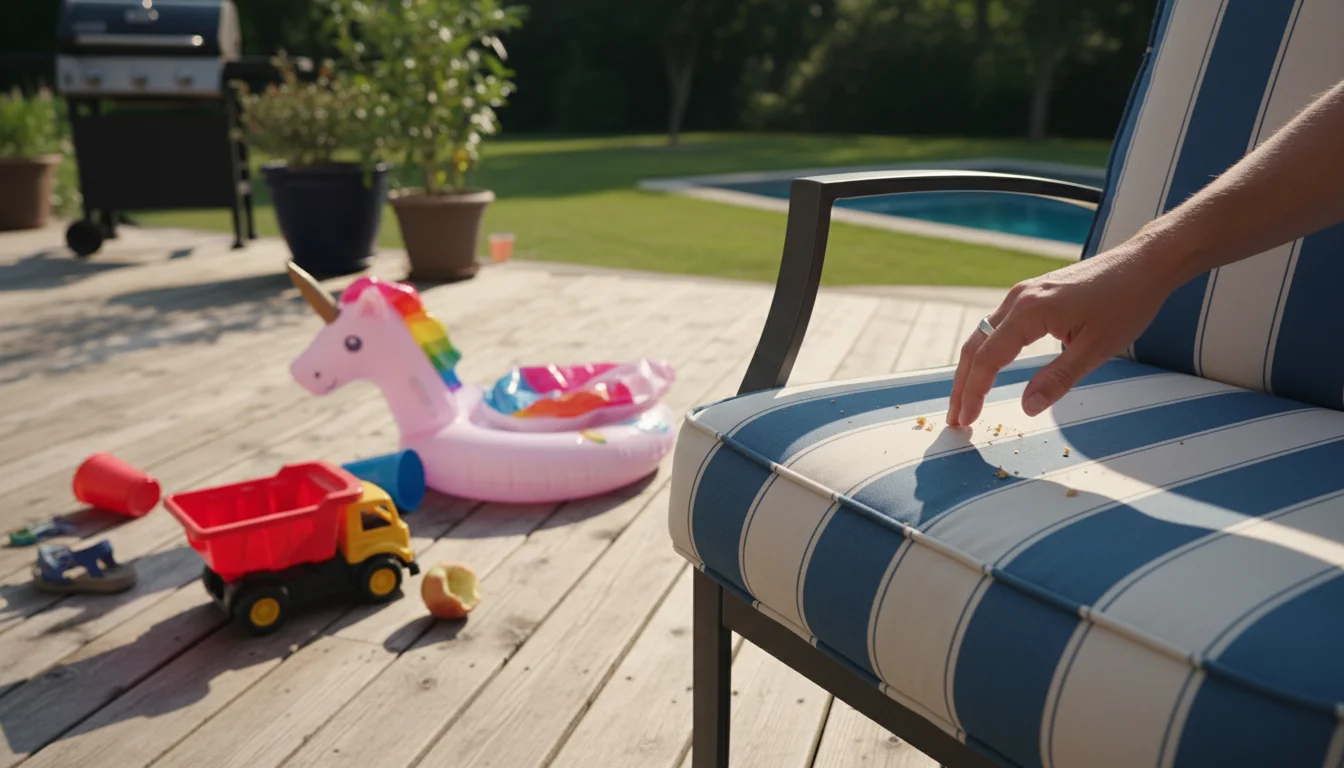
Summer Sustenance: Maintaining During Peak Use
During the warmer months, your outdoor living space sees the most action. Summer deck maintenance and patio care focus on quick cleanups and vigilant checks to keep things pristine and safe, even with frequent use.
For homeowners in storm-prone regions, it is also vital to know how to prepare for hurricane season to secure outdoor structures and furniture.
These tasks should be a routine part of your broader summer home maintenance checklist to ensure your entire property stays in peak condition.
Remember that protecting your surrounding landscape is just as important as the deck itself, so plan for lawn and garden winterization as the weather cools.
As the season winds down, you can begin looking at your fall home maintenance checklist to get a head start on winter prep.
Keeping your deck clean in July is just one part of a standard summer home maintenance checklist for busy homeowners.
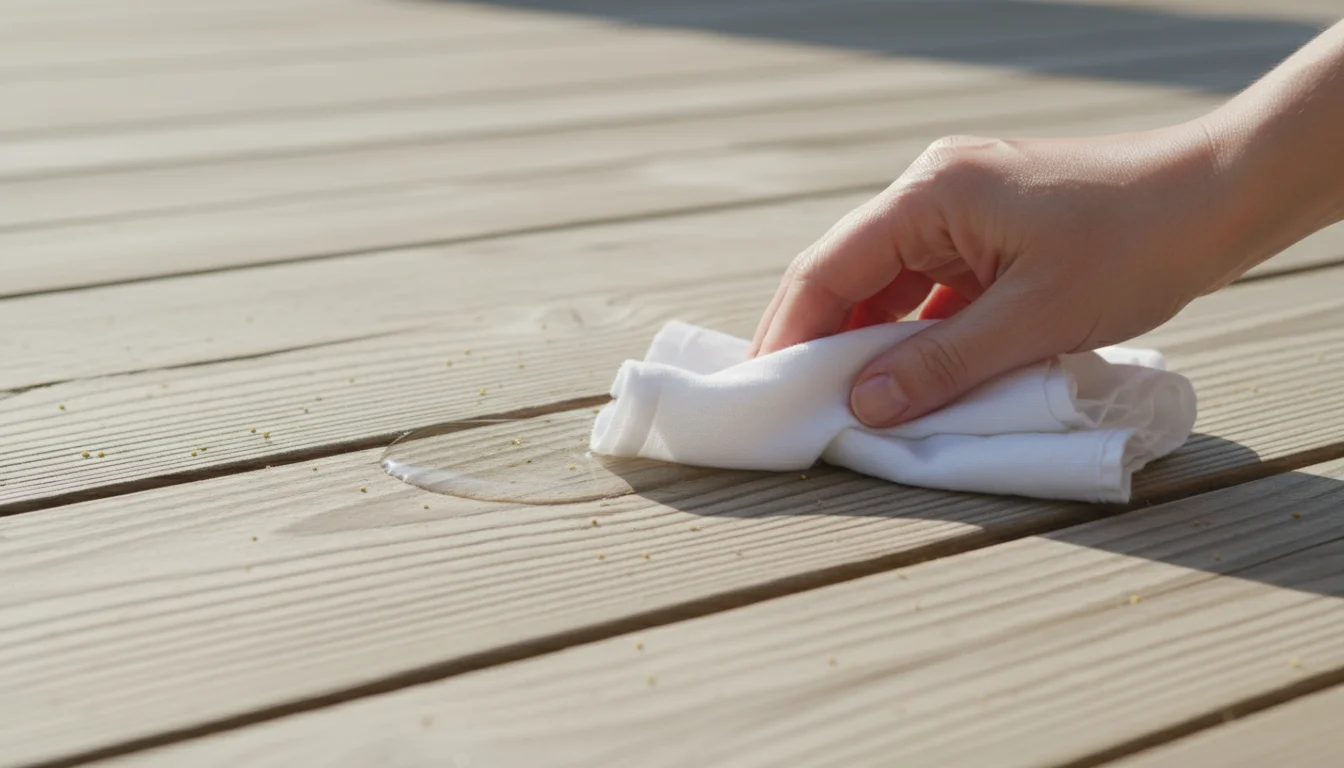
1. Regular Sweeping and Spot Cleaning
Make it a habit to sweep your deck and patio weekly. This prevents dirt, pollen, and debris from accumulating and embedding into the surface, which can cause stains or foster mildew growth. Promptly address spills from food, drinks, or sunscreen. Use a damp cloth or a mild soap and water solution for immediate cleanup. The faster you tackle a spill, the easier it is to remove, especially on porous surfaces.
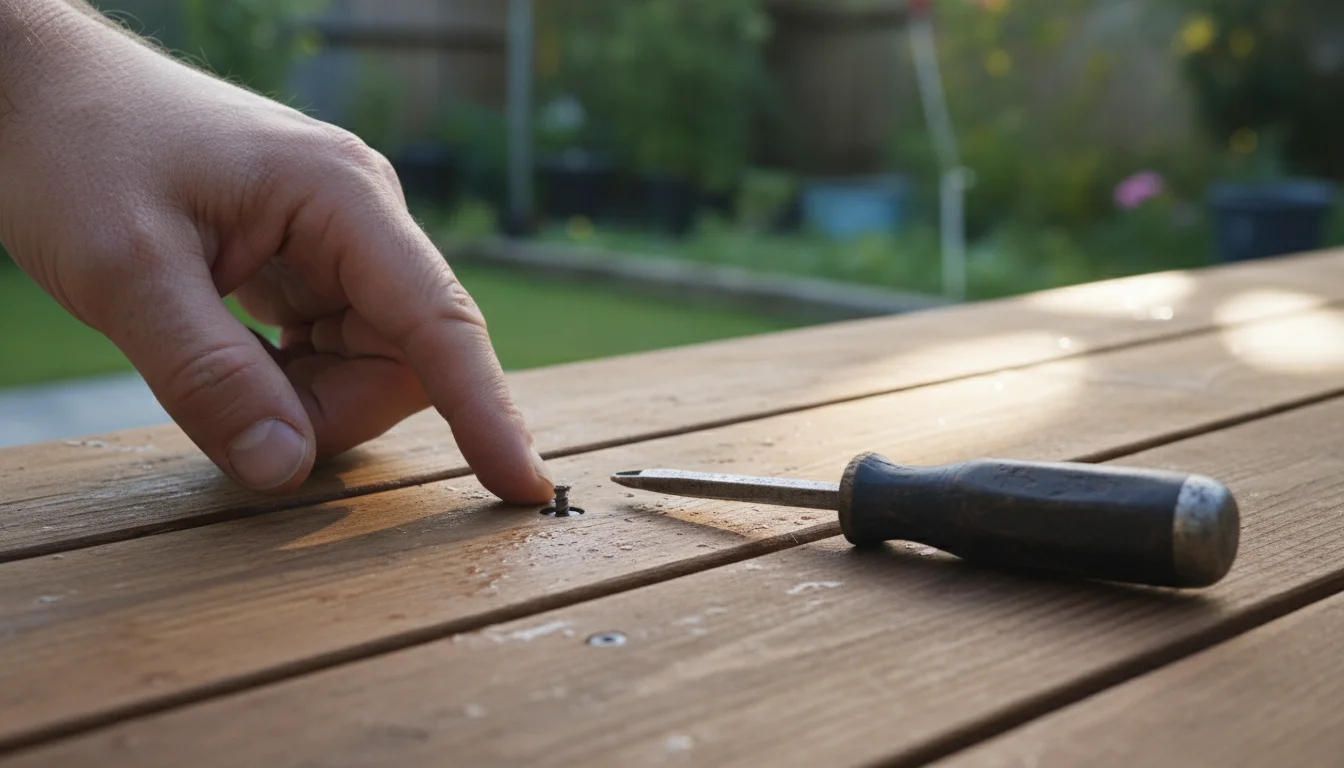
2. Check for Loose Fasteners and Minor Damage
With increased traffic, fasteners on decks can loosen. Periodically walk around your deck, looking for any raised nails or screws. Tighten screws or hammer down nails as needed to prevent trips and maintain structural integrity. For patios, quickly spot-check for any dislodged pavers or crumbling grout lines, making small adjustments before they worsen.

3. Weed Control
Weeds love to sprout in the cracks of concrete and between paver joints. Regularly pull weeds by hand or use an appropriate weed killer for your surface type. Early intervention prevents weeds from taking deep root and causing damage to your patio structure.
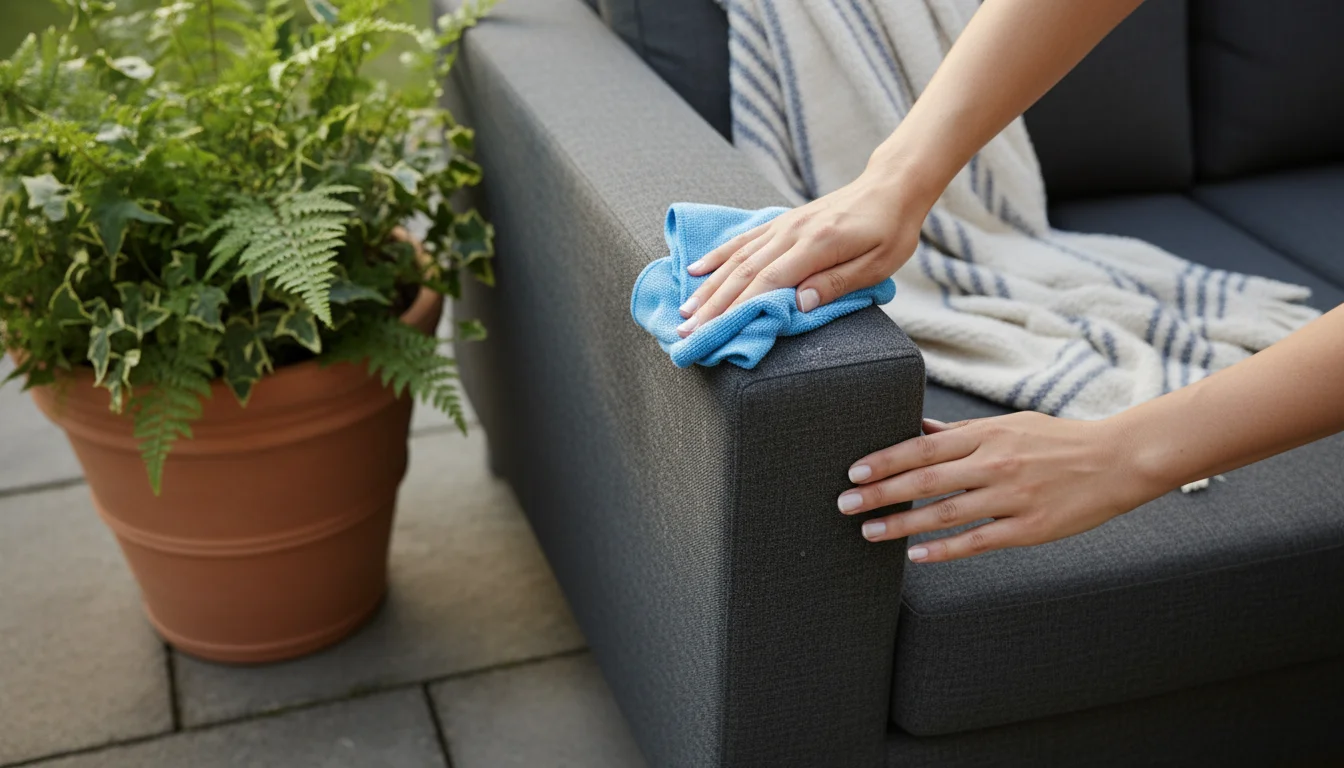
4. Furniture and Accessory Care
Your outdoor furniture, cushions, and planters also contribute to your outdoor living space’s appeal. Wipe down furniture frames, wash cushion covers according to instructions, and ensure planters have good drainage. Keeping these elements clean elevates the overall look and feel of your deck and patio.
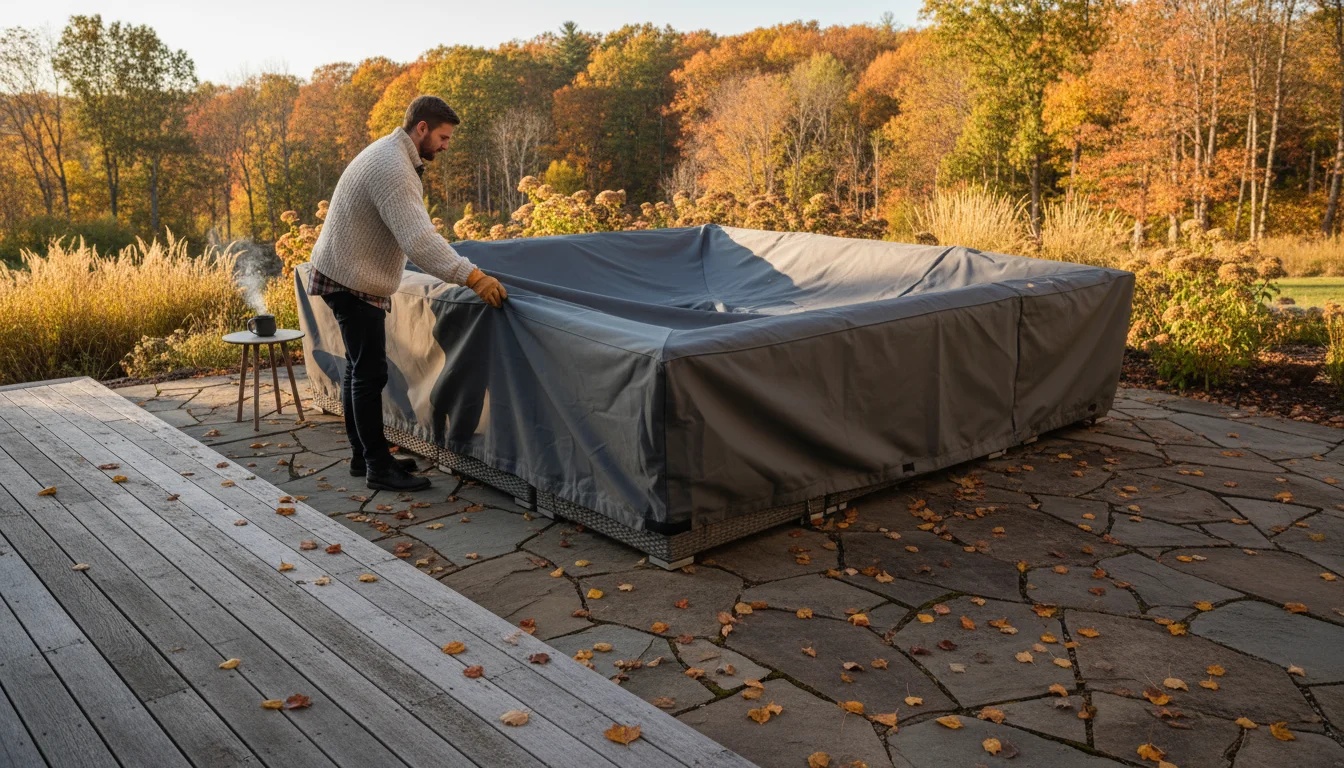
Fall Fortification: Preparing for Winter
As the weather cools, your focus shifts from enjoying your outdoor living space to protecting it from the coming winter. Fall deck maintenance and patio care are crucial for preventing extensive damage and making spring cleanup easier.
In addition to your hardscapes, completing lawn and garden winterization will ensure your entire property is protected from the frost.
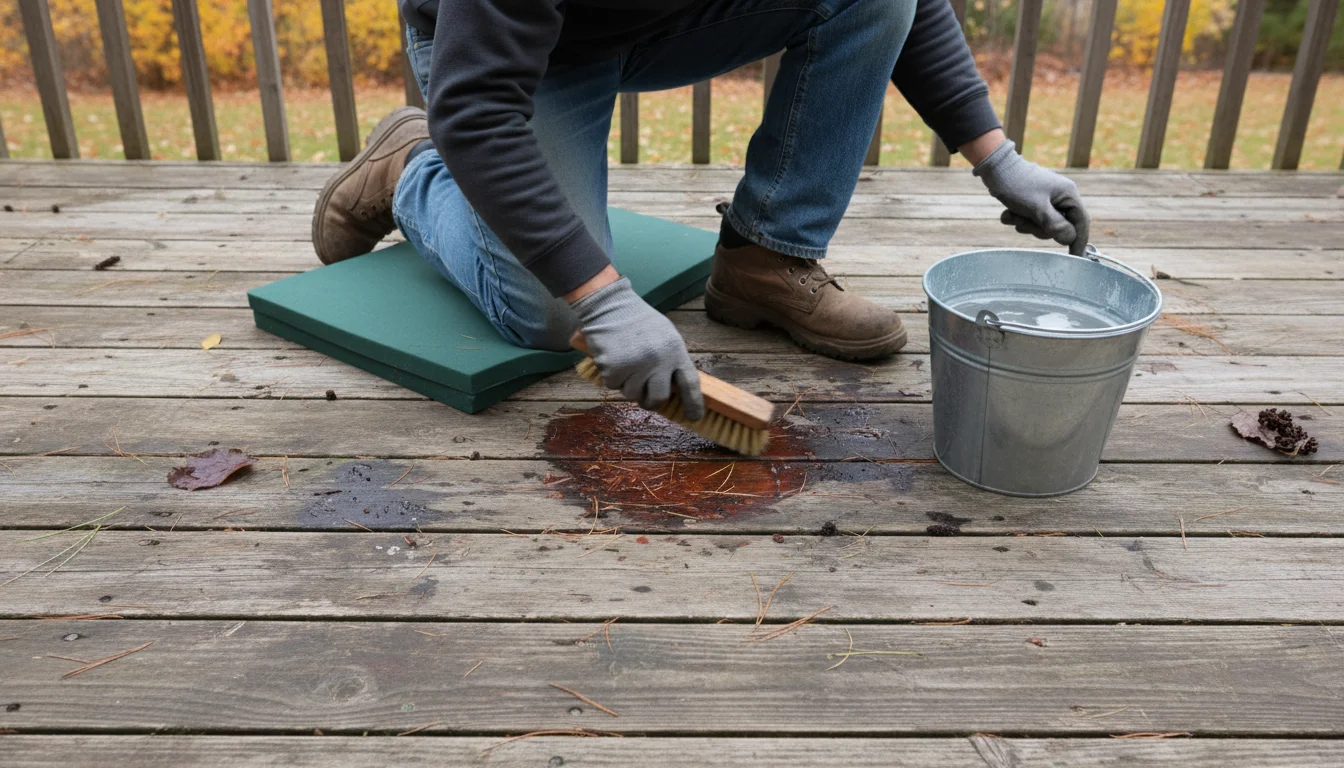
1. Thorough End-of-Season Cleaning
Just as you deep cleaned in spring, perform another thorough cleaning in the fall. Remove all leaves, pine needles, and organic debris. These can trap moisture, promote mildew, and stain surfaces if left over winter. Use the appropriate cleaner for your deck or patio material. This ensures your surfaces are clean before they are covered by snow or ice.
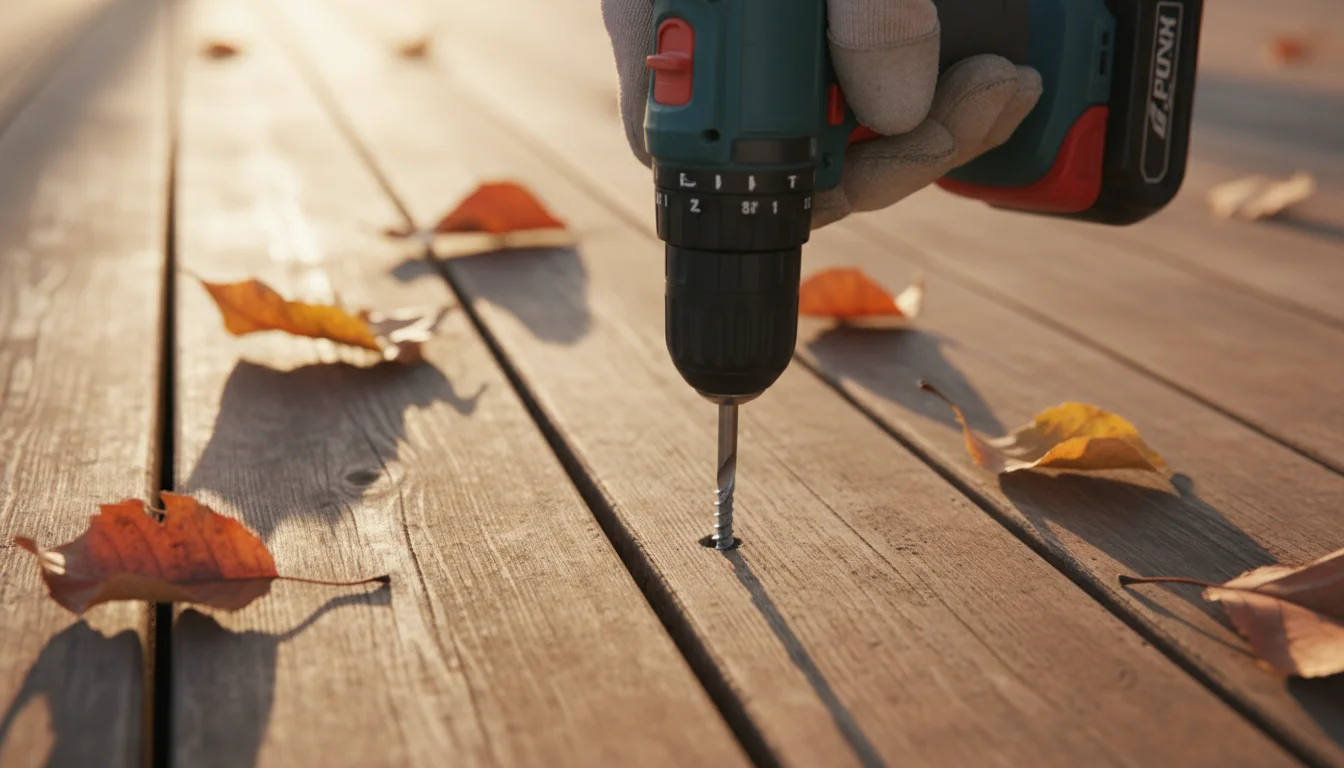
2. Final Inspection and Minor Repairs
Conduct a final comprehensive inspection. Address any minor repairs you might have postponed during the summer. Tighten any loose screws, replace small cracked boards, or re-sand small sections of paver joints. Catching these issues now prevents winter weather from exacerbating them into larger, more expensive problems. According to Bob Vila, sealing or protecting your surfaces in the fall can be just as important as spring applications, especially in climates with harsh winters.
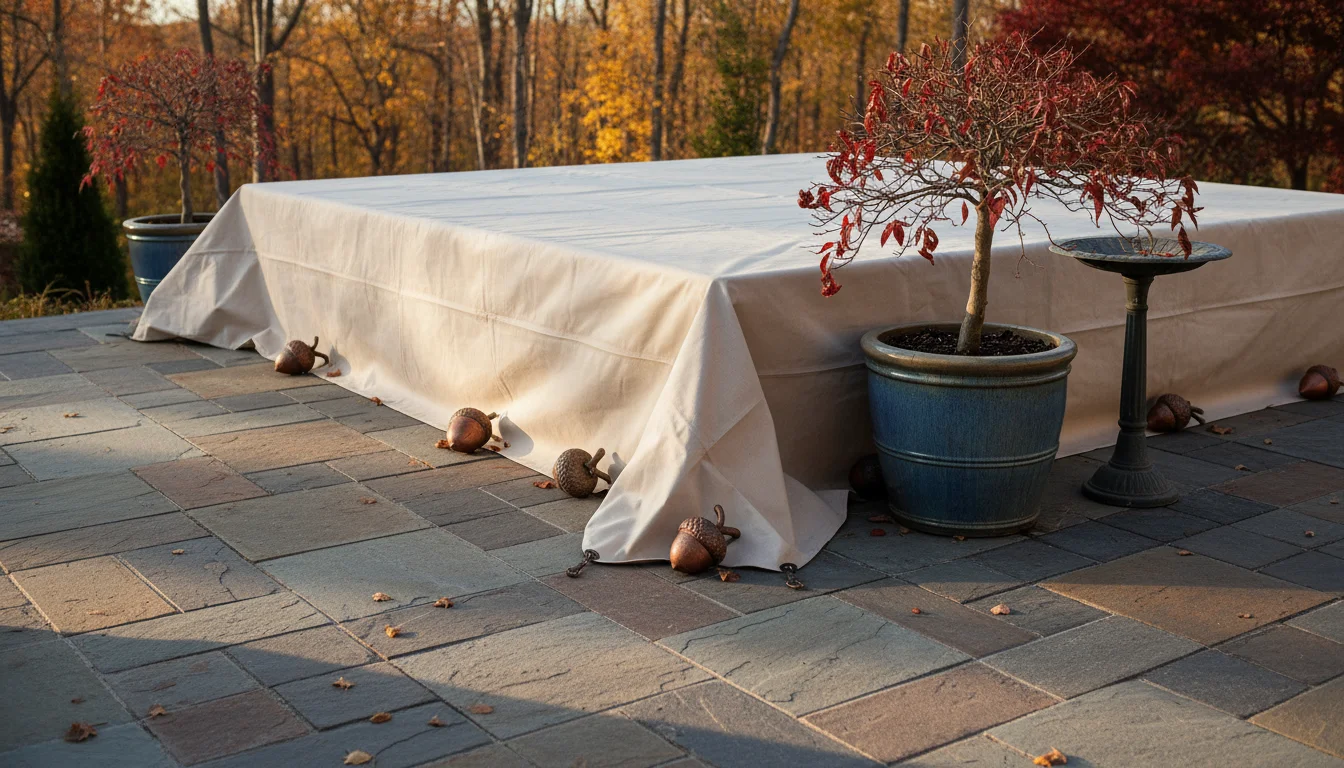
3. Protect Against Winter Elements
- Wood Decks: Ensure your wood deck has a fresh coat of sealer or stain if it is due. This provides a vital barrier against moisture from snow and ice, preventing rot and warping.
- Composite Decks: While more resilient, a final cleaning helps prevent stains from embedded debris.
- Patios: Ensure all cracks in concrete are sealed. For pavers, ensure joints are full of sand. Consider covering sensitive stone or tile patios with a breathable tarp to protect against freeze-thaw cycles if your climate is severe.

4. Store Outdoor Items
Bring outdoor furniture cushions, decorative pillows, rugs, and any sensitive outdoor decor indoors or store them in waterproof containers. Clean outdoor furniture thoroughly before storing it or covering it with heavy-duty, breathable covers. Empty and clean planters to prevent them from freezing and cracking, or from becoming breeding grounds for pests.

Winter Watchfulness: Minimal Care
During winter, your outdoor living space requires minimal, yet important, attention. The goal is to prevent damage from snow, ice, and extreme cold. Winter deck maintenance and patio care focus on observation and cautious intervention.
Managing snow on your patio is just one part of preparing your home for winter to keep your family safe and warm.
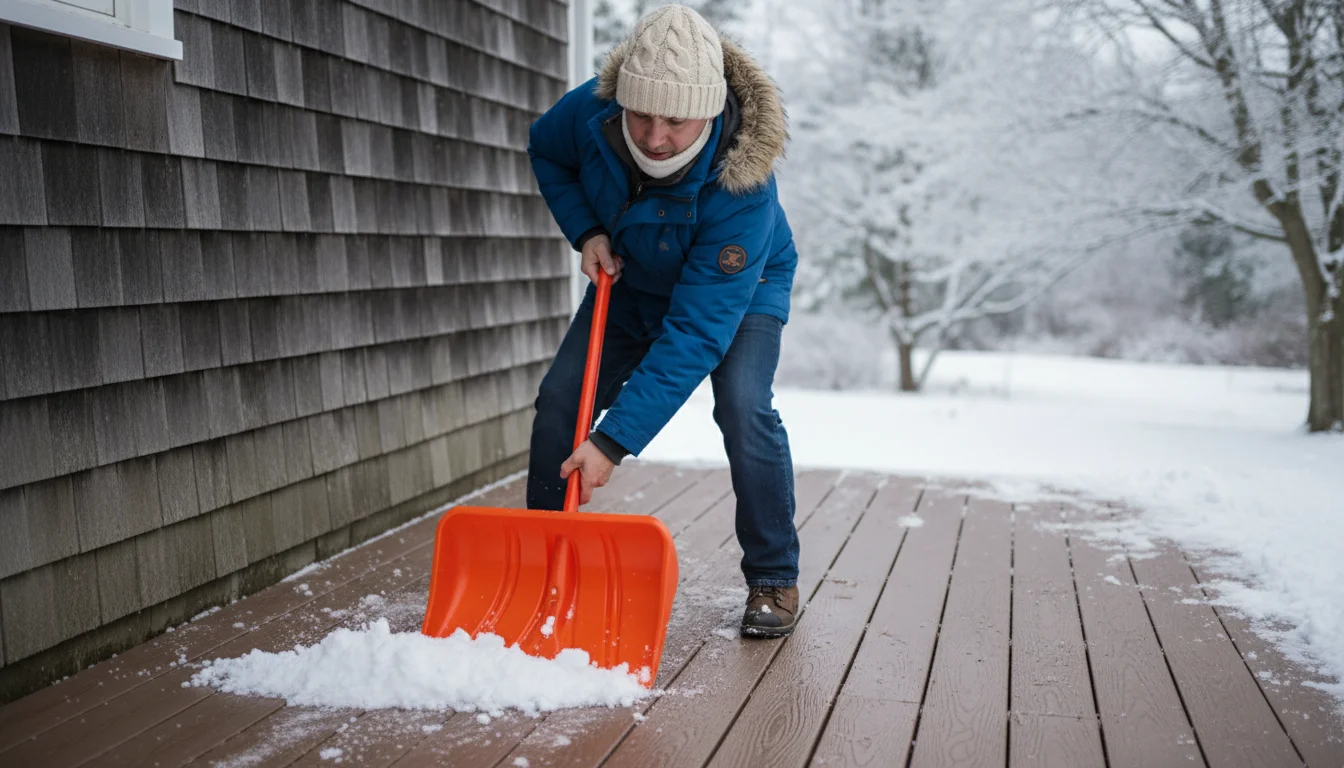
1. Careful Snow Removal
If you need to clear snow from your deck or patio, do so carefully. Use a plastic shovel rather than a metal one to avoid scratching or gouging the surface, especially on wood or composite decks. Shovel with the grain of wood decking. Avoid piling heavy snow against house walls, as this can lead to moisture issues for your foundation.
2. Avoid Harmful Ice Melt
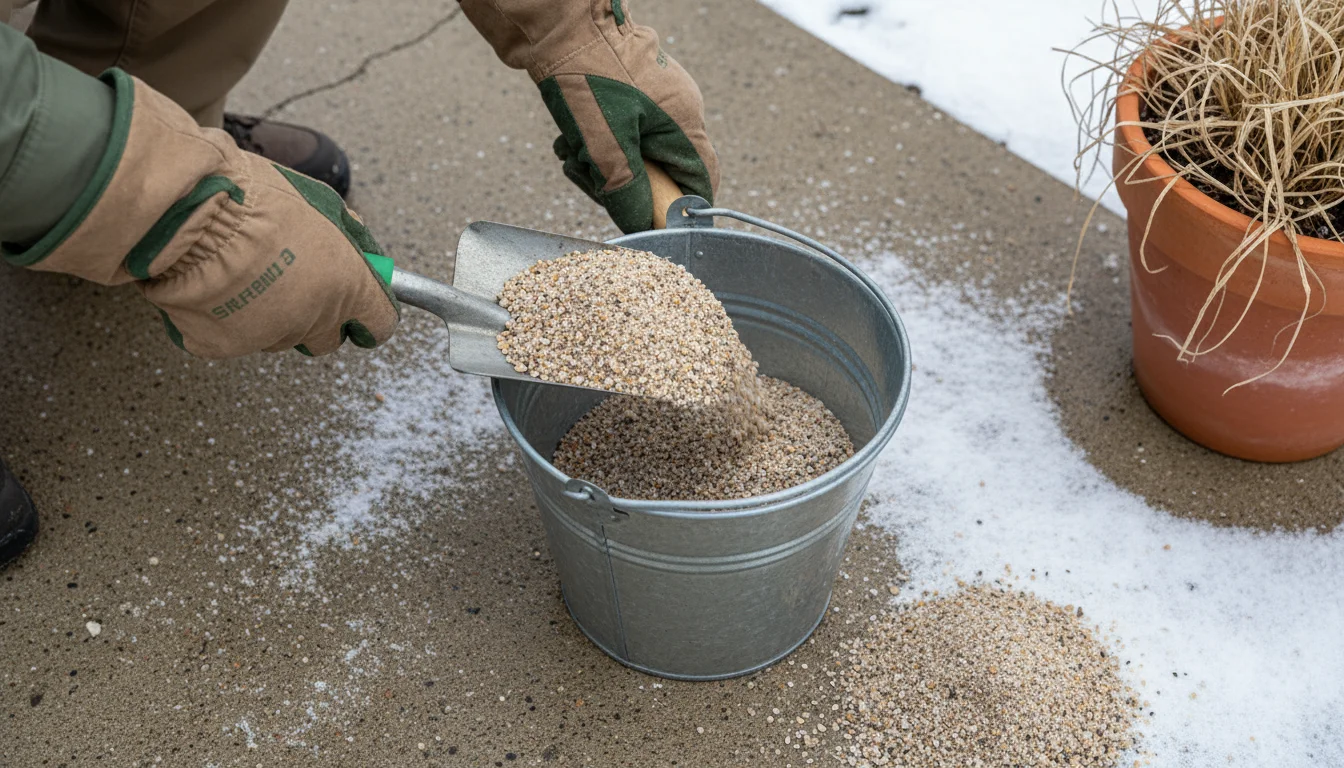
Many common ice melt products contain salts that can be corrosive and damaging to concrete, natural stone, and even wood. These salts can cause spalling on concrete, etch stone, and leave residue. Opt for calcium chloride-based ice melts or, even better, use sand for traction. Always check product labels for compatibility with your specific outdoor surfaces. As noted by experts at Consumer Reports, choosing the right deicer is critical to prevent damage to concrete and other surfaces.
3. Periodic Checks for Severe Weather Impact
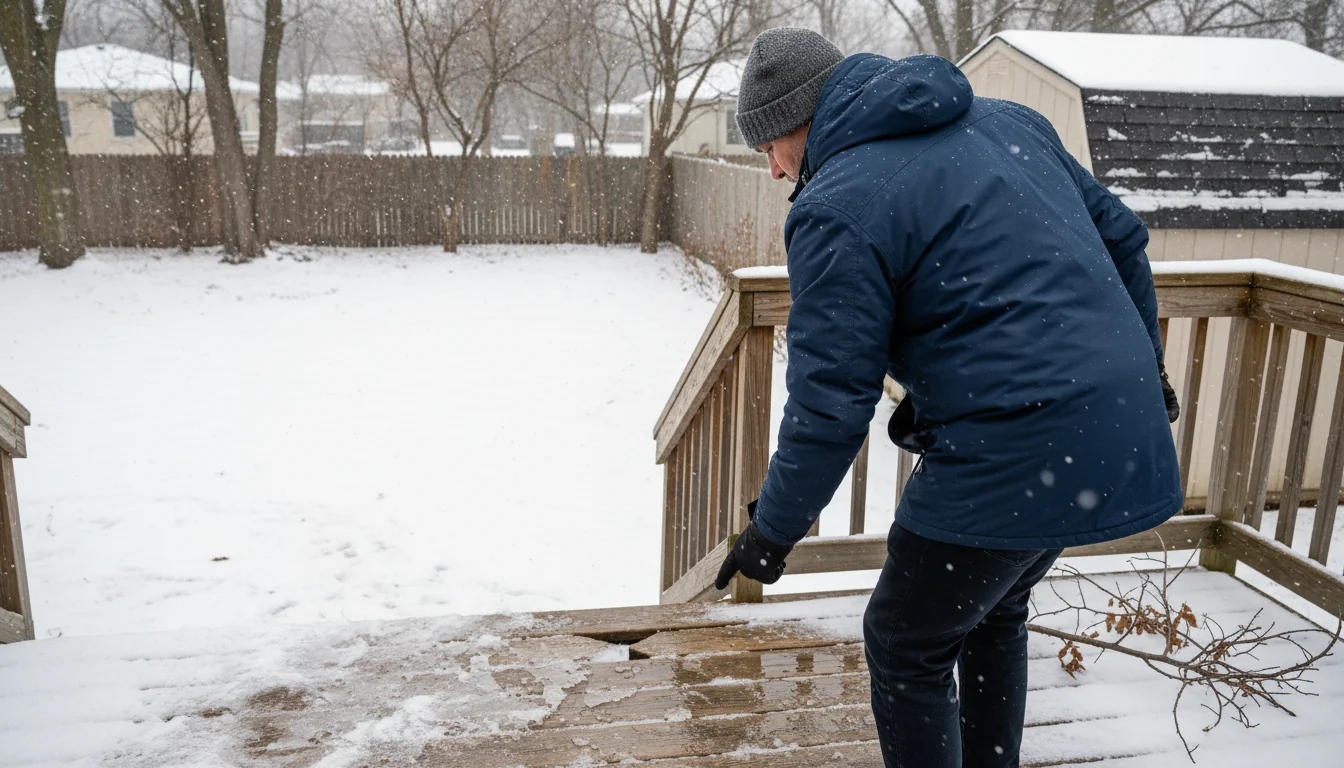
After heavy snowfall, ice storms, or strong winds, take a moment (if safe) to visually inspect your deck and patio. Look for fallen branches, shifting deck boards, or significant ice buildup that might cause structural stress. Address any immediate dangers, like broken tree limbs, but defer non-urgent repairs until spring when conditions are safer.
Essential Tools and Budget-Friendly Solutions
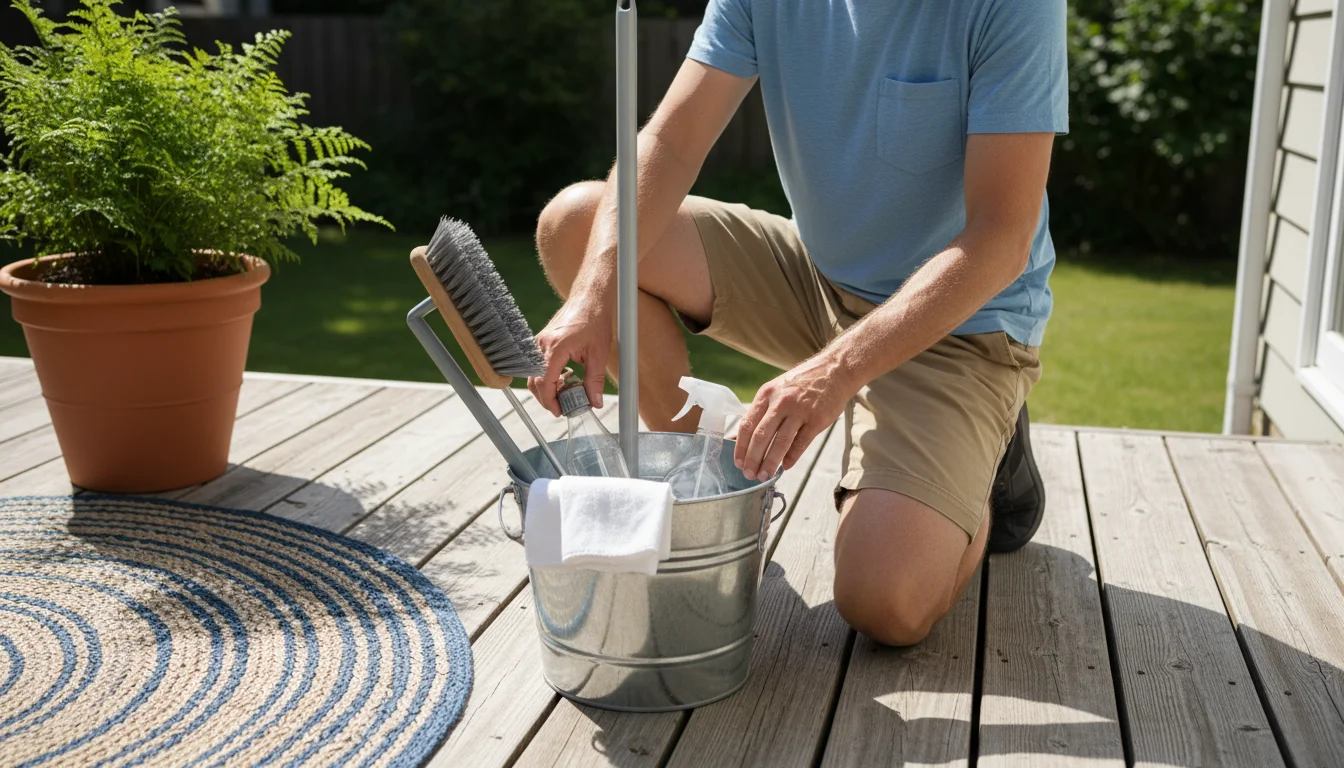
Effective deck maintenance and patio care do not require an arsenal of expensive equipment. Many tasks can be accomplished with basic tools and some clever budget-friendly solutions. Prioritize tools that offer versatility and durability.
Recommended Tools for Your Outdoor Living Space
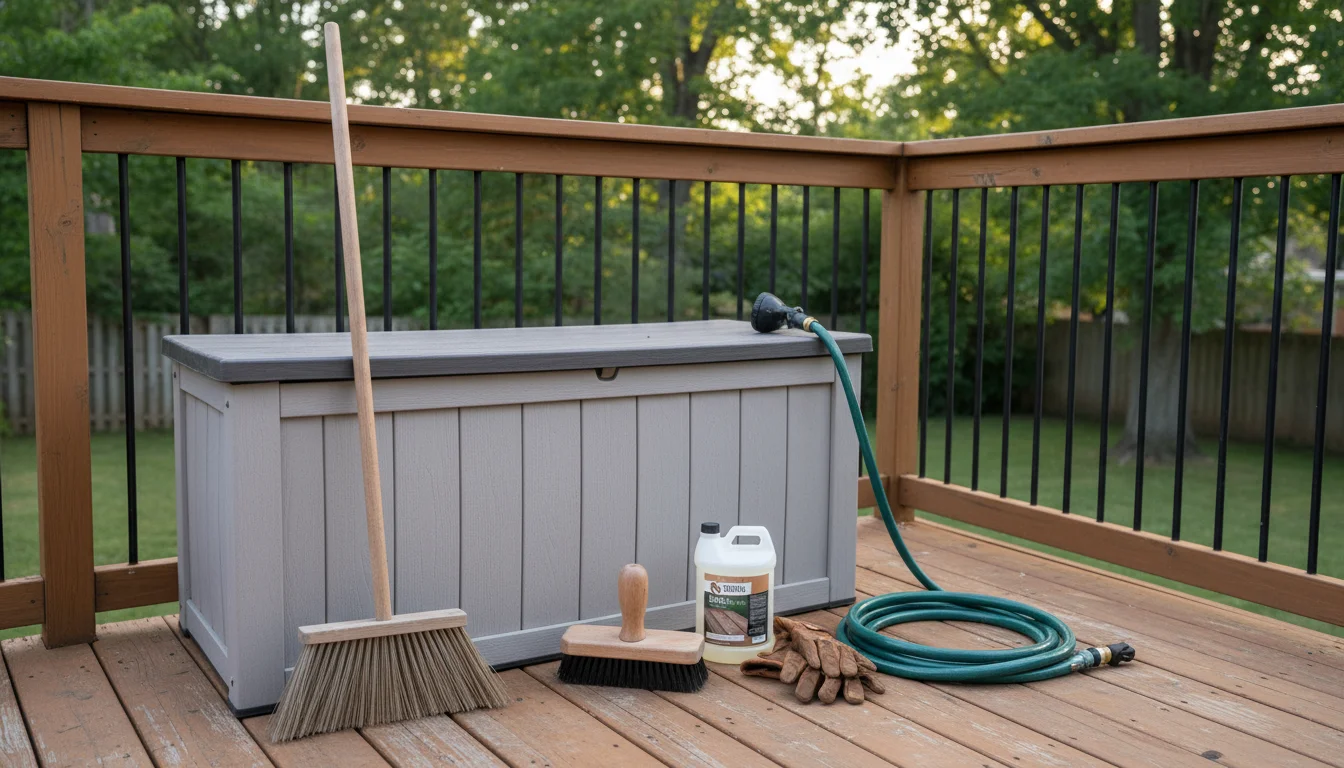
- Broom and Dustpan: Essential for daily sweeping and debris removal. A stiff-bristle push broom is excellent for larger areas.
- Stiff-Bristle Scrub Brush: Perfect for targeted scrubbing of dirt and mildew, particularly on smaller patios or stubborn spots.
- Garden Hose with Spray Nozzle: For rinsing surfaces and applying cleaners.
- Garden Sprayer: Ideal for evenly applying deck cleaners, stains, or sealers.
- Pressure Washer (Optional, Rent or Buy): A powerful tool for deep cleaning concrete, pavers, and sometimes decks. If purchasing, look for models with variable pressure settings. Renting is a cost-effective option for infrequent use.
- Protective Gear: Gloves, eye protection, and old clothes are a must when working with cleaners or stains.
- Putty Knife/Scraper: Useful for removing stuck-on debris or old caulk.
- Drill/Screwdriver: For tightening or replacing fasteners on decks.
Budget-Friendly Solutions
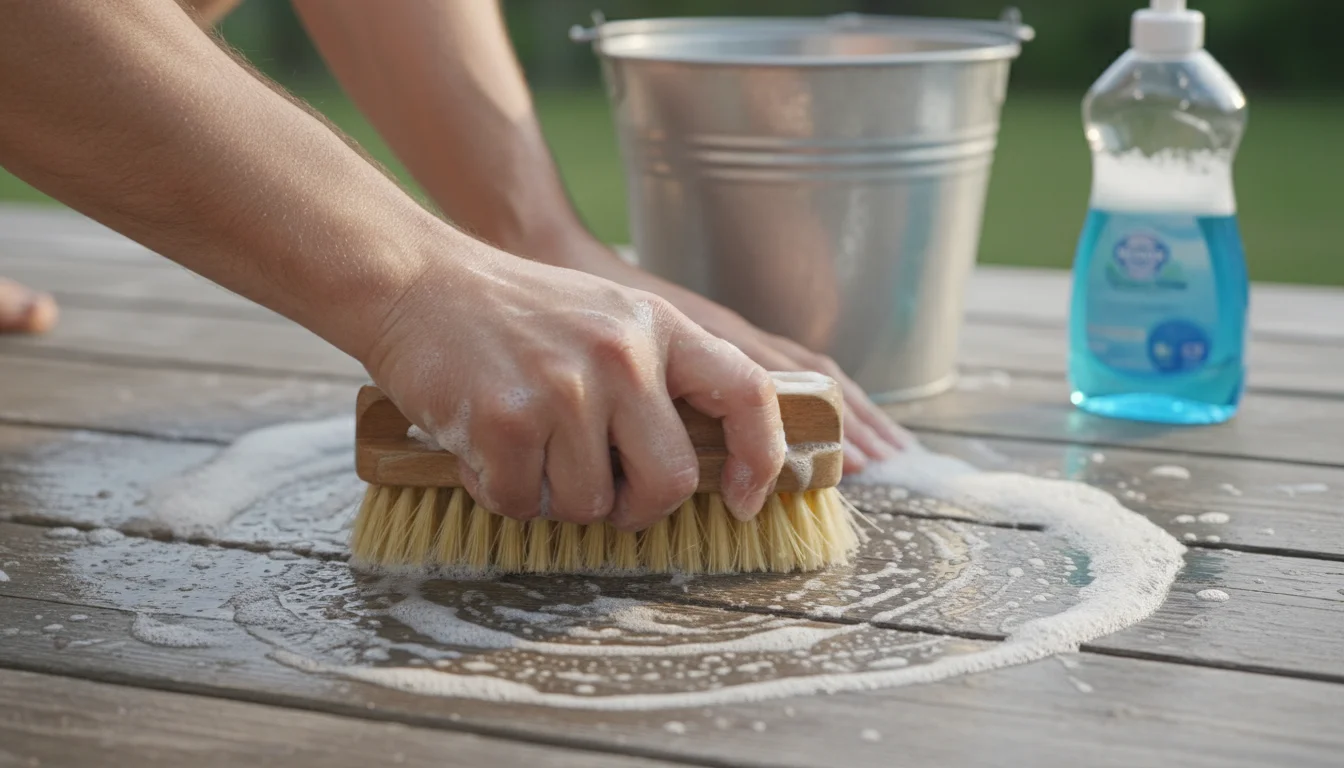
- DIY Cleaning Solutions: For general cleaning, a mixture of mild dish soap and water often works wonders. For mildew on wood or concrete, a diluted oxygen bleach solution (follow product instructions carefully) can be very effective and more environmentally friendly than chlorine bleach.
- Borrow or Rent Tools: Instead of buying expensive equipment like a pressure washer, consider renting one from a home improvement store for a day. You might also borrow tools from neighbors or friends.
- Regular, Small Purchases: Instead of buying all supplies at once, spread out your purchases throughout the seasons. Buy a gallon of deck cleaner in spring, a can of stain in summer, and so on.
- Utilize Natural Weed Control: Hand-pulling weeds is free. For small areas, a mixture of vinegar, salt, and dish soap can serve as a natural weed killer, though use caution on surrounding plants and concrete, as vinegar can etch some surfaces.
By investing wisely in a few essential tools and embracing DIY solutions, you can maintain a beautiful outdoor living space without breaking the bank.
Common Maintenance Mistakes to Avoid
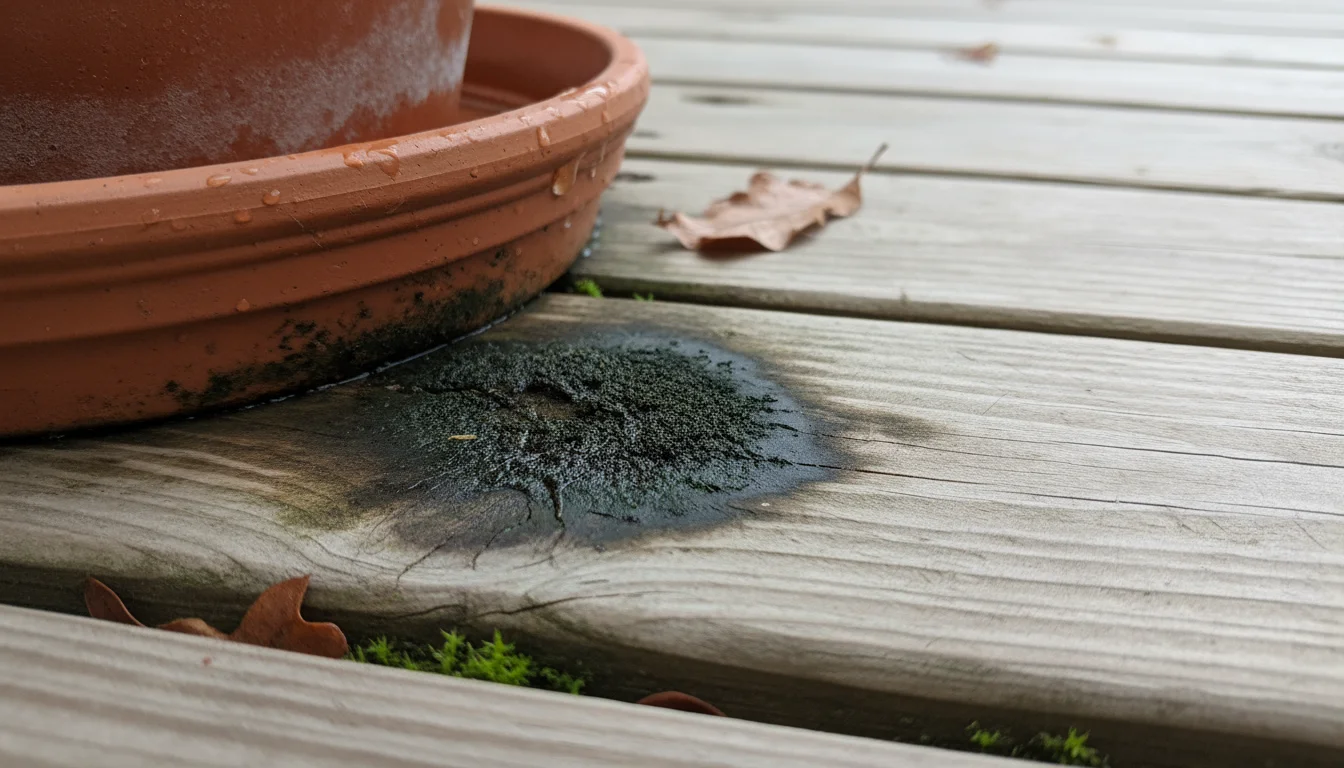
Even with the best intentions, it is easy to make mistakes that can harm your outdoor living space rather than help it. Knowing these pitfalls helps you avoid costly damage and ensure your deck maintenance and patio care efforts are effective.
1. Using the Wrong Cleaners
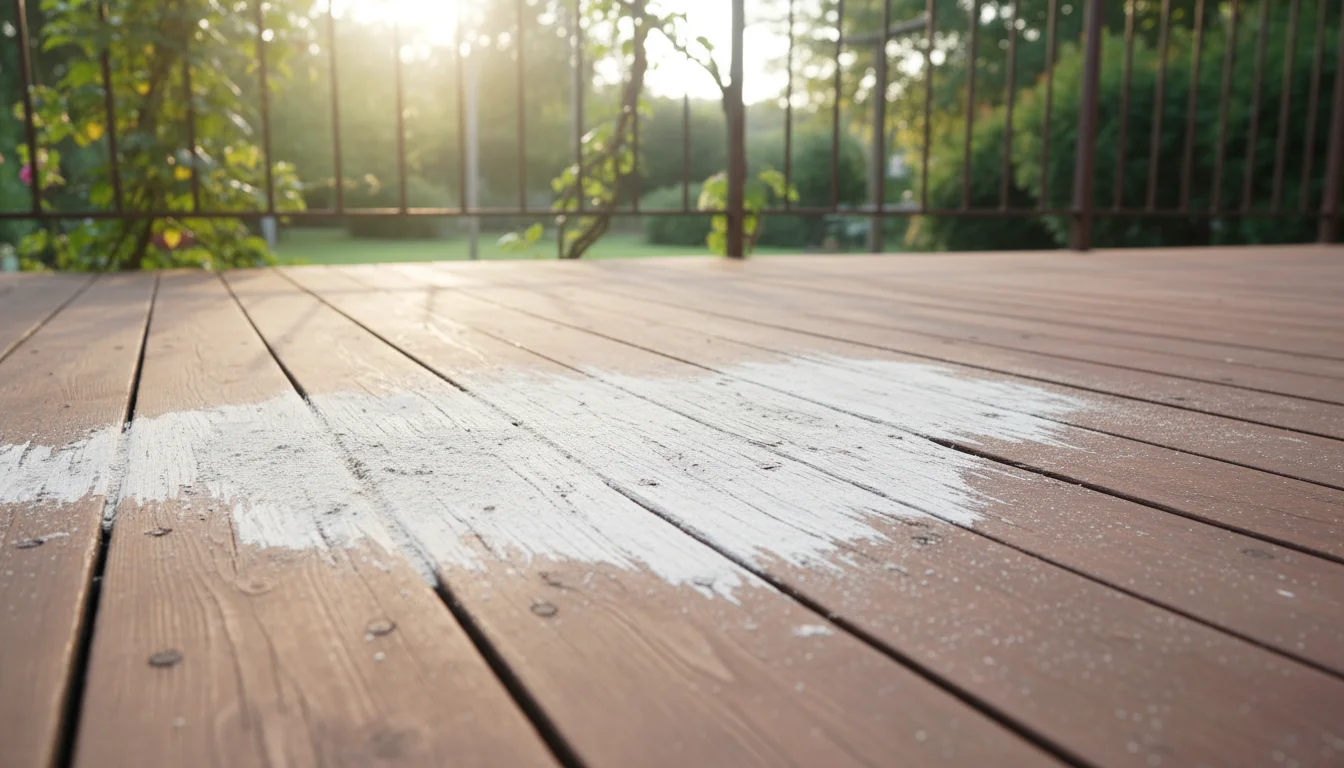
Applying harsh chemicals, like chlorine bleach, directly to wood decks can damage the fibers, lead to discoloration, and degrade sealants. Bleach can also strip the color from composite decks and etch natural stone. Always choose cleaners specifically formulated for your deck or patio material. When in doubt, start with mild soap and water.
2. Over-Pressure Washing
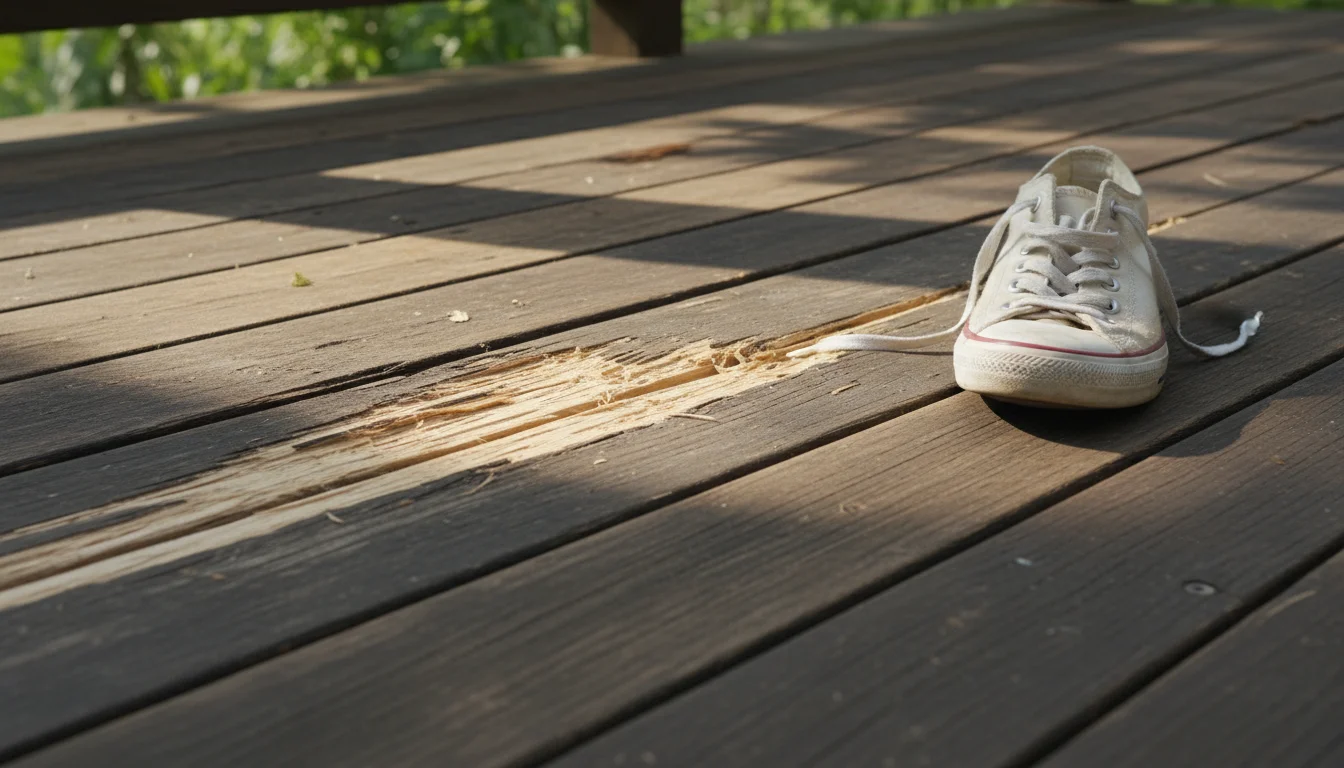
A pressure washer is a powerful tool, but misuse causes damage. Too high a pressure setting, holding the nozzle too close to the surface, or using the wrong tip can permanently scar wood, etch concrete, dislodge paver sand, and even damage composite decking. Use a fan tip, maintain a safe distance, and always test in an inconspicuous area. For wood, keep pressure below 1,200 PSI; for composite, refer to manufacturer guidelines, often much lower.
3. Neglecting Minor Repairs
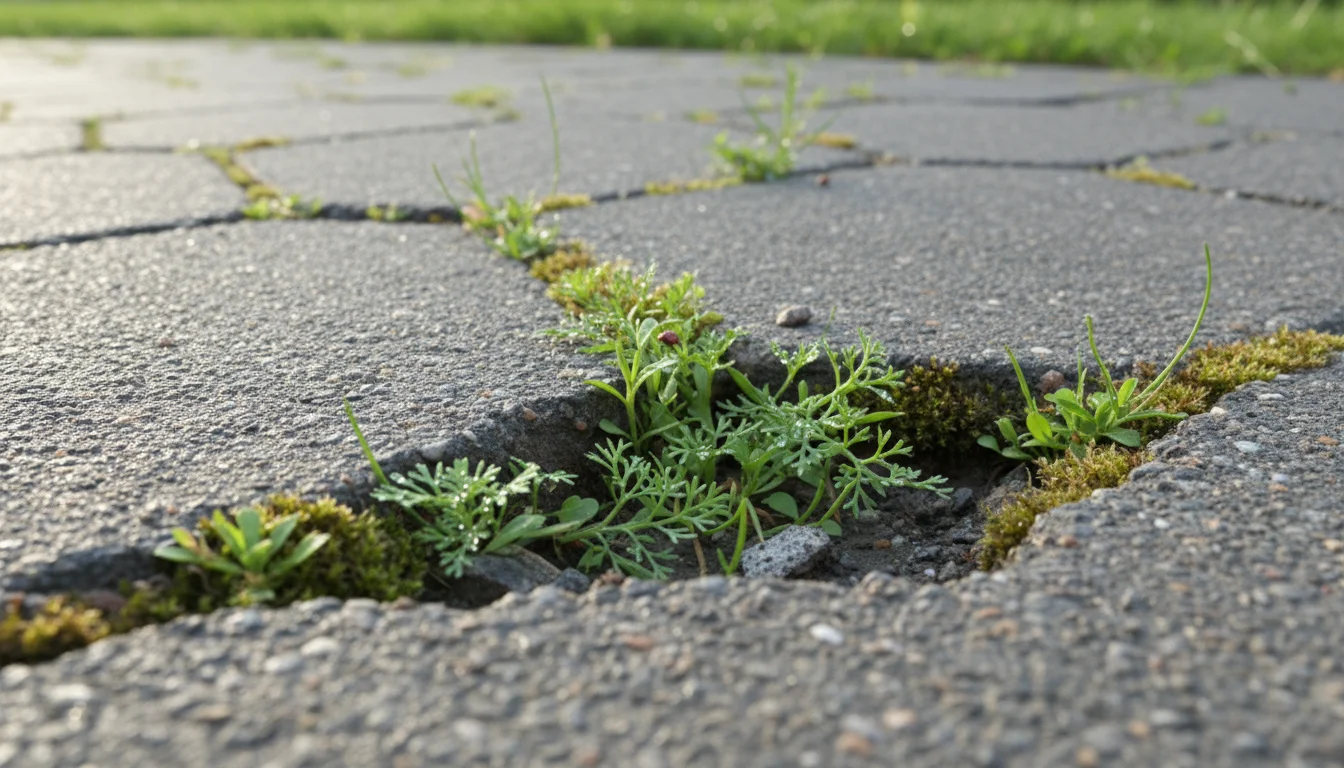
A small loose board, a hairline crack, or a patch of weeds might seem insignificant, but these issues escalate quickly. Water can seep into minor cracks and freeze, expanding and causing larger damage. Loose fasteners lead to wobbly structures. Addressing these small problems promptly prevents them from turning into expensive, time-consuming overhauls.
4. Skipping Seasonal Steps
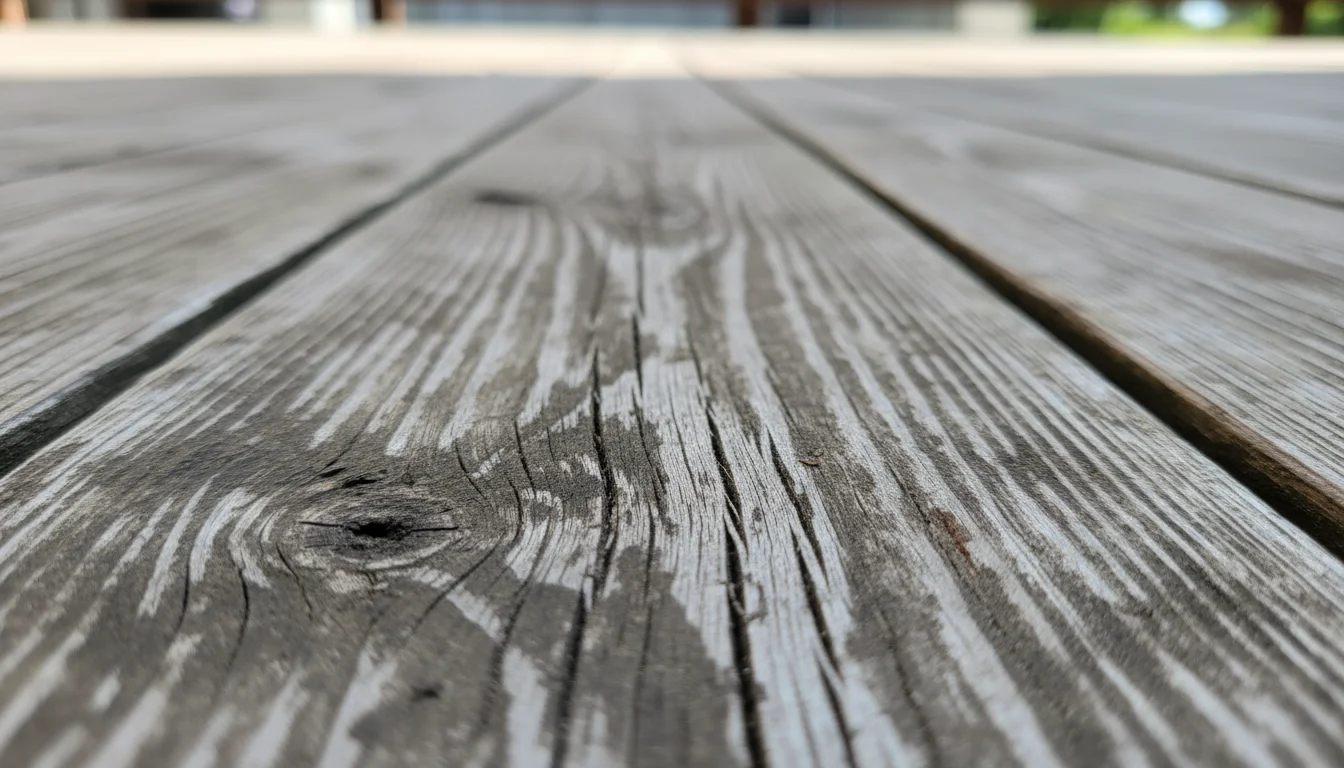
Each season presents unique challenges and requires specific maintenance. Skipping a thorough spring cleaning or neglecting fall winterization leaves your outdoor living space vulnerable to the elements. Forgetting to reapply a wood sealer, for instance, exposes your deck to moisture, leading to rot and UV damage. Consistency is key to long-term preservation.
5. Ignoring Manufacturer Guidelines
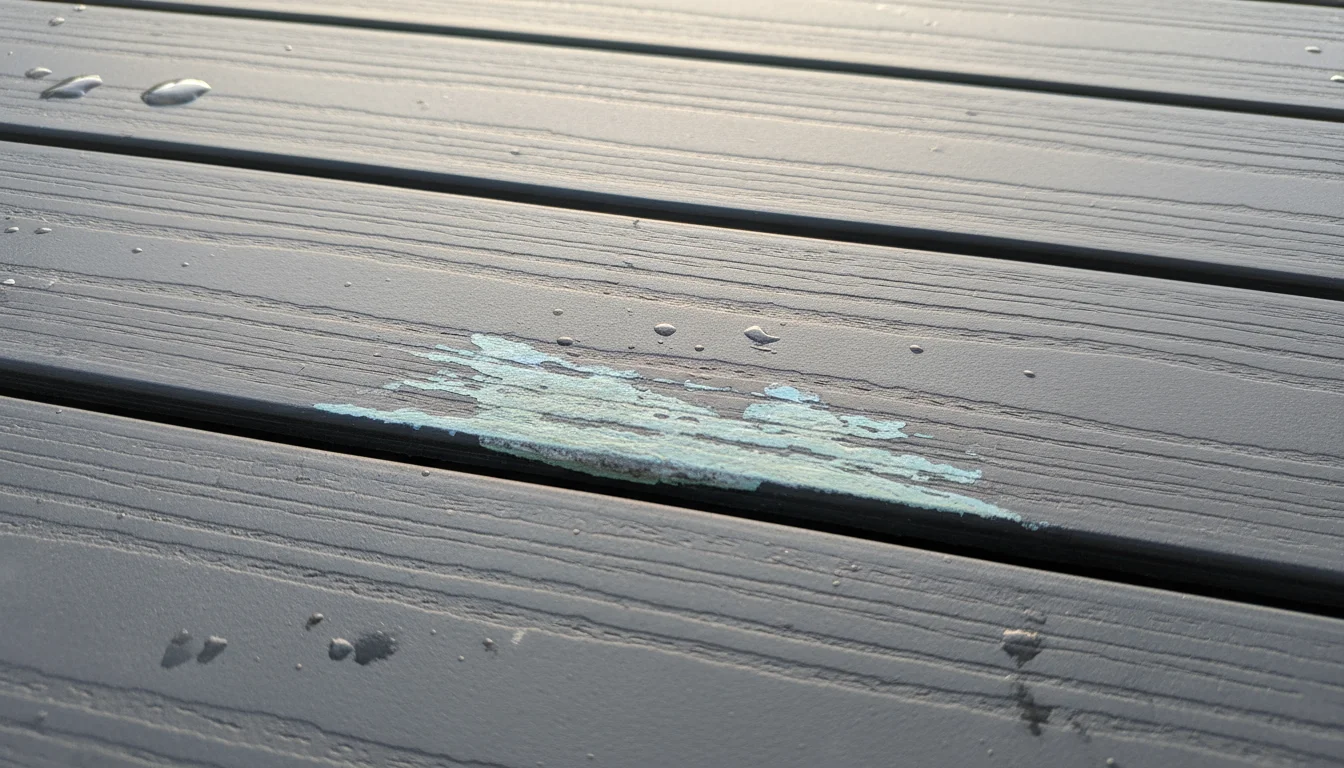
This applies especially to composite decks. These materials often come with specific cleaning and maintenance instructions to preserve their warranty and appearance. Using unapproved cleaners or methods can void your warranty and cause irreparable damage to your composite deck.

Frequently Asked Questions
How often should I clean my deck or patio?
Aim for a deep cleaning at least once a year, preferably in the spring, to remove winter buildup. You should sweep and spot clean weekly or bi-weekly during peak usage seasons. A good fall cleaning before winter is also highly recommended to remove organic debris.
Can I pressure wash a composite deck?
Many composite deck manufacturers permit pressure washing at a very low-pressure setting (typically under 1,500 PSI) with a fan-tip nozzle, keeping the wand at a safe distance. Always consult your deck’s manufacturer guidelines before using a pressure washer, as high pressure can damage the surface or void your warranty.
What is the best way to remove mildew from my wood deck?
For most wood decks, a specialized oxygen bleach-based deck cleaner effectively kills and removes mildew without harming the wood fibers. Apply the cleaner, let it dwell for the recommended time, scrub with a stiff brush, and rinse thoroughly. Avoid chlorine bleach, which can damage wood and prematurely break down sealants.
Should I seal my concrete patio?
Yes, sealing a concrete patio is highly recommended, especially in climates with freeze-thaw cycles. A good quality concrete sealer protects against moisture penetration, staining, and surface erosion, significantly extending the life and appearance of your patio. Reapply every 2-5 years, depending on traffic and climate.
How do I deal with weeds in paver cracks effectively?
For pavers, regular hand-pulling is effective for young weeds. For a more robust solution, sweep polymeric sand into the joints. This sand hardens when wet, locking pavers in place and creating a barrier that discourages weed growth. Reapply polymeric sand every few years as needed. You can also use targeted weed killers designed for hardscapes.
For expert home organization guidance, visit
The Spruce — Home Organization,
Real Simple — Organizing and
Good Housekeeping — Organization.
Disclaimer: This article is for informational purposes only and is not a substitute for professional advice. Consult professional organizers or specialists for personalized recommendations.







Leave a Reply