
Every home has them, those often-ignored spaces that collect dust or stand empty: corners. These overlooked areas offer significant potential for boosting your home’s storage and functionality. As your home organization coach, I want to show you how corner shelves can transform these neglected spots into powerful assets for decluttering and space optimization.
If you are working with a very compact footprint, these studio apartment layout tips can help you visualize where shelving will be most effective.
You work hard, and your home should work hard for you. Maximizing every inch, especially in smaller homes or apartments, makes a real difference in how comfortable and functional your living space feels. By strategically adding corner storage, you unlock valuable real estate, streamline daily routines, and create a more organized environment without needing a major renovation or expanding your footprint.
Understanding Your Corner Potential
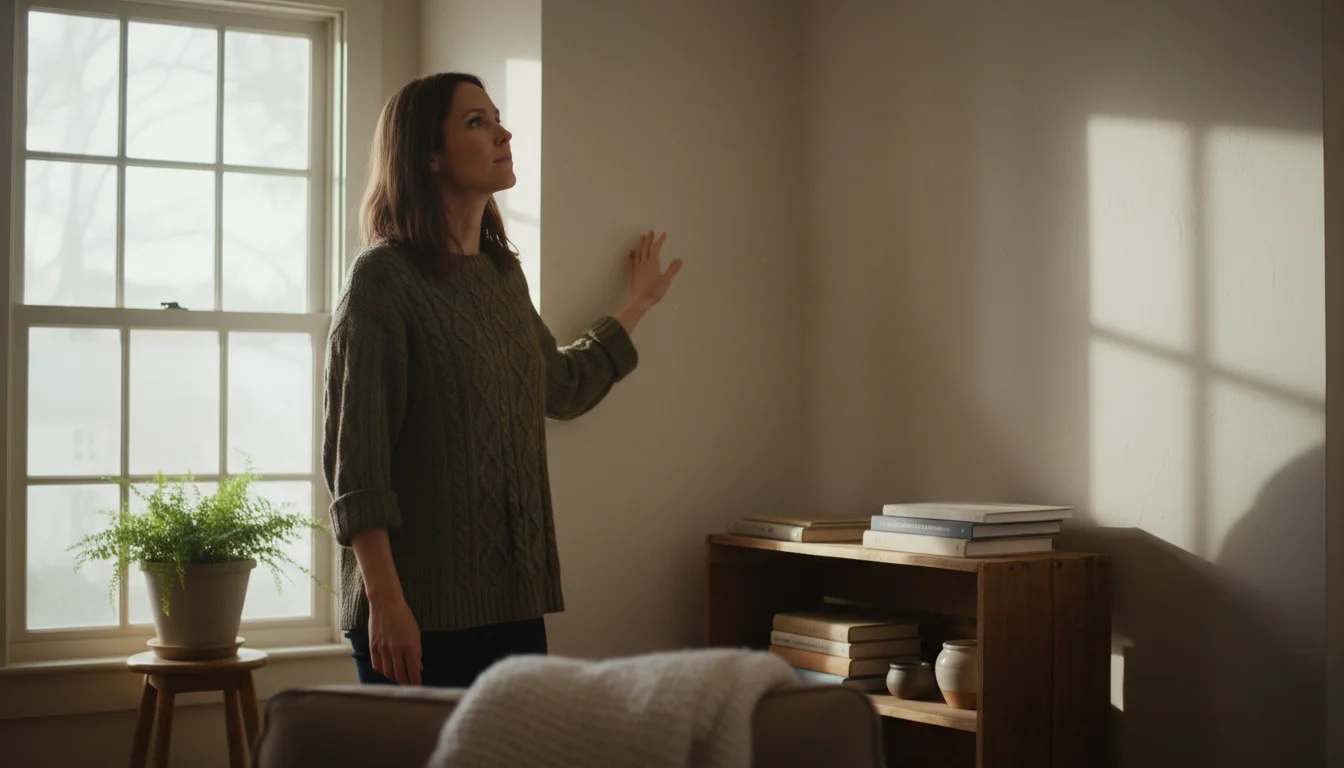
Before you dive into purchasing shelves, take a moment to assess the corners in your home. Not all corners are created equal, and understanding their unique characteristics helps you choose the most effective corner shelves for your specific needs. Start by observing your home with fresh eyes.
In bedrooms, combining corner units with clever under-bed storage ideas can help you reclaim even more floor space.
Maximizing corner potential is a specific but powerful way to implement vertical storage ideas to keep your floor space open.
Identify Underutilized Corners
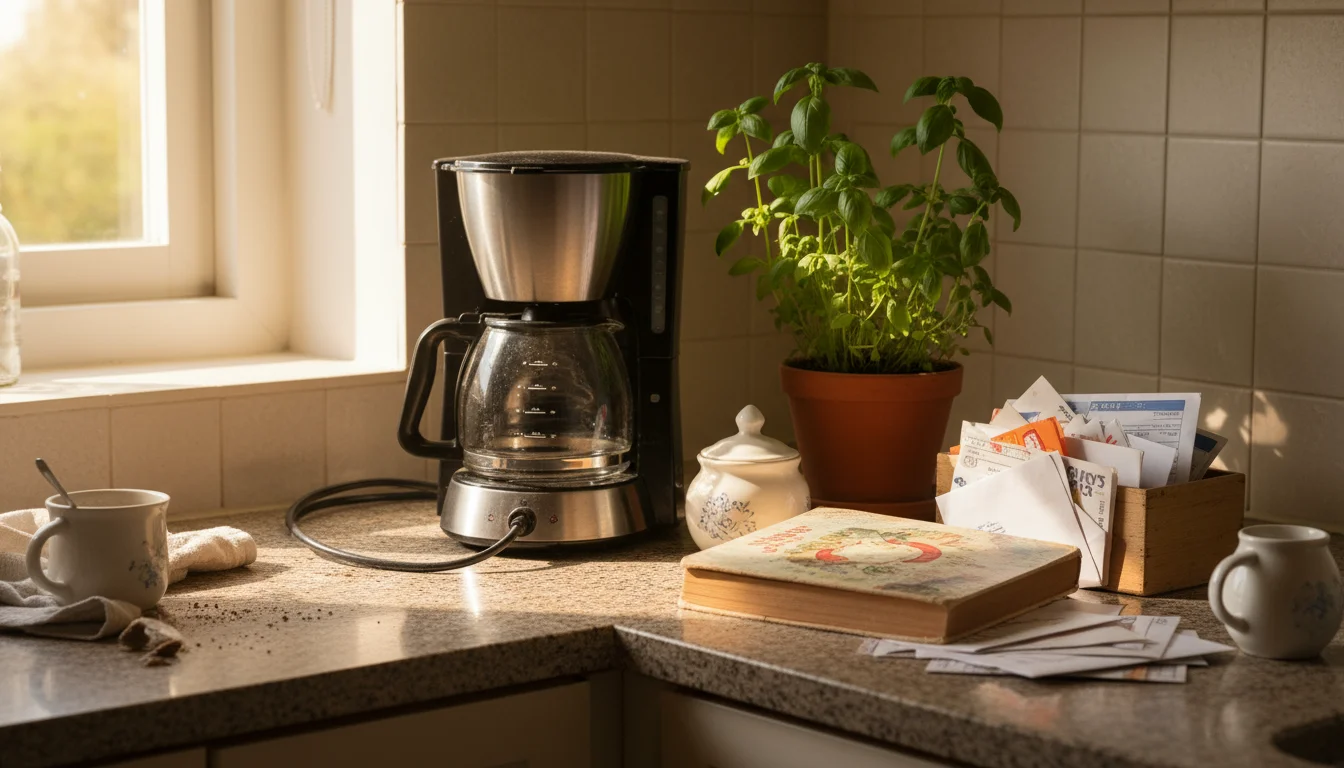
Walk through each room. Where do items tend to pile up? Where do you feel a lack of storage? Often, these are the prime candidates for corner storage. Think about the functions of each room. In the kitchen, you might need space for small appliances or pantry overflow. In a bedroom, you could use a spot for books or decorative items. Each corner presents an opportunity for space optimization.
Measure Your Space Accurately
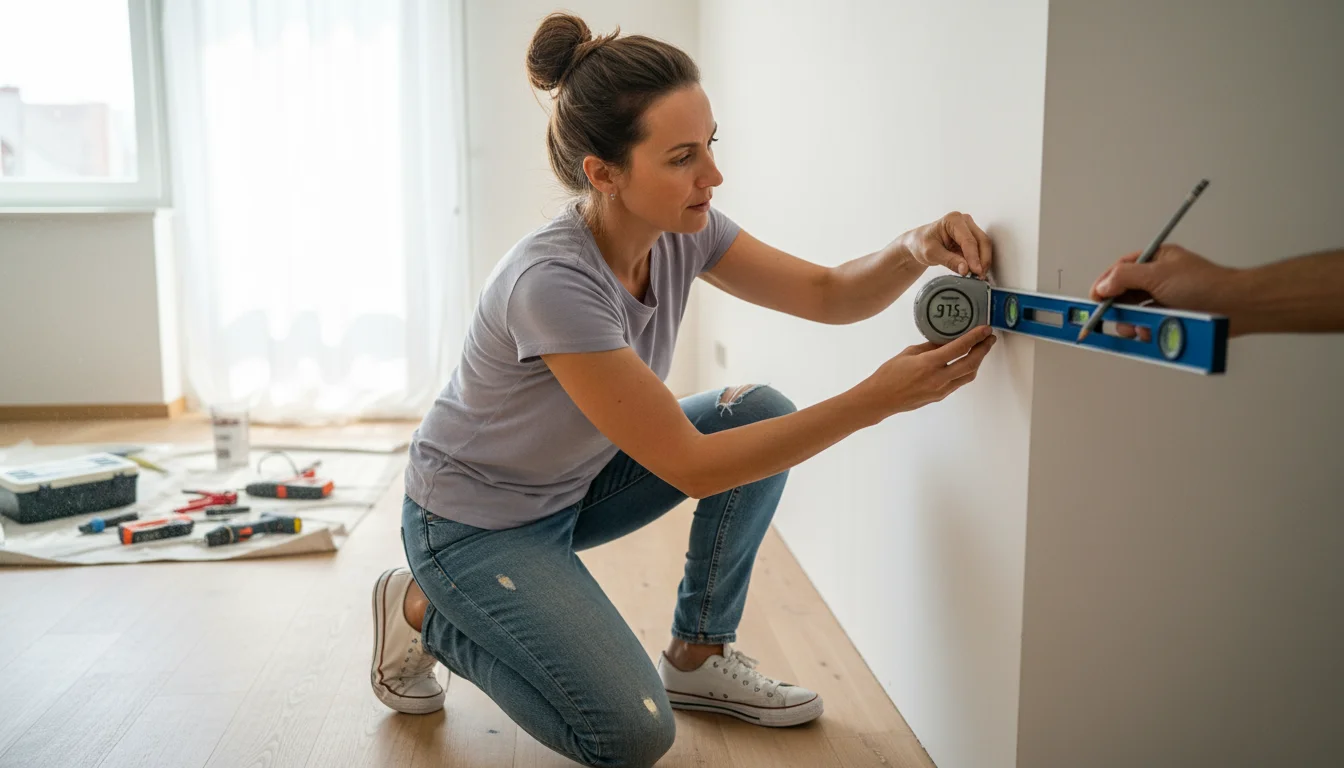
Measurements are crucial for successful corner shelving installation. You need to know the depth available from the corner along each wall, the height from floor to ceiling (or to the nearest obstruction like a window or door frame), and the general width of the wall sections leading into the corner. These dimensions dictate the size and type of corner shelves you can install.
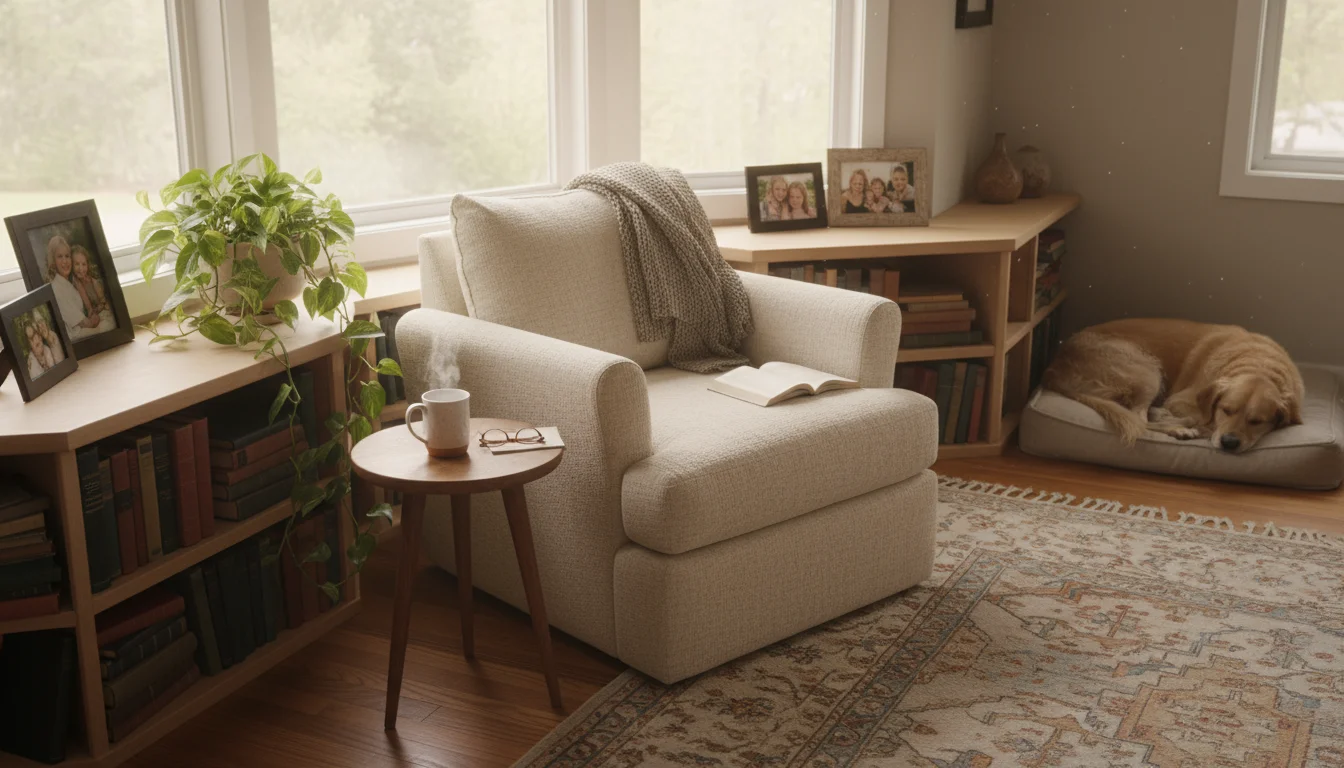
Consider Corner Types
Corners typically fall into a few categories:
- Standard 90-Degree Internal Corners: These are the most common, forming an “L” shape where two walls meet. Most corner shelves are designed for this type of corner.
- External Corners: Less common for shelving, these are outward-facing corners where two walls meet at an angle, often seen on kitchen islands or half-walls. While trickier, specialized shelving units can sometimes wrap around these.
- Recessed or Niche Corners: Sometimes a wall has an intentional alcove or recess. These are ideal for built-in or custom corner storage solutions, offering a seamless look.
- Corners with Obstructions: Radiators, windows, or door frames can impact your corner shelving choices. Plan around these elements to avoid blocking access or light.
By understanding these factors, you ensure your corner shelves fit perfectly and enhance your home’s functionality without feeling crammed or awkward.
Types of Corner Shelving for Every Need
The world of corner shelves offers a surprising variety, each designed to tackle different storage challenges and aesthetic preferences. Choosing the right type depends on your specific needs, your budget, and your DIY comfort level. Here’s a breakdown:
If you are looking for affordable options, our guide to buying quality secondhand furniture can help you find unique corner pieces on a budget.
Beyond shelving, choosing the best multifunctional furniture for small homes can help create hidden storage in busy living areas.
Fixed Wall-Mounted Corner Shelves
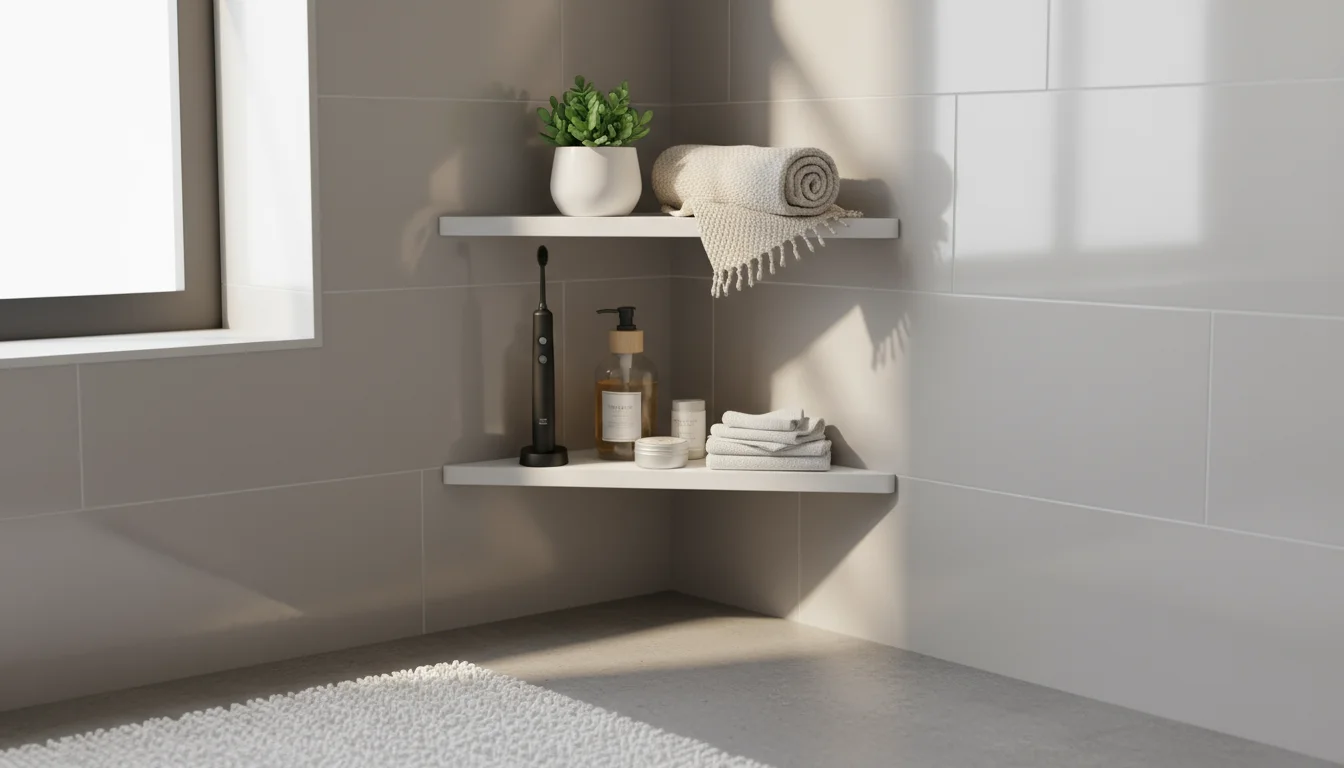
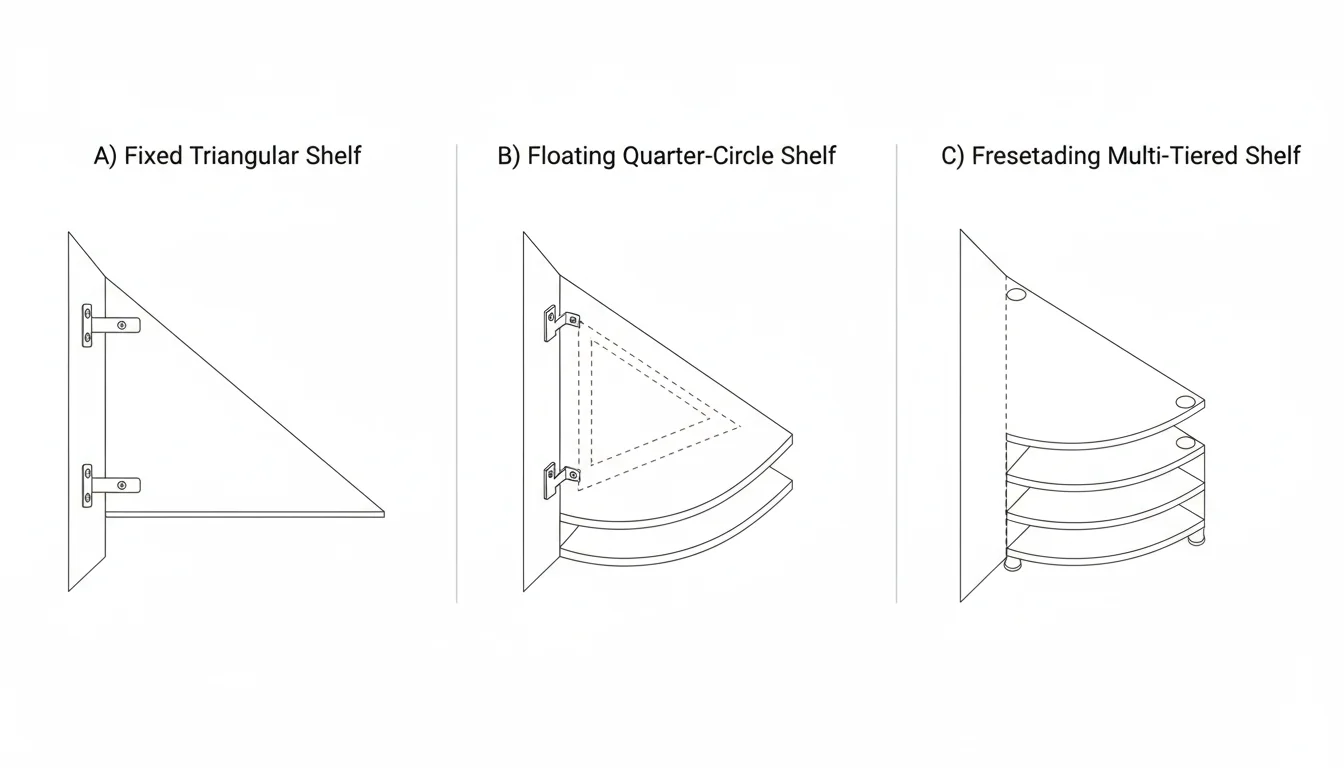
These shelves attach directly to the wall, offering permanent and sturdy storage. They often come in triangular or quarter-circle shapes, fitting snugly into a 90-degree corner. Manufacturers typically provide all necessary hardware for installation. Fixed shelves are excellent for displaying decor, holding books, or organizing bathroom toiletries. They provide robust support, perfect for items with moderate weight.
Floating Corner Shelves
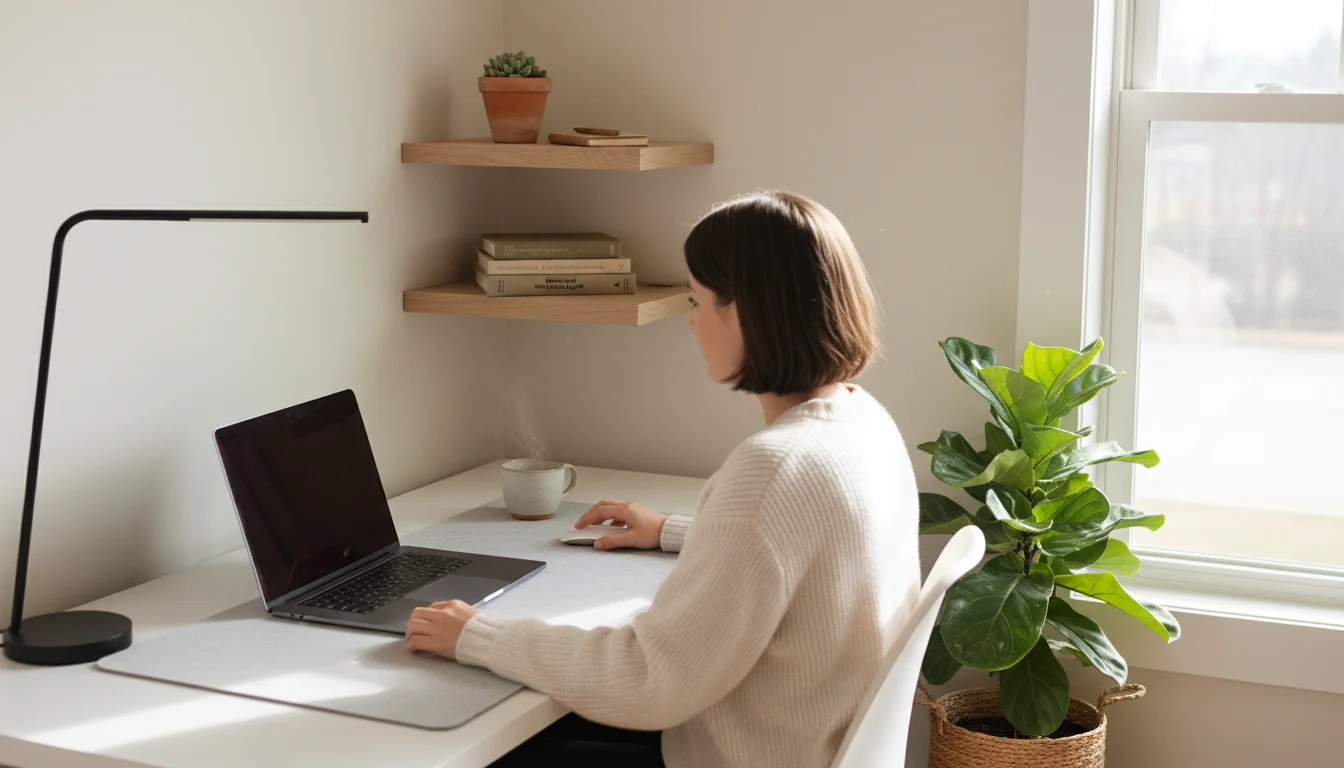
Floating shelves provide a minimalist look because their mounting hardware remains hidden. They appear to “float” directly from the wall, creating a clean, modern aesthetic. Installation often involves mounting a bracket to the wall studs, then sliding the shelf onto the bracket. While stylish, ensure proper installation to support the intended weight. Floating corner shelves are ideal for showcasing lighter decor items, small plants, or a few favorite books.
Freestanding Corner Units
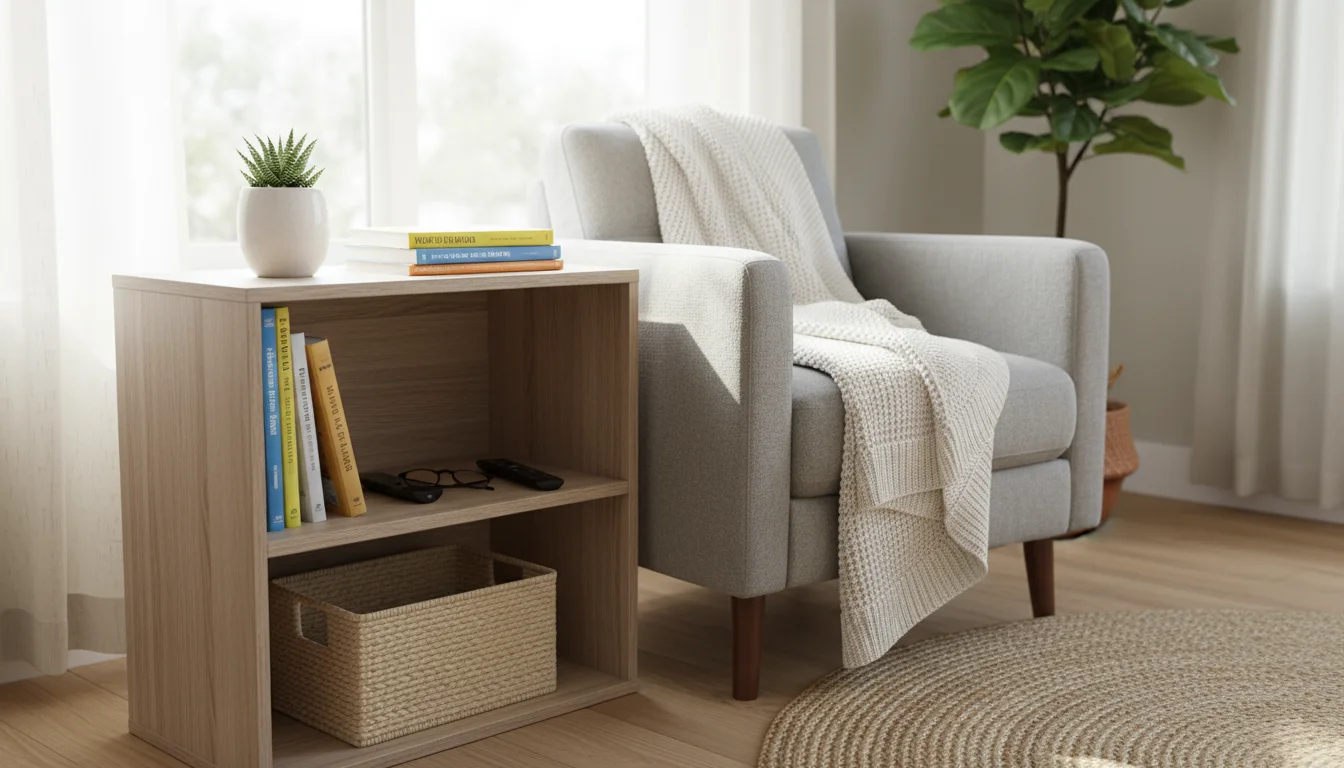
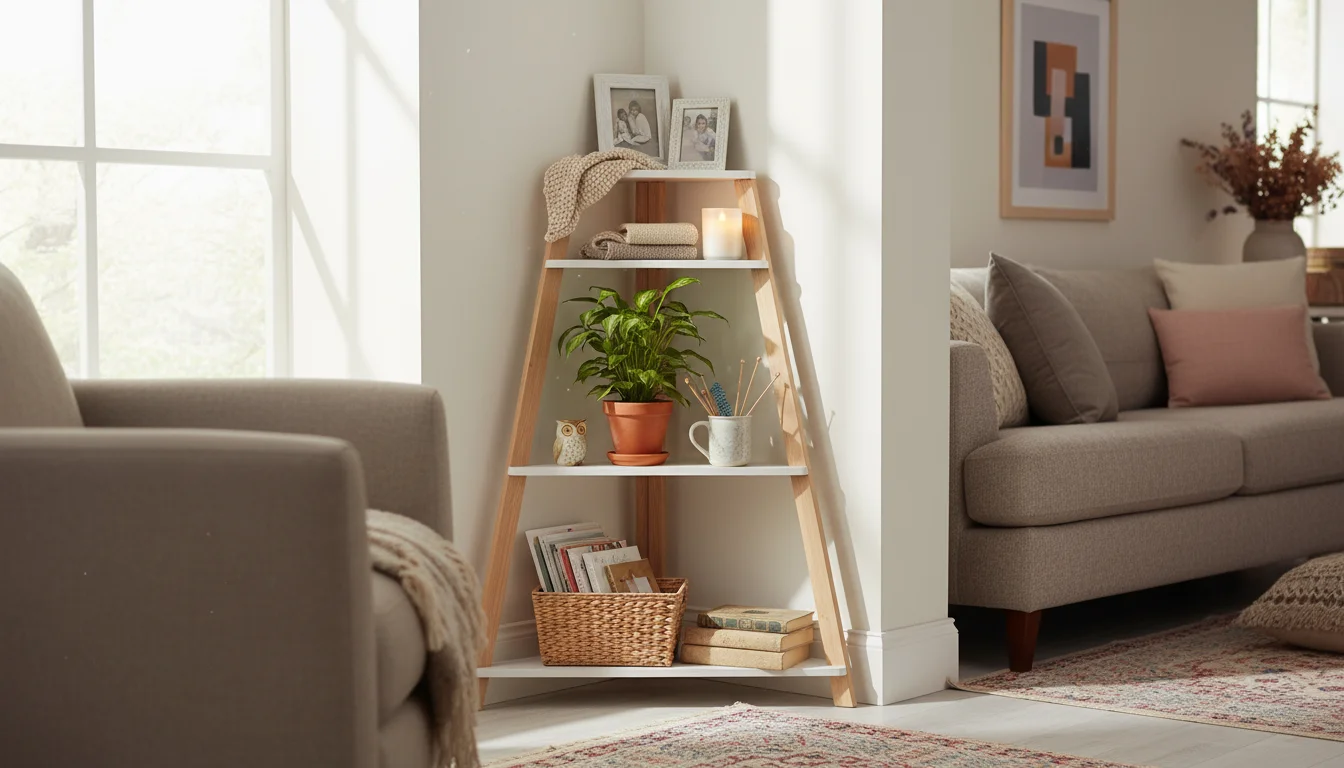
Freestanding corner shelves do not require wall attachment, making them ideal for renters or those who prefer flexibility. These units come in various heights and styles, from tall bookcases to smaller étagères. They are often triangular or curved to fit into a corner, providing multiple tiers of storage. You can move them easily, and many models offer enclosed cabinets at the bottom for concealed storage. Always check for anti-tip hardware, especially if you have children or pets, and secure the unit to the wall if recommended.
Built-In Corner Shelving
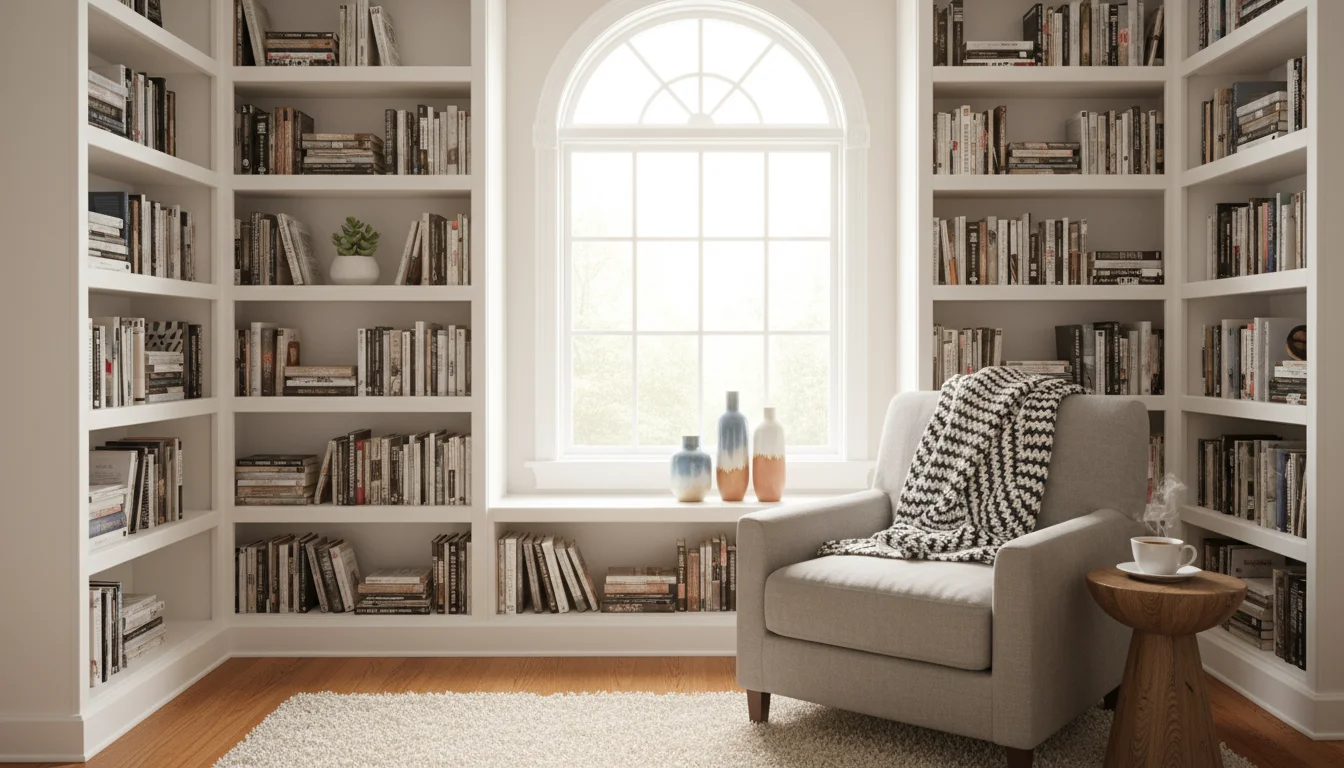
For a truly custom and seamless look, built-in corner shelves integrate directly into your wall structure. This option often involves more extensive carpentry work, but the result is a high-end, custom finish that looks like it was always part of your home. Built-in solutions are perfect for creating a library nook, a display area, or a functional pantry in a kitchen corner. While a larger investment in time or money, the durability and integrated appearance offer significant value.
Shower Caddies and Specialty Corner Units
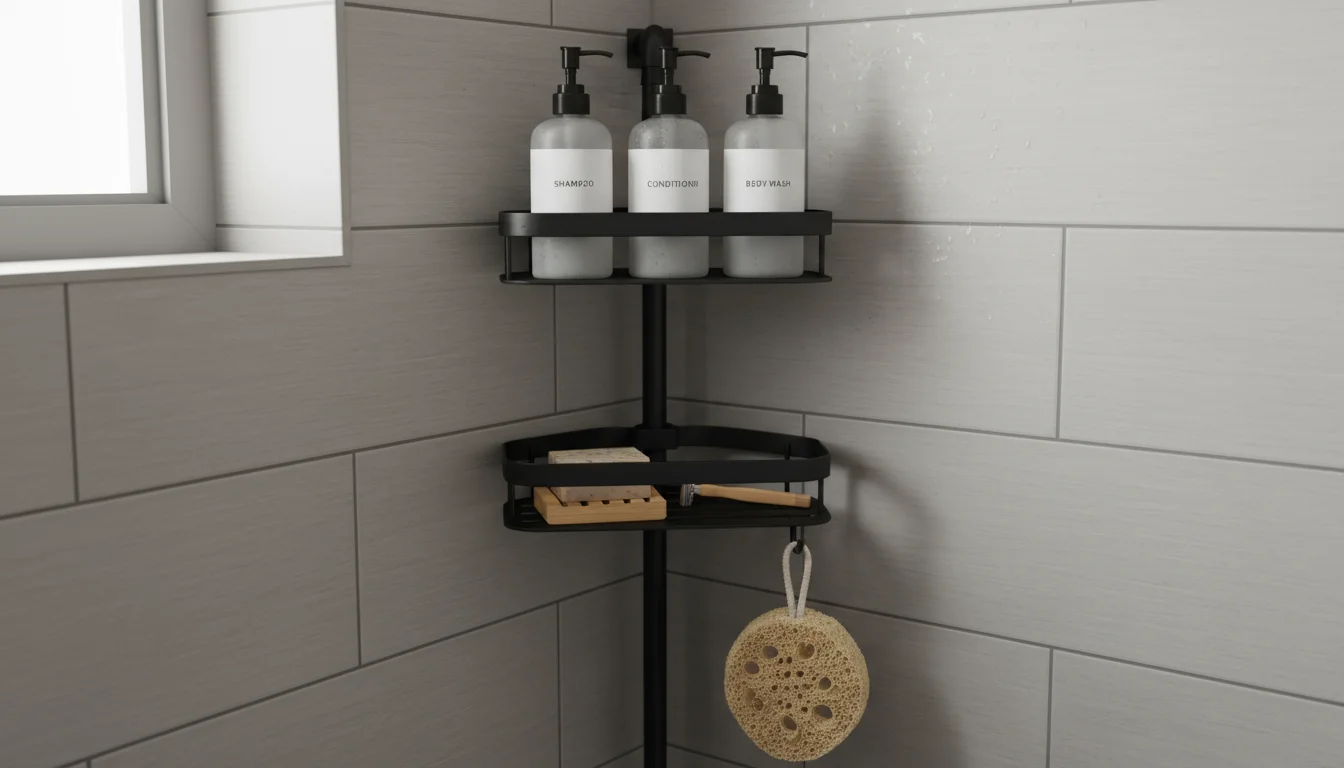
Beyond traditional shelves, specialty corner storage exists for specific areas. Shower caddies, for instance, utilize suction cups, tension rods, or permanent mounting to keep toiletries organized in a wet environment. Rotating pantry organizers or lazy Susans fit into cabinet corners, making items accessible. These specialized solutions address particular functional needs and are designed for convenience in high-traffic or specific-use zones.
- Consider the Material: Wood offers warmth, metal provides an industrial feel, and glass creates an open, airy look. Match the material to your home’s existing decor.
- Weight Capacity: Always check the weight limits for any shelf you purchase, especially for wall-mounted options. Overloading shelves creates safety hazards.
- Installation Difficulty: Some shelves are simple to install with basic tools, while others may require more advanced DIY skills or professional help.
By understanding these different types of corner shelves, you empower yourself to select the best solution for your space and organizational goals.
Room-by-Room Corner Storage Solutions
Corner shelves are not one-size-fits-all; their application varies significantly from room to room. Let’s explore practical, actionable ways to incorporate corner storage throughout your home, tackling common clutter points and maximizing every inch.
For those struggling with bedroom clutter, maximizing closet space in a small bedroom is a perfect companion strategy to adding corner shelves.
Once you’ve utilized your corners, you might want to learn how to arrange furniture for maximum coziness to tie the whole room together.
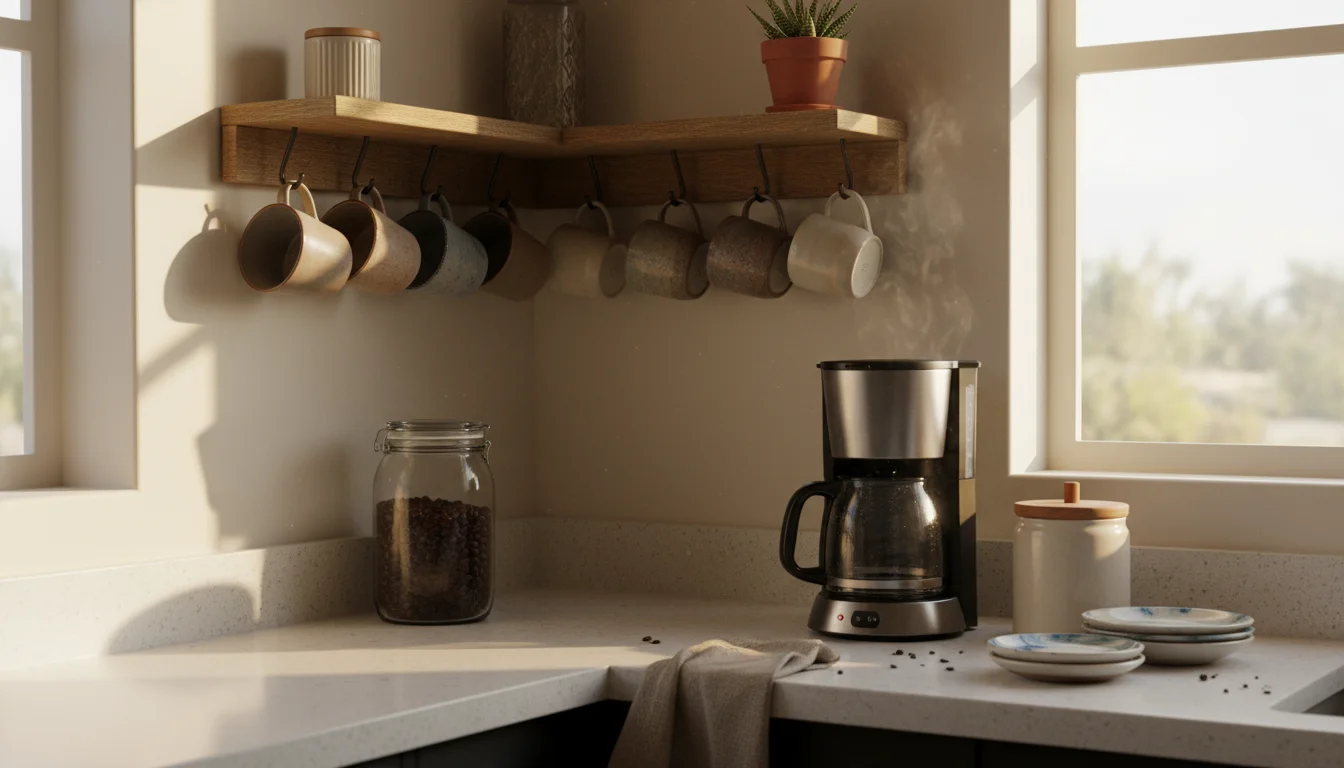
Kitchen: Culinary Corners Transformed
Kitchens often suffer from limited counter space and overflowing cabinets. Corner shelves offer a strategic solution:
- Open Pantry Storage: Install fixed corner shelves in a pantry or even an unused kitchen corner. Use them to store rarely used appliances, cookbooks, or decorative serving dishes. Clearly label bins for spices or baking ingredients to maintain order.
- Appliance Garage: For small appliances like blenders or toasters, a corner shelf above the counter keeps them accessible but off your main workspace. Consider shelves with a lip or railing to prevent items from falling.
- Coffee Bar Nook: Designate a corner for your coffee maker, mugs, and supplies. Corner shelves above the counter can hold coffee beans, sugar, and teacups, creating a functional and inviting beverage station.
- Pot and Pan Organizers: In deep corner cabinets, implement pull-out or rotating corner shelving systems, like a lazy Susan, to make pots, pans, and lids easily retrievable without digging.
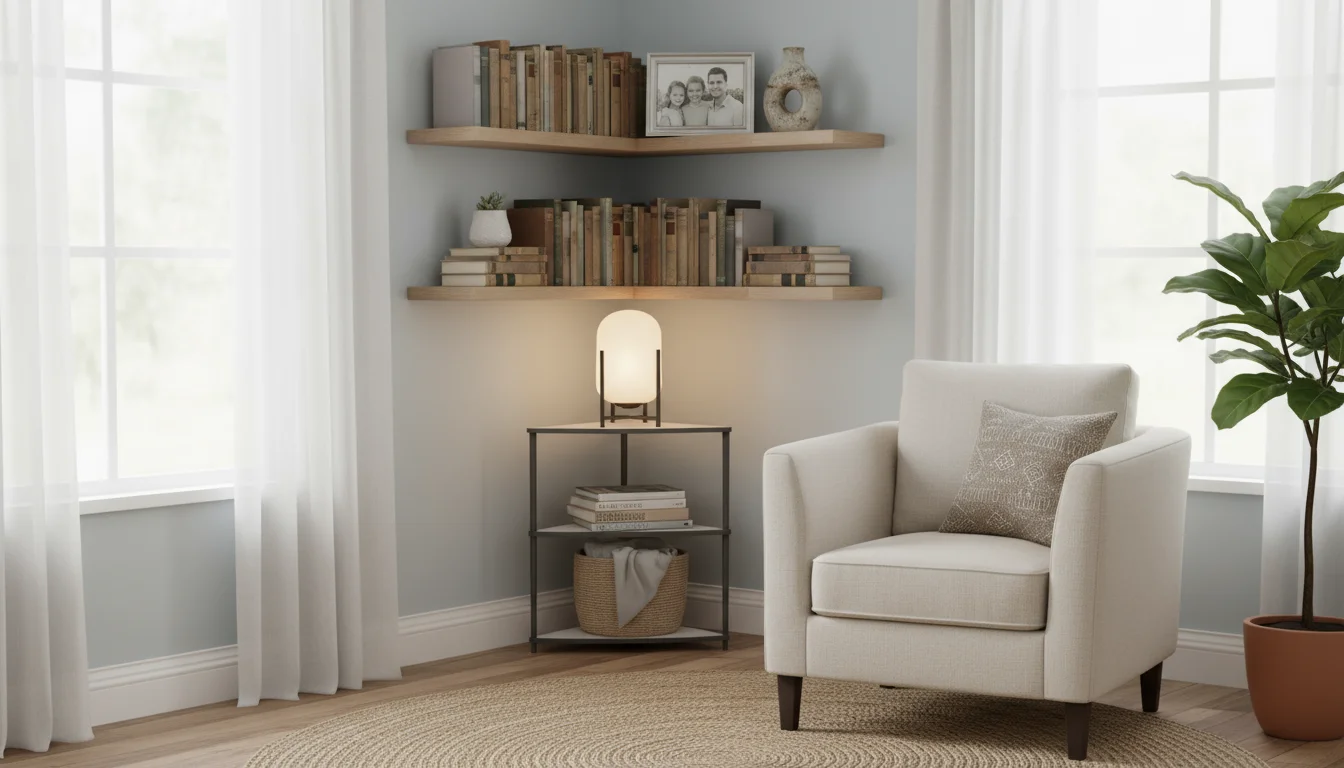
Living Room: Display and Function
In the living room, corner shelves balance aesthetics with utility:
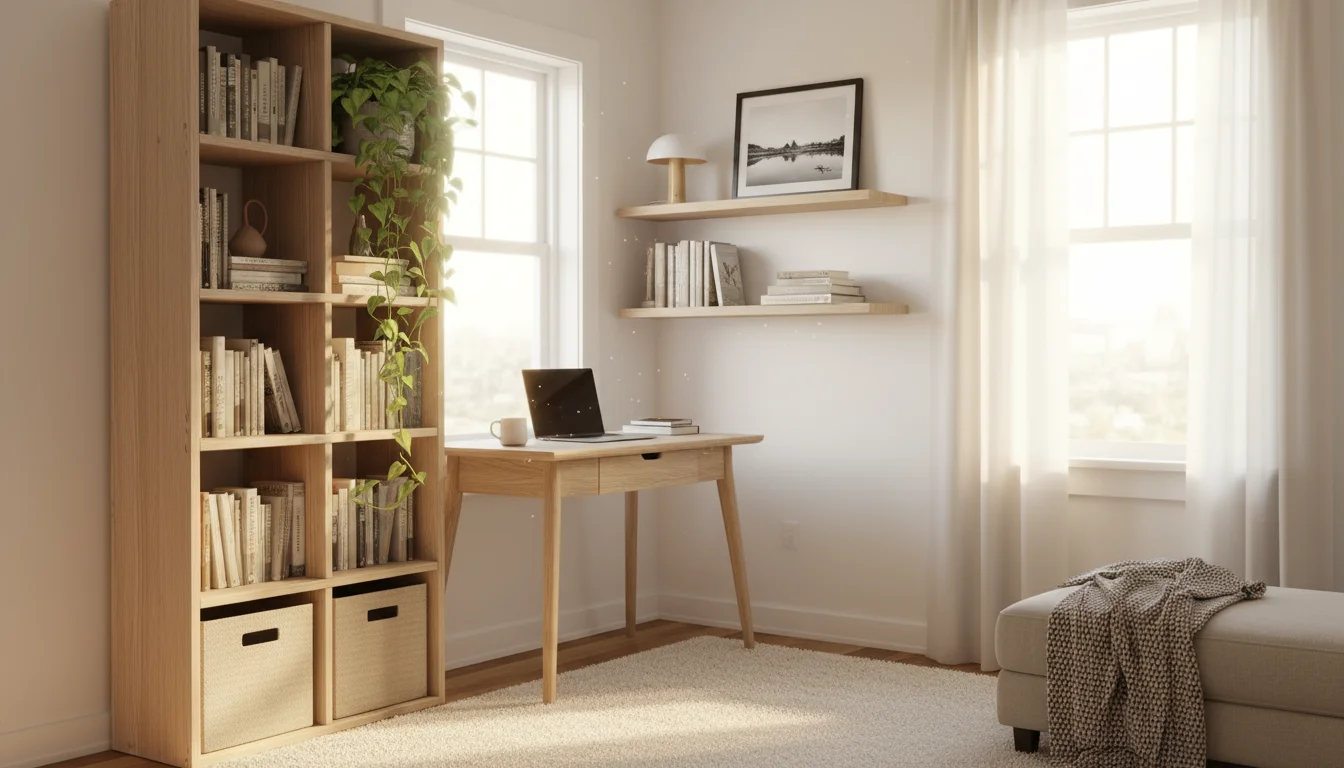
- Book Nook: A tall freestanding corner bookcase transforms an empty corner into a cozy reading zone, holding your book collection and perhaps a small reading lamp.
- Media Storage: Use corner shelves for media components, DVDs, or gaming consoles. Opt for designs with cable management channels to keep wires tidy.
- Decorative Displays: Floating corner shelves provide the perfect stage for showcasing art, family photos, small sculptures, or cherished souvenirs, adding personality to your space without cluttering flat surfaces.
- Plant Stands: Create a green corner with multi-tiered corner shelves, ideal for displaying houseplants. Ensure shelves are sturdy and moisture-resistant if placing potted plants.
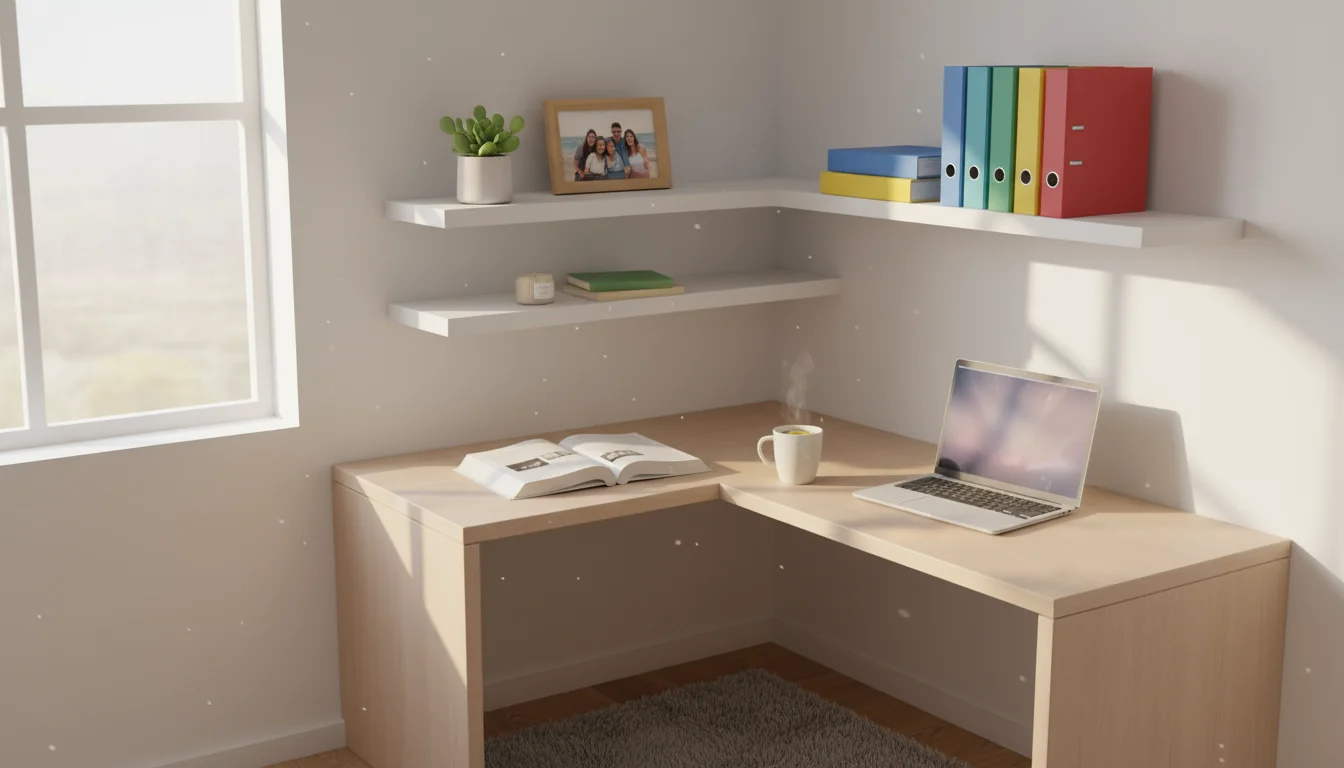
Bedroom: Personal Sanctuary Organization
Bedrooms need to be calm and functional. Corner shelves help achieve this:
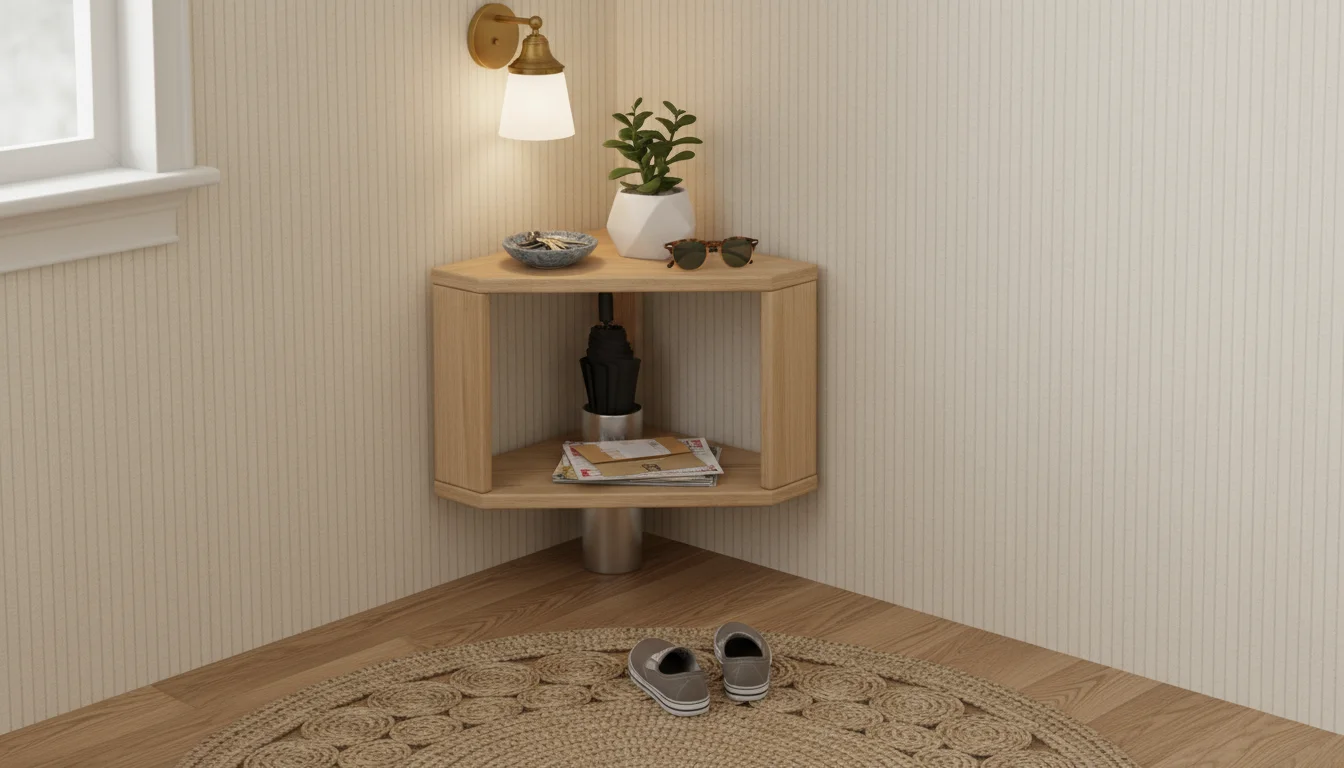
- Nightstand Alternative: For small bedrooms, a wall-mounted corner shelf next to the bed can replace a bulky nightstand. It provides space for a lamp, phone, and a book without taking up floor space.
- Accessory Display: Use small corner shelves to organize jewelry, perfumes, or small decorative items, keeping them off your dresser and visually appealing.
- Study Nook: In a child’s or teen’s room, a corner desk paired with floating corner shelves above creates a compact, efficient study area for books and supplies.
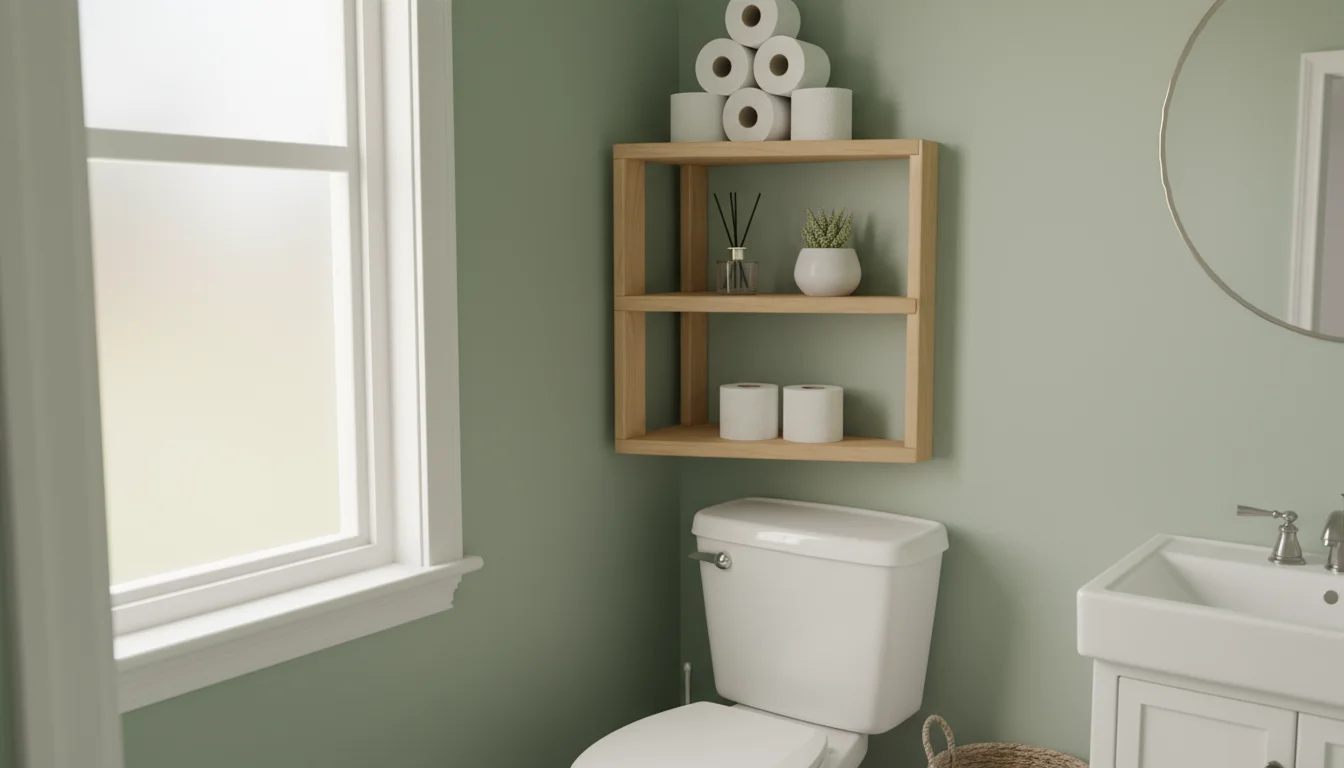
Bathroom: Taming Toiletries
Bathrooms are notorious for clutter. Corner shelves are a practical solution:
- Shower Storage: Install tension-rod or wall-mounted corner caddies in the shower for shampoos, conditioners, and soaps. Choose rust-resistant materials like stainless steel or plastic.
- Linen and Towel Storage: A freestanding corner unit with open shelves or a combination of shelves and enclosed cabinets can store extra towels, toiletries, and cleaning supplies.
- Above-Toilet Shelving: A compact corner shelf system above the toilet provides discreet storage for toilet paper, air fresheners, or small decorative items, maximizing often-unused vertical space.
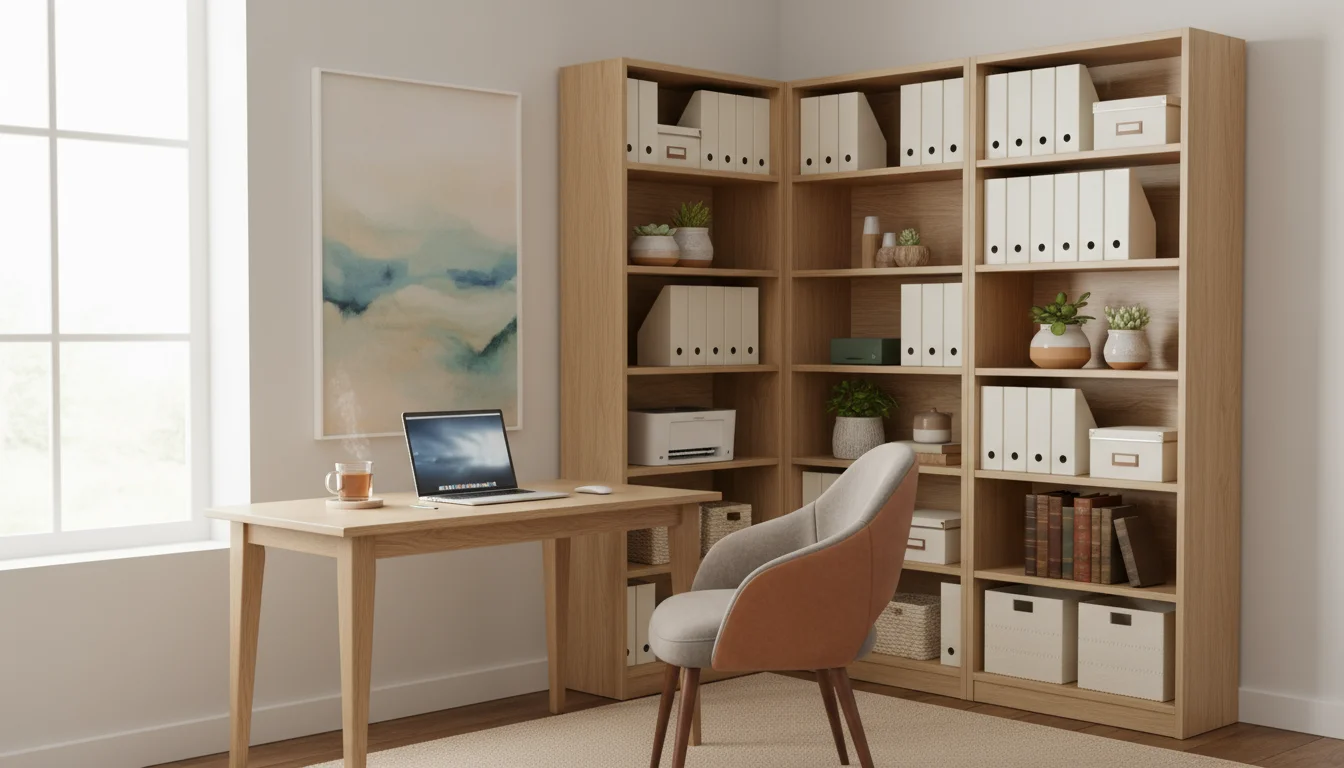
Home Office: Focused Productivity
A tidy office fosters productivity. Corner storage makes a significant impact:
- Filing and Supplies: Tall, sturdy corner shelves can house binders, file boxes, and office supplies, keeping your desk clear for work. Consider shelves with adjustable heights for flexibility.
- Tech Organizer: Use a corner shelf to hold a printer, external hard drives, or charging stations for devices. Ensure easy access to power outlets.
- Reference Library: Dedicate a corner for professional books, manuals, and important documents, keeping them organized and within reach.
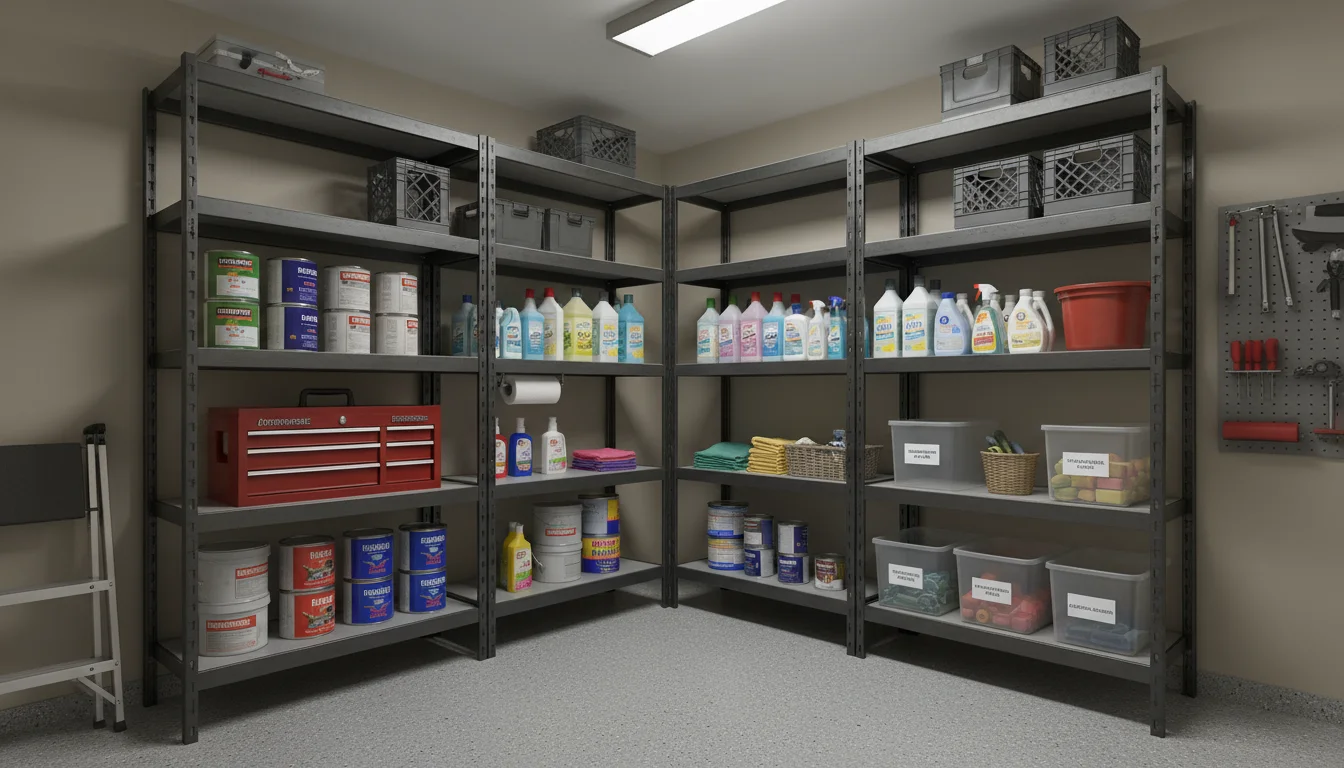
Garage and Utility Areas: Hardworking Corners
Don’t forget the functional spaces:
- Tool Storage: Heavy-duty corner shelving units in a garage can hold paint cans, tools, and automotive supplies, creating safe and accessible storage.
- Seasonal Items: Use corners in laundry rooms or utility closets for seasonal decor, rarely used equipment, or cleaning supplies. Clear bins on shelves help categorize items.
By tailoring your corner shelves to the specific needs of each room, you ensure every inch serves a purpose, contributing to a more organized and harmonious home.

Choosing the Right Corner Shelf System for You
Selecting the best corner shelving involves more than just picking something that fits. You need to consider functionality, aesthetics, durability, and your personal budget. Make informed choices to ensure your new storage solutions truly enhance your home.
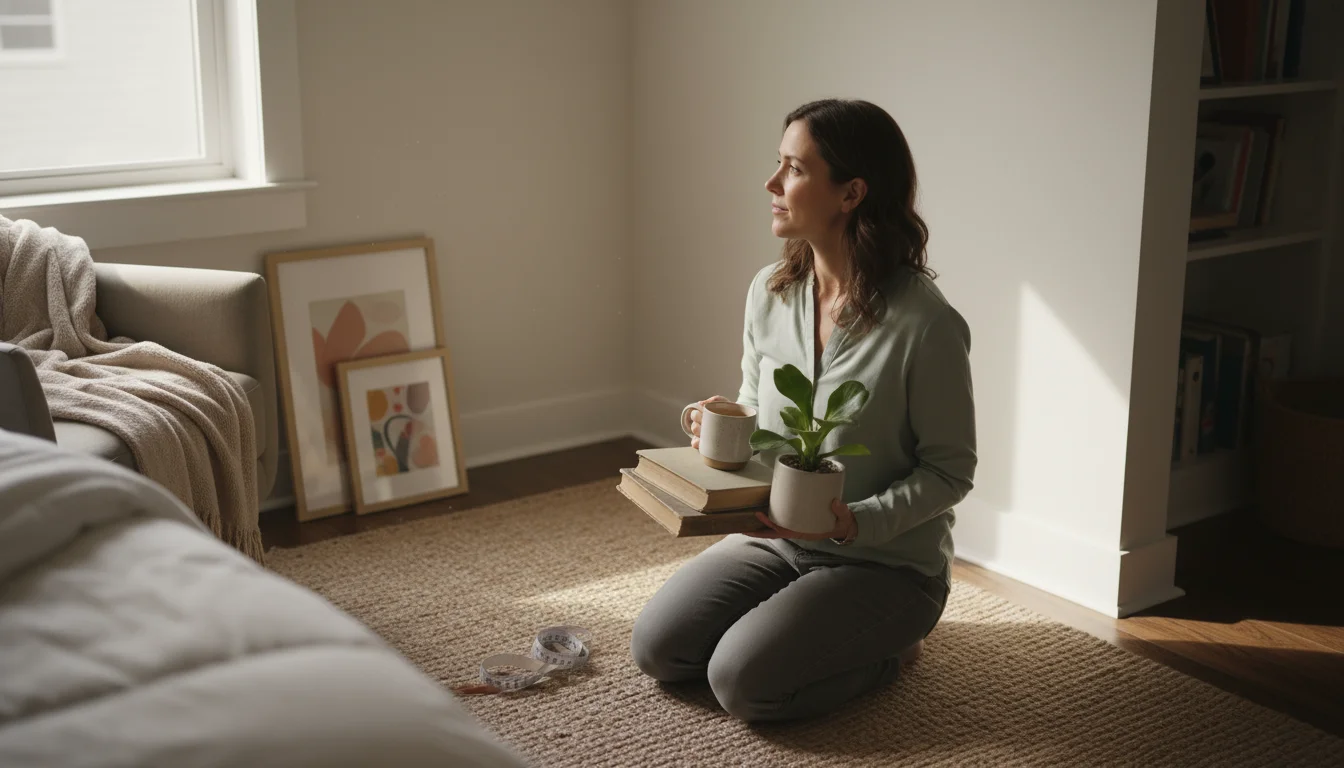
Evaluate Your Needs and Goals
What do you primarily intend to store? Is it heavy books, delicate decor, or bathroom essentials? This determines the necessary strength and material of the corner shelves. Do you need open display, or do you prefer concealed storage? Your answers guide your product selection. According to the National Association of Professional Organizers, successful organization begins with a clear understanding of what you need to store and how you use your space.
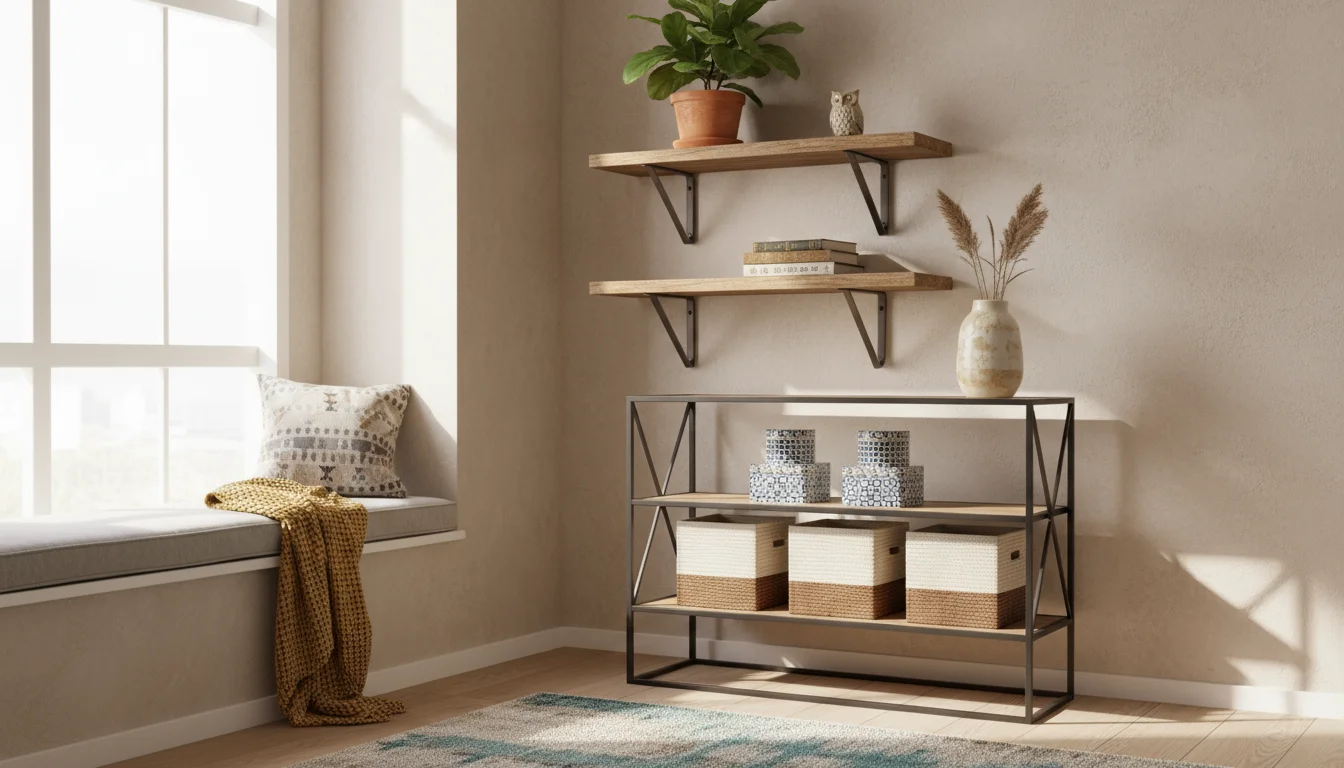
Consider Materials and Durability
Different materials offer varying levels of strength, maintenance, and aesthetic appeal:
- Wood: Offers a warm, traditional, or rustic look. Sturdy and can be painted or stained. Requires sealing if used in damp areas.
- MDF/Particle Board: More budget-friendly than solid wood, but less durable and susceptible to moisture damage. Often covered with laminate or veneer.
- Metal: Provides an industrial, modern, or minimalist look. Very strong and durable, often suitable for heavier items. Rust-resistant options are available for bathrooms.
- Glass: Creates an open, airy feel, ideal for displaying decorative items. Less durable for heavy objects and requires more frequent cleaning to prevent smudges.
- Plastic/Acrylic: Lightweight, affordable, and often moisture-resistant. Excellent for bathrooms, children’s rooms, or utility areas where durability is less critical.
Installation Requirements and Your Skill Level
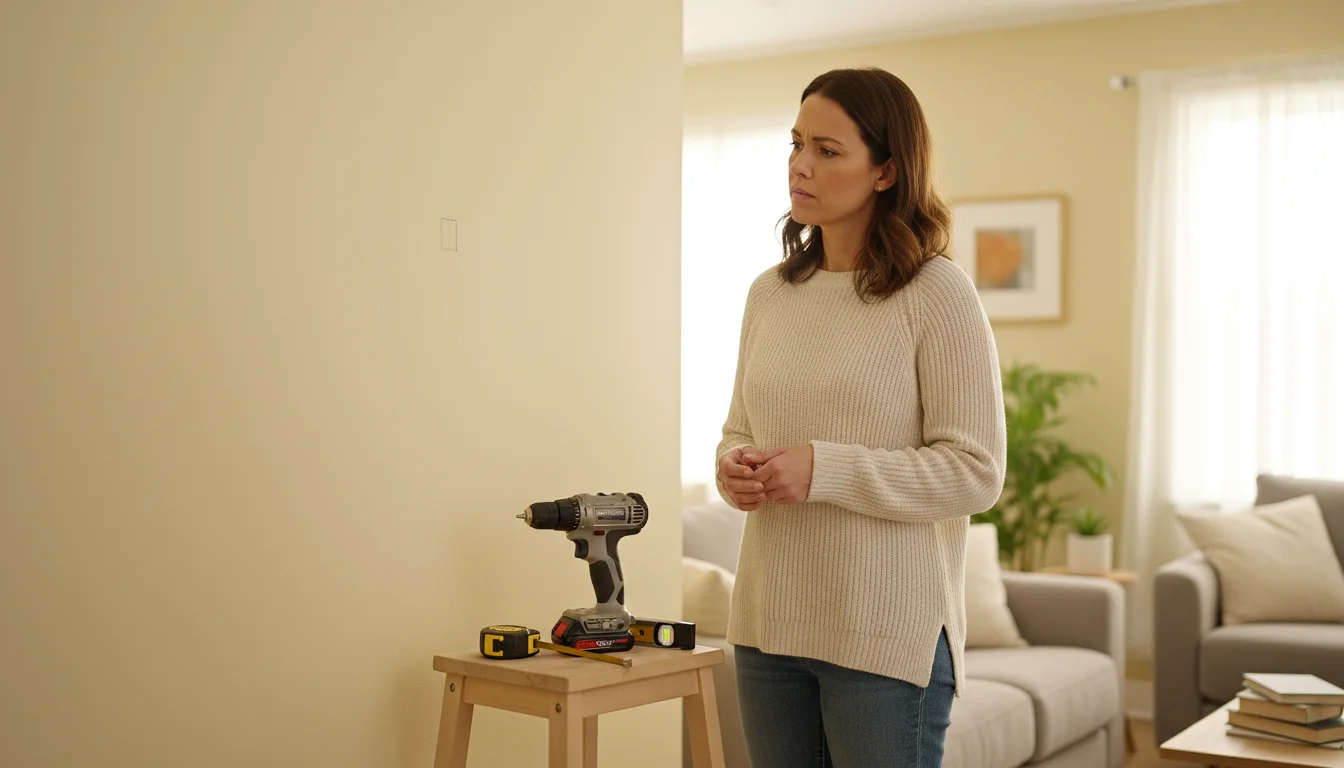
Be realistic about your DIY skills. Wall-mounted shelves require finding studs, drilling, and using anchors. Floating shelves can be trickier to install perfectly level. Freestanding units are the easiest to set up, requiring minimal assembly. If you are not comfortable with power tools, consider hiring a handyman or opting for simpler solutions.
Aesthetics and Home Decor
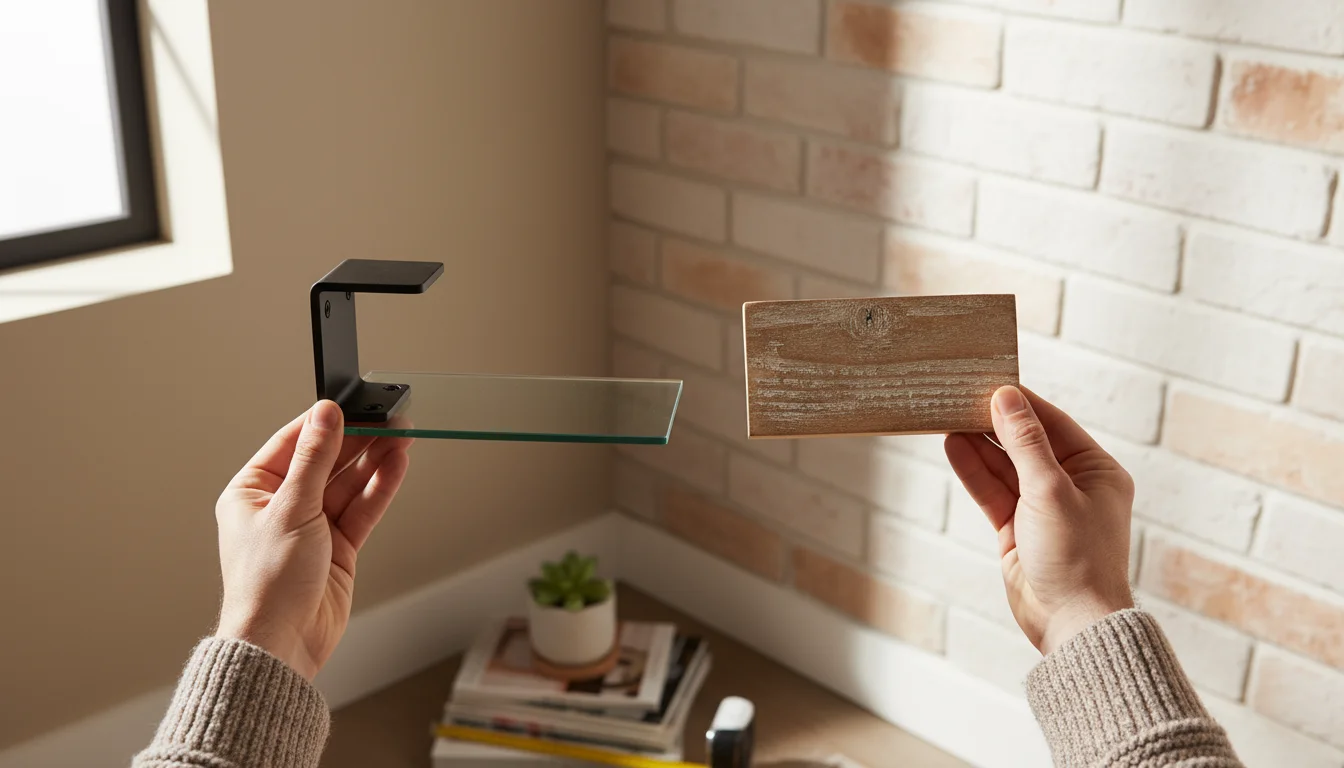
Your corner shelves should complement your home’s existing style. Do you want them to blend in seamlessly or act as a focal point? Match the finish, color, and design to your room’s decor. For example, sleek metal and glass fit a modern home, while distressed wood works well in a farmhouse or bohemian setting.

Budget Considerations
Corner shelves come at various price points. Budget-friendly options include simple wall-mounted units or basic freestanding shelves made from MDF. Mid-range options often feature solid wood or metal. Custom built-in solutions represent the higher end of the spectrum due to labor and material costs. Set a budget before you start shopping to narrow down your choices effectively.
DIY Corner Shelving Solutions on a Budget
You don’t need a huge budget or extensive carpentry skills to add functional corner shelves to your home. Many simple DIY projects allow you to create custom storage solutions that fit your space and style perfectly, often using reclaimed materials or inexpensive supplies. Embracing DIY also offers a sense of accomplishment and creative freedom.
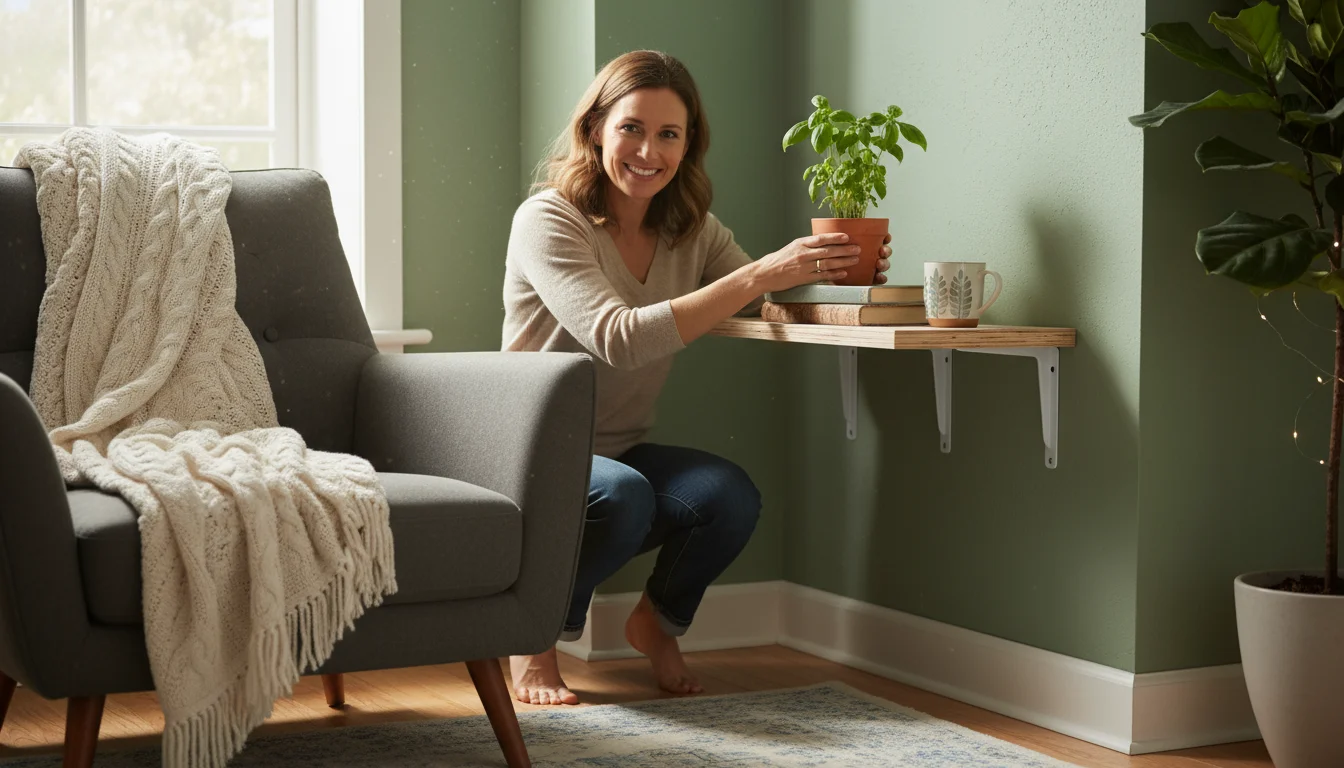
Simple Floating Shelves from Plywood or Lumber
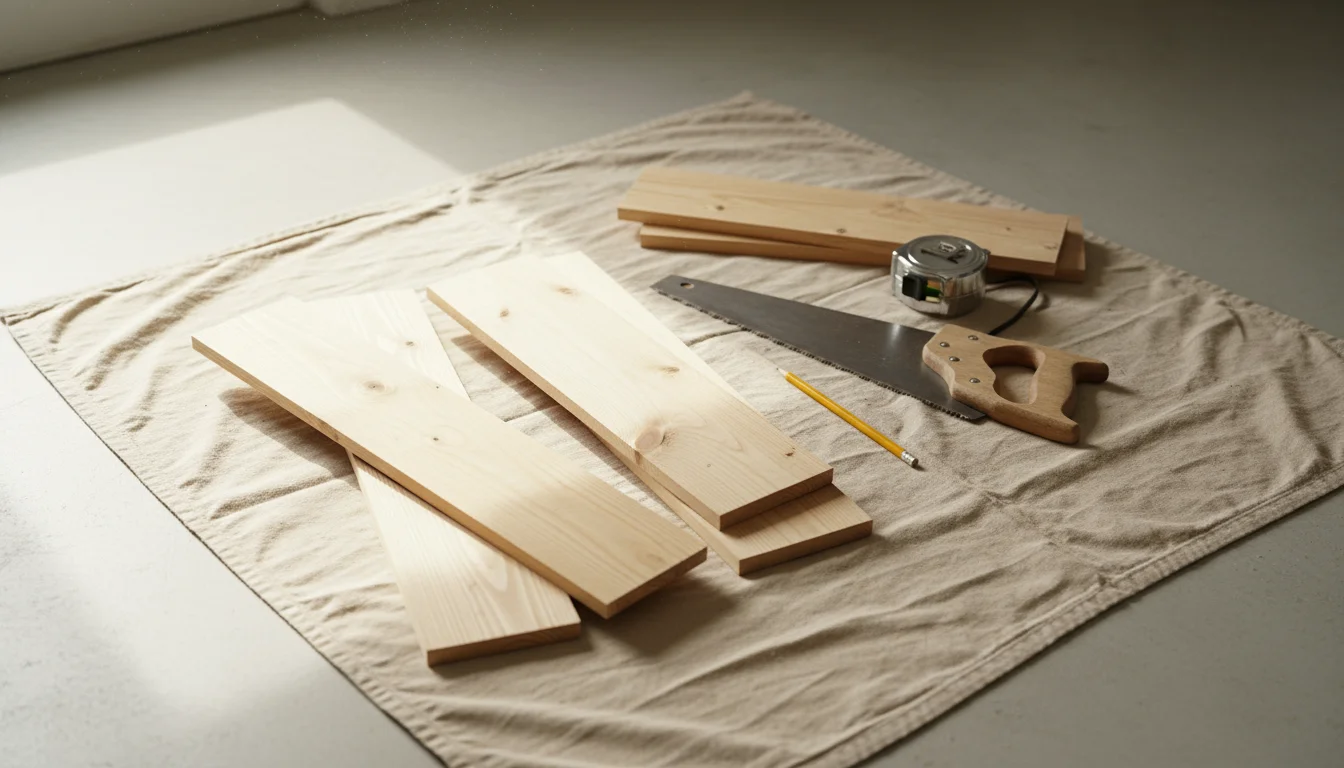
For basic floating corner shelves, you can cut triangular or quarter-circle pieces from plywood or a sturdy board. Sand them smooth, paint or stain them to match your decor, and then mount them using simple L-brackets or hidden shelf supports. This approach allows you to customize the size and finish exactly to your liking. This Old House offers numerous guides for basic carpentry projects, including shelf installation, providing valuable step-by-step instructions for beginners.
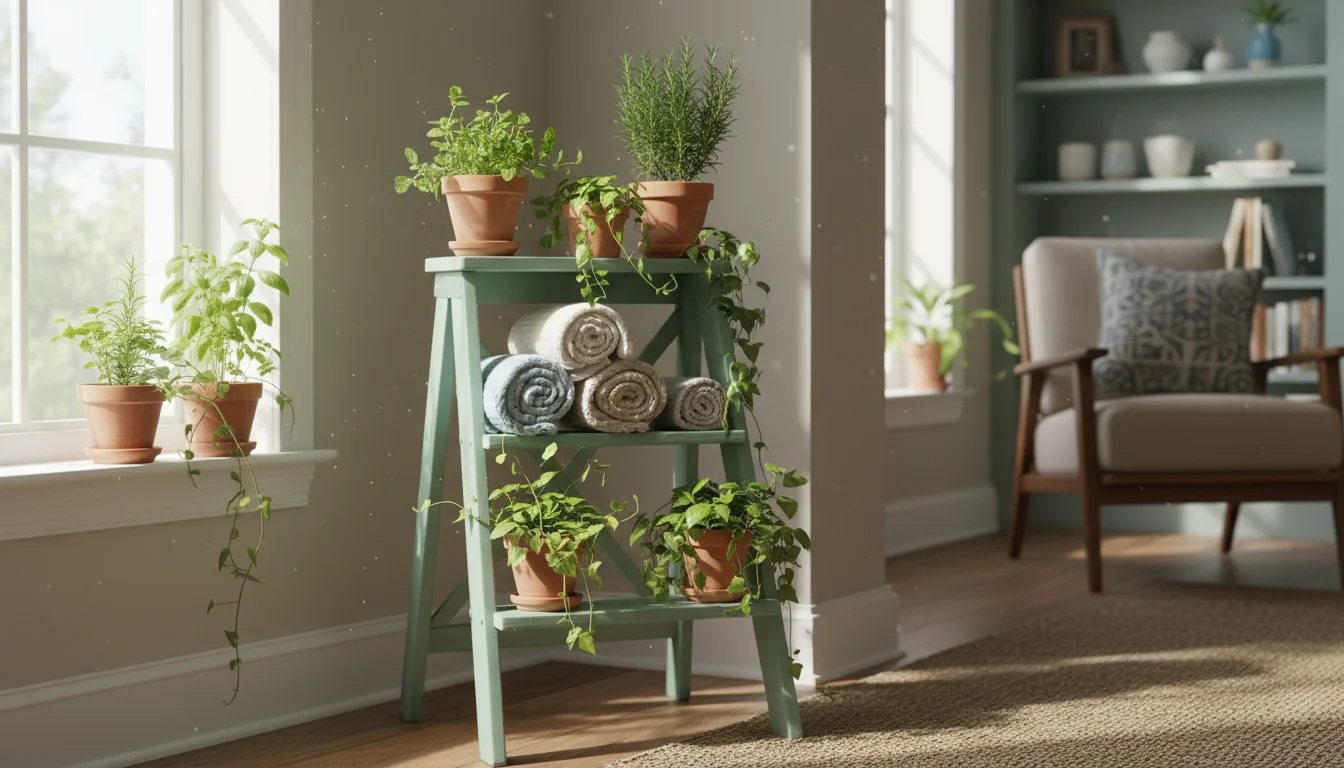
Repurposed Furniture for Corner Units
Look around for old furniture pieces that you can repurpose. An old ladder can become a rustic multi-tiered corner display for plants or blankets. A small, old bookcase can be cut or modified to fit snugly into a corner, perhaps by removing a side panel. Scour thrift stores, garage sales, and online marketplaces for hidden gems. With a fresh coat of paint and some imagination, you can give forgotten items new life as unique corner storage.
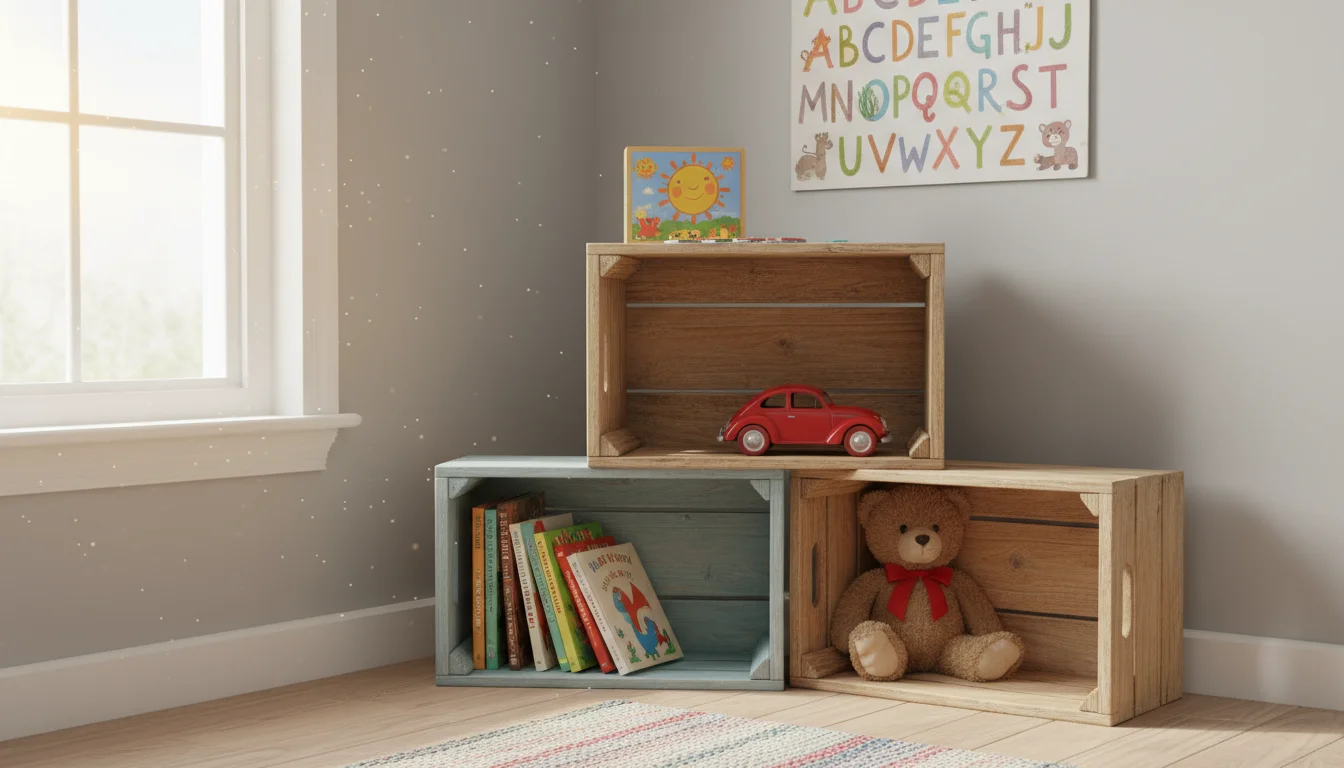
Crate or Box Stacking
Wooden crates or sturdy decorative boxes offer a modular and flexible DIY solution. Stack them in a corner, securing them together with screws or zip ties for stability. You can paint them, add casters for mobility, or line them with fabric. This method creates open cubbies perfect for organizing books, toys, or craft supplies. It is particularly great for children’s rooms or playful spaces where you appreciate adjustable storage.

Tension Rod Shelves (Temporary Solution)
For a truly no-drill, budget-friendly, and temporary corner shelf, consider using tension rods. In a shower, two tension rods placed parallel to each other at different heights can support a lightweight plastic or wire shelf. This method works well for very light items or for temporary needs in renters’ homes. Ensure the tension rods are securely wedged and test the stability before placing items on them.
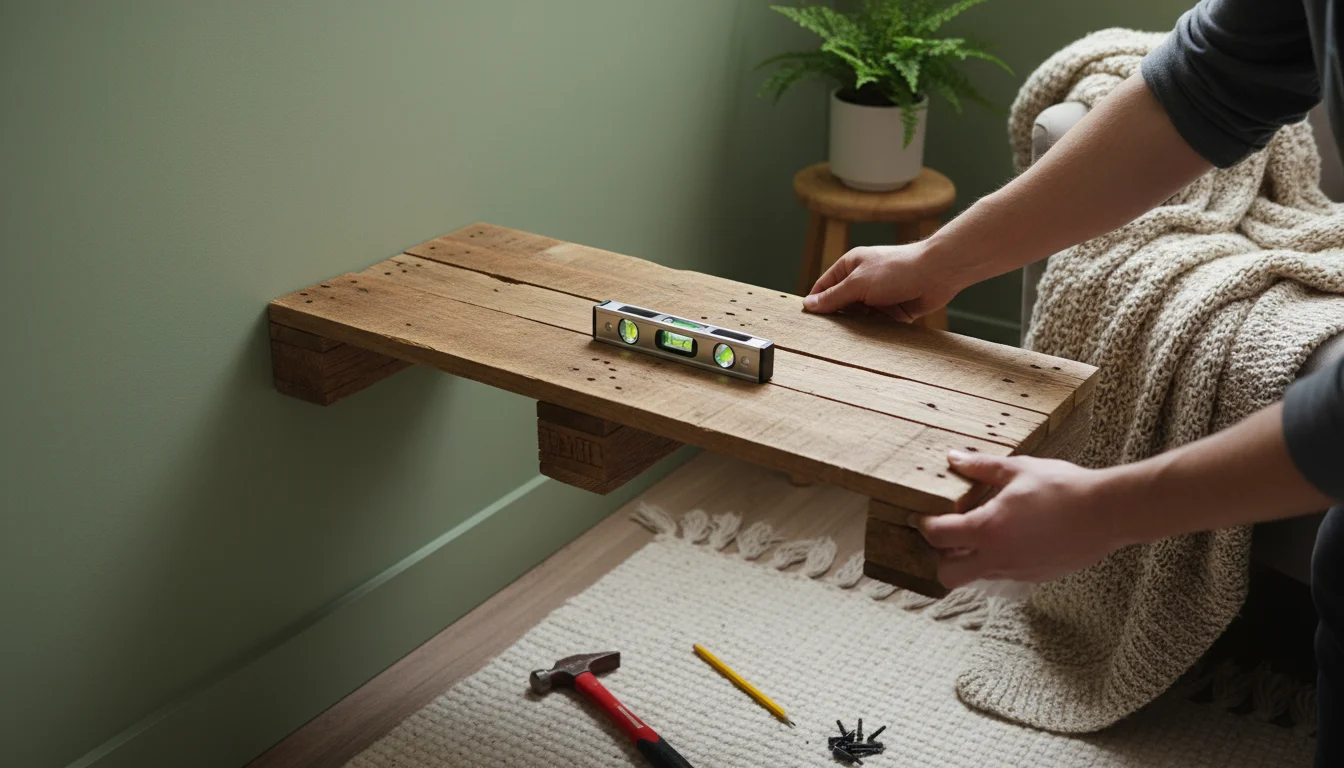
Budget-Friendly Materials
When thinking DIY, consider affordable materials:
- Reclaimed wood: Pallets, old fence planks, or barn wood provide character and cost nothing.
- Laminate shelving: Inexpensive and comes in various finishes. Easily cut to size.
- PVC pipes: Can be cut and glued to create unique, modern shelving units.
- Wire baskets: Mounted to a wall in a corner, they create open, airy storage.
DIY corner shelving not only saves you money but also gives you the satisfaction of creating something functional and beautiful with your own hands.

Installing Your Corner Shelves: A Practical Guide
Proper installation ensures your corner shelves are safe, sturdy, and look good. While the specific steps vary slightly depending on the type of shelf, a few universal principles apply. Always follow the manufacturer’s instructions, but here’s a general guide to help you through the process.
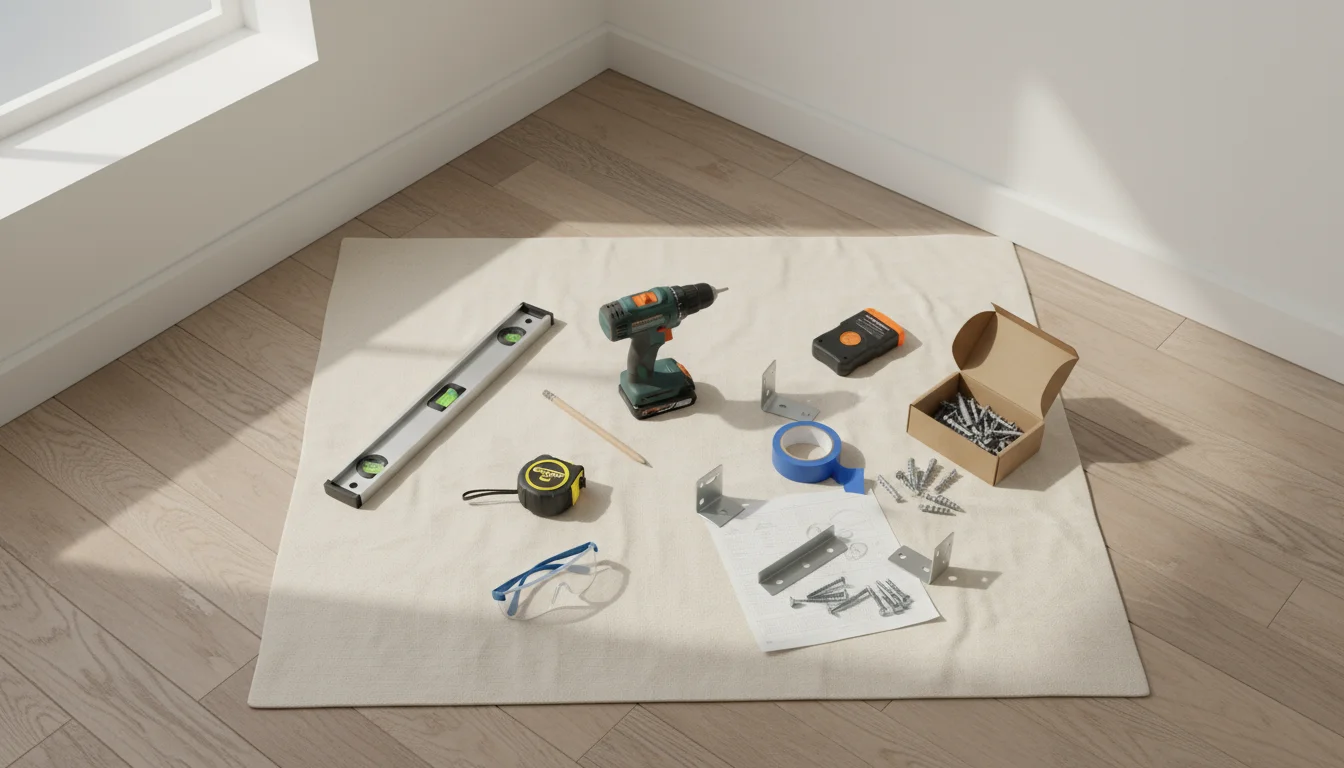
Gather Your Tools
Before you begin, collect the necessary tools:
- Measuring tape
- Pencil
- Level
- Stud finder (essential for wall-mounted shelves)
- Drill with appropriate bits
- Screwdriver (manual or electric)
- Safety glasses
- Wall anchors (if not drilling into studs)
- The shelf unit and its hardware
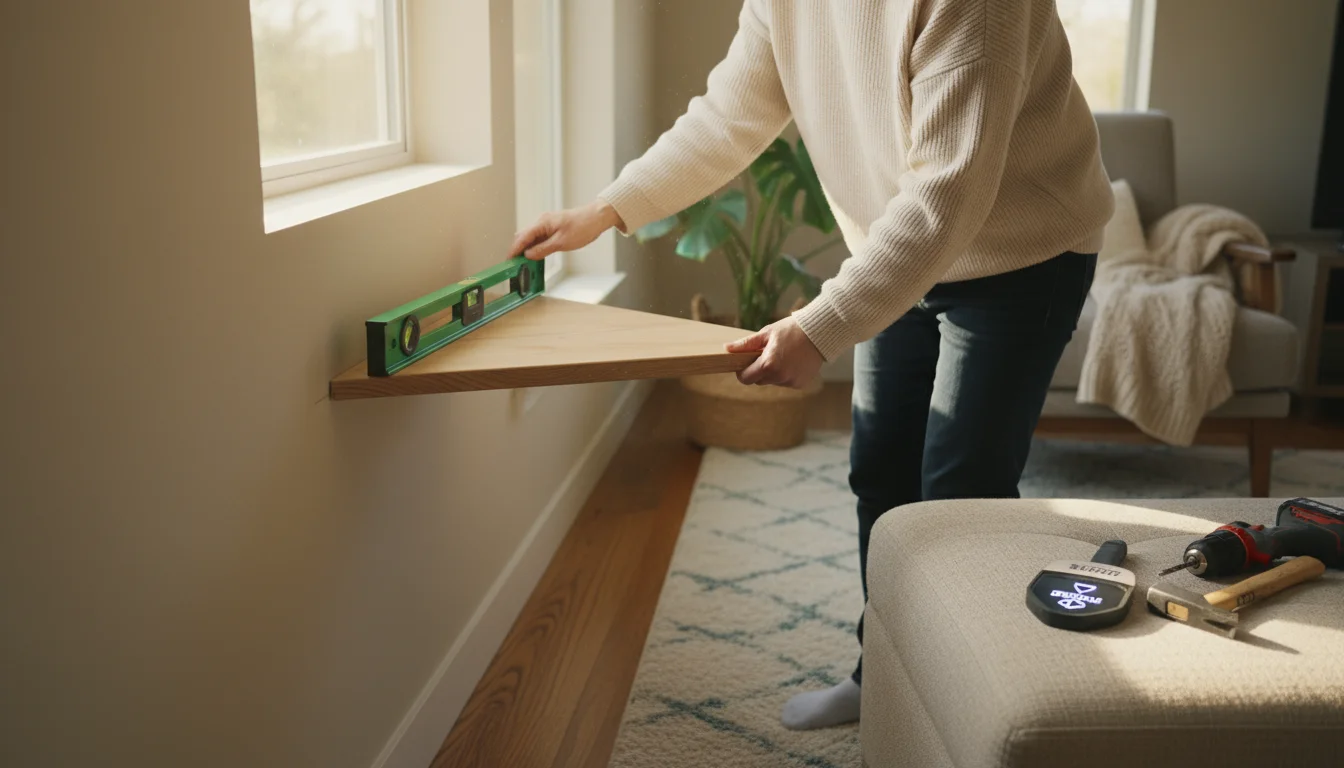
Plan and Mark Your Placement
Hold the shelf in place to visualize its position. Use your level to mark the desired height and ensure it is perfectly straight. With a pencil, mark the spots where the mounting holes will go. For wall-mounted shelves, use a stud finder to locate wall studs. Attaching directly to studs offers the most secure installation. If studs are not available where you need them, you must use appropriate wall anchors for drywall or plaster. Bob Vila‘s website provides detailed guides on how to properly use different types of wall anchors for various wall materials.
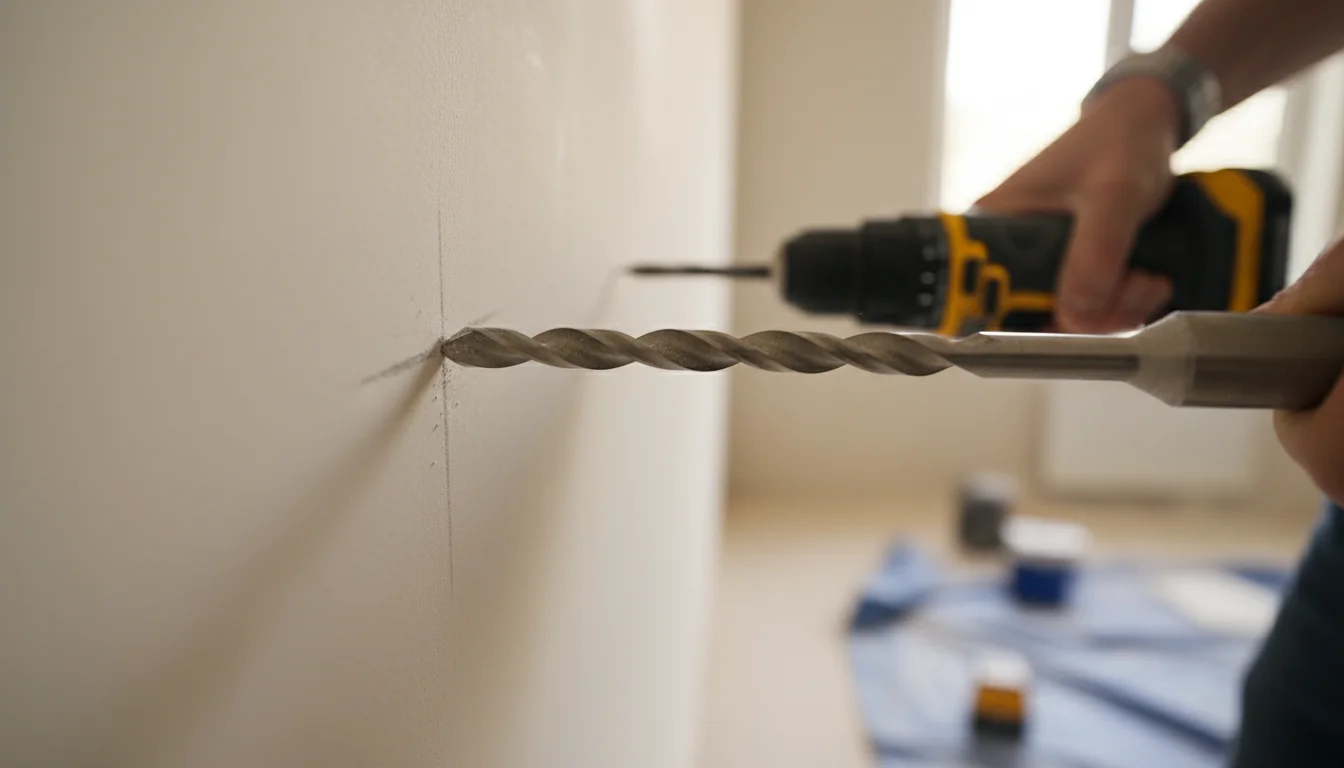
Drill Pilot Holes
Using your drill, create pilot holes at your marked locations. The drill bit size should match the diameter of your screws or wall anchors. Drill slowly and steadily, ensuring the holes are straight and at the correct depth. For wall anchors, follow the specific instructions for each anchor type.
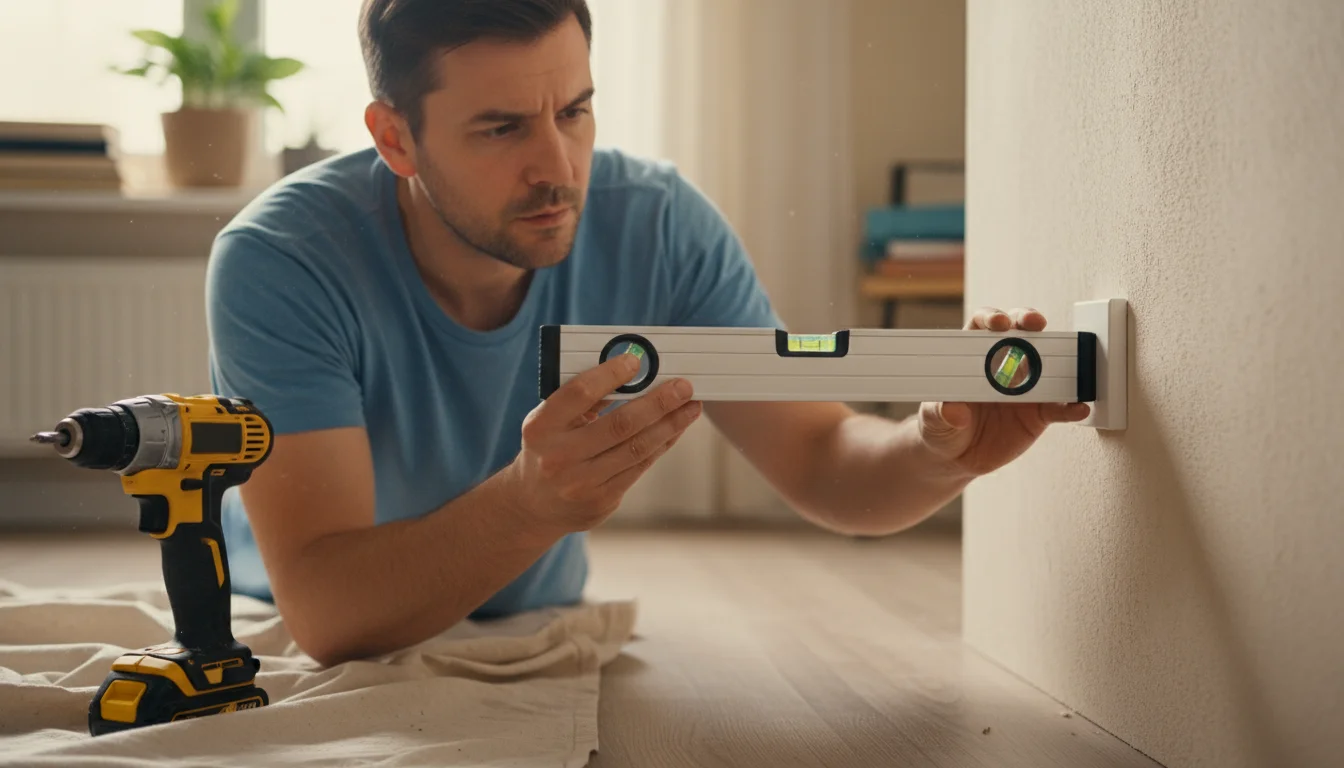
Mount the Brackets or Shelf Supports
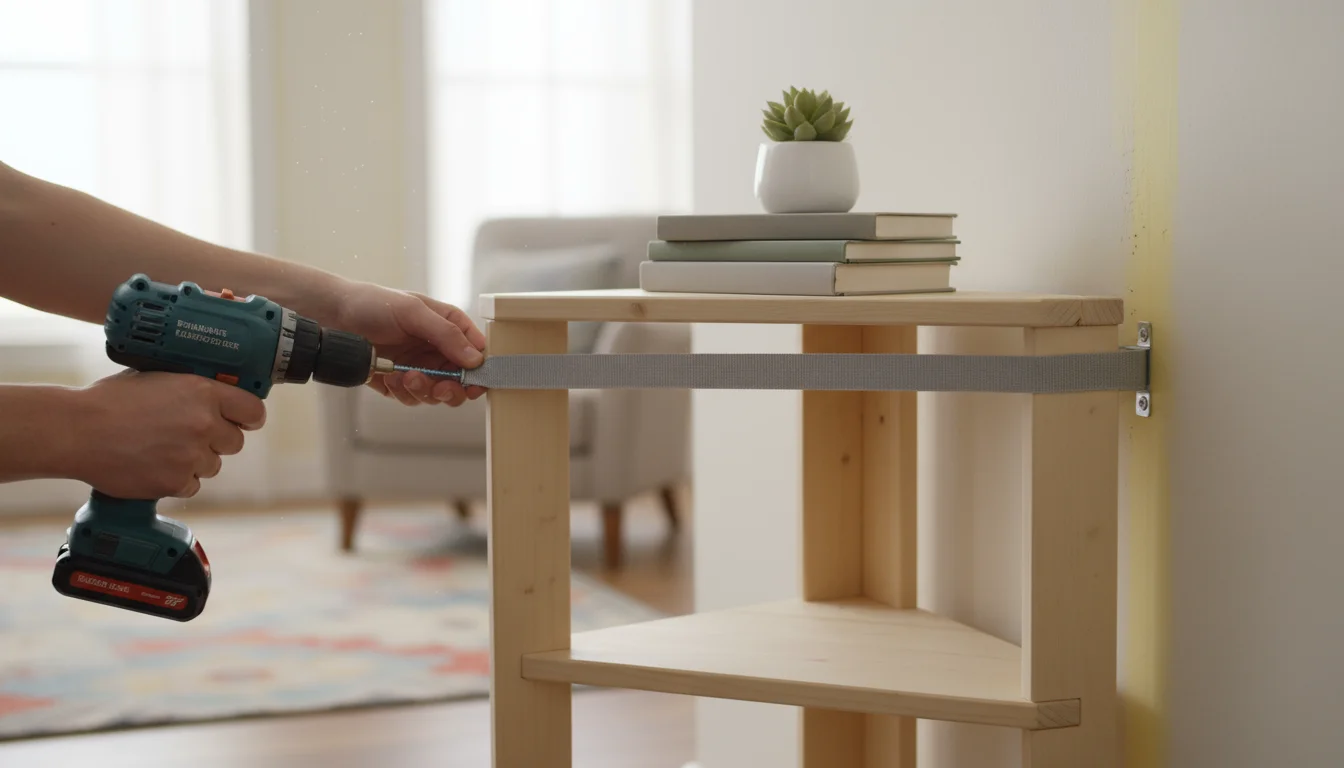
If your corner shelves use separate brackets, attach these to the wall first. Screw them firmly into the pilot holes, making sure they are level and aligned. For floating shelves, this might involve mounting a hidden support bar. Double-check the levelness one more time before proceeding.
Attach the Shelf
Once the brackets or supports are secure, place the shelf onto them. For many wall-mounted shelves, you will then screw the shelf directly into the brackets from below or above. For floating shelves, slide the shelf onto the hidden support. For freestanding units, assemble them according to instructions, ensuring all fasteners are tightened and the unit stands stable. If your freestanding unit comes with anti-tip hardware, install it as recommended to secure the unit to the wall.
Test for Stability
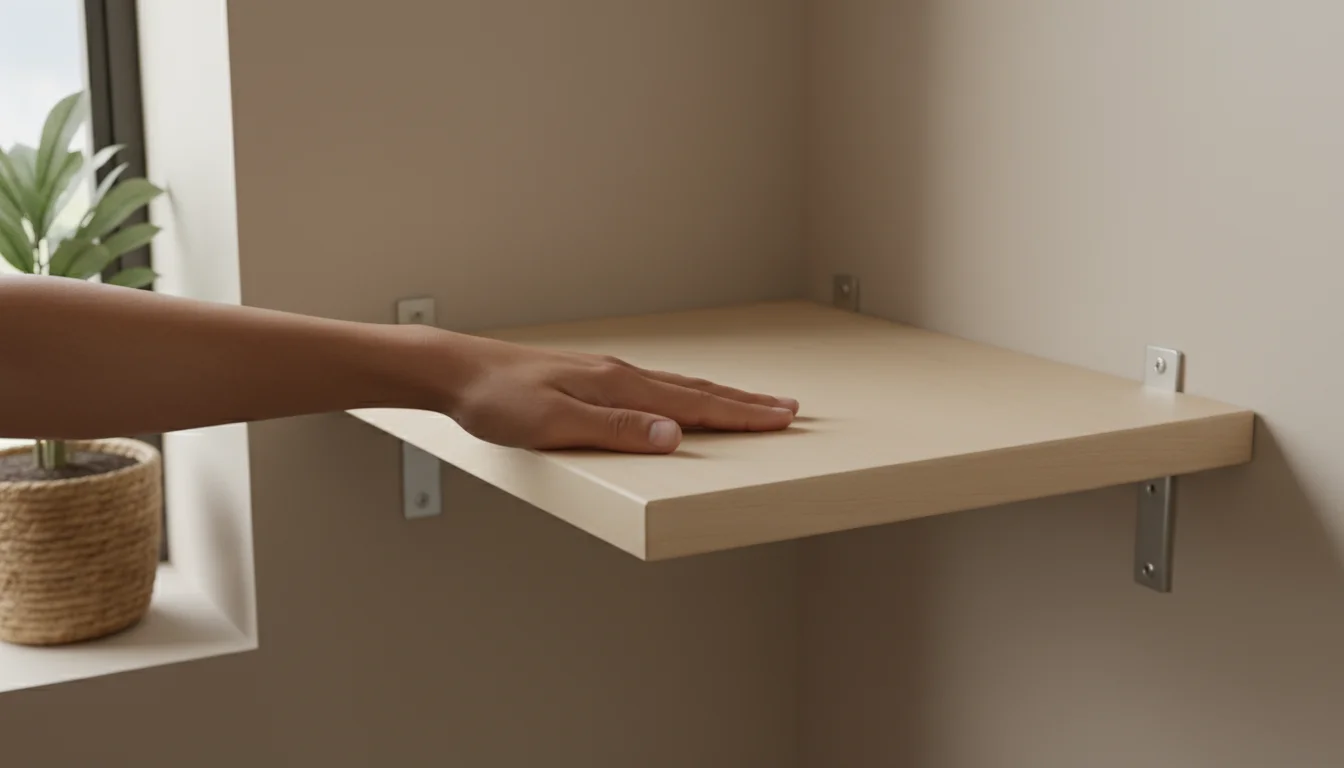
Before loading your new corner shelves with items, gently push down on them to test their stability. Ensure there is no wobble and that the installation feels secure. If anything feels loose, tighten screws or re-evaluate the wall anchors. This crucial step prevents potential accidents and damage.
Taking your time and performing each step carefully ensures your corner shelves provide reliable, long-lasting storage.
Maintaining Your Corner Storage: Keeping it Tidy
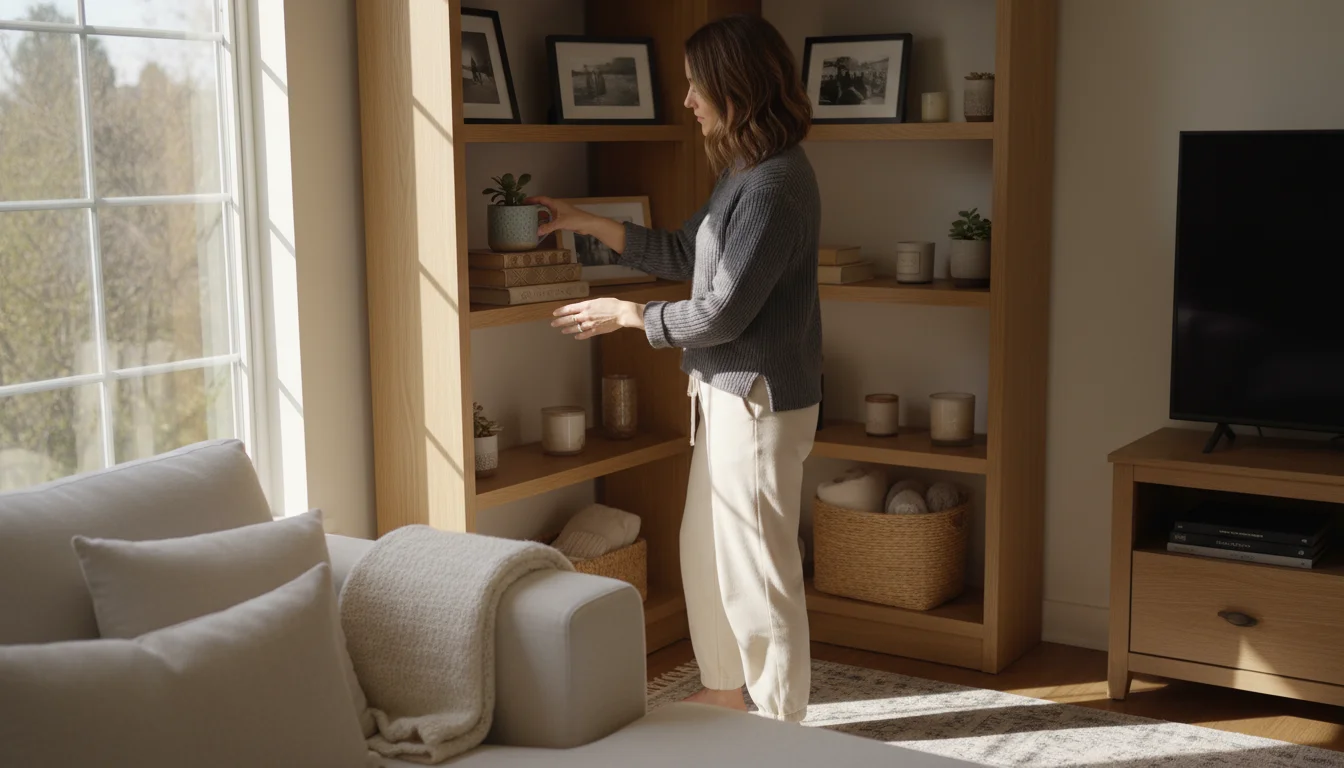
Installing corner shelves is just the first step. To ensure they remain effective tools for space optimization and decluttering, you need to establish a simple maintenance routine. Realistic living solutions mean creating systems you can actually stick to.
Regular Decluttering Sweeps
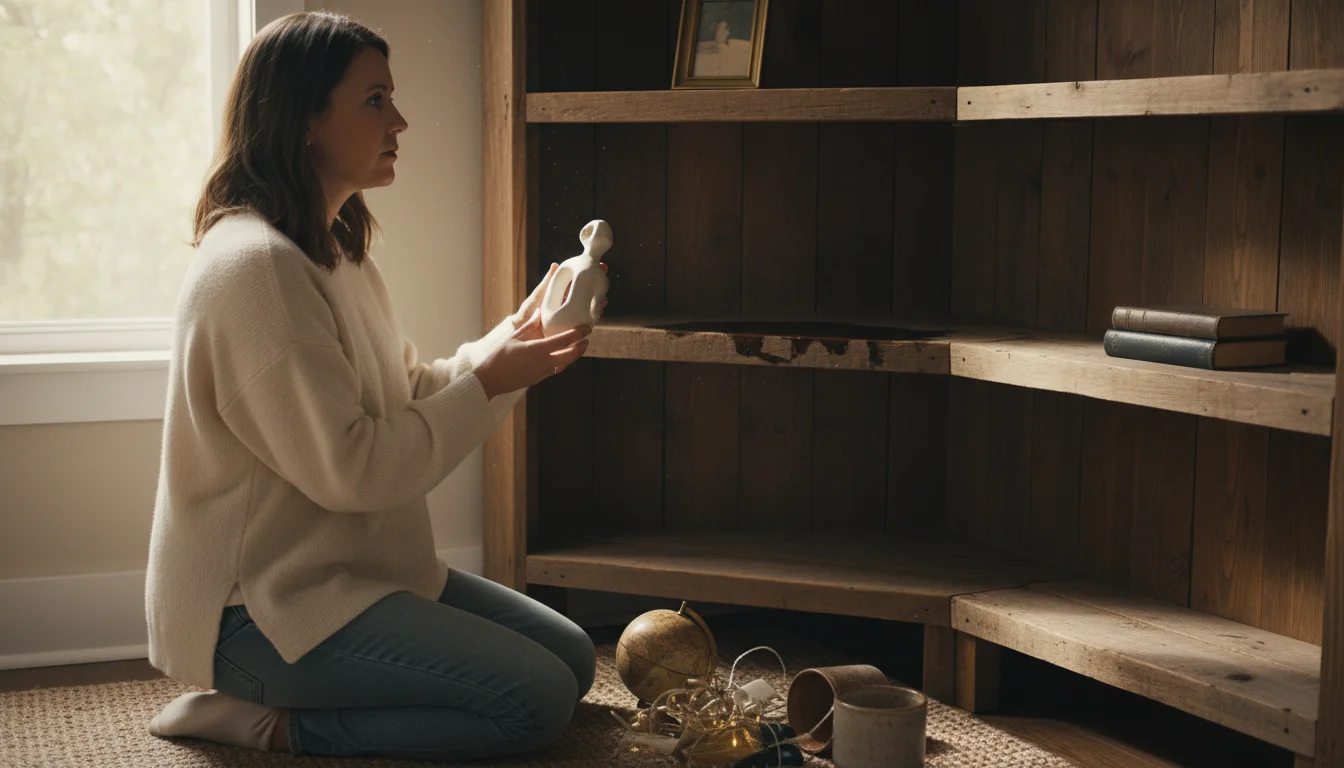
Your corner shelves, like any storage area, can become a magnet for clutter. Perform a quick “decluttering sweep” every few weeks or months. Take everything off one shelf, wipe it down, and then critically evaluate each item. Ask yourself: Do I still use this? Does it belong here? Is it genuinely useful or beautiful? If not, relocate it, donate it, or discard it. This prevents accumulation and keeps your corner storage purposeful.
Wipe Down and Clean Regularly
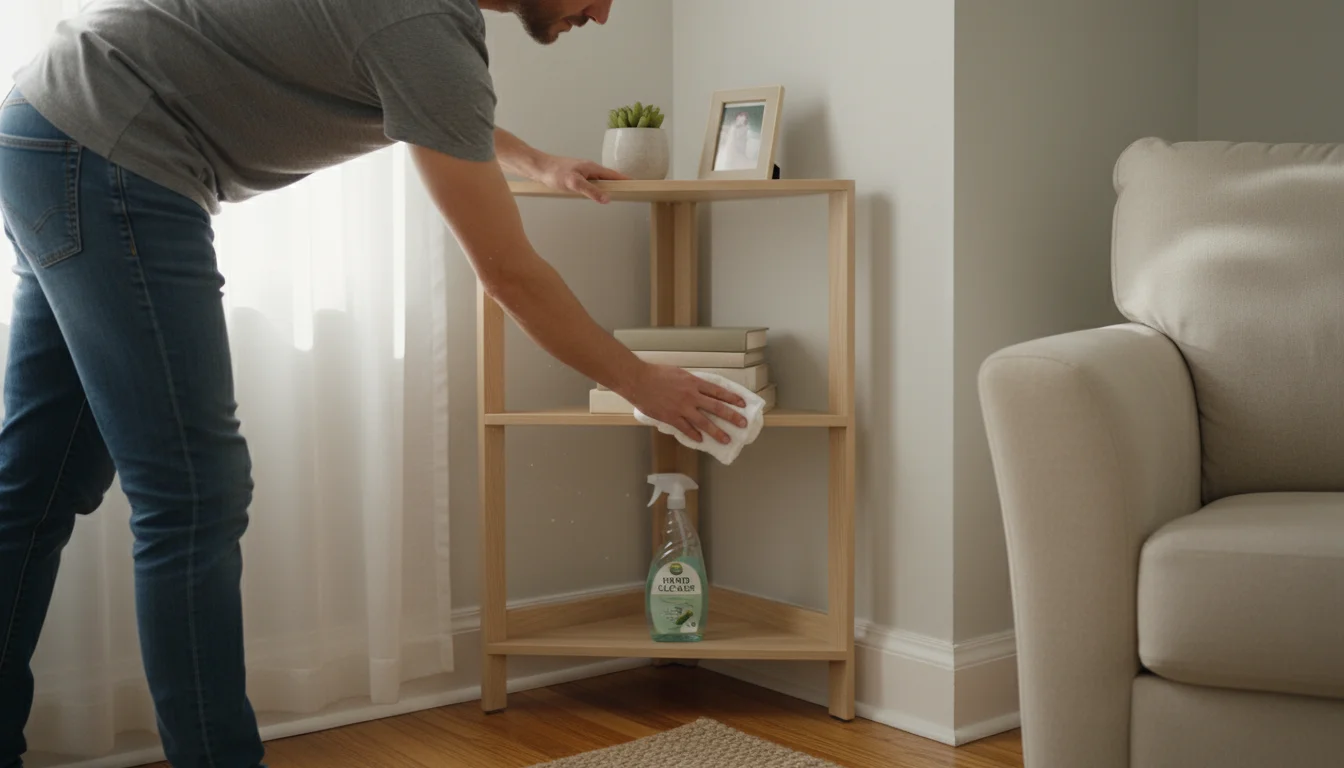
Dust and grime accumulate on shelves. Include your corner shelves in your regular cleaning routine. Wipe them down with a damp cloth and an appropriate cleaner for the material. For wooden shelves, use a wood-safe cleaner. For glass, use a glass cleaner. Consistent cleaning keeps your shelves looking good and prevents the buildup of dust that can make a space feel less tidy. For kitchens and bathrooms, focus on grease and moisture buildup respectively.
Rotate and Refresh Displays
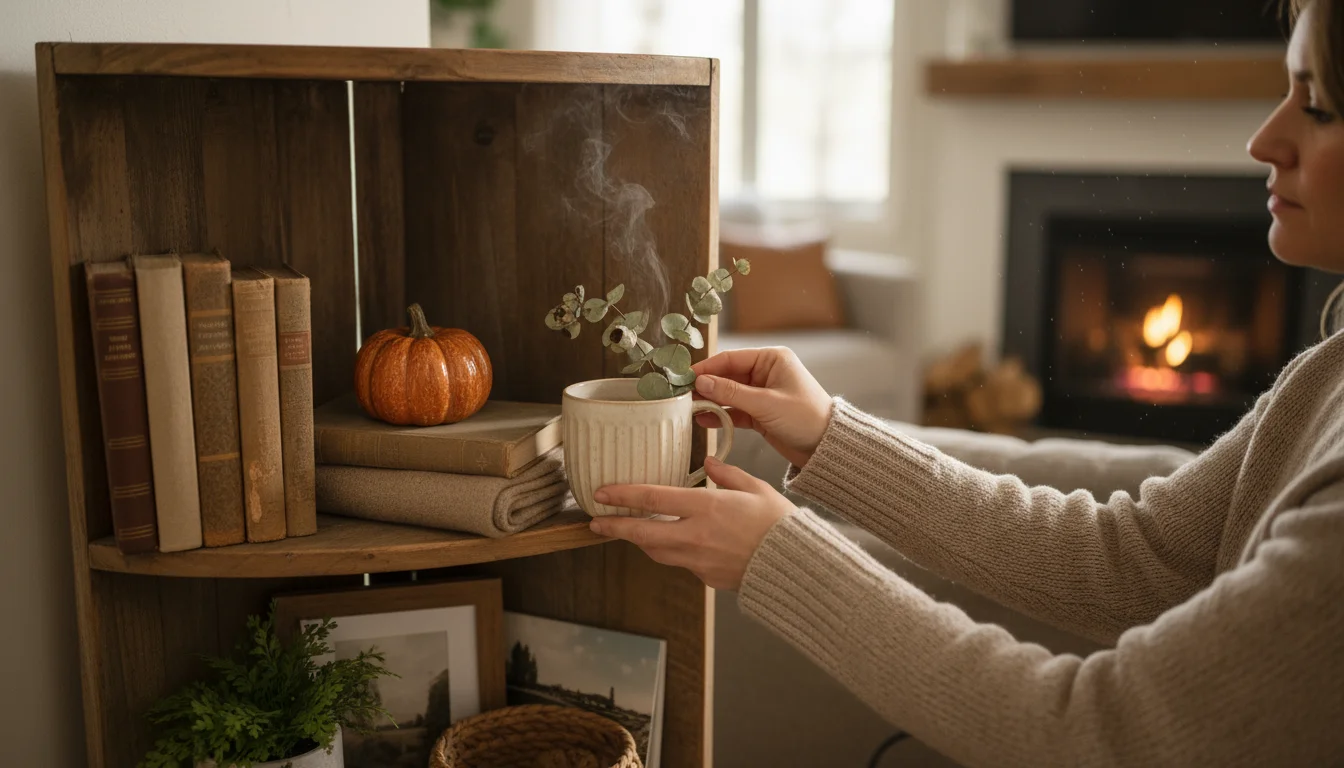
If you use corner shelves for decorative displays, consider rotating items seasonally or whenever you feel like a change. This keeps your home looking fresh and prevents visual fatigue. You do not need to buy new items; simply rearranging existing pieces or swapping items from other rooms can have a big impact. This practice also gives you another opportunity to declutter items you no longer love.

Optimize for Accessibility
Periodically reassess whether the items on your corner shelves are still in the most logical and accessible spots. Frequently used items should always be within easy reach. Less frequently used items can reside on higher or lower shelves. If you find yourself consistently struggling to access something, it might be time to reorganize or relocate it. Good organization means effortless retrieval.
By integrating these simple maintenance habits, your corner shelves will continue to serve as efficient and attractive storage solutions for years to come, truly making every inch count.

Troubleshooting Common Corner Storage Challenges
Even with careful planning, you might encounter a few hurdles when integrating corner shelves into your home. Addressing these common issues head-on ensures your corner storage remains practical and effective.

Overstuffing and Clutter Creep
One of the biggest challenges is preventing corner shelves from becoming a dumping ground. Overstuffing negates the purpose of organization and makes your space look messier than before. To combat this:
- Implement “One In, One Out”: When you add a new item, remove an old one. This simple rule helps maintain balance.
- Use Bins and Baskets: Contain smaller items within decorative bins or baskets on your shelves. This creates visual order and limits how much you can store.
- Re-evaluate Purpose: If a shelf consistently collects random items, its purpose might be unclear. Redefine what belongs there, or re-purpose the shelf for something else entirely.
Stability Issues
A wobbly or unstable shelf is a safety hazard and a frustrating problem. Here is what to check:
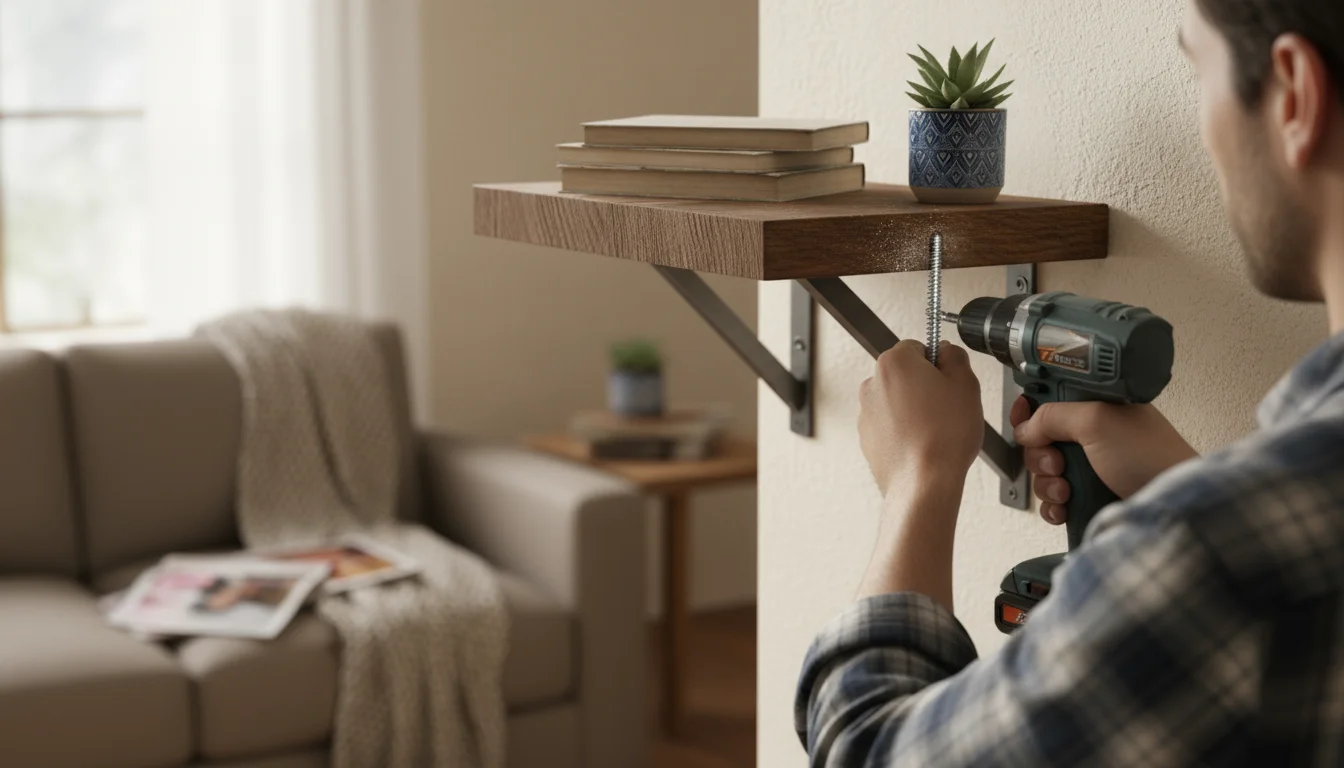
- Check Wall Anchors: If your shelves are wall-mounted, ensure they are securely fastened into studs. If you used wall anchors, verify they are rated for the weight you are putting on them and are installed correctly.
- Tighten Fasteners: For any type of shelf, routinely check and tighten all screws, bolts, and connectors. Vibration from daily life can loosen them over time.
- Even Weight Distribution: Avoid placing all heavy items on one side or one section of a shelf. Distribute weight as evenly as possible to maintain balance.
- Leveling: For freestanding units, ensure they sit on a level surface. Many units have adjustable feet to compensate for uneven floors.
Awkward Corner Angles or Shapes
Not all corners are perfect 90-degree angles. If you encounter an unusual angle:
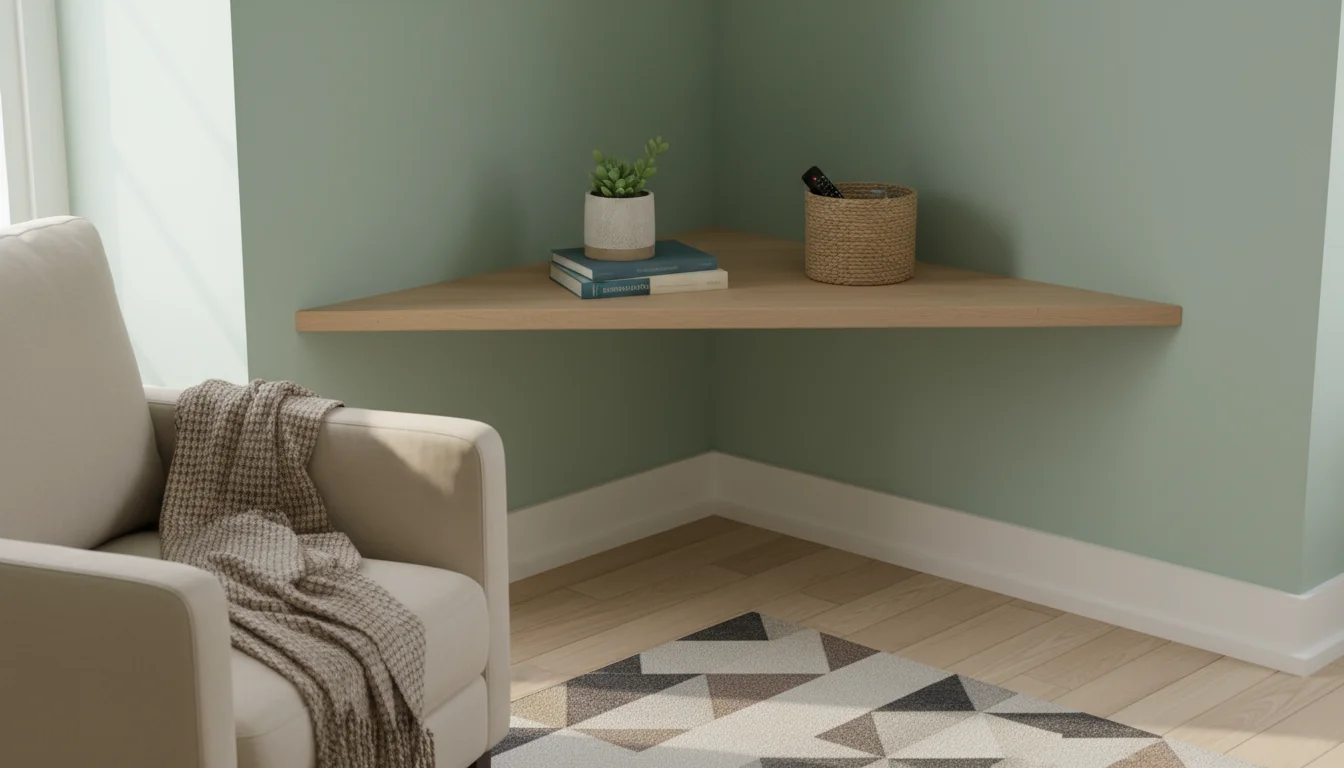
- Custom Cut Solutions: For a clean look, consider having shelves custom-cut to fit the exact angle of your corner. Many hardware stores can make simple cuts for you.
- Adjustable Shelving Systems: Look for modular or adjustable shelving units that allow for some flexibility in how they connect or extend.
- Gap Fillers: If a small gap exists, use a simple trim piece or decorative molding to fill it for a more finished look.
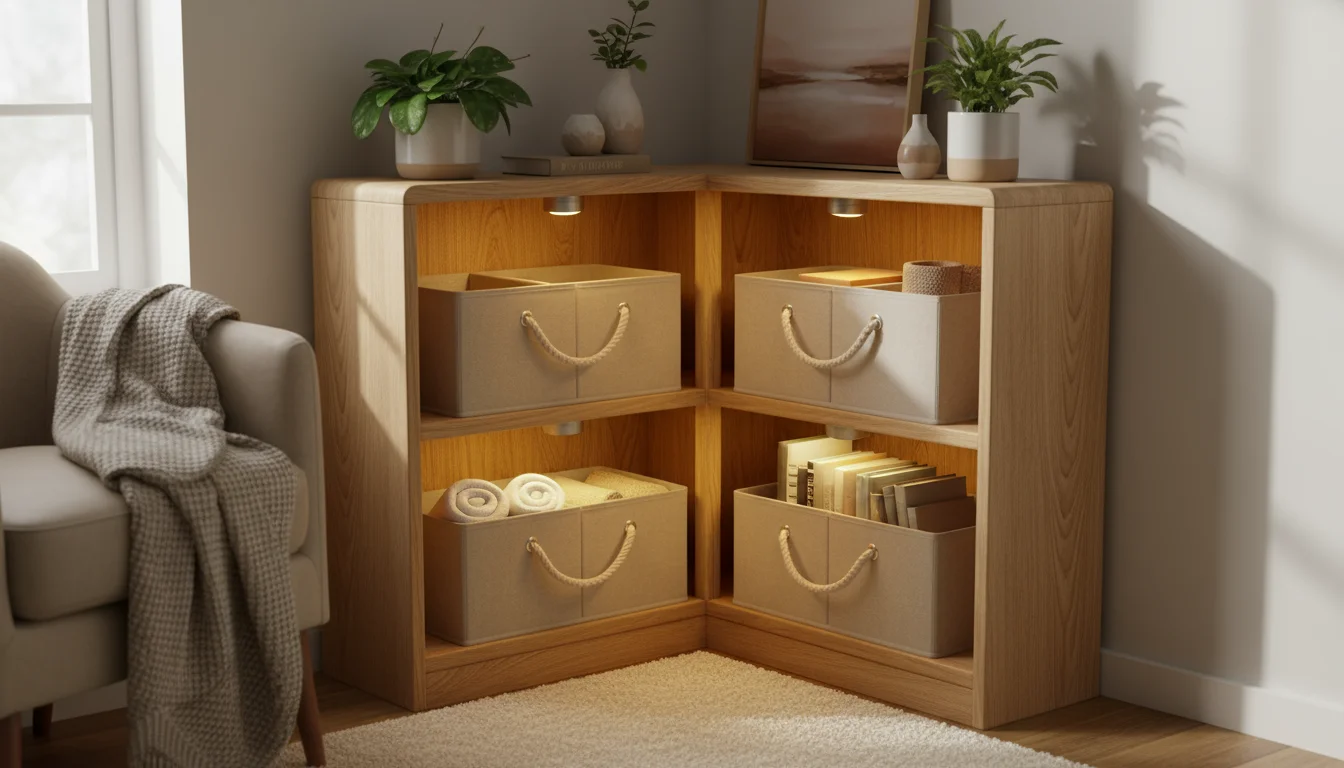
Lighting and Visibility
Corners can often be darker areas of a room, impacting visibility and making it harder to find items. Improve lighting with:
- Battery-Operated Puck Lights: Stick-on LED puck lights provide discrete illumination within shelves or under them.
- Small Task Lamps: If the corner is part of a desk or reading nook, a small task lamp can brighten the area.
- Light-Colored Items: Storing items in light-colored containers or displaying lighter decor can make the corner feel brighter and more inviting.
By proactively addressing these challenges, you keep your corner shelving systems functional and attractive, truly maximizing your living space.

Frequently Asked Questions
What is the best way to choose the right size corner shelf?
Start by measuring your corner carefully. Measure the depth from the corner along each wall and the height available. For triangular shelves, the depth along the wall typically indicates the shelf’s side length. For quarter-circle shelves, this measurement would be the radius. Ensure you also consider the visual scale; a shelf that is too deep or wide can overwhelm a small corner, while one that is too small might look insignificant. Always choose a shelf size that leaves a little breathing room around it, so it does not feel crammed into the space.
Can I install corner shelves in a bathroom with high humidity?
Absolutely, but material choice is key. Opt for shelves made from moisture-resistant materials such as treated wood (sealed or painted with water-resistant finishes), plastic, tempered glass, or rust-resistant metals like stainless steel or powder-coated aluminum. Avoid untreated particle board or MDF, as they swell and degrade quickly in humid environments. Proper ventilation in your bathroom also helps prolong the life of any shelving.
How much weight can a typical wall-mounted corner shelf hold?
The weight capacity varies significantly based on the shelf’s material, its construction, and most importantly, how it is mounted. A small, decorative floating shelf attached with drywall anchors might only hold 5-10 pounds. A sturdy, fixed wooden shelf anchored directly into wall studs can often support 20-50 pounds or more per shelf. Always consult the manufacturer’s specifications for weight limits. If you plan to store heavy items like books or dishes, prioritize shelves designed for higher load capacities and ensure you install them into wall studs.
Are corner shelves suitable for small apartments or rentals?
Yes, corner shelves are exceptionally well-suited for small apartments and rentals because they maximize vertical space without taking up valuable floor area. For renters, freestanding corner units are an excellent choice as they require no wall modification. Tension-rod shower caddies also offer temporary, no-drill solutions. If you install wall-mounted shelves, ensure you use methods that are easily reversible, such as wall anchors that leave minimal damage, and always check your lease agreement for rules on wall modifications.
How can I make my corner shelves look styled, not just functional?
Treat your corner shelves like mini display areas. Follow the “rule of three” for grouping items (odd numbers often look more appealing). Vary heights and textures with books, small plants, decorative objects, and framed photos. Leave some empty space; do not fill every inch, as negative space allows items to breathe. Incorporate a consistent color palette or a few accent colors to tie the display together with the rest of your room’s decor. Regularly declutter to keep the look fresh and curated, preventing an overcrowded appearance.
For expert home organization guidance, visit
Institute for Challenging Disorganization,
Consumer Reports — Home,
This Old House and
Family Handyman.
Disclaimer: This article is for informational purposes only and is not a substitute for professional advice. Consult professional organizers or specialists for personalized recommendations.
To further streamline your space, consider pairing your shelving with multifunctional furniture that offers hidden storage for a cleaner look.
Leave a Reply