
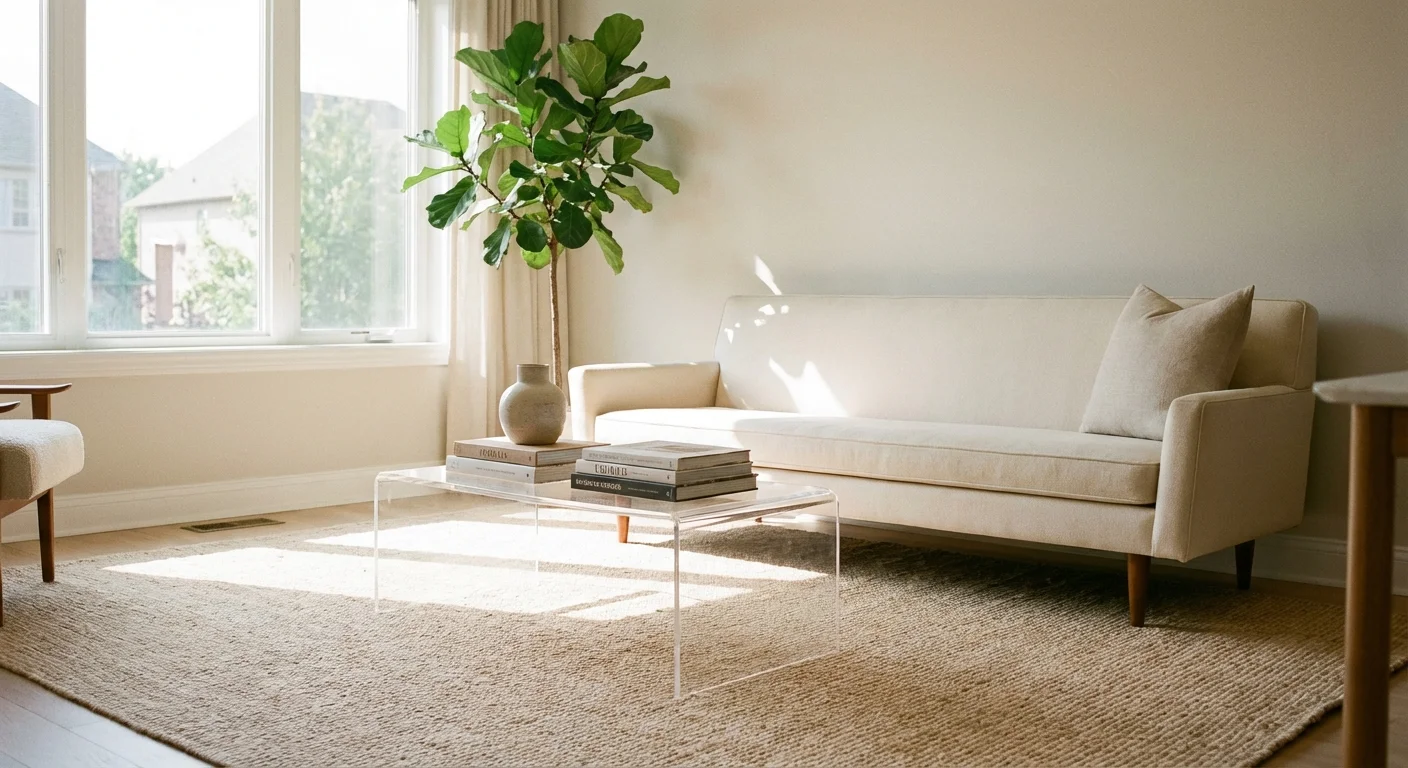
You stand in the doorway of your living room, mentally wrestling with a familiar geometry problem. You need a place to sit, a surface for your coffee, a spot for the television, and enough remaining floor space to walk through without barking your shins on sharp wooden corners. Decorating a tight footprint often feels like playing a high-stakes game of Tetris, where one bulky armchair can instantly transform a cozy retreat into a cramped storage unit.
These principles also align with expert studio apartment layout tips for creating distinct zones in open floor plans.
Fortunately, square footage does not dictate your home’s comfort or style. The secret lies entirely in visual weight and smart functionality. By selecting the right small living room furniture, you manipulate how the eye travels through the room, essentially tricking the brain into perceiving a much larger area. You do not need to knock down walls to breathe life into your home; you simply need to make strategic choices about the pieces you invite inside.
The Essentials: What You Will Learn
- The Power of Visual Space: Why seeing the floor matters more than actual floor space.
- Proportion and Scale: How to choose seating that fits your room without sacrificing comfort.
- Double-Duty Pieces: The best compact furniture ideas for hiding clutter.
- Layout Rules: Why pushing everything against the walls actually shrinks your room.
Prioritize Furniture with Legs to Create “Airflow”
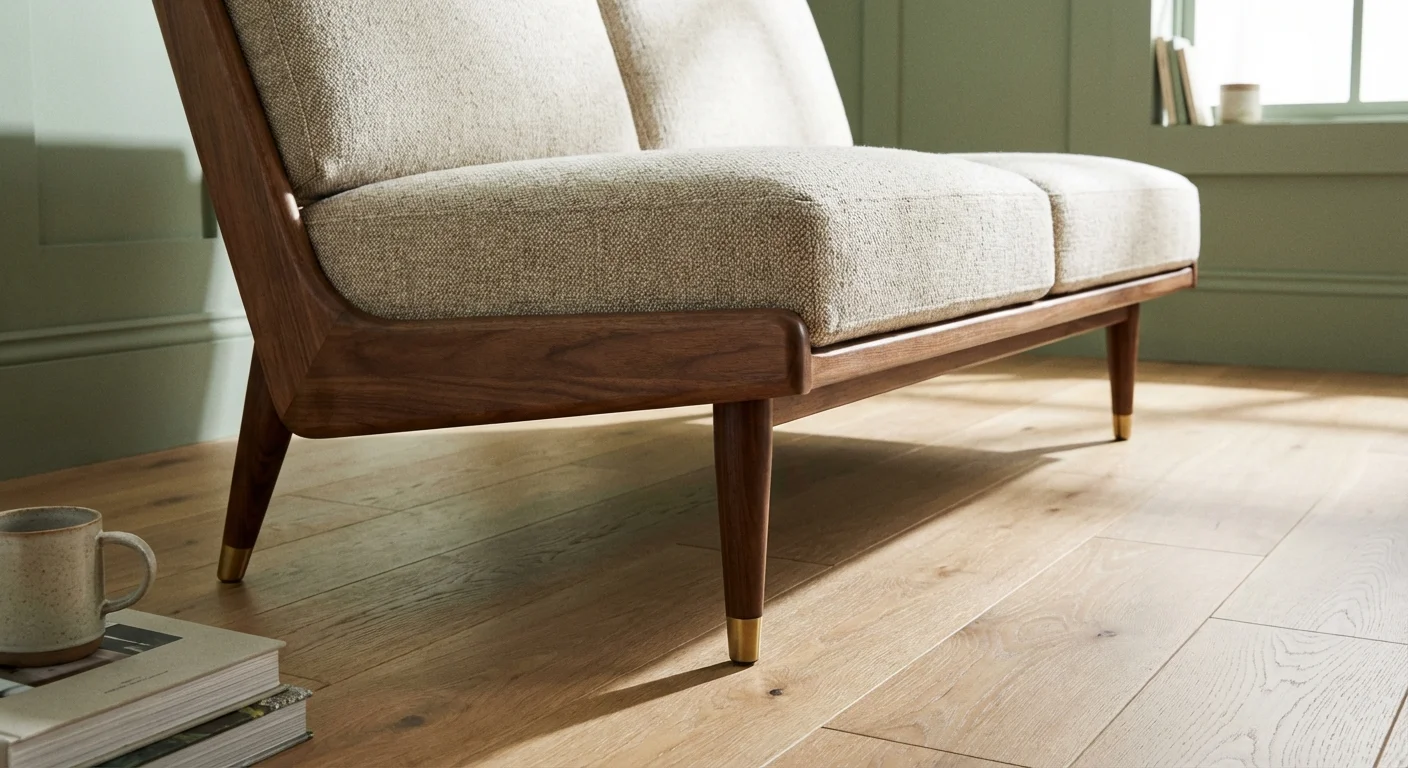
When you walk into a room, your brain instantly calculates the size of the space based on how much floor area is visible. Furniture that sits directly on the ground—like a heavy, skirted sofa or a solid block coffee table—creates a visual roadblock. It abruptly stops the eye, effectively cutting off the perceived dimensions of the room.
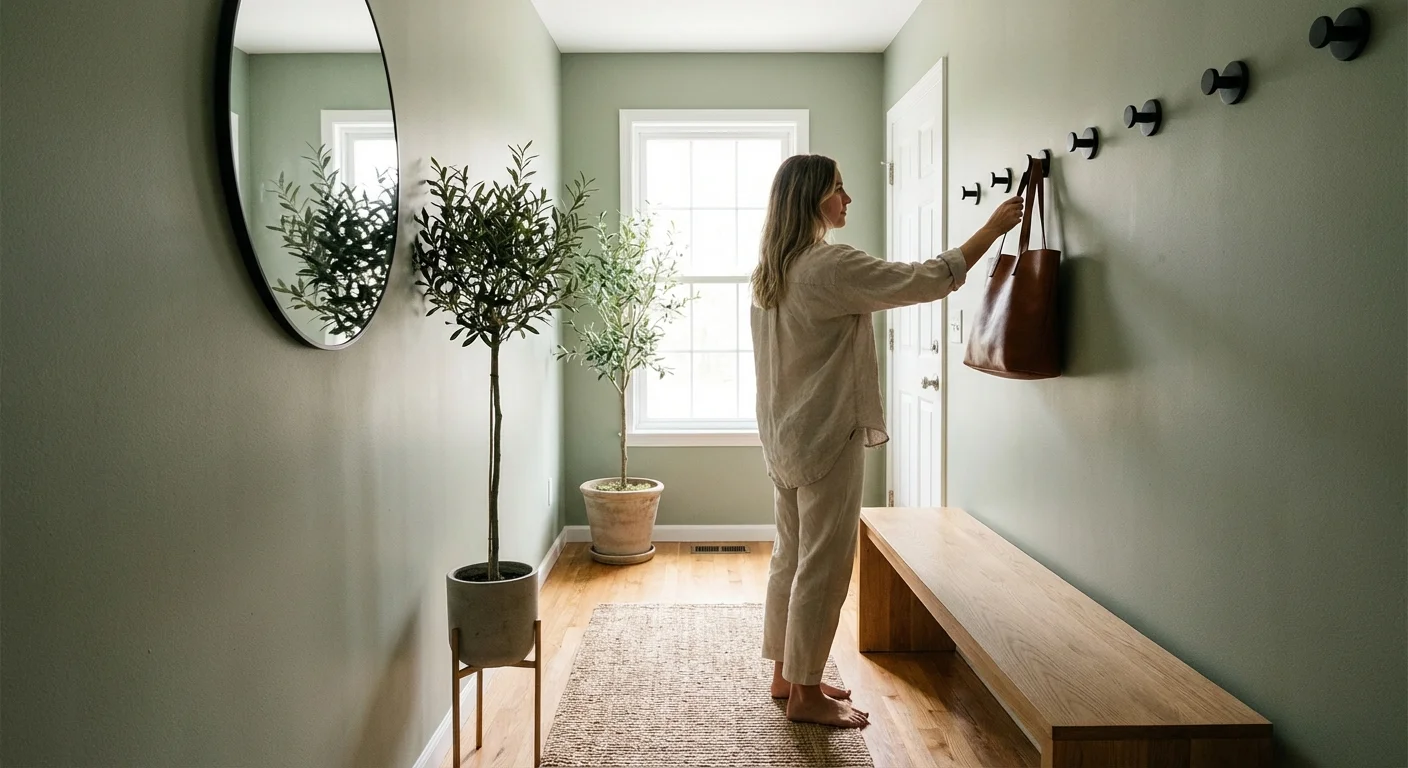
This ‘open leg’ strategy is also one of the best small entryway organization tricks for making narrow halls feel wider.
Pairing these layout ideas with a budget living room makeover allows you to refresh your home without overspending.
To counteract this, choose furniture elevated on legs. A sofa raised even five or six inches off the ground allows light and air to flow underneath it. This continuous line of sight along the floor stretches the room’s boundaries. Mid-century modern designs excel in this category, featuring tapered wooden legs that provide sturdy support without visual bulk. Apply this rule to your seating, media consoles, and side tables. When you can see the floor extending beneath your furniture, your mind registers a more expansive room.
Swap Bulky Seating for Streamlined Alternatives
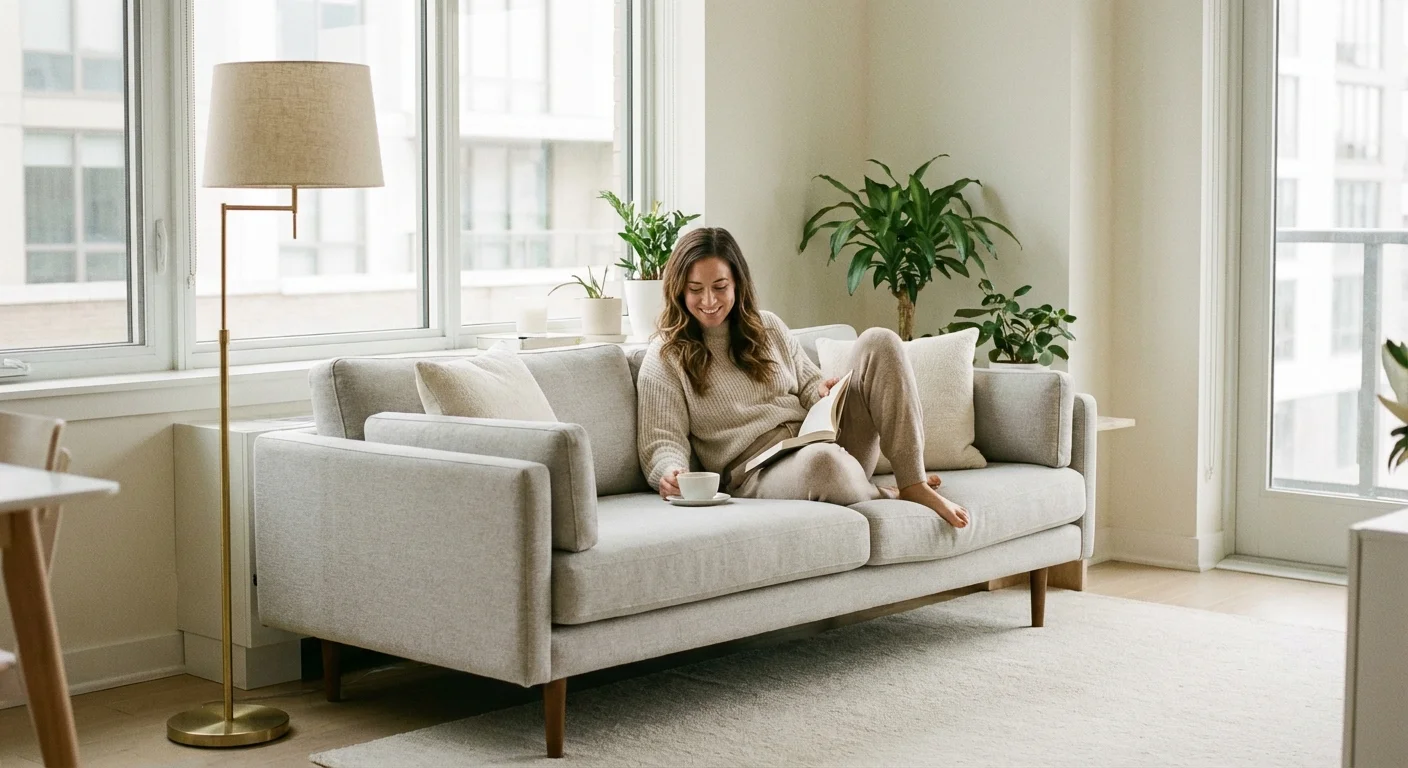
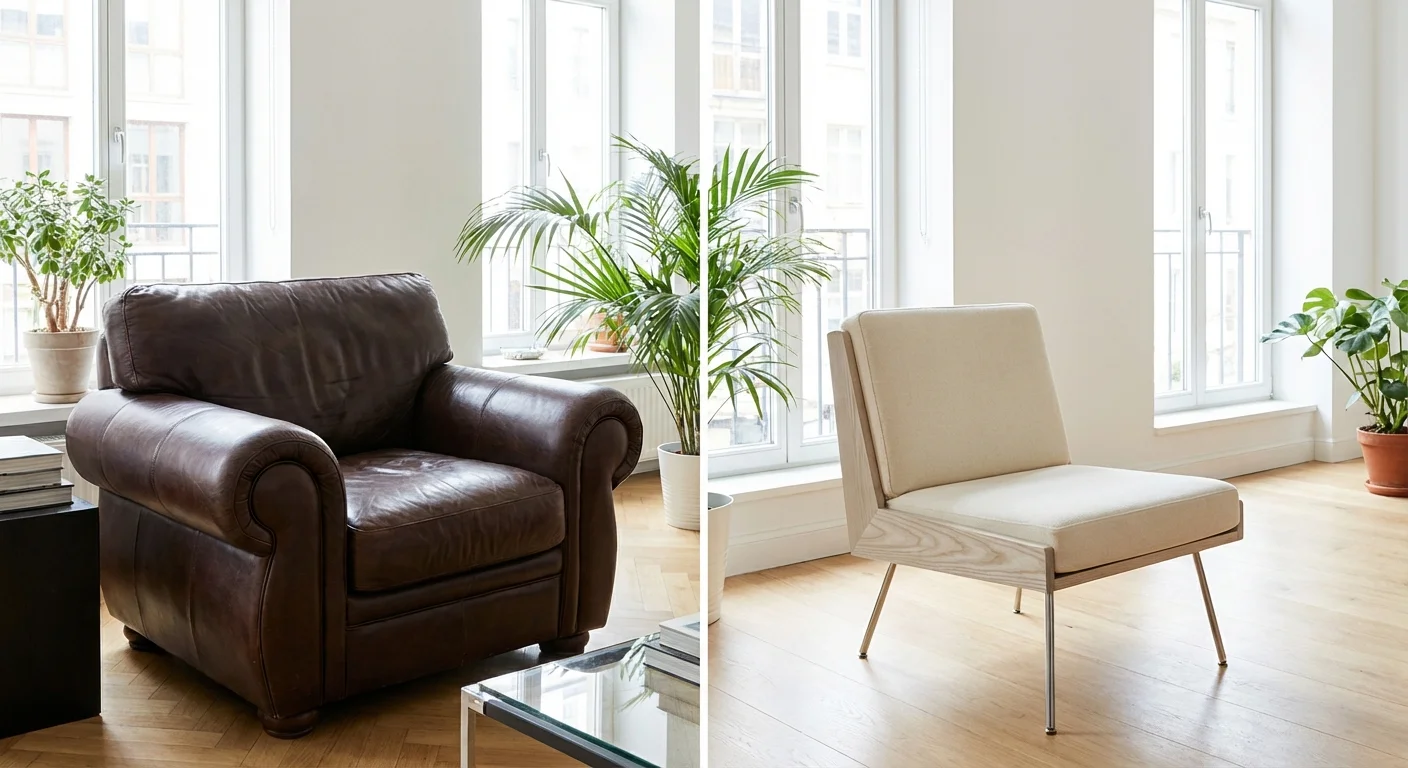
The standard American sofa stretches between 84 and 90 inches long and features heavily padded, rolled armrests. In a compact space, these dimensions swallow your room whole. Finding comfortable furniture for small spaces requires evaluating the actual seating area versus the structural footprint.
Consider an “apartment sofa,” which typically ranges from 72 to 78 inches long. You still get two comfortable seating cushions, but you save nearly a foot of horizontal space. Look specifically for track arms—the straight, squared-off armrests that sit flush with the sofa’s frame. Rolled arms can add up to six inches of unusable width on each side of the sofa. By switching to track arms, you gain back valuable real estate that you can use for a sleek side table or a floor lamp.
If your room is exceptionally tight, bypass the traditional sofa entirely. A pair of comfortable, deep-seated armchairs paired with a tufted ottoman offers flexible seating that you can easily angle or rearrange. Alternatively, a sleek loveseat paired with an accent chair provides conversational seating without blocking major walkways.
Embrace Transparent and Reflective Materials
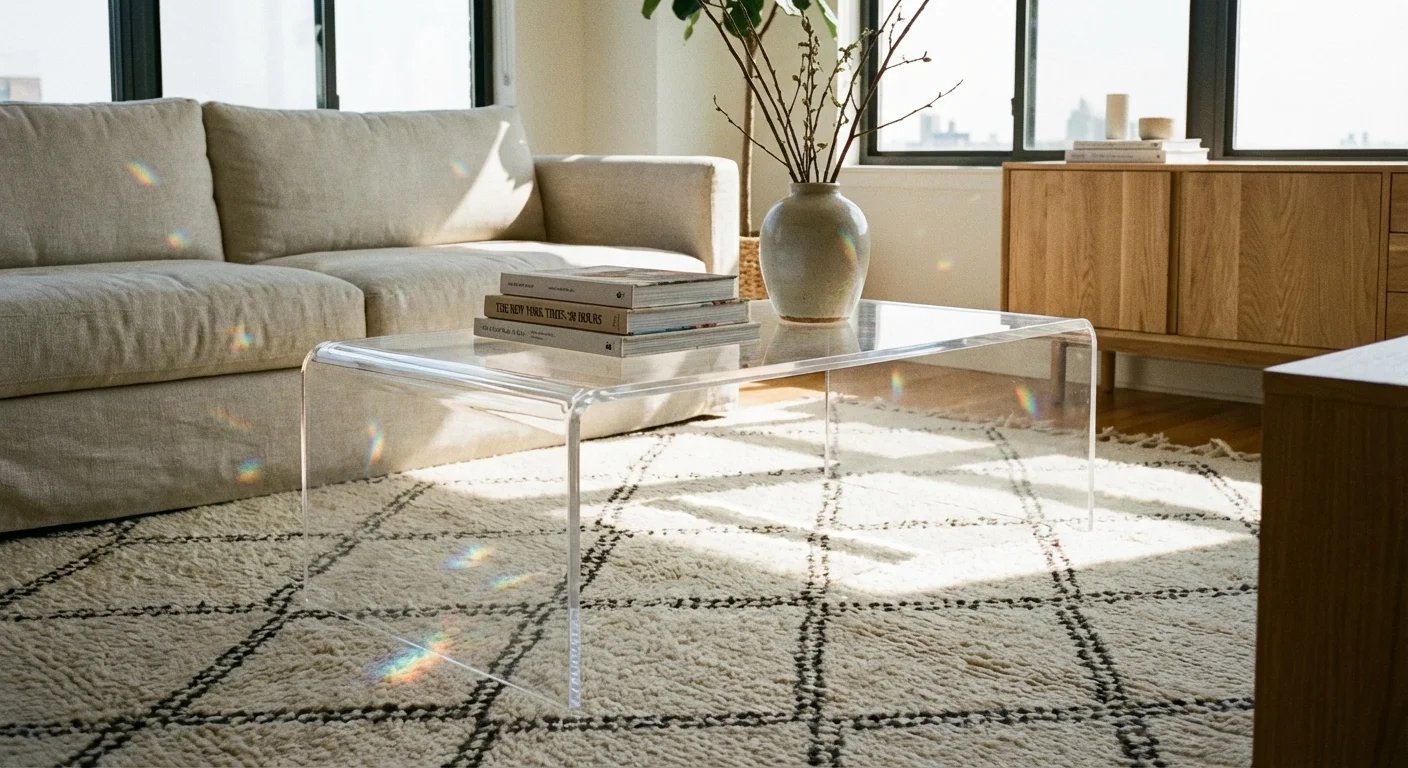
Designers frequently rely on “ghost furniture” to make small room look bigger. Materials like glass, acrylic, and Lucite perform a brilliant optical illusion: they provide a functional surface while remaining almost entirely invisible to the eye.
These optical illusions can elevate your home’s aesthetic, similar to how to make a small bedroom feel luxurious through high-end textures and light-reflecting surfaces.
Swap a heavy oak coffee table for a clear acrylic waterfall table. The piece serves its purpose perfectly—holding your drink, a book, or a remote—without interrupting the visual flow of the room. If an entirely clear table feels too modern for your taste, opt for a metal-framed table with a glass top. The glass reflects light and allows you to see the rug beneath, maintaining that crucial sense of openness.
Mirrored furniture serves a similar purpose. A mirrored side table or a console bounces natural light around the room, mimicking the effect of an extra window. Even subtle metallic accents—like brass legs on a chair or a polished nickel lamp base—catch the light and keep the eye moving gracefully around the space.
Invest in Hardworking, Multi-Functional Pieces
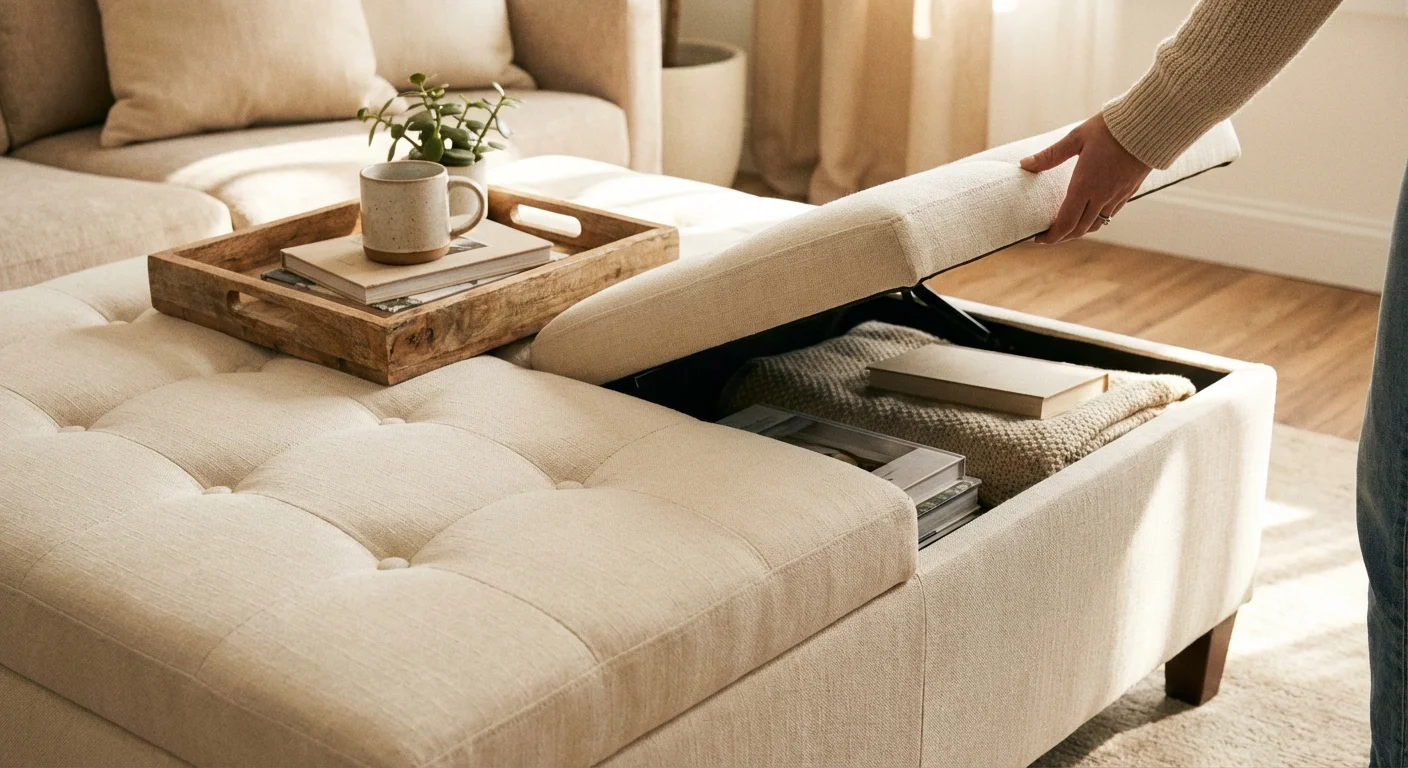
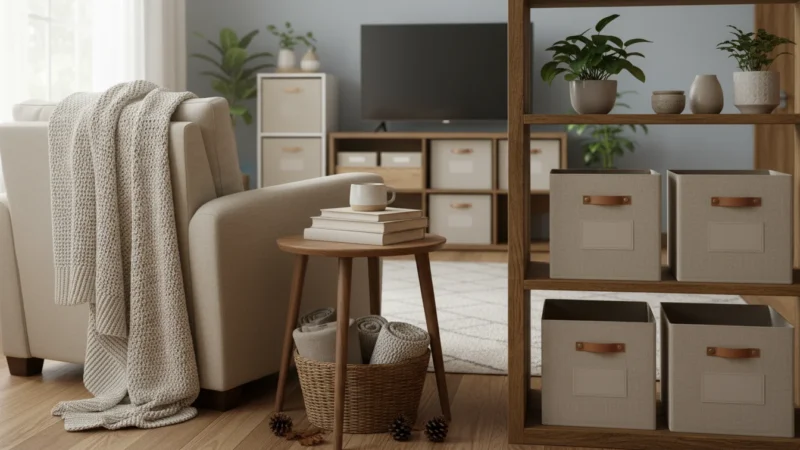
In a tight living area, every piece of furniture must earn its keep. Single-purpose items are a luxury you simply cannot afford when square footage is limited. A space saving living room relies heavily on multi-functional furniture that conceals clutter and adapts to your daily needs.
“Clutter is caused by a failure to return things to where they belong. Therefore, storage should reduce the effort needed to put things away, not the effort needed to get them out.” — Marie Kondo, The Life-Changing Magic of Tidying Up
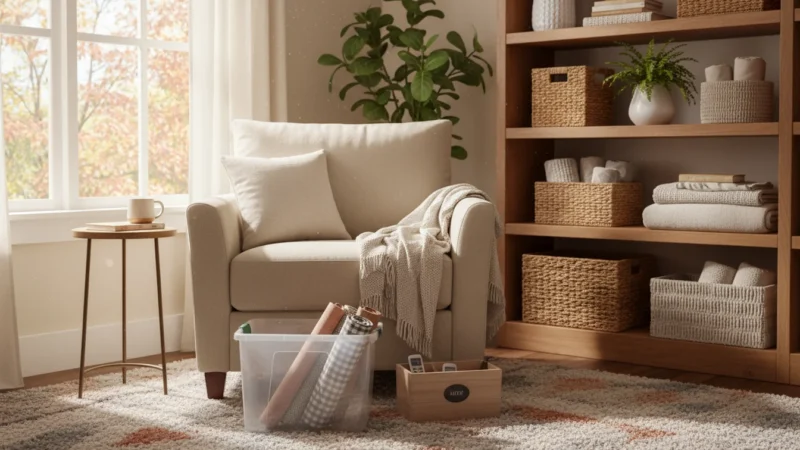
Living rooms attract a rapid accumulation of daily life: throw blankets, remote controls, magazines, charging cables, and board games. If these items sit out in the open, the visual noise immediately shrinks the room. Choose furniture that absorbs this clutter effortlessly.
Comparing Small-Space Table Alternatives
Traditional coffee tables often waste space. Here is how three smart alternatives compare for compact living:
| Furniture Type | Best Use Case | Hidden Benefit |
|---|---|---|
| Storage Ottoman | Homes needing extra seating and hidden storage. | Top it with a tray for drinks, then remove the tray for instant guest seating. Hides blankets inside. |
| Nesting Tables | Rooms with flexible entertaining needs. | Tuck them together for daily use; pull them apart to provide individual drink tables during parties. |
| C-Tables | Extremely narrow footprints or studio apartments. | The base slides directly under your sofa, bringing the table surface over your lap without using floor space. |
Utilize Vertical Space for Storage and Display
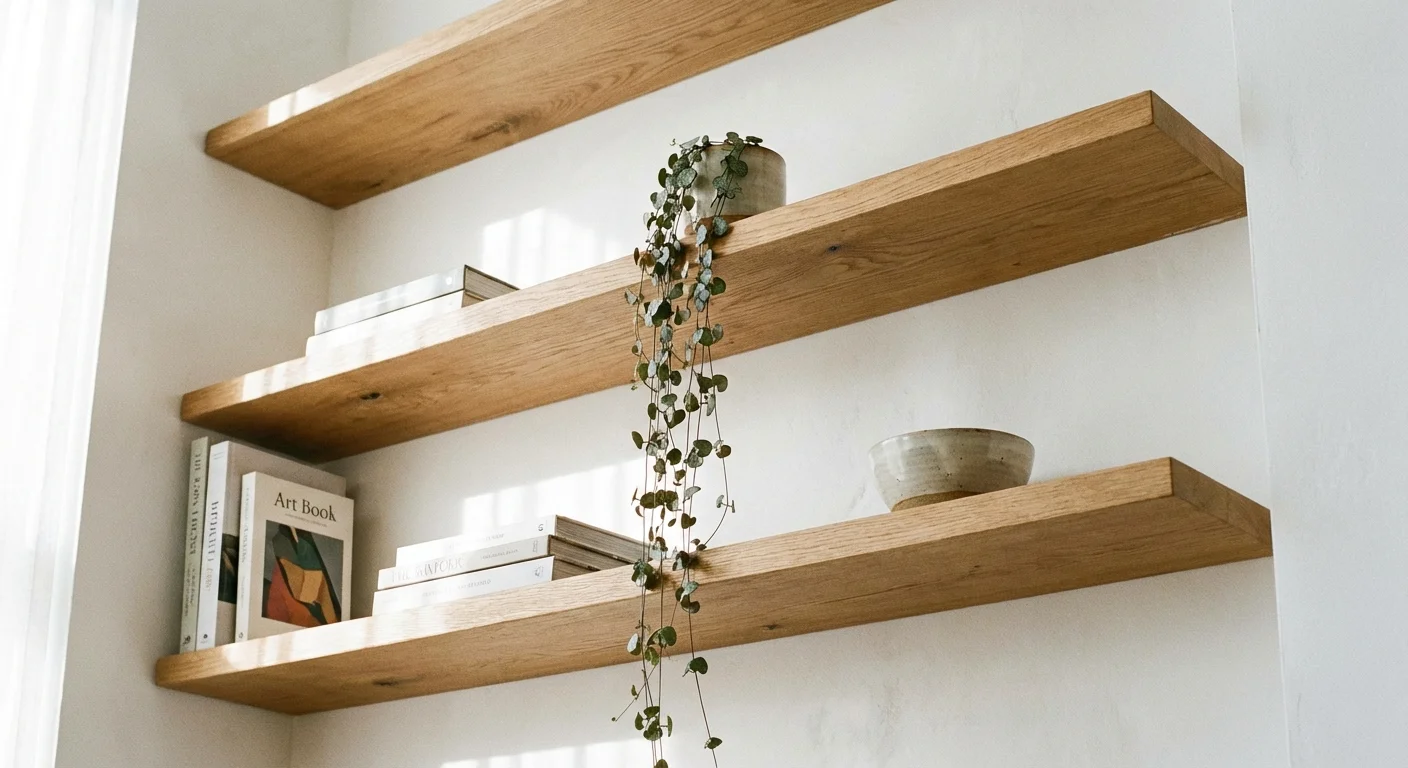
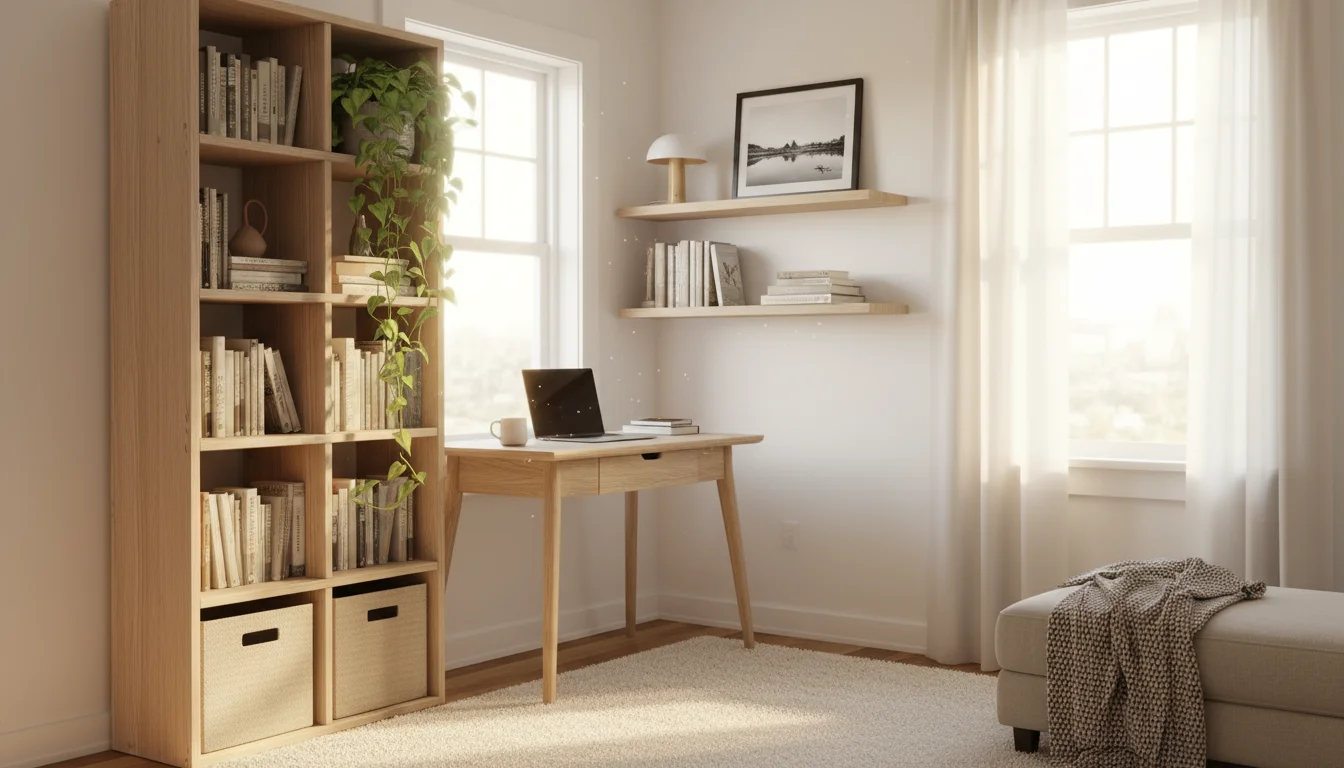
When you run out of floor space, look up. Walls offer untapped potential for storage and decoration, drawing the eye upward and emphasizing the height of the ceiling. A tall, narrow bookcase holds just as much as a wide, low credenza but occupies a fraction of the floor space.
If you are working with extremely limited floor space, these vertical storage ideas for small apartments provide even more clever ways to build up.
Finding creative vertical storage solutions ensures that your floors remain clear while your essentials stay organized.
Consider replacing your bulky entertainment center with a floating media console. By mounting the console directly to the studs in your wall, you eliminate the legs entirely, creating a massive pocket of visual space underneath. You can use this space to tuck away small poufs for extra seating or leave it empty to maximize the airy feel of the room.
Wall-mounted shelving also replaces the need for side tables. Flank your sofa with floating shelves to hold table lamps, books, and plants. For more inspiration on creative vertical storage solutions, explore the home tours on Apartment Therapy, which consistently showcase inventive ways real renters and homeowners maximize their wall space.
Anchor the Room with the Right Sized Rug
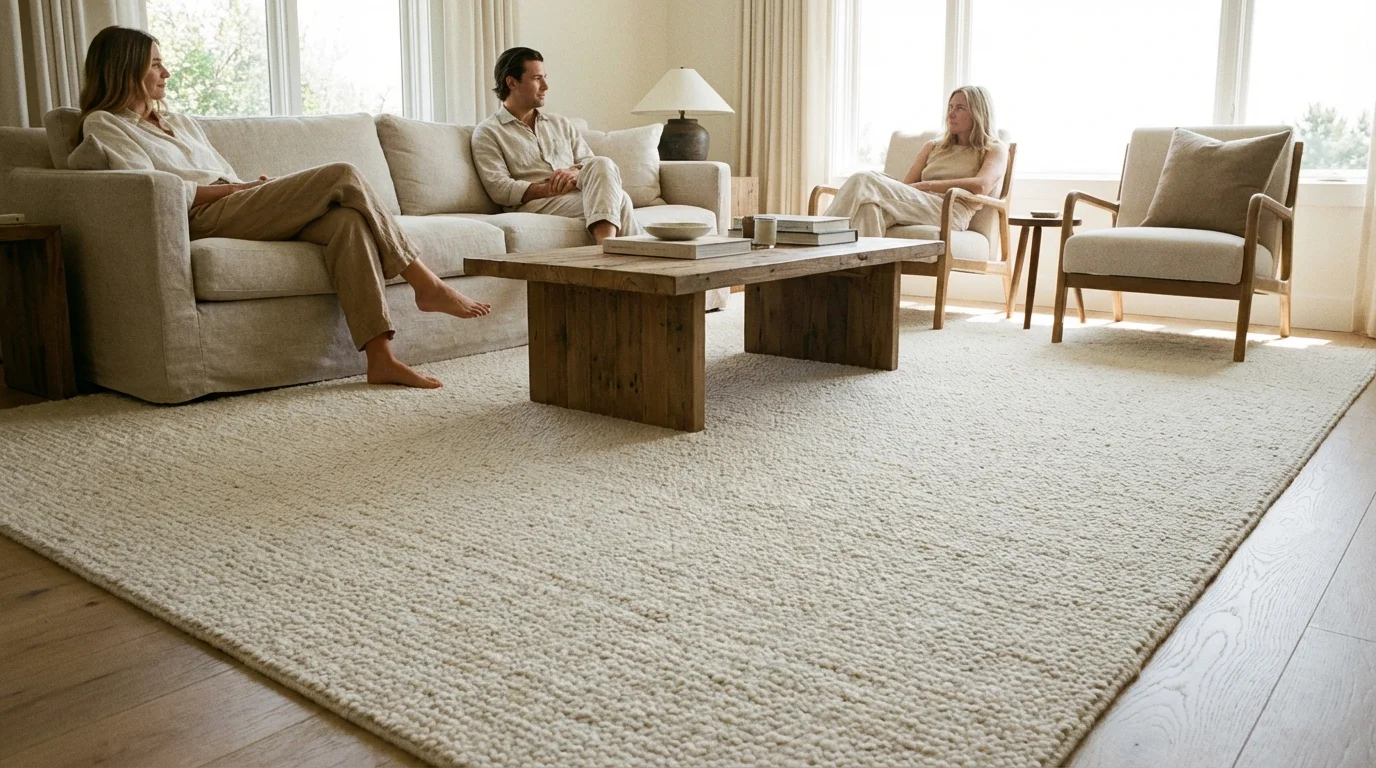
A common mistake in small-space design involves choosing a rug that is too small. People often buy a 5×7 rug for a small room, thinking a smaller rug fits a smaller space. In reality, a tiny rug looks like a postage stamp in the middle of your floor, visually chopping the room into disjointed, choppy segments.
To expand the room, use a rug large enough that all the front legs of your major seating pieces rest comfortably on it. An 8×10 or even a 9×12 rug unifies the furniture arrangement and creates a single, cohesive zone. This continuous swath of texture underfoot tricks the eye into seeing a broader, more expansive floor plan. If you need help determining exact measurements for your specific layout, The Spruce offers excellent visual guides on rug sizing and placement.
The Counterintuitive Trick: Pull Furniture Away from the Walls
Your instinct in a small room is to shove every piece of furniture tightly against the perimeter to maximize the empty space in the middle. This creates a “waiting room” aesthetic and actually makes the walls feel closer together.
These layout adjustments are also essential when learning how to divide a studio apartment into functional zones.
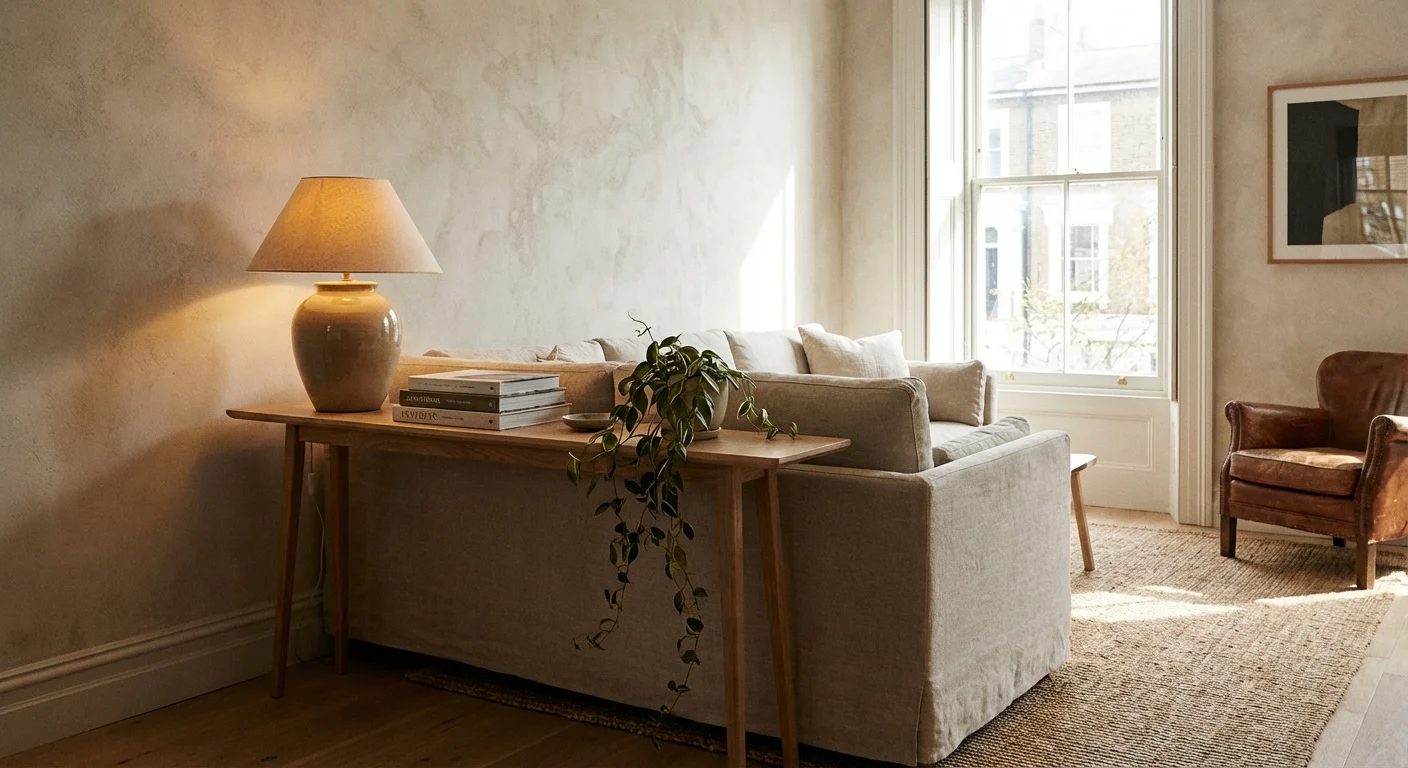
Instead, pull your sofa just three or four inches away from the wall. This tiny breathing room introduces a shadow line behind the furniture, creating an illusion of depth. If your layout allows, try floating the sofa in the middle of the room to create a distinct conversational grouping. By creating dedicated pathways around the furniture, you establish a sense of movement and flow that a perimeter-hugging layout destroys.
Rethink Your Lighting Strategy
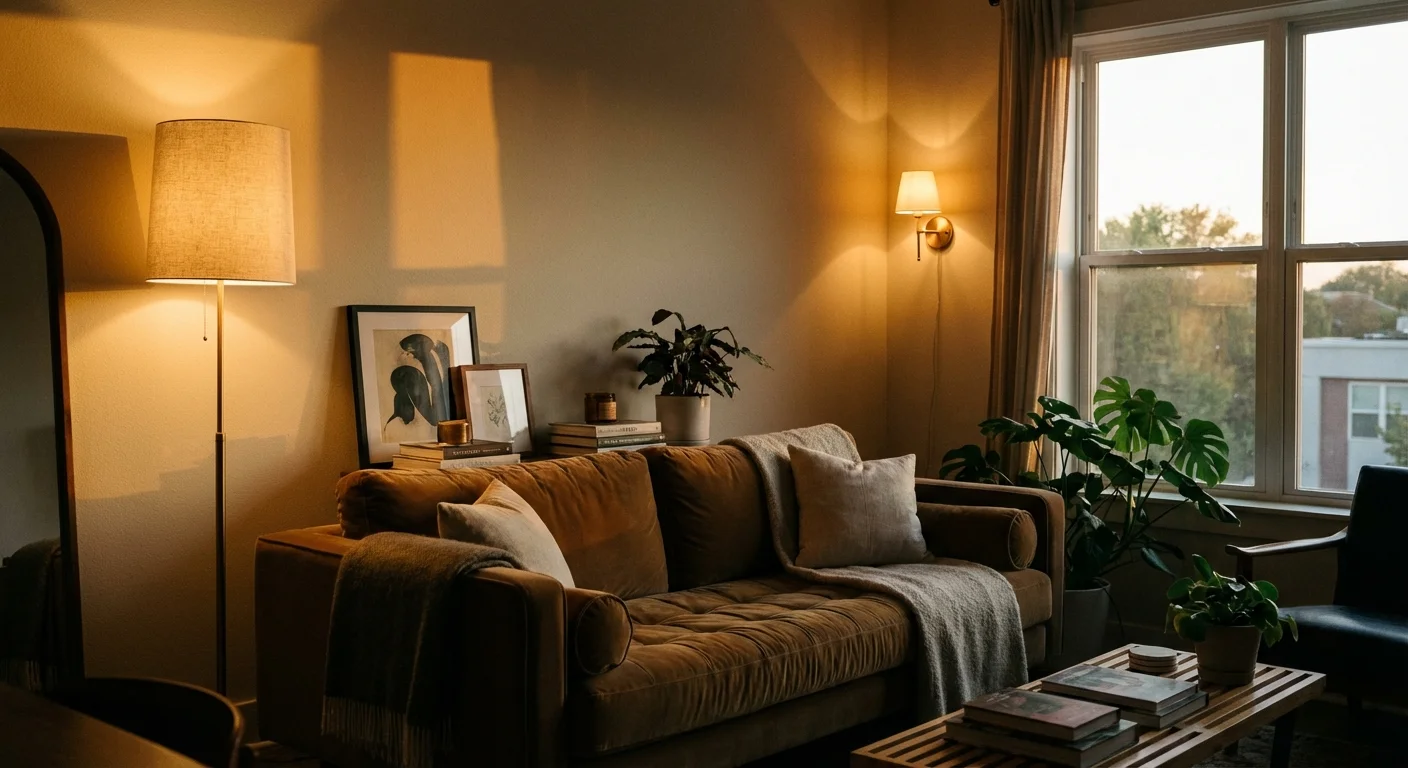
Floor lamps and chunky table lamps eat up valuable surface area and floor space. To streamline your small living room furniture plan, shift your lighting strategy to the walls and ceiling.
Once your furniture is perfectly placed, explore more ways to make your living room cozier to ensure your small space is as inviting as it is functional.
Incorporating layered lighting can eliminate dark corners and help define different zones within the room.
Wall sconces provide excellent reading light without requiring a side table to sit on. Modern plug-in sconces eliminate the need for complicated hardwiring; you simply mount them to the wall and plug them into a standard outlet. Pendant lights hung from the ceiling over a side table or in a dark corner draw the eye upward and illuminate the space beautifully. For architectural lighting concepts that emphasize vertical lines, Architectural Digest frequently highlights innovative ways to brighten compact luxury apartments.
What Can Go Wrong: Common Scale and Layout Mistakes
Even with the best intentions, it is easy to misstep when furnishing a tight room. Avoid these common traps that inadvertently shrink your space:
- The Dollhouse Effect: In an attempt to save space, some people buy entirely small-scale furniture—a tiny sofa, tiny chairs, and a tiny table. This creates a cluttered, disjointed look. You are better off using a few large, substantial pieces than a dozen miniature ones. One beautifully proportioned apartment sofa anchors a room far better than three scattered, spindly chairs.
- Blocking Natural Light: Never place a tall, solid piece of furniture in front of a window. Blocking sunlight immediately makes a room feel dark and claustrophobic. If you must place furniture near a window, use low-profile pieces or open-backed shelving that lets the light pass through.
- Ignoring Traffic Patterns: Beautiful furniture loses its charm if you have to squeeze past it every day. Always map out a clear, unobstructed pathway—aiming for at least 30 to 36 inches of walking space—through the primary traffic routes of your room.

When to Call a Professional
While rearranging furniture and shopping for clever pieces are easily accomplished on a weekend, some space-saving interventions require expert hands.
- Custom Built-Ins: If you have awkward alcoves, sloped ceilings, or unused niches, a professional carpenter can build custom storage that maximizes every square inch without protruding into the room.
- Wall-Mounting Heavy Consoles: Floating a large media unit requires finding the studs and ensuring the wall can bear the load. If you are dealing with older plaster walls or heavy equipment, hire a professional handyman to prevent structural damage.
- Lighting Installation: If you want to replace bulky floor lamps with hardwired wall sconces or recessed ceiling lights, always hire a licensed electrician to ensure the wiring is safely integrated into your home’s electrical panel.
Frequently Asked Questions
How do I arrange furniture in a long, narrow living room?
Break a long, narrow room (often called a “bowling alley” layout) into distinct zones rather than trying to furnish it as one giant space. Create a main seating area for watching television using a compact sofa and a slim coffee table. Then, use the remaining space for a secondary function: a small reading nook with an armchair and floor lamp, or a compact desk for a workspace. Keep the main walkway strictly to one side of the room rather than forcing traffic through the center of your conversation area.
Can I have a sectional in a small living room?
Yes, but scale is critical. Choose a chaise-style sectional rather than a massive U-shaped piece. A sofa with a reversible chaise gives you the comfort of stretching out without the bulk of a full corner unit. Look for sectionals with low backs and exposed legs to keep the piece from visually overwhelming the room.
What paint colors make a small living room look bigger?
While crisp whites and soft neutrals reflect light and make walls recede, dark colors can also work magic in small spaces. Dark navy, charcoal, or deep green can blur the edges of the room, creating an enveloping, infinite feel. The true trick is consistency: painting the walls, trim, and baseboards the same color (color drenching) removes visual breaks, making the ceiling appear higher and the space more cohesive.
How can I hide my TV in a small living room?
Large black screens dominate small spaces. You can minimize this impact by mounting the TV on a dark painted accent wall, which camouflages the screen when it is turned off. Alternatively, invest in a frame television that displays artwork when not in use, or surround the screen with a carefully curated gallery wall so the TV blends into the overall composition.
Designing a Room You Actually Love
Conquering a tight floor plan requires shifting your perspective. Instead of focusing on the space you lack, focus on the intentionality you can bring to the space you have. Small living rooms demand thoughtful curation. When every piece of furniture serves a distinct purpose, fits the scale of the room perfectly, and allows light to flow freely around it, the square footage becomes irrelevant. You stop seeing a small room and start seeing a perfectly tailored, deeply comfortable home.
Take a hard look at your current layout. Can you swap a bulky table for a streamlined C-table? Can you lift a heavy chair off the floor with a set of modern legs? Start with one or two small changes, and watch how quickly the walls seem to push outward.
This is educational content based on general best practices. Individual results vary based on your home, budget, and circumstances. Always prioritize safety and consult professionals for major projects.
Last updated: February 2026
Leave a Reply