
Do you ever feel like your home’s organization is a constant battle, a never-ending cycle of tidying only to find things out of place again? You are not alone. Many busy homeowners, renters, and apartment dwellers struggle to maintain order in their living spaces. A key component often overlooked in creating lasting systems is a powerful, yet simple, tool: the label maker. Implementing a clear labeling system can transform chaotic cupboards, messy drawers, and overflowing shelves into highly functional, easily navigable areas. It is an investment in your peace of mind and your home’s efficiency.
Why a Labeling System Transforms Your Home
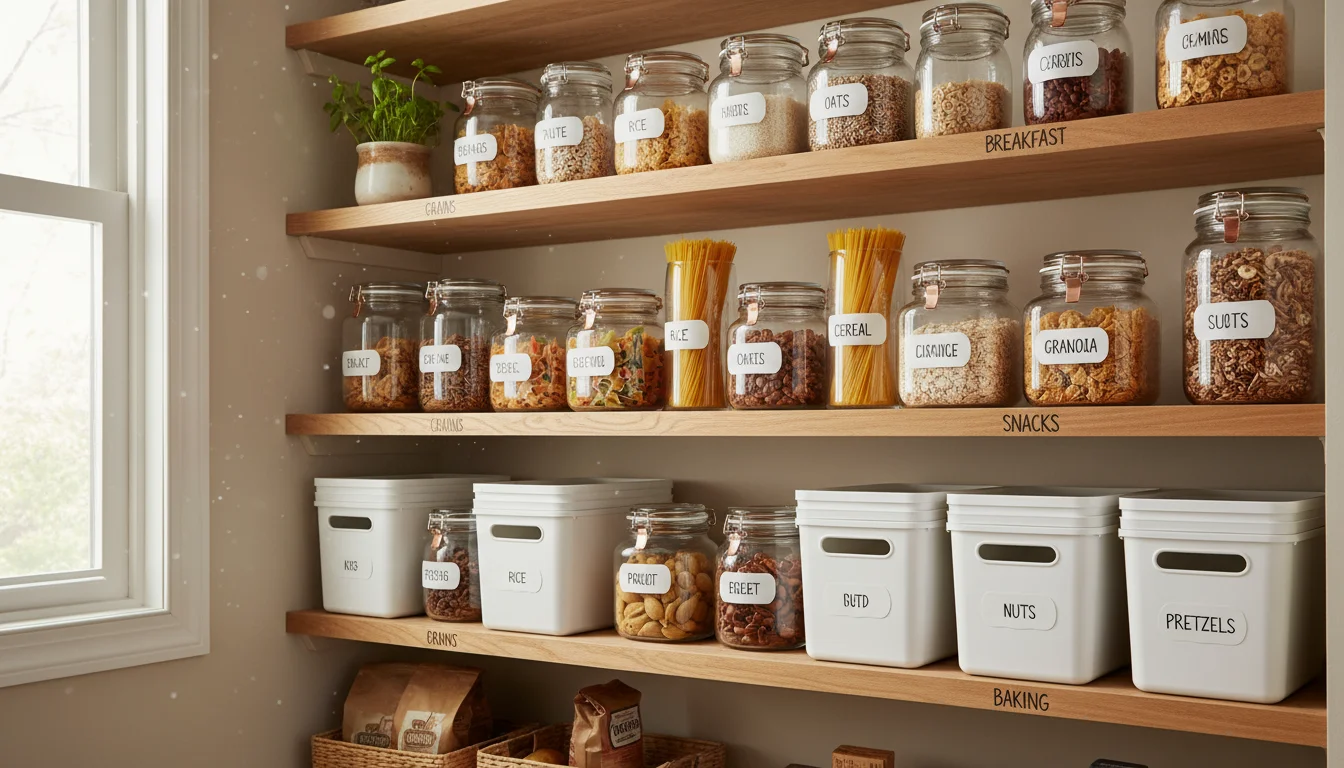
A well-implemented labeling system offers more than just aesthetic appeal; it provides structure and clarity, reducing stress and saving valuable time. When everything has a designated spot and that spot is clearly marked, you know exactly where to put items away and where to find them. This level of transparency makes maintaining order significantly easier. Think of your home as a complex ecosystem; a label maker brings order to its various “zones,” which are simply designated areas for specific activities or storage. For example, your kitchen pantry is a food storage zone, while your craft cabinet is a creative zone.
Studies and organizational experts consistently point to labeling as a cornerstone of sustainable organization. According to the National Association of Professional Organizers, a robust labeling system empowers you to maintain organization, saves time spent searching for items, and reduces clutter by preventing items from accumulating in undesignated spaces. It also helps other household members, including children, understand the system, encouraging everyone to participate in keeping the home tidy.
Consider the cumulative time you spend each week searching for misplaced items: the measuring spoons, the spare batteries, or your child’s favorite toy. A clear label immediately directs you to the item’s home. This efficiency compounds over time, freeing up mental energy and physical time for activities you genuinely enjoy. Labels also support a decluttering mindset by prompting you to consider if an item truly belongs in a space before you put it there. If you cannot assign a label to its container or shelf, the item might not truly have a “home” in that area, prompting a decision about its necessity or proper storage location.
Understanding Different Types of Label Makers
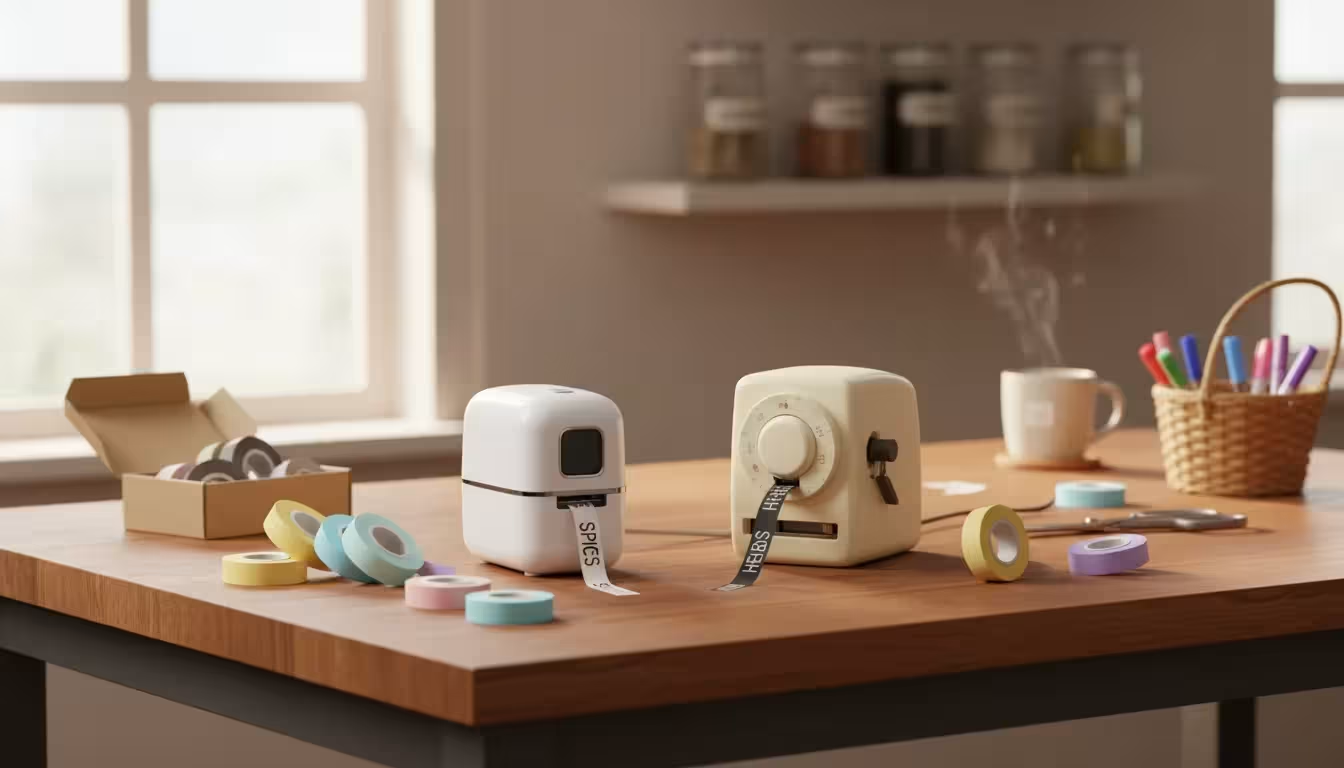
Before you choose a label maker, understand the different types available. Each offers unique benefits suited to various home organization tasks and preferences. Understanding these distinctions helps you make an informed decision that aligns with your specific needs and budget.
1. Thermal Label Makers:
- These are the most common type for home use. They use heat to activate chemicals in the label tape, creating text without needing ink cartridges.
- Pros: Cost-effective operation (no ink), quick printing, compact and portable, wide range of tape colors and widths available.
- Cons: Labels can fade over time with prolonged exposure to heat or sunlight, and tape refills can be proprietary and sometimes pricey.
- Best For: General home organization, pantry labels, file folders, storage bins, kids’ items.
2. Inkjet Label Printers:
- Less common for dedicated label making, these are often multifunction printers that can print on special label sheets.
- Pros: High-quality, full-color labels, ability to print graphics and photos.
- Cons: Requires ink cartridges (which can dry out if not used regularly), less portable than thermal, higher initial cost.
- Best For: Crafting projects, custom gift tags, mailing labels with graphics, situations where you already own a compatible printer.
3. Handheld Label Makers:
- Many thermal label makers fall into this category. They are battery-powered and designed for mobility.
- Pros: Extremely portable, easy to use on the go, often have simple interfaces.
- Cons: Smaller keyboards can be fiddly, limited advanced features compared to desktop models.
- Best For: Quick, on-the-spot labeling anywhere in the house, small projects, budget-conscious users.
4. Desktop/PC-Connected Label Makers:
- These connect to your computer via USB or Bluetooth, allowing you to design labels using software.
- Pros: Access to computer fonts and graphics, ability to print batches of labels, often support wider tapes and more complex designs.
- Cons: Less portable, requires a computer connection, higher initial cost.
- Best For: Extensive labeling projects, professional-looking labels, inventory management, archival purposes.
5. Smart/Bluetooth-Enabled Label Makers:
- A subset of handheld or desktop models, these connect wirelessly to your smartphone or tablet via Bluetooth. You design labels using an app.
- Pros: Leverage your phone’s keyboard for easy typing, access to a wide range of fonts and templates through the app, often feature-rich.
- Cons: Relies on a smartphone or tablet, app interface can sometimes be less intuitive for quick tasks.
- Best For: Tech-savvy users, those who prefer app-based control, intricate label designs, consistent labeling across many items.
Key Features to Look for in Your Ideal Label Maker
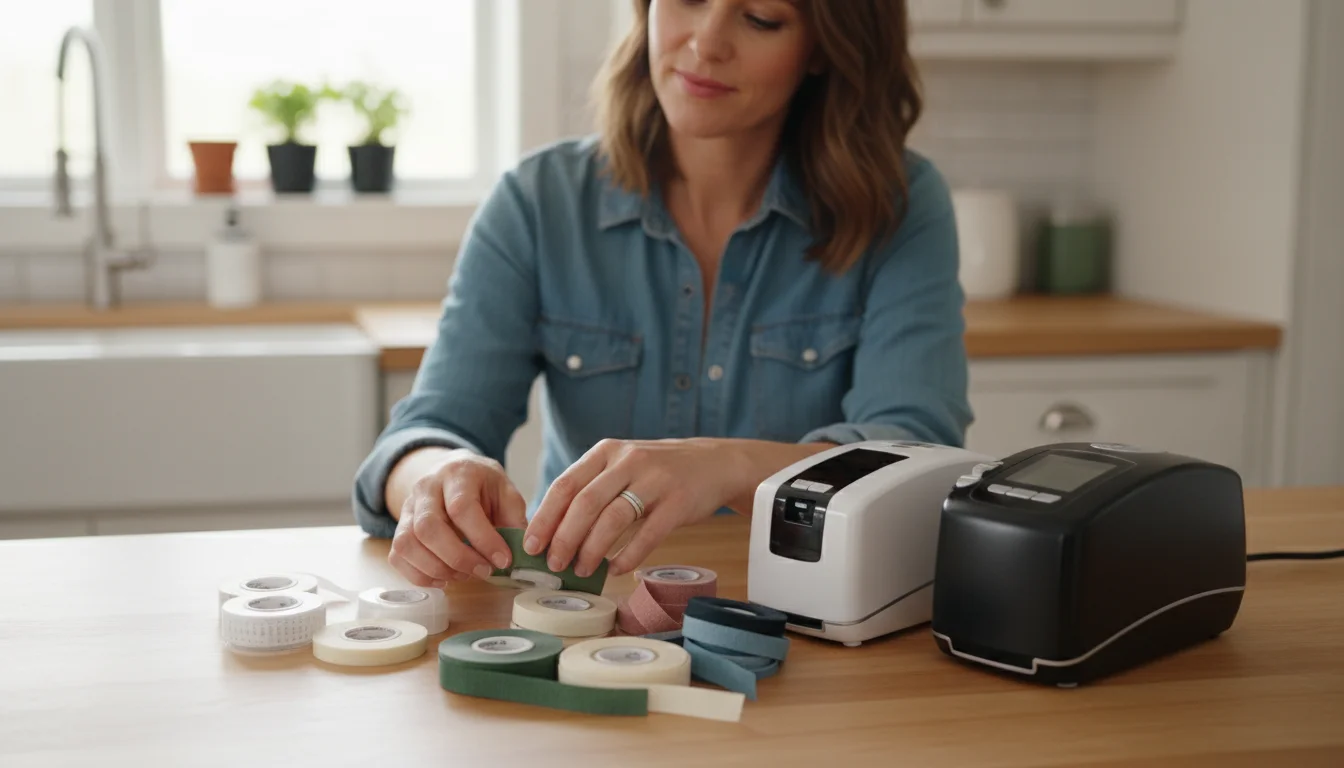
Choosing the right label maker involves considering several features that directly impact its usability, versatility, and long-term value for your home organization efforts. Focus on what truly serves your daily needs.
- Tape Compatibility and Variety: Evaluate the range of tape widths, colors, and materials (paper, plastic, fabric iron-on, clear) your label maker supports. A wider selection offers greater flexibility for different tasks, from labeling spice jars to durable storage bins. Consumer Reports frequently highlights tape versatility as a key factor in label maker satisfaction.
- Print Quality and Speed: While label makers are not high-resolution printers, clear, legible text is crucial. Look for models with decent print resolution. Print speed becomes important if you plan extensive labeling projects. Most home users find standard speeds perfectly adequate.
- Ease of Use (Interface and Keyboard): Consider the keypad layout (QWERTY is generally preferred) and the screen size. A backlit display significantly improves visibility in various lighting conditions. App-connected models often bypass the small keypad issue by leveraging your phone’s keyboard.
- Portability and Power Source: If you plan to label items across your entire home, a lightweight, battery-powered handheld model offers unmatched convenience. Desktop models usually require an AC adapter. Consider rechargeable battery options to save on disposable batteries.
- Customization Options: Look for features like multiple font styles, sizes, symbols, frames, and the ability to save frequently used labels. This allows you to create labels that are both functional and visually appealing, enhancing your overall labeling system.
- Durability of Labels: Some tapes are more resistant to water, fading, and temperature extremes than others. Laminated labels, for example, offer superior durability for items stored in the garage, basement, or refrigerator.
- Cost of Supplies: The initial price of the label maker often pales in comparison to the ongoing cost of tape refills. Research the price and availability of compatible tapes before committing to a specific model. Generic or off-brand tapes can sometimes offer cost savings, but ensure they are truly compatible and reliable.
Top Picks: Label Maker Types for Every Home Organization Need
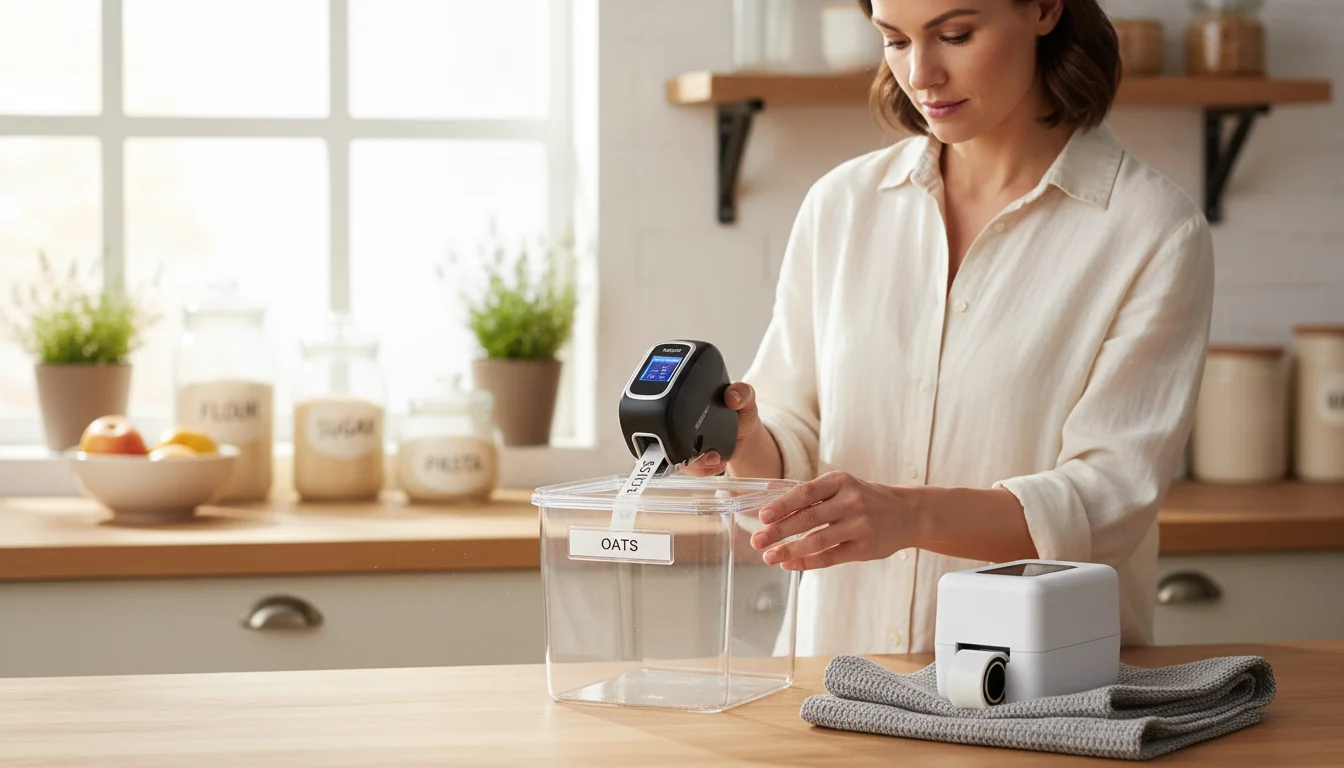
Instead of specific brands, which often release new models, let us explore the categories of label makers that consistently meet the needs of home organizers. Your ideal choice balances functionality, budget, and ease of use.
| Label Maker Type | Best For | Key Features | Pros | Cons |
|---|---|---|---|---|
| Basic Handheld Thermal Labeler | Quick, everyday labeling; budget-conscious users; small, occasional projects. | Simple QWERTY keyboard, small display, uses standard thermal tape (e.g., 9-12mm), often battery-operated. | Extremely portable, easy to learn, affordable initial cost, no ink required. | Limited font/style options, smaller labels, tape refills can be proprietary. |
| Mid-Range Versatile Labeler (Often Handheld or Desktop) | Varied labeling tasks; users needing more flexibility in fonts, styles, and tape types; small to medium projects. | Larger display, more font/style options, multiple tape widths (e.g., 6-24mm), some include PC connectivity or basic app integration. | Good balance of features and cost, more professional-looking labels, wider tape selection, more durable labels. | Higher initial cost than basic models, still uses proprietary tape. |
| Advanced Smart/Bluetooth Labeler (App-Connected) | Extensive, customized projects; tech-savvy users; consistent labeling across many items; batch printing. | Connects to smartphone/tablet via Bluetooth, app-driven design, uses phone’s keyboard, rich font/graphic options, often higher resolution. | Leverages familiar phone interface, powerful design capabilities, ideal for complex layouts, often prints quickly. | Relies on external device, can be pricier, app can sometimes be slow. |
Each of these types fills a specific niche. For instance, if you mainly need to label a few bins and pantry items, a basic handheld model serves you well. If you are creating a comprehensive archiving system for a home office, an advanced app-connected or desktop model provides the precision and design flexibility required. The key is to match the tool to the scope and frequency of your labeling needs.

Creating an Effective Labeling System: Beyond the Device
Owning a label maker is only the first step. Developing an effective labeling system requires strategy and consistency. Here is how you create labels that work for your real life:
- Declutter First: Before you label anything, declutter the area. You do not want to label clutter. Remove anything you no longer need, use, or love. This ensures you only organize what truly serves a purpose in your home.
- Categorize and Zone: Group similar items together. Designate specific “zones” for these categories. For example, all baking supplies go in the baking zone of your pantry, and all cleaning supplies go in a designated cleaning zone. This natural grouping informs your labeling. As Apartment Therapy often emphasizes, creating zones brings logical order to your home.
- Be Specific and Consistent: Avoid vague labels. Instead of “Stuff,” use “Holiday Decorations” or “Kids’ Art Supplies.” Maintain consistency in your naming conventions. If you label one bin “Batteries,” do not label another “Power Cells.”
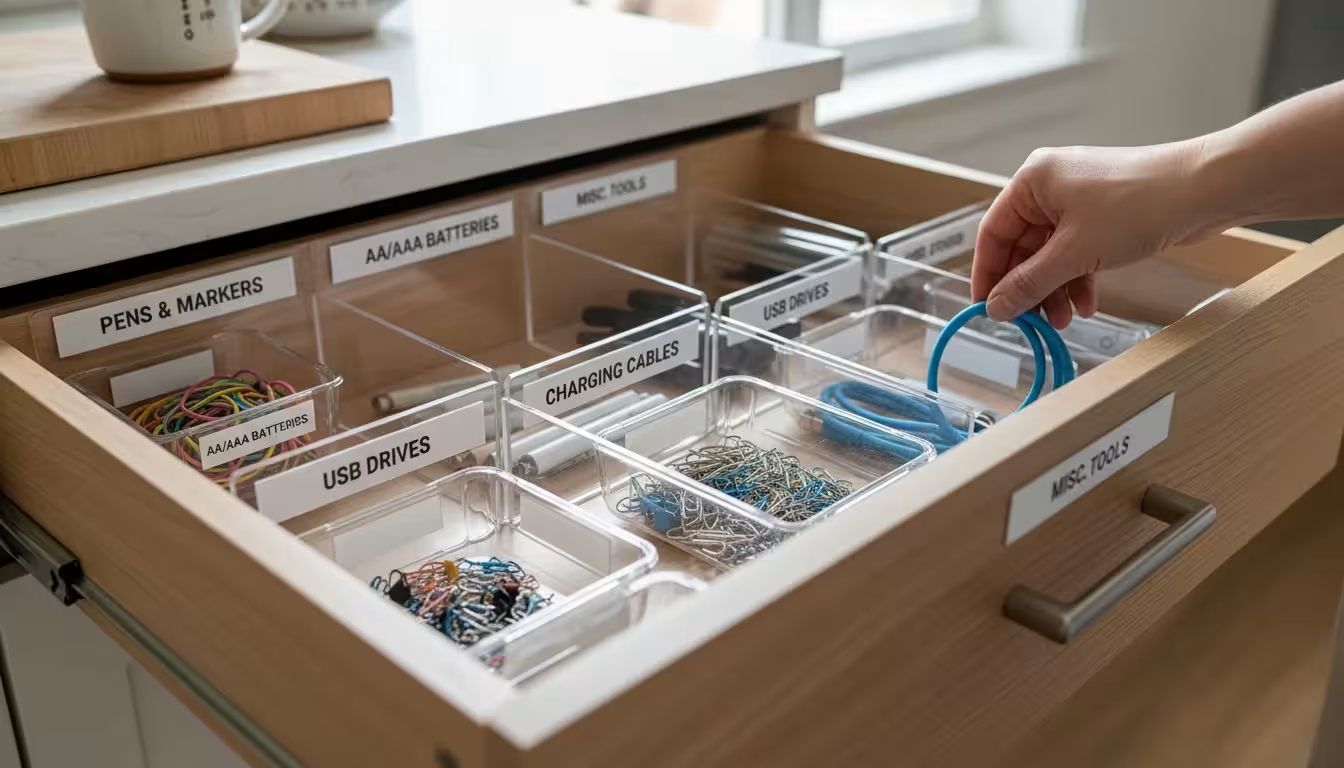
- Consider Visibility: Place labels where they are easily seen without moving items. For bins on high shelves, consider labeling the front and perhaps the side. For drawer organizers, labels on the inside lip are effective.
- Involve the Household: A labeling system only works if everyone understands and adheres to it. Show family members the system, explain its benefits, and encourage them to help maintain it. Empowering them with the knowledge of where things belong fosters shared responsibility.
- Choose the Right Tape: Use durable, water-resistant tape for items in the kitchen, bathroom, or garage. For items stored long-term in climate-controlled areas, standard paper labels might suffice.
- Think About Maintenance: Life changes, and so do your organizational needs. Design your system with flexibility in mind. Avoid permanent markers on containers if contents might change. Labels are easily updated, supporting dynamic home organization.
Practical Applications: Where Labels Make the Biggest Impact
Labels are not just for aesthetics; they are powerful tools that simplify your daily routines across various areas of your home. Here are some practical applications:
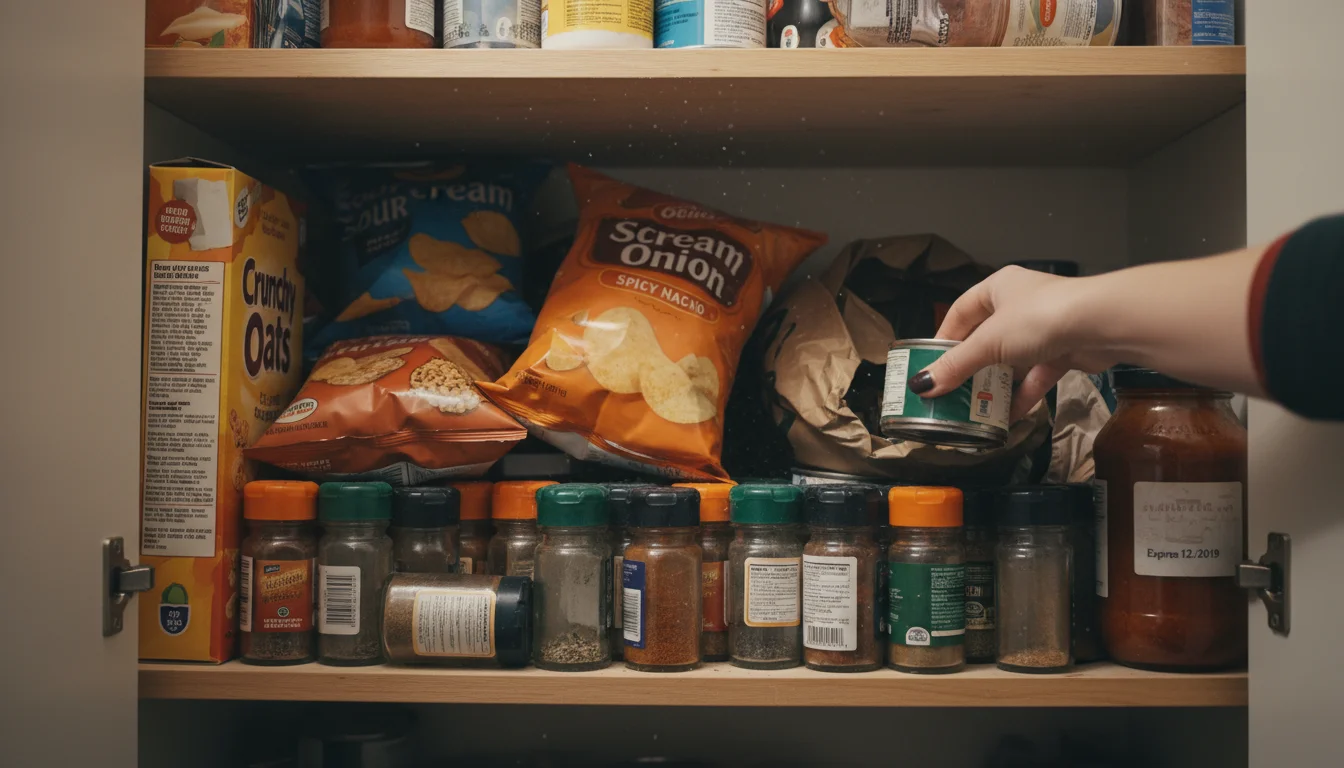
- The Pantry: Label food storage containers for flour, sugar, pasta, and snacks. Add expiry dates to homemade preserves or opened packages. Label shelves by category: “Breakfast Items,” “Baking Supplies,” “Canned Goods.” This prevents overbuying and reduces food waste.
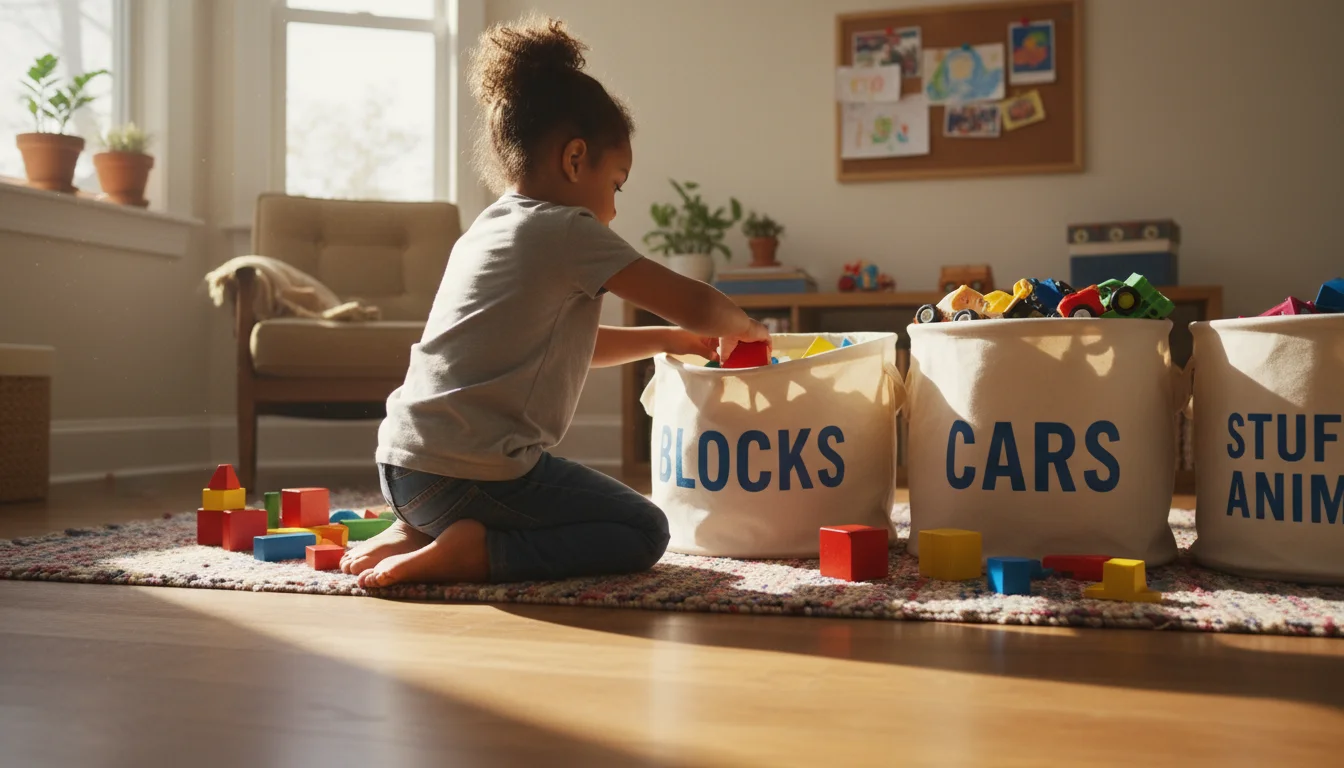
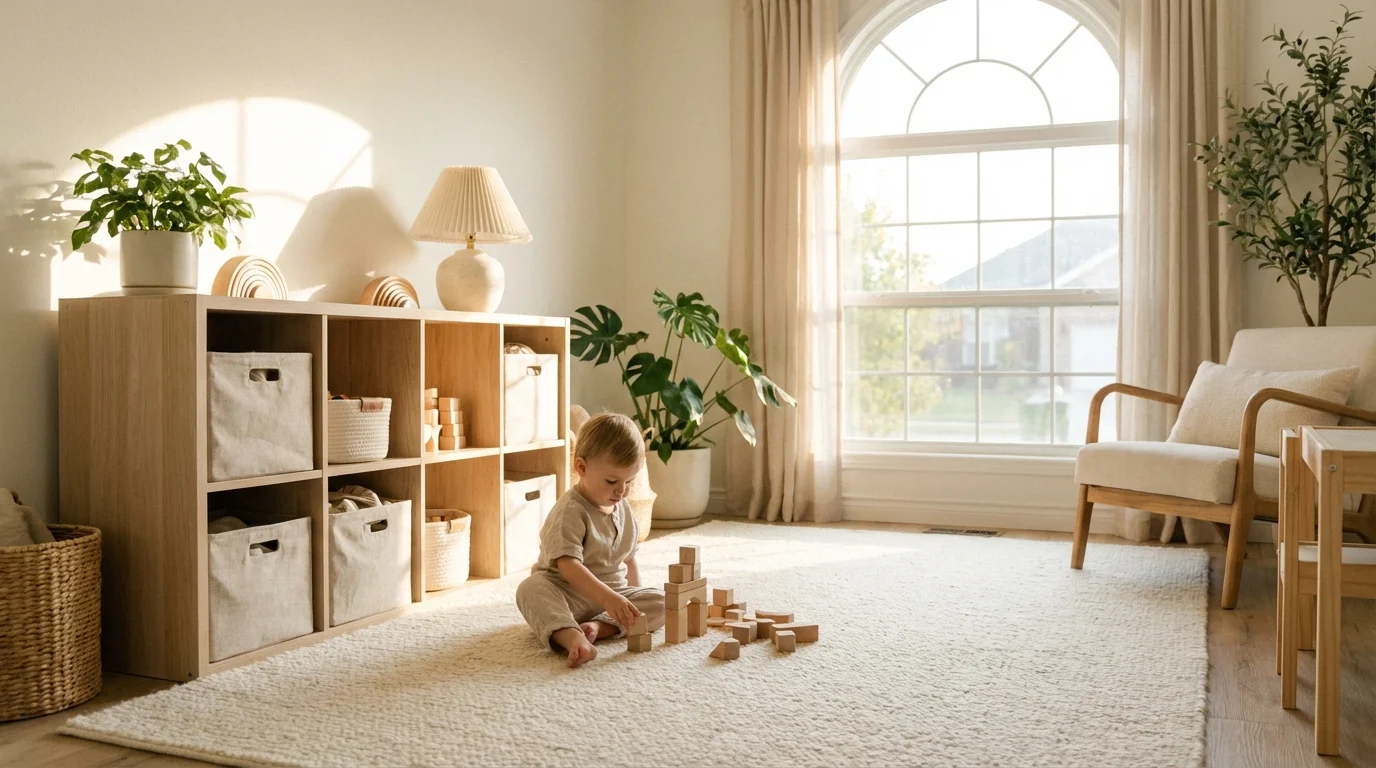
- Kids’ Play Areas: Label toy bins with categories like “Blocks,” “Cars,” “Art Supplies,” or even specific toy sets. This empowers children to put away their toys independently, reducing clutter and teaching valuable organizational skills.
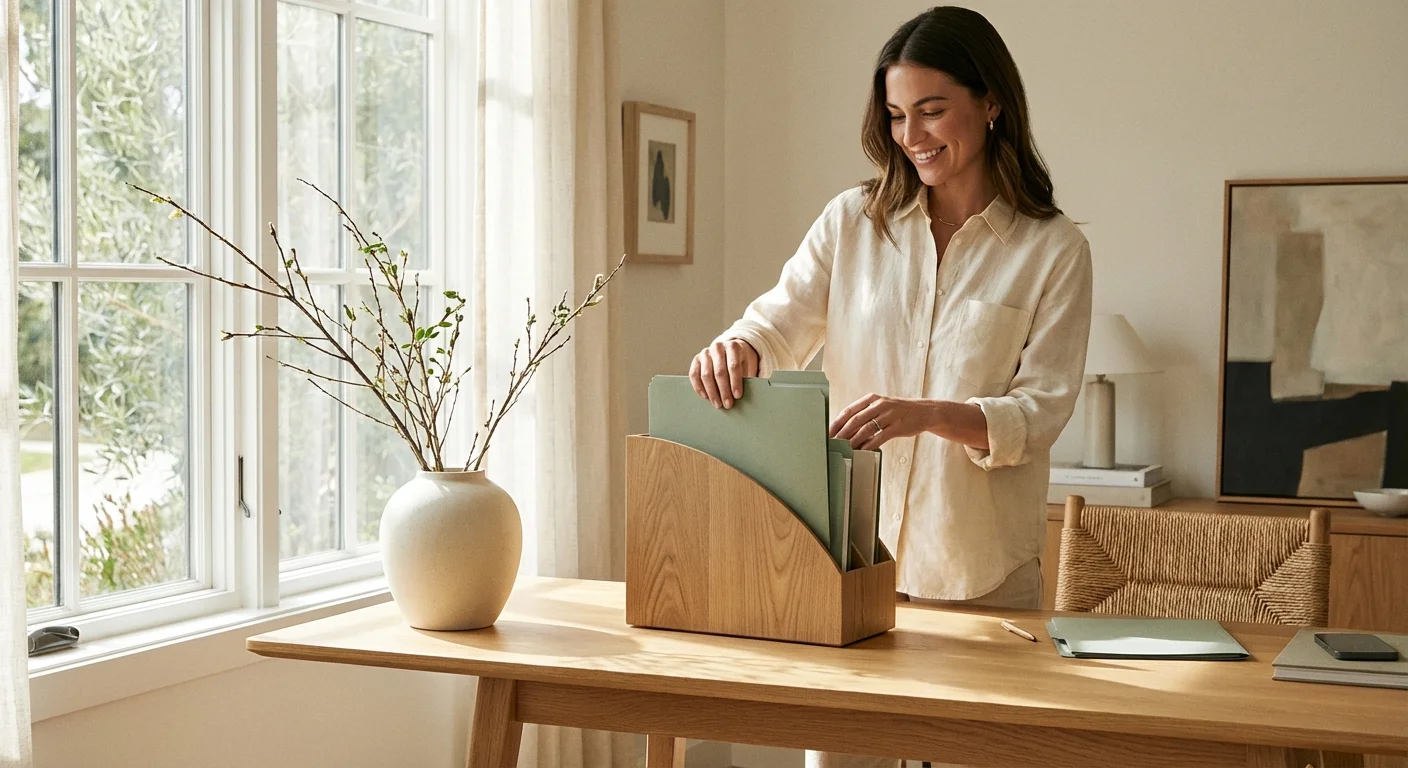
- Home Office: Organize files with clear labels by category (e.g., “Bills Paid 2023,” “Medical Records,” “Appliance Manuals”). Label storage boxes for office supplies, stationery, or electronics accessories. This dramatically cuts down on time spent searching for important documents or specific cables.
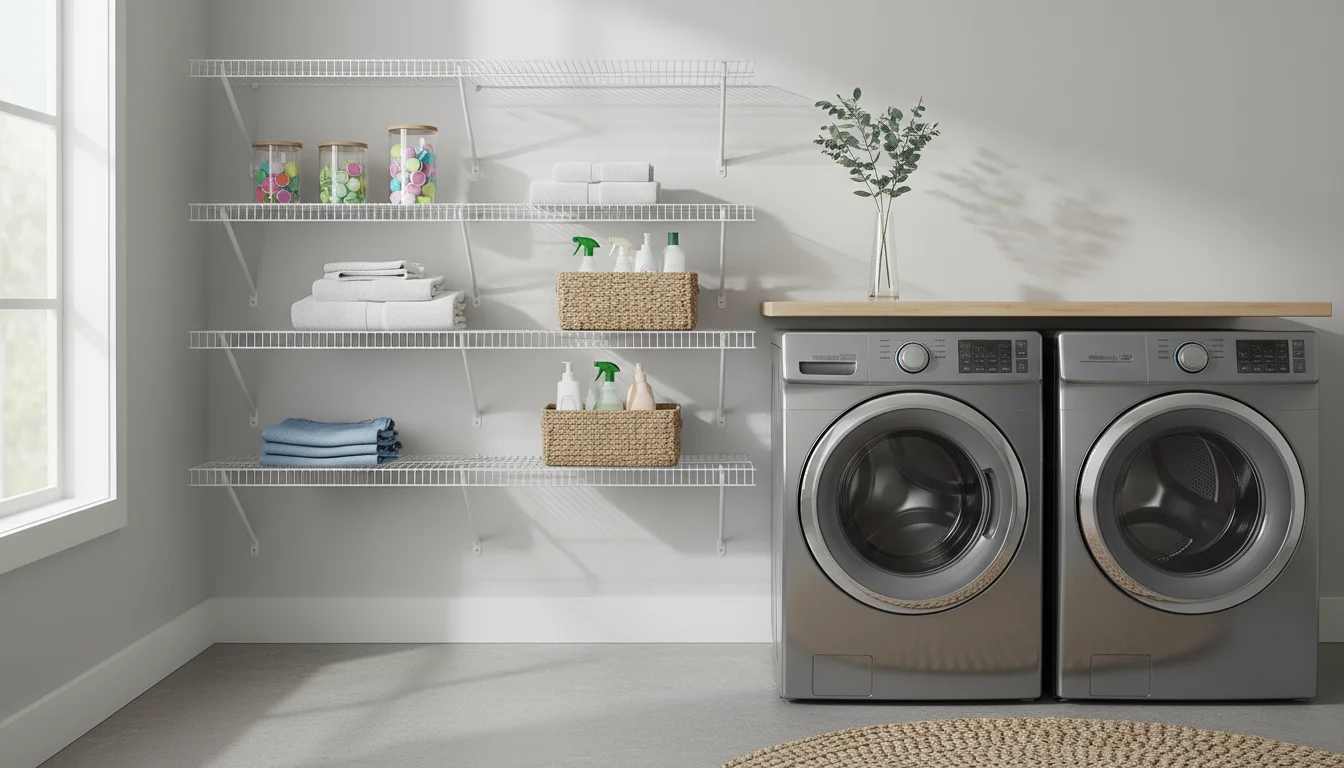
- Garage or Utility Room: These spaces often become dumping grounds. Label storage bins for tools (“Hand Tools,” “Power Tools”), car supplies (“Car Wash,” “Maintenance”), or seasonal items (“Winter Gear,” “Camping Equipment”). Durable, laminated labels work best here due to varying temperatures and potential moisture.
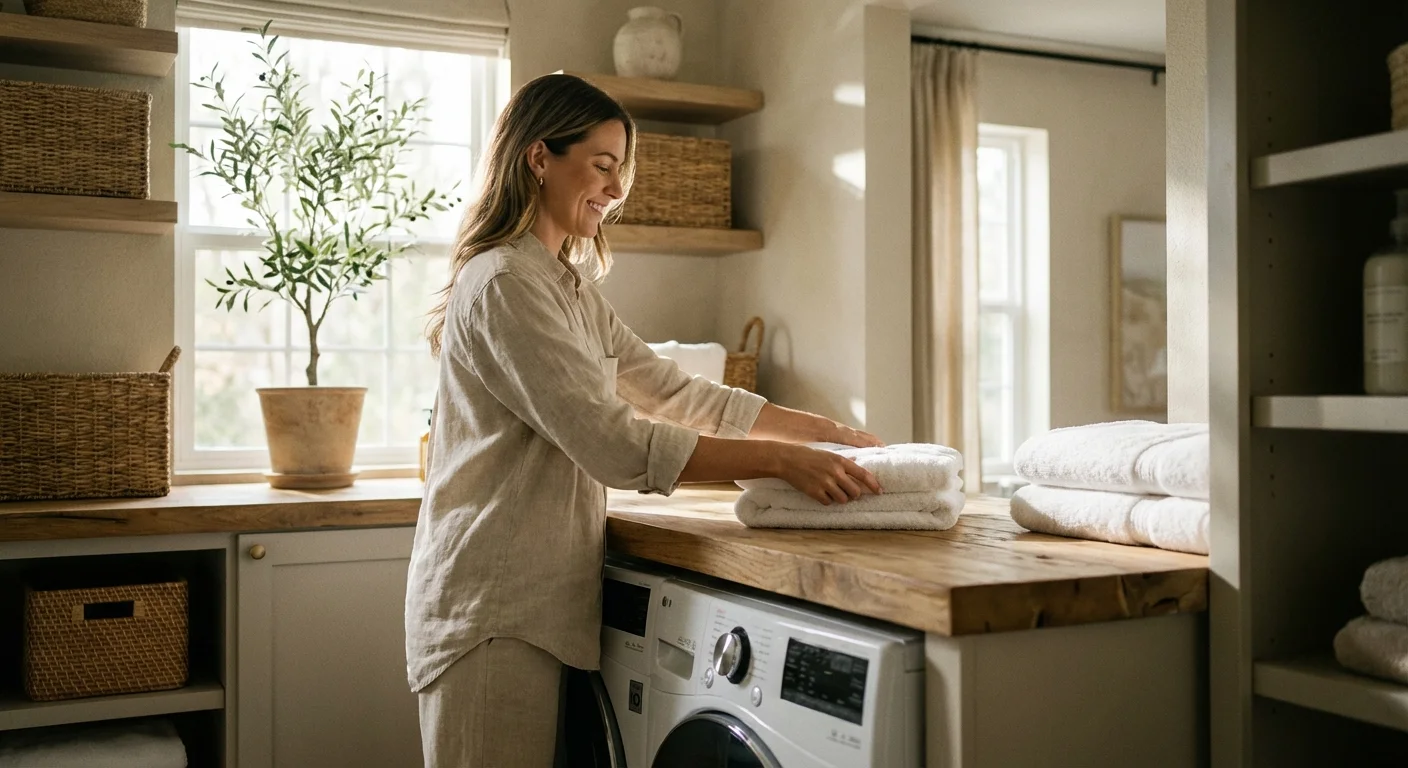
- Linen Closet: Label shelves or bins for “Twin Sheets,” “Queen Sheets,” “Bath Towels,” and “Beach Towels.” This streamlines laundry day and makes it easier for family members or guests to find what they need.
- Bathroom Cabinets and Drawers: Label containers for “First Aid,” “Hair Products,” “Toiletries,” and “Extra Soaps.” This prevents duplicate purchases and keeps small items neatly categorized.
- Craft and Hobby Supplies: If you are a crafter, labels are your best friend. Label boxes for “Fabric Scraps,” “Yarn Colors,” “Beads,” or “Paint Brushes.” This keeps your creative space tidy and inspires you to work on projects without hunting for supplies.
In each of these areas, labels act as visual cues, reinforcing the organizational system and making it intuitive for everyone who uses the space.
Good Housekeeping, proper surface preparation is vital for label longevity.
Challenge 2: Labels becoming illegible or fading.
- Solution: For thermal label makers, fading can occur with prolonged exposure to direct sunlight or heat. Use laminated tapes, which often have a protective clear layer, to shield the print from environmental factors. Choose high-contrast text and backgrounds (e.g., black text on white tape) for maximum readability.
Challenge 3: Over-labeling or creating too many labels.
- Solution: Not every single item needs an individual label. Focus on containers, shelves, and drawers that house categories of items. Avoid labeling the items themselves unless absolutely necessary for identification (e.g., cables). If an item consistently moves, it might need a more general “miscellaneous” home, or perhaps it does not need to be kept at all.
Challenge 4: The system is not maintained by others in the household.
- Solution: Involve family members from the start. Explain the “why” behind the labels. Make the system simple and logical. For younger children, use pictures alongside text on labels. A quick “reset” routine weekly or bi-weekly helps reinforce the system without feeling overwhelming.
Challenge 5: Choosing the wrong label maker or tape for the task.
- Solution: Review the “Understanding Different Types of Label Makers” section. Consider the environment: a kitchen requires moisture-resistant labels, while file folders can use basic paper labels. Invest in a label maker that supports a variety of tape types, allowing you to adapt to different needs without buying multiple devices.
Frequently Asked Questions
How long do label maker labels last?
The lifespan of labels varies significantly depending on the label maker type, tape material, and environmental conditions. Thermal labels, especially non-laminated ones, can fade over time with exposure to UV light or heat. Laminated labels, made with a protective clear layer, offer superior durability, lasting for years in most indoor conditions and resisting water, chemicals, and abrasion.
Can I use a label maker for outdoor items?
Yes, many label makers offer specialized tapes designed for outdoor use. Look for tapes that are explicitly described as “weather-resistant,” “laminated,” or “industrial-strength.” These tapes typically withstand UV exposure, moisture, and temperature fluctuations better than standard paper or plastic labels, making them suitable for gardening tools, outdoor storage bins, or shed organization.
Are label maker tapes recyclable?
Most standard label maker tapes are made from plastic (often polypropylene or polyester) and are generally not recyclable through typical curbside programs. The adhesive backing and small size often make them difficult for recycling facilities to process. Some brands might offer specific recycling programs or suggest alternative disposal methods, so it is best to check with the manufacturer.
What’s the difference between thermal and standard label makers?
Thermal label makers use heat to print directly onto specially coated thermal tape, eliminating the need for ink or toner cartridges. This makes them cost-effective to operate. “Standard” label makers, if referring to inkjet or laser printers, use ink or toner to print on label sheets, offering color and high-resolution graphics but requiring consumables. For dedicated, compact label-making, thermal is the dominant technology.
How do I choose the right tape size?
Choosing the right tape size depends on the item you are labeling and the amount of text you need. Narrow tapes (6-9mm) work well for small items like spice jars, file tabs, or electrical cords. Medium tapes (12-18mm) are versatile for general storage bins, shelves, and larger containers. Wider tapes (24mm or more) are ideal for prominent labels on large storage boxes, garage shelves, or as signs. Always ensure your label maker supports the tape widths you plan to use.
Embracing a label maker and a thoughtful labeling system empowers you to take control of your home’s organization. It eliminates guesswork, reduces clutter, and creates a more peaceful, functional living environment for everyone. Start small, be consistent, and watch your home transform into a place of intuitive order.
For expert home organization guidance, visit
CDC — Cleaning and Disinfecting,
American Cleaning Institute,
National Association of Professional Organizers,
Institute for Challenging Disorganization and
Consumer Reports — Home.
Disclaimer: This article is for informational purposes only and is not a substitute for professional advice. Consult professional organizers or specialists for personalized recommendations.


Leave a Reply