

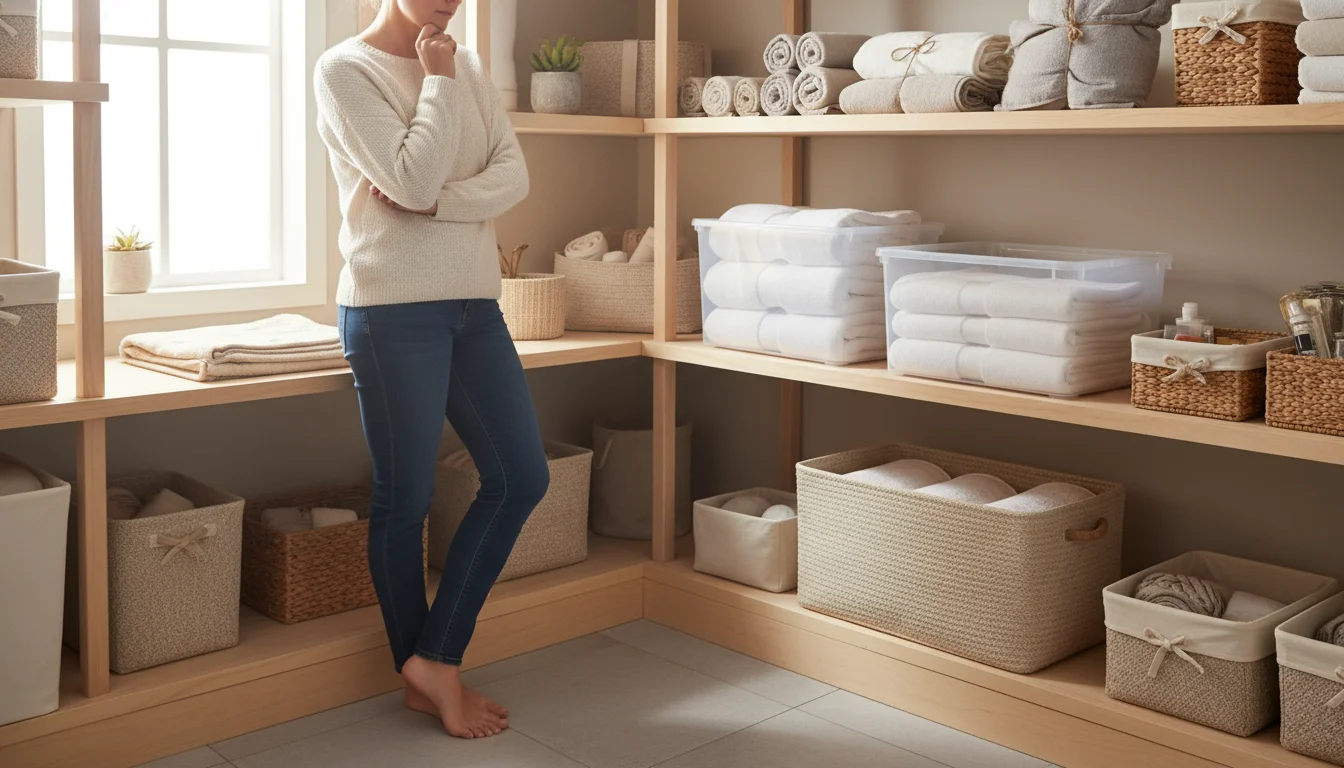
Organizing your home effectively transforms chaotic spaces into calm, functional areas. Yet, choosing the right storage tools often presents a challenge. Many homeowners and renters face a common dilemma: should you use clear storage bins or fabric bins? Both options offer distinct advantages, but your best choice depends on what you store, where you store it, and your personal aesthetic. This guide helps you navigate the options, providing practical insights to create a beautifully organized home.
The Storage Bin Dilemma: Finding Your Perfect Match
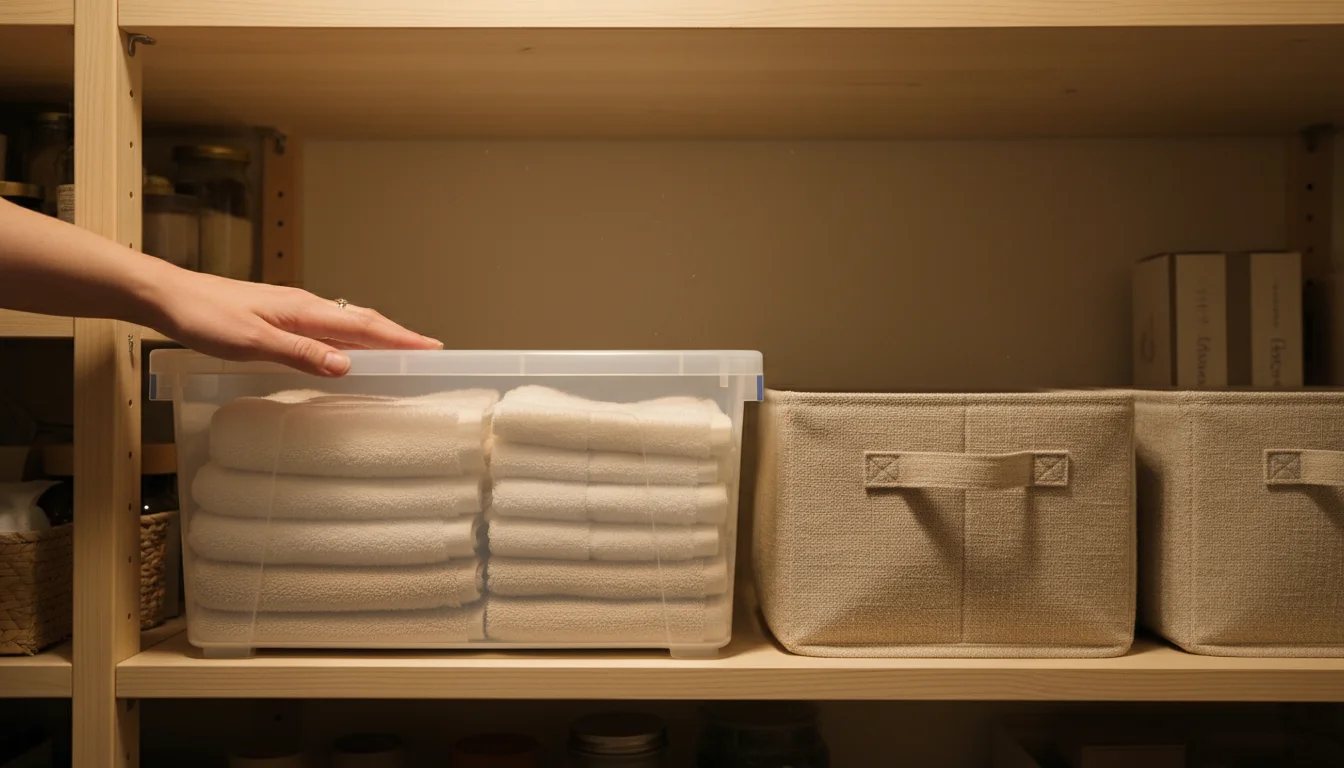
You want an organized home, but sometimes the sheer volume of organizing containers available feels overwhelming. Effective home storage goes beyond simply tucking items away. It involves creating systems that make your daily life smoother, reduce stress, and maintain order effortlessly. The core of any successful organization system lies in selecting the right tools for the job. This is particularly true when comparing clear storage bins and fabric storage bins, two of the most popular and versatile organizing containers on the market.
Each type of bin serves different purposes, excels in various environments, and appeals to distinct organizing styles. Clear bins offer immediate visual access, perfect for items you need to locate quickly. Fabric bins provide a softer aesthetic, ideal for spaces where appearance matters as much as function. Your decision impacts not only the tidiness of your space but also its overall feel and efficiency. Let us dive into the specifics of each option to help you make an informed choice for your home.
Understanding Clear Storage Bins
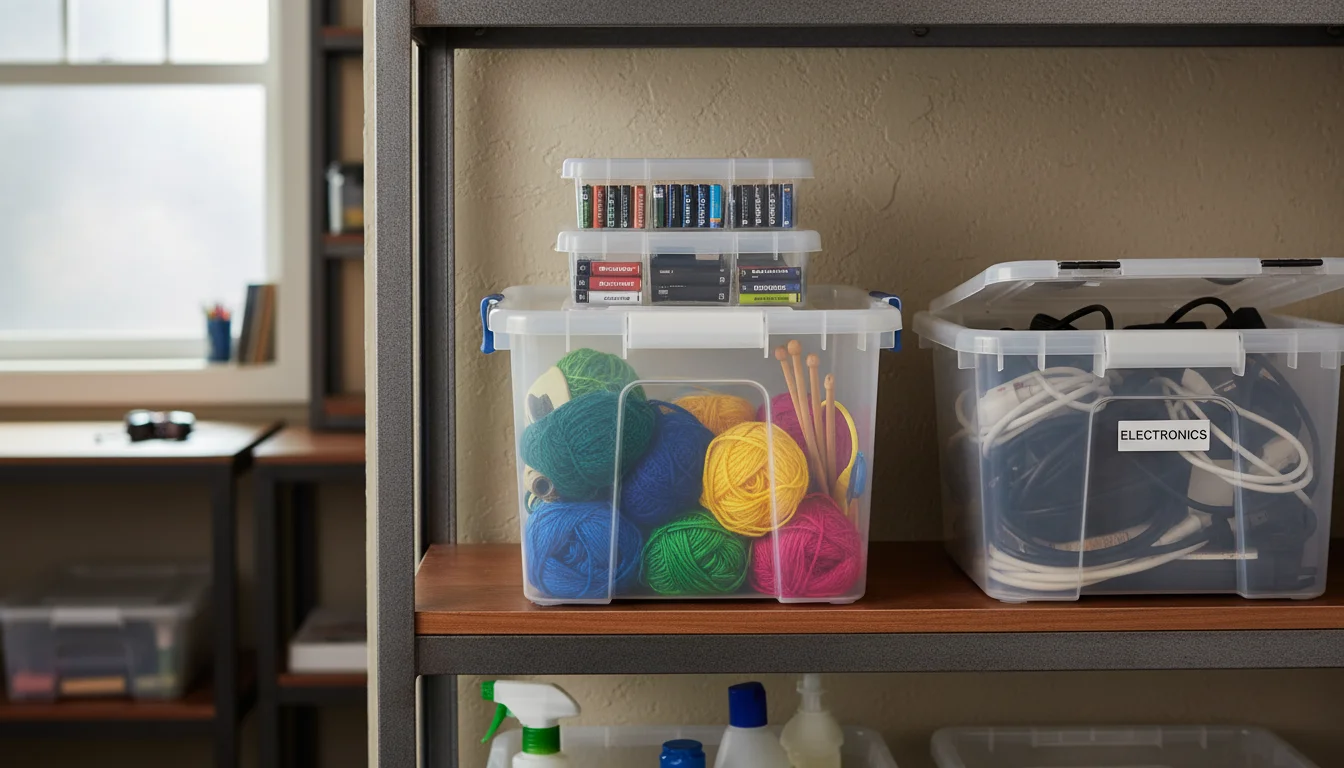
Clear storage bins typically consist of transparent plastic, though some versions use clear acrylic or polycarbonate. Their primary defining characteristic is visibility, allowing you to see contents without opening the bin. Manufacturers produce clear bins in a vast array of sizes, shapes, and designs, from small drawer organizers to large, stackable tubs for garage storage. This transparency offers significant advantages for certain types of items and spaces.
Advantages of Clear Storage Bins
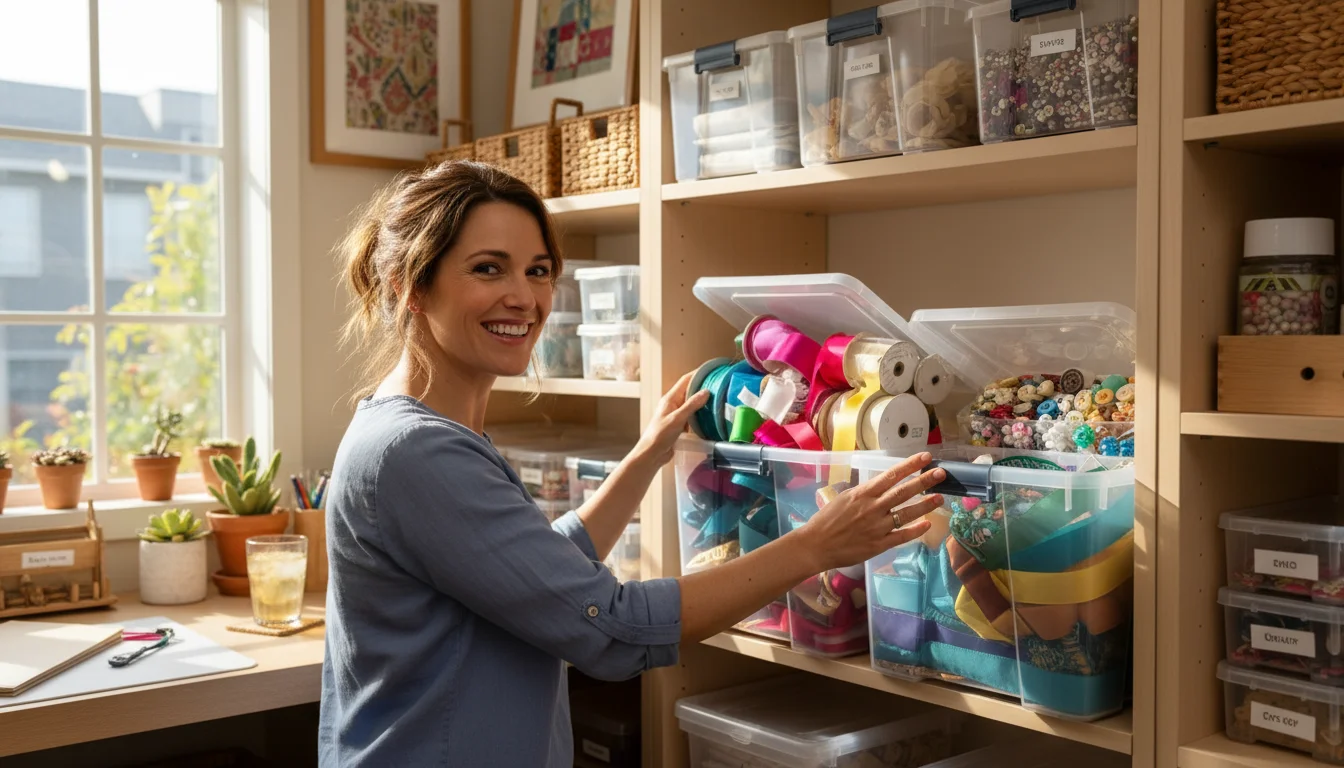
- Instant Visibility: You immediately see what you store inside. This eliminates guesswork and saves time when you search for specific items, making them highly efficient organizing containers.
- Durability: High-quality plastic bins withstand heavy use and resist crushing. Many models feature sturdy latches and reinforced bases, providing long-lasting home storage. According to Consumer Reports — Home, evaluating material quality and construction is crucial for durable storage solutions that stand the test of time.
- Easy to Clean: Smooth, non-porous plastic surfaces wipe clean easily with a damp cloth or mild soap and water. This makes them ideal for environments prone to spills, like kitchens or workshops.
- Pest and Moisture Resistance: Airtight clear containers protect contents from dust, moisture, and pests, a critical factor for long-term storage of sensitive items like important documents or seasonal clothing.
- Stackability: Many clear bin designs feature interlocking lids or tapered bodies, allowing for efficient vertical storage. This maximizes space in closets, pantries, and garages.
Disadvantages of Clear Storage Bins
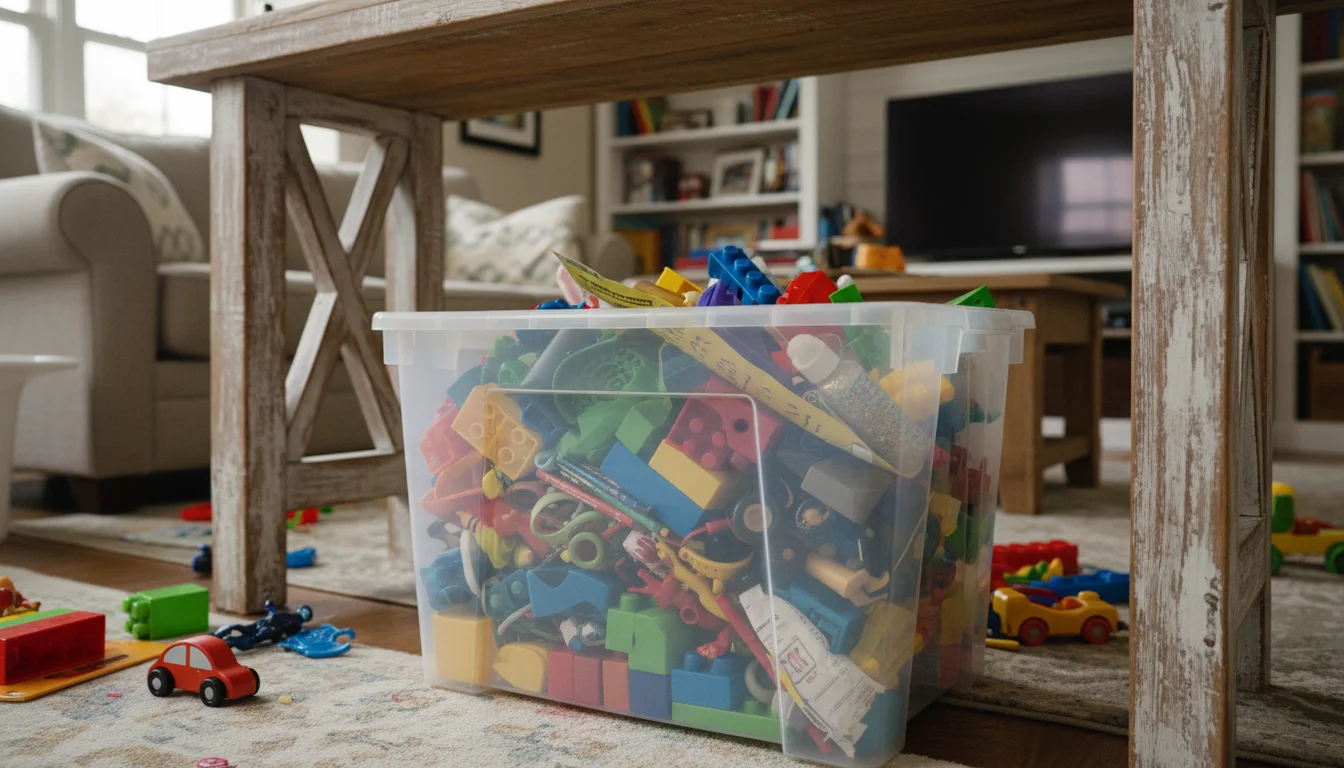
- Aesthetics: While practical, clear bins often possess a utilitarian look. If you store them in visible areas, their contents can create visual clutter, even when organized. This detracts from a curated interior design.
- Potential for Cracking/Scratching: Plastic, especially thinner grades, scratches and cracks over time, particularly with heavy use or impacts. This compromises both appearance and function.
- Weight: Larger clear bins, especially when filled, become heavy and cumbersome, making them difficult to move.
- Environmental Concerns: Most clear bins are plastic. While many are recyclable, their production and disposal raise environmental questions. Seek out bins made from recycled plastics to minimize impact.
- Off-Gassing: Some plastics emit volatile organic compounds (VOCs), especially when new. While generally low in modern products, this remains a consideration for sensitive individuals or those prioritizing indoor air quality.
Exploring Fabric Storage Bins
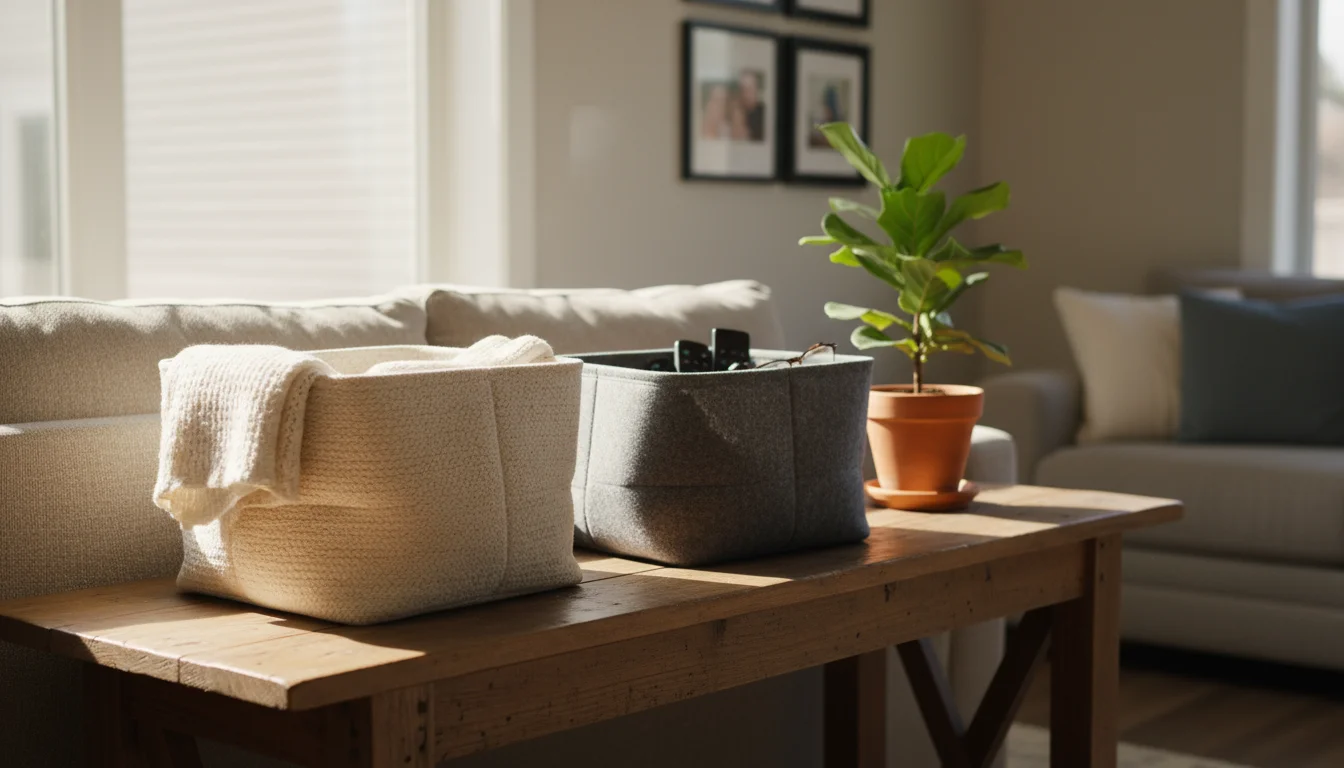
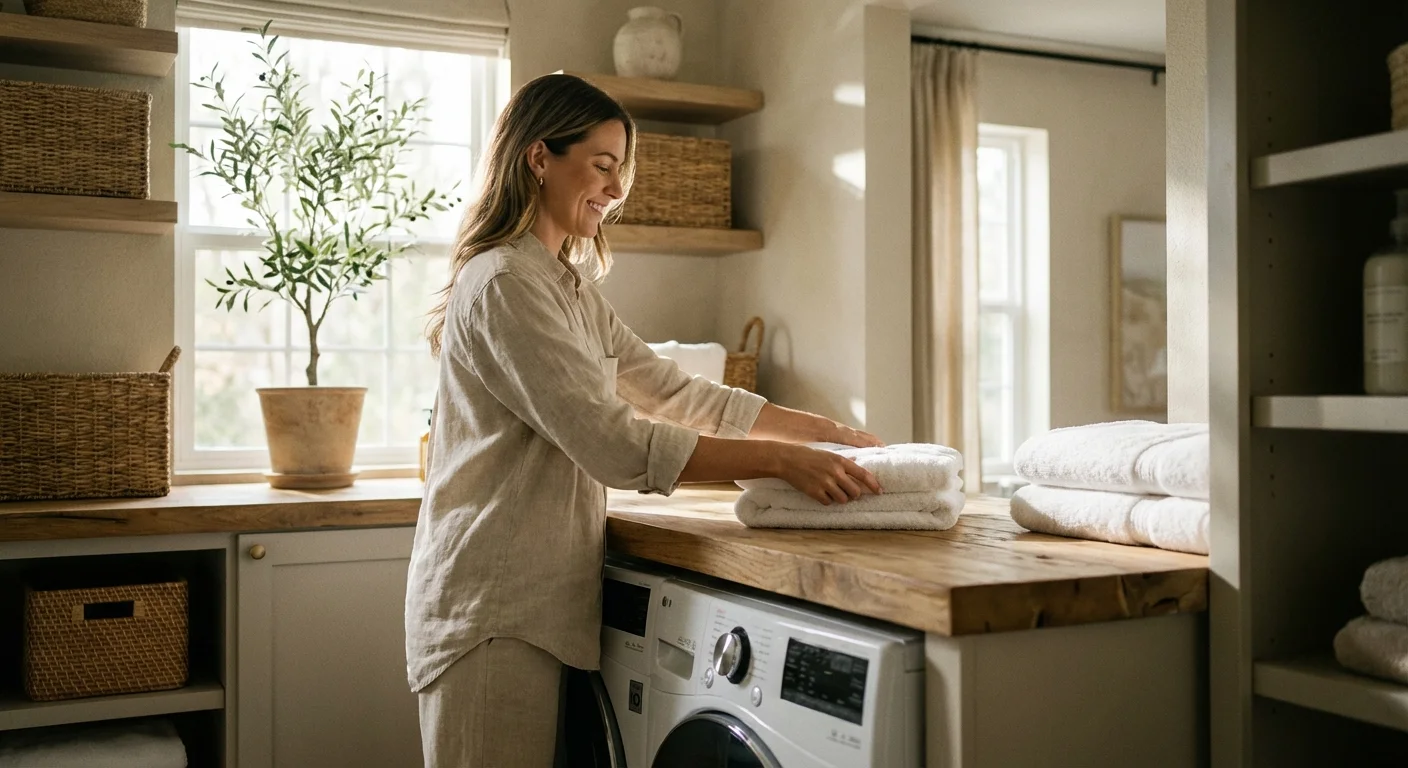
Fabric storage bins offer a softer, more decorative approach to home storage. Manufacturers construct them from a variety of materials, including canvas, non-woven fabric, felt, jute, or cotton. They often feature cardboard inserts or wire frames to maintain their shape, and many models collapse for easy storage when not in use. Fabric bins introduce texture and warmth to a space, making them popular choices for visible areas in your home.
Advantages of Fabric Storage Bins
- Enhanced Aesthetics: Fabric bins excel in blending with your decor. They come in countless colors, patterns, and textures, allowing you to choose storage that complements your style. This makes them perfect for living rooms, bedrooms, and offices where you want organizing containers to look good.
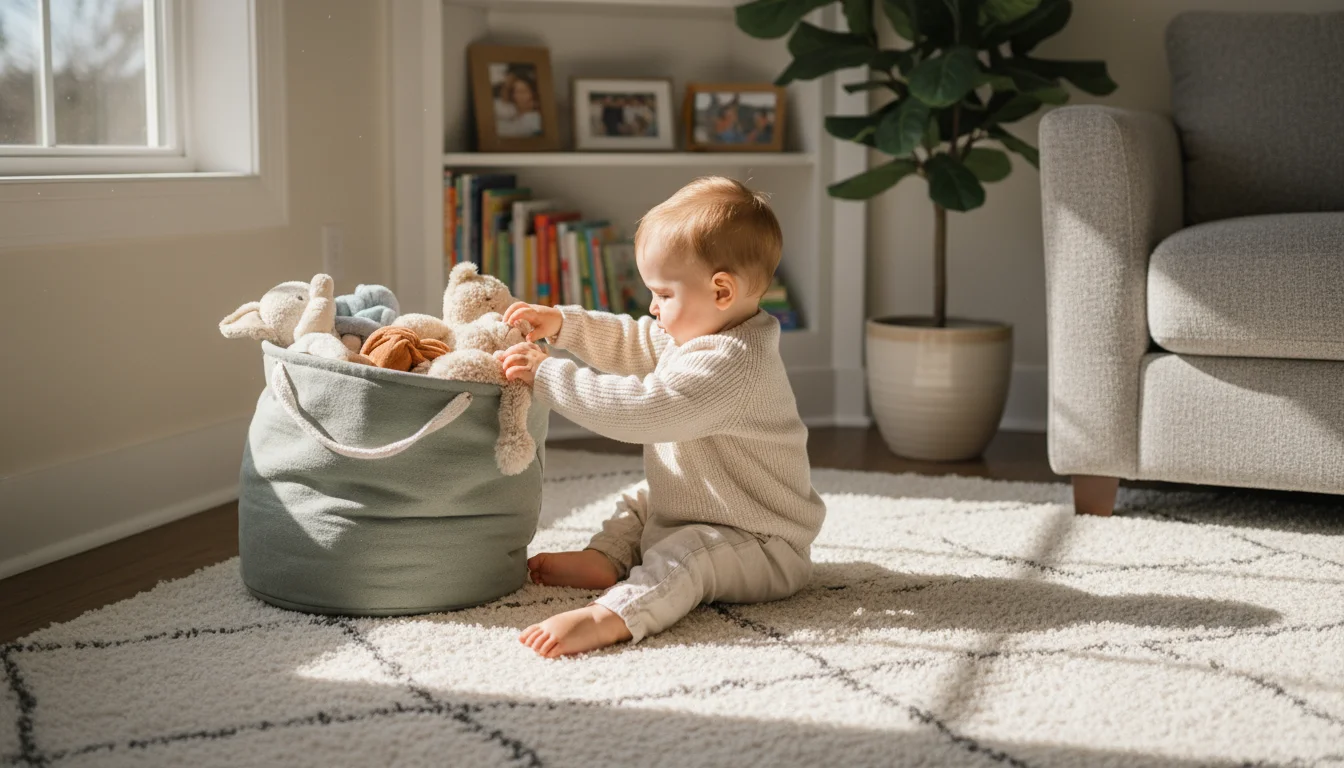
- Softness and Safety: The soft nature of fabric bins makes them ideal for children’s rooms or for storing delicate items. They reduce the risk of scrapes or bumps compared to rigid plastic.
- Collapsible Design: Many fabric bins fold flat when empty, saving valuable space in your closets or under beds. This offers excellent flexibility for seasonal storage or fluctuating needs.
- Lightweight: Fabric bins weigh less than comparable plastic bins, making them easier to move and reposition, even when filled.
- Versatility: Use fabric bins for a wide range of items, from clothing and linens to toys, books, and craft supplies. They adapt well to shelves, cubbies, and open storage units.
Disadvantages of Fabric Storage Bins
- Lack of Visibility: The opaque nature of fabric bins means you cannot see their contents. This necessitates clear labeling or a strong memory to locate items efficiently.
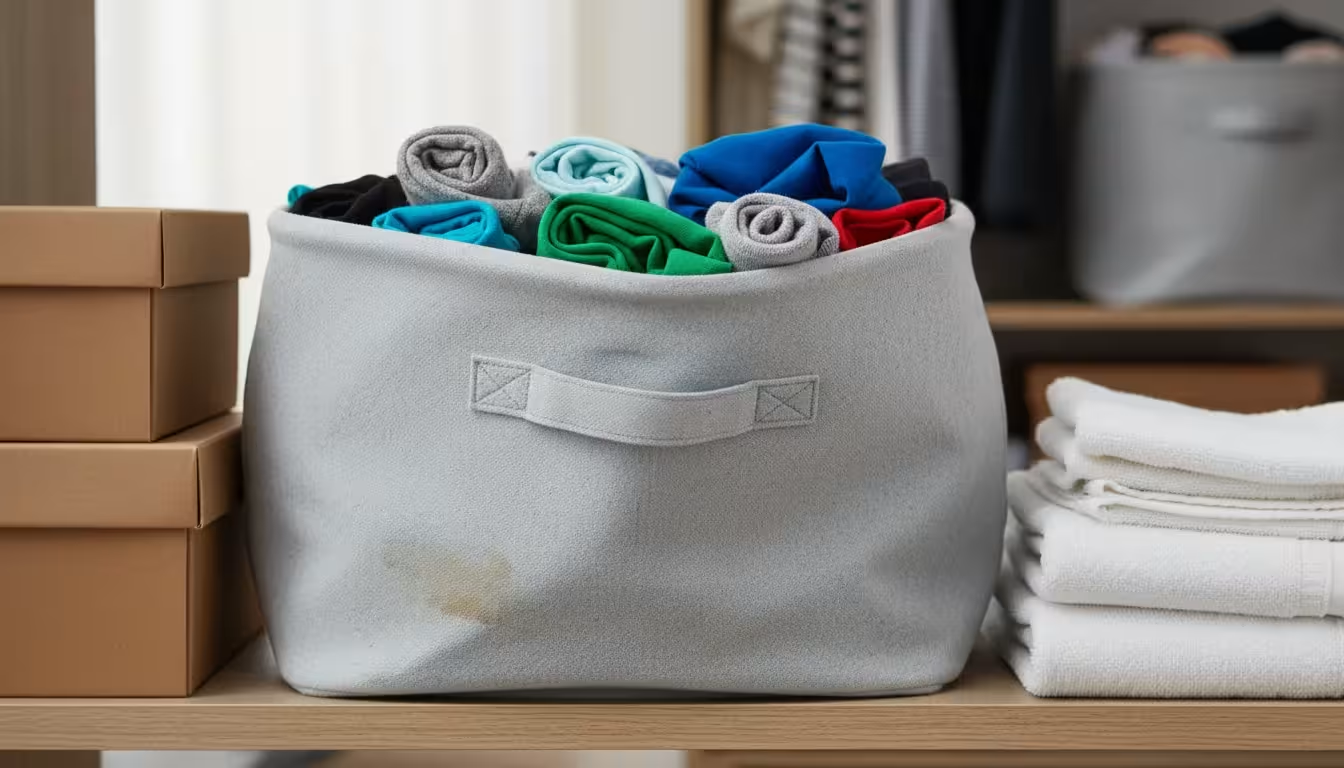
- Less Durable: Fabric bins are generally less durable than plastic for heavy-duty items or frequent access. They can fray, tear, or sag over time, especially if you overfill them.
- Difficult to Clean: Fabric stains easily and requires spot cleaning or hand washing, which is more involved than wiping down plastic. They also absorb odors.
- Not Pest or Moisture Proof: Fabric offers little protection against dust mites, pests, or moisture. Do not use them for items requiring sealed protection, such as important documents or pantry staples.
- Potential for Sagging: Without sturdy internal support, fabric bins can lose their shape, especially if they hold heavy or irregularly shaped items.
Key Factors for Choosing Your Storage Solution
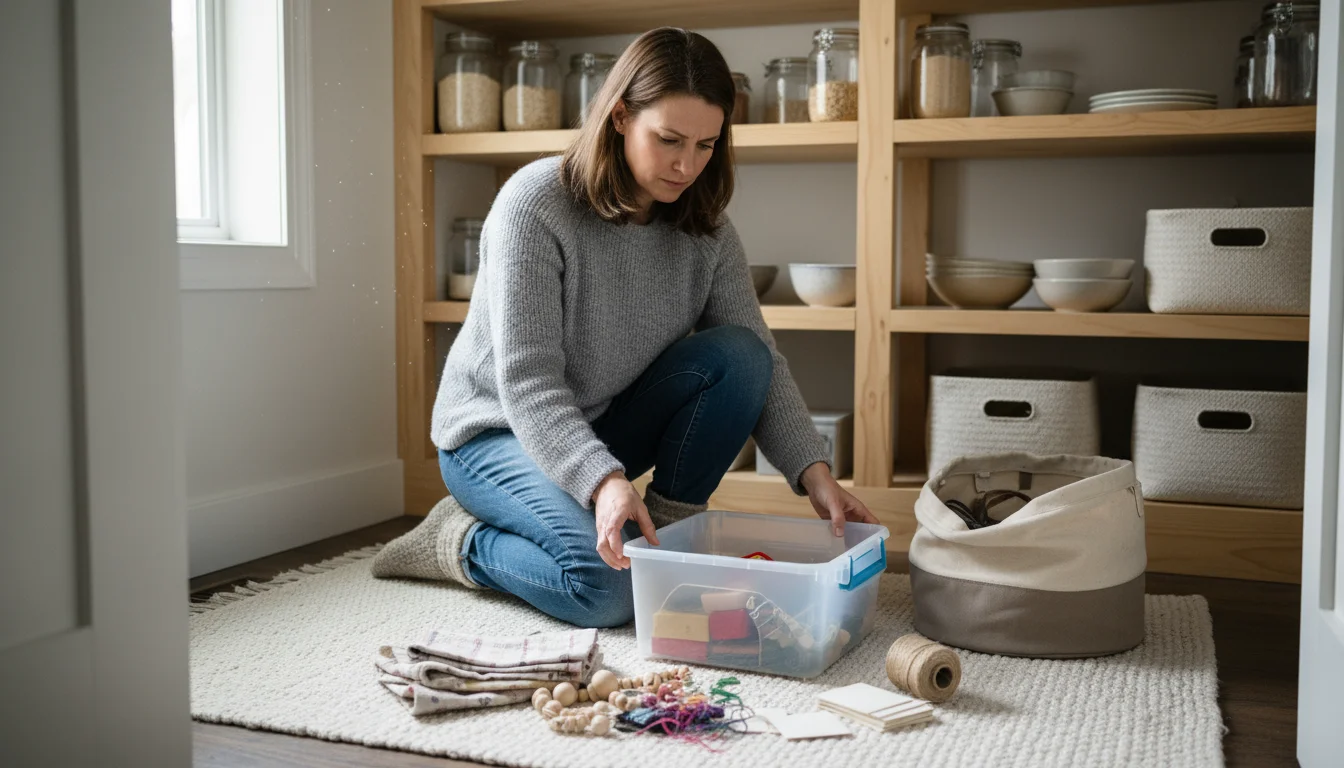
Deciding between clear storage bins and fabric bins involves considering several practical factors. Tailor your choice to your specific needs, the items you store, and the environment where you will use them. An effective home storage strategy always prioritizes function, aesthetics, and maintenance.
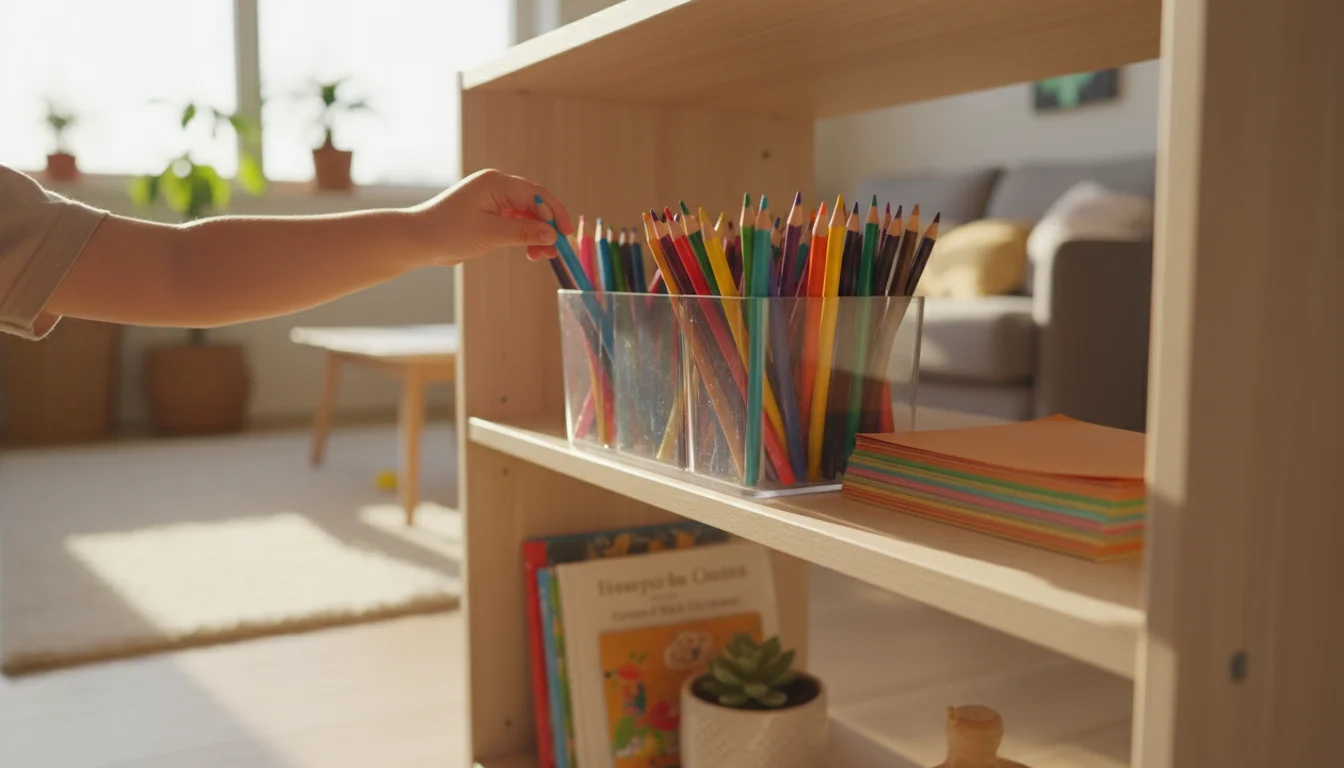
Visibility Needs
- Do you need to see contents at a glance? If you frequently access items or deal with many small, similar objects, clear bins are invaluable. Think craft supplies, pantry items, or children’s toys where immediate identification saves time and frustration.
- Does hiding contents improve the aesthetic? In living rooms, bedrooms, or open shelving, opaque fabric bins create a tidier, more visually appealing look by concealing clutter.
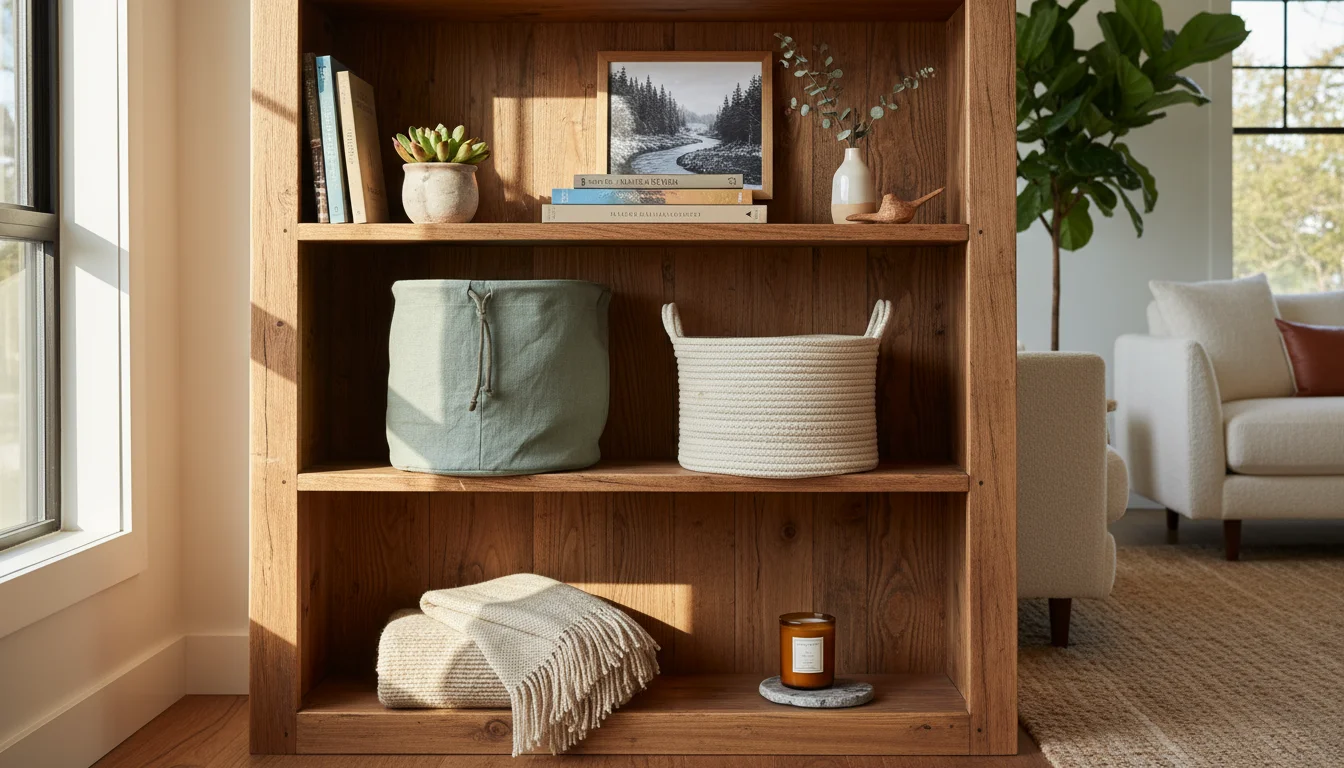
Aesthetics and Decor
- How important is visual harmony? Fabric bins integrate seamlessly with interior design. Their variety of colors and textures allows you to enhance a room’s decor, rather than simply containing clutter. As Good Housekeeping — Organization often emphasizes, storage solutions contribute significantly to a home’s overall aesthetic.
- Will the bins be in plain sight? If bins reside inside closed cabinets, pantries, or closets, their appearance matters less, making clear bins a practical, invisible choice.
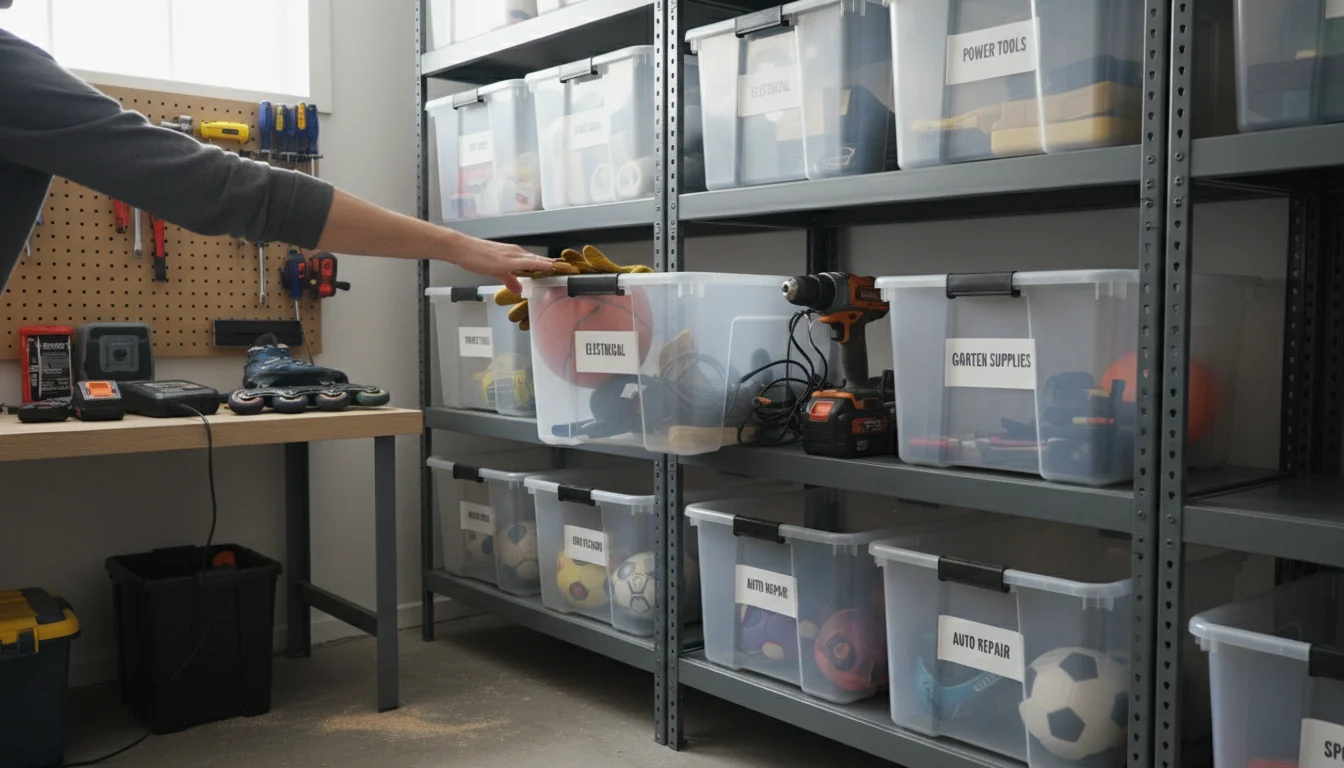
Durability and Longevity
- What kind of items will you store? For heavy tools, garage items, or outdoor gear, the robust nature of clear plastic bins provides superior durability.
- How often will you access items? Items you frequently retrieve benefit from the structural integrity of plastic. Delicate items or seldom-used linens store well in fabric bins.
- Consider the environment. Areas prone to dirt, moisture, or pests, such as basements or garages, require the protective qualities of clear, sealed plastic.
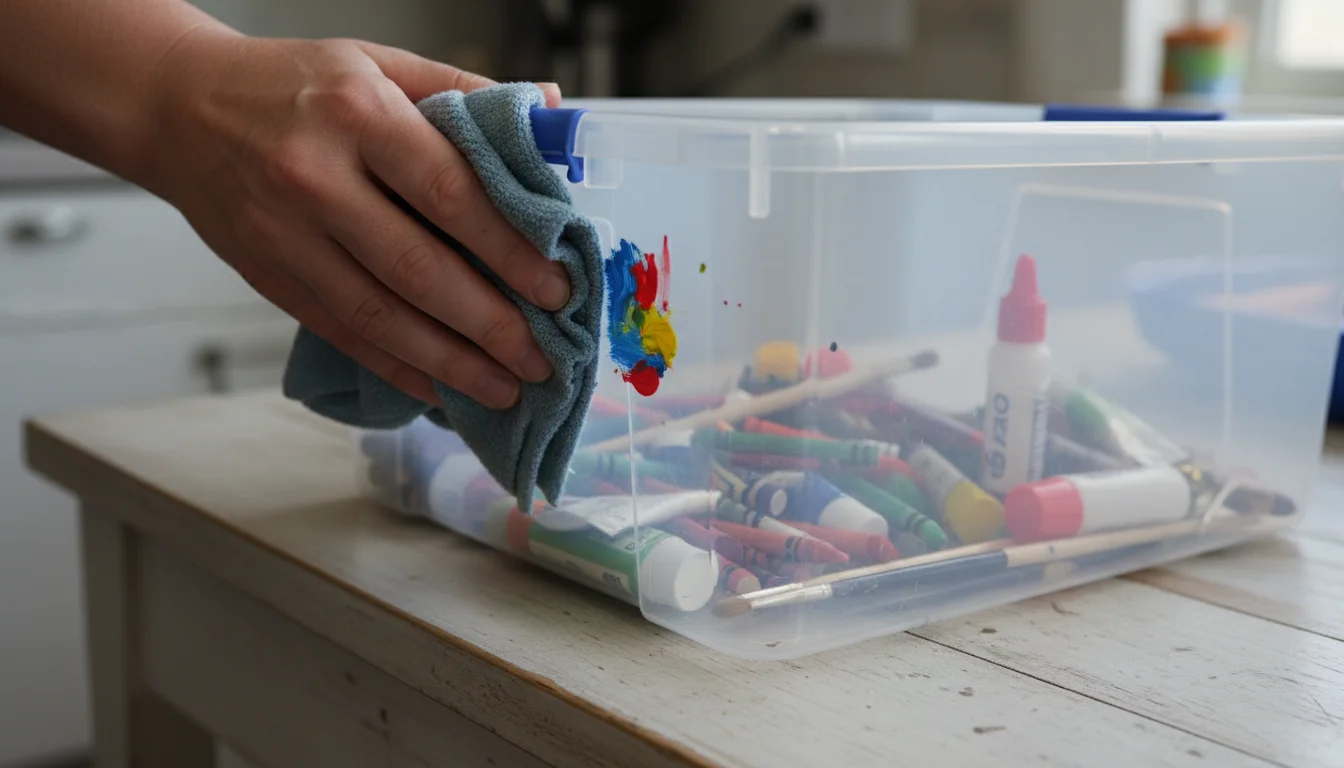
Cleanliness and Maintenance
- How easy should cleaning be? Plastic bins offer the easiest cleaning, requiring a simple wipe-down. This makes them ideal for storing anything that might leak, spill, or attract grime.
- Are you willing to spot-clean or hand wash? Fabric bins require more careful cleaning. Factor this into your decision, especially for high-traffic areas or items prone to getting dirty.
Budget Considerations
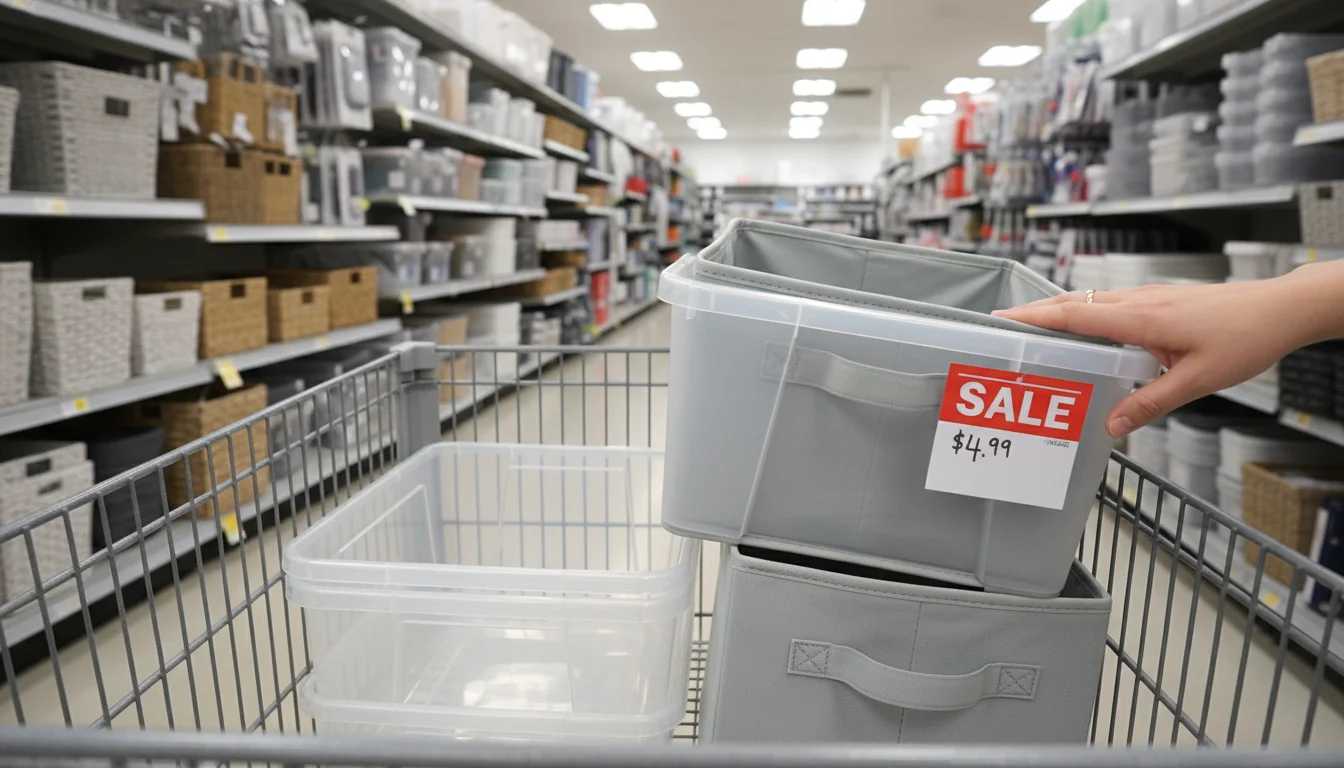
Both clear and fabric bins come in a wide range of price points. Basic plastic bins often present the most budget-friendly entry point for organizing containers. Fabric bins can range from very inexpensive non-woven options to higher-end canvas or felt designs. Assess your overall budget and the number of bins you need before committing. Remember, investing in quality where it counts, such as for heavily used items, saves money in the long run.
Room-by-Room Recommendations for Storage Bins
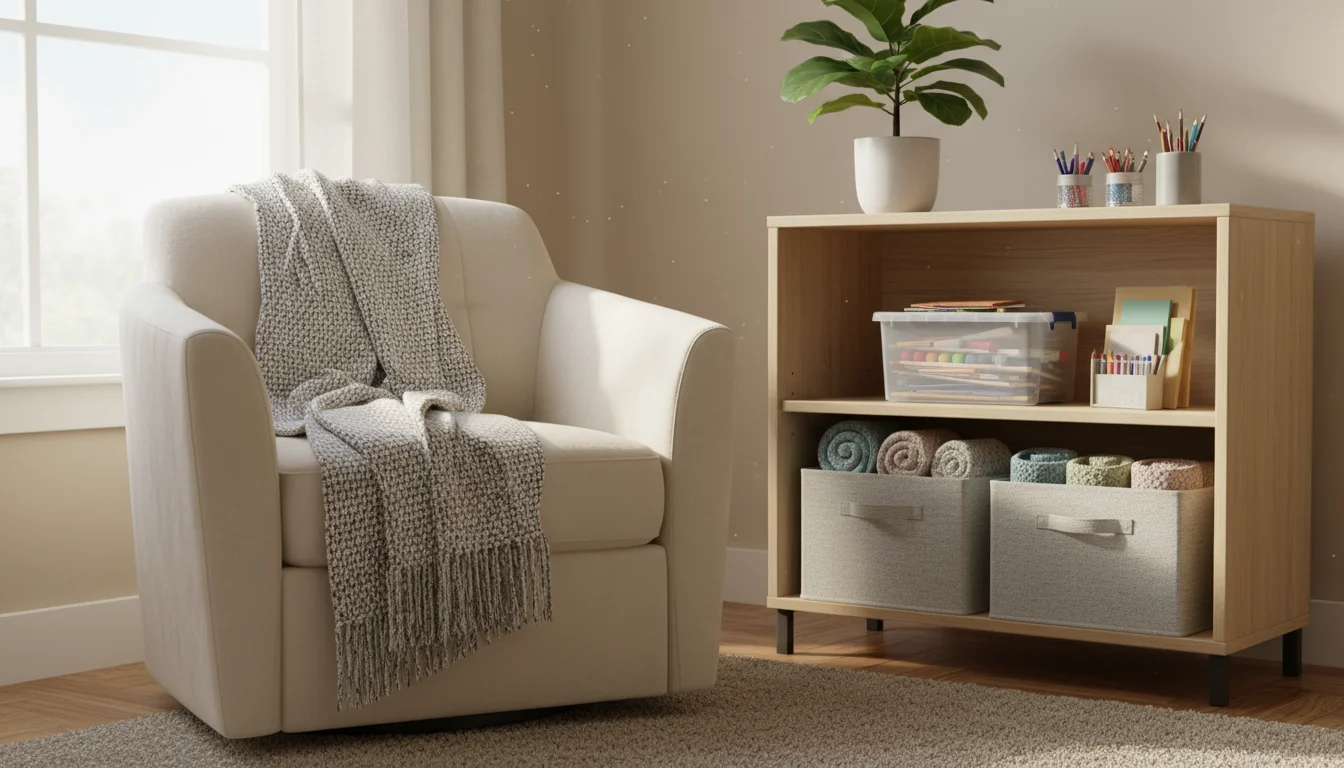
Different areas of your home present unique storage challenges and opportunities. Applying the right type of storage bin to each space optimizes both function and aesthetics. Here are practical suggestions for integrating storage bins throughout your home:
Living Room
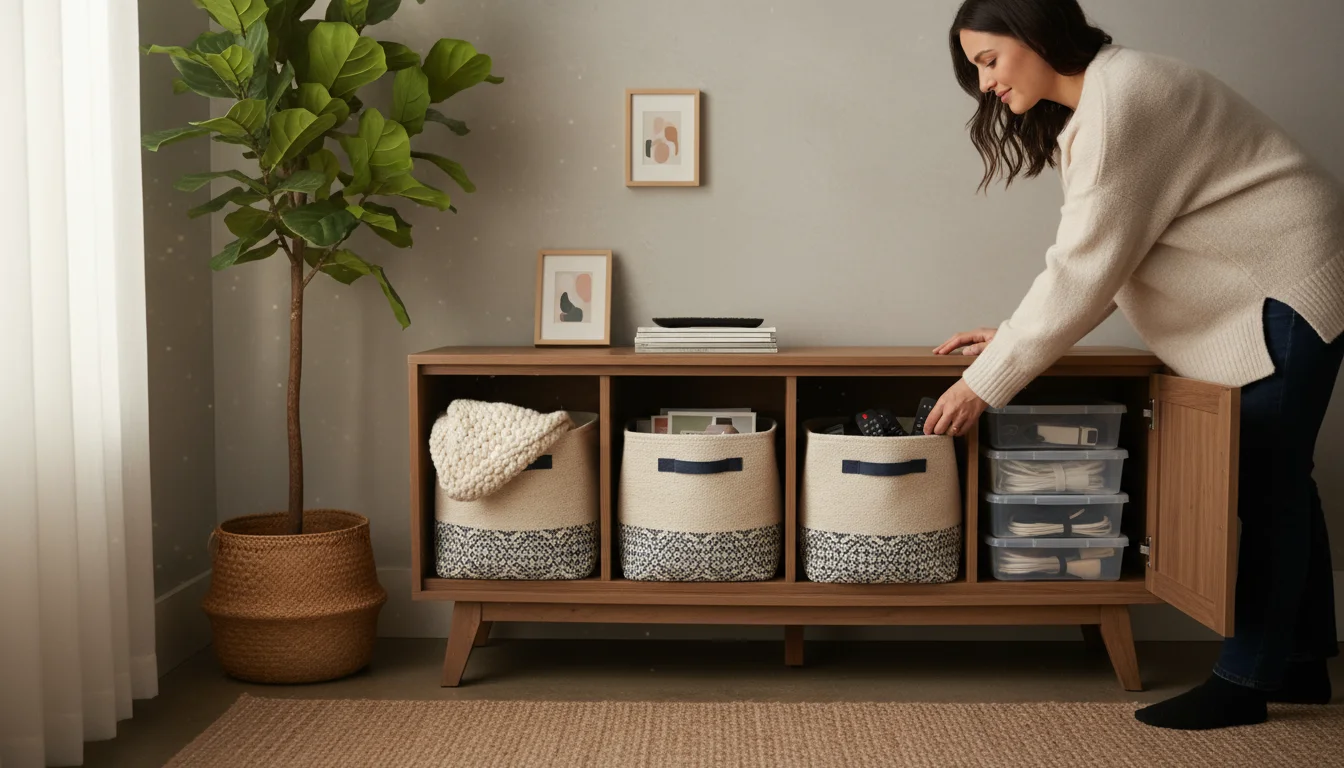
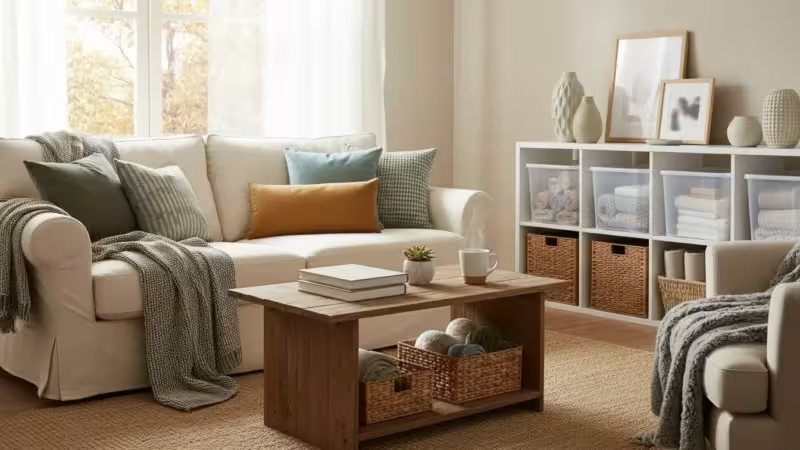
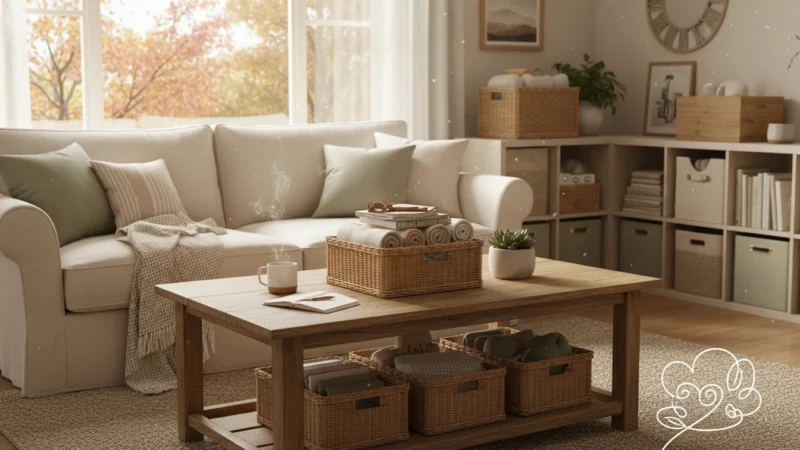
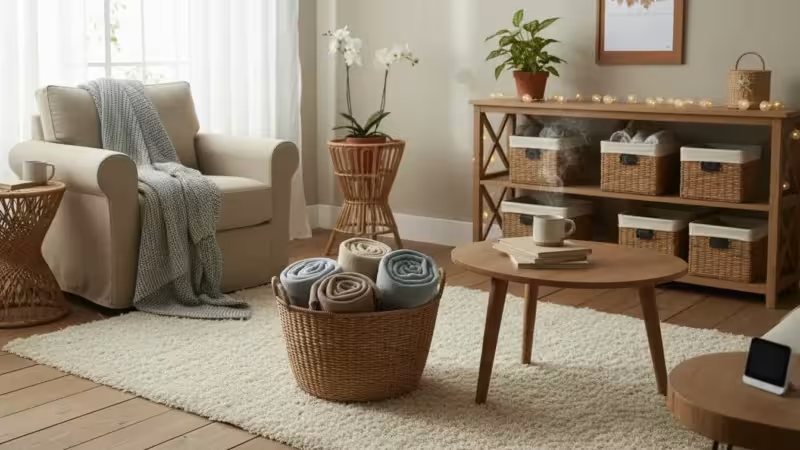
In your living room, choose fabric bins for their decorative appeal. Use them to store throw blankets, remotes, magazines, or children’s toys. Place them on open shelves, under coffee tables, or tucked into entertainment units. Fabric bins keep the space looking tidy and inviting. For items you want to keep hidden but easily accessible, like media accessories or game controllers, fabric bins provide excellent home storage. If you have a media cabinet or console with doors, consider using clear plastic bins inside for organizing smaller electronics or cables, as their contents remain out of sight.
Bedroom and Closet
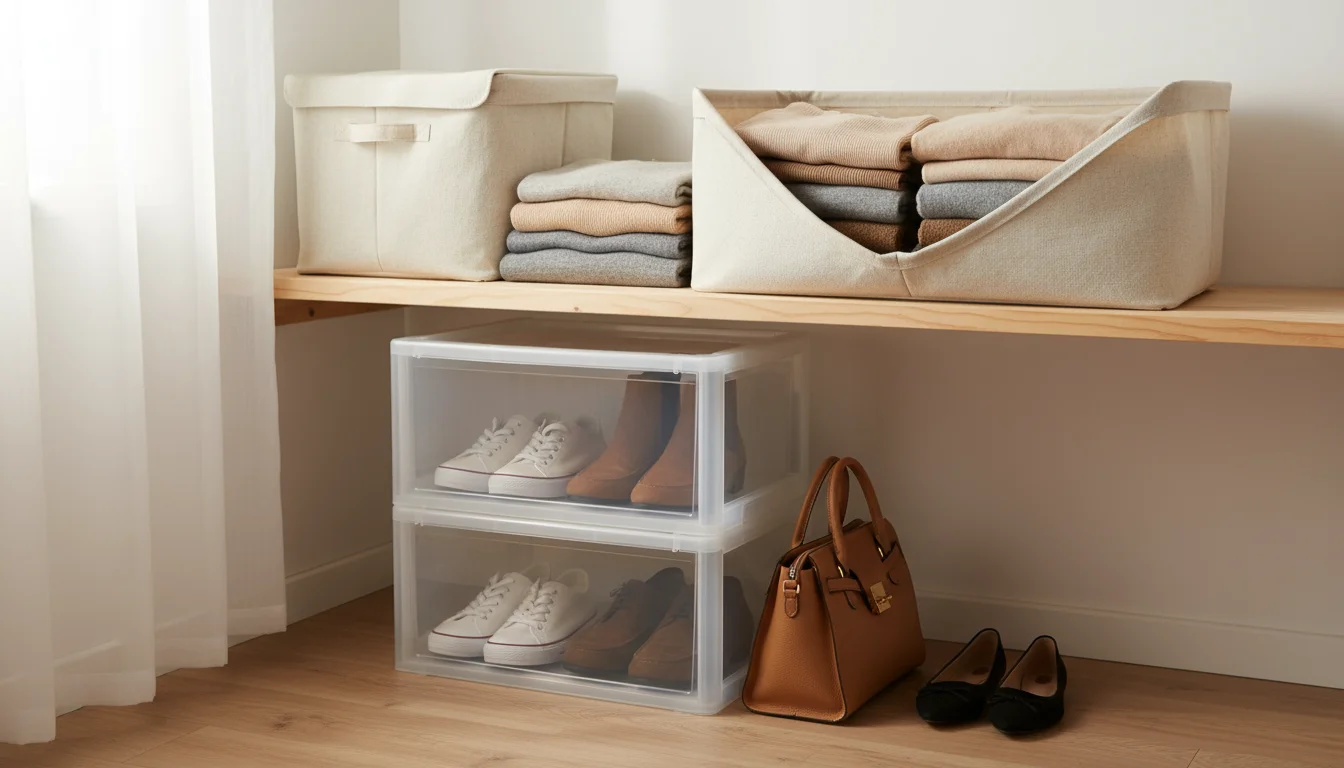
Bedrooms often benefit from a mix. Fabric bins work wonderfully for clothing, socks, underwear, and accessories within drawers or on closet shelves. They lend a soft touch and prevent snags on delicate garments. Consider them for storing seasonal linens or extra bedding. Clear storage bins excel for shoes, handbags, or accessories you want to locate quickly. Use them for storing craft supplies or hobbies that you keep in your bedroom. Stackable clear bins maximize vertical space in closets, perfect for out-of-season clothing or infrequently used items, as The Spruce — Home Organization often advises for maximizing closet efficiency.
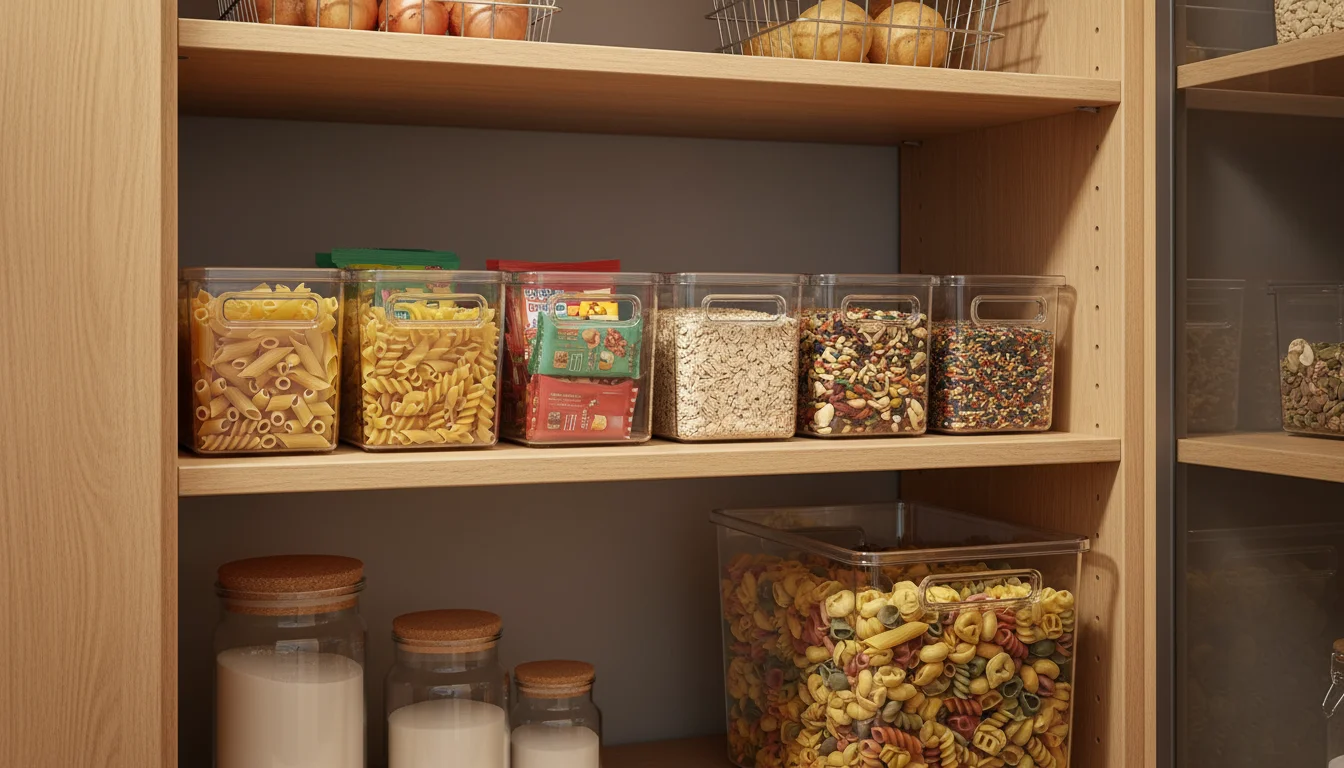
Pantry and Kitchen
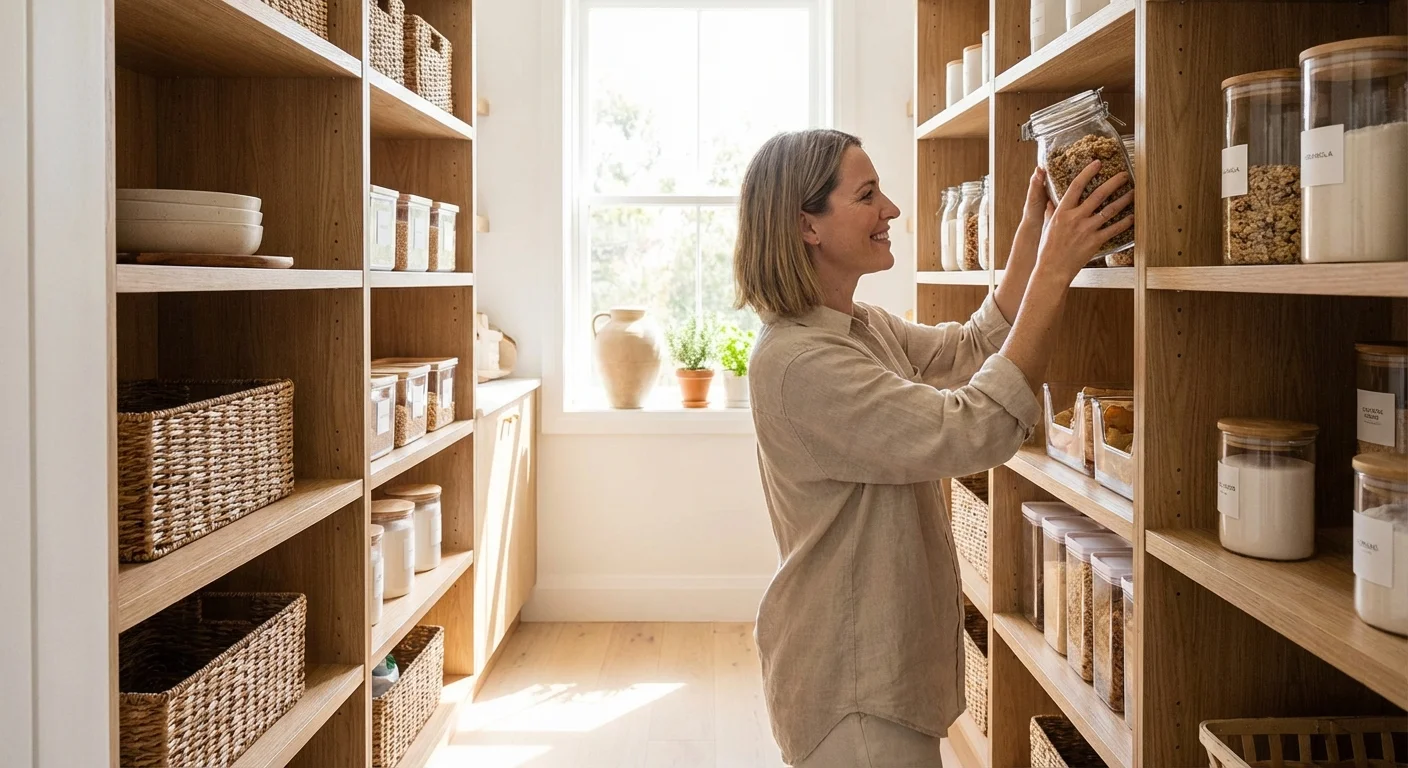
The kitchen pantry is a prime location for clear storage bins. You need to see ingredients at a glance to plan meals and manage inventory. Use clear bins for dry goods like pasta, grains, snacks, and baking supplies. They protect food from pests and spills while making it easy to identify items. Fabric bins have a place here too, for items like dish towels, napkins, or small kitchen linens. Place them in lower cabinets or on shelves for a tidy appearance.
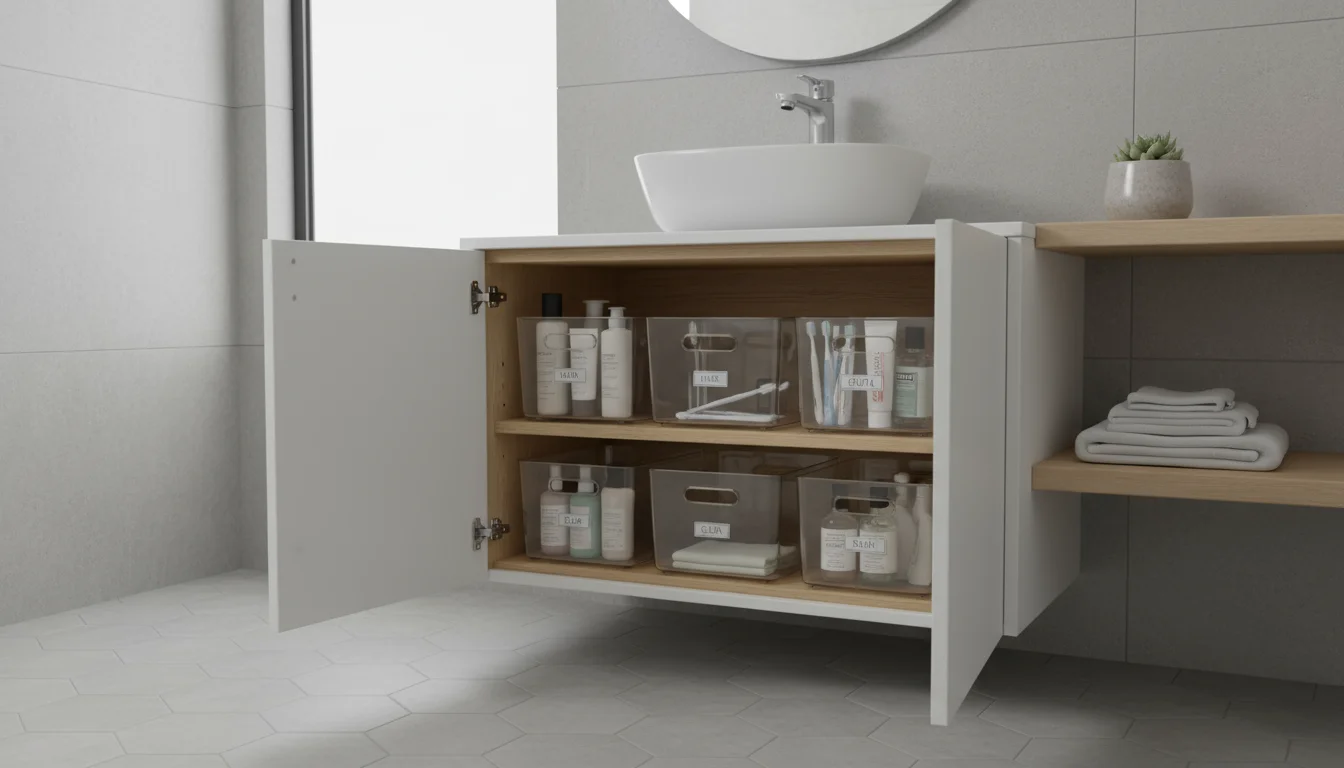
Bathroom
In the bathroom, clear bins help organize toiletries, cleaning supplies, and first aid items under the sink or in cabinets. Their water-resistant nature makes them ideal for a damp environment. Group similar items, such as hair products or dental care, into separate clear containers. Fabric bins can hold fresh towels, bath bombs, or toilet paper rolls on open shelving or in linen closets, adding a spa-like touch.
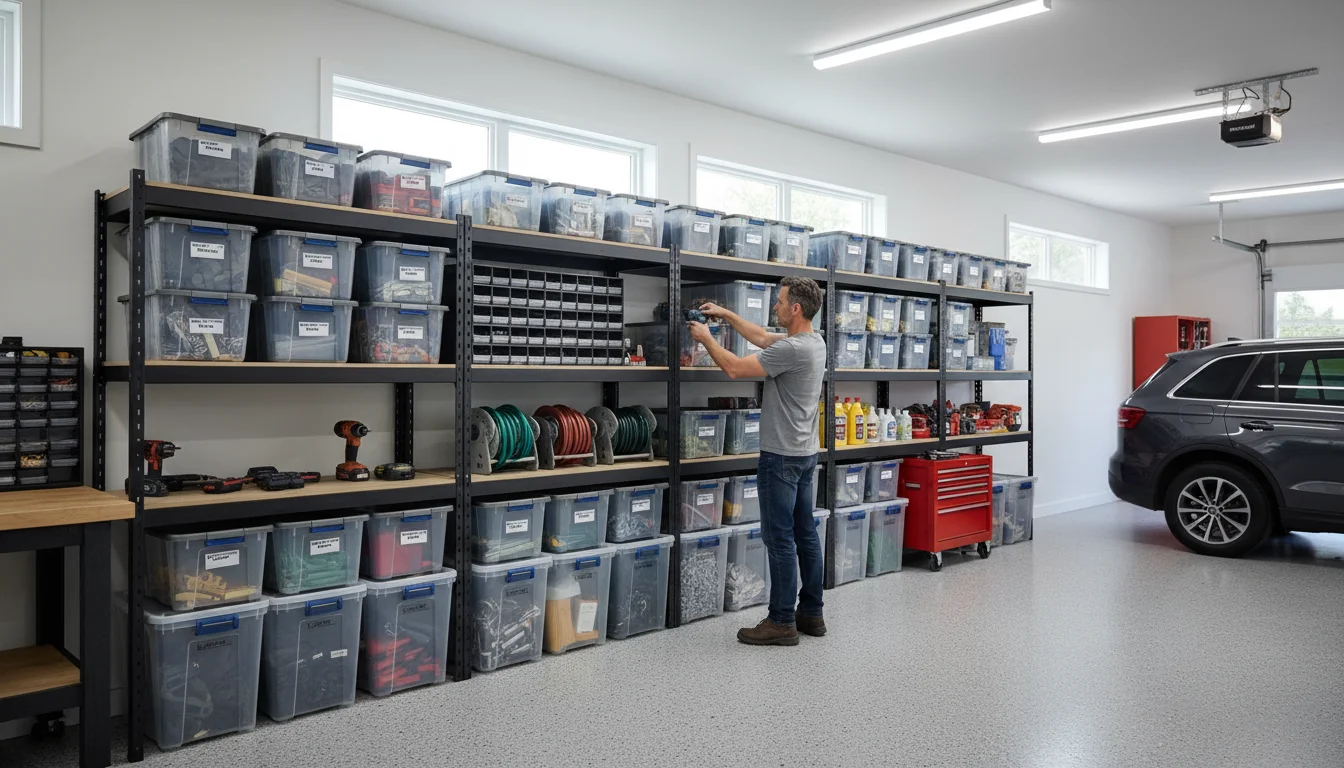
Garage and Utility Areas
These zones demand rugged, practical solutions. Clear storage bins are the undisputed champions here. Use them for tools, hardware, gardening supplies, car care products, and sports equipment. Their durability and resistance to moisture and pests protect your belongings in less-controlled environments. Labeling becomes less critical with clear bins, though still helpful. Opt for sturdy, stackable options to maximize vertical space and keep everything visible and organized.
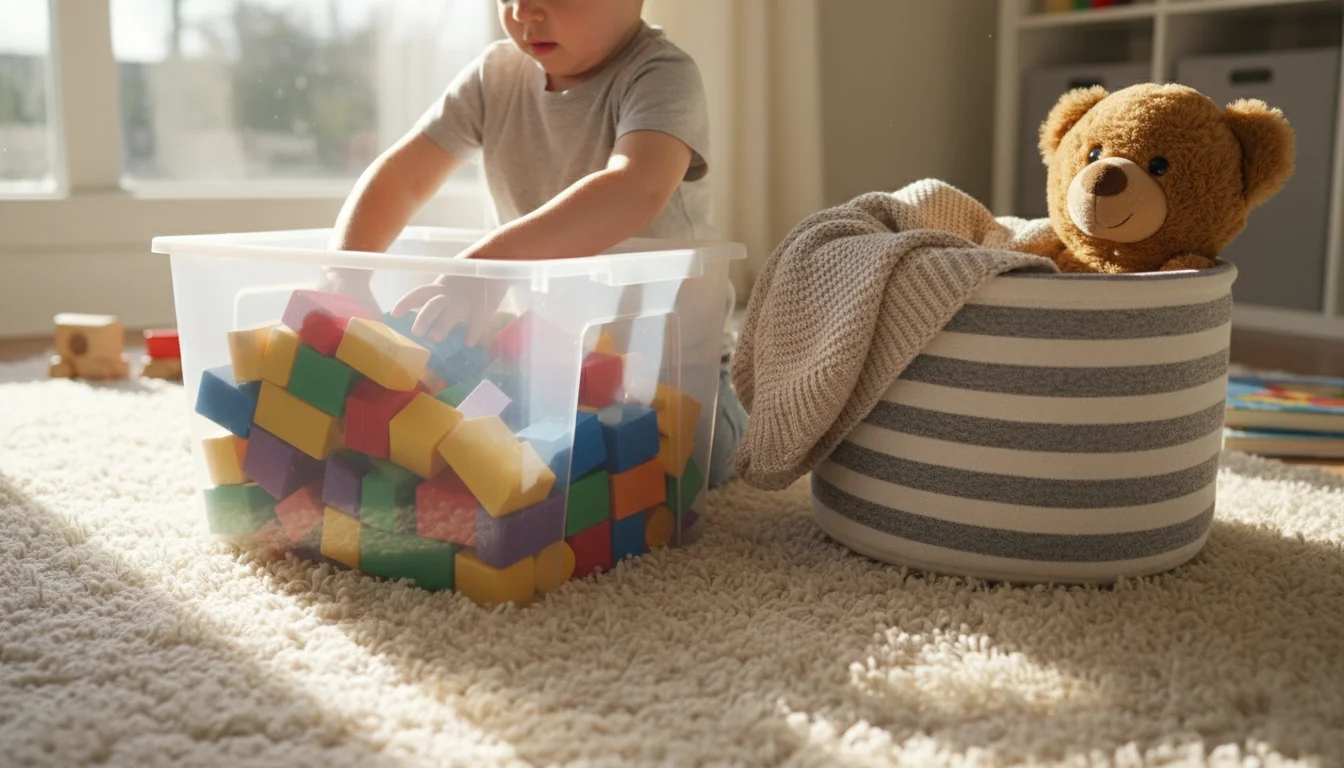
Children’s Rooms and Playrooms
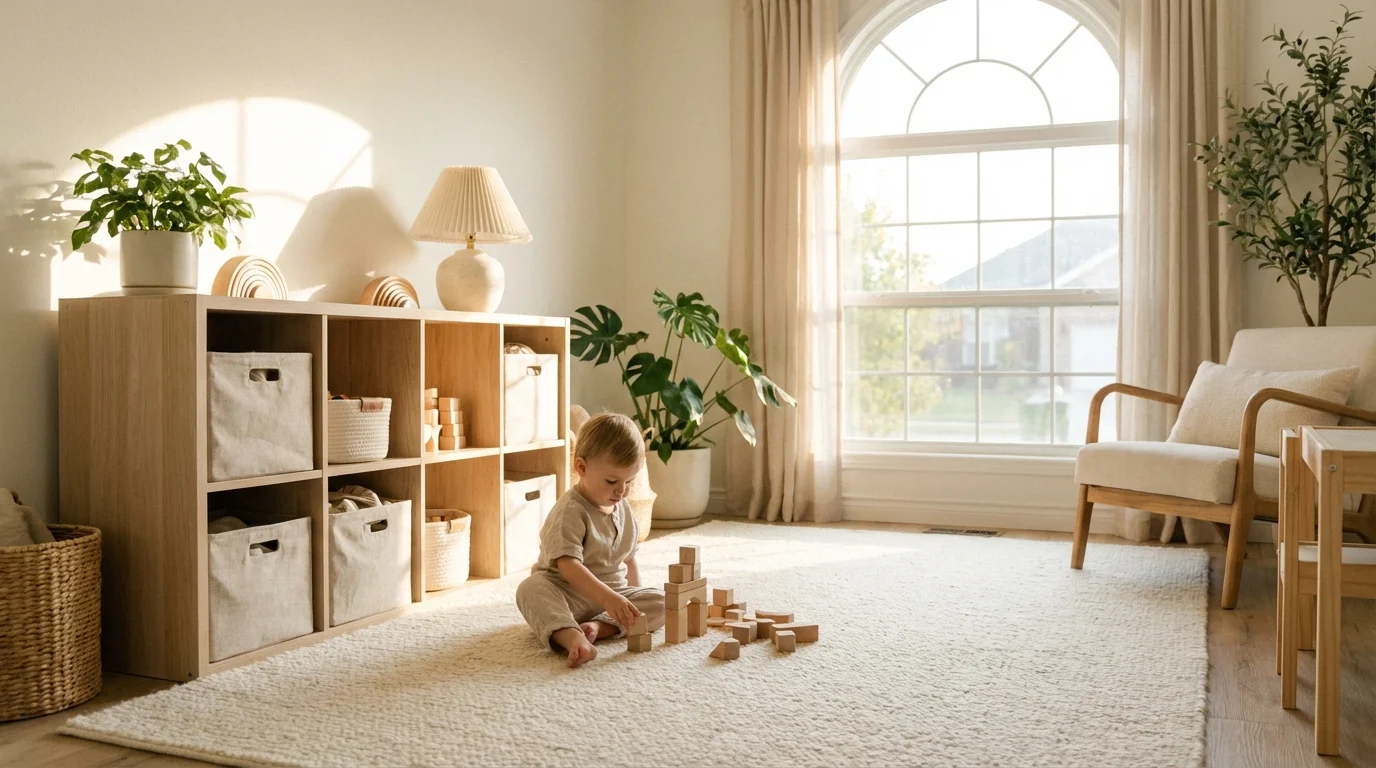
Children’s spaces often require a blend. Clear bins are fantastic for toys, allowing kids to see and choose their playthings easily. This promotes independence and makes cleanup simpler. Use larger clear bins for blocks or stuffed animals and smaller ones for craft supplies. Fabric bins can hold dress-up clothes, blankets, or soft toys, contributing to a cozy and inviting atmosphere. Their soft edges are also safer for little ones.
Maximizing Your Storage Bin Strategy: Tips for Success
Simply buying bins does not guarantee an organized home. Implementing smart strategies ensures your storage bins truly enhance your living space. Consider these actionable steps to make the most of your organizing containers.
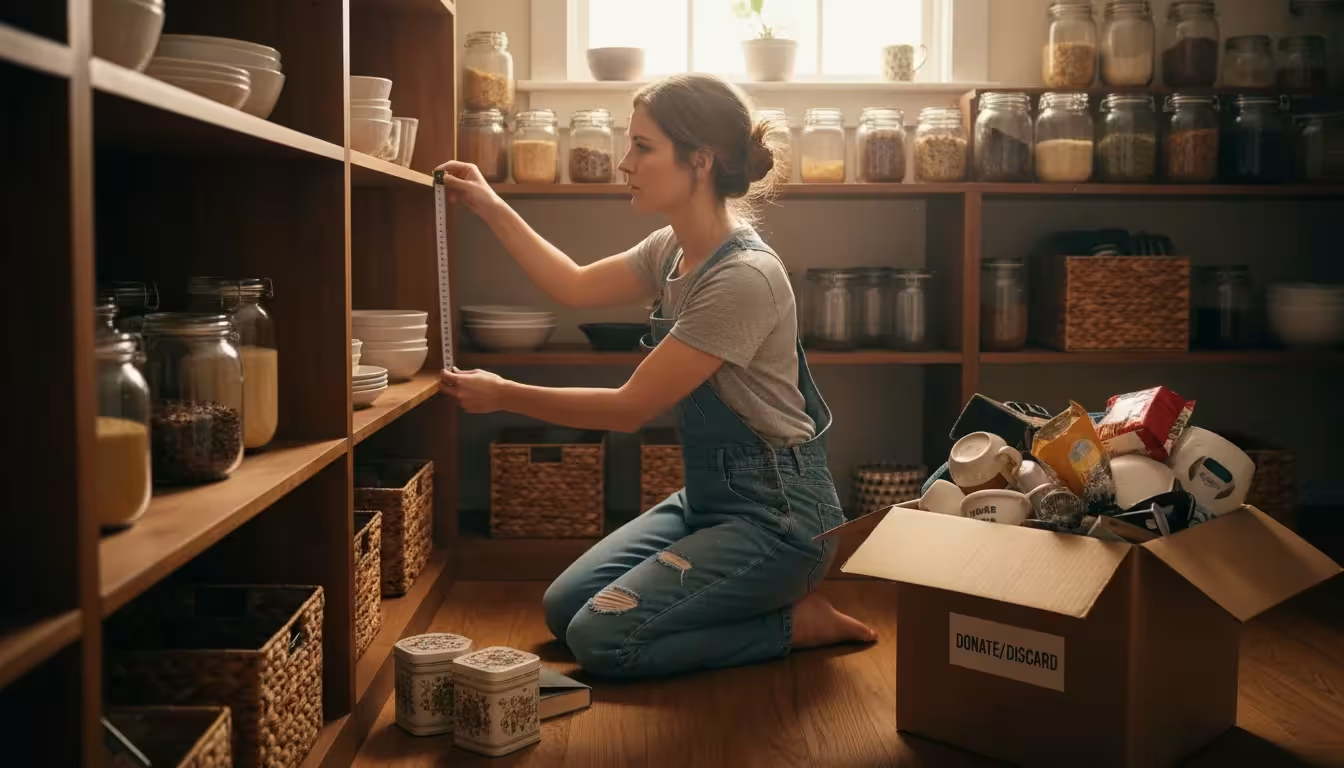
- Declutter First, Always: Before you even think about buying storage bins, declutter your space. Bins organize what you keep, they do not eliminate clutter. Get rid of anything you no longer need, use, or love. The National Association of Professional Organizers consistently emphasizes that decluttering forms the essential first step to any successful organizing project.
- Measure Your Space: Always measure the dimensions of your shelves, drawers, or cabinets before purchasing bins. This prevents frustrating returns and ensures a perfect fit. Consider height, width, and depth.
- Group Like with Like: Designate “zones” or categories for your items. All craft supplies go together, all cleaning products go together, and so on. This logical grouping makes retrieval and return much simpler.
- Label Everything (Especially Fabric Bins): For fabric bins, labeling is non-negotiable. Use clear labels, tags, or even chalk markers on chalkboard-style labels to indicate contents. Even with clear bins, a label for specific categories (e.g., “Holiday Decor” or “Kids’ Art Supplies”) streamlines organization.
- Utilize Vertical Space: Look for stackable clear bins or fabric bins designed for shelving units to maximize vertical storage. This proves particularly effective in closets, pantries, and garages.
- Maintain the System: Organization is not a one-time event. Schedule regular check-ins to ensure items return to their designated bins. Adjust your system as your needs change.
- Consider the Weight: Distribute heavy items evenly across multiple bins or choose sturdier clear plastic bins for heavy loads. Avoid overfilling fabric bins, as this compromises their shape and durability.
Budget-Friendly Bin Solutions and Maintenance
Achieving an organized home does not require a large budget. Smart shopping and proper maintenance extend the life of your storage bins, saving you money in the long run. Embrace resourcefulness when building your home storage system.
Saving Money on Storage Bins
- Shop Sales and Discount Stores: Keep an eye out for seasonal sales at home goods stores. Discount retailers and dollar stores often carry surprisingly good quality basic clear and fabric bins at a fraction of the price of specialty stores.
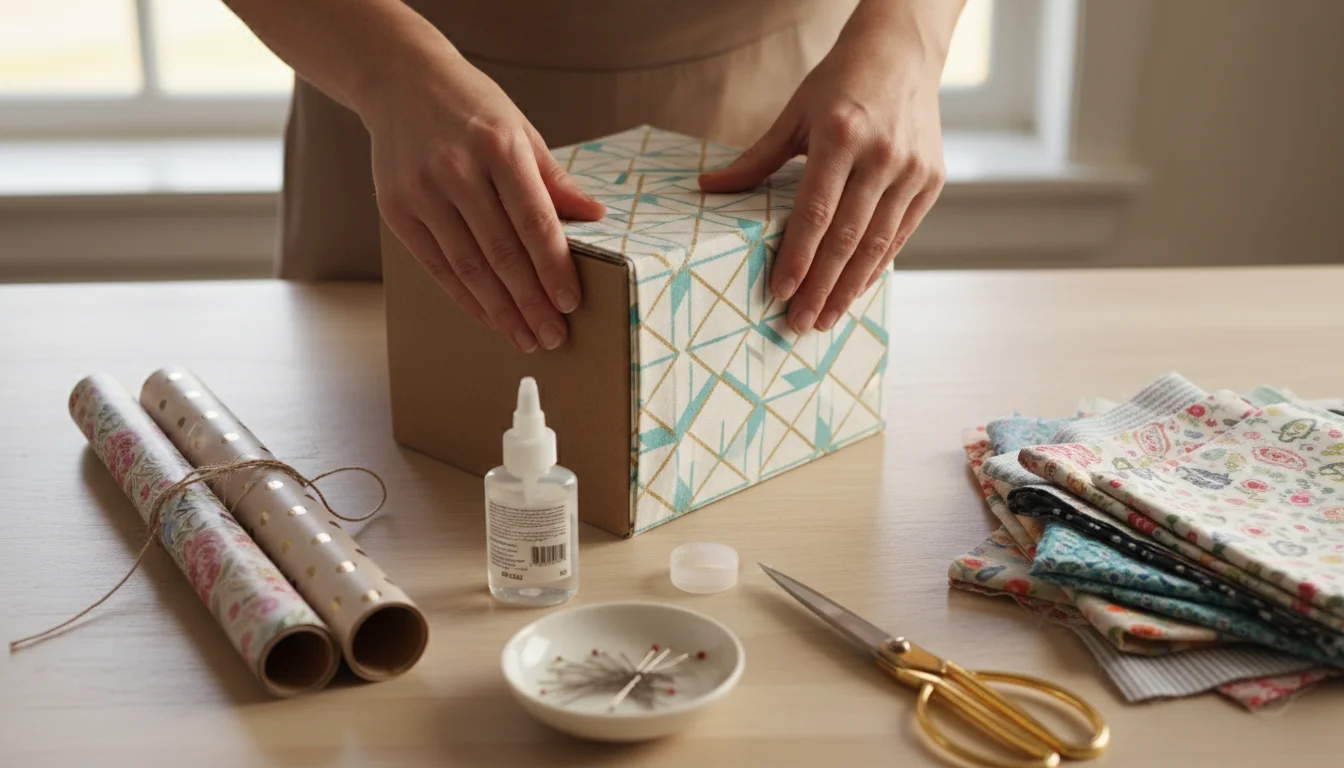
- Repurpose What You Have: Cardboard boxes, shoeboxes, and even sturdy gift boxes transform into functional fabric bins with a little DIY effort. Cover them with fabric scraps, decorative paper, or paint for a custom look. This creative approach aligns with practical living solutions.
- Buy in Bulk or Sets: When you need multiple bins of the same type, purchasing them in sets often provides a cost-per-unit saving. This also creates a cohesive look for your organizing containers.
- Prioritize Needs: Invest in higher-quality, more durable bins for high-use or heavy-duty areas like the garage or pantry. Opt for more budget-friendly options for less-used items or areas where aesthetics are paramount, but durability is less critical.
Maintaining Your Storage Bins
Proper care extends the life and appearance of both clear and fabric bins.
- Clear Plastic Bins:
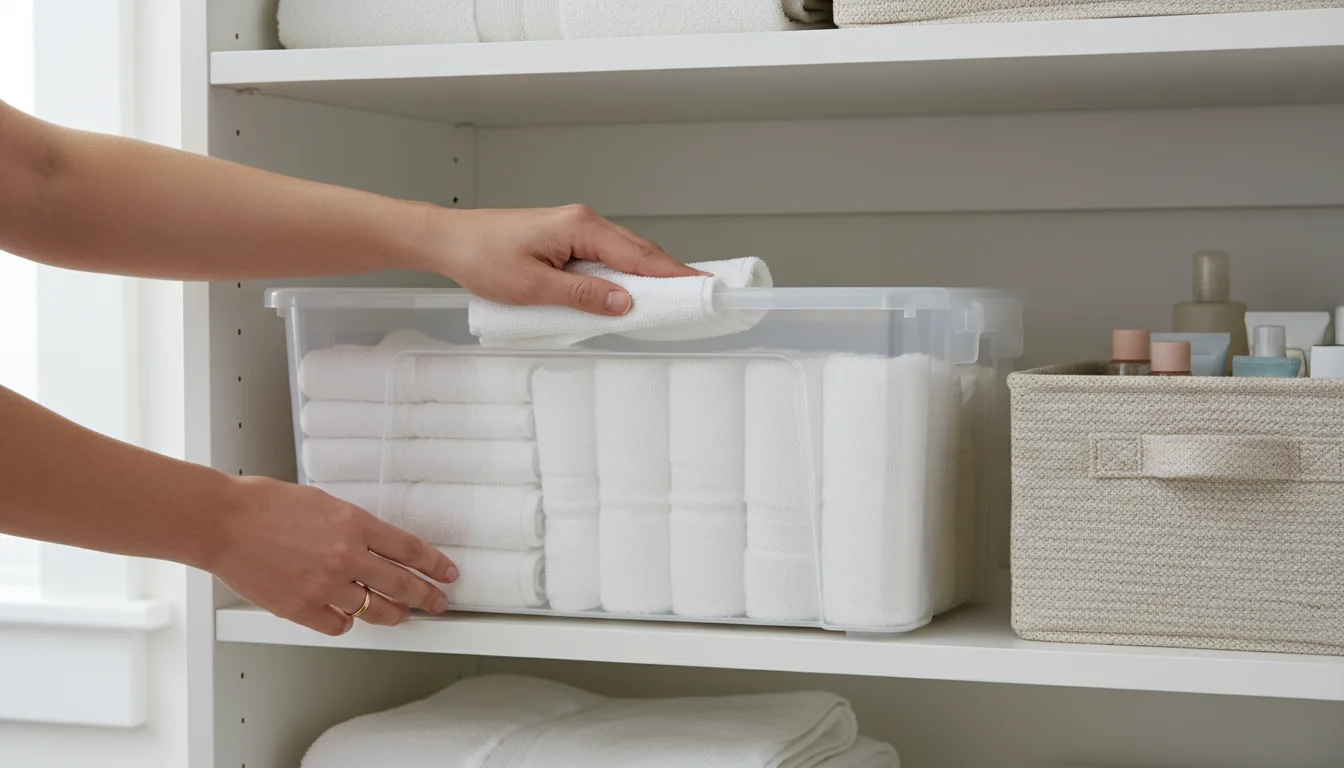
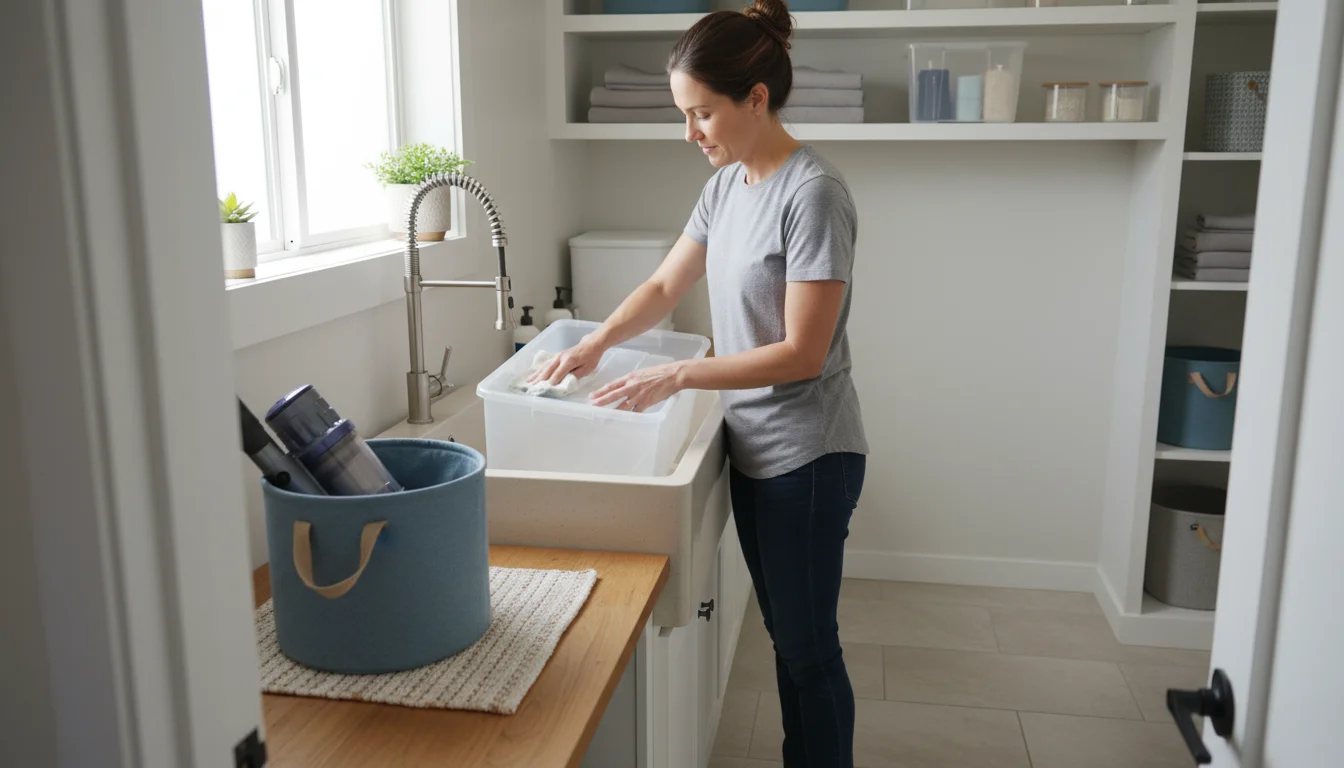
- Wipe down regularly with a damp cloth to prevent dust buildup.
- For sticky residues or grime, use warm water and a mild dish soap. Avoid abrasive cleaners, which scratch the plastic.
- For persistent odors, a baking soda solution helps neutralize them.
- Ensure bins are completely dry before returning contents to prevent mold or mildew, especially if storing sensitive items.
- Fabric Bins:
- Vacuum fabric bins regularly with a brush attachment to remove dust and debris.
- For spills, spot clean immediately using a mild fabric cleaner or a mixture of water and gentle soap. Test any cleaning solution on an inconspicuous area first.
- Avoid soaking fabric bins, as this can damage the internal structure or cause colors to bleed.
- Allow spot-cleaned bins to air dry completely before use.
- Periodically empty and shake out bins to remove accumulated dust or crumbs.
By taking these simple steps, you ensure your storage bins remain functional and attractive, serving your home organization needs for years to come. Real Simple — Organizing consistently offers practical maintenance tips to keep your storage solutions in top condition.
Frequently Asked Questions
Can I mix clear and fabric storage bins in the same space?
Yes, absolutely. Strategic mixing often creates the most effective and aesthetically pleasing home storage solutions. Use clear bins inside drawers, cabinets, or within fabric bins to compartmentalize. Place fabric bins in visible areas for a cohesive look while utilizing clear bins for less visible, high-access storage. For instance, put clear bins of small toys inside a larger fabric bin in a child’s room.
How do I prevent fabric bins from sagging or losing their shape?
Choose fabric bins with sturdy internal supports, such as thick cardboard inserts or wire frames. Avoid overfilling them, especially with heavy or irregularly shaped items. Distribute weight evenly. If a bin begins to sag, ensure its contents are not too heavy and check for any broken internal supports. Some fabric bins allow for replacing cardboard inserts.
Are clear plastic bins truly safe for food storage in the pantry?
For food storage, always select clear plastic bins labeled “food-safe” or “BPA-free.” These designations ensure the plastic does not leach harmful chemicals into your food. Look for containers with airtight seals to keep pantry staples fresh and protect against pests. This is a critical factor for maintaining food quality and safety.
What about the environmental impact of choosing between clear plastic and fabric bins?
Consider sustainability when making your choice. For plastic bins, look for options made from recycled content or those that are easily recyclable in your local area. For fabric bins, choose those made from natural, sustainable materials like organic cotton, jute, or recycled fabrics. Prioritize durability for both, as a long-lasting product reduces waste regardless of material. Many brands now offer eco-friendly versions of both types of organizing containers.
How do I decide the right size of storage bins for my needs?
First, identify the items you plan to store. Then, measure the items and the space where the bin will reside. Choose a bin size that comfortably holds the items without wasting space, but also fits neatly into your designated area. Always measure shelves, cubbies, or drawer interiors before purchasing to ensure a proper fit. It is better to have a few well-fitting bins than many ill-fitting ones.
For expert home organization guidance, visit
Houzz — Home, The Spruce — Home Organization, Real Simple — Organizing, Good Housekeeping — Organization and Better Homes & Gardens — Home Organization.
Disclaimer: This article is for informational purposes only and is not a substitute for professional advice. Consult professional organizers or specialists for personalized recommendations.

Leave a Reply