

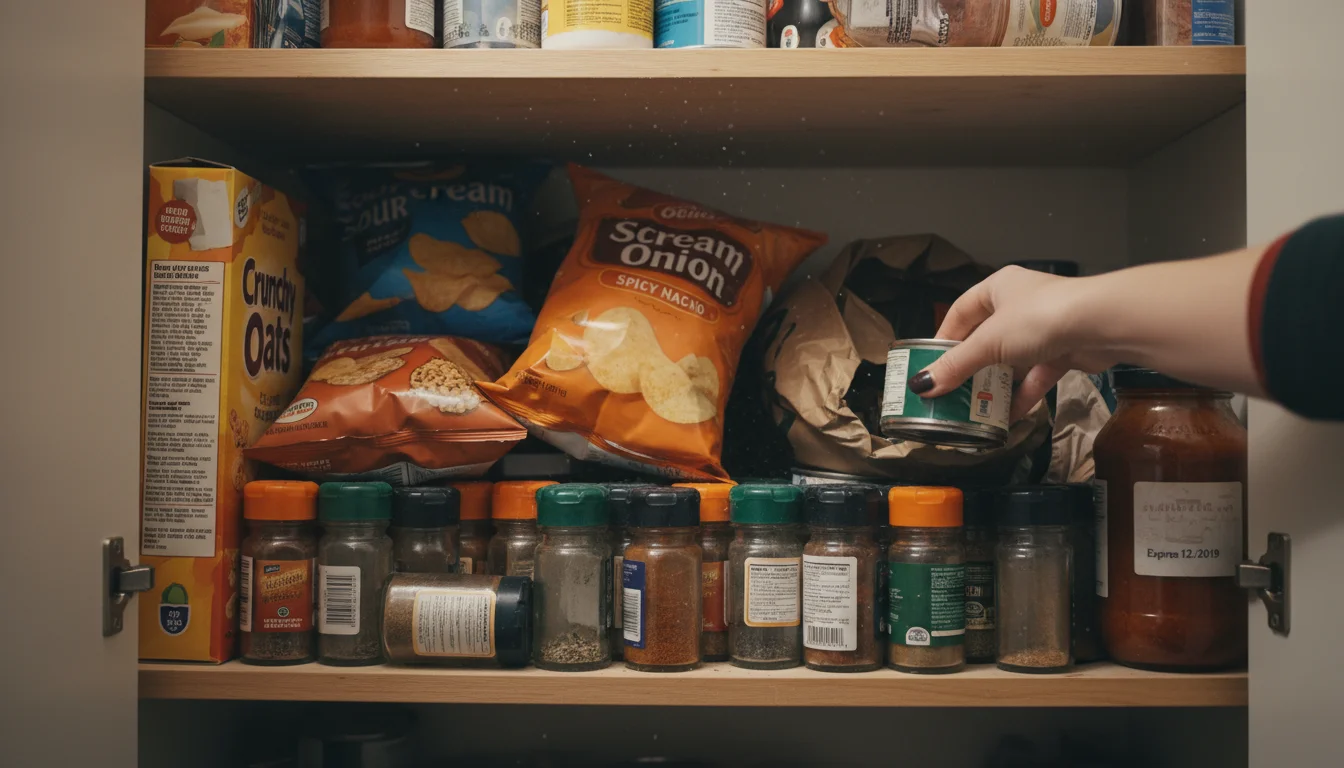
Your kitchen cabinets hold the heart of your home, storing everything from daily dinnerware to essential pantry staples. When they become cluttered and chaotic, it impacts meal prep, cooking, and even your peace of mind. You waste time searching for ingredients, struggle to put groceries away, and feel frustrated by the disarray. Transforming your kitchen cabinets from a jumbled mess into a functional, organized space is entirely achievable, even for busy homeowners, renters, and apartment dwellers.
For those living in smaller apartments, specialized tiny kitchen organization strategies can turn even the most cramped area into an efficient cooking space.
For more creative inspiration, explore these kitchen organization ideas that actually work in any size home.
This guide provides a practical, step-by-step approach to kitchen cabinet organization, helping you create efficient kitchen storage systems that work for your real life and stay tidy. We focus on actionable insights, realistic solutions, and budget-friendly ideas, so you can enjoy a kitchen that supports your daily routines, not hinders them. Get ready to streamline your kitchen, boost your efficiency, and bring a sense of calm back to your cooking space.
Why Organized Kitchen Cabinets Matter
An organized kitchen offers more than just aesthetic appeal. It fundamentally changes how you interact with your home. When your kitchen cabinets are well-ordered, you experience a ripple effect of benefits:
- Increased Efficiency: You find ingredients and tools instantly. This reduces cooking time, simplifies meal prep, and makes grocery put-away a breeze. Imagine grabbing the exact spice you need without digging through dozens of forgotten jars.
- Reduced Food Waste: Visible pantry items mean you use what you have before it expires. You avoid buying duplicates of items already hidden deep in your cupboards. According to Real Simple, clear visibility of your pantry can significantly cut down on food waste, saving you money and reducing your environmental footprint.
- Enhanced Safety and Hygiene: Clutter can pose tripping hazards or lead to items falling. An organized space allows for easier cleaning, preventing pest issues and ensuring a healthier environment for food storage.
- Stress Reduction: A chaotic environment creates mental clutter. A tidy kitchen provides a sense of calm and control, making cooking and spending time in your kitchen a more enjoyable experience.
- Saves Money: Beyond reducing food waste, you also avoid impulse purchases of organizational gadgets you do not truly need. A clear understanding of your kitchen storage needs guides smarter buying decisions.
Embrace this project not as a chore, but as an investment in your daily comfort and long-term well-being. Smart kitchen cabinet organization sets you up for success.

The Foundation: Empty, Clean, and Assess
Before you can organize like a pro, you must start with a clean slate. This foundational step is critical for successful kitchen storage. Do not skip it.
Emptying out your cupboards is also an ideal opportunity to follow a broader spring cleaning routine to refresh your entire home.
If your kitchen feels particularly cramped, try these small kitchen solutions for maximum cooking space.
Step 1: Choose Your Battleground
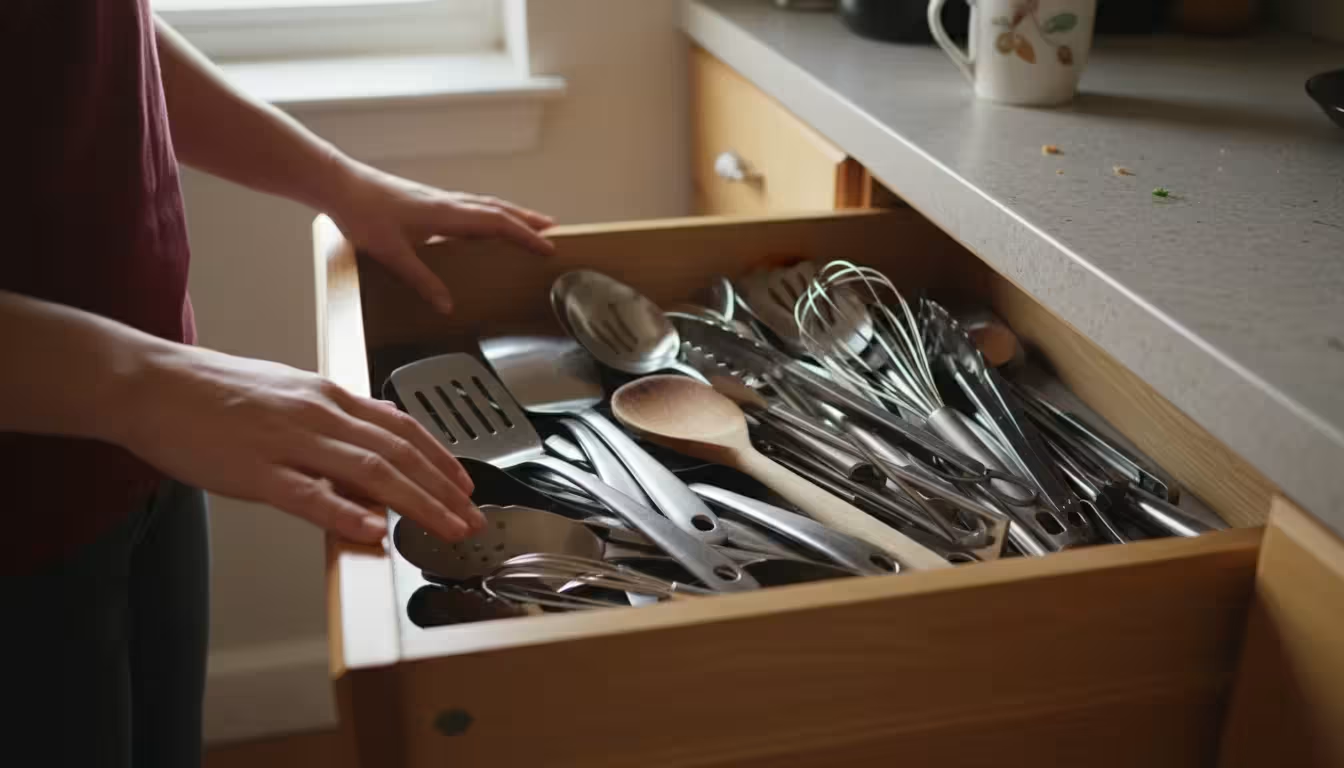
You do not need to tackle every cabinet at once. If time is short, focus on one area: a pantry cabinet, a utensil drawer, or the cupboard above your stove. This makes the task less daunting and ensures you complete a section properly.

Step 2: Empty Everything Out
Completely empty the chosen cabinet or drawer. Place all contents on your counter, dining table, or even a clean tarp on the floor. Seeing everything you own in one place often provides a shocking but necessary reality check. This step is essential for any effective cabinet systems overhaul.
Step 3: Clean Thoroughly
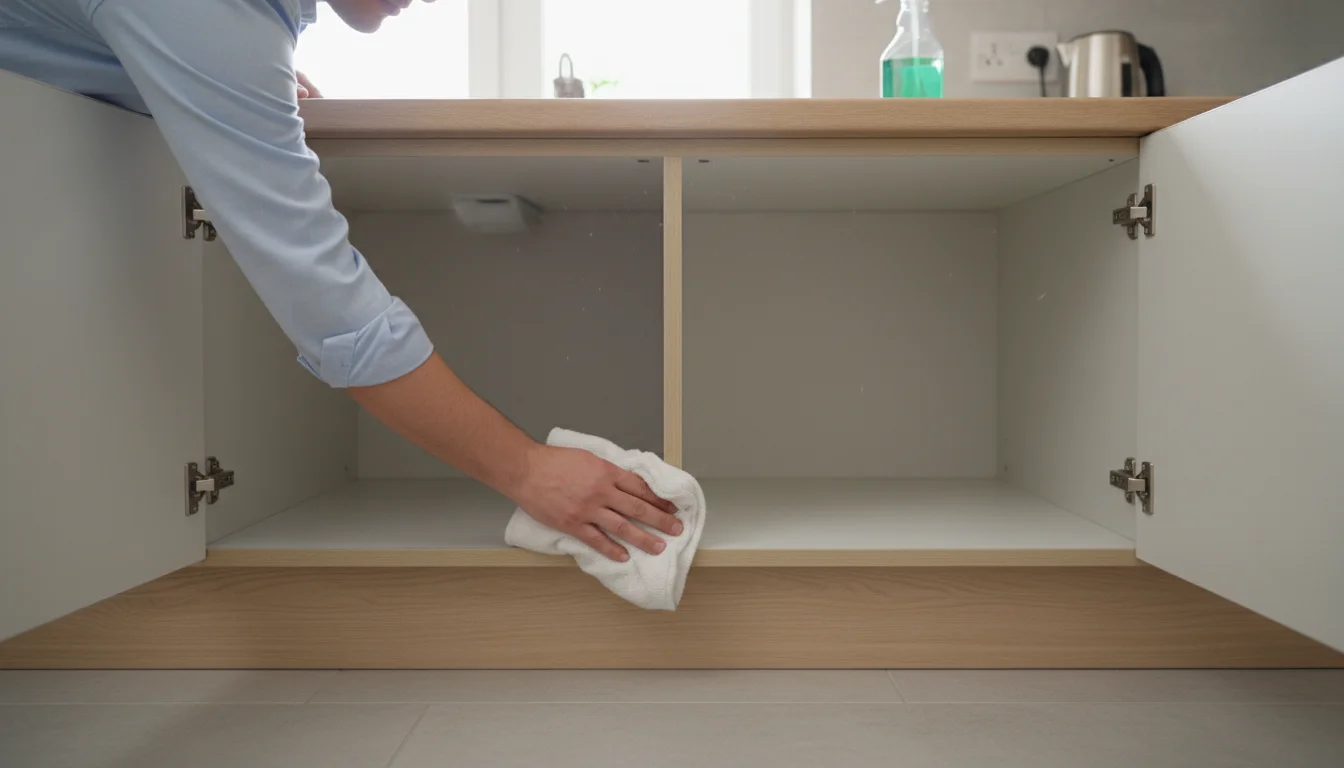
Once empty, wipe down the inside of the cabinet or drawer. Use a general all-purpose cleaner for basic grime. For stickier messes, a degreaser works wonders. Line shelves with shelf liners if desired, which protect surfaces and make future cleaning easier. This ensures a fresh start for your kitchen storage.

Step 4: Assess the Space
Examine the empty cabinet itself. Consider its depth, width, height, and any fixed shelves. Note any dead space, awkward corners, or areas that could be better utilized. Think about how the doors open and if they obstruct anything. This assessment informs your later choices for organizers and cabinet systems.

Decluttering with Purpose: Your Keep, Donate, Toss Strategy
This is where you make critical decisions about what deserves a spot in your newly organized kitchen storage. Be honest with yourself.
The logic of sorting items by frequency and utility also works wonders when you organize a linen closet or other storage hubs in your home.
While you are clearing out space, it is also the perfect time to organize a junk drawer so it stays tidy for good.
- Keep: These are items you use regularly, love, and are in good condition. Place them back in a temporary holding area on your counter.
- Donate/Give Away: These are items in good condition but you no longer use or need. This includes duplicate items, gifts you never used, or specialty appliances gathering dust. Consider local charities, thrift stores, or friends and family who might benefit.
- Toss/Recycle: These items are broken, expired, unsafe, or beyond repair. Check expiration dates on food items, spices, and cleaning supplies. Dispose of these responsibly.

Decision-Making Questions:
- When did I last use this? If it has been over a year, seriously consider letting it go. Exceptions apply for seasonal items or specialized bakeware you use once a year.
- Does it serve a purpose? Every item should have a clear function.
- Do I have duplicates? You likely do not need three can openers. Keep the best one.
- Is it broken or expired? Do not keep things you cannot use.
- Does it fit my lifestyle? If you never bake, do not hold onto extensive baking equipment.
Being decisive during this decluttering phase prevents future clutter creep and makes subsequent kitchen cabinet organization much easier. As experts at the National Association of Professional Organizers often highlight, effective decluttering forms the bedrock of any sustainable organizational system.

Defining Kitchen Zones for Maximum Efficiency
Professional organizers approach kitchens by establishing “zones.” Zones are designated areas for specific activities, grouping related items together. This minimizes steps, saves time, and makes your kitchen highly functional. Think about how you move through your kitchen and where each activity happens.
Once your zones are established, using the right labels and containers will ensure your new system stays functional for the long haul.
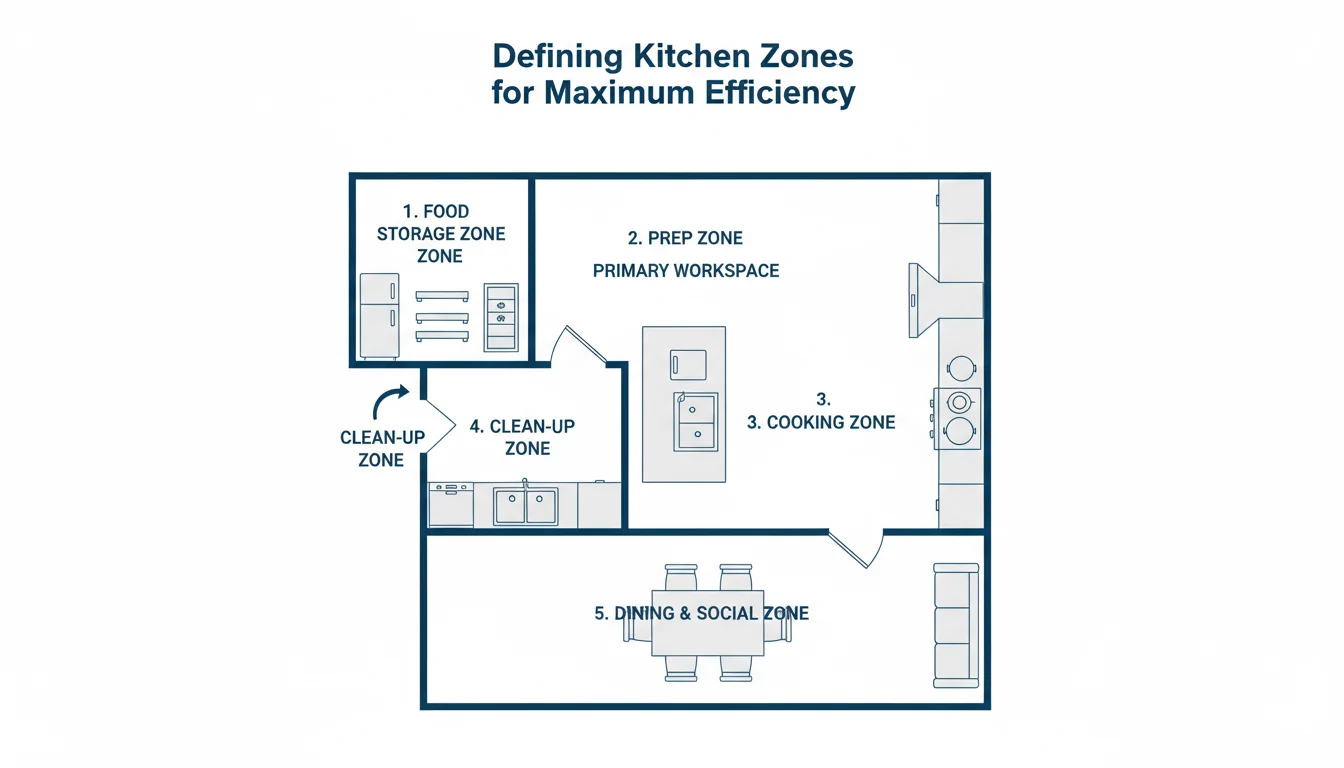
Common kitchen zones include:
- Prep Zone: This area is usually near your main counter space, cutting boards, knives, mixing bowls, measuring cups, and prep tools.
- Cooking Zone: Located around your stove or oven. Store pots, pans, skillets, cooking utensils (spatulas, ladles), oven mitts, and frequently used spices here.
- Baking Zone: If you bake often, dedicate a cabinet or drawer to baking sheets, cooling racks, baking ingredients (flour, sugar, leavening agents), and mixing equipment.
- Dining/Serving Zone: Keep plates, bowls, glasses, mugs, and flatware near your dishwasher or dining area for easy access and put-away.
- Pantry Zone: This is where you store non-perishable food items like canned goods, pasta, cereals, snacks, and bulk items. Group similar foods together.
- Cleaning Zone: Keep dish soap, sponges, dishwasher detergent, trash bags, and cleaning cloths under the sink.
- Coffee/Beverage Zone: If you have a coffee maker or tea kettle, keep mugs, coffee, tea, and related accessories nearby.
Mapping out these zones on paper before you start placing items helps you visualize the flow. Your home might not accommodate every single zone perfectly, but identifying your primary activity areas greatly enhances your kitchen cabinet organization.

Mastering Storage Solutions for Every Cabinet
Once you have decluttered and defined your zones, it is time to implement smart storage solutions. You do not need to buy everything at once. Start with what you have, then invest in specific items that solve persistent problems.
Maximizing the height of your cupboards with vertical storage ideas can double your available shelf capacity.

Upper Cabinets:
- Dinnerware: Store plates, bowls, and glasses in easily accessible upper cabinets near the dishwasher or dining area. Use vertical plate racks or shelf risers to maximize vertical space and separate items.
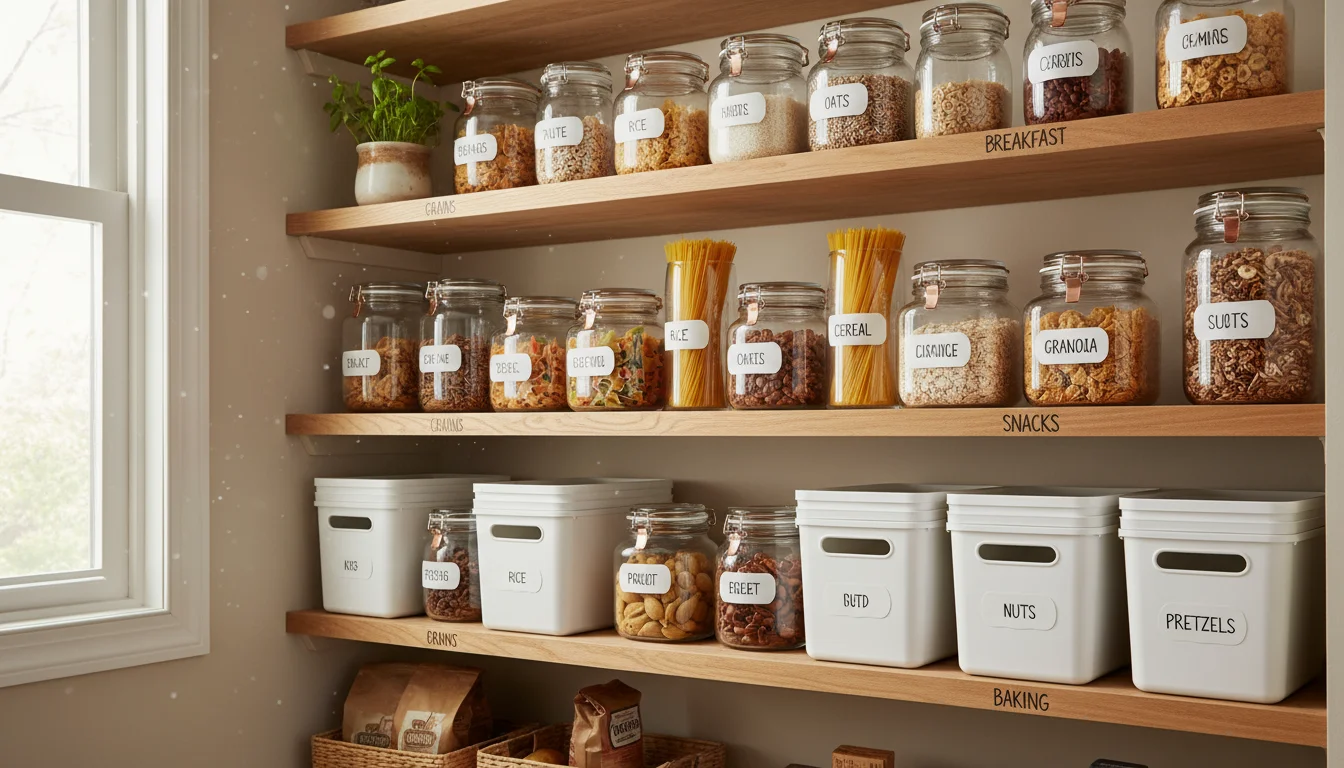
- Canned Goods/Dry Goods: Utilize tiered can organizers to see all your canned goods at a glance. Clear bins or containers keep bags of pasta, rice, or snacks tidy and prevent spills.
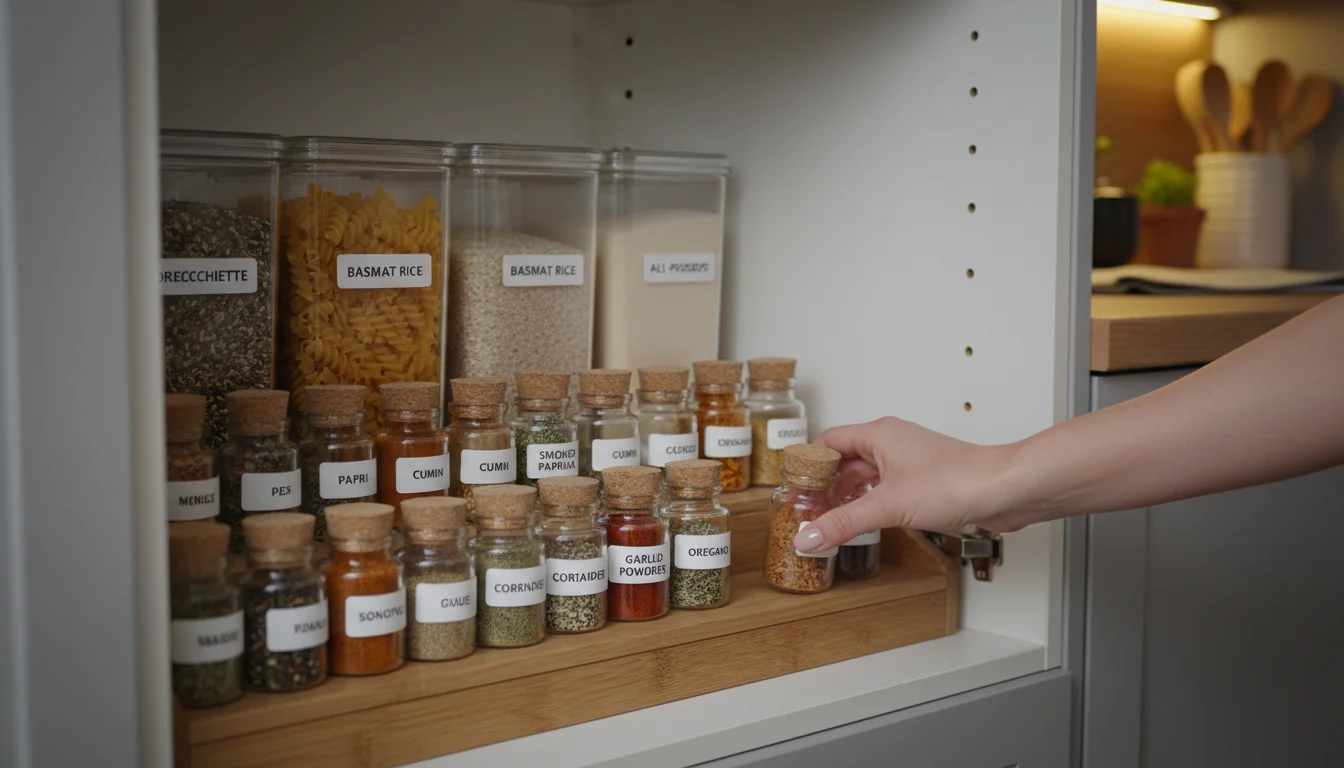
- Spices: A dedicated spice rack on the inside of a cabinet door, tiered shelves, or drawer inserts ensure easy visibility and access. Group them alphabetically or by cuisine.
- Everyday Mugs/Glasses: Keep these within easy reach on a lower shelf in an upper cabinet.
Lower Cabinets:
Lower cabinets often pose challenges due to their depth and lack of visibility. Here, intelligent cabinet systems make a huge difference.
- Pots, Pans, and Lids: Use pot and pan organizers that stand items vertically. Tension rods or adhesive hooks on the inside of cabinet doors can hold lids. For deep cabinets, pull-out shelves or drawers are a game-changer. Research from The Spruce often highlights the effectiveness of vertical storage for cookware in maximizing space.
- Small Appliances: Store infrequently used appliances on pull-out shelves or in large, clear bins. Consider vertical storage for cutting boards and serving trays using dividers.
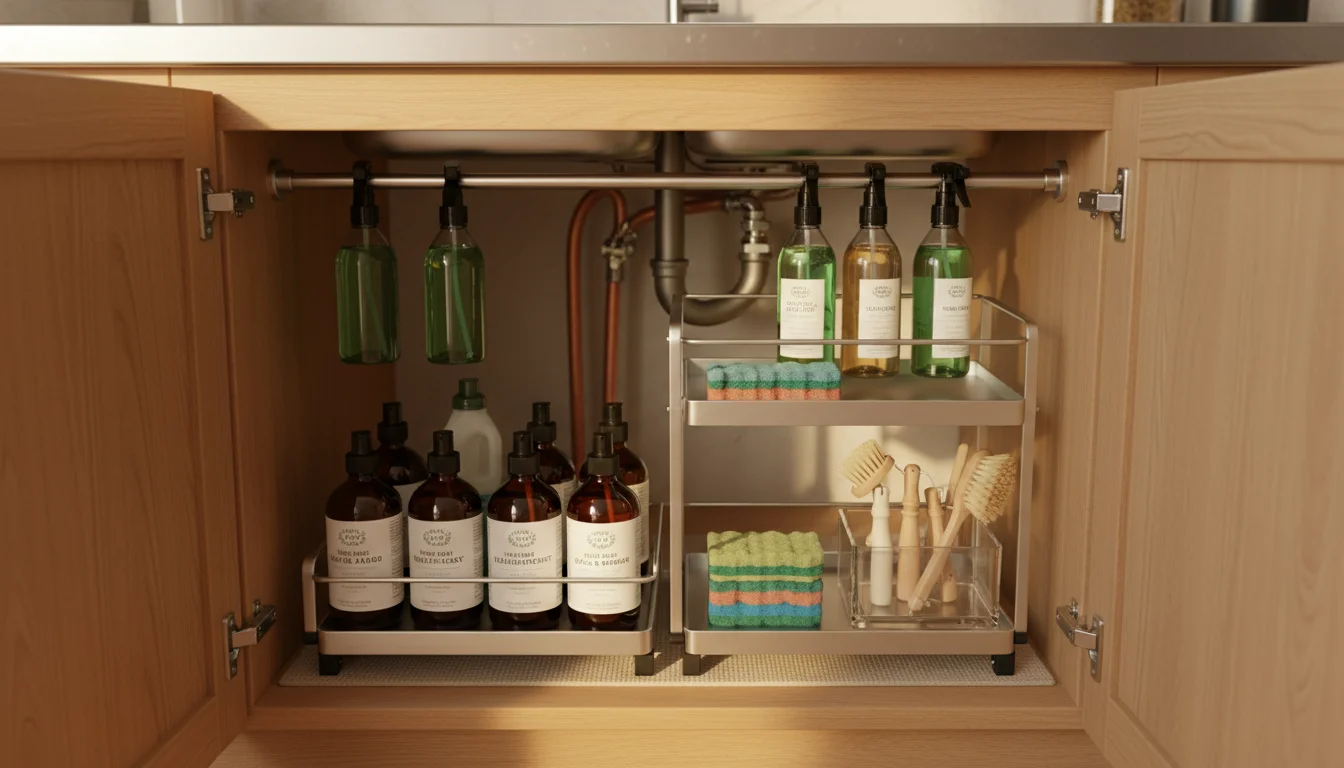
- Cleaning Supplies (Under Sink): Use a caddy or a two-tier pull-out organizer to manage bottles and sponges. A tension rod across the top of the cabinet can hold spray bottles by their nozzles. Keep a small bin for trash bags. Always ensure any hazardous materials are safely stored, especially if you have children or pets.
Drawers:
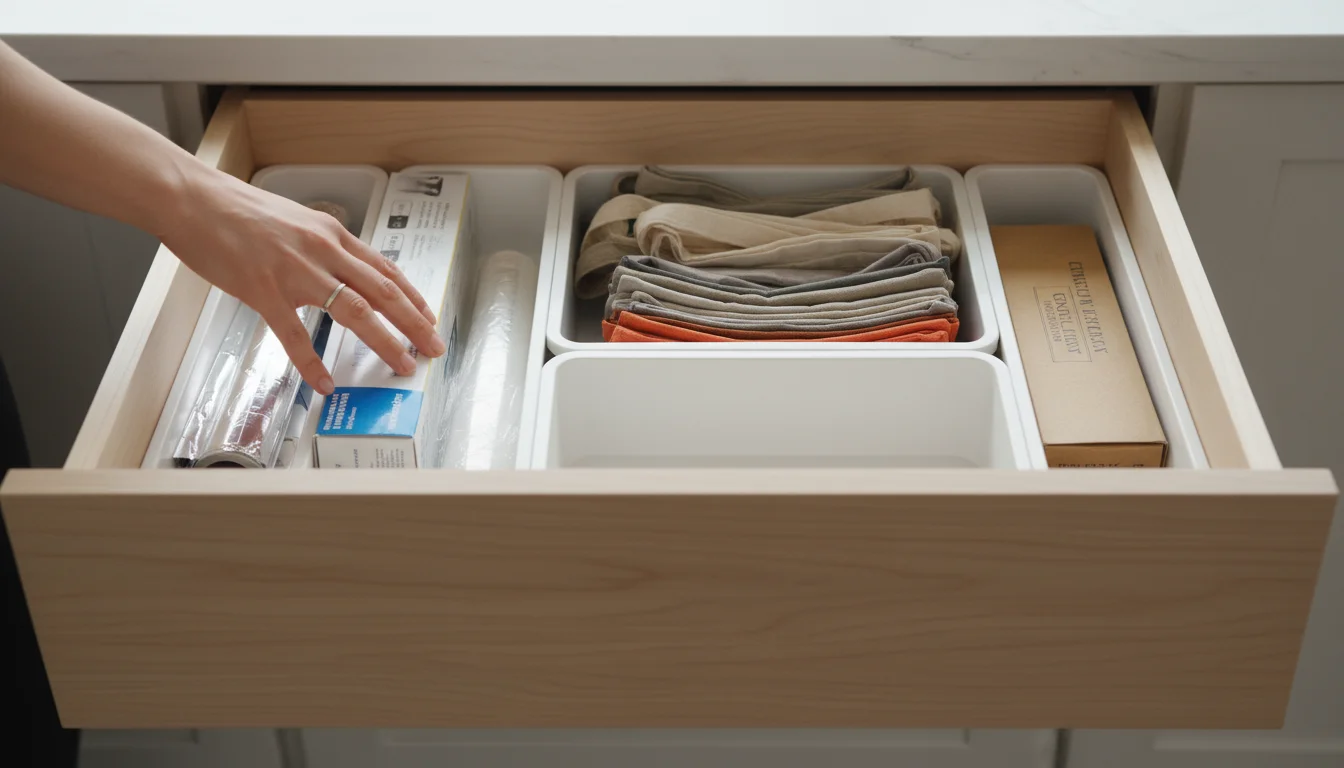
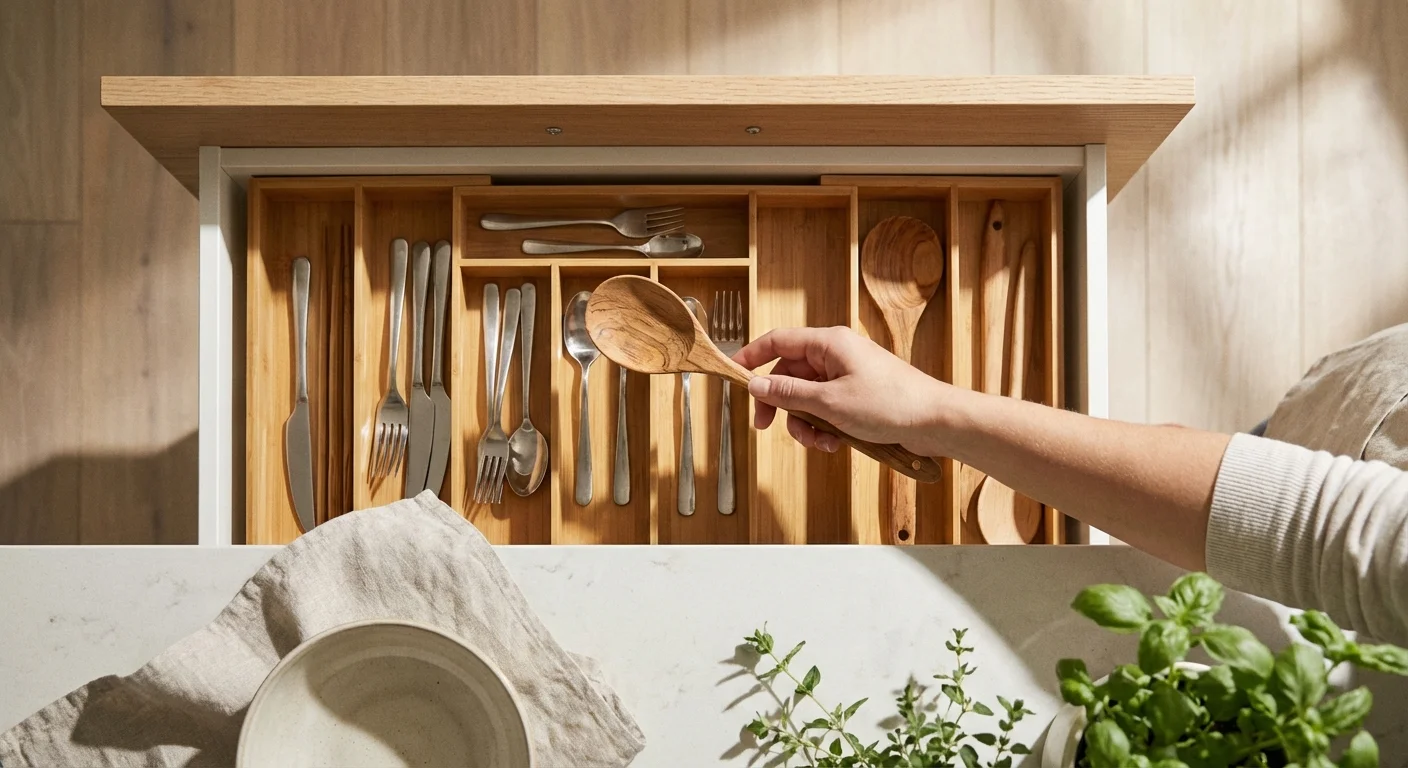
Drawers can quickly become junk drawers if not managed properly. Drawer organizers are your best friend here.
- Utensil Drawers: Use expandable bamboo or plastic drawer organizers to separate forks, spoons, knives, and larger cooking utensils.
- Kitchen Tools: Dedicate a drawer to frequently used tools like spatulas, ladles, whisks. Again, dividers prevent a tangled mess.
- Wraps & Bags: Use a dedicated drawer for aluminum foil, plastic wrap, and plastic bags. Dispenser organizers keep boxes neat and accessible.

Pantry Cabinets:
Whether a dedicated pantry or a standard cabinet, efficient kitchen storage maximizes food access.
- Clear Containers: Transfer bulk items like pasta, rice, flour, and sugar into clear, airtight containers. This keeps food fresh, deters pests, and allows you to see supply levels. Label everything clearly with contents and expiration dates.
- Baskets & Bins: Use uniform baskets or bins for snacks, baking supplies, or breakfast items. This contains clutter and makes it easy to pull out a whole category of items.
- Vertical Dividers: Use these for baking sheets, cutting boards, or platters that stand upright.

Smart Budget-Friendly Hacks and DIY Ideas
You do not need to spend a fortune to achieve professional-level kitchen cabinet organization. Many effective solutions use items you already own or can acquire cheaply.
- Repurpose Boxes and Bins: Cereal boxes, shoe boxes, or sturdy cardboard boxes can become instant drawer dividers or shelf organizers. Cover them with decorative paper or contact paper for a polished look.
- Tension Rods: These versatile tools can create instant vertical dividers for baking sheets and cutting boards in lower cabinets. You can also use them to hang spray bottles under the sink.
- Command Hooks: Affix these to the inside of cabinet doors to hang measuring spoons, cups, oven mitts, or even lightweight cutting boards.
- Dollar Store Bins: Many discount stores offer affordable plastic bins, baskets, and drawer organizers. While they might not be designer, they perform the same function for a fraction of the cost.
- Magazine Files: These are excellent for organizing foil, plastic wrap, and parchment paper boxes vertically in a pantry or deep cabinet.
- DIY Tiered Risers: Use small wooden boxes or even stacks of sturdy, uniform cans (cleaned and covered) to create tiered shelving within cabinets for better visibility of smaller items.
- Lazy Susans: A rotating turntable, especially for corner cabinets, makes spices, oils, or condiments easily accessible without having to reach into deep, dark corners. You can find basic plastic ones very affordably.
Remember, the goal is functionality and accessibility, not perfection. Start with these simple, effective hacks to improve your kitchen storage without breaking the bank.
Keeping Your Cabinets Pristine: Maintenance Tips
The biggest challenge with any organizing project is maintaining it. Your kitchen cabinet organization system is only as good as your commitment to upholding it. Implement these habits to keep your cabinets consistently tidy:
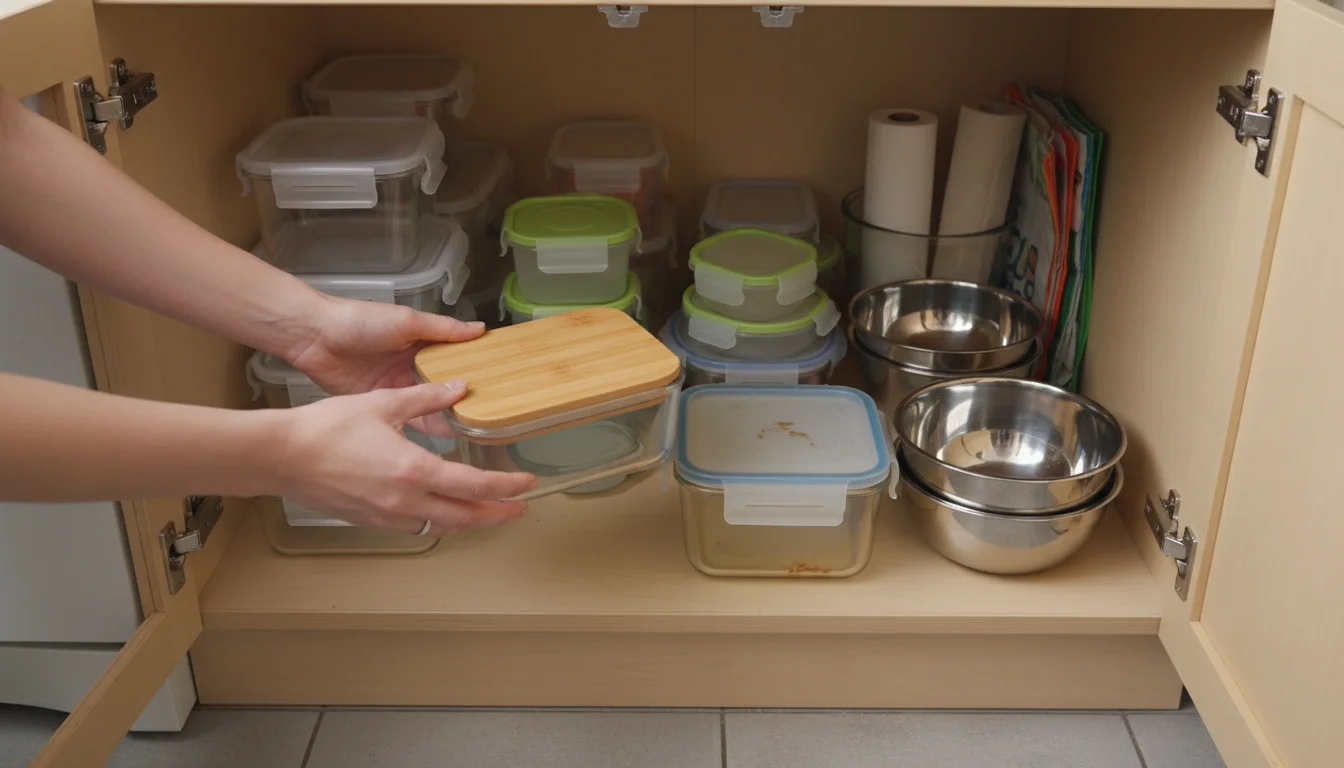
- The “One In, One Out” Rule: When you buy a new item, especially for something you have many of, like mugs or food storage containers, consider whether you can declutter an old one. This prevents accumulation.
- Daily Tidy-Up: After putting away groceries or unloading the dishwasher, take an extra minute to ensure everything goes back in its designated spot. This is especially crucial for high-traffic zones like your dining/serving area.
- Weekly Check-In: Spend 5-10 minutes each week doing a quick scan of your most-used cabinets. Straighten items, wipe up any minor spills, and toss any expired food.
- Quarterly Deep Dive: Every few months, dedicate an hour to pulling out items from one or two cabinets, doing a quick declutter, and wiping down shelves. This prevents major build-ups.
- Adjust as Needed: Your kitchen needs evolve. If a system is not working, identify why and adjust it. Maybe you need a different organizer, or perhaps a zone needs to shift. For instance, Good Housekeeping’s organization experts emphasize that flexible systems adapt better to real-life changes.
- Clean as You Go: Wipe down shelves immediately after a spill. This prevents sticky residue and makes deeper cleaning less of a chore.
Consistency is key. Small, regular efforts prevent the overwhelming task of a complete reorganization down the line. Your kitchen storage benefits greatly from this proactive approach.

Troubleshooting Common Organization Hurdles
Even with the best intentions, you might encounter specific challenges during your kitchen cabinet organization project. Here are solutions to common problems:
- Small Kitchen, Limited Cabinets:
- Go Vertical: Use vertical space creatively. Add extra shelves, stackable containers, or use the inside of cabinet doors.
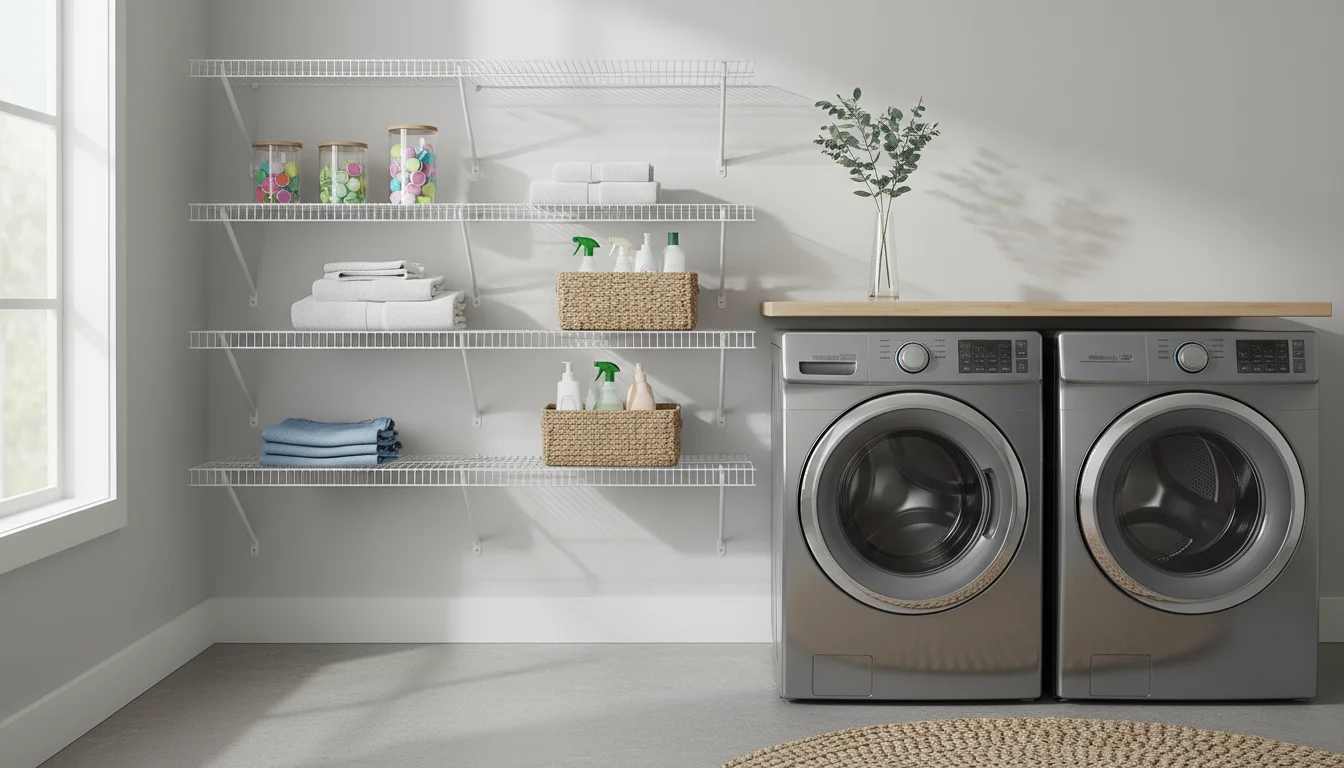
- External Storage: Consider rolling carts, wall-mounted shelving, or pegboards for frequently used items.
- Multi-functional Items: Opt for appliances and tools that serve multiple purposes to reduce the number of items you own.
- Declutter Ruthlessly: With limited space, you simply cannot keep non-essentials.
- Awkward Corner Cabinets:
- Lazy Susans: These turntables are perfect for maximizing access to items stored deep in corner cabinets, whether for spices, oils, or small appliances.
- Pull-Out Solutions: Invest in blind corner pull-out organizers if your budget allows. They bring items from the back of the cabinet to the front.
- Zone for Infrequently Used Items: Designate these spaces for seasonal items, large entertaining platters, or small appliances you use only occasionally.
- Maintaining Order with Family Members:
- Clear Communication: Show everyone where items belong. Lead by example.
- Labeling: Clearly label shelves and bins. This is especially helpful for children and ensures everyone understands the system.
- Easy Access: Designate lower cabinets and drawers for items children can access independently, like snacks or kid-friendly dishes.
- Simplicity: Keep your system simple and intuitive. Overly complex systems are hard for anyone to maintain.
- Budget Constraints:
- DIY First: Utilize cardboard boxes, tension rods, and other inexpensive hacks before buying anything.
- Shop Smart: Look for sales, thrift store finds, or dollar store options for basic bins and organizers.
- Prioritize: Address your biggest pain points first. A few well-placed organizers in critical areas make a huge difference.
Every kitchen presents unique challenges, but a thoughtful, flexible approach to kitchen storage and cabinet systems helps you overcome them. Do not get discouraged. Adjust your strategy as needed.

Frequently Asked Questions
How do I start organizing my kitchen cabinets when I have very little time?
Start small. Choose one single cabinet or even just one drawer. Empty it, declutter it, clean it, and then organize only that small space. This gives you a quick win and momentum to tackle another small section when you next have time. Breaking the project into manageable micro-tasks makes it achievable.
What are the most essential kitchen cabinet organization products I should consider?
You do not need many fancy gadgets. Prioritize clear, airtight food containers for pantry staples, expandable drawer organizers for utensils, and shelf risers or stackable bins to maximize vertical space in cabinets. For pots and pans, a vertical pot lid organizer can be very helpful. These items address common pain points in kitchen storage effectively.
How often should I declutter my kitchen cabinets?
Perform a quick declutter of expired food items and obvious clutter every 3-6 months. Aim for a more thorough annual or bi-annual deep declutter and reorganization. This regular maintenance prevents overwhelming build-up and keeps your kitchen cabinet organization system running smoothly.
How can I make my kitchen cabinets look more organized without buying new ones?
Focus on internal organization. Use clear, uniform containers for food items, install shelf liners for a fresh look, and utilize drawer dividers to keep items separated. Uniformity within your cabinet systems creates a visually appealing and orderly look, even if the cabinets themselves are older. Keep surfaces clean and clutter-free, and remove anything that does not belong.
Can I organize kitchen cabinets with an odd shape or limited shelving?
Absolutely. For odd shapes, consider custom-cut shelf liners or using lazy Susans to access items in deep or angled corners. For limited shelving, add tension rods to create instant dividers for flat items like cutting boards, or invest in stackable shelves or pull-out drawers that add functional layers to your existing cabinet systems. Think vertically and use the inside of cabinet doors for extra storage with adhesive hooks or small racks.
For expert home organization guidance, visit
Energy Star,
CDC — Cleaning and Disinfecting,
American Cleaning Institute and
National Association of Professional Organizers.
Disclaimer: This article is for informational purposes only and is not a substitute for professional advice. Consult professional organizers or specialists for personalized recommendations.



Leave a Reply