

Organizing your home feels like an ongoing battle, particularly when tackling the closet. Your closet is more than just a storage space; it is a vital component of your daily routine. A well-organized closet saves time, reduces stress, and protects your wardrobe investment. Many homeowners and renters face a common dilemma: should you invest in a custom closet system or opt for the more budget-friendly wire shelving? This decision involves more than just aesthetics; it significantly impacts functionality, durability, and your wallet.
Understanding the true cost of each option goes beyond the initial purchase price. You must consider installation, longevity, flexibility, and how each system impacts your home’s overall value. We break down the cost analysis, helping you make an informed choice that aligns with your budget and organizational aspirations for a truly functional living space. Let us explore the practicalities and financial implications of custom closet systems versus wire shelving so you can choose the best storage solutions for your needs.
The Great Closet Debate: Custom Systems Versus Wire Shelving
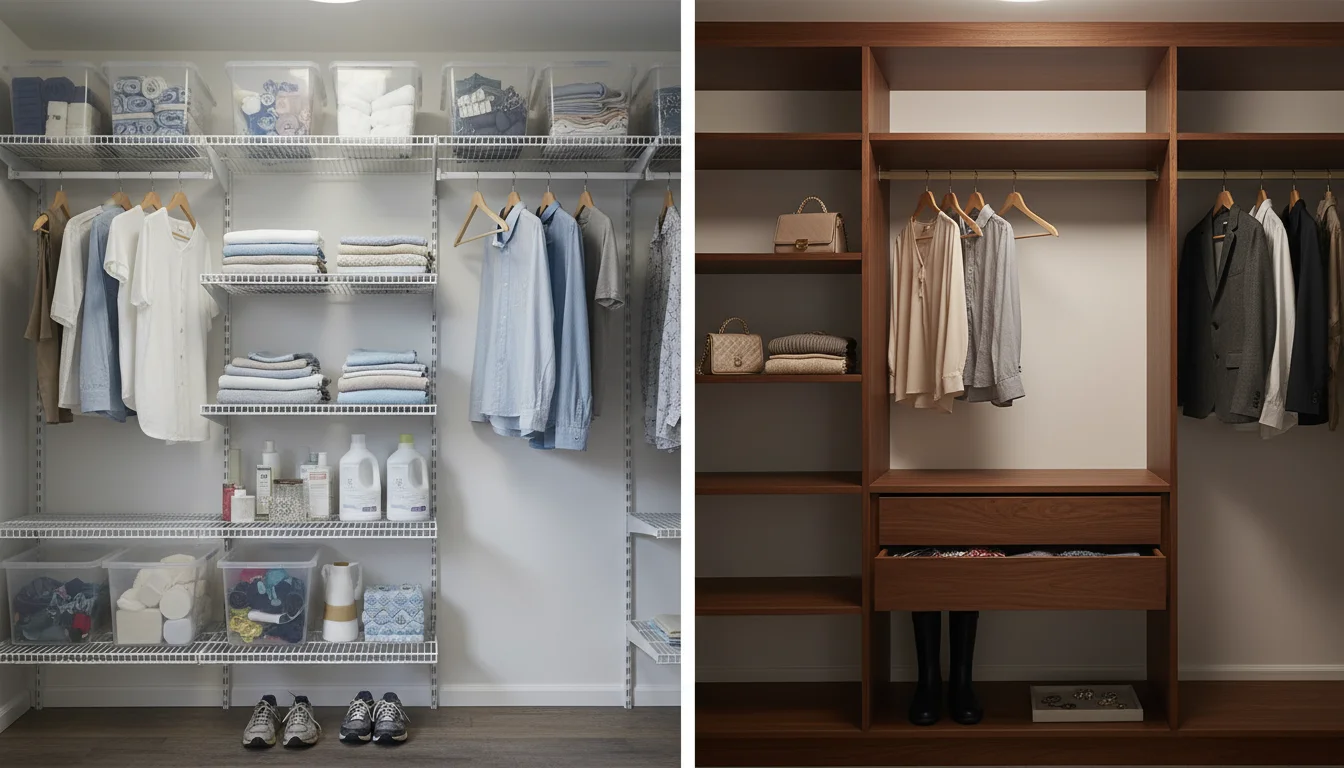
Every homeowner, renter, or apartment dweller desires an organized closet. The choices for achieving that organization largely boil down to two popular storage solutions: custom closet systems and wire shelving. Each option offers distinct benefits and drawbacks, especially concerning cost, functionality, and aesthetic appeal. Your decision often reflects your budget, your long-term plans for your home, and your personal style preferences.
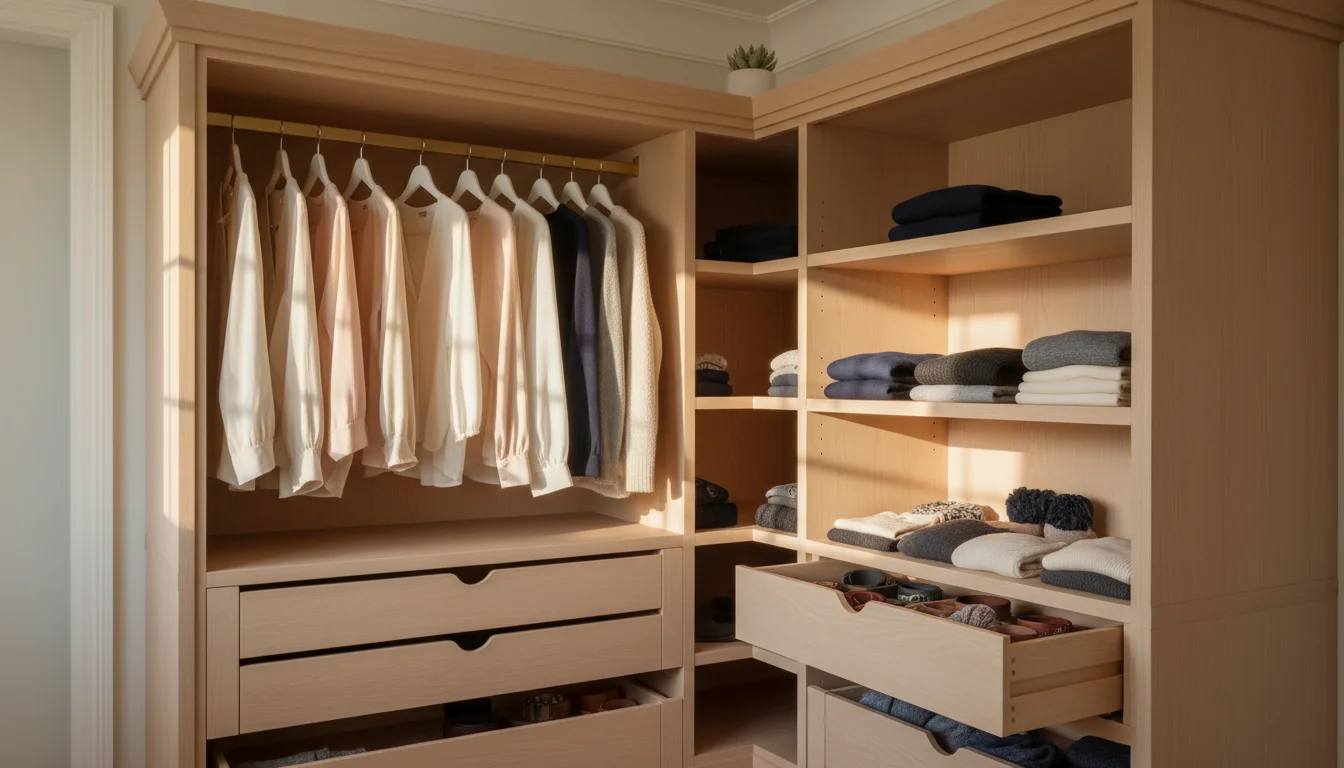
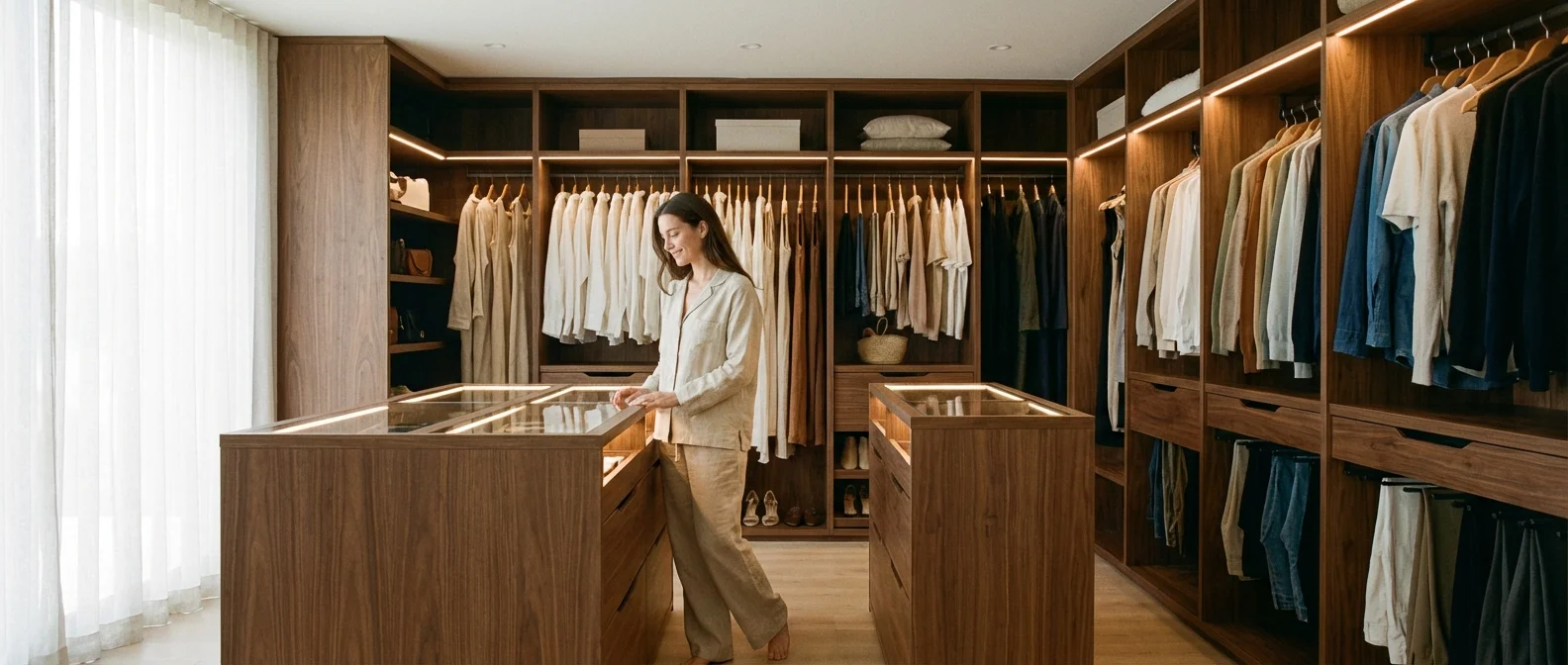
Custom closet systems provide a tailored approach to organization. Designers create these systems to fit your specific space and storage needs, often featuring a mix of drawers, shelves, hanging rods, and specialized accessories. They use durable materials like melamine, laminate, or solid wood, offering a refined, built-in look. This bespoke solution maximizes every inch of space, ensuring a place for everything from suits and dresses to shoes and accessories.
Conversely, wire shelving offers a straightforward, economical approach to closet organization. Manufacturers typically construct these systems from vinyl-coated steel wire, making them lightweight and easy to install. You often find wire shelving as a standard feature in new construction homes and apartments due to its low cost and basic functionality. While less aesthetically refined, wire shelving provides essential storage at an accessible price point.
This article dives deep into the financial aspects of both choices, helping you weigh the initial investment against the long-term benefits. We provide actionable insights into material costs, installation expenses, and the overall value proposition of each system. By the end, you will possess a clear understanding of which storage solution best suits your home and your budget.
Custom Closet Systems: A Deep Dive Into Structure and Style
Custom closet systems represent the pinnacle of personalized home organization. They offer a comprehensive solution designed to meet your specific storage requirements, turning an often-chaotic space into an orderly haven. These systems are not merely shelves; they are integrated solutions comprising various components tailored to your wardrobe and lifestyle.
What Defines a Custom Closet System?
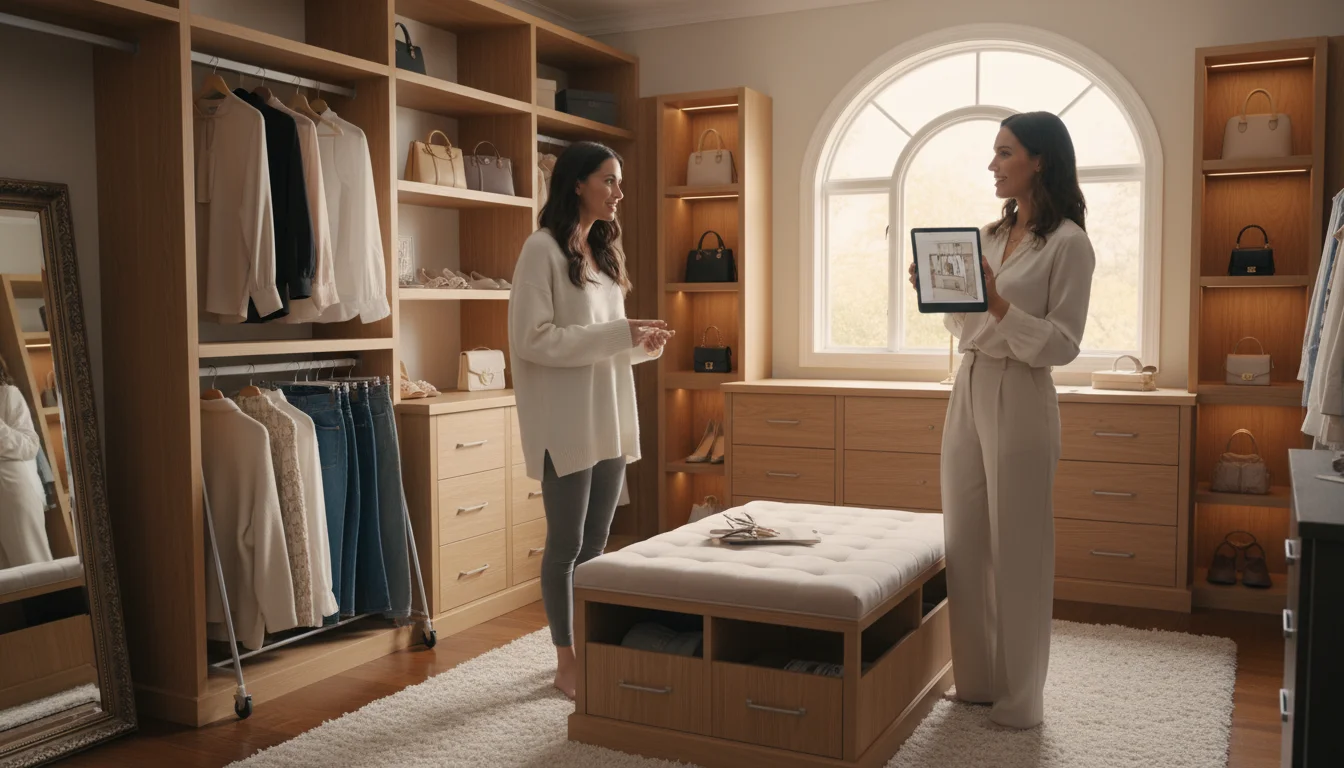
A custom closet system involves designing and installing storage components specifically for your closet’s dimensions and your personal needs. This usually begins with a professional designer who assesses your space, inventories your wardrobe, and discusses your organizational goals. Based on this consultation, they create a unique layout.
Key features often include:
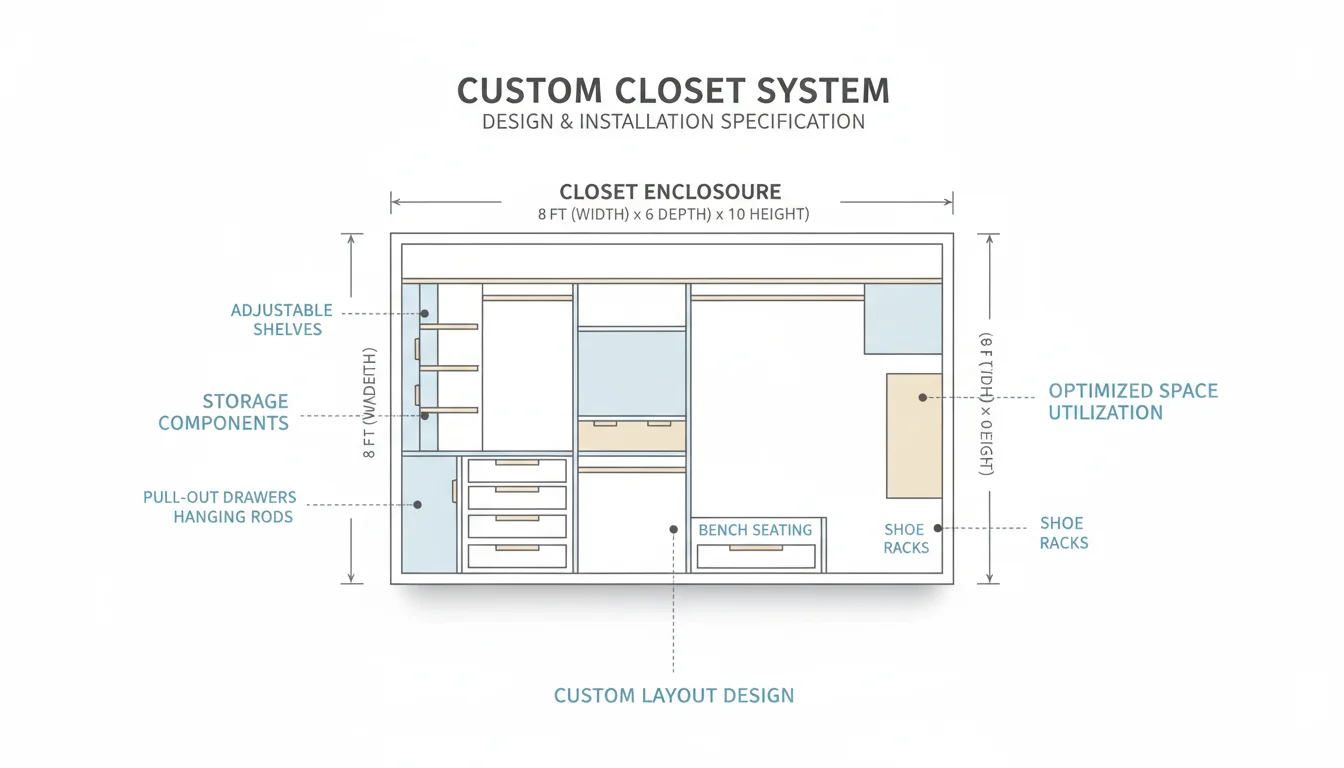
- Adjustable Shelving: Allows you to reconfigure shelf height as your storage needs change.
- Multiple Hanging Rods: Offers options for short, medium, and long garments, maximizing vertical space.
- Drawers and Baskets: Provides enclosed storage for folded items, intimates, or accessories, keeping clutter out of sight.
- Specialized Accessories: Incorporates elements like shoe racks, tie and belt organizers, jewelry trays, and pull-out hampers.
- High-Quality Materials: Typically uses durable materials such as melamine, particleboard with laminate finishes, or solid wood. Melamine, a popular choice, offers a smooth, resistant surface in various finishes.
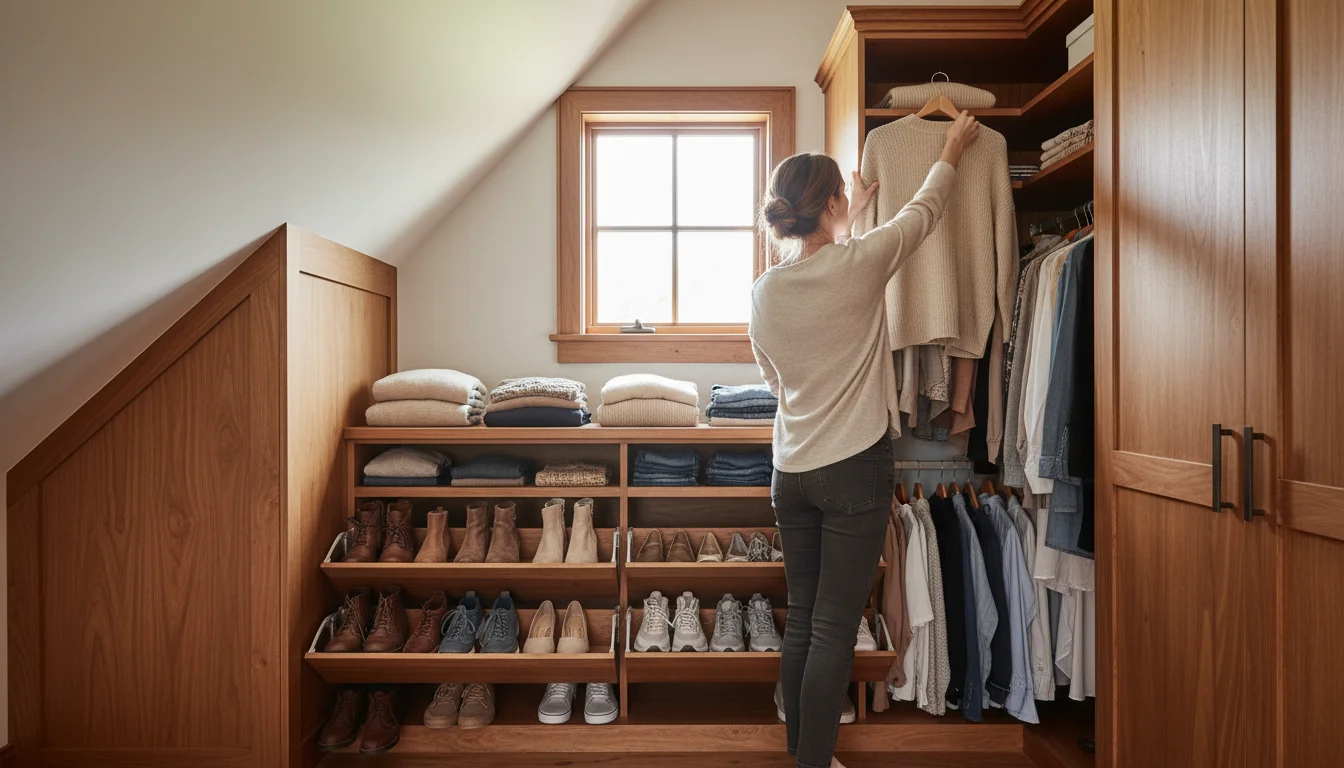
Advantages of Custom Closet Systems
- Maximized Space: Custom designs utilize every available inch, including awkward corners or sloped ceilings, transforming unused areas into valuable storage.
- Superior Organization: Tailored compartments and specific zones (e.g., shoe zones, folded laundry zones) make finding items easy and maintain order. As noted by experts at The Spruce, defining specific zones within your closet significantly improves functionality.
- Enhanced Aesthetics: These systems offer a polished, built-in look that elevates the overall appearance of your closet and, by extension, your bedroom. They can match your home’s existing decor.
- Durability: Constructed from sturdy materials, custom systems generally offer greater longevity compared to lighter-duty alternatives.
- Increased Home Value: A well-designed custom closet can be an attractive selling point, potentially increasing your home’s resale value. Research from Houzz shows that home buyers value well-organized and functional spaces.
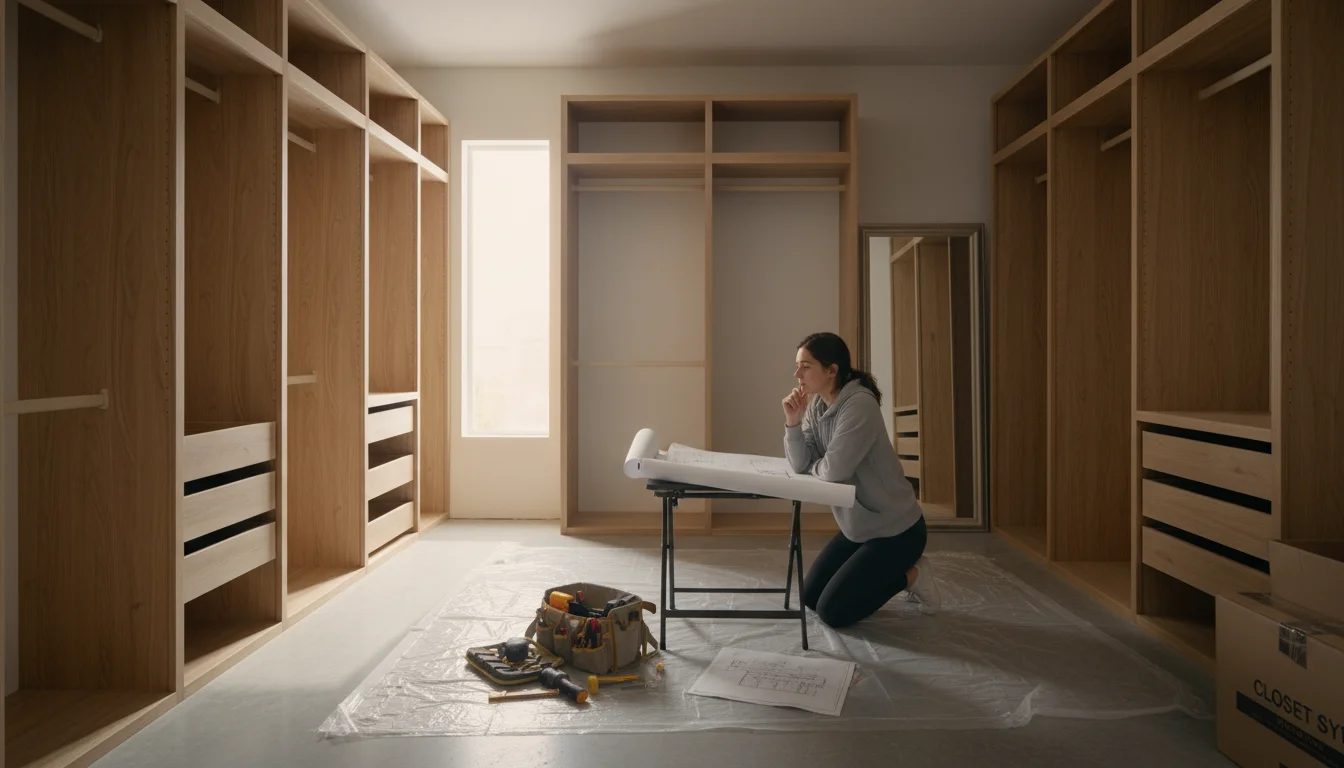
Disadvantages of Custom Closet Systems
- Higher Initial Cost: This is the most significant drawback. The personalized design, quality materials, and professional installation come with a premium price tag.
- Longer Installation Time: Design, manufacturing, and installation can take several days or even weeks, depending on complexity.
- Less Flexibility Post-Installation: While many systems offer some adjustability, the core structure remains fixed. Significant changes later can be costly.
Custom closet systems appeal to those who prioritize long-term organization, aesthetics, and a tailored fit. They represent an investment in your home’s functionality and comfort, offering a permanent solution to closet clutter.
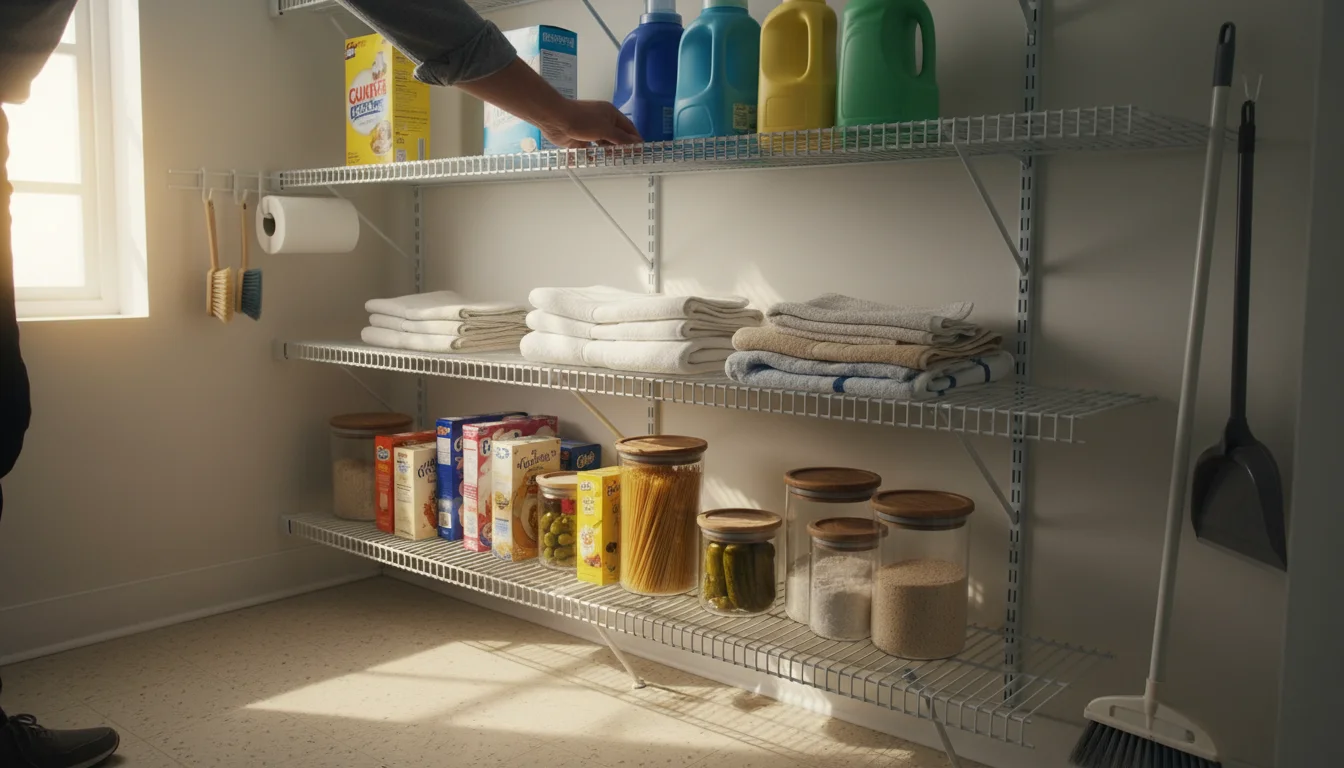
Wire Shelving Solutions: Practicality Meets Affordability
Wire shelving offers a stark contrast to custom systems, focusing on economy and simplicity. It provides a functional, no-frills storage solution that suits many budgets and immediate organizational needs. This option typically comes standard in new or renovated properties due to its cost-effectiveness and ease of installation.

What Defines Wire Shelving?
Wire shelving units consist of metal wires, usually steel, coated with vinyl or epoxy for protection and appearance. These systems come in various configurations, including fixed shelves, adjustable shelves, and sometimes basket drawers. You typically mount them directly to wall studs using brackets and clips.
Common types of wire shelving include:
- Fixed Mount: Shelves and hanging rods attach permanently to the wall, offering stability but no adjustability.
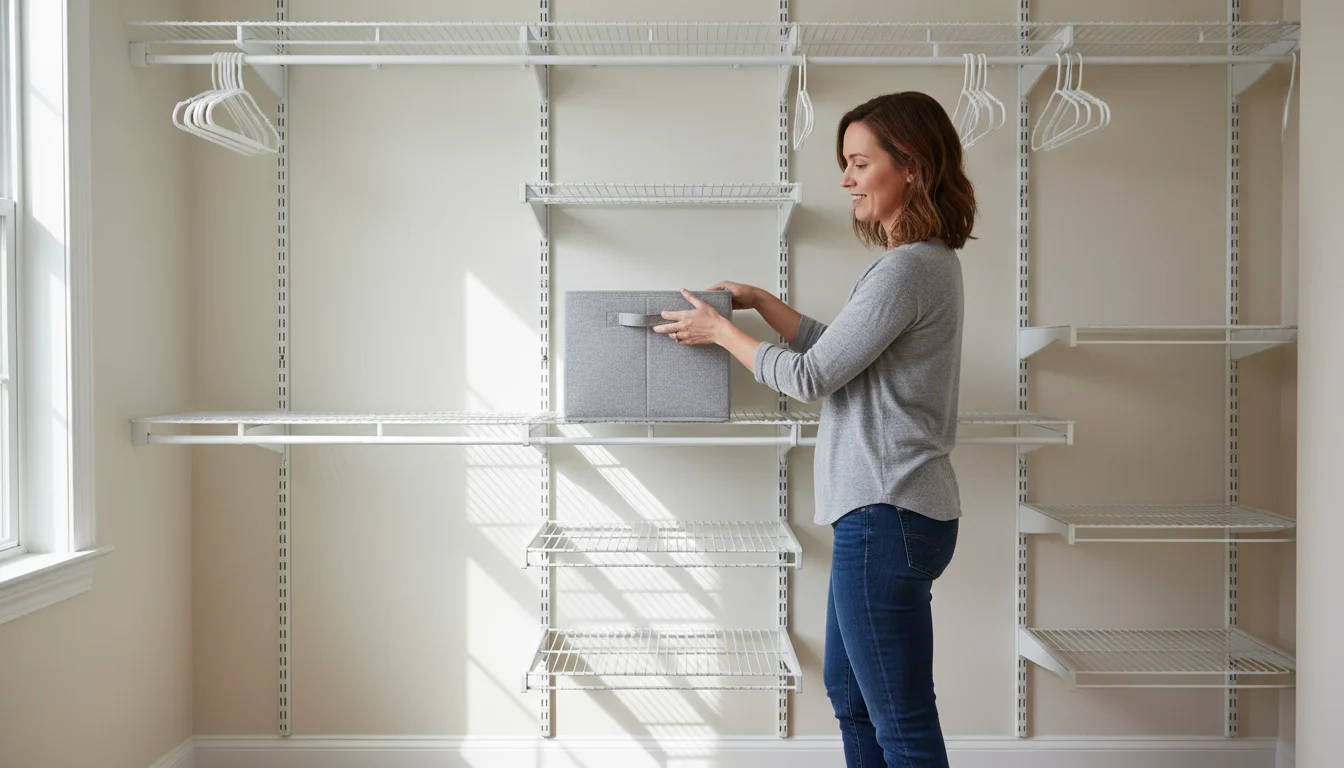
- Adjustable (Track System): Features vertical tracks mounted to the wall, into which you hook brackets that support shelves and rods. This allows you to easily reposition components.
- Freestanding Units: Some wire shelving comes as standalone units, perfect for renters or those needing portable storage.
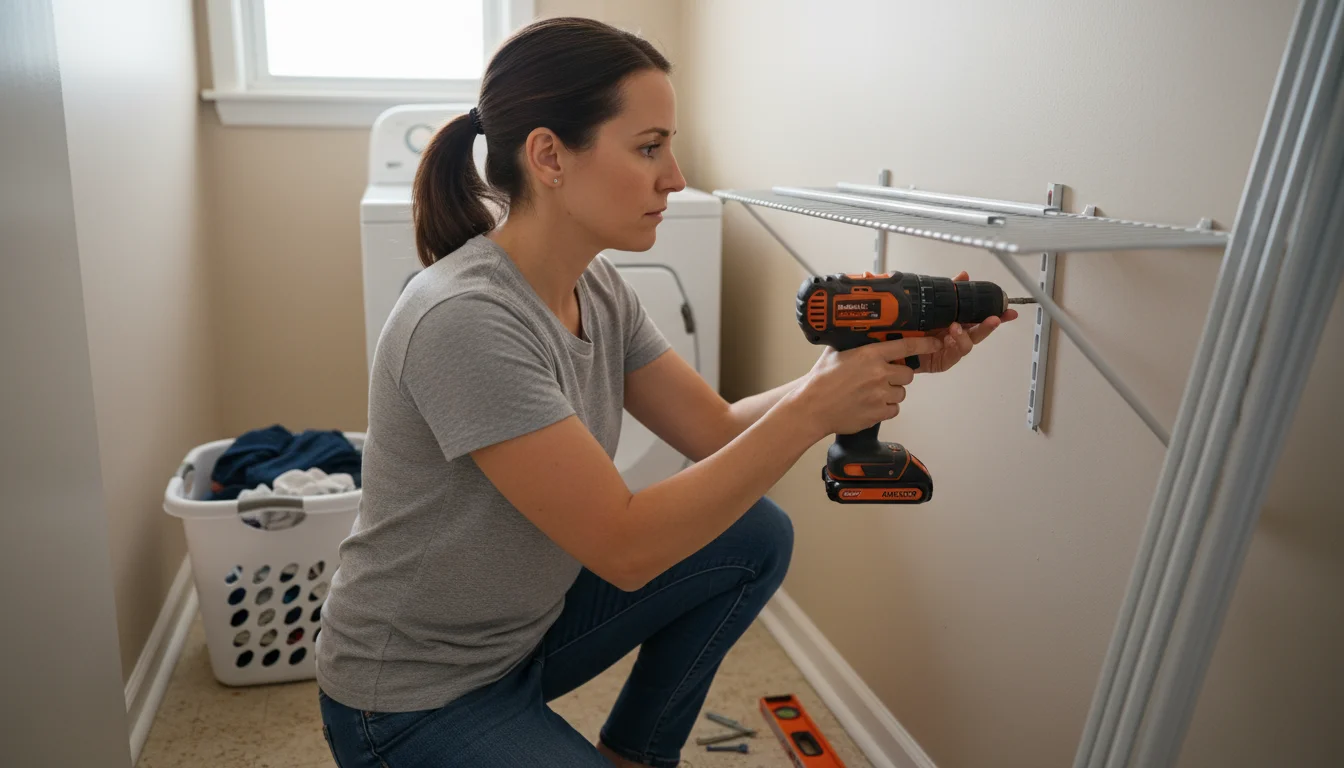
Advantages of Wire Shelving
- Affordability: Wire shelving is significantly less expensive than custom closet systems, making it an excellent choice for budget-conscious homeowners or renters.
- Easy Installation: Most wire shelving systems are designed for straightforward DIY installation, requiring basic tools and minimal expertise. This Old House provides helpful guides for various DIY home projects, including shelving installation, which highlights the accessibility of such tasks for the average homeowner.
- This Old House provides helpful guides for various DIY home projects, including shelving installation, which highlights the accessibility of such tasks for the average homeowner.
- Good Ventilation: The open wire design allows for air circulation, which can be beneficial in closets to prevent mildew and keep clothes fresh.
- Visibility: Items on wire shelves are highly visible, which helps you quickly locate what you need.
- Lightweight: Easy to transport and reconfigure, especially adjustable or freestanding units.
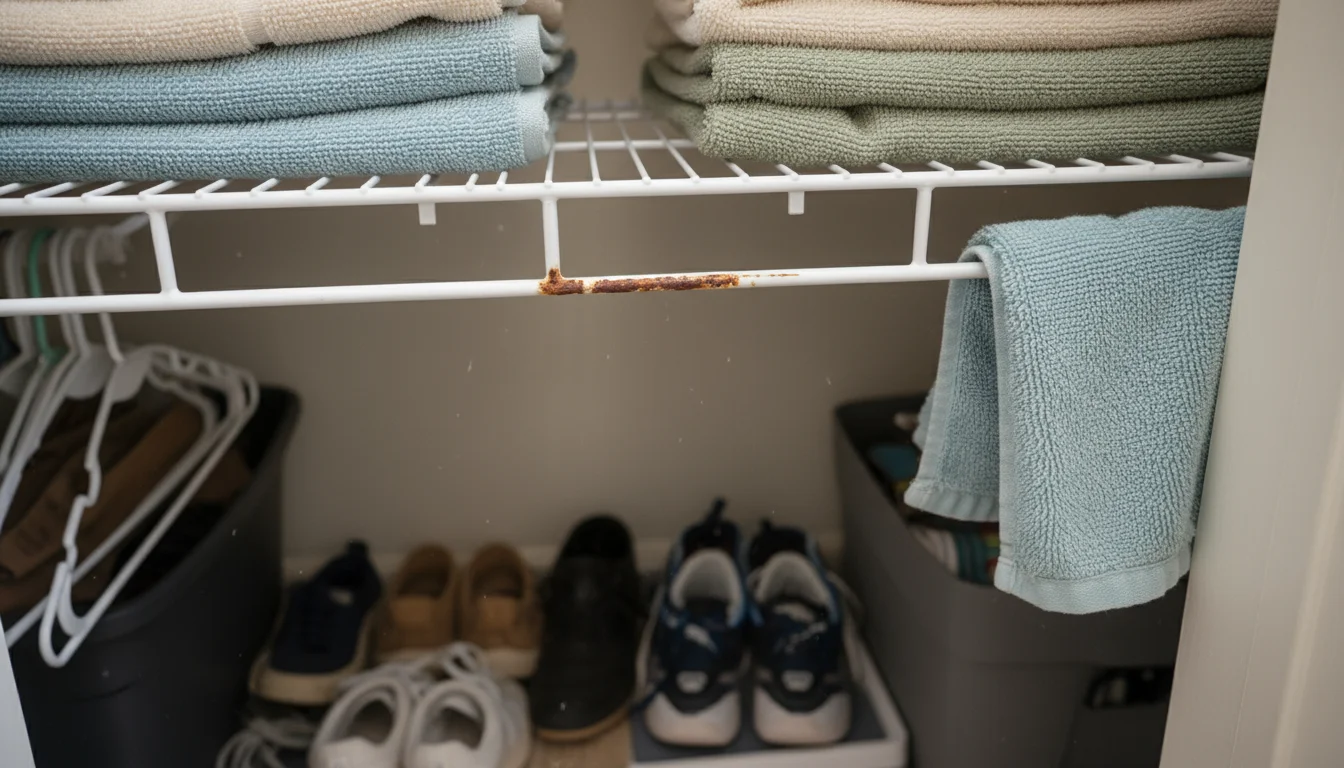
Disadvantages of Wire Shelving
- Less Aesthetic Appeal: Wire shelving has a utilitarian look that often clashes with a more refined home decor. It does not offer the integrated, seamless appearance of custom systems.
- Less Robust: The wire construction can sometimes sag under heavy loads, and items can fall through the gaps. Clothes can snag on exposed wires.
- Limited Customization: While adjustable systems offer some flexibility, wire shelving provides fewer specialized components like drawers or custom dividers compared to custom systems.
- Potential for Damage: The vinyl coating can chip or peel over time, exposing the metal to rust, especially in humid environments.
- Perceived Lower Quality: For some home buyers, wire shelving may suggest a lower-end finish, potentially not adding to home value as much as a custom system.
Wire shelving serves as a practical, economical, and often temporary solution for those needing basic, functional storage. It meets the immediate need for organization without a significant financial outlay, making it a popular choice for children’s closets, laundry rooms, or rental properties.

Deconstructing the Price: Custom Closet System Costs
Understanding the cost of a custom closet system requires a detailed look at its various components, as prices can fluctuate significantly based on materials, design complexity, and installation services. This is not a one-size-fits-all purchase; your choices directly influence the final expenditure.
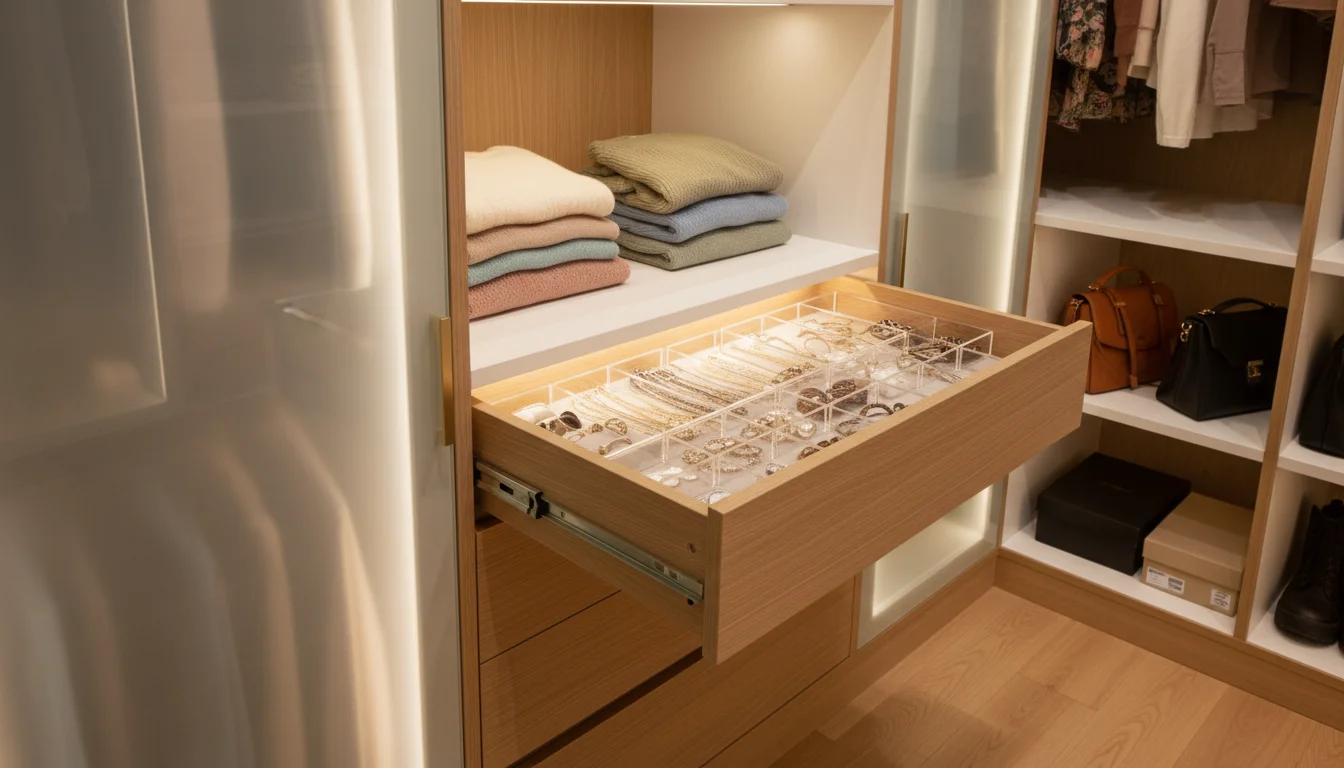
Key Cost Factors for Custom Closet Systems
- Materials:
- Melamine or Laminate: This is the most common and budget-friendly option for custom systems. Prices typically range from $1,000 to $4,000 for a standard reach-in closet (5-8 feet wide) and $3,000 to $10,000+ for a walk-in closet (6×8 feet or larger).
- Solid Wood or Wood Veneer: These materials offer a premium look and feel but come at a higher cost. Expect to pay $4,000 to $15,000 for a reach-in and $8,000 to $25,000+ for a walk-in.
- Acrylic or Glass Elements: Adding glass doors, drawer fronts, or acrylic organizers increases the overall cost.
- Design and Layout:
- Complexity: More drawers, specialized accessories (e.g., jewelry inserts, pull-out hampers, valet rods), and intricate designs naturally drive up the price. A simple shelving and hanging rod configuration costs less than a system with numerous drawers and built-in features.
- Size of Closet: Larger closets require more materials and design time, leading to higher costs.
- Corner Units and Specialty Spaces: Utilizing awkward angles or creating unique storage solutions for specific items adds to design and material expenses.
- Installation:
- Professional Installation: Most custom closet companies include professional installation in their quotes. This ensures proper fitting, structural integrity, and a polished finish. Installation can represent 15-30 percent of the total project cost.
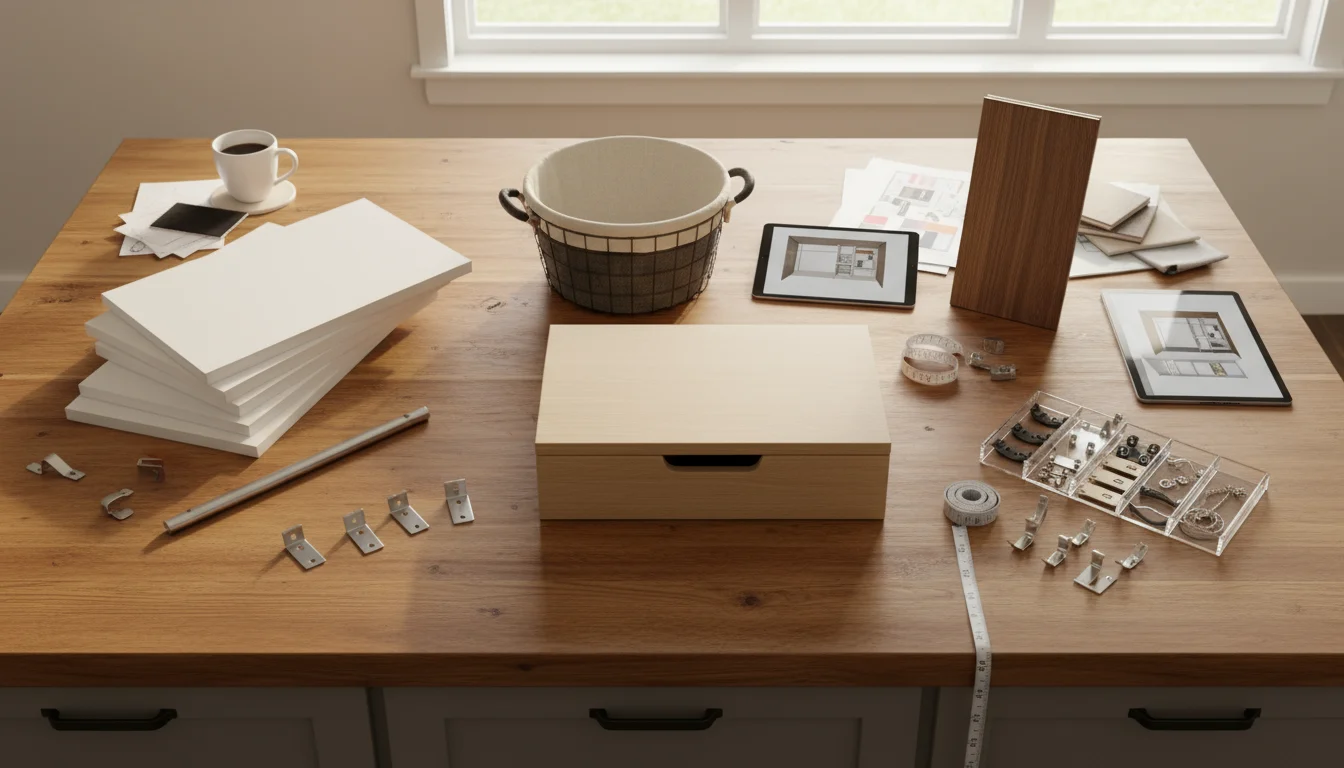
- DIY Kits: Some companies offer modular custom systems designed for homeowner assembly. While this saves on installation labor, it requires your time and effort, and mistakes can be costly. These kits typically fall on the lower end of the custom system price range, perhaps $500 to $2,000 for a reach-in.
- Accessories:
- Drawer Dividers, Shoe Shelves, Tie Racks: These small additions improve functionality but add to the bottom line. Each specialized accessory can range from $50 to $300+.
- Lighting: Integrated LED lighting within shelves or rods provides visibility and ambiance, but it also increases the overall expense.
Example Cost Scenarios:
To provide concrete examples, consider these common closet types:
- Standard Reach-In Closet (5-8 feet wide):
- Basic Melamine: $1,500 – $3,000 (shelves, rods, 1-2 drawers)
- Mid-Range Melamine/Laminate: $3,000 – $6,000 (more drawers, some accessories, perhaps a decorative finish)
- High-End Wood Veneer: $6,000 – $12,000+ (premium materials, extensive accessories, complex design)
- Walk-In Closet (6×8 feet or larger):
- Basic Melamine: $4,000 – $8,000 (L-shaped or U-shaped shelving, multiple rods, few drawers)
- Mid-Range Melamine/Laminate: $8,000 – $15,000 (more extensive layout, numerous drawers, pull-out features, island possible)
- High-End Solid Wood: $15,000 – $30,000+ (top-tier materials, bespoke design, integrated lighting, extensive luxury accessories)
These figures include design, materials, and professional installation. The specific company you choose, your geographical location, and current material costs will influence final pricing.

Analyzing the Investment: Wire Shelving Costs
Wire shelving systems stand out for their affordability, making them an accessible option for almost any budget. While their initial costs are much lower than custom systems, understanding the full scope of expenses, including any potential hidden costs or limitations, is essential for a complete cost analysis.
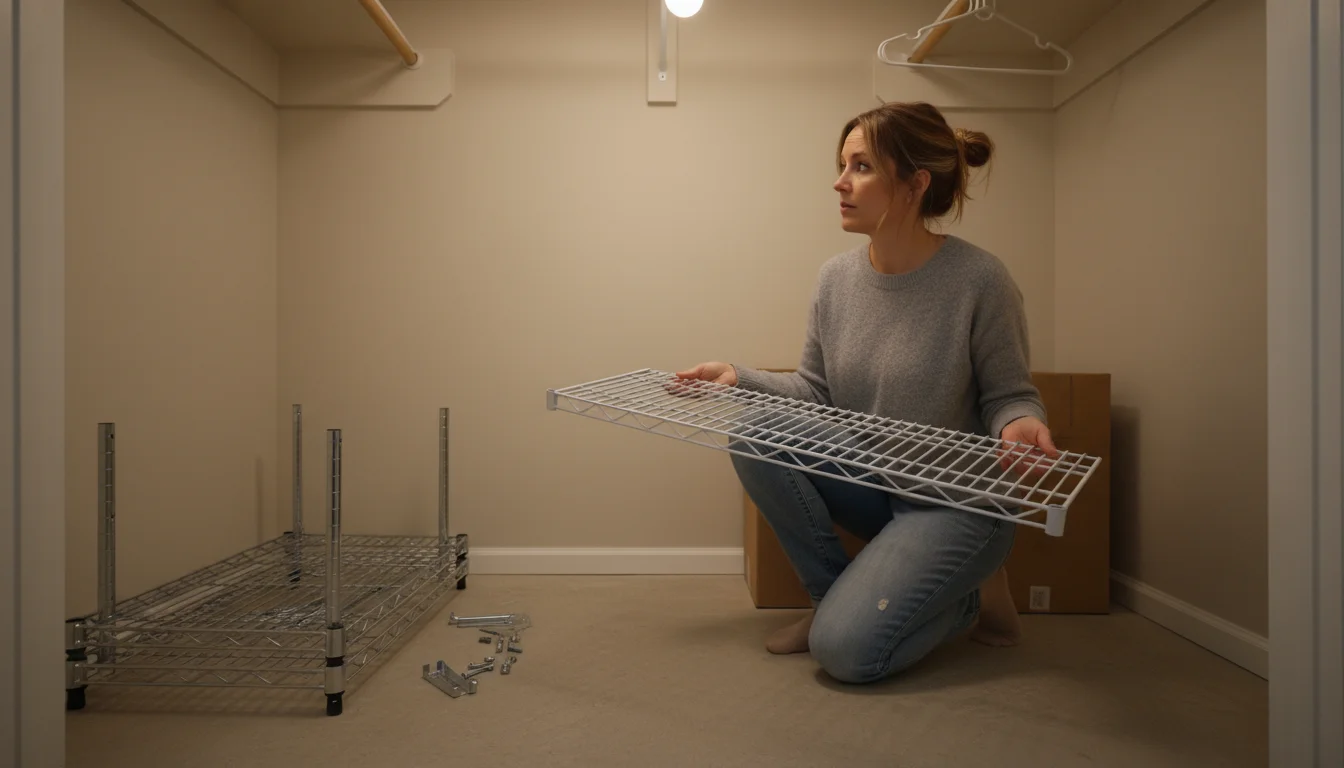
Key Cost Factors for Wire Shelving
- Materials:
- Basic Vinyl-Coated Wire: This is the most common and least expensive option. You can purchase shelves and components individually or as kits.
- Heavy-Duty or Chrome Wire: Some manufacturers offer thicker gauge wire or chrome finishes that provide increased durability and a slightly more polished look, though at a higher price point.
- Type of System:
- Fixed-Mount Wire Shelving: Prices for a basic fixed shelf and rod setup for a reach-in closet typically range from $75 to $300 for materials. Walk-in closets might cost $200 to $600.
- Adjustable Track Systems: These systems, offering more flexibility, usually cost a bit more for materials. Expect to pay $150 to $400 for a reach-in closet and $300 to $800 for a walk-in.
- Freestanding Units: A simple freestanding wire shelving unit can cost $30 to $150, while larger or more specialized units might reach $200 to $400.
- Installation:
- DIY Installation: This is where wire shelving truly shines for budget-conscious homeowners. Most systems are designed for easy installation with basic tools like a drill, level, and tape measure. The cost here is primarily your time and effort. According to Family Handyman, many home improvement projects, including shelving installation, are feasible for DIY enthusiasts.
- Professional Installation: If you prefer professional help, expect to pay $75 to $200 for a simple reach-in closet. For larger, more complex wire shelving installations in walk-ins, costs might range from $150 to $400. This adds a significant percentage to the overall cost, sometimes doubling the material expense for basic systems.
- Accessories:
- Baskets and Dividers: While wire shelving offers fewer integrated accessories, you can purchase add-on wire baskets, shelf dividers, and hooks. These typically range from $10 to $50 per item.
- Liner Materials: To prevent items from falling through wires or snagging, many users add shelf liners. These are an additional, albeit minor, cost.
Example Cost Scenarios:
Consider these examples for wire shelving:
- Standard Reach-In Closet (5-8 feet wide):
- DIY Basic Fixed Wire Shelving: $75 – $200 (materials only)
- DIY Adjustable Wire Shelving: $150 – $350 (materials only)
- Professionally Installed Basic Wire Shelving: $150 – $400 (materials + labor)
- Walk-In Closet (6×8 feet or larger):
- DIY Basic Fixed Wire Shelving: $200 – $500 (materials only for L-shaped or U-shaped layout)
- DIY Adjustable Wire Shelving: $300 – $700 (materials only, includes more components)
- Professionally Installed Basic Wire Shelving: $350 – $900 (materials + labor for a larger space)
The beauty of wire shelving lies in its flexibility to fit tight budgets, offering immediate storage improvement with minimal outlay. While it lacks the custom aesthetic, its practical functionality provides a valuable solution for everyday organization.
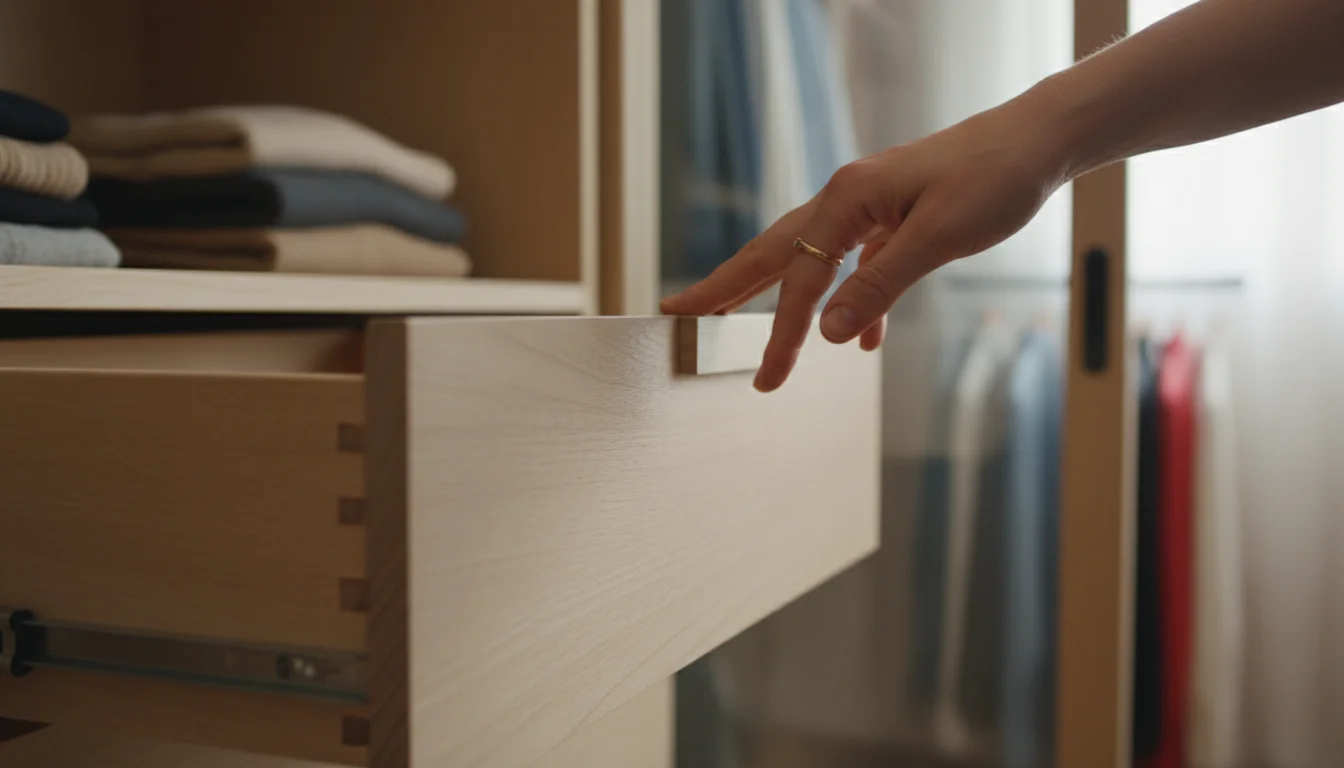
Beyond Upfront Costs: Long-Term Value and Return on Investment
When you evaluate storage solutions, looking beyond the initial purchase price is crucial. True cost analysis considers durability, impact on home value, and how each system adapts to your changing needs. A system that costs less initially might demand more in maintenance or offer less satisfaction over time.
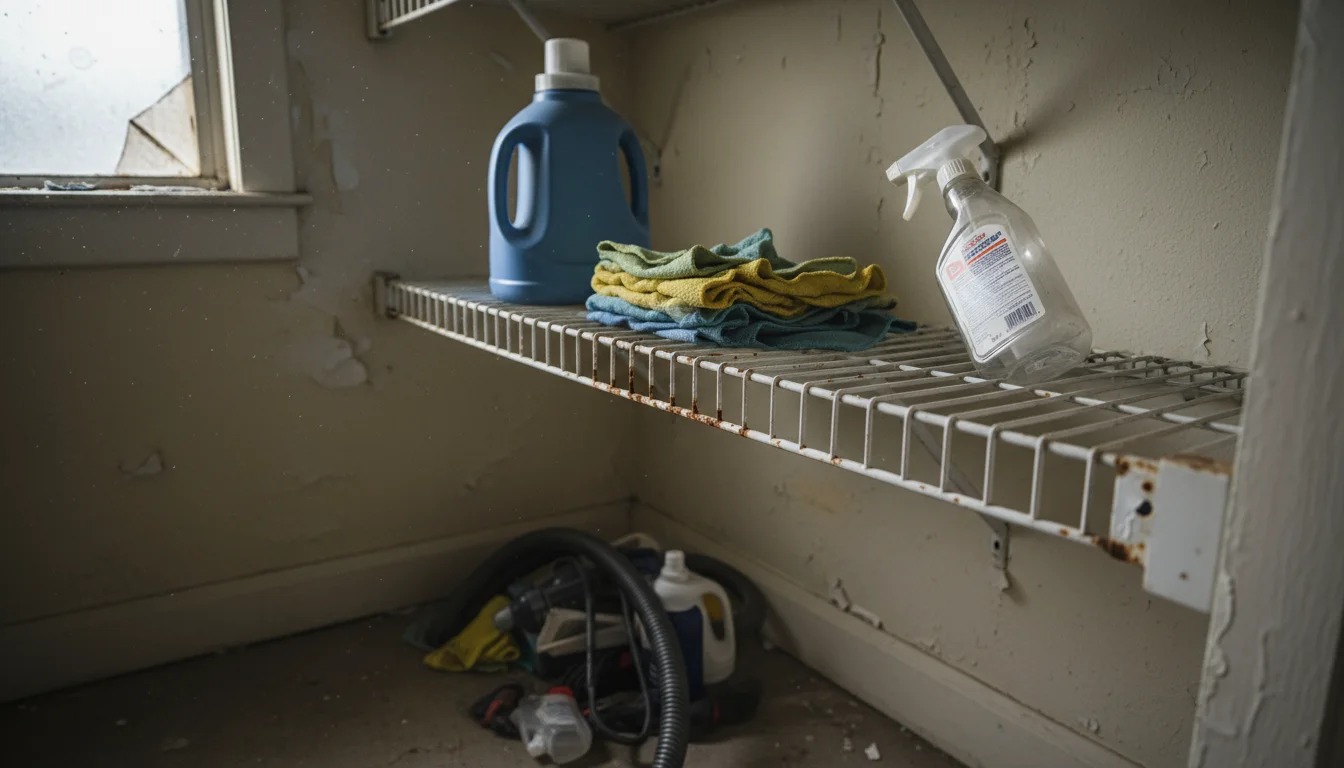
Durability and Lifespan
- Custom Closet Systems: Constructed from robust materials like high-quality melamine, laminate, or solid wood, custom systems are built to last decades. They resist sagging, warping, and general wear and tear more effectively than wire alternatives. This longevity means you avoid replacement costs and enjoy consistent functionality for many years. Regular maintenance is minimal, usually involving simple cleaning.
- Wire Shelving: While durable enough for everyday use, wire shelving has a shorter practical lifespan. The vinyl coating can chip, exposing the metal to rust, particularly in humid environments. The wire structure can sag under heavy loads, and items may fall through gaps. You might find yourself replacing components or entire sections every 5-10 years, depending on usage and quality, adding to the long-term cost.
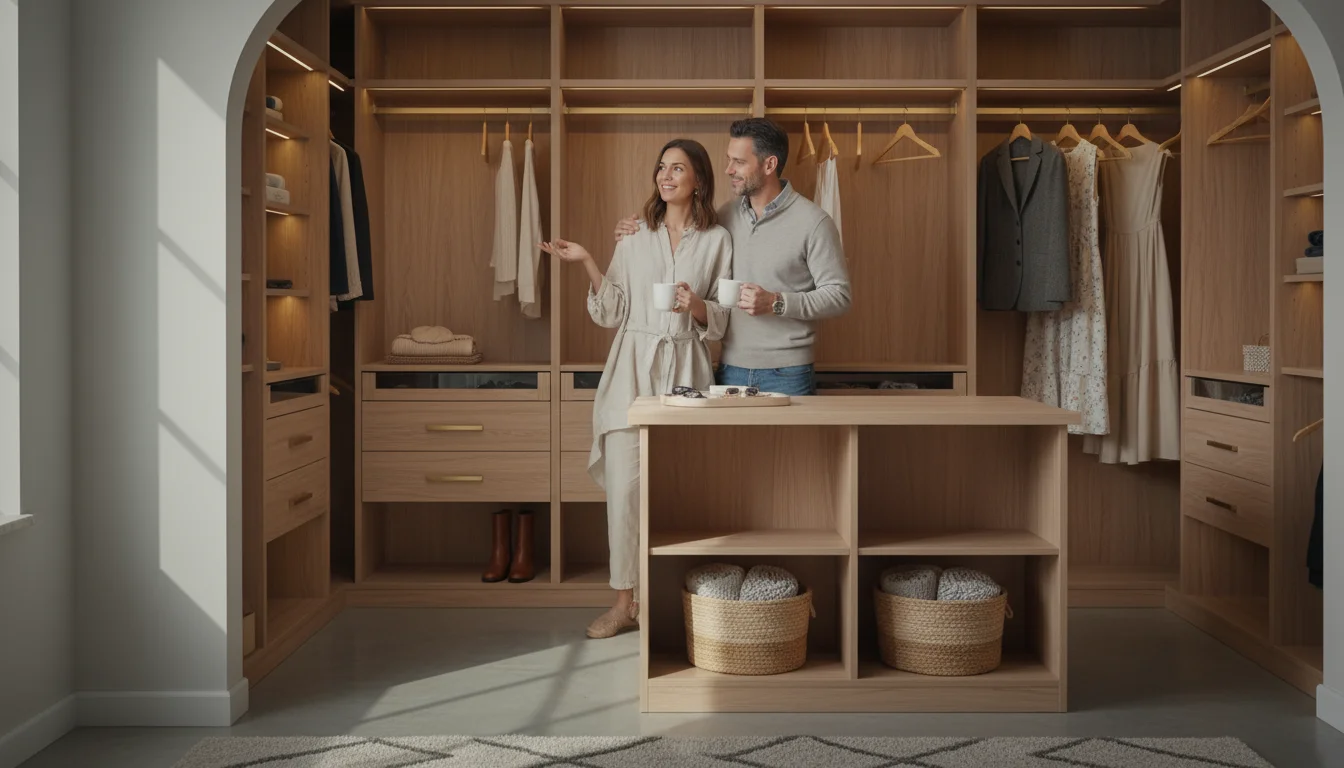
Impact on Home Value and Resale
- Custom Closet Systems: These systems are often seen as an upgrade, contributing positively to your home’s resale value. Potential buyers appreciate well-organized, aesthetically pleasing storage. A professionally designed custom closet signals attention to detail and quality within the home, potentially making your property more attractive and justifying a higher asking price. According to Bob Vila, home improvements that enhance organization and aesthetics often yield a good return on investment.
- Wire Shelving: Standard wire shelving is generally perceived as a basic feature. While it fulfills a functional need, it typically does not add significant resale value. It is more likely to be a neutral factor, neither enhancing nor detracting from your home’s appeal. In some cases, if the wire shelving appears cheap or poorly installed, it could even be a minor detractor.

Flexibility and Adaptability
- Custom Closet Systems: While a custom system is designed for your current needs, many modern systems offer adjustable components like shelves and hanging rods. This provides some flexibility for future changes in your wardrobe or storage requirements. However, reconfiguring the entire layout can be complex and expensive, requiring professional help.
- Wire Shelving: Adjustable wire shelving systems, particularly those with vertical tracks, offer excellent flexibility. You can easily reposition shelves and rods as your needs evolve. This makes them ideal for spaces that might change function or for growing families. However, the range of components is less extensive than custom systems.
Maintenance and Hidden Costs
- Custom Closet Systems: Maintenance is low. Cleaning typically involves wiping down surfaces. The primary “hidden cost” might be if you decide to fully reconfigure the system down the line, as this requires professional redesign and installation.
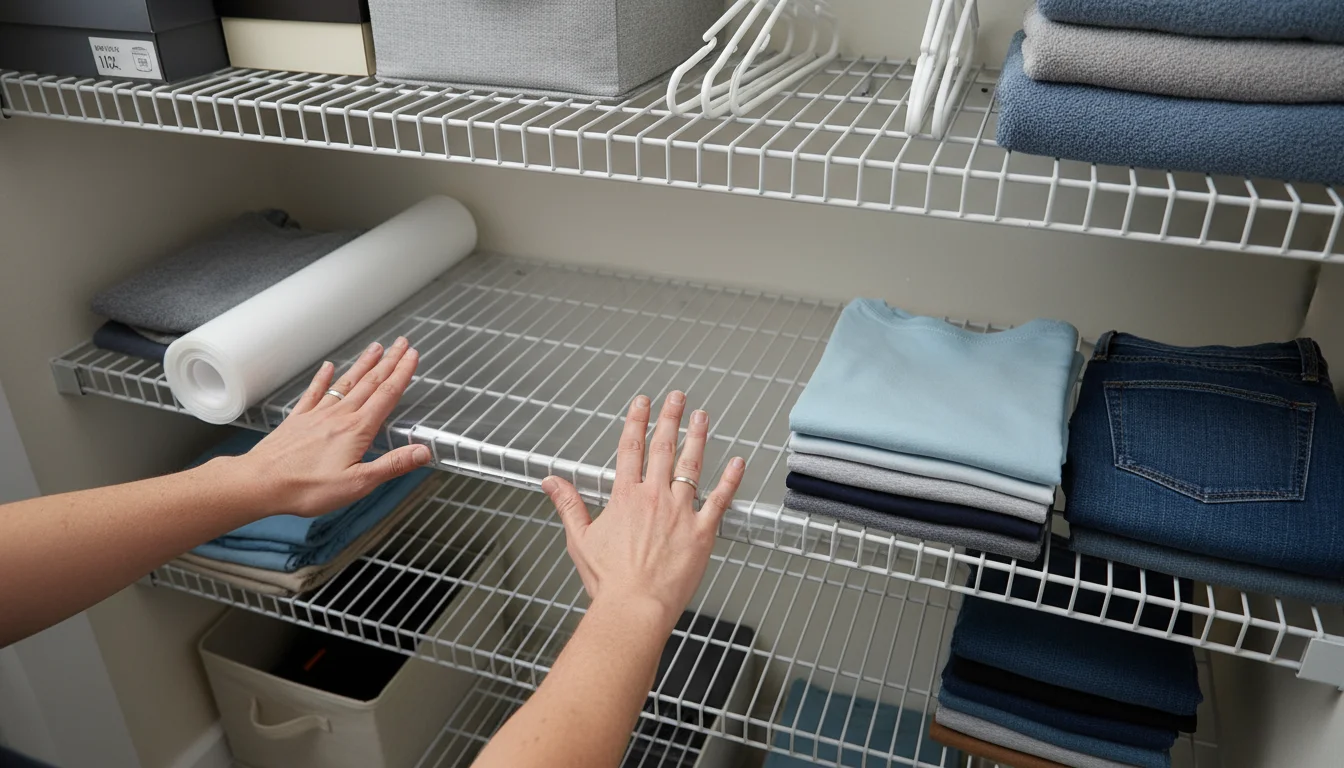
- Wire Shelving: Maintenance is also relatively low, but you might need to address chipping coatings or sagging shelves sooner. A hidden cost could involve purchasing additional accessories like shelf liners to prevent items from falling through, or replacing damaged components.
Your choice should reflect not only your immediate budget but also your long-term vision for your home and your organizational habits. A custom system offers a robust, beautiful solution that pays dividends in both convenience and potential resale value, while wire shelving offers immediate utility and flexibility at a lower entry cost.
Choosing Your Ideal Closet Solution: A Practical Guide
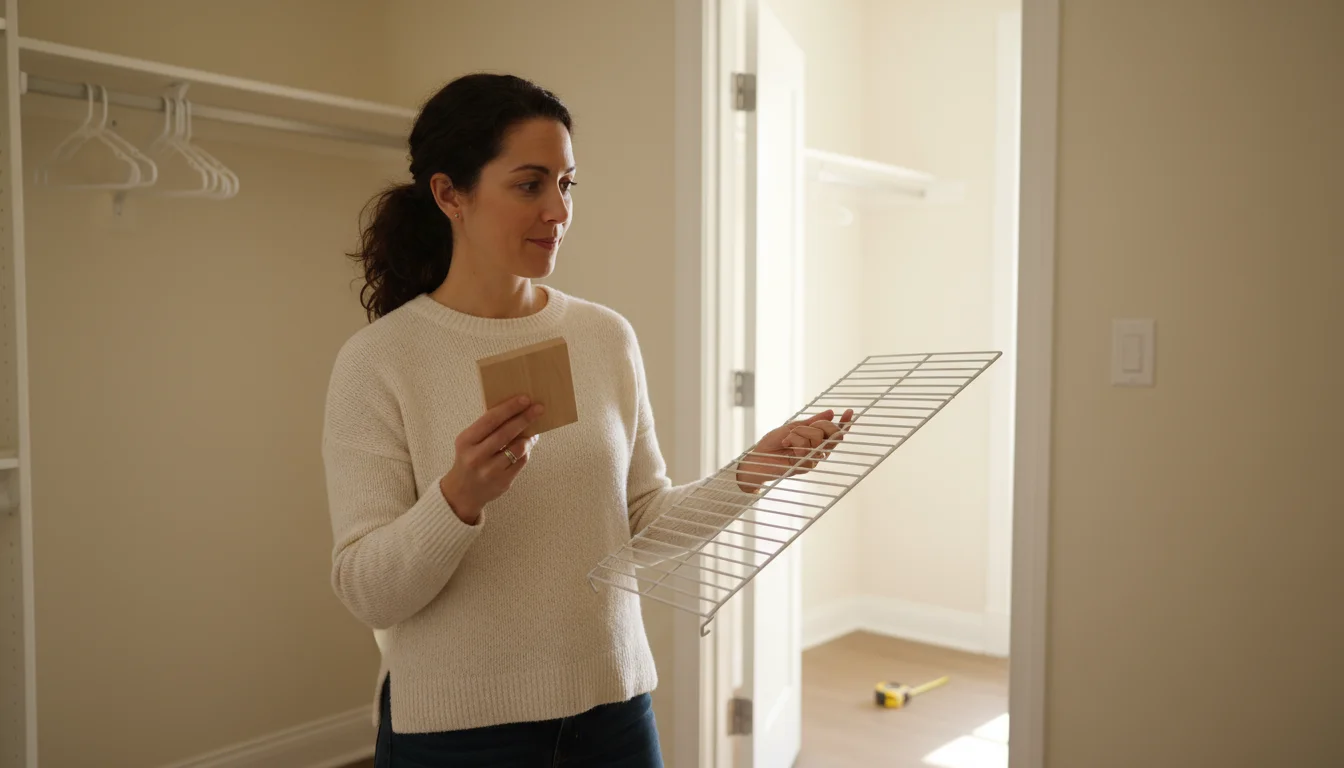
Deciding between a custom closet system and wire shelving depends on several personal and practical factors. There is no single “best” option; rather, the ideal choice aligns with your budget, lifestyle, and aesthetic preferences. Here is a guide to help you make that crucial decision.
Consider Your Budget
- Tight Budget (Under $500 for a reach-in, under $1000 for a walk-in): Wire shelving is your most viable option. Focus on adjustable track systems for flexibility and plan for DIY installation to save costs. You can always enhance it later with organizational bins and baskets.
- Mid-Range Budget ($500 – $3,000 for a reach-in, $1,000 – $5,000 for a walk-in): You can explore higher-quality adjustable wire systems, or basic modular custom closet kits that you install yourself. Some entry-level professional custom melamine systems for smaller reach-ins might also fit this range.
- Generous Budget ($3,000+ for a reach-in, $5,000+ for a walk-in): A professional custom closet system from melamine, laminate, or even wood veneer becomes a strong contender. You can incorporate specialized accessories, lighting, and a sophisticated design.

Assess Your Organizational Needs
- Minimalist or Basic Storage: If you only need to hang clothes and store a few folded items, wire shelving provides adequate functionality.
- Extensive Wardrobe and Specific Items: If you own a diverse wardrobe including delicate items, many shoes, or a large collection of accessories, a custom system with dedicated drawers, shoe racks, and specialized compartments offers superior organization and protection. For comprehensive guidance on organizing various items, The Container Store offers a wealth of tips and product solutions.
- Need for Decluttering Support: Both systems require decluttering first. Wire shelving is a great motivator for maintaining a minimalist approach. Custom systems can help you categorize and store a larger, well-curated collection.
Evaluate Your Aesthetic Preferences
- Modern, Clean, Built-In Look: If aesthetics are a high priority and you desire a seamless, furniture-quality finish, a custom closet system is the clear winner.
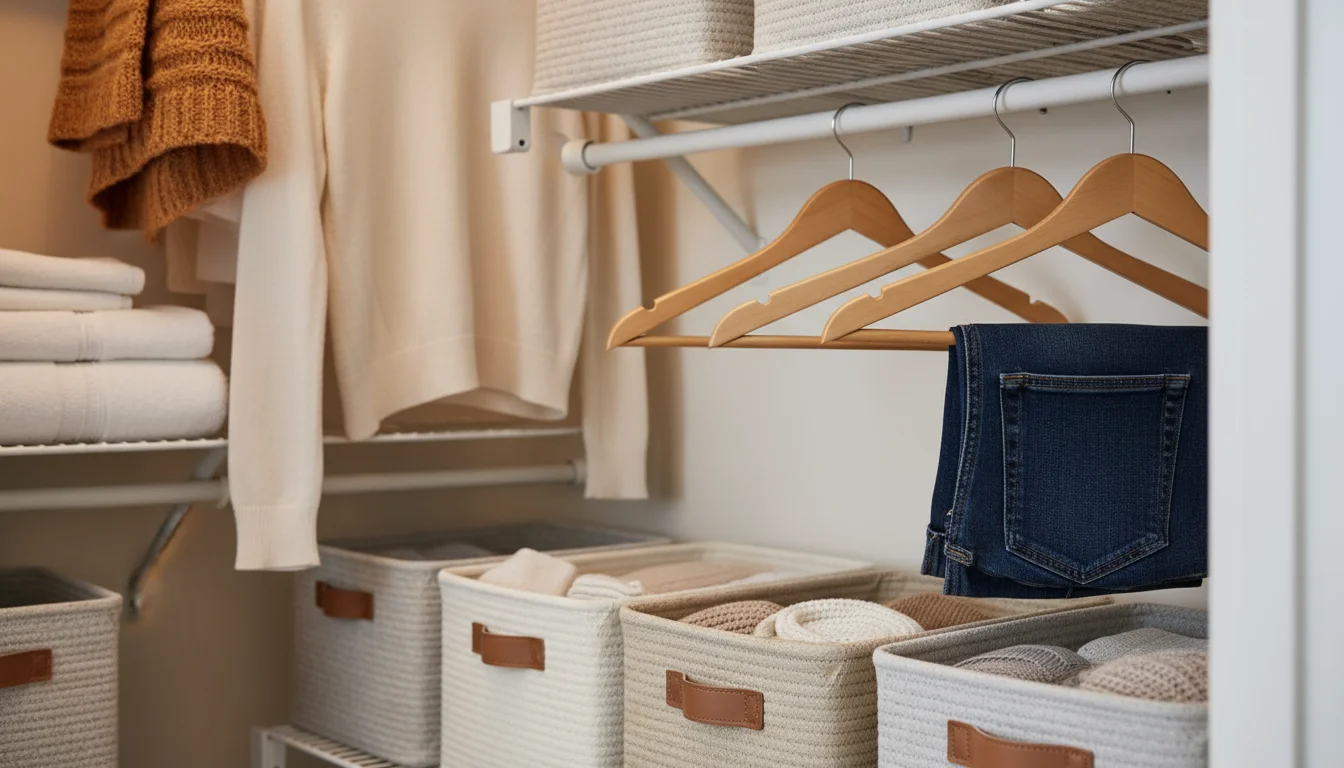
- Utilitarian, Functional, Unobtrusive: If you prioritize function over form, or if the closet remains largely out of sight, wire shelving offers a practical solution. You can always enhance its look with attractive storage bins and boxes.
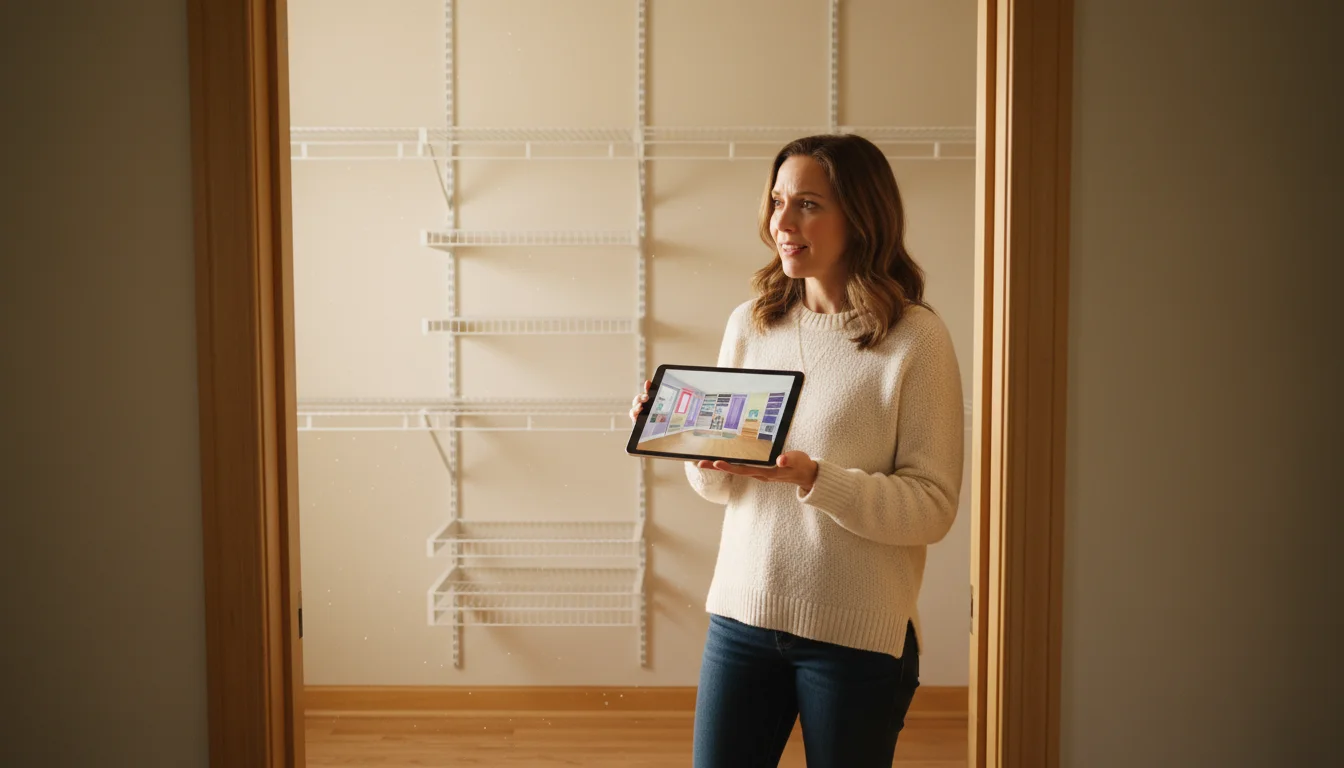
Consider Your Home’s Long-Term Value and Plans
- Forever Home or Long-Term Residence: Investing in a custom closet system often makes sense for a home you plan to live in for many years, as you will reap the benefits of its functionality and design, and potentially see a return on investment upon sale.
- Rental Property or Short-Term Residence: For rentals or temporary homes, wire shelving offers an excellent, cost-effective solution that you can remove or modify easily. A custom system is typically not worth the investment in these scenarios unless you plan to take it with you or negotiate its value.
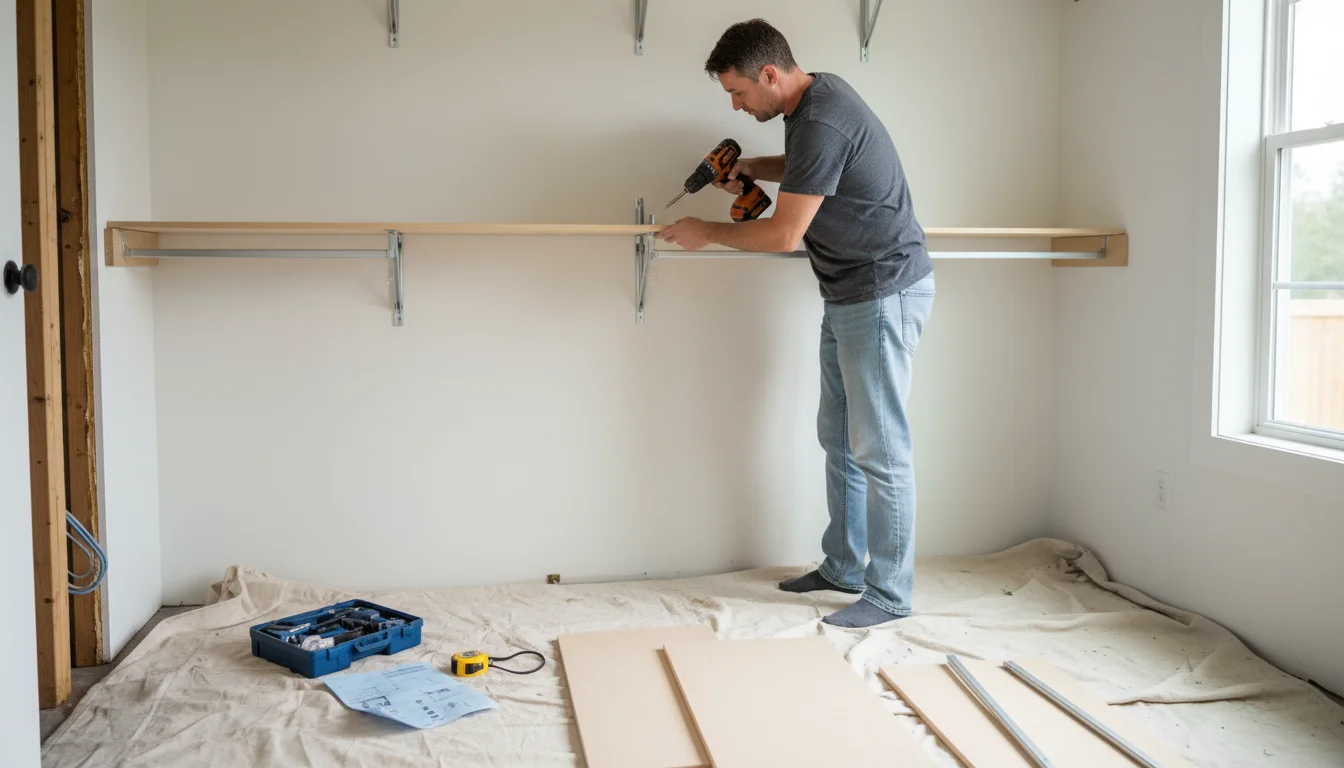
DIY Comfort Level
- Confident DIYer: If you enjoy home projects, you can install both basic wire shelving and some modular custom closet kits yourself, saving on labor costs.
- Prefer Professional Help: If you prefer a hands-off approach and a guaranteed professional finish, hiring installers for either wire shelving or a custom system is a good choice, though it adds to the expense.
By carefully weighing these factors against your unique circumstances, you can confidently select the closet storage solution that truly meets your needs and provides the most value for your investment. Remember, the goal is not to spend the most, but to spend wisely on a system that brings comfort and order to your daily life.

Optimizing Your Closet Storage, Whatever Your Choice
Regardless of whether you choose a custom closet system or wire shelving, the effectiveness of your storage depends significantly on how you utilize it. Practical organization strategies, consistent decluttering, and smart use of accessories can transform any closet into an efficient, stress-free zone. Here are actionable steps to maximize your closet investment.

The Foundational Step: Declutter ruthlessly
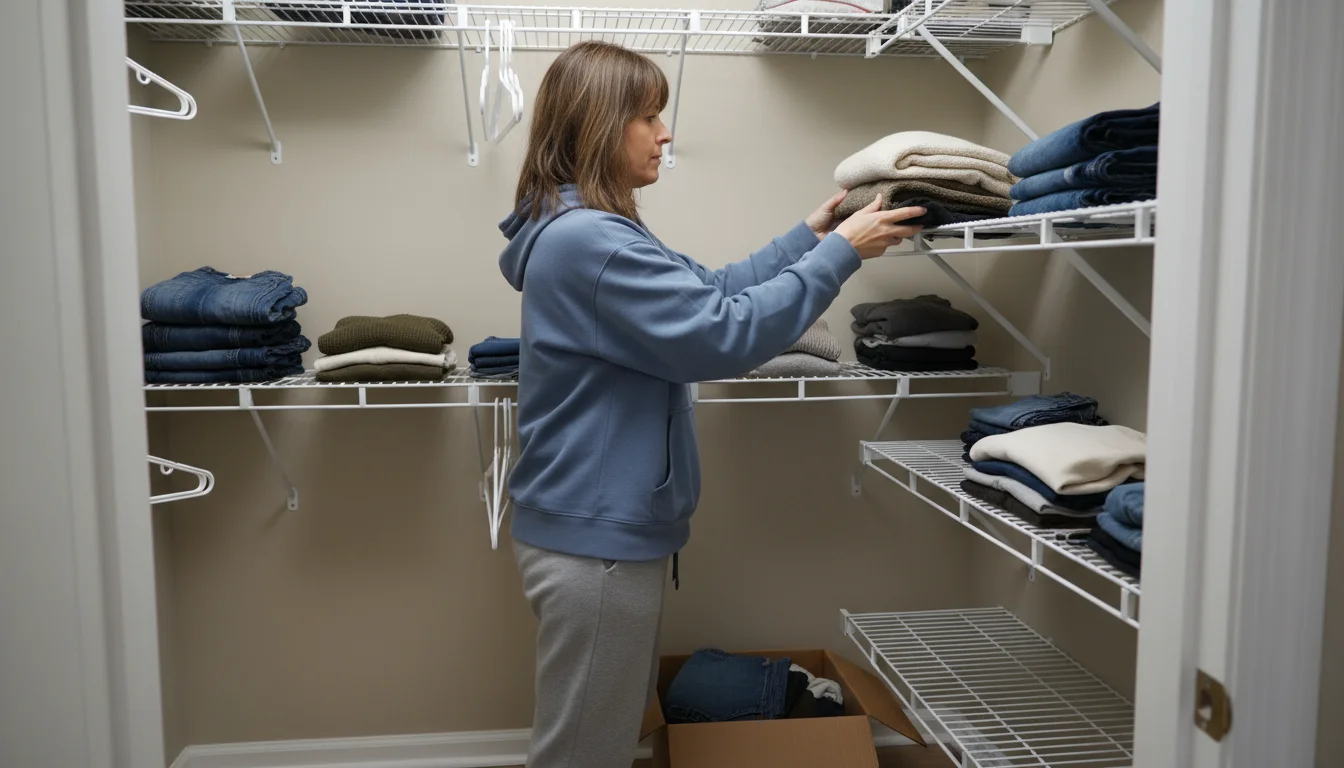
Before installing any system, or even optimizing an existing one, decluttering is paramount. This initial step saves you money by reducing the amount of storage you need and ensures you only organize items you truly use and love. Follow the “four-box method”: keep, donate, trash, relocate. Be honest with yourself about what you own. You will gain a clearer picture of your actual storage needs.
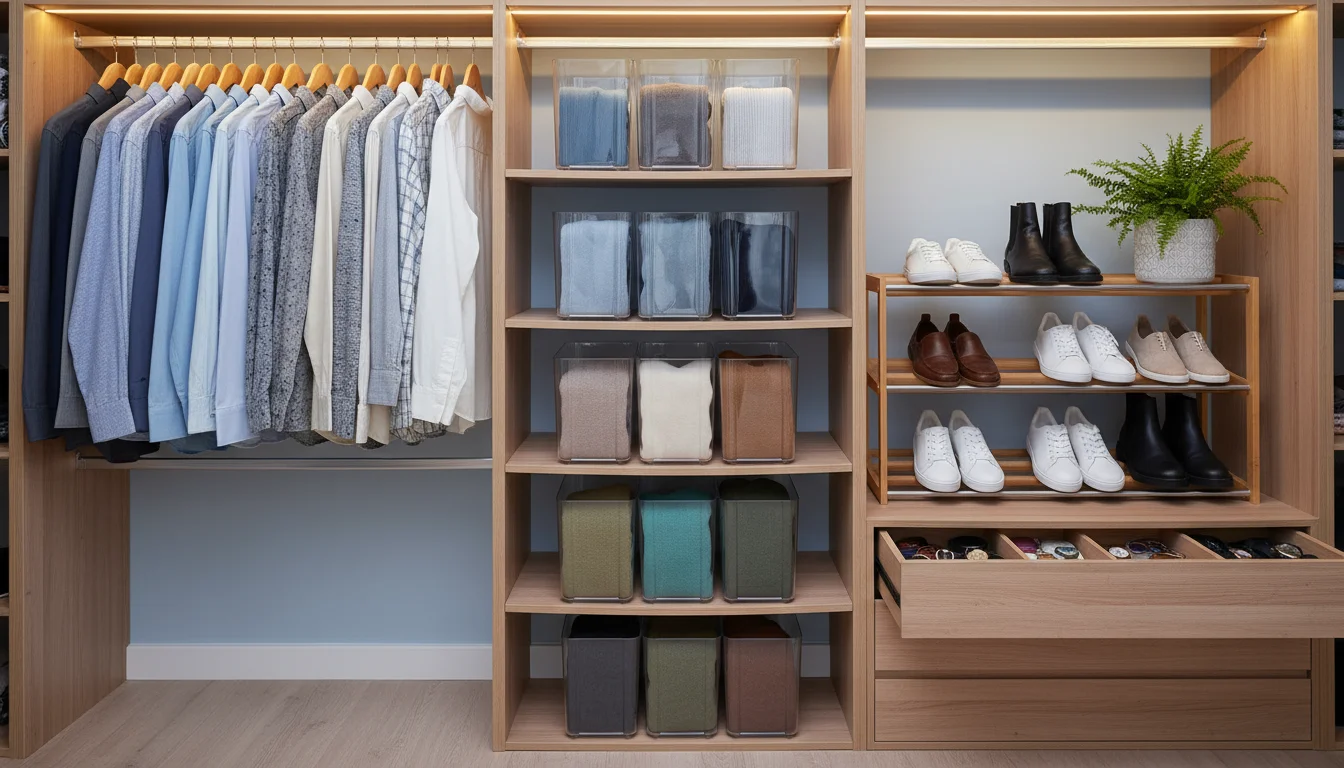
Implement Zoning for Efficiency
Think of your closet in terms of “zones,” which are designated areas for specific types of items or activities. This approach helps you maintain order and improves accessibility.
- Hanging Zone: Divide this by garment type (shirts, pants, dresses) and length. Use slimline hangers to maximize space.
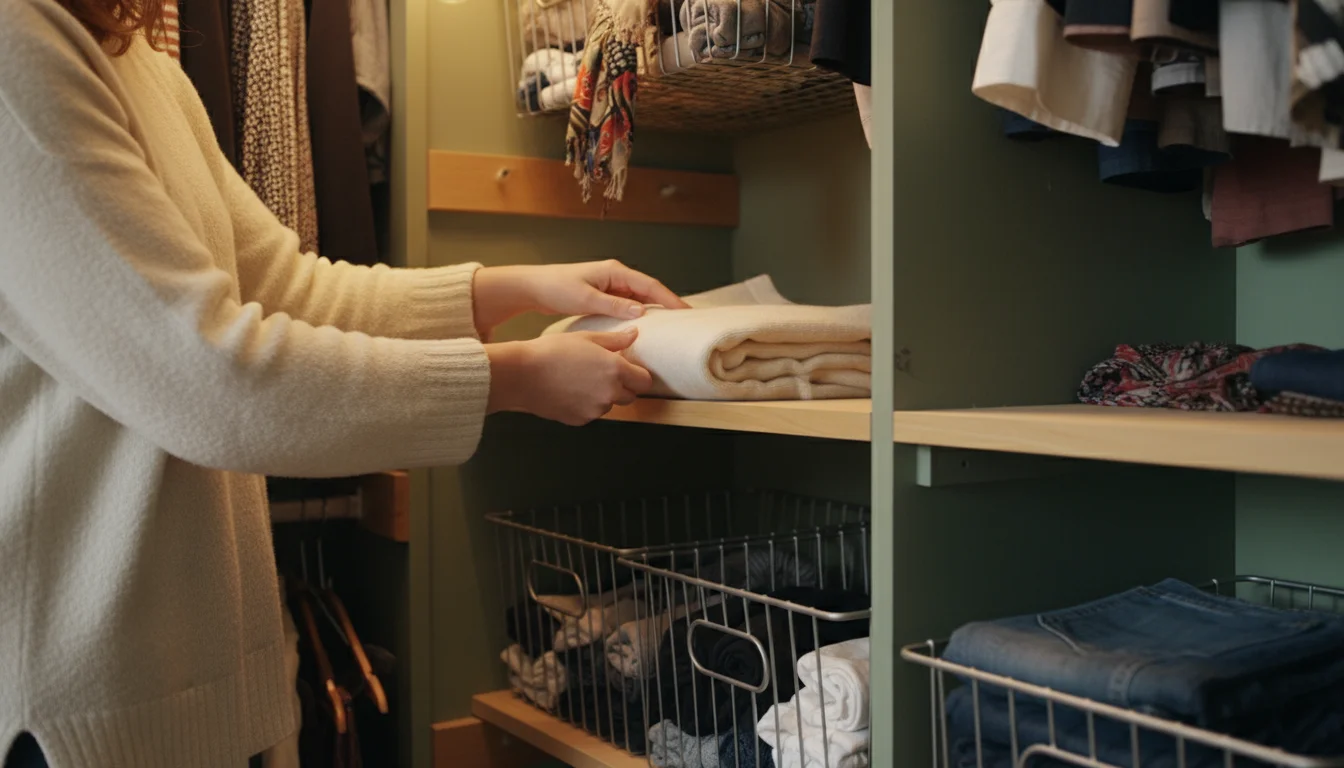
- Folded Zone: Designate shelves or drawers for folded items like sweaters, t-shirts, and jeans. Stack items vertically to see everything at a glance.
- Shoe Zone: Create a dedicated area for footwear, whether on shoe racks, clear bins, or individual shelves.
- Accessory Zone: Use drawer dividers, small bins, or hooks for belts, ties, scarves, and jewelry.
- Out-of-Season/Infrequently Used Zone: Utilize high shelves or less accessible areas for items you do not need daily.
Even with basic wire shelving, clearly defined zones provide structure and reduce visual clutter.
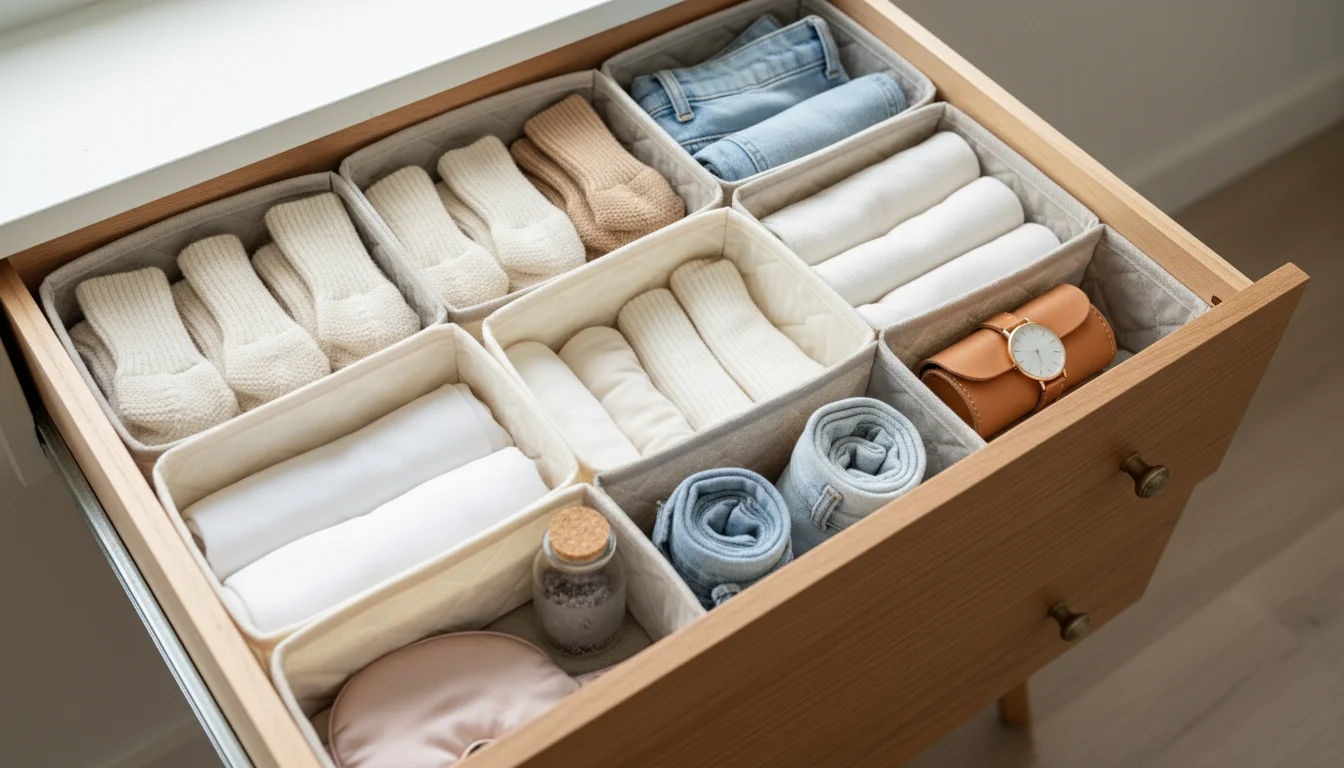
Leverage Smart Accessories
Accessories play a pivotal role in optimizing any storage system, often bridging the gap between basic shelving and custom functionality.
- Storage Bins and Baskets: Use these on shelves to contain smaller items, improve aesthetics, and prevent things from falling through wire gaps. Choose uniform styles for a cohesive look.
- Drawer Dividers: Essential for keeping socks, underwear, and accessories neatly separated within drawers.
- Shelf Dividers: Prevent stacks of clothes from toppling over on open shelves.
- Over-the-Door Organizers: Maximize vertical space on the back of your closet door for shoes, accessories, or small items.
- Valet Rods: A simple pull-out rod provides a temporary spot for outfit planning or drying clothes.
These additions offer practical organization, making your closet more user-friendly. For additional actionable organizing tips and solutions, Real Simple – Organizing recommends a combination of smart products and consistent habits.
Maintain Consistent Habits
The best system in the world fails without good habits. Implement a “one-in, one-out” rule for new purchases to prevent overstuffing. Take a few minutes each week to tidy up, put things back in their designated zones, and address any clutter before it overwhelms the space. A quick daily reset keeps your closet functional and inviting.

Periodic Review
Your wardrobe changes with seasons, trends, and lifestyle. Schedule a bi-annual or annual review of your closet. Re-declutter, assess if your current system still meets your needs, and adjust zones or accessories as necessary. This ensures your closet remains an organized asset, not a source of stress.
Whether you invest in a grand custom system or opt for practical wire shelving, applying these principles guarantees an organized, efficient closet. The most effective closet is the one that works for you, day in and day out, supporting your daily routine and bringing a sense of calm to your home.

Frequently Asked Questions
What is the average lifespan of a custom closet system compared to wire shelving?
A custom closet system, typically made from durable melamine, laminate, or wood, can last 20-30 years or more with proper care. Wire shelving, while functional, generally has a shorter lifespan of 5-15 years, as its vinyl coating can chip and the wires may sag under heavy loads over time.
Does a custom closet system increase home value?
Yes, a well-designed and installed custom closet system can increase your home’s resale value and appeal to potential buyers. Buyers often view them as a luxury upgrade and a sign of a well-maintained home. Wire shelving, conversely, is generally considered a basic amenity and does not significantly add to home value.
Can I install a custom closet system myself to save on costs?
Some companies offer modular custom closet kits designed for DIY installation. While this saves on professional labor costs, it requires careful planning, accurate measurements, and proficiency with basic tools. Professional installation ensures a perfect fit, structural integrity, and a polished finish, which is often worth the investment for a complex system.
Is wire shelving always the cheapest option?
Wire shelving is almost always the cheapest option for materials and DIY installation. However, if you opt for professional installation for a large wire shelving system, the labor costs can sometimes bring its total price closer to that of a basic modular DIY custom closet kit. Generally, for comparable coverage, wire shelving remains more budget-friendly.
How can I make wire shelving look better?
You can significantly enhance the appearance of wire shelving by adding attractive storage bins, baskets, and shelf liners. Using uniform containers creates a cohesive, less cluttered look. Consider using fabric bins or opaque boxes to conceal items and elevate the aesthetic. Regularly decluttering also helps maintain a tidy appearance.
For expert home organization guidance, visit
Real Simple — Organizing,
Good Housekeeping — Organization and
Better Homes & Gardens — Home Organization.
Disclaimer: This article is for informational purposes only and is not a substitute for professional advice. Consult professional organizers or specialists for personalized recommendations.





Leave a Reply