
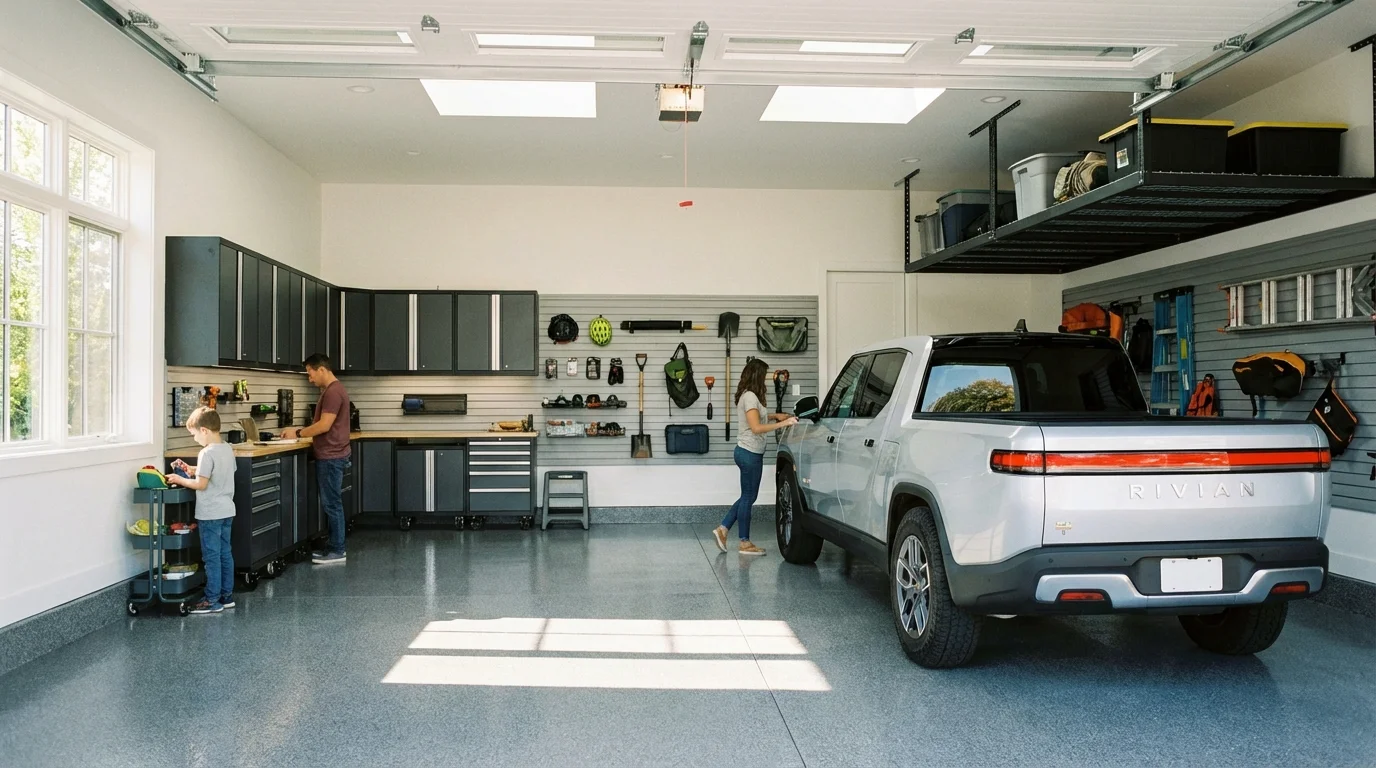
Open your garage door, and instead of a safe harbor for your vehicle, you might face an obstacle course of holiday decorations, half-empty paint cans, and abandoned sports equipment. Because it sits on the perimeter of your primary living area, the garage frequently serves as a default dumping ground for items without a clear home inside the house. You close the door, walk inside, and easily ignore the growing chaos—until you trip over a stray extension cord while looking for a screwdriver.
Applying principles of small entryway organization to your garage entrance can significantly reduce the amount of dirt and debris tracked into your home.
Reclaiming this space requires a deliberate shift in perspective. You must treat your garage with the exact same organizational respect as your kitchen or bedroom closet. A functional garage design transforms an intimidating, cluttered cavern into a highly efficient extension of your home. By utilizing strategic zones, durable materials, and vertical space, you can create a layout that accommodates your vehicles, houses your tools, and protects your seasonal belongings from the elements.
Building an efficient storage network from the ground up takes time, effort, and careful planning. Whether you have a compact single-car setup or a sprawling three-car expanse, installing the right garage storage systems will dramatically improve your daily routines and eliminate the stress of searching for misplaced gear.

The Foundation of Functional Garage Design: Categorize and Purge
Before you purchase a single hook, shelf, or plastic bin, you have to confront the existing inventory. Attempting to organize clutter without editing it first is a guaranteed recipe for frustration. You will end up buying expensive garage storage systems to house items you do not even use, wasting both money and valuable square footage.
If your purge reveals a large amount of bulk household goods, consider a structured pantry organization approach to manage these supplies within your garage zones.
“The space in which we live should be for the person we are becoming now, not for the person we were in the past.” — Marie Kondo, Organizing Consultant
Choose a weekend with clear weather and pull absolutely everything out onto the driveway. Seeing the space completely empty provides a blank canvas, allowing you to envision the functional garage design you actually want. Sort every item into four distinct categories: Keep, Donate, Sell, and Toss. Be ruthless in your decision-making process. If you have not used that tile saw since a bathroom renovation five years ago, it no longer deserves premium real estate in your home.
Once you have isolated the items you intend to keep, group them by category. Put all gardening supplies together, gather the automotive fluids, pile up the camping gear, and consolidate your hardware. These groupings will dictate exactly what type of storage solutions you need to purchase and how much space each category will require.

Zoning Your Space for Maximum Efficiency
Effective garage organization ideas rely heavily on the concept of zoning. Just as a kitchen has dedicated areas for food prep, cooking, and washing, your garage needs specific zones based on the frequency of use and the nature of the items.
Consider dividing your floor plan into these primary functional zones:
- The Transition Zone: Located immediately adjacent to the door leading inside your house. This area should hold items you grab on your way out—shoes, coats, reusable grocery bags, and pet leashes.
- The Everyday Zone: Positioned within easy reach, often along the side wall near the house entrance. Reserve this space for bulk pantry items, recycling bins, and dog food containers.
- The Tall Storage Zone: Typically located in corners or along the side walls where ceiling clearance is highest. This zone accommodates rakes, shovels, brooms, and weed trimmers.
- The Bulk Storage Zone: Usually placed in the deepest corners or suspended overhead. Use this area for large, infrequently used items like camping gear, artificial Christmas trees, and seasonal sporting equipment.
- The Workspace Zone: Dedicated to a workbench, power tools, and hardware. Position this zone near electrical outlets and windows if natural light is available.
- The Automotive Zone: Designed specifically for car care. Keep windshield washer fluid, oil, car wash supplies, and tire inflators on shallow shelves near the garage door for quick access.
By confining items strictly to their designated zones, you prevent the gradual spread of clutter. When you need a screwdriver, you go directly to the workspace; when you need potting soil, you head straight to the garden zone.
Evaluating Garage Storage Systems: Which Foundation Works Best?
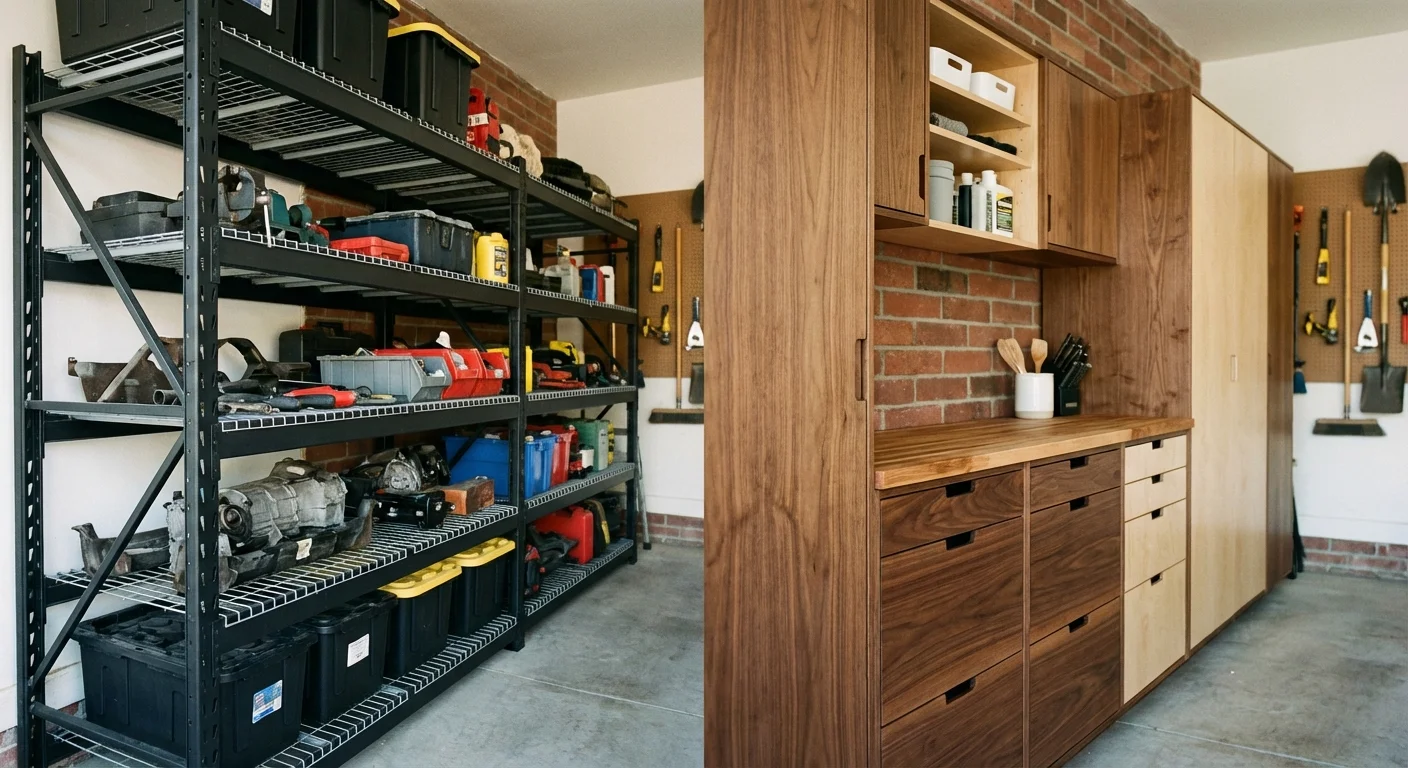
The market is flooded with organizational products, but true efficiency comes from choosing the right structural foundation for your belongings. A comprehensive setup usually involves a combination of freestanding units, wall-mounted accessories, and enclosed cabinets. Understanding the strengths of each system allows you to allocate your budget effectively.
Just like a productive home office organization plan, your garage workspace should prioritize ergonomics and keep frequently used tools within arm’s reach.
Below is a comparison of the most common garage storage systems to help you weigh your options.
| System Type | Best Used For | Key Advantages | Potential Drawbacks |
|---|---|---|---|
| Freestanding Shelving | Heavy bins, bulk supplies, large tools | High weight capacity; easy to assemble; movable | Consumes valuable floor space; can tip if not anchored |
| Slatwall Panels | Hand tools, sports gear, garden implements | Highly customizable; modular accessories; clean aesthetic | Requires drilling into studs; complex installation; expensive |
| Wall Track Systems | Brooms, ladders, heavy singular items | Inexpensive; easy to install; high weight limits | Less versatile than slatwalls; visually utilitarian |
| Enclosed Cabinets | Chemicals, paint, visually messy items | Hides clutter completely; secure/lockable; looks premium | High cost; permanent installation; limits item size |
For most homeowners, a hybrid approach yields the best results. You might use sturdy freestanding shelves for your heavy plastic totes, a slatwall over your workbench for hand tools, and a single lockable cabinet for hazardous materials like antifreeze and pesticides.
Executing Your Garage Shelving Setup
Your garage shelving setup serves as the primary workhorse of your entire organizational plan. When selecting shelves, you must balance depth, material strength, and accessibility. A common mistake is buying shelves that are too deep; while a 24-inch deep shelf sounds great for holding massive bins, it becomes a black hole for smaller items which inevitably get pushed to the back and forgotten.
For those with appliances in the garage, integrating a dedicated laundry room organization system ensures that detergents and cleaning supplies don’t get lost among the automotive tools.
For general storage, an 18-inch depth offers an excellent compromise. It accommodates standard plastic storage totes perfectly while keeping smaller items visible. If you are storing quart-sized automotive fluids or spray paint cans, consider installing shallow 12-inch shelves to ensure nothing gets lost in the shadows.
Material selection is equally critical. Heavy-duty steel racks with wire decking are exceptional for garages because they resist moisture, do not warp under heavy loads, and allow dust to fall through rather than collecting on the shelf surface. Industrial-grade steel units can often support up to 800 pounds per tier, making them ideal for heavy tools and densely packed bins.
Plastic resin shelving provides a budget-friendly alternative that will never rust or rot. However, resin shelves tend to bow over time if subjected to high temperatures or excessive weight. Reserve plastic shelving for lighter items like cleaning supplies, paper goods, and gardening accessories.
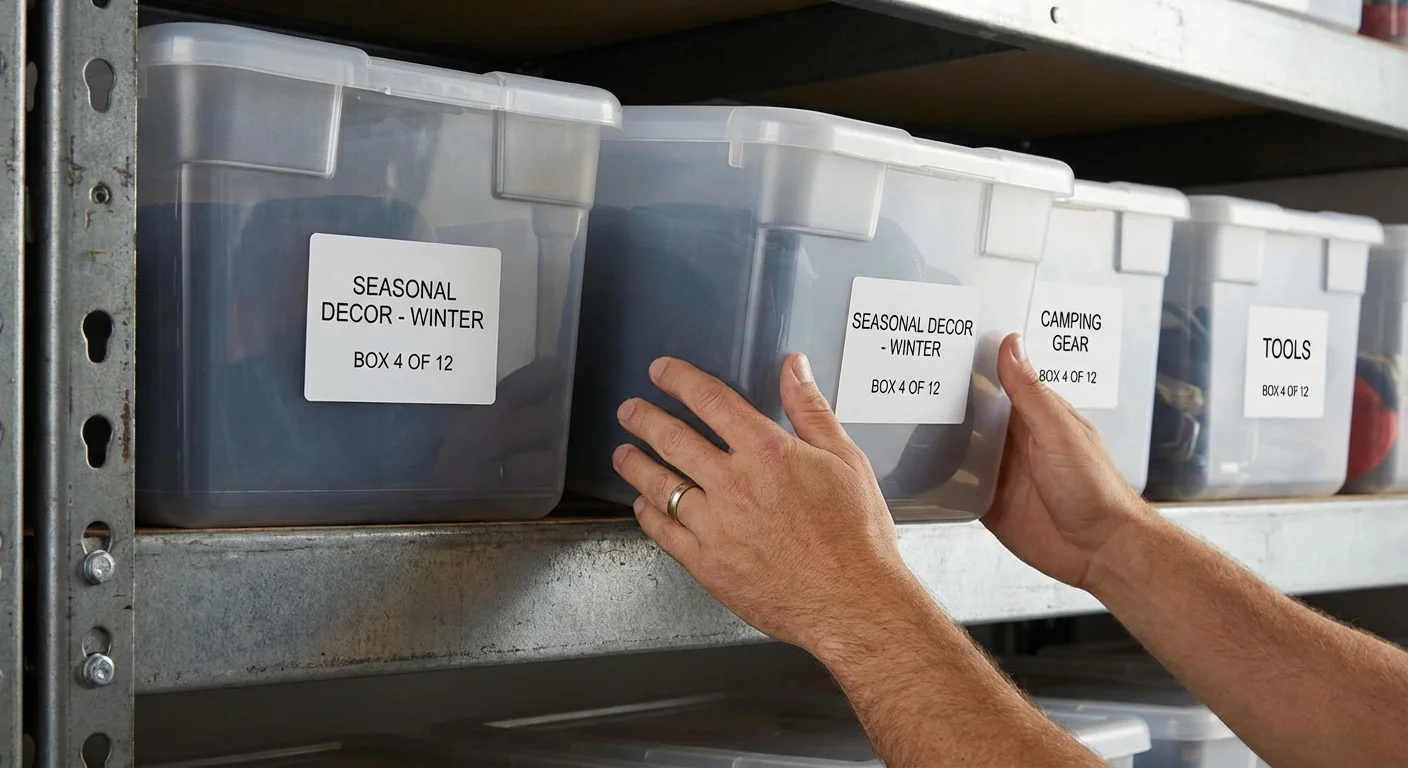
When organizing your shelves, treat the vertical space strategically. Place the heaviest items—like bags of topsoil or a portable air compressor—on the bottom shelf to maintain a low center of gravity. Store frequently accessed items at eye level. Reserve the uppermost shelves for lightweight, seasonal items housed in clearly labeled plastic totes. For expert guidance on heavy-duty shelving construction and safety limits, Family Handyman provides excellent structural guidelines for DIY installations.
Maximizing Vertical Space With Garage Wall Storage
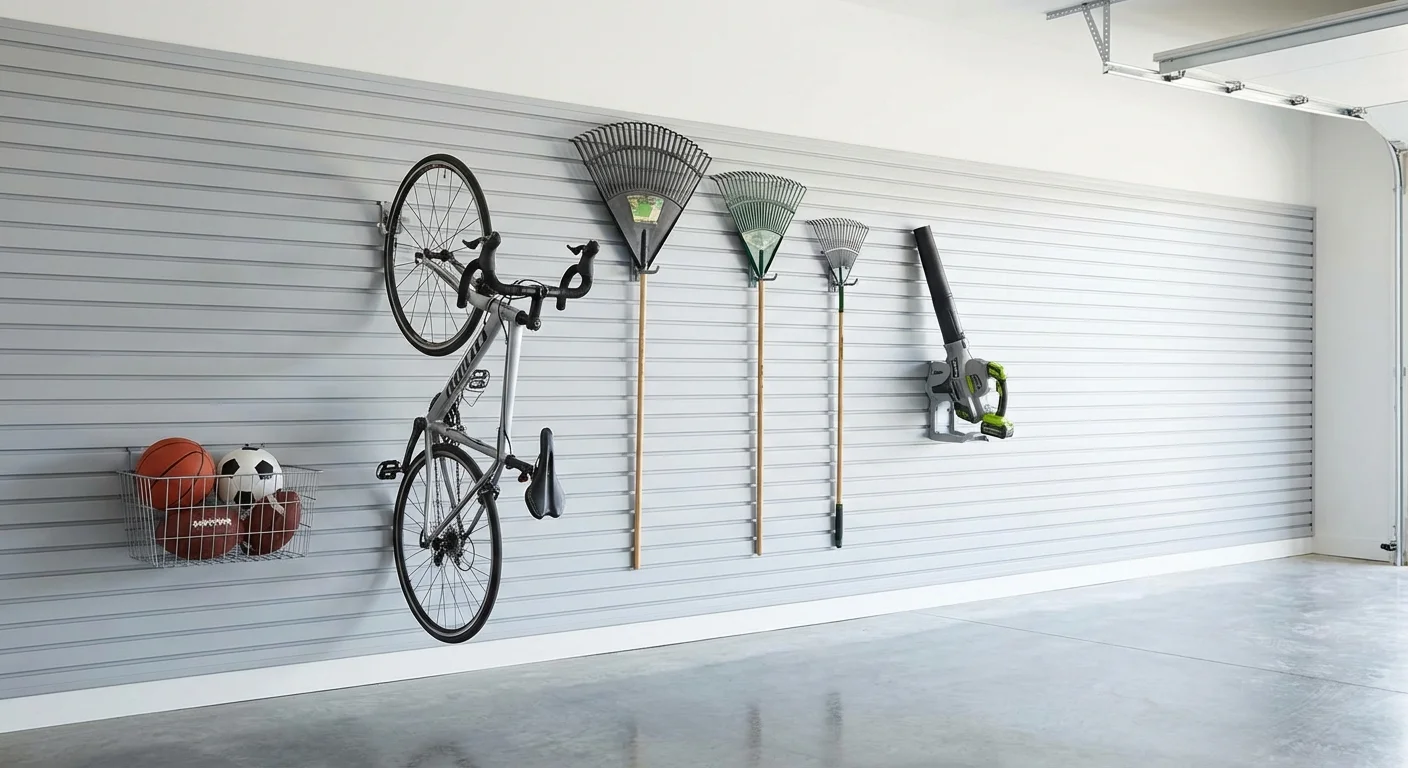
Floor space in a garage is premium real estate, primarily reserved for parking vehicles. Therefore, you must look to the walls. Exceptional garage wall storage systems lift gear off the concrete, protecting your belongings from potential water damage while making the floor infinitely easier to sweep and clean.
“Treat your garage walls as active real estate; lifting items off the floor protects them from moisture and makes regular sweeping infinitely easier.” — Editorial Team, The Spruce
Pegboards have been a staple of garage organization ideas for decades. They are inexpensive, easy to paint, and readily available. However, traditional composite pegboards can warp in humid environments, and the hooks often fall out when you retrieve a tool. If you prefer the pegboard aesthetic, consider upgrading to galvanized steel pegboards; they accept standard hooks, hold significantly more weight, and completely resist moisture degradation.
Slatwall panels offer a massive upgrade in both aesthetics and functionality. Originally designed for retail store displays, these PVC or wood-composite panels feature horizontal grooves that accept a vast array of specialized hooks, baskets, and small shelves. Because the panels distribute weight across multiple wall studs, you can confidently hang heavy items like wheelbarrows, golf bags, and power washers. Slatwalls allow you to adjust your layout in seconds—if you buy a new weed trimmer, you simply slide the hooks to create space.
Track systems provide a minimalist alternative to full slatwalls. A metal rail is anchored horizontally across your wall studs, and specialized hooks snap onto the rail. This is an incredibly cost-effective way to hang long-handled garden tools, ladders, and folding chairs. Resources like The Spruce frequently highlight track systems as the most efficient weekend DIY project for instant organizational impact.
Utilizing the Ceiling: Overhead Storage Racks
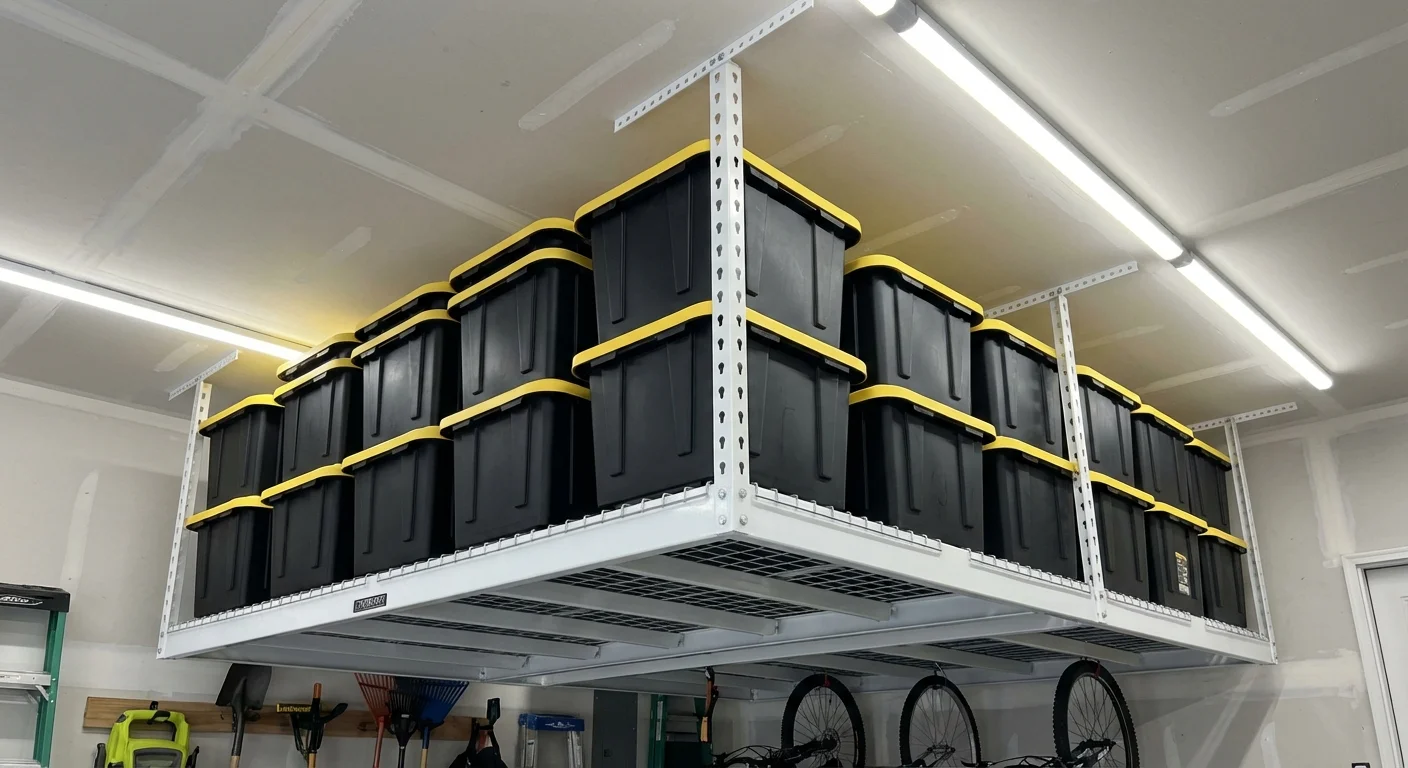
When you have exhausted your walls and floors, look up. The space suspended above your garage doors and parking areas offers tremendous storage potential for items you only need once or twice a year.
Overhead storage racks bolt directly into your ceiling joists, creating sturdy platforms capable of holding hundreds of pounds. These racks are the absolute best place for artificial Christmas trees, bulky camping tents, out-of-season clothing, and lightweight plastic bins.
Safety is paramount when utilizing the ceiling. You must meticulously locate the center of your ceiling joists using a high-quality stud finder; securing a loaded rack solely into drywall will result in a catastrophic collapse. Furthermore, you must carefully measure the clearance between the bottom of the suspended rack and the top of your garage door when it is fully open. Ensure there is plenty of room for the door mechanism to operate smoothly without catching on dangling straps or overhanging bins.
For safety reasons, never store heavy or dangerous items overhead. Trying to maneuver a 60-pound box of tile down from a ladder is an unnecessary risk. Keep overhead items light, securely sealed in bins, and easily manageable.

Lighting, Flooring, and Environmental Controls
A truly functional garage design goes beyond shelving and hooks; the environment itself must support your activities. Most builder-grade garages feature a single, dim incandescent bulb in the center of the ceiling. This creates harsh shadows and makes finding items difficult, especially at night. Upgrading your lighting is a vital step in your organizational journey. Install linkable, motion-activated LED shop lights over your workbench and along your primary storage walls. Bright, even illumination instantly makes the space feel cleaner, safer, and more welcoming.
Flooring is another critical component. Untreated concrete produces a constant layer of fine dust that coats your storage bins and vehicles. It also eagerly absorbs oil stains and chemical spills. Applying an epoxy or polyaspartic floor coating seals the concrete, stops dust creation, and allows you to wipe up spills with a simple paper towel. While professional floor coatings are an investment, they elevate the garage from a raw utility space into a polished, finished room.
Finally, consider the climate. Extreme temperature fluctuations and high humidity can ruin stored goods. Cardboard boxes absorb moisture from the air, losing structural integrity and inviting pests. Always use thick, weather-tight plastic bins for garage storage. If you live in an exceptionally humid climate, consider running a dehumidifier in the garage to protect metal tools from rust and prevent mildew growth on stored fabrics.

Pitfalls to Watch For
Even with the best intentions, garage organization projects can easily go off the rails. Be mindful of these common mistakes as you design your space:
- Ignoring the Floor Clearance: Do not build or buy shelves that sit completely flush against the ground. Leave at least six inches of clearance beneath your bottom shelves. This allows you to easily sweep away dirt, prevents pests from nesting, and protects your belongings if a washing machine leaks or heavy rain seeps under the garage door.
- Using Cardboard Boxes: Never use cardboard for long-term garage storage. Cardboard attracts rodents, roaches, and silverfish. It also disintegrates when exposed to humidity. Invest in durable, latching plastic totes, preferably opaque ones to protect sensitive items from UV light damage.
- Failing to Label: Opaque bins make your garage look uniform and tidy, but they hide their contents. Use a label maker with strong adhesive tape, or create labels using masking tape and permanent marker. Labeling the front and side of every bin prevents you from tearing apart the entire garage looking for winter gloves.
- Blocking Essential Access Points: Keep a clear perimeter around electrical panels, water heaters, and sprinkler system controls. Utility codes generally require at least 36 inches of unobstructed clearance in front of an electrical panel. Do not stack boxes or place heavy cabinets in these vital access zones.

Getting Expert Help
While organizing your belongings and assembling simple freestanding shelves are perfect weekend DIY tasks, certain aspects of garage design warrant professional intervention. Consider hiring experts in the following scenarios:
Overhead Storage Installation: Finding the exact center of ceiling joists and ensuring the weight distribution is mathematically safe can be tricky. If your ceiling is finished with drywall and you are unsure of the joist layout, hire a professional to mount your overhead racks to prevent dangerous structural failures.
Custom Cabinetry: If you want a seamless, built-in aesthetic with integrated workbenches and custom tool drawers, professional garage outfitters can design and install a system perfectly tailored to your space’s dimensions.
Electrical Upgrades: Adding dedicated circuits for heavy power tools, wiring new LED lighting arrays, or installing a 240-volt outlet for an electric vehicle charger are not DIY tasks. Always hire a licensed electrician to handle wiring modifications safely and up to code. For guidance on safe home improvements and hiring reputable contractors, This Old House offers a wealth of practical advice.
Concrete Coatings: While DIY epoxy kits exist, floor preparation is grueling and dictates the longevity of the coating. Professionals have the heavy grinding equipment necessary to profile the concrete correctly, ensuring the coating bonds permanently and does not peel under hot car tires.
Frequently Asked Questions
Are custom garage cabinets worth the investment?
Custom cabinets are worth the cost if you prioritize a clean, uncluttered aesthetic and have the budget for premium finishes. They are excellent for concealing messy items, chemicals, and specialized tools. However, if your primary goal is simply maximizing utility on a budget, open shelving and slatwalls provide more versatile storage for a fraction of the price.
How deep should garage shelves be?
For general storage using standard plastic totes, an 18-inch depth is optimal. It supports large bins securely without allowing smaller items to get lost in the back. Use 24-inch shelves only for massive, bulky items, and 12-inch shelves for organizing small items like paint cans, spray bottles, and hardware.
Can I hang bicycles from the ceiling?
Yes, suspending bicycles from the ceiling using dedicated heavy-duty pulley systems or fixed hooks is an excellent way to reclaim floor space. Just ensure the hardware is anchored directly into a ceiling joist, and verify that the hanging bikes will not interfere with your garage door tracks or your vehicle’s roof.
What is the best way to store paint in a garage?
Paint is highly sensitive to extreme temperature fluctuations. Freezing temperatures can permanently ruin latex paint, causing it to separate and curdle. If your garage is not climate-controlled and experiences freezing winters or extreme summer heat, you should store paint inside your home in a utility closet or basement instead of the garage.
Designing a functional garage from scratch is an incredibly rewarding process. By taking the time to purge unnecessary items, establish logical zones, and invest in sturdy garage storage systems, you elevate the space from a chaotic dumping ground to a highly productive extension of your home. Take the project one zone at a time, prioritize clearing the floor, and enjoy the peace of mind that comes with knowing exactly where everything is.
This guide provides general home improvement information. Every home is different—what works in one space may need adaptation in yours. For structural changes or electrical/plumbing work, consult a licensed professional.
Last updated: February 2026








Leave a Reply